Article summary
The habits you form early in theatre shape the surgeon you become. Which ones are worth building from the very start.
Educational content is reviewed for source visibility, editorial coherence, and correction readiness.
No individual clinician credential is claimed unless a named person is shown.
Verify before clinical use; this is not medical advice or a substitute for local guidance.
You step into the operating theatre for the first time as a trainee and quickly realise that technical skill alone will not carry you through the day. The habits you form in those early months shape how smoothly lists run, how safely teams work together, and how much you learn from every case. Building the right routines from the start saves you and everyone around you from unnecessary friction later.
Show up ready before the list begins
Preparation starts long before you scrub. Review the list the evening before, note the implants and positioning requirements for each case, and check that the imaging you need is available and correctly loaded. When you arrive in the morning, walk through the theatre and confirm that the equipment you expect is actually there. This small investment of time prevents the scramble that happens when something is missing at the moment it is needed. You become the person the team can rely on because you have already done the quiet work.
Speak early and clearly with the whole team
Good communication is not about having the loudest voice in the room. It is about stating what you see and what you need before a problem grows. Introduce yourself properly at the start of the list and make eye contact with the scrub nurse, the anaesthetist, and the runner. When you are unsure about a step, say so out loud rather than hoping someone will guess. The earlier you surface a question or a concern, the more time the team has to respond without pressure. Over time this habit builds trust that lasts far beyond a single case.
Treat every instrument and setup as your responsibility
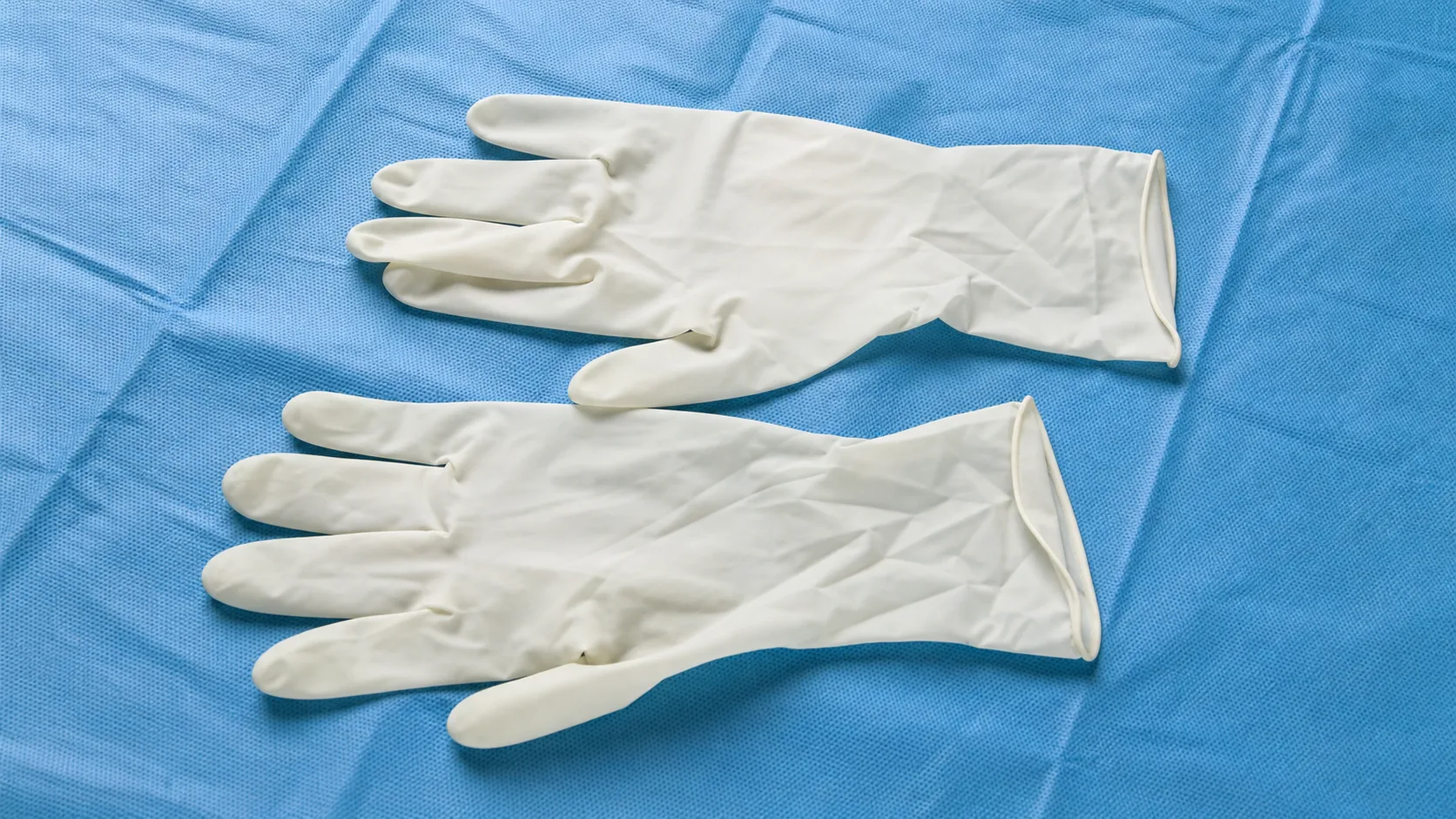
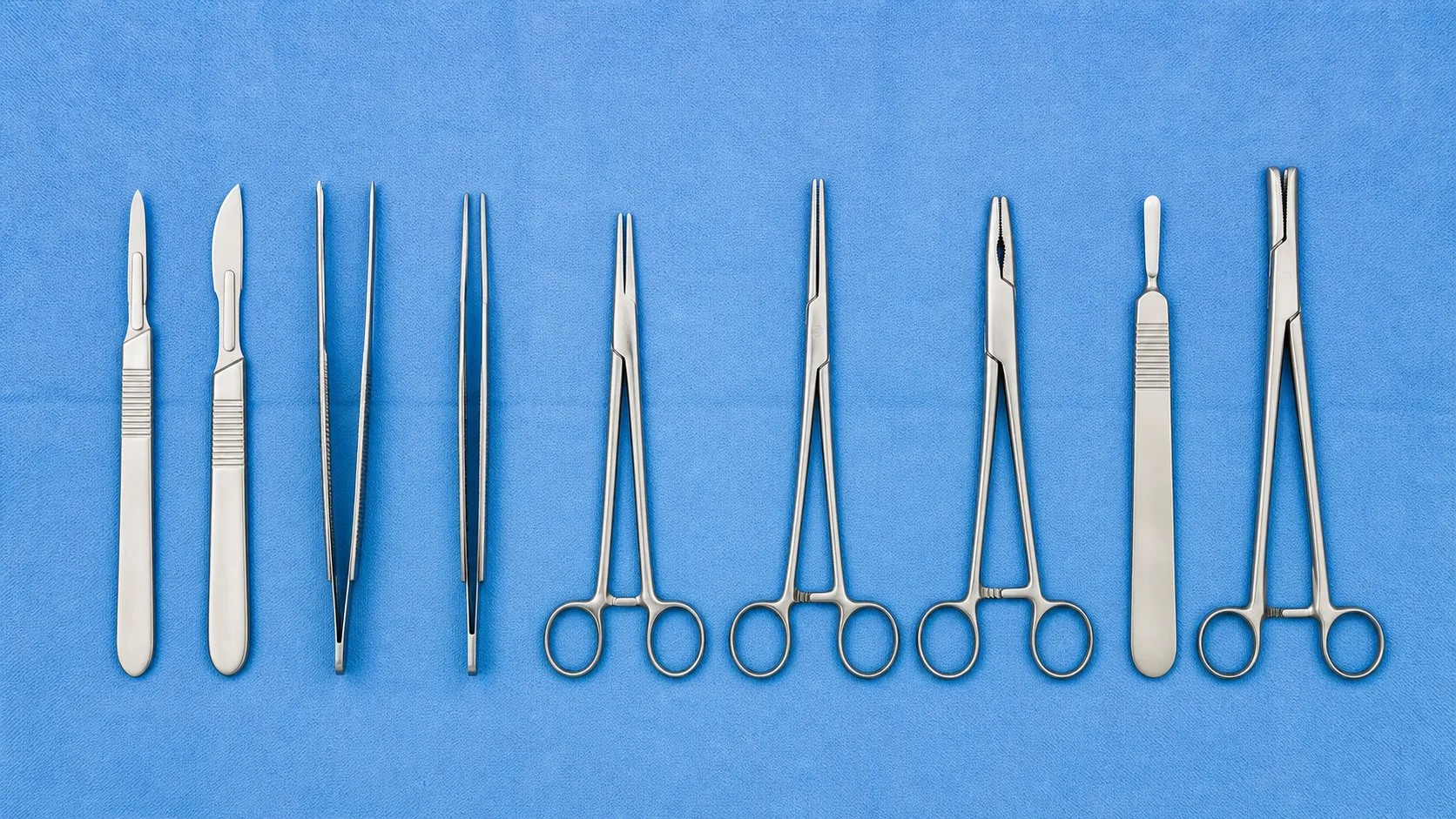
The theatre is not a place where someone else will tidy up after you. Check your own gloves, count your own instruments at the end of the case, and return items to their correct trays even when you are tired. If you borrow a tool from another theatre, return it the same day with a note. These small acts of ownership keep the system running for the next person and prevent the slow erosion of standards that happens when everyone assumes someone else will handle it. You learn to move through the space with care rather than haste.
Keep notes that actually help the next person
Write down the details that matter for the next case or the next shift. Record the exact positioning that worked, the implant sizes used, and any unexpected findings that changed the plan. Keep the notes concise and factual so the next surgeon or registrar does not have to reconstruct the story from memory. Good documentation is not bureaucracy. It is the difference between a smooth handover and a repeated mistake. When you make this a habit early, you protect both the patient and your future self.
Reflect while the case is still fresh
At the end of each case, take thirty seconds to ask yourself what went well and what could have been smoother. Do this before you leave the theatre rather than trying to remember it days later. Share one observation with a senior colleague if the moment feels right. The point is not to criticise but to notice patterns while the details are still clear. Over months these short reflections compound into real improvement in how you move and how you anticipate problems.
Carry the same standard into every theatre you enter
The habits you build in one hospital or one subspecialty list travel with you. When you move to a new theatre or a different team, the same preparation, the same clear speech, and the same attention to the shared space will mark you as someone who has been paying attention. Consistency matters more than brilliance on a single day. The registrars and surgeons who seem to make every list run better are usually the ones who have practised these ordinary disciplines until they became automatic.
The smallest habits, repeated without fanfare, are what separate a chaotic list from one that feels controlled. Start now.
Share this article
Useful for a journal club, study list, or teaching session.