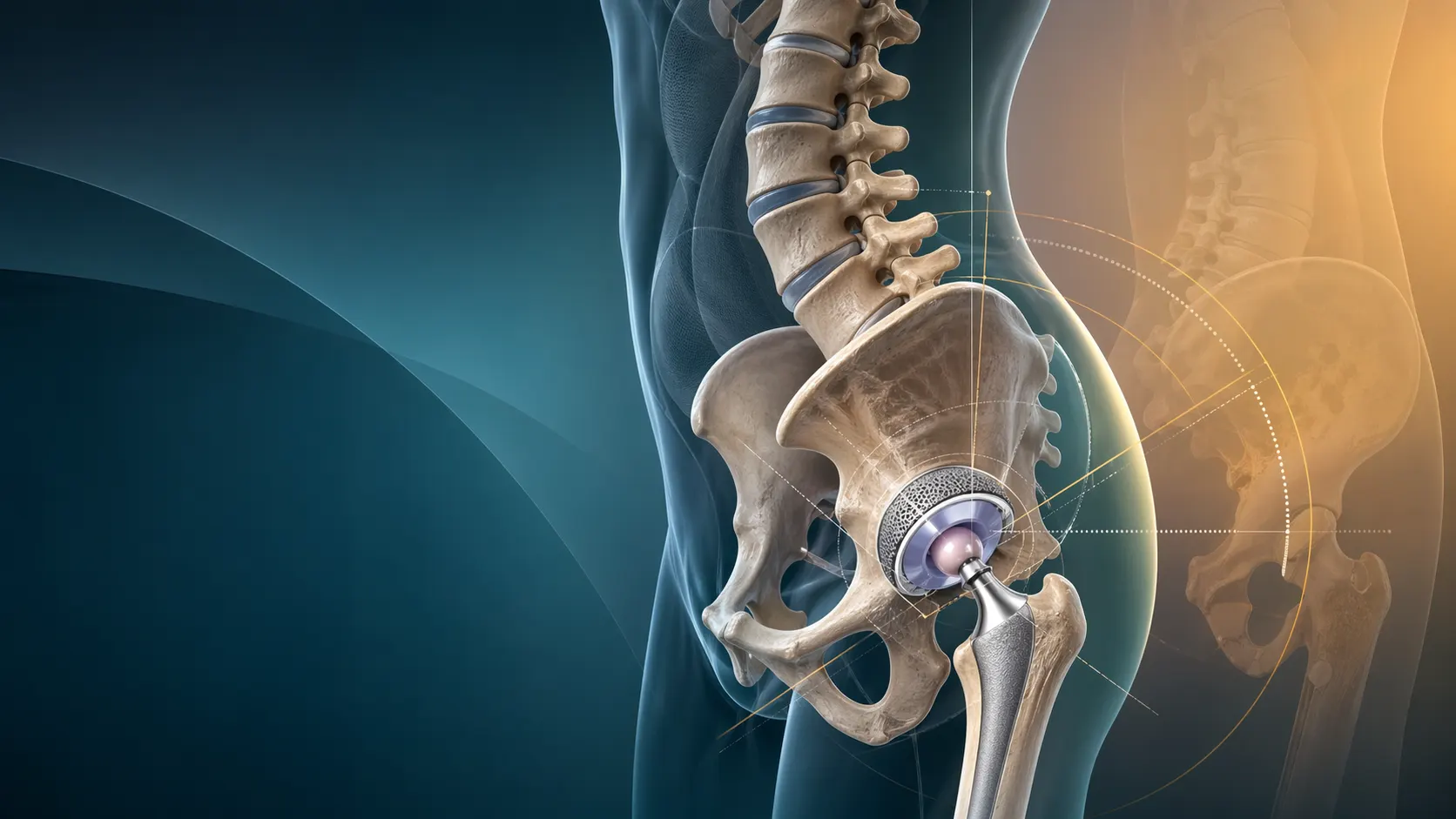
Hip-spine syndrome before THA: how spinopelvic mobility changes functional cup position, why lumbar fusion matters, and how to reduce instability risk.
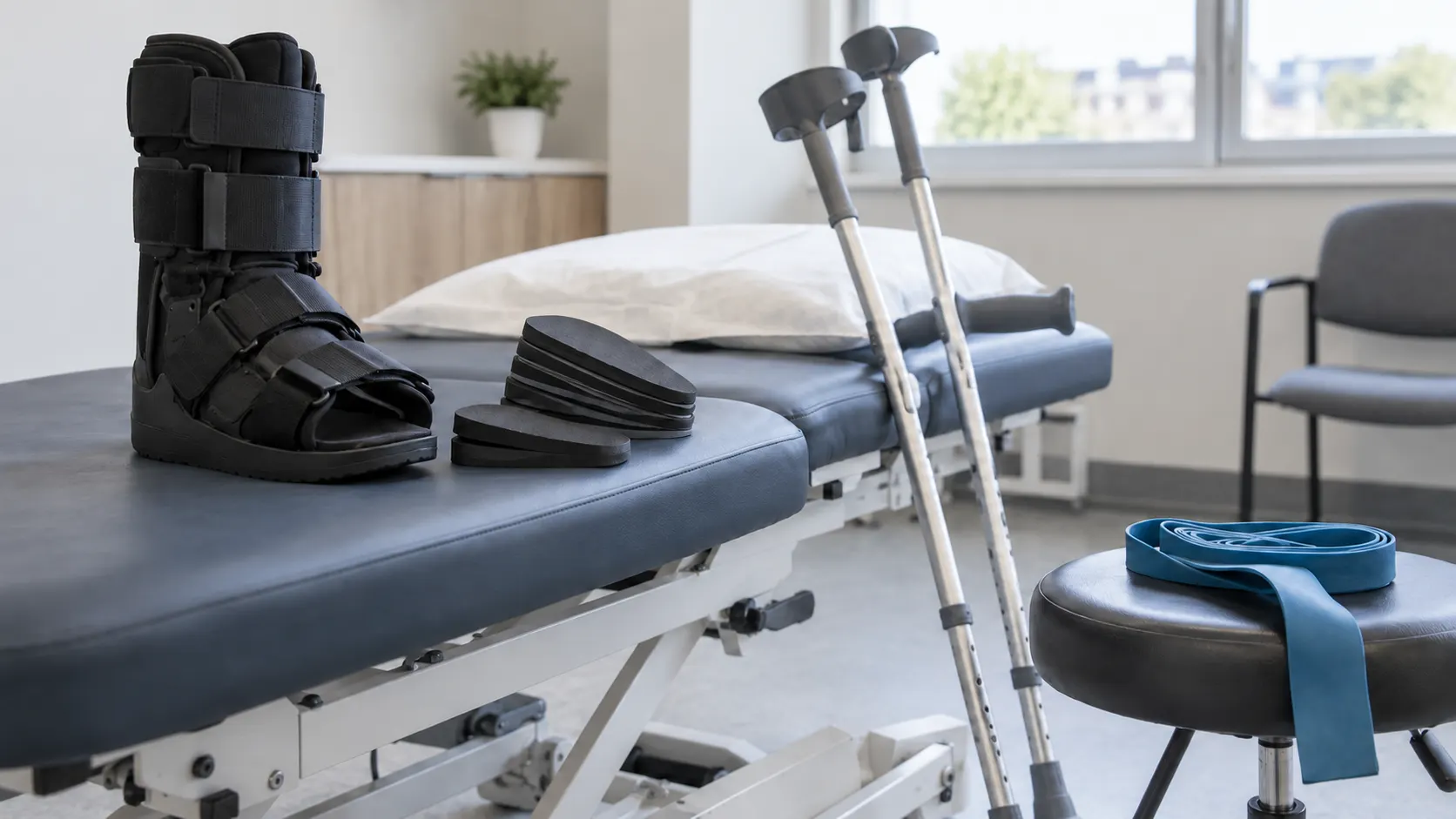
Achilles rupture surgery vs non-surgical care with functional rehab: what Willits, UKSTAR and the ACHILLES trial show on re-rupture, function and complications.
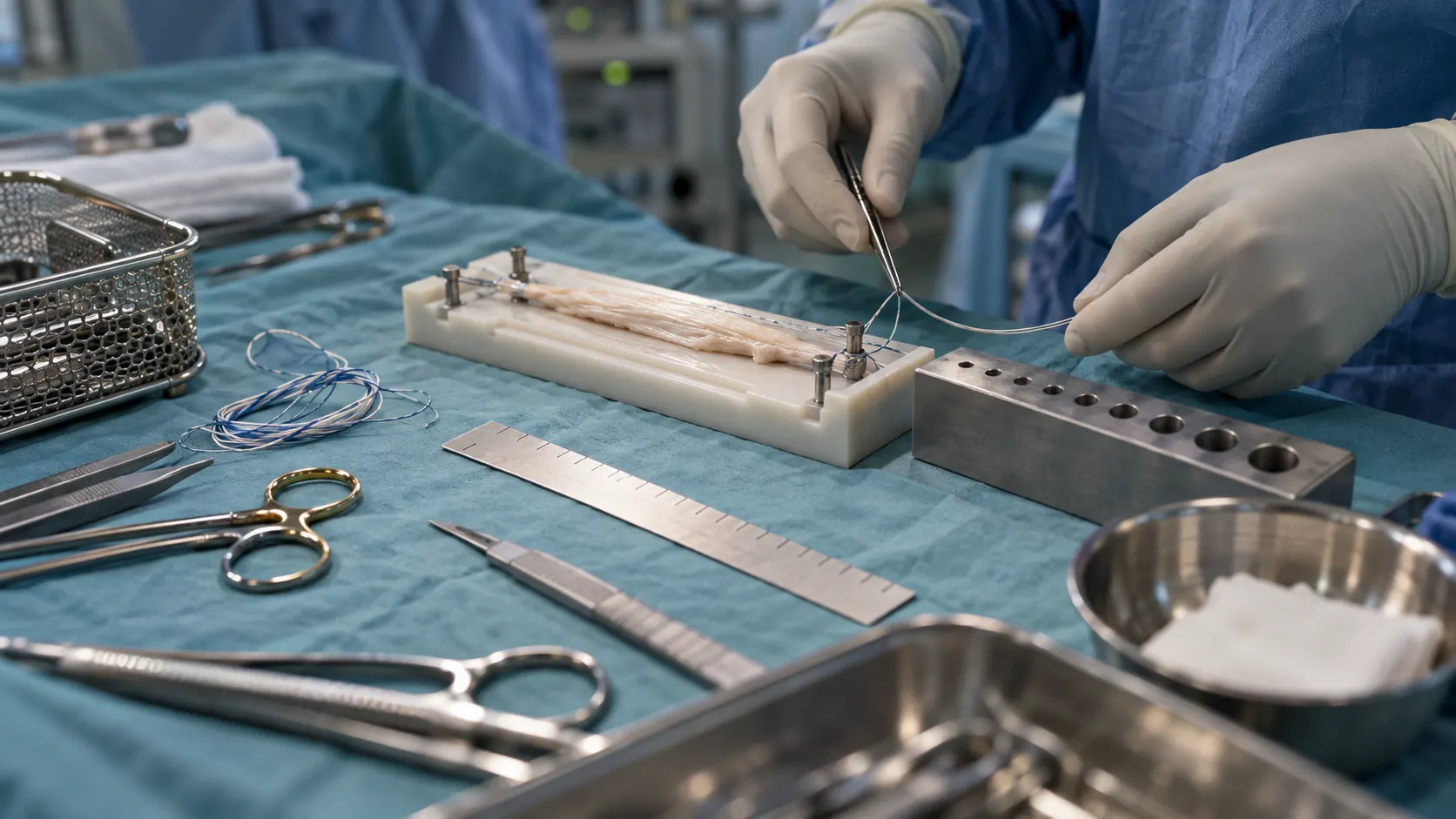
ACL graft choice for clinicians: what trials, meta-analyses and registries show for BTB, hamstring and quadriceps tendon autografts, and the viva answer.
Bankart vs Latarjet for anterior shoulder instability: how glenoid bone loss, the glenoid track and the ISIS decide the operation, and what the trials show.
Compartment syndrome delta P for clinicians: where the 30 mmHg threshold comes from, how to measure, what BOAST requires, the two-incision release and claims.
The Gustilo-Anderson classification explained, and what BOAST (2017) and EAST (2011) really say on open fracture antibiotic timing, choice and duration.
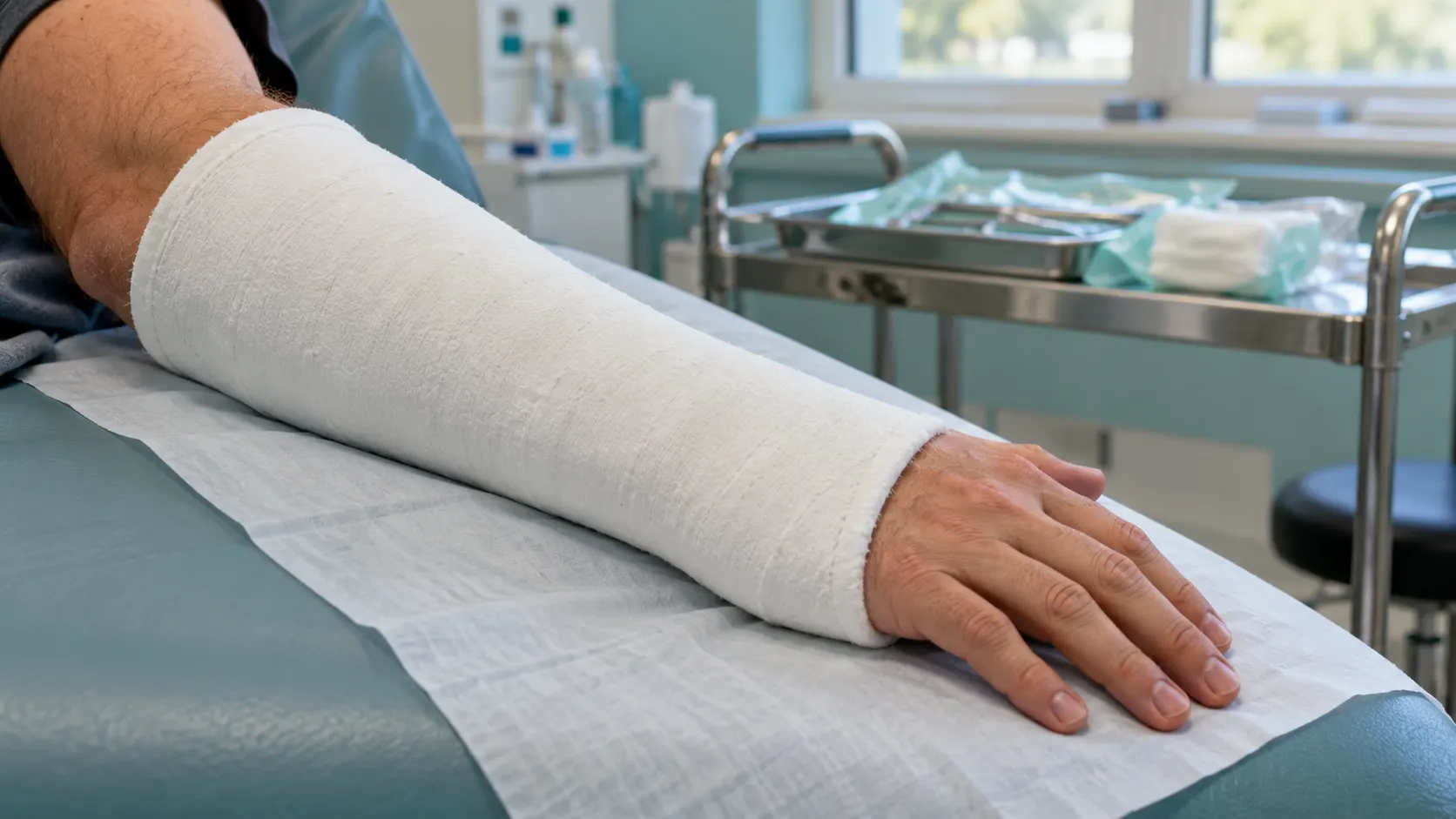
What the SWIFFT trial showed for scaphoid waist fractures displaced 2 mm or less, which fractures are still fixed, and how to run cast-first follow-up safely.
They will publish anything, charge you for it, and the paper becomes almost impossible to withdraw. The checks take five minutes and almost nobody does them.
Surgical training systems compared: 9–10 years from medical school in the UK and Australia against 5–6 elsewhere, and what each certificate actually certifies.
Four criteria joined by AND, not OR. Collecting the data does not by itself make you an author — and the department head who read nothing is not one either.
The least interesting administrative decision you will ever make, and the one most likely to leave you personally exposed a decade after you stop operating.
Research integrity for surgeons: fraud is rare. The common problem is practices most researchers do not recognise as problems, which corrupt the evidence base.
A coroner's inquest is not a trial and cannot find you liable, yet it can be deeply exposing. Surgeons who find it hardest prepared for the wrong thing.
Guidelines, protocols and pathways mean different things, including in court. Departing from a guideline is defensible with reasoning; a protocol is different.
Safeguarding in orthopaedics: you need not be certain and are not the investigator. Concerns surface early, and the threshold to act is lower than most assume.
Surgeons lose these arguments by making a clinical case to a financial audience. The evidence that a new implant is better is necessary and nowhere near sufficient.
Fitness to practise asks if you are safe to practise now, not whether you once erred. Knowing the stages and getting support on day one changes how it goes.
Incident reporting: surgeons report far less than other staff, largely because nothing visibly happens. Where a report goes, and what makes one worth reading.
As an expert witness your duty is to the court, not whoever pays you. Experts get into trouble when they forget that or stray beyond their own practice.
Run charts and SPC for surgeons: two bars cannot show change. Control charts separate real signal from ordinary noise, so you stop reacting to random variation.
Never events in orthopaedics: wrong site surgery is the commonest, and orthopaedics has a large share of wrong-implant events. Why they occur, what stops them.
Root cause analysis after a serious incident: there is rarely one cause, and England no longer mandates RCA. What replaced it, and how hindsight bias skews it.
The duty of candour is a professional obligation and, above a threshold, a statutory one. The rules are clearer than most think; waiting to know more is wrong.
Most M&M meetings are a list of cases and a shrug. Those that change something share a structure, a classification and an actions register read out first.
Capacity is decision-specific, time-specific and presumed until disproved. The commonest surgical error is treating a refusal you disagree with as incapacity.