
Article summary
What a typical day looks like for an arthroplasty surgeon — high-volume theatre, clinics and the rhythm of joint-replacement practice.
Educational content is reviewed for source visibility, editorial coherence, and correction readiness.
No individual clinician credential is claimed unless a named person is shown.
Verify before clinical use; this is not medical advice or a substitute for local guidance.
The persistent, rhythmic hum of an oscillating saw and the distinct, metallic scent of bone dust cutting through theatre air are sensory signatures known intimately to the arthroplasty surgeon. For those drawn to the mechanical exactitude of restoring human mobility, a career in joint replacement offers an unparalleled blend of high-volume theatre dynamics, intellectual clinical challenge, and the immediate, profound gratification of seeing a patient walk away from their pain. Whether you are a medical student considering the surgical pathway or a trainee anticipating your future consultant timetable, understanding the daily cadence of this demanding, highly rewarding subspecialty is essential for preparing your future.
The Early Morning Theatre Brief and Huddle
Before the scrub nurse hands over the scalpel, the modern arthroplasty day begins in the quiet, focused environment of the morning theatre brief. For the high-volume joint replacement surgeon, efficiency and safety are not accidental; they are meticulously engineered long before the patient enters the anaesthetic room. You will find the surgeon reviewing the morning list with the anaesthetist, scrub team, and ward nurses, confirming the operative side, the planned prosthesis, and the specific templating requirements.
This multidisciplinary huddle is where potential delays are dismantled. A common mistake among junior trainees is viewing this brief as a purely administrative box-ticking exercise. In reality, it is a critical clinical step. Are the correct implants physically in the theatre? Has the patient's frailty or anxiety been addressed by the anaesthetic team? Are there any last-minute changes to the urinary tract infection status or skin integrity that could delay the case? By establishing a shared mental model with the entire team, the arthroplasty surgeon ensures that the transition between cases will be as seamless as a pit stop in motorsport.
The Rhythm of the Arthroplasty List
Stepping into the operating theatre for a joint replacement list is akin to entering a highly choreographed, repetitive, yet uniquely demanding performance. Arthroplasty is defined by its rhythm. Unlike the unpredictable nature of trauma or emergency general surgery, elective joint replacement allows the surgeon to establish a cadence. From the initial skin incision to the final closure, every step has a purpose, and every instrument is anticipated by the scrubbed team.
However, do not mistake this routine for a lack of intensity. A typical theatre day might involve a rapid succession of hips and knees, requiring the surgeon to maintain intense physical and mental stamina. The true art of the high-volume arthroplasty surgeon lies in standardising the unimportant variables so that cognitive energy can be entirely reserved for the critical steps: achieving the perfect acetabular inclination, balancing the extension and flexion gaps in a knee, or ensuring the correct leg length and offset.
Mastering Templating and Implant Selection
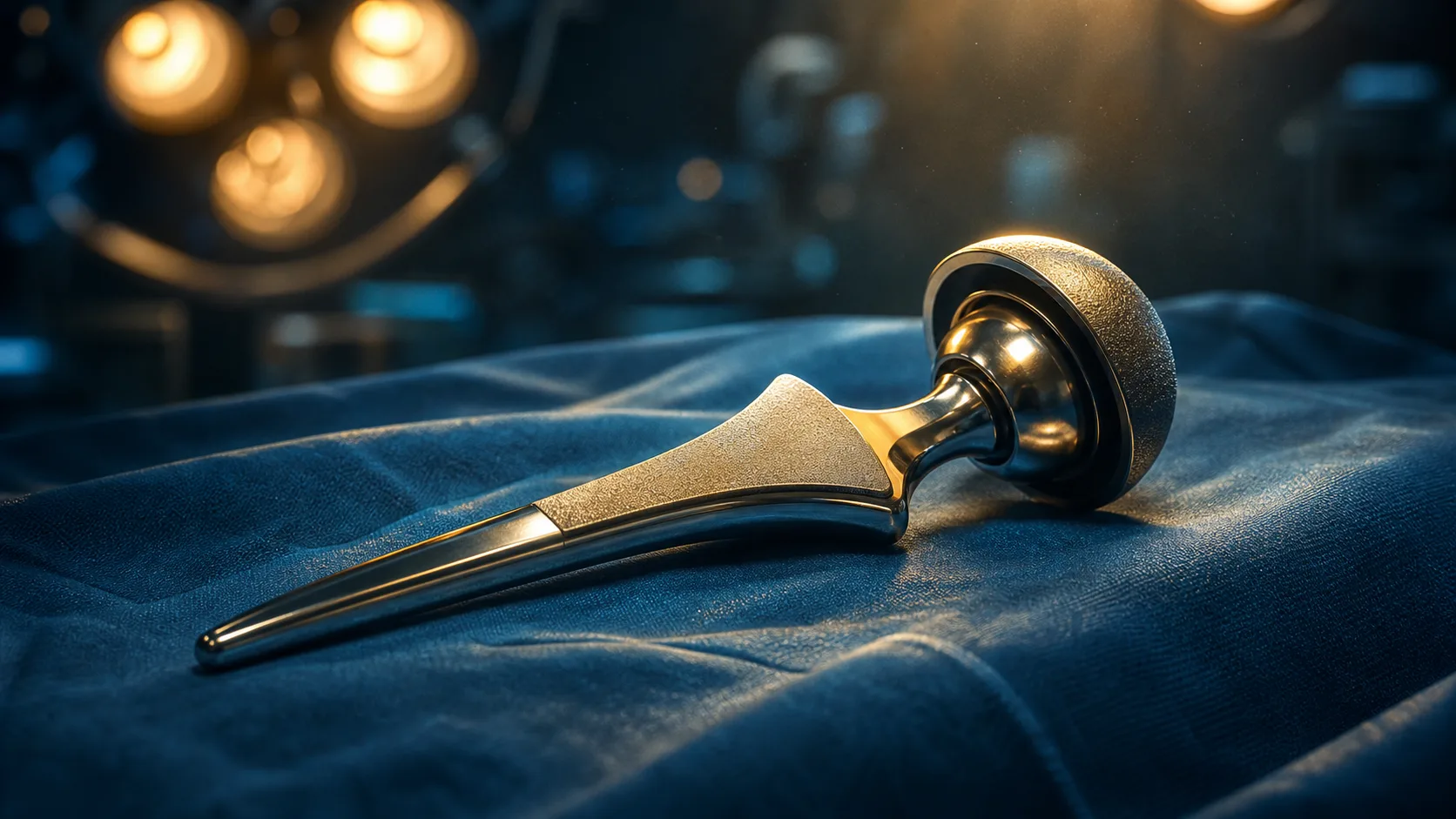
One of the most vital practical steps occurs before the surgeon even washes their hands. Digital templating is no longer a luxury; it is a strict standard of care. As a trainee, you must learn to scrutinise the radiographs, accounting for magnification and femoral bowing, to select the correct stem size and neck offset. A frequent pitfall in the learning curve is failing to recognise poor bone quality or anatomical anomalies—such as severe coxa vara or posterior bowing of the femur—until the bone is exposed on the table. Anticipating these challenges allows you to have the correct implants, augments, and constraint devices readily available, preventing panicked delays during the operation.
Precision, Cement, and Cementless Techniques
The intraoperative phase of joint replacement is where orthopaedic engineering meets biological reality. The fundamental crux of arthroplasty—whether you are performing a total hip or a total knee replacement—is achieving immediate mechanical stability to allow for long-term biological ingrowth or cement mantle fixation. You must develop a profound tactile understanding of bone. Feeling the resistance of the femoral broach or the acetabular reamer tells you far more about bone quality than any preoperative scan.
The debate between cemented and cementless fixation continues to evolve, but the practical execution of each demands rigorous attention to detail. If you are utilizing cementless components, achieving a pristine, bleeding bony bed with meticulous rim fit is paramount; under-reaming by a millimetre can be the difference between a stable construct and early subsidence. Conversely, performing a cemented technique requires a mastery of cementing science—utilising pulsatile lavage to remove marrow and fat, drying the bone meticulously, and applying the cement at the correct viscosity in a retrograde fashion to maximise cement penetration and interlock. Common errors among trainees include rushing the bone preparation, accepting a loose broach, or attempting to seat a component without proper countersinking, which risks femoral shaft perforation or intraoperative fracture.
The Hybrid Reality of the Consultant Clinic
While the operating theatre is where the mechanical magic happens, the outpatient clinic is the absolute lifeblood of the arthroplasty practice. It is a relentless, high-turnover environment characterised by a hybrid mix of post-operative reviews and complex new patient assessments.
For every perfectly executed joint replacement, the clinic is where you ensure its clinical success. When reviewing a six-week postoperative total hip replacement, you are assessing wound healing, restoring patient confidence, and monitoring for early complications such as superficial infection or deep vein thrombosis. You must balance the encouragement of mobility with the restriction of high-impact activities to ensure the longevity of the bearing surface.
Decoding the Painful Primary Arthroplasty
The ultimate test of your diagnostic acumen in clinic is evaluating the painful joint replacement. A patient presenting with pain six months after their operation demands a highly systematic, unwaveringly logical approach. You must resist the temptation to attribute the pain to "normal postoperative recovery."
Evaluating the painful primary requires you to methodically exclude the most sinister causes before concluding that it is a soft tissue or mechanical issue. Your diagnostic framework should always follow a robust, reproducible checklist:
- Infection: This is the cardinal sin to miss. Is there warmth, redness, or persistent wound drainage? Are inflammatory markers elevated?
- Mechanical Loosening: Scrutinise the radiographs for radiolucent lines at the bone-implant interface. Compare them immediately to previous postoperative films to track any subtle progression in component subsidence.
- Fracture: Look closely at the calcar or the distal femur for stress fractures that might have been initially overlooked.
- Malalignment or Instability: Was the leg length restored correctly? Is the patient experiencing recurrent dislocations? In knees, is there subtle instability in extension or mid-flexion that was unmasked once the postoperative swelling resolved?
- Extra-articular Causes: Always consider that the pain may be referred. A lumbar radiculopathy, trochanteric bursitis, or vascular claudication can completely mimic an arthroplasty failure.

Perioperative Pathways and Enhanced Recovery
Modern arthroplasty is no longer just about what happens inside the sterile field; it is deeply intertwined with systemic medical management. As a consultant, your influence extends far beyond the saw and the cement. The widespread adoption of Enhanced Recovery After Surgery (ERAS) protocols has fundamentally transformed the rhythm of an arthroplasty surgeon's day.
ERAS pathways dictate everything from the patient's preoperative carbohydrate loading to the specific multimodal analgesia regimens used on the ward. The modern arthroplasty patient is expected to be mobilising—often weight-bearing as tolerated—on the very day of their surgery. This ambitious goal requires the surgeon to be deeply invested in the medical optimisation of the patient. You must ensure that the anaesthetic team uses a combination of periarticular local infiltration analgesia and regional nerve blocks, avoiding heavy, sedating opioids that delay mobilisation.
A critical practical step is ensuring robust preoperative anaemic screening. Identifying and treating iron-deficiency anaemia weeks before the operation prevents the fatigue and dizziness that can severely hinder a patient's ability to safely stand up from a hospital bed hours after their joint has been replaced. The surgeon must champion these systemic pathways, recognising that technical perfection in the operating theatre is rendered entirely meaningless if the patient is too systemically unwell to reap the benefits.
Mentoring, Multidisciplinary Teams and Leadership
As you progress through your surgical training and transition into a consultant role, your responsibilities naturally expand beyond your own two hands. The high-volume nature of arthroplasty means that you will invariably be working alongside junior trainees, surgical care practitioners, and an extensive ward team. A significant portion of your afternoon will be spent teaching in the theatre and directing patient flow on the ward.
In theatre, mentoring requires immense patience. The temptation to physically take over a case when a trainee is struggling with the exposure of a tight acetabulum or the balancing of a difficult knee must be balanced against the necessity of training the next generation of surgeons. A skilled arthroplasty surgeon knows how to verbalise mechanical concepts—explaining exactly why a particular capsular release is needed to visualise the acetabular edge—rather than simply performing the release silently.
On the ward, your leadership is continuously tested by bed management, patient expectations, and the relentless pressure to maintain a safe, highly efficient discharge rate. You must navigate the anxieties of patients who might be terrified of mobilising so soon after a major skeletal reconstruction, while simultaneously coordinating with physiotherapists and occupational therapists to ensure a safe return to their home environment.
On-Call Duties and Managing Periprosthetic Fractures
While elective arthroplasty operates on a predictable, scheduled timeline, the subspecialty is not entirely divorced from acute surgical emergencies. Joint replacements fail, and when they do, they frequently present through the emergency department. Taking on-call duties as an arthroplasty surgeon often involves managing the complex biomechanics of periprosthetic fractures and acute joint infections.
Treating a periprosthetic fracture around a well-fixed or loose femoral stem is entirely different from managing a native femoral shaft fracture. It requires a calm, methodical assessment of the bone stock and the stability of the existing implant. You must quickly classify the fracture pattern—often using established systems like the Vancouver classification for the hip—to determine if the mechanical solution requires simple open reduction and internal fixation with cerclage cables and plates, or a much more complex, extensile revision arthroplasty with long-stemmed components. These emergency cases demand a high level of technical versatility, testing your ability to manage severely compromised patients who are suddenly rendered immobile and in immense pain.
Charting, Auditing and the Long-Term View
As the clinic finishes and the theatre list concludes, the physical demands of the day may transition to the administrative, but the commitment to the patient remains unwavering. The final hours of the arthroplasty surgeon's day are frequently dedicated to meticulous documentation, reviewing postoperative imaging, and updating the hospital's joint replacement registry data.
Because the success of a primary joint replacement is measured in decades rather than days, maintaining long-term surveillance is a non-negotiable duty. Reviewing the immediate postoperative x-rays ensures that the components are seated perfectly and serves as a vital baseline for any future comparisons. Furthermore, contributing to national registries and local clinical audits ensures that the continuous cycle of surgical improvement is maintained. Before finally leaving the hospital, the surgeon will review tomorrow's patient list, ensuring that the templating is complete, the anaesthetic plans are solidified, and the rhythm of the practice is primed to begin all over again with the sunrise.

The life of an arthroplasty surgeon is a relentless, physically demanding, and endlessly rewarding commitment to the restoration of human movement, demanding not just surgical mastery but a profound dedication to the entire continuum of patient care.
Share this article
Useful for a journal club, study list, or teaching session.