
Article summary
What an orthopaedic surgeon's day really looks like — clinics, theatre, on-call and the rhythm of the work.
Educational content is reviewed for source visibility, editorial coherence, and correction readiness.
No individual clinician credential is claimed unless a named person is shown.
Verify before clinical use; this is not medical advice or a substitute for local guidance.
Ask any orthopaedic surgeon what a typical day looks like, and you will likely be greeted with a knowing smile. The reality is that no two days are ever quite the same, thanks to the perpetual juggling act of clinics, theatre lists, and on-call emergencies. Yet, beneath this apparent chaos lies a deeply rewarding and highly structured rhythm.
The Making of a Surgeon
Before you can experience the rhythm of a consultant’s day, it helps to understand the marathon of getting there. The journey always begins at medical school, where you will build your foundational medical knowledge. Following graduation, you enter your foundation or internship years, rotating through various medical and surgical specialties to hone your core clinical skills.
From there, the path narrows significantly. You will typically step into core surgical training, followed by entry into a higher specialty training programme—often referred to as registrar training—where your focus narrows entirely to the musculoskeletal system. During this intensive period, you will sit for your professional fellowship examinations, such as the FRCS (Tr & Orth) in the UK or your local board certifications, which serve as critical professional milestones. Many trainees then choose to complete an optional subspecialty fellowship—focusing on anything from sports arthroscopy to complex spinal reconstruction—before finally stepping into a permanent consultant or attending role.
The Morning Rush: Trauma and Theatre Lists
The day often begins long before the sun comes up. As a trauma surgeon, your morning usually starts with a comprehensive trauma meeting. This multidisciplinary huddle brings together junior doctors, therapists, and anaesthetists to review overnight admissions and plan the emergency theatre list. You will look at radiographs, debate the merits of different fixation methods, and map out the logistical puzzle of the day.
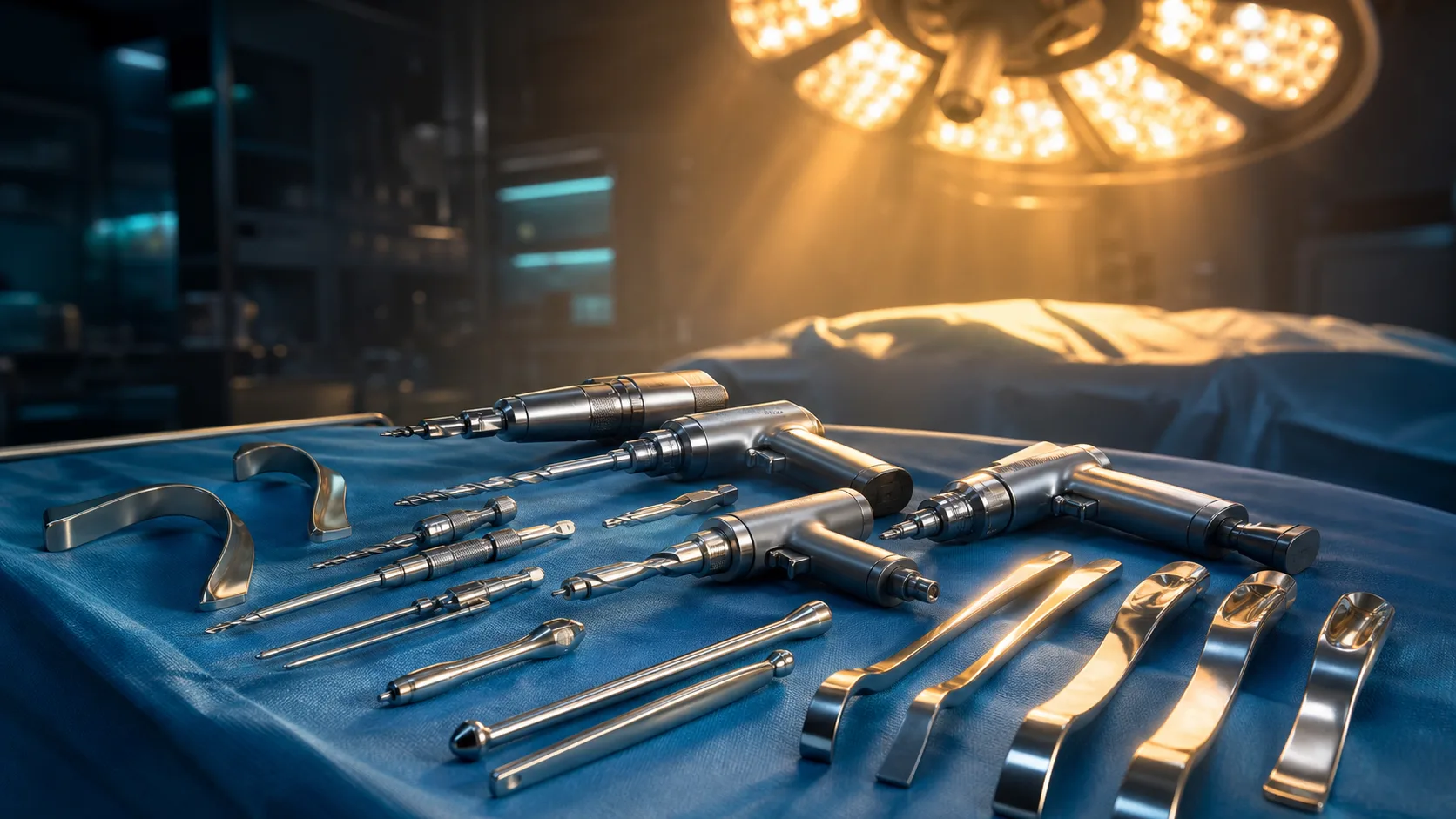
By mid-morning, the pace shifts to the operating theatre. If you are on an elective list, this is your time to shine. Whether you are performing a total joint replacement or a delicate nerve decompression, theatre demands absolute focus. You will often be teaching trainees, talking them through procedures while maintaining a steady, calm environment. The physical rhythm of surgery—drilling, reaming, and securing hardware—is genuinely satisfying. However, you must always stay vigilant; an elective list can be instantly derailed by a multi-trauma patient arriving via ambulance, requiring you to adapt your plan in real time.
The Afternoon Grind: Clinics and Multi-Disciplinary Care
After scrubbing out and grabbing a quick bite, the afternoon frequently belongs to the outpatient clinic. This is where the true detective work of orthopaedics happens. You will see a vast array of patients, from frail individuals with fragility fractures to elite athletes desperate to get back on the field. Clinics are heavy on communication; you must master the art of the history and physical examination to build trust and accurately localise elusive sources of pain.
A significant portion of your clinic time is also dedicated to conservative management. There is a common misconception that orthopaedic surgeons only want to operate. In reality, you will spend a vast amount of time orchestrating physiotherapy, arranging targeted injections, and counselling patients on the timing of surgery. You will often work closely with extended-scope physiotherapists and advanced clinical practitioners to manage high patient volumes efficiently, ensuring those who genuinely need surgery are expedited to the top of the waiting list.

The Unpredictable Beat: On-Call Realities
When you are on call, the structured rhythm of elective clinics and planned surgeries completely dissolves. The orthopaedic take is famously unpredictable. You might be bleeped to the resuscitation bay to assess a polytrauma patient from a major road traffic collision, or urgently consulted by the paediatric team regarding a suspicious paediatric limb injury.
Being on call requires you to make rapid, high-stakes decisions while heavily relying on your team. You will be guiding your junior doctors as they reduce displaced fractures under sedation, carefully assessing neurovascular compromise, and deciding which injuries require immediate surgical intervention versus those that can be safely splinted and reassessed. It is demanding work that tests your clinical knowledge, physical stamina, and leadership skills. Yet, there is an undeniable camaraderie that comes from working through a chaotic on-call shift with a cohesive, supportive team.
The Quiet Hours: Paperwork, Audit, and Mentoring
Once the immediate clinical work settles, your day is far from over. The evenings often involve the quiet but vital work of clinical governance. You will be typing up detailed operative notes, writing clinic letters to general practitioners, and meticulously reviewing post-operative imaging. Beyond the administrative load, these quieter moments are prime time for teaching and academic work. You might find yourself presenting complex cases at a regional audit meeting, reviewing the latest orthopaedic literature, or coaching a nervous trainee through their first surgical steps in a skills lab.
So, yes, it is a demanding career that requires early mornings and late nights, but the ability to restore a patient's mobility and dramatically improve their quality of life makes every single hour worthwhile.
Related topics
Share this article
Useful for a journal club, study list, or teaching session.