
Article summary
How lifestyle, on-call burden and work-life balance differ across the orthopaedic subspecialties, to help you choose well.
Educational content is reviewed for source visibility, editorial coherence, and correction readiness.
No individual clinician credential is claimed unless a named person is shown.
Verify before clinical use; this is not medical advice or a substitute for local guidance.
Choosing an orthopaedic subspecialty is one of the most significant decisions you will make in your surgical career, and it is vital to look beyond the operating theatre. While a passion for anatomy and mechanics draws most of us to orthopaedics, the day-to-day reality of your future hinges heavily on the typical workload, the predictability of your schedule, and the burden of on-call duties. By understanding how work-life balance shifts across different subspecialties, you can align your clinical interests with the lifestyle you ultimately want to live.
The Elective vs. Emergency Spectrum: The Governing Principle
Before diving into specific subspecialties, it helps to understand the foundational principle that dictates lifestyle in orthopaedic surgery: the ratio of elective work to trauma. Your work-life balance is inextricably linked to the volume, predictability, and severity of the emergency calls you take.
Elective practice is fundamentally controllable. If you are running an elective arthroplasty or sports clinic, you know your patient list, you know the surgical schedule, and you can largely predict when you will leave the hospital. The work is demanding, but it is bounded. Emergency trauma, on the other hand, is the great destroyer of plans. It arrives unannounced, often in the small hours of the morning, and demands immediate, physically exhausting intervention.
As you evaluate your future, ask yourself how you tolerate uncertainty. Some surgeons thrive on the adrenaline of the unpredictable and find the routine of elective cases tedious. Others prioritise predictability to attend family events, pursue outside hobbies, or simply protect their sleep. Generally, the more your subspecialty overlaps with general trauma, the more volatile your lifestyle will be.

Joint Replacement and Arthroplasty: The Predictable Workhorse
Arthroplasty is widely considered one of the most lifestyle-friendly subspecialties, primarily because it is overwhelmingly elective. Surgeons in this field deal with degenerative conditions—osteoarthritis and inflammatory joint disease—which allows for highly scheduled, predictable weeks.
Because the cases are planned, you have significant control over your operating lists and clinic schedules. The patients are often older and, while they have significant comorbidities that require careful perioperative management, the surgical indications are usually straightforward. The on-call burden for an arthroplasty surgeon is generally low. Unless you are working in a major trauma centre, the midnight emergencies are rare.
However, the physical toll of the work is a factor to consider. Manipulating heavy limbs, driving in cement, and hammering implants require substantial upper body and core strength. To protect your longevity in this field, it is vital to master ergonomics early. Relying on brute force rather than understanding the biomechanics of saws and reamers is a common mistake made by junior trainees, often leading to career-limiting elbow, shoulder, and back injuries.
Trauma and Limb Reconstruction: The Relentless Frontline
If you choose to specialise in trauma and limb reconstruction, you must accept that your lifestyle will be dictated by the unpredictability of human injury. This subspecialty is the absolute antithesis of the elective arthroplasty clinic. High-energy road traffic collisions, falls from height, and industrial accidents do not respect office hours, public holidays, or family vacations.
The cognitive and physical demands of polytrauma are immense. You will frequently operate out of hours, managing complex peri-articular fractures, pelvic injuries, and severe soft tissue compromise. The on-call burden is heavy, and the cases often carry a high risk of surgical and medical complications. The unpredictability makes it incredibly difficult to plan personal commitments.
Yet, this field offers a unique psychological reward. The impact of your work is immediate and profound. You take patients from the brink of life-altering disability and restore their anatomy, often in a single, intense surgical session. To survive and thrive in this subspecialty, robust peer support and meticulous handover protocols are non-negotiable. A common mistake is trying to be the hero who carries the bleep at all times; learning to trust your colleagues and establishing firm boundaries when you are off-duty is essential for preventing burnout.
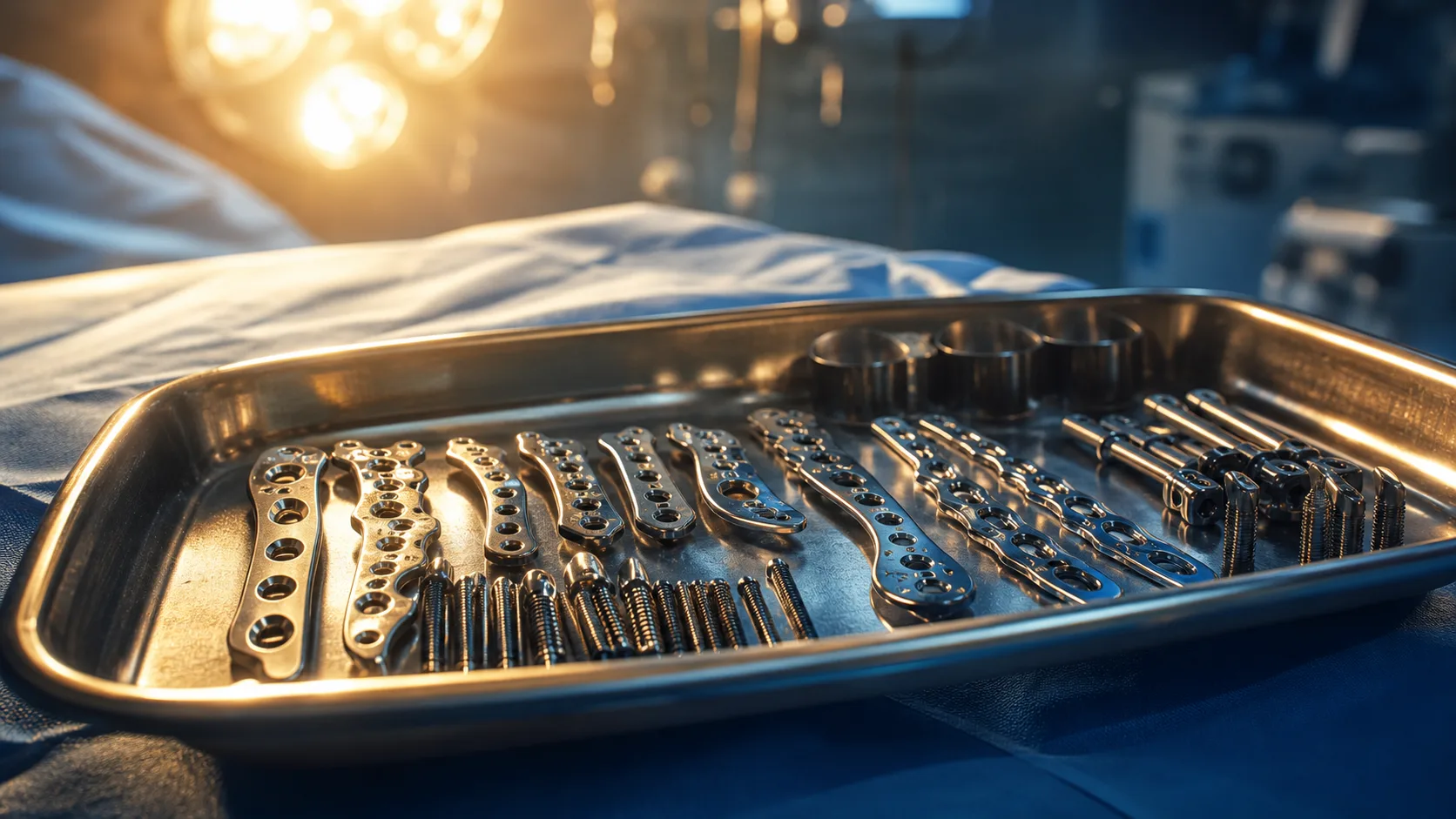
Sports and Arthroscopy: The High-Demand, High-Reward Arena
Sports orthopaedics is a highly desirable subspecialty, and with that desirability comes a unique set of lifestyle dynamics. On the surface, it appears to offer an excellent lifestyle: cases are elective, the patient demographic is generally young, fit, and motivated, and the surgeries utilise advanced, technically demanding arthroscopic techniques.
However, because you are dealing with athletes—ranging from enthusiastic amateurs to elite professionals—the pressure to return them to play quickly is immense. If you are the designated surgeon for a high-profile sports team, you will be expected to attend matches, travel with the squad, and make yourself highly available. This can be deeply rewarding if you love the sporting environment, but it frequently encroaches on weekends and evenings.
The administrative burden in sports medicine is also notably high. You will spend significant time counselling patients, discussing timelines with coaches and physiotherapists, and coordinating complex rehabilitation protocols. To succeed here, you must learn to manage expectations carefully. A frequent error is overpromising a rapid return to play, which places undue pressure on you, the patient, and the rehabilitation team if healing does not progress as anticipated.
Paediatric Orthopaedics: The Unpredictable Hearts and Minds
Paediatric orthopaedics is a deeply fascinating field that encompasses everything from correcting congenital deformities to managing spinal disorders and tumours. When it comes to lifestyle, the reality is heavily mixed. Much of the elective work, such as scheduling corrective osteotomies or monitoring developmental dysplasia of the hip, is highly routine and predictable.
The challenge arises with paediatric trauma and infections. Children break bones frequently, and they do so at all hours of the day and night. Furthermore, the diagnosis of conditions like septic arthritis or osteomyelitis requires urgent surgical intervention to prevent permanent joint damage. When the call comes that a child is suspected of having a septic hip, your evening is over.
Paediatric orthopaedics also carries a profound emotional weight. Operating on children requires dealing with anxious, sometimes highly distressed parents. The communication skills required are different; you are not just treating a patient, you are managing an entire family’s fear. To protect your energy, it is vital to develop a strong rapport with the paediatric nursing teams and ward play specialists, who can help translate your surgical explanations into a language families can comfortably understand.
Hand and Peripheral Nerve Surgery: Delicate Work, Finite Bounds
Hand surgery is frequently touted as the holy grail of orthopaedic lifestyle, and for very good reason. The scope of hand and peripheral nerve surgery spans both orthopaedics and plastic surgery, resulting in a unique, highly refined subspecialty.
The defining characteristic of a hand surgeon’s lifestyle is the finite nature of their emergencies. While hand trauma is incredibly common, true, middle-of-the-night surgical emergencies are relatively rare. The vast majority of tendon and nerve lacerations, even severe ones, can be safely and effectively repaired the following morning on a scheduled emergency list. By and large, the only surgical emergencies that demand immediate theatre access are grossly contaminated open fractures, irreducible joint dislocations, or severe compartment syndromes. This allows hand surgeons to enjoy a remarkably stable home life.
Furthermore, the cases are technically intricate and require immense precision rather than brute strength. If you prefer sitting at a desk building fine mechanical models, you will likely love the microscopic detail of nerve repair. A practical tip for this field is to protect your eyes and your back. Hours spent hunched over a brachial plexus or a complex microvascular anastomosis will take their toll if you do not ensure your operating chair, your microscope, and your table height are optimised before making the first incision.

Spinal Surgery: High Stakes and High Intensity
Spinal surgery stands apart from the rest of orthopaedics due to its unique intensity, technical complexity, and high-risk nature. Spinal surgeons deal with debilitating back pain, spinal deformities, and conditions that directly threaten the spinal cord and nervous system.
The lifestyle is heavily demanding. The cases are long, frequently lasting many hours, and involve significant physical exertion. Operating on the cervical or thoracic spine requires profound concentration, as a single millimetre of error can result in catastrophic neurological deficit or paralysis. The emotional burden of this responsibility is immense. Furthermore, spine surgeons are frequently called upon for emergency decompressions, such as in the case of acute cauda equina syndrome, which requires out-of-hours operating to prevent permanent incontinence and paralysis.
Recovery from spine lists is physically exhausting, and the need to review complex post-operative imaging is constant. To manage this intense workload, spinal surgeons must have rigorous, highly organised administrative teams. Delegating clinic follow-ups and relying on specialist physiotherapists for the long-term management of chronic back pain is crucial to maintaining a manageable schedule.
Foot and Ankle Surgery: The Rising Lifestyle Star
Historically, foot and ankle surgery was viewed as a niche within general orthopaedics, but it has rapidly evolved into a highly sought-after subspecialty. It offers an excellent balance of varied pathology, complex biomechanics, and a highly manageable lifestyle.
Like hand surgery, the emergencies in foot and ankle care are largely limited to specific fracture patterns, such as displaced ankle fractures or Lisfranc injuries, which can often wait until the morning to be fixed. The majority of a foot and ankle surgeon’s week is spent managing elective conditions: bunions, arthritis, tendon dysfunction, and chronic deformities. This makes the schedule highly predictable and controllable.
The surgery itself is incredibly rewarding. The foot is a complex mechanical marvel, and correcting deformities here dramatically improves a patient’s mobility and quality of life. A key consideration in this field is patient compliance. The post-operative phase requires strict non-weight-bearing or protected weight-bearing protocols, which can be challenging for patients to adhere to. Investing time pre-operatively to thoroughly explain these restrictions and arranging appropriate walking aids is essential to prevent falls and reoperations.
Crafting Your Own Balance
While the subspecialty you choose will set the baseline parameters for your lifestyle, it is crucial to recognise that work-life balance is actively crafted by the individual surgeon. Two surgeons in the exact same subspecialty can have vastly different lifestyles based on their practice setting and personal boundaries.
If you join a large group practice or an academic hospital, you will generally share the on-call burden with a wider pool of surgeons, leading to fewer nights and weekends in the hospital. Conversely, setting up a lucrative solo private practice offers total control over your schedule but may require taking all the emergency calls yourself, which can quickly negate the benefits of flexibility.
The most common mistake medical students and trainees make is ignoring the business and administrative realities of surgery. Managing a high-volume elective practice means dealing with operating room scheduling, clinic bottlenecks, and insurance approvals. To truly protect your time, you must become an expert in efficiency—optimising your theatre setup, delegating administrative tasks, and learning when to say no to non-essential commitments.
The beauty of orthopaedic surgery is its vast diversity. Whether you crave the adrenaline of midnight polytrauma or the meticulous predictability of elective hand reconstruction, there is a niche that will fit your clinical passions and your desired lifestyle. By looking closely at the on-call realities and daily rhythms of each subspecialty, you can make an informed choice that sustains both your career and your life outside of medicine.
Share this article
Useful for a journal club, study list, or teaching session.