
Article summary
An honest look at the stereotype of the 'surgical personality' — what's true, what's harmful, and what's changing.
Educational content is reviewed for source visibility, editorial coherence, and correction readiness.
No individual clinician credential is claimed unless a named person is shown.
Verify before clinical use; this is not medical advice or a substitute for local guidance.
For generations, the medical profession has whispered about the "surgical personality"—an archetype characterised by unwavering confidence, rapid decision-making, and a gruff, no-nonsense demeanour. It is a stereotype that dominates medical dramas and ward lore alike, shaping how medical students view the operating theatre before they ever step foot inside one. But as any modern surgical trainee will tell you, the reality of what makes a highly effective orthopaedic surgeon is far more complex, nuanced, and fascinating than this outdated myth suggests.
The Anatomy of the Stereotype: Where the Myth Comes From
To understand why the "surgical personality" holds such sway, you have to look at the historical demands of the operating theatre. Historically, surgery was a brutal, rapid specialty. Before the advent of modern anaesthesia, advanced monitoring, and sophisticated intensive care, a surgeon’s primary asset was speed. The ability to make a definitive, life-saving decision in seconds, combined with the physical stamina to act on it, naturally attracted a specific type of individual.
Consequently, the prevailing culture rewarded assertiveness, hierarchical authority, and a degree of detachment. Patients were often anaesthetised before crucial conversations took place, and the theatre environment became a fiefdom ruled by the attending surgeon. The stereotype we inherit today—the towering, unflappable, and often intimidating figure—is simply a relic of an era where brute force and speed were the ultimate tools of the trade.
The Elements of Truth: Decisiveness Under Pressure
While the caricature of the abrasive surgeon is largely a myth, there are certain traits embedded within the stereotype that remain undeniably true and highly valuable. Surgery, by its very nature, requires a distinct cognitive profile. When you are standing at the operating table, you cannot simply order a barrage of investigations and wait for the results to make a decision. You must act on incomplete information, manage acute anxiety, and take calculated risks.
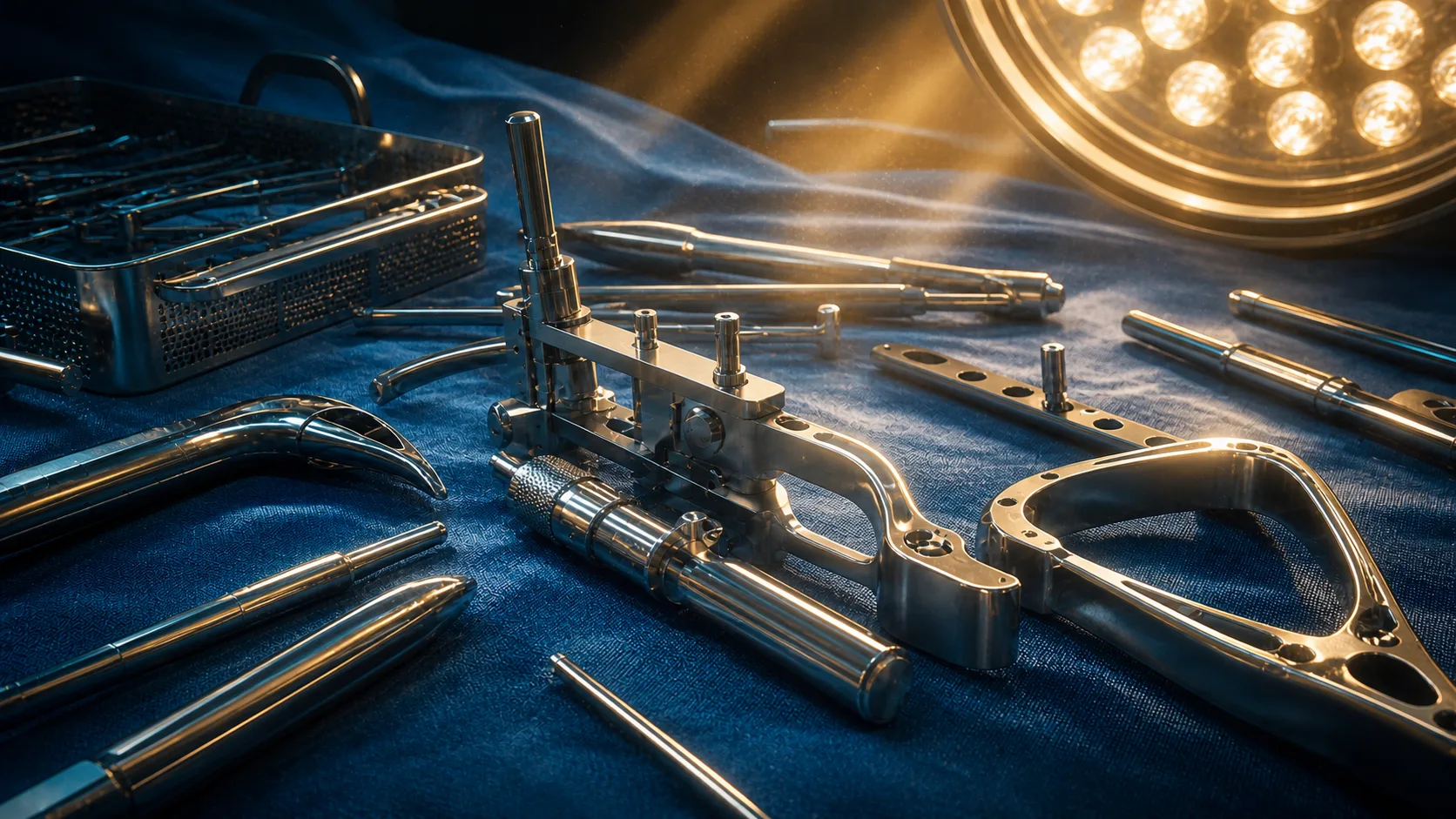
The reality is that surgeons do possess a high tolerance for risk and an exceptional capacity for decisive action. Furthermore, the physical nature of orthopaedics—manipulating heavy bone, driving implants, and managing significant blood loss—requires practical, hands-on ingenuity. A mechanic’s spatial awareness combined with an aviator's coolness under pressure is far more representative of the modern surgical mind than the outdated trope of the emotionally detached bully.
The Harmful Reality: When "Assertive" Becomes Toxic
The danger of the "surgical personality" myth is not just that it is inaccurate; it is actively harmful. When a specialty implicitly accepts that surgeons are supposed to be abrasive, it creates a dangerous blind spot for unprofessional behaviour. This mindset has historically shielded individuals who bully, shout, or undermine their colleagues under the guise of "maintaining standards" or "patient safety."
Furthermore, this toxic interpretation of the surgical persona dictates how operating rooms are run. A theatre where the lead surgeon rules by fear is an inherently dangerous theatre. It suppresses the voices of the anaesthetists, scrub nurses, and junior trainees who are often the first to notice a developing complication. If a junior trainee is too intimidated to point out that the swab count is incorrect, or that the osteotomy is encroaching on the joint line, patient safety is directly compromised.
Excluding the Quietly Brilliant: The Cost to Diversity
If you are a medical student who is naturally empathetic, softly spoken, or collaborative, the myth of the surgical personality can be an insurmountable barrier. Many brilliantly capable candidates self-deselect from surgical careers simply because they do not see themselves reflected in the archaic, loud-mouthed stereotype. This is a profound loss for the profession.
The operating theatre is a complex ecosystem that requires diverse cognitive approaches. It needs systematic, methodical thinkers who excel in pre-operative planning just as much as it needs rapid, intuitive problem-solvers. When recruitment—both formal and informal—unconsciously favours extroverted, traditionally "confident" candidates, the surgical workforce is robbed of the quiet, meticulous minds that often make the most technically gifted operators.
The Evolution of Modern Surgical Selection
The good news is that the landscape of surgical training is shifting beneath our feet. Globally, the bodies responsible for surgical education—such as the surgical royal colleges and international surgical boards—have recognised the detriment of valuing arrogance over aptitude. Modern selection processes actively dismantle the "surgical personality" trope by focusing heavily on teamwork, leadership styles, and interpersonal communication.
What Modern Examinations Actually Assess
Consider the Objective Structured Clinical Examinations (OSCEs) and various intercollegiate board exams required for progression. These assessments are no longer purely technical or diagnostic. They rigorously evaluate your ability to consent a patient with empathy, navigate complex ethical dilemmas, manage a multidisciplinary team, and display professional grace under intense pressure.
Selection centres utilise situational judgement tests to explicitly weed out candidates who display rigid, dictatorial tendencies. The modern examiner is not looking for a maverick; they are looking for a safe, adaptable, and communicative professional who can lead a team without alienating them.
Building Emotional Intelligence in the Operating Theatre
The contemporary orthopaedic surgeon relies heavily on emotional intelligence (EI). In practice, technical excellence only accounts for a fraction of a successful outcome. How you interact with the terrified patient in the pre-op bay, how you manage the expectations of a worried family, and how you recover from a devastating intra-operative complication are all governed by EI.
Cultivating emotional intelligence means actively practising self-awareness. When you step up to the table, recognise your own stress triggers. A common mistake among trainees is allowing frustration to manifest as curt remarks towards the theatre staff when a case is not going smoothly. Mastering your emotions, maintaining a calm and respectful tone, and ensuring your team feels valued even in high-stakes scenarios is the true hallmark of surgical mastery.
Thriving as a Trainee: Practical Strategies for the Modern Era
If you are navigating the orthopaedic training pathway, you will inevitably encounter a mix of old-school consultants and modern, progressive mentors. To survive and thrive, you must learn to absorb the positive lessons while rejecting the toxic behaviours you might witness.
- Find the Right Mentors: Actively seek out consultants who lead with quiet confidence and empathy. Watch how they speak to patients and how they conduct their briefs. Emulate their communication skills, not just their surgical techniques.
- Practise Assertive Humility: You do not need to be loud to be heard. If you notice a potential error, frame it as a question focused on patient safety rather than an accusation. For example, asking, "Sir, I just want to double-check the alignment before we cut," is far more effective than shouting, "You're doing it wrong."
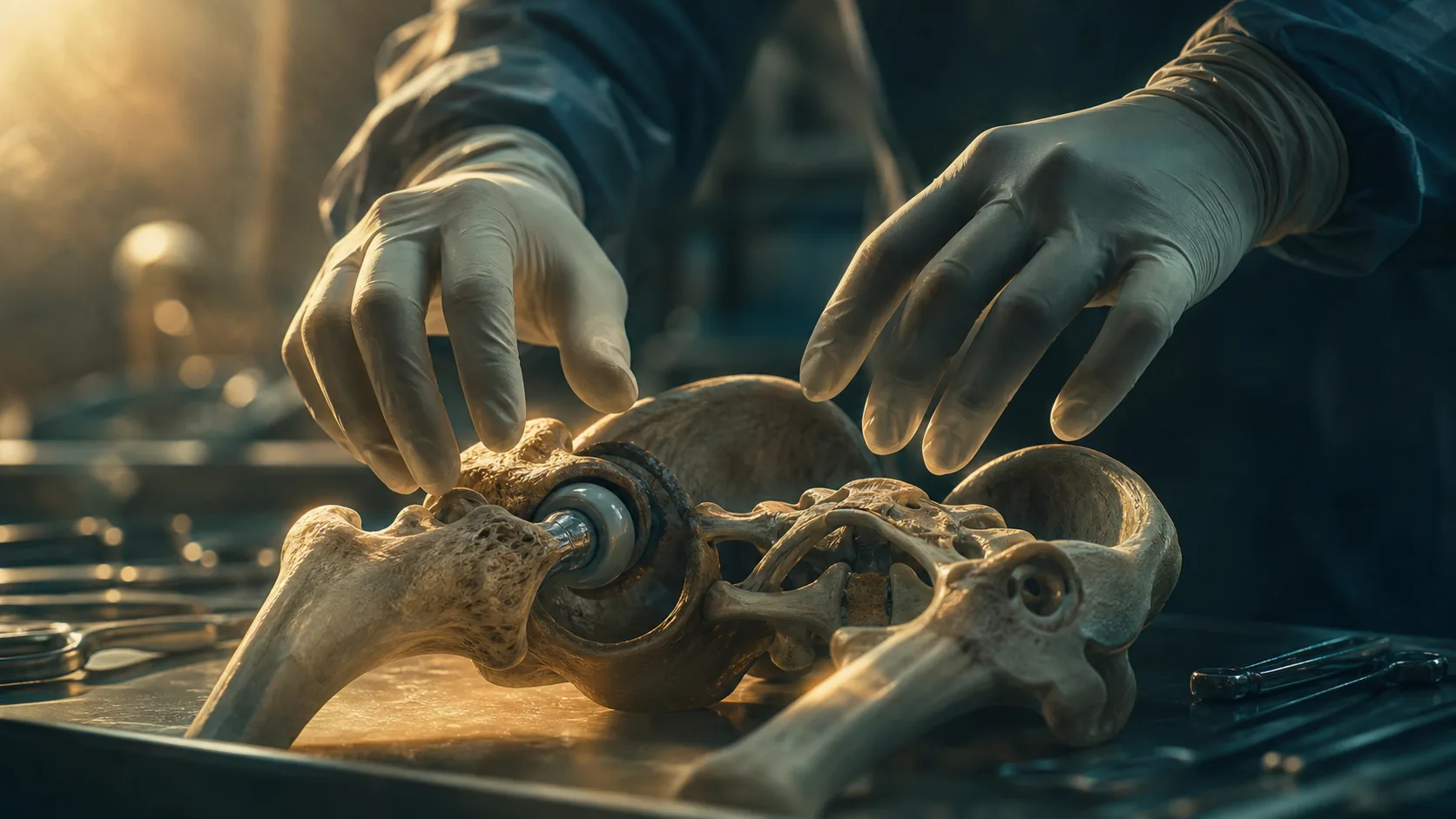
- Master Your Non-Technical Skills (NTS): Spend as much time studying human factors and crisis resource management as you do studying the operative steps of a hip replacement.
- Resist the Pressure to Perform: Never feel compelled to put on a false, macho persona just to fit into a specific theatre's culture. Authenticity builds far stronger professional trust over the long term.
The Future Operating Theatre: Collaboration Over Heroics
The ultimate reality is that the era of the surgical hero is over. Modern orthopaedic surgery is an intricate, highly regulated team sport. The implementation of enhanced recovery after surgery (ERAS) protocols, the rise of robotic-assisted surgery, and the increasing complexity of peri-operative care mean that no single surgeon can succeed in isolation.
The future theatre environment demands collaboration, psychological safety, and an environment where every single member—from the porter to the consultant anaesthetist—feels empowered to speak up. The most successful surgeons of tomorrow will be those who can seamlessly integrate advanced technical skills with profound interpersonal empathy.

The myth of the "surgical personality" belongs to the history books; the modern surgeon is defined not by bravado, but by a quiet, resolute dedication to their craft, their team, and above all, their patients.
Share this article
Useful for a journal club, study list, or teaching session.