ACL Reconstruction and Graft Selection
MRI images are provided showing the ACL rupture.
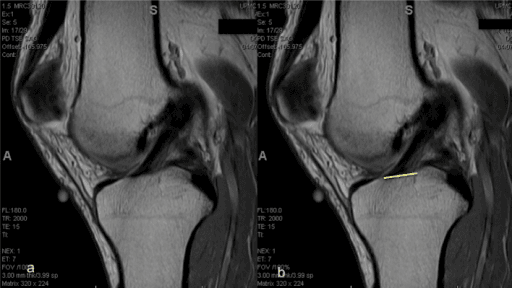
Clinical image for ACL Reconstruction and Graft Selection
Image source: Open Access medical literature (NIH/PubMed Central) • CC-BY License
Questions
Describe the anatomy and biomechanics of the ACL. What is the function of the anteromedial and posterolateral bundles?
Describe your clinical assessment of an ACL-deficient knee. What are the key examination findings and their significance?
What graft options are available for ACL reconstruction? Compare the advantages and disadvantages of each.
Describe the key technical principles for ACL reconstruction. Where should the tunnels be positioned?
What factors affect return to sport after ACL reconstruction? What is the expected timeline?
What are the causes of ACL graft failure? How would you assess and manage a patient with recurrent instability after ACLR?
Exam Tips
- →BPTB failure rate: 5-7% in athletes
- →Hamstring failure rate: 7-10% in athletes
- →Allograft in young: 25-30% failure (4x higher)
- →RTS at 6 months: 5x increased reinjury