Clotting Factor Deficiency and Joint Disease
- Haemophilia A: factor VIII deficiency - most common (85% of cases)
- Haemophilia B: factor IX deficiency (Christmas disease, 15%)
- Haemophilic arthropathy: iron from blood causes synovitis leading to progressive cartilage destruction
- Prophylaxis: regular factor replacement prevents joint disease - standard of care
- Target joints: knee (most common), ankle, elbow - hinge joints more affected
- Perioperative: raise factor to 100% pre-op, maintain 50-80% post-op, check inhibitor status
- “Factor VIII = haemophilia A
- “X-linked recessive inheritance
- “Iron toxicity causes arthropathy
- “Prophylaxis prevents joint disease
- “Check inhibitor status preoperatively
Overview and Epidemiology
Haemophilia is an X-linked recessive bleeding disorder of males, caused by a deficiency of factor VIII (haemophilia A) or factor IX (haemophilia B). Haemophilia A occurs in 1 in 5,000 male births and haemophilia B in 1 in 30,000.
- Haemophilia A
- Factor VIII
- Haemophilia B
- Factor IX
- Haemophilia A
- 85% of cases
- Haemophilia B
- 15% of cases
- Haemophilia A
- Classic haemophilia
- Haemophilia B
- Christmas disease
- Haemophilia A
- Factor VIII concentrate
- Haemophilia B
- Factor IX concentrate
Inheritance. Males, with their single X chromosome, are affected; females are carriers and usually asymptomatic. 30% of cases are new mutations, with no family history.
Severity. The residual factor activity sets the bleeding pattern (see Classification). Most orthopaedic pathology occurs in severe haemophilia, where haemarthroses are recurrent and spontaneous.
Pathophysiology
The clotting defect. Factor IX activates factor X, and factor VIII, an intrinsic-pathway cofactor, accelerates that activation. A deficiency of either impairs thrombin generation and leaves an unstable clot.
From bleed to arthropathy. Haemophilic arthropathy develops through a recognisable sequence:
- Haemarthrosis - bleeding into the joint space
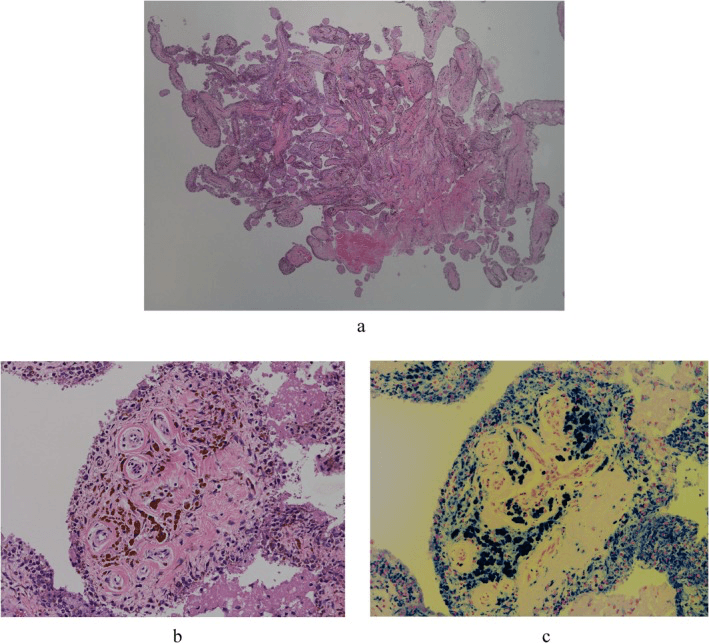
- Iron deposition - haemoglobin breakdown releases iron (haemosiderin)
- Synovitis - iron-induced chronic synovial inflammation
- Enzyme release - synovial enzymes degrade cartilage
- Cartilage destruction - progressive chondrolysis
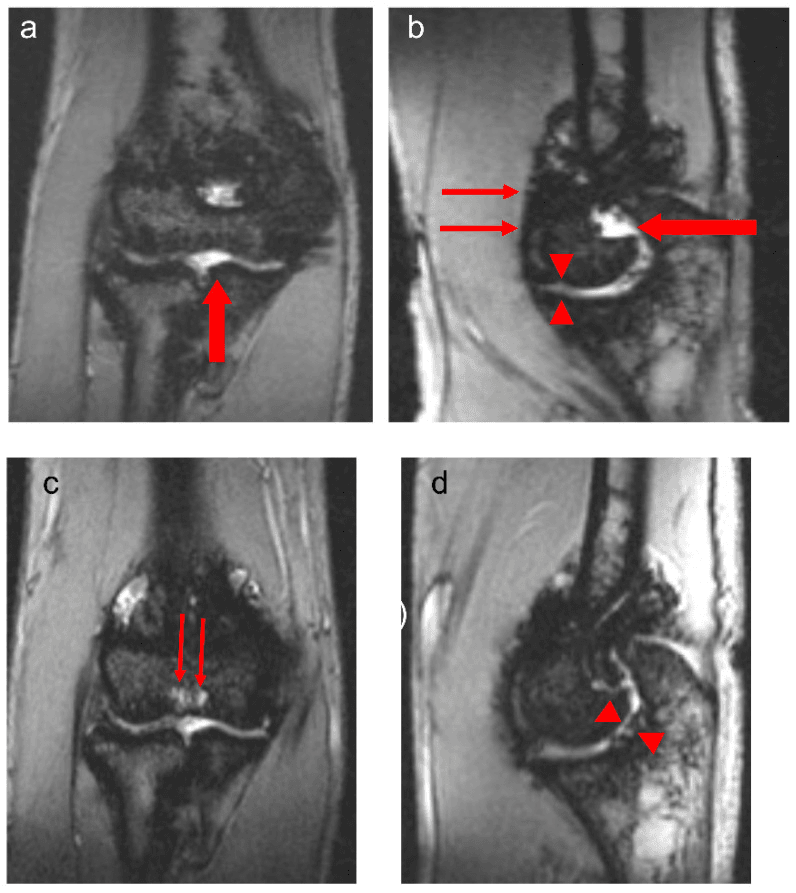
- Secondary changes - subchondral cysts, osteopenia, osteophytes
- End-stage arthropathy - joint destruction, contractures, disability
The vicious cycle. Haemarthrosis induces synovitis, which causes synovial proliferation and neovascularisation. The synovium is highly vascular and its fragile new vessels bleed more easily, so bleed leads to synovitis leads to more bleeds, and the joint is progressively destroyed.
Why hinge joints. The knee, ankle and elbow are affected more than ball-and-socket joints. They have a large synovial surface area, carry high mechanical loading and are poorly protected by the surrounding muscle.
Classification
Classification by factor activity level determines the bleeding phenotype and the treatment strategy.
- Factor Level
- Under 1%
- Bleeding Pattern
- Spontaneous joint/muscle bleeds from infancy
- Factor Level
- 1-5%
- Bleeding Pattern
- Bleeding after minor trauma, occasional spontaneous
- Factor Level
- 5-40%
- Bleeding Pattern
- Bleeding after significant trauma or surgery
Clinical Presentation
Acute haemarthrosis. The joint becomes acutely painful, warm and swollen, often without trauma, and is held in a position of comfort, usually flexion, with limited movement. There may be a prodromal tingling sensation, an "aura". The patient may recall minor trauma or may have been undertreated with a missed prophylaxis dose, and the frequency of bleeds is important for prognosis. On examination:
- Tense effusion, increased warmth and tenderness
- Guarding and muscle spasm
- Other sites of bleeding, which must be checked for
Chronic arthropathy. The cumulative damage of repeated haemarthroses presents as chronic pain, stiffness and limited movement, with muscle wasting and angular deformity. Walking, stairs and daily activities become difficult, walking aids may be needed, and the disability is progressive. On examination:
- Chronic effusion and crepitus
- Fixed flexion contracture, especially at the knee
- Quadriceps wasting
- Valgus or varus deformity
- Limb-length discrepancy
Target joints. A target joint bleeds repeatedly and develops more severe arthropathy than a non-target joint. The distribution:
- Knee - 45%, the most frequently affected
- Ankle - 30%
- Elbow - 20%
- Shoulder, hip and wrist - 5%
The relative rank of ankle and knee differs between cohorts and eras, shifting towards the ankle in populations on modern prophylaxis (see the elbow review in the Evidence Base). At the ankle, expect equinus contracture and tibiotalar destruction; subtalar involvement is common. The radiographic signs of the haemophilic knee are under Investigations.
Muscle Bleeds: Iliopsoas Haematoma and Compartment Syndrome
Haemophilia causes muscle bleeds as well as joint bleeds, and the muscle bleeds are orthopaedic emergencies in their own right. Like the haemarthrosis, they are treated with factor first, imaging second.
Iliopsoas haematoma, the great mimic. A spontaneous bleed into the iliopsoas presents with groin, lower-abdominal or hip pain, the hip held flexed and externally rotated, and pain on extension, mimicking a septic hip, an acute abdomen or appendicitis. Expansion in the iliacus compartment can compress the femoral nerve, giving quadriceps weakness, a lost patellar reflex and anterior-thigh numbness. Diagnose with ultrasound or CT, and treat with urgent factor replacement, rest and graded mobilisation, not primarily surgery.
Compartment syndrome. A bleed into a closed fascial compartment (forearm, calf) can raise the pressure enough to cause an acute compartment syndrome, and the flexor-forearm bleed is the haemophilic route to a Volkmann ischaemic contracture. Treat with immediate factor correction. Fasciotomy is reserved for an established compartment syndrome, and only under full factor cover.
Investigations
Coagulation. The APTT is prolonged (intrinsic pathway), while the PT/INR is normal (extrinsic pathway intact) and so is the bleeding time (platelet function intact). A reduced factor VIII assay identifies haemophilia A and a reduced factor IX assay haemophilia B. During treatment, monitor factor levels, and trough levels on prophylaxis.
Inhibitors. The inhibitor screen (Bethesda assay) detects antibodies to the factor and is the critical preoperative test. Inhibitors develop in 25-30% of severe haemophilia A, against 3-5% of severe haemophilia B, and significantly complicate treatment.
Preoperative work-up. Alongside the inhibitor screen, request:
- Factor level and recovery study
- Blood group and crossmatch
- Hepatitis B, C and HIV status (historical transfusion risk)
- Full blood count
- Liver function, as there may be hepatitis-related liver disease
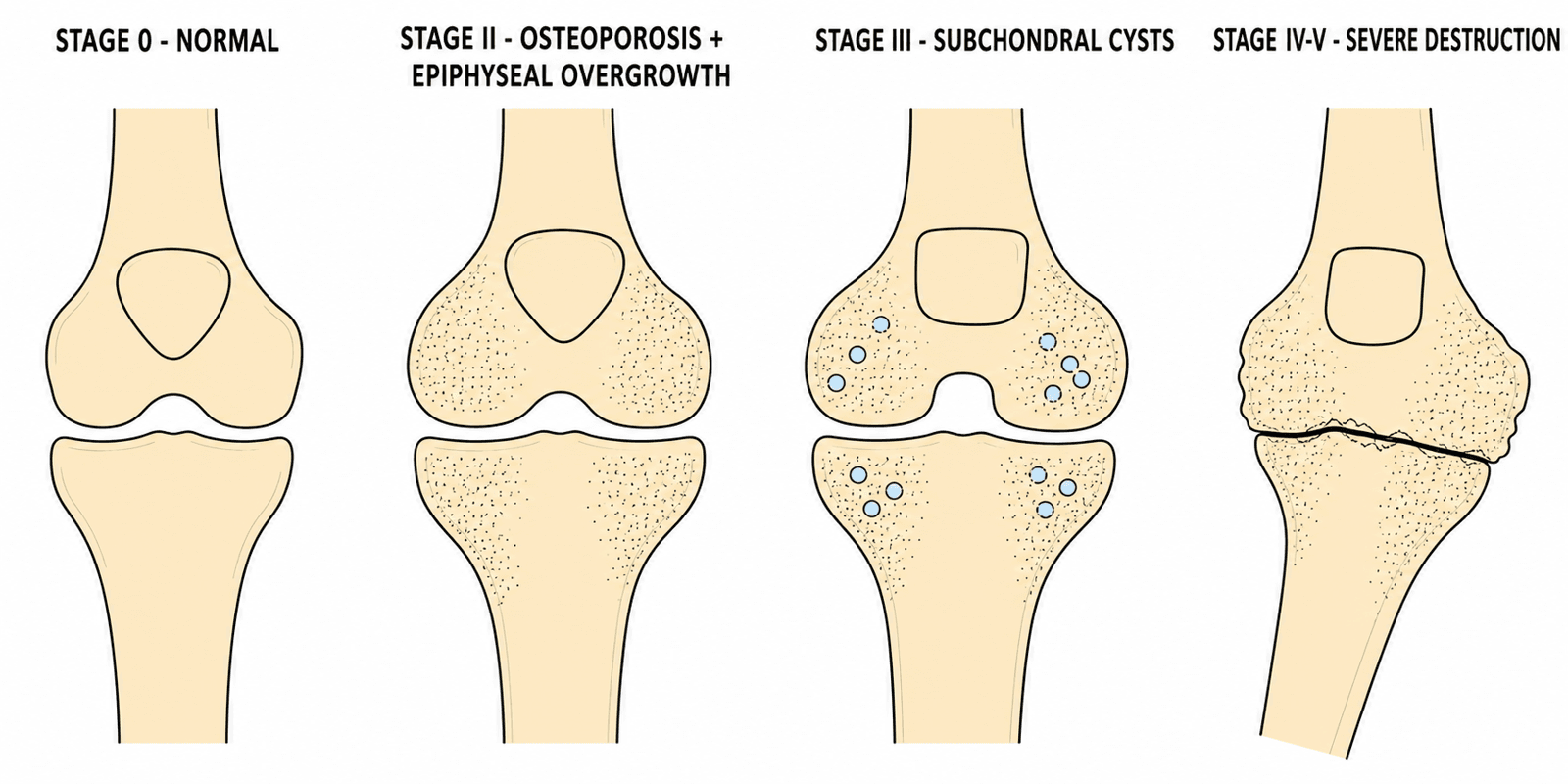
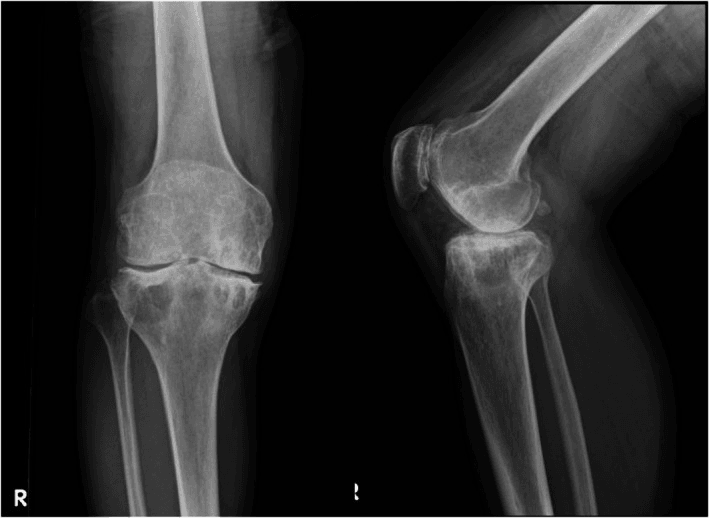
Radiographs. Plain films show the established damage and are graded with the Pettersson score:
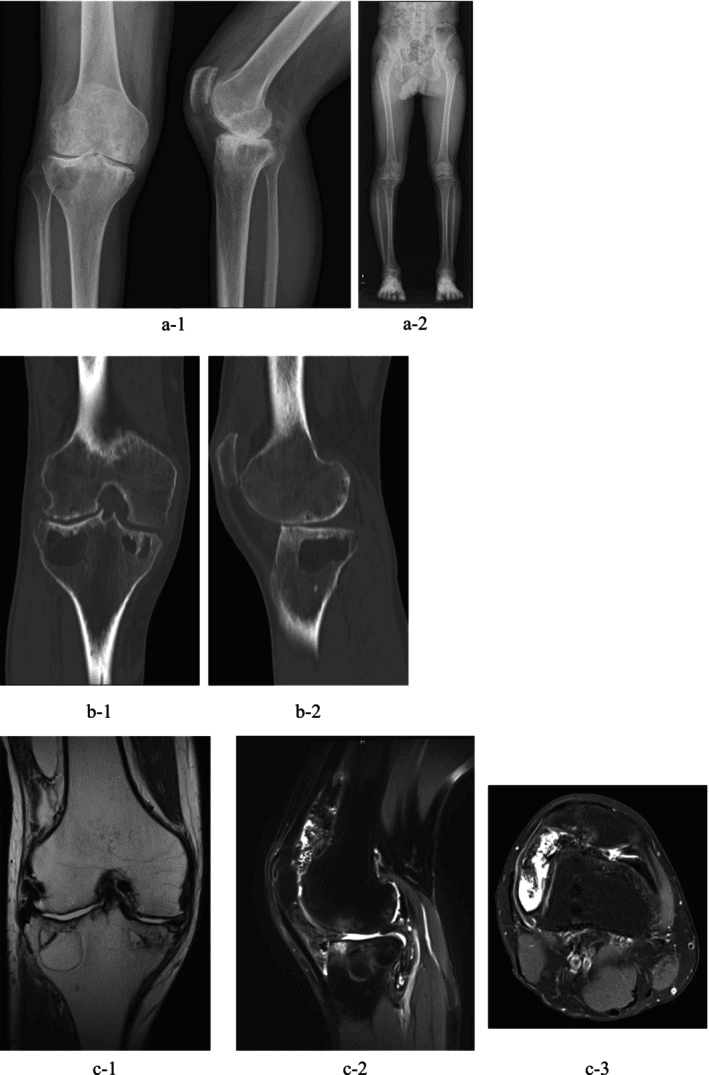
- Widened intercondylar notch at the knee - the classic sign
- Squaring of the inferior pole of the patella
- Epiphyseal overgrowth
- Periarticular osteoporosis
- Subchondral cysts
- Joint-space narrowing
- Secondary osteoarthritic change
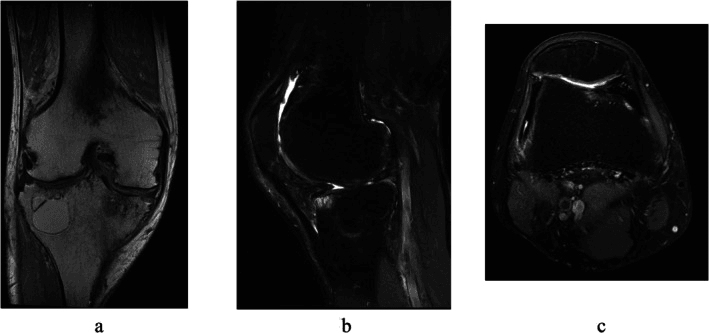
MRI is the gold standard for early disease. It detects synovitis, and joint damage generally, before clinical or radiographic signs appear, which matters for early intervention. It assesses cartilage and shows haemosiderin deposits (low signal on all sequences), bone marrow oedema and cyst formation, scored with the Denver MRI scale.
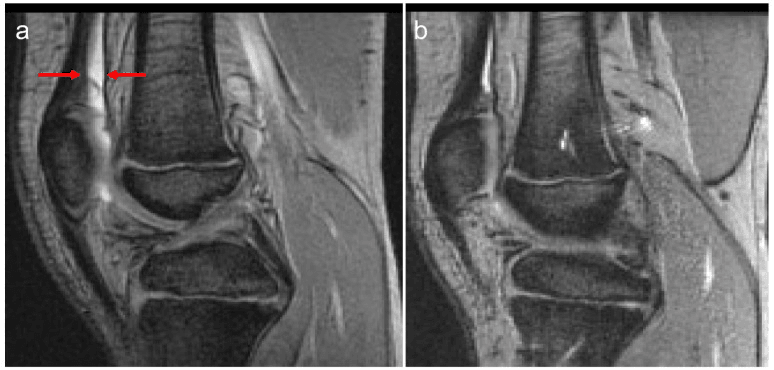
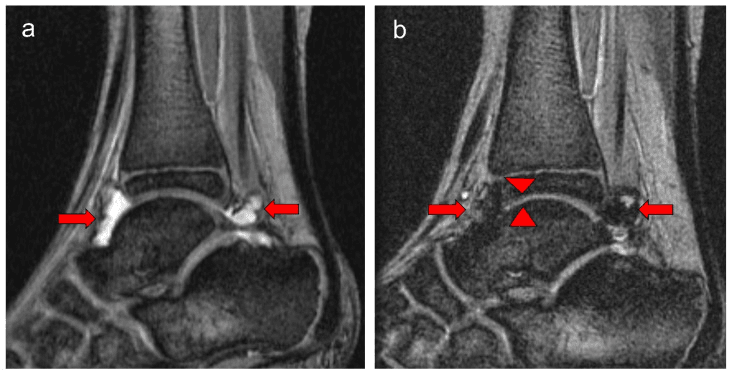
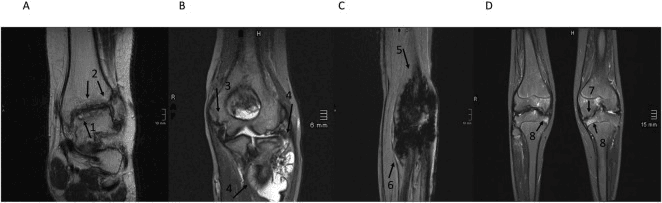
Ultrasound is the point-of-care test for acute haemarthrosis, showing the effusion and synovial hypertrophy, and is increasingly used for monitoring.
Differential Diagnosis
A swollen, painful joint in a young male is not always a haemophilic haemarthrosis. The bleeding history and the coagulation profile are the key discriminators.
- Distinguishing Features
- Recurrent atraumatic bleeds, target joint, prodromal aura, known family history
- Coagulation / Key Test
- Prolonged APTT, normal PT, reduced FVIII or FIX
- Distinguishing Features
- Fever, systemic upset, exquisite pain on micro-movement; can coexist with haemophilia
- Coagulation / Key Test
- Raised CRP/WCC, aspirate for Gram stain and culture (with factor cover)
- Distinguishing Features
- Mucocutaneous bleeding predominates, haemarthrosis rare except severe type 3
- Coagulation / Key Test
- Reduced vWF antigen/activity, variable FVIII
- Distinguishing Features
- Symmetrical or polyarticular, morning stiffness, no bleeding history
- Coagulation / Key Test
- Normal coagulation, raised inflammatory markers, ANA
- Distinguishing Features
- Single joint, recurrent blood-stained effusions, no clotting defect
- Coagulation / Key Test
- MRI low-signal haemosiderin (blooming), normal coagulation
- Distinguishing Features
- Clear injury mechanism, rapid effusion, normal clotting
- Coagulation / Key Test
- Normal APTT/PT, MRI shows structural injury
Management
The standard of care. Regular factor replacement prevents haemarthroses, and early prophylaxis prevents haemophilic arthropathy from developing. Start before or soon after the first joint bleed, and aim to keep the trough level above 1-5%.
- Haemophilia A: factor VIII 25-40 IU/kg every other day or three times a week
- Haemophilia B: factor IX 25-40 IU/kg twice weekly
The Joint Outcome Study. Manco-Johnson and colleagues (NEJM 2007) compared prophylaxis with enhanced episodic treatment in boys under 30 months with severe haemophilia A. At age 6, 93% of index joints were normal on MRI with prophylaxis against 55% with episodic treatment, a relative risk of damage of 6.1.
Extended half-life and non-factor products. Extended half-life factor VIII and IX (Fc or albumin fusion, PEGylation) reduce dosing frequency and raise troughs. Emicizumab, a subcutaneous bispecific antibody, is used in haemophilia A with or without inhibitors. HAVEN 3 reported a 96-97% bleed reduction, but that was against no prophylaxis; against the same patients' previous factor VIII prophylaxis, bleeding was 68% lower (see the Evidence Base). These products have improved adherence and quality of life.
Perioperative Factor Cover
Plan with haematology. Coordination with haematology is essential for every procedure: never proceed to surgery without haematology input and a confirmed factor cover plan. Check inhibitor status (Bethesda assay) beforehand, because it affects the treatment strategy.
Factor targets. The level and its duration depend on the size of the operation:
- Pre-operatively: raise the factor level to 100%
- Major surgery: maintain 50-80% for 10-14 days, tapering as healing progresses
- Minor surgery: maintain 30-50% for 3-7 days
- Bolus or continuous infusion
The arithmetic. For factor VIII, 1 IU/kg raises the plasma level by about 2%, so correcting a severe patient (baseline near 0%) to 100% takes roughly 50 IU/kg. Its half-life is about 8-12 hours, so it is redosed roughly every 8-12 hours, or given by continuous infusion. Factor IX distributes into the extravascular space, so 1 IU/kg raises the level by only about 1% and roughly 100 IU/kg is needed to reach 100%; its longer half-life, about 18-24 hours, allows less frequent dosing.
Where the arithmetic stops. These rules apply only to standard factor concentrates. They do not translate to emicizumab, which is not measured in factor units and interferes with one-stage factor VIII assays, or to a patient with inhibitors, who is treated with bypassing agents rather than factor arithmetic. Always confirm the plan with haematology and a recovery study.
Inhibitors. Management depends on the titre:
- Low titre (under 5 BU): high-dose factor may work
- High titre (over 5 BU): bypassing agents are required - FEIBA (Factor Eight Inhibitor Bypassing Activity) or recombinant factor VIIa (rFVIIa, NovoSeven)
- Immune tolerance induction for the long term
CHIPPerioperative Protocol: CHIP
Hook:CHIP away at perioperative planning.
Complications
Of the disease. The orthopaedic complications are those of the arthropathy itself (see Clinical Presentation): progressive joint destruction, fixed flexion contractures, angular deformity, muscle wasting and weakness, and limb-length discrepancy.
Pseudotumour. Rare but serious: an encapsulated haematoma in soft tissue, muscle or bone that enlarges progressively if untreated and may erode bone. Treat with factor replacement, and surgery if it is large.
Of surgery. The surgical complications are:
- Intraoperative bleeding and postoperative haematoma
- Infection, at a higher rate than in the general population
- Wound-healing problems
- Stiffness, especially at the knee
- DVT/PE, which paradoxically still occurs (see Controversies)
Of treatment. Factor therapy brings its own:
- Inhibitor development (see Investigations)
- Transfusion-transmitted infection, now historical (HCV, HIV)
- Allergic reactions to factor concentrates
- Central venous catheter complications, if a port is present
Outcomes
With prophylaxis. Joint disease is markedly reduced, life expectancy is approaching normal and quality of life has improved dramatically.
Without it. Historically, severe arthropathy developed by adolescence, wheelchair dependence was common, and patients faced multiple joint replacements and significant disability.
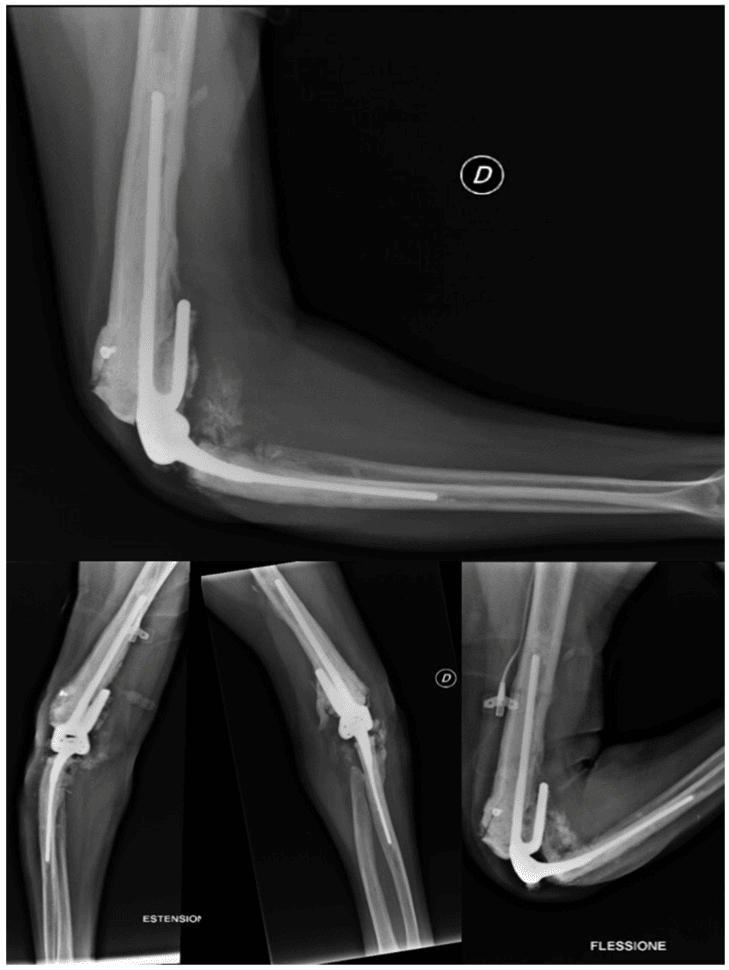
Arthroplasty. 85-90% of patients are satisfied with pain relief, function improves significantly and survivorship is 85-90% at 10 years. The price is a higher complication and revision rate than in the general population: blood loss is increased, stiffness is more common and infection runs at 5-10% against 1-2%, although results are improving with modern protocols. The Ernstbrunner series in the Evidence Base (mean follow-up 18 years) reports 59% survival at 20 years for any revision, in a cohort operated on before modern prophylaxis.
Prognosis depends on:
- Severity of haemophilia - severe is worse
- Adherence to prophylaxis - critical
- Inhibitor status - inhibitors worsen prognosis
- Age at first bleed - earlier is worse
- Number of target joints
Guidelines, Registries & Global Practice
Global Epidemiology:
- Hemophilia A affects approximately 1 in 5,000 male births; Hemophilia B approximately 1 in 30,000 male births
- Hemophilia A accounts for roughly 80-85% of cases worldwide; Hemophilia B for 15-20%
- The World Federation of Hemophilia (WFH) Annual Global Survey identifies over 200,000 people with hemophilia, but case identification remains far below expected prevalence in low-income regions
- Around 30% of cases arise from de novo mutations with no family history
Side-by-Side Guidelines:
- Emphasis
- Comprehensive global standard
- Key Recommendation
- Prophylaxis for all severe hemophilia; integrated multidisciplinary care including musculoskeletal assessment
- Emphasis
- Treatment products and prophylaxis
- Key Recommendation
- Early prophylaxis from first joint bleed or young age; supports EHL and non-factor agents
- Emphasis
- National protocols and inhibitor management
- Key Recommendation
- Standardised perioperative factor dosing and structured inhibitor surveillance
- Emphasis
- Surgical decision-making
- Key Recommendation
- Mandatory haematology co-management; confirmed factor/inhibitor plan before any elective procedure
- WFH World Bleeding Disorders Registry collects longitudinal outcome and treatment data across countries
- National arthroplasty registries (NJR, AJRR, AOANJRR, Swedish/Norwegian) capture small but informative volumes of hemophilic joint replacements - consistently showing higher revision and infection rates than osteoarthritis
- Patient-reported and joint-health tools (Haemophilia Joint Health Score, HAL, FISH) increasingly standardised for global comparison
- High-resource settings: primary prophylaxis from infancy, EHL and non-factor agents (emicizumab), point-of-care ultrasound, elective arthroplasty for end-stage disease
- Limited-resource settings: factor supply is the dominant constraint; care is often on-demand or low-dose ("intermediate-dose") prophylaxis, with later presentation and more advanced arthropathy
- Lower-cost radionuclides (e.g. rhenium-188) and synovectomy are emphasised where repeated arthroplasty is not feasible
- Gene therapy (adeno-associated virus FVIII/FIX transfer) is emerging but currently limited to high-resource, highly selected populations
Controversies & Areas of Uncertainty
Optimal prophylaxis target. Traditional regimens aim for troughs above 1%, but breakthrough bleeds still occur at this level. Individualised, higher-trough or pharmacokinetic-guided dosing versus fixed regimens is debated, balanced against cost and venous access.
Emicizumab in non-inhibitor patients. Non-factor therapy dramatically lowers bleeding rates, but long-term joint-protection data, and its interaction with breakthrough bleeds requiring factor or bypassing agents, are still maturing.
Timing and choice of synovectomy. Radiosynovectomy, arthroscopic and open synovectomy all reduce bleeding, but comparative long-term superiority and the threshold for intervention are not firmly established. Radionuclide availability drives practice regionally.
Implant choice in arthroplasty. The balance between cemented and cementless fixation, and between constrained and less-constrained knee implants, is unresolved in young, often osteopenic haemophilic patients with deformity.
VTE prophylaxis after major surgery. Haemophilia is not fully protective against venous thromboembolism, especially with factor correction. Whether and how to give chemical thromboprophylaxis perioperatively is genuinely uncertain and is individualised with haematology.
Gene therapy durability. AAV-mediated factor gene transfer can achieve sustained factor expression, but durability, hepatotoxicity, immune responses and long-term joint outcomes remain under active study.
Self-Assessment Quiz
Viva Scenarios
Practise clinical reasoning and management decisions out loud
“12-year-old boy with severe Hemophilia A presents with acute left knee swelling and pain after playing soccer. He is on regular prophylaxis but missed yesterday's dose.”
“35-year-old man with severe Hemophilia A, no inhibitors, presents with severe right knee arthropathy. Fixed 30-degree flexion contracture, valgus deformity, pain limiting mobility. Conservative management has failed.”
“8-year-old boy with moderate Hemophilia A has recurrent right knee hemarthroses despite prophylaxis. X-ray shows early arthropathy with widened intercondylar notch. What do you recommend?”
“20-year-old with severe Hemophilia A needs elbow synovectomy for recurrent hemarthroses. Inhibitor screen shows Bethesda titre of 12 BU. How does this change your approach?”
TYPES
- Hemophilia A: Factor VIII (85%)
- Hemophilia B: Factor IX (15%)
- X-linked recessive
- Severe: under 1% factor
TARGET JOINTS
- Knee most common
- Ankle second
- Elbow third
- Hinge joints vulnerable
PREVENTION
- Prophylaxis standard of care
- JOS: 93% joints normal on MRI
- Start soon after first joint bleed
- Trough above 1-5%
PERIOPERATIVE (CHIP)
- Coordinate haematology
- Hundred percent factor pre-op
- Inhibitor check (Bethesda)
- Post-op 50-80% for 2 weeks
Evidence Base
Manco-Johnson MJ et al - Joint Outcome Study (JOS)
- RCT of 65 boys under 30 months with severe Hemophilia A: prophylactic recombinant FVIII vs enhanced episodic therapy
- At age 6, normal index-joint structure on MRI in 93% (prophylaxis) vs 55% (episodic), P=0.006
- Relative risk of MRI joint damage with episodic therapy 6.1 (95% CI 1.5-24.4)
- Joint and total hemorrhage rates significantly lower with prophylaxis
Fischer K et al - Postponing prophylaxis cohort
- Cohort of 76 patients with severe hemophilia, median follow-up to age 19
- Median age at first joint bleed 2.2 years; prophylaxis started median age 6
- Pettersson score was 8% higher (95% CI 1-16%) for every year prophylaxis was postponed after the first joint bleed
- Effect independent of age at scoring and prophylactic dose
Mahlangu J et al - HAVEN 3
- Phase 3 RCT of subcutaneous emicizumab in 152 patients with hemophilia A WITHOUT inhibitors
- Annualised bleeding rate 1.5 (weekly) and 1.3 (fortnightly) vs 38.2 with no prophylaxis - 96-97% reduction
- Intra-individual comparison: 68% lower bleeding than prior FVIII prophylaxis
- No thrombotic events or new FVIII inhibitors; main adverse event mild injection-site reaction