GNAS1 Mutation | Polyostotic Fibrous Dysplasia | Endocrine Dysfunction
- Classic Triad: Polyostotic fibrous dysplasia + cafe-au-lait spots (coast of Maine) + precocious puberty
- GNAS1 Mutation: Postzygotic, somatic, mosaic - cannot be inherited (lethal if germline)
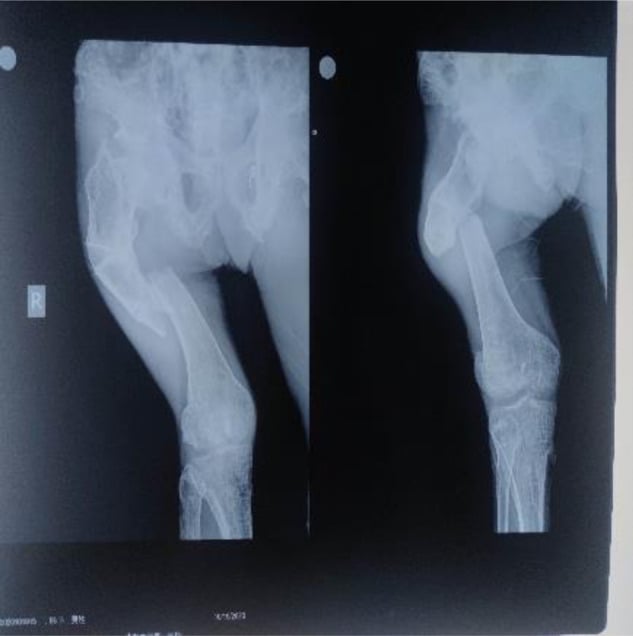
- Shepherd's Crook: Coxa vara deformity of proximal femur from fibrous dysplasia
- Ground-Glass Appearance: Characteristic radiographic finding in fibrous dysplasia lesions
- Endocrine Features: Precocious puberty, hyperthyroidism, growth hormone excess, Cushing syndrome
- “GNAS1 = postzygotic somatic mutation (NOT inherited)
- “Coast of Maine = irregular, jagged borders (MAS) vs Coast of California = smooth (NF1)
- “Cafe-au-lait spots RESPECT the midline (same side as bone lesions)
- “Bisphosphonates for bone pain, NOT for fracture prevention
Overview and Epidemiology
McCune-Albright syndrome (MAS) is a rare genetic disorder defined by a classic triad:
- Polyostotic fibrous dysplasia, with multiple bones replaced by fibrous tissue
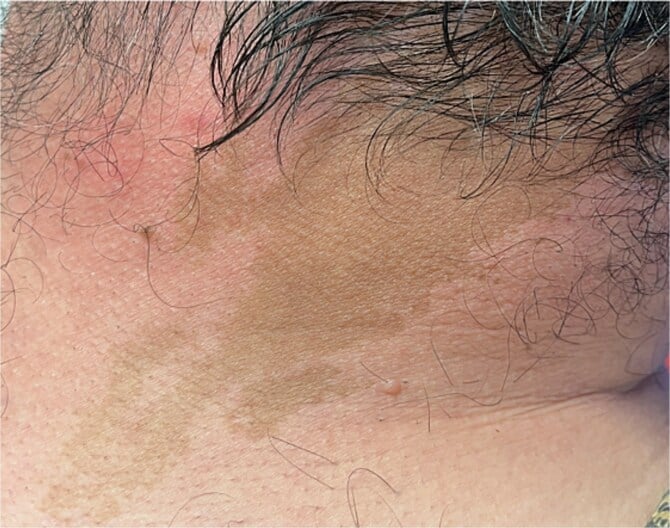
- Cafe-au-lait skin pigmentation in the characteristic "coast of Maine" pattern
- Endocrine dysfunction, most commonly precocious puberty
Who. It is rare, with a prevalence estimated at 1 in 100,000 to 1 in 1,000,000. It is more commonly diagnosed in females, because precocious puberty brings girls to attention, and it usually presents in early childhood, between 2 and 10 years.
The fibrous dysplasia spectrum. MAS sits at one end of a spectrum that runs from a single dysplastic bone to multisystem disease.
- Monostotic FD
- 70-80% of FD cases
- Polyostotic FD
- 20-30% of FD cases
- McCune-Albright Syndrome
- Less than 5% of FD cases
- Monostotic FD
- Single bone
- Polyostotic FD
- Multiple bones, often unilateral
- McCune-Albright Syndrome
- Multiple bones + extraskeletal
- Monostotic FD
- None
- Polyostotic FD
- None
- McCune-Albright Syndrome
- Coast of Maine cafe-au-lait spots
- Monostotic FD
- None
- Polyostotic FD
- None
- McCune-Albright Syndrome
- Precocious puberty, hyperthyroidism, GH excess
- Monostotic FD
- Ribs, femur, tibia, skull
- Polyostotic FD
- Femur, tibia, pelvis, skull
- McCune-Albright Syndrome
- Same + craniofacial involvement common
- Monostotic FD
- Less than 1%
- Polyostotic FD
- 1-4%
- McCune-Albright Syndrome
- 1-4%, and higher again after radiotherapy
- Monostotic FD
- Usually not needed
- Polyostotic FD
- Consider GNAS1
- McCune-Albright Syndrome
- GNAS1 mutation confirms diagnosis
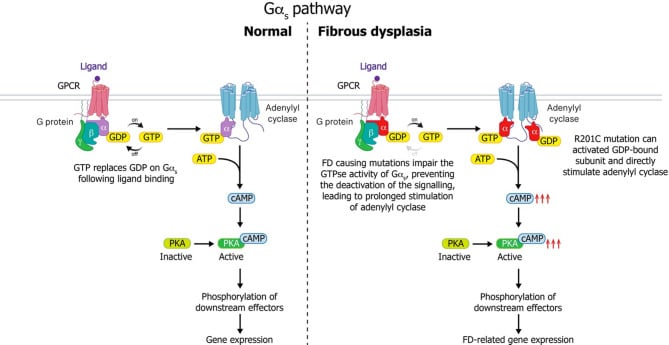
The gene. MAS results from a postzygotic activating mutation in GNAS1 (guanine nucleotide-binding protein, alpha-stimulating) on chromosome 20q13, which encodes the alpha subunit of the stimulatory G protein, Gs-alpha. The mutation turns the gene into an activated oncogene: Gs-alpha is left constitutively active, adenylyl cyclase activity and intracellular cAMP rise, and the downstream effects are enhanced cell proliferation and hormone hypersecretion in the affected tissues.
Why it is never inherited. Germline activating GNAS1 mutations are incompatible with life, lethal in utero, so the condition always arises from a de novo mutation after fertilisation, during early embryogenesis. The timing sets the phenotype. An early mutation involves widespread tissue; a later one affects fewer tissues and gives a milder phenotype. That is why the lesions are distributed as a mosaic and why severity varies between patients.
Pathophysiology
Normal signalling. A hormone binds its G protein-coupled receptor (GPCR), and Gs-alpha exchanges GDP for GTP and becomes active. Active Gs-alpha stimulates adenylyl cyclase to produce cAMP, which activates protein kinase A (PKA) and produces the cellular effects. Gs-alpha then switches itself off: its intrinsic GTPase activity hydrolyses GTP to GDP and returns it to the inactive state.
The mutation. The causative substitution almost always involves arginine 201 in exon 8, replaced by histidine or cysteine (R201H or R201C); a minority involve glutamine at codon 227. The mutant protein loses its GTPase activity, cannot hydrolyse GTP and stays constitutively active. cAMP is produced continuously and independently of hormone binding, and downstream signalling in the affected tissues is unregulated.
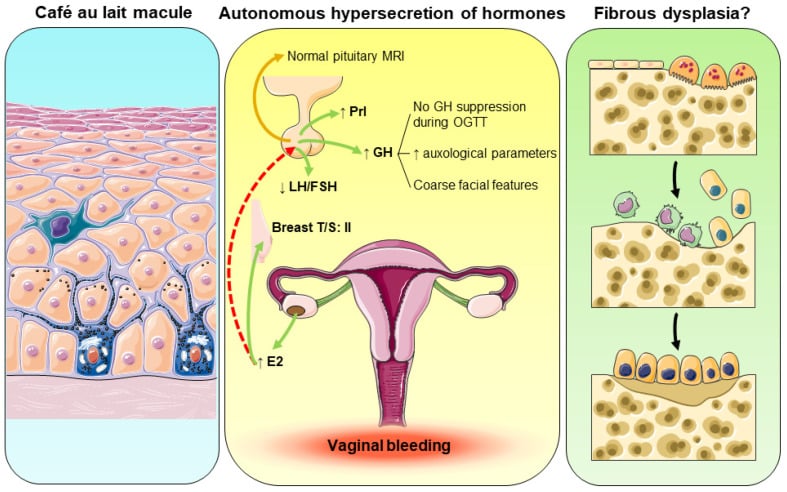
One mutation, many tissues. The same excess of cAMP produces a different disease in each tissue that carries the mutation.
- Effect of Elevated cAMP
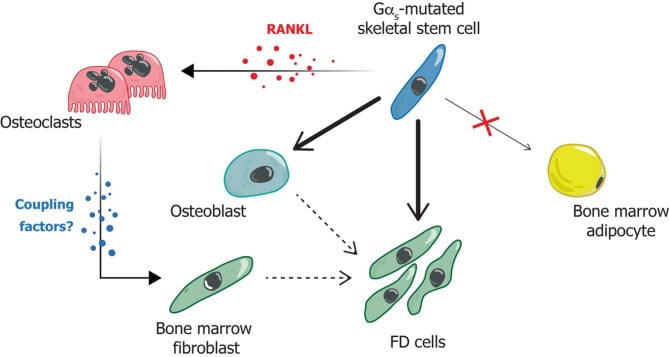
- Abnormal osteoblast differentiation, fibrous tissue proliferation
- Clinical Manifestation
- Fibrous dysplasia, pathological fractures
- Effect of Elevated cAMP
- Increased melanin production
- Clinical Manifestation
- Cafe-au-lait spots
- Effect of Elevated cAMP
- Autonomous oestrogen/testosterone production
- Clinical Manifestation
- Precocious puberty
- Effect of Elevated cAMP
- TSH-independent thyroid hormone secretion
- Clinical Manifestation
- Hyperthyroidism
- Effect of Elevated cAMP
- GH hypersecretion
- Clinical Manifestation
- Acromegaly/gigantism
- Effect of Elevated cAMP
- ACTH-independent cortisol production
- Clinical Manifestation
- Cushing syndrome
Clinical Presentation
Where the lesions are. In order of frequency:
- Femur, the most commonly affected bone, the site of the shepherd's crook deformity
- Tibia, with anterior bowing, the sabre shin
- Pelvis, which may cause acetabular protrusion
- Skull and facial bones, craniofacial fibrous dysplasia
- Ribs, as painless swelling, with rare fractures
- Humerus, less common than the lower limb
The lesions show a unilateral predominance, often on the same side, and their asymmetric distribution reflects the mosaic pattern. The disease progresses during growth and may stabilise after skeletal maturity.
Shepherd's crook deformity. Severe coxa vara and anterolateral bowing of the proximal femur, shaped like a shepherd's walking stick. Fibrous dysplasia weakens the proximal femur, weight-bearing drives it progressively into varus, and repeated microfractures and healing add to the deformity as the child grows, which may leave a significant limb-length discrepancy. The child presents with a limp and a Trendelenburg gait, a shortened limb held in external rotation, hip and thigh pain, and limited hip abduction.
Pathological fractures. The most common complication of fibrous dysplasia, and sometimes the presenting feature. They often heal with conservative treatment, but each fracture adds to the deformity, and the risk rises during growth spurts.
Pain. Bone pain from the lesions is common and debilitating. It is worse with activity and may limit mobility significantly.
Investigations
Radiographs. The ground-glass appearance, a hazy, smoky bone density, is the characteristic finding. Around it:
- Well-defined margins with a thin sclerotic rim (the rind sign)
- Endosteal scalloping, the lesion expanding from within
- Bone expansion with an intact but thinned cortex
- No periosteal reaction unless fractured
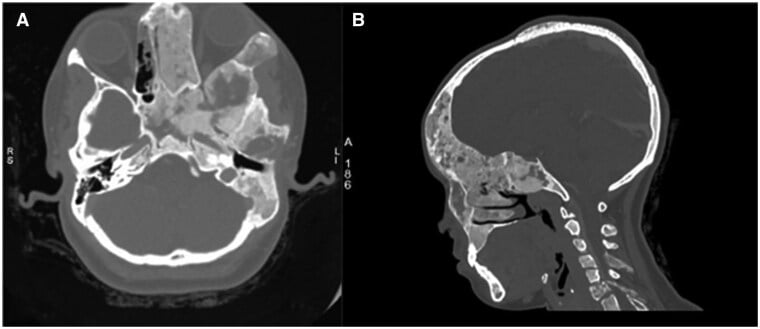
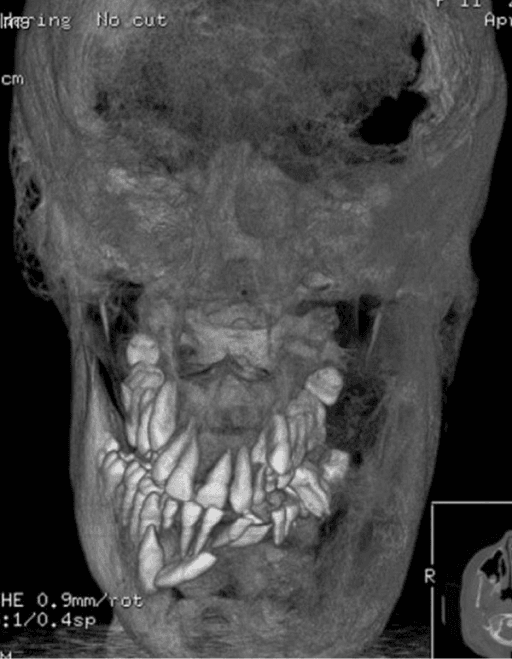
CT. Used to assess craniofacial involvement, plan surgery and define the extent of lesions. It shows the ground-glass matrix clearly, along with cortical thinning and expansion and any encroachment on the nerve canals of the skull base.
MRI. Used for the soft tissues, for suspected nerve compression and to rule out malignant transformation. Lesions are low to intermediate signal on T1 and variable, often high, on T2; they enhance with gadolinium, and cystic areas may be present.
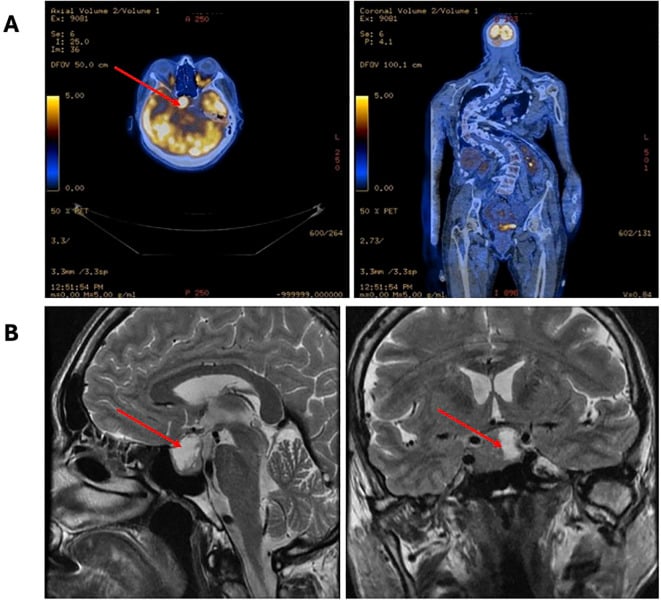
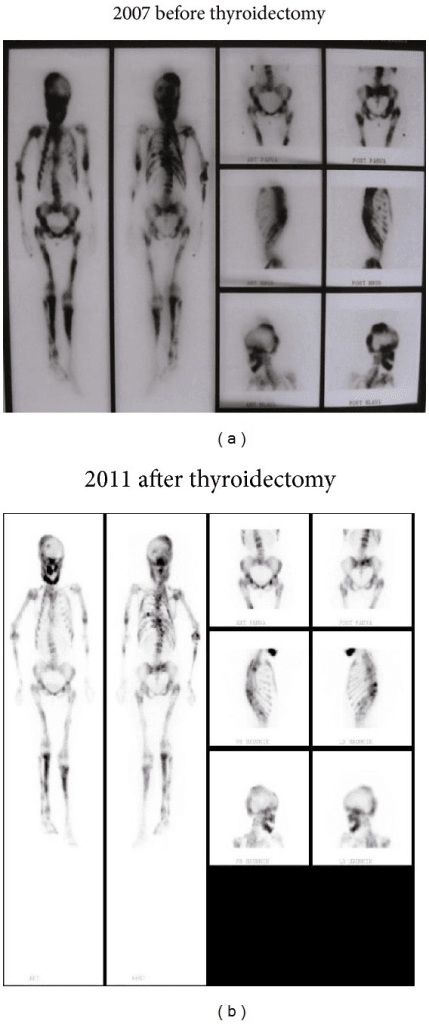
Bone scan (Tc-99m). The lesions take up tracer, so scintigraphy identifies all skeletal involvement and maps polyostotic disease. Consider it for the baseline assessment.
Diagnostic Criteria and GNAS Testing Pitfalls
McCune-Albright syndrome is fundamentally a clinical and radiological diagnosis; molecular testing is confirmatory, not mandatory.
The definition. The classic definition requires two or more of the three cardinal features: polyostotic fibrous dysplasia, cafe-au-lait macules, and a hyperfunctioning endocrinopathy, most often gonadotropin-independent precocious puberty. The FD/MAS International Consortium frames the condition as a continuous spectrum rather than discrete boxes and pragmatically accepts the label when fibrous dysplasia coexists with even a single extraskeletal (skin or endocrine) feature. Isolated monostotic or polyostotic fibrous dysplasia without extraskeletal disease is not MAS, despite sharing the same GNAS mutation.
Why blood testing misleads. The mutation is a post-zygotic mosaic event, so the mutant allele is confined to affected tissues and is frequently present at a very low allele fraction. Peripheral-blood leucocyte testing has limited sensitivity, and it falls further with increasing age and with more limited disease burden.
Testing that works. Higher yield comes from sampling affected tissue, a fibrous dysplasia lesion or a cafe-au-lait macule, or from high-sensitivity assays able to detect low-level mosaicism, such as allele-specific or digital-droplet PCR and targeted next-generation sequencing.
Because GNAS mosaicism may be undetectable in blood, a negative peripheral-blood GNAS result cannot exclude McCune-Albright Syndrome. In a child with the classic triad the diagnosis stands on clinical and radiographic grounds; when the picture is incomplete, test affected tissue or use a high-sensitivity method rather than relying on a routine blood panel.
Severe Neonatal and Infantile McCune-Albright Syndrome
When the mosaic mutation arises very early and is widely distributed, MAS can declare itself in the first weeks to months of life with a severe, endocrine- and viscera-dominant phenotype, rather than the skeletal features that dominate in older children. The neonatal form carries appreciable mortality.
Neonatal Cushing syndrome. ACTH-independent hypercortisolism from autonomous, often bilateral, adrenal hyperplasia. It can be life-threatening, yet the hypercortisolism may spontaneously regress in some infants. Medical control (metyrapone, ketoconazole) can bridge to recovery, and bilateral adrenalectomy is reserved for refractory or severe disease.
The rest of the picture. Alongside the hypercortisolism the infant may have:
- Cholestatic hepatitis or hepatic dysfunction, usually self-limiting but can be marked
- Cardiac involvement, with tachyarrhythmias and cardiomegaly or cardiomyopathy, contributing to early mortality, compounded by the metabolic stress of hypercortisolism and thyrotoxicosis
- Hyperthyroidism and hypophosphataemia, which frequently co-exist and add to the metabolic burden
Why it matters. The orthopaedic manifestations of fibrous dysplasia typically declare themselves later, so a bone-focused lens easily misses the neonatal presentation. It demands urgent multidisciplinary endocrine and paediatric intensive-care input, and the skeletal surveillance that defines childhood MAS follows once the acute illness is stabilised.
The combination of ACTH-independent neonatal Cushing syndrome, cholestatic hepatitis, and cardiac arrhythmia in a young infant should raise McCune-Albright Syndrome, even before fibrous dysplasia is radiographically apparent. The neonatal form carries the highest mortality of any MAS presentation.
Differential Diagnosis
- Skin
- Coast of Maine cafe-au-lait (jagged, respect midline)
- Bone / radiology
- Polyostotic ground-glass FD, shepherd's crook
- Key discriminator
- GNAS mutation + endocrinopathy (precocious puberty)
- Skin
- Coast of California cafe-au-lait (smooth), axillary freckling, neurofibromas
- Bone / radiology
- Anterolateral tibial bowing/pseudarthrosis, scoliosis
- Key discriminator
- NF1 mutation, Lisch nodules, smooth-bordered spots
- Skin
- None
- Bone / radiology
- Single ground-glass lesion
- Key discriminator
- Same GNAS mutation but no skin/endocrine features
- Skin
- None
- Bone / radiology
- Well-demarcated, may displace teeth
- Key discriminator
- Osteoblastic rimming present on histology (absent in FD)
- Skin
- None
- Bone / radiology
- Eccentric metaphyseal lucency, sclerotic rim
- Key discriminator
- Self-limiting, regresses with maturity
- Skin
- None
- Bone / radiology
- Coarse trabeculae, cortical thickening, bone expansion
- Key discriminator
- Older adults, raised ALP, no GNAS mutation
- Skin
- None
- Bone / radiology
- Cortical destruction, soft-tissue mass, periosteal reaction
- Key discriminator
- Rapid growth/pain change; biopsy mandatory
Management Overview
The team. Care is multidisciplinary. The orthopaedic surgeon manages the skeleton and a paediatric endocrinologist the hormonal disorders. A craniofacial surgeon manages facial involvement, an ophthalmologist monitors the optic nerves and an audiologist assesses hearing. A geneticist contributes to diagnosis and counselling, and a pain specialist to chronic pain.
Bisphosphonates treat pain. Bone pain, often significant, is the primary indication. They may reduce lesion activity, though that is controversial, and they do not prevent fractures or deformity progression or change the natural history of fibrous dysplasia. The pain response to intravenous bisphosphonate comes from observational series.
Oral bisphosphonates should not be used for this indication. Randomised placebo-controlled trials of alendronate and risedronate failed to reduce bone pain. The advice rests on that negative trial result, not merely on a preference for the intravenous route.
The intravenous regimens:
- Pamidronate IV (paediatric): 1 mg/kg/day for 3 days, every 3-6 months
- Zoledronic acid IV: 0.025-0.05 mg/kg, every 6 months
Giving them safely. Check calcium, phosphate and vitamin D before each cycle, and monitor renal function, bone turnover markers (ALP, CTX) and the clinical pain response. Ensure adequate vitamin D and calcium. Atypical fractures with long-term use are a concern whose relevance in fibrous dysplasia is controversial, and osteonecrosis of the jaw is rare in the paediatric population.
Phosphate wasting. FGF23-mediated hypophosphataemia is treated as in XLH, with oral phosphate supplementation and calcitriol to enhance absorption, monitoring for nephrocalcinosis. Burosumab (anti-FGF23) may be considered, with emerging data.
Vitamin D. Maintain 25-OH vitamin D above 75 nmol/L. It is essential for bone health and may help reduce fracture risk.
Surgical Management
Acute pathological fractures. Standard fracture care principles apply. Healing usually occurs, because the fibrous tissue produces callus, but it may take longer, may need longer immobilisation, and the callus may be fibrous rather than normal bone. The recurrent fracture risk remains high and progressive deformity is expected without stabilisation, so assess every fracture for the deformity underneath it.
When to operate. Fixation is indicated for:
- Unstable fractures
- Significant displacement
- Pre-existing deformity requiring correction
- Impending fracture (prophylactic fixation)
Timing. Never operate on active, expanding lesions if possible. Bisphosphonates may help reduce lesion activity preoperatively.
Intramedullary fixation is preferred over plates. A nail is load-sharing rather than load-bearing: it distributes stress along the whole bone, allows the fracture to heal without concentrating stress, and causes less stress shielding than a plate. It should span the entire lesion if possible, which protects the bone from refracture, and locking nails are worth considering in the femur and tibia. It accommodates the abnormal bone biology and, with an appropriate nail choice, the growing bone. A plate can cause stress risers and refracture at its ends, and curettage alone has a high recurrence rate.
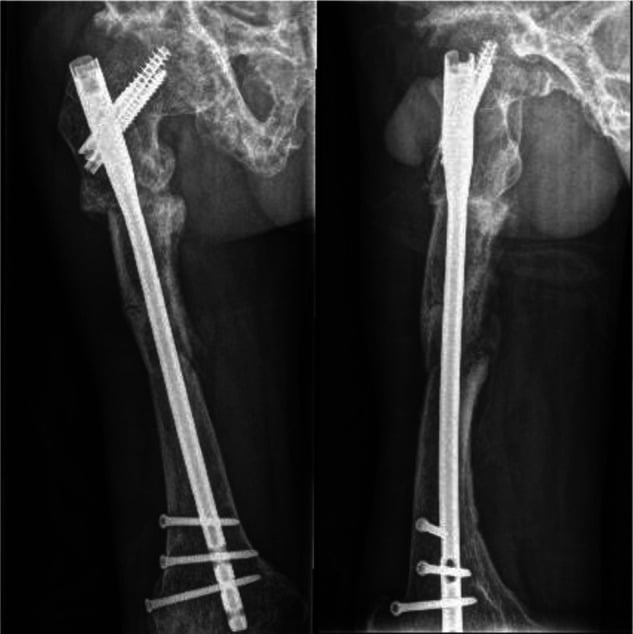
Complications
Skeletal Complications
- Incidence
- 50-70%
- Risk Factors
- Large lesions, weight-bearing bones
- Management
- Stabilisation, IM fixation
- Incidence
- Common
- Risk Factors
- Growth period, weight-bearing
- Management
- Corrective osteotomy
- Incidence
- 30-50%
- Risk Factors
- Femoral involvement
- Management
- Shoe lift, epiphysiodesis, lengthening
- Incidence
- Less than 1% in monostotic FD, 1-4% in polyostotic FD and MAS, higher with prior radiotherapy
- Risk Factors
- Prior radiation
- Management
- Urgent biopsy, wide resection
- Incidence
- Long-term
- Risk Factors
- Malalignment, articular involvement
- Management
- Joint preservation/replacement
Malignant transformation. Prior radiation, large lesions and older age are the risk factors. Rapid lesion growth, increasing pain, a soft-tissue mass or cortical destruction on imaging calls for an urgent MRI and biopsy if concerning. Osteosarcoma is the most common malignancy.
Never irradiate fibrous dysplasia lesions. Radiation therapy significantly increases the risk of malignant transformation to osteosarcoma, fibrosarcoma or chondrosarcoma. Avoid even incidental radiation exposure.
Endocrine Complications
- Presentation
- Short stature
- Management
- Aromatase inhibitors, growth hormone
- Presentation
- Tachycardia, fever, altered mental status
- Management
- ICU, antithyroid drugs, beta-blockers
- Presentation
- Bone pain, fractures, deformity
- Management
- Phosphate, calcitriol, burosumab
- Presentation
- Carpal tunnel, sleep apnoea, diabetes
- Management
- Somatostatin analogues, surgery
Craniofacial Complications
Urgent decompression in this table means decompression of a nerve with objective, progressive neuropathy, not of one merely encased on CT.
- Presentation
- Visual field defects, decreased acuity
- Management
- Urgent decompression
- Presentation
- Conductive or sensorineural
- Management
- Hearing aids, surgery if indicated
- Presentation
- Asymmetry, proptosis
- Management
- Contouring surgery at maturity
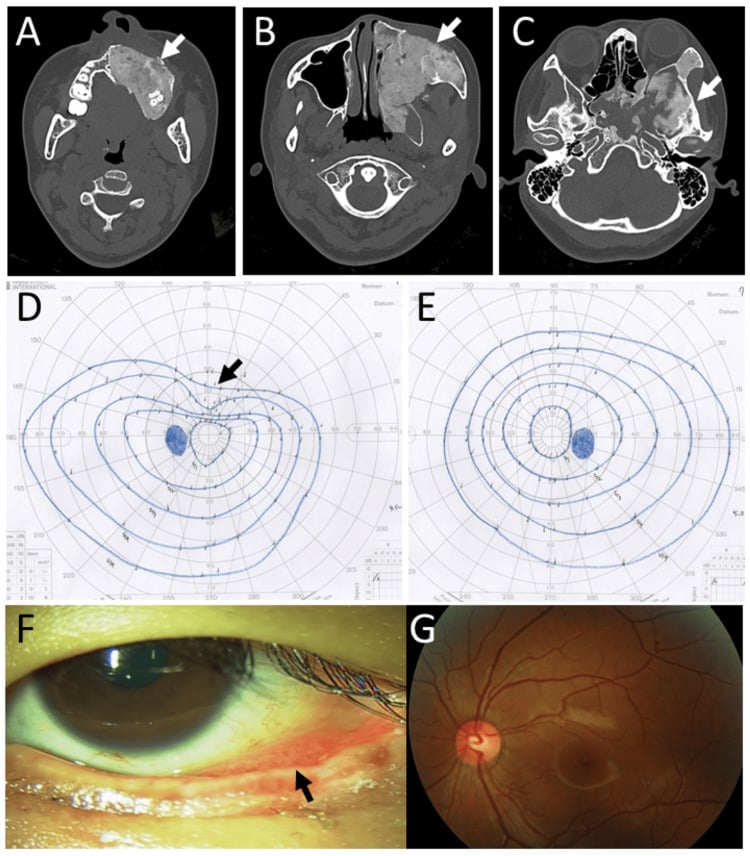
Surgical Complications
Nonunion and delayed union are more common through fibrous dysplasia lesions, and deformity recurs because the disease progresses during growth. Hardware fails in the abnormal bone, refracture occurs at implant ends that do not span the lesion, and blood loss is a hazard because the lesions can be vascular.
Guidelines, Registries & Global Practice
Global Epidemiology
- Prevalence: estimated between 1 in 100,000 and 1 in 1,000,000; true figure uncertain because mild/monostotic and subclinical disease is under-ascertained.
- No sex predilection in skeletal disease, but girls present earlier and more often because of GnRH-independent precocious puberty.
- Mosaic, sporadic worldwide with no recognised geographic, ethnic or familial clustering, consistent with a postzygotic GNAS mutation.
- Disease burden tracks with mutation timing — earlier embryonic mutation produces more widespread, severe, multi-system disease.
Side-by-Side Guidance
- Skeletal / surgical
- IM load-sharing fixation spanning the lesion; avoid curettage/grafting and plating in extensive disease; bisphosphonates for refractory pain
- Endocrine & medical
- Screen all patients for the full endocrinopathy panel; treat precocious puberty with aromatase inhibitors/SERMs (girls); screen for GH excess in craniofacial disease
- Imaging / surveillance
- Baseline disease mapping; observe asymptomatic optic-nerve encasement; avoid prophylactic decompression and radiotherapy
- Skeletal / surgical
- Same load-sharing IM principle; biopsy only for atypical/aggressive features; never irradiate FD
- Endocrine & medical
- Refer endocrine and metabolic care to specialist teams
- Imaging / surveillance
- MRI/biopsy if rapid growth, pain change or soft-tissue mass (malignant transformation)
- Skeletal / surgical
- Intramedullary devices favoured over plates owing to abnormal bone biology and stress-riser refracture at plate ends
- Endocrine & medical
- —
- Imaging / surveillance
- Span the entire lesion; expect delayed/fibrous union
- Skeletal / surgical
- Endorses the EPOS multicentre conclusion (Ippolito): IM nailing prevents recurrent fracture and major deformity
- Endocrine & medical
- Mandatory endocrine and phosphate screening at orthopaedic presentation
- Imaging / surveillance
- Whole-skeleton mapping (scintigraphy or whole-body MRI) in polyostotic disease
Registry & Network Considerations
There is no implant-survival registry specific to FD/MAS (it is rare and managed with custom constructs rather than catalogued arthroplasty implants). Evidence is instead consolidated through:
- National rare-bone-disease networks and reference centres (for example RUDY in the UK, NIH natural-history cohorts in the US) which pool longitudinal outcome data.
- The FD/MAS International Consortium, which functions as the de facto global standard-setting and data-sharing body.
High- vs Limited-Resource Practice Variation
- Well-resourced settings: coordinated multidisciplinary teams (paediatric orthopaedics, endocrinology, craniofacial surgery, ophthalmology, genetics, metabolic bone), IV bisphosphonate programmes, GNAS molecular testing, whole-body MRI mapping, and access to burosumab (anti-FGF23) for refractory hypophosphatemia where licensed.
- Limited-resource settings: diagnosis rests on clinical triad plus plain radiographs; management prioritises fracture and deformity stabilisation and oral phosphate/calcitriol for phosphate wasting; molecular confirmation, advanced imaging and newer biologics are often unavailable. Radiotherapy must still be avoided regardless of setting.
- Denosumab and burosumab show promise in refractory disease but remain off-label/restricted for FD/MAS in most jurisdictions and are not first-line.
Transition of Care
Adolescents require structured transfer to adult endocrinology, adult orthopaedics with a bone-dysplasia interest, and ophthalmology/audiology as needed, with genetic counselling that emphasises the non-heritable nature of the GNAS mutation.
Controversies and Areas of Uncertainty
Bisphosphonates: pain relief without disease modification. IV pamidronate reliably reduces bone pain and resorption markers, but no randomised evidence shows a reduced fracture rate, halted lesion progression or restored normal bone. They are a symptomatic tool, and routine use for asymptomatic disease is not justified.
Prophylactic optic-nerve decompression. Historically advocated for radiographic optic-canal encasement, it is now discouraged: most fully encased nerves never develop neuropathy and remain stable, while prophylactic surgery has caused vision loss. Decompression is reserved for objective, progressive optic neuropathy. GH excess, which worsens encasement, should be actively sought and treated.
Timing of craniofacial contouring. Lesions may reactivate and regrow during growth and pregnancy, which is why cosmetic contouring is generally deferred toward skeletal maturity. Aggressive resection risks recurrence and functional harm, and conservative shaving with long-term follow-up is preferred, but the optimal timing remains debated.
Emerging biologics. Denosumab (anti-RANKL) can reduce pain and lesion activity but raises concerns over rebound hypercalcaemia and unknown long-term effects on growing bone; it remains experimental in FD/MAS. Burosumab (anti-FGF23) is rational for FGF23-driven hypophosphataemia but is licensed for X-linked hypophosphataemia, not FD/MAS, and the evidence is preliminary.
The construct in the growing femur. The choice between flexible (elastic) nails and rigid or locked nails, and between valgus and multilevel ("shish kebab") osteotomy for the shepherd's crook, is individualised. Plates and curettage-with-grafting are widely discouraged in extensive disease, but no randomised trial defines the single best construct.
How often it turns malignant. The quoted rates, under 1% in monostotic disease and 1-4% in polyostotic disease and MAS, rising with prior radiotherapy, rest on small cohorts with selection bias, so the true baseline rate is uncertain.
Viva Scenarios
Practise clinical reasoning and management decisions out loud
“A 6-year-old girl presents with progressive limp and leg pain. She has large, irregular cafe-au-lait spots on her left trunk and thigh. X-ray shows ground-glass lesions in the left femur with coxa vara (neck-shaft angle 85°) and anterior bowing. What is your diagnosis and management approach?”
“An 8-year-old boy sustains a pathologic fracture through a known fibrous dysplasia lesion in the proximal femur shaft. He has polyostotic disease. How do you manage this?”
“A 12-year-old with known McCune-Albright Syndrome presents with decreasing vision in the right eye. CT shows extensive craniofacial fibrous dysplasia involving the sphenoid wing and orbital canal. How do you manage this?”
CLASSIC TRIAD
- Polyostotic fibrous dysplasia
- Cafe-au-lait spots (Coast of Maine)
- Precocious puberty (GnRH-independent)
- All due to GNAS1 mutation
GNAS1 MUTATION
- Postzygotic somatic mutation (NOT inherited)
- Constitutively active Gs-alpha protein
- Increased cAMP signaling
- Mosaic distribution explains variable expression
CAFE-AU-LAIT SPOTS
- Coast of Maine = irregular, jagged borders
- Respect the midline (same side as FD)
- Coast of California = smooth (NF1)
- Present from birth or early infancy
FIBROUS DYSPLASIA
- Ground-glass radiographic appearance
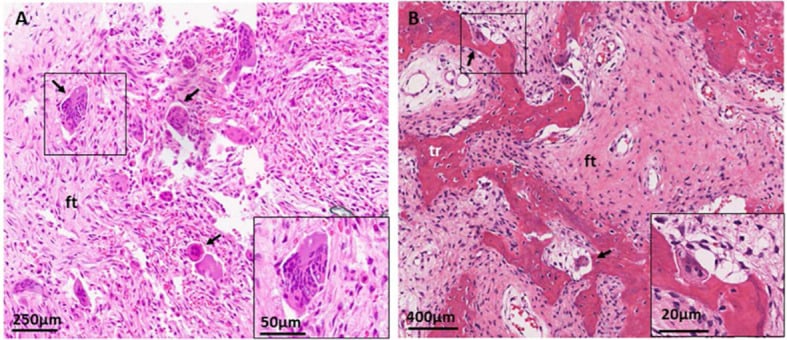
- No osteoblastic rimming on histology
- Chinese letter bone trabeculae pattern
- Shepherd's crook deformity (proximal femur)
SURGICAL PRINCIPLES
- IM fixation preferred over plates
- Span ENTIRE lesion with implant
- Load-sharing fixation concept
- Never irradiate - malignant transformation risk
MEDICAL MANAGEMENT
- Bisphosphonates for bone PAIN (not fracture prevention)
- Aromatase inhibitors for precocious puberty in girls
- GnRH agonists do NOT work (peripheral mechanism)
- Multidisciplinary team essential
Evidence Base
Weinstein et al (NIH)
- Identified activating Gs-alpha (GNAS) mutations in all 4 MAS patients studied
- Demonstrated the somatic, mosaic mechanism present across affected and unaffected tissues
- Two patients carried R201H and two carried R201C substitutions in exon 8
- Proposed early-embryonic somatic mutation as basis for mosaic disease
Leet, Collins et al (NIH cohort)
- 35 patients with polyostotic FD/MAS, 172 fractures over mean 14-year follow-up
- Peak fracture rate between 6 and 10 years of age, declining thereafter
- Most fractures femoral (103), then humeral (33), tibial (25), forearm (11)
- Phosphaturia (renal phosphate wasting) predicted earlier first fracture and higher lifetime fracture rate
Ippolito et al (European Paediatric Orthopaedic Society)
- Multicentre clinicopathologic study of 64 cases (monostotic FD, polyostotic FD and MAS) across 11 centres
- Conservative femoral fracture care, curettage/grafting and screw-plate fixation were all judged inadequate in extensive disease
- Intramedullary nailing stabilised severely affected bone and prevented further fracture and major deformity
- Endocrine and phosphate evaluation was frequently omitted at orthopaedic centres yet essential
Chapurlat & Legrand
- Systematic review of 234 articles on bisphosphonates in FD/MAS
- IV pamidronate decreases bone pain and bone-resorption markers (urinary/serum CTX, NTX)
- Randomised trials of oral bisphosphonates failed to reduce pain over placebo
- No bisphosphonate (oral or IV) has been shown to reduce fracture occurrence
Cutler, Collins et al (NIH)
- 104 patients evaluated; 174 optic nerves assessed in craniofacial FD
- Of fully (100%) encased nerves, 88% showed NO optic neuropathy and remained stable over time
- Growth hormone excess strongly increased risk of encasement and neuropathy (RR ~4)
- Prophylactic decompression carried risk (one patient blinded); interventional decompression gave inconsistent results
Javaid, Boyce et al (FD/MAS International Consortium)
- International consensus best-practice guideline for FD/MAS diagnosis, staging and management
- Multidisciplinary care with structured endocrine, ophthalmologic and skeletal surveillance
- Bisphosphonates for refractory bone pain; surgery for functional impairment and deformity
- Avoid radiotherapy and discourage prophylactic optic-nerve decompression in asymptomatic encasement