
Article summary
A preparation strategy for the MS and DNB Orthopaedics exams — theory, clinical cases, instruments and viva technique.
Educational content is reviewed for source visibility, editorial coherence, and correction readiness.
No individual clinician credential is claimed unless a named person is shown.
Verify before clinical use; this is not medical advice or a substitute for local guidance.
Preparing for your MS or DNB Orthopaedics examination can feel like standing at the base of a daunting mountain. Whether you are completing your postgraduate training in India or preparing for equivalent specialist registration elsewhere, the goal remains the same: transforming years of clinical grit into structured, confident knowledge. This is your strategic blueprint for tackling the theory, clinical cases, instruments, and viva technique with clarity and precision.
Building a Rock-Solid Theoretical Foundation
Theory papers are the bedrock of your examination, and relying solely on scattered lecture notes will leave you vulnerable. You need to cultivate a core library of standard orthopaedic texts that cover both trauma and elective surgery comprehensively. Structure your revision around broad pillars: basic sciences, paediatric orthopaedics, spine, sports medicine, joint replacement, and musculoskeletal trauma.
Use standard textbooks as your primary anchors, supplementing them with recognised exam revision guides and seminal journal articles. As you consolidate your reading, focus on understanding the mechanics behind surgical decision-making rather than simply rote-learning facts. Examiners are not looking for textbook regurgitation; they want to see that you understand the 'why' behind a treatment protocol, the biomechanics of an implant, and the classification systems that dictate modern surgical management.
Mastering the Clinical Cases
The clinical examination separates the seasoned surgical trainee from the textbook reader. The key to success here is developing a bulletproof, reproducible system that you execute flawlessly under pressure. Your examination sequence—inspection, palpation, measuring movements, and assessing neurovascular status—must become second nature.
Practice your spot diagnoses extensively. Whether you are presented with a classic case of a rheumatoid hand, a neglected developmental dysplasia of the hip, or a complex post-traumatic limb deformity, you need to quickly identify the obvious positive signs and actively look for the subtle negative ones. When presenting your case to the examiner, start with a concise, punchy summary of the patient's demographic profile, their chief complaint, and the pertinent positive and negative findings. Avoid rambling. Speak clearly, project confidence, and always offer a definitive, logical management plan that encompasses conservative care, surgical options, and essential postoperative rehabilitation.
Demystifying Implants and Instruments
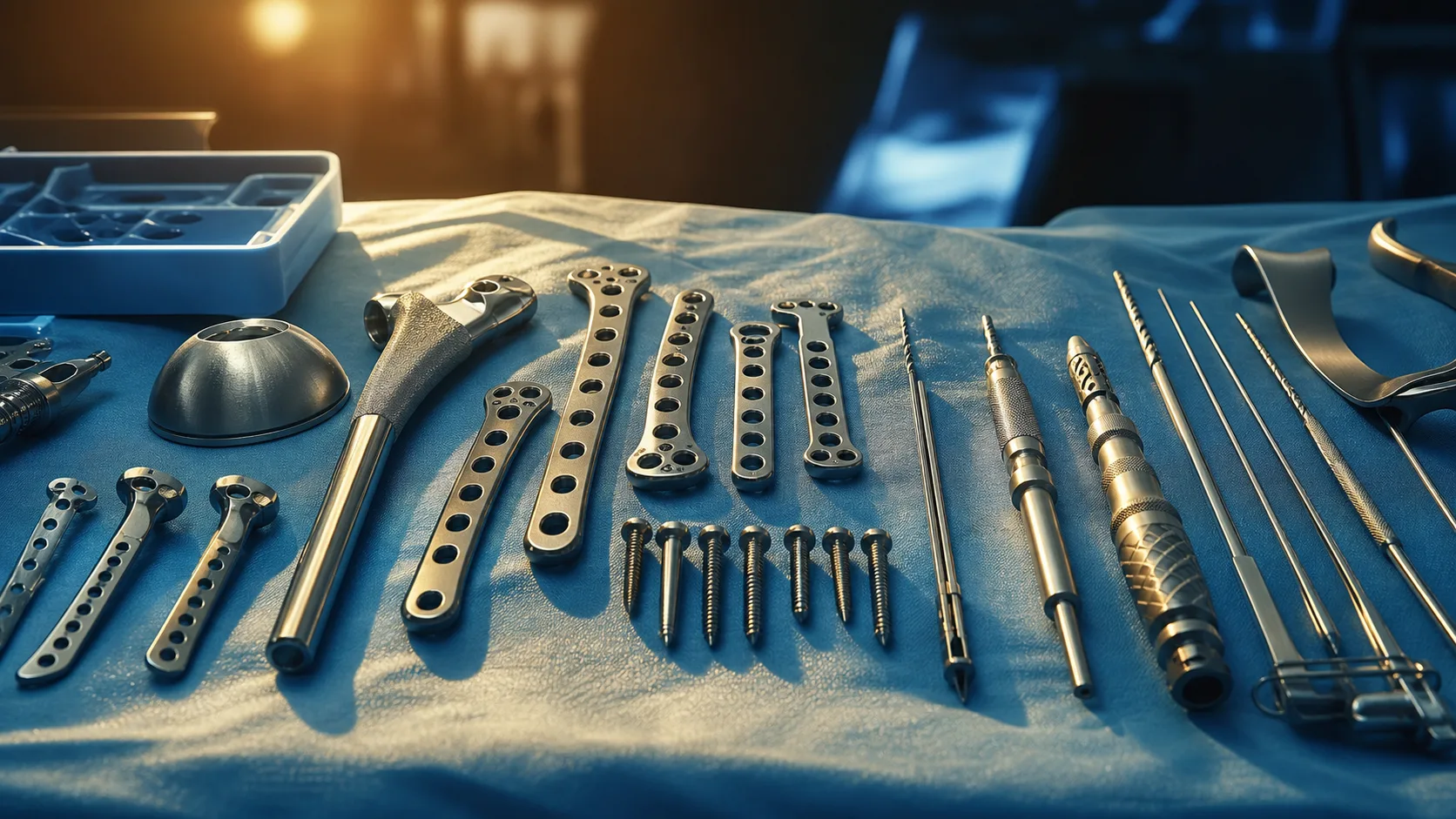
The implant viva often induces unnecessary panic, yet it is arguably one of the most scoring sections of the entire exam if approached logically. Examiners want to know that you can recognise a plate, a screw, or an arthroplasty component, and that you understand its underlying biomechanical purpose and correct anatomical application.
When you are handed an instrument, do not rush to blurt out a random guess. Take a breath. Categorise it logically: is it for fixation, for soft tissue manipulation, or for joint replacement? Observe its design features carefully. A dynamic compression plate has specific elliptical gliding holes designed to generate compression across a fracture site. A locked plate features threaded screw holes to provide angular stability. By learning the fundamental design principles rather than memorising obscure manufacturer catalogues, you can confidently navigate even the most unfamiliar piece of surgical hardware.
Refining Your Viva Technique
The viva voce is ultimately a test of your surgical character, maturity, and safe clinical judgement just as much as it is a test of your factual recall. Examiners are actively seeking to find out if you are a safe, competent pair of hands. Always structure your answers systematically. Whenever you are presented with a complex scenario, break your response down into immediate emergency management, definitive surgical planning, and potential complication avoidance.
Honesty is your absolute best policy in the hot seat. If an examiner asks a question about a highly niche subspecialty technique or a specific research paper that you simply do not know, gracefully admit it. Politely state that you are not familiar with the specific detail, but would be eager to look it up and discuss the broad concepts with your senior consultant. Making up fictional procedures or wildly guessing patient management algorithms is a far more dangerous path that will quickly erode the examiner's trust in your professional integrity.
Navigating the Wider Training Landscape
While you are intensely focused on the immediate hurdle of your MS or DNB exams, it is vital to remember how this milestone fits into your long-term surgical career. The journey from medical school, through your foundation and core training years, and into higher specialty training is designed to incrementally build your clinical autonomy. Passing your professional exams is the crucial gateway that unlocks the final stages of this pathway.
Whether your ultimate goal is to secure a highly coveted subspecialty fellowship in spine surgery, sports medicine, or complex limb reconstruction, the broad foundation you build now will directly support that future ambition. The MS and DNB examinations are not merely academic hurdles to jump over; they are the rigorous proving ground that prepares you for a lifetime of independent surgical practice.
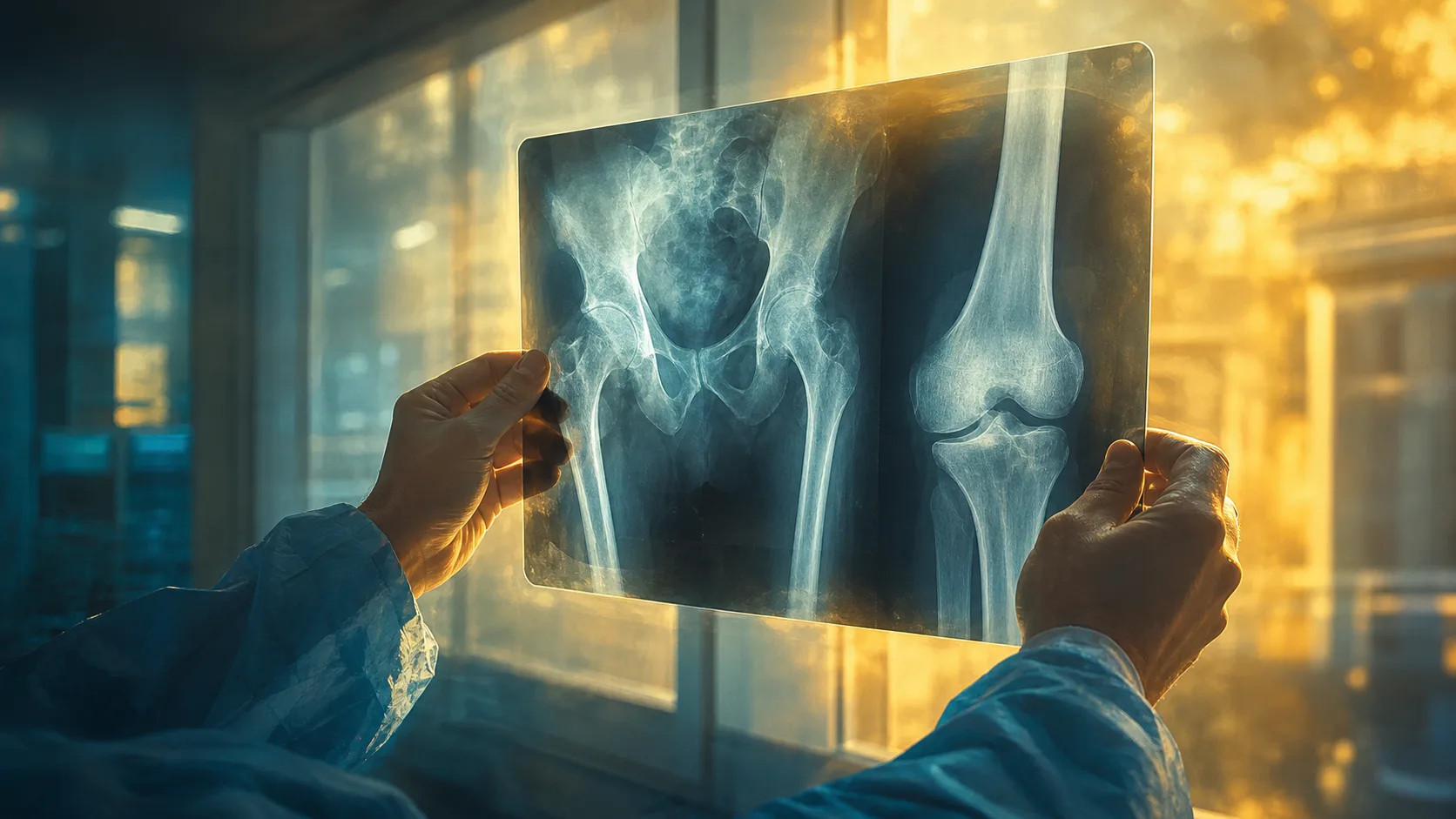
Mastering these four pillars—structured theory, smooth clinical assessment, confident instrument recognition, and calm viva communication—will see you through. Trust your rigorous training, keep your nerves anchored, and step into that examination hall ready to demonstrate the exceptional surgeon you have worked so hard to become.
Share this article
Useful for a journal club, study list, or teaching session.