Benign Bone-Forming Tumour | Posterior Elements | Pain Syndrome
- Osteoblastoma is histologically similar to osteoid osteoma but larger than 2cm and lacks nidus
- About 30-40% occur in spine, particularly posterior elements (pedicle, lamina, transverse process)
- Pain is NOT typically relieved by NSAIDs (key distinguishing feature from osteoid osteoma)
- CT shows expansile lytic lesion with variable mineralisation and 'mini-brain' appearance
- Treatment is intralesional curettage with adjuvants or en bloc resection depending on stage
- “Distinguish from osteoid osteoma: larger than 2cm, spine location, NSAIDs ineffective
- “Aggressive osteoblastoma can mimic osteosarcoma - requires expert histopathology review
- “Recurrence rate 10-20% after intralesional treatment, higher in aggressive variant
- “Spinal lesions may present with neurological deficit from mass effect or pathological fracture
Overview and Epidemiology
Osteoblastoma is a rare benign bone-forming tumour in which active osteoblasts produce osteoid and immature woven bone. It accounts for about 1% of primary bone tumours and 3% of benign bone tumours. Histologically it resembles osteoid osteoma; it is distinguished by size greater than 2cm and by different clinical behaviour.
Why it matters. Four features make it clinically important:
- It can mimic malignant tumours radiologically and histologically, particularly in its aggressive variant
- Spinal involvement may cause neurological compromise
- It recurs locally, so it needs long-term surveillance
- Its treatment differs from that of osteoid osteoma, so the two must be told apart
Who. The peak age is 10-30 years, within a range of 2-75 years, and males are affected twice as often as females. There is no racial predilection.
Where. About 30-40% arise in the spine (32% in the 306-case Lucas series) and about 30% in the long bones, the remainder at other sites.
- Spine: the posterior elements, namely pedicle, lamina and transverse process
- Long bones: femur and tibia, in the metaphysis or diaphysis
- Other sites: mandible, hands and feet, less commonly
- Epiphysis: rare, under 5% of cases
Pathophysiology and Histology
The molecular event. The defining molecular event is now established: recurrent rearrangements of FOS, and less commonly FOSB, are present in the great majority of osteoblastomas and osteoid osteomas, placing the two lesions in a single molecular family. These rearrangements are absent in osteosarcoma, so FOS immunohistochemistry (or FOS/FOSB FISH) is a useful ancillary test when morphology alone cannot separate an aggressive osteoblastoma from a bone-forming sarcoma.
Microscopy. Uniform osteoblasts line the osteoid seams and produce abundant immature osteoid and woven bone with irregular mineralisation. The stroma is highly vascular fibrous tissue, with scattered osteoclast-like giant cells.
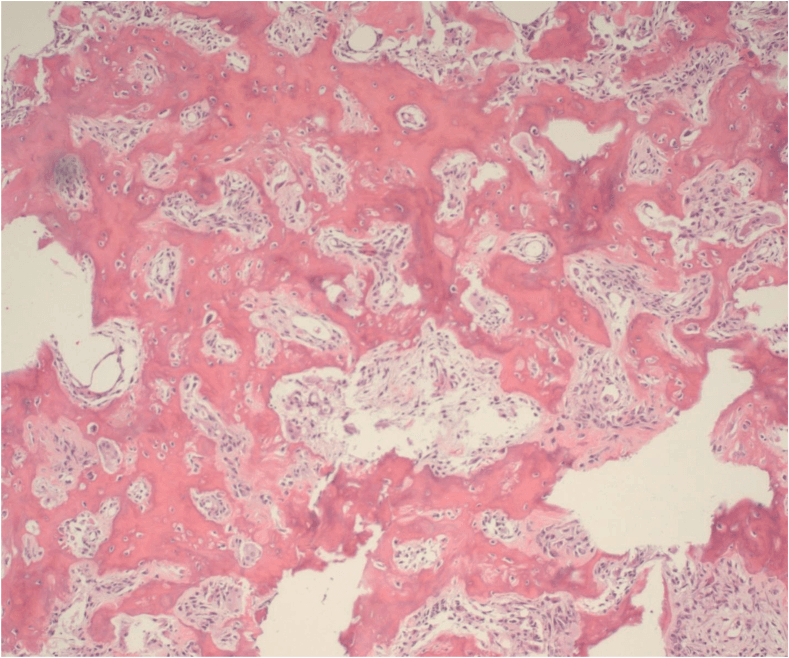
The aggressive variant. Approximately 10-15% of osteoblastomas show aggressive histological features: epithelioid osteoblasts, sheet-like growth and increased mitotic activity. This variant recurs more often and can be misdiagnosed as osteosarcoma.
Expert musculoskeletal pathology review is mandatory. The key differences from osteosarcoma are a circumscribed margin, uniform cellularity and no permeative growth pattern.
- Classic Osteoblastoma
- Circumscribed, pushing margin
- Aggressive Variant
- Infiltrative at periphery
- Osteosarcoma
- Permeative, destructive
- Classic Osteoblastoma
- Uniform, single nuclei
- Aggressive Variant
- Epithelioid, prominent nucleoli
- Osteosarcoma
- Atypical, pleomorphic
- Classic Osteoblastoma
- Abundant, lace-like
- Aggressive Variant
- Variable, irregular
- Osteosarcoma
- Minimal to abundant, atypical
- Classic Osteoblastoma
- Rare (under 1 per HPF)
- Aggressive Variant
- Increased (2-5 per HPF)
- Osteosarcoma
- Frequent (over 10 per HPF)
- Classic Osteoblastoma
- Prominent, dilated vessels
- Aggressive Variant
- Variable vascularity
- Osteosarcoma
- Often necrotic areas
Clinical Presentation
The pain. The classic presentation is progressive bone pain over weeks to months: constant, moderate to severe, and often worse at night. Unlike osteoid osteoma, the pain is typically not relieved by aspirin or NSAIDs, a key difference between the two.
Spinal lesions. A spinal lesion may present with radicular pain, motor weakness or scoliosis, and can cause neurological deficit from mass effect or pathological fracture. The neurological features to look for:
- Radiculopathy from nerve root compression
- Motor weakness in a myotomal distribution and dermatomal numbness
- Painful scoliosis in children
- Cauda equina compression, which is rare, with lower lumbar lesions
Examination. The overlying skin is normal, without warmth or redness. The rest of the examination, step by step:
- Look: swelling, visible if the lesion is superficial (hands, feet); scoliosis with spinal lesions; an antalgic gait if the lower limb is involved
- Feel: localised bony tenderness; a mass, palpable if the cortex is expanded; distal pulses and sensation
- Move: range limited by pain if the lesion is juxta-articular; strength reduced by pathological fracture or nerve compression; a full neurological examination (motor, sensory, reflexes) if spinal
- Special tests: straight leg raise and the neurological level for spinal lesions, stability assessment for a pathological fracture, and the Adams forward-bend test for scoliosis
Any of these needs immediate evaluation:
- Progressive neurological deficit (spinal cord or cauda equina compression)
- Severe unremitting pain suggesting pathological fracture
- Systemic symptoms (fever, weight loss) suggesting infection or malignancy
- Rapid progression of symptoms over days to weeks
Investigations and Imaging
Radiographs. Plain films show an expansile lytic lesion with variable internal mineralisation, usually well-defined with a thin sclerotic rim. Unlike osteoid osteoma, there is no discrete nidus. The lesion may be medullary, eccentric or cortical, usually in the metaphysis or diaphysis, and periosteal reaction may be present.
Spinal radiographs. The pedicle and lamina are involved, and sclerosis varies with the amount of osteoid produced. A paraspinal mass may be visible, and scoliosis appears as a painful curve with apical lesion.
CT. CT is the imaging modality of choice for characterising osteoblastoma. The classic appearance is a "mini-brain" or lace-like pattern of internal trabeculation with variable mineralisation, a network of trabeculae whose geographic mineralisation resembles cerebral gyri. It is not pathognomonic, but it is highly suggestive.
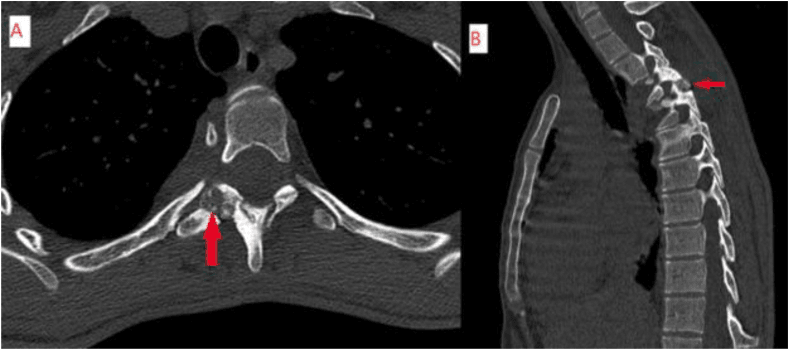
The CT protocol. A non-contrast study in thin slices of 1mm or less, with bone and soft-tissue windows, coronal and sagittal reconstructions, and 3D reconstruction for surgical planning. Read it for:
- Precise anatomical location and size
- Cortical integrity and expansion
- Internal matrix: lytic, mixed or sclerotic
- The mini-brain trabecular pattern
- Soft-tissue extension
- In the spine: neural foraminal involvement, canal compromise, vertebral body stability, and the relationship to neurovascular structures
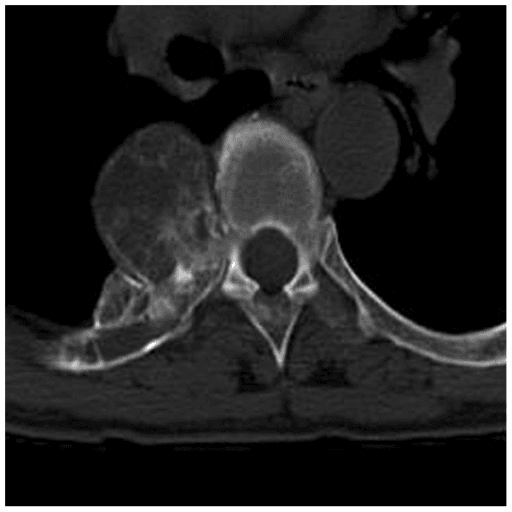
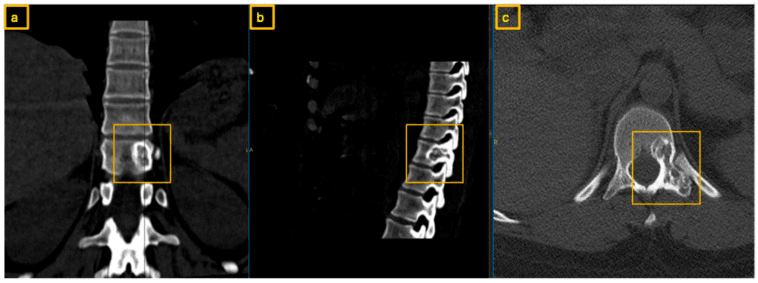
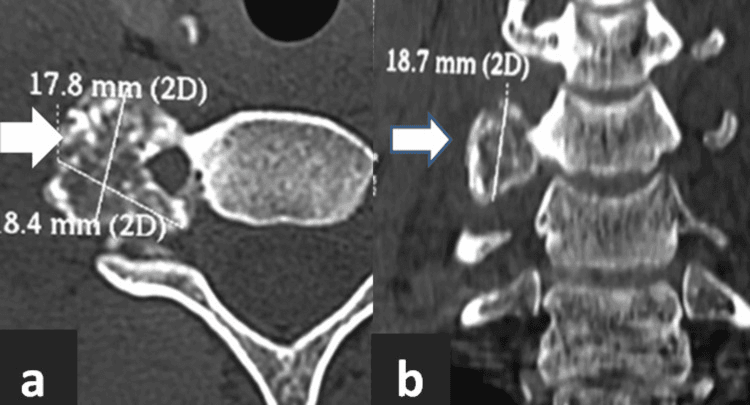
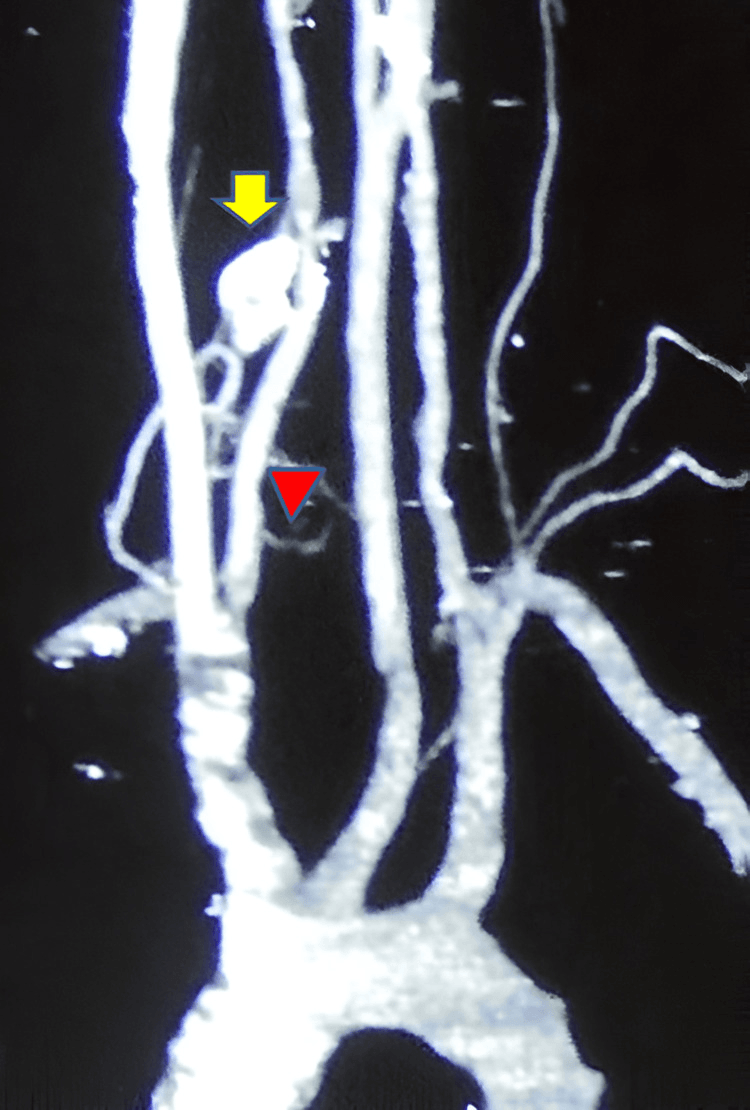
MRI. MRI provides superior soft-tissue delineation and is essential for spinal lesions, to assess neural compression and to plan surgery.
- Signal Intensity
- Low to intermediate signal
- Clinical Significance
- Lesion conspicuity, extent in marrow
- Signal Intensity
- High signal (heterogeneous)
- Clinical Significance
- Oedema, soft tissue extension, ABC component
- Signal Intensity
- Intense enhancement
- Clinical Significance
- Hypervascular nature, distinguish from cyst
- Signal Intensity
- High signal with oedema
- Clinical Significance
- Marrow and soft tissue oedema extent
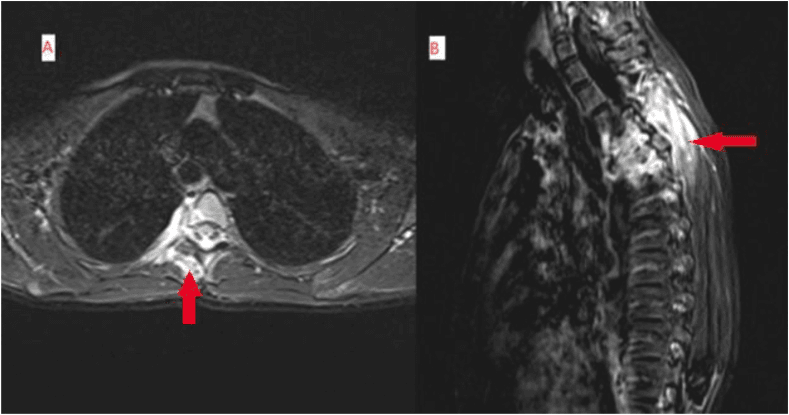
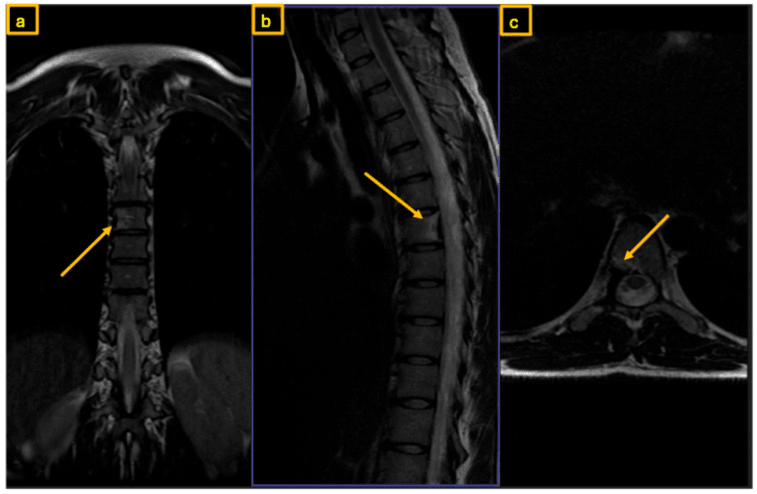
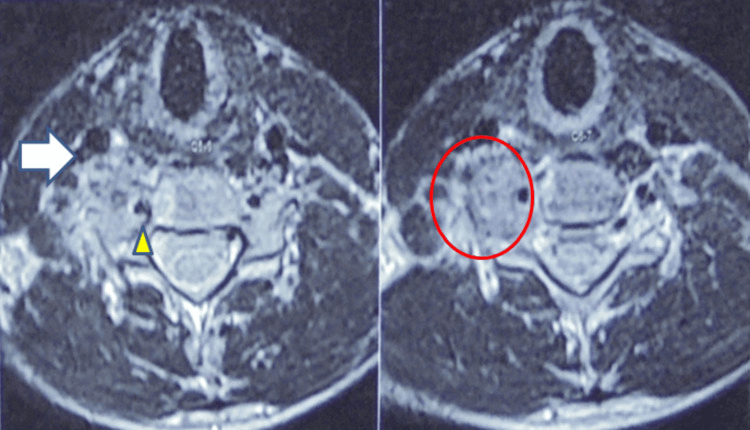
Biopsy. Histological confirmation is mandatory before definitive treatment, and CT-guided biopsy is essential before surgery. The treating surgeon or a musculoskeletal radiologist should perform it, so that the trajectory can be excised during definitive surgery.
- CT-guided core needle biopsy (11-14 gauge) is preferred, with less contamination than open biopsy
- Take multiple cores (3-5 specimens); multiple cores are needed to assess for the aggressive variant
- The tract must be excisable during the definitive procedure
- Avoid a transarticular or transneural trajectory; in the spine, avoid neural structures and consider a posterolateral route
- Frozen section is not reliable for diagnosis
Pathology review. Review by an expert musculoskeletal pathologist is mandatory, and a second opinion is recommended for the aggressive variant. The pathologist assesses cellularity, mitoses and atypia, rules out osteosarcoma, ABC and GCT, and considers testing for FOS gene rearrangement if uncertain.
Differential Diagnosis
- Age
- 10-30y
- Location
- Long bone cortex
- Size
- Under 2cm
- Pain Pattern
- Night pain, aspirin-responsive
- Imaging
- Nidus on CT, intense uptake
- Age
- 10-30y
- Location
- Spine, long bones
- Size
- Over 2cm
- Pain Pattern
- Progressive, aspirin-resistant
- Imaging
- Mini-brain CT, expansile
- Age
- Under 20y
- Location
- Metaphysis, spine
- Size
- Variable
- Pain Pattern
- Mild to moderate
- Imaging
- Fluid-fluid levels, no osteoid
- Age
- 20-40y
- Location
- Epiphysis (closed physis)
- Size
- Variable
- Pain Pattern
- Progressive
- Imaging
- Soap bubble, eccentric, lytic
- Age
- 10-25y
- Location
- Metaphysis
- Size
- Variable
- Pain Pattern
- Rapid progression
- Imaging
- Permeative, Codman triangle, sunburst
Osteoid production. Osteoblastoma produces osteoid, which separates it from an aneurysmal bone cyst (fluid-fluid levels on MRI, no osteoid) and, together with the younger age, from a giant cell tumour. Two further lesions belong on the list:
- Bone island (enostosis): dense and sclerotic, no expansion, asymptomatic
- Chondroblastoma: epiphyseal, chondroid matrix, younger age
Osteoblastoma is larger than 2cm, lacks a discrete nidus, and its pain is not relieved by NSAIDs. It is often spinal, grows expansively, and is treated by intralesional excision.
Osteoid osteoma is under 2cm with a discrete nidus on CT, dense sclerosis around the nidus, and night pain dramatically relieved by aspirin or NSAIDs. It favours the cortex of long bones and is treated by radiofrequency ablation or en bloc excision.
The exam answer: "While both are benign bone-forming tumours with similar histology, osteoblastoma is distinguished by size greater than 2cm, predilection for spine posterior elements, lack of NSAID response, and different treatment approach requiring intralesional or en bloc excision."
BLASTOsteoblastoma Key Features
Hook:BLAST = Big Lesion with Aspirin-resistant pain in Spine of Teens!
Management Algorithm
Treatment follows biopsy-confirmed diagnosis, Enneking stage, anatomical accessibility and neurological risk. Active contained lesions require complete intralesional excision; aggressive, recurrent or structurally destructive lesions favour en-bloc resection with planned reconstruction.
The goal. Complete removal of the lesion with bone preservation and a low risk of recurrence.
Before surgery. CT and MRI map the lesion precisely, and the case goes to a tumour board of surgeon, radiologist, pathologist and oncologist. Counsel the patient about the recurrence risk, and plan for reconstruction if it will be needed.
The operation.
- Open a cortical window for access
- Curette the entire lesion thoroughly
- Remove 1-2mm of the cavity wall with a high-speed burr
- Apply a local adjuvant (phenol or argon beam)
- Fill the cavity with bone graft (autograft or allograft) or PMMA cement, which provides a thermal adjuvant effect
- Fix prophylactically if the mechanical defect exceeds 50% of the cortex, then close over a drain
Local adjuvants are used to kill microscopic residual tumour at the cavity wall:
- Phenol: applied to the cavity wall for 2-3 minutes, then irrigated with alcohol and saline
- PMMA cement: thermal necrosis from polymerisation, which reaches 70-80°C
- Argon beam coagulation: superficial thermal ablation of the cavity
No comparative study has measured what adjuvants add in osteoblastoma. The practice is extrapolated from giant cell tumour and from the general principle that recurrence follows residual tumour at the cavity wall; the recurrence figures quoted for osteoblastoma come from uncontrolled series in which adjuvant use was neither standardised nor recorded, so no number can be attached to the benefit.
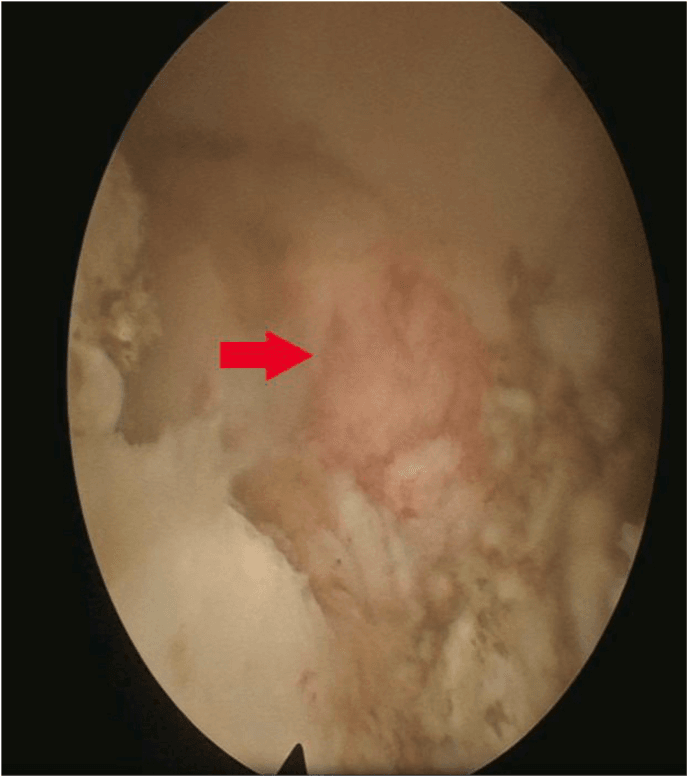
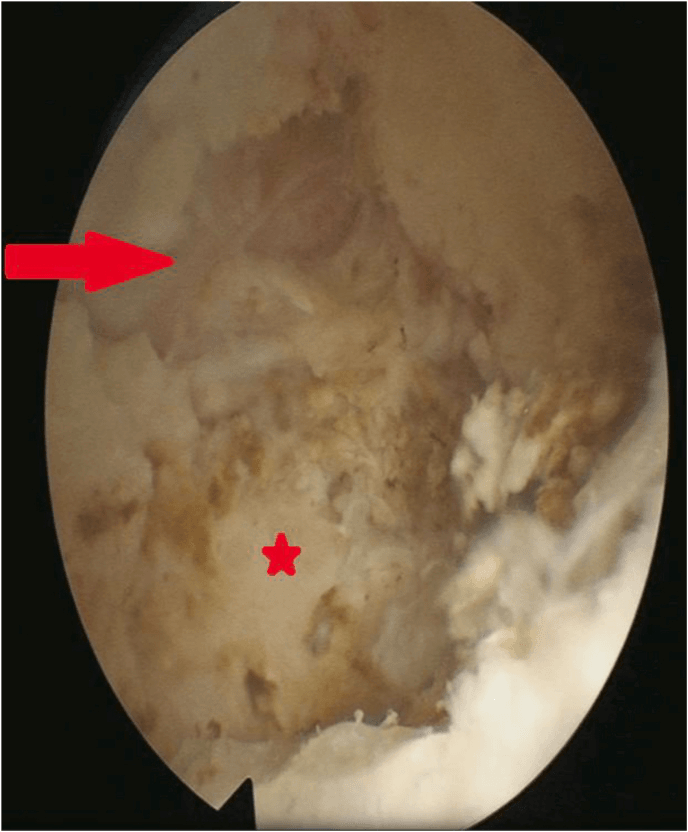
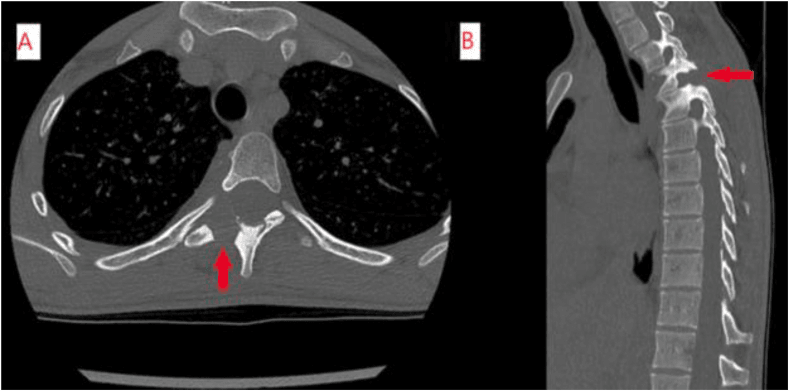
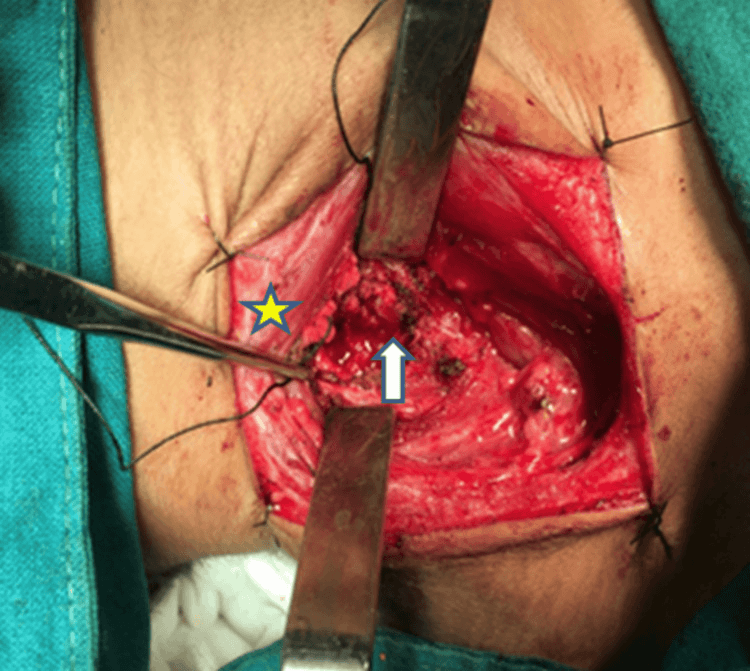
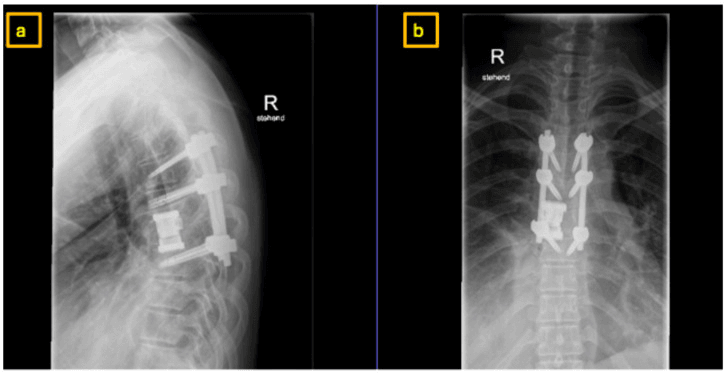
Non-surgical management. There is no role for chemotherapy or radiation in the primary treatment of osteoblastoma, because it is a benign tumour. These modalities may be considered only in exceptional circumstances.
- Indication
- Asymptomatic, small, stable lesion
- Efficacy
- Not curative, risk of growth
- Role
- Rare, only if surgical risk high
- Indication
- Unresectable (base of skull, vertebra)
- Efficacy
- May control growth, risk of malignant transformation
- Role
- Last resort only
- Indication
- Not established for osteoblastoma
- Efficacy
- Unknown
- Role
- No role currently
- Indication
- Symptomatic pain management
- Efficacy
- Limited evidence
- Role
- Adjunct only, not curative
Complications and Outcomes
Local recurrence. Recurrence after intralesional treatment is conventionally quoted as 10-20%, though the largest series reports 16% in institutional cases and 21% in referred consultation material (Lucas 1994); the upper figure sits above the conventional range and is inflated by referral bias. For the aggressive variant treated intralesionally the figure quoted is 25-50%, and it is an unverified range: Lucas found histology alone did not predict behaviour. Incomplete excision and aggressive histology are the risk factors; recurrence is treated by revision surgery, considering en bloc resection.
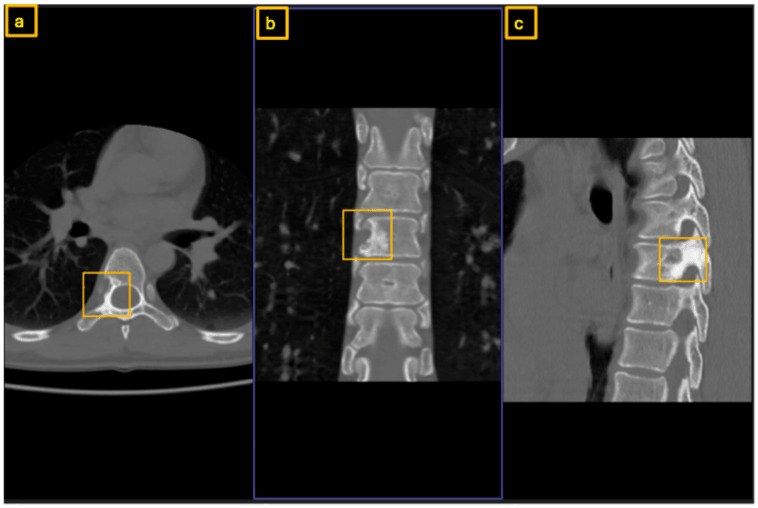
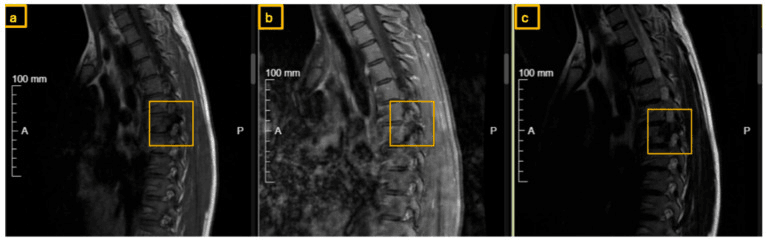
- Incidence
- 5-10% postoperative
- Risk Factors
- Large defect, inadequate fixation
- Management
- Protected weight-bearing, consider prophylactic fixation
- Incidence
- 2-5%
- Risk Factors
- Aggressive resection, vascular injury
- Management
- Immediate decompression, steroids, rehabilitation
- Incidence
- 2-5%
- Risk Factors
- Prolonged surgery, poor vascularity
- Management
- Antibiotics, debridement if needed
- Incidence
- Extremely rare (under 1%)
- Risk Factors
- Prior radiation therapy
- Management
- Wide resection, chemotherapy as for osteosarcoma
Favourable prognosis. Complete excision with negative margins, classic histology without aggressive features, and an accessible location amenable to complete resection. Small size (under 5cm) and a peripheral site such as the hand or foot, where excision is easier, also favour a good outcome.
Poor prognosis. Aggressive histology (epithelioid features, increased mitoses), incomplete excision with residual tumour, and a spinal location where complete excision is difficult. Large size (over 10cm) and recurrent disease, which carries a higher re-recurrence rate, also count against the patient.
- Clinical examination every 3 months for the first year, then 6-monthly for 2 years
- Plain X-rays at each visit
- MRI at 3 months, 1 year and 2 years (more sensitive for recurrence)
- CT if an X-ray is suspicious for recurrence
- Most recurrences declare in the first few years (no verified split quoted)
- After 5 years disease-free, discharge to primary care
Guidelines, Registries & Global Practice
Global epidemiology: Osteoblastoma is rare, accounting for about 1% of all primary bone tumours and roughly 3% of benign bone tumours, with a consistent worldwide picture of peak incidence in the second and third decades and a male predominance of about 2:1. The spinal predilection (30-40%, 32% in the largest series) is reported across North American, European and Asian cohorts, indicating no major geographic variation in biology.
Side-by-side guidance: There is no osteoblastoma-specific guideline; practice is governed by general bone-tumour pathways.
- Position relevant to osteoblastoma
- Lists osteoblastoma as benign; recognises FOS/FOSB rearrangement as the defining molecular feature shared with osteoid osteoma
- Position relevant to osteoblastoma
- Any bone lesion with an uncertain or aggressive appearance should be referred to a bone-sarcoma centre for biopsy and MDT diagnosis before definitive surgery
- Position relevant to osteoblastoma
- Suspected primary bone tumours referred to a specialist supraregional bone-tumour service; biopsy performed at or directed by the treating centre
- Position relevant to osteoblastoma
- Emphasises image-guided biopsy with an excisable tract and multidisciplinary review before resection of any indeterminate bone lesion
Registries: Osteoblastoma is benign and is not tracked by the arthroplasty registries (NJR, AJRR, AOANJRR, SHAR); incidence and outcome data come instead from national bone-tumour and pathology reference centres (for example the Mayo, Rizzoli and Royal National Orthopaedic Hospital series).
High- vs limited-resource practice: In high-resource settings, thin-slice CT, MRI, image-guided biopsy, FOS/FOSB ancillary testing and specialist musculoskeletal pathology are standard, allowing confident separation from osteosarcoma before surgery. In limited-resource settings, diagnosis may rest on plain radiographs and conventional histology, raising the risk of either under-treating a low-grade osteosarcoma or over-treating a benign lesion; referral of indeterminate bone-forming lesions to a tumour centre remains the universal safeguard.
Related pages: Osteoid Osteoma for the lesion osteoblastoma is separated from by size and NSAID response — note the two share FOS/FOSB rearrangement and are one molecular family, so the distinction remains clinical and radiological rather than genetic; Osteosarcoma for the mimic that matters, and the reason FOS immunohistochemistry is worth requesting; Aneurysmal Bone Cyst for the secondary change frequently seen within an osteoblastoma and for the USP6 rearrangement that separates a primary ABC from it; Giant Cell Tumor of Bone for the lesion whose adjuvant curettage technique this page's practice is extrapolated from; Primary Bone Tumors of the Spine for the site that accounts for about a third of cases; and Describing a Bone Tumour Radiograph and Predicting Bone Tumour by Age for the systematic approach that reaches this diagnosis.
Areas of Controversy and Uncertainty
Osteoblastoma generates several genuine debates that examiners use to probe depth of understanding.
The hardest distinction is not from osteoid osteoma but from osteoblastoma-like (low-grade) osteosarcoma, which can show near-identical biopsy morphology. The safeguard is concordance of clinical, radiological and pathological data plus, increasingly, FOS/FOSB testing (positive in osteoblastoma, negative in osteosarcoma). Where there is discordance, treat as malignant until proven otherwise.
Lucas et al. found histology alone did not reliably predict recurrence, questioning whether epithelioid or aggressive osteoblastoma is a distinct biological category or simply the upper end of a spectrum. Most now treat radiological aggressiveness and incomplete excision, rather than the histological label, as the operative drivers of management.
For accessible expendable bone, en bloc resection minimises recurrence but is rarely justified for a benign lesion. Intralesional curettage with adjuvants is standard for most lesions; en bloc is reserved for aggressive radiology, recurrence, or where complete curettage is impossible. There is no randomised evidence comparing the two.
Phenol, PMMA and burring are widely used but supported only by retrospective data; their independent contribution beyond complete curettage is unproven. Percutaneous thermal ablation (radiofrequency, cryoablation) is established for osteoid osteoma but its role in larger osteoblastoma, especially near neural structures, remains investigational.
Painful Scoliosis and the Osteoblastoma Apex
Osteoblastoma, like osteoid osteoma, is a classic cause of painful scoliosis in the adolescent, and this topic's examination steps — the Adams forward-bend test and a "painful curve with apical lesion" — depend on understanding the mechanism. When a bone-forming lesion sits in the posterior elements of a vertebra, reflex ipsilateral paravertebral muscle spasm pulls the spine into a curve whose apex lies at the lesion and whose concavity points toward the tumour; the lesion is therefore found on the concave side at or immediately adjacent to the apical vertebra. Early in its course this is a non-structural (functional) curve driven by pain and spasm rather than fixed vertebral wedging, so it lacks the rigid rotational deformity of adolescent idiopathic scoliosis.
The practical consequence is that complete excision of the lesion can allow the curve to resolve, particularly when the patient is skeletally immature and symptoms have been present for a relatively short time. Longstanding curves may instead become structural and fixed, persisting or requiring separate deformity correction even after the tumour is removed. A rigid, painful, or otherwise atypical curve in a child — especially a left thoracic curve or one with a marked painful component — should therefore prompt a search for an underlying osteoid osteoma or osteoblastoma with thin-slice CT of the concave apex, rather than a default label of idiopathic scoliosis. (Osteoid-osteoma-related scoliosis is developed on its own topic; the focus here is the larger, more destructive osteoblastoma lesion in the posterior elements.)
In tumour-related painful scoliosis the lesion sits at the apex on the concavity of the curve, because ipsilateral paraspinal muscle spasm shortens that side. This inverts the usual idiopathic instinct: image the concave apical pedicle and lamina with CT. Resolution after excision is most likely with short symptom duration in a skeletally immature patient; a longstanding curve can become structural and persist despite complete tumour removal.
Preoperative Arterial Embolisation
The management sections twice raise preoperative embolisation "if highly vascular", and a viva follow-up explicitly asks its role, but the rationale is worth stating: osteoblastoma has a prominent, dilated vascular stroma (as noted in its histology) that can make resection of large spinal, sacral or pelvic lesions bloody. Selective transarterial embolisation, performed a day or two before surgery, occludes the dominant feeding vessels so that intraoperative haemorrhage is reduced and the operative field is clearer, which in turn supports the complete resection that is the single best predictor of avoiding recurrence.
Embolisation is an adjunct, never a cure — it does not destroy the tumour and is no substitute for excision. It is most useful for hypervascular lesions of the spine and sacrum, where blood loss can otherwise be substantial and where a cleaner field protects neural structures during decompression. Limitations include the risk of embolising vessels that also supply the spinal cord (the artery of Adamkiewicz and radicular cord-feeders must be identified and protected on spinal angiography), non-target embolisation, and post-embolisation pain and low-grade fever. Because collateral supply re-forms quickly, surgery should follow promptly, generally within about 24 to 48 hours.
For a hypervascular spinal, sacral or pelvic osteoblastoma, selective preoperative transarterial embolisation within roughly 24 to 48 hours of surgery reduces intraoperative blood loss and improves the surgical field, aiding complete resection. It is an adjunct, not definitive treatment. The critical safety step is spinal angiography to identify and avoid the artery of Adamkiewicz and radicular cord-feeders before embolising.
MCQ Practice Points
Q: What is the size threshold that distinguishes osteoblastoma from osteoid osteoma? A: Greater than 2cm. Osteoblastoma is by definition larger than 2cm, while osteoid osteoma is smaller than 2cm. This size criterion, combined with clinical features (NSAID response) and imaging (nidus presence), helps distinguish these histologically similar tumors.
Q: What percentage of osteoblastomas occur in the spine, and which anatomical structures are most commonly involved? A: About 30-40% occur in the spine (32% in the 306-case Lucas series), most commonly affecting the posterior elements (pedicle, lamina, and transverse process). This predilection for spine distinguishes osteoblastoma from osteoid osteoma, which favors long bone cortical locations.
Q: What histological features distinguish aggressive osteoblastoma from conventional osteosarcoma? A: Aggressive osteoblastoma has: (1) circumscribed margin (not permeative), (2) uniform osteoblasts (not pleomorphic), (3) sheet-like growth but organized, (4) increased mitoses (2-5 per HPF) but not as high as osteosarcoma. Despite aggressive histology, it does NOT metastasize and is benign.
Q: What is the recurrence rate of osteoblastoma after intralesional curettage, and how can it be reduced? A: 10-20% recurrence after intralesional curettage alone. Recurrence can be reduced to approximately 10% by using adjuvants: high-speed burr (removes 1-2mm cavity margin), local phenol application, and PMMA cement (thermal necrosis). Aggressive variant has 25-50% recurrence with curettage, requiring en bloc resection.
Q: What is the characteristic CT appearance of osteoblastoma? A: Mini-brain or lace-like pattern of internal trabeculation within an expansile lytic lesion. This refers to the geographic network of osteoid and woven bone creating a pattern resembling cerebral gyri. Also shows variable mineralization and thin sclerotic rim.
Q: Is there a role for chemotherapy or radiation in the primary treatment of aggressive osteoblastoma? A: No. Osteoblastoma is a benign tumor that does NOT metastasize, even the aggressive variant. Treatment is surgical (intralesional with adjuvants or en bloc resection). Chemotherapy and radiation are NOT indicated except in extremely rare unresectable cases (base of skull, cervical vertebra) where radiation may be considered as last resort.
Exam Viva Scenarios
Practise clinical reasoning and management decisions out loud
“A 16-year-old male presents with 4 months of progressive left thigh pain, worse at night but not relieved by ibuprofen. X-ray shows a 3cm expansile lytic lesion in the proximal femur metaphysis with internal mineralization and a thin sclerotic rim. How would you assess and manage this patient?”
“The biopsy of the proximal femur lesion shows osteoid production by epithelioid osteoblasts with increased mitotic activity (3-4 per HPF) and sheet-like growth pattern. The radiologist is concerned about osteosarcoma. How do you proceed?”
“A 14-year-old female presents with 3 months of back pain and 2 weeks of progressive right leg weakness (grade 3/5 power). MRI shows a 4cm expansile lesion arising from the L3 left pedicle and lamina with 50% spinal canal compromise and cord compression. How would you manage this patient?”
Key Features
- Benign bone-forming tumor, 1% of primary bone tumors, 3% of benign
- Peak age 10-30 years, male greater than female 2:1
- Greater than 2cm size (distinguishes from osteoid osteoma)
- 40% spine (posterior elements: pedicle, lamina), 30% long bones
- Pain NOT relieved by NSAIDs (unlike osteoid osteoma)
Imaging
- X-ray: Expansile lytic lesion, variable mineralization, thin sclerotic rim
- CT: Mini-brain (lace-like) trabecular pattern - highly characteristic
- MRI: Low T1, high T2, intense enhancement, marrow edema
- No discrete nidus (unlike osteoid osteoma)
- Biopsy: CT-guided core needle, excisable trajectory
Histology
- Osteoid and woven bone production by active osteoblasts
- Vascular fibrous stroma, osteoclast-like giant cells
- Aggressive variant: epithelioid osteoblasts, sheet-like growth, increased mitoses
- Distinguish from osteosarcoma: circumscribed margin, uniform cells, no permeation
- Expert musculoskeletal pathology review mandatory
Treatment Algorithm
- Stage 2 (Active): Intralesional curettage + burr + adjuvant (phenol or PMMA)
- Stage 3 (Aggressive): En bloc wide resection with 1-2cm margin
- Spinal: Decompression + tumor excision + instrumented fusion if destabilizing
- NO chemotherapy or radiation (benign tumor)
- Recurrence 10-20% (intralesional), 25-50% (aggressive with curettage)
Differential Diagnosis
- Osteoid osteoma: Under 2cm, nidus, NSAID-responsive, cortical long bone
- ABC: Fluid-fluid levels, no osteoid production, younger age
- GCT: Epiphyseal, older age (20-40y), soap bubble appearance
- Osteosarcoma: Permeative, Codman triangle, atypical cells, rapid growth
- Chondroblastoma: Epiphyseal, chondroid matrix, younger age
Evidence Base and Key Studies
Osteoblastoma: clinicopathologic study of 306 cases
- 306 osteoblastomas analysed (Mayo Clinic plus consultation files); mean age 20.4 years, male:female 2:1
- Vertebral column including sacrum was the single most frequent site (32% of cases)
- Recurrence 16% (Mayo cases) and 21% (consultation cases); central neuraxis tumours carried greater morbidity and mortality
- Large epithelioid osteoblasts seen in 24% and predominant in 10%; 12% had radiographic features suggesting malignancy
- Histopathology alone did not reliably predict aggressive behaviour; osteosarcoma is the key differential
Borderline osteoblastic tumors: problems in the differential diagnosis of aggressive osteoblastoma and low-grade osteosarcoma
- Reviewed 102 benign osteoblastic tumours; classified into osteoid osteoma, osteoblastoma and aggressive osteoblastoma (15 cases)
- Defined histological criteria for aggressive osteoblastoma and the term itself, distinct from low-grade osteosarcoma
- Proposed four categories of confusing osteoblastic lesions, with low-grade osteosarcoma mimicking osteoblastoma the commonest source of diagnostic error
- Locally aggressive osteoblastomas recur but do not metastasise; a minority truly transform to osteosarcoma in recurrences
- Established that pseudosarcomatous histology can coexist with a benign clinical course