
Article summary
The digital tools — from planning software to apps — that are becoming part of everyday orthopaedic practice.
Educational content is reviewed for source visibility, editorial coherence, and correction readiness.
No individual clinician credential is claimed unless a named person is shown.
Verify before clinical use; this is not medical advice or a substitute for local guidance.
Gone are the days when orthopaedic practice relied purely on a trusted bone saw, a marking pen, and a handful of acetate templating sheets. Today, our specialty sits firmly at the intersection of biomechanics and digital innovation. Whether you are meticulously planning a complex arthroplasty, revising for your membership exams, or trying to keep your outpatient clinic running on schedule, integrating the right software and applications into your daily workflow is no longer a luxury—it is becoming an absolute necessity.
3D Planning and Pre-Operative Templating
Digital templating has largely replaced the traditional backlit screen and transparent overlay method, offering a level of accuracy that significantly reduces intraoperative surprises. The principle behind modern templating software is straightforward but powerful: it uses Digital Imaging and Communications in Medicine (DICOM) data from standard radiographs or cross-sectional imaging, corrects for radiographic magnification, and allows you to map out your surgical plan millimetre by millimetre.
Whether you are planning a primary total hip arthroplasty, mapping the canal-fill ratio for a femoral nail, or sizing a reverse total shoulder prosthesis, these platforms allow you to manipulate implants in a virtual environment. You can test different neck cuts, adjust stem offsets, and evaluate limb length discrepancy with digital sliders.
A common mistake among trainees—particularly those preparing for their fellowship or exit exams—is passively observing a consultant’s templating process. You must actively engage with the software. When templating a hip, for example, do not merely drag a standard stem over the femoral canal; take the time to properly calibrate the magnification using the scaling marker. Ensure you are familiar with the specific digital ecosystems used in your trust or hospital, as different manufacturers have proprietary software platforms.
The Power of Patient-Specific Instruments and 3D Visualisation
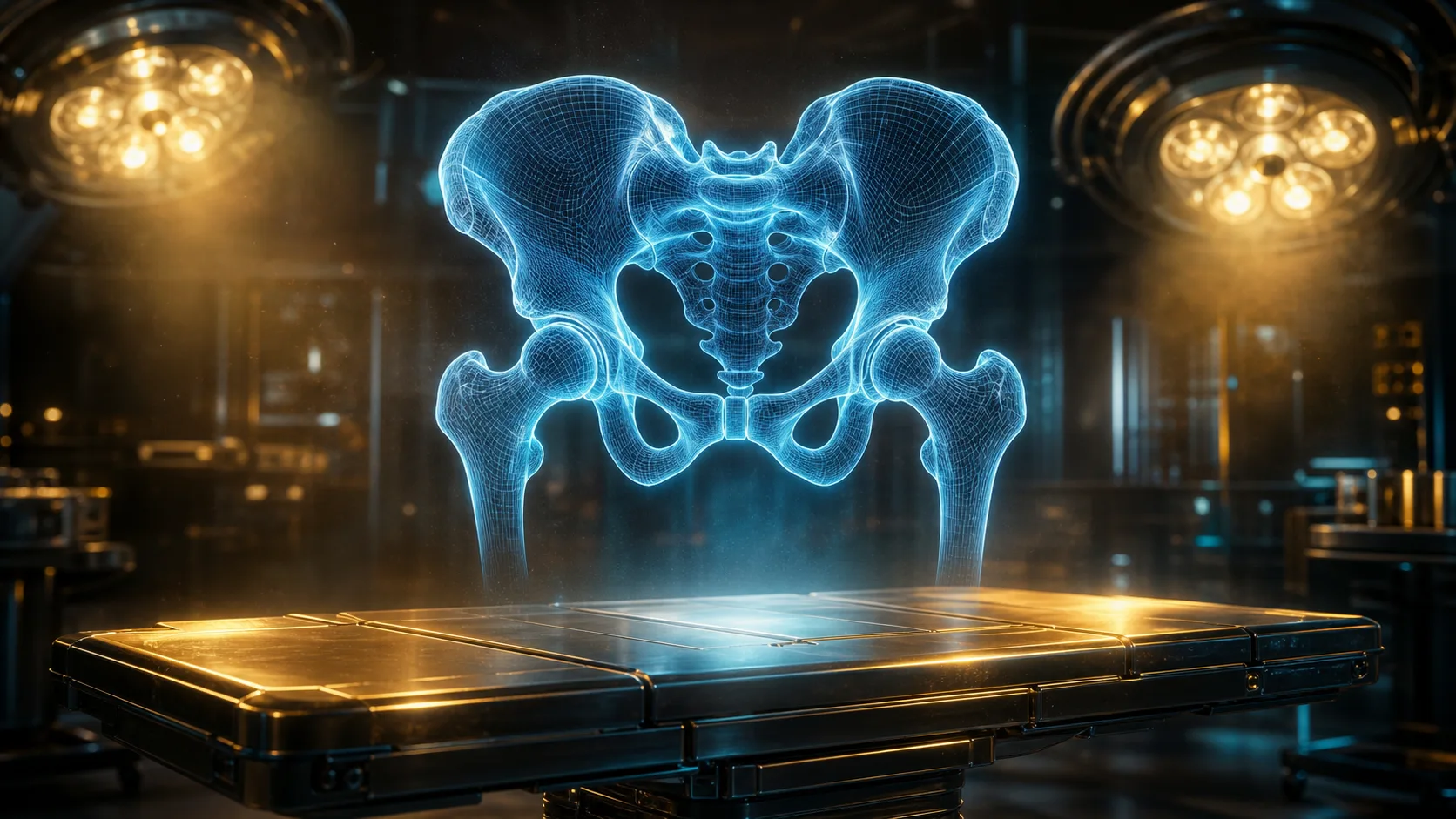
Moving a step beyond standard two-dimensional templating, the integration of three-dimensional visualisation and patient-specific instruments (PSIs) is rapidly changing the landscape of complex orthopaedics. By converting standard CT or MRI sequences into highly detailed 3D models, you can actually appreciate the bony morphology, version, and bone defects before you ever set foot in the operating theatre.
This technology is particularly transformative in complex primary and revision arthroplasty, where bone loss can be highly variable, as well as in complex peri-articular deformity correction. Utilising these advanced visualisation platforms allows you to manipulate a virtual skeleton, offering a window into exactly how a massive acetabular component or a custom trabecular metal augment will interact with the patient's unique pelvic architecture.
In practice, the process involves sending the imaging data to a dedicated engineering team or using in-house software to design cutting jigs that perfectly match the patient’s anatomy. While this technology is brilliant, remember that technology is only ever an adjunct to solid surgical principles. A common trap is over-relying on the PSI to dictate the entire operation. If the guide does not sit perfectly flush on the bone intraoperatively—perhaps due to residual soft tissue or cartilage—you must fall back on your anatomical landmarks and traditional techniques. Never force an anatomically mismatched guide simply because the computer model said it should fit.
Augmented Reality and Intraoperative Navigation
The surgical landscape is also evolving, bringing the digital plan directly into the operative field. Robotic-assisted orthopaedic surgery has gained widespread traction, but the broader, highly accessible umbrella of computer-assisted orthopaedic surgery (CAOS) is equally important. Intraoperative navigation systems act like a surgical GPS. By tracking markers attached to the patient’s bony anatomy and the surgical instruments, these systems render a real-time visual representation of the tool's exact placement within the joint.
Furthermore, augmented reality (AR) and head-mounted displays are transitioning from experimental novelties to practical surgical tools. These systems can project preoperative imaging and surgical plans directly onto the patient’s limb, overlaying the digital data onto the real-world surgical site. For trauma surgeons, this means having precise trajectory guides for complex sacroiliac screw placement or 3D visualisation of a comminuted tibial plateau mapped over the actual exposed bone.
If you are training in an environment equipped with navigation or robotic systems, make a deliberate effort to understand the underlying mechanics of the software, not just the physical buttons on the console. Understanding exactly how the camera triangulates the position of the tracked probes will vastly improve your ability to troubleshoot when the inevitable software lag or line-of-sight interruption occurs.
High-Yield Clinical Reference Apps for Daily Practice
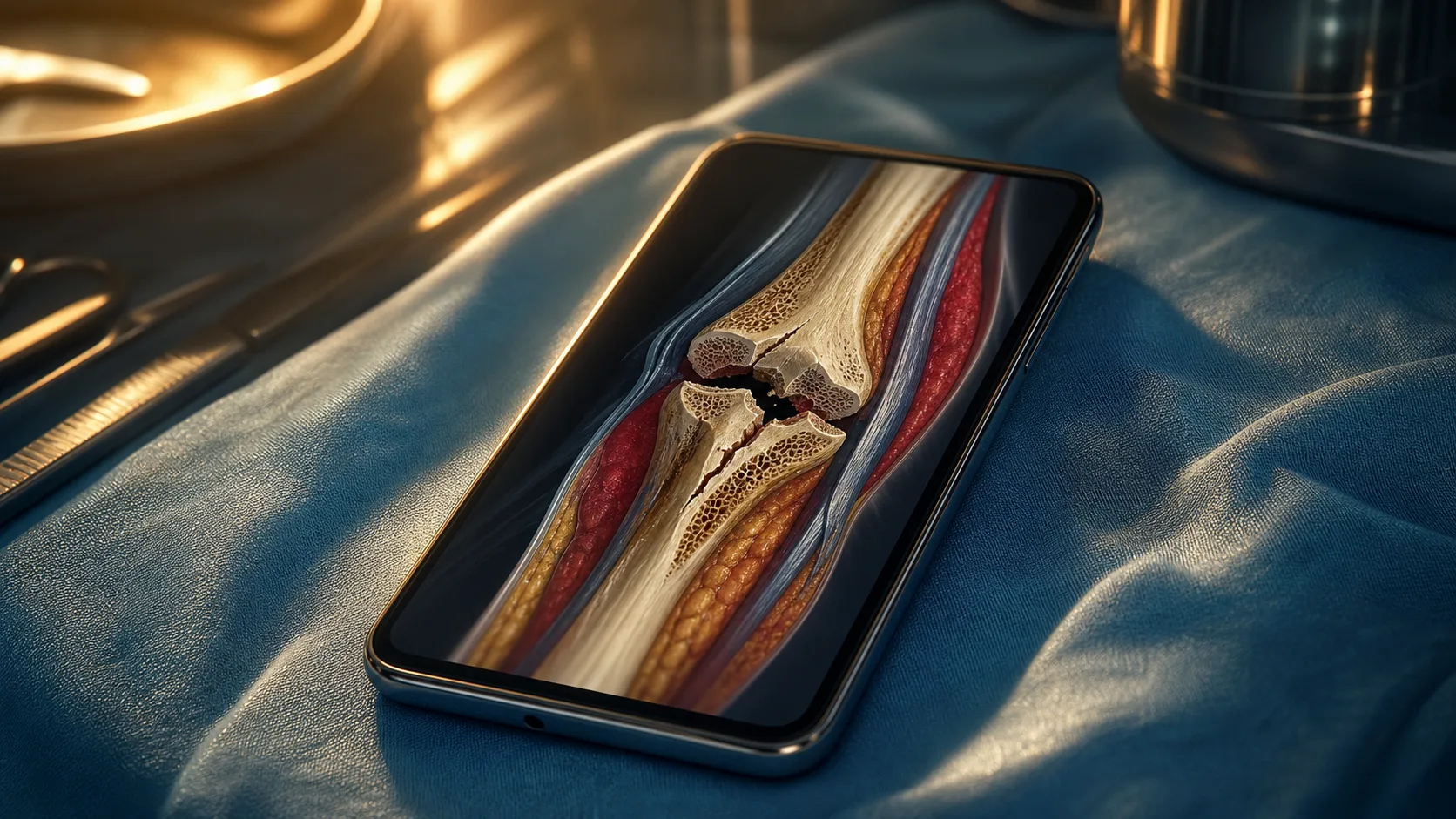
When you are rushing through a busy fracture clinic or answering a middle-of-the-night trauma call, you need immediate access to reliable, evidence-based clinical data. The modern orthopaedic surgeon’s smartphone is essentially a digital brain extension, packed with robust reference apps.
Consider downloading and actively using resources like the British Orthopaedic Association (BOA) app, which provides rapid access to their esteemed standards for trauma and orthopaedic services (BOAST) guidelines. Having these guidelines at your fingertips ensures your management of complex trauma scenarios aligns seamlessly with national protocols.
Another essential addition is the Orthobullets app. While many of us use the desktop version to track our surgical case logs, the mobile app is invaluable for rapidly looking up classification systems—such as the Arbeitsgemeinschaft für Osteosynthesefragen (AO) or Gustilo-Anderson classifications—directly at the bedside.
Building your digital clinical workflow
- Classification libraries: Keep a dedicated app or downloaded PDF library for rapid referencing of fracture classifications to ensure accurate, standardized documentation in your operation notes.
- Outcome scores: Utilise apps that can quickly calculate patient-reported outcome measures (PROMs) or clinical scoring systems, like the Oxford Hip Score or Constant-Murley score, directly in the clinic room.
- Guidelines: Always have your local hospital protocols alongside national guidelines (such as those from the National Institute for Health and Care Excellence, or NICE) bookmarked for immediate offline access, especially when evaluating venous thromboembolism (VTE) prophylaxis for inpatients.
Telehealth, Remote Monitoring, and Wearables
The way we follow up with patients has undergone a massive digital transformation. The traditional model of bringing every postoperative patient back to a crowded clinic at six weeks, twelve weeks, and six months is increasingly unsustainable for both the surgeon and the patient. Digital platforms and telehealth services are stepping in to bridge this gap, allowing for virtual clinics that filter out the routine recoveries, leaving in-person slots for those who genuinely require physical review.
Increasingly, we are seeing the integration of wearable technology and remote patient monitoring into orthopaedic pathways. Patients can now use simple smartphone applications to input their pain scores, range of motion, and functional milestones on a daily basis. Some platforms even use the smartphone’s camera to track knee or shoulder range of motion digitally, feeding this data back to your clinic dashboard.
For joint replacement pathways, remote monitoring allows you to identify complications, such as early signs of arthrofibrosis or wound infection, long before the patient reaches the six-week mark. The practical tip here is to integrate these digital check-ins seamlessly into your existing electronic patient record (EPR) system. Do not create siloed data; ensure your nursing team knows how to triage the digital red flags generated by these apps.
Productivity and Clinical Governance
Beyond the clinical and surgical applications, digital tools are the ultimate equaliser for the mountain of administrative work that comes with a career in orthopaedics. Mastering productivity software is vital for maintaining a healthy work-life balance and ensuring excellent clinical governance.
Digital note-taking applications are a game-changer. Instead of carrying around dog-eared pocketbooks filled with scribbled operation notes, clinic findings, and revision flashcards, you can use encrypted, highly secure digital notebooks. These apps allow you to take a photograph of a intraoperative fluoroscopy screen, annotate it with a stylus, and drop it directly into a patient’s digital file for your own reference.
When preparing for major milestone examinations—such as your Fellowship of the Royal College of Surgeons (FRCS) in Trauma and Orthopaedics—these digital platforms are invaluable. You can build complex mind maps, store high-yield images of implants, and create searchable digital flashcards. Spaced repetition software can dramatically enhance your capacity to memorise the vast catalogue of eponyms, classifications, and biomechanical principles required to pass these rigorous assessments.
Furthermore, using digital dictation and speech-to-text software integrated directly into your trust's EPR can halve the time you spend writing clinic letters. Ensure you proofread these digital transcriptions carefully, as the software can occasionally mistranslate dense orthopaedic jargon, turning a "polytrauma" into something entirely nonsensical.
Seamless, Secure Communication
Orthopaedic surgery is an inherently multidisciplinary endeavour. Your daily workflow depends on clear communication with anaesthetists, physiotherapists, ward nurses, and your fellow surgical trainees. Moving away from traditional bleeps and pagers, secure clinical messaging platforms are becoming the standard in modern hospital environments.
These encrypted applications allow you to send ECGs, photographs of wound sites, and radiographs directly to consultants for rapid, documented advice. When used correctly, these platforms drastically speed up clinical decision-making, particularly out of hours.
However, the convenience of instant messaging brings substantial responsibilities regarding patient confidentiality. A very common mistake is using non-secure, mainstream messaging apps to share clinical images. This is a severe breach of data protection regulations, such as the General Data Protection Regulation (GDPR) in Europe. Only ever use your hospital's approved, encrypted, and fully auditable communication network.
Furthermore, these platforms offer unparalleled utility for trauma meetings. You can curate a list of complex cases, securely share the imaging beforehand, and use collaborative whiteboard features to draw out your planned osteotomies or screw trajectories on a tablet for the entire team to visualise before stepping into the theatre suite.
Continuing Professional Development in the Digital Age
Lifelong learning is the cornerstone of a successful orthopaedic career, and the digitisation of education has democratised access to world-class surgical training. Long gone are the days where your learning was strictly limited to the physical confines of your local hospital's theatre or library.
Subscription-based surgical video libraries and free open-access medical education (FOAMed) resources have revolutionised how we learn surgical exposures and techniques. High-definition, narrated videos of complex procedures—from arthroscopic rotator cuff repairs to pelvic ring fixations—allow you to visualise the anatomy and the surgical steps from the comfort of your own home.
For trainees, digital portfolios provided by bodies like the Joint Committee on Surgical Training (JCST) are the central repositories of your entire operative experience. It is vital to update this digital logbook immediately after every list. Waiting until the end of the rotation to input your cases almost always leads to under-reporting and missed details. Make it a daily habit to log your procedures, noting your role, the supervisor, and any complications.
For consultants and senior surgeons, engaging with digital communities is an excellent way to stay abreast of the latest evidence. Social media platforms, when curated carefully, can function as highly dynamic, global journal clubs. Following key orthopaedic journals allows you to instantly access newly published research, saving you the time of trawling through dense academic databases.

Navigating the Pitfalls: Data Security and AI Hallucinations
While the digital toolkit offers immense benefits, it requires a discerning and highly cautious user. As we integrate more artificial intelligence (AI) algorithms into our diagnostic and administrative pathways, we must remain vigilant about their limitations.
We are already seeing AI applications that can automatically flag subtle fractures on plain radiographs or assist in drafting clinic letters. However, AI models are prone to "hallucinations"—generating plausible but entirely incorrect information. If you ask a general AI tool for a summary of the latest clinical guidelines for a specific procedure, it might seamlessly blend data from outdated papers or completely fabricate a citation. You are legally and ethically responsible for the clinical decisions made, so you must verify all AI-generated information against primary, peer-reviewed literature.
Data security is the other major vulnerability in the modern digital landscape. Ransomware attacks targeting NHS trusts and hospital networks globally have highlighted the devastating impact of losing access to digital imaging and electronic patient records. Familiarise yourself with your local cyber security policies. Do not ignore software update prompts, use complex alphanumeric passwords, and never attempt to bypass hospital firewalls to access clinical software on personal, unsecured devices.
The digital toolkit of the modern orthopaedic surgeon is expansive, bringing unprecedented precision to preoperative planning, efficiency to ward work, and accessibility to lifelong learning. By embracing these technologies while remaining deeply anchored in core surgical principles and patient data security, you can elevate your practice to entirely new heights. The future of our specialty is already in our pockets, glowing on our screens, and waiting to be masterfully integrated into the art of healing.
Share this article
Useful for a journal club, study list, or teaching session.