Non-Progressive UMN Lesion | GMFCS and Hip Surveillance
- Definition: A group of permanent disorders of the development of movement and posture, causing activity limitation, that are attributed to non-progressive disturbances that occurred in the developing fetal or infant brain.
- Hip Surveillance: ALL children with CP need hip surveillance. The frequency is determined by GMFCS level (Level V = Every 6 months).
- GMFCS: The most robust predictor of motor development and hip displacement risk.
- Spasticity vs Contracture: Spasticity is velocity-dependent tone (dynamic). Contracture is fixed shortening (static). Differentiate them using examination (R1/R2) or EUA.
- Lever Arm Dysfunction: Torsional deformities (femoral anteversion, tibial torsion) degrade the power generation of muscles. Must be corrected in SEMLS.
- “GMFCS Level is the single most important prognostic factor.
- “Hip dislocation is silent in CP! Hence surveillance.
- “Never lengthen the Achilles in a crouch gait (makes it worse).
- “Hemiplegic kids nearly always walk (Level I/II).
Overview and Epidemiology
The definition. Cerebral palsy is defined by the Rosenbaum (2005) consensus: "A group of permanent disorders of the development of movement and posture, causing activity limitation, that are attributed to non-progressive disturbances that occurred in the developing fetal or infant brain. The motor disorders are often accompanied by disturbances of sensation, perception, cognition, communication, and behavior, by epilepsy, and by secondary musculoskeletal problems."
Permanent and non-progressive describe the brain lesion; the secondary musculoskeletal problems in the final clause are what the orthopaedic surgeon is asked to treat.
How common. Incidence is 2-2.5 per 1000 live births and has stayed stable despite obstetric advances, because extremely preterm infants now survive. Intrapartum asphyxia accounts for only 10% of cases, which is worth having ready whenever the delivery is assumed to be the cause.
Risk factors. Prematurity is the strongest, and the rest cluster around the same perinatal window:
- Prematurity - the major risk, through periventricular leukomalacia
- Low birth weight
- Multiple gestation
- Infection - chorioamnionitis, meningitis, TORCH
- Encephalopathy - hypoxic-ischaemic encephalopathy (HIE)
- Obstetric complications - rarely purely asphyxia
- Rhesus disease - kernicterus, rare now
Primary prevention happens before the orthopaedic surgeon is involved, and the examiner expects you to know it:
- Magnesium sulfate: given to mothers in threatened very preterm labour for fetal neuroprotection. Pooled meta-analysis (Cochrane) shows roughly a one-third relative reduction in CP; individual trials were under-powered for CP alone (see Evidence Base).
- Cooling (therapeutic hypothermia): standard of care for term infants with HIE. Reduces mortality and severe disability.
- Corticosteroids: antenatal steroids for lung maturity also reduce IVH risk.
Pathophysiology and Mechanisms
Where the lesion sits decides the pattern. Four lesions account for the patterns seen:
- Periventricular leukomalacia (PVL): necrosis of white matter near the lateral ventricles. It takes the medial fibres of the corticospinal tract, so the legs are affected more than the arms - the classic cause of spastic diplegia in the premature infant.
- Intraventricular haemorrhage (IVH): common in preterm infants.
- Hypoxic-ischaemic encephalopathy (HIE): a global injury, often leading to quadriplegia or dyskinetic CP.
- Stroke (MCA infarct): the cause of hemiplegia.
The brain lesion is static; the musculoskeletal problem is progressive. Deformity accumulates in three tiers:
- Primary: loss of selective motor control, spasticity, loss of balance
- Secondary: myostatic muscle contracture, lever arm dysfunction from torsion
- Tertiary: bony deformity (hip dislocation, scoliosis) and joint degeneration
Lever arm dysfunction. Skeletal deformity reduces the efficiency of the muscles crossing it, which is why torsion is corrected at multilevel surgery.
- Femoral anteversion: intoeing; the gluteal muscles lose abduction power
- Tibial torsion: external, moving the foot's pressure axis laterally
- Pes valgus: a midfoot break shortens the lever, and gastrocnemius power is lost
Classification
Two axes, and they answer different questions. The describer classification says which limbs are involved and what the tone is doing; GMFCS says what the child can actually do, and it is the axis that carries the prognosis.
Gross Motor Function Classification System (GMFCS)
The gold standard for prognosis and for communication between clinicians, graded on self-initiated movement - sitting and walking - and not on tone. It is stable over time, which is what makes it a prognostic tool rather than a snapshot.
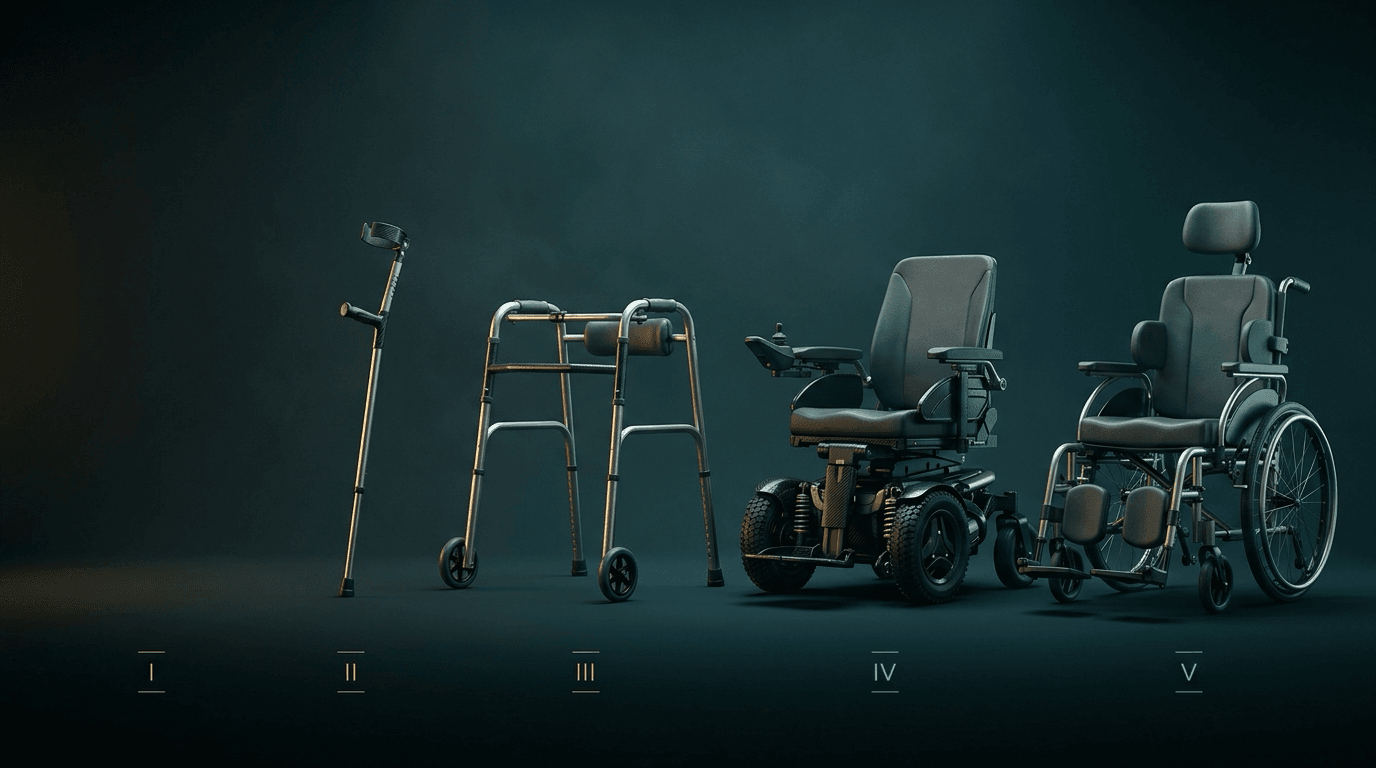
- Level I: walks without limitations. Runs, jumps and climbs stairs without a rail.
- Level II: walks with limitations - a rail on stairs, difficulty on uneven ground. No running.
- Level III: walks with a handheld mobility device (walker or crutches). Wheelchair for long distance.
- Level IV: self-mobility with limitations, usually a powered chair. Can stand for transfers.
- Level V: transported in a manual wheelchair. Head control problems.
Settle the tone before you cut. Dyskinesia (dystonia, chorea) responds poorly to orthopaedic surgery, so dystonia has to be excluded before a tendon or a bone is divided.
- Spasticity
- Velocity-dependent resistance
- Dystonia
- Involuntary muscle contractions/postures
- Spasticity
- Clasp-knife
- Dystonia
- Lead-pipe / Fluctuating
- Spasticity
- Persists (reduced)
- Dystonia
- Disappears
- Spasticity
- Responds well
- Dystonia
- Contraindicated / Unpredictable
Companion Classifications: MACS, CFCS and EDACS
GMFCS describes gross motor function, but the examiner expects you to know that the modern CP "toolbox" classifies the whole child across four domains - all five-level, all stable over time.
- Domain
- Gross motor (sitting, walking, self-mobility)
- What level V means
- Transported in a manual wheelchair
- Domain
- How the hands handle objects in daily tasks
- What level V means
- Does not handle objects; severely limited
- Domain
- Everyday sending and receiving of communication
- What level V means
- Seldom effective even with familiar partners
- Domain
- Safety and efficiency of eating and drinking
- What level V means
- Unable to eat or drink safely; tube feeding considered
Each runs from level I (independent or effective) to level V (dependent), and a mini-MACS exists for the 1-to-4-year age group. They are complementary, not interchangeable - a hemiplegic child can be GMFCS I yet MACS II-III because the affected hand limits manual ability.
GMFCS is only the gross-motor axis. Pair it with MACS (hand/manual ability), CFCS (communication) and EDACS (eating and drinking) - each a stable, five-level (I independent to V dependent) system. They are independent: a child can be GMFCS I but MACS III, so always classify hand and communication function separately rather than inferring them from walking ability.
Clinical Assessment
History. Birth history (gestation, time in intensive care), milestones (whether the child sat by two years, whether they walk), and current communication and feeding status.
Tone. Grade with the Modified Ashworth Scale (0-4) and the Tardieu Scale, which separates dynamic tone from fixed shortening.
- R1: the angle of first catch, velocity-dependent
- R2: the angle of maximum passive range, the static length
- R2 minus R1: the dynamic component, which is the spasticity
Where tone in clinic makes the distinction impossible, examination under anaesthesia settles it.
Selective motor control (SMC). This is the ability to isolate joint movement, and it is tested by asking the child to dorsiflex the ankle without flexing the hip or knee. Poor SMC predicts a poor outcome from tendon transfer: without it the transfer will not work "in phase", although it may still act as a tenodesis.
The rest of the examination is the deformity survey that decides what gets corrected.
- Rotational profile - femoral anteversion and tibial torsion
- Hips - abduction range, with a risk of dislocation if abduction is less than 45 degrees
- Spine - scoliosis, sitting balance, pelvic obliquity
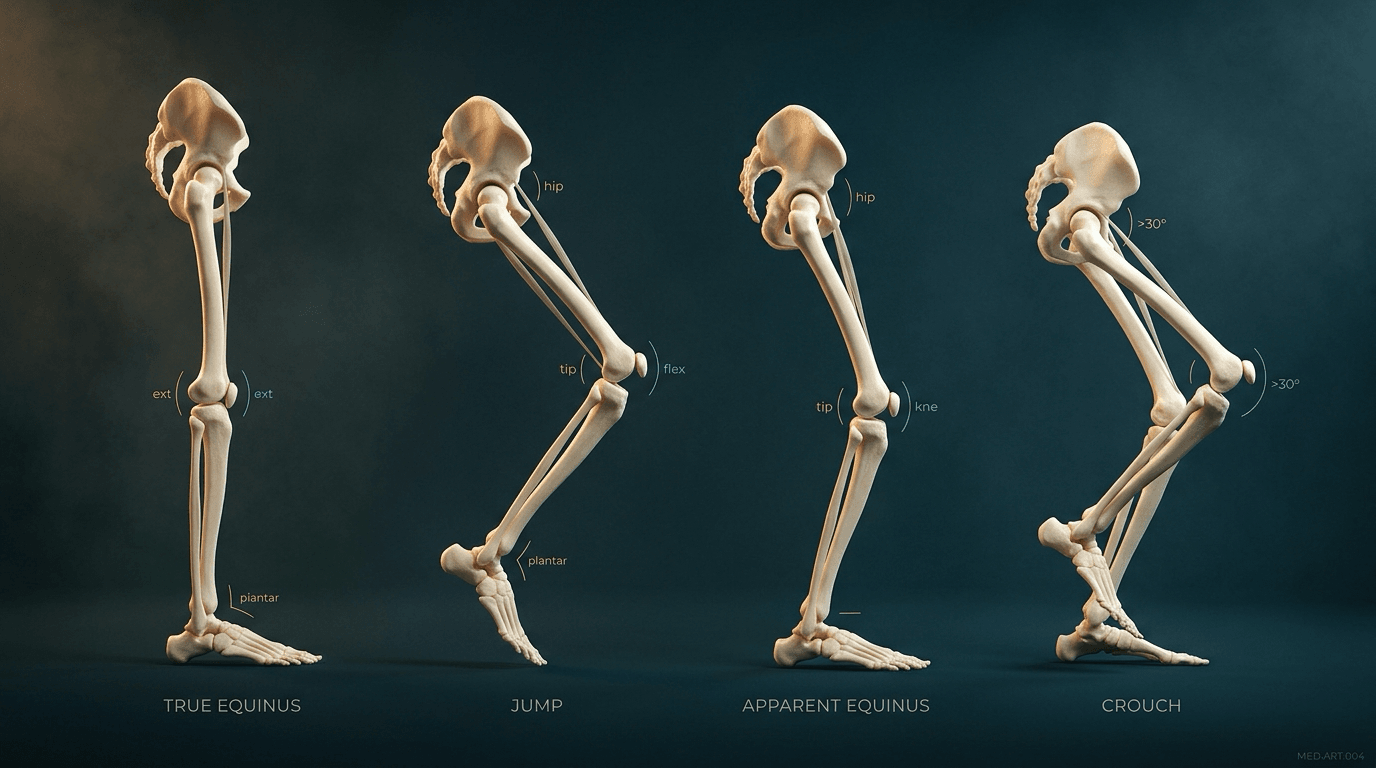
Observational gait analysis. In the sagittal plane, read the hip and knee first and name the ankle last, because it is the knee that makes apparent equinus look like equinus.
- True equinus: hip extended, knee extended, ankle plantarflexed
- Jump gait: hip flexed, knee flexed, ankle plantarflexed
- Apparent equinus: hip flexed, knee flexed, ankle neutral - it only looks like equinus because of the knee flexion
- Crouch gait: hip flexed, knee flexed more than 30 degrees, ankle dorsiflexed (calcaneus)
Coronal and transverse planes. Scissoring means adductor spasticity and a Trendelenburg pattern means abductor weakness. Intoeing is femoral anteversion or internal tibial torsion, and out-toeing is external tibial torsion, often iatrogenic or compensatory.
Anaesthetic considerations. The problems that change the anaesthetic are predictable and worth rehearsing.
- Respiratory - high risk of aspiration from swallow dysfunction, and of postoperative pneumonia
- Seizures - ensure anticonvulsants are continued
- Latex allergy - higher prevalence in CP and spina bifida
- Positioning - contractures make positioning on the table difficult; pad bony prominences
- Pain assessment - the FLACC scale for non-verbal children, who are at high risk of under-treatment
The diagnosis to question is the child whose neurology is getting worse rather than whose skeleton is. Hereditary spastic paraparesis presents later, runs in families, and has a normal brain MRI.
- Cerebral Palsy
- Birth / Infancy (Static)
- Hereditary Spastic Paraparesis
- Childhood / Adult (Progressive)
- Cerebral Palsy
- Rare
- Hereditary Spastic Paraparesis
- Common (Autosomal Dominant)
- Cerebral Palsy
- Abnormal (PVL/IVH)
- Hereditary Spastic Paraparesis
- Normal
- Cerebral Palsy
- Non-progressive (MSK worsens)
- Hereditary Spastic Paraparesis
- Neurology worsens
Investigations
Hip surveillance radiographs. The point of screening is to catch displacement before dislocation, because a dislocated hip brings pain, scoliosis and problems with perineal hygiene in the GMFCS V child.
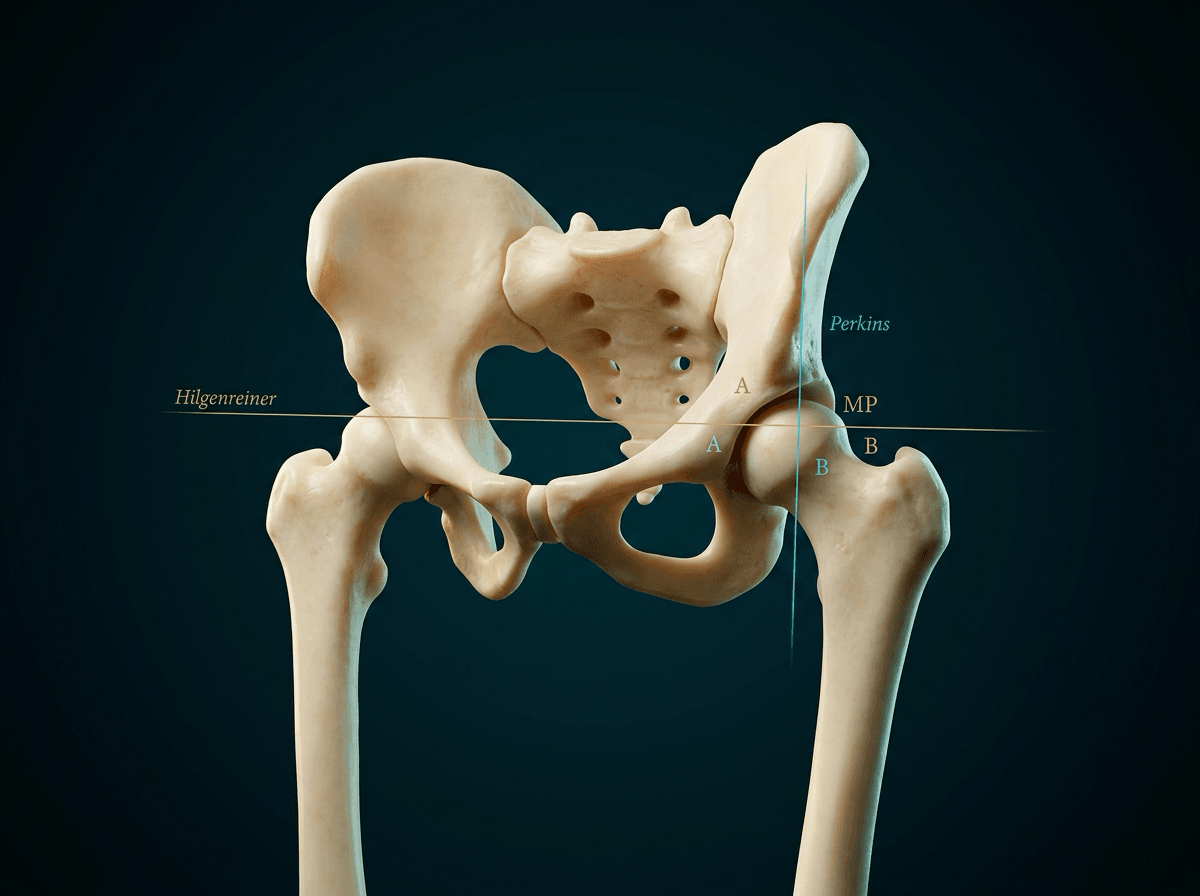
The metric is Reimers migration percentage. It is the percentage of the femoral head lying lateral to Perkins' line, the line dropped at the lateral edge of the acetabulum. Under 10% is normal in a typical child, and under 30% is accepted in CP.
Three numbers get quoted for migration percentage, and they are not rival answers to one question - they answer three different ones. Say which you mean.
- The question it answers
- Should this child be referred?
- What follows
- Yes. This is the surveillance trigger and the definition of hip displacement, and it is the number in the AACPDM care pathway (with hip abduction under 30 degrees as the clinical companion).
- The question it answers
- Will a soft-tissue release alone hold it?
- What follows
- No. Above roughly 40 percent, adductor and psoas release on its own has a high failure rate, and the operation becomes a bony one.
- The question it answers
- Is it dislocated?
- What follows
- Yes - the head lies entirely lateral to Perkins' line.
The trap is to run the 40 percent figure backwards into the referral decision. A child referred only at 40 percent has already passed the point where the simpler operation would have worked. Rate of change matters as much as the absolute value: a rise of more than about 10 percentage points a year is itself an indication to act, whatever the current number.
The displacing hip in CP is pain free at the stage when it can still be saved. By the time it hurts, the head is destroyed - which is why screening is mandatory and why "the child is comfortable" is never a reason to defer the film.
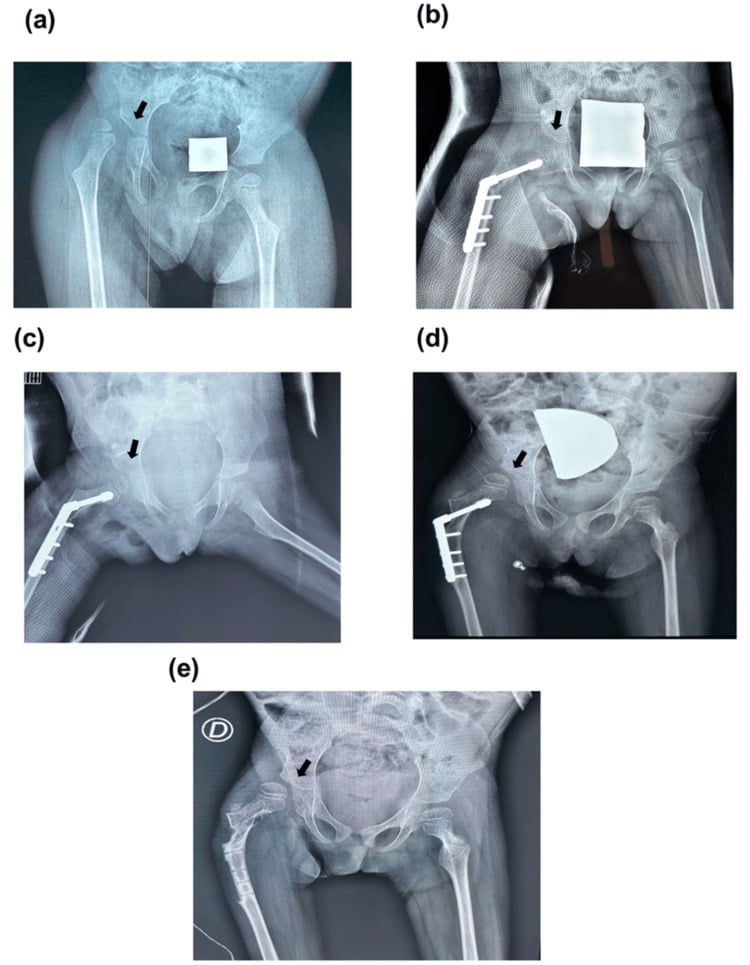
Hip surveillance has its own page. The programme itself - who is screened, how often, by GMFCS level, and what the international pathways actually say - is set out in cerebral palsy hip surveillance; this section is only the metric it turns on. Where displacement is established, the reconstruction is the same problem the DDH surgeon solves, but with a different clock and a spastic muscle balance driving it, and the deformity is read off the same migration percentage geometry.
Gait analysis in a 3D motion laboratory is the gold standard for surgical planning in walkers (GMFCS I-III), and it reports four things:
- Kinematics - joint angles
- Kinetics - forces, moments and joint powers
- EMG - the timing of muscle firing (is the rectus firing in swing?)
- Pedobarography - foot pressure
Walking costs these children dearly. A child with CP uses 3-5 times more energy to walk than a peer, measured as oxygen cost in mL/kg/m, and the goal of surgery is efficiency: a lower oxygen cost for the same distance.
The Gait Deviation Index (GDI) compresses gait pathology into one number. 100 is normal and every 10 points below 100 is one standard deviation from normal, so a typical child with CP scores 60-70; after SEMLS expect a rise of 5-10 points, which is clinically significant.
Functional assessment tools measure change over time.
- GMFM (Gross Motor Function Measure): more detailed than GMFCS, and the instrument used before and after an intervention such as SDR. GMFM-88 is validated for CP and Down syndrome and includes lying and rolling; GMFM-66 is the Rasch-scaled version and is for CP only.
- FMS (Functional Mobility Scale): rates mobility at three distances - 5 metres (home), 50 metres (school), 500 metres (community) - from 1 (crawler) to 6 (independent on all surfaces).
- CP-CHILD: a caregiver-reported quality-of-life measure covering comfort and positioning.
Management Algorithm
Multidisciplinary Management
Physiotherapy carries the load: stretching, strengthening and functional training.
Orthotics are chosen by what the gait is doing.
- AFO (ankle foot orthosis): solid for crouch or equinus, hinged for a simple drop foot
- GRAFO: a ground reaction AFO with a pre-tibial shell, for crouch gait, preventing tibial advancement
Tone management is chosen by how widespread the tone is.
- Oral: baclofen, diazepam - a global effect
- Botox: focal spasticity, most effective in the dynamic phase (age 2-6), targeting gastrocnemius, hamstrings and adductors
- Intrathecal baclofen (ITB): for severe quadriplegia (GMFCS IV/V) with dystonia
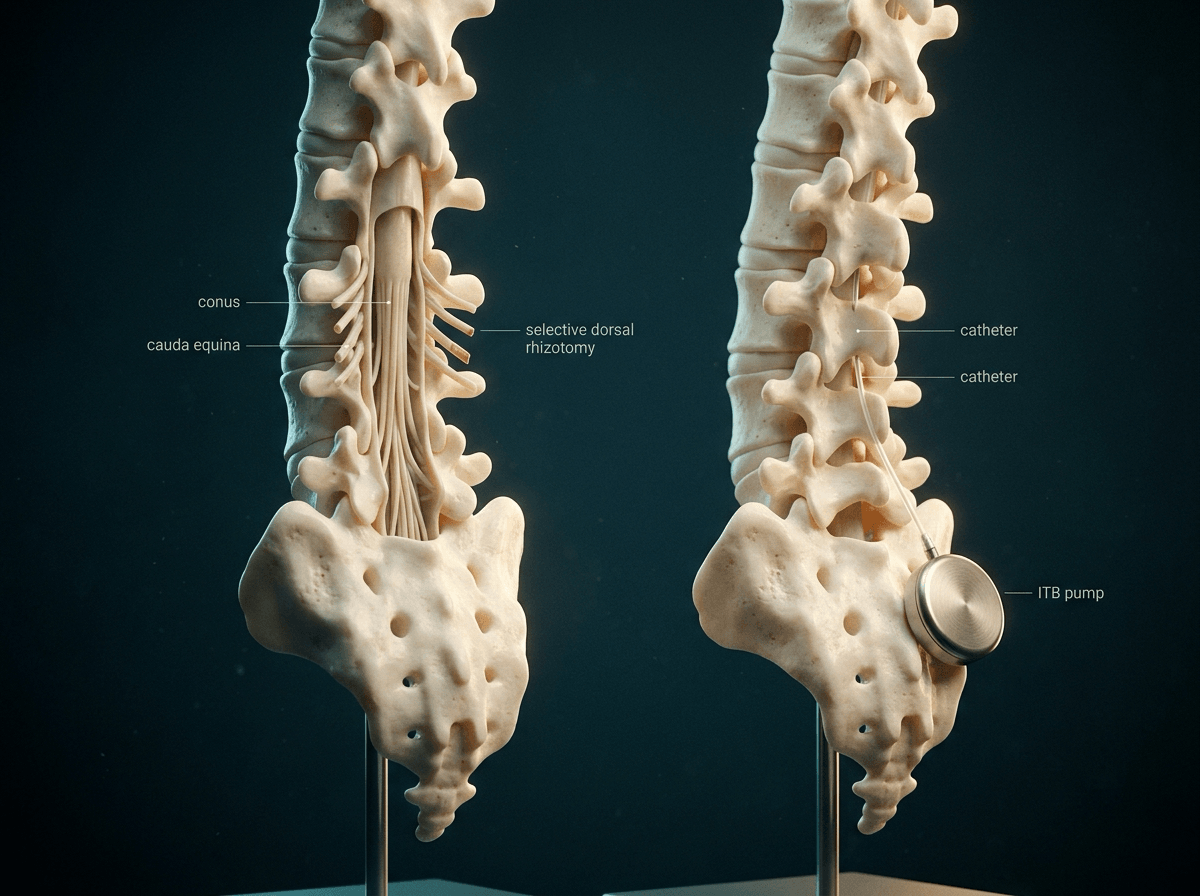
Choosing Between SDR and Intrathecal Baclofen
How a rhizotomy works. Selective dorsal rhizotomy divides excessive sensory rootlets - the Ia afferents - to reduce the excitability of the reflex arc, and the reduction in spasticity is permanent. It therefore only helps the child whose function is limited by tone rather than by weakness, so good underlying strength is a prerequisite: spasticity can mask weakness, and cutting it reveals what was hidden.
- SDR
- Permanent sectioning of a proportion of dorsal (sensory) rootlets under intra-operative EMG
- Intrathecal Baclofen (ITB)
- Implanted programmable pump delivering baclofen to the CSF
- SDR
- No - permanent and irreversible
- Intrathecal Baclofen (ITB)
- Yes - titratable and reversible (can be turned down or removed)
- SDR
- Spasticity only (NOT dystonia)
- Intrathecal Baclofen (ITB)
- Spasticity AND dystonia
- SDR
- Ambulant spastic diplegia, GMFCS II-III, age about 4-8, pure spasticity, good strength/selective control/cognition, PVL on MRI
- Intrathecal Baclofen (ITB)
- Severe generalised hypertonia, GMFCS IV-V, comfort/care/positioning goals, mixed spasticity-dystonia
- SDR
- One operation then intensive physiotherapy; risk of unmasking weakness, sensory change and later spinal deformity
- Intrathecal Baclofen (ITB)
- Lifelong refills and device upkeep; catheter/pump failure, infection, and life-threatening overdose or withdrawal
Oral agents (baclofen, diazepam) cover mild global tone and botulinum toxin covers focal, dynamic spasticity in the young child; SDR and ITB are the options when tone is severe enough to need a definitive or device-based solution.
SDR = permanent, spasticity-only, for the ambulant GMFCS II-III spastic diplegic with good strength and PVL (the spasticity is masking usable function). ITB = reversible and titratable, treats spasticity AND dystonia, for the severe GMFCS IV-V child where the goal is comfort, care and positioning. Dystonia steers you away from SDR; the need for adjustability and a whole-body effect steers you towards ITB - which, unlike SDR, carries the ongoing risks of pump failure, overdose and withdrawal.
Surgical Technique
Hip Reconstruction
Surgery is for a migration percentage over 30-40% or progressive subluxation, and the operation itself follows the percentage and the age of the child.
- Soft tissue (preventive): adductor and psoas release, for MP over 30% in a young child (under 4) whose hip abducts less than 30 degrees.
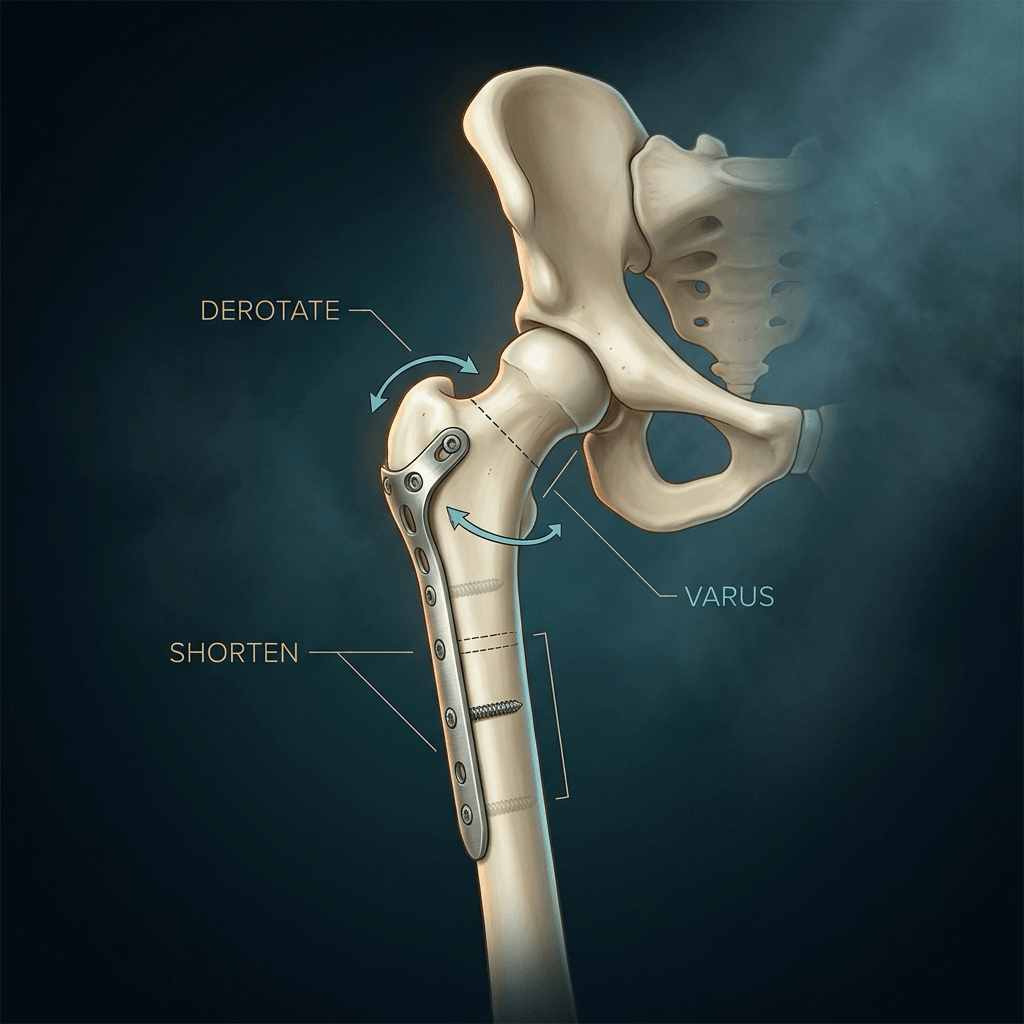
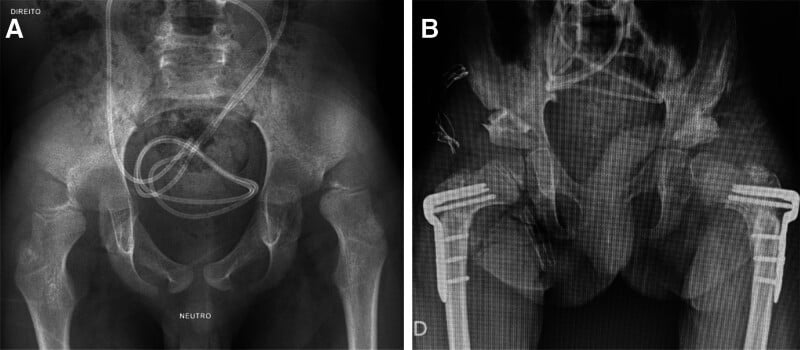
- Bony reconstruction: VDRO with acetabuloplasty (Dega or San Diego), for MP over 40-50% in the older child (over 4).
- VDRO: shorten (to release tension), varus (for better cover), derotate (to correct anteversion)
- Dega: a curvilinear cut above the acetabulum leaving the posterior cortex intact, levering the roof down over a bone graft wedge. Ideal for deficient anterior and lateral coverage.
- San Diego: the same hinge extended to the sciatic notch, for more coverage
- Salter: less used in CP, because redirecting the whole acetabulum creates retroversion, which is bad in CP
- Salvage: the Castle procedure (resection interposition) or proximal femoral replacement, for the painful dislocated hip with a destroyed head in a GMFCS V child.
Total hip arthroplasty is generally contraindicated in GMFCS V because of the high dislocation risk.
Complications
- Risk Factor
- TAL (Tendo-Achilles)
- Management
- Calcaneal gait (Crouch). Hard to fix.
- Risk Factor
- Young age (less than 6) at time of surgery
- Management
- Repeat surgery
- Risk Factor
- GMFCS V / Scoliosis
- Management
- Salvage surgery
- Risk Factor
- Osteopenia / Cast immobilisation
- Management
- Gentle handling / Bisphosphonates
- Risk Factor
- Catheter kink / Infection / Overdose
- Management
- Emergency pump interrogation
Baclofen pump failure is the emergency to recognise. Overdose gives coma, respiratory depression and hypotension: support the airway (physostigmine is controversial). Withdrawal is life threatening and looks like itch, agitation, rigidity, seizures and hyperthermia, and the treatment is to restore baclofen, oral or intrathecal, immediately.
Postoperative Care
Pain and spasm feed each other. In spastic CP pain triggers spasm, which triggers more pain, so analgesia is critical.
- Spasm protocols - benzodiazepines (diazepam) with gabapentin
- Immobilisation - Petrie (broomstick) casts, or a spica for hips
- Rehabilitation - intensive inpatient rehabilitation for 6-12 weeks after SEMLS
Outcomes
Walking follows the level. GMFCS I and II walk well, III walks with aids, and IV and V do not walk. Life expectancy is reduced in GMFCS V because of respiratory problems, and is near normal in levels I-III.
Adult life. Competitive employment rates are low and depend on GMFCS level, and over 50% of adults with CP report chronic musculoskeletal pain.
Guidelines, Registries & Global Practice
Global Epidemiology:
- Prevalence: ~2.0-2.5 per 1000 live births in high-income settings; higher in low- and middle-income countries (LMICs) where prevalence may exceed 3 per 1000, with a higher proportion of severe, GMFCS IV-V and post-neonatally acquired CP (infection, kernicterus, birth asphyxia).
- Trend: Prevalence has plateaued or fallen modestly in high-income countries despite improved survival of extreme preterms, attributed to antenatal magnesium sulfate, antenatal steroids, and therapeutic hypothermia.
- Distribution: Spastic subtype ~80%; spastic diplegia/hemiplegia predominate; bilateral GMFCS IV-V drive the orthopaedic burden (hip, spine).
- Hip Surveillance
- GMFCS-stratified schedule; 6-monthly films for GMFCS IV-V
- Tone & Surgery Emphasis
- Early preventive soft-tissue release; SEMLS for ambulant CP
- Hip Surveillance
- Care pathways endorse GMFCS-based screening
- Tone & Surgery Emphasis
- Multidisciplinary tone clinics; SDR in selected GMFCS II-III
- Hip Surveillance
- National CP Integrated Pathway (e.g. CPIPS) — GMFCS-based films
- Tone & Surgery Emphasis
- Surveillance-led prevention; NICE NG62 supports MDT spasticity care
- Hip Surveillance
- Founding surveillance registry; near-zero dislocation
- Tone & Surgery Emphasis
- Registry-driven prevention; benchmark for outcomes
- CPUP (Sweden/Norway/Denmark/Scotland): The reference hip and spine surveillance registry; demonstrated near-elimination of hip dislocation.
- SCPE (Surveillance of Cerebral Palsy in Europe): Harmonised CP definitions and population prevalence data across European centres.
- CPIPS / UK national CP integrated pathway and Australian CP Register: National-scale GMFCS-based surveillance and outcome tracking.
- High-resource: Routine GMFCS-based radiographic hip surveillance, 3D gait labs for SEMLS planning, intrathecal baclofen, SDR programmes, neonatal neuroprotection bundles.
- Limited-resource: Later presentation with established dislocation/contracture; emphasis on physiotherapy, low-cost orthoses, and salvage rather than preventive surgery; gait labs and SDR rarely available. Prevention of kernicterus and birth-asphyxia CP is a major public-health priority.
Controversies & Areas of Uncertainty
- SDR vs intrathecal baclofen vs SEMLS: For ambulant spastic diplegia there is no high-quality head-to-head RCT. Long-term cohorts (Tedroff) show SDR durably reduces tone but does not prevent later orthopaedic surgery or contracture — challenging the idea that early tone reduction alone changes natural history.
- Does SEMLS truly change long-term function? Gait-lab kinematics (GDI) improve, but functional/participation gains and durability are debated, and the evidence base lacks RCTs (McGinley).
- Optimal hip surveillance threshold for intervention: Migration percentage thresholds (30% vs 40% vs trend/velocity) and whether soft-tissue release alone suffices vary between programmes; reoperation rates remain high (Kiapekos).
- Magnesium sulfate magnitude of effect: Individual trials (including ACTOMgSO4/Crowther) were under-powered for CP as a sole endpoint; the neuroprotective recommendation rests on pooled meta-analysis, and optimal dosing/timing still varies.
- Single-event vs staged surgery: "Birthday syndrome" is condemned, yet very large single events carry higher perioperative and rehabilitation burden — the ideal bundling remains individualised.
- Botulinum toxin and muscle morphology: Concern that repeated BTX-A injections may cause long-term muscle atrophy/fibrosis in the developing muscle, tempering enthusiasm for high-frequency dosing.
Viva Scenarios
Clinical Decision Scenarios
Practise clinical reasoning and management decisions out loud
“Discuss your management approach.”
Clinical Decision Scenarios
Practise clinical reasoning and management decisions out loud
“What is your plan?”
MCQ Practice Points
Q: What is the most common physiologic type of CP? A: Spastic (Pyramidal) - approx 80%. Dyskinetic is 10-15%. Ataxic less than 5%.
Q: How often should a GMFCS Level V child have a hip X-ray? A: Every 6 months. (High risk of rapid displacement). Level I usually discharged at 5 years.
Q: What determines the difference between GMFCS II and III? A: Handheld Mobility Device. Level II walks without aids (may use rail). Level III needs crutches/walker.
Q: What determines the difference between GMFCS IV and V? A: Self-Mobility. Level IV can drive a powered chair or mobilize short distances. Level V has no means of independent mobility (must be pushed).
Q: What is the likelihood of a child with Hemiplegic CP walking? A: Nearly 100% (Usually GMFCS I or II). If a hemiplegic child is not walking, reconsider diagnosis.
Q: Periventricular Leukomalacia (PVL) is most strongly associated with which CP pattern? A: Spastic Diplegia. The medial fibers (legs) of the corticospinal tract are affected.
GMFCS Levels
- I: Walks / Runs
- II: Walks / Railing / Uneven issues
- III: Handheld Device (Walker)
- IV: Powered Mobility
- V: Pushed (Head control issues)
Hip Surveillance
- Gold Standard: Reimer's MP
- Normal: less than 10%
- Risk: greater than 30%
- Freq: GMFCS V = 6 monthly
Management
- Botox: Focal Dynamic Spasticity
- Baclofen: Global Spasticity
- SEMLS: Age 8-10, Bony + Soft Tissue
- SDR: Pure Spasticity, GMFCS II/III
Key Concepts
- Non-progressive brain lesion
- Progressive MSK deformity
- Lever Arm Dysfunction
- Avoid Birthday Syndrome
Evidence Base
GMFCS — The Classification Paper
- Delphi consensus among 48 experts produced the 5-level GMFCS.
- Interrater reliability (kappa) 0.75 for children aged 2-12 years; lower (0.55) under 2 years.
- Designed as a staging system analogous to medical grading scales.
Hip Surveillance Prevents Dislocation (CPUP)
- 20-year results of the Swedish CPUP surveillance programme.
- Hip dislocation fell from 8% in the historical control group to effectively 0% in surveilled cohorts (p less than 0.001).
- The only 2 study-group children who dislocated were too unwell for preventive surgery.
- Of 689 surveilled children, 13% required preventive surgery.
Primary Surgery for Hip Displacement
- Compared adductor-iliopsoas tenotomy (APT) vs femoral osteotomy (FO) as primary preventive surgery.
- At minimum 5 years, reoperation was 43% after APT and 39% after FO.
- Residual migration percentage over 50% in 2% (APT) vs 9% (FO).
- After soft-tissue release, higher preoperative migration percentage predicted failure.