Staphylococcus aureus Dominant | Coagulase-Negative Staph in Implants | Polymicrobial in DFI | Culture-Negative 10-30%
- Staphylococcus aureus is the most common pathogen in acute bone and joint infections (30-50%)
- Coagulase-negative Staphylococci (CoNS) dominate chronic prosthetic joint infections (50-70%)
- MRSA prevalence varies regionally (10-60%) - know your local resistance patterns
- Polymicrobial infections common in diabetic foot, open fractures, and chronic wounds
- Culture-negative infections occur in 10-30% due to prior antibiotics, fastidious organisms, or biofilm
- “Gram-positive cocci cause 70-80% of orthopaedic infections overall
- “Salmonella osteomyelitis associated with sickle cell disease and hemoglobinopathies
- “Kingella kingae common in pediatric septic arthritis (younger than 4 years)
- “Propionibacterium acnes (Cutibacterium) in shoulder arthroplasty infections (anaerobic culture required)
Overview
Bone, joint and implant infections are caused by a short and predictable list of organisms, and the list shifts with the setting: the native joint, the implant, the contaminated wound, the host. Gram-positive cocci account for 70-80% of cases, and the staphylococci lead that group. The rest of this page is about which organism to expect where, how to prove it, and what the answer changes.
Why the organism matters. Empiric antibiotics are chosen before any culture result, and delay in appropriate cover increases morbidity and mortality. Knowing the likely pathogen makes that choice rational: S. aureus cover is essential in most scenarios, and local MRSA prevalence decides which agent provides it. The organism also sets the shape of treatment. Staphylococci in biofilm need prolonged therapy (6-12 weeks), Gram-negatives may allow shorter courses, and polymicrobial infections need broad cover.
Where this sits. The organisms are only half the problem; the other half is biofilm, which is why implant-retention decisions and extended cultures behave the way they do. The clinical syndromes are worked up on periprosthetic joint infection and osteomyelitis, and the drugs themselves on orthopaedic antibiotic therapy and antibiotic pharmacology and resistance.
Biology of Orthopaedic Pathogens
Prevalence follows context. The distribution of pathogens follows predictable patterns based on the clinical setting, and that predictability is what makes rational empiric therapy possible. An acute native joint infection is a high-virulence, rapid-onset, destructive process; a chronic prosthetic joint infection is an indolent biofilm infection that needs the implant out; a child's haematogenous infection has an age-dependent spectrum; a diabetic foot carries a mixed aerobic and anaerobic flora that needs broad cover.
- Predominant Pathogens
- S. aureus (40-50%), Streptococcus (15-20%)
- Key Features
- High virulence, rapid onset, destructive
- Predominant Pathogens
- CoNS (50-70%), S. aureus (20-30%)
- Key Features
- Biofilm formation, indolent, requires removal
- Predominant Pathogens
- S. aureus (40%), Kingella (30-50% in under 4yr)
- Key Features
- Age-dependent pathogen spectrum
- Predominant Pathogens
- Polymicrobial (50-75%)
- Key Features
- Aerobes + anaerobes, broad coverage needed
Virulence factors. Bacterial virulence mechanisms explain the clinical presentation and guide treatment, and they fall into four classes. Adhesins are surface proteins that attach the organism to bone matrix, collagen and prosthetic materials; toxins destroy tissue or evade the immune response; enzymes such as coagulase, hyaluronidase and proteases open tissue for invasion; and biofilm is the polysaccharide matrix that shields the colony from antibiotics and the immune system. The specific factors of S. aureus, the template organism, are set out under that pathogen below.
Resistance. In MRSA the altered penicillin-binding protein PBP2a has low affinity for beta-lactams and renders every one of them ineffective except ceftaroline. Extended-spectrum beta-lactamases are plasmid-encoded enzymes produced by Enterobacteriaceae such as E. coli and Klebsiella; they hydrolyse penicillins, cephalosporins and aztreonam, which leaves the carbapenems.
- Mechanism
- mecA gene encodes altered PBP2a
- Treatment Implications
- Vancomycin, daptomycin, linezolid
- Mechanism
- Plasmid-encoded enzymes hydrolyse cephalosporins
- Treatment Implications
- Carbapenems (meropenem, ertapenem)
- Mechanism
- vanA/vanB genes alter D-Ala-D-Ala target
- Treatment Implications
- Linezolid, daptomycin
- Mechanism
- Carbapenemases (KPC, NDM, OXA)
- Treatment Implications
- Limited options: polymyxins, tigecycline
- Mechanism
- Multiple mechanisms (efflux, porin loss)
- Treatment Implications
- Combination therapy, newer agents
Biofilm. Biofilm is the primary reason prosthetic joint infections are difficult to cure with antibiotics alone. It forms in stages: bacteria attach to the surface through their surface proteins; attachment becomes irreversible as extracellular matrix secretion begins; the cells organise into microcolonies, three-dimensional communities threaded by water channels that carry nutrients; and the colony matures inside a polysaccharide matrix, the polysaccharide intercellular adhesin (PIA) glycocalyx that encases the bacteria.
Why biofilm defeats treatment. The matrix is a physical barrier that antibiotics, antibodies and phagocytes cannot penetrate, and the bacteria inside it communicate by quorum sensing. Part of the population drops into a dormant, metabolically inactive state as persister cells, which are resistant to antibiotics that target dividing cells and active cell processes. The result is a 1000-fold increase in MIC and the need for implant removal for cure. Rifampicin is one of the few antibiotics that penetrates biofilm, and it is always used in combination to prevent resistance.
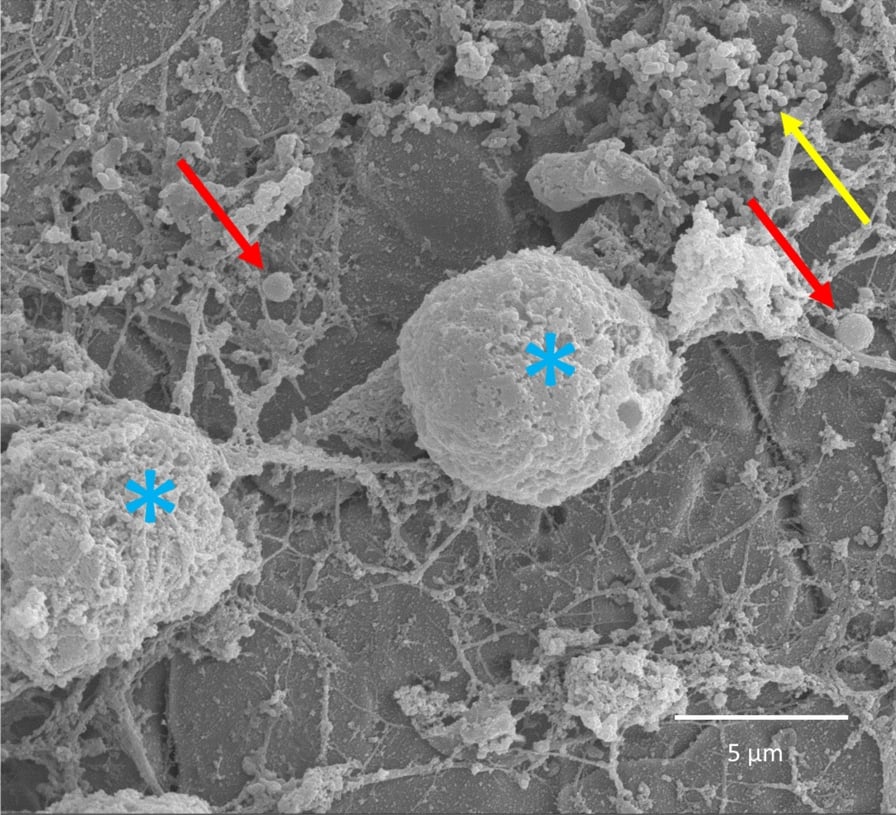
Small colony variants. SCVs are a slow-growing subpopulation, classically Staphylococcus aureus and also CoNS, that underlie many persistent, relapsing and apparently culture-negative orthopaedic infections. They are stable phenotypic and genetic variants with a markedly reduced metabolic rate, forming pinpoint colonies roughly one-tenth normal size that are easily overlooked or misidentified in the laboratory. They are typically auxotrophic for components of the electron-transport chain (menadione, haemin or thymidine), so they generate little ATP, divide slowly and down-regulate the toxins and enzymes that normal cells express.
Why they persist. The low metabolic state lets them survive intracellularly, within osteoblasts and other host cells, shielded from antibiotics and immune clearance. It also confers reduced susceptibility to cell-active antibiotics, especially aminoglycosides, which require an active electron-transport chain to enter the cell; slow division blunts the cell-wall-active beta-lactams and vancomycin as well. SCVs are stable variants and not the same as persister cells, which are transiently dormant normal cells; persister and biofilm biology are developed in the dedicated biofilm topic.
The clinical footprint is chronic, low-grade, relapsing osteomyelitis and PJI, frequent prior antibiotic exposure, and cultures that are negative or slow to grow; reversion to the normal phenotype on subculture can cause diagnostic confusion. Alert the laboratory and request extended incubation. SCVs are also a difficult-to-treat organism and a recognised contraindication to implant-retaining DAIR.
True pathogen or contaminant. A single positive culture of a coagulase-negative staphylococcus may be contamination or true infection, and telling them apart needs the microbiology and the clinical context together. The Musculoskeletal Infection Society (MSIS) criteria call it infection when two or more cultures grow the same organism, or when a single positive culture sits with a consistent clinical picture; the organism's virulence, the inflammatory markers and the presence of an implant all weigh in.
- True Infection
- Greater than or equal to 2 (same organism)
- Contamination
- Single positive culture
- True Infection
- Virulent (S. aureus, Strep)
- Contamination
- Low virulence (CoNS)
- True Infection
- Symptoms, elevated CRP/ESR
- Contamination
- Asymptomatic, normal labs
- True Infection
- Implant in situ
- Contamination
- Native joint, no foreign material
Anatomy
The Gram-positive wall. A thick peptidoglycan layer (20-80 nm) with teichoic acids embedded in it and lipoteichoic acids anchored to the single phospholipid membrane beneath. The thick peptidoglycan retains crystal violet, so these organisms stain purple, and it is the target of the beta-lactams; vancomycin binds D-Ala-D-Ala.
The Gram-negative wall. Thin peptidoglycan (2-7 nm) in a periplasmic space between an inner phospholipid membrane and an outer membrane carrying lipopolysaccharide (LPS). Thin peptidoglycan loses the crystal violet on decolourisation and takes up the safranin counterstain, so these organisms stain pink. The outer membrane limits antibiotic entry, and LPS is what causes sepsis and endotoxaemia.
Why the stain matters. The Gram stain distinguishes bacteria by cell wall thickness, and that simple test guides initial antibiotic selection.
Other structures matter for particular organisms: the capsule that defeats phagocytosis, the pili that mediate adhesion, the flagella that carry an organism through tissue, the spore that survives the environment, and the biofilm matrix already described.
- Function
- Prevents phagocytosis, immune evasion
- Example Organism
- Streptococcus pneumoniae, Klebsiella
- Function
- Adhesion to host tissues
- Example Organism
- E. coli (type I pili bind uroepithelium)
- Function
- Motility for tissue invasion
- Example Organism
- Salmonella, Pseudomonas, E. coli
- Function
- Environmental survival, heat resistance
- Example Organism
- Clostridium (tetanus, gas gangrene)
- Function
- Antibiotic resistance, immune evasion
- Example Organism
- S. epidermidis, S. aureus, Pseudomonas
Classification
By Gram stain. The stain is the first classification and the one that shapes the first prescription.
- Examples
- S. aureus, CoNS, Streptococcus, Enterococcus
- Prevalence in Orthopaedics
- 70-80% of all infections
- Examples
- E. coli, Pseudomonas, Klebsiella, Salmonella
- Prevalence in Orthopaedics
- 10-20% of infections
- Examples
- Cutibacterium, Bacteroides, Clostridium
- Prevalence in Orthopaedics
- 5-10% (under-recognised)
- Examples
- M. tuberculosis, atypical mycobacteria
- Prevalence in Orthopaedics
- 1-5% globally (endemic areas)
- Examples
- Candida, Aspergillus, endemic mycoses
- Prevalence in Orthopaedics
- less than 2% (immunocompromised)
Why Gram-positives dominate. S. aureus and CoNS colonise the skin and are the source of operative contamination; they adhere to implant materials; and they form biofilm. Gram-negatives come from elsewhere, and the history says when to expect them:
- Elderly or diabetic patients
- A suspected urinary or gastrointestinal source
- Open fractures (environmental contamination)
- Hospital-acquired infection
- Immunocompromised hosts
By resistance. The second axis is the resistance phenotype (MRSA, ESBL, VRE, CRE, multidrug-resistant Pseudomonas), tabulated under Biology above; it decides whether the standard agent will work at all.
By clinical behaviour. The third axis predicts the tempo of disease and the urgency of surgery. High-virulence organisms (S. aureus including MRSA, Group A Streptococcus, Clostridium perfringens) produce rapid onset, high fever, systemic toxicity and tissue destruction, and need urgent intervention. Low-virulence organisms (coagulase-negative staphylococci, Cutibacterium acnes, some enterococci) produce slow-onset, low-grade, biofilm-associated infection over months to years, and may tolerate suppression.
Investigations and Culture Technique
What to send. Deep tissue, not swabs, which grow contaminants. For PJI diagnosis take 5-7 tissue samples from different locations (MSIS criteria), sample multiple sites in osteomyelitis, and send synovial fluid from a septic joint for cell count, culture and crystal analysis. Blood cultures accompany every acute infection, because bacteraemia is common. The operative technique of sampling is under Surgical Technique.
When to send it. Hold antibiotics before cultures if possible; a 2-4 hour delay is acceptable. If the patient is already on antibiotics and revision surgery is planned, stop them 2 weeks before the operative cultures if feasible.
The Gram stain is a rapid bedside test that takes minutes: crystal violet, then iodine, then decolouriser, then safranin. Gram-positives stain purple and Gram-negatives pink, which guides initial empiric therapy, but the sensitivity on joint fluid is 60-80%.
Culture remains the gold standard for pathogen identification, on blood agar, chocolate agar and MacConkey, growing common pathogens in 24-48 hours and providing antimicrobial susceptibility testing. Fastidious organisms need extended incubation, and anaerobes, fungi and mycobacteria need to be requested.
- When to Request
- Shoulder infections, diabetic foot, chronic wounds
- Incubation Time
- 7-14 days
- Clinical Clue
- Foul odour, gas in tissues, chronic indolent
- When to Request
- Immunosuppressed, chronic infection not responding
- Incubation Time
- 1-4 weeks
- Clinical Clue
- Chronic, indolent, failed antibiotics
- When to Request
- Subacute, endemic area, chronic non-healing, TB risk
- Incubation Time
- 4-6 weeks (TB)
- Clinical Clue
- Subacute onset, disc preservation (spine)
- When to Request
- Culture-negative septic arthritis, paediatric (Kingella)
- Incubation Time
- Extended (5-7 days)
- Clinical Clue
- Young child, culture-negative
- When to Request
- Culture-negative PJI, shoulder revision
- Incubation Time
- 7-14 days
- Clinical Clue
- -
The culture-negative infection. Cultures are negative in 10-30% of orthopaedic infections in practice, but the reference review reports 7-12% despite optimal technique (PMID 24696437), so most of the gap is recoverable and lies in things under your control. Prior antibiotic therapy is the most common cause; the others are fastidious organisms (Kingella, Cutibacterium, fungi, mycobacteria), biofilm with its organisms in a dormant state, inadequate sampling (superficial swabs, a single sample) and technical faults (transport delay, improper media). The approach to a culture-negative PJI is the mirror image:
- Review antibiotic exposure and stop antibiotics 2 weeks before sampling if possible
- Request extended incubation (7-14 days) and anaerobic cultures specifically
- Consider PCR or molecular diagnostics (16S rRNA sequencing)
- Sonicate the explanted implant to release biofilm bacteria
- Histology showing inflammation supports infection even when culture is negative
Molecular diagnostics. PCR and next-generation sequencing can identify pathogens in culture-negative infection. PCR returns a result in hours rather than days, detects non-viable organisms, and is therefore useful after antibiotics have been given; Kingella PCR improves paediatric detection, and specific targets such as mecA and vanA can be sought. It cannot provide susceptibility testing, may detect colonisers rather than pathogens, and is expensive and not universally available. 16S rRNA sequencing amplifies a conserved bacterial gene and identifies unculturable organisms, taking 1-2 weeks; it is used in culture-negative PJI with high clinical suspicion, after prior antibiotic exposure, and when atypical or fastidious organisms are suspected. ITS sequencing does the same for fungi. None of this is routine, but it earns its cost in culture-negative PJI and when a specific pathogen (TB, Kingella) is suspected.
Sonication. The explanted prosthesis is placed in fluid and subjected to low-frequency ultrasound, which dislodges bacteria from the biofilm; the sonicate fluid is then cultured. Studies show 10-20% improved sensitivity over tissue culture alone for PJI. The protocol is under Surgical Technique.
Synovial fluid. The thresholds differ between a native joint and a prosthetic one.
- Normal
- less than 200
- Septic Arthritis
- greater than 50,000
- PJI Threshold
- greater than 1,100 (knee) / 3,000 (hip)
- Normal
- less than 25%
- Septic Arthritis
- greater than 90%
- PJI Threshold
- greater than 64% (knee) / 80% (hip)
- Normal
- Negative
- Septic Arthritis
- Positive (++)
- PJI Threshold
- ++ (positive) = infected
- Normal
- Negative
- Septic Arthritis
- Positive
- PJI Threshold
- Positive = infected (97% sensitivity)
Alpha-defensin is an antimicrobial peptide released by neutrophils in response to infection, with 97% sensitivity and 97% specificity for PJI. It is available as a bedside lateral flow test or a laboratory ELISA, and it is not affected by prior antibiotics, systemic inflammation or time from surgery.
Management
Empiric therapy for native joint and fracture infection. Flucloxacillin 2 g IV 6-hourly for MSSA cover, adding a vancomycin loading dose of 25-30 mg/kg where there is MRSA risk and gentamicin 5-7 mg/kg for Gram-negative cover. The MRSA risk factors are:
- Previous MRSA colonisation or infection
- Recent hospitalisation (within 90 days)
- Nursing home residence
- Intravenous drug use
- Chronic wounds
Empiric therapy for prosthetic joint infection. Vancomycin 25-30 mg/kg loading, then 15-20 mg/kg 12-hourly, for the CoNS and MRSA that are common here, plus piperacillin-tazobactam 4.5 g IV 6-hourly for Gram-negative cover, which also covers Pseudomonas in chronic wounds; ceftriaxone or cefepime is the other Gram-negative partner used. Four to six weeks of IV therapy is typical.
Pathogen-directed therapy. Once the organism and its susceptibilities are known, narrow.
- First Line
- Flucloxacillin 2g IV q6h
- Alternative
- Cefazolin 2g IV q8h
- Duration
- 4-6 weeks
- First Line
- Vancomycin (trough 15-20)
- Alternative
- Daptomycin 6-8mg/kg
- Duration
- 6 weeks
- First Line
- Penicillin G 4MU q4h
- Alternative
- Ceftriaxone 2g daily
- Duration
- 4 weeks
- First Line
- Ampicillin + Gentamicin
- Alternative
- Vancomycin + Gent
- Duration
- 6 weeks
- First Line
- Ceftriaxone 2g daily
- Alternative
- Ciprofloxacin 750mg PO
- Duration
- 4-6 weeks
- First Line
- Ceftazidime + Cipro
- Alternative
- Meropenem 1g q8h
- Duration
- 6 weeks
- First Line
- Penicillin G
- Alternative
- Clindamycin
- Duration
- 6 weeks
DAIR: Debridement, Antibiotics, Implant Retention
Who is a candidate. DAIR keeps the implant, and the selection criteria are strict:
- Early infection (under 30 days post-operatively) or acute haematogenous infection (under 3 weeks of symptoms)
- A stable, well-fixed implant
- A healthy soft tissue envelope
- A susceptible organism identified
Who is not. A loose implant, a sinus tract and a difficult-to-treat organism (MRSA as a relative contraindication, Enterococcus, fungi, small colony variants) are absolute contraindications. Symptoms over 3 weeks, an immunocompromised host and multiple previous surgeries are relative.
What predicts success. Symptom duration under 21 days, a CRP under 115 mg/L at presentation, and exchange of the modular components at the same operation.
Biofilm-active therapy. Rifampicin is the biofilm-active drug for staphylococcal infection with retained hardware, and it is never given alone: resistance emerges within 24-48 hours of monotherapy. Start it 2-5 days into IV therapy, which reduces the emergence of resistance, pair it with a companion drug that has good biofilm activity, watch for hepatotoxicity, and check its many drug interactions (warfarin, immunosuppressants).
- Rifampicin Role
- Essential for biofilm
- Companion Drug
- Ciprofloxacin 750mg BD
- Duration
- 3-6 months
- Rifampicin Role
- Not required
- Companion Drug
- Standard IV therapy
- Duration
- 6 weeks
- Rifampicin Role
- Add after 2-5 days IV
- Companion Drug
- Cotrimoxazole or doxy
- Duration
- 3 months
- Rifampicin Role
- Not indicated
- Companion Drug
- Beta-lactam preferred
- Duration
- 4-6 weeks
Suppressive Antibiotic Therapy
When. Lifelong suppression is considered when the infection cannot be resected, when the patient is unfit for revision surgery or declines it, and when a difficult-to-treat organism sits on a retained implant. The goals are to prevent systemic sepsis, maintain function and preserve quality of life; it controls symptoms rather than curing.
With what. The oral agents are chosen against the organism:
- Cefalexin 500 mg BD (MSSA)
- Cotrimoxazole 160/800 mg daily (MRSA)
- Doxycycline 100 mg BD (CoNS)
- Ciprofloxacin 500 mg BD (Gram-negative)
Monitoring is a clinical review every 3-6 months with CRP and ESR trends, and renal function where the agent is nephrotoxic.
The treatment ladder for PJI, in order:
- DAIR + rifampicin combination (early/acute, good prognostic factors)
- One-stage exchange (healthy host, susceptible organism, good soft tissue)
- Two-stage exchange (complex cases, resistant organisms, compromised host)
- Suppressive antibiotics (not surgical candidate)
- Resection arthroplasty / amputation (last resort)
Surgical Technique
Intraoperative tissue sampling. Take at least five samples for PJI diagnosis, each with a separate instrument, away from the skin edges, before any antibiotic is given, and into sterile containers rather than formalin:
- Synovium (two samples from different locations)
- Periprosthetic membrane
- Bone-implant interface tissue
- Capsule
Synovial fluid aspiration. Prepare with chlorhexidine rather than iodine when culture is the aim, use an 18G needle with a 20-50 mL syringe, obtain at least 2 mL, and inoculate directly into blood culture bottles. Allocate the fluid to an EDTA tube for cell count and differential, a plain tube for crystal analysis, a sterile container or blood culture bottle for culture, and alpha-defensin if available.
Debridement is the other half of source control, and its goal changes with the setting.
- Debridement Goal
- Remove purulent material
- Key Steps
- Arthrotomy, lavage, drain
- Irrigation Volume
- 6-9L saline
- Debridement Goal
- Remove contamination
- Key Steps
- Serial debridement q48-72h
- Irrigation Volume
- 6-9L pulsatile lavage
- Debridement Goal
- Preserve implant
- Key Steps
- Exchange modular parts, scrub
- Irrigation Volume
- 6-9L minimum
- Debridement Goal
- Remove dead bone
- Key Steps
- Sequestrectomy, dead space
- Irrigation Volume
- Variable
DAIR Technique
- Hold antibiotics 2 weeks preoperatively if possible
- Preoperative aspiration for culture
- Plan for modular component exchange
- Prepare multiple tissue sample containers
- Use previous incision
- Minimal soft tissue stripping
- Avoid devascularising tissues
- Protect neurovascular structures
- 5-7 tissue samples from different sites
- Synovial fluid aspiration
- Sonication sample if exchange planned
- Label samples clearly (site, depth)
- Radical synovectomy
- Remove all fibrinous debris
- Scrub implant surfaces with brush
- Exchange polyethylene liner and modular head
- Minimum 6-9L pulsatile lavage
- Normal saline (additives controversial)
- Systematic: deep to superficial
- Change suction tips between deep and superficial
Two-Stage Exchange
First stage. Complete exposure and tissue sampling, removal of all components and cement, debridement of all infected and necrotic tissue, then an antibiotic-loaded cement spacer placed to maintain tension and closure over drains. A static spacer suits the less mobile patient; an articulating spacer preserves motion. The antibiotic load is 3-4 g vancomycin plus 3-4 g tobramycin per 40 g of cement.
Second stage. Reimplantation follows the antibiotic course and the antibiotic holiday described under Postoperative Care, once the repeat aspiration is culture-negative and the CRP and ESR have normalised. Take fresh tissue samples at reimplantation, manage bone loss with augments and cones, preserve soft tissue tension, and consider antibiotic cement for fixation.
Heat-stable antibiotics suitable for cement:
- Vancomycin (up to 4g per 40g cement)
- Tobramycin/gentamicin (up to 4g per 40g cement)
Heat-labile antibiotics, which are avoided:
- Rifampicin, daptomycin, linezolid
Elution: 80% of antibiotic release occurs in first 24-48 hours. Local concentrations exceed MIC by 100-1000x initially.
Sonication Protocol
- Place implant in sterile container with 400mL Ringer solution
- Vortex for 30 seconds
- Sonicate at 40kHz for 5 minutes
- Vortex again for 30 seconds
- Culture sonicate fluid on enriched media
- Incubate for 14 days (detect slow-growers)
Complications
Local complications. Untreated infection forms an abscess in 25-30%, and chronic infection develops a sinus tract; the wound may dehisce and the skin necrose. In bone the infection progresses to osteomyelitis with sequestrum formation, pathological fracture, and joint destruction or ankylosis.
Systemic complications. Bacteraemia complicates 15-20% of deep infections and runs on into severe sepsis with organ dysfunction and septic shock, which carries a mortality of 20-40%. Metastatic infection takes the form of infective endocarditis, septic emboli, secondary osteomyelitis at distant sites and septic arthritis in other joints.
Antibiotic toxicity is the price of the long courses these infections need, and each drug has its own monitoring.
- Common Effects
- Red man syndrome, phlebitis
- Serious Reactions
- Nephrotoxicity, ototoxicity
- Monitoring
- Trough levels, creatinine
- Common Effects
- Vestibular toxicity
- Serious Reactions
- Nephrotoxicity, ototoxicity
- Monitoring
- Levels, creatinine, audiometry
- Common Effects
- GI upset, orange secretions
- Serious Reactions
- Hepatotoxicity, drug interactions
- Monitoring
- LFTs, INR if on warfarin
- Common Effects
- GI upset, photosensitivity
- Serious Reactions
- Tendon rupture, QT prolongation
- Monitoring
- Tendon symptoms, ECG
- Common Effects
- Myalgia
- Serious Reactions
- Rhabdomyolysis, eosinophilic pneumonia
- Monitoring
- CK weekly
- Risk increases with: clindamycin, fluoroquinolones, cephalosporins
- Present with: watery diarrhoea, abdominal pain, fever
- Diagnosis: Stool PCR or toxin assay
- Treatment: Stop offending antibiotic, oral vancomycin 125mg QID × 10 days
- Severe cases: IV metronidazole + oral vancomycin, consider FMT for recurrence
DAIR failure. The odds of failure rise with the host and with the infection:
- Rheumatoid arthritis (OR 3.1), diabetes mellitus (OR 1.8), BMI over 35 (OR 2.2), ASA grade 3 or higher (OR 2.5)
- S. aureus infection (OR 2.0), symptom duration over 3 weeks (OR 2.8), a rifampicin-resistant organism, polymicrobial infection
Resistance emergence. Subtherapeutic antibiotic levels, prolonged courses without source control, rifampicin monotherapy and persisting biofilm all select for resistance. The patterns to know are MRSA (mecA, PBP2a), fluoroquinolone resistance from DNA gyrase mutations, and vancomycin-intermediate S. aureus (VISA), which resists by thickening its cell wall.
Complications by strategy. Each treatment trades recurrence against a different set of surgical problems.
- Infection Recurrence
- 20-35% (variable)
- Other Complications
- Modular exchange issues
- Functional Outcome
- Best if successful
- Infection Recurrence
- 5-15%
- Other Complications
- Intraoperative fracture
- Functional Outcome
- Good
- Infection Recurrence
- 5-10%
- Other Complications
- Spacer dislocation, fracture
- Functional Outcome
- Moderate
- Infection Recurrence
- 15-25%
- Other Complications
- Bone loss, instability
- Functional Outcome
- Poor function
- Infection Recurrence
- 5-10%
- Other Complications
- LLD, instability
- Functional Outcome
- Poor (Girdlestone)
If DAIR fails, the options are:
- Repeat DAIR (rarely successful if first failed for same organism)
- Proceed to staged exchange (most common)
- Consider one-stage if healthy host and susceptible organism
- Permanent suppression if unfit for further surgery
Key message: Failed DAIR typically requires implant removal for cure
Postoperative Care
The antibiotic course runs in phases, from empiric IV cover through culture-directed narrowing to an oral tail, with the total set by the infection: 6-12 weeks for PJI and 4-6 weeks for native infection. The care is multidisciplinary, between orthopaedics, infectious diseases and allied health.
- Continue empirical IV antibiotics until cultures finalise
- Blood cultures if febrile (temperature greater than 38.5°C)
- Check vancomycin trough (target 15-20 μg/mL)
- Renal function monitoring (creatinine daily)
- Narrow antibiotic spectrum based on sensitivities
- Infectious diseases consultation recommended
- Optimise oral bioequivalent options
- Monitor CRP trend (should decline by 50% weekly)
- Oral switch when: afebrile, CRP declining, tolerating diet
- High bioavailability options: fluoroquinolones, rifampicin combinations
- Weekly CRP/ESR monitoring
- Watch for antibiotic side effects
- Consider suppressive therapy if implant retained
- Final inflammatory markers before stopping
- Plan long-term follow-up
- Laboratory Tests
- Trough level, creatinine
- Frequency
- Twice weekly initially
- Action Threshold
- Trough less than 10 or greater than 25
- Laboratory Tests
- Peak/trough, creatinine
- Frequency
- Every 2-3 days
- Action Threshold
- Rising creatinine, elevated trough
- Laboratory Tests
- LFTs, FBC
- Frequency
- Weekly × 4, then monthly
- Action Threshold
- ALT greater than 3× ULN
- Laboratory Tests
- CK, creatinine
- Frequency
- Weekly
- Action Threshold
- CK greater than 5× ULN or symptoms
- Laboratory Tests
- FBC, creatinine, K+
- Frequency
- Weekly initially
- Action Threshold
- Cytopenias, hyperkalaemia
Outpatient parenteral antibiotic therapy. OPAT suits the medically stable patient with adequate IV access (a PICC line is preferred), who is compliant with the plan and has a safe home environment; a history of intravenous drug use is a relative exclusion. The antibiotic should ideally be once-daily (ceftriaxone, daptomycin, ertapenem), stable at room temperature, and infusable in under 2 hours. Review is weekly: clinical (wound, symptoms), bloods (FBC, renal, LFTs, CRP), vancomycin levels if applicable, and the PICC site. Recurrent fever, new pain or swelling, PICC occlusion or infection, and laboratory deterioration are the triggers for urgent review.
The interval between stages. During the spacer period the patient bears weight protectively (hip or knee), works on range of motion to prevent stiffness, and has VTE prophylaxis throughout; wounds are checked weekly, CRP and ESR trended, and the spacer imaged at 4 weeks to confirm its integrity. Antibiotics run for a minimum of 6 weeks IV or oral with CRP normalisation as the target, followed by a 2-4 week antibiotic holiday, which allows a persisting organism to regrow and declare itself. Reimplantation goes ahead when the repeat aspiration is culture-negative (ideally), the CRP and ESR are normal or near-normal, the wound has healed without drainage and the soft tissue envelope is adequate. A positive culture in the interval means a repeat spacer exchange, an alternative antibiotic regimen, and consideration of suppression.
- Keep dressing intact 48-72 hours initially
- Change dressings with sterile technique
- Monitor for increasing erythema, drainage
- Negative-pressure wound therapy for problematic wounds
- Avoid soaking until wound fully healed
- Removal of drains when output less than 30mL/24 hours
The signs that need urgent review:
- Persistent fever greater than 38.5°C beyond 72 hours
- CRP rising or plateauing after initial decline
- New wound drainage after initial resolution
- Severe antibiotic side effects
- Evidence of deep vein thrombosis
- Spacer migration or dislocation
Outcomes
Success by strategy. The exchange procedures are the reliable ones; DAIR is the gamble that pays when the patient is selected well and the rifampicin combination is used.
- Success Rate
- 65-85%
- Follow-up
- 2 years
- Notes
- Best with rifampicin combination
- Success Rate
- 55-75%
- Follow-up
- 2 years
- Notes
- S. aureus has worse outcomes
- Success Rate
- 85-95%
- Follow-up
- 2-5 years
- Notes
- Strict patient selection
- Success Rate
- 85-95%
- Follow-up
- 2-5 years
- Notes
- Gold standard for complex PJI
- Success Rate
- Variable
- Follow-up
- Ongoing
- Notes
- Symptom control, not cure
Success by organism. Streptococci do best, with cure rates over 90%, because they form less biofilm, have excellent beta-lactam susceptibility and recur less; susceptible CoNS, monomicrobial infection and early treatment also favour cure. The other side of the ledger is S. aureus (cure 60-75% with DAIR), MRSA (50-65%), Enterococcus (40-60%), polymicrobial infection and fungi (cure under 50%). The difficult-to-treat organisms require implant removal for cure and prolonged antibiotic courses, and suppression is considered. Across all strategies, patient selection is the most important determinant of outcome: early presentation (under 3 weeks of symptoms), a susceptible organism, a healthy host without diabetes, rheumatoid arthritis or immunosuppression, a good soft tissue envelope, and rifampicin-susceptible staphylococci.
Function after PJI treatment. The joint that survives infection is not the joint it would have been:
- Hip: Harris Hip Score 65-80, range of motion 10-20° less than a primary THA, a limp in 25-40%, return to function at 6-12 months
- Knee: Knee Society Score 60-75, range of motion typically 90-100° against 115° for a primary, walking aids in 20-30% long-term, worse with each repeated surgery
- Quality of life: SF-36 significantly lower than matched controls, WOMAC 30-40% worse than primary arthroplasty, depression in 25-40%, return to work in 40-60% of working-age patients
Multiple surgeries, prolonged antibiotic courses, chronic pain and social isolation during treatment are what drive the quality-of-life deficit.
Mortality. In a Medicare cohort the 5-year cumulative PJI risk was 1.09% after THA and 1.38% after TKA, but among those who developed one, 5-year survival was only 67.2% after THA and 71.7% after TKA (PMID 29914821). Set against a 5-year mortality of 9-12% after primary THA, that excess is equivalent to some malignancies, and it is the reason prevention and prompt, correct microbiological diagnosis matter more than the infection rate alone suggests. Frailty assessment is critical to treatment planning, and a goals-of-care discussion is appropriate in elderly and comorbid patients.
- 90-day Mortality
- 2-4%
- 5-year Mortality
- About 33% (5-year survival 67.2%, PMID 29914821)
- Key Contributors
- Sepsis, cardiac events
- 90-day Mortality
- 2-3%
- 5-year Mortality
- About 28% (5-year survival 71.7%, PMID 29914821)
- Key Contributors
- Sepsis, VTE
- 90-day Mortality
- 5-10%
- 5-year Mortality
- 20-30%
- Key Contributors
- Age, comorbidities
- 90-day Mortality
- 20-40%
- 5-year Mortality
- N/A
- Key Contributors
- Delayed surgery, organ failure
Recurrence. Early recurrence, within 2 years, points to inadequate debridement, retained biofilm, non-compliance with antibiotics, the wrong antibiotic, or a persistent nidus such as cement or a spacer; it calls for repeat tissue cultures, a different strategy, and mandatory infectious diseases input. Late recurrence, after 2 years, is new haematogenous seeding, reactivation of dormant organisms, or a genuinely new infection. The same organism suggests recurrence or persistence, a different organism a new infection, and genetic typing may be needed to tell them apart.
Clinical Relevance
Choosing empiric therapy. The likely organism is read off the scenario. In an immunocompetent adult with a native joint infection S. aureus is most likely, so flucloxacillin or cefazolin, adding vancomycin if the MRSA risk is greater than 20%. In a prosthetic joint CoNS and S. aureus lead, so vancomycin plus Gram-negative cover (ceftriaxone or cefepime). A diabetic foot is polymicrobial and takes broad-spectrum cover (piperacillin-tazobactam or ertapenem). A child under 4 years needs Kingella and S. aureus covered, which ceftriaxone does; a patient with sickle cell disease needs Salmonella and S. aureus covered, which ciprofloxacin or ceftriaxone does. The full table, with durations, is under Pathogens by Clinical Scenario.
What the organism predicts. Pathogen identity predicts treatment success and the need for surgery. S. aureus PJI fails DAIR (debridement, antibiotics, implant retention) in 30-40% and often needs two-stage exchange. CoNS PJI succeeds with DAIR in 50-60% if caught early (under 3 weeks), and chronic CoNS infection requires removal. Pseudomonas is difficult to eradicate, recurs often and usually needs prolonged combination therapy. Fungi almost always require implant removal and 6-12 months of therapy, and still recur in 20-40%.
Special populations. The immunosuppressed host has an expanded spectrum, opportunistic organisms (atypical mycobacteria, fungi) and more Gram-negatives, and needs broader empiric cover and longer treatment. The diabetic patient has polymicrobial infection in 50-75% of diabetic foot infections, anaerobes in deep infection and often Pseudomonas in chronic wounds. The intravenous drug user carries MRSA rates of 60-70%, Pseudomonas in 15-20%, fungal infection (Candida) and infection at unusual sites (sternoclavicular, sacroiliac, cervical spine); empiric therapy is vancomycin plus an antipseudomonal agent.
Surgical decision-making. The organism shapes the operation as well as the prescription. Biofilm-forming organisms (S. aureus, CoNS) allow DAIR in early infection (under 3 weeks) and demand removal when chronic. Low-virulence organisms such as CoNS may tolerate chronic antibiotic suppression if surgery is contraindicated, whereas high-virulence organisms (S. aureus, Streptococcus) make aggressive surgical debridement essential. Fungi almost always require implant removal for cure, and in polymicrobial infection source control by debridement is as important as the antibiotics.
The local antibiogram. Every institution has its own resistance patterns, and they must guide empiric therapy. Know your hospital's MRSA prevalence (10-60% between regions), its ESBL rate in Enterobacteriaceae, which sets empiric Gram-negative cover, and its VRE prevalence, which sets empiric enterococcal cover. Where MRSA is prevalent, moderate to severe infection gets vancomycin or linezolid cover. Adjust the empiric regimen to local data, then narrow on the cultures.
Start broad, narrow early is the principle. Empiric therapy must cover likely pathogens, but once cultures identify specific organisms, narrow to targeted therapy. Continuing broad-spectrum antibiotics when narrow-spectrum would suffice promotes resistance and increases toxicity. Example: Switch from vancomycin to cefazolin when MSSA identified.
Infection or mimic. Before committing to a pathogen, exclude the conditions that mimic bone and joint infection. The 2018 scored definition helps separate true PJI from aseptic processes (Parvizi 2018, PMID 29551303).
- Discriminating Features
- Fever, raised CRP/ESR, raised synovial WBC with high PMN%, positive culture
- Key Test
- Synovial aspirate culture + cell count; 2018 ICM-MSIS score
- Discriminating Features
- Acute mono-arthritis, can raise synovial WBC, no fever between attacks
- Key Test
- Polarised-light crystal analysis (cultures negative)
- Discriminating Features
- Mechanical pain, normal/mildly raised inflammatory markers, sterile cultures
- Key Test
- Below-threshold synovial WBC; negative 2018 ICM-MSIS score
- Discriminating Features
- Polyarticular, systemic, known RA/seronegative disease
- Key Test
- Autoimmune serology; sterile synovial culture
- Discriminating Features
- Effusion, pseudotumour, very high synovial WBC can mimic infection
- Key Test
- Metal ion levels, cross-sectional imaging, negative cultures
- Discriminating Features
- Single low-virulence isolate, normal inflammatory markers, asymptomatic
- Key Test
- Repeat/multiple cultures; clinical correlation
Gram-Positive Cocci - Dominant Pathogens
Microbiology. Gram-positive cocci in clusters, coagulase-positive (the feature that separates it from CoNS), catalase-positive, and golden on blood agar (aureus, gold). It is the most common organism in both haematogenous and post-traumatic acute osteomyelitis, and the most important orthopaedic pathogen because of its prevalence and its virulence:
- 30-50% of acute osteomyelitis
- 40-60% of septic arthritis
- 20-30% of prosthetic joint infections (acute presentations)
- 30-50% of surgical site infections
Virulence. Adhesins bind bone matrix, collagen and fibronectin. Protein A binds the Fc region of IgG and prevents opsonisation. Coagulase converts fibrinogen to fibrin, clotting and walling off the infection. Haemolysins (alpha, beta and gamma toxins) destroy tissue, and toxic shock syndrome toxin (TSST) causes toxic shock. Panton-Valentine leukocidin (PVL) produces necrotising infection and marks community-acquired MRSA. Lipases, nucleases and proteases drive tissue invasion, and the mecA and vanA genes (MRSA, VRSA) leave limited treatment options.
Clinical picture. Aggressive, rapid-onset infection with high fever and systemic toxicity, destructive to bone and cartilage, with abscess formation typical. It can cause acute fulminant septic arthritis with cartilage destruction in 24-48 hours. It is also the organism of chronic osteomyelitis, where biofilm and sequestrum mean the infection requires surgical debridement.
Treatment. MSSA (methicillin-sensitive) is treated with flucloxacillin 2 g IV 6-hourly or cefazolin 2 g IV 8-hourly. MRSA is treated with vancomycin 15-20 mg/kg IV 8- to 12-hourly, or daptomycin or linezolid. Duration is 4-6 weeks IV for osteomyelitis and 3-4 weeks for septic arthritis.
For MSSA infections, beta-lactams (flucloxacillin, cefazolin) are SUPERIOR to vancomycin in terms of efficacy and outcomes. Never use vancomycin for MSSA just for convenience - it is inferior and promotes resistance. Reserve vancomycin for MRSA only.
CA-MRSA strains often carry PVL toxin, causing necrotising skin/soft tissue infections and severe pneumonia. More virulent than hospital-acquired MRSA. Common in athletes, children, prisoners. Consider in community patients with severe infections.
Gram-Negative Bacteria
The family. Enterobacteriaceae are the most common Gram-negative pathogens in orthopaedic infection, causing 10-20% of adult osteomyelitis, with higher prevalence in elderly, diabetic and immunosuppressed patients. They often arrive by haematogenous spread from a urinary or intra-abdominal source, in the polymicrobial diabetic foot alongside anaerobes, and in open fractures by environmental contamination.
- E. coli - the most common, 40-50% of Gram-negative infections
- Klebsiella pneumoniae - diabetics, elderly
- Proteus mirabilis - chronic wounds, urinary source
- Enterobacter species - nosocomial, resistant
E. coli. Usually from a urinary or gastrointestinal source, and a common cause of vertebral osteomyelitis by haematogenous spread from a urinary infection. Treated with ceftriaxone 2 g IV daily, or ciprofloxacin 400 mg IV 12-hourly if sensitive.
Klebsiella pneumoniae. Infects diabetics, alcoholics and the elderly, and its capsule protects it from phagocytosis. ESBL strains are resistant to cephalosporins and carbapenem-resistant strains are emerging, so treatment is a carbapenem (meropenem, ertapenem) unless the isolate is ceftriaxone-sensitive.
ESBL-producing Enterobacteriaceae resistant to penicillins, cephalosporins, aztreonam. Treat with carbapenems. CRE (carbapenem-resistant) are nightmare bacteria with limited options (polymyxins, tigecycline). Risk factors: Healthcare exposure, prior antibiotics, ICU admission.
Guidelines, Registries & Global Practice
Global Epidemiology
- Figure
- 1.09% (Medicare cohort)
- Source
- Kurtz 2018 (PMID 29914821)
- Figure
- 1.38% (Medicare cohort)
- Source
- Kurtz 2018 (PMID 29914821)
- Figure
- 67-72%
- Source
- Kurtz 2018 (PMID 29914821)
- Figure
- 30-43% overall, 50-70% chronic
- Source
- Tande & Patel 2014 (PMID 24696437)
- Figure
- 7-12% with optimal technique
- Source
- Tande & Patel 2014 (PMID 24696437)
PJI per-procedure incidence has been stable over time, so absolute case numbers rise with arthroplasty demand worldwide. Pathogen distribution shifts with region: MRSA prevalence ranges widely (roughly 10-60% of S. aureus), Gram-negative and tuberculous infections are commoner in lower-resource and TB-endemic settings, and Salmonella dominates osteomyelitis where sickle cell disease is prevalent.
Major Guidelines, Side by Side
- Core position
- Multiple periprosthetic tissue cultures, hold antibiotics pre-sampling, rifampin combination for staphylococcal DAIR
- Evidence basis
- Formal evidence-graded guideline (PMID 23223583)
- Core position
- 2018 scored definition of PJI (major + weighted minor criteria)
- Evidence basis
- Validated multicentre criteria (PMID 29551303)
- Core position
- MDT infection management, deep tissue sampling, specialist ID input for complex bone/joint infection
- Evidence basis
- National guideline / consensus standards
- Core position
- Standardised PJI definition and biofilm-active, pathogen-directed therapy
- Evidence basis
- European consensus
- Core position
- Source control + pathogen-directed antibiotics; fracture-related infection (FRI) consensus definition
- Evidence basis
- AO/EBJIS FRI consensus
Where guidance genuinely converges: obtain deep tissue (not swab) cultures, withhold antibiotics before sampling when safe, use biofilm-active rifampin combinations for retained staphylococcal hardware, and de-escalate to narrow beta-lactams for MSSA. Regional formularies (e.g. UK BNF, Australian Therapeutic Guidelines: Antibiotic, US/IDSA regimens) differ mainly in agent naming and access, not in these principles.
Across all major boards, the expected answer is the same skeleton: cover S. aureus in almost every acute scenario, add Gram-negative cover for elderly/diabetic/urinary sources, add anaerobic/extended culture for shoulder and diabetic-foot disease, then narrow to culture-directed therapy. Quote your local antibiogram for empiric choices, but reason from global evidence.
Anaerobes and Special Pathogens
Anaerobes need specific culture conditions and extended incubation, so the laboratory has to be told what you are looking for. The orthopaedic anaerobes are Cutibacterium acnes, Bacteroides fragilis, Peptostreptococcus, Clostridium and Fusobacterium.
Cutibacterium acnes (formerly Propionibacterium acnes). Normal skin flora of the sebaceous glands and the cause of 30-40% of shoulder arthroplasty infections, with the indolent, chronic presentation over months to years of a low-virulence biofilm-former. It is often culture-negative when anaerobic culture is not requested and needs extended incubation (7-14 days) to grow, so request anaerobic cultures specifically for shoulder revisions. It is usually sensitive to penicillin G, ceftriaxone and clindamycin.
Bacteroides fragilis. Gastrointestinal flora, found in polymicrobial diabetic foot infection and in decubitus ulcers with bone involvement. It produces beta-lactamase and is resistant to many antibiotics; treatment is metronidazole, amoxicillin-clavulanate or a carbapenem.
Peptostreptococcus. Oral and gastrointestinal flora, in human bites and the diabetic foot, usually polymicrobial. Treated with penicillin or amoxicillin-clavulanate.
Clostridium. A spore-forming soil organism. C. perfringens causes gas gangrene (myonecrosis) in devastating trauma and produces alpha toxin, a lecithinase that destroys cell membranes.
Clostridial myonecrosis (gas gangrene) is surgical emergency. Clinical: Severe pain, crepitus, bullae, bronze discolouration, systemic toxicity, rapid progression. X-ray shows gas in tissues. Immediate wide debridement + high-dose penicillin G + clindamycin (toxin suppression) + hyperbaric oxygen if available. Mortality 20-30% even with treatment.
Pathogens by Clinical Scenario
Empiric therapy must cover the most likely pathogens while the cultures are pending. For most acute orthopaedic infections that means S. aureus, with Gram-negative cover added for the elderly, the diabetic, the immunosuppressed and the urinary or gastrointestinal source. Obtain cultures before starting antibiotics whenever possible; a delay of 2-4 hours for sampling is acceptable.
- Most Common Pathogens
- S. aureus (40%), Strep (10%), GNB (10-20%)
- Empiric Therapy
- Flucloxacillin 2g IV q6h (or vancomycin if MRSA risk)
- Duration
- 4-6 weeks IV
- Most Common Pathogens
- S. aureus (40-50%), Strep (15-20%), GNB (10%)
- Empiric Therapy
- Flucloxacillin + ceftriaxone (empiric), then narrow
- Duration
- 3-4 weeks
- Most Common Pathogens
- CoNS (50-70%), S. aureus (20-30%), polymicrobial (10%)
- Empiric Therapy
- Vancomycin + ceftriaxone (empiric), then target
- Duration
- 6-12 weeks
- Most Common Pathogens
- Polymicrobial: S. aureus, Strep, GNB, anaerobes
- Empiric Therapy
- Pip-tazo or amox-clav + ciprofloxacin
- Duration
- 4-6 weeks (bone)
- Most Common Pathogens
- S. aureus, Strep, GNB, Clostridium
- Empiric Therapy
- Cefazolin + gentamicin (or pip-tazo)
- Duration
- 24-72 hours (prophylaxis)
- Most Common Pathogens
- Salmonella (50%), S. aureus (30%)
- Empiric Therapy
- Ciprofloxacin or ceftriaxone (cover both)
- Duration
- 4-6 weeks
- Most Common Pathogens
- Kingella (30-50%), S. aureus (30-40%)
- Empiric Therapy
- Ceftriaxone (covers both)
- Duration
- 3-4 weeks
- Most Common Pathogens
- C. acnes (30-40%), CoNS (30%), S. aureus (20%)
- Empiric Therapy
- Request ANAEROBIC cultures, then target
- Duration
- 6 weeks
- Most Common Pathogens
- S. aureus (40%), E. coli (20%), TB (5%, endemic)
- Empiric Therapy
- Flucloxacillin + ceftriaxone (empiric)
- Duration
- 6-12 weeks
- Most Common Pathogens
- Pseudomonas aeruginosa (classic)
- Empiric Therapy
- Ceftazidime or ciprofloxacin (antipseudomonal)
- Duration
- 4-6 weeks
Fracture-Related Infection: The Consensus Definition
The definition. Just as periprosthetic joint infection has the 2018 ICM/MSIS scored definition, fracture-related infection (FRI), infection associated with a fractured bone with or without internal fixation, has its own AO Foundation / EBJIS consensus definition, which sorts the diagnostic features into two tiers.
- Confirmatory criteria (any one establishes FRI):
- A fistula, sinus or wound breakdown communicating with the bone or implant
- Purulent drainage from the wound, or pus at surgery
- Phenotypically indistinguishable pathogens isolated from two or more separate deep tissue or implant specimens
- Microorganisms confirmed on histopathology of deep tissue (specific staining)
- Suggestive criteria (prompt further investigation; do not alone confirm):
- Clinical signs: new redness, warmth, swelling, persistent or increasing pain, fever
- Radiographic or nuclear signs: peri-implant osteolysis, sequestrum, non-union, periosteal reaction
- Raised inflammatory markers (CRP, ESR, white cell count), which are non-specific
- A single positive deep culture, or persistent, increasing or new wound drainage
Management mirrors PJI. Obtain multiple deep tissue cultures, never superficial swabs, withhold antibiotics before sampling when safe, and combine source control (debridement, dead-space and soft-tissue management, and a decision on implant retention versus removal or revision) with pathogen-directed, biofilm-active therapy. Implant retention is reasonable in early, stable FRI with a healing fracture, whereas an infected non-union or a loose implant generally requires removal or revision.
MCQ Practice Points
Q: What is the most common organism causing periprosthetic joint infection (PJI) following primary total hip arthroplasty?
A: Staphylococcus aureus (approximately 30-40%), followed by coagulase-negative staphylococci (S. epidermidis, 20-30%). Together, staphylococci cause 60-70% of all PJIs. MRSA accounts for approximately 10-15% of S. aureus infections. Polymicrobial infections occur in 10-15% of cases. Culture-negative PJI occurs in 10-20% despite infection.
Q: Which organism is characteristically associated with open fractures with soil contamination?
A: Clostridium perfringens (and other Clostridium species) causing gas gangrene. Also consider: Gram-negatives (E. coli, Pseudomonas in water contamination), anaerobes (Bacteroides), fungi in immunocompromised. This is why metronidazole is added to cefazolin + gentamicin for farm/soil-contaminated open fractures. Gas gangrene has mortality of 25-50%.
Q: What organism is most commonly associated with diabetic foot osteomyelitis?
A: Polymicrobial infection is most common (70-80%). Typical organisms: S. aureus (including MRSA), Streptococcus, Enterococcus, Gram-negatives (E. coli, Pseudomonas, Proteus), and anaerobes (Bacteroides, Peptostreptococcus). Deep tissue cultures (not superficial swabs) are essential for accurate identification. Empiric therapy must cover Gram-positives, Gram-negatives, AND anaerobes.
Q: What is the typical organism causing chronic osteomyelitis with sinus tract formation?
A: Staphylococcus aureus (50-70% of cases). Coagulase-negative staphylococci (10-20%), Pseudomonas aeruginosa (waterborne exposure), and Gram-negative enterics (decubitus ulcers, genitourinary source) are also common. Sinus tract cultures are unreliable (surface colonizers); deep bone cultures required. Consider TB and fungal osteomyelitis in immunocompromised or endemic areas.
Q: Which organism should be suspected in a patient with sickle cell disease presenting with osteomyelitis?
A: Salmonella species (40-50% in sickle cell patients vs 1% in general population). S. aureus remains common (40%) but Salmonella is disproportionately over-represented. Mechanism: functional asplenia and bowel ischemia lead to Salmonella bacteremia. Also consider Streptococcus pneumoniae. Blood cultures and bone biopsy essential for diagnosis.
Exam Viva Scenarios
Practise clinical reasoning and management decisions out loud
“How do you classify orthopaedic pathogens and why is this clinically useful?”
Overall Most Common Pathogens
- S. aureus: 30-50% of acute osteomyelitis and septic arthritis (MOST COMMON)
- Coagulase-negative Staph (CoNS): 50-70% of chronic PJI (S. epidermidis dominant)
- Streptococcus species: 15-20% (Groups A, B, C, G)
- Gram-negative bacilli: 10-20% (E. coli, Pseudomonas, others)
- Polymicrobial: 10-20% (diabetic foot, open fractures, chronic wounds)
Staphylococcus aureus (Most Important)
- Gram-positive cocci in clusters, coagulase-positive, catalase-positive
- Virulence: Adhesins, protein A, coagulase, hemolysins, toxins (PVL in CA-MRSA)
- MSSA treatment: Flucloxacillin 2g IV q6h or cefazolin (SUPERIOR to vancomycin)
- MRSA treatment: Vancomycin 15-20 mg/kg q8-12h (trough 15-20), or daptomycin, linezolid
- Never use vancomycin for MSSA - beta-lactams are better
Coagulase-Negative Staph (CoNS)
- S. epidermidis most common (70-80% of CoNS)
- Dominant in chronic PJI (50-70%), shoulder infections (30%)
- Biofilm formation on implants - difficult to eradicate
- Low virulence, indolent presentation (months to years)
- Diagnosis: ≥2 positive cultures same organism (MSIS criteria)
- Treatment: Check susceptibilities, vancomycin if resistant, add rifampicin for biofilm
Gram-Negative Bacilli
- E. coli: Most common GNB (40-50% of GNB), UTI/GI source, vertebral osteomyelitis
- Pseudomonas: Puncture wounds (nail through shoe), water contamination, requires antipseudomonal coverage
- Salmonella: Sickle cell disease (50x increased risk, 50% of osteomyelitis in SCD)
- Enterobacteriaceae: Elderly, diabetic, immunosuppressed (10-20% overall)
- ESBL producers: Resistant to cephalosporins, use carbapenems
Special Pathogens by Scenario
- Kingella kingae: Children under 4 years (30-50% of septic arthritis), fastidious, PCR helps
- Cutibacterium acnes: Shoulder arthroplasty (30-40%), anaerobic culture + extended incubation required
- Streptococcus: Group A (necrotizing), Group B (neonates), Groups C/G (septic arthritis)
- N. gonorrhoeae: Sexually active young adults, DGI (tenosynovitis, polyarticular)
- Pasteurella: Cat/dog bites, rapid onset (24-48h)
Anaerobes and Fungi
- Cutibacterium acnes: Shoulder infections, 7-14 day incubation needed
- Clostridium perfringens: Gas gangrene (emergency - debridement + penicillin + clindamycin)
- Bacteroides fragilis: Diabetic foot, GI flora
- Candida: Immunosuppressed, vertebral osteomyelitis in IVDU
- Request anaerobic cultures specifically (not routine)
MRSA Key Points
- Prevalence: 10-60% (know your local rates)
- Two types: HA-MRSA (multidrug resistant), CA-MRSA (PVL+, more virulent)
- Empiric coverage: If MRSA risk greater than 10-20%, recent healthcare exposure, risk factors
- Treatment: Vancomycin (first-line), daptomycin (severe), linezolid (oral option)
- De-escalate to flucloxacillin if MSSA (beta-lactams superior to vancomycin)
Culture Optimization
- 5-7 tissue samples for PJI (MSIS criteria), deep tissue not swabs
- Hold antibiotics before cultures if possible (2-4 hour delay acceptable)
- Anaerobic cultures: Shoulder, diabetic foot, chronic wounds (request specifically)
- Extended incubation: 7-14 days for fastidious (Cutibacterium, Kingella, fungi)
- Culture-negative 10-30%: Prior antibiotics (most common), fastidious organisms, biofilm
- PCR/molecular: Culture-negative PJI, Kingella detection, TB diagnosis
Empiric Therapy by Scenario
- Acute osteomyelitis/septic arthritis: Flucloxacillin (or vancomycin if MRSA risk)
- Prosthetic joint infection: Vancomycin + gram-negative cover (ceftriaxone)
- Diabetic foot: Broad-spectrum (pip-tazo or amox-clav + cipro) for polymicrobial
- Sickle cell: Ciprofloxacin or ceftriaxone (covers Salmonella AND S. aureus)
- Pediatric under 4 years: Ceftriaxone (covers Kingella, S. aureus, Strep)
- Open fracture: Cefazolin + gentamicin (or pip-tazo)
Evidence Base
Microbiology of Prosthetic Joint Infections
- CoNS account for 30-43% of PJI overall, 50-70% of chronic infections
- S. aureus causes 20-35% of PJI, more common in acute presentations
- Polymicrobial infections in 10-20% of cases
- Culture-negative in 7-12% despite optimal techniques
- Biofilm formation major factor in chronic indolent infections
Kingella kingae: From Medical Rarity to Emerging Paediatric Pathogen
- Kingella kingae is an important cause of paediatric septic arthritis, osteomyelitis and spondylodiscitis in young children
- Part of the pharyngeal flora of young children; child-to-child transmission, often preceded by stomatitis or upper-respiratory infection
- Fastidious organism with subtle presentation and frequently normal laboratory tests
- Inoculation of synovial fluid into blood-culture vials markedly improves recovery
- Usually susceptible to beta-lactams and (except endocarditis) runs a benign clinical course
Etiology of Osteomyelitis Complicating Sickle Cell Disease
- In sickle cell disease, Salmonella is the predominant cause of osteomyelitis, exceeding S. aureus
- This reverses the pattern seen in the general population, where S. aureus dominates
- Mechanism: functional asplenia, bone infarction and impaired host immunity
- Often multifocal involvement
- Empiric therapy must cover both Salmonella and S. aureus
Cutibacterium acnes and Infection After Shoulder Replacement
- Cutibacterium (formerly Propionibacterium) acnes is the most common pathogen in shoulder arthroplasty infection
- Typically a low-grade infection that is easily missed, requiring a high index of suspicion
- MSIS criteria, when applied, substantially improve diagnosis of periprosthetic joint infection
- Two-stage revision is most commonly used; single-stage shows comparable, possibly superior outcomes
- Antibiotic choice should follow susceptibility testing with microbiology input
The 2018 Definition of Periprosthetic Hip and Knee Infection
- Major criteria (diagnostic alone): two positive cultures of the same organism OR a sinus tract communicating with the joint
- Weighted minor criteria combine serum CRP/D-dimer/ESR with synovial WBC, alpha-defensin, leukocyte esterase, PMN percentage and synovial CRP
- Aggregate score 6 or more = infected; 2-5 requires intraoperative findings; 0-1 = not infected
- Sensitivity 97.7% versus 79.3% for the 2011 MSIS definition, with specificity 99.5%
- Validated externally across multiple institutions
IDSA Clinical Practice Guideline: Diagnosis and Management of PJI
- Evidence-based recommendations spanning DAIR, one- and two-stage exchange, resection and amputation
- Recommends holding antibiotics before sampling and obtaining multiple periprosthetic tissue cultures
- Rifampin-based combinations advised for staphylococcal PJI managed with implant retention
- Pathogen identification and susceptibility are central to selecting targeted, biofilm-active therapy
- Provides organism-specific antimicrobial regimens and durations
Trends in Periprosthetic Joint Infection and Mortality Risk
- 5-year cumulative PJI risk 1.09% after THA and 1.38% after TKA (Medicare cohort 2005-2015)
- Adjusted PJI risk did not decline significantly over the study period
- 5-year survival after PJI diagnosis was 67.2% (THA) and 71.7% (TKA)
- Mortality after PJI fell modestly over time, but absolute case numbers are projected to rise
- PJI burden scales with the increasing demand for joint arthroplasty