Chronic, length-dependent peripheral nerve damage from prolonged hyperglycaemia that produces irreversible loss of protective sensation and drives ulceration, Charcot arthropathy and amputation.
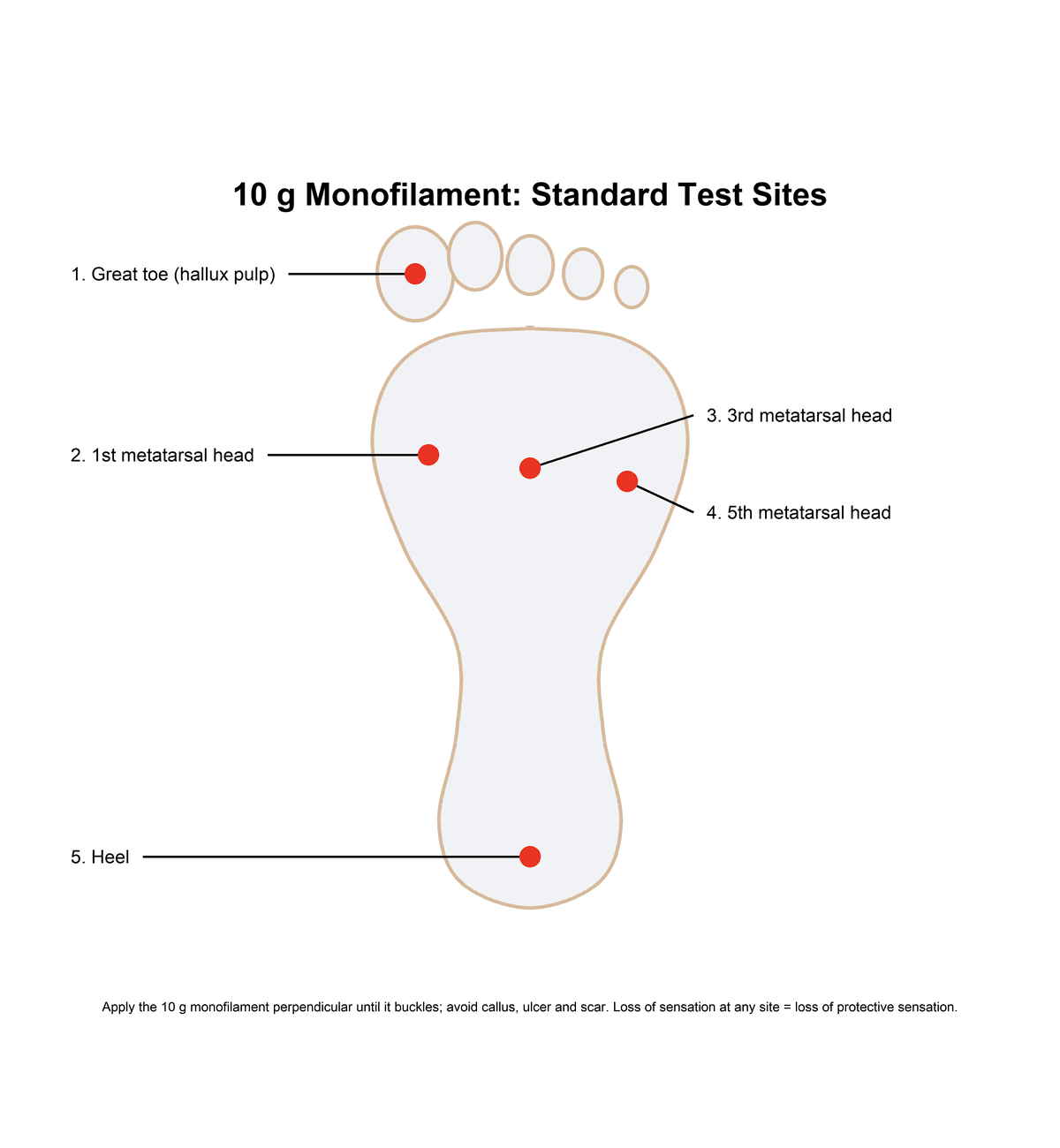
- Screen annually with the 10g Semmes-Weinstein monofilament at 5 plantar sites (1-1-3-5-H) - inability to feel at ANY site equals loss of protective sensation and a 4-7 fold ulcer risk.
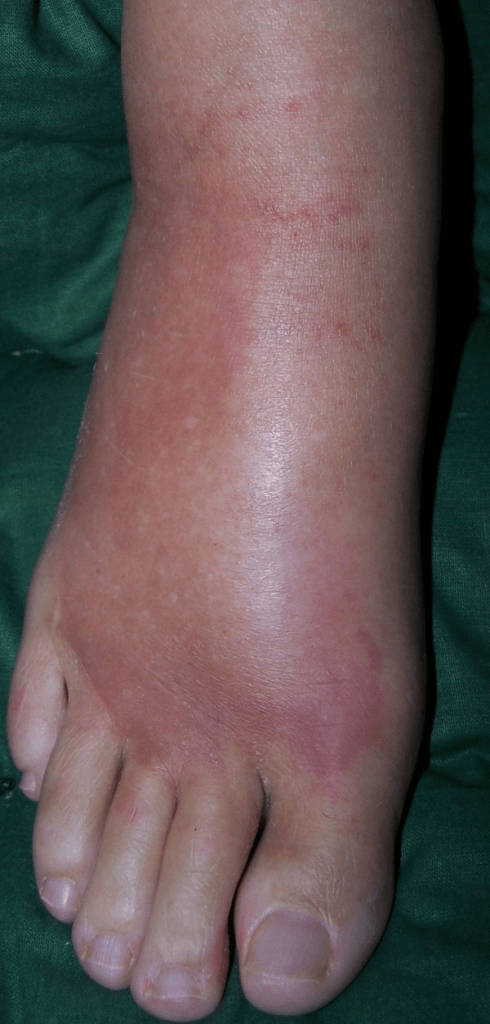
- Charcot is hot, swollen and PAINLESS - immobilise in a total contact cast the same day; plain X-rays can be normal in Eichenholtz stage 0, so MRI and skin thermometry guide early diagnosis.
- Neuropathy is irreversible - tight glycaemic control (HbA1c under 7%) prevents progression and cuts risk by 60-70% but cannot restore lost nerve function; the goal is preventing ulcers, infection and amputation.
- “Painless neuropathy is the dangerous phenotype - no symptoms yet complete loss of protective sensation and the highest ulcer and Charcot risk.
- “Probe-to-bone has about 87% sensitivity for osteomyelitis in a diabetic foot ulcer.
- “The Ipswich Touch Test (lightly touch the tips of toes 1, 3 and 5) is the validated equipment-free screen when a monofilament is unavailable.
Overview and Epidemiology
Diabetic peripheral neuropathy is chronic nerve damage produced by prolonged hyperglycaemia and the microvascular complications that accompany it. It is the most common chronic complication of diabetes mellitus, the leading cause of non-traumatic lower-limb amputation in developed countries and the leading cause of diabetes-related hospitalisation there, at an economic burden that exceeds 10 billion dollars a year in healthcare costs.
What it is. A heterogeneous group of nerve disorders, of which distal symmetric polyneuropathy accounts for 95% and is what the phrase "diabetic neuropathy" is taken to mean. Its hallmark is loss of protective sensation in a stocking-glove distribution, which removes the pain response that would otherwise stop repetitive trauma and pressure.
Why it matters to the orthopaedic surgeon. Neuropathy is a medical condition with surgical consequences. Without protective sensation, microtrauma accumulates unnoticed and ulcers form painlessly at pressure points; motor neuropathy adds claw toes and prominent metatarsal heads that raise plantar pressure further; autonomic dysfunction dries and cracks the skin, opening a portal for infection. Together they produce three limb-threatening complications:
- Foot ulceration - the most common of the three, painless plantar ulcers at pressure points; lifetime risk 19-34% (Armstrong, NEJM 2017)
- Charcot neuroarthropathy - 0.5-2% of diabetics, with progressive joint destruction
- Lower-limb amputation - a 15-fold increase in risk compared with non-diabetics
How common. About 50% of people with diabetes develop peripheral neuropathy over their lifetime, and the prevalence rises with duration: the 25-year risk approaches 50%. Type 1 and type 2 diabetes have similar long-term rates. Only 20-30% of those affected have painful symptoms; symptomatic neuropathy is present in 10-15% at the time diabetes is diagnosed, and the painless majority is the more dangerous group.
The road to amputation. Neuropathy contributes to 60-70% of diabetic foot ulcers and is present in 80-90% of patients who come to amputation, and 85% of amputations are preceded by a preventable foot ulcer, which makes the ulcer the interruptible step. Half of patients develop an ulcer on the other limb within 5 years of a first amputation, and indigenous populations carry a 6-fold higher amputation rate.
Risk factors. Duration of diabetes is the strongest predictor of neuropathy; poor glycaemic control is the primary modifiable one.
- Non-modifiable: duration of diabetes; increasing age (cumulative damage); male sex (slightly higher prevalence); height (longer nerves at risk); genetic susceptibility (aldose reductase polymorphisms)
- Modifiable: poor glycaemic control (HbA1c greater than 7%); smoking (accelerates microvascular damage); hypertension (additional vascular compromise); hyperlipidaemia (nerve ischaemia); obesity (insulin resistance, metabolic syndrome); alcohol excess (direct neurotoxicity)
Pathophysiology
Several interconnected mechanisms, all triggered by chronic hyperglycaemia, damage the peripheral nerve. Understanding them explains why tight glycaemic control is the only disease-modifying intervention, and why it cannot undo damage already done.
The polyol pathway. When intracellular glucose exceeds what glycolysis can handle, aldose reductase converts the excess to sorbitol inside the nerve cell. Sorbitol cannot cross the cell membrane, so it accumulates and exerts an osmotic stress that draws out myoinositol and taurine; Na-K-ATPase activity falls, the membrane potential is impaired, and the axon swells and eventually degenerates. Reducing the glucose available to this pathway is why intensive glycaemic control reduces the risk of neuropathy by 60-70%.
Microvascular ischaemia. Hyperglycaemia damages the vasa nervorum: the basement membranes of endoneurial capillaries thicken, endothelial dysfunction reduces nitric oxide production, and arteriovenous shunting diverts blood away from the nerve capillaries. Endoneurial blood flow falls, the nerve becomes chronically hypoxic and the axons degenerate. Nerve biopsies show the thickened capillary basement membranes and reduced capillary density.
Advanced glycation end products. Glucose binds non-enzymatically to amino groups on nerve structural proteins and forms irreversible cross-links, the AGEs, which accumulate over time. They impair myelin, neurofilaments and tubulin, trigger an inflammatory cascade through RAGE receptors and generate reactive oxygen species. Because the cross-links cannot be undone and the nerve fibres lost are not restored, established neuropathy is irreversible even with perfect subsequent glycaemic control.
Oxidative stress. Superoxide from mitochondrial glucose metabolism overwhelms the endogenous antioxidants, glutathione and superoxide dismutase. The results are lipid peroxidation of the nerve membrane, DNA damage in dorsal root ganglion neurons and activation of the inflammatory pathways NF-kB and protein kinase C.
Which fibres go first. The unmyelinated C fibres carrying pain and temperature are lost early. The patient reports burning pain, hyperaesthesia and allodynia, loses temperature discrimination, and begins to sustain painless injuries as the pain fibres degenerate; this stage may run for years before the large fibres are involved. The myelinated A-beta fibres carrying vibration, proprioception and light touch go later, and with them the vibration sense tested by a 128 Hz tuning fork, joint position sense, the ankle reflexes and, critically, protective sensation, which is the threshold for ulceration.
Dying back. The longest nerves are affected first, which is why the feet precede the hands in a stocking-glove distribution, the toes precede the forefoot and the forefoot the ankle. The upper limbs are involved only after significant lower-limb disease.
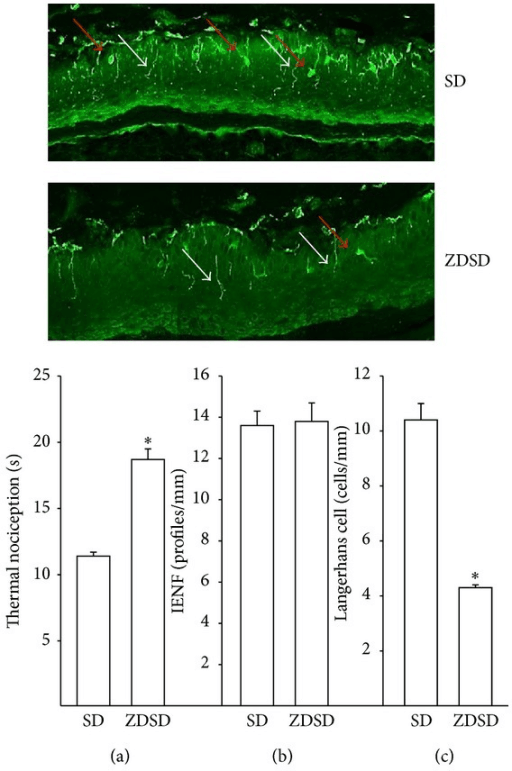
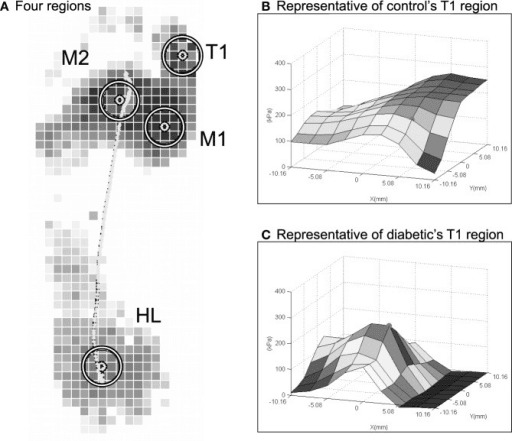
Motor fibres. Denervation of the intrinsic foot muscles unbalances the foot. The lumbricals and interossei weaken and atrophy while the extrinsic long flexors and extensors stay strong, so the metatarsophalangeal joints lose flexion and the interphalangeal joints lose extension: the result is a claw toe (MTP hyperextension, IP flexion), or a hammer toe with PIP flexion. On examination the first dorsal interosseous is visibly wasted, the patient cannot spread the toes and toe extension is weak. As the toes claw, the metatarsal fat pad migrates distally and the metatarsal heads become prominent; plantar pressure under them rises to 3-4 times normal, callus forms at the pressure points and raises the local pressure further, and load is redistributed onto bony prominences.
Autonomic fibres. Sudomotor denervation leaves the skin dry and anhidrotic, so it fissures, and the fissures are portals through which infection reaches the deep tissues. Arteriovenous shunting makes the neuropathic foot warm despite the nerve damage, the opposite of the cool ischaemic foot, and loss of vasomotor control impairs wound healing.
Limited joint mobility. Non-enzymatic glycosylation of the collagen in joint capsules and ligaments stiffens the joints (the positive prayer sign in the hands). At the ankle this means reduced dorsiflexion, an equinus contracture that loads the forefoot during gait and adds to the pressure under the metatarsal heads.
Loss of protective sensation, in practice. The patient cannot detect a foreign object in a shoe, a blister or a cut, and there is no withdrawal reflex from excessive pressure, so microtrauma accumulates without a pain signal and ulceration develops painlessly at high-pressure areas. The clinical threshold is inability to feel the 10 g monofilament.
Classification Systems
Distal symmetric sensorimotor polyneuropathy (95%). The most common type and the one that matters for orthopaedic complications. It is length-dependent, so it begins in the feet and progresses from distal to proximal before the hands are involved, and it mixes sensory and motor loss: vibration sense, protective sensation and pain and temperature discrimination fall away, the intrinsics waste into claw toes and the ankle reflex is lost early. It may be painless, which is the more dangerous form, or painful with burning and shooting pain.
Autonomic neuropathy (50%). Damage to the fibres controlling involuntary function shows itself in three systems that concern the foot surgeon:
- Sudomotor: anhidrosis, dry cracked skin and fissures that act as infection portals and add to ulcer risk
- Vasomotor: arteriovenous shunting, a warm foot despite neuropathy, and altered bone blood flow that may predispose to Charcot
- Cardiovascular: resting tachycardia, orthostatic hypotension and a perioperative risk factor, covered under Medical Management
Focal neuropathy (5-10%). A single nerve, often with acute onset. Femoral neuropathy is a true focal lesion and is not the same thing as diabetic amyotrophy, which is described below and is not a femoral neuropathy at all.
- Upper limb: carpal tunnel syndrome (median), the most common focal neuropathy; ulnar entrapment at the cubital tunnel; radial nerve palsy (rare)
- Lower limb: tarsal tunnel syndrome (tibial nerve behind the medial malleolus); peroneal nerve palsy with foot drop; femoral neuropathy
- Cranial: III, IV and VI (extraocular muscles, diplopia); VII (Bell's palsy)
Motor neuropathy. Usually part of the sensorimotor polyneuropathy rather than a separate entity. Its signs, the wasted first dorsal interosseous, the toes that cannot spread and weak toe extension, and its consequences, claw and hammer toes with prominent metatarsal heads and raised plantar pressures, are described under Pathophysiology.
Diabetic amyotrophy, properly diabetic lumbosacral radiculoplexus neuropathy (DLRPN, Bruns-Garland). Do not file this under focal neuropathy, and do not call it a femoral neuropathy. Nerve biopsy studies show a multifocal process involving the lumbosacral roots, plexus and peripheral nerves together, and the mechanism is not metabolic: it is an immune-mediated microscopic vasculitis of the epineurial vessels producing ischaemic nerve injury. That is why it behaves nothing like the length-dependent distal symmetric polyneuropathy.
The typical patient is older, with type 2 diabetes that is often well controlled and sometimes only recently diagnosed; it is not a complication of long duration or bad control. It starts with severe pain, unilateral and focal, in the thigh, buttock or leg, often worst at night and preceding the weakness. Profound proximal weakness of quadriceps, iliopsoas and hip adductors follows, spreads to other regions of the same limb and then to the opposite side, becoming bilateral and asymmetric. Marked weight loss, often 10 kg or more, is characteristic and is a diagnostic clue, and motor, sensory and autonomic fibres are all affected despite the "amyotrophy" name suggesting a pure motor problem. The course is monophasic, but the morbidity is prolonged and understated by the phrase "self-limiting": many patients become wheelchair-dependent during the illness, and recovery over one to three years is often incomplete.
Why this matters in an orthopaedic clinic: it is a spine referral in disguise. An older patient with severe thigh pain, quadriceps wasting and an absent knee jerk looks exactly like an L3/L4 radiculopathy, and an MRI of a degenerate lumbar spine will usually show something to blame. The discriminators are pain that is not positional and not eased by sitting, weight loss, weakness spreading beyond a single root territory and then to the other leg, and EMG showing a multifocal picture including paraspinal denervation with plexus involvement. Operating on the incidental disc will not help and will be blamed for the deterioration that follows. Management is analgesia for neuropathic pain, physiotherapy to prevent contracture and preserve function, and an explanation that the illness is monophasic. Immunotherapy (corticosteroid, IVIg) is used on the strength of the vasculitic mechanism, but its benefit remains unproven in controlled trials, which is exactly how it should be described in a viva.
Treatment-induced neuropathy of diabetes (TIND, historically "insulin neuritis"). An acute, severely painful small-fibre and autonomic neuropathy that appears within about eight weeks of a rapid improvement in glycaemic control, classically after starting insulin. It follows any fast fall in HbA1c, so the older name is misleading and the drug is not the culprit: the trigger is the rate of change, not the agent. Risk rises steeply with the magnitude of the HbA1c fall over three months, and a drop of more than 2-3 percentage points is the usual setting.
The patient has burning, allodynic pain out of proportion to the signs, often with new autonomic features (orthostatic hypotension, gastroparesis, erectile dysfunction), and has just been congratulated on their control. The trap is to read it as a failure of treatment or as worsening diabetic neuropathy and intensify further, which makes it worse; it is also mistaken for a psychiatric or functional presentation because the examination can be near normal early on. Manage the neuropathic pain, explain, and slow the rate of glycaemic correction rather than abandoning it. Most improve over months to a couple of years, though a retinopathy flare can accompany it. The counselling point: when taking someone from very poor control towards target, bring the glucose down gradually and warn them that transient worsening of pain or eye symptoms can happen and is not a reason to stop.
Clinical Assessment
History. Two kinds of symptom. Positive symptoms are less common but more often reported: burning pain that is worse at night and disturbs sleep, shooting or lancinating pain like an electric shock, tingling and pins and needles, hyperaesthesia, and allodynia from stimuli as light as the bedsheets. Negative symptoms are more common and more dangerous: numbness is the most frequent presentation, feet that feel "dead" or like "walking on cotton wool", loss of temperature sensation, and injuries that are noticed only by seeing them, sometimes only as blood in the shoe.
Why the painless patient is the one to worry about. Patients with painful neuropathy present early and often still have protective sensation. The painless majority report nothing, have complete loss of protective sensation and carry the highest risk of ulceration and Charcot, which is why screening cannot rely on symptoms and must actively test with the monofilament.
The rest of the history. Ask about previous or current ulceration, awareness of foot deformity, balance problems and falls from proprioceptive loss, and the autonomic symptoms: erectile dysfunction, which men may volunteer, and gastroparesis or diarrhoea. Then the risk factors: duration of diabetes, the HbA1c record, previous ulcer, infection or Charcot, smoking, and the comorbidities of hypertension, hyperlipidaemia and renal disease.
Inspection. Skin first: dry cracked skin from anhidrosis, callus marking high-pressure areas at risk of ulceration, fissures (check between the toes) that act as infection portals, current or previous ulceration on the plantar pressure points, trophic change (thin, shiny, hairless) and the warm pink colour of arteriovenous shunting. Then shape: claw toes from intrinsic weakness, hammer toes with PIP flexion contracture, prominent metatarsal heads from loss of fat-pad cover, a cavus or planus foot, the rocker-bottom and medial-column collapse of a Charcot foot, and visible wasting of the first dorsal interosseous. Then the nails: onychomycosis is common in diabetics, an ingrown nail risks paronychia, and thickened dystrophic nails defeat self-care.
The monofilament. The 10 g Semmes-Weinstein monofilament (5.07 gauge, buckling at 10 g) tests whether the patient can feel the pressure that would normally prevent an ulcer. It is the single most important screening test and the technique is examined:
- Demonstrate on the dorsum of the hand so the patient knows what to expect
- Ask the patient to close their eyes, eliminating visual cues
- Apply perpendicular to the skin at each site
- Press until the filament buckles (10 g)
- Hold for 1-2 seconds, allowing sensory processing
- Ask "can you feel this?" after each site
- Randomise the order of sites to prevent pattern recognition
- Never test over callus, ulcer or scar, which give false negatives
The sites. The common five-site pattern is remembered as 1-1-3-5-H: the plantar great toe (distal phalanx, avoiding the nail), the plantar 1st metatarsal head (medial forefoot), the plantar 3rd metatarsal head (central, the highest-pressure site), the plantar 5th metatarsal head (lateral forefoot) and the midpoint of the plantar heel, avoiding thick callus. The systematic review by Feng and colleagues recommends a three-site test of the plantar great toe and the 3rd and 5th metatarsal heads; avoid callused skin and the heel, where thick skin gives unreliable answers.
Reading the result. Feeling the filament at all five sites means protective sensation is intact. Inability to feel it at one or more sites is loss of protective sensation, and inability at any site carries a 4-7 fold increase in ulcer risk, an odds ratio of 3.2-4.7 across studies. Nerve conduction studies remain the diagnostic reference standard against which the monofilament is measured: sensitivity ranges widely from 57% to 93% and specificity from 75% to 100%, and it is the best validated bedside screening test.
The Ipswich Touch Test. A validated screen for loss of protective sensation that needs no equipment, designed for when a monofilament is unavailable or the examiner is a non-specialist: a ward nurse, a carer or a relative doing assisted checks. The patient closes their eyes and says "yes" when a touch is felt; the examiner lightly rests the tip of the index finger on the tips of the 1st, 3rd and 5th toes of both feet in sequence for 1-2 seconds, without pushing, prodding or tapping, six toes in all (three per foot). Insensate at 2 or more of the 6 toes is loss of protective sensation. It agrees well with the 10 g monofilament and with vibration perception threshold for identifying the at-risk foot. It does not replace the monofilament at formal annual review, but it empowers ward staff and families to find the insensate foot and trigger protective measures, and it is the answer to "how would you screen a diabetic foot with no monofilament?".
Vibration, proprioception and reflexes. Strike a 128 Hz tuning fork firmly, apply the base to a bony prominence (1st metatarsal head or hallux IP joint) and ask the patient to say when the vibration stops; normal is perception beyond 4/8 of the examiner's own, and less than 4/8 predicts ulceration. This is a large-fibre test. For proprioception hold the hallux by its sides to avoid pressure cues and move it up and down with the patient's eyes closed, asking them to identify the direction; impaired position sense indicates advanced neuropathy. The Achilles reflex is typically absent, lost early, and is non-specific but supportive.
Motor examination. Look for first dorsal interosseous wasting between the 1st and 2nd metatarsals, inability to spread the toes (interossei) and inability to flex the MTP joints while extending the IP joints (lumbricals). For each clawed toe decide whether the posture is fixed or flexible, whether the patient can actively extend the IP joints, and whether a rigid contracture may need surgical correction.
Autonomic examination. Dry skin, absent normal foot moisture and fissures from dryness indicate sudomotor failure. A warm foot suggests arteriovenous shunting, and a temperature difference between the feet of more than 2 °C should raise the question of Charcot.
Vascular examination. Palpate the dorsalis pedis on the dorsum of the foot in the first web space lateral to EHL and the posterior tibial behind the medial malleolus, grading each as present (bounding, normal or weak) or absent, and check capillary refill by pressing the toenail (normal is under 2 seconds; longer suggests vascular insufficiency). The ankle-brachial pressure index is the ratio of ankle to brachial systolic pressure: normal is 0.9-1.2 and peripheral arterial disease is below 0.9, but medial arterial calcification falsely elevates it above 1.3 in diabetics, so ABPI cannot be relied on alone. The toe-brachial index is more accurate because the toe vessels are less calcified: normal is above 0.7, below 0.7 is peripheral arterial disease and below 0.3 is critical ischaemia.
Footwear. Inappropriate footwear is a common contributor to diabetic ulcers, so examine the shoes the patient walked in with. Check toe-box depth for the clawed toes, width to avoid lateral pressure, cushioning to reduce plantar pressure, internal seams or rough areas that cause friction blisters, and the wear pattern on the insoles, which maps the high-pressure areas.
Differential diagnosis. Not every distal sensory disturbance in a person with diabetes is diabetic neuropathy, and not every hot swollen foot is Charcot. A length-dependent, symmetrical, predominantly sensory polyneuropathy with normal inflammatory markers favours diabetic peripheral neuropathy, but asymmetry, rapid progression, motor predominance or proximal onset should prompt a search for an alternative or coexistent cause.
- Distinguishing features
- Symmetrical, distal, length-dependent stocking-glove sensory loss; absent ankle reflexes
- Key discriminator
- Diabetes with typical pattern and no atypical red flags
- Distinguishing features
- Distal sensory loss plus dorsal-column signs; may have anaemia; metformin is a risk factor
- Key discriminator
- Low serum B12 / raised methylmalonic acid
- Distinguishing features
- Painful sensory neuropathy, alcohol history, often coexists with diabetes
- Key discriminator
- Alcohol history and thiamine status
- Distinguishing features
- Sensory neuropathy, may include carpal tunnel, other hypothyroid features
- Key discriminator
- Raised TSH
- Distinguishing features
- Motor-predominant, proximal and distal weakness, progressive over weeks
- Key discriminator
- Nerve conduction shows demyelination; raised CSF protein
- Distinguishing features
- Dermatomal/asymmetric sensory loss, back/leg pain, myotomal weakness
- Key discriminator
- Imaging and dermatomal pattern, not stocking distribution
- Distinguishing features
- Painful (rest pain), cool pale foot, absent pulses, dependent rubor
- Key discriminator
- Cool ischaemic foot versus warm neuropathic foot; low toe pressures
- Distinguishing features
- Hot, swollen, often painless foot; temperature difference greater than 2 degrees Celsius
- Key discriminator
- Neuropathy present, no wound portal; MRI marrow oedema
- Distinguishing features
- Hot, swollen, tender foot with systemic signs and a skin breach
- Key discriminator
- Pain, fever and raised inflammatory markers; usually a portal of entry
- Distinguishing features
- Acute monoarticular severe pain, often first MTP joint
- Key discriminator
- Severe pain, raised urate, crystals on aspiration
- Distinguishing features
- Unilateral calf and leg swelling, pain
- Key discriminator
- Doppler ultrasound; calf rather than forefoot focus
Investigations
A clinical diagnosis. Diabetic neuropathy is diagnosed at the bedside from the history of diabetes, its duration and control, the symptoms or their absence in the painless form, the monofilament, and the exclusion of other causes: B12 deficiency, hypothyroidism and alcohol. Investigations confirm the diagnosis, exclude alternatives, assess glycaemic control and cardiovascular risk, and evaluate the complications of osteomyelitis and Charcot.
Nerve conduction studies. Reduced conduction velocity indicates demyelination and reduced amplitude axonal loss; the study confirms the length-dependent polyneuropathy pattern and excludes a focal entrapment such as carpal or tarsal tunnel syndrome. It is not routinely needed in typical diabetic neuropathy. It earns its place when the presentation is atypical:
- Acute onset, asymmetry or rapid progression
- Proximal greater than distal involvement
- A suspected superimposed focal neuropathy
- A motor-predominant neuropathy
Quantitative sensory testing (thermal, vibration and pressure-pain thresholds) is a research and trial tool, not a clinical one.
Large fibre versus small fibre, and why a normal NCS proves nothing. This distinction explains most confusing presentations, and it is examined because it changes what you test.
- Large fibre (A-alpha, A-beta, myelinated)
- Vibration, proprioception, light touch, motor
- Small fibre (A-delta, unmyelinated C)
- Pain, temperature, autonomic
- Large fibre (A-alpha, A-beta, myelinated)
- Numbness, imbalance, falls, "walking on cotton wool"
- Small fibre (A-delta, unmyelinated C)
- Burning, lancinating pain, allodynia, dry skin, autonomic features
- Large fibre (A-alpha, A-beta, myelinated)
- 128 Hz tuning fork, monofilament, reflexes, joint position
- Small fibre (A-delta, unmyelinated C)
- Pinprick, warm/cool discrimination
- Large fibre (A-alpha, A-beta, myelinated)
- Abnormal
- Small fibre (A-delta, unmyelinated C)
- Normal - NCS does not examine small fibres at all
- Large fibre (A-alpha, A-beta, myelinated)
- NCS
- Small fibre (A-delta, unmyelinated C)
- Skin biopsy for intraepidermal nerve fibre density (IENFD)
A patient with burning feet, preserved reflexes and vibration and a normal nerve conduction study has not been shown to be free of neuropathy; they have a normal test of the wrong fibres. Pure small-fibre neuropathy is a common early presentation of diabetes and of impaired glucose tolerance, and telling such a patient their nerves are normal is both wrong and a lost opportunity to intervene at the reversible stage. The definitive test is a 3 mm punch skin biopsy from the distal leg, stained for PGP 9.5, counting intraepidermal nerve fibres per millimetre against age- and sex-matched norms; corneal confocal microscopy is a non-invasive alternative in research use.
The trap runs the other way too. The loss of protective sensation that causes ulceration is a large-fibre phenomenon, so a patient can have agonising small-fibre pain with intact protective sensation, or, far more dangerously, an insensate foot with no pain at all. Pain and protective sensation travel in different fibres, and the presence of one tells you nothing about the other.
How certain is the diagnosis (Toronto consensus). Examiners ask how confident you are and on what basis:
- Possible DSPN: symptoms or signs alone, for example symmetrical distal numbness, or reduced ankle reflexes with reduced distal sensation
- Probable DSPN: symptoms and signs together, two or more of neuropathic symptoms, reduced distal sensation, or reduced or absent ankle reflexes
- Confirmed DSPN: an abnormality of nerve conduction plus a symptom or sign; if NCS is normal but the picture is typical, look for a small-fibre measure such as IENFD instead
- Subclinical DSPN: abnormal nerve conduction with no symptoms or signs, the group at silent risk of ulceration
Objective measures worth quoting. Vibration perception threshold on a biothesiometer above 25 V predicts future ulceration and is the best-validated single quantitative predictor. The Rydel-Seiffer graduated tuning fork is age-adjusted and more reproducible than a plain 128 Hz fork. The structured scores used in trials and audit are the Neuropathy Disability Score, the Michigan Neuropathy Screening Instrument and the Toronto Clinical Neuropathy Score, and for pain specifically the DN4 and LANSS.
Blood tests. HbA1c reflects average glycaemia over 3 months; the prevention target is under 7% (53 mmol/mol), with fasting glucose for day-to-day control and continuous glucose monitoring data where available. To exclude other causes, check vitamin B12 (metformin users are at high risk of deficiency), thyroid function (hypothyroidism causes neuropathy), folate, and serum protein electrophoresis if the picture is atypical. For comorbidity, renal function (diabetic nephropathy is common), a lipid profile for cardiovascular risk and liver function if certain drugs are being considered. If infection is suspected: FBC for neutrophilia, CRP (raised in infection and in Charcot), blood cultures if systemically unwell, and a deep tissue sample or bone biopsy for osteomyelitis, never a superficial swab.
Vascular studies. Doppler gives the ABPI, unreliable above 1.3, the toe pressures, the toe-brachial index (above 0.7 adequate, below 0.7 peripheral arterial disease) and the arterial waveform, triphasic when normal and biphasic or monophasic when not. Transcutaneous oxygen tension measures tissue oxygen availability: above 30 mmHg predicts healing, below 30 mmHg impaired healing and a reason to consider revascularisation. CT or MR angiography is indicated once revascularisation is being considered, to map inflow, target vessels and runoff for bypass or angioplasty.
Plain radiographs. AP, lateral and oblique views of the foot, weight-bearing if possible, with ankle views if hindfoot Charcot is suspected, are indicated for a current ulcer (to exclude osteomyelitis), a hot swollen foot (to exclude Charcot) and deformity assessment. Osteomyelitis shows bone destruction, cortical erosion and periosteal reaction; Charcot shows fragmentation in stage 1, coalescence in stage 2 and consolidation in stage 3; gas in the soft tissues means necrotising infection and a surgical emergency. Deformity is measured with Meary's angle and the talo-first metatarsal angle.
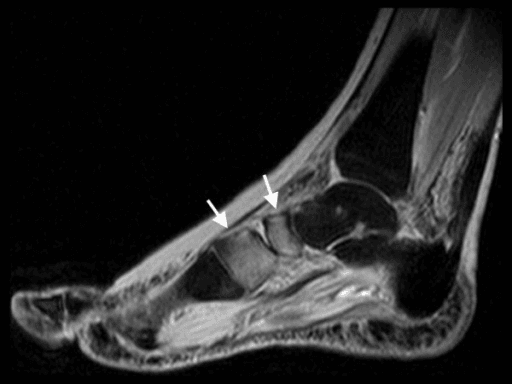
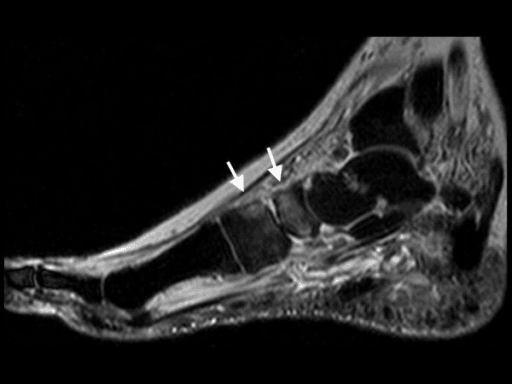
MRI. Indicated for suspected osteomyelitis when the probe reaches bone, for early Charcot when the film is normal, for pre-operative planning of Charcot reconstruction and to separate soft-tissue infection from bone involvement. T1 shows anatomy and marrow signal, T2 fat-suppressed or STIR shows oedema, and T1 after gadolinium shows the enhancement of infection or inflammation. Osteomyelitis appears as marrow oedema (T2 bright), cortical destruction and enhancement; stage 0 Charcot as bone marrow oedema, joint effusion and soft-tissue oedema; and an ulcer can be tracked for depth and for sinus tracts to bone. For osteomyelitis the sensitivity is 90% and specificity 80%, well ahead of plain films for early detection.
Nuclear medicine. A technetium-99m bone scan is sensitive but not specific: infection and Charcot both take up tracer and it cannot tell them apart, so it is rarely used now that MRI is available. A white cell scan (indium-111 or Tc-99m HMPAO) is more specific for infection and can be combined with the bone scan as a triple-phase study, but it is still less accurate than MRI in the diabetic foot.
The probe-to-bone test is the most practical bedside investigation for osteomyelitis. Insert a sterile probe through the ulcer base: if hard bone is contacted, sensitivity is 87% and specificity 83% for osteomyelitis. A positive test mandates MRI confirmation and 6-12 weeks of antibiotics. It is more practical than a radiograph, which may be normal early, and it is available immediately in clinic.
Medical Management
Only 20-30% of patients with diabetic neuropathy have pain, but when present it damages sleep and quality of life. Because the nerve damage is irreversible, treatment is symptom control. Three drug classes are first line.
- Start
- 10-25 mg nocte (start low in the elderly)
- Titrate
- Add 10-25 mg weekly
- Target or maximum
- 75-150 mg nocte
- NNT
- 3-4
- Onset
- 2-4 weeks
- Start
- 75 mg BD
- Titrate
- 150 mg BD after 1 week if tolerated
- Target or maximum
- 300 mg BD (most respond at 150-300 mg BD)
- NNT
- 5-7
- Onset
- 1-2 weeks
- Start
- 300 mg nocte
- Titrate
- 300 mg TDS, then 600 mg TDS, up to 900 mg TDS
- Target or maximum
- 3600 mg daily in divided doses
- NNT
- 5-7
- Onset
- 2-4 weeks
- Start
- 60 mg daily (30 mg for tolerability)
- Titrate
- None needed, fixed dose
- Target or maximum
- 60 mg daily
- NNT
- 5-6
- Onset
- 2-4 weeks
Tricyclics. Amitriptyline has the most evidence. It inhibits serotonin and noradrenaline reuptake and blocks sodium channels. The anticholinergic effects (dry mouth, constipation, urinary retention in men with prostatic enlargement), drowsiness (use it at night, where it helps sleep), orthostatic hypotension in the elderly and weight gain limit it, and it is contraindicated after a recent myocardial infarction or with unstable angina, with conduction defects (prolonged QT, bundle branch block), in severe liver disease and in angle-closure glaucoma. Nortriptyline has fewer anticholinergic effects; imipramine is the other alternative.
Gabapentinoids. Pregabalin and gabapentin bind the alpha-2-delta subunit of voltage-gated calcium channels and reduce neurotransmitter release. They cause dizziness and somnolence (dose at night initially), peripheral oedema, weight gain (common, so warn the patient) and gait instability with a fall risk in the elderly. Their advantage is the absence of cardiac effects, so they are safe in heart disease; they are renally excreted and need dose adjustment in renal impairment.
Duloxetine. Inhibits serotonin and noradrenaline reuptake centrally. Nausea is the commonest side effect and is eased by taking it with food; dry mouth, constipation, dizziness and sexual dysfunction are the others. It is contraindicated in severe liver disease, uncontrolled hypertension and with a concurrent MAOI. In its favour: once-daily dosing, no weight gain and possible benefit for comorbid depression.
Second line. Tramadol, 50-100 mg up to QDS to a maximum of 400 mg daily, has an NNT of 4-5 but is reserved for patients who fail first-line treatment because of addiction potential, tolerance and falls in the elderly, and it risks serotonin syndrome combined with an SNRI or SSRI. Topical capsaicin 0.075% cream TDS-QDS depletes substance P from nerve endings, burns on first application (this improves with continued use), has minimal systemic absorption and can be used as an adjunct. Lidocaine 5% patches, up to 3 patches for 12 hours daily on localised painful areas, have minimal systemic absorption but are expensive and have limited evidence in diabetic neuropathy.
Combinations and what to avoid. If monotherapy is insufficient, combine mechanisms: amitriptyline with pregabalin, duloxetine with pregabalin, or a topical agent added to an oral one. NSAIDs and paracetamol are ineffective for neuropathic pain, and long-term opioids carry addiction risk with limited evidence and no superiority over other agents. TENS has limited evidence but is safe and patient-controlled, acupuncture has limited evidence and may be tried if the patient is interested, and cognitive behavioural therapy helps with coping strategies and sleep disturbance in chronic pain.
Management Algorithm
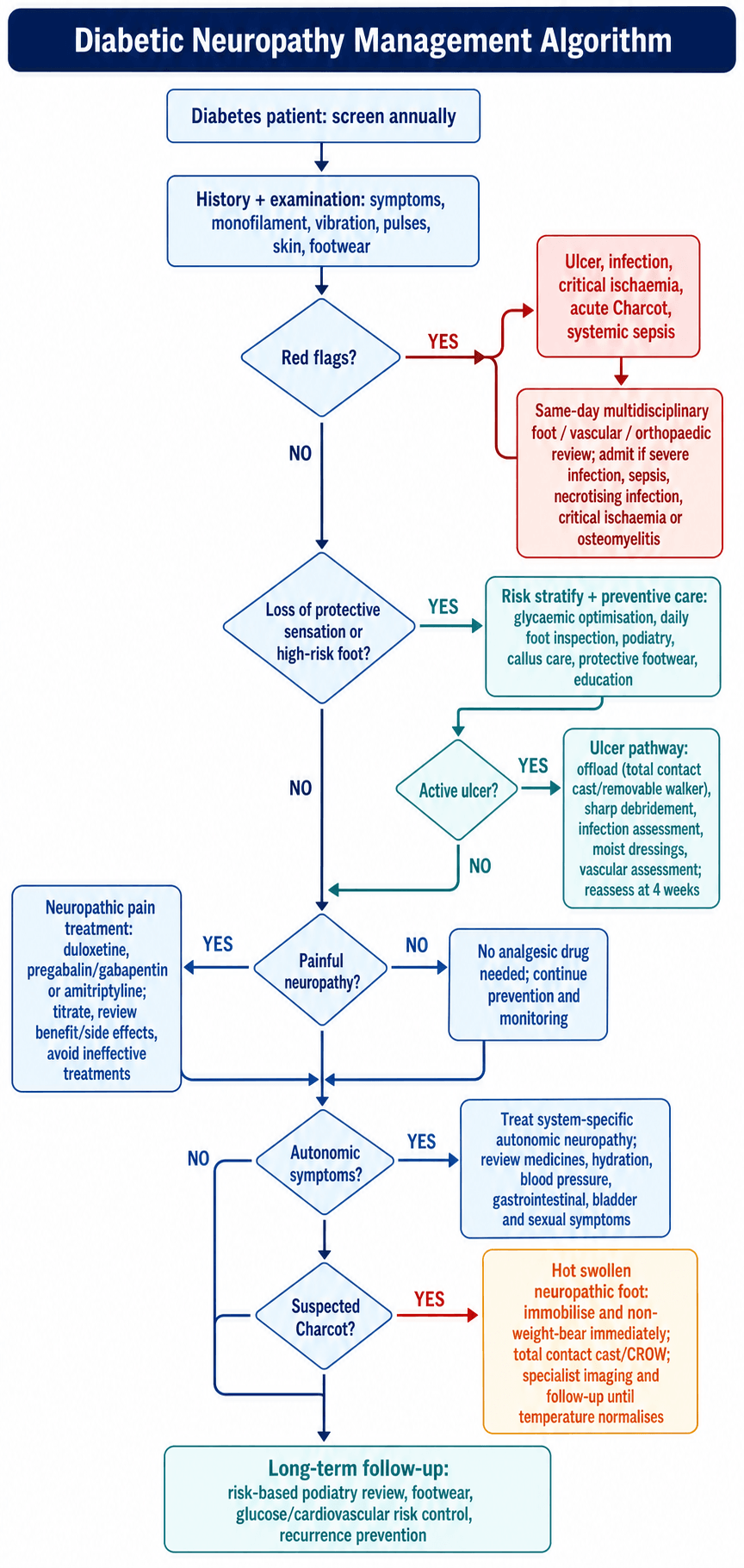
- 1Annual Screening (All Diabetics)
10g monofilament test at 5 sites, pulse exam, skin inspection, footwear assessment. If normal sensation: continue annual screening and optimize HbA1c less than 7%.
- 2High-Risk Foot Identified
Patient has loss of protective sensation. Risk stratification: Low risk (neuropathy only), Moderate risk (neuropathy plus deformity), High risk (neuropathy plus deformity plus previous ulcer or Charcot).
- 3Preventive Management
Podiatry referral (3-6 monthly for moderate/high risk). Protective footwear (wide toe box, cushioned sole, custom orthotics if deformity). Patient education (daily inspection, never barefoot, appropriate footwear, prompt reporting injuries).
- 4Active Complication
Hot swollen painless foot: urgent assessment for Charcot (temperature difference, MRI). Foot ulcer: assess depth (probe to bone?), vascular status (pulses, ABPI/TBI), infection (cellulitis? osteomyelitis?).
- 5Specific Treatment
CHARCOT: Immediate total contact cast for 3-6 months minimum, monitor temperature weekly, transition to CROW boot when normalized. ULCER: Total contact cast (offloading), weekly sharp debridement, infection control (antibiotics only if infected), moist wound dressings, assess healing at 4 weeks.
The hierarchy. Management runs in three tiers. Primary prevention aims to stop neuropathy developing, through tight glycaemic control (HbA1c under 7%) and cardiovascular risk modification. Secondary prevention aims to stop complications in a foot that already has neuropathy: annual monofilament screening, patient education, protective footwear and regular podiatry. Complication management treats the active problem: offloading and wound care for an ulcer, immobilisation for Charcot, infection control, and surgery where it is needed.
Surgical Technique
Nerve decompression: the guideline position first, because it is the answer expected of you. The IWGDF states plainly: "we suggest not to use a nerve decompression procedure" for the prevention of foot ulceration, and neurological bodies have repeatedly judged the evidence insufficient to establish benefit. There is no randomised trial showing that decompressing peripheral nerves alters the course of diabetic polyneuropathy, and the published series are uncontrolled, in a condition with a fluctuating symptom burden and a large placebo response.
The theory, so you can argue against it. The double-crush hypothesis holds that a metabolically compromised nerve, already swollen from sorbitol accumulation, is unusually vulnerable to compression where it passes through a tight fibro-osseous tunnel: the tarsal tunnel (tibial), the fibular neck (common peroneal), the dorsum of the foot (deep peroneal) and the medial and lateral plantar nerves. Release the tunnel, the argument runs, and you restore perfusion and function. The reasoning fails as a justification because diabetic polyneuropathy is length-dependent, symmetrical and diffuse, precisely the pattern a focal entrapment cannot produce; improvement after surgery in an uncontrolled series is what you would expect from natural fluctuation and expectation alone.
What the series report. Case series of the Dellon triple decompression report sensory improvement in 60-80% of patients and pain improvement in 70-85%, with ulcer healing or prevention variable and amputation prevention claimed but unproven, all without randomised data. The limitations of that evidence are the absence of any high-quality randomised trial, selection bias in the case series, surgeon-dependent outcomes and an uncontrolled placebo effect, and the operation has not been widely adopted for lack of evidence.
Where decompression is legitimate. A genuine, separately diagnosed focal entrapment in a patient who also has diabetes: a carpal tunnel syndrome with confirmed median nerve conduction delay, or a true tarsal tunnel syndrome with localising signs that has failed conservative treatment. Diabetes makes entrapment more likely, not less treatable. The distinction is between operating on an entrapment and operating on the polyneuropathy itself, and only the first is defensible. If the viva asks "what is the role of nerve decompression in diabetic neuropathy?", the answer is that it is controversial and not first line: it may benefit selected patients with a demonstrable compressive neuropathy at an anatomical tunnel who have failed conservative treatment, and some studies show improvement in sensation and pain, but the evidence is limited.
Tarsal tunnel decompression. The steps:
- Curvilinear incision posterior to the medial malleolus
- Identify and protect the posterior tibial artery and veins
- Release the flexor retinaculum completely
- Decompress the tibial nerve and all its branches
- Release the medial and lateral plantar nerve tunnels
- Inspect for fibrous bands, lipomas or other compressive lesions
- Careful haemostasis and closure
Full release of every compartment is what matters. Internal neurolysis is generally not required; an epineurotomy may be performed for a visibly swollen nerve; and the posterior tibial vessels are handled with care throughout.
Amputation. Surgery for diabetic neuropathy is surgery for its complications, not for the neuropathy, and amputation is the last of them. The indications are a non-healing ulcer with extensive gangrene, unreconstructable vascular disease, life-threatening sepsis such as necrotising fasciitis, extensive osteomyelitis not amenable to resection, and a non-functional limb with severe deformity. Below-knee is the most common major amputation; above-knee is chosen if below-knee healing is unlikely. The levels and their trade-offs:
- Indications
- Single toe gangrene, non-healing ulcer, osteomyelitis
- Advantages
- Minimal functional loss, rapid healing
- Considerations
- Ray amputation if metatarsal head involved
- Indications
- Gangrene involving metatarsal, deep infection
- Advantages
- Good functional outcome, shoe fitting
- Considerations
- Hallux ray - significant gait effect
- Indications
- Multiple ray involvement, forefoot gangrene
- Advantages
- Preserves plantar heel pad, good ambulation
- Considerations
- Equinus contracture risk, orthotic needed
- Indications
- Midfoot necrosis, failed TMA
- Advantages
- End-bearing stump, proprioception preserved
- Considerations
- Cosmesis concerns, specialized prosthesis
- Indications
- Failed distal amputation, extensive disease
- Advantages
- Good rehabilitation potential, proven function
- Considerations
- Healing requires adequate perfusion
- Indications
- Failed BKA, non-healing stump, knee contracture
- Advantages
- Best healing potential
- Considerations
- Highest energy expenditure, poorest rehabilitation
Complications Management
Diabetic Foot Ulcer Management
The ulcer. Measure length, width and depth and photograph it for serial comparison. The location tells you the cause: the plantar metatarsal heads are neuropathic, the toes and heel ischaemic, and between the toes fungal or moisture-related. Depth is superficial (skin only) or deep with tendon or bone exposed, and the sterile probe settles the question of bone (see the probe-to-bone pearl under Investigations). Granulation tissue means healing, slough needs debridement and necrotic tissue means poor perfusion; serous discharge is normal, purulent means infection, and a malodorous discharge suggests anaerobes or necrotising infection.
The tissue around it. Callus indicates high pressure and needs debriding. Mark the extent of any cellulitis with a pen and track it daily. Probe any undermining or sinus tract, which may communicate with bone. A hot foot suggests infection or Charcot; a cool one suggests ischaemia.
Nerves and vessels. The 10 g monofilament will be abnormal in a neuropathic ulcer, and the ulcer is typically painless, whereas ischaemic ulcers hurt. The vascular assessment is critical: palpate the dorsalis pedis and posterior tibial pulses, remember the ABPI is unreliable above 1.3 because of medial calcification, and use the toe-brachial index, where above 0.7 is adequate perfusion for healing, below 0.5 means revascularisation may be needed and below 0.3 is critical ischaemia needing urgent vascular referral.
Infection. Grade it by extent and systemic effect, because the grade chooses the antibiotic route:
- Findings
- No purulence, erythema, warmth or systemic signs
- Findings
- Erythema less than 2 cm from the ulcer edge, superficial
- Findings
- Erythema greater than 2 cm OR deep tissue involvement
- Findings
- Systemic signs (fever, rigors, hypotension) OR necrotising fasciitis
Record the Wagner grade (see Classification Systems) to complete the assessment.
Charcot Neuroarthropathy Management
Recognition. A hot, swollen, painless foot in a diabetic with neuropathy is Charcot until proven otherwise. There may be a minor trauma history, often forgotten or trivial. The foot is erythematous and oedematous and is often misdiagnosed as cellulitis or DVT; the hallmark is the absence of pain despite the swelling. Infrared thermometry shows the affected foot 3-5 °C warmer than the other, and a difference greater than 2 °C is diagnostic; the monofilament is abnormal because neuropathy is the prerequisite; and there may be palpable bony crepitus if the process is advanced.
Imaging. The initial radiograph may be normal in stage 0, before fragmentation. MRI is the early gold standard, showing bone marrow oedema and joint effusion before the film changes. Serial radiographs are taken monthly to follow progression or coalescence.
The differential. Cellulitis would bring pain and systemic signs such as fever; DVT would involve the calf and raise the D-dimer; gout would be severely painful, monoarticular and perhaps tophaceous; osteomyelitis needs a wound or ulcer as its source.
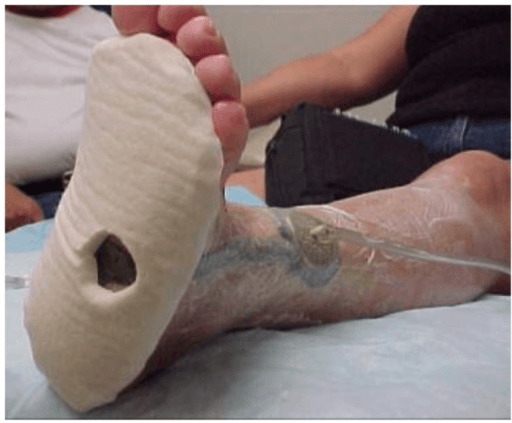
Treatment, the same day. Apply a total contact cast immediately, initially non-weight-bearing with crutches or a wheelchair, or protected weight-bearing in the cast, which distributes the forces; this prevents progressive fragmentation and collapse. Change the cast weekly at first because the swelling falls rapidly, then every 2-3 weeks once stable. Immobilise for a minimum of 3-6 months, and continue until the temperature has normalised to a difference of less than 2 °C for 2-4 consecutive weeks; some patients need 6-12 months, and removing the cast early causes recurrence. Monitor with weekly infrared thermometry of both feet, which guides the duration, monthly radiographs to watch fragmentation in stage 1 and coalescence in stage 2, and clinical assessment of swelling and erythema.
Medical adjuncts. Optimise glycaemic control to an HbA1c under 7-8% and supplement calcium and vitamin D. Bisphosphonates (pamidronate 90 mg IV monthly for 3-6 months) act by reducing osteoclastic bone resorption and may shorten the acute phase, but they are controversial and the evidence is limited.
What happens if it is not immobilised. Progressive fragmentation (stage 1), joint subluxation and dislocation, midfoot collapse into a rocker-bottom deformity, bony prominences, recurrent ulceration over them, osteomyelitis and infection, and amputation.
Postoperative Care
The diabetic wound. Infection risk is higher and healing slower, so the sterile technique is meticulous, wounds are protected for longer and inspected regularly because the patient may not feel a problem developing, dressings are kept clean and dry and never tight enough to impair perfusion. The first inspection and a dry dressing are on day 2, wounds are checked daily for infection, and sutures or staples stay for 3-4 weeks rather than the 2 weeks of a non-diabetic; bone healing needs longer immobilisation too.
Perioperative glucose. The target is 6-10 mmol/L, not tight control, for major surgery, using a sliding scale or insulin infusion if required and avoiding hypoglycaemia, which causes falls and arrhythmia; check an HbA1c if it is unknown, to guide long-term management. The stress response raises glucose after surgery, usual diabetes medications resume once the patient is eating, poorly controlled patients need endocrinology input, and healing is impaired if glucose stays persistently above 12 mmol/L.
Offloading after surgery. After an amputation the residual limb is non-weight-bearing at first, with a soft dressing and elevation to reduce oedema, watched for dehiscence and haematoma, with early physiotherapy for conditioning, transfers and mobility aids, and prosthetic assessment once the wound has healed and the stump has matured. After ulcer debridement the foot goes into a total contact cast or removable walker, non-weight-bearing or protected, until fully epithelialised, then into therapeutic footwear.
Exam Viva Point: "What are the key postoperative considerations in diabetic foot surgery?" Answer: Prolonged healing time - leave sutures in 3-4 weeks. Strict offloading essential. Glycemic control (target 6-10 mmol/L). Daily wound inspection as patient has impaired sensation. Higher infection risk - low threshold for antibiotic treatment.
Outcomes
What decides whether an ulcer heals. Vascular status is the most critical factor: an ischaemic ulcer will not heal without revascularisation. Glycaemic control, depth, infection, offloading adherence and nutrition follow.
- Good Prognosis
- HbA1c less than 8%
- Poor Prognosis
- HbA1c greater than 10%
- Good Prognosis
- ABI greater than 0.9, palpable pulses
- Poor Prognosis
- ABI less than 0.5, critical ischemia
- Good Prognosis
- Superficial, no bone exposure
- Poor Prognosis
- Deep, probe-to-bone positive
- Good Prognosis
- No infection or superficial only
- Poor Prognosis
- Osteomyelitis, deep tissue infection
- Good Prognosis
- Total contact cast or strictly non-WB
- Poor Prognosis
- Poor compliance, continued walking
- Good Prognosis
- Albumin greater than 30 g/L
- Poor Prognosis
- Hypoalbuminemia, malnutrition
Healing rates. A superficial uninfected ulcer heals in 80-90% of cases by 12 weeks; a deep ulcer without osteomyelitis in 60-70%; an ulcer with osteomyelitis in 40-60% with antibiotics and offloading; and an ischaemic ulcer without revascularisation in under 30%.
Prevention and Screening
Glycaemic control: what the trials actually show. The DCCT randomised 1,441 patients with type 1 diabetes to intensive or conventional insulin therapy for a mean of 6.5 years, and intensive control reduced the development of clinical neuropathy by 60% (95% CI 38-74). The benefit persisted in the EDIC follow-up after control was later relaxed, the metabolic memory phenomenon, which is why early intensive control matters.
Type 2 is different, and this is the most examinable nuance in the topic. The Cochrane meta-analysis of 17 trials found an annualised absolute risk reduction for clinical neuropathy of 1.84% in type 1 (95% CI 1.11-2.56, significant) but only 0.58% in type 2 (95% CI 0.01-1.17), which did not reach significance (P = 0.06) across 6,669 patients, roughly a third of the effect. UKPDS 33 is often quoted as showing the same benefit; what it showed was a 25% reduction in a composite microvascular endpoint (95% CI 7-40) driven mainly by retinal photocoagulation, not a demonstrated neuropathy benefit, and the separate UKPDS epidemiological analysis associating each 1% lower HbA1c with a 37% lower rate of microvascular complications is an observational association across the whole cohort, not a randomised neuropathy result. Nerve conduction velocity and vibration thresholds do improve with tighter control in both types, so the pathology is glucose-responsive in type 2 as well; it is the clinical endpoint that has not been shown to move. Quote this contrast rather than saying "tight control prevents neuropathy" without qualification.
The cost of tight control. Intensive control increased severe hypoglycaemia two- to three-fold in the DCCT and significantly in both types in the meta-analysis, so in an older type 2 patient with established neuropathy the balance can favour a looser target. In practice this means frequent glucose monitoring, adjusting insulin or oral agents to target, continuous glucose monitoring in selected patients, a diabetes educator, and a deliberate weighing of tight control against hypoglycaemia, especially in the elderly.
Cardiovascular risk. Smoking cessation is critical because smoking accelerates every diabetic complication. Blood pressure should be below 140/90 mmHg, most diabetics should be on a statin, regular exercise improves insulin sensitivity and weight loss in the obese improves glycaemic control.
Annual screening. Every person with diabetes has a comprehensive foot examination once a year, and the PULSE sequence covers it: pulses, ulcers at the pressure points, loss of sensation with the monofilament, skin (dry, cracked, callus, fissures, nail problems) and the footwear itself, including internal damage.
PULSEDiabetic Foot Screening - PULSE
Hook:Check patient's PULSE - comprehensive diabetic foot assessment in every clinic visit
Risk stratification. The findings sort the foot into a risk group, and the group sets the frequency and level of follow-up.
- Criteria
- Intact protective sensation, palpable pulses, no deformity
- Management
- Annual screening, patient education, glycaemic control
- Criteria
- Loss of protective sensation OR absent pulses OR deformity; no history of ulceration
- Management
- 3-6 monthly podiatry review, protective footwear, intensive education
- Criteria
- Loss of protective sensation AND deformity, OR previous ulceration, OR previous amputation, OR Charcot foot
- Management
- Specialist multidisciplinary foot clinic (3 monthly), custom footwear, intensive monitoring
- Criteria
- Current ulceration, active Charcot or infected foot
- Management
- Urgent specialist review, may require admission
Every diabetic patient MUST have annual comprehensive foot examination including monofilament testing, pulse examination, and skin inspection. Loss of protective sensation on monofilament testing identifies high-risk patients requiring intensive podiatry management and protective footwear. Structured screening with risk stratification underpins all international guidance (IWGDF, NICE, ADA) and, as part of a multidisciplinary foot service, is associated with reduced amputation rates.
Patient education. Education improves foot-care knowledge and self-care behaviour and is a core component of multidisciplinary prevention, but high-quality evidence that education alone reduces ulceration is limited (Dorresteijn, Cochrane review), so it is delivered as one part of a structured programme rather than relied on by itself. The content is a set of rules the patient must be able to repeat:
- Inspect the feet daily, using a mirror for the soles, for cuts, blisters, redness, swelling and nail problems, and between the toes for fungal infection and fissures; report any injury immediately
- Never walk barefoot, indoors or out; shake out shoes before putting them on; avoid high heels, pointed toes and tight shoes; break new shoes in gradually (1-2 hours a day at first); replace worn shoes promptly
- Wash the feet daily in lukewarm water tested with the elbow, dry thoroughly between the toes, moisturise dry skin but not between the toes (fungal risk), trim toenails straight across, and use podiatry for nail care if vision is poor or the feet cannot be reached
- Never use heating pads or hot water bottles: with sensory loss they burn
- Seek urgent care for any wound, blister or cut, any redness, warmth or swelling, a change in foot shape, pain in the legs or feet, or an ingrown toenail with redness
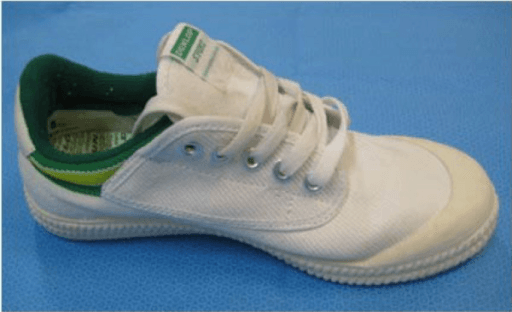
Protective footwear. Inappropriate footwear is a common, modifiable precipitant of ulcers. An appropriate shoe has a wide, deep toe box that holds clawed toes without pressure, adequate length (half a thumb width beyond the longest toe), a cushioned shock-absorbing sole, no internal seams or rough areas, a lace or Velcro closure that adjusts for swelling, and breathable material to limit moisture and fungal risk. Custom orthotics are indicated for deformity (claw toes, prominent metatarsal heads), previous ulceration needing pressure redistribution, a Charcot foot (total contact insole in a custom shoe) and high plantar pressures on assessment. A total contact insole is moulded to the exact shape of the sole so that pressure is spread over the whole plantar surface, taking the peaks off the metatarsal heads and accommodating deformity; it needs a specialist orthotist. The Charcot Restraint Orthotic Walker (CROW) is a rigid total-contact ankle-foot orthosis for the chronic Charcot foot with fixed deformity, a lifelong requirement after a Charcot episode that prevents recurrent breakdown.
Podiatry. Regular podiatry reduces amputation risk. The service trims nails, treats onychomycosis and ingrown nails, debrides callus to reduce plantar pressure and prevent the ulcer forming beneath it, assesses and advises on footwear, prescribes and fits orthotics, detects pre-ulcerative lesions early and reinforces education. Frequency follows the risk group: annual for low risk, coinciding with the medical review; 3-6 monthly for moderate risk; 1-3 monthly for high risk; and weekly for very high risk during ulcer treatment.
Guidelines, Registries & Global Practice
Global Epidemiology
Diabetic foot disease is a worldwide burden, but prevalence varies markedly by region. A systematic review and meta-analysis (Zhang P et al, Annals of Medicine 2016) reported a global diabetic foot ulcer prevalence of 6.3% (95% CI 5.4-7.3), higher in men than women and higher in type 2 (6.4%) than type 1 (5.5%) diabetes.
- North America: 13.0% (95% CI 10.0-15.9) - the highest regional prevalence
- Africa: 7.2% (95% CI 5.1-9.3)
- Asia: 5.5% (95% CI 4.6-6.4)
- Europe: 5.1% (95% CI 4.1-6.0)
- Oceania: 3.0% (95% CI 0.9-5.0) - the lowest regional prevalence
The standard global review of natural history (Armstrong DG, Boulton AJM, Bus SA, New England Journal of Medicine 2017) frames the diabetic foot ulcer as a chronic, recurrent disease: a substantial proportion of people with diabetes develop a foot ulcer in their lifetime, and recurrence after healing is common, which is why post-healing remission care and lifelong surveillance are emphasised internationally.
Major Guidelines, Side by Side
Recommendations are broadly concordant on annual screening, the 10g monofilament, risk stratification and total contact casting, with differences mainly in screening frequency for higher-risk feet and in how strongly nerve decompression and adjuncts are endorsed.
- Screening / key recommendation
- Annual foot screening for all; more frequent (1-6 monthly) by risk stratification; 10g monofilament for loss of protective sensation
- Offloading
- Non-removable knee-high offloading device first-line for plantar forefoot/midfoot ulcers
- Stance / evidence emphasis
- GRADE-based; the most widely adopted global standard
- Screening / key recommendation
- Annual assessment, risk stratify (low/moderate/high/active); rapid referral to multidisciplinary foot service for active disease (within 1 working day)
- Offloading
- Non-removable casting for non-infected, non-ischaemic plantar ulcers
- Stance / evidence emphasis
- Strong emphasis on pathways and timely MDT referral
- Screening / key recommendation
- Annual comprehensive foot exam with 10g monofilament plus one other test; more frequent if high-risk
- Offloading
- Offloading central to ulcer healing
- Stance / evidence emphasis
- Aligns with IWGDF; integrated into annual diabetes standards
- Screening / key recommendation
- Recognise acute Charcot as inflammatory; clinical diagnosis, MRI when radiographs normal
- Offloading
- Total contact cast mainstay until inflammation resolves
- Stance / evidence emphasis
- Expert consensus; limited/uncertain role for bisphosphonates and surgery
Global Practice Variation
- Resource setting drives outcomes. Multidisciplinary high-risk foot services, total contact casting expertise, vascular intervention and advanced wound therapies are concentrated in high-resource systems; in limited-resource settings barefoot walking, delayed presentation and limited revascularisation contribute to higher amputation rates.
- Access models differ. Specialist podiatry is free at the point of care in some systems (e.g. NHS) and insurance- or subsidy-dependent in others; this influences screening frequency and footwear provision.
- Indigenous, remote and rural populations carry a disproportionate burden worldwide, with earlier diabetes onset, higher lower-limb amputation rates, remoteness, access barriers and comorbid renal disease repeatedly reported across underserved populations. Targeted responses include outreach podiatry, telehealth foot clinics, culturally safe community health-worker involvement and footwear-access programmes aimed at narrowing these gaps.
Multidisciplinary Foot Service (Universal Principle)
Across all guidelines the strongest structural recommendation is a coordinated multidisciplinary high-risk foot service - typically vascular surgery, endocrinology, podiatry, orthopaedic/foot-and-ankle surgery, infectious diseases and specialist wound nursing - with rapid access for acute Charcot and infected or ischaemic ulcers. Establishment of such services is consistently associated with reduced major amputation rates.
MCQ Practice Points
Q: What is the most common pattern of diabetic peripheral neuropathy and its clinical features?
A: Distal symmetric polyneuropathy (DSPN) is the most common pattern (75%), presenting as a "stocking-glove" distribution. Features: Sensory predominant (numbness, tingling, burning pain); Begins distally in feet, progresses proximally; Loss of vibration and position sense first; Ankle reflexes lost early; Motor involvement late. Key orthopaedic significance: Loss of protective sensation leads to neuropathic ulcers, Charcot arthropathy, and unrecognized trauma.
Q: How do you screen for diabetic neuropathy and what clinical tests are most reliable?
A: Standard screening: 10g monofilament testing (4-10 sites on plantar foot) - inability to detect indicates loss of protective sensation; 128 Hz tuning fork for vibration at great toe; Ankle reflexes. Additional tests: Semmes-Weinstein monofilaments (5.07 threshold for protective sensation); Ipswich Touch Test (simplified screening). Combination of abnormal monofilament + absent ankle reflex has highest sensitivity. Annual screening recommended for all diabetics.
Q: What is the pathophysiology of diabetic neuropathy?
A: Multifactorial mechanisms: (1) Metabolic - hyperglycemia activates polyol pathway (sorbitol accumulation), advanced glycation end-products (AGEs), oxidative stress; (2) Microvascular - endoneurial hypoxia from vasa nervorum disease; (3) Inflammatory - cytokine-mediated nerve damage. Result: Axonal degeneration (predominantly small unmyelinated fibers first, then large myelinated fibers) and segmental demyelination. Duration and degree of hyperglycemia are primary risk factors.
Q: What is the difference between diabetic neuropathy and Charcot neuroarthropathy?
A: Diabetic neuropathy: Nerve damage causing sensory/motor/autonomic dysfunction; Precedes and predisposes to Charcot. Charcot neuroarthropathy: Destructive arthropathy due to repetitive trauma in insensate foot + autonomic dysfunction (increased blood flow, osteoclast activation); Presents as acute red, hot, swollen foot; Progresses through Eichenholtz stages (fragmentation, coalescence, remodeling). Not all neuropathic patients develop Charcot (approximately 0.1-0.5% of diabetics).
Q: How does diabetic neuropathy influence surgical planning in foot/ankle surgery?
A: Key considerations: (1) Wound healing - increased infection risk, poor soft tissue healing; (2) Bone quality - often osteopenic, affects fixation; (3) Protected weight-bearing - patient may not feel pain warnings, requires extended immobilization; (4) Hardware considerations - may need larger, more robust constructs; (5) Vascular assessment - often coexistent PVD, check ABI preoperatively; (6) Glycemic control - optimize HbA1c (less than 8%) before elective surgery to reduce SSI risk.
Exam Viva Scenarios
Practise clinical reasoning and management decisions out loud
“You are running a diabetes clinic. A 58-year-old man with Type 2 diabetes for 10 years (HbA1c 8.2%) attends for annual review. How would you screen for diabetic neuropathy and foot complications?”
“A 62-year-old diabetic presents to ED with a hot, swollen right foot for 3 days. No history of trauma. The foot is not painful. X-ray shows subtle midfoot changes. What is your differential diagnosis and immediate management?”
“A 68-year-old diabetic presents with a 3cm plantar ulcer under the 3rd metatarsal head present for 8 weeks. How would you assess and manage this comprehensively?”
EPIDEMIOLOGY
- 50% of diabetics develop neuropathy (duration-dependent)
- Distal symmetric polyneuropathy MOST COMMON (95% of cases)
- 15-fold increased amputation risk compared to non-diabetics
- 85% of amputations preceded by preventable foot ulcer
PATHOPHYSIOLOGY
- Polyol pathway: aldose reductase converts glucose to sorbitol (osmotic damage)
- Microvascular ischemia: basement membrane thickening, reduced endoneurial blood flow
- Advanced glycation end products (AGEs): irreversible protein cross-links
- Oxidative stress: free radical generation, membrane lipid peroxidation
- IRREVERSIBLE once established - cannot reverse with glycemic control
MONOFILAMENT TEST (GOLD STANDARD)
- 10g Semmes-Weinstein monofilament - MANDATORY annual screening
- Five sites (1-1-3-5-H): 1st toe, 1st/3rd/5th MT heads, heel
- Apply perpendicular until buckles, hold 1-2 seconds, ask "Can you feel this?"
- Inability to feel at ANY site equals loss of protective sensation
- Predicts ulcer risk with OR 4-7 (sensitivity 57-93%, specificity 75-100%)
THREE MAJOR COMPLICATIONS
- Charcot: Hot, swollen, painless foot - urgent TCC for 3-6 months
- Ulceration: Painless plantar ulcers (lifetime risk 19-34%)
- Amputation: 15-fold increased risk, 85% preceded by ulcer
ULCER MANAGEMENT (ODIM - FOUR PILLARS)
- Offloading: Total Contact Cast gold standard (reduces pressure 30-50%, 80-90% healing at 12 weeks)
- Debridement: Sharp debridement weekly (reduces bacterial load, stimulates healing)
- Infection: Antibiotics ONLY if infected (avoid resistance). Probe-to-bone 87% sensitive for osteomyelitis
- Moisture: Hydrocolloid dressings for moist wound healing, change 2-3 times weekly
CHARCOT MANAGEMENT
- Hot, swollen, PAINLESS foot equals Charcot until proven otherwise
- Temperature difference greater than 2°C diagnostic (infrared thermometry)
- MRI detects early (stage 0 - bone marrow edema) before X-ray abnormal
- Immediate total contact cast for minimum 3-6 months until temperature normalizes
- Monitor temperature weekly, X-ray monthly, transition to CROW boot when quiescent
PREVENTION STRATEGY
- Primary: HbA1c less than 7% (60-70% neuropathy risk reduction - DCCT trial)
- Annual screening: PULSE (Pulses, Ulcers, Loss of sensation, Skin, Examination of footwear)
- Patient education: Daily inspection, never barefoot, appropriate footwear (core part of multidisciplinary prevention)
- Protective footwear: Wide toe box, cushioned sole, custom orthotics if deformity
- Podiatry frequency: Low risk annual, moderate 3-6 monthly, high 1-3 monthly
VASCULAR ASSESSMENT
- Pulses: Dorsalis pedis (1st web space), posterior tibial (behind medial malleolus)
- ABPI unreliable in diabetics if greater than 1.3 (medial arterial calcification)
- Toe-Brachial Index (TBI) more accurate: greater than 0.7 adequate, less than 0.5 consider revascularization
- TcPO2 greater than 30mmHg predicts healing, less than 30mmHg impaired
NEUROPATHIC PAIN MANAGEMENT
- First-line: Amitriptyline (10-75mg nocte, NNT 3-4) OR Pregabalin (75-300mg BD, NNT 5-7) OR Duloxetine (60mg daily, NNT 5-6)
- Second-line: Tramadol (opioid - use with caution), topical capsaicin
- AVOID: NSAIDs (ineffective for neuropathic pain), long-term opioids
- Glycemic control slows progression but does NOT reverse established neuropathy
EXAM TRAPS TO AVOID
- Not knowing 5 monofilament sites (1st toe, 1st/3rd/5th MT, heel)
- Misdiagnosing Charcot as cellulitis (hot swollen PAINLESS is Charcot)
- Relying on ABPI alone in diabetics (use TBI - more reliable)
- Not offloading ulcers adequately (TCC mandatory, not just advice)
- Removing Charcot cast too early (need temperature normalized for 2-4 weeks)
Evidence Base
DCCT - Diabetes Control and Complications Trial
- 1441 patients with type 1 diabetes randomised to intensive versus conventional insulin therapy, mean follow-up 6.5 years
- Intensive therapy reduced the development of clinical neuropathy by 60% (95% CI 38-74)
- Risk of retinopathy reduced by 76% and microalbuminuria by 39% in the combined cohorts
- Chief harm was a two- to three-fold increase in severe hypoglycaemia
- Long-term follow-up (EDIC) showed benefit persisted after glycaemic separation narrowed - the metabolic memory phenomenon
UKPDS 33 - Intensive Blood-Glucose Control in Type 2 Diabetes
- 3867 newly diagnosed patients with type 2 diabetes randomised to intensive (sulphonylurea or insulin) versus conventional glucose control
- Over 10 years HbA1c was 7.0% (intensive) versus 7.9% (conventional) - an 11% relative reduction
- Intensive control reduced microvascular endpoints by 25% (95% CI 7-40, p=0.0099)
- Any diabetes-related endpoint fell by 12%; macrovascular disease was not significantly reduced
- Intensive treatment increased hypoglycaemia and weight gain
Enhanced Glucose Control for Preventing and Treating Diabetic Neuropathy - Cochrane Review
- 17 randomised trials of enhanced glucose control reporting neuropathy outcomes after at least one year
- Type 1 diabetes (2 trials reporting the primary outcome, 1,228 participants): annualised absolute risk reduction for developing clinical neuropathy of 1.84% (95% CI 1.11-2.56) - significant, and graded high-quality evidence
- Type 2 diabetes (4 trials, 6,669 participants): annualised absolute risk reduction of only 0.58% (95% CI 0.01-1.17), which did NOT reach statistical significance (P = 0.06)
- Secondary outcomes - nerve conduction velocity and vibration perception threshold - improved significantly in BOTH types
- Enhanced control significantly increased severe hypoglycaemic episodes in both populations
Semmes-Weinstein Monofilament Examination as a Screening Tool for Diabetic Peripheral Neuropathy - Systematic Review
- Systematic review of 30 studies (8365 patients); 4 studies compared the monofilament directly against nerve conduction studies as the reference standard
- Sensitivity ranged from 57% (95% CI 44-68) to 93% (95% CI 77-99) for detecting diabetic peripheral neuropathy
- Specificity ranged from 75% (95% CI 64-84) to 100% (95% CI 63-100)
- Authors recommend a three-site test (plantar great toe, third and fifth metatarsal heads) to maximise diagnostic value
- Wide variation in reported accuracy is driven by differing methodology and testing thresholds
Pressure-Relieving Interventions for Treating Diabetic Foot Ulcers - Cochrane Review
- 14 RCTs (709 participants) of pressure-relieving offloading devices
- Non-removable casts healed significantly more ulcers than removable devices (RR 1.17, 95% CI 1.01-1.36)
- Non-removable casts also outperformed dressings alone
- Achilles tendon lengthening plus non-removable cast healed more forefoot ulcers than cast alone (RR 2.23, 95% CI 1.32-3.76)
- Key advantage of irremovable devices is enforced adherence - patients cannot offload themselves
The Charcot Foot in Diabetes - ADA / APMA International Task Force Consensus
- International task force convened by the American Diabetes Association and American Podiatric Medical Association
- Reframes acute Charcot as an inflammatory syndrome driven by neuropathy, trauma and disturbed bone metabolism
- Offloading with a total contact cast is the mainstay of acute-phase treatment, continued until inflammation settles
- Diagnosis is clinical; MRI detects early disease when radiographs are still normal
- Bisphosphonates have a limited and unproven role; evidence for surgery is low-quality
Patient Education for Preventing Diabetic Foot Ulceration - Cochrane Review
- 12 RCTs assessed patient education for preventing diabetic foot ulcers; only 5 reported ulceration or amputation endpoints
- One trial in high-risk patients reported reduced ulceration (RR 0.31, 95% CI 0.14-0.66) and amputation (RR 0.33, 95% CI 0.15-0.76) after a single group education session
- A similar, lower-risk-of-bias trial found no benefit (ulceration RR 1.00; amputation RR 0.98)
- Foot-care knowledge and self-reported self-care improved in the short term in most trials
- Authors conclude there is insufficient robust evidence that education alone reduces ulcers or amputations
Global Epidemiology of Diabetic Foot Ulceration - Systematic Review and Meta-Analysis
- Global diabetic foot ulcer prevalence 6.3% (95% CI 5.4-7.3)
- Higher in type 2 (6.4%) than type 1 (5.5%) diabetes, and higher in men than women
- Highest in North America (13.0%) and lowest in Oceania (3.0%); Africa 7.2%, Asia 5.5%, Europe 5.1%
- Ulcer patients were older, had longer diabetes duration and more hypertension, retinopathy and smoking
- Marked regional variation underscores the need for region-specific prevention strategies
Diabetic Foot Ulcers and Their Recurrence - State-of-the-Art Review
- Reframes the diabetic foot ulcer as a chronic, relapsing disease rather than a single acute event
- A large proportion of people with diabetes develop a foot ulcer over their lifetime
- Recurrence after healing is common, so healed patients are in remission rather than cured
- Loss of protective sensation, deformity and prior ulceration are the dominant recurrence risk factors
- Lifelong surveillance, offloading footwear and self-monitoring are central to maintaining remission