Allograft | Post-Meniscectomy Pain | Joint Preservation
- Post-meniscectomy pain in young patient is primary indication
- Graft sizing is critical (plain X-ray or MRI)
- Normal alignment required (or correct with HTO)
- Kellgren-Lawrence grade 2 or less (significant OA = poor results)
- Bone plug or bridge technique for root fixation
- “Fresh-frozen allograft most common
- “Size match within 5% of native meniscus
- “May combine with HTO, ACL recon, cartilage procedures
- “Goals: Pain relief, delay arthroplasty
Overview and Indications
What it is. Meniscal allograft transplantation (MAT) replaces a previously resected meniscus with a size-matched donor allograft. Pain relief is the primary goal. The others are better function and a delay in both the progression of arthritis and the eventual arthroplasty.
The candidate. The primary indication is post-meniscectomy pain: a young patient, typically under 50, with symptomatic pain in a compartment that has had a total or near-total meniscectomy. A reasonable BMI helps. The knee itself must then pass four tests:
- Cartilage - acceptable, meaning Outerbridge/ICRS low grade and Kellgren-Lawrence grade 2 or less
- Alignment - neutral, or corrected by a planned osteotomy such as HTO
- Stability - ligaments competent, with the ACL intact or reconstructed
- Sizing - an accurately size-matched graft secured
Contraindications. Advanced OA (KL 3-4) is an absolute contraindication, and results are poor. Malalignment and knee instability are contraindications while uncorrected: the transplant must then be combined with an osteotomy, and an ACL-deficient knee must have the ACL reconstructed first. Inflammatory arthritis is a contraindication, while obesity (BMI over 30, through mechanical overload and poor outcomes) and stiffness are relative ones.
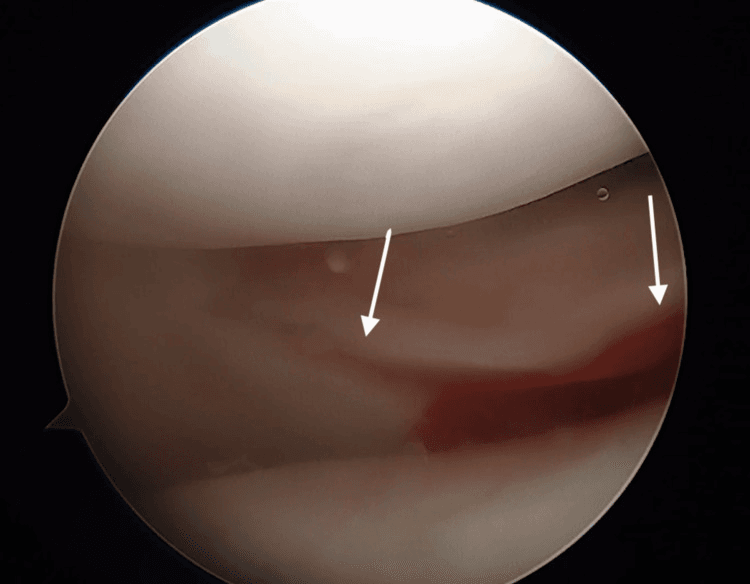
Pathophysiology of the Meniscus-Deficient Knee
What the meniscus does. It transmits 50-70% of the axial load in its compartment, deepens the tibial articular surface, and contributes to shock absorption, joint lubrication and secondary stability. Total meniscectomy removes this protection. The rationale for MAT is to restore that biomechanical role.
What meniscectomy does to the joint. Contact area falls and peak contact stress rises sharply: after total meniscectomy, contact pressure can rise roughly two-to-three-fold, concentrating load on a smaller cartilage footprint. The cartilage wears faster, and this is the classic basis of the Fairbank changes seen on radiographs after meniscectomy:
- Joint space narrowing
- Ridge or osteophyte formation
- Flattening of the femoral condyle
The lateral compartment is least forgiving. It is more conforming and more meniscus-dependent, so lateral meniscectomy is poorly tolerated and lateral compartment OA can progress rapidly.
Post-meniscectomy syndrome. This is the clinical entity MAT targets: activity-related pain localised to the meniscectomised compartment in a knee that is still relatively well preserved, with the cartilage largely intact, alignment neutral and ligaments competent. The graft restores load distribution. It does not regenerate cartilage that is already lost.
Clinical Presentation and Assessment
History. There is a previous total or subtotal meniscectomy, often years earlier, and now compartment-specific pain with activity, sport, prolonged standing or stairs. Swelling follows activity, and there are sometimes mechanical symptoms. Document any prior ACL injury or reconstruction and any previous cartilage procedure.
Examination. Look for joint-line tenderness in the affected compartment and an effusion, and assess the range of motion. The ligament examination (Lachman, pivot shift) matters because instability must be corrected first. Watch the gait: a varus or valgus thrust signals malalignment that must be addressed.
Investigations
The work-up images the cartilage, the alignment and the ligaments, and supplies the measurements used for graft sizing (next section).
- Purpose
- Joint space, KL grade
- Key point
- Cartilage status drives candidacy; KL 3-4 contraindicated
- Purpose
- Patellofemoral and tibial plateau dimensions
- Key point
- Used for Pollard sizing
- Purpose
- Mechanical axis
- Key point
- Mandatory - varus/valgus must be corrected before/with MAT
- Purpose
- Cartilage grade, ligament integrity, contralateral meniscus sizing
- Key point
- Detects subchondral oedema and occult chondral loss
Graft Sizing
Why size matters. Sizing is critical to success. Undersized and oversized grafts both have inferior outcomes, and oversizing causes extrusion and graft failure. The graft should match the native meniscus within 5% in width, length and horn-to-horn distance.
The methods. Two measure the knee and one adjusts the result:
- Pollard radiographic method - the commonest. It calculates the meniscal dimensions from the tibial plateau on AP and lateral radiographs of the recipient knee, width on the AP and length on the lateral (panel c below). It is reproducible but prone to outliers, and the least accurate of the available options.
- Contralateral MRI - uses the opposite meniscus, if intact, as a template. With 3D surface modelling it is the most accurate method: in a modelling study it cut sizing outliers for the medial meniscus by up to 83% against Pollard, and its authors concluded that radiographic sizing should probably not be recommended.
- Intentional slight downsizing - reducing the Pollard estimate by about 5% lowered the relative percentage of extrusion without harming clinical scores.
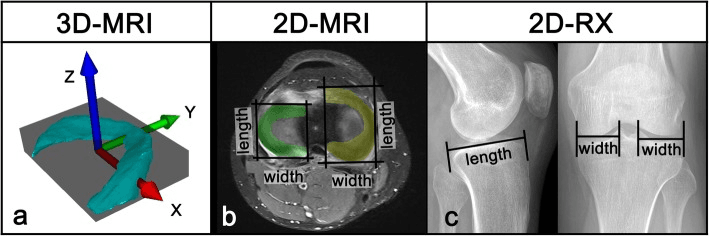
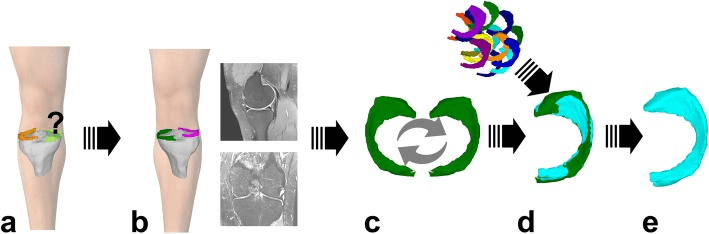
Beeler et al — 3D meniscus allograft sizing (280 healthy menisci)
- 3D MRI sizing using the contralateral meniscus was superior for all parameters
- Outliers reduced by up to 55% versus 2D MRI and 83% versus Pollard radiographs for the medial meniscus
- Conventional radiographic (Pollard) sizing was the least accurate method
- Authors suggest radiographic sizing should probably not be recommended
Jang et al — modified Pollard (downsizing) and extrusion
- 36 MAT patients: conventional Pollard sizing versus 5% downsized grafts
- Mean relative percentage of meniscal extrusion was lower in the downsized group (p = 0.037)
- Lysholm scores improved in all patients with no significant between-group difference
- No adverse clinical or radiographic effect from downsizing
Graft Processing, Sterilisation and Disease-Transmission Safety
Graft types. Four preparations have been used, and one dominates:
- Fresh-frozen - the most common, most widely used and best-supported graft. It is stored deep-frozen, at around minus 70 to minus 80°C, and has a long shelf life. The donor cells are rendered non-viable, but the collagen ultrastructure and mechanical strength are preserved and immunogenicity is reduced.
- Cryopreserved - controlled-rate freezing with a cryoprotectant preserves a proportion of cell viability. It is more expensive, and a clear clinical advantage over fresh-frozen has not been shown.
- Fresh (viable) - the highest cellularity, but it must be implanted within days, is logistically demanding, and carries greater immunogenicity and a theoretical disease-transmission concern. Rarely used, and like cryopreserved tissue its clinical advantage is uncertain.
- Lyophilised (freeze-dried) - historically used, but associated with graft shrinkage and inferior outcomes, and now largely abandoned.
The sterilisation trade-off. Terminal gamma irradiation is dose-dependent. High doses, in the region of 25 kGy and above, damage collagen cross-links and reduce mechanical strength, which is why non-irradiated, aseptically processed grafts are preferred. It is the mechanistic reason societies favour fresh-frozen non-irradiated tissue over heavily sterilised grafts.
High-dose gamma irradiation sterilises but weakens the graft, so the field trades a marginal, already-tiny infection risk for mechanical integrity.
Disease transmission. The risk is mitigated by donor selection, serological plus nucleic-acid testing for HIV, hepatitis B and hepatitis C, and bacterial culture. With modern screening the residual viral-transmission risk is extremely low. Historical clostridial infections from inadequately processed grafts drove stricter aseptic processing and regulation.
Regulation. Tissue banks are governed by bodies such as AATB accreditation and FDA oversight in the US, the EU Tissue and Cells Directive, and the Human Tissue Authority in the UK, covering procurement, screening, processing and traceability.
Allograft Healing, Revascularisation and Remodelling
Two healing interfaces. The peripheral meniscosynovial junction heals to the capsule by host fibrovascular ingrowth from the vascular peripheral rim, restoring the peripheral attachment that generates hoop stress. The bone plug or bone bridge heals by bone-to-bone union within the tibial tunnels or slot.
Repopulation. At implantation the fresh-frozen graft is essentially acellular. Over months the matrix is gradually repopulated by host-derived cells migrating from the synovium and peripheral vascular zone, and DNA and immunohistochemical studies confirm that the cells become predominantly of recipient origin.
Revascularisation and remodelling. Repopulation and revascularisation are limited to the peripheral third, mirroring the native red zone, while the inner portion stays relatively avascular and hypocellular. The collagen matrix then remodels, with some loss of mechanical properties and MRI signal change over time: the basis of the graft degeneration seen on long-term imaging.
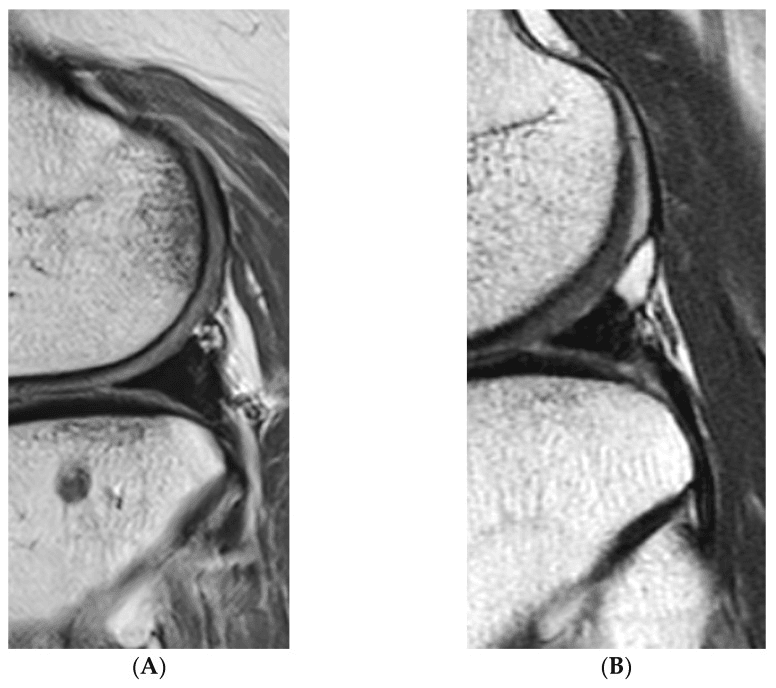
Immunology. Meniscal allografts are relatively immunoprivileged, being avascular and low in cellularity, so HLA matching and systemic immunosuppression are not used clinically. A detectable immune response can occur but is rarely clinically significant, and fresh-freezing further reduces immunogenicity.
Why it matters. The transplanted meniscus is not permanently "living donor" tissue. It is a collagen scaffold whose cells are replaced by the recipient's own and which is revascularised only at the periphery. That is why protected weight-bearing and restricted flexion matter early on, while the graft is biologically incorporating, and why long-term degeneration and failure occur despite a technically perfect operation.
Differential Diagnosis of Post-Meniscectomy Knee Pain
Pain after meniscectomy has several causes, and distinguishing them determines whether MAT is appropriate.
- Key features
- Compartment-specific load pain, well-preserved joint
- Imaging
- KL ≤2, intact cartilage on MRI
- Implication for MAT
- Ideal MAT indication
- Key features
- Constant pain, stiffness, deformity
- Imaging
- KL 3-4, bone-on-bone
- Implication for MAT
- MAT contraindicated; consider osteotomy/arthroplasty
- Key features
- Varus/valgus thrust, compartment pain
- Imaging
- Abnormal mechanical axis on long films
- Implication for MAT
- Must correct (osteotomy) before/with MAT
- Key features
- Catching, focal pain, effusion
- Imaging
- ICRS lesion, subchondral oedema on MRI
- Implication for MAT
- May need concurrent cartilage procedure
- Key features
- Giving way, pivot symptoms
- Imaging
- Positive Lachman/pivot, MRI ligament tear
- Implication for MAT
- Reconstruct first; instability dooms graft
- Key features
- Hip or spine pathology, non-mechanical
- Imaging
- Normal knee imaging
- Implication for MAT
- MAT not indicated
Management: Surgical Technique
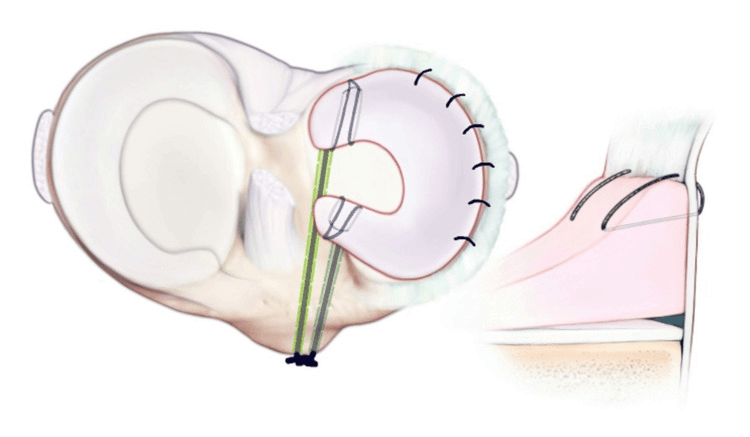
Root fixation with bone. In the bone plug technique each meniscal horn is attached to its own bone plug, and the plugs are inserted into bone tunnels in the tibia. In the bone bridge technique the anterior and posterior horns are connected by a strip of tibial bone, seated in a slot cut in the plateau. Compared with suture-only fixation, bone fixation gives more secure root fixation and better healing, is more anatomic and transmits load better.
Soft-tissue fixation. Sutures through the meniscal horns pass into bone tunnels with no bone plug. It is less secure, potentially transmits less load, and is generally inferior to bone fixation techniques. The outcome data are less decisive: a clear clinical superiority of bone fixation has not been definitively established (see Controversies).
Access. The operation is arthroscopic or mini-open. Graft insertion is usually mini-open for the lateral meniscus and keyhole for the medial.
Arthroscopy. Assess the cartilage and confirm that the knee is suitable before committing to the graft.
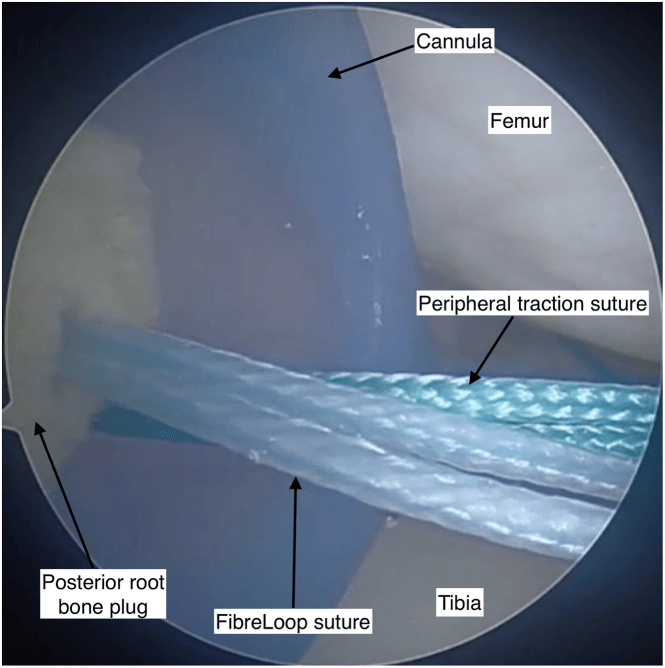
Preparing the graft. The donor meniscus is mapped into anterior horn, body and posterior horn before each root is harvested with attached bone; preserving orientation and root-bone stock is central to safe preparation. The prepared graft carries fixation sutures at both root bone plugs and a peripheral traction suture at the junction of the body and posterior horn, which allows controlled passage without twisting or damaging the matrix.
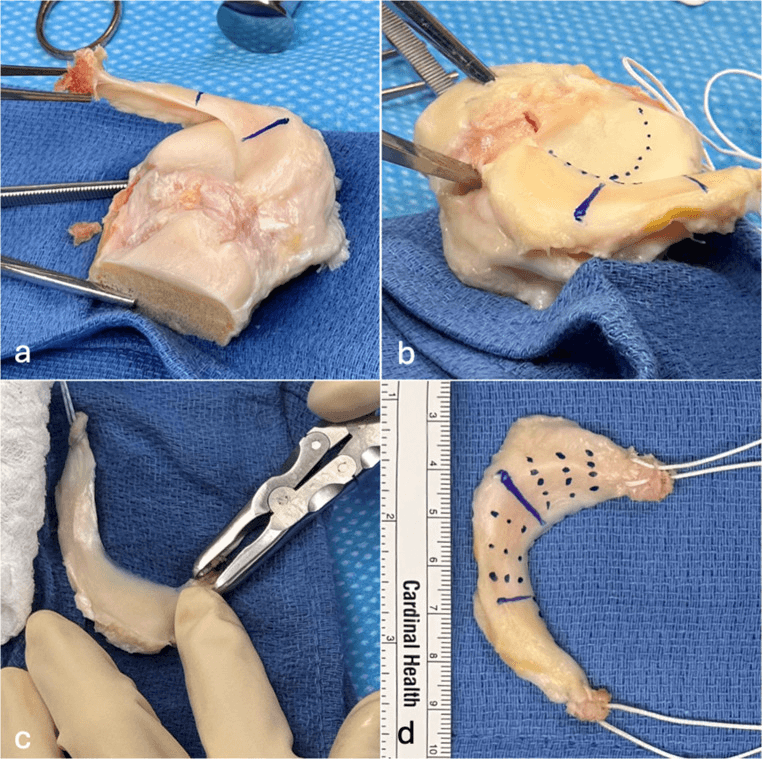
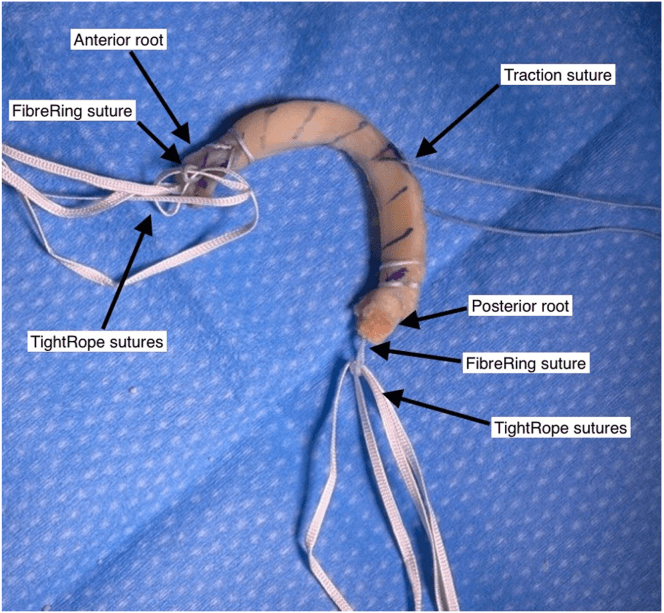
Preparing the bed. Debride the non-functional remnant while preserving a 1-2 mm vascular peripheral rim, the stable interface for capsular fixation and host fibrovascular ingrowth. Then create the tunnels or slot. The root footprints are localised with arthroscopic guides and separate thin tunnels drilled at the anterior and posterior attachments; anatomic tunnel position determines horn position, tension and the restoration of hoop stress. For a posterior-root bone plug, a guide centres the footprint, and the socket is predrilled and then created retrograde to match the plug diameter, on a trajectory that avoids tunnel convergence with any concurrent ligament reconstruction.
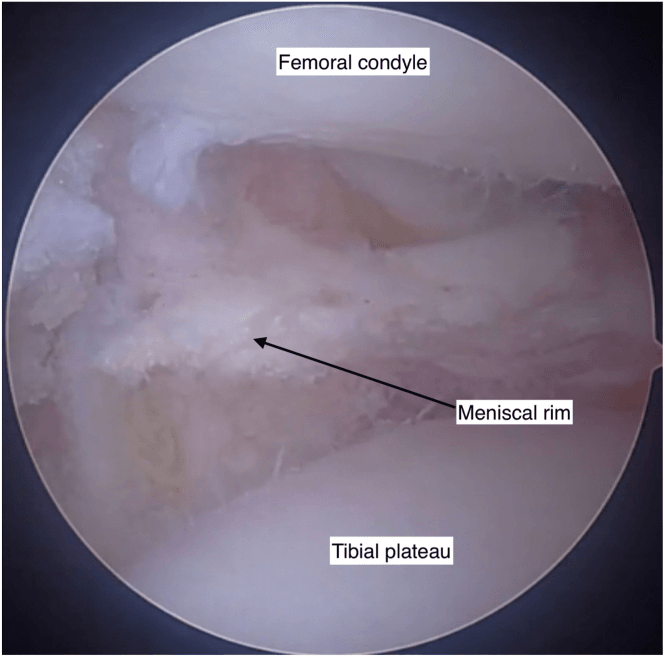
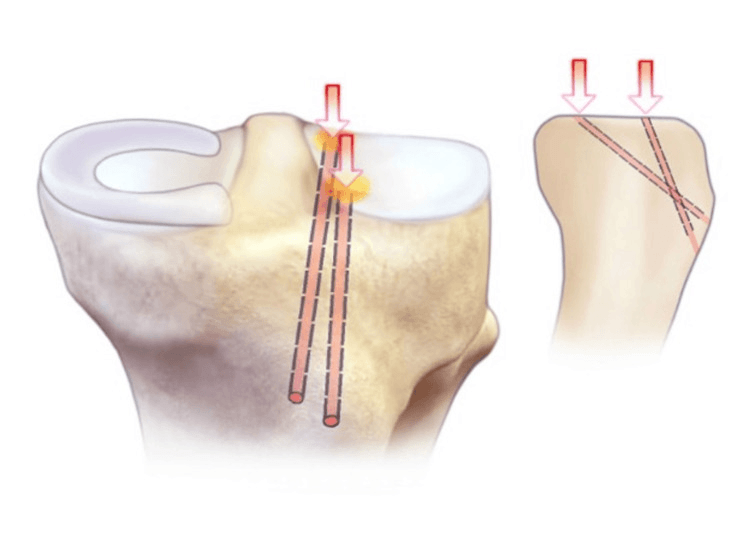
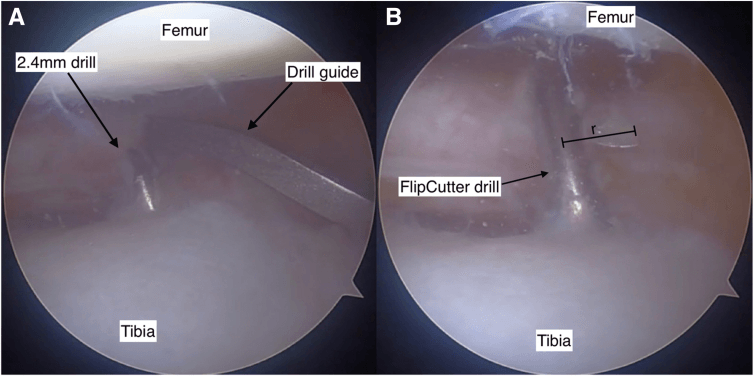
Passing the graft and fixing the roots. The graft is shuttled into the joint through an enlarged portal without inversion, led by a root shuttle and the peripheral traction suture. Sutures through the anterior and posterior horns control reduction and root fixation, and the posterior bone plug is seated into its socket under direct arthroscopic control before the plugs or bridge are secured. Root position and circumferential attachment are established as separate steps.
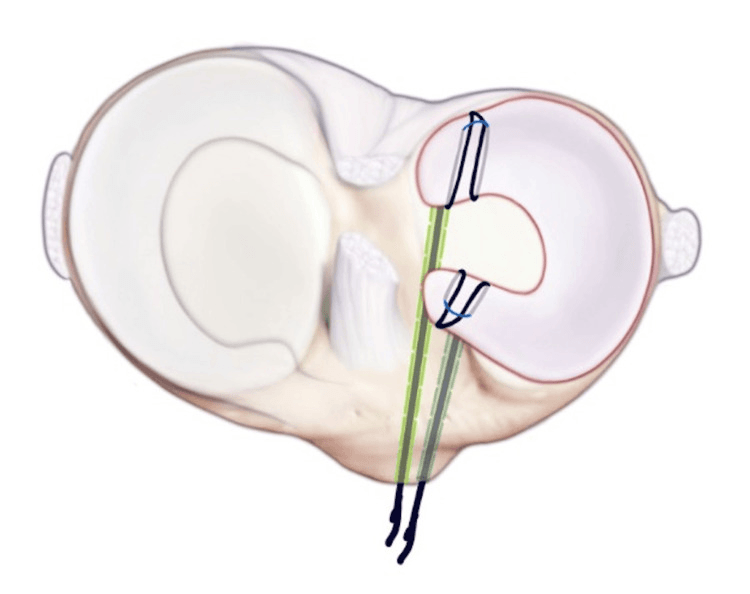
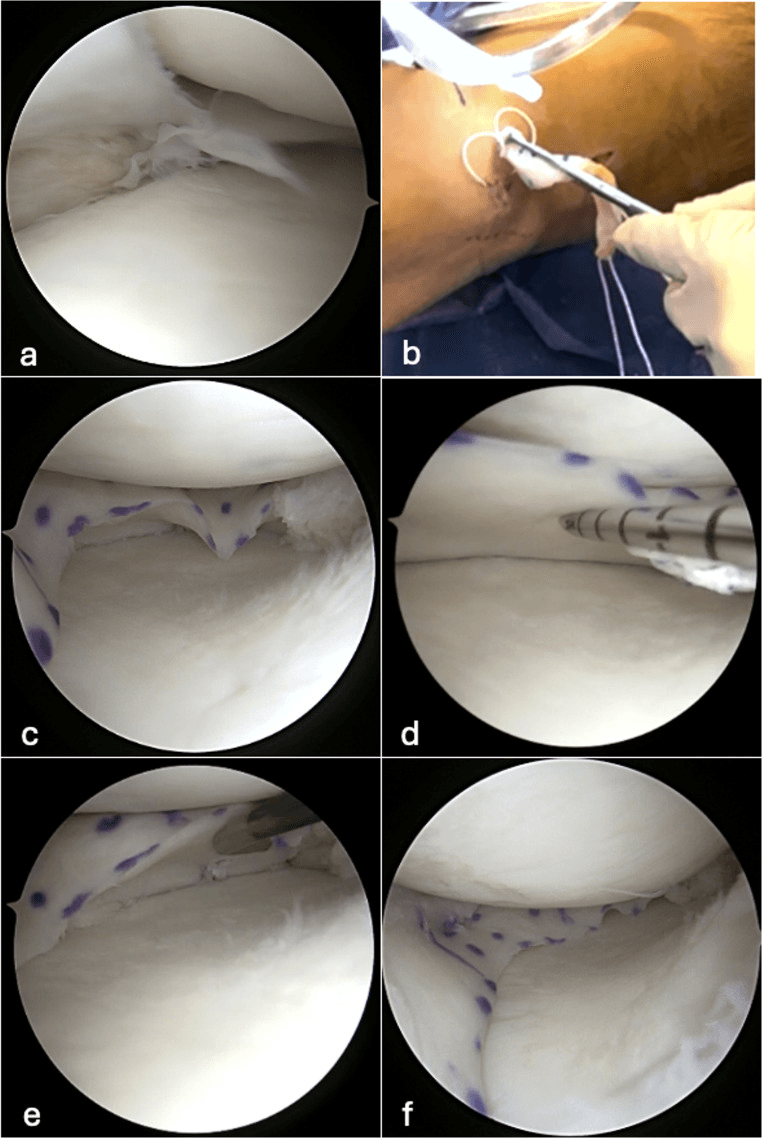
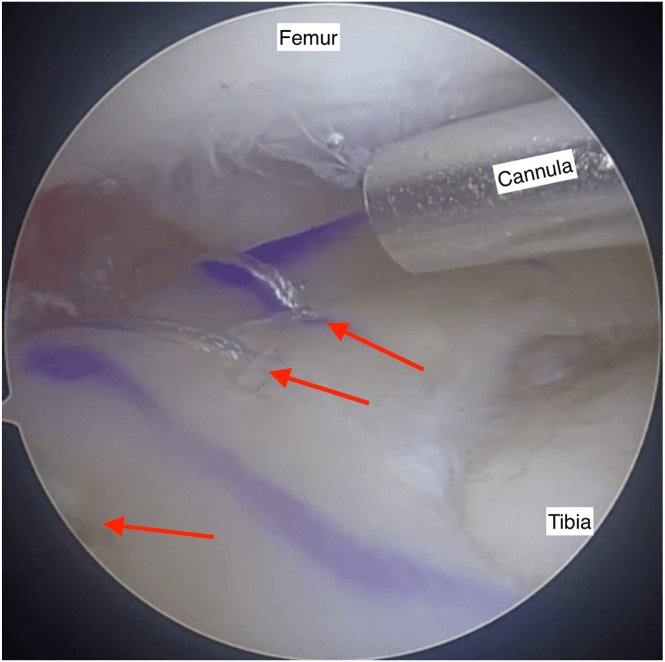
Peripheral fixation. The periphery is sutured to the capsule with inside-out or all-inside sutures. Closely spaced inside-out sutures capture the graft periphery and the retained capsular rim to restore the meniscosynovial junction, and a protected posterolateral retrieval plane limits neurovascular injury. The construct illustrated below uses vertical mattress sutures around the body, all-inside posteriorly and outside-in anteriorly, so the whole graft stays reduced against the capsule. Finish by confirming that the graft is well seated.
Complications
- Notes
- Common (≈15-20% of cases); radial subluxation over 3mm beyond the tibial margin reduces load-sharing. Driven by oversizing, malalignment and non-anatomic root position. Mild extrusion may not alter clinical results.
- Notes
- Partial tears are the most frequent reoperation; failure defined as graft removal, revision or conversion to arthroplasty.
- Notes
- More likely with combined procedures (osteotomy, ligament reconstruction, cartilage repair).
- Notes
- Root or peripheral non-integration leads to loss of hoop-stress function.
- Notes
- Continues in many despite a functioning graft.
- Notes
- General arthroscopic/open knee surgery risks; saphenous nerve and popliteal structures at risk with inside-out sutures.
Post-Operative and Outcomes
Rehabilitation. The graft is protected in stages:
- Non-weight bearing or partial for 4-6 weeks
- Early range of motion, with flexion limited to 90° initially
- No deep squatting or pivoting for 4-6 months
- Progressive strengthening
- Return to sport at 9-12 months, if permitted
What MAT delivers. Pain relief and functional improvement in the majority; reliable symptomatic benefit is the strongest evidence-based outcome. Return to sport is variable and often not at the pre-injury level. Chondroprotection is not proven: MAT may slow OA progression but does not reliably prevent it.
Graft survival depends on the definition of failure. It is roughly 70-85% at 5 years, declining to about 45-75% at 10 years, depending on whether failure means clinical failure and reoperation or strict MRI and radiographic criteria. The spread is a definition problem rather than a disagreement. The series cited here give ten-year survival of:
- 73.5% - Novaretti, counting graft removal or arthroplasty
- 86% - Grassi, counting surgical failure, falling to 70% in the same cohort once poor clinical scores are counted
- 45% - Noyes, a worst case adding MRI failure, extrusion over 50%, a tear on examination and radiographic joint-space loss
Ask what counted as failure before quoting a number, and when counselling a patient say which definition you are using: the graft is still in place far more often than the knee is still working well.
Guidelines, Registries & Global Practice
Global Epidemiology
MAT remains a low-volume, specialist procedure performed in selected younger patients (typically third-to-fifth decade, male predominant in published cohorts) who have had total or subtotal meniscectomy. Absolute case numbers are small worldwide compared with primary meniscal surgery, and most evidence is Level III-IV observational data from high-volume centres.
Society and Consensus Positions
- Position on MAT
- Endorses MAT for symptomatic post-meniscectomy compartment pain in a stable, aligned, non-arthritic knee; emphasises correcting alignment/instability and acceptable cartilage status
- Position on MAT
- Interventional procedures guidance supports MAT with normal arrangements for consent, audit and outcome registration, recognising it is specialised
- Position on MAT
- Frames MAT as joint preservation in carefully selected younger patients; stresses limited high-level evidence and shared decision-making
- Position on MAT
- Treats MAT as part of an integrated joint-preservation algorithm, often combined with cartilage repair and/or osteotomy
Across societies the message is consistent: strict patient selection (cartilage, alignment, stability, sizing) drives outcome, and chondroprotection should not be promised.
Registry and Outcome Tracking
- There is no large dedicated international MAT registry equivalent to arthroplasty registries; outcome data come from institutional series and systematic reviews.
- Several national systems (e.g. UK practice) encourage prospective audit/outcome registration of MAT given its specialised, evidence-limited nature.
- Tissue banks and national transplant/tissue authorities govern allograft procurement, screening and traceability.
High- vs Limited-Resource Practice Variation
- High-resource settings — access to screened fresh-frozen/cryopreserved allografts, MRI/3D sizing, combined osteotomy/ligament/cartilage procedures, and structured rehabilitation.
- Limited-resource settings — allograft availability and tissue-banking infrastructure are the main constraints; MAT is often unavailable, and management defaults to activity modification, unloader bracing, osteotomy where indicated, and eventual arthroplasty.
- Graft cost, regulatory tissue-banking requirements and surgeon experience are the principal global determinants of access.
Controversies and Areas of Uncertainty
Chondroprotection. This is the central unresolved question. Despite biomechanical plausibility, high-level evidence that MAT prevents OA progression is lacking, and benefit on imaging endpoints is inconsistent.
Cost-effectiveness. Symptomatic and quality-of-life gains make MAT likely cost-effective, but this cannot be proven on current data because there is essentially no randomised comparison with non-surgical care.
Fixation technique. Registry and systematic-review data show good outcomes with both bone plug or bridge and soft-tissue suture-only fixation, and a clear superiority of bone fixation has not been definitively established.
Extrusion. It is common, but its correlation with symptoms and with chondroprotection is debated.
Indication creep. Expansion to older patients, higher chondral grades, and concomitant cartilage and osteotomy procedures outpaces the supporting evidence.
Medial versus lateral. The evidence on this page points both ways. Figueroa's review states that lateral MAT does better, which is the conventional teaching; Grassi's ten-year series found the reverse, with lateral surviving 73% against medial 96%. Neither cohort is large enough to settle it, and the answer probably depends on fixation technique and on the different consequences of lateral meniscal loss. Present it as unresolved rather than picking a side.
Related pages: Meniscal Repair for the operation that avoids ever needing this one, Meniscus Tears and Meniscal Root Tears for the injuries that lead to meniscal deficiency, Meniscus Structure and Function for the hoop-stress mechanics a transplant is trying to restore, and Discoid Meniscus for the congenital variant that can end the same way.
Exam Viva Scenarios
Practise clinical reasoning and management decisions out loud
“A 35-year-old woman has medial compartment pain 5 years after total medial meniscectomy. X-rays show Kellgren-Lawrence grade 1 OA. How do you manage her?”
“A 48-year-old keen amateur cyclist presents with progressive medial compartment knee pain over the past 2 years. He had a total medial meniscectomy 8 years ago following a traumatic bucket handle tear that was deemed irreparable at the time. His pain is now limiting his cycling and he has difficulty with stairs and prolonged standing. On examination, he has medial joint line tenderness, a small effusion, and mild varus thrust during gait. His range of motion is 0-130°. You obtain plain radiographs which show Kellgren-Lawrence grade 2 osteoarthritis in the medial compartment with some joint space narrowing and early osteophyte formation. Full-length standing alignment films show 5° of mechanical varus (mechanical axis passing medial to the knee center, loading the medial compartment). His BMI is 29. He has read about meniscal transplantation online and asks if he is a candidate. He is very motivated and wants to avoid knee replacement for as long as possible. How do you counsel him and what is your management plan if you proceed with surgery?”
“You performed a medial meniscal allograft transplantation 4 months ago in a 38-year-old woman who had post-meniscectomy syndrome. She was an ideal candidate - young, minimal arthritis (KL grade 1), normal alignment on full-length films, stable knee, BMI 24. You used a fresh-frozen allograft with bone bridge technique for root fixation. The surgery went well - you achieved good graft seating, secure bone fixation, and peripheral sutures to the capsule. Post-operatively, she followed the protocol meticulously - non-weight bearing for 6 weeks, progressive ROM, no pivoting or deep squatting. She initially did well with reducing pain. However, at her 4-month follow-up, she reports that over the past 4-6 weeks her medial knee pain has returned and is worsening. On examination, she has medial joint line tenderness and a small effusion. You order an MRI which shows significant meniscal extrusion - the graft body has extruded laterally (radially) beyond the tibial margin by 5mm, and the T2 signal within the graft is increased suggesting degeneration. The bone bridge appears healed in the tibial tunnel. Looking back at the operative note, you confirmed intraoperatively that sizing was within 5% of the contralateral meniscus dimensions. The patient is understandably upset and asks what went wrong and what can be done. How do you approach this consultation and what are the management options?”
Indications
- Young (under 50)
- Alignment normal (or correct)
- Post-meniscectomy pain
- Small arthritis (KL 2 or less)
Contraindications
- Advanced OA (KL 3-4)
- Uncorrected malalignment
- Inflammatory arthritis
- Unstable knee
Sizing
- Critical for success
- Match within 5%
- Pollard method (X-ray)
- Or MRI contralateral
Technique
- Fresh-frozen allograft
- Bone plug/bridge preferred
- Suture to capsule
- 70-80% pain relief
Evidence Base
Novaretti, Musahl et al — long-term survival (systematic review, min 10-year follow-up)
- 11 studies, 658 patients, 688 MATs (mean age 33 years, 63% male)
- Mean survivorship 73.5% at 10 years and 60.3% at 15 years
- Functional scores (Lysholm, IKDC, KOOS, Tegner) improved versus pre-operative
- Most common complications: partial meniscal tears 11.1%, arthrofibrosis 3.6%, infection 2.0%
Noyes & Barber-Westin — prospective long-term survivorship (worst-case analysis)
- 72 consecutive bone-meniscus-bone transplants, 96% follow-up, mean 11.9 years
- Using strict endpoints (reoperation, MRI failure, extrusion over 50%, joint-space loss): survival 85% at 2y, 69% at 7y, 45% at 10y, 19% at 15y
- Significant improvement in pain, swelling, walking and stair climbing
- Cartilage damage, age and compartment did not significantly affect survival in this cohort
Grassi, Zaffagnini et al — fresh-frozen MAT with soft-tissue fixation (min 10-year)
- 46 patients, arthroscopic fresh-frozen MAT with soft-tissue (suture) fixation
- Survival free from surgical failure 91% at 5y and 86% at 10y
- Lateral MAT survival (73%) lower than medial MAT (96%)
- Tegner and KOOS-Sport declined from mid- to long-term; other scores stable