Adult Vitamin D Deficiency | Defective Mineralisation | Pathological Fractures
- Osteomalacia = defective bone mineralisation in adults (rickets in children)
- Looser zones (pseudofractures) = the most specific radiographic finding, but not pathognomonic - confirm with biochemistry
- Proximal myopathy causes waddling gait and difficulty rising from a chair
- Vitamin D less than 25 nmol/L = severe deficiency requiring urgent treatment
- Pathological fractures common in weight-bearing bones despite normal-appearing radiographs
- “Distinguish from osteoporosis: osteomalacia has defective mineralisation, not low bone mass
- “Elevated alkaline phosphatase with low calcium and phosphate = classic biochemistry
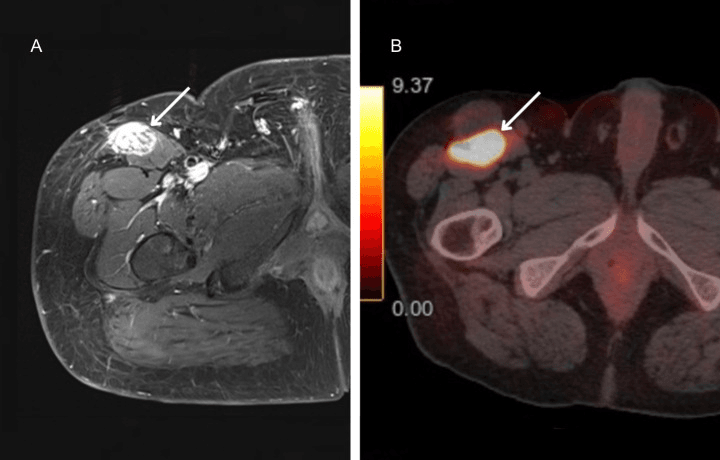
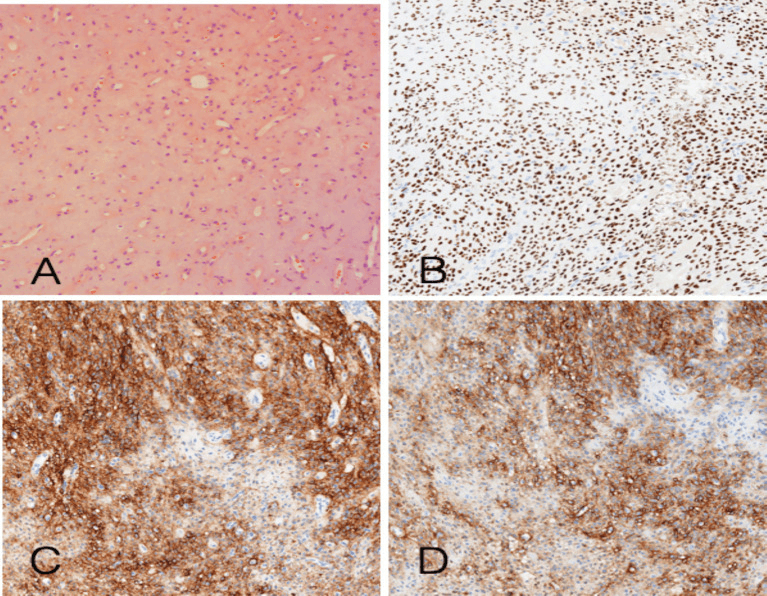
- “Oncogenic osteomalacia from mesenchymal tumours (FGF23-secreting) - surgical excision curative
- “Always check vitamin D levels before arthroplasty - uncorrected deficiency risks delayed healing and loosening
Overview
Osteomalacia is a metabolic bone disease of defective mineralisation of newly formed osteoid in mature bone. It is the adult equivalent of rickets, which affects growing bones in children. The hallmark is an accumulation of unmineralised or undermineralised osteoid, and the result is soft, deformable bone with an increased risk of fracture.
Not osteoporosis. Osteoporosis is a loss of bone mass. Osteomalacia has normal or increased osteoid, with inadequate calcium and phosphate deposited in it.
Who is deficient. Between 30 and 50% of institutionalised elderly people have vitamin D deficiency (less than 50 nmol/L), against 10-15% of the community-dwelling elderly. Without supplementation, 25-40% of patients develop deficiency after bariatric surgery, and dark-skinned populations living at high latitudes carry a 5-10 times higher risk.
Who gets it. Women outnumber men 3:1, and postmenopausal women are at highest risk. Risk rises with age, through reduced sunlight exposure and decreased skin synthesis, and prevalence is higher at latitudes greater than 35 degrees, where UVB exposure is reduced.
Pathophysiology
What mineralisation needs. Normal bone mineralisation requires adequate calcium, phosphate and alkaline phosphatase. Vitamin D is essential for intestinal calcium absorption and renal phosphate reabsorption, so a deficiency of vitamin D or of phosphate sets off a sequence:
- Reduced calcium and phosphate availability
- Inadequate hydroxyapatite crystal formation in osteoid
- Accumulation of unmineralised osteoid (increased osteoid volume)
- Secondary hyperparathyroidism, a compensatory response to hypocalcaemia
- Further phosphate wasting, as PTH drives renal phosphate loss
- Progressive bone softening and deformity
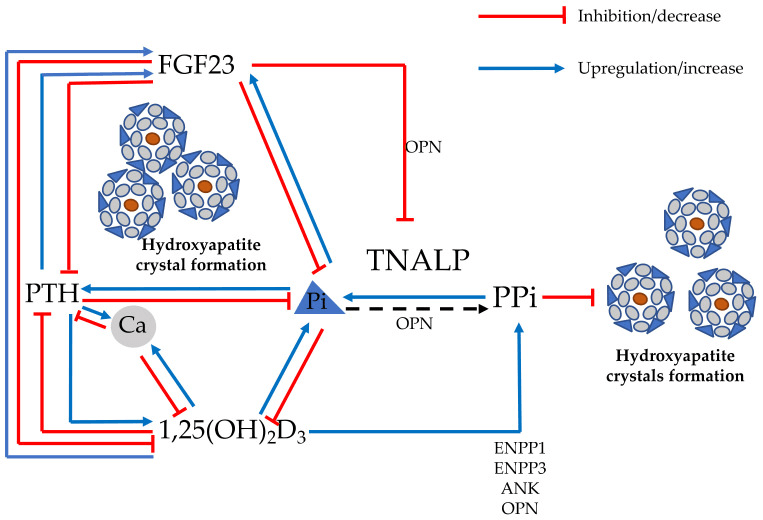
The bone that results. Osteoid seams widen and the mineralisation lag time lengthens; the histomorphometric numbers are set out in their own section below. Bone stiffness and mechanical strength fall, and the trabeculae thin while their connectivity is preserved.
What the patient feels. Pathological fractures follow minimal trauma, bone pain comes from periosteal stress and microfractures, vitamin D deficiency produces a proximal myopathy, and the soft bone bows and compresses into skeletal deformity.
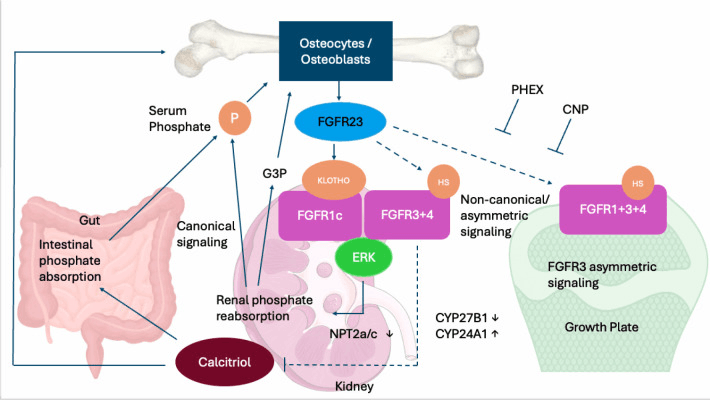
FGF23. FGF23 (fibroblast growth factor 23) causes renal phosphate wasting and inhibits 1-alpha hydroxylation of vitamin D. Small mesenchymal tumours, often benign, can secrete it, and the result is tumour-induced (oncogenic) osteomalacia.
Causes. They group by what fails:
- Vitamin D deficiency - dietary lack; inadequate sunlight (elderly, institutionalised, cultural clothing, high latitude); vegan diet without supplementation
- Malabsorption - coeliac disease, Crohn's disease, post-gastrectomy, small bowel disease, cholestatic liver disease
- Impaired vitamin D hydroxylation - severe renal or liver disease (1-alpha or 25-hydroxylation)
- Anticonvulsants - phenytoin and phenobarbital induce hepatic vitamin D metabolism
- Phosphate loss - renal phosphate wasting (Fanconi syndrome), tumour-induced (FGF23)
- Tubular defects - renal tubular acidosis, chronic kidney disease
- Mineralisation defects - hypophosphatasia, medications
Vitamin D receptors exist in muscle, brain, immune cells and cardiovascular tissue. Severe deficiency causes proximal myopathy, increased infection risk, and possibly cardiovascular disease. Always treat systemic deficiency, not just bone disease.
Clinical Presentation
The clinical triad is bone pain, proximal myopathy and fractures.
Bone pain. The pain is diffuse and worse with weight-bearing and pressure. The bones are tender to palpation over the sternum, ribs, pelvis and long bones, and pain can be provoked by sternal pressure, rib compression and pelvic compression.
Fractures and deformity. Pathological fractures follow minimal trauma, in weight-bearing bones. The deformities are leg bowing (varus or valgus), spinal kyphosis and vertebral compression.
Weakness. The gait is antalgic or waddling, from bone pain and proximal myopathy together, and the patient has difficulty rising. Hip flexion (iliopsoas) and knee extension (quadriceps) are weak, with power of grade 3-4 out of 5 in the hip flexors and shoulder abductors. Myalgias (muscle pain and cramping), fatigue and general malaise sit alongside it.
Tetany. Severe hypocalcaemia brings tetany, with Chvostek's sign (facial twitch) and Trousseau's sign (carpopedal spasm).
Many patients with osteomalacia are asymptomatic or minimally symptomatic until a pathological fracture occurs. High index of suspicion needed in at-risk populations: elderly, institutionalised, malabsorption syndromes, dark skin in low-sunlight regions, post-bariatric surgery.
Osteomalacic Proximal Myopathy
Vitamin D. Skeletal muscle expresses the vitamin D receptor, and calcitriol influences myocyte calcium handling and the maintenance of fast-twitch type II fibres. Deficiency produces selective type II fibre atrophy on muscle histology.
Phosphate. Phosphate is required for ATP generation and for the phosphocreatine energy shuttle. Low serum phosphate impairs muscle contractility and energy supply, contributing directly to weakness and fatigue, and the two deficiencies act on muscle together.
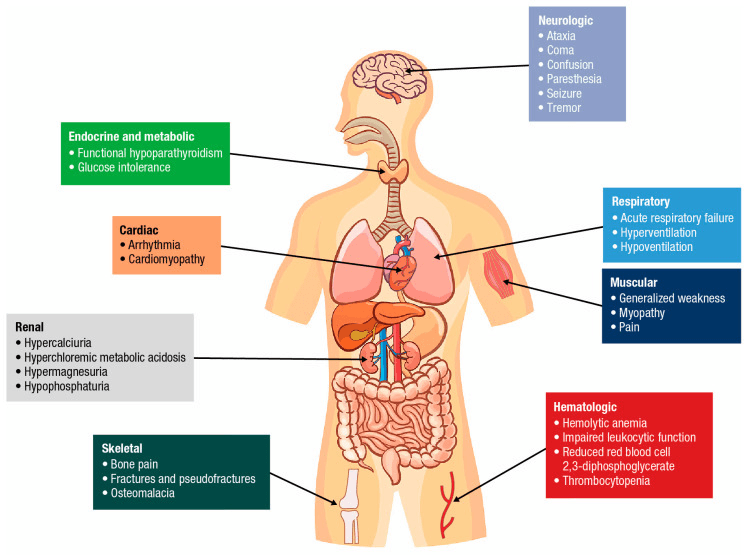
What you find. The weakness is symmetrical and proximal, the pelvic girdle affected more than the shoulder girdle, with a myopathic (waddling) gait, difficulty rising from a chair or climbing stairs, and a positive Gowers manoeuvre. It is often painful and accompanied by bone tenderness, a clue that it is metabolic rather than a pure myopathy. Deep tendon reflexes are preserved, which helps exclude a primary neuropathy.
Tests. EMG is often normal or shows non-specific myopathic units, without the fibrillations of active myositis. The biochemical panel, low vitamin D or phosphate with a high alkaline phosphatase, points to the true cause.
Q: A patient with biochemical osteomalacia has marked proximal weakness but a normal creatine kinase. Why, and what does it tell you? A: The weakness of osteomalacia is a metabolic myopathy - driven by vitamin D receptor-mediated effects on type II fibres and by hypophosphataemia impairing muscle energetics - not by myofibre necrosis. Because there is little membrane breakdown, creatine kinase stays normal, in contrast to inflammatory myopathy, muscular dystrophy or rhabdomyolysis where CK is elevated. A normal CK with proximal weakness, bone pain and a deranged bone panel should steer you firmly toward metabolic bone disease, and predicts that the weakness will reverse with replacement rather than needing immunosuppression.
Recovery. The myopathy is reversible with correction of the underlying deficiency. Muscle power typically begins to improve within a few weeks and largely recovers over 3-6 months of vitamin D (and, where relevant, phosphate) replacement, often before Looser zones heal radiographically. Persistent weakness after adequate replacement should prompt a search for a second, unrelated neuromuscular cause.
Laboratory Findings
- Typical Finding
- Low or low-normal
- Mechanism
- Reduced vitamin D-mediated intestinal absorption
- Typical Finding
- Low
- Mechanism
- Reduced intestinal absorption and PTH-mediated renal wasting
- Typical Finding
- Elevated (often markedly)
- Mechanism
- Increased osteoblast activity attempting to mineralise osteoid
- Typical Finding
- Less than 25 nmol/L (severe deficiency)
- Mechanism
- Dietary lack, malabsorption, inadequate sunlight
- Typical Finding
- Elevated (secondary hyperparathyroidism)
- Mechanism
- Compensatory response to hypocalcaemia
- Typical Finding
- Normal or low
- Mechanism
- Substrate (25-OH vitamin D) depletion limits 1-alpha hydroxylation
Vitamin D thresholds. The 25-OH vitamin D bands used on this page are below; guideline bodies draw the lines differently, as the Controversies and Guidelines sections set out.
- Severe deficiency - less than 25 nmol/L (less than 10 ng/mL)
- Deficiency - 25-50 nmol/L (10-20 ng/mL)
- Insufficiency - 50-75 nmol/L (20-30 ng/mL)
- Optimal for bone health - 75-125 nmol/L (30-50 ng/mL)
Q: Why is alkaline phosphatase elevated in osteomalacia but normal in osteoporosis? A: Osteoblast activity. In osteomalacia, osteoblasts are actively producing osteoid (unmineralised matrix) but cannot mineralise it due to lack of calcium/phosphate. This causes massive osteoid accumulation and elevated ALP. In osteoporosis, there is simply reduced bone formation - no excess osteoid, normal ALP.
Further tests. Beyond the core panel:
- Urinary calcium - low (less than 2.5 mmol per 24 hours)
- Urinary phosphate - elevated in renal phosphate wasting
- FGF23 - elevated in tumour-induced osteomalacia, where the pattern is hypophosphataemia, an elevated FGF23 and a low 1,25-OH vitamin D
- Renal function - for chronic kidney disease (impaired 1-alpha hydroxylation)
- Liver function - for cholestatic disease (impaired vitamin D absorption)
Imaging
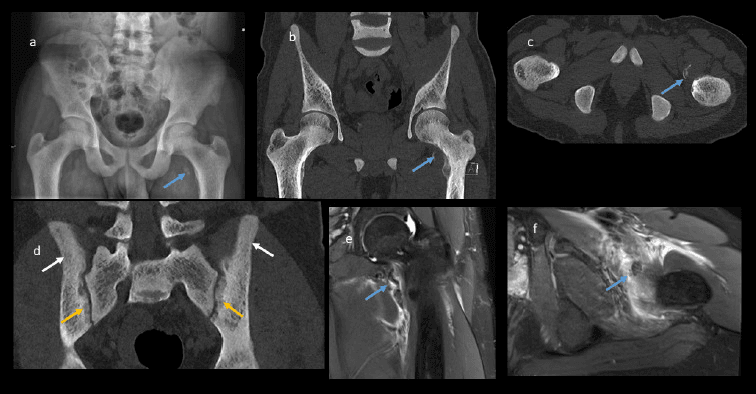
Looser zones. Pseudofractures are the most specific radiographic sign of osteomalacia, but not a pathognomonic one. They are radiolucent bands perpendicular to the cortex, usually bilateral and symmetric, with no periosteal reaction, unlike a healing fracture. Each is a stress fracture that fails to heal because the surrounding osteoid cannot mineralise. Asymmetric distribution is described, and mimics metastases.
Not pathognomonic. Identical bands occur in renal osteodystrophy, in ferric carboxymaltose-induced hypophosphataemia, in idiopathic osteoporosis, and in athletes with medial tibial stress syndrome, where the appearance is bilateral in the mid-shaft tibia of a runner. The radiograph directs you to the biochemistry; it does not settle the diagnosis.
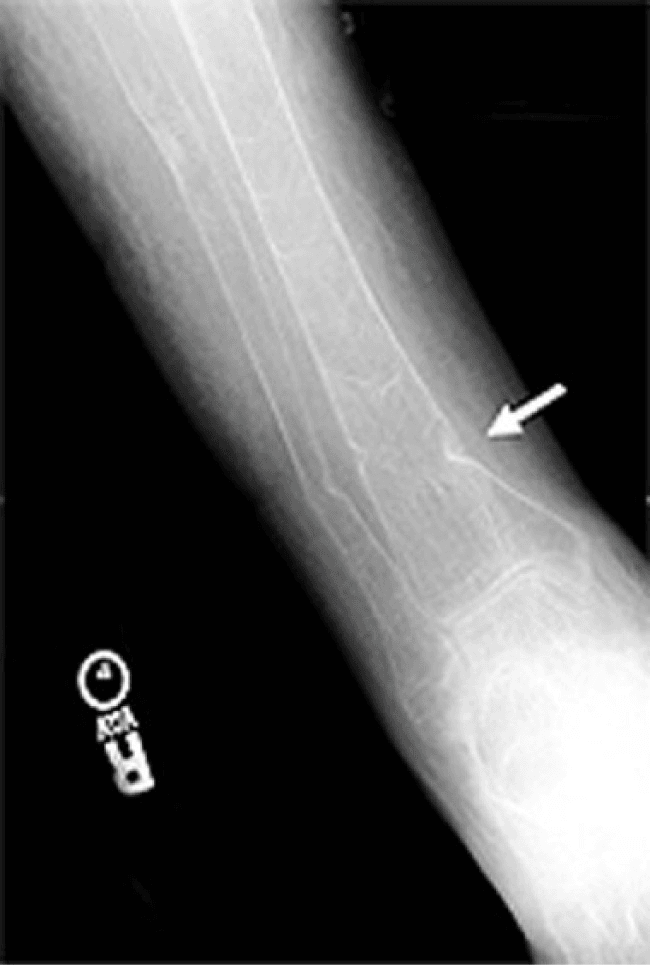
Where to look. The classic sites are in the card below.
PURFTSSites of Looser Zones (Pseudofractures)
Hook:PURFTS - the flat and cantilevered bones that bend under load: pubic rami, ulna, ribs, femoral neck, tibia, scapula.
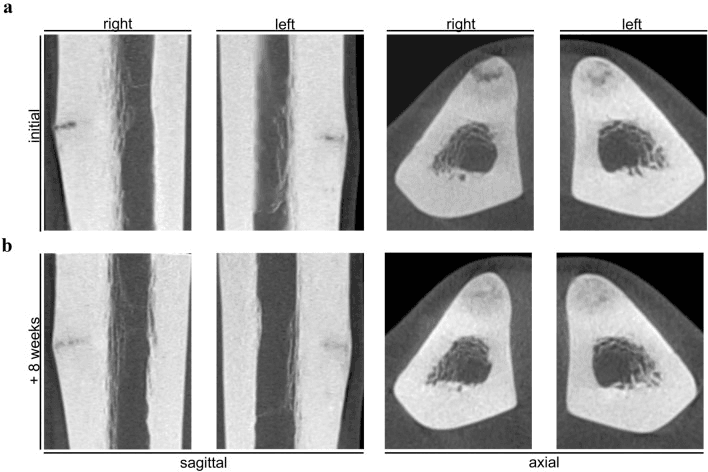
The rest of the film. Generalised osteopenia (demineralisation), a coarsened trabecular pattern and cortical thinning accompany the fractures and deformities already described.
DXA. Bone mineral density is low (T-score less than -2.5 at spine or hip), and DXA alone cannot distinguish osteomalacia from osteoporosis. Biochemistry and clinical context are essential for the diagnosis.
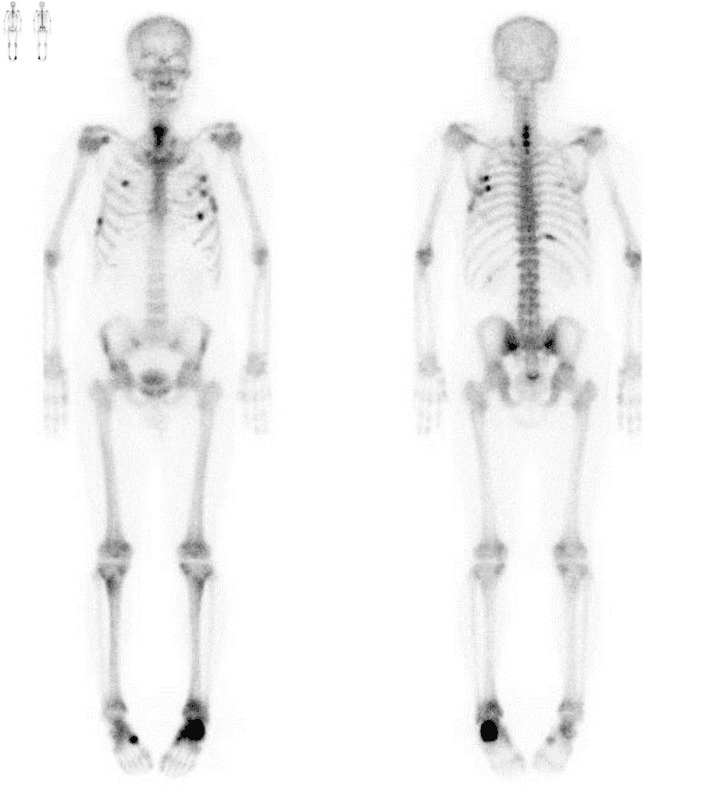
Bone scan. Uptake is increased at the pseudofracture sites, and multiple symmetric hot spots give a "superscan" appearance. The scan is also useful in tumour-induced osteomalacia to localise the FGF23-secreting tumour.
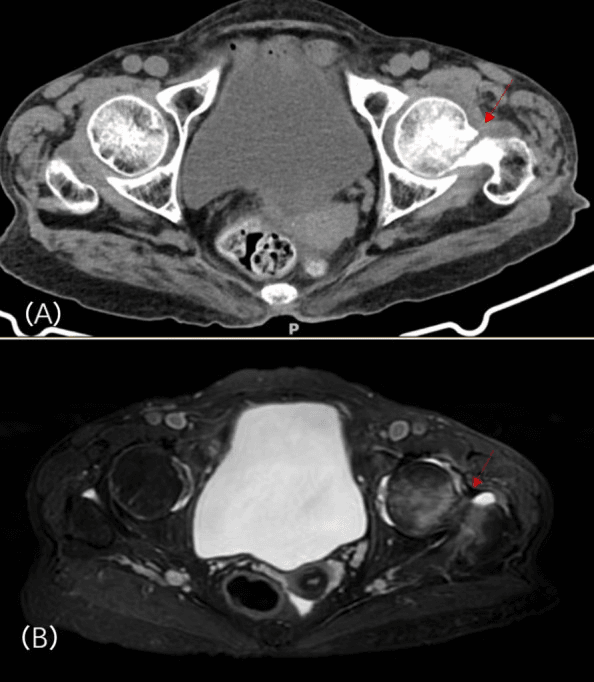
MRI and CT. MRI shows bone marrow oedema at pseudofracture sites and localises occult tumours in oncogenic osteomalacia, being sensitive for small mesenchymal tumours. CT assesses bone quality and fracture risk, and 3D reconstruction is used to plan prophylactic fixation.
Bone Histomorphometry & Tetracycline Double-Labelling
When to biopsy. Bone biopsy is the gold standard. Its indications:
- Diagnostic uncertainty after clinical, biochemical and radiographic evaluation
- Suspected hypophosphatasia or a rare mineralisation disorder
- Pre-treatment assessment in oncogenic osteomalacia
How double-labelling works. Tetracyclines chelate calcium and fluoresce, so they deposit as a bright band wherever mineralisation is active at the time of dosing. Two short courses are given before the undecalcified transiliac biopsy, separated by a label-free interval. A common schedule is a short course, roughly a fortnight off, then a second short course, with the biopsy a few days later.
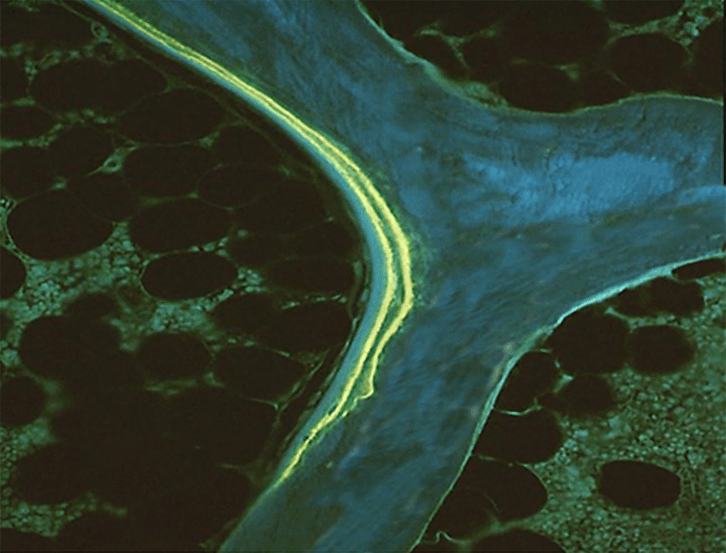
What the labels measure. Two quantities come from them:
- Mineral apposition rate (MAR) - the distance between the two labels divided by the number of days between them, in micrometres per day (normal roughly 0.6 to 1.0)
- Mineralisation lag time (MLT) - the time osteoid waits before it mineralises, derived from osteoid seam thickness relative to the apposition rate (normal under roughly 20 to 25 days; osteomalacia greater than 100 days)
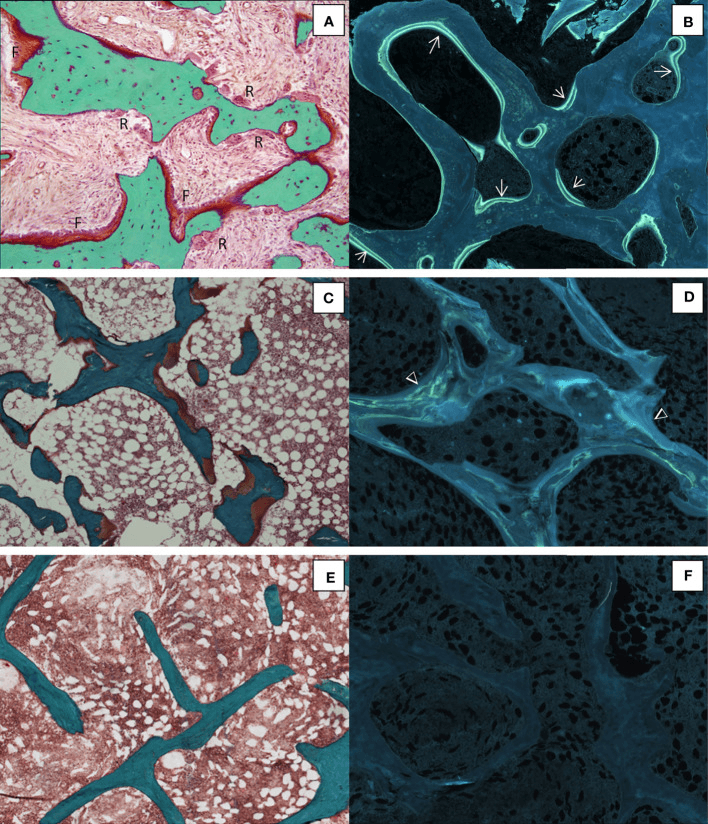
The osteomalacic biopsy. Osteoid volume is increased (greater than 15% against a normal of less than 5%), osteoid seams are widened (greater than 12 micrometres), and tetracycline labelling shows a delayed mineralisation front. In severe osteomalacia mineralisation is so impaired that there may be only a single, diffuse ("smudgy") label or no uptake at all, itself a strong pointer to the diagnosis.
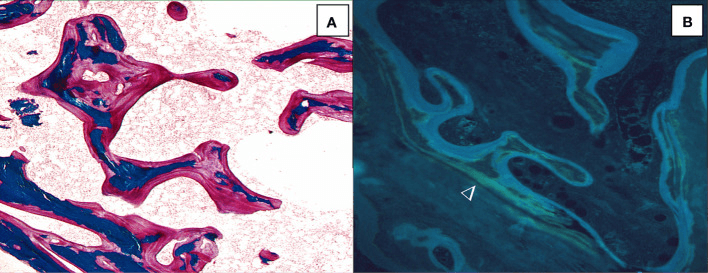
Osteoid alone is not enough. The diagnosis needs both:
- Increased osteoid - raised osteoid volume, thickness and surface
- Defective mineralisation - a prolonged MLT or reduced apposition on tetracycline labelling
Increased osteoid without a prolonged lag time is seen in high-turnover states (hyperparathyroidism, hyperthyroidism, Paget disease), where the osteoid simply reflects fast formation, not a mineralisation block. It is the prolonged lag time that separates true osteomalacia from these mimics.
Differential Diagnosis
- Biochemistry
- Calcium low or normal, phosphate low, ALP elevated, vitamin D low, PTH elevated (secondary)
- Radiographs
- Looser zones, osteopenia
- Treatment
- Vitamin D + calcium replacement
- Biochemistry
- Calcium, phosphate, ALP and PTH normal; vitamin D normal or low
- Radiographs
- Low bone density (DXA), fractures; Looser zones usually absent but rarely mimicked
- Treatment
- Bisphosphonates, lifestyle
- Biochemistry
- Calcium high, phosphate low, ALP elevated, PTH elevated (primary); vitamin D normal or low
- Radiographs
- Subperiosteal resorption, brown tumours
- Treatment
- Parathyroidectomy
- Biochemistry
- Calcium and phosphate normal, ALP very high
- Radiographs
- Lytic/sclerotic, cortical thickening
- Treatment
- Bisphosphonates for symptoms
Why the distinction matters. Osteomalacia does not respond to bisphosphonates. Unlike osteoporosis, it needs vitamin D replacement.
Management
Vitamin D Replacement Protocol
For severe deficiency (less than 25 nmol/L):
- Cholecalciferol (vitamin D3) 50,000 IU weekly for 6-8 weeks
- Oral calcium 1000-1500 mg daily, in divided doses with meals
- Alternative regimen: cholecalciferol 4000-6000 IU daily for 8-12 weeks
- Cholecalciferol 800-2000 IU daily
- Calcium 1000-1200 mg daily (dietary plus supplements)
- Recheck 25-OH vitamin D at 3 months - target 75-100 nmol/L
- Calcium and phosphate at 1, 3, 6 months then annually
- PTH and alkaline phosphatase, whose expected fall is set out under Prognosis
- Annual 25-OH vitamin D to ensure maintenance
In severe, prolonged osteomalacia with marked secondary hyperparathyroidism, rapid vitamin D and calcium replacement can cause hungry bone syndrome - profound hypocalcaemia and hypophosphataemia as the demineralised skeleton avidly takes up minerals. Monitor calcium closely in the first 2 weeks. May require IV calcium gluconate if symptomatic.
Orthopaedic Implications
Where they break. The high-risk sites for pathological fracture:
- Femoral neck - bilateral, often at sites of Looser zones
- Proximal femur - subtrochanteric, intertrochanteric
- Pelvis - pubic rami, sacrum
- Ribs - multiple, painful
- Vertebrae - compression fractures
Principles. The medical treatment comes first:
- Optimise medical management first - vitamin D and calcium replacement
- Prophylactic fixation for impending fractures (Looser zones greater than 50% cortical width, symptomatic); the Controversies section below explains how soft that threshold is
- Fracture fixation with caution, using the techniques in the alert below
- Longer immobilisation than for normal fractures, because healing is delayed
Soft bone = poor screw purchase. Consider:
- Augmentation with cement in proximal femur fractures
- Longer plates with more screws for load distribution
- Locking plates to minimise screw toggle in soft bone
- Protected weight-bearing for 3-6 months (longer than normal)
- Aggressive vitamin D replacement perioperatively to accelerate healing
Before arthroplasty. Screen all arthroplasty candidates for vitamin D deficiency, optimise vitamin D to greater than 75 nmol/L before elective surgery, and correct calcium and phosphate abnormalities (see Controversies for the strength of the evidence behind universal screening).
At operation. There is a risk of periprosthetic fracture during insertion, especially with press-fit stems, so reaming and broaching must be careful. Poor bone quality may favour cemented fixation.
After arthroplasty. Osseointegration of uncemented implants is delayed, aseptic loosening is a risk if vitamin D is not repleted, and periprosthetic fracture can follow minimal trauma. Vitamin D and calcium continue indefinitely.
Prognosis and Outcomes
Expected response to treatment. Muscle recovery is covered with the myopathy above; the rest of the timetable:
- Calcium and phosphate normalise by 4-12 weeks
- PTH decreases by 3-6 months, and may take longer if severe
- Alkaline phosphatase declines by 6-12 months, and may initially rise as bone heals
- Bone pain improves by 6-12 weeks
- Looser zones heal by 6-12 months (radiographic evidence of mineralisation)
- Fracture risk decreases once vitamin D is greater than 50 nmol/L
Poor prognostic factors. Watch for:
- Severe, prolonged deficiency - may leave permanent skeletal deformities
- Uncontrolled underlying cause (malabsorption, chronic kidney disease)
- Non-compliance with supplementation
- Oncogenic osteomalacia with an unresectable tumour
Guidelines, Registries & Global Practice
Global Epidemiology
- Vitamin D deficiency is one of the most prevalent micronutrient deficiencies worldwide, but its consequences vary by latitude, skin pigmentation, diet, sun exposure and food-fortification policy.
- Nutritional osteomalacia remains common in South Asia, the Middle East and North Africa, driven by limited effective UVB exposure (concealing dress, high latitude in winter, air pollution) and low dietary calcium/vitamin D.
- In high-income countries, frank osteomalacia is now mostly seen in the institutionalized elderly, malabsorption (coeliac disease, IBD, post-bariatric surgery), chronic kidney/liver disease, and dark-skinned migrants at higher latitudes.
Side-by-Side Guideline Comparison
- Deficiency threshold
- 25-OH vitamin D below 50 nmol/L (20 ng/mL)
- Replacement / target
- 50,000 IU weekly x8 wk then 1500-2000 IU/day; target above 75 nmol/L in at-risk
- Deficiency threshold
- Below 25 nmol/L = deficient; 25-50 = inadequate
- Replacement / target
- Loading approx 300,000 IU over 6-10 wk, then 800-2000 IU/day maintenance
- Deficiency threshold
- Below 30 nmol/L at risk of deficiency
- Replacement / target
- Lower population targets (50 nmol/L adequate for most) - less aggressive than Endocrine Society
- Deficiency threshold
- Below 30 nmol/L = deficient; 30-50 = insufficient
- Replacement / target
- Calcium AND vitamin D together; emphasises dietary calcium where intake low
- Key controversy: the Endocrine Society favours a higher individual target (above 75 nmol/L) for at-risk patients, whereas the IOM and several national bodies regard about 50 nmol/L as adequate for the general population. For symptomatic/biopsy-proven osteomalacia all bodies agree on therapeutic replacement plus calcium.
Registry & Outcome Notes
- There is no dedicated osteomalacia registry; relevant arthroplasty registries (NJR, AJRR, AOANJRR, Swedish/Norwegian) track revision and periprosthetic fracture, where poor bone quality and metabolic bone disease are recognised contributors to early failure and periprosthetic fracture.
High- vs Limited-Resource Practice
- High-resource: routine 25-OH vitamin D, PTH, FGF23 assays; functional imaging (68Ga-DOTATATE PET/CT, whole-body MRI) for TIO; access to burosumab and calcitriol.
- Limited-resource: diagnosis often clinical/radiographic and biochemical (calcium, phosphate, ALP); calcium plus vitamin D remains the cost-effective cornerstone and the global consensus stresses combined calcium-vitamin D because dietary calcium deficiency alone can cause osteomalacia/rickets even with adequate vitamin D.
Oncogenic Osteomalacia
- Rare FGF23-secreting mesenchymal tumours require functional then anatomical imaging (68Ga-DOTATATE PET/CT, whole-body MRI, selective venous FGF23 sampling) for localisation. Surgical excision is curative; burosumab is the option for unresectable/unlocalised disease.
Related pages: Vitamin D Deficiency for the upstream biochemical state, most of which never reaches a mineralization defect; Rickets for the same disease before physeal closure, where the growth plate rather than the cortex takes the deformity; XLH and Oncogenic Osteomalacia for the FGF23-driven hypophosphataemic forms summarised here; Renal Osteodystrophy for the mixed lesion in which Looser zones also appear and vitamin D replacement alone is wrong; Hypophosphatasia for the mineralization defect with a LOW alkaline phosphatase, which inverts this page's key biochemical signature; Osteoporosis for the low-bone-mass disease this is most often mistaken for, and where bisphosphonates given to an undiagnosed osteomalacic patient will worsen the mineralization defect; Hyperparathyroidism and Paget's Disease of Bone for the other causes of a raised alkaline phosphatase; Medial Tibial Stress Syndrome for the athletic mimic in which bilateral tibial pseudofractures occur with high, not low, bone density; and Periprosthetic Joint Infection for the outcome the arthroplasty evidence on this page is reaching for.
Controversies & Areas of Uncertainty
The target 25-OH vitamin D. Disagreement persists between bodies that target above 75 nmol/L for at-risk individuals (Endocrine Society) and those satisfied with about 50 nmol/L for the population (IOM, several national bodies). No high-quality trial defines the ideal target specifically for osteomalacia healing.
Calcium or vitamin D. The 2016 global consensus highlighted that dietary calcium deficiency alone can cause rickets or osteomalacia even with adequate vitamin D, and that calcium-only or vitamin D-only therapy may be inadequate. The relative contribution varies by region and diet.
The threshold for prophylactic fixation. The often-quoted "fix Looser zones over 50% of cortical width" rule is expert convention extrapolated from impending-fracture (Mirels-type) reasoning, not a validated osteomalacia-specific threshold. Decisions remain individualised, by site, symptoms and response to medical therapy.
Cemented or uncemented in soft bone. Cemented fixation is widely preferred for poor bone quality, but high-quality comparative data specifically in osteomalacic bone are lacking. Recommendations are extrapolated from osteoporotic and elderly cohorts.
Where burosumab sits. Burosumab improves phosphate, histology and fractures in TIO, but the data come from small open-label cohorts without comparators, and access and cost vary widely. Surgical cure remains first-line when the tumour is localisable.
Routine pre-arthroplasty screening. Associations between low vitamin D and PJI or poorer outcomes are observational. No RCT confirms that universal preoperative screening-and-treat improves hard arthroplasty outcomes, though correction is low-risk and biologically plausible.
MCQ Practice Points
Q: A patient presents with bone pain, low calcium (2.0 mmol/L), low phosphate (0.6 mmol/L), elevated alkaline phosphatase (450 U/L), and low 25-OH vitamin D (20 nmol/L). What is the most likely diagnosis? A: Osteomalacia due to vitamin D deficiency. The classic biochemical pattern is low calcium and phosphate (reduced absorption), elevated alkaline phosphatase (osteoblast activity trying to mineralize osteoid), and low 25-OH vitamin D. This distinguishes it from osteoporosis (normal biochemistry) and primary hyperparathyroidism (elevated calcium).
Q: What are Looser zones and where are they most commonly seen? A: Looser zones (pseudofractures) are radiolucent bands perpendicular to the cortex, representing insufficiency fractures that fail to heal due to defective mineralization. They are usually bilateral and symmetric. Common sites (mnemonic PURFTS): Pubic rami, Ulna (proximal), Ribs (lateral), Femoral neck (medial), Tibia (proximal-medial), Scapula (axillary border). They are widely taught as pathognomonic and are certainly the most specific radiographic sign, but the word overstates them: identical lucent bands are reported in renal osteodystrophy, in ferric carboxymaltose-induced hypophosphataemia, in idiopathic osteoporosis with normal mineralization on biopsy, and bilaterally in the mid-shaft tibia of athletes with medial tibial stress syndrome. A Looser zone should trigger the biochemistry, not replace it.
Q: What is the appropriate vitamin D replacement regimen for severe deficiency (25-OH vitamin D less than 25 nmol/L)? A: Cholecalciferol 50,000 IU weekly for 6-8 weeks, followed by maintenance 800-2000 IU daily. Alternative: 4000-6000 IU daily for 8-12 weeks. Always add calcium 1000-1500 mg daily. Recheck 25-OH vitamin D at 3 months - target greater than 75 nmol/L for bone health.
Q: A patient has hypophosphatemic osteomalacia with normal 25-OH vitamin D but elevated FGF23. What is the diagnosis and treatment? A: Tumor-induced osteomalacia (oncogenic osteomalacia). FGF23-secreting tumors (typically benign mesenchymal) cause renal phosphate wasting and inhibit 1-alpha hydroxylation of vitamin D. Diagnosis requires whole-body imaging (MRI, octreotide PET) to locate tumor. Treatment: surgical excision is curative - biochemistry normalizes within 24-48 hours. If tumor not found: high-dose phosphate plus calcitriol, or emerging anti-FGF23 antibody (burosumab).
Q: Why should you screen for vitamin D deficiency before elective arthroplasty? A: Vitamin D deficiency is common in arthroplasty candidates (over 65% have insufficient or low 25-OH vitamin D in some series) and is a modifiable risk factor. Deficiency is associated with periprosthetic joint infection (25-OH vitamin D is significantly lower in PJI than in primary arthroplasty or aseptic loosening), and preoperative repletion reduces bacterial burden in experimental models. Vitamin D is essential for bone healing, osseointegration of implants, and immune function, so screen and correct deficiency before elective surgery.
Q: What is hungry bone syndrome and when does it occur in osteomalacia treatment? A: Hungry bone syndrome occurs when rapid vitamin D and calcium replacement in severe, prolonged osteomalacia causes profound hypocalcemia and hypophosphatemia as the demineralized skeleton avidly takes up minerals. Risk factors: marked secondary hyperparathyroidism, severe deficiency (less than 25 nmol/L), prolonged disease. Monitor calcium closely in first 2 weeks of treatment. May require IV calcium gluconate if symptomatic tetany develops.
Exam Viva Scenarios
Practise clinical reasoning and management decisions out loud
“A 68-year-old woman from a nursing home presents with diffuse bone pain and difficulty rising from a chair. She has had two low-energy pubic ramus fractures in the past year. Blood tests show calcium 2.0 mmol/L (normal 2.2-2.6), phosphate 0.6 mmol/L (normal 0.8-1.5), alkaline phosphatase 450 U/L (normal less than 120), 25-OH vitamin D 18 nmol/L. What is your diagnosis and management?”
“A 45-year-old man presents with progressive bone pain and multiple fractures over 3 years. He has severe hypophosphatemia (0.4 mmol/L), low 1,25-OH vitamin D, normal 25-OH vitamin D (65 nmol/L), and elevated FGF23. Radiographs show multiple Looser zones. What is your diagnosis and how do you investigate and manage this?”
“A 72-year-old woman with known osteomalacia (on vitamin D replacement for 3 months) presents with a displaced femoral neck fracture after a fall. She has a visible Looser zone on the contralateral femoral neck. How do you manage this patient?”
Key Pathophysiology
- Defective mineralization of osteoid (vs osteoporosis = reduced bone mass)
- Vitamin D deficiency leads to reduced calcium and phosphate absorption
- Accumulation of unmineralized osteoid causes soft, deformable bones
- Secondary hyperparathyroidism worsens phosphate wasting
Classic Biochemistry
- Low or low-normal calcium
- Low phosphate
- Elevated alkaline phosphatase (markedly)
- 25-OH vitamin D less than 25 nmol/L (severe deficiency)
- Elevated PTH (secondary hyperparathyroidism)
Clinical Triad
- Diffuse bone pain (worse with weight-bearing)
- Proximal myopathy (waddling gait, difficulty rising from chair)
- Pathological fractures (minimal trauma, weight-bearing bones)
- Skeletal deformities (leg bowing, vertebral compression in chronic cases)
Looser Zones (Characteristic, Not Pathognomonic)
- Radiolucent bands perpendicular to cortex
- Usually bilateral and symmetric, no periosteal reaction - but asymmetric distribution is described and can mimic metastases
- Sites: Pubic rami, Ulna (proximal), Ribs, Femoral neck, Tibia (proximal), Scapula (PURFTS)
- Represent stress fractures that fail to heal due to poor mineralization
- Also reported in renal osteodystrophy, ferric carboxymaltose-induced hypophosphataemia, idiopathic osteoporosis and athletes with medial tibial stress syndrome - the finding demands a biochemical diagnosis, it does not make one
Treatment Protocol
- Loading: Cholecalciferol 50,000 IU weekly for 6-8 weeks
- Maintenance: 800-2000 IU daily plus calcium 1000-1500 mg
- Target 25-OH vitamin D greater than 75 nmol/L
- Monitor calcium, phosphate, PTH, ALP at 1, 3, 6 months
- Oncogenic osteomalacia: surgical excision of FGF23-secreting tumor (curative)
Orthopaedic Pearls
- Screen all arthroplasty patients for vitamin D deficiency preoperatively
- Soft bone = poor screw purchase - consider cemented fixation, longer plates, cement augmentation
- Prophylactic fixation for Looser zones greater than 50% cortical width
- Delayed healing - protected weight-bearing for 3-6 months
- Hungry bone syndrome risk with rapid replacement in severe deficiency
Evidence Base and Key Studies
Fracture Prevention with Vitamin D Supplementation (Landmark Meta-Analysis)
- Meta-analysis of double-blind RCTs in adults aged 60 and over (5 RCTs hip fracture n=9294; 7 RCTs nonvertebral n=9820)
- Cholecalciferol 700-800 IU daily reduced hip fracture by 26% (RR 0.74) and any nonvertebral fracture by 23% (RR 0.77)
- Low-dose 400 IU daily showed NO significant benefit (hip RR 1.15, nonvertebral RR 1.03)
- Effect dependent on adequate dose and achieved 25-OH vitamin D level
Vitamin D and Musculoskeletal Health - the Meta-Analysis That Overturned the 2005 Result
- 81 randomised trials, 53,537 adults - no effect on total fracture (RR 1.00, 95% CI 0.93-1.07), hip fracture (RR 1.11, 0.97-1.26) or falls (RR 0.97, 0.93-1.02)
- No difference between higher and lower doses, and the greater-than-800 IU subgroup behaved no differently - the dose threshold Bischoff-Ferrari identified did not survive
- No clinically relevant change in bone mineral density at any site (range -0.16% to 0.76% over 1-5 years)
- Trial sequential analysis placed total fracture and falls inside the futility boundary, so this is a demonstrated absence of effect rather than an underpowered null
Evaluation, Treatment & Prevention of Vitamin D Deficiency
- Deficiency defined as 25-OH vitamin D below 50 nmol/L (20 ng/mL); insufficiency 52-72 nmol/L (21-29 ng/mL)
- For deficiency: 50,000 IU vitamin D weekly for 8 weeks (or 6000 IU daily), then maintenance 1500-2000 IU daily
- Malabsorption, obesity and anticonvulsant/glucocorticoid use require 2-3 times higher doses
- Routine population screening not recommended; test at-risk groups (institutionalized, malabsorption, dark skin at high latitude)