OrthoVellum
Knowledge Hub

Study

  • Topics
  • MCQs
  • ISAWE
  • Operative Surgery
  • Flashcards

Company

  • About Us
  • Editorial Policy
  • Contact
  • FAQ
  • Blog

Legal

  • Terms of Service
  • Privacy Policy
  • Cookie Policy
  • Medical Disclaimer
  • Copyright & DMCA
  • Refund Policy

Support

  • Help Center
  • Accessibility
  • Report an Issue
OrthoVellum

Β© 2026 OrthoVellum. For educational purposes only.

Not affiliated with the Royal Australasian College of Surgeons.

Stainless Steel

Back to Topics
Contents
0%
GeneralBiomaterials

Stainless Steel

Comprehensive guide to stainless steel biomaterials for FRCS examination

complete
Updated: 2025-01-15

Stainless Steel

High Yield Overview

STAINLESS STEEL

316L and Orthopaedic Applications

10.5%
β€”prevalence
β€”blue

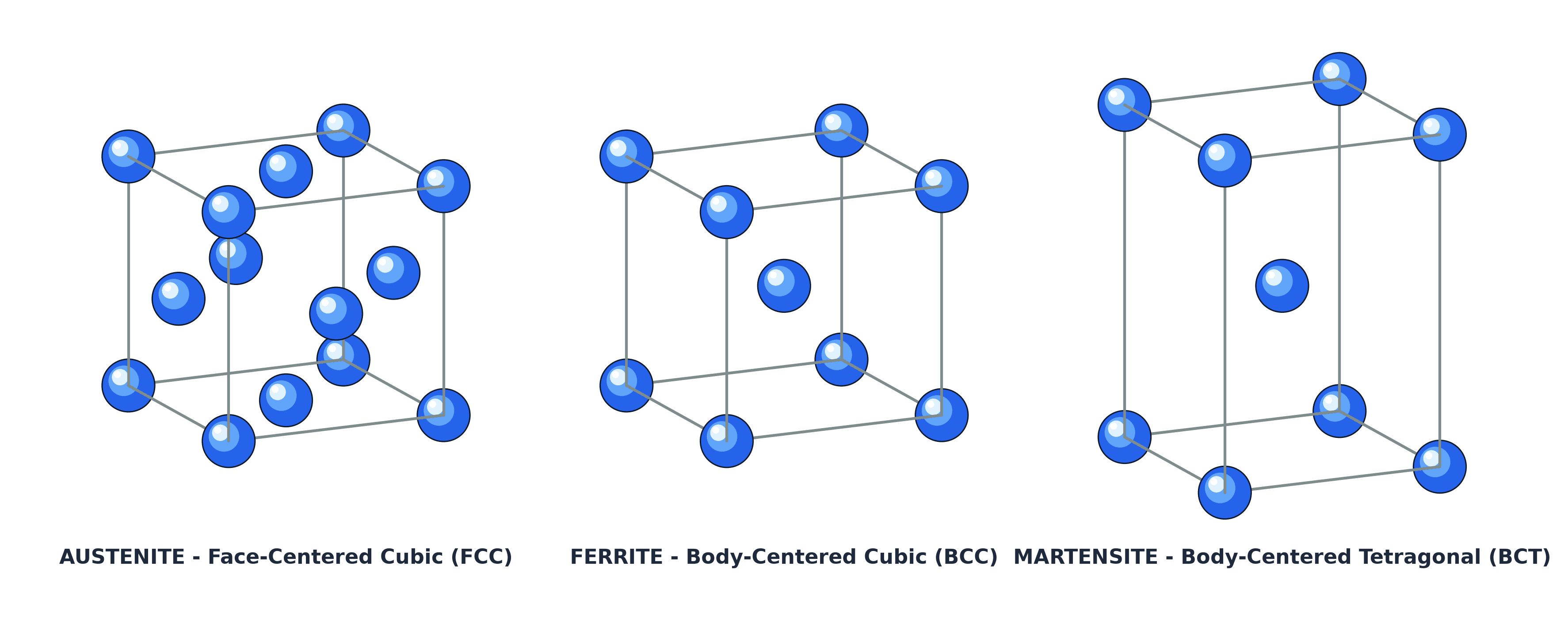
Steel Microstructure

Austenitic
PatternFCC (316L)
TreatmentImplant Grade
Martensitic
PatternBCT (Hard)
TreatmentInstruments
Ferritic
PatternBCC (Magnetic)
TreatmentPoor Corrosion Resistance

Critical Must-Knows

  • Definition: Iron-based alloy containing at least 10.5% Chromium (for passivation)
  • Definition: The most common medical grade is 316L
  • Mechanism: 316L: Iron (60%), Chromium (17-20% - passivates), Nickel (12-14% - stabilises austenite), Molybdenum (2-4% - resists pitting corrosion), Carbon (under 0.03% 'Low' - prevents sensitisation)
  • Management: Manufactured via Cold Working (increases strength but reduces ductility) or Annealing

Examiner's Pearls

  • "
    Biocompatibility testing
  • "
    Mechanical testing (Young's Modulus ~200 GPa - very stiff)
  • "
    Prone to Crevice Corrosion and Fretting corrosion
  • "
    Beware Nickel Allergy (10-15% of population)

Exam Warning

Know what 316L stands for: 300 series (Austenitic), 16% Chromium (approx), L = Low Carbon (under 0.03%). Low carbon is crucial to prevent the formation of Chromium Carbides at grain boundaries, which deplete chromium and lead to Intergranular Corrosion. Stainless Steel is Face Centred Cubic (FCC) - remember "Space filling" (Ductile).

Composition & Structure

Key Elements

  • Iron (Fe): Base metal (~60%).
  • Chromium (Cr): 17-20%. Forms surface Oxide layer (Crβ‚‚O₃) resulting in Passivation (Corrosion resistance).
  • Nickel (Ni): 12-14%. Stabilises the Austenitic (FCC) phase at room temperature. Allergen risk.
  • Molybdenum (Mo): 2-4%. Resists Pitting corrosion.
  • Carbon (C): under 0.03% (Low). Minimises carbide precipitation.

Crystal Structure:

  • Austenitic: Face Centred Cubic (FCC).
  • Non-magnetic.
  • Ductile (can be contoured/bent intra-operatively).
  • Work hardens (gets stronger as you bend/shape it).
  • Cannot be heat treated for hardening.

At a Glance

316L stainless steel is an iron-based alloy with chromium (17-20%) for passivation via Crβ‚‚O₃ oxide layer formation, nickel (12-14%) to stabilize the austenitic (FCC) phase, molybdenum (2-4%) for pitting resistance, and low carbon (under 0.03%) to prevent sensitization. It has high stiffness (Young's modulus ~200 GPa) causing stress shielding, and is ductile allowing intraoperative plate contouring. Stainless steel is the most corrosion-susceptible orthopaedic alloy, prone to crevice corrosion under screw heads and fretting corrosion at plate-screw interfaces. Nickel allergy affects 10-15% of females, requiring titanium alternatives in sensitized patients. Never mix with titanium due to galvanic corrosion risk.

Mnemonic

Cr-Ni-Mo-L316L Composition

Cr
Chromium
Corrosion resistance via Crβ‚‚O₃ passivation layer
Ni
Nickel
Stabilizes Austenite (FCC) phase - makes it ductile
Mo
Molybdenum
Pitting corrosion resistance
L
Low Carbon
Less than 0.03% prevents sensitization

Memory Hook:ChRoMe NiMo - Low Carbon

Properties

Mechanical Properties

  • Young's Modulus: ~200 GPa.
    • Bone is ~15-20 GPa.
    • High stiffness mismatch causes Stress Shielding.
  • Yield Strength: Depends on processing (Annealed ~200 MPa vs Cold Worked ~1000 MPa).
  • Fatigue Strength: Moderate.
  • Ductility: High (allows plate bending).

Corrosion

Stainless Steel is the most susceptible of the modern orthopaedic alloys to corrosion.

  1. Crevice Corrosion: Under screw heads (low oxygen causes oxide layer to break down, and Cr cannot re-passivate).
  2. Fretting Corrosion: Micro-motion between plate and screw.
  3. Galvanic Corrosion: If mixed with Titanium (SS is the anode/active, Ti is cathode/noble). Never mix metals.

Nickel Allergy in Orthopaedics

Thyssen JP, et al. β€’ Contact Dermatitis (2009)
Key Findings:
  • Prevalence of Nickel allergy is ~10-15% in females, 2% in males
  • However, cutaneous patch test positivity does NOT correlate strongly with deep implant failure
  • Hypersensitivity reactions to TKA/THA are rare but exist (pain, effusion, loosening)
  • Titanium is safe alternative
Clinical Implication: Ask about cheap jewellery allergy. If severe history, modify implant choice (Titanium).

Material Comparison

Stainless Steel vs Titanium

Overview

Stainless Steel in Orthopaedics

Definition:

  • Iron-based alloy with minimum 10.5% chromium
  • Medical grade is 316L (low carbon)
  • Most common implant material for fracture fixation

Key Properties:

  • High stiffness (Young's modulus ~200 GPa)
  • Ductile (can be contoured intraoperatively)
  • Cost-effective compared to titanium
  • Prone to corrosion in body environment

Stainless Steel Overview

PropertyValueClinical Significance
Chromium17-20%Forms Crβ‚‚O₃ passivation layer
Nickel12-14%Stabilizes austenite, allergen risk
Molybdenum2-4%Resists pitting corrosion
CarbonLess than 0.03%Prevents sensitization

Material Science Principles

Exam Viva Point

316L Designation:

  • 300 series = Austenitic stainless steel
  • 16 = Approximate chromium percentage
  • L = Low carbon (less than 0.03%)
  • Low carbon prevents chromium carbide formation at grain boundaries

Crystal Structure:

  • Face-Centered Cubic (FCC) = Austenitic
  • Non-magnetic (MRI compatible, though artifact)
  • Work-hardenable (strengthens with deformation)

Anatomy

Material Microstructure

Crystal Phases:

  • Austenite (FCC): Stable phase in 316L at room temperature
  • Ferrite (BCC): Present in ferritic steels, not 316L
  • Martensite (BCT): Present in hardened steels

Microstructural Features:

  • Grain boundaries (potential corrosion sites)
  • Inclusions (impurities, stress concentration)
  • Passive layer (Crβ‚‚O₃ surface oxide)

Steel Phase Comparison

PhaseCrystal StructureProperties
AusteniteFCC (Face-Centered Cubic)Ductile, non-magnetic, work-hardenable
FerriteBCC (Body-Centered Cubic)Magnetic, less ductile
MartensiteBCT (Body-Centered Tetragonal)Hard, brittle, heat-treatable

Surface Science

Exam Viva Point

Passivation Layer:

  • Chromium oxide (Crβ‚‚O₃) forms spontaneously
  • Self-healing in oxygen-rich environment
  • Thickness: 1-5 nanometers
  • Requires greater than 10.5% Cr in alloy
  • Disrupted in low-oxygen crevices (under screw heads)

Grain Boundary Sensitization:

  • High carbon (greater than 0.03%) causes carbide precipitation
  • Chromium depleted at grain boundaries
  • Results in intergranular corrosion

Classification

Classification of Stainless Steels

By Crystal Structure:

  • Austenitic (300 series): 316L, 304 - most orthopaedic implants
  • Ferritic (400 series): Magnetic, less corrosion resistant
  • Martensitic: Hardened surgical instruments (scalpels)
  • Duplex: Mixed austenite/ferrite

Stainless Steel Types

TypeExamplesOrthopaedic Use
Austenitic316L, 304Plates, screws, nails
Martensitic420, 440CSurgical instruments, blades
Ferritic430Not used (magnetic)

Medical Grade Specifications

Exam Viva Point

ASTM Standards for Orthopaedic SS:

  • ASTM F138: Wrought 316L for surgical implants
  • ASTM F139: Sheet and strip 316L
  • ASTM F621: Cold-worked 316L (higher strength)
  • Must specify "vacuum melted" for implant grade

Processing Methods:

  • Annealed: Softer, more ductile (YS ~200 MPa)
  • Cold-worked: Stronger, less ductile (YS ~1000 MPa)

Clinical Assessment

Preoperative Considerations

Patient Assessment for SS Implants:

  • Nickel allergy history (cheap jewelry rash)
  • Metal hypersensitivity (Type IV)
  • Prior implant reactions
  • MRI requirements (artifact considerations)

Indications for Stainless Steel:

  • Fracture fixation (plates, screws, nails)
  • Temporary fixation devices
  • Cost-sensitive settings
  • When intraoperative contouring needed

Implant Material Selection

FactorChoose SSChoose Titanium
Nickel allergyAvoidPreferred
Cost priorityYesNo (expensive)
Plate contouringExcellentNotching risk
MRI imagingArtifactMinimal artifact

Metal Allergy Assessment

Exam Viva Point

Nickel Allergy Screening:

  • Ask: "Do you get a rash from cheap jewelry?"
  • Prevalence: 10-15% females, 2% males
  • Cutaneous patch test available
  • BUT: Skin allergy does not strongly predict implant reaction
  • Consider titanium if severe history

Signs of Metal Hypersensitivity:

  • Dermatitis overlying implant
  • Chronic unexplained pain
  • Persistent effusion

Investigations

Implant-Related Investigations

Imaging:

  • Plain radiographs: Assess implant position, loosening
  • CT: Metal artifact but can assess fixation
  • MRI: Significant artifact with SS (vs minimal with Ti)

Laboratory:

  • Serum metal ions (Cr, Ni, Mo)
  • CRP, ESR if infection suspected
  • Aspiration if effusion present

Investigation Modalities

TestIndicationLimitation with SS
X-rayImplant assessmentStandard, no issues
MRISoft tissue assessmentSignificant artifact
Metal ionsMetallosis suspectedElevated in corrosion

Metal Allergy Testing

Exam Viva Point

Patch Testing vs LTT:

  • Patch testing: Cutaneous hypersensitivity (skin)
  • LTT (Lymphocyte Transformation Test): Systemic sensitization
  • LTT more specific for implant reactions
  • Patch testing has poor predictive value for deep implants

Failed Implant Analysis:

  • Sonication for biofilm bacteria
  • Histology for metallosis vs infection
  • ICP-MS for metal ion quantification

Management

πŸ“Š Management Algorithm
Management algorithm for Stainless Steel
Click to expand
Management algorithm for Stainless SteelCredit: OrthoVellum

Implant Selection Strategy

When to Use Stainless Steel:

  • Fracture fixation (temporary implant)
  • No nickel allergy
  • Cost considerations
  • Intraoperative plate contouring required

When to Avoid:

  • Known nickel allergy
  • Permanent implant (prefer titanium)
  • Existing titanium implant (galvanic corrosion)
  • Need for MRI follow-up

Management Decisions

ScenarioRecommendationRationale
Nickel allergyUse titaniumAvoid hypersensitivity
Cost priorityUse SSEffective and economical
Existing Ti implantUse titaniumAvoid galvanic corrosion

Corrosion Prevention

Exam Viva Point

Preventing SS Corrosion:

  • Never mix metals (galvanic corrosion)
  • Minimize crevices (screw-plate interface)
  • Electropolished surface (better passivation)
  • Avoid scratching implant surface
  • Remove implant once fracture healed (optional)

Metal Allergy Management:

  • Remove implant after fracture union
  • Replace with titanium if needed
  • Debride metallosis tissue

Surgical Technique

Implant Handling

Plate Contouring:

  • SS is ductile (can be bent intraoperatively)
  • Work-hardening strengthens bent areas
  • Avoid excessive bending (notch sensitivity)

Screw Insertion:

  • Match screw type to plate system
  • Avoid cross-threading
  • Maintain uniform torque

Intraoperative Considerations

ActionSS AdvantagePrecaution
Plate bendingDuctile, malleableWork-hardens with each bend
Screw insertionStandard techniqueAvoid cross-threading
Metal contactNever mix with TiGalvanic corrosion risk

Manufacturing Considerations

Exam Viva Point

Cold Working vs Annealing:

  • Cold working: Deform at room temperature β†’ increases strength (YS to 1000 MPa), decreases ductility
  • Annealing: Heat treatment β†’ softer, more ductile (YS ~200 MPa)
  • Surgical implants typically cold-worked for strength
  • Annealed stock for intraoperative bending

Surface Finishing:

  • Electropolishing enhances passivation layer
  • Reduces surface roughness
  • Improves corrosion resistance

Complications

SS Implant Complications

Corrosion Types:

  • Crevice corrosion (under screw heads)
  • Fretting corrosion (plate-screw micromotion)
  • Galvanic corrosion (mixed with titanium)
  • Pitting corrosion (localized oxide breakdown)

Biological Reactions:

  • Nickel hypersensitivity (Type IV)
  • Metallosis (tissue staining, osteolysis)
  • Stress shielding (bone resorption)

Corrosion Complications

TypeMechanismPrevention
CreviceLow Oβ‚‚ under screw headsMinimize crevice design
FrettingPlate-screw micromotionRigid fixation
GalvanicMixed metals (SS + Ti)Never mix metals

Corrosion Science

Exam Viva Point

Crevice Corrosion Mechanism:

  1. Low oxygen in crevice (under screw head)
  2. Passive layer (Crβ‚‚O₃) cannot re-form
  3. Acidification of crevice environment
  4. Accelerated metal dissolution
  5. Release of Cr, Ni, Mo ions β†’ metallosis

Stress Shielding:

  • SS modulus 200 GPa vs bone 15-20 GPa
  • Implant carries load instead of bone
  • Wolff's Law: unloaded bone resorbs
  • Risk of refracture after plate removal

Postoperative Care

Post-Implantation Monitoring

Routine Follow-up:

  • Serial radiographs for fracture healing
  • Monitor for implant loosening
  • Watch for signs of metal reaction

Implant Removal Considerations:

  • Optional once fracture healed
  • Consider if nickel sensitivity develops
  • Reduces long-term corrosion exposure

Monitoring Parameters

SignPossible CauseAction
Dermatitis over plateNickel allergyConsider removal
Chronic painMetallosis/looseningInvestigate, consider removal
Screw lucencyCorrosion/osteolysisMetal ions, removal if progressive

Implant Removal Decision

Exam Viva Point

Indications for SS Implant Removal:

  • Symptomatic metal hypersensitivity
  • Prominent hardware
  • Infection
  • Fracture healed, young patient
  • Refracture risk from stress shielding

Timing:

  • Minimum 12-18 months post-ORIF (full remodeling)
  • Protect 6-8 weeks after removal
  • Counsel on refracture risk

Outcomes

Stainless Steel Implant Outcomes

Fracture Fixation:

  • Union rates equivalent to titanium
  • Cost-effective for trauma fixation
  • Reliable performance for temporary implants

Complications Rates:

  • Corrosion-related issues: 1-5%
  • Metal hypersensitivity: Less than 1% symptomatic
  • Stress shielding: Variable

Outcome Comparison SS vs Ti

OutcomeStainless SteelTitanium
Union rateEquivalentEquivalent
Corrosion rateHigherLower
Stress shieldingMore (stiffer)Less
CostLowerHigher

Long-term Considerations

Exam Viva Point

Why SS Remains Standard for Trauma:

  • Equivalent union rates to titanium
  • Significant cost advantage
  • Ductility for intraoperative contouring
  • Adequate for temporary fixation (remove after healing)
  • Most patients tolerate nickel without issue

Decline in Use:

  • Titanium preferred for permanent implants
  • MRI compatibility driving titanium adoption
  • Newer nickel-free SS alloys in development

Evidence Base

Key Evidence

Material Science:

  • Disegi MG (1999): Comprehensive stainless steel properties
  • Gotman I (1997): Metal implant characteristics

Clinical Evidence:

  • Thyssen JP (2009): Nickel allergy prevalence 10-15% females
  • Cutaneous allergy does not strongly predict implant failure

Evidence Summary

StudyFindingImplication
Thyssen 2009Nickel allergy 10-15% femalesScreen before SS implant
Disegi 1999316L properties for implantsGold standard medical SS

Critical Appraisal

Exam Viva Point

Evidence Gap:

  • No RCTs comparing SS vs Ti for fracture outcomes
  • Nickel allergy literature is dermatology-focused
  • Implant-specific hypersensitivity poorly characterized
  • Clinical decision based on cost, availability, patient factors

Standards:

  • ASTM F138: Defines 316L composition
  • ISO 5832-1: International implant standard

Exam Viva Scenarios

Practice these scenarios to excel in your viva examination

VIVA SCENARIOStandard

Scenario 1: Nickel Allergy and Implant Selection

EXAMINER

"You are consenting a patient for an ORIF of a distal radius fracture. She tells you she gets a rash from cheap earrings. What are the implications for your implant choice?"

EXCEPTIONAL ANSWER
This suggests a **Nickel Allergy** (Type IV Hypersensitivity), which has important implications for orthopaedic implant selection. **Nickel Allergy Background**: (1) **Prevalence**: Nickel allergy is common, affecting **10-15% of females** and **2% of males** in the general population. (2) **Mechanism**: Type IV delayed hypersensitivity reaction - nickel acts as a hapten (binds to proteins), triggers T-cell mediated immune response, typically manifests 24-72 hours after exposure. (3) **Clinical manifestation**: Cutaneous contact dermatitis - itchy, red, eczematous rash at sites of metal contact (earrings, watches, belt buckles, cheap jewelry). **Implant Composition - Stainless Steel 316L**: (1) Most orthopaedic stainless steel implants are **316L** alloy, which contains **12-14% Nickel** by weight. (2) Nickel serves a critical metallurgical function - it **stabilizes the austenitic (FCC) crystal structure** at room temperature, which gives stainless steel its desirable properties (ductile, non-magnetic, work-hardenable). (3) Without nickel, the steel would be in the martensitic (BCT) or ferritic (BCC) phase, which are more brittle and less suitable for implants. **Implications for This Patient**: (1) **Risk of implant reaction**: While **cutaneous patch test positivity does not strongly predict deep implant failure** (skin environment differs from deep tissue), patients with **severe nickel allergy** (rash from cheap jewelry, multiple metal sensitivities) have a **theoretical risk** of: (a) **Dermatitis overlying the implant** - eczematous skin reaction over the plate. (b) **Chronic pain** - persistent unexplained pain at the implant site. (c) **Aseptic loosening or implant failure** - controversial, but case reports exist of implant failure attributed to metal sensitivity (though difficult to prove causation, and infection must be excluded). (2) **Debate in the literature**: The correlation between cutaneous nickel allergy and deep implant failure is **controversial**. Most studies show that the majority of patients with nickel allergy tolerate stainless steel implants without problems. However, a subset (estimated 5-10% of nickel-allergic patients) may develop implant-related symptoms. Given this patient has a **clear history of nickel sensitivity** (rash from cheap earrings), I would take this seriously and modify my implant choice. **Decision - Use Titanium Implants**: (1) I would **switch to Titanium alloy implants** (Ti-6Al-4V) for this patient. (2) **Rationale**: (a) Titanium is **Nickel-free** - eliminates the allergen entirely. (b) Titanium has **excellent biocompatibility** - forms a stable TiOβ‚‚ (titanium oxide) passive layer, minimal tissue reaction, widely used in total joint replacements and spinal implants. (c) **Lower elastic modulus** (110 GPa for titanium vs 200 GPa for stainless steel) - closer to bone (15-20 GPa), causes **less stress shielding** (bone resorption from load transfer to implant). (d) **Minimal MRI artifact** - if the patient needs future MRI imaging, titanium produces much less artifact than stainless steel. (e) **Equivalent mechanical strength** for fracture fixation - titanium plates and screws provide adequate fixation strength for distal radius fractures. (3) **Downside of Titanium**: (a) **Higher cost** - titanium implants are more expensive than stainless steel (typically 2-3 times the cost). (b) **Less ductile** - cannot be contoured/bent intraoperatively as easily as stainless steel (SS is more malleable and can be shaped on the back table). However, most modern anatomic plates are pre-contoured, so this is less relevant. **Alternative Options (if Titanium Unavailable)**: (1) **Nickel-free stainless steels**: Some manufacturers produce specialized austenitic stainless steels with reduced or no nickel content (using nitrogen or manganese to stabilize austenite instead). These are rare and not widely available. (2) **Non-operative management**: If the fracture pattern allows, consider **closed reduction and casting** to avoid metal implants entirely. However, many distal radius fractures (especially intra-articular, unstable, or dorsally comminuted fractures) are not suitable for non-operative treatment. (3) **Cobalt-Chromium alloys**: Some might suggest this as an alternative, but this is **NOT appropriate** because: (a) Cobalt-Chrome still contains **~1% residual Nickel**, and (b) patients with nickel allergy often have **cross-reactivity with Cobalt** (both are common contact allergens), so there is risk of allergic reaction to cobalt-chrome as well. **Counseling the Patient**: I would explain: 'You've mentioned you get a rash from cheap earrings, which suggests you may be allergic to nickel, a metal commonly found in jewelry and in standard stainless steel implants. While most people with nickel allergy tolerate stainless steel implants without problems, there is a small risk that you could develop skin irritation, pain, or implant-related symptoms. To minimize this risk, I recommend using **titanium implants** instead, which do not contain nickel and are very well tolerated. Titanium is more expensive, but I believe it's the safer choice for you given your allergy history. The alternative would be to treat your fracture non-operatively with a cast, but given the fracture pattern, I believe surgical fixation will give you a better outcome.' **Post-Operative Considerations**: (1) **Monitor for metal sensitivity symptoms**: Pain, erythema, dermatitis, chronic swelling at implant site (though these can also indicate infection, so must be worked up appropriately). (2) **Implant removal**: If the patient develops symptoms suggestive of metal sensitivity after implant placement (and infection/other causes excluded), consider **early implant removal** once fracture healed (typically 3-6 months for distal radius). (3) **Patch testing**: Formal nickel patch testing can be performed preoperatively if the history is unclear, but in this case the history is straightforward (rash from cheap earrings = nickel allergy). **Follow-Up Questions and Key Concepts**: (1) **Why is Nickel in stainless steel?** Nickel (12-14%) is added to stainless steel to **stabilize the austenitic (Face-Centered Cubic, FCC) crystal structure** at room temperature. Without nickel, the steel would be martensitic (BCT - body-centered tetragonal) or ferritic (BCC - body-centered cubic), which are more brittle. The austenitic structure gives stainless steel desirable properties: non-magnetic (allows MRI), ductile (can be bent), work-hardenable (gets stronger when cold-worked). (2) **What is the passivation layer?** Stainless steel forms a **Chromium Oxide (Crβ‚‚O₃) passive layer** on its surface (requires at least 10.5% chromium in the alloy, and 316L has 17-20%). This thin, adherent oxide layer protects the underlying metal from corrosion by preventing oxygen and moisture from reaching the base metal. If the layer is scratched or disrupted, it **spontaneously re-forms** in the presence of oxygen (self-healing). However, in **low-oxygen environments** (e.g., under screw heads, in crevices), the passive layer cannot re-form, leading to **crevice corrosion**. (3) **What is stress shielding?** Stainless steel has a high **elastic modulus** (Young's modulus = 200 GPa) compared to bone (15-20 GPa). When a stiff plate is applied to bone, the plate carries most of the load (because it's much stiffer), causing the underlying bone to be **shielded from normal physiological stress**. According to **Wolff's Law** (bone remodels in response to mechanical stress), the unloaded bone undergoes **osteopenia** (bone resorption, decreased density) beneath the plate. This can lead to **refracture** after plate removal, especially if the plate is removed too early. Titanium (modulus 110 GPa) causes less stress shielding than stainless steel. **In Summary**: For this patient with a history of nickel allergy (rash from cheap earrings), I would **use Titanium alloy (Ti-6Al-4V) implants** for her distal radius ORIF to avoid nickel exposure and minimize the risk of implant-related hypersensitivity reactions. Titanium is nickel-free, highly biocompatible, causes less stress shielding, and produces minimal MRI artifact.
KEY POINTS TO SCORE
Nickel allergy prevalence: 10-15% females, 2% males, Type IV hypersensitivity (delayed T-cell mediated), cutaneous contact dermatitis from jewelry/watches, cheap earring rash is hallmark
316L stainless steel composition: 12-14% Nickel (stabilizes austenite FCC structure), 17-20% Chromium (Crβ‚‚O₃ passivation layer), 2-4% Molybdenum (pitting corrosion resistance), <0.03% Carbon (prevents sensitization)
Nickel role in stainless steel: Stabilizes austenitic FCC crystal structure at room temperature (without nickel = martensitic/ferritic, brittle), austenite properties are non-magnetic (MRI compatible), ductile (can bend intraoperatively), work-hardenable
Switch to Titanium for nickel allergy: Ti-6Al-4V is nickel-free, excellent biocompatibility (TiOβ‚‚ passive layer), lower modulus 110 GPa vs 200 GPa (less stress shielding), minimal MRI artifact, higher cost but safer for allergic patients
Cutaneous allergy does not strongly predict implant failure: Most nickel-allergic patients tolerate SS implants, but severe allergy (multiple metal sensitivities, cheap jewelry rash) warrants titanium to minimize risk of dermatitis/chronic pain/aseptic loosening
COMMON TRAPS
βœ—Dismissing nickel allergy as irrelevant - while most allergic patients tolerate SS implants, severe allergy (cheap jewelry rash) warrants switching to titanium to minimize risk, patient safety prioritizes over cost
βœ—Suggesting Cobalt-Chrome as nickel-free alternative - Co-Cr contains ~1% residual Nickel AND patients with nickel allergy often have cross-reactivity with Cobalt (both common contact allergens), not a safe alternative
βœ—Not knowing why nickel is in stainless steel - nickel stabilizes austenitic (FCC) structure which is ductile, non-magnetic, work-hardenable, without nickel steel would be martensitic/ferritic (brittle), examiner will ask this follow-up
βœ—Confusing stress shielding mechanism - high modulus implant (200 GPa SS vs 15-20 GPa bone) carries load, bone unloaded β†’ Wolff's Law β†’ osteopenia beneath plate β†’ refracture risk after removal, not about implant corrosion
βœ—Not knowing composition of 316L - must know: 12-14% Ni (austenite), 17-20% Cr (passivation), 2-4% Mo (pitting resistance), <0.03% C (low carbon prevents sensitization/intergranular corrosion), Fe base (~60%)
LIKELY FOLLOW-UPS
"What is the passivation layer in stainless steel and how does it prevent corrosion? What happens in low-oxygen environments like under screw heads?"
"Explain stress shielding and its clinical significance. How does the elastic modulus of the implant affect bone remodeling according to Wolff's Law?"
"Why is the carbon content kept low (less than 0.03%) in 316L stainless steel? What is sensitization and intergranular corrosion?"
"What is the difference between cold working and annealing in stainless steel processing, and how do they affect mechanical properties?"
VIVA SCENARIOStandard

Scenario 2: Galvanic Corrosion and Mixed Metal Implants

EXAMINER

"A 55-year-old patient underwent ORIF of a distal femoral fracture 18 months ago. The original surgery used a stainless steel locking plate. He subsequently fell and sustained a proximal femoral shaft fracture above the plate. The on-call registrar added a retrograde femoral nail (titanium alloy) to stabilize the proximal fracture, overlapping with the existing stainless steel plate. Six months later, the patient presents with persistent thigh pain, swelling, and a draining sinus over the distal femur. X-rays show periosteal reaction and loosening of the distal screws. Aspiration of the sinus shows no bacterial growth on cultures, but analysis reveals metallic debris with elevated titanium and chromium ions. What is your diagnosis, what went wrong, and how do you manage this patient?"

EXCEPTIONAL ANSWER
This is **galvanic corrosion** (also called **bimetallic corrosion**) resulting from **mixing incompatible metals** - specifically, a titanium femoral nail in contact with a stainless steel plate. This is a **preventable iatrogenic complication** caused by fundamental metallurgical principles. The clinical presentation of persistent pain, draining sinus, periosteal reaction, screw loosening, and metallic debris with elevated metal ions (without infection) is classic for **metallosis from galvanic corrosion**. **Diagnosis - Galvanic Corrosion and Metallosis**: (1) **Galvanic corrosion** - accelerated corrosion occurring when two dissimilar metals are in contact in the presence of an electrolyte (body fluids). (2) **Metallosis** - tissue reaction to metal debris and corrosion products, causing synovitis, osteolysis, and implant loosening. (3) **Aseptic** - no infection (negative cultures), but inflammatory reaction from metal particles mimics infection clinically. **What Went Wrong - Electrochemical Series and Galvanic Coupling**: **Fundamental principle**: When two dissimilar metals are in contact in an electrolyte (body fluids = saline solution), a **galvanic cell** (battery) is created. The more **active (anodic)** metal corrodes preferentially, while the more **noble (cathodic)** metal is protected. This is determined by the **electrochemical series** (galvanic series in seawater, which approximates physiological conditions): **Electrochemical Series (Anodic β†’ Cathodic, i.e., Active β†’ Noble)**: **Most Anodic (Corrodes)**: Magnesium β†’ Zinc β†’ Aluminum β†’ **Stainless Steel (Active)** β†’ Nickel β†’ ... β†’ **Titanium (Passive)** β†’ Platinum β†’ Gold **Most Cathodic (Protected)**: In this case: **Titanium** is more **noble (cathodic)** than **Stainless Steel**. **Stainless Steel** becomes the **anode (sacrificial metal)** and corrodes aggressively. **What Happens at the Cellular/Molecular Level**: (1) **Galvanic cell formation**: When titanium nail contacts stainless steel plate in body fluids (electrolyte): **Anode (Stainless Steel)**: Oxidation occurs - metal atoms lose electrons and go into solution as ions: Fe β†’ Fe²⁺ + 2e⁻ (iron oxidation), Cr β†’ Cr³⁺ + 3e⁻ (chromium oxidation), Ni β†’ Ni²⁺ + 2e⁻ (nickel oxidation). **Cathode (Titanium)**: Reduction occurs - accepts electrons from the anode: Oβ‚‚ + 2Hβ‚‚O + 4e⁻ β†’ 4OH⁻ (oxygen reduction). (2) **Electron flow**: Electrons flow from the stainless steel (anode) to the titanium (cathode), driving the corrosion reaction. (3) **Result**: The stainless steel corrodes at an **accelerated rate** (much faster than if it were alone), releasing metal ions (Fe, Cr, Ni, Mo) and particles into the surrounding tissues. The titanium is **protected** and does not corrode significantly. **Clinical Consequences**: (1) **Metallosis**: Metal ions and particles accumulate in tissues, causing: **Synovitis** - inflammatory reaction, pain, swelling, joint effusion (if near a joint). **Osteolysis** - metal particles trigger macrophage activation, cytokine release (TNF-Ξ±, IL-1), osteoclast activation β†’ bone resorption around implants β†’ implant loosening (explains loosening of distal screws). **Pseudotumor** - mass-like soft tissue reaction (less common with SS/Ti than with Co-Cr). **Staining** - dark discoloration of tissues (black/grey from chromium and nickel oxides). (2) **Implant failure**: The corroded stainless steel loses mechanical integrity - screws may fracture or loosen, plate may weaken. (3) **Systemic metal elevation**: Serum metal ions (chromium, nickel, titanium) may be elevated, though clinical significance is unclear (potential for distant organ toxicity, though rare). (4) **Draining sinus**: Chronic inflammation and metallosis can create a sinus tract draining serous fluid with metal particles (mimics infection, but cultures negative). **Why This Patient?** The **retrograde femoral nail (titanium)** was inserted **through the distal femur** and likely passed **in direct contact with or very close to** the existing **stainless steel distal femoral plate**. At the zone of contact or proximity (where body fluids bridge the two metals), **galvanic corrosion** was initiated. Over 6 months, the stainless steel plate and screws corroded, releasing metal debris, causing metallosis, osteolysis, screw loosening, and eventually sinus formation. **The Cardinal Rule in Orthopaedics - NEVER Mix Metals**: **NEVER use dissimilar metals in the same anatomic region or in contact**. Always use **matched metal systems**: If the original implant is stainless steel, any additional implants should be stainless steel. If the original implant is titanium, any additional implants should be titanium. **Exceptions (where mixing is unavoidable)**: Sometimes in complex reconstructions (e.g., tumor surgery, pelvic trauma), mixing may be necessary. In these cases, try to **separate the metals** physically (e.g., interpose bone graft or soft tissue) to prevent direct contact and minimize galvanic coupling. **Correct Management in This Case - What Should the Registrar Have Done?** When the patient sustained the proximal femoral shaft fracture above the distal femoral plate: (1) **Option 1 - Remove Distal Femoral Plate (Preferred)**: If the distal femoral fracture was healed (18 months post-ORIF, likely healed), **remove the stainless steel plate entirely**, then insert a **long titanium retrograde nail** or **antegrade femoral nail** to stabilize the entire femur. This avoids mixing metals. (2) **Option 2 - Use Stainless Steel Nail (If Plate Cannot Be Removed)**: If the distal fracture was not fully healed and the plate needed to stay, use a **stainless steel nail** (not titanium) to match the existing plate material. (3) **Option 3 - Plate-on-Plate (Avoid Nail)**: Use a **second stainless steel plate** (matching the original) to bridge the proximal fracture, avoiding the nail entirely. This keeps all hardware as matched stainless steel. What the registrar **should NOT have done** (but did): Insert a **titanium nail** with an existing **stainless steel plate** in situ β†’ guaranteed galvanic corrosion. **Management of the Current Problem**: Now that galvanic corrosion and metallosis have occurred, management is: **Step 1 - Confirm Diagnosis**: (1) **Rule out infection** - despite negative cultures, obtain **extended cultures** (14 days, anaerobes, fungi), consider **sonication of hardware** when removed (improves bacterial detection in biofilm), **histology** for acute inflammatory cells (if infection present). (2) **Serum metal ion levels** - check chromium, nickel, titanium (expect elevated, confirms metallosis). (3) **Advanced imaging**: MRI with **metal artifact reduction sequences (MARS)** - may show soft tissue reaction, pseudotumor, osteolysis (though artifact from metal will limit quality). Ultrasound may show fluid collections. (4) **Aspiration and analysis**: Joint aspiration (if knee involved) - look for metal particles, send for **polarized light microscopy** (metal particles visible), **inductively coupled plasma mass spectrometry (ICP-MS)** for metal ion quantification in fluid. **Step 2 - Surgical Intervention - Remove ALL Hardware**: (1) **Complete hardware removal** is the only definitive treatment: Remove **both the stainless steel plate and the titanium nail** - leaving either one in situ risks recurrent symptoms. (2) **Debridement of metallosis**: Excise stained, necrotic tissues; debride sinus tract; send tissue for culture (rule out superimposed infection) and histology (confirm metallosis - black/grey metal particles in macrophages, chronic inflammation). (3) **Assess fracture healing**: At 24 months post original ORIF (18 months + 6 months), the distal femoral fracture should be healed. At 6 months post proximal fracture fixation, the proximal fracture may not be fully healed. **Intraoperative assessment**: If the proximal fracture is healed, remove all hardware and leave the femur without implants. If the proximal fracture is not healed, need to re-stabilize after hardware removal (see below). (4) **Intraoperative cultures**: Obtain **multiple tissue samples** (at least 3-5) for culture to definitively rule out infection (even though preoperative cultures negative, biofilm-associated infection can be culture-negative). **Step 3 - Fracture Stabilization (If Needed)**: If the proximal fracture is not fully healed and requires continued fixation: (1) **Option 1 - Long Intramedullary Nail** (preferred): Insert a **long antegrade femoral nail** (spanning the entire femur) using **all titanium** or **all stainless steel** (I would prefer **titanium** as it has better biocompatibility and less stress shielding for long-term implantation, and the old hardware is now removed so no mixing issue). (2) **Option 2 - External Fixation** (temporary): If the soft tissues are heavily contaminated with metal debris and there is concern for infection, consider **temporary external fixation** to allow fracture healing while the soft tissues recover, then convert to intramedullary nail once tissues healed. (3) **Option 3 - Locked Plate Fixation** (less ideal): Use a **single-metal plate system** (all titanium or all stainless steel) if IM nailing not feasible, but this leaves large implant burden and higher infection risk given the soft tissue damage. **Step 4 - Post-Operative Management**: (1) **Antibiotics**: If infection cannot be definitively excluded (despite negative cultures, there is a draining sinus and inflammation), consider empiric antibiotics (e.g., vancomycin + 3rd generation cephalosporin) until final intraoperative cultures finalize. If cultures are negative at 14 days and histology shows only metallosis (not acute inflammation), stop antibiotics. (2) **Monitor metal ion levels**: Recheck serum chromium, nickel, titanium at 3, 6, 12 months - expect levels to decline after hardware removal. (3) **Rehabilitation**: Once fracture healed and hardware removed, standard post-operative rehab. (4) **Counsel patient**: Explain that this was a **preventable complication** from mixing metals, that removing all hardware should resolve symptoms (pain, swelling, sinus), and that future surgeries should use matched metals only. **Prognosis**: With complete hardware removal and debridement: (1) **Symptoms should resolve** - pain, swelling, sinus should improve over 3-6 months. (2) **Fractures should heal** - if sufficient time has passed (18 months distal, 6 months proximal), likely healed or nearly healed. If additional fixation needed, fractures should heal with appropriate stabilization. (3) **Metal ion levels should normalize** - within 6-12 months of hardware removal. (4) **Functional outcome** - should return to baseline or near-baseline function once healed and hardware removed. **Teaching Points - Metallurgy Principles**: **1. Galvanic Series (Corrosion Susceptibility in Physiological Fluids)**: **Most Active (Anodic, Corrodes)**: Magnesium alloys β†’ Zinc β†’ Aluminum alloys β†’ **Stainless Steel 316L** β†’ Nickel β†’ Cobalt-Chrome β†’ **Titanium (passive)** **Most Noble (Cathodic, Protected)**: In a galvanic couple (two dissimilar metals in contact), the more active metal (higher on the list) becomes the **anode** and corrodes, while the more noble metal (lower on the list) becomes the **cathode** and is protected. **2. Galvanic Corrosion Severity Factors**: (1) **Potential difference** - the further apart the metals are in the galvanic series, the more severe the corrosion. Stainless steel + titanium have a moderate potential difference, causing significant galvanic corrosion. (2) **Anode-to-cathode area ratio** - if a small anode (e.g., SS screw) contacts a large cathode (e.g., Ti nail), the corrosion current is concentrated on the small anode, causing very rapid corrosion. Conversely, large anode + small cathode = slower corrosion. (3) **Electrolyte conductivity** - body fluids (saline) are excellent conductors, facilitating galvanic corrosion. (4) **Proximity** - metals must be in contact or very close proximity (within mm) in the presence of electrolyte for galvanic corrosion. Distant implants (e.g., SS plate in forearm + Ti plate in ankle) do not have galvanic coupling. **3. Types of Corrosion in Orthopaedic Implants**: (1) **Galvanic corrosion** - from dissimilar metals (discussed above). (2) **Crevice corrosion** - in low-oxygen crevices (e.g., under screw heads, plate-bone interface) where the passive layer cannot re-form. Stainless steel is particularly susceptible. (3) **Fretting corrosion** - from micromotion between contacting surfaces (e.g., plate-screw interface), mechanical disruption of passive layer with each motion cycle β†’ repeated re-passivation and disruption β†’ corrosion. (4) **Pitting corrosion** - localized breakdown of passive layer creating deep pits. Molybdenum in 316L SS provides pitting corrosion resistance (chloride ions in body fluids promote pitting, molybdenum inhibits). **Summary and Key Message**: **NEVER mix dissimilar metals in orthopaedic surgery**. Stainless steel + titanium in contact β†’ galvanic corrosion (SS corrodes) β†’ metallosis β†’ osteolysis β†’ implant failure β†’ patient morbidity. In this case, the titanium nail should NOT have been inserted with the stainless steel plate in situ. The correct approach was to **remove the SS plate first** (if fracture healed) or **use a stainless steel nail** (if plate needed to stay). Treatment now requires **complete hardware removal** and debridement, with possible re-fixation using **matched metal hardware only**.
KEY POINTS TO SCORE
Galvanic corrosion mechanism: Dissimilar metals in contact in electrolyte (body fluids) create galvanic cell, more active metal (anode) corrodes, more noble metal (cathode) protected, Stainless Steel (active) + Titanium (noble) β†’ SS corrodes rapidly
Electrochemical series: Mg β†’ Zn β†’ Al β†’ SS 316L β†’ Ni β†’ Co-Cr β†’ Ti β†’ Pt β†’ Au (anodic to cathodic), metals further apart = more severe galvanic corrosion, SS+Ti have moderate potential difference causing significant corrosion
Clinical presentation metallosis: Persistent pain, swelling, draining sinus (culture-negative), periosteal reaction, implant loosening, elevated serum metal ions (Cr, Ni, Ti), tissue staining (black/grey), osteolysis from macrophage/osteoclast activation, mimics infection but aseptic
NEVER mix metals rule: ALWAYS use matched metal systems (SS+SS or Ti+Ti), if mixing unavoidable (complex reconstruction) physically separate metals with bone graft/soft tissue, small anode + large cathode = concentrated corrosion current (worst scenario)
Management: Remove ALL hardware (both SS plate and Ti nail, leaving either risks recurrent symptoms), debride metallosis tissues, rule out infection (extended cultures, histology), re-fixation if fracture not healed using single matched metal system (prefer Ti for biocompatibility)
COMMON TRAPS
βœ—Not recognizing galvanic corrosion diagnosis - draining sinus with negative cultures suggests infection, but metallosis from galvanic corrosion mimics infection (pain, swelling, sinus), elevated metal ions and metal debris are diagnostic, must consider in mixed metal scenarios
βœ—Removing only one implant - removing just the SS plate or just the Ti nail leaves the other metal in situ and risks recurrent metallosis, must remove BOTH implants completely for definitive treatment
βœ—Not knowing electrochemical series - must know SS is anodic (active) relative to Ti which is cathodic (noble), therefore SS corrodes when coupled with Ti, not the reverse, examiner will ask which metal corrodes and why
βœ—Confusing galvanic corrosion with fretting corrosion - galvanic = dissimilar metals creating battery (electrochemical), fretting = micromotion mechanically disrupting passive layer (mechanical), both cause implant failure but different mechanisms
βœ—Not understanding what should have been done - correct management was remove SS plate first (if distal fracture healed at 18mo) then insert long Ti nail, OR use SS nail to match existing plate if plate needed to stay, never mix metals
LIKELY FOLLOW-UPS
"Explain the electrochemical reaction occurring at the anode and cathode in a galvanic cell formed by stainless steel and titanium in body fluids."
"What factors affect the severity of galvanic corrosion, and why is a small anode with a large cathode particularly problematic?"
"What is fretting corrosion and how does it differ from galvanic corrosion in terms of mechanism and prevention?"
"What is crevice corrosion, why does it occur under screw heads, and why is stainless steel particularly susceptible compared to titanium?"
VIVA SCENARIOChallenging

Scenario 3: Implant Failure Analysis - Metallosis vs Infection vs Allergy

EXAMINER

"A 42-year-old woman underwent ORIF of a tibia-fibula fracture with a stainless steel plate and screws 2 years ago. She now presents with chronic pain, swelling, and occasional drainage from the surgical scar. She also mentions she has developed a rash on her skin overlying the plate. Examination shows warmth, erythema, and fluctuance over the plate. Aspiration shows turbid fluid with WBC 15,000 (predominantly lymphocytes), but routine bacterial cultures are negative at 5 days. Serum inflammatory markers are mildly elevated (CRP 25 mg/L, ESR 35 mm/h). X-rays show periosteal reaction and mild screw lucency but no fracture. The patient is frustrated and demands answers. What is your differential diagnosis, how do you investigate this systematically, and what is your management approach?"

EXCEPTIONAL ANSWER
This is a challenging diagnostic scenario with several possible etiologies for late implant-related symptoms. The key features are: (1) **Chronic timeline** (2 years post-ORIF), (2) **Pain and swelling** localized to implant site, (3) **Drainage** from surgical scar, (4) **Cutaneous rash** overlying the plate (new symptom), (5) **Aspiration showing inflammation** (elevated WBC) but **culture-negative** at 5 days, (6) **Mildly elevated inflammatory markers**, (7) **Radiographic signs** of periosteal reaction and screw lucency. This presentation is **non-specific** and could represent: (1) **Infection** (low-grade biofilm-associated infection), (2) **Metal hypersensitivity** (Type IV delayed hypersensitivity to nickel, chromium, or cobalt), (3) **Metallosis** (corrosion-related tissue reaction), (4) **Aseptic loosening** (mechanical failure), or (5) **Combination** of the above. **Differential Diagnosis**: **1. Low-Grade Infection (Biofilm-Associated Prosthetic Joint Infection)**: **Features supporting infection**: (1) Drainage from surgical scar (suggests sinus tract). (2) Warmth, erythema, fluctuance (signs of inflammation/abscess). (3) Elevated WBC in aspirate (15,000 is moderately elevated). (4) Elevated inflammatory markers (CRP 25, ESR 35). (5) Periosteal reaction on X-ray (can indicate chronic osteomyelitis). **Features against infection**: (1) Negative cultures at 5 days (but biofilm-associated organisms like **Cutibacterium acnes** (formerly Propionibacterium acnes), **Staphylococcus epidermidis**, or **fungi** can be culture-negative with routine 5-day cultures - require extended culture up to 14 days for low-virulence organisms). (2) WBC differential is **lymphocytic** (bacterial infections typically have **neutrophil** predominance, though chronic infections can have lymphocytic response). (3) Mildly elevated CRP/ESR (infection often has CRP greater than 50-100, though low-grade infection can have mild elevation). **Conclusion**: Infection **cannot be ruled out** based on negative 5-day cultures. **Extended cultures** (14 days) and additional investigations are needed. **2. Metal Hypersensitivity (Type IV Delayed Hypersensitivity to Nickel/Chromium)**: **Features supporting metal allergy**: (1) **Cutaneous rash overlying the plate** - this is a hallmark sign of **metal hypersensitivity**. Type IV delayed hypersensitivity (T-cell mediated) can manifest as dermatitis over the implant (eczematous reaction, erythema, pruritus). (2) **Chronic timeline** (2 years) - metal hypersensitivity reactions typically develop **months to years** after implant placement (delayed hypersensitivity). (3) **Lymphocytic predominance** in aspirate - Type IV hypersensitivity is **lymphocyte-mediated** (T-cells), so a lymphocytic aspirate supports this diagnosis over bacterial infection (which would be neutrophil-predominant). (4) **Culture-negative drainage** - metal hypersensitivity causes sterile inflammation and drainage, cultures are negative. (5) **Stainless steel implant** - 316L stainless steel contains **12-14% Nickel**, **17-20% Chromium**, and **2-4% Molybdenum**. Nickel and chromium are **common contact allergens**. Nickel allergy affects 10-15% of women. **Features against metal allergy**: (1) **Elevated CRP/ESR** - metal hypersensitivity usually has **normal or mildly elevated** inflammatory markers, though severe reactions can cause elevation. (2) **Periosteal reaction** - less typical for pure metal hypersensitivity (more typical for infection or mechanical loosening). **Conclusion**: Metal hypersensitivity is a **strong possibility** given the cutaneous rash, lymphocytic aspirate, and stainless steel implant. **3. Metallosis (Corrosion-Related Tissue Reaction)**: **Features supporting metallosis**: (1) **Stainless steel implant** - stainless steel is prone to **crevice corrosion** (under screw heads), **fretting corrosion** (plate-screw micromotion), and **general corrosion** over time. (2) **Chronic pain and swelling** - metal particles and ions released from corrosion cause **synovitis**, **granulomatous inflammation**, and **osteolysis**. (3) **Screw lucency** on X-ray - osteolysis from metal particle-induced macrophage activation and osteoclast stimulation causes bone resorption around screws. (4) **Culture-negative** - metallosis is aseptic, cultures are negative. **Features against metallosis**: (1) Metallosis is usually **not associated with cutaneous rash** (it's a deep tissue reaction to metal debris, not a hypersensitivity reaction). The rash suggests a different mechanism (metal hypersensitivity). **Conclusion**: Metallosis may be present (especially if there is fretting corrosion at the plate-screw interface), but the **cutaneous rash** points more toward metal hypersensitivity than pure metallosis. **4. Aseptic Loosening (Mechanical Failure)**: **Features supporting aseptic loosening**: (1) **Screw lucency** on X-ray - indicates screws are no longer rigidly fixed to bone, may be loose. (2) **Chronic pain** - loosening causes micromotion and pain. **Features against aseptic loosening**: (1) **Drainage** and **inflammatory signs** - pure mechanical loosening should not cause drainage, erythema, or elevated WBC. These suggest a biological/inflammatory process (infection, hypersensitivity, metallosis). **Conclusion**: Aseptic loosening may be **secondary** to infection, metal hypersensitivity, or metallosis (which causes osteolysis), rather than a primary diagnosis. **5. Combination Diagnosis**: It is possible (and likely) that **multiple processes are occurring simultaneously**: (1) **Metal hypersensitivity** causing cutaneous rash and lymphocytic inflammation. (2) **Metallosis** from corrosion of the stainless steel implant, contributing to osteolysis and screw loosening. (3) **Superimposed low-grade infection** (biofilm) that is culture-negative with routine cultures but may grow with extended cultures or advanced techniques. **Most Likely Diagnosis**: Based on the **cutaneous rash** (pathognomonic for metal hypersensitivity), **lymphocytic aspirate**, **negative routine cultures**, and **stainless steel implant** (contains nickel and chromium allergens), the most likely primary diagnosis is **Metal Hypersensitivity (Type IV delayed hypersensitivity to nickel or chromium)**. However, **infection must be definitively ruled out** before attributing symptoms to metal allergy, as the consequences of missing infection are severe. **Systematic Investigation**: See keyPoints below for investigation algorithm.
KEY POINTS TO SCORE
Metal hypersensitivity presentation: Cutaneous rash overlying implant (pathognomonic), chronic pain/swelling (months-years post-op), lymphocytic aspirate (T-cell mediated Type IV hypersensitivity), culture-negative drainage (sterile inflammation), dermatitis/eczema over plate (nickel/chromium allergens)
Low-grade biofilm infection mimics metal allergy: Both have chronic pain, culture-negative drainage (biofilm organisms slow-growing), mild inflammatory markers, must definitively rule out infection before diagnosing allergy, extended cultures 14 days (C. acnes), sonication of hardware, histology (acute inflammation = infection)
Investigation algorithm: (1) Rule out infection - extended cultures 14d, sonication hardware, biopsy/histology (acute PMN vs chronic lymphocytes), serum WBC/CRP/ESR; (2) Metal allergy workup - patch testing (Ni, Cr, Co), lymphocyte transformation test (LTT), serum metal ions; (3) Metallosis assessment - aspiration for metal particles, ICP-MS metal quantification; (4) Imaging - MRI MARS protocol for soft tissue reaction
Patch testing interpretation: Cutaneous patch test (Ni, Cr, Co applied to skin for 48-72h), positive = eczematous reaction (confirms sensitization), BUT cutaneous allergy does NOT strongly predict deep implant hypersensitivity (different immune environment), negative patch test does NOT rule out implant allergy, LTT more specific for implant reactions
Management if metal allergy confirmed: Complete hardware removal (only definitive treatment once fracture healed), debridement of reactive tissues, histology (chronic lymphocytic inflammation, NO acute PMNs), consider non-metal alternatives if re-fixation needed (external fixation, allograft strut), symptoms resolve 3-6 months post-removal
COMMON TRAPS
βœ—Diagnosing metal allergy without ruling out infection - NEVER assume culture-negative drainage is benign, biofilm infections (C. acnes, S. epidermidis, fungi) can be culture-negative with routine 5d cultures, must do extended 14d cultures + sonication + histology before attributing to allergy
βœ—Relying on patch testing alone - cutaneous patch test has poor predictive value for deep implant hypersensitivity (skin β‰  deep tissue immune environment), negative patch test does NOT rule out implant allergy, LTT (lymphocyte transformation test) more specific but not widely available
βœ—Not recognizing lymphocytic aspirate significance - bacterial infection = neutrophil predominance, lymphocytic predominance suggests Type IV hypersensitivity (T-cell mediated metal allergy) OR chronic infection (not acute), key differentiating feature from acute bacterial infection
βœ—Attributing rash to unrelated dermatitis - cutaneous rash directly overlying plate (not elsewhere) is pathognomonic for metal hypersensitivity to nickel/chromium in SS implant, do NOT dismiss as coincidental eczema, ask about timing (developed after implant placement)
βœ—Removing hardware before fracture healed - metal allergy diagnosis is indication for hardware removal BUT only if fracture is solidly healed (2 years likely healed), check X-ray for bridging callus/cortical continuity, if not healed must consider alternative (external fixation after removal)
LIKELY FOLLOW-UPS
"What is the lymphocyte transformation test (LTT) and how does it differ from patch testing in diagnosing metal hypersensitivity to implants?"
"Explain the difference between Type I hypersensitivity (immediate, IgE-mediated) and Type IV hypersensitivity (delayed, T-cell mediated) in the context of metal allergy."
"If extended cultures eventually grow Cutibacterium acnes (Propionibacterium acnes), how would you manage this patient differently? What is the significance of C. acnes in orthopaedic infections?"
"What is the role of sonication of removed hardware in diagnosing biofilm-associated infections, and what is the diagnostic threshold?"

MCQ Practice Points

Exam Pearl

Q: What is the composition and significance of 316L stainless steel used in orthopaedic implants?

A: 316L contains: Iron (~60% base), Chromium (17-20% for passivation via Crβ‚‚O₃ oxide layer), Nickel (12-14% to stabilize austenite), Molybdenum (2-4% for pitting corrosion resistance). The "L" designates low carbon (less than 0.03%). Low carbon prevents chromium carbide precipitation at grain boundaries, which would deplete chromium and cause intergranular corrosion (sensitization).

Exam Pearl

Q: Why is stainless steel austenitic (FCC) structure and what properties does this confer?

A: Nickel stabilizes the Face-Centered Cubic (austenitic) phase at room temperature. Properties: (1) Non-magnetic - allows MRI imaging (though creates artifact), (2) Ductile - can be contoured intraoperatively, (3) Work-hardenable - becomes stronger when cold-worked/bent. Cannot be heat-treated for hardening unlike martensitic steel.

Exam Pearl

Q: What are the types of corrosion affecting stainless steel implants and their mechanisms?

A: (1) Crevice corrosion: Under screw heads where low oxygen prevents re-passivation of the chromium oxide layer. (2) Fretting corrosion: Micro-motion between plate and screw disrupts oxide layer. (3) Galvanic corrosion: When mixed with more noble metals (titanium), SS becomes the anode and corrodes. (4) Pitting corrosion: Localized breakdown of passive layer, resisted by molybdenum content.

Exam Pearl

Q: What is the clinical significance of nickel in stainless steel implants?

A: Nickel allergy (Type IV hypersensitivity) affects 10-15% of females and 2% of males. Clinical presentations include: dermatitis over implant, chronic pain, aseptic loosening. While cutaneous patch test positivity does not strongly predict implant failure, patients with severe nickel allergy (cheap jewelry rash) should receive titanium implants instead. Titanium is nickel-free.

Exam Pearl

Q: How does stainless steel compare to titanium for fracture fixation implants?

A: Stainless steel: Higher modulus (200 GPa) provides rigid fixation but causes more stress shielding; lower cost; significant MRI artifact; ductile (can be bent intraoperatively); contains nickel allergen. Titanium: Lower modulus (110 GPa) closer to bone, less stress shielding; higher cost; minimal MRI artifact; excellent biocompatibility; no nickel. SS preferred for temporary fixation, Ti for permanent implants or nickel-allergic patients.

Australian Context

Australian Practice

Implant Availability:

  • SS implants widely available in Australia
  • Cost advantage in public hospital settings
  • Most trauma centers stock both SS and Ti

TGA Regulation:

  • Medical devices require TGA approval
  • ARTG (Australian Register of Therapeutic Goods)
  • Implant tracking for adverse events

Australian Considerations

FactorDetailRelevance
CostSS significantly cheaper than TiPublic hospital budgets
AvailabilityBoth SS and Ti stockedSurgeon preference
RegulationTGA approval requiredQuality assurance

System Considerations

Exam Viva Point

Australian Implant Selection:

  • Public hospitals may preferentially stock SS (cost)
  • Private practice: more titanium use
  • Trauma surgery: SS remains common
  • Arthroplasty: Ti preferred for permanent implants

Medicolegal:

  • Document material choice rationale
  • Note nickel allergy history
  • Consent should include implant material

Stainless Steel Quick Facts

High-Yield Exam Summary

Composition

  • β€’Iron (Base)
  • β€’Chromium (greater than 10.5% - Passivation)
  • β€’Nickel (Austenite)
  • β€’Molybdenum (Pitting)

Properties

  • β€’Modulus: 200 GPa (Stiff)
  • β€’Structure: FCC (Austenite)
  • β€’Processing: Cold Worked

References

  1. Disigi MG. Stainless steels as biomaterials. Biomaterials and Bioengineering Handbook. 1999.
  2. Gotman I. Characteristics of metals used in implants. J Endourol. 1997.
Quick Stats
Reading Time140 min
Related Topics

Cobalt Chrome Alloys

Tantalum

Bioabsorbable Materials

Titanium Alloys