PGA, PLA, and PLLA Implants
- Definition: Synthetic polymers (Polyesters) that degrade in the body via Hydrolysis, eliminating the need for removal surgery
- Uses: Commonly used for interference screws, suture anchors, and paediatric fractures
- Mechanism: Degradation via Hydrolysis (uptake of water breaks ester bonds)
- Management: Used where metal removal would be obligatory or difficult
- “Biocompatibility (Foreign body reaction is a risk)
- “Strength retention profile (Must last long enough for bone healing)
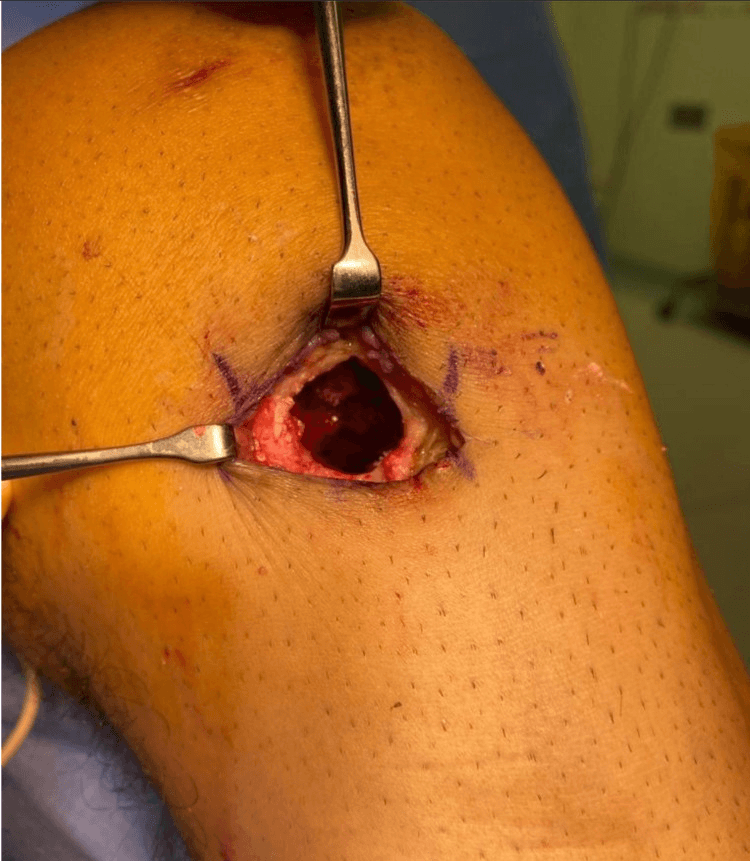
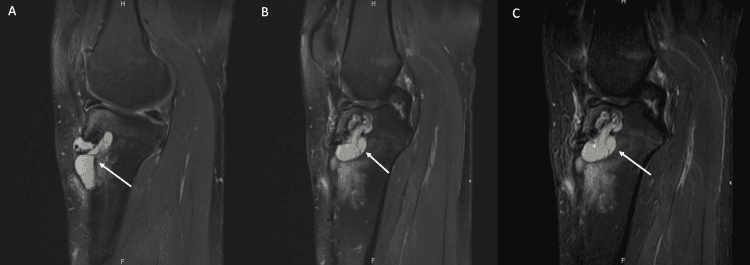
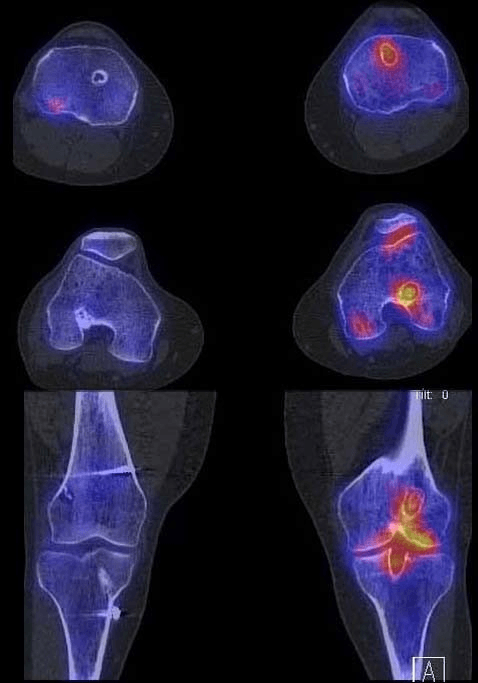
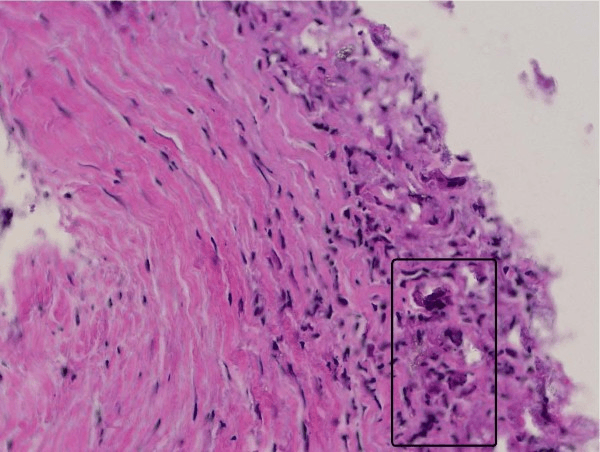
- “Risk of Foreign Body Reaction (Sterile abscess/cystic change) especially with PGA
- “Osteoconductive composites (added TCP/HA) help bone replacement
Bioabsorbable Materials
Overview
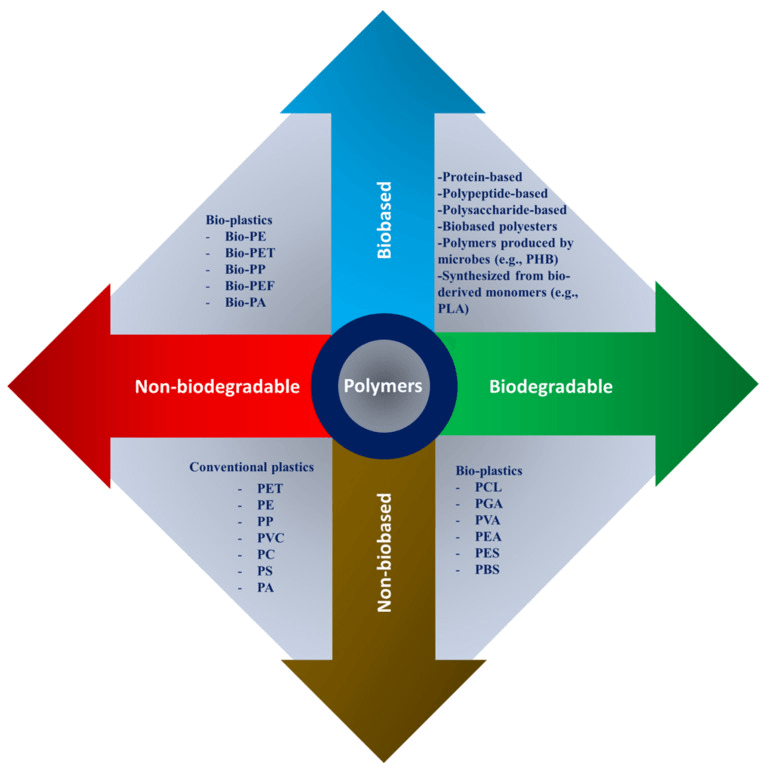
Bioabsorbable materials are synthetic polyester polymers that degrade in the body by hydrolysis, so no second operation is needed to remove them. They are chosen for low-load indications where avoiding a removal operation, eliminating MRI artefact, or allowing easy revision through the implant outweighs their lower mechanical strength.
The families in use are polyglycolic acid (PGA), poly-L-lactic acid (PLLA), their copolymers, and bio-composites that add a bioceramic to the polymer.
Degradation & Erosion Mechanism
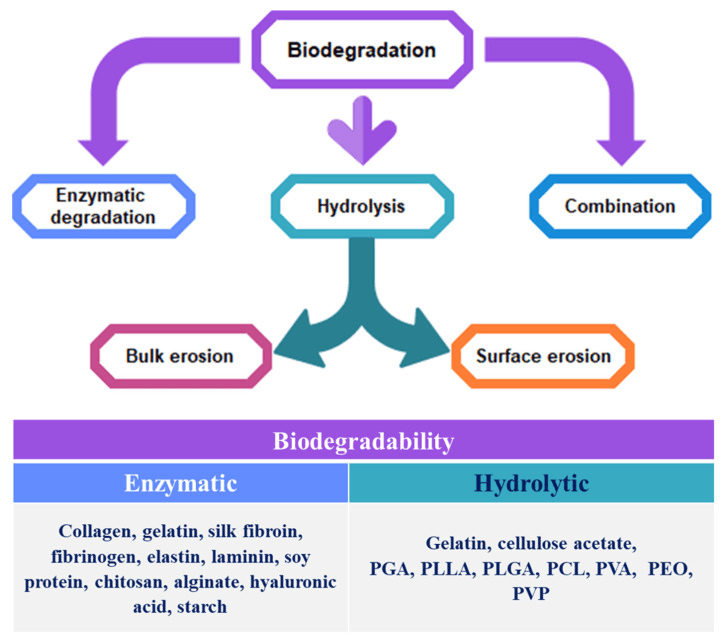
Hydrolysis, not enzymes. Understanding the mechanism is the single most-tested concept in the basic-science viva. Degradation is non-enzymatic hydrolysis of ester bonds: water diffuses into the polymer and cleaves the backbone, progressively reducing molecular weight until fragments are small enough to be cleared by macrophages and metabolised via the Krebs cycle to CO₂ and water.
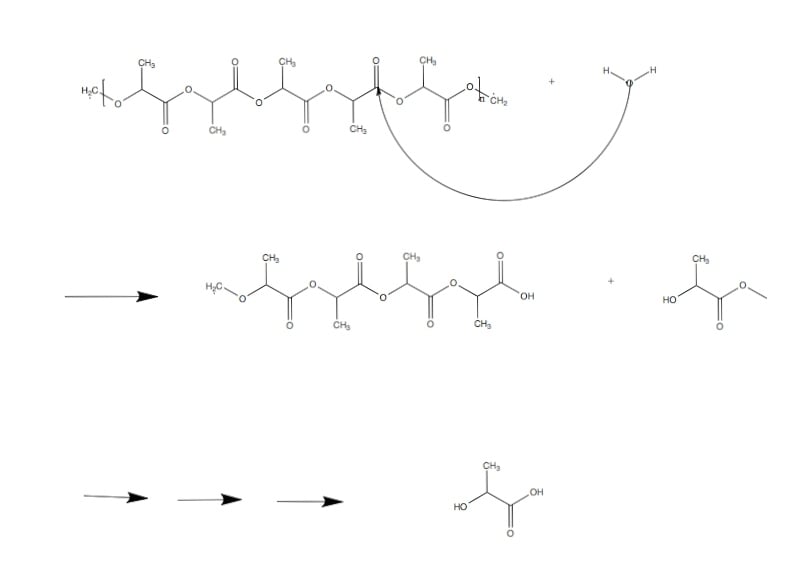
Bulk erosion. Alpha-hydroxy polyesters (PLA, PGA) erode in bulk: water penetrates faster than bonds break, so the whole implant hydrolyses at once. Strength is lost throughout the cross-section before significant mass is lost, and the acidic monomers are trapped inside. This autocatalysis is what drives the rapid late "acid dump".
Surface erosion. Surface-eroding polymers (polyanhydrides, not standard orthopaedic polyesters) degrade from the outside in and retain core strength longer.
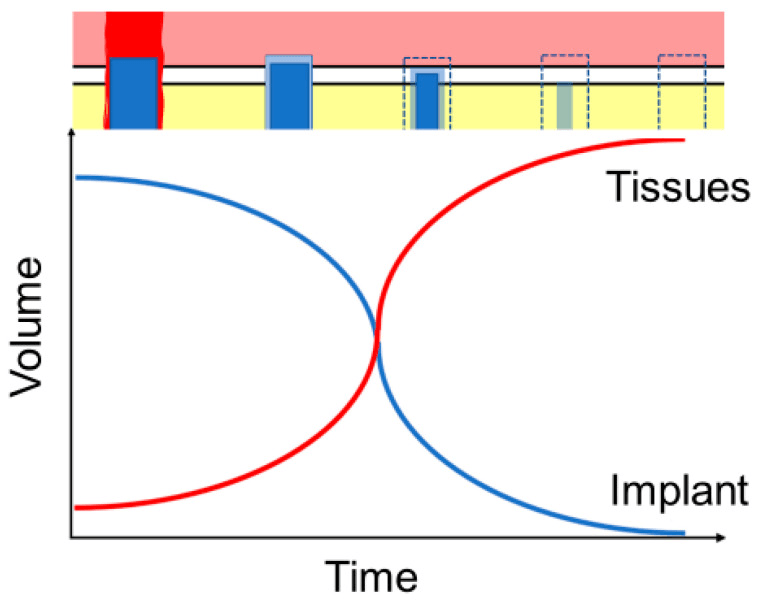
Two clocks. Two distinct timelines matter clinically:
- Strength-retention time: how long the implant holds load, which must outlast bone or graft healing
- Mass-loss (resorption) time: how long until the implant disappears, which is much longer than strength loss
The desired construct transfers load gradually, its volume and strength declining only as healing tissue gains capacity. Premature loss causes fixation failure, and persistence long after union sacrifices the reason for choosing an absorbable device.
Common Polymers
Polyglycolic acid (PGA). PGA is hydrophilic and fast: it loses strength in about 6 weeks and is absorbed by about 6 months. Rapid degradation releases an acid spike that overwhelms the local buffer, and this "acid dump" gives it a high rate of foreign-body reaction (sterile abscess). It suits rapidly healing tissues and sutures (Vicryl is polyglactin).
Poly-L-lactic acid (PLLA). PLLA is hydrophobic and slow, retaining strength for over 12 months, and it provokes less reaction than PGA. The foreign body remains, though, and crystalline debris can cause late reactions. Its uses include ACL screws and meniscal arrows.
The PLLA gap. For PLLA the gap between the two clocks is large: mechanical strength may be lost over months while the bulk material persists radiographically for 3-5 years or more. That is why late PLLA foreign-body reactions can present years after surgery.
Glycolic goes, lactic lasts.
Copolymers (PLGA/PLDLA). Mixing L- and D-lactic acid creates an amorphous (non-crystalline) structure. The copolymers degrade at an intermediate rate that can be tuned.
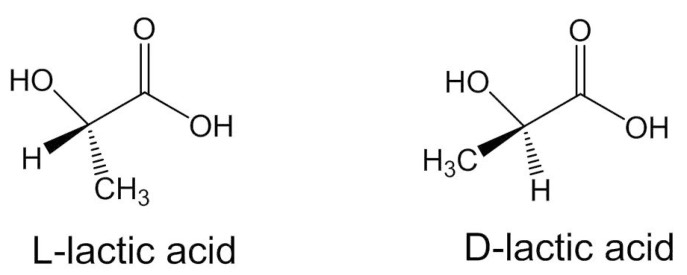
Bio-composites. A bio-composite combines the polymer with a bioceramic, tricalcium phosphate (TCP) or hydroxyapatite. The alkaline ceramic buffers the acidic byproducts and promotes bone ingrowth.
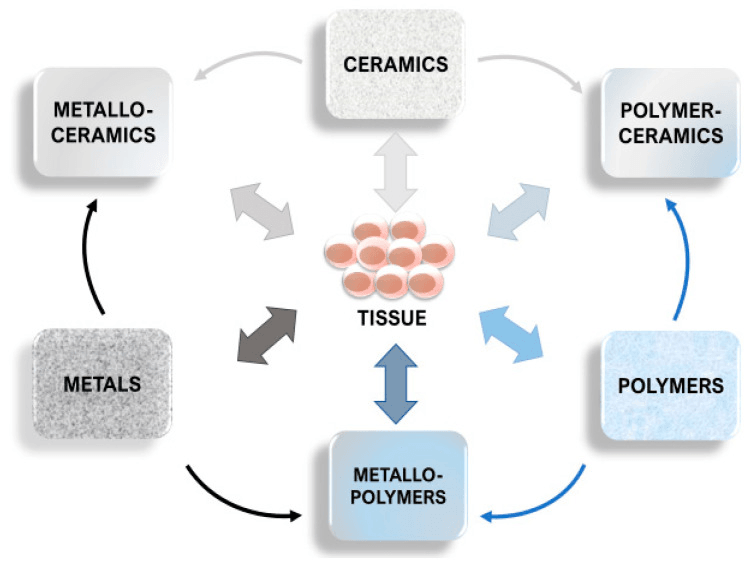
Mechanical Properties: Why 'Weaker Than Metal' Cuts Both Ways
Stiffness governs stress shielding. A construct far stiffer than bone carries most of the load and unloads the surrounding bone, which then resorbs (Wolff's law). Metals are roughly an order of magnitude stiffer than cortical bone, so a rigid metal implant shields bone. A bioabsorbable polymer has an elastic modulus much closer to bone (though still below it) and progressively softens as it hydrolyses, so it transfers load gradually back to healing bone; hence "no stress shielding".
Strength governs survival. Ultimate strength decides whether the implant survives the applied load. Polymers are far weaker than metal, so they fail under high diaphyseal or articular loads: hence "low-load indications only", and the brittle intraoperative breakage seen in the Cochrane data.
- Elastic modulus
- ~15 to 20 GPa (the reference)
- Relative strength
- Reference
- Implication
- What we want to match
- Elastic modulus
- ~3 to 7 GPa (nearest bone)
- Relative strength
- Lowest
- Implication
- Little stress shielding, but low-load only
- Elastic modulus
- ~110 GPa
- Relative strength
- High
- Implication
- Strong but shields bone
- Elastic modulus
- ~190 to 210 GPa
- Relative strength
- Highest
- Implication
- Strongest, most stress shielding
One property, both ways. The low modulus that shares load with bone is inseparable from the weakness that restricts these implants to low-load work. They sit at a different point on the stiffness-strength spectrum from metal, chosen where matching bone and disappearing matter more than peak strength. Bioabsorbable metals such as magnesium alloys, which sit between polymers and permanent metal in strength, are covered in the dedicated magnesium-implant topic.
Advantages and Disadvantages
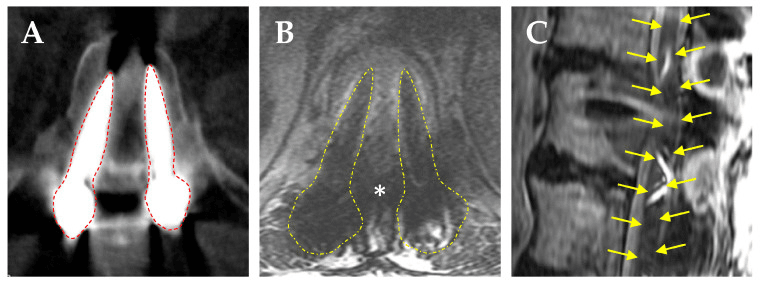
What they offer. They need no removal operation, cause no stress shielding and produce no MRI artefact. They are radiolucent, so the fracture can be seen healing. Metal screws cause beam hardening on CT and susceptibility artefact on MRI that can obscure adjacent anatomy; radiolucent bioabsorbable fixation reduces this problem, although degradation-related signal and fluid can still complicate interpretation.
What they cost. They are weaker than metal, brittle screws can break during insertion, and ACL bone tunnels carry a risk of widening around them. They also carry a risk of sterile abscess and osteolysis from a foreign-body reaction: in Böstman and Pihlajamäki's cohort, clinically significant reactions occurred in 5.3% of patients with PGA implants against 0.2% with PLA.
Complications
- Crystallinity
- Semi-crystalline, hydrophilic
- Strength loss
- ~6 weeks
- Full resorption
- ~6-12 months
- Reaction risk
- Highest (acid dump)
- Crystallinity
- Semi-crystalline, hydrophobic
- Strength loss
- Over 12 months
- Full resorption
- 3-5 years or more
- Reaction risk
- Low but late
- Crystallinity
- Amorphous, tunable
- Strength loss
- Intermediate
- Full resorption
- Tunable (months-years)
- Reaction risk
- Intermediate
- Crystallinity
- Polymer + ceramic
- Strength loss
- Polymer-dependent
- Full resorption
- Replaced by bone
- Reaction risk
- Lowest (buffered, osteoconductive)
- Revision
- Easier (drill through)
- MRI
- No artifact
- Risk
- Cyst formation / Breakage
- Revision
- Harder (remove screw first)
- MRI
- Artifact (scatter)
- Risk
- Screw divergence / Laceration
Clinical Relevance
Established applications. They are used where the load is low:
- ACL/PCL reconstruction: interference screws for graft fixation, the most studied use
- Suture anchors: shoulder and hip labral repair, rotator cuff repair
- Meniscal repair: arrows, darts and screws, largely superseded by all-inside suture devices but historically important
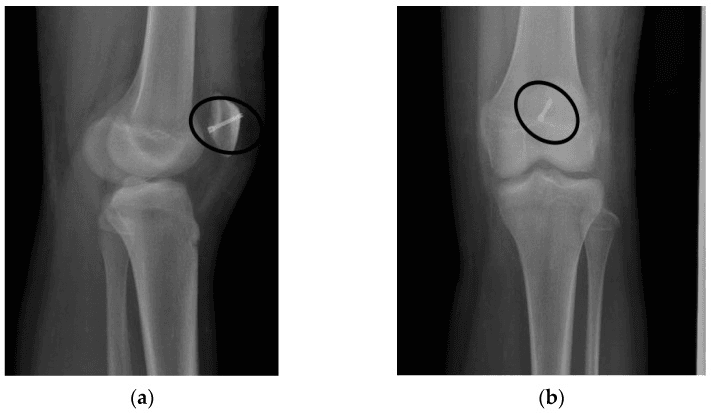
- Paediatric fractures: transphyseal or epiphyseal fixation where crossing the physis with metal is undesirable; the pins resorb and avoid hardware removal
- Selected malleolar and small-fragment fractures: historically a major indication in the Helsinki series
Where not to use them. Avoid them for load-bearing diaphyseal or articular fixation in adults, where their strength is insufficient, and in situations where a sterile foreign-body reaction would be catastrophic without warning.
Guidelines, Registries & Global Practice
Global Epidemiology & Practice Variation
Bioabsorbable implants are a global market that continues to expand, with the dominant indications being ACL/soft-tissue fixation, suture anchors, meniscal repair devices, and paediatric transphyseal/epiphyseal fixation. Practice converges worldwide on a few principles:
- First-generation pure PGA is now largely historical because of sterile foreign-body reaction rates of roughly 4-5% (and higher in poorly vascularised bone).
- PLLA and PLGA copolymers replaced PGA for slower, cleaner degradation.
- Bio-composites (polymer + β-TCP / hydroxyapatite) are now the default choice for interference screws and many anchors in well-resourced settings because they buffer acid and promote bony replacement of the implant track.
High- vs limited-resource settings:
- High-resource centres favour bio-composite or all-suture anchors and accept the higher per-unit cost for the avoided-removal-surgery and MRI-compatibility benefits.
- In limited-resource settings, reusable metal (titanium/stainless steel) implants remain standard for cost reasons; the theoretical advantage of avoiding a removal operation is offset by the device cost, and metal is robust and cheap.
Bone-Tunnel Widening: Why the Bioabsorbable Screw Is Implicated
Tunnel widening is multifactorial, with mechanical and biological causes acting together.
- Type
- Mechanical (general)
- How
- Longitudinal graft motion within the tunnel under load
- Type
- Mechanical (general)
- How
- Sagittal/coronal toggle of the graft abrading the tunnel mouth
- Type
- Biological (general)
- How
- Fluid tracking the tunnel drives osteoclastic resorption
- Type
- Biological (biomaterial-specific)
- How
- Hydrolysis releases acid and particulate debris that provoke a foreign-body, osteolytic reaction around the screw track
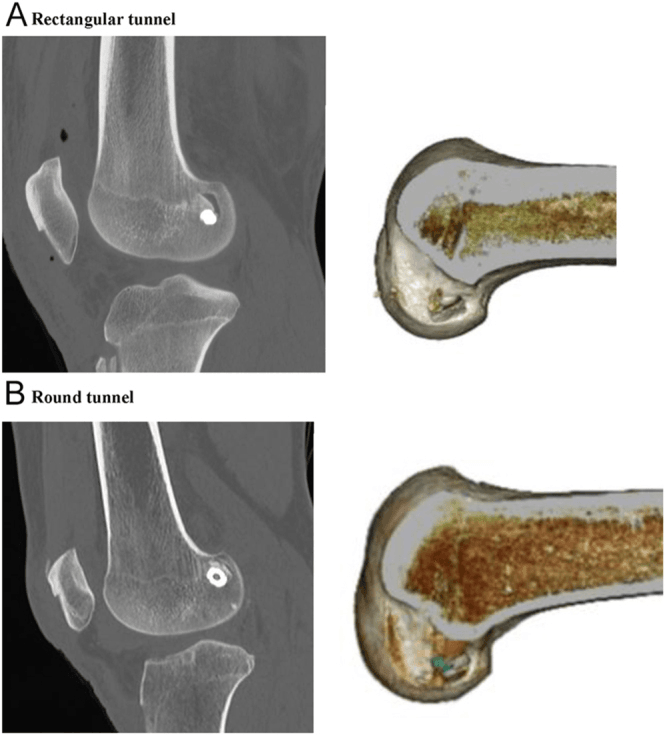
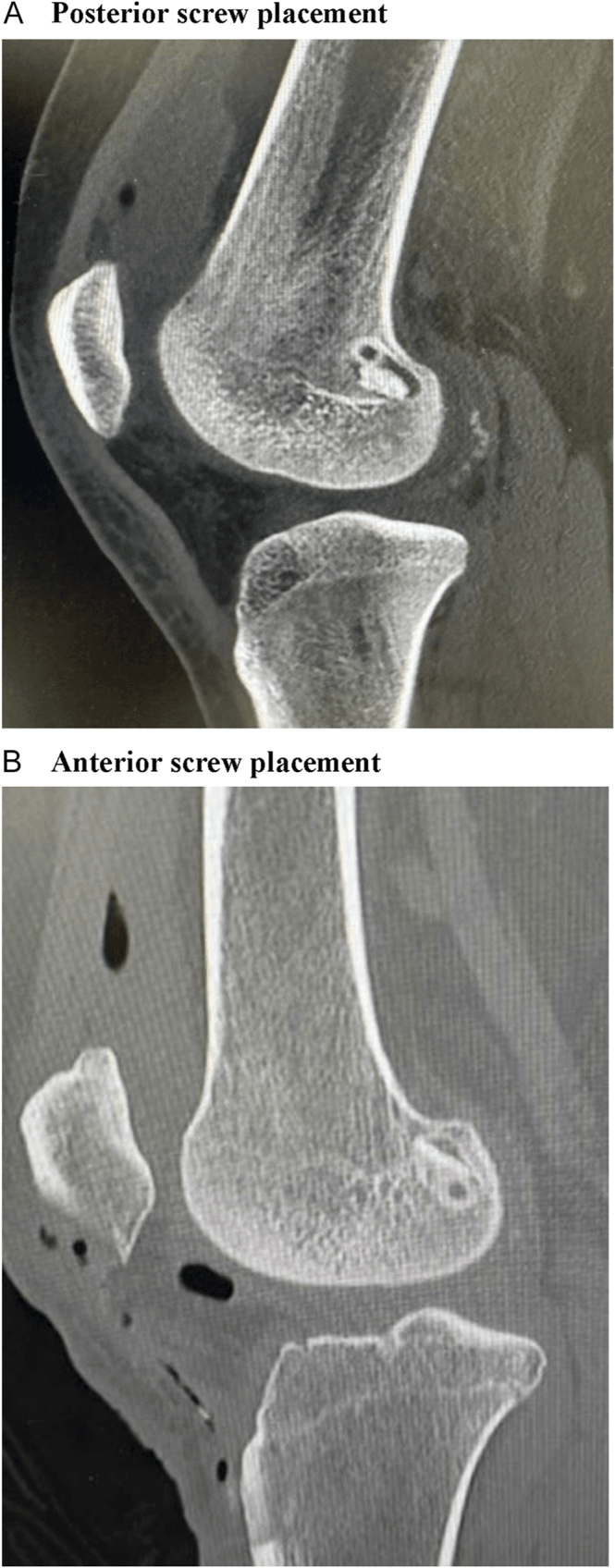
The bioabsorbable contribution. The first three mechanisms operate with any graft fixation. The fourth is specific to bioabsorbable screws, and it is why pure-polymer (especially fast-degrading or bulky) screws widen the femoral tunnel more than titanium in the comparative trials: the same acid-dump and foreign-body biology that causes sterile cysts elsewhere is acting on the tunnel wall.
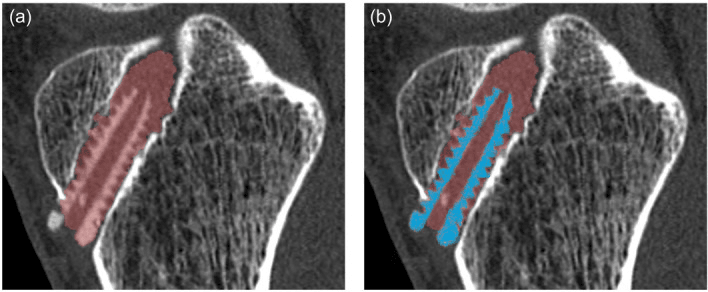
Why bio-composites. Adding β-TCP or hydroxyapatite buffers the acid and converts the track to bone (osteoconduction), so the screw site ossifies rather than enlarges.
What to say. Whether the extra widening matters for stability or revision is still debated (see Controversies). Mechanistically, bioabsorbable widening is biological osteolysis from degradation, layered on top of the mechanical graft-motion causes common to all reconstructions.
Controversies & Areas of Uncertainty
- Do bioabsorbable screws offer any real clinical advantage over metal? High-level evidence (Cochrane and overlapping meta-analyses) shows equivalent functional outcomes but higher treatment-failure and intraoperative-breakage rates for bioabsorbable interference screws. The argued benefits — easier revision, no MRI artefact, no removal surgery — are largely theoretical or device-specific rather than proven in outcome scores.
- "Tunnel widening" — does it matter? Bioabsorbable (especially pure-polymer) screws are associated with more femoral tunnel widening and prolonged effusion, but whether this translates into worse long-term stability or harder revision is unresolved.
- Are composites the answer? Bio-composites (polymer + β-TCP/HA) demonstrably degrade more completely and promote osteoconduction, but high-quality comparative RCTs showing they reduce clinically important complications versus pure polymers (and justify higher cost) are limited.
- PLLA's slow resorption — benefit or liability? Prolonged strength retention is useful, but bulk PLLA can persist for years and cause late foreign-body reactions, so "absorbable" does not mean "gone".
- Cost-effectiveness is now the key research question — efficacy is broadly settled, so future trials should weigh device cost against the avoided-removal-surgery and adverse-event profiles.
MCQ Practice Points
Q: What are the main types of bioabsorbable polymers used in orthopaedics?
A: (1) PLA (Poly-lactic acid): Most common, slow degradation (2-4 years), good strength. (2) PGA (Poly-glycolic acid): Fast degradation (6-12 months), high crystallinity, historic first-generation. (3) PLLA: L-isomer of PLA, slower degradation than racemic PDLLA. (4) Copolymers (PLGA): Tunable degradation by varying LA:GA ratio. All degrade via hydrolysis to lactic/glycolic acid.
Q: What is the mechanism of bioabsorbable polymer degradation?
A: Bulk hydrolysis of ester bonds by water. Polymers absorb water, autocatalytic degradation occurs (acidic byproducts accelerate breakdown), molecular weight decreases, mechanical strength lost, fragments phagocytosed by macrophages. Final products (lactic acid, glycolic acid) enter Krebs cycle and are excreted as CO₂ and H₂O. Not enzymatic degradation.
Q: What are the clinical applications of bioabsorbable implants in orthopaedics?
A: (1) Suture anchors: Shoulder, hip labral repairs. (2) Interference screws: ACL reconstruction (tibial fixation). (3) Meniscal arrows/darts: Meniscal repair. (4) Pediatric fractures: Avoid growth plate crossing with metal. Advantages: No second surgery for removal, no stress shielding. Not suitable for load-bearing cortical fixation.
Q: What are the complications specific to bioabsorbable implants?
A: (1) Sterile osteolysis: Acidic degradation products cause foreign body reaction, cyst formation. (2) Inflammatory reaction: Crystalline degradation particles. (3) Premature mechanical failure: Loss of strength before healing complete. (4) Incomplete resorption: Residual material detectable years later. (5) MRI artifact: Some products create signal void for extended period.
Q: Why did early bioabsorbable implants (PGA) cause high rates of sterile abscess formation?
A: Pure PGA degrades rapidly (3-6 months), releasing high concentrations of glycolic acid in a short period. This acidic environment causes: (1) pH drop, (2) Intense foreign body reaction, (3) Sterile fluid collection/sinus formation. Modern implants use slower-degrading PLA or copolymers (PLGA 85:15) with more gradual acid release, reducing inflammatory response.
Clinical Decision Scenarios
Practise clinical reasoning and management decisions out loud
Clinical Decision Scenarios
Practise clinical reasoning and management decisions out loud
Clinical Decision Scenarios
Practise clinical reasoning and management decisions out loud
Science
- Polyesters (PLLA, PGA)
- Degradation: Hydrolysis
- Byproducts: Acid + Water + CO2
Comparison
- PGA: Hydrophilic, Fast, Reactive
- PLLA: Hydrophobic, Slow, Inert
- PLGA: Tunable
Evidence Base
Adverse tissue reactions — the landmark cohort (PGA vs PLA)
- 2528 patients with absorbable pins/rods/screws; clinically significant sterile foreign-body reaction in 108 (4.3%)
- Reaction rate 5.3% for PGA (107/2037) versus 0.2% for PLA (1/491) — over 20-fold higher with fast-degrading PGA
- PGA reactions appeared at a mean of 11 weeks; the single PLA reaction occurred 4.3 years after surgery
- Higher risk with poorly vascularised bone (scaphoid), quinone-dye additives, and high-surface-area implants (screws greater than pins)
- Severe reactions caused osteolytic lesions; four patients ultimately needed wrist/ankle arthrodesis
Bioabsorbable vs metallic interference screws — Cochrane review
- 12 trials (11 RCTs), 944 participants, hamstring or patellar-tendon grafts
- No clinically important difference in Lysholm or Tegner scores at 12, 24 or ≥60 months (very low-quality evidence)
- Greater treatment failure with bioabsorbable screws: 60/451 vs 29/434, RR 1.94 (95% CI 1.29-2.93) favouring metal
- All 16 intraoperative complications in the bioabsorbable group were implant breakage on insertion
- Restricted to POSTOPERATIVE complications only the difference is no longer significant: RR 1.44 (95% CI 0.93-2.23) - so the excess is driven substantially by breakage at insertion rather than by later biological failure
- PLLA was the most common bioabsorbable material; metal screws were titanium
Overlapping meta-analyses — what is actually different
- Systematic review of 3 high-quality meta-analyses (1 Level I, 2 Level II) of metal vs bioabsorbable interference screws
- No difference in validated outcome scores, pivot-shift, KT arthrometry or loss of motion
- Bioabsorbable screws associated with prolonged knee effusion, increased femoral tunnel widening, and more screw breakage
- Concludes future work should focus on cost-effectiveness rather than further efficacy trials
RCT — identically shaped bioabsorbable vs titanium screw
- 100 patients randomised to bioabsorbable or titanium interference screws, hamstring autograft ACL reconstruction
- Identical screw geometry isolated the material variable
- No difference in Lysholm or IKDC scores at any time point to 2 years
- Tibial tunnel widths equal; slightly more femoral tunnel widening with bioabsorbable screws
Bio-composite (PLLA/PGA/β-TCP) degradation and osteoconduction
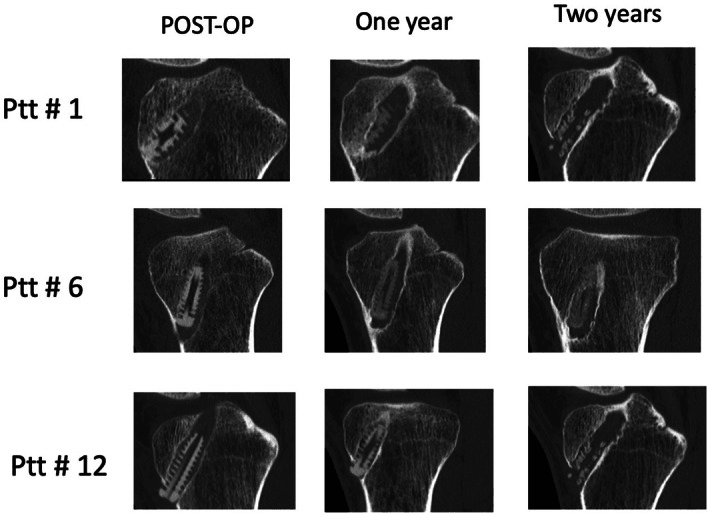
- 13 patients with BPTB ACL reconstruction fixed by PLLA/PGA/β-TCP biocomposite screws, CT at mean 38 months
- No screw remnant present at 3 years — complete degradation, replaced by calcified non-trabecular material
- Osteoconductivity present in 21/26 tunnels (81%), complete (type 4) ossification in 5/26 (19%)
- Screw-site density (≈157-159 HU) matched native cancellous bone (≈140-146 HU)
Large single-centre series — clinical track record
- 3200 patients managed with self-reinforced absorbable polyester implants since 1984 (Helsinki series)
- Uneventful postoperative course in over 90%; wound infection 4%, fixation failure 4%
- Non-infectious foreign-body reaction at 2-3 months in ~2% of recent PGA cases, none with PLA
- Most common indication was the displaced malleolar fracture; transphyseal pins used in children
- Implant-removal operations avoided, giving financial and psychological advantages
Foundational textbook — biomaterials principles
- Bioabsorbable polymers are alpha-hydroxy polyesters degraded by non-enzymatic hydrolysis
- Degradation order (fastest to slowest): PGA greater than PDLLA (amorphous) greater than PLLA (crystalline)
- Copolymer (PLGA) degradation is tunable by lactide:glycolide ratio
- Composites with TCP/HA buffer acid byproducts and add osteoconduction
References
- Böstman OM, Pihlajamäki HK. Adverse tissue reactions to bioabsorbable fixation devices. Clin Orthop Relat Res. 2000;(371):216-27. PMID 10693569.
- Debieux P, Franciozi CES, Lenza M, et al. Bioabsorbable versus metallic interference screws for graft fixation in anterior cruciate ligament reconstruction. Cochrane Database Syst Rev. 2016;7:CD009772. DOI
- Mascarenhas R, Saltzman BM, Sayegh ET, et al. Bioabsorbable versus metallic interference screws in ACL reconstruction: a systematic review of overlapping meta-analyses. Arthroscopy. 2015;31(3):561-8. DOI
- Myers P, Logan M, Stokes A, Boyd K, Watts M. Bioabsorbable versus titanium interference screws with hamstring autograft in ACL reconstruction: a prospective randomized trial with 2-year follow-up. Arthroscopy. 2008;24(7):817-23. DOI
- Barber FA, Dockery WD, Hrnack SA. Long-term degradation of a poly-lactide co-glycolide/β-tricalcium phosphate biocomposite interference screw. Arthroscopy. 2011;27(5):637-43. DOI
- Rokkanen PU, Böstman O, Hirvensalo E, et al. Bioabsorbable fixation in orthopaedic surgery and traumatology. Biomaterials. 2000;21(24):2607-13. DOI
- Ambrose CG, Clanton TO. Bioabsorbable implants: review of clinical experience in orthopedic surgery. Ann Biomed Eng. 2004;32(1):171-7. DOI
DOIs are linked above where available.