Rare but Devastating | Immunocompromised Hosts | Prolonged Therapy Required
- Candida and Aspergillus account for 75% of fungal spine infections in immunocompromised patients
- Diagnosis requires tissue biopsy with fungal cultures (blood cultures often negative)
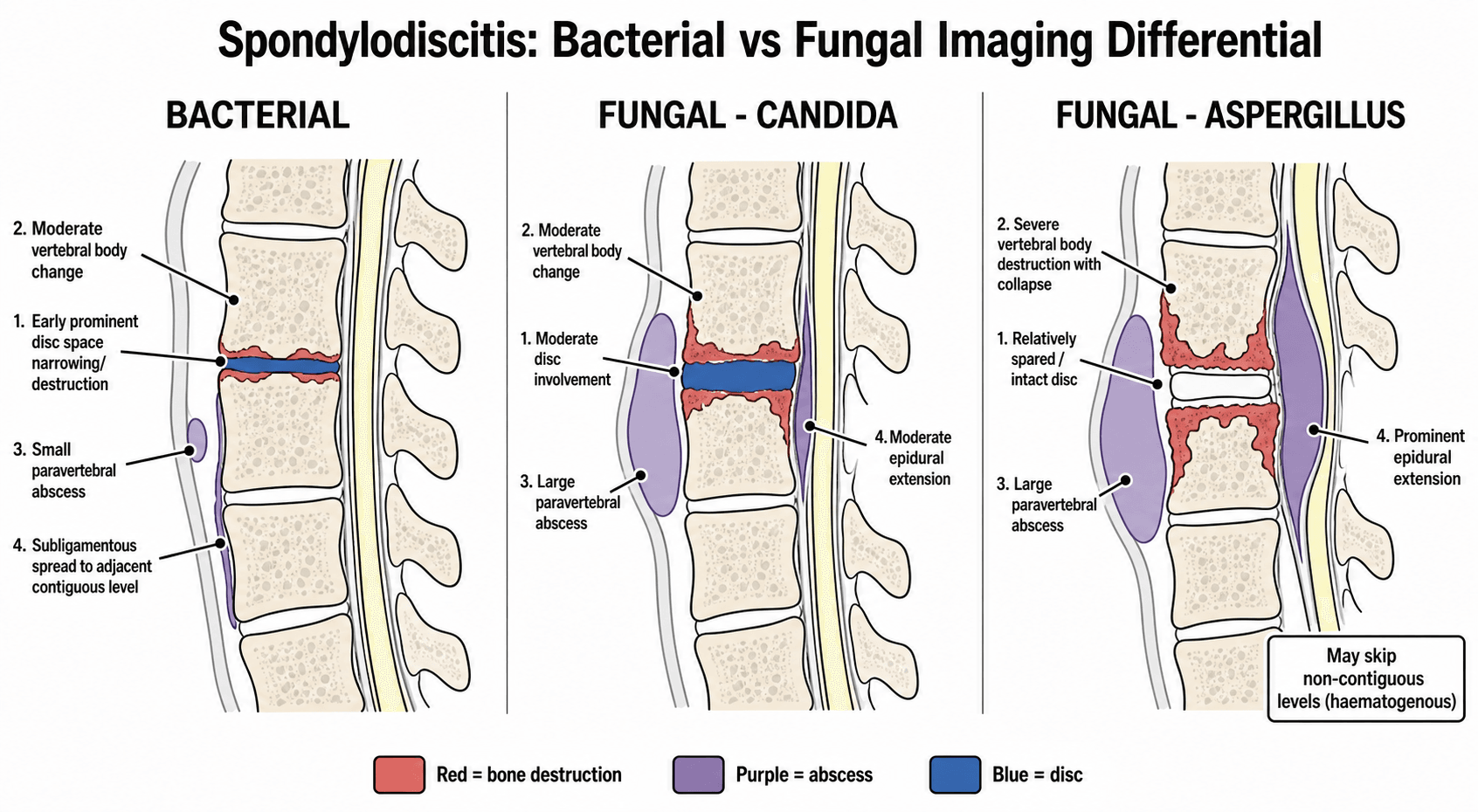
- MRI shows paravertebral abscess and epidural extension more commonly than bacterial infections
- Treatment requires prolonged antifungal therapy (6-12 months) PLUS surgical debridement if neurological compromise
- Mortality reaches 30-50% in disseminated aspergillosis despite treatment
- “Think fungal in immunocompromised patient with spine infection not responding to antibacterial therapy
- “Beta-D-glucan and galactomannan serum assays help diagnose invasive fungal infection
- “Endemic mycoses (Coccidioides, Histoplasma) occur in specific geographic regions - travel history critical
- “Aspergillus causes bony destruction with less disc involvement compared to bacterial infections
Overview and Epidemiology
Fungal spine infection, fungal spondylodiscitis or vertebral osteomyelitis, is rare but serious, accounting for only 1-2% of all spinal infections. Its incidence is rising with the number of immunocompromised patients: HIV, solid organ transplantation, chemotherapy and chronic immunosuppressive medication.
Why it matters. It mimics bacterial infection clinically but does not respond to antibacterial therapy, so it is easily missed. Delayed diagnosis leads to progressive neurological deficit, spinal instability and disseminated disease with high mortality. A high index of suspicion is required in any immunocompromised patient with a spine infection, and tissue biopsy is the gold standard for diagnosis.
Who. Immunocompromised hosts predominate:
- HIV/AIDS with a CD4 count less than 100 cells/mcL
- Solid organ transplant recipients on immunosuppression
- Haematological malignancies (leukaemia, lymphoma) undergoing chemotherapy
- Chronic corticosteroid use, more than 20mg of prednisone daily for more than 3 weeks
- Diabetes mellitus with poor glycaemic control (HbA1c greater than 9%), which increases the risk of Candida and mucormycosis
- Cirrhosis and chronic alcohol use, which predispose to disseminated candidiasis
- IV drug use (Candida from contaminated needles)
- Recent spine surgery or invasive procedures
Where. Candida and Aspergillus occur worldwide and are nosocomial. The endemic mycoses have a specific geography, and the travel history is part of the diagnosis:
- Coccidioides: Southwest USA (California, Arizona, New Mexico)
- Histoplasma: Mississippi and Ohio River valleys
- Blastomyces: Great Lakes region, Mississippi valley
- Cryptococcus: worldwide but higher in AIDS patients; meningitis
Pathophysiology and Microbiology
Routes of infection. Fungi reach the spine by haematogenous spread, direct inoculation or contiguous spread, and each route has its own organisms and pattern of involvement.
- Common Organisms
- Candida, Aspergillus, endemic fungi
- Clinical Scenario
- Disseminated infection from lungs, GI tract, or bloodstream
- Spinal Involvement
- Vertebral body and disc via arterial seeding, often multifocal
- Common Organisms
- Candida, Aspergillus
- Clinical Scenario
- Postoperative infection from contaminated surgical field or implants
- Spinal Involvement
- Localized to surgical site, may involve hardware
- Common Organisms
- Actinomyces (cervical)
- Clinical Scenario
- Extension from adjacent site (retropharyngeal, mediastinal)
- Spinal Involvement
- Progressive involvement of adjacent vertebrae and soft tissues
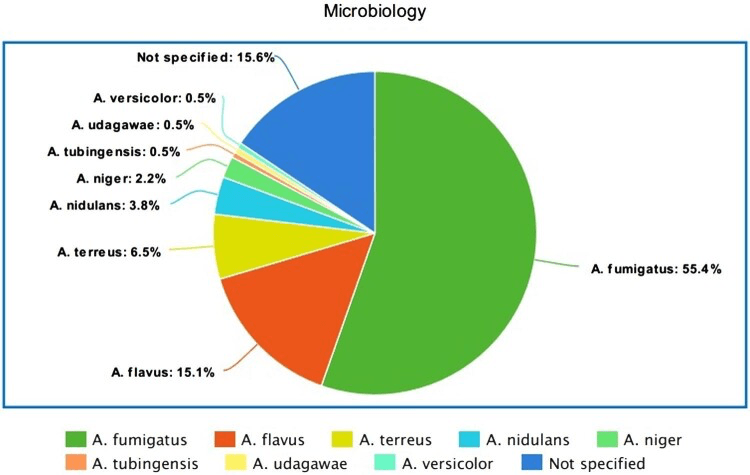
The dominant pathogen in healthcare-associated fungal spondylodiscitis. Published aggregations disagree on which organism is commonest overall (Das found Candida albicans 62.7%, Ganesh found Aspergillus 38.2%) because both pool published cases from different eras rather than measuring incidence. What is consistent is the setting: Candida follows candidaemia from central lines, parenteral nutrition, prolonged ICU stay, abdominal surgery and injecting drug use. Recent broad-spectrum antibiotics add to the risk.
Species. C. albicans is the most common, but C. glabrata, C. tropicalis and C. parapsilosis are increasingly recognised.
Behaviour. Candida presents indolently with back pain and a low-grade fever, and is often diagnosed late, when a neurological deficit develops. It involves the disc well, with disc space narrowing on imaging.
Treatment. Fluconazole for susceptible species (C. albicans, C. tropicalis) and an echinocandin for resistant species or critically ill patients, for a minimum of 6 months and up to 12 months if disease is extensive. Doses are in the Management table.
Mucormycosis of the Spine: the Angioinvasive Emergency
Mucormycosis behaves and is treated very differently from Candida and Aspergillus, and it is a surgical emergency.
Agents and hosts. It is caused by the Mucorales (Rhizopus, Mucor, Rhizomucor, Lichtheimia, Cunninghamella). The classic host has uncontrolled diabetes, especially diabetic ketoacidosis, in which acidosis impairs neutrophils and frees iron. Iron overload and deferoxamine therapy are the other classic setting, because the drug acts as a siderophore that delivers iron to the fungus. Haematological malignancy, neutropenia and transplantation complete the list, with IV drug use and direct or traumatic inoculation the routes to the spine specifically.
Angioinvasion. Mucorales invade blood vessels, causing thrombosis, infarction and rapid, extensive tissue necrosis. Disease spreads fast, and antifungals penetrate the dead, thrombosed tissue poorly, which is why surgery is central rather than adjunctive.
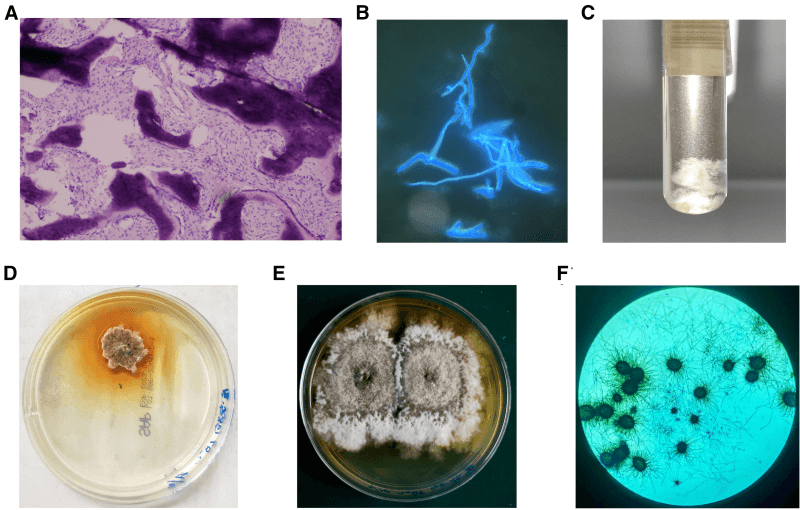
Histology. Broad, non-septate (pauci-septate), ribbon-like hyphae with wide-angle (approximately 90-degree), irregular branching, against the narrow, septate hyphae of Aspergillus with acute-angle (approximately 45-degree) branching. Cultures are frequently negative, so the diagnosis is often made on histology; do not wait for a culture to act.
Treatment. Urgent, aggressive and often repeated surgical debridement of all necrotic tissue, with liposomal amphotericin B first line and isavuconazole or posaconazole for step-down or salvage. Reverse the driver: correct the DKA or hyperglycaemia, stop deferoxamine and reduce immunosuppression. Mortality is very high.
Voriconazole, fluconazole and the echinocandins are INEFFECTIVE against Mucorales. A patient on voriconazole for presumed Aspergillus who deteriorates may in fact have mucormycosis.
Actinomyces and Nocardia: the Filamentous Bacteria That Masquerade as Fungi
Actinomyces and Nocardia are filamentous, branching Gram-positive bacteria that can be mistaken for fungi. They are treated with antibiotics, not antifungals, so recognising them changes management completely.
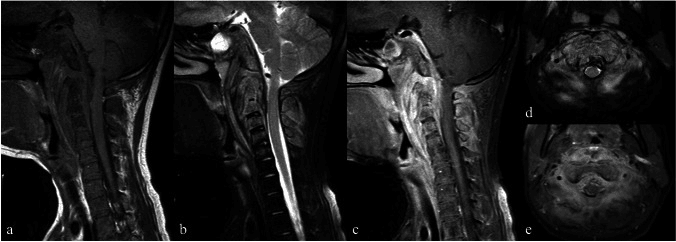
Actinomyces (e.g. A. israelii) is an anaerobic or microaerophilic filament and part of the endogenous flora of the oropharynx, GI tract and female genital tract. It reaches the spine by contiguous spread: classically cervicofacial ("lumpy jaw") disease extending to the cervical spine, or thoracic (aspiration) and abdominopelvic (IUD-associated) disease invading the adjacent vertebrae. It crosses tissue planes and the disc and forms chronic indurated masses with sinus tracts discharging "sulphur granules". It is not acid-fast. Treatment is prolonged high-dose penicillin, IV then oral, often for 6-12 months.
Nocardia (e.g. the N. asteroides complex) is aerobic and weakly or partially acid-fast on modified Ziehl-Neelsen (Kinyoun) staining, the key feature separating it from Actinomyces. It lives in soil and affects the immunocompromised (steroids, transplant, malignancy), typically as primary pulmonary disease with haematogenous dissemination to brain and bone or spine. Treatment is prolonged high-dose co-trimoxazole (TMP-SMX), often with a carbapenem or amikacin for severe disease.
When a "fungal-looking" granulomatous spine infection is actually Actinomyces or Nocardia, the cure is antibiotics. Send the biopsy for bacterial (aerobic AND anaerobic), fungal and mycobacterial culture with the right stains (Gram, modified acid-fast), and do not anchor on an antifungal plan.
Clinical Presentation
Symptoms. Onset is indolent, over weeks to months, and constitutional symptoms are less prominent than in bacterial infection:
- Back pain (90%), insidious and progressively worsening
- Low-grade fever (40-60%), which may be absent
- Night sweats and weight loss (40%)
- Radicular pain from nerve root compression (30%)
- Neurological deficit (50-70%), often a late presentation
When to think fungal. A spine infection that fails to improve on appropriate antibiotics, particularly in an immunocompromised patient. Empiric antibacterial therapy is often started before a fungal diagnosis is considered.
Examination. Look for tenderness at the affected level and reduced range of motion, and examine motor, sensory and reflex function. Assess for an epidural abscess: saddle anaesthesia, bowel or bladder dysfunction. Then look for other sites of infection: pulmonary crackles, skin lesions and retinal lesions (Candida endophthalmitis).
Investigations
Blood tests. ESR and CRP are elevated, but less dramatically than in bacterial infection (ESR 40-80mm/hr typical). Leukocytosis may be absent and anaemia of chronic disease is common. Every patient with suspected fungal infection should be tested for HIV.
Blood cultures are frequently negative in fungal spine infection and lower-yield than in bacterial disease. No cited source on this page gives a figure for either, so treat a negative blood culture as uninformative rather than reassuring.
Serology. Beta-D-glucan (Candida, Aspergillus), galactomannan (Aspergillus), and Coccidioides serology if there has been endemic exposure. With PCR, serology aids rapid diagnosis.
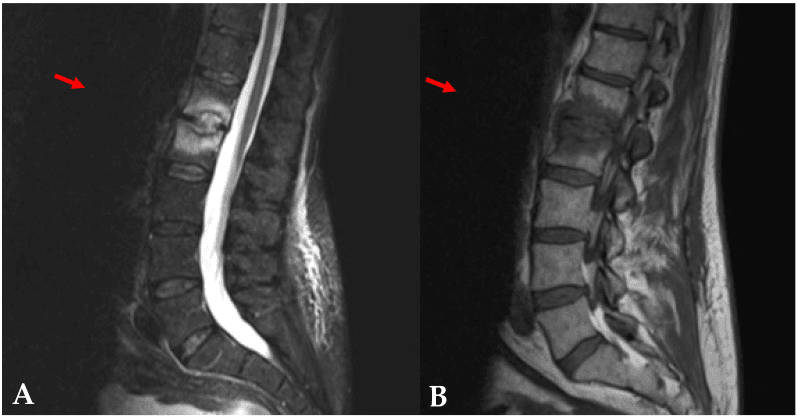
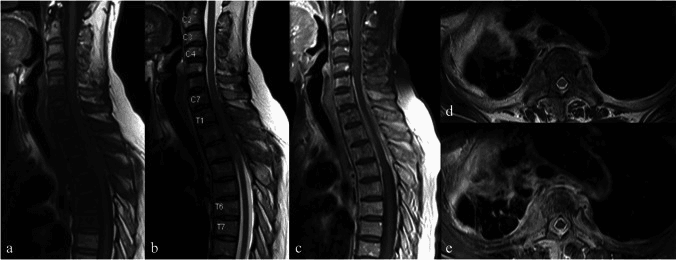
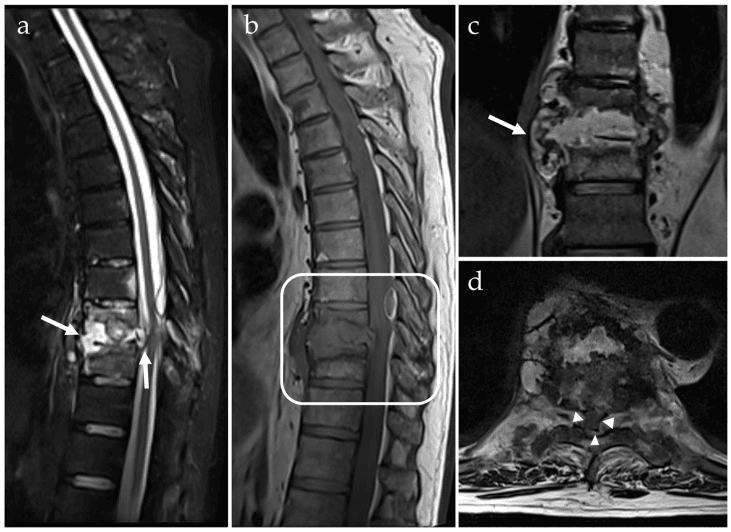
MRI with contrast is the gold standard image. It shows the extent of vertebral and disc involvement, paravertebral abscess, epidural extension and neural compression. T2 hyperintense paraspinal masses with rim enhancement are characteristic.
CT defines bony destruction and cortical integrity better and is useful for surgical planning. CT of the chest, abdomen and pelvis looks for pulmonary or disseminated infection (aspergillosis, coccidioidomycosis) and other sites of involvement.
Tissue diagnosis is mandatory. CT-guided needle biopsy is the initial approach, sent for fungal and bacterial culture, fungal stains (GMS, PAS) and AFB stains. Open surgical biopsy follows if the needle biopsy is non-diagnostic, or when a neurological deficit needs decompression; take multiple samples from the vertebral body, disc and abscess. Histopathology looks for granulomas and fungal elements on GMS or PAS, and the characteristic morphology helps identify the organism (Aspergillus: septate hyphae with acute-angle branching).
Do NOT send tissue in formalin - send it FRESH for culture. Fungal cultures take 2-6 weeks to grow, so maintain suspicion and consider empiric antifungal therapy while awaiting results.
Molecular and advanced testing.
- PCR: rapid identification of Aspergillus, Candida and endemic fungi from tissue or fluid
- MALDI-TOF mass spectrometry: rapid species identification from culture isolates
- Antifungal susceptibility testing: essential for Candida (fluconazole resistance is common in C. glabrata) and Aspergillus
Imaging characteristics. Fungal infection extends into the paravertebral and epidural spaces more often than bacterial infection, and subligamentous spread is uncommon. Multiple non-contiguous levels suggest haematogenous dissemination. The percentage ranges in this table are conventional teaching estimates from the spinal-infection literature, not measurements from a cited cohort; the verified microbiological and outcome figures on this page are in the Evidence Base section.
- Bacterial
- Early and prominent
- Fungal (Candida)
- Moderate
- Fungal (Aspergillus)
- Minimal or late
- Bacterial
- Moderate
- Fungal (Candida)
- Moderate
- Fungal (Aspergillus)
- Severe and extensive
- Bacterial
- Common (50-70%)
- Fungal (Candida)
- Very common (70-90%)
- Fungal (Aspergillus)
- Very common (80-90%)
- Bacterial
- 30-50%
- Fungal (Candida)
- 50-70%
- Fungal (Aspergillus)
- 60-80%
- Bacterial
- Common (contiguous levels)
- Fungal (Candida)
- Less common
- Fungal (Aspergillus)
- Rare
- Bacterial
- Rare (unless bacteremia)
- Fungal (Candida)
- Common (hematogenous)
- Fungal (Aspergillus)
- Common (hematogenous)
Management
The principles. Identify the organism from tissue, because targeted therapy depends on it. Give antifungals for a long time, operate for the indications below, and reverse the immunosuppression where possible: reduce steroids, optimise HIV control and defer chemotherapy. Combination therapy, medical PLUS surgical, is often needed for the best outcome.
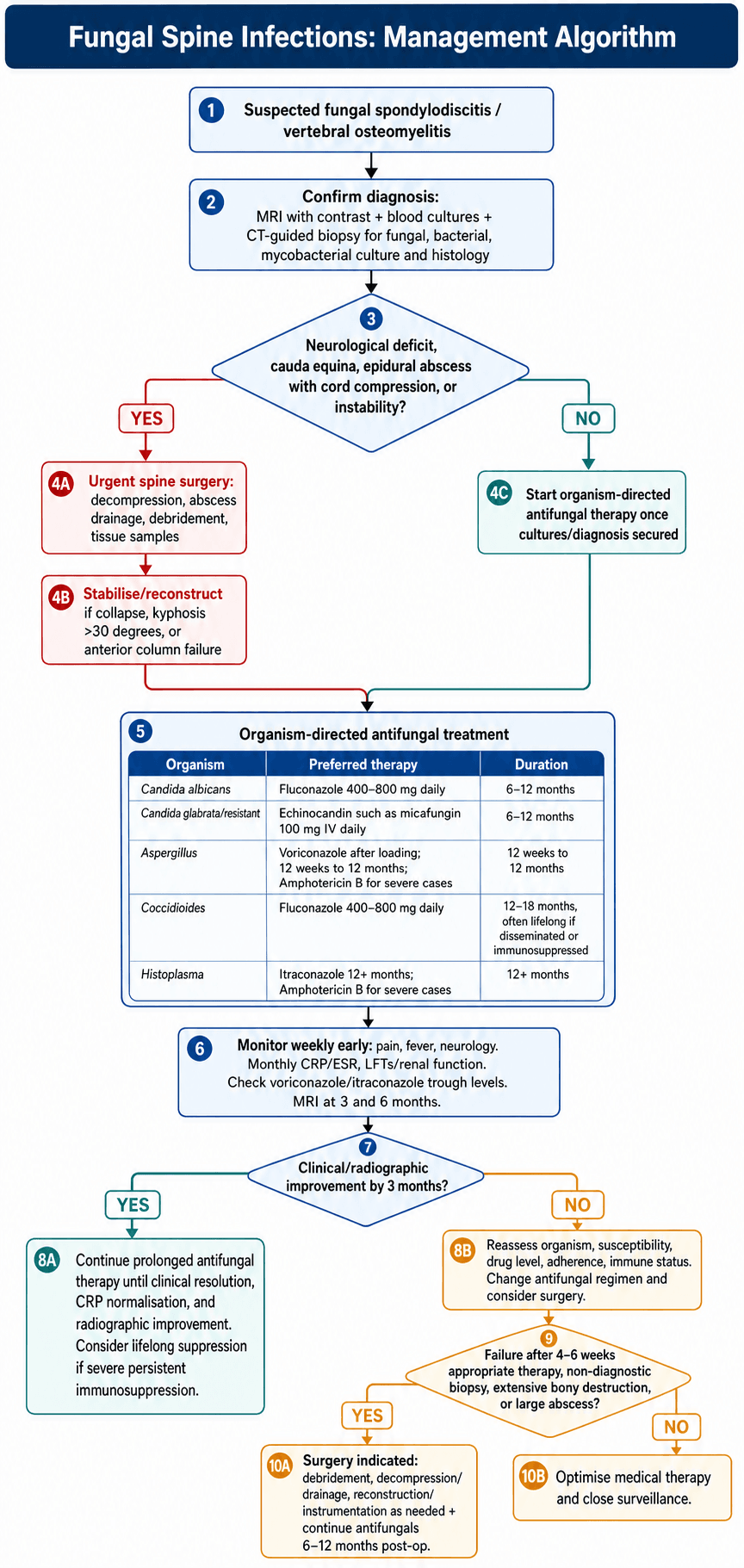
Duration. Antifungal therapy runs a minimum of 6-12 months and often longer, against 6 weeks for a bacterial infection; Aspergillus is the exception, with a stated minimum of 12 weeks. Treat until clinical resolution, CRP normalisation and radiographic improvement. Lifelong suppressive therapy may be necessary in patients who remain severely immunosuppressed (AIDS with CD4 less than 100, transplant recipients).
- First-Line Treatment
- Fluconazole 400-800mg PO daily
- Alternative
- Micafungin 100mg IV daily
- Duration
- 6-12 months
- First-Line Treatment
- Micafungin 100mg IV daily
- Alternative
- Caspofungin 70mg loading, then 50mg daily
- Duration
- 6-12 months
- First-Line Treatment
- Voriconazole 6mg/kg IV q12h day 1, then 4mg/kg IV q12h (or 200mg PO BID)
- Alternative
- Liposomal amphotericin B 5mg/kg IV daily
- Duration
- 12 weeks to 12 months
- First-Line Treatment
- Fluconazole 400-800mg PO daily
- Alternative
- Liposomal amphotericin B (severe cases)
- Duration
- 12-18 months, often lifelong
- First-Line Treatment
- Itraconazole 200mg TID for 3 days, then 200mg PO BID
- Alternative
- Liposomal amphotericin B (severe cases)
- Duration
- 12+ months
Monitoring. Voriconazole and itraconazole levels vary significantly between patients, so both are measured.
- Clinical response: pain, fever and neurological status, weekly at first
- Inflammatory markers: CRP and ESR monthly, which should trend down over 3-6 months
- Drug levels: voriconazole trough 1-5.5mcg/mL, itraconazole trough greater than 1mcg/mL
- Toxicity: LFTs monthly (azole hepatotoxicity), creatinine (amphotericin nephrotoxicity), visual changes (voriconazole)
- Imaging: MRI at 3 and 6 months, expecting slow radiographic improvement
Failure to improve clinically or radiographically at 3 months suggests the need for surgery or a change of antifungal regimen.
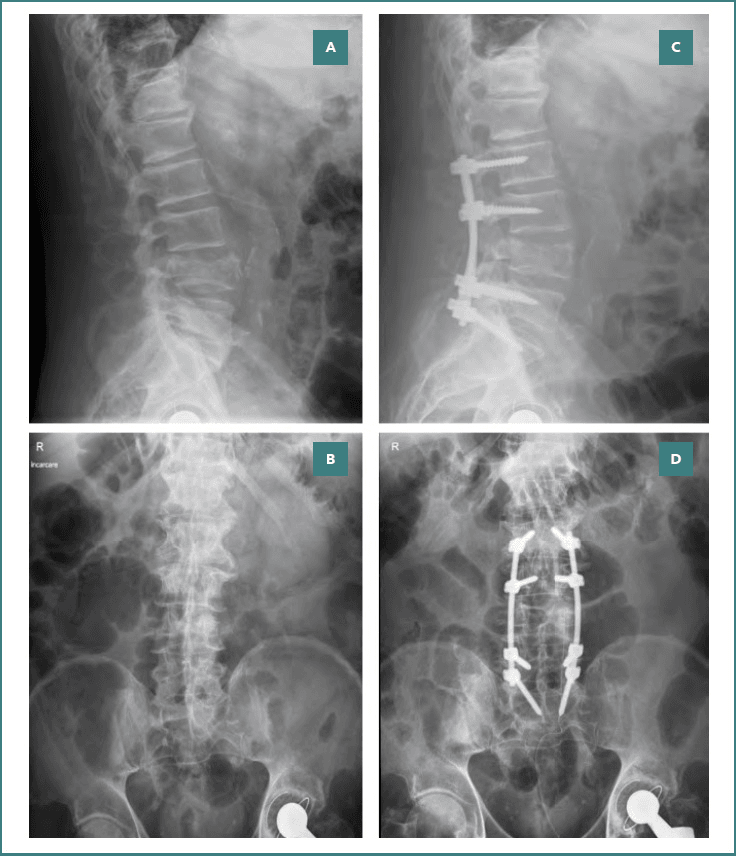
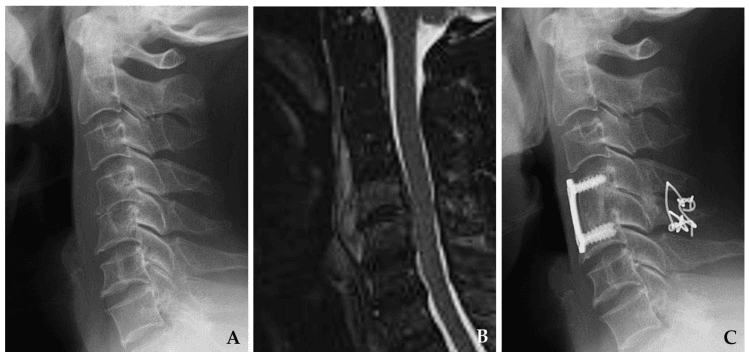
Complications and Outcomes
The incidence ranges below are conventional teaching ranges, not single-study measurements; the verified outcome anchors on this page are the Ganesh pooled mortality and recurrence figures, the Herbrecht trial, and the Guler multivariable results in the Evidence Base.
- Incidence
- 20-40% in Aspergillus
- Risk Factors
- Severe immunosuppression, delay in diagnosis
- Management
- Systemic antifungals, manage end-organ dysfunction, high mortality 30-50%
- Incidence
- 30-50% if untreated
- Risk Factors
- Epidural abscess, delayed diagnosis, medical therapy failure
- Management
- Urgent surgical decompression, continue antifungals, outcomes variable
- Incidence
- 40-60% with vertebral collapse
- Risk Factors
- Aspergillus (severe bone destruction), inadequate reconstruction
- Management
- Surgical correction with anterior column support and posterior instrumentation
- Incidence
- 20-30%
- Risk Factors
- Inadequate debridement, premature discontinuation of antifungals, persistent immunosuppression
- Management
- Repeat debridement, change antifungal regimen, prolong therapy, address immune status
- Incidence
- 30-40%
- Risk Factors
- Prolonged therapy, liver disease, drug interactions
- Management
- Monitor LFTs monthly, adjust doses, switch agents if severe hepatotoxicity
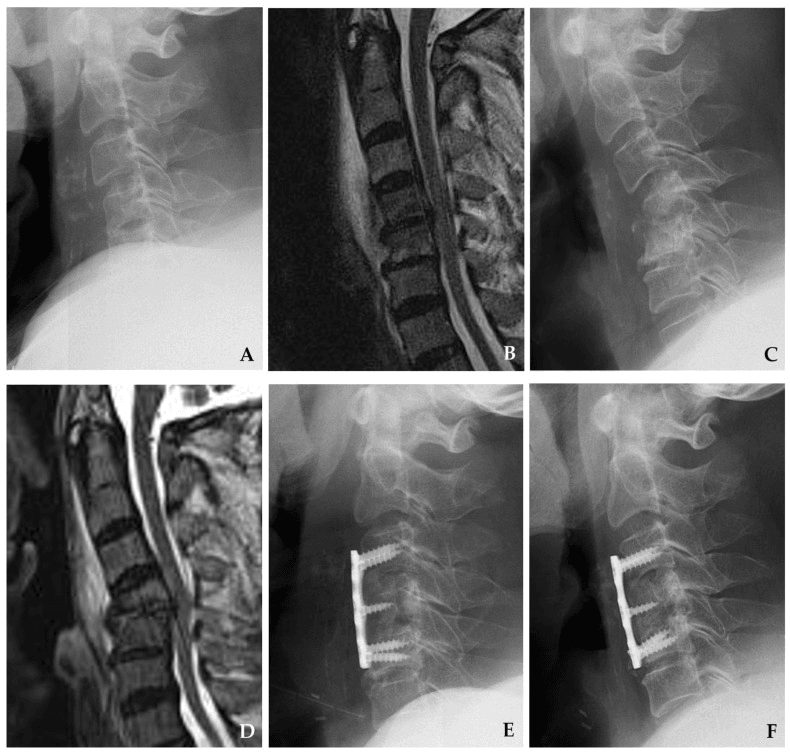
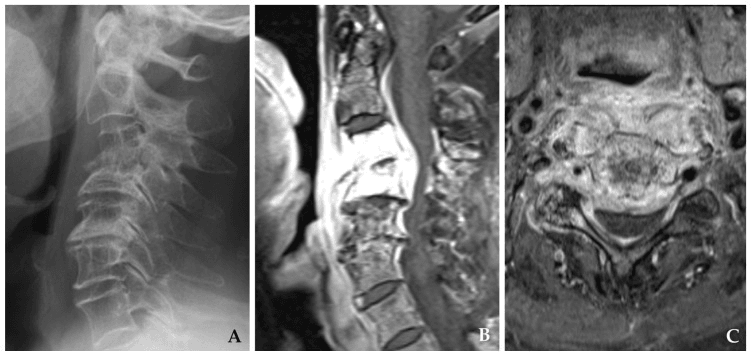
Guidelines, Registries & Global Practice
Global Epidemiology
Fungal spine infection accounts for roughly 1-2% of all spinal infections worldwide, with a reported incidence near 2.2 per 100,000 person-years. Distribution is driven by host immunosuppression (HIV, transplantation, haematological malignancy, chronic steroids, diabetes) and by geography for the endemic mycoses. Candida and Aspergillus occur worldwide and are largely healthcare- or immunosuppression-associated, whereas Coccidioides (Southwest USA, parts of Central/South America), Histoplasma (Americas, parts of Africa/Asia) and Blastomyces (North America) are geographically restricted. In published pooled series the lumbar spine is most often affected, with male predominance and a mean age in the mid-50s.
Side-by-Side Guidance
- Scope
- Candidiasis, aspergillosis, coccidioidomycosis guidelines
- Key Position
- Drug-specific, organism-led: echinocandin then fluconazole step-down for Candida bone disease; voriconazole first-line for Aspergillus; prolonged azole/lifelong suppression for disseminated Coccidioides
- Scope
- Aspergillus and Candida management
- Key Position
- Aligns with voriconazole/isavuconazole first-line for invasive aspergillosis; therapeutic drug monitoring of azoles emphasised
- Scope
- Spinal infection pathways
- Key Position
- Tissue diagnosis before antimicrobials where feasible, MDT (spine + ID + microbiology), surgery for instability or neural compromise
- Scope
- Global prioritisation
- Key Position
- Aspergillus fumigatus and Candida species (incl. C. auris) listed as critical/high priority, underscoring rising resistance and need for susceptibility testing
Registries and Practice Variation
There is no dedicated arthroplasty-style registry for spinal fungal infection; evidence rests on pooled case series and surveillance networks (e.g. ECMM/FungiScope, national antifungal-resistance surveillance such as CDC/EUCAST programmes). High-resource settings emphasise molecular diagnostics (PCR, MALDI-TOF), beta-D-glucan/galactomannan assays, therapeutic drug monitoring of azoles, and ready access to liposomal amphotericin B and newer triazoles. In limited-resource settings, delayed diagnosis, restricted access to voriconazole/isavuconazole and amphotericin formulations, and overlap with tuberculosis (which is far more common and radiographically similar) drive worse outcomes and a lower threshold for empiric anti-tuberculous therapy before fungal disease is considered.
In TB-endemic regions, granulomatous spinal infection is assumed tuberculous until proven otherwise. Fungal disease should be reconsidered when there is failure of anti-tuberculous therapy, an immunocompromised host, relevant travel to mycosis-endemic areas, or negative TB cultures with persistent granulomatous tissue.
Controversies and Areas of Uncertainty
Empiric antifungals before tissue diagnosis. Whether to start empiric antifungals in a deteriorating high-risk patient while awaiting culture (which takes 2-6 weeks), or to hold therapy to preserve culture yield, is unresolved. Most authorities favour empiric cover in the immunocompromised, deteriorating patient, accepting reduced culture sensitivity.
Optimal duration. A minimum of 6-12 months is widely cited, but the evidence is observational. The endpoint (CRP normalisation, radiographic resolution or a fixed duration) and the role of indefinite suppression in persistent immunosuppression remain debated, with no randomised data.
Hardware in active infection. Instrumentation is generally retained, but the threshold for hardware removal versus suppression over retained metal is not standardised.
Combination antifungal therapy. Combining antifungals (e.g. voriconazole plus an echinocandin or amphotericin) for severe or refractory spinal aspergillosis is extrapolated from invasive aspergillosis data; spine-specific evidence is absent and toxicity is additive.
The use of high-dose corticosteroids to reduce cord oedema in fungal epidural compression is controversial: steroids may worsen the underlying fungal infection and immunosuppression. There is no high-quality evidence; decisions are individualised and made with infectious diseases input.
MCQ Practice Points
Q: What is the most common fungal pathogen causing spondylodiscitis? A: The two published aggregations on this page disagree, and the honest answer names the population rather than a single organism. Ganesh (157 cases from 130 articles, 1948-2010) found Aspergillus commonest at 38.2% with Candida 22.9%; Das (134 published patients, to 2026) found Candida albicans commonest at 62.7% with Aspergillus fumigatus 27.6%. Both are aggregations of PUBLISHED CASES rather than incidence studies, drawn from different eras, so neither figure is a population rate. What is consistent and examinable is the clinical split: Candida dominates healthcare-associated disease - ICU stay, central lines, parenteral nutrition, injecting drug use - and Aspergillus dominates in the profoundly immunocompromised, particularly haematological malignancy, transplantation and prolonged neutropenia. Note also that non-albicans species now account for about half of Candida osteoarticular isolates, with fluconazole resistance of 27% among them, so species identification and susceptibility testing drive therapy rather than a default agent.
Q: What is the gold standard for diagnosing fungal spine infection? A: Tissue biopsy with fungal culture - blood cultures are frequently negative, so a negative set does not exclude the diagnosis, and no cited source on this page quantifies the yield. Tissue biopsy (CT-guided needle or open surgical) is mandatory. Send FRESH tissue (NOT formalin) for fungal culture and fungal stains (GMS, PAS). Cultures take 2-6 weeks to grow. Serology (beta-D-glucan, galactomannan) and PCR can aid rapid diagnosis. Bear in mind that bacterial co-infection was present in 52.1% of the Turkish Candida osteoarticular series, so growing a bacterium does not exclude a concurrent fungus.
Q: What is the first-line antifungal for invasive aspergillosis including spinal involvement? A: Voriconazole, but quote the trial for what it actually studied. Herbrecht's NEJM 2002 trial randomised 277 patients with invasive aspergillosis - mostly allogeneic transplant recipients and patients with acute leukaemia - and reported successful outcome at 12 weeks in 52.8% against 31.6%, with survival 70.8% against 57.9% (hazard ratio 0.59, 95% CI 0.40 to 0.88). There were no spinal endpoints and vertebral disease was not an inclusion criterion, so its application to spinal aspergillosis is an extrapolation - a well-accepted one, but say so if asked. The trial was unblinded and the comparator was amphotericin B deoxycholate rather than a lipid formulation. Dose: 200mg PO BID after loading. Monitor trough levels (target 1-5.5 mcg/mL). Warn specifically about transient visual disturbance, which affected 44.8% in the trial. Alternative: liposomal amphotericin B 5mg/kg IV daily. Duration: minimum 12 weeks, often 6-12 months for spinal disease.
Q: What MRI finding is more characteristic of fungal versus bacterial spine infection? A: Extensive paravertebral and epidural extension with relative disc sparing (especially Aspergillus) - Fungal infections more commonly have large paraspinal abscesses (70-90% vs 50-70% bacterial) and epidural extension (50-80% vs 30-50% bacterial). Aspergillus preferentially destroys bone with less disc involvement compared to bacterial infections. Multiple non-contiguous levels suggest hematogenous fungal dissemination.
Q: A patient with disseminated coccidioidomycosis and spinal involvement asks how long antifungal therapy will be needed. What do you tell them? A: Lifelong suppressive therapy is often required for disseminated coccidioidomycosis - Unlike localized pulmonary disease (treat 3-6 months), disseminated coccidioidomycosis with spinal involvement requires prolonged therapy (minimum 12-18 months, often lifelong) to prevent relapse. Relapse rates 20-30% if therapy discontinued in disseminated disease. Treatment is fluconazole 400mg daily or higher doses.
Q: What are the absolute indications for surgical intervention in fungal spine infection? A: Progressive neurological deficit, spinal instability, epidural abscess with cord compression, medical treatment failure - Combination therapy (surgery PLUS antifungals) has better outcomes than medical therapy alone; in pooled data, surgery lowered mortality versus medical-only treatment for Aspergillus (26.9% vs 60%) and Candida (0% vs 28.6%). Surgery provides tissue diagnosis, decompresses neural elements, debrides infected tissue, and allows definitive pathogen identification. Medical failure defined as progression despite 4-6 weeks of appropriate antifungal therapy.
Exam Viva Scenarios
Practise clinical reasoning and management decisions out loud
“A 52-year-old renal transplant recipient on tacrolimus and prednisone presents with 6 weeks of progressive low back pain and low-grade fever. He was treated with 2 weeks of IV cefazolin for presumed bacterial spondylodiscitis without improvement. MRI shows L3-L4 spondylodiscitis with large paravertebral abscess and mild epidural extension. Blood cultures are negative. How would you approach this case?”
“A 45-year-old woman with acute myeloid leukemia post-chemotherapy presents with acute onset bilateral lower extremity weakness and urinary retention. She has had 4 weeks of back pain. MRI shows T10-T11 spondylodiscitis with severe vertebral body destruction and epidural abscess causing cord compression. CT-guided biopsy 2 weeks ago grew Aspergillus fumigatus. She has been on voriconazole 200mg BID for 10 days. Exam shows 2/5 bilateral lower extremity strength and T10 sensory level. How do you manage this patient?”
“A 38-year-old previously healthy man who recently relocated from Arizona to a non-endemic country presents with 6 months of progressive back pain, night sweats, and 10kg weight loss. MRI shows multifocal spondylodiscitis at L1-L2 and L4-L5 with extensive paravertebral abscesses bilaterally. He has mild lower extremity weakness (4/5). Coccidioides serology is positive with high titers. How would you counsel and manage this patient?”
Key Pathogens and Epidemiology
- Candida - healthcare-associated, IV drug use, immunocompromised; about half of osteoarticular isolates are now non-albicans, 27% fluconazole-resistant
- Aspergillus - haematological malignancy, transplant, prolonged neutropenia; the guarded end of the spectrum
- Coccidioides - endemic Southwest USA, disseminated disease requires lifelong therapy
- Histoplasma/Blastomyces - endemic mycoses, Mississippi/Ohio valleys and Great Lakes region
- Only 1-2% of all spine infections but rising incidence due to more immunocompromised patients
Clinical Recognition
- Think fungal if spine infection fails to respond to appropriate antibacterial therapy
- Indolent onset over weeks to months with low-grade fever (or absent)
- Neurological deficit in 50-70% (often late presentation)
- Risk factors: HIV CD4 less than 100, transplant, chemotherapy, chronic steroids greater than 20mg daily, diabetes
- Blood cultures frequently negative (no cited source quantifies the yield) - tissue biopsy is MANDATORY
Diagnostic Approach
- MRI: extensive paravertebral/epidural extension more than bacterial, disc sparing in Aspergillus
- Tissue biopsy (CT-guided or surgical) is gold standard - send FRESH (NOT formalin) for culture
- Fungal stains: GMS (Grocott methenamine silver), PAS (periodic acid-Schiff)
- Serology: beta-D-glucan (Candida/Aspergillus), galactomannan (Aspergillus), Coccidioides titers
- Fungal cultures take 2-6 weeks to grow - consider empiric therapy in high-risk patients
Treatment by Organism
- Candida albicans: fluconazole 400-800mg daily PO × 6-12 months
- Candida glabrata (resistant): micafungin 100mg IV daily × 6-12 months
- Aspergillus: voriconazole 200mg BID PO (monitor levels) × 12 weeks to 12 months
- Coccidioides disseminated: fluconazole 400-800mg daily, often lifelong suppression
- Surgery if neurological deficit, instability, medical failure, or extensive destruction
Surgical Indications and Approach
- Absolute: progressive neuro deficit, spinal instability, epidural abscess with cord compression, medical failure
- Combination therapy (surgery + antifungals) superior to medical alone (lower mortality: Aspergillus 26.9% vs 60%, Candida 0% vs 28.6% in pooled review)
- Posterior decompression for epidural abscess, laminectomy, instrumentation if instability
- Anterior corpectomy for vertebral body destruction, reconstruct with cage (avoid autograft)
- Combined anterior-posterior for severe destruction, maximum debridement and stability
Outcomes and Prognosis
- Candida: better outcomes than Aspergillus; no cited cure rate - debridement independently raised recovery odds (aOR 5.76, Turkish series)
- Aspergillus: overall fungal-spine mortality 19.3% (Ganesh); surgical 26.9% vs medical 60% (confounded); no cited disseminated-vs-localised split
- Coccidioides disseminated: requires lifelong therapy, relapse 20-30% if discontinued
- Treatment failure/relapse 20-30% overall - inadequate debridement, early discontinuation, persistent immunosuppression
- Monitor CRP/ESR monthly (should trend down), MRI at 3 and 6 months, drug levels for voriconazole/itraconazole
Evidence Base
Fungal Infections of the Spine: Literature Review
- Review of 130 articles representing 157 cases of fungal spine infection (1948-2010)
- Aspergillus (38.2%) was the single most common pathogen, followed by Candida (22.9%)
- Surgery plus antifungals carried lower mortality than medical therapy alone for Aspergillus (26.9% vs 60%) and Candida (0% vs 28.6%)
- Overall mortality 19.3% and overall recurrence 7.4%
- Amphotericin use was associated with higher mortality than newer azoles
Voriconazole for Invasive Aspergillosis
- Randomized trial of 277 patients with invasive aspergillosis: voriconazole vs amphotericin B deoxycholate
- 12-week survival higher with voriconazole (70.8% vs 57.9%; hazard ratio 0.59, 95% CI 0.40-0.88)
- Successful (complete or partial) response higher with voriconazole (52.8% vs 31.6%)
- Fewer severe drug-related adverse events with voriconazole; transient visual disturbance in 44.8%
IDSA Clinical Practice Guideline for Candidiasis (2016)
- For Candida osteomyelitis, recommended fluconazole 400mg (6mg/kg) daily, or an echinocandin/lipid amphotericin B for 2 weeks followed by fluconazole step-down
- Total duration 6-12 months for osteomyelitis (longer than soft-tissue candidiasis)
- Echinocandin (micafungin, caspofungin, anidulafungin) preferred for azole-resistant species or critically ill patients
- Surgical debridement recommended for extensive disease, hardware involvement or neurological compromise