Benign Vascular Tumour | Phleboliths Indicate a VENOUS MALFORMATION | MRI Essential
- Hemangioma is BENIGN - NOT angiosarcoma
- Phleboliths - round calcifications with lucent centres - point to a slow-flow VENOUS MALFORMATION rather than a true haemangioma, and should trigger reclassification under ISSVA
- MRI essential - radiographs underestimate extent significantly
- Venous type most common in skeletal muscle (60%)
- Incomplete excision leads to high recurrence (up to 40%)
- “Infantile hemangiomas: 50% involute by age 5 - observation first
- “Kasabach-Merritt syndrome with kaposiform hemangioendothelioma, NOT hemangioma
- “MRI: hyperintense T2, flow voids, enhancement
- “Distinguish from vascular malformations - different natural history
Hemangioma (Soft Tissue)
Overview
A soft tissue haemangioma is a benign vascular tumour composed of proliferating blood vessels, and the most common benign soft tissue tumour of infancy and childhood. It has no metastatic potential. The difficulty of the topic lies in the naming: not confusing the lesion with angiosarcoma or haemangioendothelioma, and not calling a vascular malformation a haemangioma.
Tumour or malformation. A haemangioma is a proliferative tumour; a vascular malformation is a structural lesion of dysplastic vessels with no endothelial proliferation, present at birth, growing proportionately with the child, never involuting, and GLUT-1 negative. ISSVA divides vascular anomalies along exactly this line, into tumours and malformations, and because the two have different natural histories the distinction decides the management.
Phleboliths. Round calcifications with lucent centres, formed when stasis produces thrombus that calcifies. That is a malformation mechanism, not a proliferative one, so a phlebolith is the radiographic hallmark of a slow-flow venous malformation rather than of a true infantile haemangioma. They appear in roughly half of the lesions in older "soft tissue haemangioma" series because those cohorts, assembled before ISSVA, contained venous malformations. A phlebolith should make you reclassify the lesion rather than confirm the label, and the reclassification changes management: a venous malformation will not involute and will not respond to propranolol.
Anatomy & Pathophysiology
A spectrum of proliferations. Soft tissue haemangiomas are benign vascular proliferations with distinct histologic patterns, and the pattern correlates with clinical behaviour and with what the imaging shows. The subtypes are set out under Classification; what follows is the biology they share.
Molecular and cellular mechanisms. VEGF upregulation drives angiogenesis and FGF-2 promotes endothelial proliferation, while the angiopoietin-TIE2 system regulates vessel maturation and hypoxia-inducible factor is activated in proliferating lesions. Loss of apoptotic signals allows persistent endothelial growth, mast cell infiltration contributes to vascular remodelling, and pericyte recruitment with smooth muscle differentiation marks the maturing lesion. GLUT-1 expression distinguishes infantile from congenital haemangiomas.
The proliferative phase (0-12 months). In the infantile type, rapid endothelial proliferation with high GLUT-1 expression, increased mitotic activity and cellular density; VEGF and FGF-2 levels peak, apoptosis is minimal and vessels accumulate. The tumour typically doubles in size during the first 5 months, is bright red from its high blood flow, and may cause functional impairment if it lies near critical structures.
The plateau phase (12-18 months). Proliferation and apoptosis come into balance, growth velocity falls and the size is stable. Endothelial maturation begins, the vascular channels reorganise structurally, GLUT-1 and proliferation markers decrease, and the colour changes from bright red to purple. This is the opportunity for observation before involution.
The involutionary phase (1-7 years). Apoptosis exceeds proliferation with net vessel loss, endothelial cells are replaced by fibrofatty tissue, vascularity on imaging decreases and the colour fades to grey or skin tone. Involution is complete in 50% by age 5 and 70% by age 7, and residual fibrofatty tissue or skin changes may remain.
Where they sit. Intramuscular lesions are 75% of the deep soft tissue types; subcutaneous and cutaneous lesions make up 20%, and synovial and periarticular lesions 5%.
- Intramuscular. Lower extremity 50% (quadriceps and gastrocnemius most common), upper extremity 25% (deltoid, biceps, forearm flexors), trunk 15% (paraspinal and abdominal wall muscles), head and neck 10% (masticatory muscles, tongue). Growth is infiltrative along fascial planes, may involve multiple muscle groups in complex cases, and leaves difficult surgical planes because the muscle itself is infiltrated, which is why recurrence after incomplete excision is high.
- Subcutaneous and cutaneous. More common in the head and neck in children, with overlying skin discolouration. The superficial location allows easier clinical diagnosis, the margins are better defined than in intramuscular lesions, complete excision is more achievable with a lower recurrence rate and better cosmetic outcomes with modern techniques, and a purely cutaneous lesion may respond to laser.
- Synovial and periarticular. The knee is most often affected (40% of joint haemangiomas). The lesion causes recurrent haemarthrosis and joint swelling, synovial hypertrophy with haemosiderin deposition and progressive joint damage if untreated, and may mimic pigmented villonodular synovitis. Synovectomy, open or arthroscopic, is the definitive treatment, with a risk of arthrofibrosis afterwards.
Classification
Histologic classification (Enzinger and Weiss). Five subtypes. The immunohistochemistry panel is listed under Investigations.
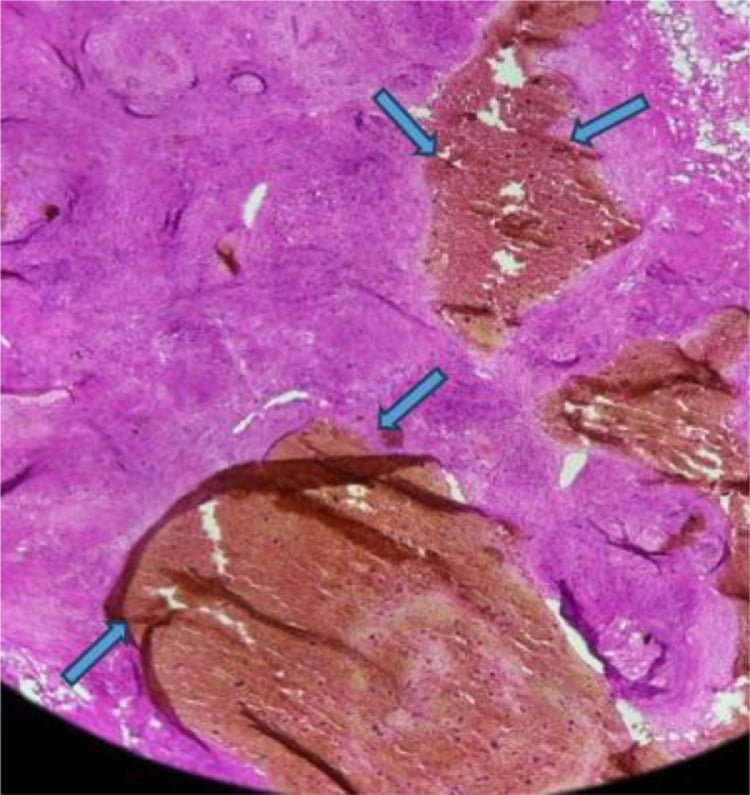
Capillary haemangioma. Lobules of closely packed capillary-sized vessels with narrow lumens, lined by prominent plump endothelial cells without significant atypia, surrounded by pericytes, with minimal intervening stroma, dense cellularity, a lobular architecture with feeding vessels, and focal mitotic activity in proliferating lesions. It is the most common type in subcutaneous tissue and the dermis, usually presents in infants and young children and may grow rapidly in infancy; the infantile variant has a high proliferative index, with Ki-67 elevated in the proliferative phase, and is GLUT-1 positive. Clinically it is bright red from its high blood flow, soft, compressible and blanching with pressure, with better defined margins than the other subtypes, more amenable to sclerotherapy or laser, and with a lower recurrence rate after complete excision.
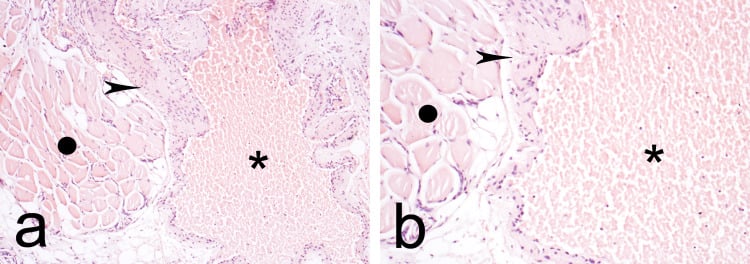
Cavernous haemangioma. Large, dilated, thin-walled, blood-filled vascular spaces lined by flattened endothelium with minimal atypia, separated by fibrous septa, with variable smooth muscle in the walls and a lower proliferative rate than the capillary type. Slow flow with stasis produces thrombosis and organisation within the channels, organised thrombi that recanalise, dystrophic calcification forming phleboliths, and haemosiderin from prior haemorrhage. It sits in deep soft tissue, especially muscle, may cause local mass effect and compression, and shows bluish discolouration of the overlying skin if superficial and a compressible mass that refills slowly. Pain follows thrombosis or venous distension, the infiltrative border makes complete excision challenging with 20-40% recurrence after attempted excision, and it does not involute spontaneously in adults.
Venous haemangioma. Thick-walled veins with prominent smooth muscle, immunoreactive for smooth muscle actin, enclosing dilated spaces with slow flow; frequent thrombosis with organised thrombi and phlebolith formation, variable fibrous stroma, and haemosiderin throughout the lesion. In muscle the veins infiltrate between the fibres. It is the most common type within skeletal muscle (60% of intramuscular lesions), deep with ill-defined margins, painful with activity from venous distension or with positional change, and may produce compartment-syndrome-like symptoms. MRI shows hyperintense T2 signal with flow voids; the infiltrative growth makes complete excision difficult, with recurrence in 30-40% after incomplete excision, and an extensive lesion may need preoperative embolisation.
Arteriovenous haemangioma. Thick-walled arteries with a muscular media communicate directly with veins, without an intervening capillary bed. The vessels are of variable calibre and high flow, the feeding arteries show reactive intimal thickening and may be hypertrophied, the draining veins may dilate aneurysmally, growing lesions show cellular proliferation, and haemosiderin and thrombus are less common than in the venous type. It presents as a pulsatile mass with a palpable thrill or audible bruit and warm overlying skin, may enlarge with hormonal change, trauma or increased cardiac output (pregnancy, exercise), risks high-output cardiac failure if massive and distal ischaemia through a steal phenomenon, and bleeds with biopsy or incomplete surgery. It often invades multiple tissue planes, requires preoperative angiography and possibly embolisation, and has the highest recurrence rate of all the subtypes after incomplete excision.
Epithelioid haemangioma. Previously "histiocytoid haemangioma". Plump epithelioid endothelial cells line well-formed vascular channels of variable lumen, with an inflammatory infiltrate of eosinophils and lymphocytes and sometimes lymphoid aggregates or germinal centres; solid areas may mimic angiosarcoma, but mitotic activity is low. It is immunoreactive for the endothelial markers CD31 and ERG and negative for cytokeratin, which excludes an epithelial tumour. It favours the head and neck or the distal extremities, may be multiple, is associated with trauma or arteriovenous malformation, can recur locally, and very rarely progresses to angiosarcoma; the distinction that matters is from epithelioid angiosarcoma, and complete excision is curative in most cases.
Clinical classification (Mulliken and Glowacki). The tumour-versus-malformation dichotomy described in the Overview; within the tumours, two clinical entities are distinguished by their timing and their GLUT-1 status.
Infantile haemangioma. Not present, or minimally present, at birth, with rapid proliferation during the first year of life and a 3:1 female predominance. It is GLUT-1 positive, which distinguishes it from the congenital type. Observation is appropriate for an uncomplicated lesion; the indications for treatment are functional impairment, ulceration and disfigurement, and a complicated lesion may require propranolol.
Congenital haemangioma. Fully formed at birth and GLUT-1 negative, in two forms:
- RICH (rapidly involuting). Regresses rapidly after birth, with complete involution by 12-14 months; equal sex distribution, usually solitary, may leave residual skin changes. Observation is appropriate for most; excision if symptomatic.
- NICH (non-involuting). Remains stable, neither proliferating nor involuting, and persists into adulthood without treatment. Excision for symptoms or cosmesis is usually curative, with lower recurrence than the intramuscular types; consider excision in childhood for an accessible lesion.
Clinical Presentation
How it presents. Five patterns, with the frequencies worth knowing:
- Asymptomatic mass (40%). An incidental finding or a lump the patient or parent notices: palpable fullness, present for months to years, slow growth without recent change, no pain, tenderness or functional limitation, and no skin change if the lesion is deep. More common in older children and adults.
- Pain (35%). Two patterns, described below.
- Functional impairment (15%). Restricted motion of the adjacent joint, weakness from muscle infiltration or compression, neurological symptoms from nerve compression, vascular compromise from compression of a major vessel, compartment syndrome in a rapidly enlarging lesion, gait abnormality with lower limb lesions, hand dysfunction with upper limb involvement, and cosmetic concern in exposed areas.
- Bleeding and haemarthrosis (5%). Recurrent haemarthrosis from an intra-articular lesion, spontaneous bleeding episodes with trauma and ecchymosis after minor injury. Haemarthrosis causes swelling and pain and, repeated, joint damage; the picture may mimic haemophilia or pigmented villonodular synovitis.
- Consumption coagulopathy (less than 1%). Kasabach-Merritt phenomenon, which does not occur with a true haemangioma; it belongs to kaposiform haemangioendothelioma and tufted angioma and is described under Complications.
Pain in an intramuscular venous lesion. A dull ache with activity or muscle contraction as the veins distend and engorge, worse in a dependent position and relieved by rest and elevation, exacerbated by Valsalva, with night pain if venous stasis is significant and tenderness over the lesion. It may mimic chronic compartment syndrome.
Acute thrombosis. Sudden severe pain in a previously asymptomatic lesion, with a firm, tender mass, local inflammation and possibly warmth and erythema of the overlying skin. The episode is usually self-limited over days to weeks, phleboliths may be palpable once it settles, and it may recur. Distinguish it from deep vein thrombosis or infection; imaging may be required to exclude other pathology.
Inspection. Visible swelling or fullness, bluish or purple discolouration if superficial, dilated superficial veins draining the lesion, skin temperature normal or slightly warm, no ulceration in the uncomplicated case. Look for asymmetry against the contralateral limb, muscle atrophy from chronic compression, and scars from previous biopsy or surgery.
Palpation. A soft, compressible mass that refills after compression, non-tender unless thrombosed, with ill-defined margins if infiltrative; a venous lesion is reducible with elevation and compression and enlarges with dependency or Valsalva. Phleboliths may be felt as hard nodules within the soft mass. There is no associated lymphadenopathy.
Empty-refill test. Elevate the limb and compress the mass to empty the venous spaces, then lower the limb and release. Slow refilling over 15-30 seconds suggests a low-flow venous lesion; rapid refilling suggests a high-flow arteriovenous one. A positive test supports a vascular lesion over a solid tumour, correlates with the venographic findings, and helps separate the subtypes clinically.
Auscultation. An audible bruit suggests an arteriovenous haemangioma or malformation and is absent in the venous and capillary types; a high-flow lesion also gives a palpable thrill, the bruit is accentuated by exercise, and a massive lesion may raise the heart rate or cardiac output. A bruit identifies the high-risk lesion that needs embolisation, and possibly preoperative angiography, before any surgery.
Infants (0-12 months). A rapidly enlarging red or purple mass that may not have been present at birth, growing at a rate that alarms the parents. The risks are ulceration during rapid proliferation, functional impairment near vital structures, airway compromise with head and neck lesions and visual obstruction with a periorbital one; propranolol is considered for the complicated lesion.
Children (1-10 years). Growth slows or the lesion is stable after infancy. Activity-related pain in intramuscular lesions, functional limitation in sport and play, and cosmetic concern in exposed areas are the complaints; phleboliths may be visible on radiographs, the school-age child is more aware of the difference and a visible deformity carries psychological impact. This is the optimal time for excision if it is indicated.
Adolescents and adults (over 10 years). A long-standing stable mass with recent growth, pain more prominent than in children, enlargement with hormonal change and pregnancy-associated growth in women, and occupational impact from functional limitation. A first presentation in adulthood is a diagnostic challenge that carries a higher suspicion of malignancy: MRI, and possibly biopsy, to exclude a sarcoma.
Investigations
The order of the workup. Plain radiographs first, to look for phleboliths, then MRI with contrast to define extent and vascularity. Angiography is reserved for the high-flow lesion that needs preoperative embolisation.
Plain radiographs. Phleboliths are round or oval calcifications with radiolucent centres, from 2 mm to over 10 mm, more common in the cavernous and venous subtypes, following the venous distribution, and producing a "grapes in a bag" appearance when multiple. In a chronic lesion they may be the only radiographic finding; their absence does not exclude the diagnosis, and half of lesions show a soft tissue mass without calcification. Sensitivity is therefore low, but specificity is high if phleboliths are present. Associated findings are periosteal reaction if the lesion lies against bone (rare), bone remodelling or scalloping from mass effect, increased bone density from hyperaemia in children, joint space widening with an intra-articular lesion, and disuse osteopenia if pain is chronic; comparison views help assess asymmetry. Radiographs significantly underestimate extent, which is the reason MRI is essential.
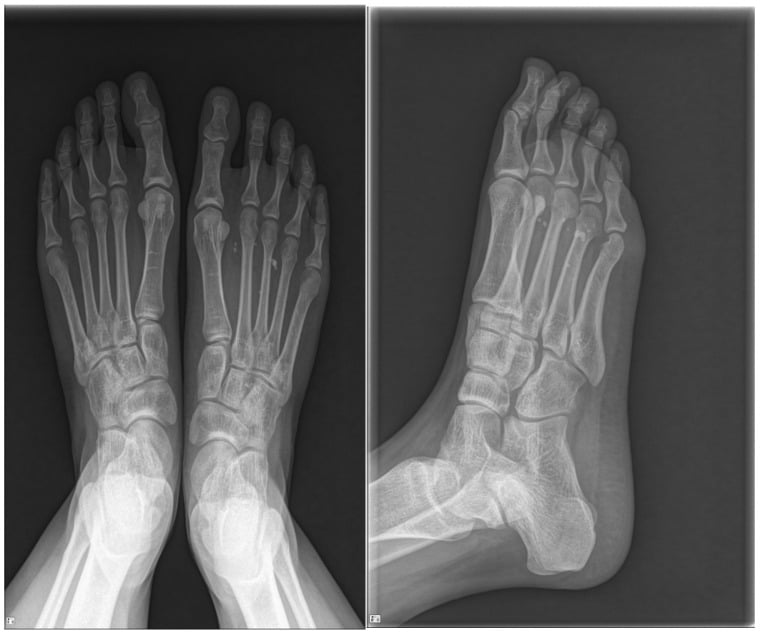
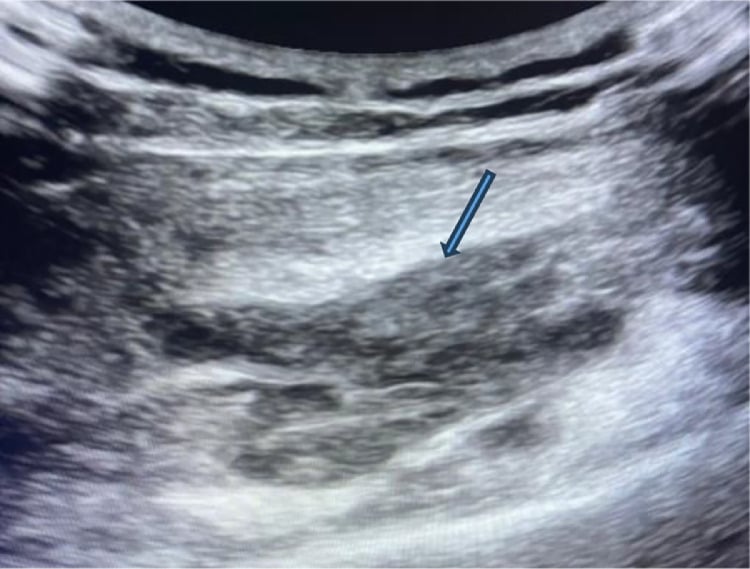
Ultrasound. Non-invasive, free of radiation, readily available and cost-effective, and useful in infants and young children. It assesses compressibility in real time, characterises flow with Doppler, differentiates solid from cystic lesions, guides biopsy if one is needed and monitors the response to treatment. The lesion is of heterogeneous echogenicity with mixed solid and cystic areas and septations, phleboliths are hyperechoic with posterior acoustic shadowing, thrombosed areas are hypoechoic, compressibility confirms the vascular nature, and Doppler shows low-flow venous signals in the venous type or high-flow arterial waveforms in the arteriovenous type. It is limited for deep lesions and for determining extent.
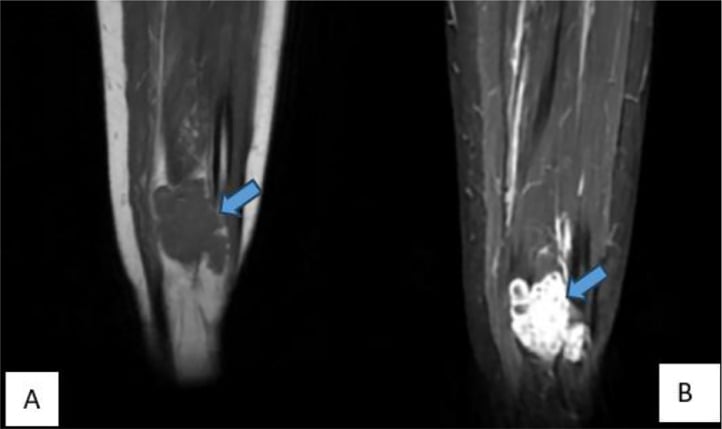
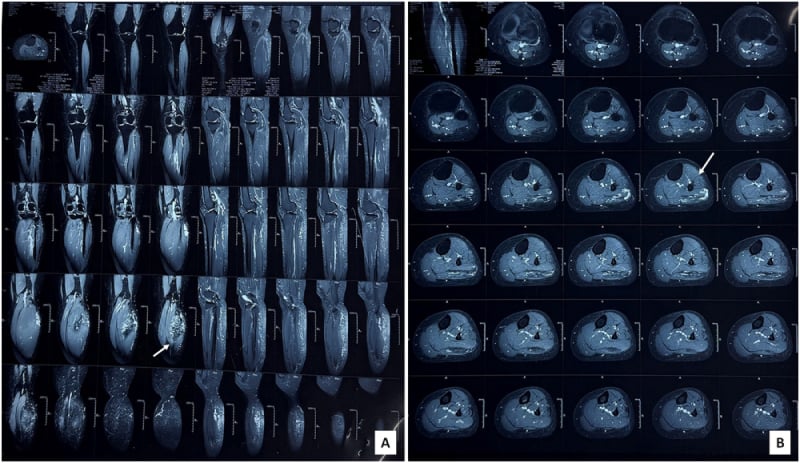
MRI protocol. The study must include the entire anatomic compartment, with coronal and sagittal planes for surgical planning:
- T1-weighted: isointense to muscle, hyperintense where fat is present
- T2-weighted: markedly hyperintense, the diagnostic hallmark
- Fat-suppressed: remains hyperintense, confirming fluid rather than fat
- T1 post-contrast: serpentine or diffuse enhancement
- Dynamic contrast-enhanced: early enhancement with gradual filling
- Gradient echo: blooming artefact from phleboliths
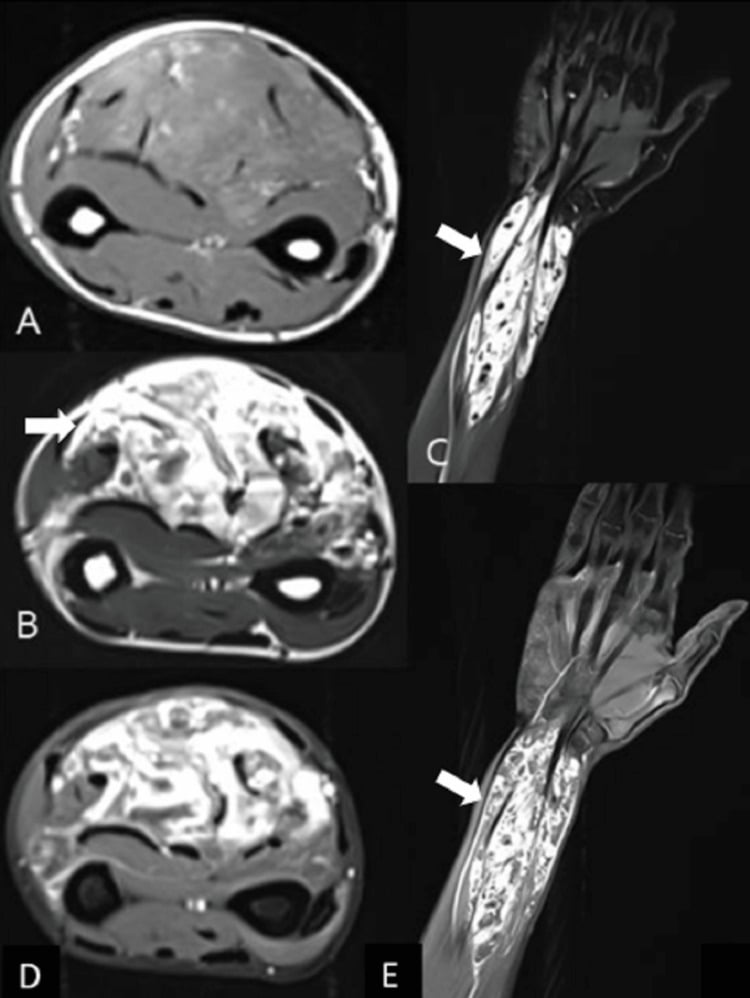
Reading the T2 signal. The lesion is bright, equal to or greater than fat, because it is slow-flowing blood in vascular spaces, and the bright areas are serpentine or lobulated with multiple flow voids, which is what separates it from a solid tumour. The signal turns heterogeneous with thrombosis or haemorrhage, septations appear as low-signal bands, and the surrounding muscle is oedematous if there has been rapid growth or thrombosis.
Flow voids. Serpiginous areas of signal dropout on all sequences, representing rapidly flowing blood in the feeding and draining vessels, more prominent in the arteriovenous subtypes; their number correlates with vascularity. They identify the vascular nature of the lesion, and a cystic lesion has none. Layering fluid-fluid levels come from blood products, and phleboliths appear as signal voids that bloom on gradient echo.
Enhancement. The pattern separates flow rates. A venous lesion enhances gradually and progressively over 5-10 minutes, from the periphery to the centre, persisting on delayed images, heterogeneous where there is thrombosis or fibrosis, with the septations enhancing more than the vascular spaces, the feeding and draining veins enhancing prominently and no rapid arterial phase. An arteriovenous lesion enhances rapidly and homogeneously in the arterial phase with early venous return, prominent feeding arteries and draining veins that are enlarged and show flow voids, and shunting on time-resolved MR angiography; these high-flow characteristics demand preoperative planning and often embolisation before surgery.
Extent and margins. Infiltration into multiple muscle groups is common, following the fascial planes and neurovascular bundles, and the margins are poorly defined in 80% of intramuscular cases. The lesion may encase nerves or vessels without invading them, involves an adjacent joint in 10%, may extend from deep tissue into the subcutaneous plane, and on chronic imaging the infiltrated muscles are atrophic. Compare with the contralateral side for subtle findings.
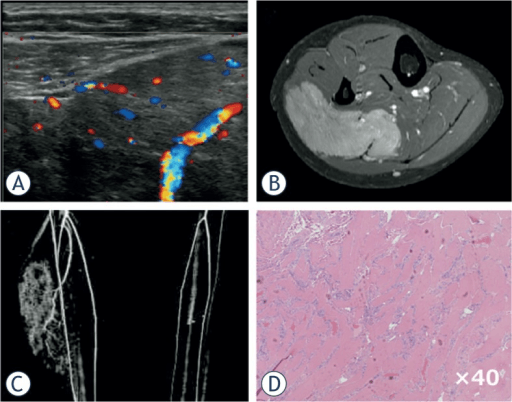
Angiography (conventional, CT or MR). Indicated for a suspected high-flow arteriovenous lesion, for preoperative planning of a large or complex lesion, for planning embolisation or guiding sclerotherapy, to differentiate the lesion from an arteriovenous malformation, to assess the feeding vessels and map the venous drainage before surgery, and after failed surgery with recurrence. A low-flow lesion opacifies slowly, with venous pooling, delayed washout, a "puddle sign" of contrast pooling in the cavernous spaces and phleboliths as filling defects. A high-flow lesion fills early in the arterial phase with arteriovenous shunting, enlarged feeders and draining veins without a capillary blush. A malformation shows dysplastic vessels, and coils or particles from prior embolisation are visible.
CT. Not first-line: soft tissue contrast is inferior to MRI and the radiation limits its use in children. It earns its place when MRI is contraindicated (pacemaker, metal); it is excellent at detecting phleboliths, which are easier to see than on MRI, and is used for CT angiography to map vessels in selected cases, three-dimensional reconstruction for surgical planning, and assessment of the adjacent bone. It shows a heterogeneous soft tissue mass with calcified phleboliths, enhancement with intravenous contrast, infiltration of muscle compartments, enlarged feeding or draining vessels in a high-flow lesion, bony remodelling or erosion in a chronic one, and fluid-fluid levels from haemorrhage or thrombosis; the findings resemble MRI but are less specific.
Biopsy. A classic lesion on imaging is not biopsied. The indications are:
- Atypical presentation in an adult, to exclude a sarcoma
- Rapid growth or a change in character
- Absence of the characteristic imaging features, or diagnostic uncertainty after MRI
- A solid-appearing lesion without vascular features
- Age over 40 at first presentation
Consider core needle rather than open biopsy, and avoid biopsy of a high-flow lesion without embolisation first.
What the pathologist separates. The microscopic features of each subtype are under Classification. The separation from angiosarcoma rests on high-grade cytologic atypia, infiltration, necrosis and mitoses; low-grade atypia is acceptable in a haemangioma. The immunohistochemistry panel:
- CD31 (endothelial): positive in all subtypes
- CD34 (endothelial and stromal): positive
- ERG (endothelial transcription factor): positive
- Factor VIII (von Willebrand factor): variably positive
- GLUT-1: positive only in infantile haemangioma
- Ki-67: elevated in the proliferating infantile type
- Smooth muscle actin: positive in pericytes and vessel walls
- Cytokeratin: negative, excluding an epithelial tumour
Histological differential diagnosis.
- Angiosarcoma: high-grade cytologic atypia, infiltration, necrosis, mitoses
- Kaposi sarcoma: spindle cell proliferation, HHV-8 positive, fascicular pattern
- Intramuscular myxoma: hypocellular myxoid stroma, no vessels
- Vascular malformation: dysplastic vessels, no proliferation
- Haemangiopericytoma / solitary fibrous tumour: staghorn vessels, STAT6 positive
- Epithelioid haemangioendothelioma: epithelioid cells, myxoid stroma, keratin positive
- Kaposiform haemangioendothelioma: infiltrative, glomeruloid vessels
- Synovial sarcoma: biphasic pattern, SYT-SSX fusion, cytokeratin positive
- Discriminating Feature
- Benign, compressible, slow growth
- Imaging Clue
- T2 hyperintense, flow voids, phleboliths
- Key Test / Pitfall
- Phleboliths indicate a VENOUS MALFORMATION, so reclassify; benign either way (no biopsy if classic)
- Discriminating Feature
- Present at birth, grows with child, GLUT-1 negative
- Imaging Clue
- No endothelial proliferation; phleboliths in venous type
- Key Test / Pitfall
- ISSVA: malformation not tumour; never involutes
- Discriminating Feature
- Older adult, rapid growth, may ulcerate
- Imaging Clue
- Ill-defined infiltrative enhancing mass
- Key Test / Pitfall
- High-grade atypia, mitoses, necrosis on biopsy
- Discriminating Feature
- Painless, no vascular features
- Imaging Clue
- T2 hyperintense but NO phleboliths/flow voids
- Key Test / Pitfall
- Hypocellular myxoid stroma; GNAS mutation
- Discriminating Feature
- Infant, firm, NOT compressible
- Imaging Clue
- Infiltrative; ill-defined margins
- Key Test / Pitfall
- Kasabach-Merritt (thrombocytopenia) - EXAM TRAP
- Discriminating Feature
- Recurrent haemarthrosis, joint-based
- Imaging Clue
- Blooming on GRE (haemosiderin)
- Key Test / Pitfall
- Synovial origin; CSF1 rearrangement
Management
The decision. Management is typically observation for the asymptomatic lesion, and for the infantile lesion because it is expected to involute. A complicated infantile lesion is treated medically. A low-flow, accessible lesion suits sclerotherapy, a high-flow lesion is embolised, and the symptomatic, recurrently bleeding or functionally impairing lesion is excised. The trap is the incomplete excision, which is followed by recurrence in up to 40%.
Who is observed. The indications:
- An asymptomatic small lesion, under 3 cm
- An infantile haemangioma in the proliferative phase (first 12 months)
- No functional impairment of adjacent structures, and no rapid growth or concerning features
- A diagnosis confirmed on imaging
- Patient preference for a non-surgical approach
- An elderly patient with medical comorbidities
- A lesion where excision would cause significant morbidity
How to observe. Clinical review every 3-6 months initially, a baseline MRI to document size and character and a repeat at 12 months or when symptoms develop, photographs for a superficial lesion and a symptom diary for pain or functional limitation. Educate the patient or parents on the warning signs, discuss the expected natural history, including involution in the infantile type, and intervene if the lesion enlarges or new symptoms appear.
Propranolol. First-line for the rapidly proliferating infantile haemangioma that is causing functional impairment, ulceration or disfigurement. The beta-blocker causes vasoconstriction, reduces VEGF and increases apoptosis; 60-80% respond with a reduction in size, and the drug is most effective when started before 5 months of age. The trial regimen in the evidence base was 3 mg/kg/day for 6 months; in practice it is started at 1 mg/kg/day in divided doses and increased to 2-3 mg/kg/day over 2 weeks, then continued through the proliferative phase, usually 6-12 months. Take a baseline ECG and check blood pressure and heart rate; the side effects are bradycardia, hypotension, hypoglycaemia and bronchospasm, and asthma, heart block and hypotension are contraindications.
Topical timolol. The topical counterpart of oral propranolol, for the small, thin, superficial infantile haemangioma that does not warrant systemic therapy. Timolol maleate 0.5% gel-forming solution, typically one drop applied to the lesion twice daily, targets the same beta-adrenergic pathway (vasoconstriction, reduced VEGF, increased apoptosis) while avoiding the systemic risks of bradycardia, hypotension and hypoglycaemia. It penetrates poorly, so there is little benefit for a deep or thick lesion; systemic absorption is low but use caution on an ulcerated lesion and in premature or very-low-birth-weight infants. It is endorsed as an option for select small superficial lesions in the AAP clinical practice guideline (Krowchuk, Pediatrics 2019, PMID 30584062).
Corticosteroids. Second-line, reserved for the infant with a contraindication to propranolol, or combined with it in a refractory case. Prednisolone 2-3 mg/kg/day for a proliferating lesion, for 4-8 weeks with a gradual taper, is less effective than propranolol, with a 30-40% response rate, and carries growth suppression, Cushingoid features and infection risk; monitor growth, blood pressure and glucose. Intralesional steroid is an option for a small localised lesion.
Compression. Elastic compression garments for a superficial lesion reduce venous pooling and discomfort and may decrease the size through chronic compression. They are a useful adjunct to other treatments, custom-fitted garments work better, and 6-12 months of wear is needed for maximal effect; compliance is difficult in children and the efficacy is limited for a deep intramuscular lesion.
Sclerotherapy. For the low-flow venous or cavernous lesion that is accessible percutaneously: the patient who prefers not to have surgery or is a poor surgical candidate, the recurrence after incomplete excision, multiple small lesions (diffuse haemangiomatosis), the anatomically difficult location, and as an adjunct to surgery for a large lesion. Under ultrasound or fluoroscopic guidance, sedation or general anaesthesia, sclerosant is injected percutaneously into the vascular spaces, avoiding the feeding arteries; the agents are ethanol, sodium tetradecyl sulfate, bleomycin, polidocanol and doxycycline, and 3-5 sessions at 4-6 week intervals are usually needed, which may be combined with compression afterwards. Success is 60-80% in well-selected lesions but complete resolution is uncommon (under 30%), pain and swelling afterwards are common and self-limited, a large injected volume risks compartment syndrome, and surgery may still be needed for residual lesion.
Embolisation. For the high-flow arteriovenous lesion, for preoperative reduction of blood flow, for a large lesion with a significant bleeding risk, after failed sclerotherapy or excision, for the lesion that cannot be completely excised, for symptomatic relief without definitive surgery, for recurrent bleeding, and as part of a multimodal strategy. The feeding arteries are catheterised selectively and embolised with coils, particles, glue or Onyx, proximally and distally to prevent collateral flow, staged for an extensive lesion, under general anaesthesia or conscious sedation, avoiding non-target embolisation, with completion angiography to confirm occlusion. When it precedes surgery, the operation follows within 24-72 hours.
Laser. For the superficial cutaneous lesion: the ulcerated or bleeding infantile haemangioma, residual telangiectasias after involution, and cosmetic improvement of colour and texture, as an adjunct for a mixed lesion; early treatment may reduce proliferation. It is not effective for the deep intramuscular lesion, and multiple sessions at 6-8 week intervals are needed, under general anaesthesia for an extensive lesion in a child, with cooling devices to protect the epidermis and settings adjusted to the lesion. The modalities:
- Pulsed dye laser (595 nm): targets haemoglobin, for superficial lesions
- Nd:YAG (1064 nm): greater penetration, for thicker lesions
- KTP (532 nm): an alternative to pulsed dye
- CO2 laser: resurfacing of an ulcerated or friable lesion
Absolute indications for surgery.
- Symptomatic compression of neurovascular structures
- Recurrent bleeding or thrombosis causing pain
- Functional impairment limiting activities of daily living
- Diagnostic uncertainty requiring excisional biopsy
- Failed conservative management with progression
- Recurrent haemarthrosis causing joint damage
- Compartment syndrome from a rapidly enlarging lesion
- Pathologic fracture through bone involvement (rare)
Relative indications.
- Cosmetic concern in a visible location
- Persistent pain despite conservative treatment
- Patient preference for definitive treatment
- A lesion in a location amenable to complete excision
- Age appropriate for elective surgery (over 1 year)
- A stable lesion unlikely to involute spontaneously
- Psychological impact on the patient or family
- Interference with normal development or activities
Planning from the images. Review the MRI in all three planes for the extent, the relationship to the neurovascular structures and the muscle groups and compartments involved, and plan the approach on the anatomy; request angiography if the MRI shows high-flow features and involve interventional radiology for embolisation. Mark the skin incision and the expected extent of resection, and review the images with the patient or family to set expectations.
Blood. Type and cross-match 2-4 units for a large lesion, use cell saver for a large resection if the field is not contaminated, give tranexamic acid (10-15 mg/kg IV bolus, then infusion), and use a tourniquet for an extremity lesion within the usual time limits. Consider preoperative embolisation for a high-flow lesion or one over 5 cm, timing surgery 24-72 hours afterwards, have haemostatic agents (thrombin, gelatin, oxidised cellulose) available, and discuss the bleeding risk with the patient and the anaesthetic team.
Consent. Incomplete excision and recurrence (20-40%); bleeding and possible transfusion; nerve or vessel injury from the dissection; muscle weakness if involved muscle is sacrificed; the scar and cosmetic outcome; the possibility of staged procedures for a massive lesion; the alternative treatments and the risks of observation; and realistic expectations of the functional outcome.
Approach and exposure. A longitudinal incision along the line of the limb, extensile proximally and distally, with the tourniquet inflated after exsanguination, an adequate assistant and retraction, and loupe magnification for ligating small vessels. Identify and protect the neurovascular structures early and develop the plane between the lesion and uninvolved muscle, recognising that the infiltration often looks worse than the imaging suggested.
Resection. Complete excision of all involved tissue is the most important factor, so sacrifice involved muscle if that is what negative margins require, and accept some muscle dysfunction to achieve it. Follow the fascial planes to limit the dissection, ligate the feeding vessels sequentially to reduce bleeding, dissect the major nerves and vessels carefully off the lesion to preserve them, remove all phleboliths and thrombosed areas, which often lie at the periphery, and send frozen section if the margin against normal muscle is unclear.
Haemostasis and closure. Meticulous electrocautery of the small vessels and suture ligation of the larger feeders and drainers, topical haemostatic agents, oxidised cellulose or gelatin sponge for the oozing bed, and no excessive cautery, which causes muscle necrosis and its complications. Deflate the tourniquet before closure to check haemostasis, place a closed suction drain (Jackson-Pratt or Blake) in the deep dead space to avoid haematoma, approximate the muscle if it can be done without tension, close in layers with absorbable sutures and a subcuticular or interrupted skin closure, and apply a compression dressing, particularly for a venous lesion. There is usually no role for primary muscle flap reconstruction; a skin graft may be needed if skin is lost to an extensive resection, and a splint protects the soft tissues if the wound lies near a joint.
EXCISESurgical Principles for Hemangioma
Hook:Successful hemangioma surgery requires complete excision with wide margins. Incomplete excision results in recurrence in up to 40% of cases. Use preoperative MRI to plan the extent of resection, and consider embolisation for high-flow or very large lesions.
The first 48 hours. Expect 50-200 mL/day from the drain initially and remove it when the output falls under 30 mL/day, usually at 3-7 days. Multimodal analgesia, frequent checks of the distal neurovascular status, elevation to reduce swelling, thromboprophylaxis for a lower limb, early digital motion to prevent stiffness, and vigilance for compartment syndrome after an extensive resection.
Rehabilitation. Physiotherapy from day 1-2 with gentle active motion, scar massage from 2-3 weeks, strengthening from 4-6 weeks, a compression garment if oedema is significant, and a target of full activity at 3-4 months, which most patients reach by 4-6 months. Watch for the delayed seroma or haematoma, and review clinically every 6 months for 2 years for recurrence.
Intra-articular lesions. Open or arthroscopic synovectomy, removing all involved synovium, because recurrent haemarthrosis deposits haemosiderin and drives further synovitis; diffuse involvement may need a total synovectomy, and recurrence follows an incomplete one in 30-50%. Rehabilitate aggressively against the arthrofibrosis risk, consider radiosynovectomy for the elderly or high-risk patient, and accept that advanced arthritis may need joint replacement.
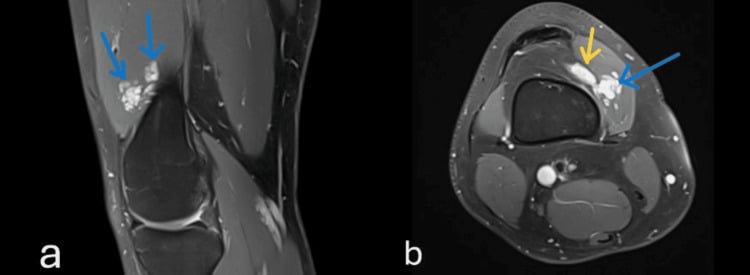
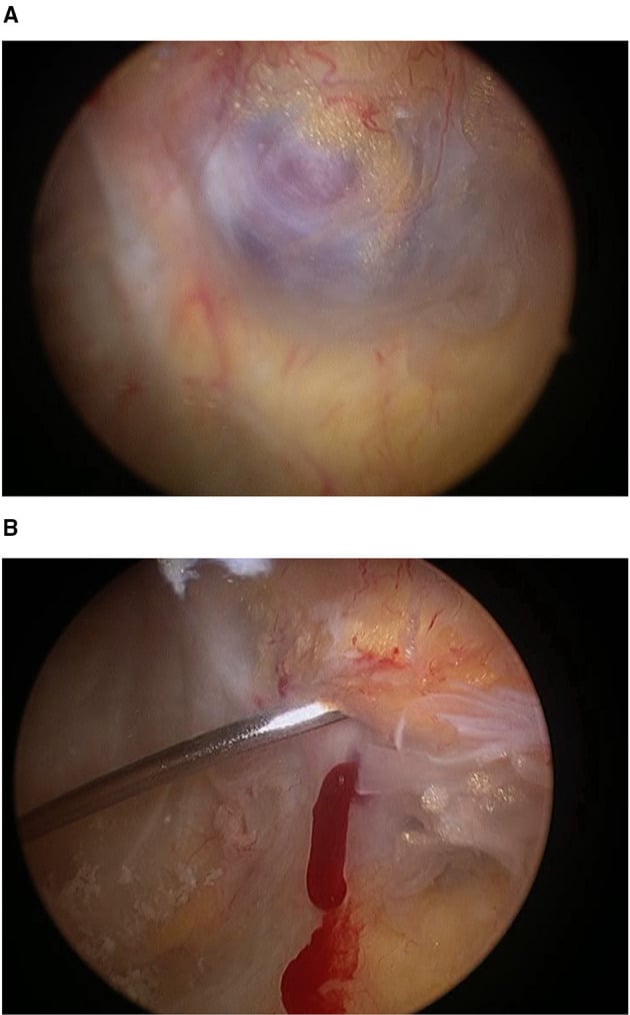
Recurrent lesions. Define the extent on MRI before reoperating, and consider sclerotherapy or embolisation first. Scar makes the dissection harder and the nerves and vessels more vulnerable, the resection may need to be more extensive than the first, a massive recurrence may need staged procedures, and the patient must understand that complete excision may not be achievable; some are managed for symptom control rather than cure.
Surgical outcomes. Complete excision is curative in 60-80%, recurrent bleeding is rare after it, and function is generally good if the nerves are preserved, with some weakness expected where muscle was sacrificed. Cosmetic outcomes are acceptable with modern techniques and satisfaction is high if expectations were managed.
Natural history without treatment. The infantile haemangioma involutes, RICH involutes completely by 12-14 months, and NICH persists. The adult intramuscular lesion persists without involution, grows slowly over years, and may thrombose acutely and intermittently; malignant transformation essentially never occurs, and the effect on quality of life depends on the symptoms and the location.
Management Algorithm
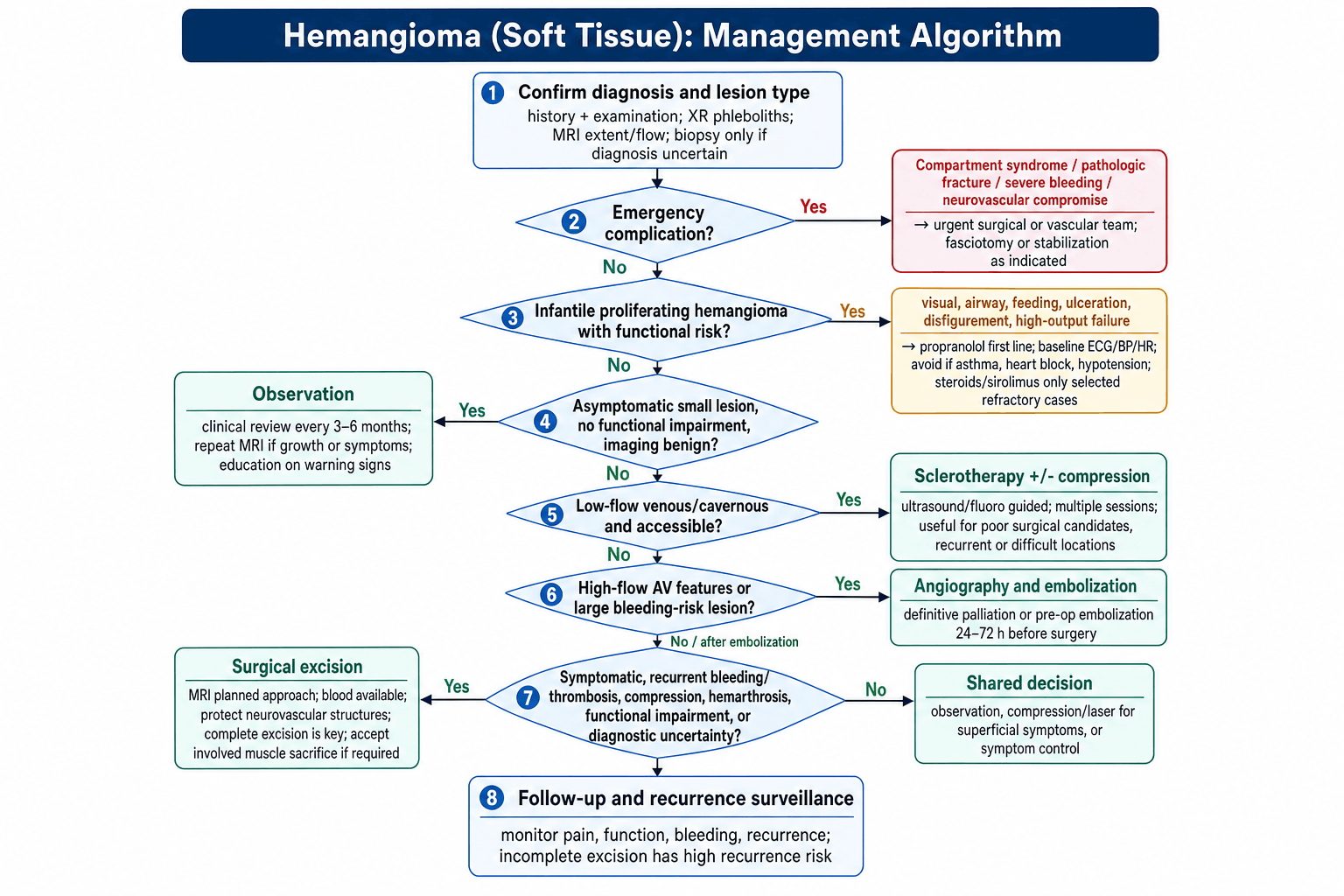
Complications
Intraoperative bleeding. Transfusion is required in 5-15%, the risk rising with a large lesion (over 5 cm), a high-flow type and no preoperative embolisation. It presents as diffuse oozing from the resection bed, and a tourniquet conceals the extent until it is released. Manage with topical haemostatics, suture ligation, tranexamic acid and transfusion; prevent with preoperative embolisation, meticulous technique, a tourniquet in the extremity, cell saver to reduce allogeneic transfusion, and blood available. It rarely forces the operation to be abandoned.
Incomplete excision and recurrence. Recurrence follows subtotal excision in 20-40% and complete excision in under 10%. The cause is the infiltrative margin, which is hard to identify at operation; it presents as a recurrent mass at the surgical site months to years later and is confirmed by MRI showing recurrent enhancing tissue. Prevent it with wide margins, sacrifice of involved muscle and frozen section guidance, and warn of it at consent. Management is observation, reoperation, or sclerotherapy or embolisation, and some patients are managed symptomatically rather than re-operated.
Nerve injury. 5-10% for a large lesion near a neurovascular bundle, by stretch, iatrogenic transection or ischaemia after embolisation. The nerves at risk are the sciatic (thigh and buttock lesions), the radial (arm) and the median and ulnar (forearm). Most injuries are neurapraxias that recover over 3-6 months and are observed for 6-12 months; a transection is explored and repaired. Prevent with loupe magnification, meticulous dissection and vessel loops on the nerves, and document the preoperative neurological examination.
Vascular injury. Clinically significant injury occurs in under 5%, presenting as distal ischaemia, haematoma, pseudoaneurysm or arteriovenous fistula; the lesions that encase a major vessel and the high-flow arteriovenous type carry the risk. Angiography, careful dissection and vascular instruments to hand are the prevention; document the distal pulses before and after surgery, involve vascular surgery for repair or reconstruction, which may need a vein graft if a vessel is sacrificed, and recognise it early, because early intervention is what prevents limb loss.
Infection. 2-5% of operations, the risk raised by a large dead space, haematoma, diabetes and immunosuppression, presenting with erythema, drainage, fever and raised inflammatory markers. Staphylococcus aureus is the usual organism and MRSA must be considered. A superficial infection is managed with oral antibiotics; a deep one may need operative debridement, and any abscess or haematoma is drained. Perioperative antibiotics, sterile technique and a drain are the prevention.
Skin necrosis after sclerotherapy. 2-5% of procedures, from extravasation of sclerosant or a high concentration near the skin, worst with ethanol, the most caustic agent. Pain and discolouration are followed by ulceration days later. Small areas heal by secondary intention with wound care; a large area may need debridement, skin graft or reconstruction. Careful injection technique and dilute concentrations are the prevention.
Nerve injury after sclerotherapy. Under 2% with careful technique, from direct neurotoxicity of sclerosant diffusing to an adjacent nerve, presenting as numbness, dysaesthesia or weakness in the nerve's distribution. It is usually transient, recovering over weeks to months, managed by observation and neuropathic pain medication, and permanent injury is rare; avoid injecting near a major nerve, use image guidance, and document the neurological examination beforehand.
Deep vein thrombosis after sclerotherapy. A risk when a large venous lesion is treated, because the thrombosis the sclerosant provokes may propagate into the deep veins. Calf pain, swelling and a positive Homan's sign prompt duplex ultrasound, and a confirmed thrombosis is anticoagulated; limit the injected volume, compress afterwards, consider prophylactic anticoagulation for the high-risk patient, and watch for pulmonary embolism if the thrombosis is extensive.
Non-target embolisation. The most serious complication of embolisation, clinically significant in 3-5%, from reflux of embolic material or collateral flow into normal tissue, causing skin necrosis, nerve palsy or distal ischaemia; necrotic tissue may become infected, and embolic material may migrate. Careful catheter placement, no overfilling and the right embolic agent are the prevention; management is supportive, with wound care for skin loss and, usually, complete nerve recovery, though reconstruction or debridement may follow.
Post-embolisation syndrome. Pain, fever, nausea and malaise for 3-7 days in 50-80%, an expected response to tissue ischaemia and inflammation rather than infection, with negative cultures. It is self-limited and resolves completely with NSAIDs, antiemetics, hydration and reassurance; a prolonged course or positive cultures point to infection instead. Warn the patient beforehand.
Recanalisation after embolisation. Collateral flow develops in 10-20%, more often when only the proximal vessel was embolised, presenting with recurrent symptoms months to years later and diagnosed on repeat angiography showing new feeders. Embolise proximally and distally and address multiple feeding vessels to prevent it; the options then are repeat embolisation or excision. An incomplete embolisation also requires repeat procedures, some lesions need repeated embolisation for symptom control, and in most cases embolisation is palliative rather than curative.
Kasabach-Merritt phenomenon. A consumption coagulopathy that does not occur with a true haemangioma: it belongs to kaposiform haemangioendothelioma and tufted angioma, and the biopsy of the kaposiform type shows an infiltrative glomeruloid capillary proliferation. It presents with a rapidly enlarging firm mass, petechiae, purpura and bleeding, with platelets under 25,000, low fibrinogen and a raised D-dimer, and an infiltrative lesion on MRI. It is life-threatening if untreated, with a historical mortality of 20-30%; treatment is corticosteroids, vincristine or sirolimus (an mTOR inhibitor) with supportive care, and surgery is contraindicated in the acute phase because of the bleeding risk.
Compartment syndrome. Rare, from haemorrhage into the lesion, acute thrombosis with swelling, or trauma to it, and also a risk after an extensive resection, so keep a high index of suspicion perioperatively. Severe pain, a tense compartment, pain on passive stretch and sensory change make the diagnosis clinically, and a compartment pressure over 30 mmHg confirms it; the treatment is urgent fasciotomy without delay for imaging. Early treatment of the symptomatic lesion is the prevention.
Pathologic fracture. Rare with a soft tissue lesion, which seldom involves bone to a degree that fractures it; it belongs to the intraosseous haemangioma, and the vertebral haemangioma is the most prone. It presents with sudden pain, deformity and, in the spine, neurological deficit, on a lytic lesion with a trabeculated "corduroy" or "polka-dot" appearance, and is managed by stabilisation and fixation, embolisation, or vertebroplasty in the spine. Adjacent bone may show remodelling or scalloping from mass effect; a periosteal reaction suggests an aggressive process and should make you reconsider the diagnosis.
Joint destruction. Recurrent haemarthrosis from an intra-articular lesion causes synovitis and cartilage damage, and the haemosiderin accelerates the degeneration, on the same pathophysiology as haemophilic arthropathy, to secondary osteoarthritis if untreated. Pain, stiffness, limited motion and effusions accompany joint space narrowing, subchondral sclerosis and osteophytes. Early synovectomy prevents the progression, and arthroplasty is for the end-stage joint.
Osseous and Vertebral Hemangioma — A Distinct Entity
This page is about the soft-tissue haemangioma, but its complications and several of its practice questions refer to bone and vertebral haemangioma, a separate and common entity with different behaviour and imaging. It is summarised here so those points make sense; the full detail lives in the dedicated bone hemangioma and vertebral haemangioma topics.
Vertebral haemangioma is the most common benign tumour of the spine and is usually an incidental, asymptomatic intraosseous lesion, thoracic more often than lumbar.
The quiescent lesion. Thickened vertical trabeculae give vertical "corduroy" or "jail-bar" striations on the lateral radiograph or sagittal images, and a "polka-dot" pattern where the same trabeculae are cut across on axial CT. On MRI it is hyperintense on both T1 and T2, the combination of intralesional fat and slow-flowing blood, and the high T1 fat signal is reassuring.
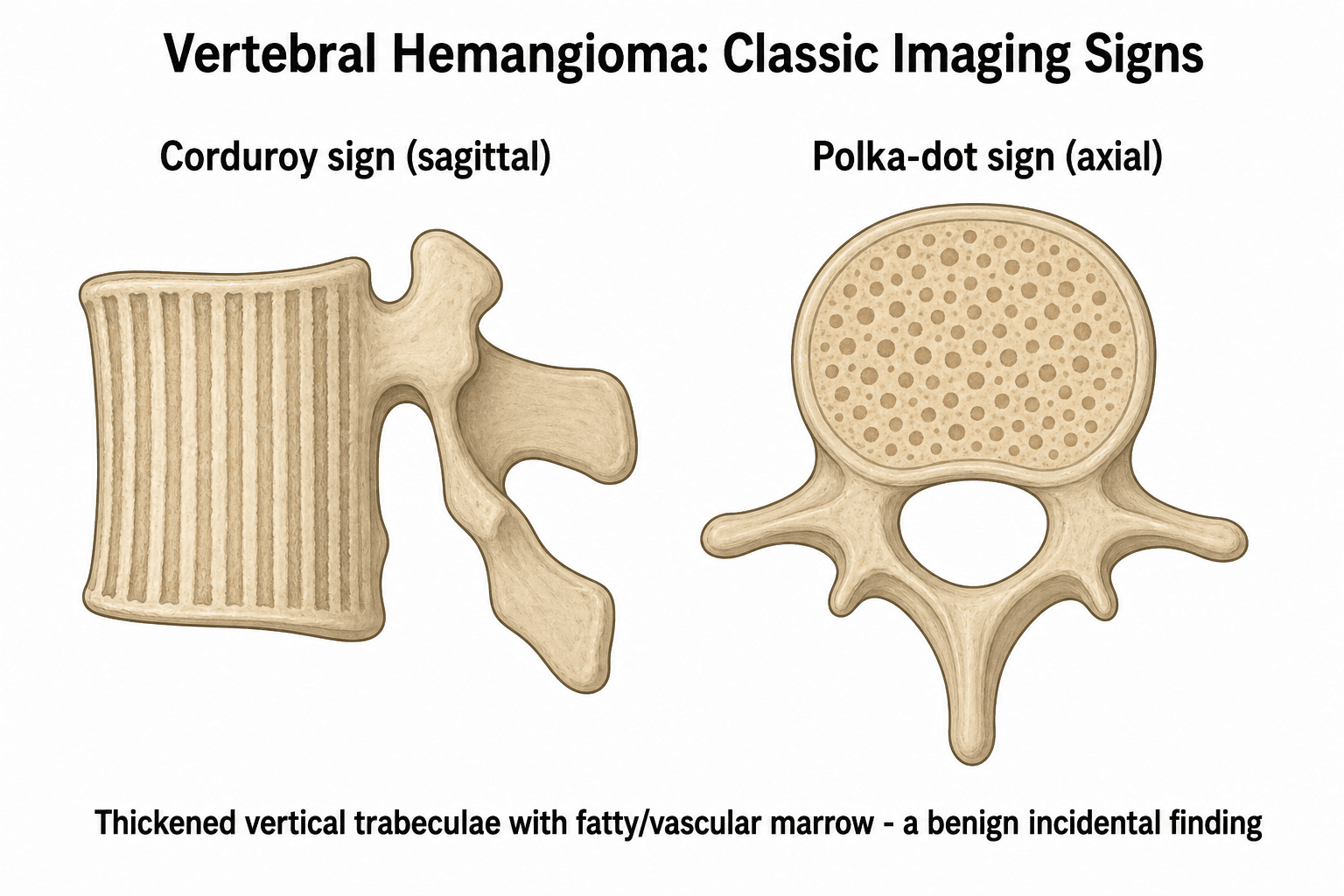
The aggressive lesion. The examination discriminator: involvement of the whole vertebral body and posterior elements, cortical expansion, an epidural soft-tissue mass, and notably low T1 signal, from less fat and more vascular stroma. These lesions can cause cord or root compression or pathologic fracture.
Management. An asymptomatic lesion is simply observed. A symptomatic or aggressive lesion is treated by vertebroplasty or kyphoplasty for pain and stabilisation, embolisation for vascular control, usually preoperatively, radiotherapy for the aggressive lesion, and surgical decompression for neurological deficit. As with the soft-tissue lesion, biopsy is generally avoided because of the bleeding risk; the diagnosis is made on imaging.
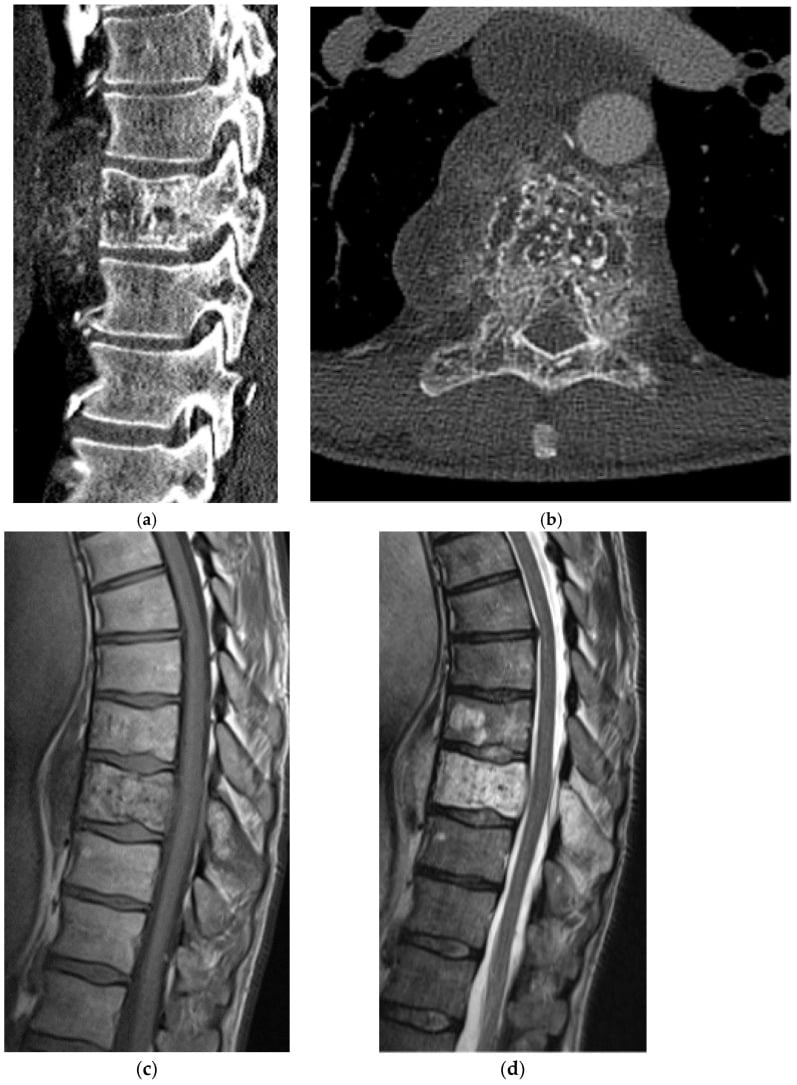
Contrast with the soft-tissue lesion. The intramuscular soft-tissue haemangioma is an infiltrative, phlebolith-bearing mass treated by complete excision, with recurrence if the excision is incomplete; the osseous and vertebral lesion is intraosseous, has its own corduroy and polka-dot signature, and is managed predominantly without excision. Grading, management of the aggressive lesion and spinal reconstruction are covered in the bone and vertebral haemangioma topics.
Guidelines, Registries & Global Practice
Global Epidemiology
- Infantile hemangioma is the most common benign tumour of infancy, occurring in up to 5% of infants (AAP clinical practice guideline). Krowchuk DP, et al. Pediatrics 2019 DOI.
- Independent risk factors confirmed across large cohorts: female sex (roughly 3:1), low birth weight, prematurity, and multiple gestation. Hudalla H, et al. Arch Gynecol Obstet 2018 DOI.
- Most rapid proliferation occurs between 1 and 3 months, with growth largely complete by 5 months, defining a narrow window for early referral and treatment of high-risk lesions (AAP 2019).
- Intramuscular (adult-type) hemangiomas are uncommon and benign; the lower limb (especially thigh) predominates, and infiltrative growth drives recurrence. Allen PW, Enzinger FM. Cancer 1972 DOI.
- No malignant transformation of true hemangioma; the consumption coagulopathy of Kasabach-Merritt phenomenon belongs to kaposiform hemangioendothelioma/tufted angioma, not hemangioma.
Guideline & Classification Framework (Side-by-Side)
- Scope
- Infantile hemangioma
- Core Recommendation
- Risk-stratify; refer high-risk by 1 month; propranolol 2-3 mg/kg/day first-line; topical timolol for small superficial lesions; surgery/laser mainly for residua
- Evidence Basis
- Evidence-based CPG (key/option statements)
- Scope
- All vascular anomalies
- Core Recommendation
- Standardised nomenclature: vascular TUMOURS (e.g. infantile hemangioma) vs MALFORMATIONS; integrate clinical, imaging, histology (GLUT-1), genetics
- Evidence Basis
- Consensus classification
- Scope
- Vascular birthmarks
- Core Recommendation
- Centralised multidisciplinary vascular-anomalies clinics; propranolol via specialist; avoid biopsy of classic lesions
- Evidence Basis
- Service guidance / consensus
- Scope
- Conceptual basis
- Core Recommendation
- Biological dichotomy (proliferative tumour vs structural malformation) underpinning all later schemes
- Evidence Basis
- Landmark cellular study
Treatment Evidence at a Glance
- Indication
- Complicated infantile hemangioma
- Evidence Level
- Level 1 (RCT)
- Key Source
- Léauté-Labrèze, NEJM 2015 (PMID 25693013)
- Indication
- Uncomplicated infantile hemangioma
- Evidence Level
- Guideline (default)
- Key Source
- AAP 2019 (PMID 30584062)
- Indication
- Symptomatic / infiltrative intramuscular hemangioma
- Evidence Level
- Level 4 (case series)
- Key Source
- Allen & Enzinger, Cancer 1972 (PMID 5061701)
- Indication
- Low-flow venous vs high-flow AV lesions
- Evidence Level
- Level 4 (case series)
- Key Source
- Interventional radiology literature
- Indication
- Distinguishing infantile vs congenital/malformation
- Evidence Level
- Level 4 (diagnostic)
- Key Source
- North et al, Hum Pathol 2000 (PMID 10665907)
Practice Variation & Registries
- No dedicated international registry exists for soft-tissue hemangioma; adult intramuscular and complex lesions are captured within soft-tissue tumour / sarcoma services and national soft-tissue tumour databases rather than a hemangioma-specific registry.
- Medical vs interventional vs surgical balance varies by health system: paediatric infantile lesions are predominantly managed medically (propranolol) through dermatology/paediatrics, whereas adult intramuscular lesions are managed by musculoskeletal tumour units, often with interventional-radiology adjuncts (sclerotherapy for low-flow, embolisation for high-flow).
- Access to propranolol is broad in high-income settings, with specialist initiation (paediatric/dermatology) and cardiovascular monitoring (baseline ECG where indicated, blood pressure and heart rate checks) as the standard pathway across most national health systems, including the NHS (UK) and European equivalents.
- Multidisciplinary vascular-anomalies clinics (combining dermatology, plastic/paediatric surgery, interventional radiology and pathology) are the recommended model internationally for complex or diagnostically uncertain lesions.
Exam Relevance
- High-yield differentials for a soft-tissue mass: phlebolith recognition on plain film, MRI interpretation (T2 hyperintensity, flow voids, serpentine enhancement), and surgical principles (complete excision to limit recurrence).
- Classic viva traps: hemangioma (tumour) vs vascular malformation; and the Kasabach-Merritt trap (kaposiform hemangioendothelioma, not hemangioma).
MCQ Practice Points
Q: What is the characteristic radiographic appearance of vertebral hemangioma?
A: Corduroy sign (vertical striations on lateral view) and polka-dot sign (axial CT - thickened trabeculae in cross-section). T1 and T2 hyperintense on MRI due to fat and slow-flowing blood. Most are asymptomatic incidental findings. Located in vertebral body, most common in thoracic and lumbar spine.
Q: What features distinguish aggressive from stable vertebral hemangiomas?
A: Aggressive features: Involves entire vertebral body, extends to posterior elements, epidural extension, cortical expansion, soft tissue mass. T1 hypointense (less fat, more vascular). Low fat signal indicates aggressive behavior. Stable hemangiomas: partial body involvement, T1 hyperintense, no expansion.
Q: What is the ISSVA classification approach to vascular anomalies?
A: ISSVA divides vascular anomalies into: Tumors (proliferative - infantile hemangioma) and Malformations (structural). Malformations subdivided by vessel type: capillary, venous, lymphatic, arterial, or combined. Infantile hemangiomas involute; malformations grow proportionally and don't regress. Critical for treatment planning.
Q: What is the natural history of infantile hemangioma?
A: Proliferative phase: Rapid growth 0-12 months. Plateau: 12-18 months. Involution: Gradual regression over 3-9 years. 90% involute by age 9. Treatment (propranolol) indicated for: airway compromise, visual obstruction, ulceration, disfigurement, or high-output cardiac failure from large lesions.
Q: What are the treatment options for symptomatic vertebral hemangioma?
A: Options include: Vertebroplasty/kyphoplasty for pain and stabilization, embolization for vascular control pre-surgery, radiation therapy for aggressive lesions, surgical decompression for neurological deficit. Alcohol ablation reported. Biopsy contraindicated due to bleeding risk - treat based on imaging diagnosis.
Clinical Decision Scenarios
Practise clinical reasoning and management decisions out loud
“A 12-year-old girl presents with a 2-year history of a painless mass in her right thigh. On examination, there is a 6 cm soft, compressible mass in the anterior compartment. Radiographs show multiple small rounded calcifications within the soft tissues. MRI demonstrates a lobulated, hyperintense T2 mass infiltrating the quadriceps muscle with serpentine enhancement.”
“A 4-month-old infant presents with a rapidly enlarging bright red mass on the left cheek measuring 4 cm x 3 cm. The lesion was not present at birth but appeared at 3 weeks and has grown significantly. On examination, it is a soft, compressible, non-pulsatile mass with overlying telangiectasias. The mass does not blanch completely with pressure. Parents are very concerned about the alarming growth rate and cosmetic appearance.”
One-Liner Definition
- Hemangioma: Benign vascular tumor composed of proliferating blood vessels
- Most common benign soft tissue tumor of infancy
- Classified as capillary, cavernous, arteriovenous, venous, or epithelioid subtypes
Phleboliths - what they tell you
- Phleboliths: Rounded calcifications with radiolucent centres on radiographs
- Dystrophic calcification in THROMBOSED VENOUS CHANNELS - a stasis mechanism, not a proliferative one
- They therefore indicate a slow-flow VENOUS MALFORMATION rather than a true infantile haemangioma, and are not a feature of the latter
- Present in about 50% of lesions in older 'soft tissue haemangioma' series - because those pre-ISSVA cohorts contained venous malformations
- Practical consequence: a phlebolith should prompt reclassification, and a venous malformation neither involutes nor responds to propranolol
Classification (histologic subtypes)
- Capillary (small vessels, infants)
- Arteriovenous (high flow, pulsatile)
- Venous (most common intramuscular, phleboliths) - 60% of intramuscular types
- Epithelioid (formerly histiocytoid)
- Acquired (exclude congenital)
- Thrombosis (phleboliths on XR)
Clinical Triad
- Soft compressible mass in muscle (75% intramuscular, thigh most common)
- Hyperintense T2 MRI signal with serpentine enhancement and flow voids
- Phleboliths on radiographs (50% of cases) - this triad is diagnostic
MRI Findings (Must-Know)
- Hyperintense T2 signal (equal to or greater than fat)
- Serpentine or lobulated appearance, multiple flow voids
- Gradual progressive enhancement (venous) or rapid arterial enhancement (AV type)
- Infiltrative margins in 80%, phlebolith blooming on GRE sequences
Infantile Hemangioma Natural History
- Proliferative (0-12 months, rapid growth, GLUT-1 positive)
- Plateau (12-18 months, stable size)
- Involution (1-7 years, gradual regression) - 50% by age 5, 70% by age 7
- NOT present at birth (appears weeks after), distinguish from congenital (GLUT-1 negative)
Medical Management
- Propranolol 2-3 mg/kg/day (first-line for infantile hemangiomas)
- Mechanism: vasoconstriction, decreased VEGF/FGF, increased apoptosis; 60-80% response
- Start before 5 months for best results
- Contraindications: asthma, heart block, hypotension; monitor ECG, BP, HR
- Side effects: bradycardia, hypoglycemia, bronchospasm
Surgical Principles (EXCISE mnemonic)
- Embolize high-flow lesions 24-72 hours preop
- eXtensive exposure (underestimate on exam)
- Complete excision (incomplete → 40% recurrence) - MOST important factor for cure
- Infiltration along fascia, Sacrifice involved muscle if needed
- Expect bleeding (blood available, tourniquet for extremity)
Indications for Surgery
- Absolute: symptomatic compression, recurrent bleeding/thrombosis, functional impairment
- Diagnostic uncertainty, failed conservative Rx, recurrent hemarthrosis
- Relative: cosmetic concerns, persistent pain, patient preference
- Observation for: asymptomatic, infantile type (will involute), less than 3 cm
Sclerotherapy vs Embolization
- Sclerotherapy: low-flow venous/cavernous, percutaneous injection, 60-80% success
- Complications: skin necrosis (2-5%), nerve injury, DVT
- Embolization: high-flow AV types, preop reduction, coils/particles/glue
- Complications: non-target embolization (3-5%), post-embolization syndrome (50-80%)
Critical Exam Trap
- Kasabach-Merritt does NOT occur with hemangiomas
- Occurs with kaposiform hemangioendothelioma and tufted angioma (different entities)
- Thrombocytopenia + hypofibrinogenemia + vascular lesion = kaposiform, not hemangioma
- Treatment: steroids, vincristine, sirolimus; surgery contraindicated
Recurrence Risk
- Incomplete excision → 20-40% recurrence
- Complete excision → less than 10% recurrence
- Infiltrative margins make complete excision challenging
- Sacrifice involved muscle to achieve negative margins
- Frozen section may help assess margins intraoperatively
GLUT-1 Immunostaining
- GLUT-1 positive: Infantile hemangioma (distinguishing feature)
- GLUT-1 negative: Congenital hemangioma (RICH and NICH), vascular malformations
- Gold standard test to differentiate infantile from congenital types
- RICH involutes rapidly (12-14 months), NICH persists without involution
High-Yield Associations
- Location: 75% intramuscular (thigh, upper extremity most common)
- Age: peak less than 5 years; Phleboliths: 50% on XR
- Recurrence: 20-40% incomplete excision; Involution: 50% by age 5 (infantile)
- GLUT-1: positive infantile, negative congenital
- Kasabach-Merritt: kaposiform only, NOT hemangioma