Intramedullary Spinal Tumours
Overview and Epidemiology
Intramedullary spinal cord tumours (IMSCTs) arise from within the substance of the spinal cord parenchyma and make up 4-10% of all central nervous system tumours. The commonest types are ependymoma (60%), astrocytoma (30%) and haemangioblastoma (3-5%). Removing a tumour from inside the cord is a distinctive surgical problem: microsurgical technique is needed to maximise resection while preserving neurological function.
Recognition. The features to recognise are a progressive myelopathy with sensory and motor deficits, a central cord pattern of dissociated sensory loss and upper limb weakness, and an MRI showing intramedullary enhancement with expansion of the cord. The lesion is typically solitary, the exception being haemangioblastoma in von Hippel-Lindau disease.
Histology decides the operation. The histological type determines the surgical approach, the resectability and the prognosis, and ependymomas have the best outcomes with gross total resection (GTR).
Anatomy and Pathophysiology
The cross-section. The butterfly-shaped grey matter lies centrally, motor neurons ventral and sensory neurons dorsal, and the white matter tracts surround it in columns. The central canal, a remnant of the neural tube, is a potential site of syrinx formation. The anterior median fissure and the posterior median sulcus are the midline landmarks.
The tracts at risk. Each must be preserved during the myelotomy:
- Dorsal columns (posterior): proprioception and fine touch
- Lateral corticospinal tracts: motor function, crossed
- Spinothalamic tracts (anterolateral): pain and temperature, crossed
The blood supply. A single anterior spinal artery supplies the anterior two-thirds of the cord and the paired posterior spinal arteries the posterior third. Segmental radicular arteries add a supply of variable anatomy, and the major anterior radicular artery, the artery of Adamkiewicz (T9-L2), is critical to preserve.
The surgical corridor. The posterior median sulcus is an avascular midline entry point, and passing through the dorsal columns is the least morbid route to an intramedullary lesion.
How the tumour injures the cord. The first route is mechanical. Direct pressure from the expanding tumour interrupts axonal transport and nerve conduction in the tracts, venous congestion and oedema build up around it, and the result is progressive weakness and sensory loss. The second is vascular: the tumour compresses radicular arteries, its neovascularisation "steals" blood supply, its mass effect produces venous hypertension, and manipulation at surgery carries a risk of cord infarction.
The syrinx. A syrinx is reported in a substantial minority to a majority of patients depending on tumour type; in the haemangioblastoma series cited on this page, peritumoral oedema or syringomyelia was present in 82%. The tumour obstructs CSF flow around it, fluid dissects into the central canal, and a cavity forms progressively rostral and caudal to the tumour, producing dissociated sensory loss and weakness. The syrinx often resolves after tumour resection, and resolution follows removal of the tumour without needing to enter the cavity.
Pathology: the Three Tumours
Ependymoma. It arises from the ependymal cells lining the central canal. Most are WHO grade II; grade III (anaplastic) tumours are rare. Macroscopically it is well encapsulated and pushes rather than infiltrates; microscopically it shows perivascular pseudorosettes and true ependymal rosettes. The cervical and cervicothoracic cord is the commonest site (60%), and a rostral or caudal syrinx accompanies 60%.
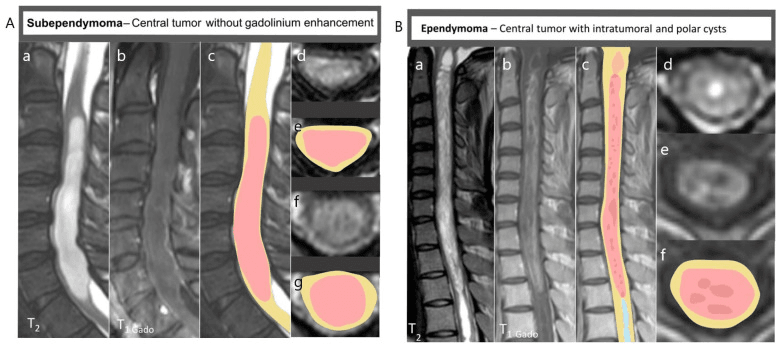
Astrocytoma. It arises from neoplastic astrocytes and is WHO grade II (low-grade) or III-IV (high-grade, glioblastoma). It infiltrates, with indistinct margins and a less distinct plane, enlarges the cord, spans multiple segments and carries a poorer prognosis. The background is fibrillary, with nuclear atypia and, in high-grade tumours, mitoses. The thoracic cord is the commonest site in adults and the cervical cord in children, and a syrinx is less commonly associated.
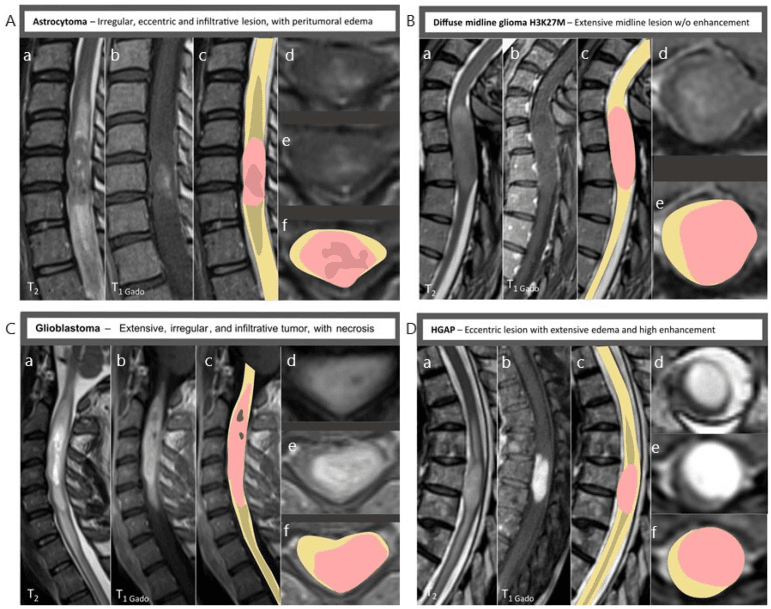
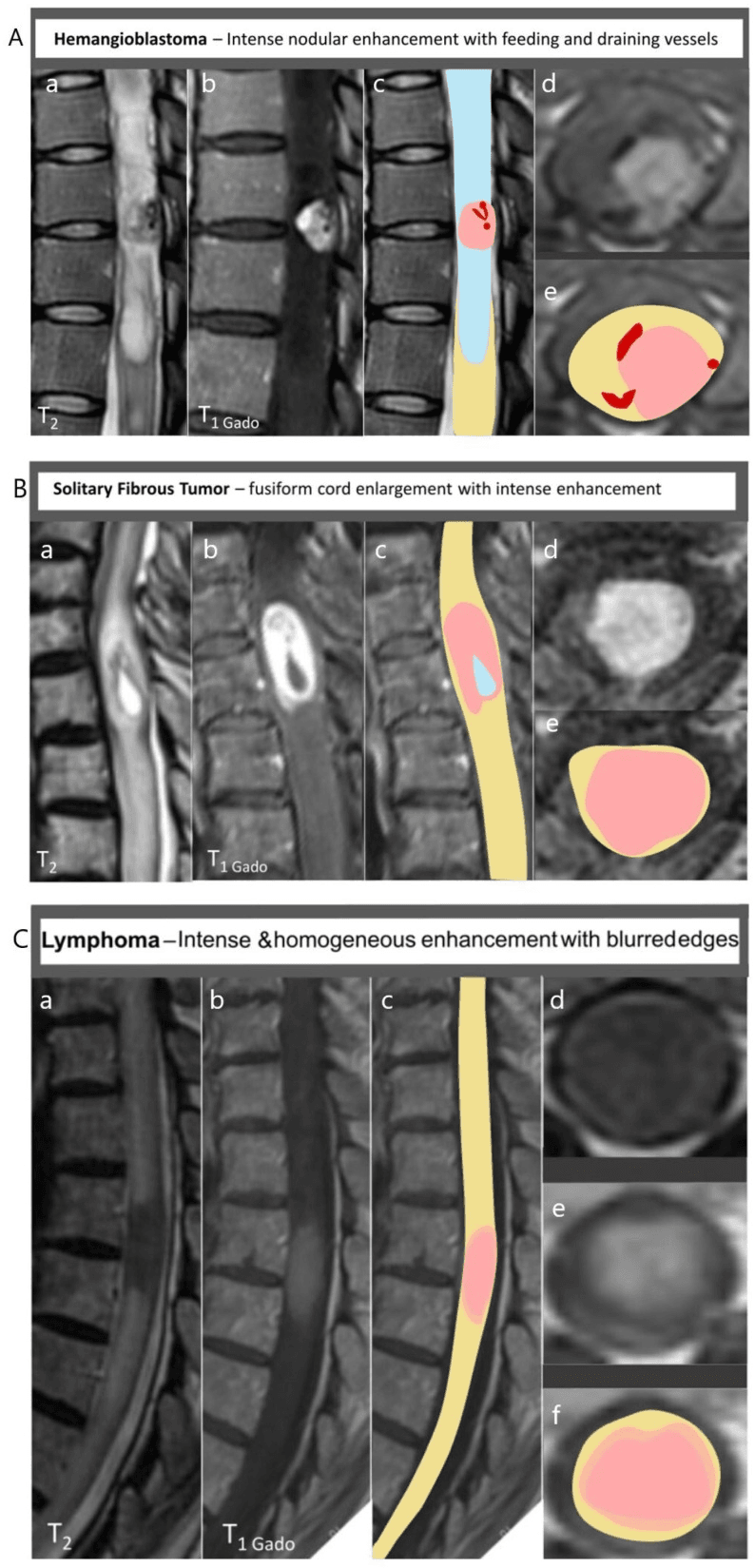
Haemangioblastoma. It arises from the pial vessels and subpial region and is WHO grade I (benign): a highly vascular, pial-based nodule with feeding vessels, made of stromal cells and abundant capillaries. It lies in the cervical and thoracic cord, often dorsally. Von Hippel-Lindau syndrome (autosomal dominant) accounts for 25% of cases.
Clinical Presentation
Frequencies below are approximate conventional teaching ranges rather than measurements from a cited cohort - the verified numbers on this page belong to the surgical series in the Evidence Base.
Motor dysfunction is the commonest feature, present in the large majority. Weakness progresses over months to years with indolent tumours, in an upper motor neuron pattern of spasticity, hyperreflexia and clonus, with lower motor neuron signs if the anterior horn cells are involved, and with gait disturbance and ataxia.
Sensory disturbance affects most patients. Dissociated sensory loss, with pain and temperature impaired and proprioception preserved, indicates central cord involvement of the spinothalamic tract. Paraesthesiae and dysaesthesiae occur, a sensory level points to the tumour's location, and posterior column involvement impairs vibration and proprioception.
Pain is present in a majority. It may be local back or neck pain at the tumour level, radicular pain in a dermatomal distribution, or central neuropathic pain, burning or dysaesthetic. Nocturnal pain is common, and Valsalva manoeuvres make it worse.
Autonomic dysfunction is seen in a minority, usually late. Bladder urgency, frequency or retention, constipation and sexual dysfunction indicate advanced cord involvement and are associated with poorer outcomes.
A syrinx adds its own signs: cape-like sensory loss over the shoulders and arms, dissociated in the same way, Charcot (neuropathic) joints, and Horner syndrome if the syrinx is cervical.
Examination. A thorough neurological examination localises the tumour level and sets the pre-operative baseline against which the post-operative state is compared. Look for:
- Sensory level - the dermatomal level of the deficit localises the tumour
- Pyramidal signs - hyperreflexia, spasticity, a positive Babinski response, clonus
- Impaired proprioception - dorsal column dysfunction, a positive Romberg test, ataxia
- Neurogenic bladder - urgency, frequency, retention; measure the post-void residual
- Atrophy - wasting from anterior horn involvement or chronic denervation
- Lower motor neuron signs - fasciculations and hyporeflexia at the tumour level if the anterior horn is affected
The level shapes the picture.
- Cervical - upper limb weakness, proximal more than distal at first; intrinsic hand wasting if C8-T1; an inverted radial reflex with a C5-C6 tumour; Horner syndrome with T1 involvement; respiratory compromise if high cervical (C3-C5)
- Thoracic - truncal ataxia and gait disturbance, abnormal abdominal wall reflexes, a sensory level on the trunk, lower limb spasticity and weakness, and bladder dysfunction, which is common
- Conus and cauda - lower limb weakness in a mixed upper and lower motor neuron pattern, saddle anaesthesia, early bladder and bowel dysfunction, erectile dysfunction and absent ankle reflexes
Differential diagnosis. The cardinal task is separating a true intramedullary neoplasm from extramedullary compression and from non-neoplastic intramedullary signal change: vascular, inflammatory or demyelinating, infective, transverse myelitis and metabolic myelopathies. The table gives the high-yield discriminators.
- Onset / Pattern
- Insidious, months to years, progressive
- Key MRI Feature
- Cord expansion with intramedullary enhancement +/- polar syrinx
- Discriminator
- Fusiform cord widening; solid enhancing nodule; tumour-cord plane on T2
- Onset / Pattern
- Early radicular pain, later myelopathy
- Key MRI Feature
- Dural tail (meningioma) or dumbbell shape; CSF cap; cord displaced not expanded
- Discriminator
- Cord is compressed and displaced, NOT widened from within
- Onset / Pattern
- Subacute, relapsing-remitting
- Key MRI Feature
- Short (MS, under 2 segments) or long confluent (NMOSD) T2 lesion, minimal expansion
- Discriminator
- Brain lesions, oligoclonal bands, AQP4/MOG antibodies; faint or no enhancement
- Onset / Pattern
- Stepwise or sudden, Foix-Alajouanine if chronic
- Key MRI Feature
- Serpentine perimedullary flow voids, central T2 hyperintensity
- Discriminator
- Dilated pial veins; confirmed on spinal angiography; no true mass
- Onset / Pattern
- Acute, hours to days
- Key MRI Feature
- Long-segment central cord oedema, patchy enhancement
- Discriminator
- CSF pleocytosis, preceding infection/vaccination; rapid tempo
- Onset / Pattern
- Acute deficit with apoplectic episodes
- Key MRI Feature
- Popcorn lesion, complete haemosiderin rim, blooming on GRE/SWI
- Discriminator
- No surrounding oedema between events; characteristic rim
Investigations
The diagnostic pathway.
- Whole-spine MRI with gadolinium - the gold standard
- Assess for a syrinx, present in 40-60%
- Exclude the extramedullary differential diagnoses
- Consider von Hippel-Lindau screening if the lesion is a haemangioblastoma
- Pre-operative neurophysiological assessment
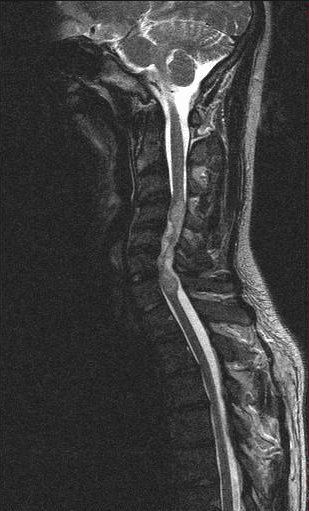
The MRI protocol. Sagittal and axial sequences of the whole spine; T1-weighted images before and after gadolinium; T2-weighted images for cord signal and the syrinx; STIR or fat-suppressed sequences; and thin (3 mm) slices through the tumour.
- Ependymoma
- Central, cervical/cervicothoracic
- Astrocytoma
- Eccentric, thoracic more than cervical
- Hemangioblastoma
- Dorsal, pial-based
- Ependymoma
- Iso to hypointense
- Astrocytoma
- Hypointense
- Hemangioblastoma
- Isointense nodule
- Ependymoma
- Hyperintense
- Astrocytoma
- Hyperintense
- Hemangioblastoma
- Hyperintense cyst, iso nodule
- Ependymoma
- Intense, homogeneous
- Astrocytoma
- Patchy, heterogeneous
- Hemangioblastoma
- Intense nodule, flow voids
- Ependymoma
- Well-defined
- Astrocytoma
- Poorly defined
- Hemangioblastoma
- Well-defined
- Ependymoma
- Common (60%), polar cysts
- Astrocytoma
- Less common (30%)
- Hemangioblastoma
- Common (70%), large cyst
- Ependymoma
- Rare
- Astrocytoma
- Rare
- Hemangioblastoma
- Common (haemosiderin cap)
Reading the scan. The expanded cord typically spans 2-3 vertebral levels. Pial enhancement suggests a pial-based tumour or leptomeningeal spread, and haemosiderin staining marks previous haemorrhage, as in haemangioblastoma. Measure the extent of the syrinx, which may need drainage in addition to tumour resection.
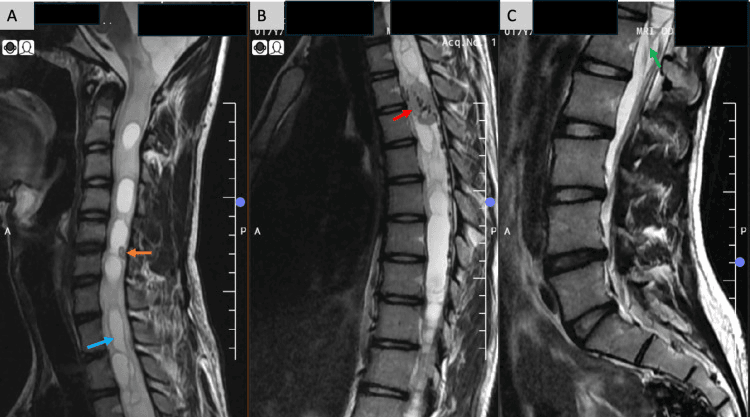
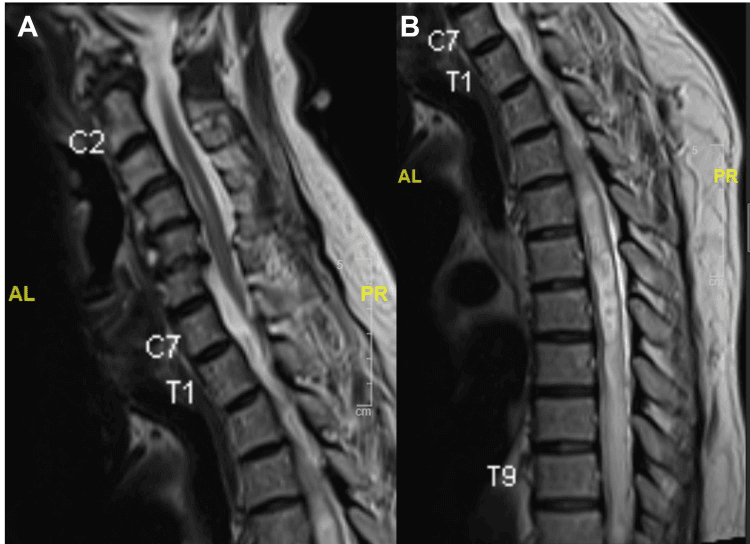
Before surgery. The rest of the work-up prepares the patient and looks for disease elsewhere:
- MRI brain - excludes intracranial lesions, especially with a haemangioblastoma
- Spine radiographs - spinal alignment and bony anatomy
- CT chest, abdomen and pelvis - staging if the tumour is high-grade or has metastatic potential
- Cardiac and respiratory assessment - fitness for anaesthesia
- Urodynamic studies - if bladder dysfunction is present
Von Hippel-Lindau screening, if the tumour is a haemangioblastoma:
- Genetic testing for a VHL gene mutation
- Retinal examination for retinal angiomas
- MRI brain for cerebellar haemangioblastomas
- Abdominal ultrasound or CT for renal cell carcinoma and pancreatic tumours
- Family history
- Annual surveillance imaging if VHL is confirmed
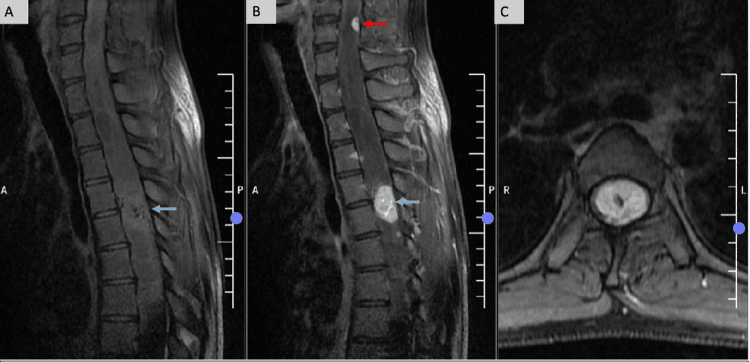
Neurophysiology. Pre-operative SSEPs and MEPs record the baseline motor and sensory function, intraoperative monitoring assesses the cord in real time during resection, and post-operative studies document any neurological change.
Tissue diagnosis. Intraoperative frozen section confirms the tumour pathology, separates tumour from gliosis or demyelination and guides the extent of resection, though its accuracy is limited compared with permanent sections. Permanent histopathology uses haematoxylin and eosin with immunohistochemistry: GFAP for astrocytoma and EMA for ependymoma. The Ki-67 proliferation index predicts tumour behaviour, and the WHO grade determines the need for adjuvant therapy.
Molecular markers are emerging:
- IDH1/2 mutations - prognostic in astrocytomas
- MGMT methylation - predicts response to chemotherapy
- 1p/19q codeletion - distinguishes oligodendroglioma
- BRAF mutations - potential for targeted therapy
Management
Indications for surgery.
- Symptomatic tumour with a progressive neurological deficit
- Radiological progression on serial imaging
- Diagnostic uncertainty requiring a tissue diagnosis
- Symptomatic syrinx associated with the tumour
Contraindications.
- Medically unfit for general anaesthesia
- Tumour spanning more than 8 vertebral levels (relative)
- Severe pre-existing neurological deficit, Frankel A (relative)
- Disseminated disease with limited life expectancy
The consent discussion. The risk of neurological deterioration is 10-30%, depending on the tumour and on cord function. The patient should hear the degree of resection the imaging predicts, that the natural history without surgery is progressive neurological decline, what role adjuvant radiotherapy or chemotherapy may play, and what function and rehabilitation to expect realistically.
The goal is set by the histology. Aim for gross total resection in ependymoma and haemangioblastoma, and for maximal safe (subtotal) resection in infiltrative astrocytoma; completeness is never pursued at the cost of function. Intraoperative neuromonitoring (SSEP and MEP) is mandatory throughout the resection.
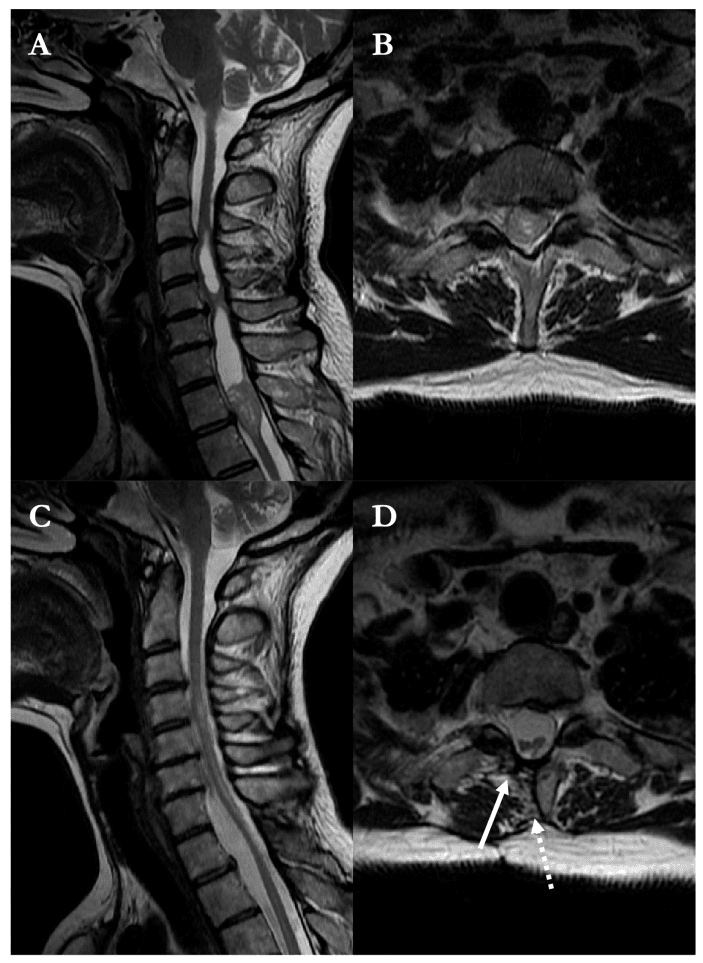
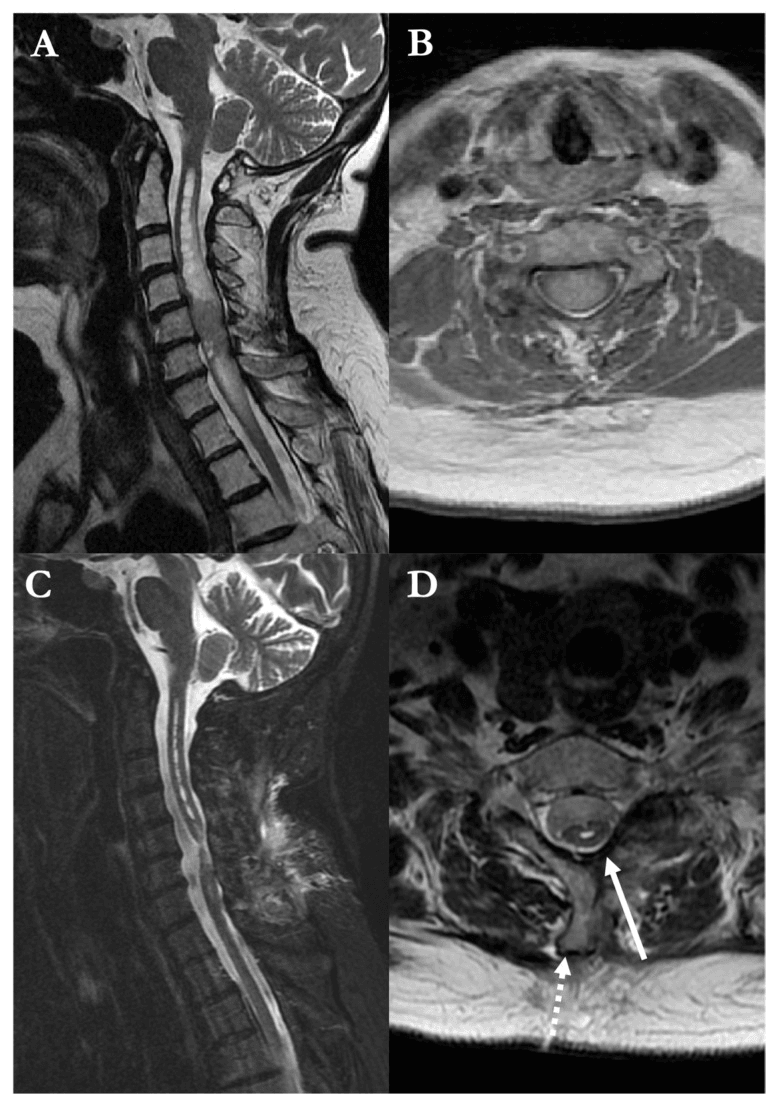
The patient lies prone on a radiolucent table with chest rolls. Cervical tumours are held in Mayfield 3-pin fixation, which prevents head movement; thoracic and lumbar cases are padded prone. The arms are tucked at the sides or extended on arm boards, and the abdomen is kept free of compression, which reduces epidural venous engorgement.
Neuromonitoring electrodes are placed during setup: SSEPs from the median and tibial nerves, MEPs by transcranial stimulation. Fluoroscopy confirms the exact vertebral levels of the tumour, marks a skin incision centred over it, and plans the extent of the laminectomy.
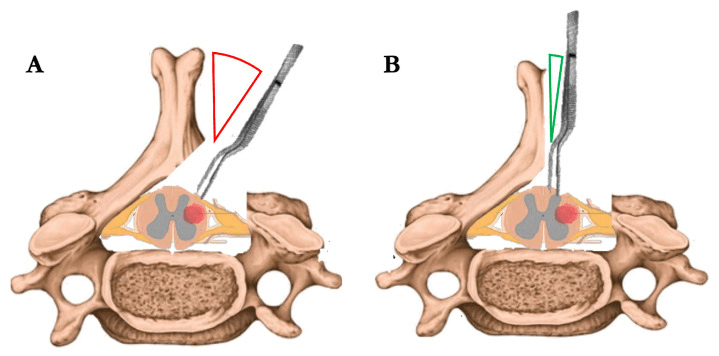
Extent of resection. Each term has a definition:
- Gross total resection - no visible tumour on post-operative MRI at 3 months. It is associated with the best long-term outcomes and lower recurrence rates.
- Subtotal resection - residual tumour visible on post-operative MRI; no validated percentage threshold defines it. It is often appropriate for infiltrative astrocytoma, may require adjuvant radiotherapy, and carries a higher risk of recurrence.
- Partial resection - more than 10% residual tumour. It is reserved for highly infiltrative tumours or those in eloquent locations, adjuvant therapy is usually indicated, and it may still provide symptomatic relief and a tissue diagnosis.
Radiotherapy. A typical dose is 45-54 Gy in 25-30 fractions. Radiotherapy for residual ependymoma is on the list below but remains contested (see Controversies). The indications:
- High-grade astrocytoma (WHO grade III-IV): definitive radiotherapy
- Residual ependymoma after subtotal resection
- Recurrent ependymoma
- Anaplastic ependymoma (WHO grade III)
Chemotherapy has a limited role in spinal cord gliomas. Temozolomide is used for high-grade astrocytoma, combined with radiotherapy (the Stupp protocol), with enrolment in clinical trials when appropriate.
Surveillance. MRI at 3 months sets the post-operative baseline, then every 6 months for 2 years and annually thereafter. Surveillance is lifelong because recurrence can be late.
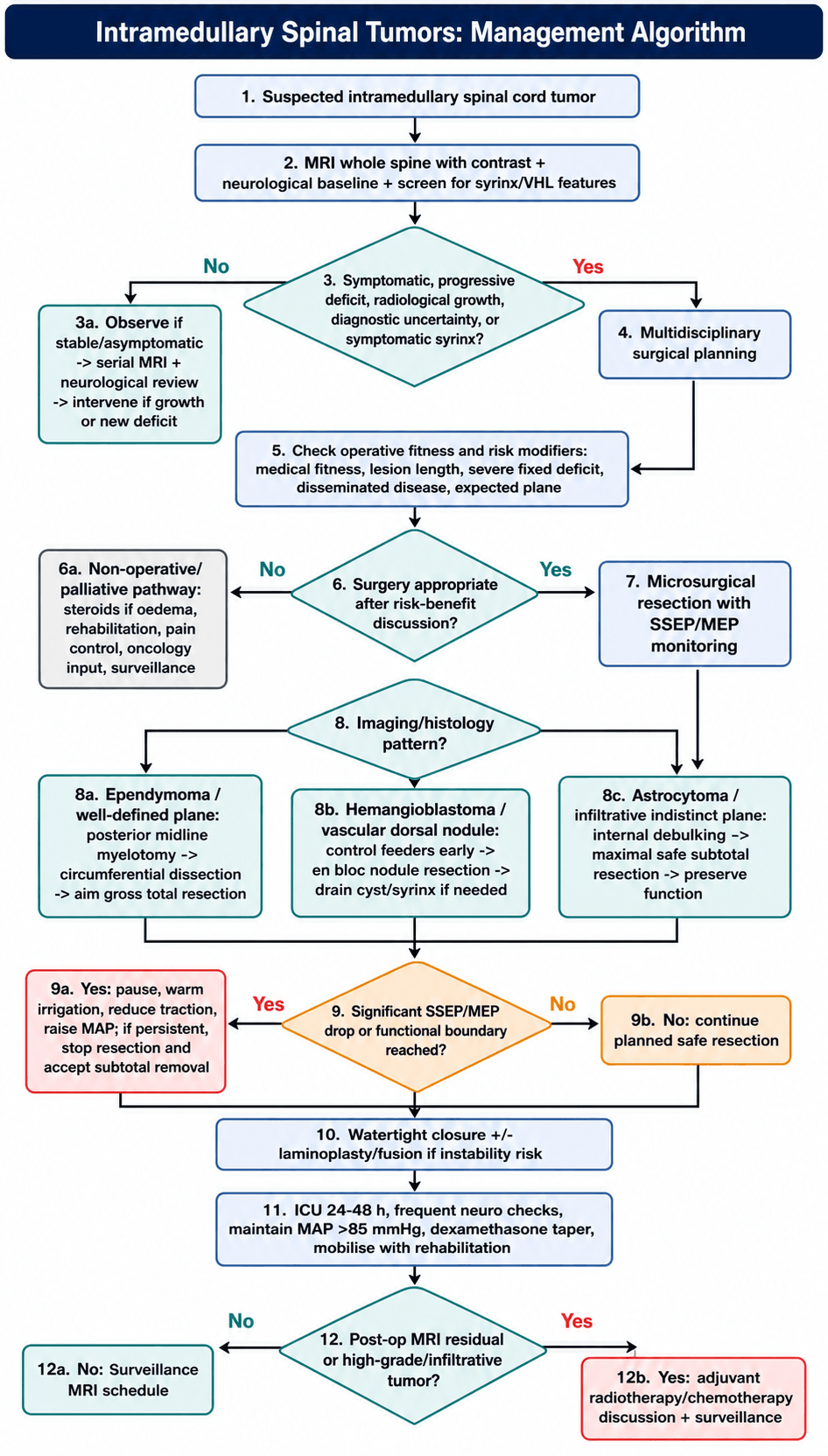
Management Algorithm
Complications
The incidence ranges in this section are approximate conventional teaching figures unless a cited series is named. Early complications are those within 30 days.
Neurological deterioration. Early worsening of weakness or sensory loss is common and largely transient, and its frequency depends on histology and on how aggressive the resection had to be: 12% were worse at 6 months in Cannizzaro's mixed IMSCT cohort, against 40% declining after resection of malignant astrocytoma in McGirt. Cord oedema, manipulation injury and vascular compromise are the mechanisms, and it presents as worsening weakness or an ascending sensory level. Give high-dose dexamethasone, keep the MAP above 85 mmHg, and obtain an urgent MRI if a haematoma is suspected. 60-70% recover to baseline or better by 6 months.
Cord infarction. Vascular injury to the anterior or posterior spinal arteries is rare but devastating.
Epidural haematoma (2-5%). It presents as acute neurological deterioration within 24 hours. Urgent MRI shows an epidural collection compressing the cord, and the treatment is emergency surgical evacuation. Prevention is meticulous haemostasis and avoiding an epidural drain.
CSF leak (5-10%). It presents with wound drainage, CSF otorrhoea if the tumour was high cervical, or a positional headache, and fluid analysis (glucose, beta-2 transferrin) confirms it. Treat with bed rest and acetazolamide, re-exploring and re-closing the wound if the leak persists. It carries a risk of meningitis and of pseudomeningocele.
Infection. Meningitis (1-2%) presents with fever, headache and neck stiffness; wound infection (3-5%) with erythema, drainage and fever. CSF analysis (pleocytosis, low glucose) and wound cultures make the diagnosis. Treat with broad-spectrum antibiotics (vancomycin plus ceftriaxone), and wash out a deep infection surgically.
Myxopapillary Ependymoma of the Conus and Filum: a Different Ependymoma
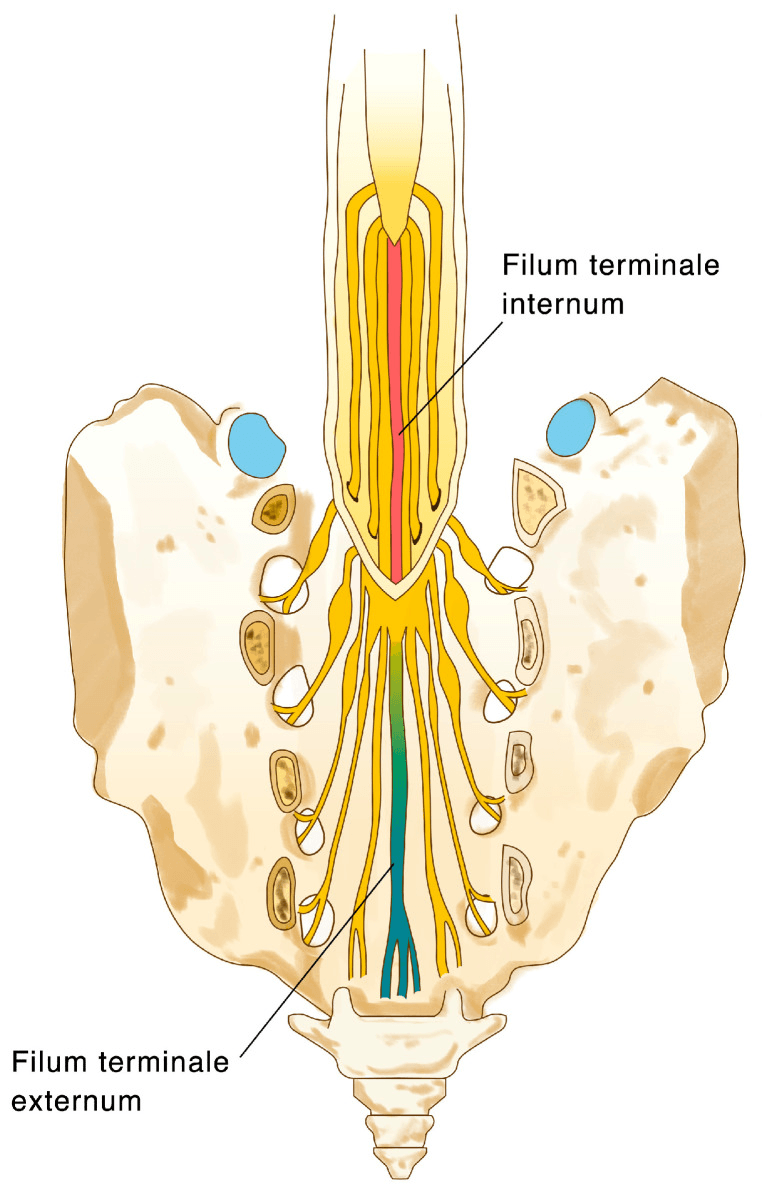
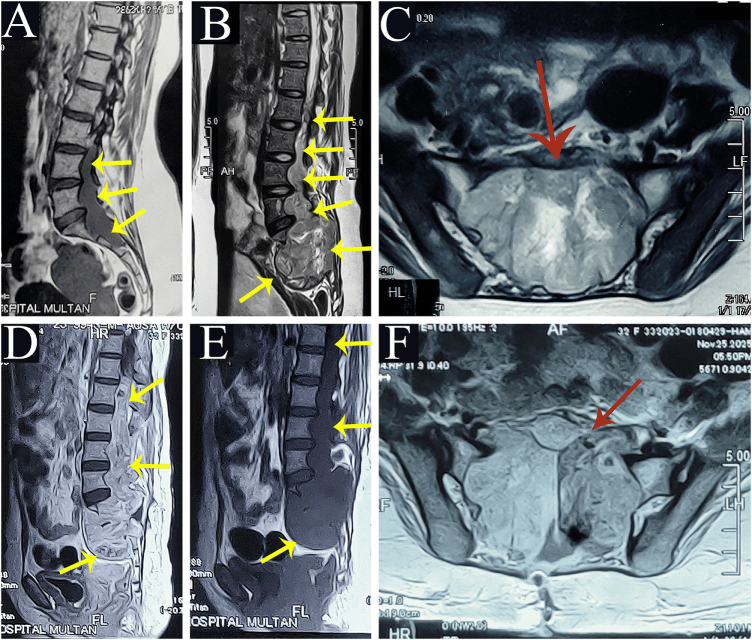
A different site. Myxopapillary ependymoma arises almost exclusively from the filum terminale and conus medullaris, so it presents as a lumbosacral (cauda equina) lesion, with low back pain, radiculopathy, and bladder, bowel or sexual dysfunction, rather than as a cervical myelopathy. The filum terminale internum continues from the conus within the thecal sac and becomes the external filum at S1-S2.
A different grade. The 2021 WHO CNS5 classification reclassified it as grade 2, up from grade 1, formally recognising that it recurs more readily than a cranial grade-1 ependymoma. The defining histological pattern is cuboidal and elongated tumour cells arranged around hyalinised fibrovascular cores, with myxoid material between them.
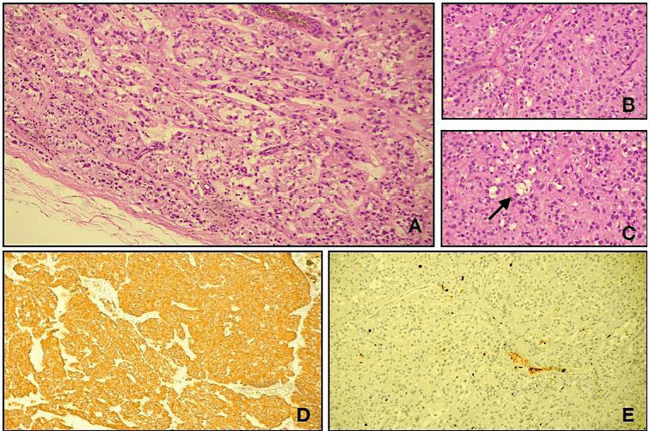
The hazard is seeding. The tumour sits in the CSF-filled thecal sac and has a delicate capsule, so violating the capsule risks CSF (drop) metastasis and local recurrence, a particular problem in children. The surgical principle is therefore en bloc gross total resection, removing the involved filum intact. When the tumour is adherent to the conus or roots, a safe, function-preserving subtotal removal with adjuvant radiotherapy is accepted.
What carries the risk. Be precise here: the distinction that matters is total versus partial removal rather than one piece versus several. In Nakamura's 25-case series (PMID 19934795), nine of fifteen total resections were performed piecemeal and then irradiated, and fourteen of the fifteen were recurrence-free at a mean of 10.4 years, whereas all six patients left with a partial resection and a local radiotherapy field alone died of CSF dissemination.
Stage the neuraxis. The dissemination risk calls for craniospinal (whole-neuraxis) gadolinium MRI to look for drop metastases. Reserve adjuvant radiotherapy for subtotally resected, recurrent or disseminated disease, and keep surveillance lifelong because recurrence can be late.
Preventing Post-Laminectomy Spinal Deformity: the Orthopaedic Priority
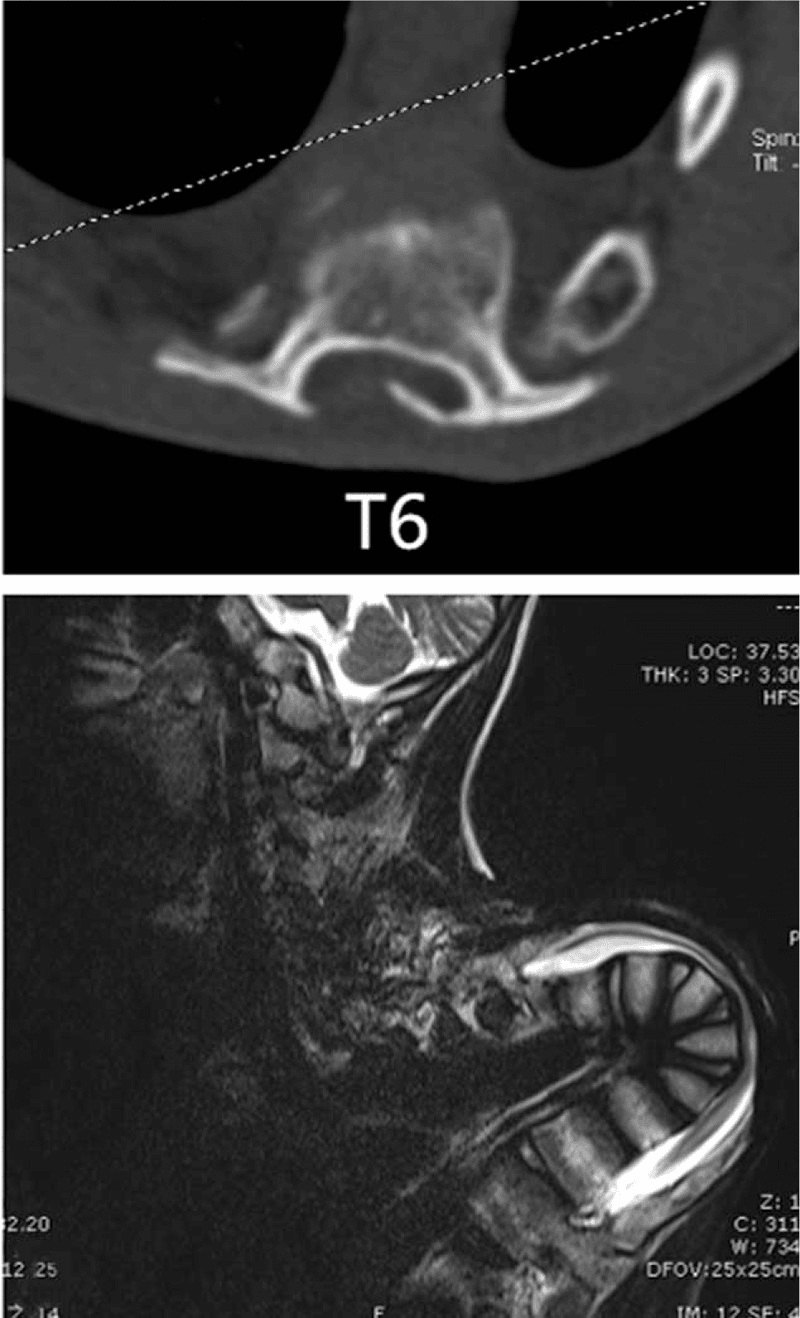
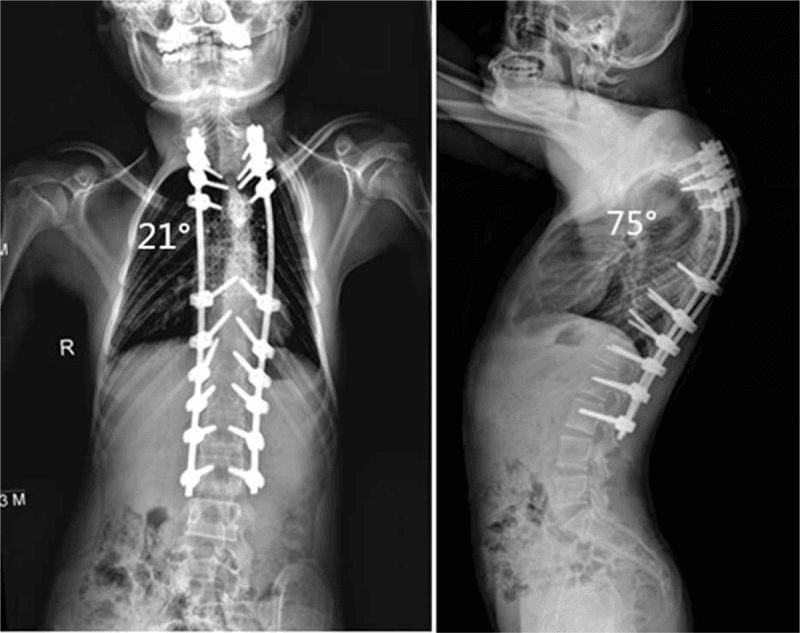
Why the spine deforms. A multilevel laminectomy removes the posterior tension band: the spinous processes, laminae, interspinous and supraspinous ligaments and, if violated, the facets. Without it the flexion moment is unopposed and a progressive post-laminectomy kyphosis follows, classically a "swan-neck" cervical kyphosis after cervical or cervicothoracic laminectomy.
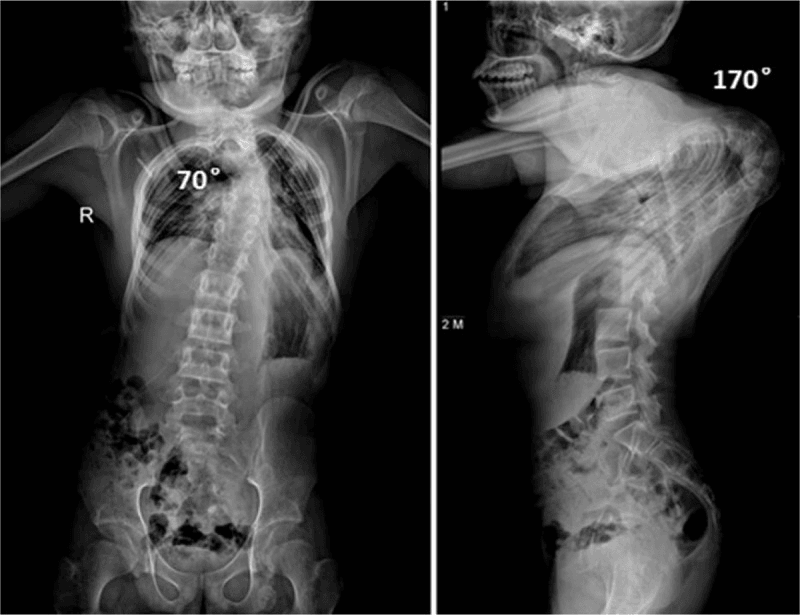
Children are the high-risk group. The immature spine is uniquely vulnerable, with ligamentous laxity, more horizontally oriented facets, wedge-shaped cartilaginous vertebrae and ongoing growth, so multilevel laminectomy in a child carries a high rate of progressive kyphosis or scoliosis. The other risk factors are a cervical or cervicothoracic level, the number of levels, facet-joint violation (more than 50% resection) and pre-existing malalignment.
Prevention is decided at the tumour operation. The options, in escalating order:
- Preserve the facets (the less-than-50% rule) and the posterior ligaments as far as the exposure allows
- Osteoplastic laminoplasty rather than laminectomy, replacing or reconstructing the posterior arch, especially in children and over multiple levels
- Prophylactic posterior instrumented fusion where the risk is high: extensive facet removal, pre-existing kyphosis, a very young child, or a long-segment cervicothoracic exposure
Established deformity is far harder. A symptomatic post-laminectomy kyphosis usually needs combined anterior-posterior reconstruction and instrumented fusion, so it is far better prevented than corrected.
Guidelines, Registries & Global Practice
Global Epidemiology
- Intramedullary spinal cord tumours are rare, comprising roughly 4-10% of all CNS tumours and 20-30% of all intraspinal tumours in adults; they are proportionally more common in children, in whom astrocytoma predominates over ependymoma.
- In adults the order of frequency is ependymoma (around 60%), astrocytoma (around 30%) and hemangioblastoma (3-5%); in the paediatric population astrocytoma is the most common intramedullary tumour.
- Hemangioblastoma is associated with von Hippel-Lindau disease in roughly a quarter of cases; VHL is autosomal dominant (chromosome 3p25, VHL gene) with a 50% risk to offspring.
- Spinal ependymoma shows a slight male predominance and peaks in the third-to-fifth decades; myxopapillary ependymoma characteristically arises at the conus/filum.
Side-by-Side Guidance
There is no single dedicated international guideline for intramedullary tumours; practice is informed by neuro-oncology bodies and surgical society consensus. The table summarises where authoritative sources converge and where emphasis differs.
- Diagnosis
- Integrated histological plus molecular diagnosis (e.g. spinal ependymoma MYCN-amplified subtype)
- Surgery
- Pathology guides prognosis, not operability per se
- Adjuvant / Surveillance
- Molecular subtype increasingly informs adjuvant decisions
- Diagnosis
- Whole-neuraxis gadolinium MRI; tissue diagnosis essential
- Surgery
- Maximal safe resection; GTR aim for ependymoma
- Adjuvant / Surveillance
- Radiotherapy for incompletely resected/anaplastic ependymoma and high-grade glioma
- Diagnosis
- MRI plus histology; consider CSF and craniospinal imaging for dissemination risk
- Surgery
- Resection for diagnosis and cytoreduction
- Adjuvant / Surveillance
- Radiotherapy for residual/high-grade disease; chemotherapy role limited
- Diagnosis
- Intraoperative neuromonitoring (SSEP/MEP, D-wave where feasible)
- Surgery
- Posterior median sulcus myelotomy; respect tumour-cord plane and IONM
- Adjuvant / Surveillance
- Lifelong MRI surveillance (long-term recurrence risk, up to 10 years)
Registry & Outcome Notes
- Because these tumours are rare, robust data come from population cancer registries (e.g. CBTRUS in the US) and large single-/multi-centre surgical series rather than implant-style joint registries. CBTRUS-type data confirm the rarity and the histological distribution above.
- Reported gross total resection rates from high-volume centres are around 70-90% for ependymoma and over 90% for hemangioblastoma, but under 20-45% for infiltrative astrocytoma - figures that should temper consent discussions.
High- vs Limited-Resource Practice Variation
- High-resource settings: routine whole-spine 1.5-3T MRI with contrast, intraoperative neuromonitoring including D-wave, ultrasonic aspiration, neuro-anaesthesia and ICU support, molecular pathology, and access to conformal radiotherapy and genetic services for VHL.
- Limited-resource settings: MRI access and intraoperative monitoring may be restricted, shifting practice toward later presentation, more conservative (often subtotal) resection to avoid deficit without monitoring, and limited molecular/genetic testing. Outcomes are correspondingly more dependent on pre-operative neurological status, reinforcing the universal principle of operating before deficits become fixed.
Controversies & Areas of Uncertainty
Several management questions in intramedullary tumour surgery remain unresolved, and they are favourite examiner territory because they test understanding of the evidence rather than recall.
Timing of surgery for the minimally symptomatic tumour. Pre-operative neurological status is the most consistent predictor of outcome, which argues for early resection before deficits become fixed. Against this is the real operative risk of making a mildly symptomatic patient worse. There is no randomised evidence, and practice is individualised to tumour type, growth and patient preference.
MEP versus D-wave thresholds. A transient MEP drop with a preserved D-wave usually predicts only transient weakness, whereas a D-wave fall over 50% predicts permanent loss. The exact alarm criteria, and how aggressively to continue after a transient MEP change, are not standardised, and D-wave recording is not feasible in every cord segment or in young children.
Adjuvant radiotherapy for subtotally resected ependymoma. Some series support radiotherapy for residual or anaplastic disease, while others, including the original McCormick experience, achieved durable control with surgery alone. There is no level I evidence, and radiotherapy carries risks of myelopathy and second malignancy.
Radiotherapy for low-grade astrocytoma. Degree of resection does not change survival within grade, and the benefit of adjuvant radiotherapy is unproven for grade II tumours, so many centres observe after maximal safe resection and reserve radiotherapy for progression. Practice varies widely.
Surgery versus observation in VHL haemangioblastoma. Asymptomatic lesions can be observed given their indolent, multifocal nature, yet some advocate earlier resection of accessible dorsal lesions before they enlarge. The decision balances cumulative operative morbidity against the risk of symptomatic progression.
Prophylactic fusion or laminoplasty. Whether to fuse or perform laminoplasty to prevent post-laminectomy kyphosis, particularly in children and after multilevel exposure, is not settled by trial evidence; age, sagittal alignment and the extent of facet preservation guide it.
Molecular reclassification. WHO CNS5 (2021) increasingly defines spinal ependymoma and glioma by molecular markers, for example MYCN amplification in spinal ependymoma, which carries a poor prognosis. How molecular subtype should modify surgical aggressiveness and adjuvant strategy is still evolving.
Clinical Decision Scenarios
Practise clinical reasoning and management decisions out loud
“A 42-year-old woman presents with 18-month history of progressive hand weakness, numbness, and gait instability. Examination shows intrinsic hand muscle atrophy, inverted radial reflexes, lower limb spasticity with hyperreflexia and upgoing plantars. MRI shows 4 cm intramedullary enhancing lesion C4-C6 with associated rostral syrinx extending to C2. Cord expansion present. Imaging characteristics suggest ependymoma.”
“A 35-year-old man presents with 6-month history of thoracic back pain and progressive leg weakness. No bladder dysfunction. Examination shows T6 sensory level, lower limb weakness (4/5), hyperreflexia and spasticity. MRI shows intensely enhancing dorsal intramedullary nodule at T6 with large associated syrinx T4-T9. Flow voids visible around nodule. Previous records show he had cerebellar hemangioblastoma resected 3 years ago.”
“A 28-year-old man has a 9-month history of progressive lower limb weakness and a sensory level at T8. MRI shows a poorly defined, eccentric intramedullary lesion spanning T6-T9 with patchy heterogeneous enhancement and indistinct margins; there is no clear tumour-cord plane. You are debulking the lesion under SSEP, MEP and D-wave monitoring. Two-thirds of the way through internal debulking the transcranial MEP from the left lower limb drops by 70% and the D-wave amplitude falls by 40%. The pathology is reported as a WHO grade II diffuse astrocytoma on frozen section.”
Quick Recognition
- Progressive myelopathy + MRI cord expansion with intramedullary enhancement = IMSCT
- Ependymoma 60% (well-defined, cervical, polar syrinx)
- Astrocytoma 30% (infiltrative, thoracic, indistinct margins)
- Hemangioblastoma 3-5% (vascular, dorsal, VHL association)
Essential MRI Features
- Ependymoma: intense homogeneous enhancement, well-defined, polar cysts/syrinx
- Astrocytoma: patchy heterogeneous enhancement, poorly defined, infiltrative
- Hemangioblastoma: intense nodule enhancement, flow voids, large syrinx, hemosiderin cap
Surgical Principles
- Wide laminectomy (1 level above/below)
- Preserve less than 50% of facets (avoid instability)
- Posterior median sulcus myelotomy (avascular plane)
- Intraoperative SSEP+MEP monitoring mandatory
- Goal: GTR for ependymoma/hemangioblastoma, maximal safe resection for astrocytoma
Ependymoma Strategy
- Best prognosis tumor, well-defined plane in 90%
- Circumferential dissection along tumor-cord interface
- GTR achievable in 80-90%
- 10-year PFS 80% with GTR vs 45% with STR
- Adjuvant XRT for STR or anaplastic (Grade III)
Astrocytoma Strategy
- Infiltrative, no clear plane
- Internal debulking first, subtotal resection to functional boundaries
- GTR rarely achievable (less than 20%)
- Stop resection if MEP changes
- Adjuvant radiotherapy and temozolomide for high-grade (Grade III-IV)
Hemangioblastoma Strategy
- Highly vascular - control feeders FIRST before manipulating tumor
- Pial-based, good plane, en bloc resection of nodule
- Screen for VHL (25% of cases)
- VHL: annual MRI surveillance, family screening
- Observe asymptomatic tumors in VHL
Neuromonitoring Alerts
- MEP drop greater than 50% = high risk of motor deficit
- Action: pause resection, warm saline irrigation, reduce retraction, increase MAP
- If no recovery, abandon further resection
- SSEP less sensitive for sensory deficits
- Combined SSEP+MEP superior to either alone
Complications
- Neurological deterioration 15-30% (68% recover by 6 months)
- Epidural hematoma 2-5% (emergency re-exploration)
- CSF leak 5-10% (bed rest, re-closure if persistent)
- Infection 1-5% (meningitis or wound)
- Instability if greater than 50% facet resection
Post-Op Management
- ICU 24-48 hours, neuro checks Q2H
- Maintain MAP greater than 85 mmHg for cord perfusion
- Dexamethasone taper over 1 week
- Flat bed rest 48 hours (reduce CSF leak)
- Mobilize day 3 with PT, MRI at 3 months baseline then 6-monthly for 2 years
Viva Talking Points
- GTR is goal for ependymoma - best long-term outcomes (10-year PFS 80%)
- Intraoperative neuromonitoring mandatory - guides safe resection extent
- Temporary neurological worsening common (22%) but majority recover
- VHL screening essential for hemangioblastoma
- Posterior median sulcus myelotomy is safest approach
Evidence Base
McCormick Series: Microsurgical Removal of Intramedullary Ependymoma (Landmark)
- Complete (gross total) removal was achieved in all 23 patients; tumours were predominantly cervical or cervicothoracic
- No patient received post-operative radiotherapy; histology was benign ependymoma in every case
- Mean follow-up 62 months (range 6-159); no clinical or radiological recurrence and no deaths
- Functional improvement in 8, unchanged in 12, deterioration in 3 patients at latest review
- MRI was the single most important radiological investigation
Extent of Resection and Long-Term Outcome in Spinal Ependymoma
- Gross total resection achieved in 60 of 85 surgical patients (71%), subtotal resection in 25 (29%)
- 10-year progression-free survival 75%; 5-year overall survival 97%; 10-year overall survival 91%
- Reduced pre-operative neurological function and older age were associated with increased risk of death
- Good pre-operative neurological status significantly predicted favourable outcome
- Spontaneous regression of residual tumour was suggested in 7 of 19 patients (37%)
Intraoperative Neurophysiological Monitoring in IMSCT Resection
- Gross total removal achieved in 46 of 57 cases
- At 6 months: McCormick grade stable in 53%, improved in 35%, worsened in 12%
- IONM showed high accuracy for predicting permanent motor deficit (sensitivity 100%, specificity 96%, AUC 0.978)
- D-wave had significantly greater predictive value than MEP or SSEP alone (AUC 0.967 vs 0.722 vs 0.542)
- SSEP alone was the weakest predictor of motor outcome
Surgical Management of Spinal Hemangioblastomas in VHL Disease
- 86 spinal hemangioblastomas resected across 55 operations; mean age at surgery 34 years
- Better post-operative outcomes with minimal pre-operative deficit, lesions under 500 mm3, and dorsal location
- Syrinx resolution followed tumour removal and did not require entering the syrinx cavity
- Hemangioblastomas could be safely removed in the majority of patients
- Recommendation: resect when lesions produce symptoms or signs, otherwise observe
IONM and Outcome in Spinal Cord Hemangioblastoma
- Gross total resection achieved in 26 of 27 tumours (96%) with no local recurrence during follow-up
- Most tumours were dorsal (93%) and cervical (78%) with peritumoral oedema or syringomyelia in 82%
- Non-pathological IONM was associated with significantly fewer new sensorimotor deficits (p=0.005)
- At mean 7.9-year follow-up, McCormick grade was stable or improved in 88%
- VHL disease was an independent risk factor for worse functional prognosis (p=0.044)
Extent of Resection in Malignant Spinal Cord Astrocytoma
- Radical resection achieved in 12 of 27 anaplastic astrocytomas (44%); no glioblastoma underwent radical resection
- Median overall survival 72 months for anaplastic astrocytoma vs only 9 months for glioblastoma
- After surgery 6% improved, 54% were stable and 40% declined neurologically
- Subtotal versus radical resection of anaplastic astrocytoma was associated with worse 4-year survival (38% vs 78%, p=0.028)
- Post-operative neuraxis dissemination strongly predicted reduced survival (p=0.004)
Prognostic Factors in Intramedullary Astrocytoma
- Low histological grade was the strongest favourable prognostic factor
- Good pre- and post-operative general (functional) condition predicted longer survival
- Among grade II tumours, fibrillary and protoplasmic subtypes had longer survival regardless of resection extent
- Degree of resection did NOT influence average survival within a given histological grade
- Anaplastic features within high-grade tumours further worsened survival
References
-
McCormick PC, Torres R, Post KD, Stein BM. Intramedullary ependymoma of the spinal cord. J Neurosurg. 1990;72(4):523-532. doi:10.3171/jns.1990.72.4.0523. PMID 2319309.
-
Halvorsen CM, Kolstad F, Hald J, et al. Long-term outcome after resection of intraspinal ependymomas: report of 86 consecutive cases. Neurosurgery. 2010;67(6):1622-1631. doi:10.1227/NEU.0b013e3181f96d41. PMID 21107192.
-
Lonser RR, Weil RJ, Wanebo JE, DeVroom HL, Oldfield EH. Surgical management of spinal cord hemangioblastomas in patients with von Hippel-Lindau disease. J Neurosurg. 2003;98(1):106-116. doi:10.3171/jns.2003.98.1.0106. PMID 12546358.
-
Cannizzaro D, Mancarella C, Nasi D, et al. Intramedullary spinal cord tumors: the value of intraoperative neurophysiological monitoring in a series of 57 cases. J Neurosurg Sci. 2022;66(5):447-455. doi:10.23736/S0390-5616.19.04758-1. PMID 31565906.
-
Siller S, Szelenyi A, Herlitz L, Tonn JC, Zausinger S. Spinal cord hemangioblastomas: significance of intraoperative neurophysiological monitoring for resection and long-term outcome. J Neurosurg Spine. 2017;26(4):483-493. doi:10.3171/2016.8.SPINE16595. PMID 27982764.
-
McGirt MJ, Goldstein IM, Chaichana KL, et al. Extent of surgical resection of malignant astrocytomas of the spinal cord: outcome analysis of 35 patients. Neurosurgery. 2008;63(1):55-60. doi:10.1227/01.NEU.0000335070.37943.09. PMID 18728568.
-
Innocenzi G, Salvati M, Cervoni L, Delfini R, Cantore G. Prognostic factors in intramedullary astrocytomas. Clin Neurol Neurosurg. 1997;99(1):1-5. doi:10.1016/s0303-8467(96)00555-0. PMID 9107459.
-
Samartzis D, Gillis CC, Shih P, O'Toole JE, Fessler RG. Intramedullary spinal cord tumors: part I--epidemiology, pathophysiology, and diagnosis. Global Spine J. 2015;5(5):425-435. doi:10.1055/s-0035-1549029. PMID 26430598.
-
Samartzis D, Gillis CC, Shih P, O'Toole JE, Fessler RG. Intramedullary spinal cord tumors: part II--management options and outcomes. Global Spine J. 2016;6(2):176-185. PMID 26933620.
Every card below carries its PMID and DOI.