Progressive Cartilage Loss | Biomechanical Overload | Non-operative to Total Knee Arthroplasty
- Kellgren-Lawrence grading (0-4) guides treatment escalation
- Non-operative management is first-line for all patients: weight loss, physiotherapy, analgesia
- High tibial osteotomy (HTO) for young patients (under 60) with isolated medial OA and varus malalignment
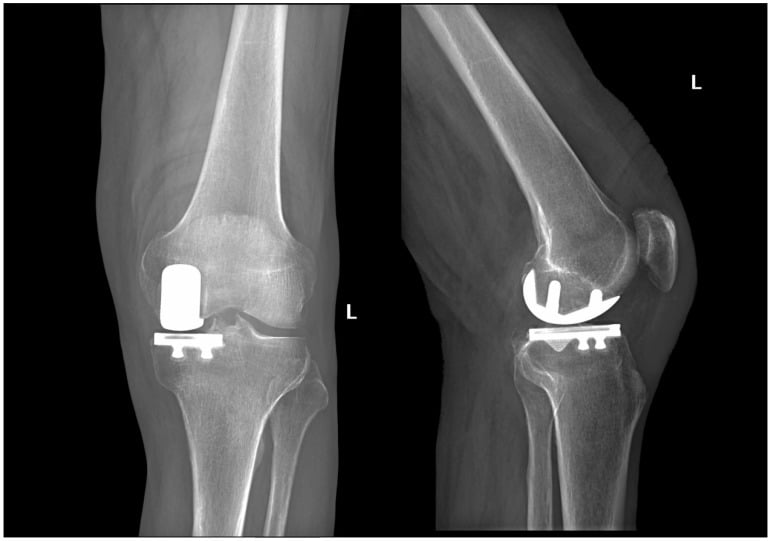
- Unicompartmental knee arthroplasty (UKA) requires intact ACL, opposite compartment, and patellofemoral joint
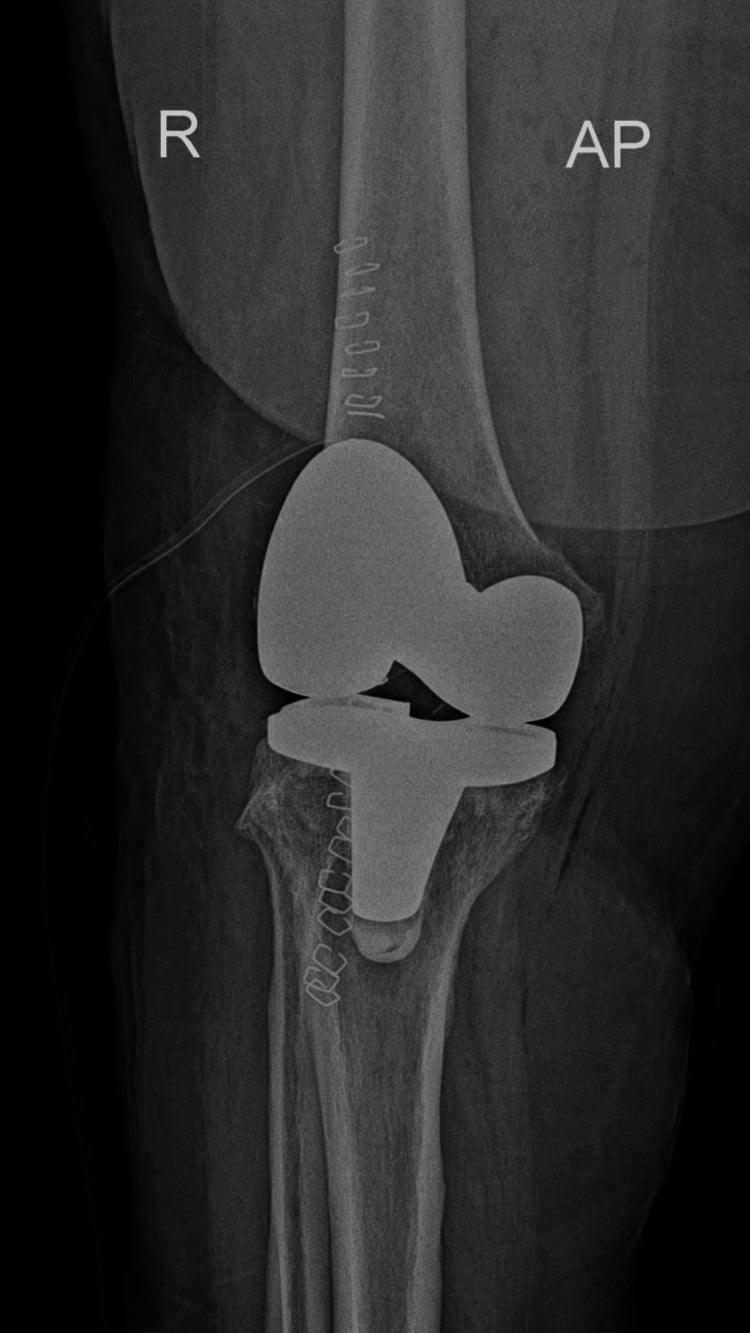
- Total knee arthroplasty (TKA) is gold standard for end-stage tricompartmental OA failing conservative measures
- “Registry data (NJR, AJRR, AOANJRR): cemented TKA shows reliable long-term survivorship
- “Oxford Knee Score: validated patient-reported outcome measure (12-60 scale)
- “Mechanical axis: hip-knee-ankle alignment critical for HTO and TKA longevity
- “WOMAC score: Western Ontario McMaster Universities Arthritis Index - validated OA outcome tool
Overview and Epidemiology
Knee osteoarthritis (OA) is the most common articular disorder worldwide and a leading cause of disability in older adults. It is a final common pathway of cartilage failure, reached when biomechanical stress exceeds the joint's capacity for repair, and it is the leading indication for total knee arthroplasty (TKA) worldwide.
Who gets it. About 10% of adults over 60 have symptomatic knee OA, and radiographic OA is far more common. Women outnumber men by about 2:1, rising after the menopause, and incidence increases sharply after the age of 50.
The burden. Knee OA affects an estimated 250-350 million people and is a leading global cause of years lived with disability in the Global Burden of Disease studies. Incidence is rising, driven by ageing populations and the global obesity epidemic. It is a major cause of work disability and early retirement in the over-50s, and TKA is among the most common elective orthopaedic procedures in the world.
Other risk factors. Repetitive occupational loading (kneeling, squatting, heavy lifting) adds to the risk. Obesity, malalignment, meniscal loss and ACL injury each change how load crosses the joint, and they are set out with the biomechanics below.
Pathophysiology and Biomechanics
An active disease, not wear and tear. Knee OA is an active process driven by inflammatory cytokines (IL-1 and TNF-alpha), matrix metalloproteinases (MMPs) and altered chondrocyte metabolism, and the cytokines drive chondrocyte apoptosis. Progressive cartilage loss leads to three radiographic changes: subchondral sclerosis, osteophyte formation and joint-space narrowing.
The cascade. The disease runs over months to decades, through four stages:
Disease Progression
Mechanical overload or injury stresses the chondrocytes and triggers cytokine release (IL-1, TNF-alpha). Chondrocytes increase MMP production, degrading collagen and proteoglycans, and the cartilage softens (Outerbridge grade 1-2).
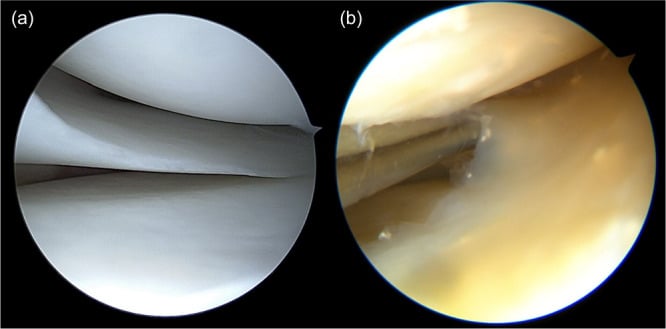
The articular cartilage fibrillates and fissures, exposing subchondral bone in focal areas. Inflammatory mediators persist and a secondary synovitis develops.
Stress transfers to the subchondral plate, which becomes denser and sclerotic. Osteophytes form at the joint margins as an attempt at stability, and bone marrow lesions appear as oedema on MRI.
Cartilage loss is complete and the joint is bone-on-bone, with severe subchondral sclerosis, large marginal osteophytes, joint-space collapse, subchondral cysts and a varus or valgus deformity.
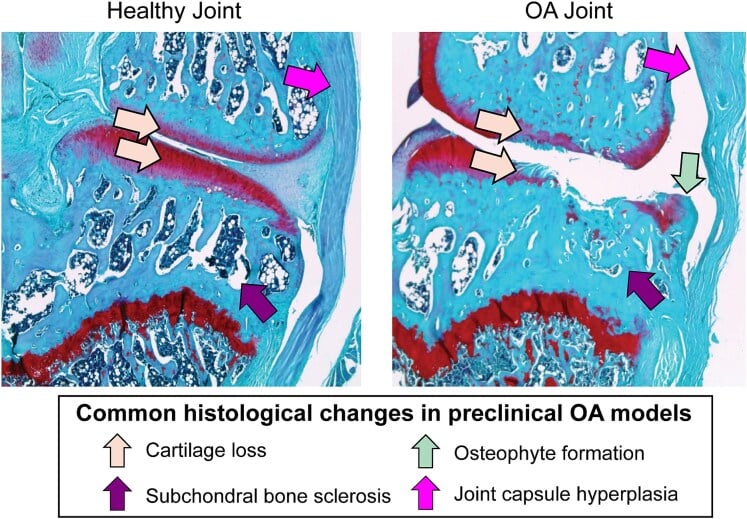
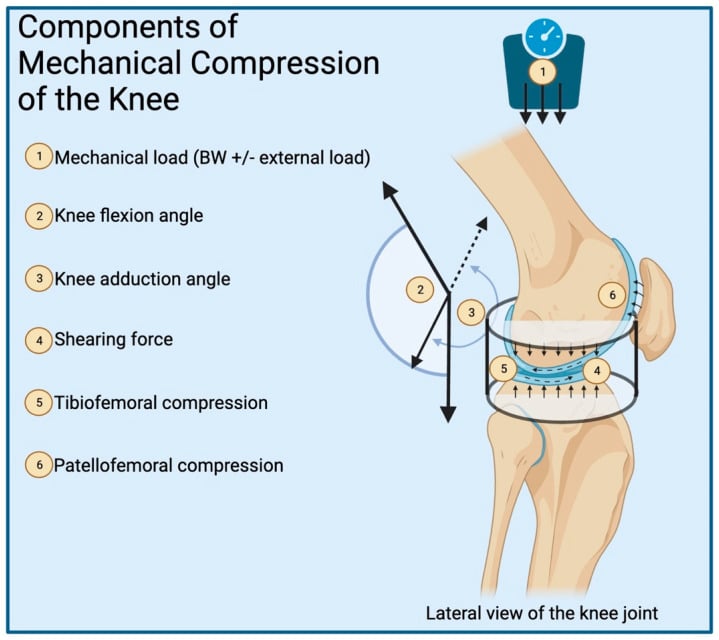
Biomechanical factors. Malalignment, obesity, meniscal deficiency and ACL deficiency each alter how load crosses the joint.
- Mechanism
- Shifts load medially, 3-4x increased medial stress
- Clinical Consequence
- Medial compartment OA progression, lateral thrust gait
- Mechanism
- Every 1kg body weight = 3-4kg knee force with walking
- Clinical Consequence
- 4x OA risk, accelerated progression
- Mechanism
- Loss of shock absorption and load distribution
- Clinical Consequence
- Meniscectomy increases OA risk 3-5x; post-meniscectomy OA in 30-50% by 10 years
- Mechanism
- Anteroposterior instability, altered kinematics
- Clinical Consequence
- 5-10x increased OA risk by 15 years post-injury
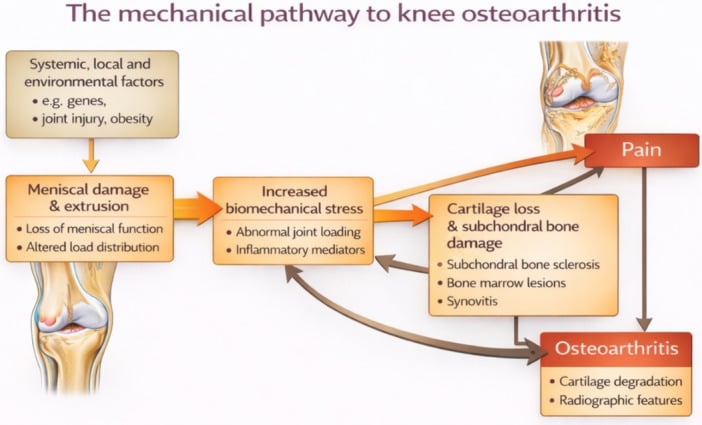
The Knee Adduction Moment (KAM)
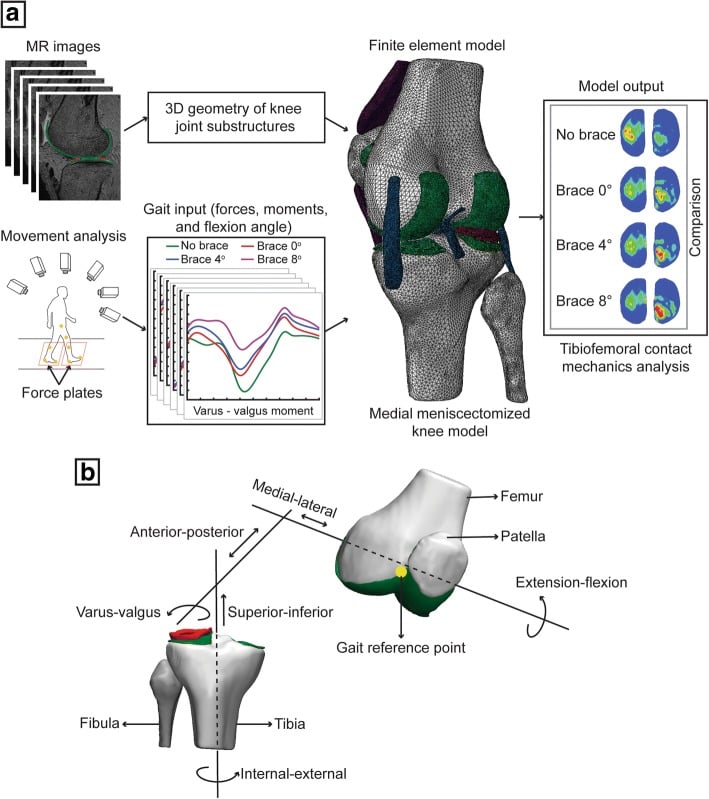
What it is. During the stance phase of gait the ground-reaction force passes medial to the knee joint centre. That creates an external adduction (varus) moment which thrusts the knee into varus and concentrates load on the medial compartment. Its magnitude is the single best dynamic surrogate for medial-compartment load.
Why it matters. A higher peak KAM, and a larger KAM impulse (the area under the curve over stance), predicts the presence, severity and radiographic progression of medial knee OA. Varus malalignment, obesity and a wide-based gait all increase it.
Every unloading treatment works through it. Each conservative and surgical measure for medial OA reduces the KAM or its effect, which is why these are the treatments chosen for medial-compartment disease:
- Lateral-wedge insoles and valgus unloader braces shift load laterally
- Gait retraining lowers the peak KAM: toe-out gait, medial knee thrust, lateral trunk lean, shorter stride
- Weight loss reduces the force that generates it
- High tibial osteotomy structurally moves the mechanical axis lateral, to the Fujisawa point, directly cutting the medial load
Classification Systems
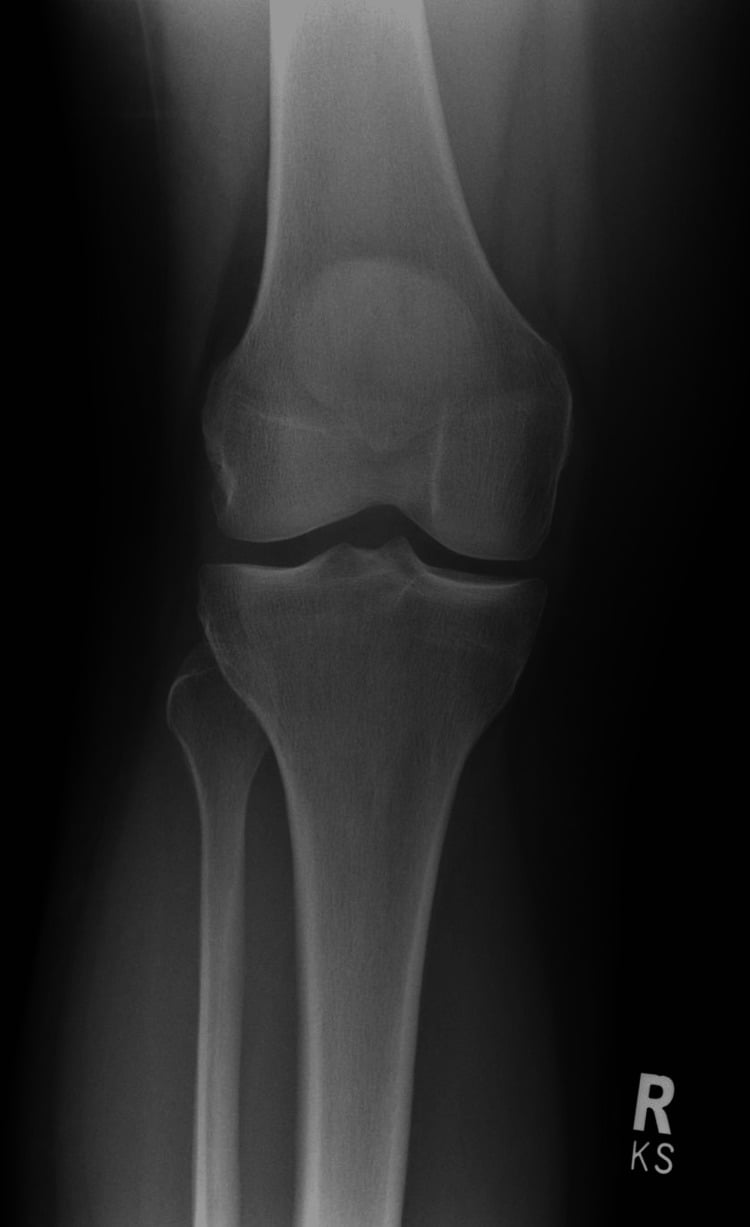
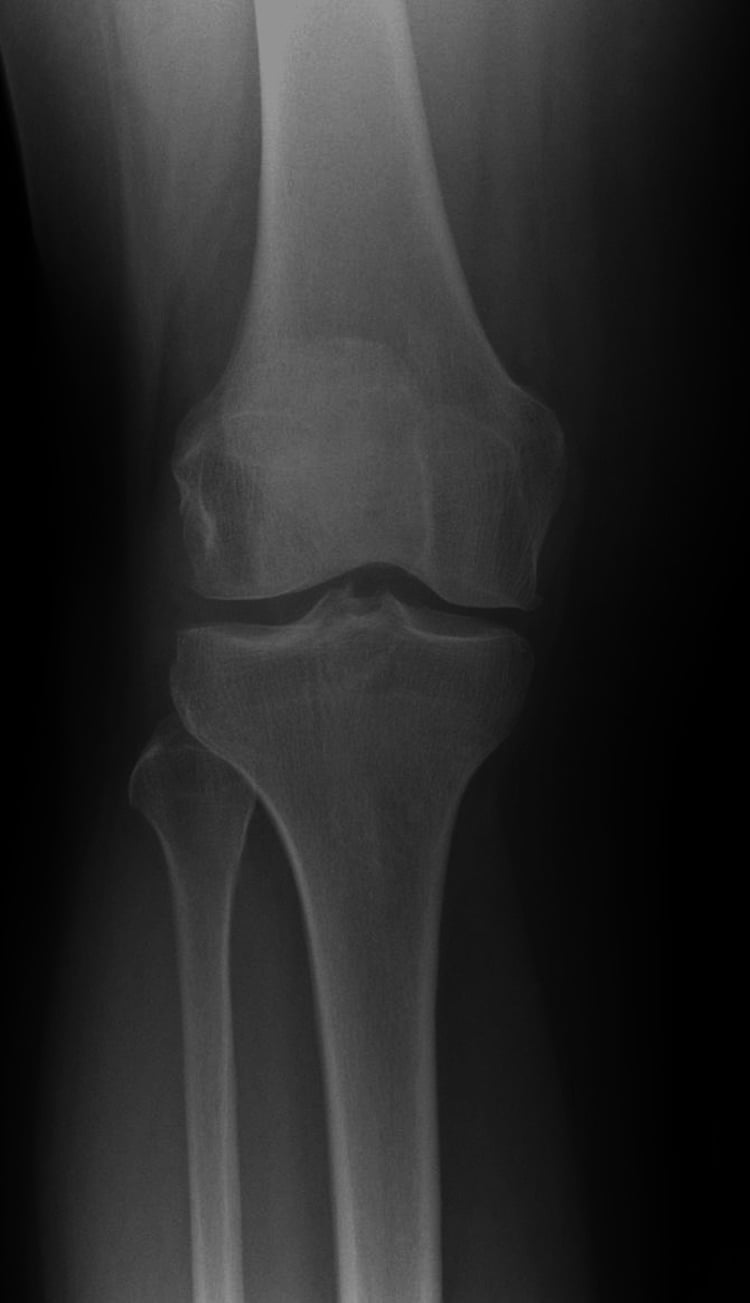
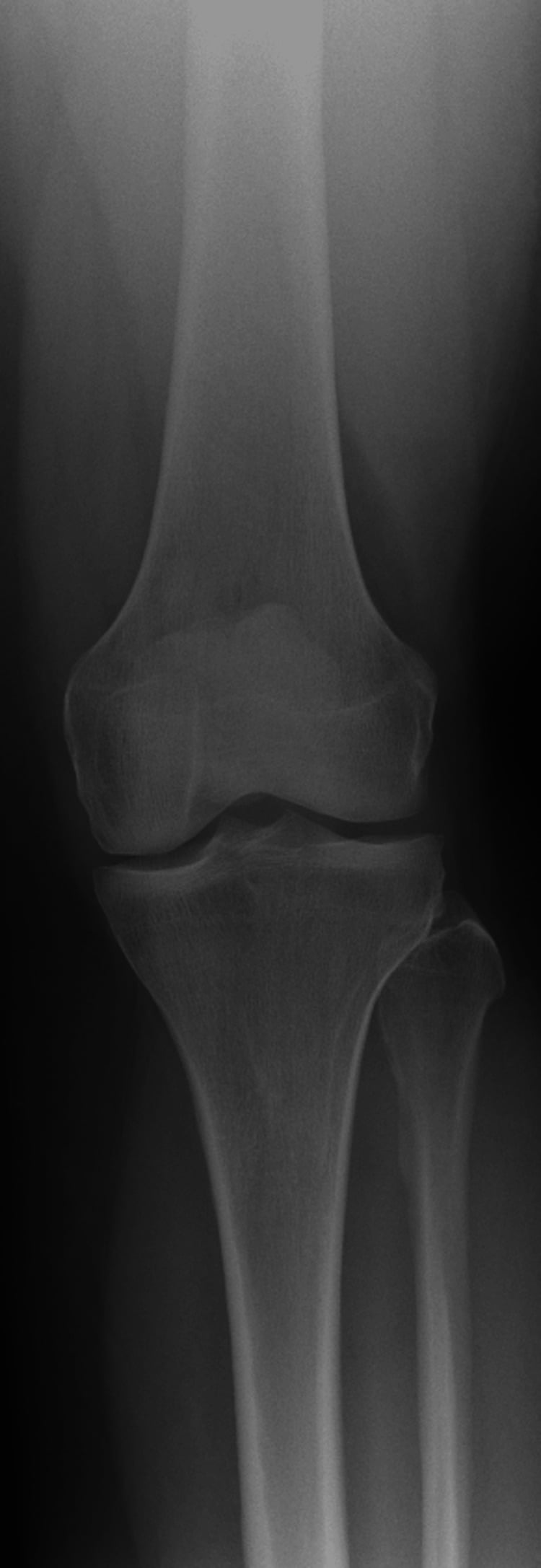
Kellgren-Lawrence is the gold standard for grading knee OA on plain radiographs, used worldwide for research and clinical decisions. It grades from 0 to 4 on osteophytes and joint-space narrowing. Outerbridge grades the cartilage surface directly at arthroscopy, from 1 to 4, and Ahlbäck is an older radiographic system.
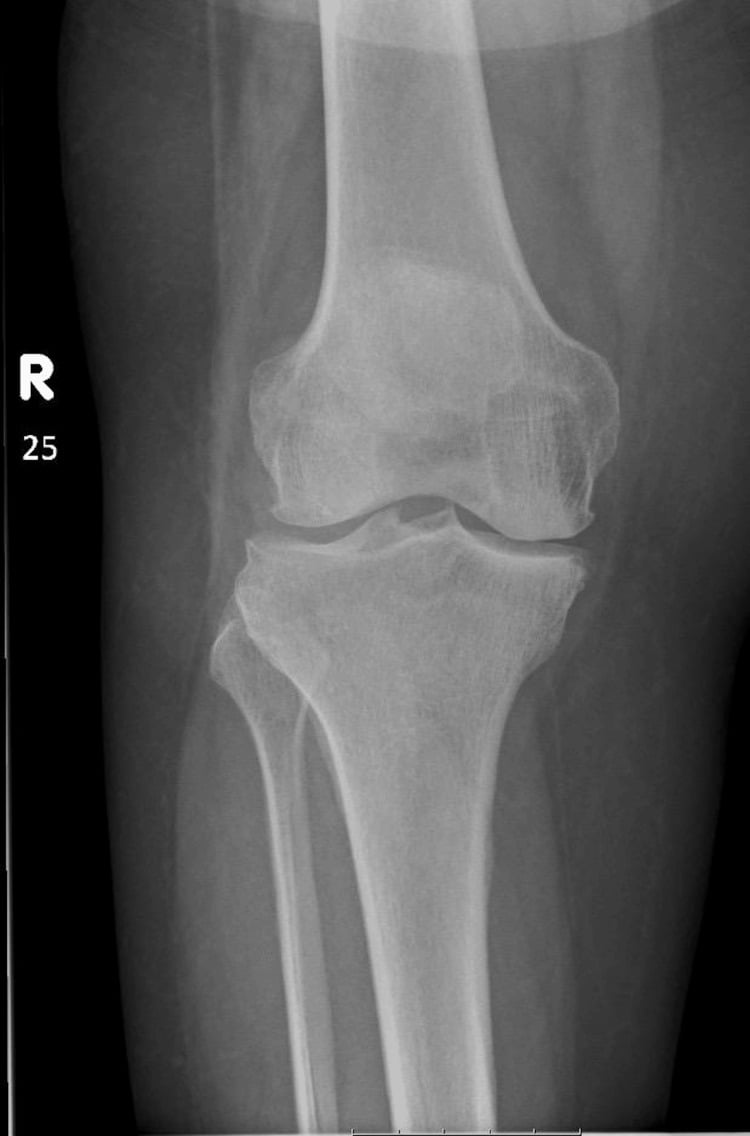
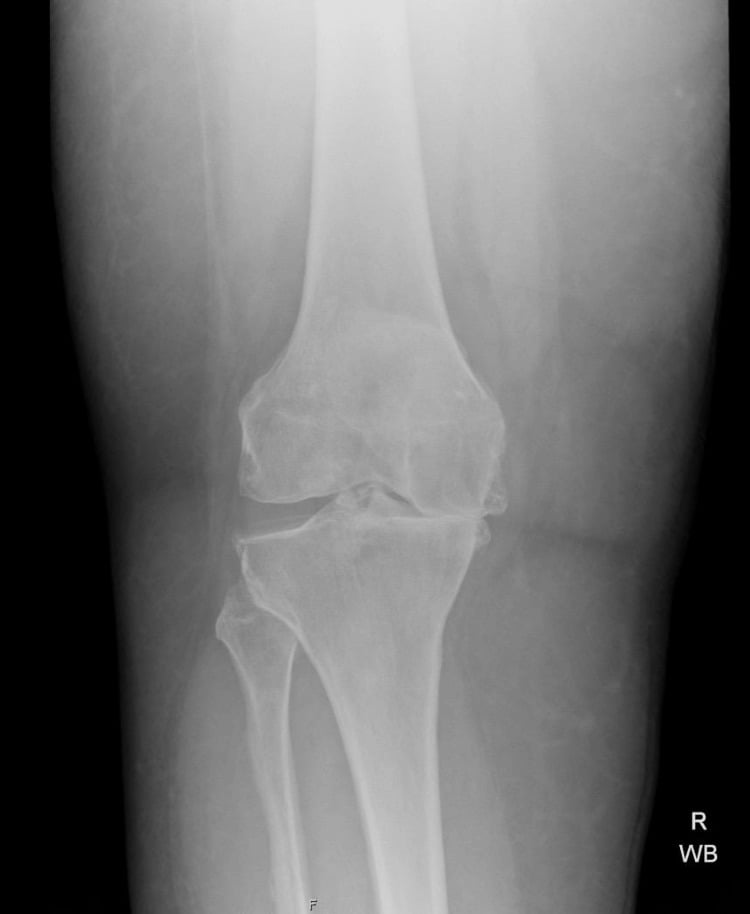
- Radiographic Features
- Normal joint
- Clinical Correlation
- No symptoms
- Treatment
- Nil
- Radiographic Features
- Doubtful osteophytes
- Clinical Correlation
- Minimal symptoms
- Treatment
- Observation, activity modification
- Radiographic Features
- Definite osteophytes, possible narrowing
- Clinical Correlation
- Mild-moderate pain, stiffness
- Treatment
- Weight loss, PT, NSAIDs, injections
- Radiographic Features
- Moderate narrowing, multiple osteophytes
- Clinical Correlation
- Moderate pain, function limited
- Treatment
- Consider HTO/UKA if young, otherwise TKA
- Radiographic Features
- Severe narrowing, bone-on-bone, sclerosis
- Clinical Correlation
- Severe pain at rest, major disability
- Treatment
- TKA primary option
Grade 3 is moderate joint-space narrowing (50% loss) with moderate osteophytes; grade 4 is severe narrowing (bone-on-bone) with large osteophytes and subchondral sclerosis. The key difference is complete versus incomplete joint-space loss.
Clinical Assessment
History. The pain is insidious in onset, related to activity and worse on stairs and squatting. Morning stiffness lasts under 30 minutes, which separates OA from rheumatoid arthritis. The rest of the history establishes how much the knee costs the patient and whether anything else is going on:
- Function: walking distance, stairs, activities of daily living, and night pain in severe disease
- Mechanical symptoms: locking from loose bodies, giving way from weakness
- Risk factors: obesity, previous trauma or surgery, occupation
Examination. Record each of the following:
- Gait: antalgic, varus or valgus thrust, Trendelenburg
- Alignment: the standing mechanical axis, varus or valgus deformity
- Effusion: swelling and warmth from synovitis
- Range of motion: flexion (normal 0-135°) and any extension lag
- Stability: varus and valgus stress, and the anterior drawer, since UKA needs an intact ACL
- Patellofemoral joint: crepitus, tenderness, apprehension
An acute monoarthritis suggests septic arthritis or gout. Systemic symptoms such as fever or weight loss raise malignancy or infection, rapid progression raises inflammatory arthritis or avascular necrosis, and a patient under 40 raises secondary OA or metabolic disease. Investigate with bloods (ESR, CRP, urate) and consider aspiration.
Differential diagnosis. Each mimic has a discriminating feature and a key investigation.
- Discriminating Features
- Insidious, activity-related pain; morning stiffness under 30 min; mechanical symptoms
- Key Investigation
- Weight-bearing radiographs (narrowing, osteophytes, sclerosis)
- Discriminating Features
- Polyarticular, symmetrical; prolonged morning stiffness over 1 hour; warmth, systemic features
- Key Investigation
- RF, anti-CCP, ESR/CRP; erosive periarticular changes
- Discriminating Features
- Acute hot swollen joint; sudden onset; chondrocalcinosis (CPPD)
- Key Investigation
- Joint aspiration: negatively (urate) or positively (CPPD) birefringent crystals
- Discriminating Features
- Hot, exquisitely painful joint; fever; refusal to weight-bear; unwell
- Key Investigation
- Urgent aspiration (WCC, Gram stain, culture); ESR/CRP
- Discriminating Features
- Sudden severe pain (often older woman, SPONK); focal medial femoral condyle
- Key Investigation
- MRI (subchondral oedema, crescent sign) - normal early radiograph
- Discriminating Features
- Groin/thigh pain, limited hip rotation, normal knee exam
- Key Investigation
- Hip radiograph and examination
- Discriminating Features
- Mechanical locking, joint-line tenderness, often younger; OA may coexist
- Key Investigation
- MRI; correlate with weight-bearing radiographs
Outcome measures.
- Domains
- Pain and function (12 questions)
- Range
- 12-60 (12 best)
- Clinical Use
- Validated for pre/post-TKA comparison
- Domains
- Pain, stiffness, function (24 items)
- Range
- 0-96 (0 best)
- Clinical Use
- Gold standard for OA research
- Domains
- 5 subscales including QoL, sport
- Range
- 0-100 (100 best)
- Clinical Use
- Comprehensive, used in younger patients
Investigations
Plain radiographs come first. The series:
- Weight-bearing AP and lateral - the AP shows joint-space narrowing, osteophytes and sclerosis
- Skyline patella - the patellofemoral joint
- Long-leg alignment - the mechanical axis, for pre-operative planning
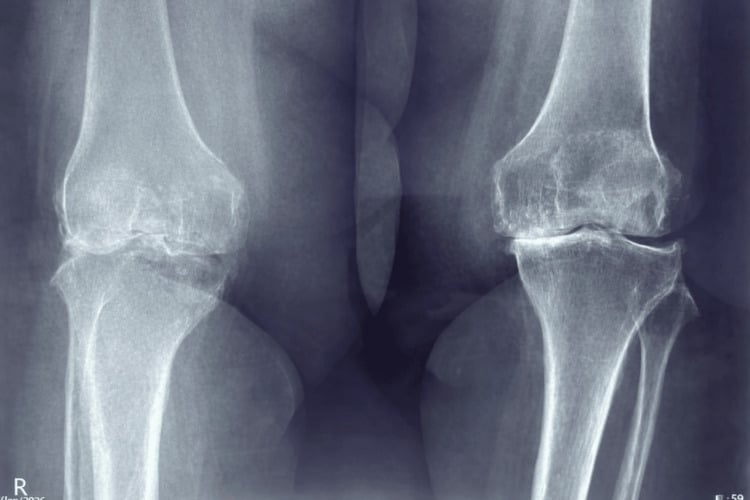
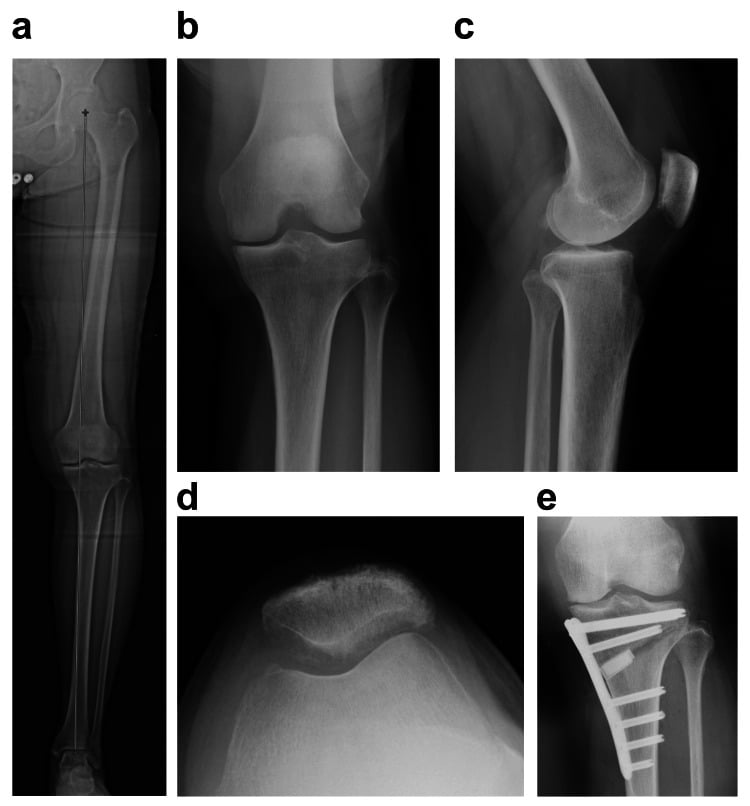
MRI is not routine for diagnosing OA. It is used when the diagnosis is unclear, when planning an HTO, or to assess the menisci and ligaments. It shows cartilage loss (and grades it), subchondral bone marrow oedema, meniscal tears and the integrity of the ACL.
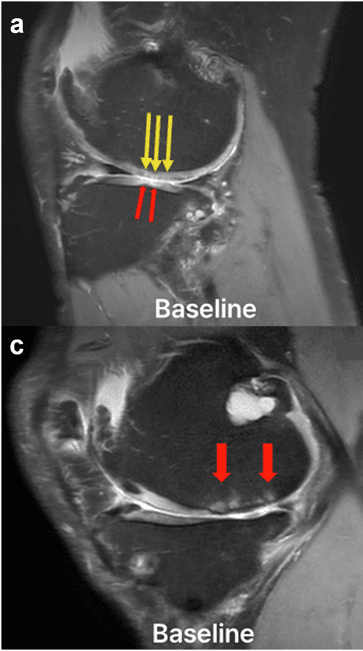
CT is increasingly used to plan alignment for robotic TKA and complex deformity. It gives a 3D reconstruction, a precise mechanical axis and an assessment of bone stock.
Bloods and aspiration are for the uncertain case: ESR and CRP (raised in inflammatory arthritis), urate for gout, and RF and anti-CCP for rheumatoid arthritis. Aspirate if septic arthritis or crystal arthropathy is suspected, for cell count, Gram stain, culture and crystals.
Radiographic Severity Does Not Equal Pain (Pain Phenotypes)
The discordance is real and large. Kellgren-Lawrence grading correlates imperfectly with symptoms. Many people with K-L grade 3-4 radiographic OA have little or no pain, while others with only mild radiographic change are severely symptomatic, and structural severity explains only a modest part of the pain.
Why pain and structure diverge. Pain in knee OA is multifactorial:
- Synovitis and effusion
- Bone marrow lesions and subchondral bone change
- Central sensitisation, amplified central pain processing
- Psychological factors (depression, anxiety, pain catastrophising) and low self-efficacy
A subgroup has a neuropathic-like or centrally sensitised pain phenotype that responds poorly to a purely mechanical (structural) treatment.
Treat the patient, not the X-ray. Operating on a radiograph rather than on a symptomatic patient whose structural disease matches the pain is a major cause of the dissatisfied TKA. Correlate the radiographic pattern with the pain location and any mechanical symptoms, and screen for central sensitisation and psychological distress before surgery (pain-catastrophising and mood tools, for example). Address a central component with education, exercise and duloxetine rather than only escalating structural intervention.
Non-Operative Management
Non-operative care is first-line for every patient, whatever the severity, and a minimum 6-month trial comes before surgery is considered. It is multimodal: weight loss, physiotherapy, education and analgesia, and intra-articular therapy used together.
Weight loss is the most effective non-operative intervention. It reduces the biomechanical load and decreases inflammatory adipokines such as leptin. A 5% weight loss improves pain and function scores (NEJM 2013), and combined with exercise the benefit is additive to either alone. The target is a BMI under 30, and a loss of 5-10% of body weight is effective.
Prevention, not treatment. In the Framingham cohort, women who lost about 5 kg over a decade had roughly half the odds of developing symptomatic knee OA (OR 0.46). That is a prevention finding, not a demonstration that weight loss slows established disease.
Exercise and physiotherapy give sustained benefit with no adverse effects and are recommended for every patient. Strengthening of the quadriceps, hamstrings and hip abductors increases muscle force to offload the joint, and quadriceps strengthening reduces pain by 20-30%. The programme:
- Quadriceps strengthening: straight leg raises, isometric holds, eccentric loading (step-downs)
- Low-impact aerobic exercise: swimming, cycling, walking
- Flexibility: hamstring and IT band stretches
- Balance training, which reduces fall risk
- Aerobic and flexibility work 3-5 times a week, for 30-45 minutes
Management Algorithm
The decision. Once non-operative care has failed, age and compartment involvement determine the operation. The guide summarises the ladder; the tabs set out each rung.
- Radiographic Grade
- K-L Grade 1-2
- Treatment
- Non-operative: weight loss, PT, NSAIDs, injections
- Key Pearl
- Minimum 6 months trial before surgery
- Radiographic Grade
- K-L Grade 3 medial only
- Treatment
- High tibial osteotomy (HTO)
- Key Pearl
- Requires lateral compartment Outerbridge 0-1
- Radiographic Grade
- K-L Grade 3-4 single compartment
- Treatment
- Unicompartmental knee arthroplasty (UKA)
- Key Pearl
- Intact ACL mandatory, faster recovery than TKA
- Radiographic Grade
- K-L Grade 4
- Treatment
- Total knee arthroplasty (TKA)
- Key Pearl
- Gold standard, 95% survival at 10 years
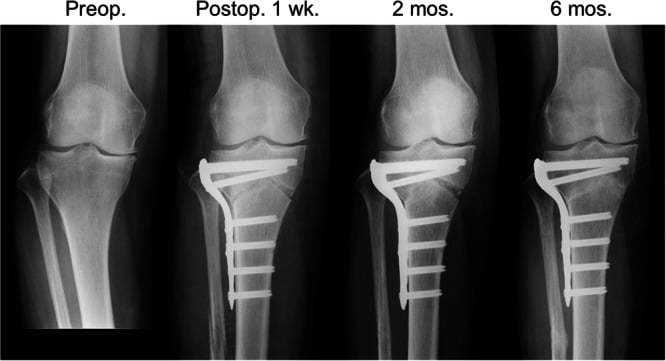
What it does. High tibial osteotomy (HTO) is a realignment procedure for young patients (under 60) with isolated medial OA and varus malalignment. It shifts load from the medial to the lateral compartment and buys time, delaying arthroplasty by 10-15 years, without compromising the outcome of a future TKA.
Indications. All must be met:
- Age under 60, biological age mattering more than chronological
- An active, high-demand patient
- Isolated medial OA: K-L grade 3-4 medially, grade 0-1 laterally
- Varus deformity, with the mechanical axis passing through the medial compartment
- Flexion greater than 110° and an extension lag less than 10°
- Minimal to no patellofemoral OA
- A stable knee, ACL and PCL intact
- BMI ideally under 30, since obesity reduces survival
Contraindications.
- Inflammatory arthritis
- Tricompartmental OA
- Severe patellofemoral OA (Outerbridge grade 3-4)
- Fixed flexion deformity greater than 15°
- Lateral compartment cartilage worse than Outerbridge grade 0-1
- Medial bone loss, where correction cannot be achieved
Outcomes. Survivorship is 80% good to excellent at 10 years and 60-70% at 15 years, and satisfaction is high in appropriately selected patients. The operation itself is described under Surgical Technique.
Surgical Technique
Opening-wedge HTO. Optimal alignment requires precise planning and meticulous execution.
Pre-operative Planning and Setup
On long-leg standing radiographs, measure the mechanical axis (centre of the femoral head to centre of the ankle) and the current varus deformity. The target is the Fujisawa point: the mechanical axis through 62% of the tibial plateau width, which is 3-5° of valgus. A 1mm opening gives approximately 1° of correction, so 8° of varus needs a 10-11mm wedge to reach 3° of valgus.
Supine on a radiolucent table, with a high thigh tourniquet (inflated to 300mmHg) and a bump under the ipsilateral hip for neutral rotation. Position the C-arm for AP and lateral fluoroscopy of the proximal tibia.
A locking HTO plate (TomoFix, Puddu, Arthrex) with appropriate screws; allograft or bone substitute (calcium phosphate, DBM); an oscillating saw, graduated osteotomes, spreaders, K-wires and a power drill.
Surgical Steps
A 6-8cm longitudinal incision over the proximal medial tibia, centred 4cm distal to the joint line and extending from the tibial tubercle to the posteromedial border. Protect the saphenous vein and nerve, anterior to the incision.
Identify and protect the superficial MCL (pes anserinus insertion); subperiosteal dissection of the superficial MCL anteriorly exposes the medial tibial metaphysis. Mark the osteotomy 3.5-4cm distal to the medial joint line, below the tibial tubercle, and pass a retractor along the posterior tibial cortex to protect it.
Under fluoroscopy, pass the anterior K-wire from the medial cortex at the osteotomy start point, laterally and superiorly toward the fibular head. It should be parallel to the joint line on the AP, with a slight (5-7°) posterior slope on the lateral, and exit the lateral cortex 1cm distal to the lateral joint line, preserving the hinge.
The cut is biplanar. The anterior cut runs with an oscillating saw along the K-wire from the medial cortex, directed laterally and posteriorly, and stops 1cm from the lateral cortex to preserve the lateral hinge. The posterior cut is a second, parallel cut 1cm posterior to the first, also stopping 1cm from the lateral cortex; confirm hinge preservation on fluoroscopy.
Open the gap gradually with osteotomes of increasing size (5mm, 8mm, 10mm), then laminar spreaders for the final opening. Check the mechanical axis on fluoroscopy with an electrocautery cable from hip to ankle, aiming for 62% lateral, and make sure the lateral cortex has not fractured.
Position the locking plate on the medial tibia and insert 2-3 locking screws into the proximal fragment. Pack allograft or substitute into the wedge gap, insert the distal locking screws, and confirm the mechanical axis, plate position and screw purchase on final imaging.
Release the tourniquet and achieve haemostasis; a drain is optional and most surgeons omit it. Close in layers (pes and superficial MCL, subcutaneous tissue, skin) and apply a bulky dressing and a hinged knee brace locked in extension.
Complications
Periprosthetic joint infection (PJI) is the most serious complication of knee arthroplasty and needs urgent recognition and treatment. Timing decides the operation: early acute PJI (under 4 weeks) is managed with debridement, antibiotics and implant retention (DAIR), while chronic PJI (over 4 weeks) requires two-stage revision.
- Incidence
- 1-2% (superficial 2-3%, deep 0.5-1%)
- Risk Factors
- Diabetes, obesity, RA, prolonged surgery, previous surgery
- Management
- Early (under 4 weeks): DAIR; Chronic (over 4 weeks): 2-stage revision
- Incidence
- 1-2% at 10 years, 5% at 20 years
- Risk Factors
- Malalignment, obesity, polyethylene wear, osteolysis
- Management
- Revision TKA with bone grafting if needed
- Incidence
- 0.5-1%
- Risk Factors
- Ligament imbalance, component malposition, flexion gap issues
- Management
- Mild: Brace, strengthen; Severe: Revise to constrained/hinge implant
- Incidence
- 5-10%, severe (ROM under 90°) 2-3%
- Risk Factors
- Pre-op stiffness, infection, haematoma, poor compliance
- Management
- Aggressive PT, manipulation under anaesthesia at 6-12 weeks
- Incidence
- 0.5-1% intra-op, 1-2% post-op
- Risk Factors
- Osteoporosis, trauma, anterior femoral notching, elderly
- Management
- ORIF if stable implant, revision if loose or poor bone quality
- Incidence
- 1-2% symptomatic (10-30% subclinical DVT)
- Risk Factors
- Immobility, malignancy, thrombophilia, prolonged surgery
- Management
- Prophylaxis (LMWH or aspirin per local VTE guidelines), early mobilisation, mechanical prophylaxis
- Incidence
- 10-15%
- Risk Factors
- Pre-op catastrophising, depression, unrealistic expectations
- Management
- Screen pre-op (HADS, PCS), manage expectations, consider psychology
- Incidence
- 0.1-0.5% (common peroneal, popliteal artery)
- Risk Factors
- Fixed flexion correction, valgus release, vascular disease
- Management
- Immediate recognition, vascular surgery consult if arterial
PJI Management Algorithm
Clinical features: pain, swelling, fevers, wound drainage. Send FBC, CRP and ESR (elevated) and blood cultures, and aspirate for cell count and differential (thresholds in the MSIS criteria below), Gram stain, culture, and synovial alpha-defensin or leucocyte esterase.
DAIR: aggressive irrigation (9L saline), debridement of infected tissue, polyethylene exchange and multiple tissue cultures (5-6 samples). Start empirical IV antibiotics (vancomycin plus a cephalosporin), then culture-directed treatment for 6 weeks in total. Success is 60-80% if the organism is sensitive.
Stage 1 explants all components, debrides thoroughly and places an antibiotic-impregnated cement spacer (vancomycin plus tobramycin), followed by 6 weeks of IV antibiotics while the inflammatory markers are monitored. Stage 2 reimplants once CRP and ESR have normalised (typically 6-12 weeks), after a repeat aspiration to exclude persistent infection. Success is 85-90%.
Major criteria (one is sufficient): a sinus tract communicating with the prosthesis, or purulence around the prosthesis. Minor criteria (three or more required): elevated CRP or ESR; elevated synovial WCC (greater than 3,000) or PMN (greater than 80%); positive cultures (two or more); positive histology. Acute PJI (under 4 weeks) may have normal markers.
After osteotomy. Hardware irritation occurs in 20% of HTOs, and plate removal is common. Undercorrection or overcorrection follows poor pre-operative planning, delayed union or nonunion follows inadequate fixation or graft, a lateral hinge fracture leads to loss of correction, and peroneal nerve palsy is a traction injury.
- Incidence
- 5-10%
- Prevention
- Adequate fixation, bone graft/substitute, avoid smoking
- Management
- If delayed: Continue protected weight-bearing, bone stimulator; If nonunion: Revision fixation with bone graft
- Incidence
- 5%
- Prevention
- Gradual opening, fluoroscopy monitoring, preserve 1cm hinge
- Management
- If stable: Continue protected weight-bearing; If unstable: Revision fixation with lateral plate
- Incidence
- 10-15%
- Prevention
- Pre-op planning (long-leg views), intra-op fluoroscopy, cable method
- Management
- Undercorrection: Early OA progression, consider revision osteotomy; Overcorrection (greater than 8°): Lateral compartment overload
- Incidence
- 1-2%
- Prevention
- Avoid prolonged lateral retraction, gentle valgus correction, pad fibular head
- Management
- Most resolve spontaneously (70-80%), supportive care (AFO, PT), explore if no recovery at 3 months
Postoperative Rehabilitation
Rehabilitation is patient-driven, with individualised goal-setting.
TKA Rehab Timeline
Multimodal analgesia (paracetamol, NSAIDs, opioids as required, local infiltration). Out of bed on day 0-1 with physiotherapy, walking with a frame or crutches. DVT prophylaxis per local VTE guidelines such as NICE, AAOS or ACCP, with graduated compression stockings and foot pumps. Ankle pumps, quadriceps sets and passive knee flexion and extension.
Progress to a stick and wean to independent walking, aiming for 0-90° by discharge. Active assisted flexion and extension, straight leg raises and quadriceps sets. Use a dry dressing and watch for signs of infection. Discharge home after an OT assessment, with outpatient physiotherapy arranged.
Aim for 0-110° by 6 weeks, with progressive resistance (theraband, weights) and functional exercises (sit-to-stand, step-ups). Wean the walking aids and normalise the gait; the milestones are independent ADLs, stairs and car transfers. Review in clinic at 6 weeks with AP and lateral radiographs.
Aim for 0-120° by 12 weeks. Return to low-impact exercise (swimming, cycling, golf) and avoid high-impact activity (running, contact sports), with a gym-based strengthening and endurance programme. Sedentary workers return at 6-8 weeks, manual workers at 12 weeks or more.
Improvement reaches its maximum by 6-12 months. Review annually (clinically, with radiographs if symptomatic), encourage low-impact exercise and quadriceps strength, and avoid high-impact sports lifelong.
Weight-bearing as tolerated immediately after cemented TKA, with no restrictions. Uncemented or bone-grafted cases may have 6 weeks of protected weight-bearing, but this is rare in primary TKA.
Outcomes and Prognosis
Survivorship. Across national registries, TKA survivorship is approximately 95% at 10 years and 80-85% at 20 years.
Predictors of a poor outcome. Four patient factors predict a worse result, and each has a management strategy.
- Effect on Outcome
- Unrealistic expectations = dissatisfaction
- Management Strategy
- Detailed counselling, realistic goal-setting
- Effect on Outcome
- Depression, catastrophising = poor pain relief
- Management Strategy
- Screen pre-op (HADS, PCS), optimise mental health
- Effect on Outcome
- Higher activity, higher revision rate
- Management Strategy
- Consider HTO/UKA, counsel about longevity
- Effect on Outcome
- Higher infection, mechanical failure
- Management Strategy
- Encourage pre-op weight loss, warn of risks
10-15% of TKA patients are dissatisfied despite well-performed surgery. The main drivers are pre-operative pain catastrophising, unrealistic expectations and psychological distress, and pre-operative screening and counselling are key.
Guidelines, Registries & Global Practice
Global Epidemiology
Knee OA affects an estimated 250-350 million people worldwide and is a leading cause of years lived with disability (Global Burden of Disease studies). Burden is rising fastest in low- and middle-income countries, driven by ageing and the obesity epidemic. The medial compartment is most commonly affected, reflecting the physiological varus tendency and higher medial joint load.
Side-by-Side Guideline Comparison
- OARSI
- Core, strongly recommended
- NICE (UK)
- Core (offered to all)
- ACR (US)
- Strongly recommended
- AAOS (US)
- Strong evidence
- OARSI
- Recommended (knee)
- NICE (UK)
- First-line before oral
- ACR (US)
- Strongly recommended
- AAOS (US)
- Recommended
- OARSI
- Conditional (comorbidity-dependent)
- NICE (UK)
- Lowest dose, shortest time
- ACR (US)
- Strongly recommended
- AAOS (US)
- Strong evidence
- OARSI
- Conditional, short-term
- NICE (UK)
- May be offered for flares
- ACR (US)
- Conditionally recommended
- AAOS (US)
- Limited / inconclusive
- OARSI
- Not recommended / uncertain
- NICE (UK)
- Not recommended
- ACR (US)
- Conditionally against
- AAOS (US)
- Cannot recommend
- OARSI
- Not recommended
- NICE (UK)
- Not recommended
- ACR (US)
- Not addressed as OA Rx
- AAOS (US)
- Strong evidence against
Across OARSI, NICE, ACR and AAOS the core treatment is the same: structured exercise, weight management and education, with topical or oral NSAIDs as adjuncts. All major bodies advise against routine viscosupplementation, glucosamine/chondroitin and arthroscopic washout/debridement for established OA.
- Convergent survivorship: TKA approximately 94-96% at 10 years across NJR, AJRR, AOANJRR, Nordic registries
- Cemented fixation: durable and most common worldwide
- Patellar resurfacing: lower revision for anterior knee pain
- UKA: higher revision than TKA, strongly surgeon-volume dependent
- Younger age: consistently higher revision across all registries
- High-resource: robotic/navigated TKA, day-case arthroplasty, enhanced recovery, formal VTE pathways
- Limited-resource: prioritise exercise/weight loss and analgesia; HTO retains a strong role (joint-preserving, lower implant cost)
- Access: arthroplasty capacity, implant cost and rehabilitation availability vary widely
- Antibiotic prophylaxis: first-generation cephalosporin (e.g. cefazolin) at induction is near-universal
- Informed consent: Specific risks (infection 1-2%, revision 5% at 10 years, DVT/PE, stiffness, persistent pain 15%, nerve injury 0.5%), alternatives (non-operative, HTO, UKA), and expected outcomes (80-85% satisfaction)
- Pre-operative optimisation: Document BMI, smoking status, diabetes control (HbA1c), dental clearance
- Surgical planning: Long-leg alignment radiographs, templating, implant selection rationale
- Complications: Early recognition and management of PJI, DVT/PE, stiffness
- Failure to trial conservative management: Minimum 6 months non-operative recommended
- Infection: Delayed recognition, inadequate antibiotic prophylaxis
- Persistent pain/dissatisfaction: Unrealistic patient expectations, inadequate pre-operative counselling
- Neurovascular injury: Rare but devastating, document pre- and post-operative neurovascular status
Thorough documentation and realistic pre-operative counselling are medicolegal essentials.
Controversies and Areas of Uncertainty
Mechanical versus kinematic alignment. Traditional mechanical alignment (a neutral hip-knee-ankle axis) is challenged by kinematic alignment, which restores the patient's pre-arthritic joint line. RCTs show comparable short-term outcomes; long-term survivorship and the limits of acceptable deformity remain unresolved.
Robotic and navigated TKA. Robotics improve alignment accuracy and component positioning, but a clear benefit in long-term survivorship, function or revision over conventional instrumentation is not yet proven, and the cost is substantial.
UKA versus TKA. UKA offers faster recovery and more natural kinematics but carries higher registry revision rates, largely explained by surgeon volume and a lower threshold for revision. The TOPKAT trial found both cost-effective, with comparable patient outcomes.
HTO versus UKA in the young. For young, active patients with isolated medial OA and varus, the choice between joint-preserving HTO and UKA remains debated. It is driven by alignment, activity demands, age and patient preference.
Intra-articular injectables. Viscosupplementation, PRP and stem-cell therapies are widely marketed but supported by heterogeneous, often low-quality evidence, and major guidelines do not endorse their routine use.
Patellar resurfacing. Whether to always, never or selectively resurface the patella has long been debated. Registry data favour resurfacing, but selective approaches report good results.
MCQ Practice Points
Q: A 55-year-old with isolated medial compartment OA, intact ACL, passively correctable varus and Outerbridge 0-1 in the lateral and patellofemoral compartments is the ideal candidate for which procedure? A: Medial unicompartmental knee arthroplasty (UKA), provided the Oxford criteria are met (intact ACL, correctable deformity, preserved opposite and patellofemoral compartments). A younger, very active patient with significant varus malalignment may instead be better served by high tibial osteotomy.
Q: What is the key radiographic difference between Kellgren-Lawrence Grade 3 and Grade 4 knee OA? A: Grade 3: Moderate joint space narrowing (50% loss) with multiple osteophytes. Grade 4: Severe narrowing (bone-on-bone contact) with large osteophytes and marked subchondral sclerosis. The distinction is complete versus incomplete joint space loss.
Q: What fixation method has the most robust long-term registry track record for primary TKA? A: Cemented fixation has durable, well-documented survivorship across major joint registries (NJR, AJRR, AOANJRR) and remains the most common fixation worldwide. Modern cementless designs are improving but historically showed higher early revision, particularly in older, osteoporotic patients.
Q: What is the target mechanical axis correction for opening wedge high tibial osteotomy? A: Fujisawa point: 62% of tibial plateau width from medial to lateral, corresponding to 3-5° valgus overcorrection. Undercorrection (less than 3°) associated with early failure. Overcorrection (greater than 8°) risks lateral compartment OA.
Q: What are the leading reasons for revision TKA in national registries? A: Aseptic loosening, infection, instability and unexplained pain dominate revision indications across registries. Loosening is often multifactorial (malalignment, polyethylene wear, osteolysis). Infection is the most feared and a leading cause of early revision.
Q: What is the approximate 10-year cumulative revision rate for primary TKA in major registries? A: Approximately 4-6%, meaning roughly 94-96% implant survivorship at 10 years across the NJR, AJRR and AOANJRR. This excellent long-term performance underpins patient counselling worldwide.
Exam Viva Scenarios
Practise clinical reasoning and management decisions out loud
“A 58-year-old female presents with 2-year history of progressive left knee pain. Worse with stairs and prolonged walking. BMI 32. Radiographs show Kellgren-Lawrence Grade 2 medial compartment OA. How would you manage this patient?”
“A 45-year-old male tradesman presents with isolated medial knee pain. Active, plays social sport. Radiographs show K-L Grade 3 medial OA with 8° varus alignment on long-leg views. Lateral compartment and patellofemoral joint appear normal. He has failed 12 months of conservative management. What are your surgical options and how would you decide?”
“A 68-year-old male is 4 weeks post-TKA. He presents with increasing pain, swelling, and fevers (38.2°C). Wound has purulent discharge. How would you assess and manage this patient?”
Key Anatomy
- Medial compartment most commonly affected (70% cases)
- Subchondral sclerosis, osteophytes, joint space narrowing = radiographic OA triad
- Mechanical axis: Hip-knee-ankle alignment, 180° normal (varus/valgus deformity shifts load)
- ACL integrity mandatory for UKA (loss = instability)
Classification
- Kellgren-Lawrence: Grade 0 (normal) to Grade 4 (bone-on-bone)
- Grade 1-2 = conservative, Grade 3 = consider surgery if young, Grade 4 = TKA
- Outerbridge (arthroscopic): Grade 1 (softening) to Grade 4 (exposed bone)
- K-L radiographic versus Outerbridge arthroscopic (not 1:1 correlation)
Treatment Algorithm
- All patients: Weight loss (5-10% body weight), PT (quad strengthening), analgesia (paracetamol, NSAIDs), injections
- Young (under 60), isolated medial OA, varus: HTO (80% survival 10 years)
- Middle-aged, unicompartmental, intact ACL: UKA (87-90% survival 10 years, higher revision than TKA)
- Older, tricompartmental, K-L Grade 4: TKA (95% survival 10 years, gold standard)
Surgical Pearls
- HTO target: 3-5° valgus (Fujisawa point 62%), 6 weeks non-weight-bearing
- UKA requires intact ACL, opposite compartment Outerbridge 0-2, correctable deformity
- TKA: cemented fixation (durable registry survivorship), resurface patella, mechanical axis neutral
- Weight-bearing as tolerated immediately post-TKA (cemented)
Complications
- PJI: 1-2% (early under 4 weeks = DAIR, chronic over 4 weeks = 2-stage)
- Aseptic loosening: 1-2% at 10 years (malalignment, polyethylene wear)
- Stiffness: 5-10% (MUA at 6-12 weeks if ROM under 90°)
- Dissatisfaction: 15% (manage expectations, screen for psychological factors)
Evidence Base and Key Trials
WOMAC Validation Study
- Validated the Western Ontario and McMaster Universities Arthritis Index (WOMAC) within a double-blind RCT of two NSAIDs in hip and knee OA
- Three subscales (pain, stiffness, physical function) met criteria for validity, reliability and responsiveness
- Disease-specific instrument designed for evaluative OA clinical trials
- Widely adopted as a reference outcome measure for hip and knee OA
Intra-articular Triamcinolone vs Saline (McAlindon RCT)
- Double-blind RCT: 140 patients (K-L grade 2-3) randomised to triamcinolone 40 mg vs saline every 12 weeks for 2 years
- Triamcinolone caused significantly greater cartilage volume loss than saline (-0.21 vs -0.10 mm)
- No significant difference in knee pain between groups at 2 years
- Does not support repeated corticosteroid injection for symptomatic knee OA
Kellgren-Lawrence Radiographic Classification
- Original description of the 5-grade (0-4) radiographic system for osteoarthrosis
- Grading based on osteophytes, joint space narrowing, sclerosis and bony deformity
- Became the international reference standard for radiographic OA severity
- Adopted by the WHO for epidemiological OA studies
National Joint Replacement Registries (Global)
- TKA 10-year cumulative revision rate approximately 4-6% across major registries
- Cemented fixation shows durable survivorship and remains the most common worldwide
- Patellar resurfacing reduces revision for anterior knee pain
- UKA carries higher revision than TKA (approximately 10-13% at 10 years), strongly surgeon-volume dependent
- Younger age (under 55) is consistently associated with higher revision rates
IDEA Trial: Intensive Diet and Exercise for Knee OA
- Single-blind RCT: 454 overweight/obese adults (BMI 27-41) with knee OA over 18 months
- Arms: diet plus exercise vs diet alone vs exercise alone
- Diet plus exercise produced the greatest pain reduction, best function and quality of life
- Diet groups achieved greater weight loss, lower IL-6 and reduced knee compressive force versus exercise alone
RCT of Total Knee Replacement vs Nonsurgical Treatment (MEDIC)
- RCT: 100 patients with moderate-to-severe knee OA eligible for TKA
- TKA plus 12 weeks nonsurgical care vs 12 weeks nonsurgical care alone
- At 12 months TKA gave greater KOOS4 improvement (adjusted difference 15.8 points)
- TKA carried more serious adverse events (24 vs 6); 74% of nonsurgical patients had not undergone TKA by 12 months
TKR After HTO vs Primary TKR: Meta-analysis
- Systematic review and meta-analysis: 11 studies, 2,170 TKR procedures
- No significant difference in KSS or HSS scores between TKR-after-HTO and primary TKR
- Survivorship at mean 7.2 years: 95% (post-HTO) vs 97% (primary) for any-cause revision
- A previous HTO does not negatively influence future TKR outcomes, though conversion is technically harder