Most Common Bone Malignancy
- BPLTK Primaries: Breast (female), Prostate (male), Lung (poor prognosis), Thyroid, Kidney.
- Mirels Score: 4 parameters (Site, Pain, Lesion, Size) - 9 or more needs prophylactic fixation.
- Blastic Metastases: Prostate (most), breast (treated), small cell lung.
- Lytic Metastases: Kidney, thyroid, lung - structurally weaker.
- Vascular Tumors: Kidney and thyroid - MUST embolize before surgery.
- “BPLTK for common primaries
- “Mirels above 8 = prophylactic fixation
- “Kidney and thyroid are VASCULAR - embolize
- “Blastic = prostate; Lytic = kidney
- “Surgical goal is PALLIATION, not cure
Overview and Epidemiology
Metastatic bone disease is the most common malignancy affecting bone, far exceeding primary bone tumours: about 25-30 times more common. It is found at autopsy in 70-85% of patients with breast or prostate cancer, and 350,000-400,000 people are living with bone metastases in the USA. Patients are typically middle-aged to elderly, because the age profile is that of the cancers that seed them.
The primaries. Five carcinomas account for most cases: breast, prostate, lung, thyroid and kidney. Breast is the most common source overall and in women, prostate the most common in men, and lung the third; renal cell carcinoma is very vascular. Less common sources are the gastrointestinal tract (colon and stomach), bladder and melanoma, and in 10-15% of cases no primary is known when the bone lesion is found.
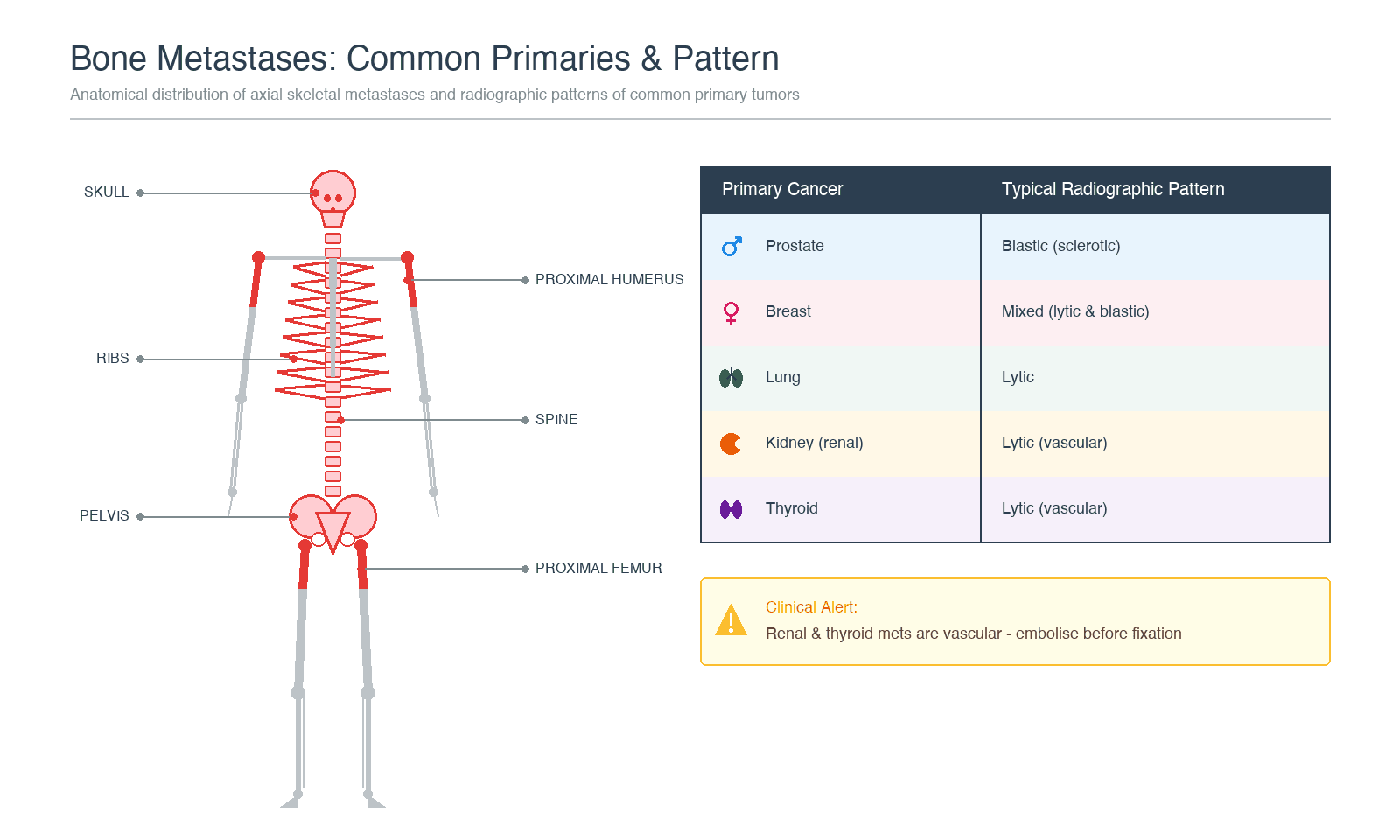
BPLTKCommon Primaries - BPLTK
Hook:BPLTK (Bad Places Leak To Kidneys) - the five common primaries that metastasise to bone.
Where they go. Deposits follow the distribution of red marrow, which is why the axial skeleton dominates:
- Spine - 70%, the most common site; thoracic more than lumbar more than cervical
- Pelvis - 40%
- Proximal femur - 25%
- Ribs - 25%
- Skull - 15%
- Proximal humerus - 15%
Pathophysiology
The metastatic cascade. A cell that ends up in bone has survived six steps:
- Primary tumour growth - proliferation in the organ of origin
- Local invasion - the tumour penetrates the basement membrane
- Intravasation - entry into the bloodstream or lymphatics
- Circulation - survival in the circulation, where most cells die
- Extravasation - exit from the vessels at the distant site
- Colonisation - growth established in the bone microenvironment
Why bone. Spread is haematogenous in most cases. Batson's venous plexus, the valveless vertebral venous system, allows retrograde flow, and its low pressure lets tumour cells lodge; that explains the predilection for the spine and axial skeleton. Red marrow adds a rich blood supply, growth factors and a supportive microenvironment, which is Paget's seed and soil hypothesis (1889): the cancer cell is the seed, the bone microenvironment the soil in which it preferentially grows.
The vicious cycle. Once tumour cells arrive in the marrow they secrete PTHrP, IL-6 and TNF, which stimulate osteoclasts. Osteoclasts resorb bone and release the growth factors stored in it, TGF-β, IGF and BMPs, and those stimulate the tumour to secrete more. The cycle perpetuates itself and the bone is progressively destroyed.
Lytic, blastic and mixed. Which side of the cycle dominates decides what the radiograph shows and how strong the bone is.
- Lytic (kidney, thyroid, lung): osteoclast activation dominates, driven by PTHrP, IL-1, IL-6 and TNF-α. The bone is structurally weak and the fracture risk high.
- Blastic (prostate above all, treated breast, small cell lung): osteoblast activation dominates, driven by endothelin-1, BMPs and Wnt signalling. The bone formed is dense but disorganised, so it is still structurally weak, though the fracture risk is lower than in lytic disease.
- Mixed (untreated breast, gastrointestinal cancers): both processes are active.
RANK and RANKL. RANK is the receptor on osteoclast precursors; RANKL is its ligand, secreted by osteoblasts and by tumour cells. RANKL binding to RANK drives osteoclast differentiation and activation, and osteoprotegerin (OPG) is the decoy receptor that inhibits it. The pathway is the target of denosumab, a RANKL inhibitor.
Clinical Features
History. Most patients, about 85%, already have a cancer diagnosis; in 10-15% the bone lesion is the first presentation of the cancer. Pain is the most common symptom, and its pattern suggests its cause: night pain is the classic, activity-related pain suggests mechanical instability, and rest pain suggests tumour growth. A pathological fracture may be the presenting feature. Ask about weakness, sensory change and bladder or bowel symptoms, which suggest cord compression, and about weight loss, fatigue and anorexia.
Examination. Four things to cover:
- Local - point tenderness over the lesion, a palpable mass with large lesions, surrounding soft-tissue swelling
- Fracture - deformity, shortening, inability to weight-bear; crepitus, which you do not elicit if a fracture is suspected
- Neurological, for spinal disease - power by myotome, sensation by dermatome, reflexes (hyperreflexia with an upper motor neurone lesion, or hyporeflexia), bladder and bowel function, rectal tone and perianal sensation
- Systemic, looking for the primary - breast, prostate (digital rectal examination), thyroid, lymph nodes, abdominal masses, and general condition and performance status
Red flags for cord compression. Any of these in a patient with cancer:
- New back pain
- Bilateral leg symptoms
- Bladder or bowel dysfunction
- Progressive weakness
- A sensory level
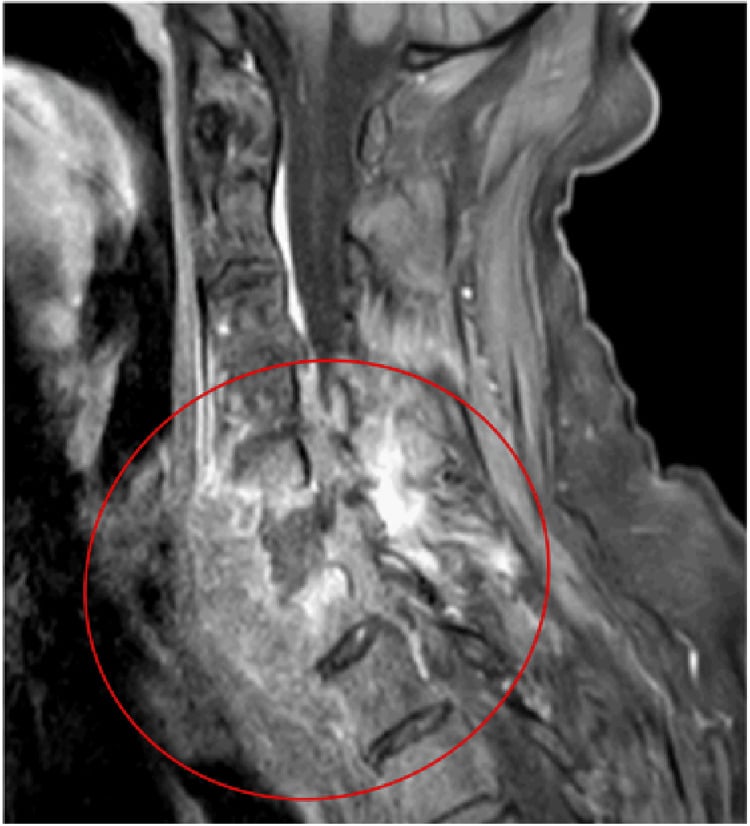
Metastatic spinal cord compression is an emergency. Early recognition is critical, because neurological recovery correlates with function before treatment. Whole-spine MRI urgently, high-dose dexamethasone, and urgent oncology/spinal referral for decompression or radiotherapy.
Investigations
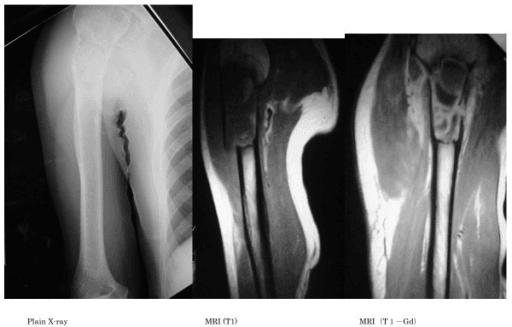
Plain radiographs come first. They show whether a lesion is lytic (dark, destructive), blastic (white, sclerotic) or mixed, they show deformity, and they give the first estimate of fracture risk. Their weakness is sensitivity: 30-50% of the cortex must be destroyed before a lesion is visible.
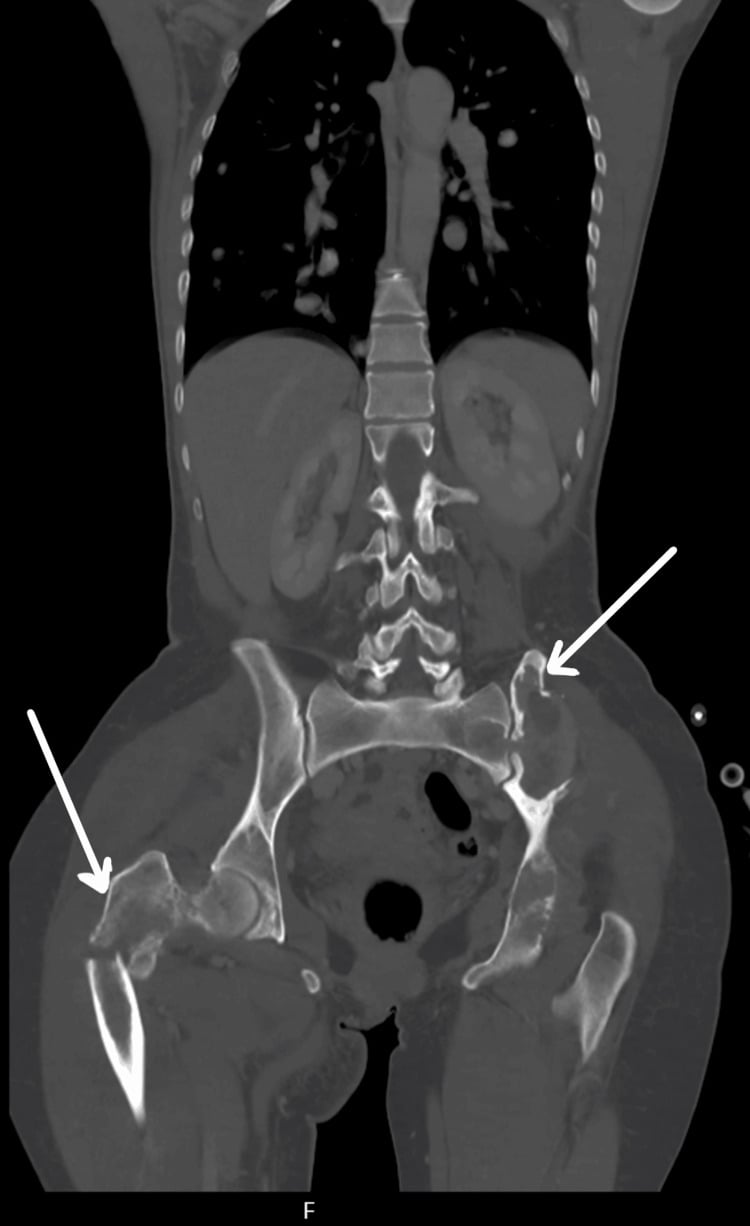
CT assesses the cortex better than the radiograph and quantifies the destruction. CT of the chest, abdomen and pelvis is the staging study, and CT guides biopsy planning.
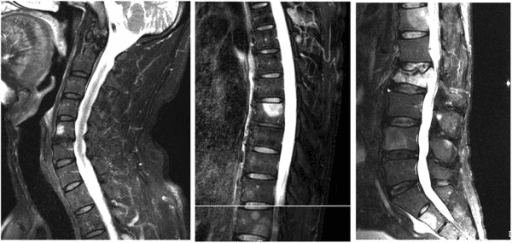
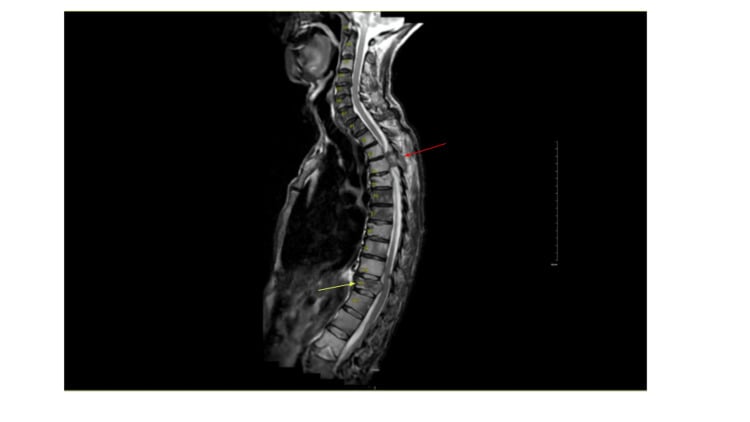
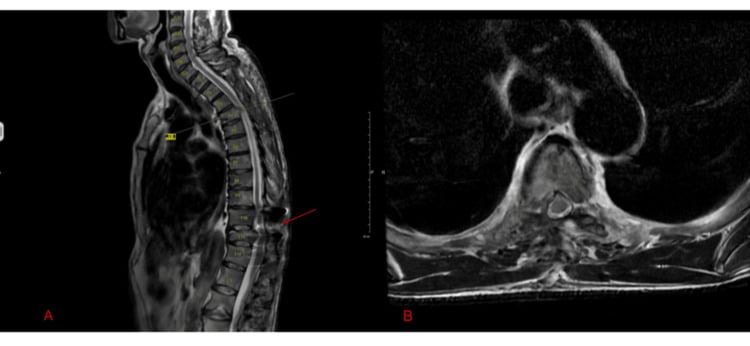
MRI is the most sensitive test for marrow involvement and shows soft-tissue extension. It is essential for spinal metastases, and if cord compression is suspected the whole spine is imaged.
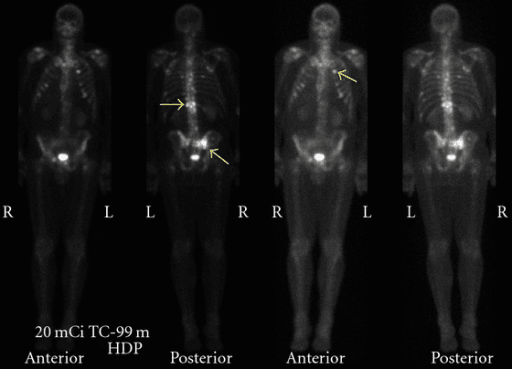
Bone scintigraphy screens the whole skeleton. It is highly sensitive but not specific, and it may miss pure lytic lesions, kidney metastases and myeloma among them. A superscan means widespread metastases.
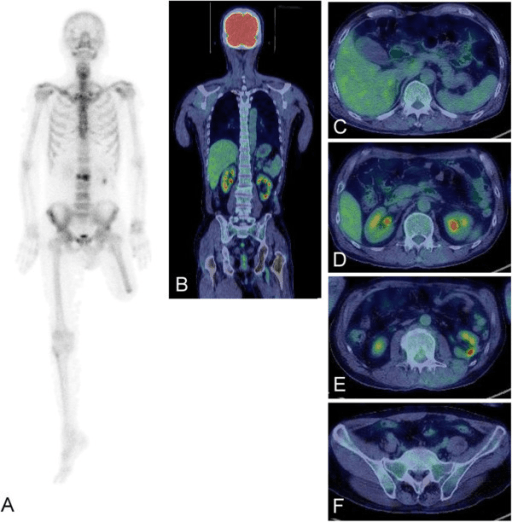
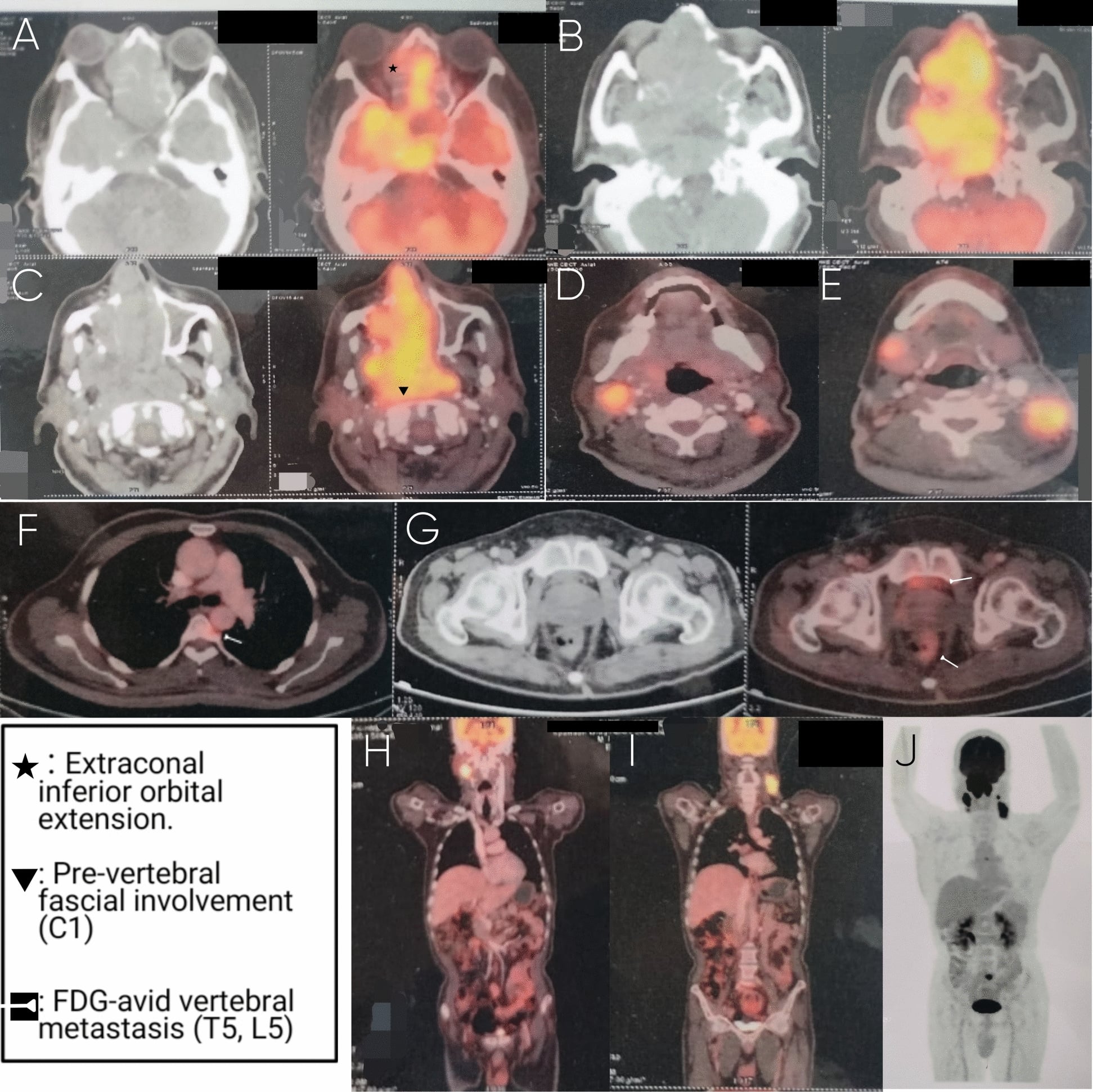
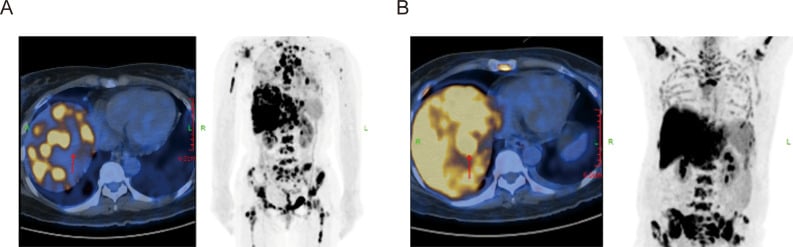
PET-CT is increasingly used for staging. It measures metabolic activity, helps to identify an unknown primary, and monitors the response to treatment.
Blood tests.
- Full blood count - anaemia or pancytopenia from marrow infiltration
- Biochemistry - calcium (hypercalcaemia), alkaline phosphatase (raised), LDH
- Tumour markers - PSA (prostate), CEA (gastrointestinal, breast), AFP (germ cell), thyroglobulin
- Serum and urine protein electrophoresis - to exclude myeloma
- Iron studies - a chronic-disease pattern
The unknown primary. When no primary is known the workup is CT of the chest, abdomen and pelvis, PET, tumour markers, and serum and urine electrophoresis. Immunohistochemistry on the biopsy directs where to look next.
Biopsy. Image-guided core needle biopsy is preferred, with the tract aligned to the potential surgical approach, and the tissue goes for histology, immunohistochemistry and molecular studies. Biopsy when:
- The primary is unknown
- The lesion is solitary, since it could be a primary bone tumour
- The presentation is atypical
- There is clinical doubt about the diagnosis
A solitary bone lesion in a patient with known cancer is NOT always a metastasis - it may be a primary bone sarcoma, myeloma or lymphoma, or infection. A proportion of around one in ten is widely taught; treat that as conventional teaching rather than a measured rate, because the argument for biopsy does not depend on the number. It depends on the consequence of being wrong. Nailing a primary bone sarcoma seeds the entire intramedullary canal with tumour and converts a limb-salvageable case into an amputation - an error no subsequent oncological care can undo. Myeloma and lymphoma, by contrast, are treated systemically and may need no operation at all. So the asymmetry is total: a biopsy costs days, and getting it wrong costs the limb. Biopsy any solitary destructive lesion before any implant, and if the picture is aggressive with no known primary, do not fix it at all - refer it for staging and biopsy to the unit that will perform the definitive surgery. Nailing an unsuspected sarcoma contaminates the entire bone and worsens survival as well as costing the limb.
- Clues that favour it
- Age over 40, known primary, multiple lesions, axial distribution
- Action point
- Confirms staging plus Mirels-based fixation decision
- Clues that favour it
- Pure punched-out lytic lesions, cold on bone scan, anaemia, raised ESR, paraprotein
- Action point
- Serum/urine electrophoresis, marrow biopsy - non-surgical primary treatment
- Clues that favour it
- Permeative lesion, large soft-tissue mass, relatively well patient
- Action point
- Biopsy - chemo/radiotherapy responsive, usually not resected
- Clues that favour it
- Solitary, aggressive periosteal reaction, soft-tissue mass, no known primary
- Action point
- DO NOT fix - refer to tumour unit for staging and planned biopsy
- Clues that favour it
- Fever, raised inflammatory markers, sinus, marrow oedema, may mimic tumour
- Action point
- Cultures plus biopsy before any implant
- Clues that favour it
- Raised calcium and PTH, subperiosteal resorption, generalised osteopenia
- Action point
- Treat hyperparathyroidism - lesion regresses
- Clues that favour it
- Younger patient, typical benign radiographic pattern, incidental
- Action point
- Observe or address per benign-lesion pathway
Predicting Fracture: the Mirels Score
The Mirels score (Mirels, Clin Orthop Relat Res 1989) predicts the risk of pathological fracture in a long-bone metastasis from four parameters, Site, Pain, Lesion and Size (SPLS). Each scores 1 to 3, so the total runs from 4 to 12, and a peritrochanteric location and a lytic lesion score highest.
- Score 1
- Upper limb
- Score 2
- Lower limb
- Score 3
- Peritrochanteric
- Score 1
- Mild (not affected by activity)
- Score 2
- Moderate (some relief with rest)
- Score 3
- Functional (pain with weight-bearing)
- Score 1
- Blastic (sclerotic)
- Score 2
- Mixed
- Score 3
- Lytic (destructive)
- Score 1
- Under 1/3 diameter
- Score 2
- 1/3 to 2/3 diameter
- Score 3
- Over 2/3 diameter
Reading the total. The reliable half of the score is the bottom of the range:
- 7 or lower - low risk, under 15%: the lesion may be irradiated safely without fixation, with medical management and close observation
- 8 - the grey zone, roughly 15% fracture risk and the original threshold for fixation: weigh the patient's factors, since some may benefit from fixation
- 9 or higher - greater than 33% fracture risk: prophylactic fixation is indicated, with a durable construct that allows weight-bearing
Eight or nine? Mirels described a score of 8 or more as a prelude to fracture, and that is what his paper says. His own fracture rates, 15% at 8 and 33% at 9 or more, underpin the operative threshold of 9 or more that is taught today, with 8 individualised. The score over-predicts fracture, with a specificity of only 35% (Damron 2003), so fixing every 8 overtreats.
Management
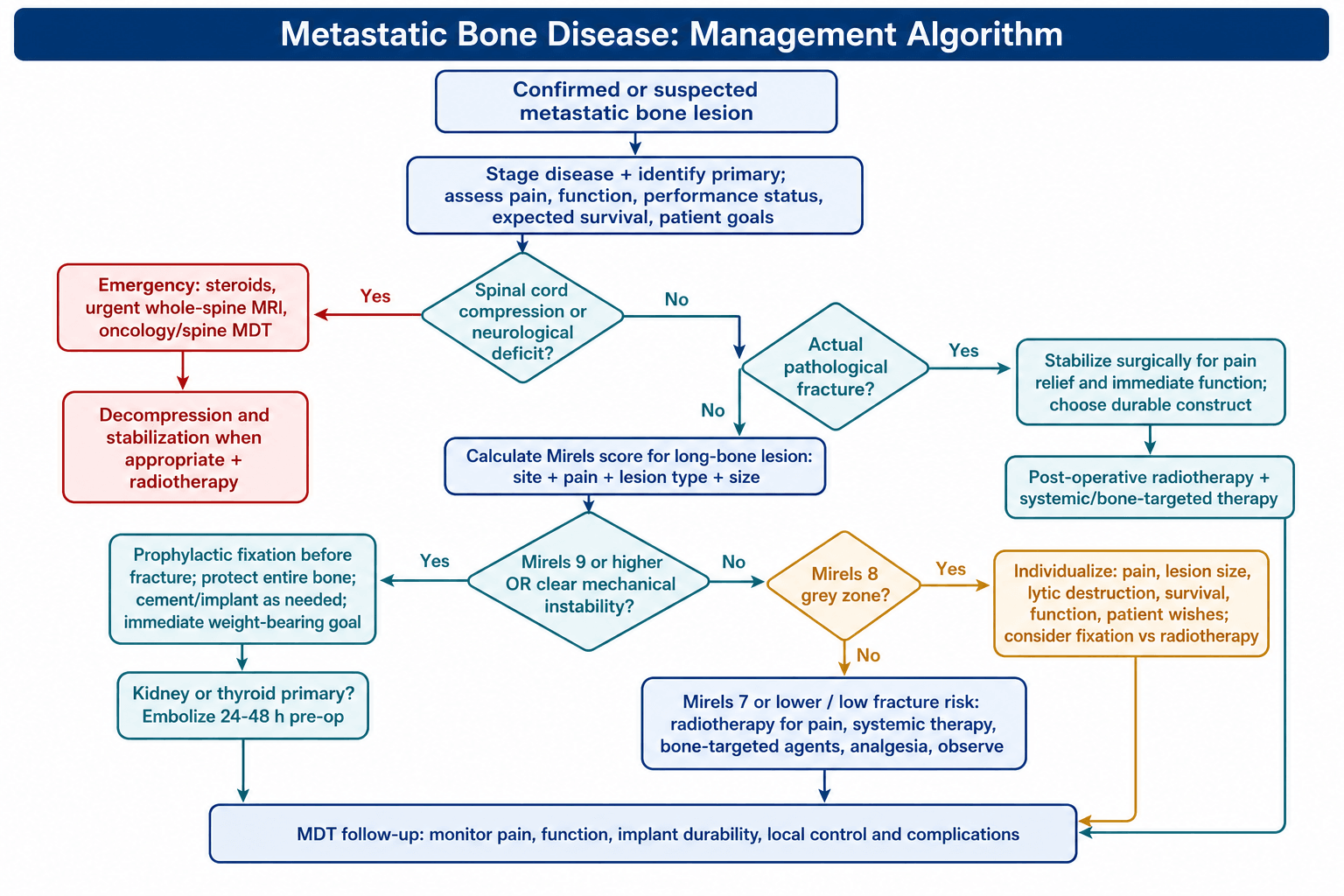
Goals. Treatment is palliative, not curative. The aims are pain relief, function restored or maintained, fracture prevented, quality of life improved, and a durable solution, because the patient may outlive the implant. Nobody delivers that alone: medical oncology, radiation oncology, orthopaedic surgery, palliative care, pain management and physiotherapy all sit in the multidisciplinary team.
What decides the plan.
- The primary tumour type and how responsive it is
- Expected survival
- Performance status
- The extent of metastatic disease
- Fracture risk, by the Mirels score
- The patient's wishes
Systemic therapy depends on the primary: hormonal therapy for breast and prostate, chemotherapy, and targeted therapy including immunotherapy and tyrosine kinase inhibitors.
Bone-targeted agents. Bisphosphonates (zoledronic acid, pamidronate) are given as a monthly intravenous infusion and reduce skeletal-related events by 30-40%; the risk is osteonecrosis of the jaw. Denosumab, the RANKL inhibitor, is given subcutaneously each month, was superior to bisphosphonates in some studies, and carries the same jaw risk.
Radiotherapy relieves pain in 70-80% of patients as commonly quoted; the pooled trials in the Evidence Base put the overall response at 61-62%, the same for single and multiple fractions. A single 8 Gy fraction is as effective as a fractionated course for pain. Post-operative radiotherapy is given for local control, and radiotherapy may delay the need for surgery.
Analgesia follows the WHO pain ladder and often requires opioids; consider interventional pain management.
Complications
Skeletal-related events are the major complications of bone metastases that require intervention. Five are counted:
- Pathological fracture - the most common
- Spinal cord compression - a neurological emergency
- Bone pain requiring radiotherapy - severe uncontrolled pain
- Hypercalcaemia of malignancy - a metabolic emergency
- Surgery to bone - stabilisation or reconstruction
Pathological fracture occurs in 10-30% of patients with bone metastases. The risk factors: a lytic lesion (higher risk than blastic), a lesion larger than two-thirds of the cortex, a peritrochanteric location, a weight-bearing bone, and a Mirels score of 9 or more. An actual fracture is fixed urgently, with pain controlled, using a durable construct that allows immediate weight-bearing, followed by post-operative radiotherapy; an impending fracture is fixed electively, and the outcomes of prophylactic surgery are better than those of fracture fixation.
Spinal cord compression affects 5-10% of cancer patients. Back pain occurs in 95% and is often the first symptom; motor weakness follows in 75%, sensory change in 50% and bladder or bowel dysfunction in 50%. Hours matter, because neurological recovery correlates with function before treatment. Dexamethasone is given at high dose, 10 mg intravenously then 16 mg daily, with a neurosurgical or spinal consult, and the choice is decompression with stabilisation or radiotherapy; in the Patchell trial in the Evidence Base, decompression followed by radiotherapy kept more patients walking than radiotherapy alone in selected patients with a single area of compression. Prognosis is set by pre-treatment ambulatory status above all, then the time over which the motor deficit developed, the extent of compression and the primary tumour type.
Hypercalcaemia of malignancy is a metabolic emergency with three mechanisms: osteoclastic resorption in lytic disease, humoral PTHrP secretion by the tumour, and vitamin D production in lymphoma. It presents with confusion and lethargy, nausea, vomiting and constipation, polyuria and polydipsia, dehydration, and cardiac arrhythmias. Treatment:
- Intravenous hydration, 4-6 L of normal saline
- A bisphosphonate (zoledronic acid)
- Calcitonin, rapid but short-lived
- Denosumab if bisphosphonates fail
- Treat the underlying cancer
Bone pain affects 75% of patients with bone metastases, limits mobility and function, and weighs heavily on quality of life. It comes from periosteal stretching, microfractures, tumour growth, inflammatory mediators and nerve compression. Its management is the medical management already described, with neurolytic procedures for refractory pain.
Surgical complications. Intraoperatively: massive haemorrhage (especially with kidney and thyroid primaries), cement extravasation, neurovascular injury and fat embolism. Postoperatively: wound complications in 15-20%, infection in 5-10% (higher than in non-cancer surgery), implant failure, local tumour progression, and DVT or PE in a high-risk population. The defences are the principles already stated: preoperative embolisation for vascular tumours, meticulous technique, adequate cement, post-operative radiotherapy, DVT prophylaxis and the multidisciplinary team.
Late problems. Radiotherapy impairs fracture healing, causes soft-tissue fibrosis and rarely a radiation-induced fracture. Bone-targeted agents carry a 1-2% risk of osteonecrosis of the jaw, rare atypical femoral fractures, and renal impairment with bisphosphonates. And the disease progresses: local recurrence despite treatment, new skeletal lesions, visceral metastases and a declining performance status.
Guidelines, Registries & Global Practice
Bone is the third most common site of metastasis after lung and liver. Breast, prostate, lung, thyroid and kidney account for the great majority of skeletal metastases, and bone metastases drive a heavy burden of skeletal-related events (SREs) regardless of health system.
Global Epidemiology
- Figure
- approx. 3.6% develop bone metastases; of those approx. 46% develop an SRE
- Source
- Jensen, BMC Cancer 2011 (Danish population cohort)
- Figure
- approx. 14% have at least one SRE on contemporary therapy
- Source
- Kwon, Urol Oncol 2022 (SEER-Medicare)
- Figure
- axial skeleton (spine, pelvis, proximal femur, ribs) following red marrow
- Source
- Multiple
- Figure
- pathological fracture; metastatic spinal cord compression in approx. 5-10% of cancer patients
- Source
- Multiple
Major Guidance, Side by Side
- Core recommendation
- Suspect MSCC and image whole-spine MRI within 24 h; early specialist referral; treat impending long-bone fracture before it breaks
- Evidence basis
- Patchell RCT + consensus
- Core recommendation
- A solitary destructive lesion in a patient with no known primary must be biopsied/staged before fixation - avoid "fix and forget"
- Evidence basis
- Expert consensus
- Core recommendation
- Mirels-based fracture-risk assessment; durable load-bearing construct allowing immediate weight-bearing; post-operative radiotherapy to whole operated bone
- Evidence basis
- Mirels, Damron
- Core recommendation
- Single 8 Gy fraction equals multi-fraction for pain in uncomplicated lesions
- Evidence basis
- Chow/Rich meta-analysis
- Core recommendation
- Bone-modifying agents (denosumab or zoledronic acid) for all patients with bone metastases from breast/prostate cancer and myeloma; monitor for ONJ and hypocalcaemia
- Evidence basis
- Stopeck RCT, Lipton pooled analysis
Registry and Practice Variation
- No dedicated international "bone-metastasis implant" registry exists; outcomes are drawn from oncology trial datasets and institutional series rather than arthroplasty-style joint registries.
- Practice variation: single-fraction radiotherapy uptake varies widely between countries despite equivalent efficacy, reflecting reimbursement and capacity rather than evidence. Preoperative embolization for renal/thyroid metastases is standard in tertiary centres but its measured benefit is greatest for large lesions and open reconstructions, and is less consistent for intramedullary nailing and non-renal primaries (Pazionis 2014, Robial 2012).
- Resource-limited settings: where interventional radiology, endoprostheses or radiotherapy are scarce, management shifts toward cemented internal fixation and single-fraction radiotherapy; late presentation with established fracture or cord compression is more common, worsening functional outcome.
Special Situations
The solitary metastasis may represent oligometastatic disease and carries a better prognosis than polymetastatic disease. Consider aggressive local treatment; in selected cases that means wide resection with adjuvant therapy.
Renal cell carcinoma is the special case. Beyond embolisation, it may be radiosensitive (modern targeted therapy), tyrosine kinase inhibitors and immunotherapy have improved outcomes, and for a solitary metastasis nephrectomy with metastasectomy is considered.
MCQ Practice Points
Q: Which primary cancers most commonly metastasize to bone? A: Breast, prostate, lung, thyroid, and kidney (mnemonic: "BLT with a Kosher Pickle"). These five primaries account for over 80% of skeletal metastases. Breast and prostate are the most common sources overall.
Q: What Mirels score indicates prophylactic fixation is recommended? A: Mirels' 1989 paper described a score of 8 or higher (out of 12) as a prelude to fracture, reserving radiotherapy alone for scores of 7 or lower. A score of 8 carries roughly 15% fracture risk and 9 or higher greater than 33%; because the score over-predicts fracture (specificity only 35%, Damron 2003), many surgeons fix at 9 or higher and treat 8 as a grey zone weighed against patient factors.
Q: Which primary tumors typically produce osteoblastic (sclerotic) metastases? A: Prostate and breast cancer. Prostate is classically blastic (98% blastic), while breast can be lytic, blastic, or mixed. Lung, thyroid, and renal metastases are typically lytic. Multiple myeloma is also purely lytic.
Q: What is the mechanism of action of denosumab in treating bone metastases? A: RANKL inhibitor (monoclonal antibody). By blocking RANKL, denosumab prevents osteoclast activation and bone resorption. Unlike bisphosphonates, it is not renally excreted so is safer in renal impairment.
Self-Assessment Quiz
Viva Scenarios
Practise clinical reasoning and management decisions out loud
“A 68-year-old woman with breast cancer presents with painful right thigh. X-ray shows a large lytic lesion in the proximal femur involving 60% of the cortex. She has functional pain on weight-bearing. Mirels score is 9.”
“A 72-year-old man with known renal cell carcinoma has a painful proximal humerus lesion. X-ray shows a large lytic lesion. You're planning surgery. What additional steps are needed?”
“A 65-year-old man presents with back pain and pathological fracture of L3. No cancer history. X-ray shows lytic destruction. How would you investigate and manage?”
COMMON PRIMARIES - BPLTK
- Breast - most common female, responsive, years survival
- Prostate - most common male, BLASTIC, indolent
- Lung - poor prognosis, months survival
- Thyroid - VASCULAR, embolize, good if differentiated
- Kidney - VASCULAR, embolize, targeted therapy
MIRELS SCORE
- Site: Upper (1), Lower (2), Peritroch (3)
- Pain: Mild (1), Moderate (2), Functional (3)
- Lesion: Blastic (1), Mixed (2), Lytic (3)
- Size: Under 1/3 (1), 1/3-2/3 (2), Over 2/3 (3)
- SCORE ABOVE 8 = PROPHYLACTIC FIXATION
BLASTIC vs LYTIC
- BLASTIC: Prostate (most), breast (treated), small cell
- Blastic = dense but disorganized bone (still weak)
- LYTIC: Kidney, thyroid, lung, most others
- Lytic = structurally weaker = higher fracture risk
VASCULAR - EMBOLIZE
- Kidney and Thyroid = VASCULAR
- MUST embolize 24-48 hours before surgery
- Reduces blood loss 50-80%
- Cell saver contraindicated in malignancy
SURGICAL PRINCIPLES
- Goal = PALLIATION (not cure)
- Immediate weight-bearing
- Durable construct
- Protect entire bone (long nail)
- Post-op radiation for local control
PROXIMAL FEMUR OPTIONS
- Head/neck spared: Cephalomedullary nail (long)
- Head/neck involved: Endoprosthetic replacement
- Long-stem cemented prosthesis
- Cement augmentation for defects
MEDICAL MANAGEMENT
- Bisphosphonates or Denosumab reduce skeletal events
- Radiation for pain (80% response)
- Systemic therapy based on primary
- MDT approach essential
Evidence Base
Mirels H - Metastatic Disease in Long Bones (defining classification)
- Derived a weighted 4-parameter score (Site, Pain, Lesion, Size) from 78 irradiated long-bone metastases
- Mean score 7 in lesions that did not fracture; mean score 10 in lesions that fractured within 6 months
- Lesions scoring 7 or lower could be irradiated safely; lesions scoring 8 or higher warranted prophylactic fixation
- Risk of fracture rose progressively as the score increased above 7
Damron et al - Critical Evaluation of Mirels' Rating System
- 53 observers across 5 experience levels scored 12 femoral metastatic lesions
- Overall sensitivity 91%, specificity 35% for predicting fracture
- Mirels score outperformed unstructured clinical judgement at every experience level
- Reproducible and valid but over-predicts fracture (low specificity)
Benca et al - Risk Analysis of Impending Femoral Pathological Fractures (literature review)
- Mirels score negative predictive value 86-100% (excellent at excluding impending fracture)
- Positive predictive value only 23-70%, confirming over-treatment
- CT-based finite-element / engineering methods correlate strongly with ex-vivo strength (r 0.68-0.96)
- No clinically validated quantitative method has yet replaced Mirels
Patchell et al - Decompressive Surgery vs Radiotherapy for Metastatic Spinal Cord Compression (landmark RCT)
- 101 patients randomised to surgery plus radiotherapy versus radiotherapy alone
- Ambulation after treatment: 84% (surgery) versus 57% (radiotherapy alone), odds ratio 6.2
- Patients retained the ability to walk far longer (median 122 vs 13 days)
- More non-ambulant patients regained walking with surgery (62% vs 19%); less steroid and opioid use
Pazionis et al - Embolization of Hypervascular Bone Metastases (case-control)
- 27 renal cell and 12 thyroid carcinoma cases matched to 41 non-embolised controls
- Embolisation reduced mean estimated blood loss (0.90 vs 1.77 L) and transfusion (2.15 vs 3.56 units)
- Operative time shorter with embolisation (3.13 vs 3.91 hours)
- Benefit greatest for large tumours and open femoral procedures; renal function preserved
Stopeck et al - Denosumab vs Zoledronic Acid in Breast Cancer Bone Metastases (pivotal RCT)
- 2,046 patients with breast cancer and bone metastases randomised to denosumab or zoledronic acid
- Denosumab superior in delaying time to first skeletal-related event (hazard ratio 0.82, P = .01)
- Reduced first and subsequent SREs (rate ratio 0.77)
- Osteonecrosis of the jaw similar (2.0% vs 1.4%); hypocalcaemia more frequent with denosumab
Chow / Rich et al - Single vs Multiple Fraction Palliative Radiotherapy (updated meta-analysis)
- 29 randomised trials of palliative radiotherapy for uncomplicated bone metastases
- Overall pain response 61% (single fraction) versus 62% (multiple fraction) - equivalent
- Complete response 23% vs 24%; no difference in pathological fracture or cord compression risk
- Re-treatment more common after single fraction (20% vs 8%)