Skeletal muscle structure, contraction mechanisms, fiber types, and motor unit physiology
- Sliding filament theory: actin-myosin cross-bridge cycling
- Calcium from sarcoplasmic reticulum (NOT extracellular like cardiac)
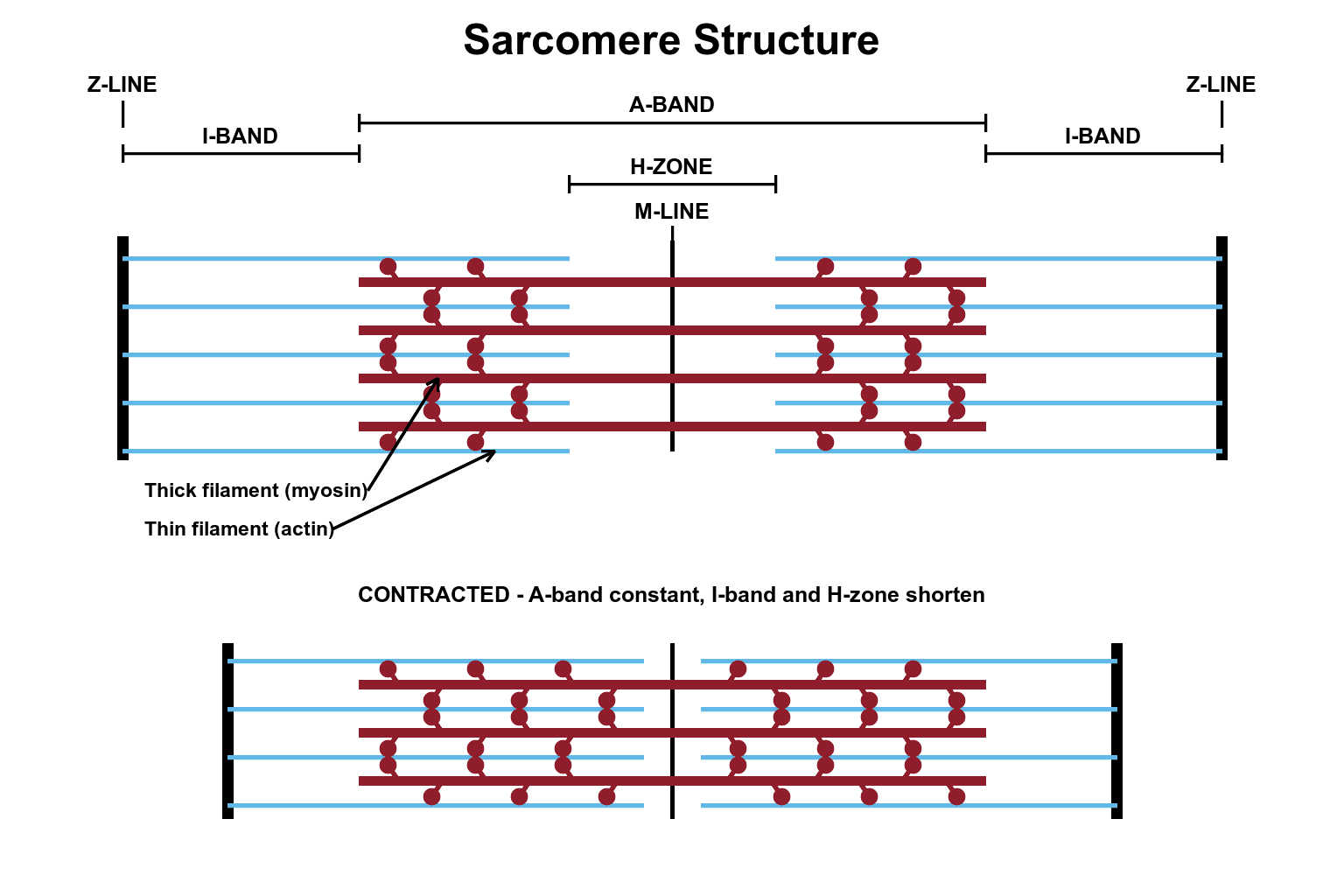
- A-band constant during contraction; I-band and H-zone shorten
- Motor unit recruitment follows size principle (small to large)
- Force-length relationship: optimal at resting muscle length
- “Draw sarcomere structure: A-band, I-band, H-zone, M-line, Z-lines
- “Know fiber type distribution: Soleus 80% Type I, Gastrocnemius 50/50
- “Training shifts IIx to IIa but NOT Type II to Type I
- “Immobilization: 20-30% strength loss in 2 weeks, contracture formation
Muscle Fibre Ultrastructure
Hierarchical Organisation
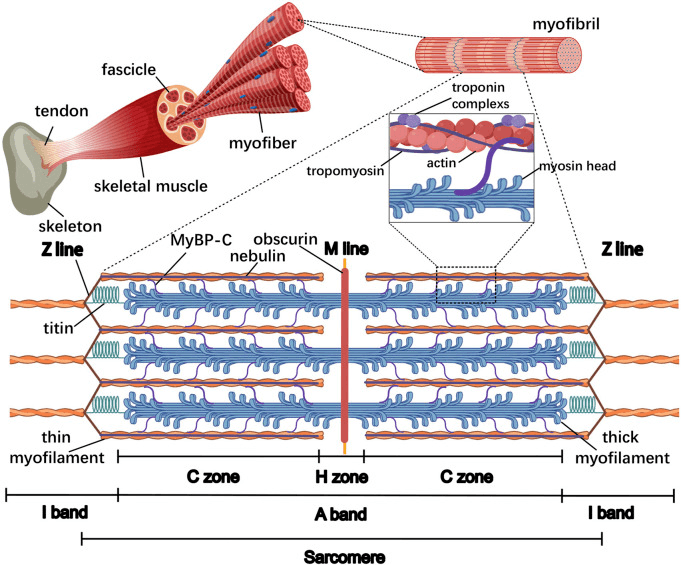
Skeletal muscle is organised as a hierarchy, and that organisation is essential for coordinated force generation. From the outside in:
- Whole muscle, ensheathed by epimysium (dense irregular connective tissue)
- Fascicles, bundles of 10-100 fibres wrapped in perimysium, which carries the neurovascular structures
- Muscle fibres, the cells themselves: multinucleated, 10-100 micrometres in diameter and up to 30 cm long, each surrounded by endomysium
- Myofibrils, cylindrical organelles 1-2 micrometres in diameter that make up 80% of fibre volume
- Sarcomeres, the fundamental contractile unit, 2.5 micrometres long at rest and arranged in series within each myofibril
Sarcomere Architecture
The sarcomere runs from one Z-line to the next.
Thick filaments. Thick filaments are 15 nm in diameter and made mainly of myosin II (molecular weight 500 kDa). Each myosin molecule has two heavy chains forming a tail and two heads, and each head carries an actin-binding site and an ATP-binding site. The molecules are arranged in bipolar fashion with the heads projecting outward, and they occupy the A-band, whose length of 1.6 micrometres remains constant during contraction.
Thin filaments. Thin filaments are 7 nm in diameter. Their backbone is F-actin, a double-stranded helix of G-actin monomers (375 per filament), and tropomyosin, a coiled-coil protein, lies in the actin grooves and blocks the myosin-binding sites at rest. A troponin complex, a heterotrimeric regulatory protein, sits every seven actin monomers:
- TnT binds tropomyosin
- TnI is the inhibitory subunit, blocking actin-myosin interaction
- TnC binds calcium, with four binding sites: two high-affinity structural and two low-affinity regulatory
Bands and zones. Each band is defined by the filaments it contains, and the lines by the proteins that anchor them:
- A-band: the entire length of the thick filaments; dark on electron microscopy and anisotropic to polarised light
- I-band: thin filaments only, with no thick-filament overlap; light and isotropic
- H-zone: the central region of the A-band, containing only thick filament tails with no actin overlap
- M-line: the central anchoring proteins (myomesin, M-protein) that connect the thick filaments
- Z-line (Z-disc): the anchoring point for the thin filaments, via alpha-actinin
During contraction the I-band and H-zone decrease in width while the A-band remains constant. Thin filaments slide past thick filaments; the filaments themselves do not shorten. The Z-lines move closer together, reducing sarcomere length from 2.5 micrometres to approximately 1.5 micrometres at maximal contraction. The A-band is the thick-filament (myosin) band, and confusing it with actin is a common trap.
Membrane Systems and Calcium Handling
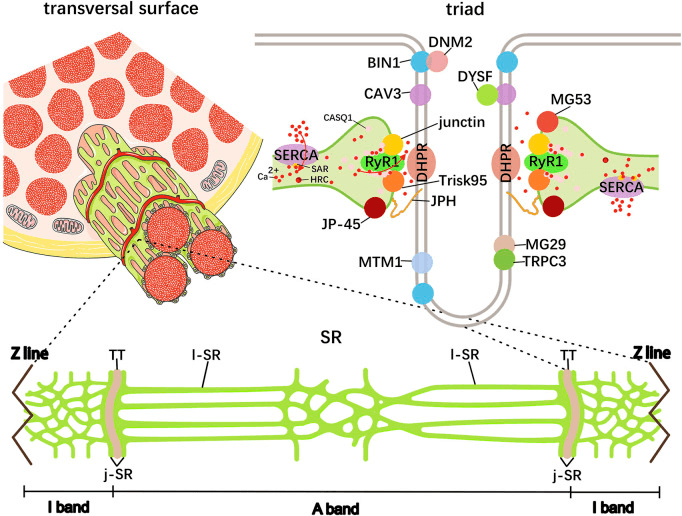
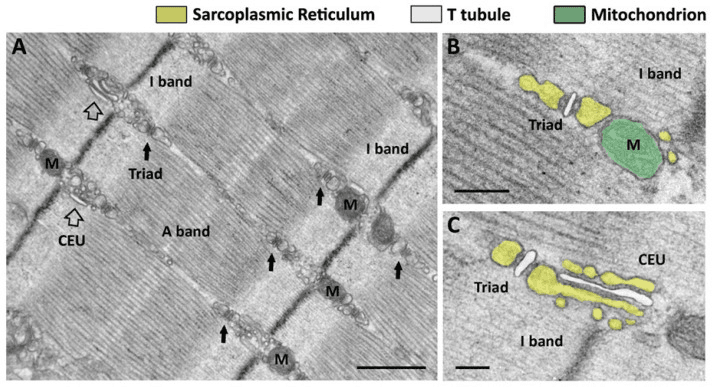
T-tubules. Transverse tubules are invaginations of the sarcolemma that penetrate deep into the fibre; in mammalian muscle they lie at the A-I junction, two per sarcomere. They conduct action potentials rapidly to the fibre interior, which is critical for synchronous activation of all the myofibrils. Their membrane carries voltage-gated L-type calcium channels, the dihydropyridine receptors (DHPRs).
Sarcoplasmic reticulum. The SR is specialised smooth endoplasmic reticulum surrounding each myofibril. It contains the calcium-release channels, the ryanodine receptors (RyR1), and its terminal cisternae are expanded regions that flank the T-tubules to form triads. The SR lumen holds calcium at 1-2 mM, 10,000 times the cytoplasmic concentration, and calsequestrin, a calcium-binding protein in the lumen, stores 80% of it. SERCA pumps (SR calcium-ATPase) actively sequester calcium back into the SR during relaxation.
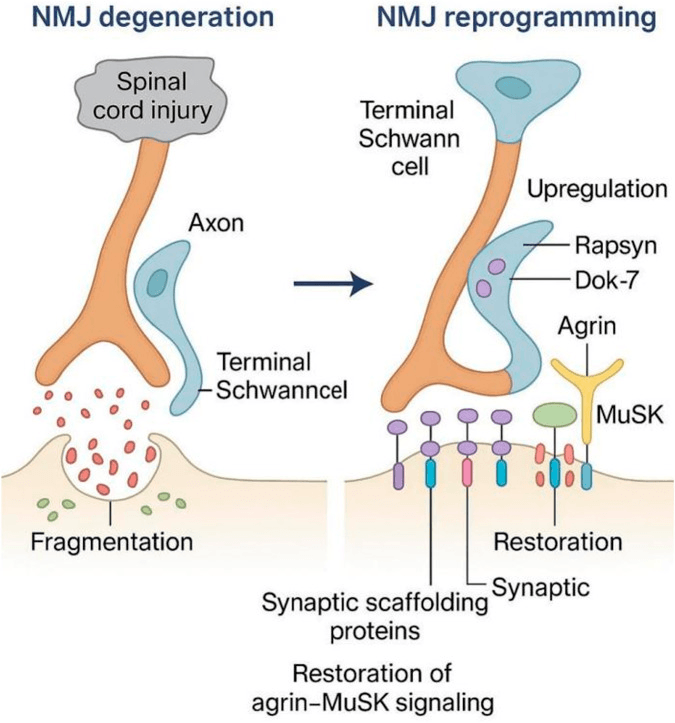
Neuromuscular junction. This is the specialised synapse between the motor neuron terminal and the muscle fibre. The motor end plate is highly folded sarcolemma, which increases its surface area, and acetylcholine receptors are concentrated at the junctional folds at 10,000 per square micrometre. Acetylcholinesterase in the synaptic cleft hydrolyses ACh rapidly, which keeps the signal brief.
Sliding Filament Theory and Contraction Mechanism
Cross-Bridge Cycle
Contraction is a cyclical interaction between myosin heads and actin binding sites, powered by ATP hydrolysis. Each cycle produces approximately 10 nm of filament sliding and generates 3-4 pN of force, in four steps:
- ATP binding and detachment. ATP binds the myosin head and causes a conformational change that lowers myosin-actin affinity dramatically (1000-fold), so the cross-bridge detaches from actin.
- Hydrolysis and cocking. Myosin ATPase hydrolyses ATP to ADP and Pi, both of which remain bound. The energy cocks the head into a high-energy conformation, rotating it 90 degrees to the "ready" position and storing elastic energy in the myosin neck region.
- Cross-bridge formation and power stroke. When calcium levels are high, tropomyosin moves and exposes the actin binding sites, and the cocked head binds actin strongly. Pi release triggers the power stroke: the head rotates and pulls the actin filament toward the M-line.
- ADP release. ADP is released, completing the power stroke, and myosin remains tightly bound to actin until the next ATP binds. Multiple asynchronous cross-bridges maintain steady force, and the cycle repeats while calcium and ATP remain available.
ATP is needed to let go, not to attach. ATP powers the stroke and also allows detachment, so it is essential for relaxation as well as contraction. Without ATP, myosin stays bound to actin and the muscle is permanently stiff: that is rigor mortis. The same principle matters for understanding muscle cramps and contractures.
Energetics. One ATP is consumed per cross-bridge cycle, and chemical energy is converted to mechanical work at approximately 50% efficiency. Resting muscle holds ATP at 5 mM, enough for 2-3 seconds of maximal contraction. Phosphocreatine (30 mM) regenerates ATP rapidly, and glycolysis and oxidative phosphorylation sustain prolonged activity.
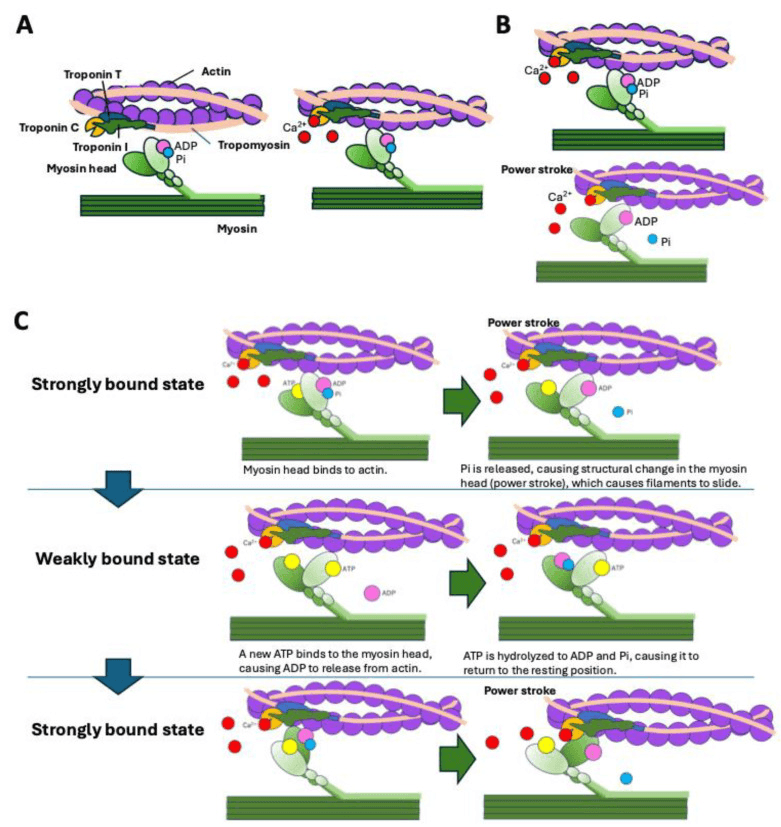
The rate-limiting step for shortening velocity is ADP release, which is faster in Type II fibres than Type I fibres. This explains why Type II fibres can contract 3-5 times faster. Myosin heavy chain isoforms (MHC I, MHC IIa, MHC IIx) have different ATPase rates determining fibre type contractile speed.
Excitation-Contraction Coupling
Excitation-contraction coupling links electrical excitation of the sarcolemma to mechanical contraction of the myofibrils. The sequence, with the time each step takes:
- Neuromuscular transmission (1 ms). The motor neuron action potential reaches the axon terminal, voltage-gated calcium channels open, and calcium influx makes 200-300 synaptic vesicles fuse and release ACh into the cleft. Each vesicle (a quantum) contains 5,000-10,000 ACh molecules.
- Muscle fibre depolarisation (2-3 ms). ACh binds nicotinic receptors on the motor end plate, and sodium influx creates an end-plate potential of 50-70 mV. This exceeds threshold and triggers an action potential in the adjacent sarcolemma, which propagates in both directions along the fibre at 3-5 m/s.
- T-tubule conduction (1-2 ms). The action potential is conducted rapidly into the T-tubules and reaches the A-I junctions throughout the fibre cross-section, where the voltage-gated DHPRs detect the depolarisation.
- SR calcium release (5-10 ms). The conformational change in the DHPR is mechanically coupled to RyR1, whose calcium-release channels open in the SR membrane. SR calcium floods the cytoplasm, a 100-fold increase to 10 micromolar.
- Thin filament activation (10-20 ms). Calcium binds TnC (two calcium ions per troponin) and the troponin complex changes conformation. Tropomyosin shifts 25 Angstrom deeper into the actin groove, exposing the myosin-binding sites on actin, and cross-bridge cycling begins.
- Relaxation (50-100 ms). The sarcolemma repolarises, the DHPR returns to its resting conformation and the RyR1 channels close. SERCA pumps transport calcium back into the SR, using 1 ATP per 2 calcium ions, until cytoplasmic calcium falls below 0.1 micromolar. Calcium dissociates from TnC, tropomyosin returns to its blocking position and myosin-actin interaction ceases.
The calcium source. Skeletal muscle differs from cardiac muscle on both counts: the calcium for contraction comes from the sarcoplasmic reticulum, not the extracellular space, and it is released by mechanical coupling, not calcium-induced calcium release. The DHPR acts as the voltage sensor but does not conduct significant calcium; it couples mechanically to RyR1.
Clinical relevance. Disorders along this chain:
- Malignant hyperthermia: RyR1 mutation causing uncontrolled calcium release with volatile anaesthetics; dantrolene treats it by blocking RyR1
- Central core disease: RyR1 mutations causing structural abnormalities and weakness
- Periodic paralysis: mutations in the DHPR or sodium channels causing episodic weakness
- Myasthenia gravis: antibodies against ACh receptors, reducing end-plate potentials
Neuromuscular blockers also work at the ACh receptor.
Muscle Fibre Types and Motor Units
Fibre Type Classification
Skeletal muscle fibres are classified by contractile speed and metabolic profile.
- typeI
- Low (slow)
- typeIIa
- High (fast)
- typeIIx
- Highest (very fast)
- typeI
- Slow (110 ms)
- typeIIa
- Fast (50 ms)
- typeIIx
- Very fast (40 ms)
- typeI
- Very high
- typeIIa
- Intermediate
- typeIIx
- Low (rapid fatigue)
- typeI
- Very high
- typeIIa
- High
- typeIIx
- Low
- typeI
- High
- typeIIa
- Intermediate
- typeIIx
- Low
- typeI
- High (red muscle)
- typeIIa
- Intermediate
- typeIIx
- Low (white muscle)
- typeI
- Oxidative
- typeIIa
- Oxidative-glycolytic
- typeIIx
- Glycolytic
- typeI
- Low
- typeIIa
- Intermediate
- typeIIx
- High
- typeI
- Small alpha neurons
- typeIIa
- Larger alpha neurons
- typeIIx
- Largest alpha neurons
- typeI
- Small (50 micrometres)
- typeIIa
- Intermediate (60 micrometres)
- typeIIx
- Large (80 micrometres)
- typeI
- Low per fibre
- typeIIa
- Intermediate
- typeIIx
- High per fibre
- typeI
- Soleus (80%), paravertebrals
- typeIIa
- Gastrocnemius, deltoid
- typeIIx
- Extraocular, hand intrinsics
Distribution. Most human muscles contain mixed fibre types, typically 40-60% Type I, 30-50% Type IIa and 5-10% Type IIx, and no muscle should be called 100% one type. Postural muscles are predominantly Type I (soleus 80%, paravertebrals 70%). Phasic muscles carry more Type II (gastrocnemius 50/50, vastus lateralis 45/55), and the extraocular muscles are mostly Type II, for rapid movement.
Variation. Within a muscle, superficial regions often have more Type II fibres than deep regions, and genetic factors determine each individual's baseline distribution. Elite marathon runners have 80% Type I fibres in their leg muscles; sprinters have 60% Type IIx.
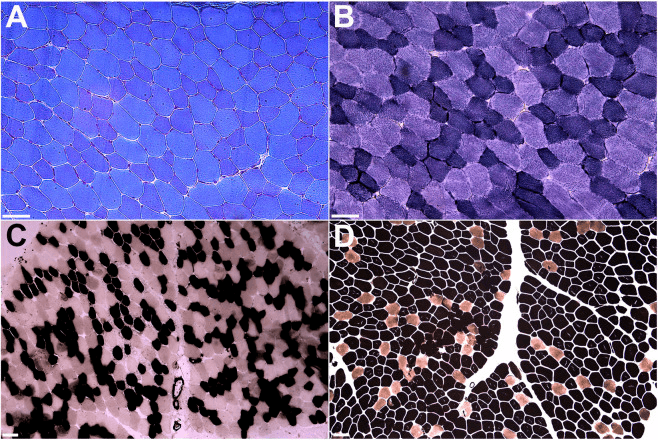
Plasticity. Cross-innervation experiments show that the motor neuron determines fibre type: the control is neural. The changes seen in adult fibres:
- IIx-IIa transitions occur in both directions: training shifts IIx to IIa, and detraining shifts back, taking IIx above its baseline (the IIX overshoot)
- Endurance training shifts IIx to IIa and increases the oxidative capacity of Type II fibres
- Strength training hypertrophies Type II fibres and also shifts IIx to IIa
- Training does not convert Type II to Type I
- Denervation shifts fibres toward a faster phenotype, Type I towards Type II characteristics
- Type I to Type II transformation is extremely rare in adults, though thyroid hormone can induce it
Motor Unit Organisation
A motor unit is one alpha motor neuron and all the muscle fibres it innervates. All the fibres in a unit are the same type, Type I or Type II, and they are distributed over a territory 5-10 mm in diameter, interspersed with the fibres of other units.
Innervation ratio. Small motor units serve fine motor control and large ones gross movement. The ratio ranges from 10:1 in the extraocular muscles and 100:1 in the finger muscles to 1000-2000:1 in the back muscles and 2000:1 in gastrocnemius.
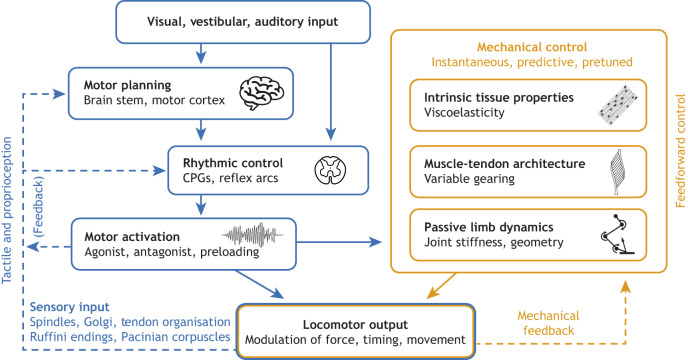
Henneman's size principle. Motor units are recruited in order of motor neuron size. Small motor neurons have a lower activation threshold, and their higher input resistance amplifies synaptic input, so recruitment runs from small to large:
- Low-force tasks recruit small Type I units first, giving fine gradation of force at low levels.
- Moderate-force tasks add Type IIa units. Their larger motor neurons need greater synaptic drive, and they increase force while maintaining some fatigue resistance.
- High-force tasks recruit Type IIx units last. These have the largest, highest-threshold motor neurons and give maximal force with rapid fatigue, so they are recruited only for ballistic movements or maximal efforts.
Rate coding. Once recruited, a motor unit increases its firing frequency to generate more force. It starts at 8-12 Hz, an unfused tetanus with visible twitches, and reaches a maximum of 50-60 Hz, a fused tetanus and smooth contraction. Rate coding contributes 50% of force modulation in the intermediate force range.
When the unit fails. In primary muscle disease the motor units are normal but force per fibre is reduced. Upper motor neuron lesions impair recruitment and disturb firing rates, producing spasticity. Denervation changes the units themselves, as described under denervation below.
Force Generation and Biomechanics
Length-Tension Relationship
Force generation depends critically on sarcomere length, because length sets the overlap of actin and myosin. Force is optimal at resting muscle length, where overlap is maximal; at short lengths the actin filaments overlap and interfere, and at long lengths fewer cross-bridges can form. The curve has five zones:
- Over-stretched, above 3.6 micrometres: minimal overlap, few cross-bridges, and force reduced to 0-20% of maximum. The clinical example is over-lengthened muscle after nerve palsy.
- Descending limb, 3.6-2.5 micrometres: overlap increases progressively, with a linear relationship between length and force. Each 0.1 micrometre decrease adds approximately 10% more cross-bridges, and passive elastic elements contribute minimal force.
- Plateau, 2.5-2.0 micrometres: optimal overlap throughout the entire thick filament and maximum active force (100%). This corresponds to resting muscle length in situ and is the most stable operating range for physiological function.
- Ascending limb, 2.0-1.5 micrometres: actin filaments begin overlapping from opposite ends, reducing the available binding sites, and the thick filaments compress against the Z-lines. Force falls to 60-70% at 1.5 micrometres.
- Extreme shortening, below 1.5 micrometres: severe actin overlap and structural distortion drop force below 50%. This is rarely achieved in vivo except in specialised muscles.
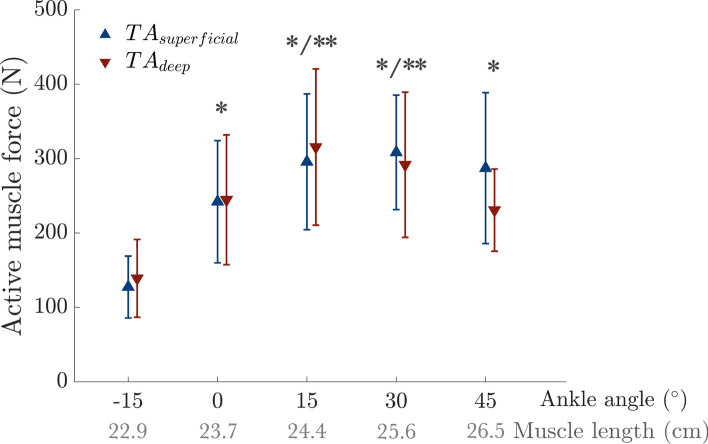
Passive tension. Beyond resting length, elastic elements (titin and connective tissue) generate passive force. Titin is a giant protein (3-4 MDa) spanning from Z-line to M-line that acts as a molecular spring resisting over-stretch. Total force is the active (cross-bridge) plus the passive (elastic) component.
Clinical applications. A joint immobilised in the shortened position loses sarcomeres in series, which shortens the optimal length and produces a contracture with reduced functional range; immobilisation in the lengthened position adds sarcomeres in series. In a tendon transfer the muscle is set to the appropriate tension intraoperatively for optimal length-tension, and an Achilles tendon lengthening must preserve sufficient overlap for push-off strength.
Force-Velocity Relationship
Concentric contraction. Shortening velocity is inversely related to force. Maximum velocity (Vmax) occurs at zero load: 4-5 fibre lengths per second in Type I fibres and 15-20 in Type IIx. As load increases, velocity decreases hyperbolically, reaching zero at maximum isometric force, and power (force times velocity) peaks at approximately 30% of Vmax and 30% of maximum force.
Isometric contraction. Velocity is zero, and force is determined by activation level and length. This is the reference point for the force-velocity curve: maximum tetanic force is defined as F0 (100%).
Eccentric contraction. A lengthening muscle produces force above its isometric maximum, up to 150% of F0, at a lower metabolic cost per unit force, because ATP is consumed only during attachment. That makes eccentric work efficient for deceleration and shock absorption. The mechanisms:
- Cross-bridges are forcibly detached while bound, absorbing energy
- Titin and the elastic elements are stretched and contribute passive force
- Some cross-bridges remain attached longer during forced lengthening
Eccentric contraction damages muscle more readily. Unaccustomed eccentric exercise causes Z-line streaming, membrane disruption and delayed-onset muscle soreness (DOMS) peaking at 24-72 hours. This explains post-operative pain patterns and guides rehabilitation progression.
Muscle Architecture and Force Production
Muscle architecture determines functional capacity, through three parameters.
Physiological cross-sectional area (PCSA). PCSA is the total cross-sectional area of all fibres, taken perpendicular to the fibre direction: muscle mass times the cosine of the pennation angle, divided by fibre length times muscle density. It is directly proportional to maximum force, through a specific tension of 20-30 N per square centimetre; gastrocnemius, with a PCSA of 50 square centimetres, produces a maximum force of 1000-1500 N.
Fibre length. Fibre length determines maximum shortening distance and velocity. Sarcomeres in series multiply shortening distance, so longer fibres give greater excursion and a higher Vmax, as in sartorius with its long fibres against soleus with its short ones.
Pennation angle. This is the angle between fibre direction and the muscle's line of action, ranging from 0 degrees (fusiform) to 30 degrees (unipennate) and 45 degrees (multipennate). Pennation packs in more fibres, raising PCSA, but reduces effective force transmission, because the force along the tendon is fibre force times the cosine of the pennation angle. In the deltoid, a pennation of 20 degrees reduces force by 6% but allows three times as many fibres.
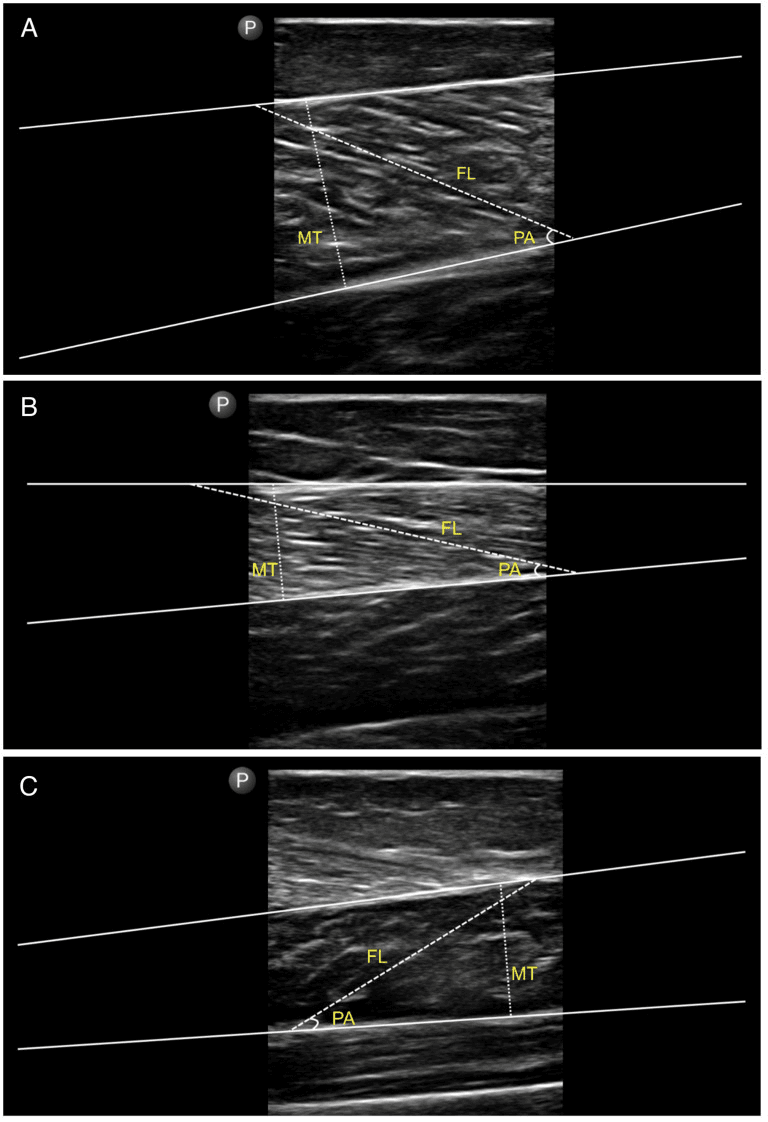
Architectural types. Fibre arrangement sorts muscles into four types:
- Fusiform (parallel fibres), such as sartorius and biceps brachii: long excursion, high velocity, lower force
- Unipennate, such as extensor digitorum longus and vastus lateralis: fibres on one side of a central tendon, with intermediate force and excursion
- Bipennate, such as rectus femoris and flexor hallucis longus: fibres on both sides of a central tendon, with higher force and moderate excursion
- Multipennate, such as deltoid and subscapularis: multiple pennation planes, with the highest force production and the shortest excursion
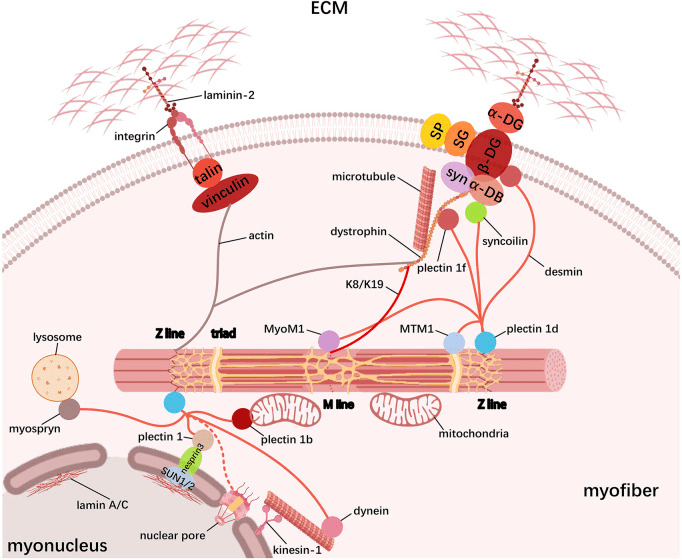
Force transmission. Force travels longitudinally through the tendons to the skeleton, and laterally through the endomysium and perimysium to adjacent structures, which carries 30% of it. Costameres link the sarcolemma to the extracellular matrix, and the dystrophin-glycoprotein complex is critical for membrane stability. In the muscular dystrophies, defects in these force-transmission proteins cause progressive weakness.
Muscle Adaptation and Pathophysiology
Training Adaptations
Endurance training. Endurance work builds oxidative capacity, with minimal hypertrophy (fibre size increases less than 10%). PGC-1alpha upregulation drives mitochondrial biogenesis, raising mitochondrial density 50-100%, and angiogenesis raises the capillary-to-fibre ratio 20-30%. Oxidative enzymes (citrate synthase, succinate dehydrogenase) are upregulated, myoglobin content increases 80%, glycogen storage capacity increases and lactate clearance improves.
Resistance training. Fibre cross-sectional area increases 20-50% in 12 weeks, Type II fibres more than Type I, and IIx especially. Satellite cells are activated and myonuclei added, and protein synthesis exceeds breakdown through mTOR pathway activation. Tendon stiffness increases, improving force transmission, while metabolic adaptations are minimal. Neural adaptations come in the first 4-6 weeks:
- Increased motor unit recruitment
- Improved firing rate synchronisation
- Reduced antagonist co-contraction
Eccentric training. Strength gains are rapid, 20% in 4 weeks. Sarcomeres are added in series, which shifts optimal length; the Z-lines are remodelled and the cytoskeleton reinforced, with desmin and dystrophin upregulated. The protective "repeated bout effect" reduces DOMS with subsequent sessions, and eccentric work is useful in tendinopathy rehabilitation (the Alfredson protocol for the Achilles).
Immobilisation and Denervation
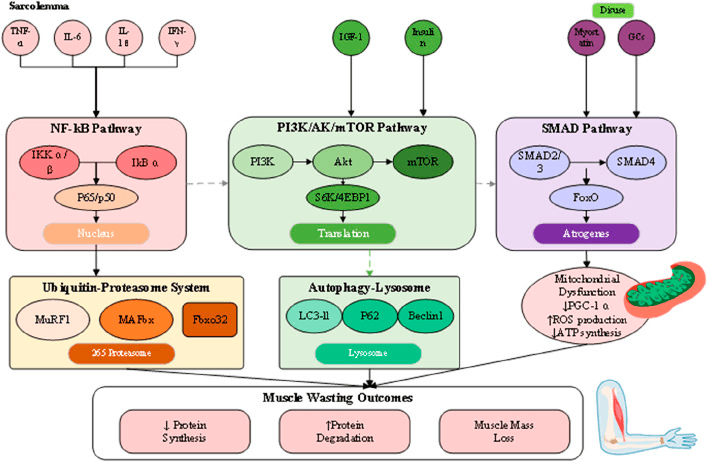
Immobilisation. The effects accumulate over time:
- Week 1: protein synthesis decreases 50%, Type I fibres are preferentially affected initially, mitochondrial enzyme activity decreases, and strength falls 3-5%
- Week 2: strength loss of 20-30% and atrophy of 10-15% of fibre cross-sectional area; fibres shift toward Type II characteristics and collagen deposition begins in the endomysium
- Weeks 4-6: strength loss of 30-40% and Type I fibre atrophy of up to 30%; sarcomere number adapts to the immobilised length, as described under the length-tension relationship, and the joint stiffens from capsular contracture and muscle shortening
- Month 3 onwards: fatty infiltration begins (adipogenic differentiation of muscle progenitors), fibrosis replaces functional tissue and the contracture resists stretching; strength loss plateaus at 50-60% if immobilisation continues
Recovery. Strength returns faster than muscle mass, through neural adaptations, and complete recovery takes 2-3 times the immobilisation duration. Contractures may be permanent if immobilisation exceeds 12 weeks, so early mobilisation is critical for preventing irreversible changes.
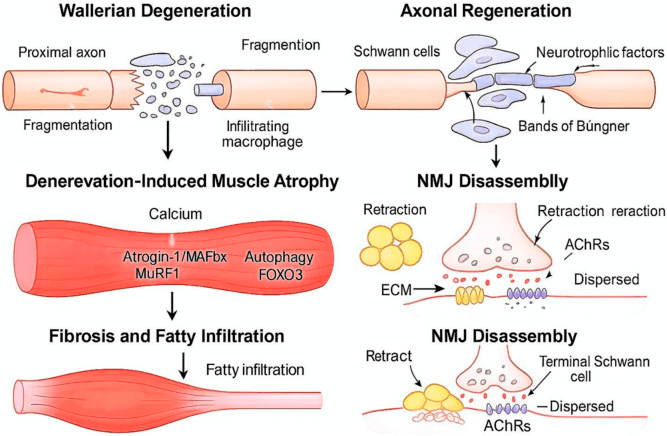
Denervation. Denervation means a loss of motor units, and the muscle passes through three phases:
- Acute (0-4 weeks): the fibre membrane becomes unstable (fibrillation potentials on EMG), acetylcholine receptors spread beyond the motor end plate, and fibre atrophy begins (10% loss in the first month); fibre type characteristics are preserved initially
- Subacute (1-6 months): atrophy progresses to a 50% reduction in fibre size by 6 months. Reinnervation is possible if the nerve regenerates (1 mm/day): surviving motor neurons sprout collaterals to reinnervate orphaned fibres, motor unit territory expands (giant motor units on EMG, with increased amplitude and duration), and fibre type grouping appears as all fibres in a region become the same type
- Chronic (beyond 6 months): fatty infiltration and fibrosis are irreversible, motor end plates degenerate and the muscle loses its capacity for reinnervation
The "point of no return" for muscle reinnervation is approximately 12-18 months after complete denervation. Beyond this, motor end plates are lost, and fatty infiltration and fibrosis are irreversible. This timeline guides surgical decision-making for nerve repairs and tendon transfers. Nerve repairs have best outcomes if performed within 6 months of injury.
The chronic rotator cuff tear. Chronic cuff tears show fibre type change, increased Type II fibres, along with fatty infiltration. Goutallier grading on MRI correlates with irreversible muscle changes:
- Grade 0: normal muscle
- Grade 1: some fatty streaks
- Grade 2: less than 50% fat
- Grade 3: equal muscle and fat
- Grade 4: more fat than muscle
Grade 3-4 indicates a poor surgical prognosis for rotator cuff repair, which is why massive chronic tears have poor surgical outcomes: the muscle has undergone irreversible transformation. After repair, graduated loading is required to restore Type I fibre oxidative capacity.
Muscle Injury and Regeneration
Strain. Strains occur most commonly during eccentric contraction at long muscle length, and the myotendinous junction, the weakest structural point, accounts for 75% of them. They are graded by the proportion of fibres torn:
- Grade I: micro-tears of less than 5% of fibres; recovery 1-2 weeks
- Grade II: partial tear of 5-50% of fibres; recovery 3-6 weeks
- Grade III: complete tear; surgical consideration; recovery 3 months or more
Regeneration. Repair runs in three phases:
- Destruction (1-3 days): membrane disruption, calcium influx and protein degradation; neutrophil infiltration and inflammatory cytokines; and activation of the satellite cells, normally quiescent between the basal lamina and the sarcolemma.
- Repair (3-14 days): satellite cells proliferate and differentiate into myoblasts, which fuse to form myotubes. Macrophages clear debris and release growth factors (IGF-1), and angiogenesis and neural sprouting follow.
- Remodelling (2-6 weeks): myotubes mature and sarcomeres organise, and connective tissue scar forms. Functional strength returns to 80-90%, and the residual scar remains a potential weak point.
What impairs regeneration. Regeneration is slowed or disorganised by:
- Age: satellite cell number and function decline with age
- Corticosteroids: inhibit satellite cell proliferation
- NSAIDs: controversial; they may impair early inflammation, but the long-term effect is minimal
- Excessive fibrosis: overactivation of the TGF-beta pathway
- Severe injury: complete disruption of the basal lamina scaffold prevents organised regeneration
Fiber Type Distribution in Human Muscles
- Landmark autopsy study quantifying fiber type composition across 36 human muscles. Found wide between-muscle variability: soleus approximately 84% Type I (slow oxidative), tibialis anterior approximately 73%, with limb muscles such as triceps and biceps brachii closer to a mixed composition. Substantial individual variation. Postural/antigravity muscles are predominantly Type I; most limb muscles are mixed. Provides the baseline reference data still cited for muscle-specific fiber typing and biopsy interpretation.
Henneman Size Principle of Motor Unit Recruitment
- Seminal work establishing that motor units are recruited in order of increasing size (small to large) during voluntary contractions. Demonstrated that small motor neurons innervating Type I fibers have higher input resistance and lower activation thresholds, recruited first for fine motor control. Large motor neurons innervating Type II fibers recruited only for high-force demands. This orderly recruitment pattern optimizes efficiency and force gradation. Has become fundamental principle in motor control understanding, rehabilitation design, and interpretation of EMG studies.
Myosin Heavy Chain IIX Overshoot with Training and Detraining
- Vastus lateralis MHC isoforms were measured in sedentary men before 3 months of heavy resistance training and after 3 months of detraining. Resistance training reduced MHC IIX from 9.3% to 2.0% with a reciprocal rise in MHC IIA, confirming the physiological IIX-to-IIA shift. Critically, detraining drove MHC IIX to 17.2%, markedly ABOVE pre-training values (the IIX overshoot). This establishes that IIX-IIA transitions are activity-regulated and reversible, and that complete Type I to Type II conversion does not occur with normal training. Underpins the principle that detraining/disuse pushes muscle toward a faster, more fatigable phenotype.
Goutallier Classification for Rotator Cuff Fatty Infiltration
- Original CT-based five-stage grading of rotator cuff fatty degeneration in 63 patients scheduled for cuff repair: Grade 0 normal, Grade 1 some fatty streaks, Grade 2 fat less than muscle, Grade 3 equal fat and muscle, Grade 4 fat more than muscle. Fatty degeneration worsened with time and correlated with functional impairment of external rotation. After effective repair, moderate supraspinatus degeneration regressed in only a minority and infraspinatus degeneration never regressed (often progressed). Supraspinatus repair recurrence was 25%, and infraspinatus degeneration strongly predicted poorer outcome. Conclusion: operate before irreversible muscular degeneration develops. Foundational prognostic classification in cuff surgery.
Fatty Degeneration of Cuff Muscles: CT versus MRI Grading
- Forty-one shoulders were graded for fatty degeneration on both CT and MRI. Interobserver reproducibility was good to excellent for each modality, validating the translation of Goutallier grading to MRI. CT-MRI agreement was only fair to moderate even when simplified to a three-grade scale, so grading should be reported per-modality. Degree of fatty degeneration correlated significantly with muscle atrophy on parasagittal MRI. This work underpins the now-standard MRI-based Goutallier/Fuchs grading used clinically for cuff prognosis.
Discovery of the Skeletal Muscle Satellite Cell
- Classic electron-microscopy report describing a distinct mononuclear cell wedged between the basal lamina and sarcolemma of the muscle fiber, named the satellite cell. Mauro hypothesized it was a dormant myoblast retained for growth and repair. This single observation founded the field of muscle stem-cell biology: satellite cells are now established as the resident myogenic progenitors that activate, proliferate, and fuse to regenerate injured fibers, and whose decline with age and pathological adipogenic switching underlie impaired regeneration and fatty infiltration.
Malignant Hyperthermia: RYR1 Pharmacogenetics and Dantrolene
- Comprehensive review of malignant hyperthermia (MH), a pharmacogenetic skeletal-muscle disorder triggered by volatile anaesthetics and succinylcholine via uncontrolled myoplasmic calcium release. Reaction incidence ranges from about 1:10,000 to 1:250,000 anaesthetics, with genetic susceptibility possibly as common as 1:400. Inheritance is autosomal dominant; most cases involve RYR1 variants on chromosome 19q13.1 (over 400 variants described, at least 34 causal), with a minority in CACNA1S. Diagnosis rests on the in-vitro contracture (caffeine-halothane) test plus DNA testing. Dantrolene is the specific antagonist and has reduced mortality from approximately 80% historically to under 5%.
Differential Diagnosis of the Weak or Wasted Muscle
Muscle weakness/wasting is a common viva stem. The key is to localise the lesion (upper motor neuron, lower motor neuron, neuromuscular junction, or muscle) using the pattern of weakness, reflexes, EMG, and CK.
- neurogenic
- Myotomal / nerve territory, often distal
- myopathic
- Symmetrical, proximal (limb-girdle)
- nmj
- Fatigable, ocular/bulbar onset
- umn
- Pyramidal pattern, anti-gravity weakness
- neurogenic
- Marked, early
- myopathic
- Present, proportional to weakness
- nmj
- Minimal (until severe/chronic)
- umn
- Disuse only (late)
- neurogenic
- Reduced tone, absent/reduced reflexes
- myopathic
- Normal or reduced reflexes
- nmj
- Normal reflexes
- umn
- Increased tone, hyper-reflexia, clonus
- neurogenic
- Present (denervation)
- myopathic
- Absent
- nmj
- Absent
- umn
- Absent
- neurogenic
- Normal or mildly raised
- myopathic
- Often markedly raised
- nmj
- Normal
- umn
- Normal
- neurogenic
- Fibrillations, large polyphasic long-duration units
- myopathic
- Small short-duration low-amplitude units, early recruitment
- nmj
- Decrement on repetitive stimulation (myasthenia)
- umn
- Reduced recruitment, normal unit morphology
- neurogenic
- Peripheral nerve injury, radiculopathy, motor neuron disease
- myopathic
- Muscular dystrophy, inflammatory myopathy, disuse atrophy
- nmj
- Myasthenia gravis, Lambert-Eaton
- umn
- Stroke, spinal cord injury, cerebral palsy
Mechanisms of Muscle Fatigue
- Peripheral fatigue (within the muscle) - dominant in high-intensity activity.
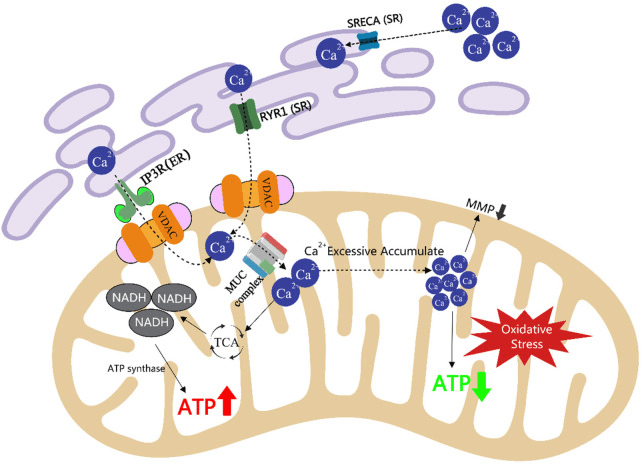
- Inorganic phosphate (Pi) accumulation (from phosphocreatine and ATP breakdown) is the major cause: Pi reduces the force per cross-bridge, lowers myofilament calcium sensitivity, and precipitates with calcium inside the SR to impair calcium release.
- Impaired SR calcium handling - reduced RyR1 release and slowed SERCA reuptake shrink the calcium transient, so fewer cross-bridges cycle.
- Metabolic acidosis (H+ from ATP hydrolysis / lactate) - historically blamed, but its direct depressant effect on force is now considered modest at physiological temperature.
- Glycogen depletion limits prolonged endurance activity and independently impairs SR calcium release.
- Extracellular/T-tubular potassium accumulation can impair action-potential propagation.
- Central fatigue (within the nervous system). A progressive decline in voluntary neural drive - reduced motor-cortical output and altered afferent feedback (including group III/IV muscle afferents signalling the metabolic milieu) - lowers motor-unit recruitment and firing rate. It is demonstrated by the twitch-interpolation (superimposed-twitch) technique: an extra force increment when a maximal stimulus is superimposed on a "maximal" voluntary contraction proves the drive was sub-maximal.
- Why fibre type maps onto it. Type I fibres resist peripheral fatigue because their high mitochondrial/oxidative capacity minimises Pi and H+ accumulation; Type IIx fibres rely on glycolysis, rapidly accumulate Pi/H+ and deplete glycogen - the mechanism behind the fatigue-resistance column graded throughout.
Muscle fatigue is a REVERSIBLE decline in force, not weakness. The dominant peripheral cause is inorganic phosphate (Pi) accumulation (reduced cross-bridge force, reduced calcium sensitivity, impaired SR calcium release) - lactic acidosis contributes less than traditionally taught. Central fatigue (reduced voluntary drive) is proven by the twitch-interpolation test. Type I fibres resist fatigue through oxidative metabolism that limits Pi/H+ accumulation.
Muscle Spindles, the Gamma System and the Golgi Tendon Organ
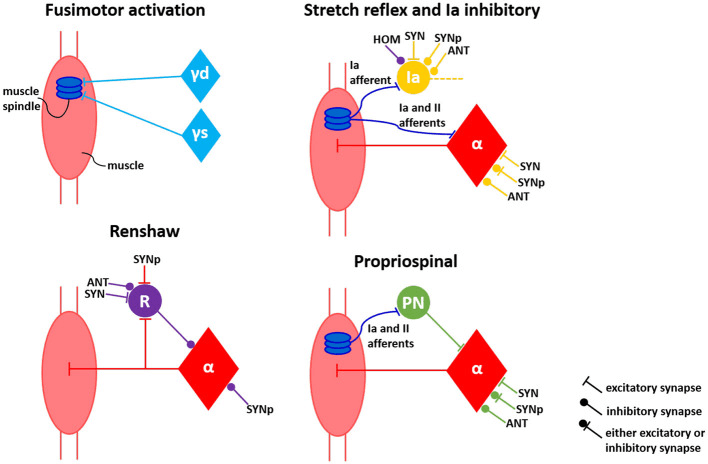
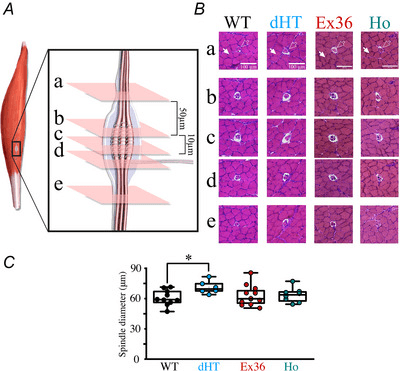
- The muscle spindle (length / stretch sensor). Encapsulated intrafusal fibres (nuclear-bag and nuclear-chain fibres) lie in parallel with the force-generating extrafusal fibres. They are wrapped by Ia (primary) afferents (sensing the rate and magnitude of stretch) and group II (secondary) afferents (sensing static length).
- The gamma (fusimotor) system and alpha-gamma co-activation. Gamma motor neurons innervate the contractile poles of the intrafusal fibres, keeping the spindle taut and sensitive as the whole muscle shortens. During voluntary movement the CNS co-activates alpha and gamma neurons so the spindle continues to report length throughout the contraction.
- The stretch (myotatic) reflex. Stretch increases Ia firing, which monosynaptically excites the homonymous alpha motor neuron, producing a contraction that opposes the stretch (the basis of the tendon jerk), with reciprocal inhibition of the antagonist. Loss of descending inhibition of this arc produces the hyper-reflexia, increased tone and clonus listed in the upper-motor-neuron column of the weakness table, and its exaggeration underlies spasticity.
- The Golgi tendon organ (force sensor). Sited at the myotendinous junction, in series with the fibres, GTOs are innervated by Ib afferents that sense muscle tension/force. Through an inhibitory interneuron they produce autogenic inhibition of the same muscle - a force-feedback and protective mechanism (the basis of the "clasp-knife" response and of proprioceptive-neuromuscular-facilitation stretching).
The muscle spindle (intrafusal fibres, in parallel, Ia + II afferents, kept sensitive by gamma motor neurons via alpha-gamma co-activation) senses length/stretch and drives the monosynaptic stretch reflex (tendon jerk) - loss of its descending inhibition gives the hyper-reflexia, hypertonia and clonus of an upper-motor-neuron lesion. The Golgi tendon organ (in series, Ib afferents) senses force and gives autogenic inhibition. Spindle = length in parallel; GTO = tension in series.
Guidelines, Registries & Global Practice
Muscle physiology is a basic-science topic, so formal disease-specific society guidelines are limited; the most relevant guidance concerns conditions where muscle physiology drives clinical decisions (rotator cuff disease, malignant hyperthermia, denervation/nerve repair).
Global epidemiology and relevance
- Skeletal muscle is approximately 40% of body mass and is the largest protein reservoir; sarcopenia (age-related muscle loss) affects an estimated 10-16% of older adults worldwide and is a growing global burden.
- Malignant hyperthermia susceptibility may be present in up to roughly 1 in 400 individuals genetically, though clinical reactions are rare (about 1:10,000 to 1:250,000 anaesthetics).
Side-by-side guidance
- aaos
- AAOS cuff guidance: advanced atrophy/fatty infiltration predicts poorer repair outcomes; shared decision-making
- ukEurope
- BESS/BOA (UK) and ESSKA (Europe): use Goutallier/Fuchs MRI grading to guide reparability and timing
- global
- Consistent global theme: repair earlier, before Grade 3-4 change
- aaos
- MHAUS (US): dantrolene immediately available wherever volatile agents/succinylcholine used
- ukEurope
- AAGBI/EMHG (UK/Europe): identical core principle; structured crisis algorithm and referral for IVCT/genetic testing
- global
- Universal: stop trigger, dantrolene, cool, treat hyperkalaemia/acidosis
- aaos
- Repair/reconstruct early; reinnervation declines with prolonged denervation
- ukEurope
- BOA/BSSH (UK): early exploration of high-energy/sharp nerve injuries; nerve transfers for proximal injuries
- global
- Limited-resource settings: pragmatic delayed primary repair, prioritise high-yield transfers
Registry and high- vs limited-resource notes
- No registry tracks muscle physiology per se, but arthroplasty/shoulder registries (NJR-UK, AOANJRR-Australia, AJRR-US) capture outcomes of procedures (e.g. reverse shoulder arthroplasty) chosen when muscle is irreparably degenerated.
- In high-resource settings, MRI Goutallier grading, EMG/nerve conduction studies, and IVCT/genetic MH testing are routinely available. In limited-resource settings, decisions rely more on clinical pattern, ultrasound, and serum CK; dantrolene stocking and MH testing may be unavailable, shifting practice toward total intravenous anaesthesia to avoid triggers.
Controversies and Areas of Uncertainty
-
Reversibility of fatty infiltration after cuff repair. Goutallier and most series show fatty degeneration does not regress and often progresses despite anatomic healing, yet some report stabilisation or modest improvement after early, successful repair. There is no consensus on a precise Goutallier threshold above which repair is futile; Grade 3-4 is widely treated as a relative contraindication, but biology, tear size, and patient demand all modify the decision.
-
Type I to Type II conversion. Adult human muscle shows robust IIX-IIA interconversion with training and detraining (Andersen and Aagaard), but whether true slow-to-fast (Type I to Type II) conversion ever occurs physiologically remains debated; cross-innervation and chronic stimulation studies suggest the neural firing pattern is the dominant determinant, with hybrid fibers as transitional states.
-
The denervation "point of no return". The commonly quoted 12-18 month window for irreversible motor end-plate loss is derived largely from animal and observational human data; outcomes are highly variable, and some nerve transfers succeed beyond this window. Timing remains individualised.
-
NSAIDs and muscle healing. Short-term NSAIDs may blunt the early inflammatory/satellite-cell response in animal models, but clinical significance in humans is uncertain and the analgesic and anti-heterotopic-ossification benefits often dominate practice.
-
Eccentric loading for tendinopathy. Eccentric protocols (e.g. Alfredson for Achilles) are well established, but head-to-head trials increasingly show heavy slow resistance and combined loading are at least equivalent, so "eccentric-only" dogma is being revised.
Summary
Muscle physiology encompasses the structural, biochemical, and biomechanical principles underlying skeletal muscle function. Understanding sarcomere architecture, excitation-contraction coupling mechanisms, fiber type characteristics, motor unit organization, and force generation relationships is essential for orthopaedic practice.
The sliding filament theory explains contraction at the molecular level through ATP-dependent cross-bridge cycling between actin and myosin filaments, regulated by calcium-mediated troponin-tropomyosin interactions. Fiber type diversity (Type I slow oxidative, Type IIa fast oxidative-glycolytic, Type IIx fast glycolytic) provides functional specialization for different muscular demands, with recruitment following Henneman's size principle.
Force production depends on length-tension relationships (optimal at resting length), force-velocity relationships (inverse during concentric contractions, enhanced during eccentric contractions), and architectural parameters (PCSA, fiber length, pennation angle). Muscle adapts to training stimuli through metabolic, structural, and neural mechanisms, while immobilization and denervation cause progressive atrophy, fatty infiltration, and potentially irreversible functional loss.
Clinical applications include understanding tendon transfer biomechanics, rotator cuff tear prognosis based on fatty infiltration grading, rehabilitation protocol design incorporating fiber type and motor unit recruitment principles, and recognition of time-sensitive intervention windows for denervation injuries. These fundamental concepts underpin evidence-based orthopaedic decision-making across trauma, reconstructive, and sports medicine specialties.
Clinical Decision Scenarios
Practise clinical reasoning and management decisions out loud
“A 45-year-old marathon runner presents with progressive fatigue and reduced endurance over 6 months. Muscle biopsy shows increased proportion of Type IIx fibers compared to Type I. Explain the normal fiber type composition in endurance athletes and what this finding might suggest.”
“You're performing a rotator cuff repair on a 65-year-old with a chronic massive tear. MRI shows Goutallier Grade 3 fatty infiltration of the supraspinatus. Explain the pathophysiology of fatty infiltration and why this affects surgical prognosis.”
“A medical student asks you to explain why muscle can generate more force during eccentric contractions than concentric contractions. Explain the mechanisms and clinical relevance.”
Sarcomere Structure
- Z-line to Z-line = 2.5 micrometers at rest
- A-band: thick filaments (constant 1.6 micrometers)
- I-band: thin filaments only (decreases with contraction)
- H-zone: myosin only (decreases with contraction)
- M-line: thick filament anchoring
- Troponin complex: TnC (calcium binding), TnI (inhibitory), TnT (tropomyosin binding)
- During contraction: I-band and H-zone shorten, A-band stays constant
Excitation-Contraction Coupling
- ACh to end-plate depolarization to action potential to T-tubule conduction
- DHPR conformational change to RyR1 opens to SR calcium release (100x increase to 10 micromolar)
- Calcium binds TnC to tropomyosin shifts to myosin-actin binding to cross-bridge cycle
- Relaxation: SERCA pumps return calcium to SR (1 ATP per 2 calcium ions)
- Malignant hyperthermia = RyR1 mutation
Cross-Bridge Cycle
- Step 1: ATP binds, myosin detaches
- Step 2: ATP hydrolysis, myosin cocks (high energy)
- Step 3: Myosin binds actin, Pi release, power stroke (10 nm sliding)
- Step 4: ADP release, ready for next ATP
- Rigor mortis = no ATP, myosin stays bound
- Rate-limiting step = ADP release (faster in Type II)
Fiber Types Quick Reference
- Type I (SO): slow, oxidative, fatigue-resistant, high mitochondria, small diameter, red
- Type IIa (FOG): fast, oxidative-glycolytic, intermediate fatigue resistance
- Type IIx (FG): very fast, glycolytic, rapid fatigue, low mitochondria, white
- Soleus 80% Type I; Gastrocnemius 50/50
- Training: IIx to IIa (reversible); Type I to Type II does NOT occur
Size Principle
- Henneman's size principle: orderly recruitment based on motor neuron size
- Small Type I units recruited first (low threshold, fine control)
- Type IIa added for moderate force
- Type IIx recruited last for maximal force (high threshold, rapid fatigue)
- Rate coding: increase firing frequency 8-12 Hz (unfused) to 50-60 Hz (fused tetanus)
Length-Tension Relationship
- Optimal force at 2.0-2.5 micrometers (resting length), maximum actin-myosin overlap
- Overstretched (greater than 3.6 micrometers): minimal overlap, low force
- Shortened (less than 1.5 micrometers): actin interference, reduced force
- Passive tension from titin (Z-line to M-line molecular spring)
- Immobilization: sarcomeres adapt (fewer in series if shortened, more if lengthened)
Force-Velocity Relationship
- Concentric: inverse relationship, Vmax at zero load, velocity = 0 at maximum force
- Type I Vmax = 4-5 lengths per second, Type IIx = 15-20 lengths per second
- Power peaks at 30% Vmax
- Eccentric: force up to 150% maximum isometric force, lower ATP cost
- Eccentric mechanisms: forced cross-bridge detachment plus titin stretch plus prolonged attachment
- Causes DOMS (24-72 hours)
Muscle Architecture
- PCSA (physiological cross-sectional area) proportional to maximum force (20-30 N per cm squared)
- Fiber length proportional to excursion and velocity
- Pennation angle: allows more fibers but reduces effective force (force times cosine angle)
- Fusiform (sartorius): long excursion
- Multipennate (deltoid): high force, short excursion
Training Adaptations
- Endurance: mitochondria plus 50-100%, capillaries plus 20-30%, IIx to IIa shift, minimal hypertrophy
- Resistance: fiber hypertrophy plus 20-50% (Type II more), satellite cell activation, neural adaptations (first 4-6 weeks)
- Eccentric: rapid strength gains, sarcomeres added in series, repeated bout effect (protective adaptation)
Immobilization Timeline
- Week 1: protein synthesis decreased 50%, 3-5% strength loss
- Week 2: 20-30% strength loss, 10-15% atrophy
- Week 4-6: 30-40% strength loss, sarcomere adaptation, contractures develop
- Month 3 plus: fatty infiltration, fibrosis, 50-60% strength loss
- Recovery takes 2-3x immobilization duration
Denervation Effects
- Acute (0-4 weeks): fibrillations on EMG, ACh receptor spread
- Subacute (1-6 months): 50% atrophy, reinnervation possible (nerve regenerates 1 mm per day), motor unit sprouting, fiber type grouping
- Chronic (beyond 6 months): fatty infiltration, fibrosis, motor end plate loss
- Point of no return = 12-18 months
Goutallier Grading (MRI Fatty Infiltration)
- Grade 0: normal
- Grade 1: some fatty streaks
- Grade 2: less than 50% fat
- Grade 3: equal muscle and fat (poor prognosis)
- Grade 4: more fat than muscle (very poor prognosis)
- Grade 3-4 indicates irreversible changes, re-tear rate greater than 50% after rotator cuff repair
- Acute repairs 90% success versus chronic massive tears 50%