ARISCAT Score | OSA Management | COPD Optimisation | Postoperative Pulmonary Complications
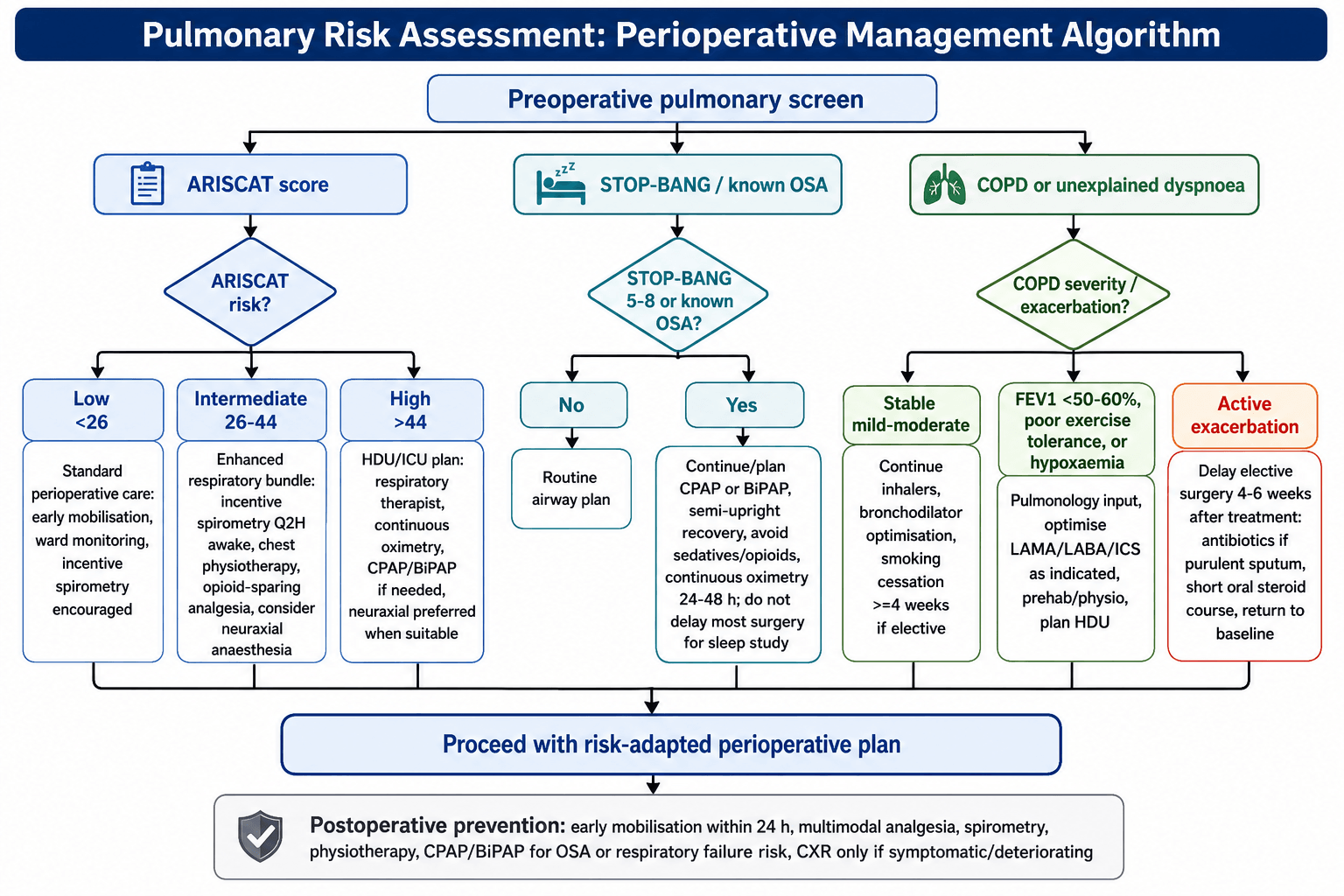
- ARISCAT score predicts postoperative pulmonary complications - seven risk factors including age, SpO2, respiratory infection
- OSA affects 24% of men and 9% of women in the surgical population - a STOP-BANG score of 5-8 is high risk and requires CPAP continuation perioperatively
- Smoking cessation under 4 weeks may worsen outcomes - minimum 4 weeks required for pulmonary benefit
- PFTs rarely change management in asymptomatic patients - reserve for moderate-severe COPD or unexplained dyspnoea
- Neuraxial anaesthesia reduces pulmonary complications by 30% compared to general anaesthesia in lower limb surgery
- “ARISCAT includes: age, SpO2 under 96%, respiratory infection in last month, preoperative anaemia, upper abdominal/thoracic surgery, duration over 2 hours, emergency procedure
- “STOP-BANG: Snoring, Tired, Observed apnoea, Pressure (BP), BMI over 35, Age over 50, Neck over 40cm, Gender male - score 5-8 = high OSA risk
- “FEV1/FVC under 0.70 confirms obstruction; FEV1 under 50% predicted is severe COPD needing optimisation
- “Continue CPAP perioperatively for known OSA - reduces atelectasis and hypoxaemia
Overview and Core Principles
Postoperative pulmonary complications (PPCs) are a leading cause of perioperative morbidity and mortality, particularly in orthopaedic surgery, where patients are often elderly with multiple comorbidities. They include pneumonia, respiratory failure, atelectasis, bronchospasm and pleural effusion.
The cost. PPCs occur after 2-5% of elective orthopaedic procedures and in 10-40% of high-risk patients. They increase 30-day mortality 2-20 fold depending on severity, prolong hospital stay by 5-10 days on average, and cost an additional $20,000-50,000 per episode. They are also largely preventable through systematic risk assessment and optimisation.
The tools. Risk is stratified with:
- ARISCAT - validated PPC prediction, and the most widely used
- Arozullah score - respiratory failure prediction
- STOP-BANG - OSA screening, an 8-item questionnaire
- Gupta MICA - myocardial infarction or cardiac arrest
- Clinical assessment - exercise tolerance is the most predictive
1 MET is resting oxygen consumption, about 3.5 mL/kg/min, and everyday tasks are calibrated against it: 4 METs equates to climbing two flights of stairs, walking up a hill, or walking on the flat at about 6 km/h. A patient who can achieve 4 METs or more without symptoms has good functional capacity and low perioperative (cardiac and pulmonary) risk. Inability to reach 4 METs, or unknown capacity, flags higher risk and prompts closer assessment; this is the same functional cut-off used in the major cardiac-risk perioperative algorithms.
Structured questionnaires such as the Duke Activity Status Index (DASI) translate self-reported activities into METs, and the METS study found subjective/DASI assessment outperformed unstructured clinician judgement. Where objective data are needed for major surgery, cardiopulmonary exercise testing (CPET) measures peak VO2 and the anaerobic threshold; a low anaerobic threshold predicts worse outcomes. Below 4 METs, or when capacity is unknown, escalate with DASI or CPET rather than reflexively ordering spirometry.
Physiology and Core Concepts
Postoperative pulmonary complications arise from a predictable chain of physiological insults. Understanding them explains why each risk factor, and each preventive measure, works.
Reduced functional residual capacity. General anaesthesia, supine positioning and abdominal or thoracic incisions reduce functional residual capacity by 15-20%, promoting alveolar collapse (atelectasis). Atelectatic lung is poorly ventilated but still perfused, which creates shunt and hypoxaemia and leaves a nidus for infection.
Impaired cough and clearance. Pain-related splinting, opioids and residual neuromuscular blockade impair deep breathing and cough. Retained secretions plus atelectasis progress to pneumonia, especially in smokers and COPD patients with baseline mucociliary dysfunction.
Ventilatory depression. Opioids and sedatives blunt central respiratory drive, and OSA adds dynamic upper-airway obstruction. Together they produce hypoventilation, hypercapnia and obstructive hypoxaemia, peaking on postoperative nights 1-3 during REM rebound.
Fixed and modifiable risk. Risk is the product of patient factors (age, COPD, OSA, anaemia, baseline SpO2), procedure factors (site, duration, urgency) and anaesthetic and care factors (technique, opioids, mobilisation). Only the modifiable elements can change the trajectory, hence the focus on optimisation.
Site of surgery. Proximity of the incision to the diaphragm is the single strongest procedural predictor. Upper abdominal and thoracic surgery impair diaphragmatic excursion and carry the highest PPC rates, while peripheral limb surgery, which is most of orthopaedics, is comparatively protected. This is why ARISCAT assigns 15 points to an upper abdominal or thoracic incision, and why neuraxial lower-limb surgery is so favourable.
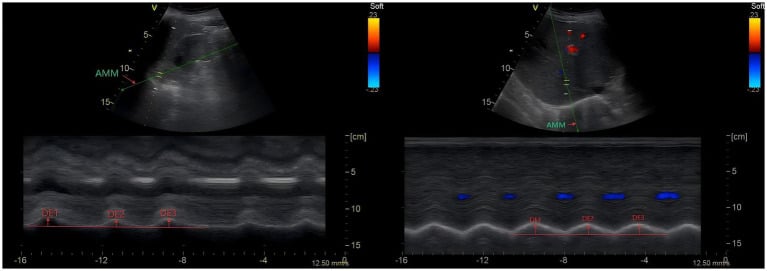
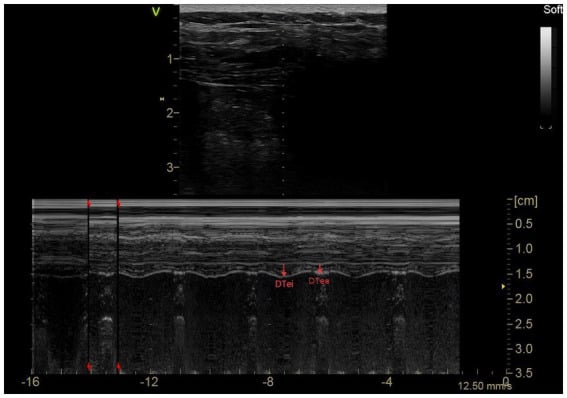
Differential Diagnosis of Postoperative Hypoxaemia
The patient who desaturates or becomes breathless after orthopaedic surgery is a classic viva and ward scenario. Pulmonary complications must be distinguished from cardiac, embolic and mechanical causes, and the management of each differs sharply.
- Typical Timing & Clues
- First 24-48h, low-grade desaturation, basal crackles
- Key Discriminator
- Improves with deep breathing, recruitment and mobilisation
- Initial Action
- Incentive spirometry, physiotherapy, sit up, oxygen
- Typical Timing & Clues
- Day 2 onwards, fever, purulent sputum, focal signs
- Key Discriminator
- New infiltrate on CXR plus systemic sepsis
- Initial Action
- Cultures, empirical antibiotics, physiotherapy
- Typical Timing & Clues
- Any time, sudden dyspnoea, tachycardia, pleuritic pain
- Key Discriminator
- Hypoxaemia with clear CXR; raised D-dimer, CTPA positive
- Initial Action
- Oxygen, anticoagulation, urgent CTPA
- Typical Timing & Clues
- 24-72h after long-bone/pelvic fracture or nailing
- Key Discriminator
- Triad of hypoxaemia, petechiae and confusion
- Initial Action
- Supportive oxygen/ventilation; largely a clinical diagnosis
- Typical Timing & Clues
- Postoperative nights, somnolent, low respiratory rate
- Key Discriminator
- Hypercapnia with obstruction; responds to stimulation/CPAP
- Initial Action
- Reduce opioids, naloxone if severe, CPAP, monitoring
- Typical Timing & Clues
- Often day 1-2, orthopnoea, raised JVP, bilateral crackles
- Key Discriminator
- Cardiomegaly/upper-lobe diversion on CXR; responds to diuresis
- Initial Action
- Sit up, oxygen, diuretics, fluid balance review
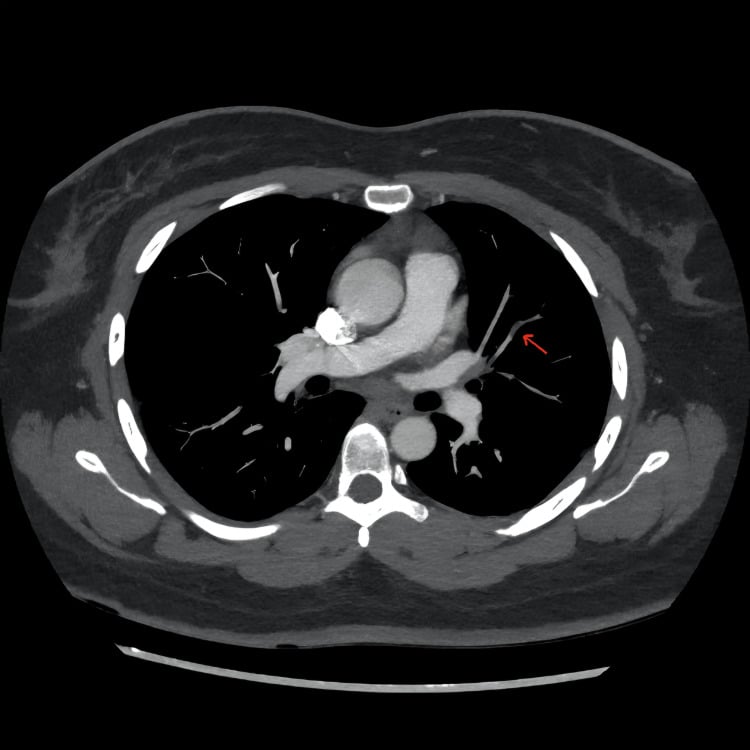
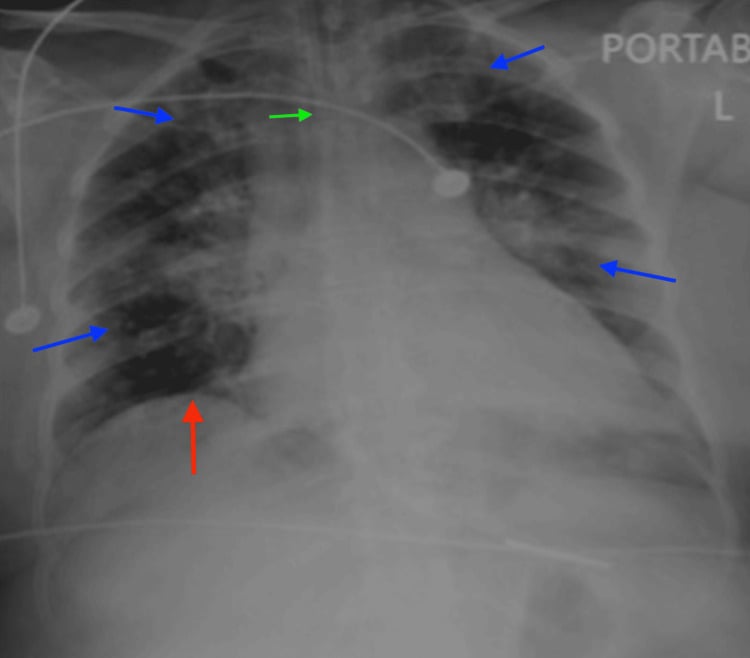
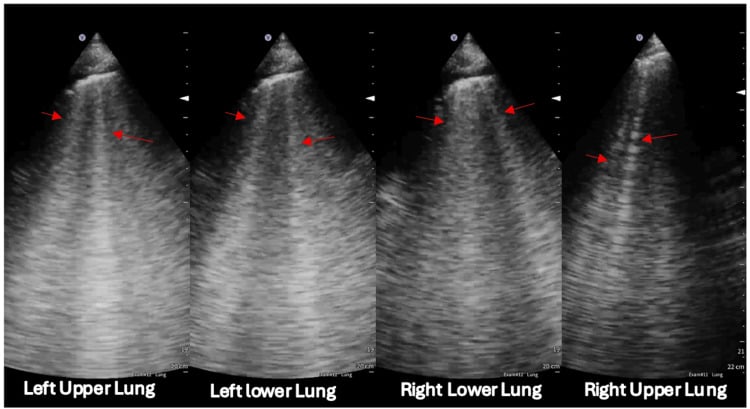
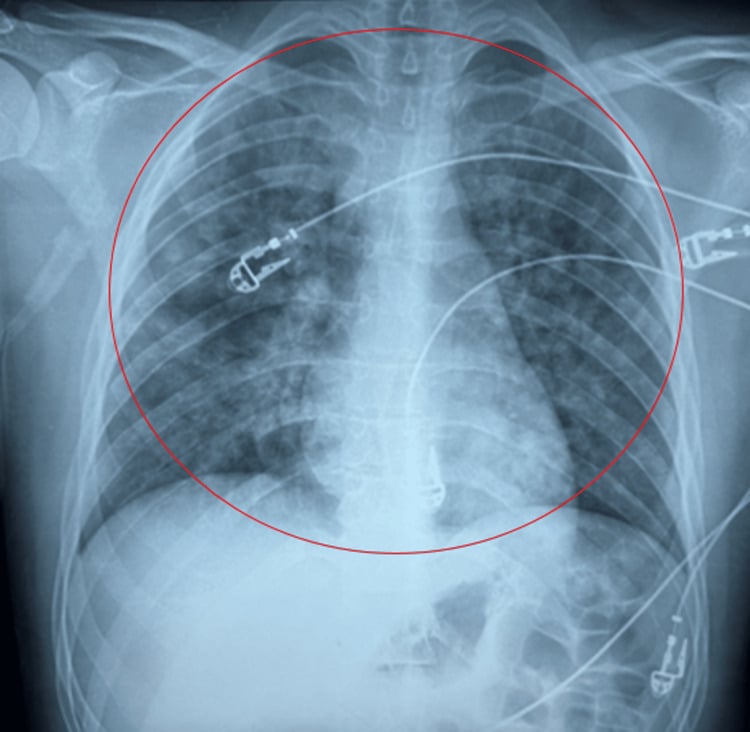
A common trap is to attribute every postoperative desaturation to atelectasis. In an orthopaedic patient, pulmonary embolism and fat embolism are time-critical alternatives: sudden dyspnoea with a clear chest film should prompt urgent evaluation for PE rather than reassurance.
Management Algorithm
Postoperative Pulmonary Complications
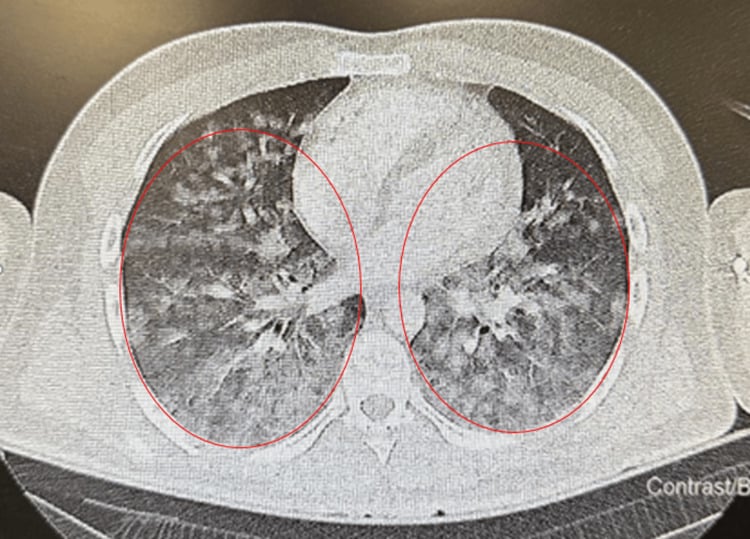
Atelectasis is the most common PPC, alveolar collapse from hypoventilation and secretions. Pneumonia is the most serious, with a 30-day mortality of 20%. Respiratory failure (hypoxaemia requiring reintubation or NIV) is associated with OSA, bronchospasm is an exacerbation of reactive airway disease in COPD or asthma, and pleural effusion is common after upper abdominal or thoracic surgery. Early mobilisation and physiotherapy prevent most of them.
- Incidence
- 10-40% (most common)
- Risk Factors
- Prolonged supine, opioids, obesity, upper abdominal surgery
- Prevention Strategy
- Early mobilisation, incentive spirometry, minimise opioids
- Incidence
- 2-5% elective, 10-20% emergency
- Risk Factors
- Age over 70, COPD, aspiration risk, prolonged intubation
- Prevention Strategy
- Smoking cessation 4 weeks, head-up positioning, oral hygiene
- Incidence
- 1-3% (requires reintubation or NIV)
- Risk Factors
- OSA, obesity, COPD, excessive opioids, prolonged surgery
- Prevention Strategy
- CPAP for OSA, neuraxial anaesthesia, multimodal analgesia
- Incidence
- 2-10% in COPD/asthma
- Risk Factors
- Active asthma, COPD exacerbation, aspiration
- Prevention Strategy
- Optimise bronchodilators pre-op, avoid triggers (cold air, aspiration)
- Incidence
- 5-15% (small effusions common)
- Risk Factors
- Heart failure, hypoalbuminaemia, fluid overload
- Prevention Strategy
- Judicious fluid management, diuresis if CHF, correct albumin
The prevention bundle. Prevention starts weeks before surgery and runs into the ward days.
Prevention Bundle Timeline
Smoking cessation for a minimum of 4 weeks, bronchodilator optimisation in COPD, CPAP compliance in OSA, weight loss if BMI is over 40, and incentive spirometry training. Treat respiratory infections, delaying surgery 4-6 weeks if the infection is acute.
Lung-protective ventilation: tidal volume 6-8 mL/kg ideal body weight, PEEP 5-8 cmH2O, recruitment manoeuvres if atelectasis, FiO2 titrated to SpO2 92-96% to avoid hyperoxia, and minimal airway pressures. Extubate fully awake.
Semi-upright positioning (30-45 degrees), supplemental oxygen to SpO2 over 92%, CPAP if OSA or respiratory depression, early incentive spirometry and multimodal analgesia to minimise opioids. Monitor respiratory rate and effort.
Incentive spirometry, 10 breaths every 2 hours while awake; out of bed within 24 hours; physiotherapy twice daily; regional blocks in preference to opioids. Continuous pulse oximetry if high risk, and a chest radiograph only if symptomatic.
Postoperative pneumonia has 20-30% mortality in elderly orthopaedic patients, so prevention is critical:
- Smoking cessation 4 or more weeks before surgery reduces pneumonia by 50%
- Head-up positioning at 30 degrees reduces aspiration
- Early mobilisation improves secretion clearance
- Incentive spirometry prevents atelectasis
- Oral hygiene with chlorhexidine mouthwash reduces bacterial load
If pneumonia develops, give prompt empirical antibiotics per local antimicrobial guidelines and respiratory physiotherapy, and consider bronchoscopy if there is lobar collapse.
A patient who is hypoventilating retains CO2 and moves toward apnoea long before SpO2 falls, and supplemental oxygen keeps the SpO2 reassuringly normal even while the patient is dangerously hypercapnic and obstructing. By the time the saturation drops, the patient may be near respiratory arrest. This is exactly the opioid-plus-OSA scenario that kills in the postoperative nights.
Capnography (end-tidal or transcutaneous CO2) detects hypoventilation, apnoea and airway obstruction earlier than oximetry because it measures ventilation directly rather than oxygenation. Continuous capnography is increasingly recommended for monitored patients on parenteral opioids, particularly high-risk OSA patients receiving supplemental oxygen.
Do not be falsely reassured by a normal SpO2 on oxygen in a somnolent OSA patient: assess respiratory rate, sedation level and CO2, minimise opioids, and use capnography where available. Room-air oximetry trends are worth considering too, since they unmask desaturation that supplemental oxygen conceals.
Anaesthetic Technique Considerations
Neuraxial anaesthesia reduces pulmonary complications by 30% compared with general anaesthesia in lower-limb surgery.
- PPC Risk
- Baseline (reference)
- Advantages
- 30% PPC reduction, preserved airway reflexes, early mobilisation, less opioids
- Disadvantages
- Sympathetic block (hypotension), limited to lower limb/hip, anticoagulation concerns
- PPC Risk
- 1.3x higher PPC
- Advantages
- Suitable for any surgery, airway control, no anticoagulation issues
- Disadvantages
- Atelectasis, ventilator dependence, opioids, delayed mobilisation
- PPC Risk
- Similar to neuraxial
- Advantages
- Optimal surgical conditions, reduced GA depth, multimodal analgesia
- Disadvantages
- Complexity, time, requires both skill sets
Choosing the technique. Prefer neuraxial anaesthesia for:
- High pulmonary risk (ARISCAT over 44)
- Severe OSA (STOP-BANG 7-8)
- Severe COPD (FEV1 under 50%)
- Lower-limb surgery (TKA, THA, femoral fracture)
- Obesity (BMI over 40)
- Patient preference for awake surgery
General anaesthesia is needed for:
- Upper limb or spine surgery, which is not amenable to neuraxial
- Patient refusal of neuraxial
- Anticoagulation preventing neuraxial (recent DOAC or LMWH)
- Haemodynamic instability (severe AS, dehydration)
- Infection at the injection site
- Coagulopathy or platelets under 70
Four mechanisms:
- Preserved airway reflexes and spontaneous ventilation, with no intubation trauma and no positive-pressure atelectasis
- Superior analgesia, which reduces splinting and allows deep breathing and cough
- Reduced opioid requirements, which minimise respiratory depression
- Earlier mobilisation, which improves secretion clearance
The Cochrane overview by Guay et al. (2014) found neuraxial blockade reduced pneumonia (RR 0.45) and 0-30 day mortality (RR 0.71) compared with general anaesthesia.
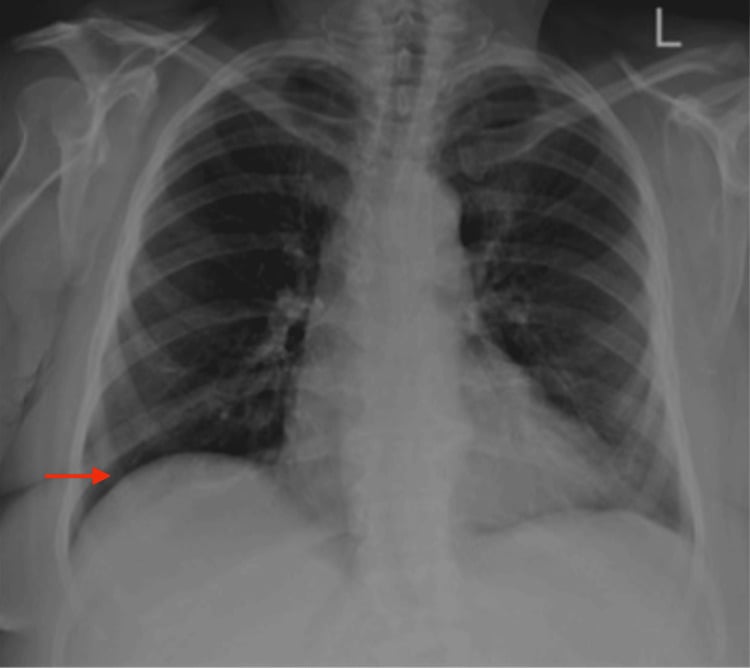
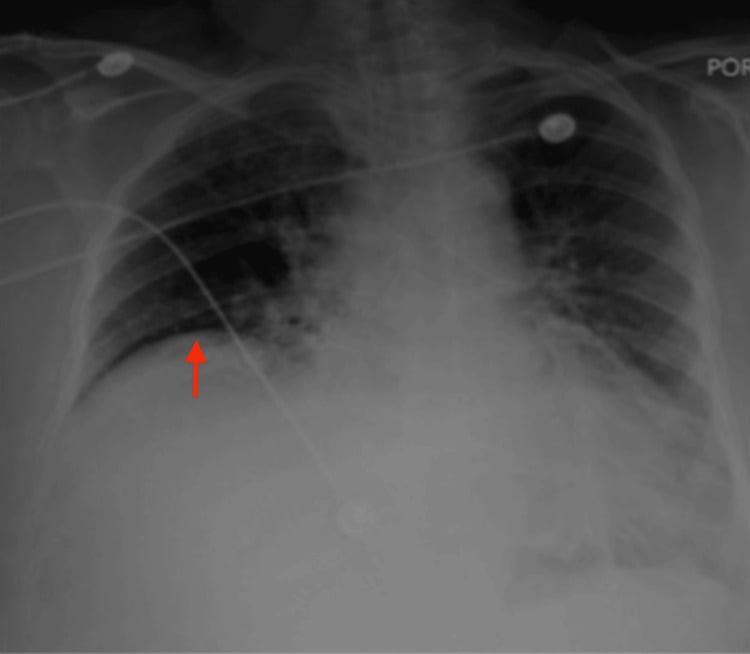
Clinical Relevance
Orthopaedic populations are increasingly elderly, obese and comorbid, exactly the profile that drives pulmonary risk. Assessment exists to identify the high-risk patients who need enhanced monitoring and intervention, to optimise modifiable risk factors before surgery, to guide the choice between neuraxial and general anaesthesia, and to decide between ward and HDU/ICU care afterwards.
Where it changes management. A structured, low-cost assessment alters four decisions:
- Level of monitoring. A high ARISCAT or high STOP-BANG score moves a patient from the ward to HDU or continuous oximetry, where early respiratory deterioration is caught before arrest.
- Anaesthetic technique. Lower-limb arthroplasty and hip-fracture surgery are amenable to neuraxial anaesthesia, which reduces pneumonia and 30-day mortality and is especially valuable in COPD and OSA.
- Timing of elective surgery. An active respiratory infection or COPD exacerbation is a reason to defer, and deferral is one of the highest-yield interventions available.
- Analgesic strategy. Identifying OSA mandates an opioid-sparing, multimodal and regional plan, directly reducing the most lethal complication, respiratory depression.
Hip-fracture patients combine the worst of both worlds: high baseline pulmonary risk and an emergency procedure that cannot be deferred for prolonged optimisation. The answer is rapid, parallel optimisation within 24-48 hours rather than delay (correct anaemia, optimise bronchodilators, plan neuraxial anaesthesia and HDU monitoring), so that surgery proceeds promptly while pulmonary risk is actively mitigated.
ARISCAT Risk Score
The Assess Respiratory Risk in Surgical Patients in Catalonia (ARISCAT) score is the most validated tool for predicting postoperative pulmonary complications. It was developed from a multicentre cohort of 2,464 patients undergoing noncardiac surgery and identifies seven independent risk factors.
- Category
- Under 50 / 50-80 / Over 80
- Points
- 0 / 3 / 16
- Rationale
- Decreased respiratory reserve, comorbidities
- Category
- Over 96% / 91-95% / Under 90%
- Points
- 0 / 8 / 24
- Rationale
- Baseline hypoxaemia indicates lung disease
- Category
- No / Yes
- Points
- 0 / 17
- Rationale
- Residual inflammation and secretions
- Category
- Hb over 100 / Hb under 100 g/L
- Points
- 0 / 11
- Rationale
- Impaired oxygen delivery to tissues
- Category
- Peripheral / Upper abdominal or thoracic
- Points
- 0 / 15
- Rationale
- Proximity to diaphragm impairs ventilation
- Category
- Under 2h / 2-3h / Over 3h
- Points
- 0 / 16 / 23
- Rationale
- Prolonged anaesthesia and atelectasis
- Category
- No / Yes
- Points
- 0 / 8
- Rationale
- No time for optimisation
Stratification. The total places the patient in one of three bands, each with its own PPC rate and level of care.
ARISCAT Risk Stratification
Standard perioperative care with early mobilisation and routine physiotherapy. Incentive spirometry is encouraged but not mandatory, and ward-level monitoring is sufficient.
An enhanced respiratory care bundle: mandatory incentive spirometry every 2 hours while awake, chest physiotherapy twice daily and aggressive early mobilisation. Consider neuraxial anaesthesia if appropriate, extend monitoring (telemetry) and avoid excessive opioids.
Plan an HDU or ICU bed and involve a respiratory therapist. Consider neuraxial versus general anaesthesia, use CPAP/BiPAP if there is OSA or a risk of respiratory failure, and minimise opioids with multimodal analgesia. Daily chest radiographs if deteriorating, and a low threshold for respiratory support.
Validation. ARISCAT was derived and validated within the 2,464-patient cohort, split into development and validation subsamples, with excellent discrimination: area under the ROC curve 90% in development and 88% in validation. It predicts respiratory infection, respiratory failure, bronchospasm, atelectasis, pleural effusion, pneumothorax and aspiration pneumonitis.
ARISCAT was developed for a broad surgical population and may overestimate risk in peripheral orthopaedic procedures (TKA, THA). It does not include OSA or COPD severity. Clinical judgement remains essential: the score guides assessment but does not replace it.
Obstructive Sleep Apnoea Assessment
Obstructive sleep apnoea (OSA) affects 24% of men and 9% of women in the surgical population, and 80-90% are undiagnosed. Untreated OSA increases perioperative complications, including respiratory failure (2-3x risk), cardiac events and ICU admission, and undiagnosed OSA is a major cause of postoperative respiratory failure. The STOP-BANG questionnaire is the validated screening tool.
The questionnaire. Eight questions, one point for each yes, for a total of 0-8:
- Snoring - do you snore loudly (louder than talking, or heard through a closed door)?
- Tired - do you often feel tired, fatigued or sleepy during the daytime?
- Observed apnoea - has anyone observed you stop breathing during sleep?
- Pressure - do you have, or are you being treated for, high blood pressure?
- BMI - is your BMI greater than 35 kg/m2?
- Age - are you older than 50 years?
- Neck - is your neck circumference greater than 40 cm, measured at the cricothyroid level?
- Gender - are you male? Men carry twice the risk of OSA of women.
In the derivation study its sensitivity was 84%, 93% and 100% for an AHI over 5, over 15 and over 30.
- OSA Risk
- Low risk
- Perioperative Management
- Standard care, monitor O2 saturation 24h
- OSA Risk
- Intermediate risk
- Perioperative Management
- Extended monitoring, avoid opioids, semi-upright positioning
- OSA Risk
- High risk
- Perioperative Management
- Continue CPAP, consider autotitration, neuraxial preferred, HDU/ICU if general
Do not delay elective surgery for a sleep study when a patient screens positive but has no known OSA: proceed with empirical CPAP/BiPAP in PACU and postoperatively. A sleep study takes 4-12 weeks and rarely changes perioperative management. The exception is the patient with severe cardiopulmonary disease, in whom the diagnosis changes surgical candidacy.
The perioperative pathway. OSA care runs from 2-4 weeks before surgery to 72 hours after it.
OSA Management Timeline
For known OSA, ensure CPAP compliance (download the machine data if available), target more than 4 hours a night, and optimise comorbidities such as hypertension and diabetes. For a new high-risk screen (STOP-BANG 5-8), counsel the patient, plan perioperative CPAP/BiPAP and consider a sleep medicine consult for severe symptoms.
The patient brings their own CPAP machine (the hospital has compatible masks and tubing) and its settings (pressure, mode, humidification) are documented. Anaesthesia is aware of the OSA, with neuraxial preferred if suitable. Avoid benzodiazepine premedication, which depresses respiration, and plan regional analgesia to minimise opioids.
Neuraxial anaesthesia is preferred. If general anaesthesia is required, use short-acting agents, avoid long-acting opioids and give multimodal analgesia (paracetamol, NSAIDs, local blocks). Extubate fully awake in a semi-upright position, and avoid deep sedation in PACU.
Start CPAP in PACU if there is any respiratory depression. Continuous pulse oximetry for 24-48 hours, because OSA patients desaturate in sleep; semi-upright positioning at 45 degrees; avoid opioids and use regional techniques. HDU if high risk: STOP-BANG 7-8, severe obesity or cardiac disease.
OSA patients have a 3-fold increased risk of opioid-induced respiratory depression. Prioritise multimodal analgesia: paracetamol, NSAIDs, peripheral nerve blocks and local infiltration. If opioids are essential, use the lowest effective dose with extended monitoring by continuous pulse oximetry.
The payoff. This pathway reduces OSA-related respiratory complications from 20% to under 5%.
COPD Optimisation
Chronic obstructive pulmonary disease (COPD) affects 10-15% of patients over 65 undergoing orthopaedic surgery. It increases postoperative pulmonary complications 2-5 fold, particularly pneumonia and respiratory failure, and its severity guides optimisation.
- FEV1 % Predicted
- FEV1 over 80%
- FEV1/FVC
- Under 0.70
- Perioperative Implications
- Low risk - standard care, smoking cessation
- FEV1 % Predicted
- FEV1 50-79%
- FEV1/FVC
- Under 0.70
- Perioperative Implications
- Optimise bronchodilators, consider ICS, physiotherapy
- FEV1 % Predicted
- FEV1 30-49%
- FEV1/FVC
- Under 0.70
- Perioperative Implications
- High risk - pulmonology consult, aggressive optimisation, HDU plan
- FEV1 % Predicted
- FEV1 under 30%
- FEV1/FVC
- Under 0.70
- Perioperative Implications
- Very high risk - consider candidacy, ICU plan, respiratory support
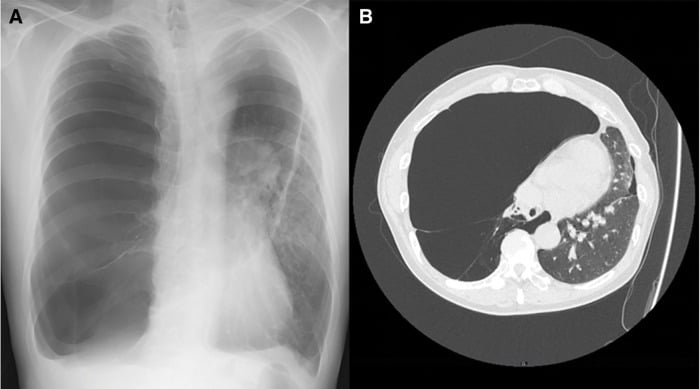
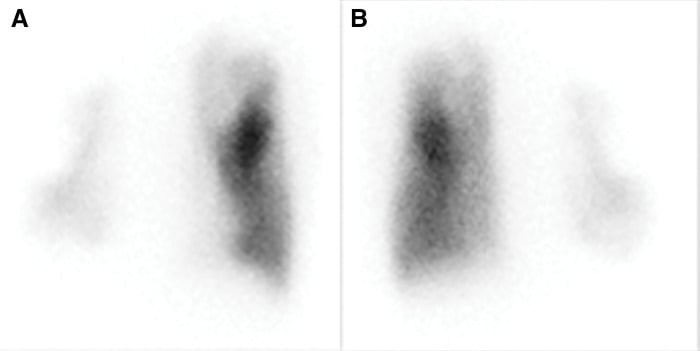
Bronchodilators. Ensure adequate bronchodilation, starting 4-6 weeks before surgery for maximal benefit:
- Short-acting salbutamol as required, as the rescue inhaler
- Long-acting tiotropium (LAMA) daily if FEV1 is under 60%
- A LABA/LAMA combination if symptomatic despite a single agent
- Verify inhaler technique; incorrect use is a common error
Inhaled corticosteroids. Add ICS for frequent exacerbations: they are indicated if FEV1 is under 60% and there are 2 or more exacerbations a year. ICS reduce inflammation and exacerbation frequency but are not indicated for stable COPD without exacerbations. They are given as a LABA/ICS combination (for example fluticasone/salmeterol) and continued through the perioperative period.
Smoking cessation. A minimum of 4 weeks is essential: mucociliary clearance has improved by 4 weeks and pulmonary benefit is maximal at 8 weeks. Offer nicotine replacement or varenicline plus structured counselling, and document the pack-year history.
Stopping late. Cessation under 4 weeks may worsen sputum production, and the classic teaching is that it may paradoxically worsen outcomes through increased secretions. That concern rests largely on older observational data, and several subsequent analyses have not confirmed early harm. The pragmatic consensus is that any cessation is beneficial and should always be encouraged, with the largest complication benefit from cessation 4 or more weeks before surgery.
Pulmonary rehabilitation. Physiotherapy begins before surgery and continues daily afterwards:
- Incentive spirometry training, started preoperatively
- Breathing exercises and pursed-lip breathing
- Ambulation and building exercise tolerance
- Secretion clearance techniques
Delay elective surgery 4-6 weeks after a COPD exacerbation. An active exacerbation dramatically increases PPC risk (pneumonia 10-20%, respiratory failure 5-10%). Treat with antibiotics if the sputum is purulent, oral prednisolone 30-40 mg daily for 5-7 days and increased bronchodilators, and confirm return to baseline symptoms and spirometry before proceeding. Active infection or poorly controlled disease is likewise a reason to delay.
The payoff. This optimisation protocol reduces postoperative pulmonary complications in COPD patients by 40-50%.
Pulmonary function tests. PFTs rarely change management in elective orthopaedics unless disease is severe, and spirometry rarely reclassifies risk in a patient with good exercise tolerance, so they are not a routine screen. The indications are:
- Known moderate-severe COPD without recent spirometry (over 6 months old), to assess current status
- Unexplained dyspnoea disproportionate to comorbidities, to diagnose underlying lung disease
- Smoking history over 40 pack-years with symptoms (cough, sputum, wheeze), to screen for COPD
- High ARISCAT score with unclear aetiology, to identify modifiable factors
- Planned lung resection, to assess candidacy (not applicable to orthopaedics)
Do not order them for asymptomatic patients with good exercise tolerance (able to climb 2 flights), for known COPD with recent spirometry on optimal therapy, or for low-risk peripheral orthopaedic surgery in healthy patients.
- Normal
- Over 80%
- Mild-Moderate
- 50-80%
- Severe - High Risk
- Under 50%
- Normal
- Over 0.70
- Mild-Moderate
- 0.60-0.70
- Severe - High Risk
- Under 0.60
- Normal
- Low risk - proceed
- Mild-Moderate
- Optimise therapy, physiotherapy
- Severe - High Risk
- Pulmonology consult, HDU plan
PFTs do not predict individual patient risk accurately. Exercise tolerance (climbing stairs, walking blocks) and symptoms predict postoperative pulmonary complications better than spirometry: a patient with FEV1 60% who climbs 3 flights without dyspnoea is at lower risk than a patient with FEV1 75% who cannot climb 1 flight. Clinical assessment is the primary tool and PFTs an adjunct.
Guidelines, Registries & Global Practice
Global Epidemiology
Postoperative pulmonary complications are among the most common serious perioperative events worldwide, affecting roughly 2-5% of unselected surgical patients and a higher proportion of elderly and high-risk patients. OSA is estimated to affect up to a quarter of men and around 10% of women in the surgical population, the large majority undiagnosed at the time of surgery. COPD prevalence rises sharply with age and smoking exposure and is a leading global cause of morbidity, with substantial regional variation driven by tobacco use, biomass-fuel exposure and air quality.
Side-by-side Society Guidance
- OSA Screening
- Screen all patients (e.g. STOP-BANG); proceed without mandatory polysomnography if a perioperative plan is in place
- Smoking Cessation
- Advise cessation; offer pharmacotherapy and counselling
- Key Position
- Emphasise opioid-sparing analgesia and postoperative monitoring for suspected OSA
- OSA Screening
- Identify and optimise OSA; GOLD guides COPD severity and inhaled therapy
- Smoking Cessation
- Very brief advice plus pharmacotherapy at every contact (NICE)
- Key Position
- Optimise inhaled therapy and treat exacerbations before elective surgery
- OSA Screening
- Use validated tools (ARISCAT) for PPC risk; targeted OSA screening
- Smoking Cessation
- Recommend cessation 4 or more weeks preoperatively
- Key Position
- Lung-protective ventilation and risk-adapted postoperative care
- OSA Screening
- Clinical screening where polysomnography unavailable
- Smoking Cessation
- Brief cessation advice; nicotine replacement where accessible
- Key Position
- Prioritise pulse oximetry, early mobilisation and physiotherapy as low-cost measures
Registry and Surveillance Signals
- Large national surgical-quality registries (e.g. ACS NSQIP in the US and equivalent audit programmes in Europe) consistently identify pneumonia and unplanned reintubation as high-impact, partly preventable pulmonary complications, and are used to benchmark institutional performance.
- Surgical-quality collaboratives have shown that untreated OSA, rather than OSA per se, drives excess cardiopulmonary events - supporting screening that leads to actual CPAP treatment.
High- vs Limited-resource Practice Variation
- High-resource settings: routine STOP-BANG screening, ready access to CPAP/BiPAP, HDU/ICU step-up beds, formal smoking-cessation services and inhaled COPD therapy, continuous postoperative pulse oximetry.
- Limited-resource settings: emphasis on low-cost, high-yield interventions - clinical risk screening, smoking-cessation advice, incentive spirometry, chest physiotherapy, early mobilisation, head-up positioning, and pulse oximetry (a WHO-prioritised safety standard). Neuraxial anaesthesia is often preferred for lower-limb surgery where it both reduces pulmonary risk and conserves scarce ventilatory and critical-care resources.
Documentation Principles (Global)
- Record the pulmonary risk assessment (ARISCAT, STOP-BANG, COPD severity) in the preoperative note.
- Ensure informed consent reflects patient-specific pulmonary complication risk.
- Document any patient declining optimisation (smoking cessation, CPAP) and the risks discussed - unrecognised OSA and failure to optimise COPD are recurrent themes in adverse-event reviews internationally.
Controversies & Areas of Uncertainty
Mandatory sleep studies. Whether a positive STOP-BANG screen should trigger formal polysomnography before elective surgery remains debated. Most perioperative guidance favours proceeding with an empirical OSA-precautions pathway rather than delaying surgery, reserving sleep studies for selected high-risk or symptomatic patients.
Strength of the neuraxial benefit. The pulmonary advantage of neuraxial over general anaesthesia is consistent for pneumonia, but its magnitude varies between meta-analyses, and many constituent trials predate modern enhanced recovery and lung-protective ventilation. The benefit is clearest in high-risk, lower-limb surgery.
MCQ Practice Points
Q: What ARISCAT score indicates high risk for postoperative pulmonary complications? A: Score greater than 44 indicates high risk with 42% predicted complication rate. Requires enhanced respiratory care including HDU monitoring, physiotherapy, incentive spirometry, and consideration of neuraxial vs general anesthesia.
Q: A patient scores 6 on STOP-BANG questionnaire. What is the appropriate management? A: High OSA risk (score 5-8) requires empiric perioperative CPAP, continuous pulse oximetry 24-48 hours, avoid opioids, neuraxial anesthesia preferred. Do NOT delay surgery for sleep study in most cases.
Q: What is the minimum smoking cessation duration to reduce postoperative pulmonary complications? A: 4 weeks minimum. Cessation under 4 weeks may paradoxically increase complications due to increased sputum production. Optimal benefit at 8 weeks (50-60% reduction).
Q: When are PFTs indicated before elective orthopaedic surgery? A: Moderate-severe COPD without recent spirometry, unexplained dyspnea, or smoking over 40 pack-years with symptoms. NOT indicated routinely - exercise tolerance is more predictive than spirometry.
Exam Viva Scenarios
Practise clinical reasoning and management decisions out loud
“72-year-old male for urgent hip fracture fixation. COPD (FEV1 45%), SpO2 93% on room air, smoker 60 pack-years, Hb 95 g/L. Calculate ARISCAT score and discuss perioperative pulmonary management.”
“58-year-old obese male (BMI 42) for elective TKA. Wife reports loud snoring and witnessed apneas. STOP-BANG score 7. No sleep study. How do you proceed?”
“65-year-old female for elective THA. Known COPD, current smoker 40 pack-years. Recent PFTs: FEV1 48% predicted, FEV1/FVC 0.58. On salbutamol PRN only. Surgery in 6 weeks. Your optimization plan?”
ARISCAT Score (7 Predictors)
- Age: under 50 (0), 50-80 (3), over 80 (16 points)
- SpO2: over 96% (0), 91-95% (8), under 90% (24 points)
- Respiratory infection last month (17 points)
- Anemia Hb under 100 g/L (11 points)
- Upper abdominal/thoracic surgery (15 points)
- Duration 2-3h (16), over 3h (23 points)
- Emergency procedure (8 points)
- Score: under 26 low (1.6%), 26-44 intermediate (13.3%), over 44 high risk (42.1%)
STOP-BANG for OSA
- Snoring, Tired, Observed apnea, Pressure (HTN), BMI over 35, Age over 50, Neck over 40cm, Gender male
- Score 0-2 = low risk, 3-4 = intermediate, 5-8 = high OSA risk
- High risk: continue CPAP periop, avoid opioids, neuraxial preferred, HDU monitoring
- Do NOT delay surgery for sleep study - empiric CPAP treatment
COPD Optimization (4-6 Weeks)
- Smoking cessation minimum 4 weeks (50% PPC reduction at 8 weeks)
- Bronchodilators: LAMA (tiotropium) if FEV1 under 60%
- ICS: add if FEV1 under 60% AND 2+ exacerbations/year
- Delay surgery 4-6 weeks after acute exacerbation
- Physiotherapy: incentive spirometry, breathing exercises
- FEV1 under 50% = severe COPD, high risk, HDU planning
PFT Indications
- Moderate-severe COPD without recent spirometry (over 6 months old)
- Unexplained dyspnea disproportionate to comorbidities
- Smoking over 40 pack-years with symptoms (cough, sputum, wheeze)
- Do NOT order routinely - exercise tolerance more predictive
- Obstruction: FEV1/FVC under 0.70 confirms COPD
Postoperative PPC Prevention
- Incentive spirometry 10 breaths Q2H while awake
- Early mobilization - out of bed within 24 hours
- Physiotherapy twice daily for secretion clearance
- Multimodal analgesia - minimize opioids (regional blocks)
- Semiupright positioning 30-45 degrees (reduces aspiration)
- CPAP/BiPAP for OSA or respiratory failure risk
Evidence Base and Key Trials
ARISCAT Score Derivation and Validation (Canet)
- Prospective multicentre cohort of 2,464 patients in 59 hospitals, randomly split into development and validation subsamples
- A postoperative pulmonary complication occurred in 123 patients (5%); 30-day mortality was 19.5% with a PPC versus 0.5% without
- Seven independent predictors: low SpO2, recent respiratory infection, age, anaemia, upper abdominal/thoracic incision, surgery 2 hours or more, and emergency surgery
- Excellent discrimination - area under the ROC curve 90% (development) and 88% (validation)
STOP / STOP-BANG Derivation for OSA Screening (Chung)
- Developed and validated in 2,467 preoperative surgical patients without previously diagnosed OSA; 211 underwent polysomnography
- The 4-item STOP questionnaire alone had sensitivities of 66% / 74% / 80% for AHI over 5, over 15, and over 30
- Adding BMI, age, neck circumference and gender (STOP-BANG) raised sensitivity to 84% / 93% / 100% for the same AHI thresholds
- High sensitivity for moderate-to-severe OSA makes it an effective preoperative screen with a low false-negative rate
STOP-BANG Meta-analysis Across Populations (Nagappa)
- Systematic review and meta-analysis of 17 studies including 9,206 patients across sleep-clinic, surgical and general populations
- In the surgical population the probability of severe OSA rose stepwise with score: 15% at 3, 25% at 4, 35% at 5, 45% at 6 and 65% at 7-8
- In sleep-clinic patients sensitivity was 90% / 94% / 96% for any / moderate-to-severe / severe OSA
- Higher STOP-BANG score reliably increases the probability of moderate-to-severe OSA, supporting graded risk stratification
High-risk OSA and Postoperative Complications (Nagappa)
- Bayesian meta-analysis of 10 cohort studies including 23,609 surgical patients screened with STOP-BANG
- High-risk OSA carried roughly four-fold higher perioperative complications (odds ratio 3.93, 95% credible interval 1.85-7.77)
- Postoperative complication rate 6.86% in high-risk versus 4.62% in low-risk OSA patients
- Length of stay was about 2 days longer in high-risk OSA patients