Polyarteritis Nodosa / GPA - Orthopaedic Relevance
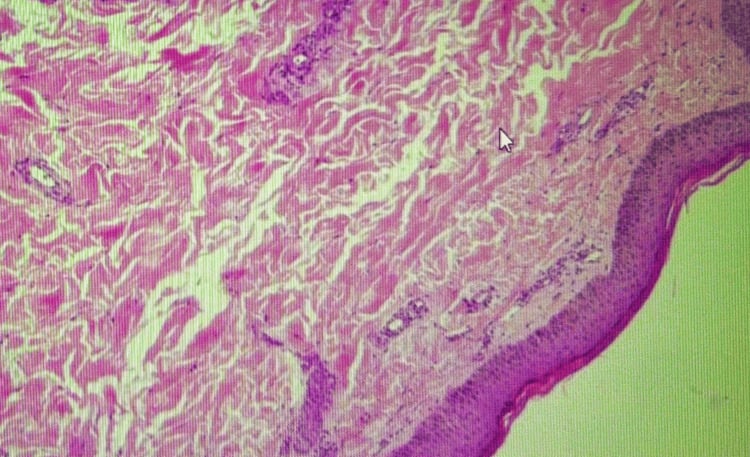
- The systemic VASCULITIDES are rare, multi-organ INFLAMMATORY disorders of BLOOD VESSELS, classified by the SIZE of the vessel involved (Chapel Hill): LARGE-vessel (giant-cell/temporal arteritis, Takayasu), MEDIUM-vessel (POLYARTERITIS NODOSA, Kawasaki), and SMALL-vessel (the ANCA-associated vasculitides - GPA, microscopic polyangiitis, EGPA - and immune-complex types) - examples such as Takayasu (large), polyarteritis nodosa (medium) and lupus/drug-induced (small) each show distinct imaging features.
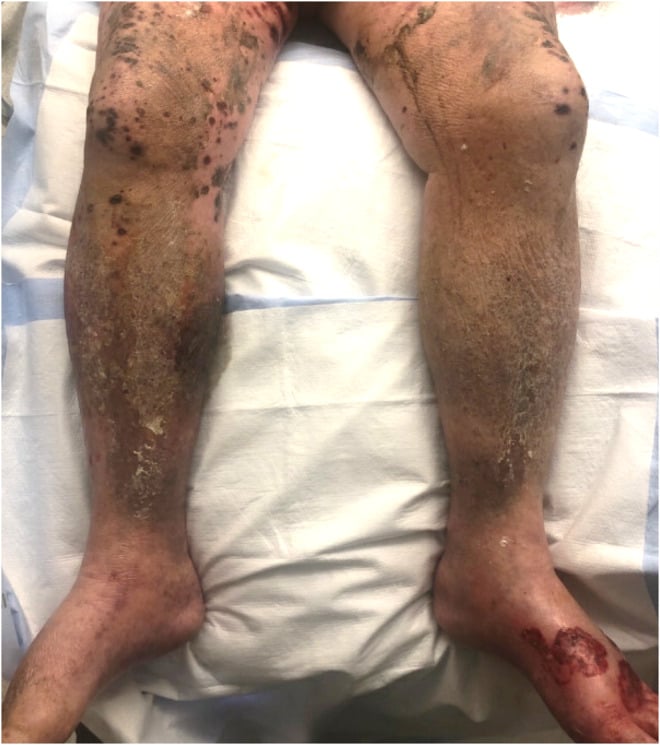
- POLYARTERITIS NODOSA (PAN) is a necrotising MEDIUM-vessel arteritis that forms ANEURYSMS (a beaded/'rosary' appearance on angiography) and causes skin lesions (nodules, livedo reticularis, ulcers), MONONEURITIS MULTIPLEX, renal, gastrointestinal and limb ISCHAEMIA; it characteristically SPARES the lungs and is usually ANCA-NEGATIVE (and may be hepatitis-B-associated).
- GRANULOMATOSIS WITH POLYANGIITIS (GPA, formerly Wegener's) is a small-vessel ANCA-associated vasculitis with the classic triad of upper-airway/ENT, lung and kidney involvement (c-ANCA/anti-PR3), alongside microscopic polyangiitis (p-ANCA/anti-MPO) and eosinophilic GPA (asthma, eosinophilia) - these are the small-vessel diseases to recognise.
- The MUSCULOSKELETAL manifestations are common but usually non-specific: ARTHRALGIA and MYALGIA and a usually NON-EROSIVE inflammatory ARTHRITIS, plus constitutional symptoms (fever, weight loss, malaise) and raised inflammatory markers - so a vasculitis can present with limb/joint symptoms before its organ-specific features.
- The ORTHOPAEDICALLY DANGEROUS manifestations are vascular and neural: LIMB and DIGITAL ISCHAEMIA progressing to GANGRENE, and MONONEURITIS MULTIPLEX (a vasculitic neuropathy causing, for example, foot drop or wrist drop) - these can be mistaken for primary peripheral vascular disease, an entrapment neuropathy or a compartment/orthopaedic problem, and the error of treating the limb without recognising the vasculitis leads to ongoing tissue loss.
- The KEY PRINCIPLE is that recognition leads to URGENT IMMUNOSUPPRESSION, not surgery alone: systemic vasculitis is treated with CORTICOSTEROIDS plus CYCLOPHOSPHAMIDE or RITUXIMAB for induction (with maintenance immunosuppression), addressing any trigger (e.g. hepatitis B in PAN); surgical management of ischaemic tissue/gangrene or nerve palsy must occur ALONGSIDE controlling the underlying disease. Note that this is a reasoned PRINCIPLE rather than a measured finding - no study has compared surgery with versus without concurrent immunosuppression, and no amputation rate or nerve-recovery rate has been published for vasculitic limb disease.
- KNOW THE INDUCTION NUMBERS. In the RAVE trial (197 randomised patients, double-blind), remission off prednisone at 6 months was achieved by 64% on RITUXIMAB versus 53% on CYCLOPHOSPHAMIDE - non-inferior (P less than 0.001) - and rituximab was SUPERIOR in RELAPSING disease (67% versus 42%, P = 0.01), with equal efficacy in major renal disease and alveolar haemorrhage. Crucially there was NO significant difference in adverse events, so 'rituximab is safer' overstates it: choose it for relapsing disease and to avoid cyclophosphamide's gonadotoxicity.
- “Classify vasculitis by VESSEL SIZE: large (GCA/Takayasu), medium (PAN, Kawasaki), small/ANCA (GPA c-ANCA/PR3, MPA p-ANCA/MPO, EGPA). PAN = aneurysms, spares lungs, usually ANCA-negative (HBV link).
- “MSK = arthralgia/myalgia + usually NON-EROSIVE arthritis + constitutional symptoms. DANGER = digital/limb ischaemia/gangrene and MONONEURITIS MULTIPLEX (foot/wrist drop) - can mimic primary orthopaedic/vascular disease.
- “Recognition → URGENT immunosuppression (steroids + cyclophosphamide/rituximab). Surgery on ischaemic tissue/nerve must go WITH treating the vasculitis - a reasoned principle, though no study has compared surgery with versus without immunosuppression.
- “RAVE (n = 197): remission off prednisone at 6 months 64% rituximab vs 53% cyclophosphamide (non-inferior); SUPERIOR in relapsing disease 67% vs 42% (P = 0.01); NO significant difference in adverse events - so prefer rituximab for relapsing disease and fertility, not on a proven safety edge.
Digital/limb gangrene or a foot/wrist drop (mononeuritis multiplex) can be misread as peripheral vascular disease, an entrapment neuropathy or a compartment/orthopaedic problem - while the underlying vasculitis goes untreated.
Recognise the systemic picture (constitutional symptoms, multi-organ involvement, raised inflammatory markers, ANCA) and start urgent immunosuppression - surgery on the ischaemic limb must go with disease control.
Classification & Key Diseases
The vasculitides are classified by vessel size: large (giant-cell/temporal arteritis, Takayasu), medium (polyarteritis nodosa, Kawasaki) and small (the ANCA-associated vasculitides - GPA, microscopic polyangiitis, EGPA). PAN is a necrotising medium-vessel arteritis with aneurysms, causing skin, nerve (mononeuritis multiplex), renal, GI and limb ischaemia, sparing the lungs and usually ANCA-negative (HBV-associated). GPA (c-ANCA/PR3) gives the ENT-lung-kidney triad, with microscopic polyangiitis (p-ANCA/MPO) and eosinophilic GPA (asthma/eosinophilia) completing the small-vessel group.
- Examples
- Giant-cell (temporal) arteritis, Takayasu
- MSK / limb relevance
- Polymyalgia rheumatica overlap; limb claudication (Takayasu)
- Examples
- Polyarteritis nodosa, Kawasaki
- MSK / limb relevance
- Myalgia, mononeuritis multiplex, digital/limb ischaemia & gangrene
- Examples
- GPA, microscopic polyangiitis, EGPA
- MSK / limb relevance
- Arthralgia/arthritis, mononeuritis multiplex, digital ischaemia
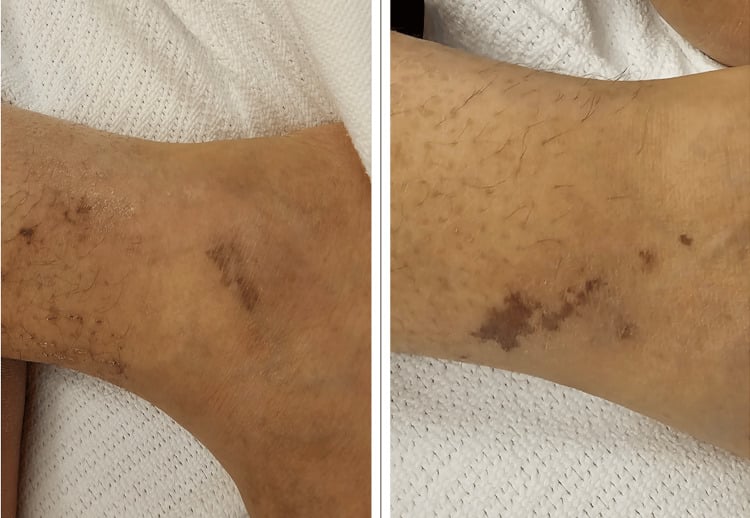
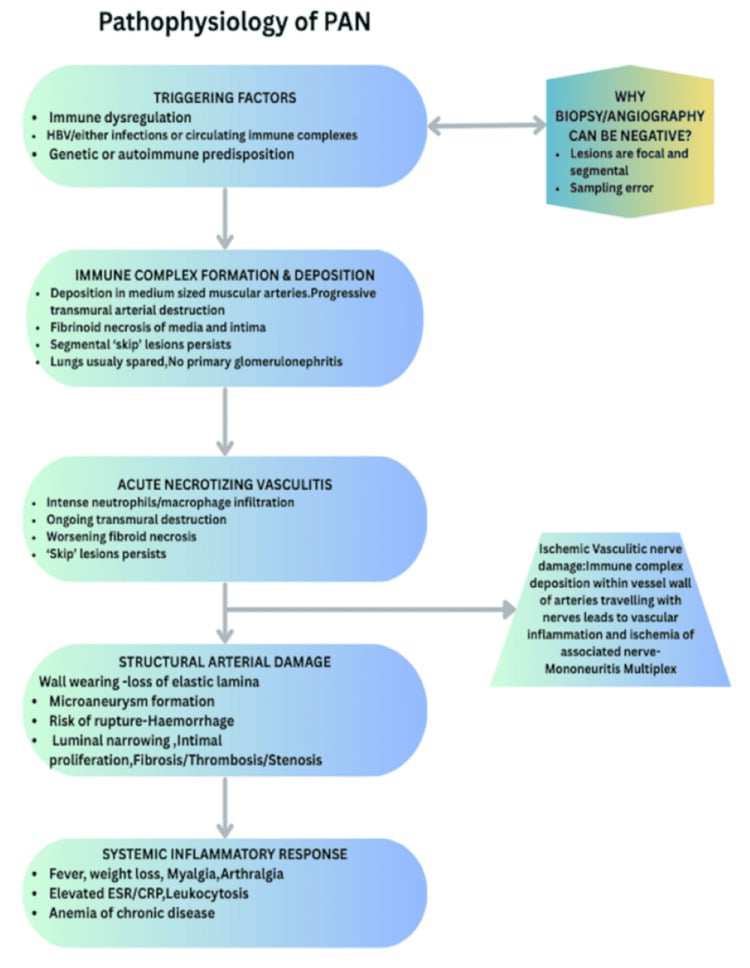
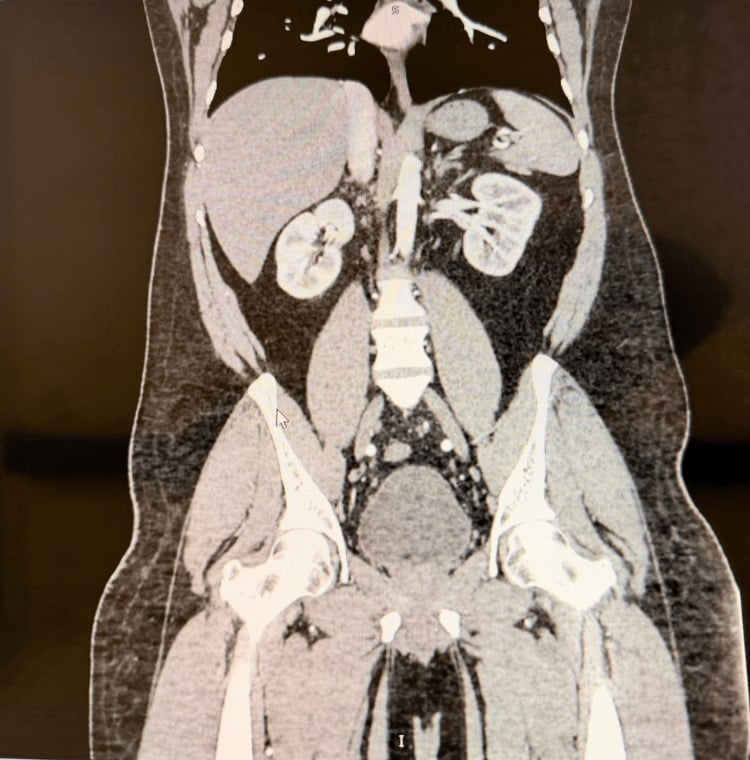
Orthopaedic Manifestations & Management
- MSK manifestations: arthralgia/myalgia, a usually non-erosive arthritis, constitutional symptoms - often non-specific and may precede organ-specific features.
- Limb-threatening: digital/peripheral ischaemia and gangrene, and mononeuritis multiplex (vasculitic neuropathy - foot/wrist drop) - do not mistake for primary vascular/entrapment/orthopaedic disease.
- Recognition is the key step: constitutional symptoms + multi-organ involvement + raised inflammatory markers
- ANCA/serology + biopsy/angiography.
- Urgent immunosuppression: corticosteroids + cyclophosphamide or rituximab for induction, then maintenance; treat any trigger (HBV in PAN).
- Surgery alongside disease control: debride/amputate gangrenous tissue and manage nerve palsies, but only with the vasculitis controlled - surgery alone, with the disease untreated, fails.
The orthopaedic pitfall with the vasculitides is to treat the limb manifestation as a primary orthopaedic or vascular problem while the underlying systemic vasculitis goes unrecognised and untreated. Digital and peripheral ischaemia progressing to gangrene can be mistaken for atherosclerotic peripheral vascular disease, and a vasculitic mononeuritis multiplex causing a foot drop or wrist drop can be mistaken for an entrapment neuropathy or compartment syndrome - but an amputation, revascularisation or nerve decompression performed without controlling the vasculitis will be undermined by ongoing inflammatory vessel disease, with further tissue loss. The safe approach is to recognise the systemic picture - constitutional symptoms, multi-organ involvement, raised inflammatory markers and ANCA/serology - and to start urgent immunosuppression (corticosteroids plus cyclophosphamide or rituximab, treating any trigger such as hepatitis B in PAN), with any necessary surgery for gangrenous tissue or nerve palsy performed alongside, not instead of, disease control.
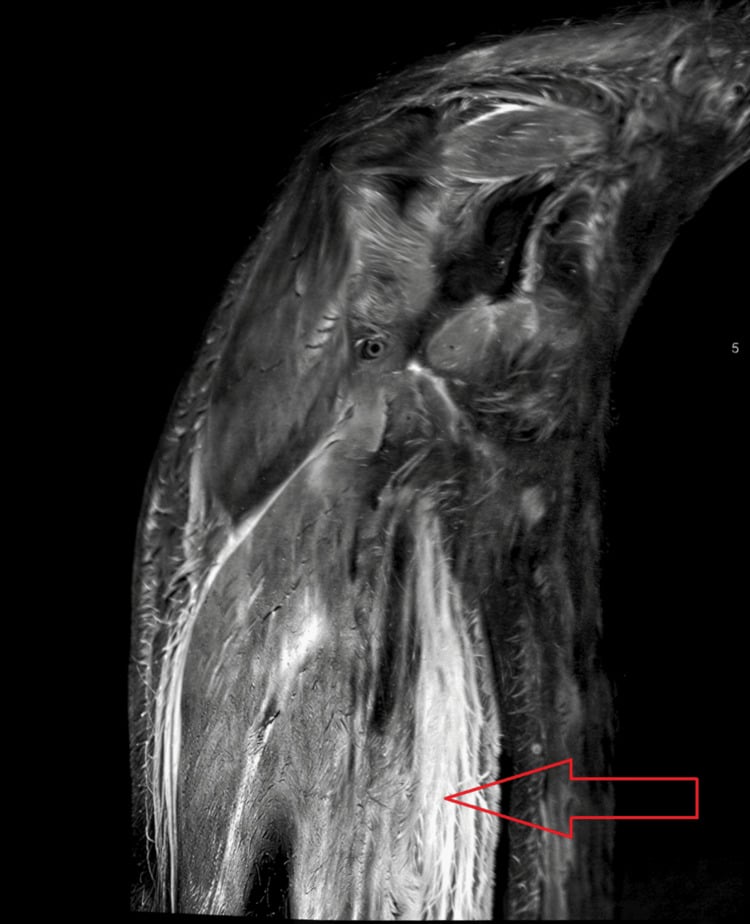
The Small-Vessel Immune-Complex Group
- The small-vessel split. Small-vessel vasculitis is either ANCA-associated (pauci-immune: GPA/MPA/EGPA) or immune-complex (immunoglobulin/complement deposited in the vessel wall).
- IgA vasculitis (Henoch-Schonlein purpura). The commonest childhood vasculitis - IgA1 immune-complex deposition, often post-infective - with the tetrad of palpable purpura (buttocks/legs, non-thrombocytopenic), arthritis/arthralgia (knees/ankles, transient and non-deforming - the orthopaedic overlap), abdominal pain (colic, GI bleed, intussusception) and nephritis (IgA nephropathy); mostly self-limiting and supportive.
- Cryoglobulinaemic vasculitis. Cold-precipitating immunoglobulins, strongly hepatitis-C-associated - purpura, arthralgia, peripheral neuropathy and glomerulonephritis; treat the hepatitis C plus immunosuppression.
Q: What are the small-vessel immune-complex vasculitides (beyond the ANCA group)?
A: IgA vasculitis (Henoch-Schonlein purpura) - the commonest childhood vasculitis, IgA1 immune-complex, the tetrad of palpable purpura + arthritis (knees/ankles, transient) + abdominal pain + nephritis (IgA nephropathy); mostly self-limiting. Cryoglobulinaemic vasculitis - hepatitis-C-associated, purpura + arthralgia + neuropathy + glomerulonephritis. (Contrast the ANCA-associated/pauci-immune GPA/MPA/EGPA.)
ANCA and the Modern Treatment
- What ANCA is. Anti-neutrophil cytoplasmic antibodies, seen on immunofluorescence as two patterns: c-ANCA (cytoplasmic) targets proteinase-3 (PR3) and is about 90 percent of GPA; p-ANCA (perinuclear) targets myeloperoxidase (MPO) and is typical of MPA and of ANCA-positive EGPA - confirmed by antigen-specific ELISA. They are pathogenic, activating neutrophils to damage the endothelium.
- Induction. Glucocorticoids plus rituximab (anti-CD20) or cyclophosphamide. The RAVE trial (197 patients, 9 centres, double-blind double-dummy) took remission off prednisone at 6 months as its endpoint: 64% on rituximab versus 53% on cyclophosphamide, meeting non-inferiority (P less than 0.001). In relapsing disease rituximab was superior - 67% (34 of 51) versus 42% (21 of 50), P = 0.01 - which is the strongest reason to prefer it. It was equally effective in major renal disease and alveolar haemorrhage.
- Be accurate about "safer". Uncontrolled studies had suggested rituximab was safer, but RAVE found no significant difference in adverse-event rates between the two arms. The genuine advantages are the superiority in relapsing disease and the avoidance of cyclophosphamide's gonadotoxicity and bladder/malignancy risk - not a demonstrated overall reduction in adverse events.
- Adjuncts. Plasma exchange for severe renal failure or pulmonary haemorrhage (its role narrowed by the PEXIVAS trial); avacopan, an oral C5a-receptor inhibitor, as a glucocorticoid-sparing agent.
- Maintenance. Rituximab or azathioprine.
Q: What is ANCA, and how is ANCA-associated vasculitis treated?
A: Anti-neutrophil cytoplasmic antibody - two immunofluorescence patterns: c-ANCA (cytoplasmic) = PR3, ~90 percent of GPA; p-ANCA (perinuclear) = MPO, typical of MPA + ANCA-positive EGPA (confirm by ELISA). Treatment: induction with glucocorticoids + rituximab or cyclophosphamide. In RAVE (n = 197) rituximab achieved remission off prednisone at 6 months in 64% versus 53% (non-inferior, P less than 0.001) and was superior in relapsing disease (67% versus 42%, P = 0.01), with no significant difference in adverse events - so prefer it for relapsing disease and to spare fertility, not on a proven overall safety advantage. Adjuncts: plasma exchange (severe renal/pulmonary, role narrowed by PEXIVAS) + avacopan (C5a-receptor inhibitor, steroid-sparing); maintenance rituximab/azathioprine.
Mnemonics & Memory Aids
VESSEL
Hook:VESSEL: Vessel size, Examples (GCA/PAN/GPA), Systemic symptoms, ischaemia/mononeuritis, Easily mistaken, Look + immunosuppress.
Clinical Decision Scenarios
Practise clinical reasoning and management decisions out loud
“A patient presents with a foot drop and digital ischaemia, plus fever, weight loss and raised inflammatory markers. Why should you think beyond a simple nerve or vascular problem?”
Classification (vessel size)
- Large: giant-cell (temporal) arteritis, Takayasu
- Medium: polyarteritis nodosa (aneurysms, spares lungs, usually ANCA-negative, HBV link), Kawasaki
- Small/ANCA: GPA (c-ANCA/PR3), microscopic polyangiitis (p-ANCA/MPO), EGPA (asthma/eosinophilia)
MSK manifestations
- Arthralgia/myalgia + usually non-erosive arthritis
- Constitutional symptoms (fever, weight loss) + raised inflammatory markers
- May precede organ-specific features
Limb-threatening / the trap
- Digital/peripheral ischaemia → gangrene (mimics PVD)
- Mononeuritis multiplex → foot/wrist drop (mimics entrapment neuropathy)
- Don't treat the limb as primary orthopaedic/vascular disease
Management
- Recognise systemic picture; ANCA/serology, biopsy/angiography
- Urgent immunosuppression: steroids + cyclophosphamide or rituximab (treat HBV in PAN)
- RAVE (n = 197): 64% vs 53% remission off prednisone at 6 months - rituximab non-inferior
- Rituximab SUPERIOR in relapsing disease (67% vs 42%, P = 0.01); NO adverse-event difference
- Surgery for gangrene/nerve palsy alongside disease control - a principle; no trial has tested it
- Consider DADA2 in young PAN-like disease - it responds to TNF inhibition instead
Evidence & Key Studies
Imaging classification of vasculitis by vessel size (Takayasu, PAN, small-vessel)
- A NARRATIVE IMAGING REVIEW written for emergency radiology - it describes CT angiographic appearances and supplies no prevalence, outcome or treatment data of any kind.
- Systemic vasculitides are rare, multi-organ inflammatory disorders of blood vessels, classified by the size of the affected vessel.
- Examples include Takayasu arteritis (large vessels), polyarteritis nodosa (medium vessels), and lupus-associated or drug-induced vasculitis (small vessels), each with distinct imaging features on CT angiography.
- Early recognition of the imaging findings is described as crucial for diagnosis, treatment and assessing the need for surgical intervention - an expert statement rather than a measured effect of early recognition.
Rituximab versus cyclophosphamide for ANCA-associated vasculitis (the RAVE trial)
- Multicentre, randomised, double-blind, DOUBLE-DUMMY non-inferiority trial across 9 centres: 197 ANCA-positive patients with granulomatosis with polyangiitis or microscopic polyangiitis. Rituximab 375 mg/m2 weekly for 4 weeks versus cyclophosphamide 2 mg/kg/day, with glucocorticoids tapered off entirely.
- PRIMARY ENDPOINT - remission WITHOUT prednisone at 6 months: 63 of 98 (64%) on rituximab versus 52 (53%) on cyclophosphamide, meeting the non-inferiority criterion (P less than 0.001).
- SUPERIOR IN RELAPSING DISEASE: 34 of 51 (67%) versus 21 of 50 (42%), P = 0.01 - the subgroup that most justifies choosing rituximab. It was also as effective as cyclophosphamide in major renal disease and alveolar haemorrhage.
- IMPORTANT CORRECTION TO A COMMON CLAIM: although uncontrolled studies had suggested rituximab was safer, there were NO significant differences between the treatment groups in adverse-event rates. The case for rituximab rests on relapsing disease and on avoiding cyclophosphamide's gonadotoxicity, not on a demonstrated overall safety advantage.
- Limitations for an orthopaedic reader: the endpoint is remission off steroids at 6 months, not limb salvage, tissue loss or neurological recovery - no trial has measured whether immunosuppression prevents amputation or reverses vasculitic nerve palsy.
Polyarteritis-nodosa-like vasculitis in DADA2 - a medium-vessel vasculitis example
- SCOPE: a SINGLE CASE REPORT of DADA2 - a MONOGENIC autoinflammatory disease that mimics polyarteritis nodosa. It is not a study of polyarteritis nodosa itself, and supplies no frequency, outcome or comparative data.
- Deficiency of adenosine deaminase 2 is a monogenic condition whose small- and medium-vessel involvement can produce features resembling polyarteritis nodosa - worth knowing because a young patient with apparent PAN, particularly with early strokes or a family history, may have DADA2 instead.
- The reported patient had systemic inflammation (fever, weight loss, raised inflammatory markers) with organ involvement, treated successfully with corticosteroids and a TNF inhibitor.
- That treatment distinction matters: DADA2 responds to TNF INHIBITION rather than to the cyclophosphamide or rituximab used in ANCA-associated disease - so the mimic and the disease are not managed identically. A single case cannot establish how reliably this works.
The induction figures - 64% versus 53% remission off prednisone at 6 months, superiority in relapsing disease at 67% versus 42% (P = 0.01), and the absence of any significant difference in adverse events - come from the RAVE trial (DOI), 197 randomised patients. The vessel-size imaging descriptions come from Rahmatullah (DOI), a narrative imaging review, and the DADA2 mimic from Al-Ghoul (DOI), a single case report of a monogenic disease rather than of polyarteritis nodosa. The Chapel Hill vessel-size classification, the ANCA associations of GPA, MPA and EGPA, the PAN features (aneurysms, lung sparing, ANCA-negativity, hepatitis-B link), the immune-complex small-vessel group, and the mononeuritis multiplex and digital-ischaemia presentations are standard, well-established teaching.
Be honest about the page's central orthopaedic principle. That operating on a vasculitic limb without treating the underlying disease leads to ongoing tissue loss is a reasoned principle, not a measured finding: no trial or cohort has compared surgery with versus without concurrent immunosuppression, and RAVE's endpoint was remission off steroids at 6 months, not amputation, limb salvage or recovery of a vasculitic nerve palsy. There is likewise no published amputation rate for vasculitic digital gangrene, no recovery rate for mononeuritis multiplex after immunosuppression, and no evidence defining how long disease control should precede elective surgery. The principle is sound physiologically and widely taught - it simply has no number attached to it.