Cleidocranial Dysplasia | RUNX2 (CBFA1) Deficiency | Defective Intramembranous Ossification
- RUNX2 (CBFA1) deficiency - haploinsufficiency of the master osteoblast transcription factor impairs intramembranous AND endochondral ossification
- Absent/hypoplastic clavicles - hallmark allowing abnormal approximation of the shoulders in front of the chest
- Delayed cranial ossification - persistent open fontanelles and sutures with multiple Wormian bones
- Dental anomalies - retained deciduous teeth, failure of permanent eruption, and supernumerary teeth needing lifelong dental care
- Normal intelligence and life expectancy - this is a skeletal/dental disorder, not a neurodevelopmental one
- “Inheritance is autosomal dominant with variable expressivity; approximately 40% are de novo (no family history)
- “Clavicular involvement is often partial - the most common pattern is a defect at the junction of the lateral and middle thirds
- “Coxa vara and femoral neck deformity are the orthopaedic surgeon's main concern and may need a valgus osteotomy
- “Distinguish from pycnodysostosis - that has dense sclerotic bones and acroosteolysis; cleidocranial dysostosis has normal/reduced density
Overview and Epidemiology
Cleidocranial dysostosis is a generalised skeletal dysplasia that preferentially affects bones formed by intramembranous ossification, especially the clavicle and the skull. It is caused by heterozygous loss-of-function variants in the RUNX2 (CBFA1) gene (DOI).
The name. "Cleido" (clavicle) and "cranial" (skull) name the two most obvious features, but RUNX2 haploinsufficiency disturbs ossification throughout the skeleton: pelvis, spine, hands and long bones are all involved. For this reason most contemporary literature prefers cleidocranial dysplasia. For exam purposes the two terms are interchangeable, and examiners may use either.
Who. The incidence is approximately 1 per 1 million live births, and males and females are affected equally. The condition is present at birth and often recognised in childhood, but it may be diagnosed in adulthood as an incidental finding.
Natural history. Intelligence and life expectancy are normal; this is a skeletal and dental disorder, not a neurodevelopmental one. Mild short stature is common. The main burden is dental disease and selected orthopaedic deformities.
Spectrum of severity. Expressivity is wide even within one family. Some individuals have the full picture of absent clavicles, delayed cranial ossification and dozens of unerupted teeth, while others have only subtle dental anomalies or mild clavicular hypoplasia.
Pathophysiology and Genetics
RUNX2, the master osteoblast gene. RUNX2 (runt-related transcription factor 2, also called CBFA1) lies on chromosome 6p21 and is the master transcription factor controlling osteoblast differentiation and skeletal morphogenesis in vertebrates (DOI). It drives commitment of mesenchymal precursors to the osteoblast lineage, so its deficiency impairs both intramembranous and endochondral bone formation. Its key domain, the Runt homology domain (RHD), binds DNA and the CBFB cofactor.
What happens in the tissues. Osteoblasts show reduced differentiation and matrix production, and the result is a generalised but variable skeletal under-ossification.
- Intramembranous bone: the clavicle and skull vault are the most affected
- Endochondral bone: ossification centres are delayed and disordered
- Teeth: root formation and eruption regulation are defective, through RUNX2 in the dental follicle
Dosage and dominance. A single defective copy is enough to cause disease because the skeleton is sensitive to RUNX2 dosage, which is why inheritance is autosomal dominant, with essentially full penetrance but highly variable expressivity. Haploinsufficiency accounts for the null alleles, which are about half the reported spectrum; reported variant types include missense, nonsense, frameshift, splice-site, deletions and translocations.
Genotype and phenotype. A clean genotype-phenotype correlation has historically been hard to establish, but large data sets are now refining it. A 2024 systematic review of 569 variants in 453 patients found that variants cluster predominantly in the RHD, and that missense RHD variants are significantly associated with more severe features than nonsense or other in-frame variants: supernumerary teeth, macrocephaly, short ribs, hypoplastic iliac wings and limited shoulder abduction (DOI). In-frame insertions and deletions tend to produce fewer features.
A mixed mechanism. The severity ordering runs missense in the RHD, then nonsense and frameshift, then in-frame insertions and deletions, and it is not a dosage series. If the mechanism were purely haploinsufficiency, losing an allele entirely would set the floor and nothing could be worse than a null. A missense that is worse than a nonsense variant must therefore do more than fail: the standard explanation is a dominant-negative effect, in which a stable mutant protein still competes for DNA or for the CBFB cofactor while being unable to transactivate, so it degrades the output of the remaining normal allele as well.
Clinical Features
The classic picture combines clavicular, cranial, dental and skeletal features:
- Clavicular hypoplasia or aplasia, with the ability to approximate the shoulders
- Delayed closure of fontanelles and sutures with frontal and parietal bossing
- Midface hypoplasia with relative mandibular prognathism
- Dental anomalies: retained deciduous, unerupted permanent and supernumerary teeth
- Skeletal anomalies: coxa vara, scoliosis, brachydactyly, delayed pubic ossification
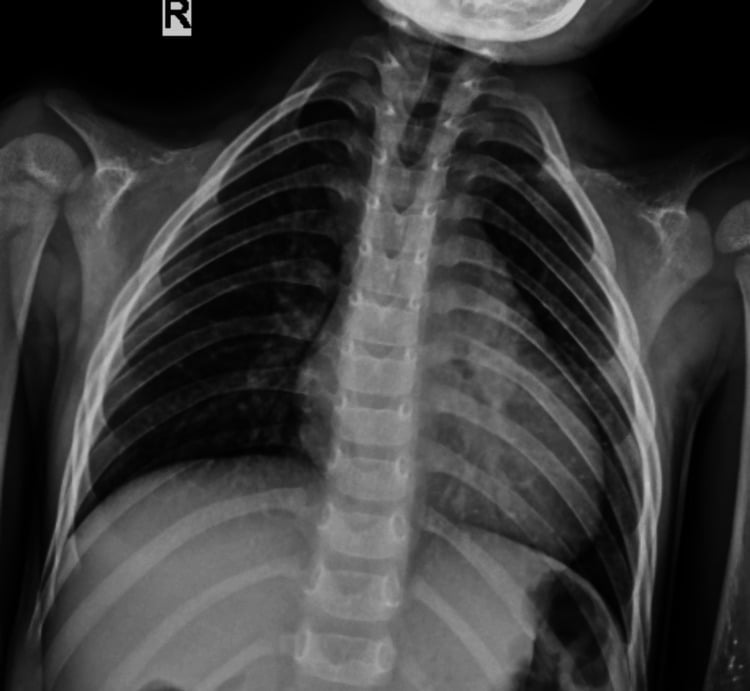
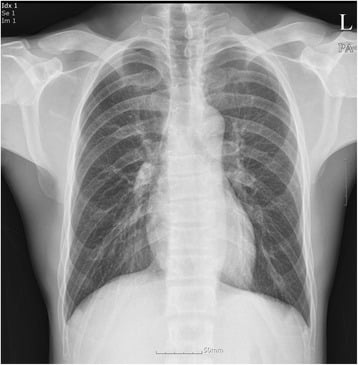
Shoulders and chest. The clavicles are absent or hypoplastic, often at the junction of the lateral and middle thirds. The shoulders are narrow, sloping and drooping ("hangdog") and hypermobile, and the classic bedside sign is that they can be brought forward to touch in front of the chest. The thorax is narrow and bell-shaped.
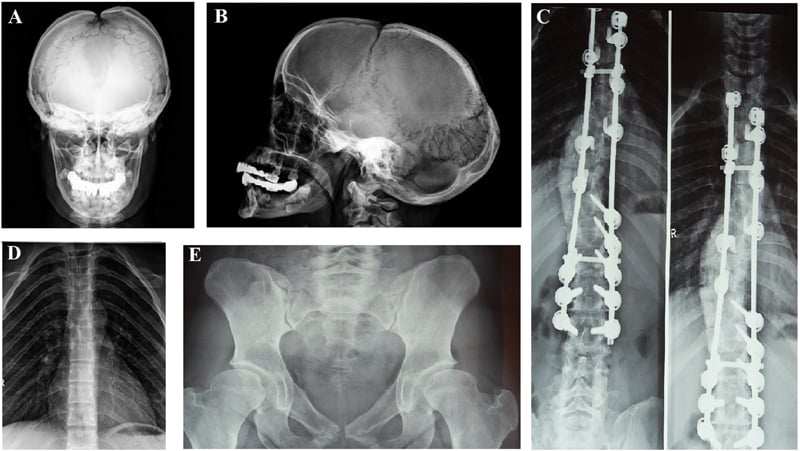
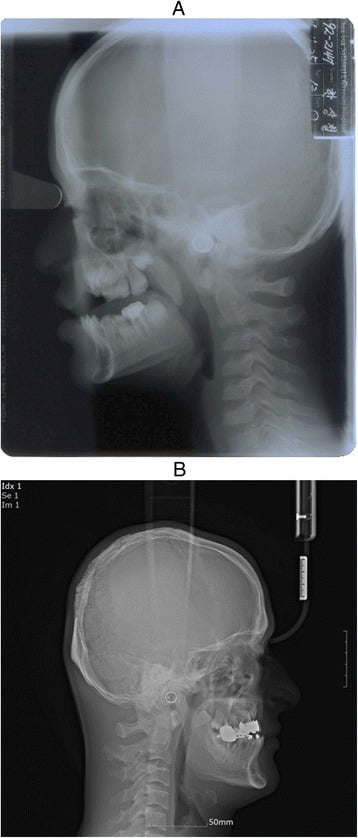
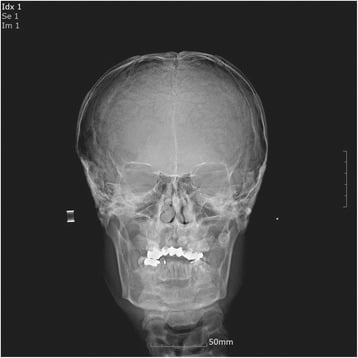
Head and face. The head is large and brachycephalic, with frontal and parietal bossing. The anterior fontanelle persists well beyond infancy, and the open fontanelle and sutures may remain palpable into adult life, with multiple Wormian bones (small intrasutural ossicles) on imaging. Midface hypoplasia gives a flat profile and a depressed nasal bridge, and the underdeveloped maxilla leaves the mandible relatively prognathic.
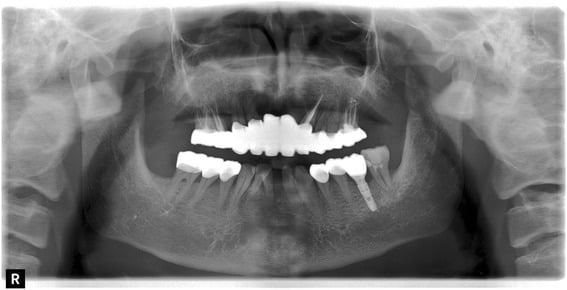
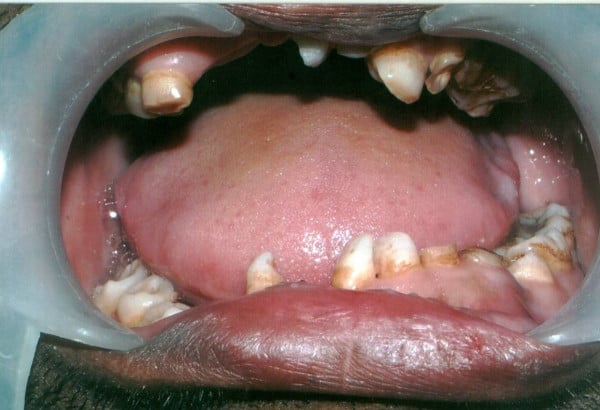
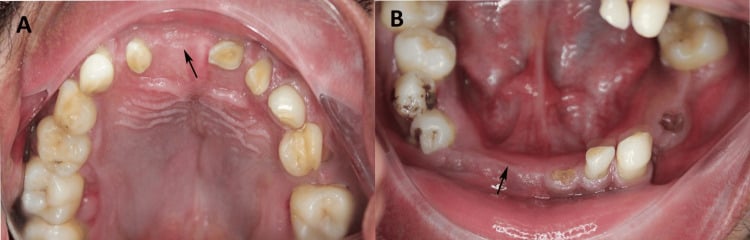
Mouth and teeth. Deciduous teeth are retained and the permanent teeth fail to erupt, and there are multiple supernumerary teeth, often discovered on imaging. The palate is high-arched and narrow, sometimes with a submucous or overt cleft.
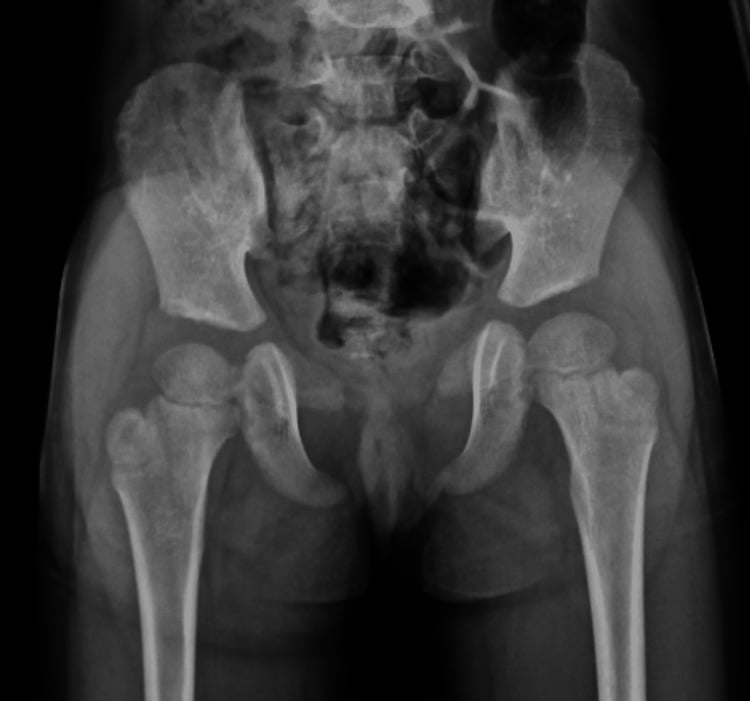
Limbs and spine. The hands show brachydactyly with tapering digits, and the ligaments are lax. Coxa vara (femoral neck varus), the key orthopaedic deformity, may be present with a waddling gait. Scoliosis or kyphosis occurs in a minority, and spondylolysis in some patients.
Beyond the skeleton. A longitudinal craniofacial-unit series of 14 patients found that essentially all had frontal bossing, a patent anterior fontanelle, multiple Wormian bones, midface hypoplasia, abnormal dentition, clavicular hypoplasia or aplasia and normal intellect. Obstructive sleep apnoea, recurrent ear infections and speech and hearing issues were common, underscoring the need for coordinated multidisciplinary care (DOI).
Investigations and Radiographic Features
The diagnosis is usually made on clinical and radiographic grounds, and molecular confirmation of a RUNX2 variant secures it. The triad to look for:
- Absent or hypoplastic clavicles on the chest film
- Delayed cranial ossification, with persistent open fontanelles and sutures and multiple Wormian bones
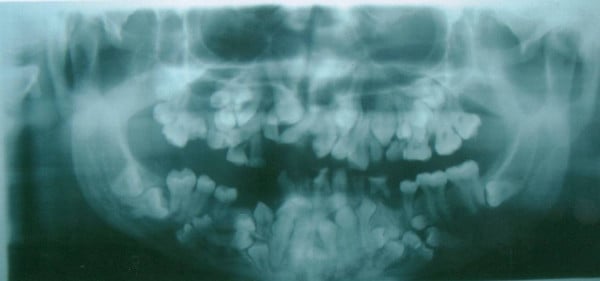
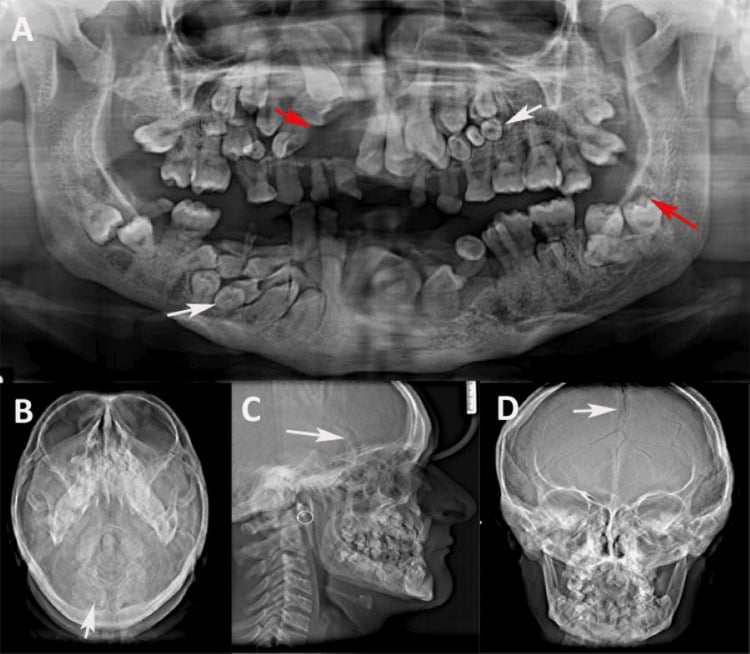
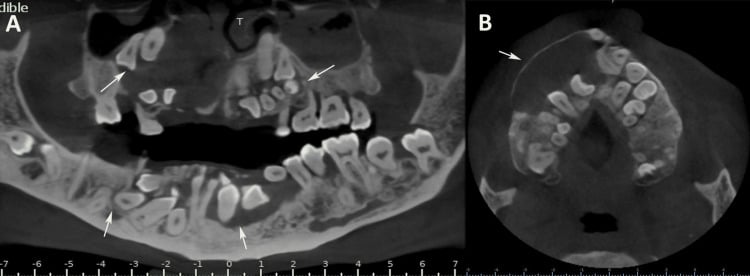
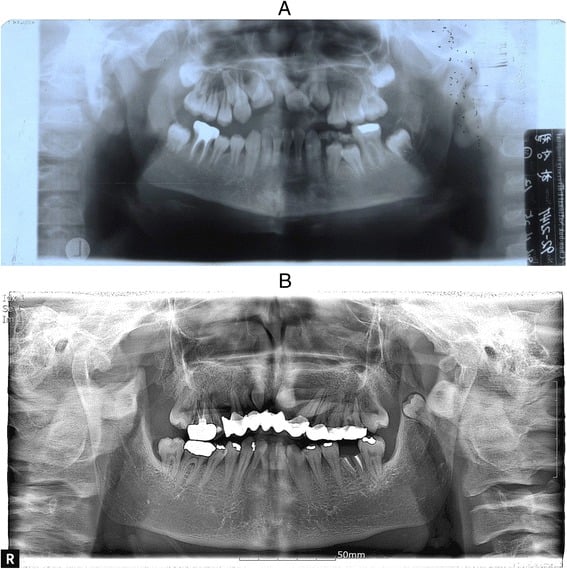
- Dental anomalies on the orthopantomogram: retained deciduous teeth, multiple unerupted permanent teeth and supernumerary teeth
Bone density is normal. This is a defect of bone formation and modelling, not of bone quality, which is what separates it at a glance from the sclerosing dysplasias. If the bones are dense, reconsider pycnodysostosis or osteopetrosis.
Skull. Besides the open fontanelles, sutures and Wormian bones of the triad, the skull film shows underdeveloped paranasal sinuses.
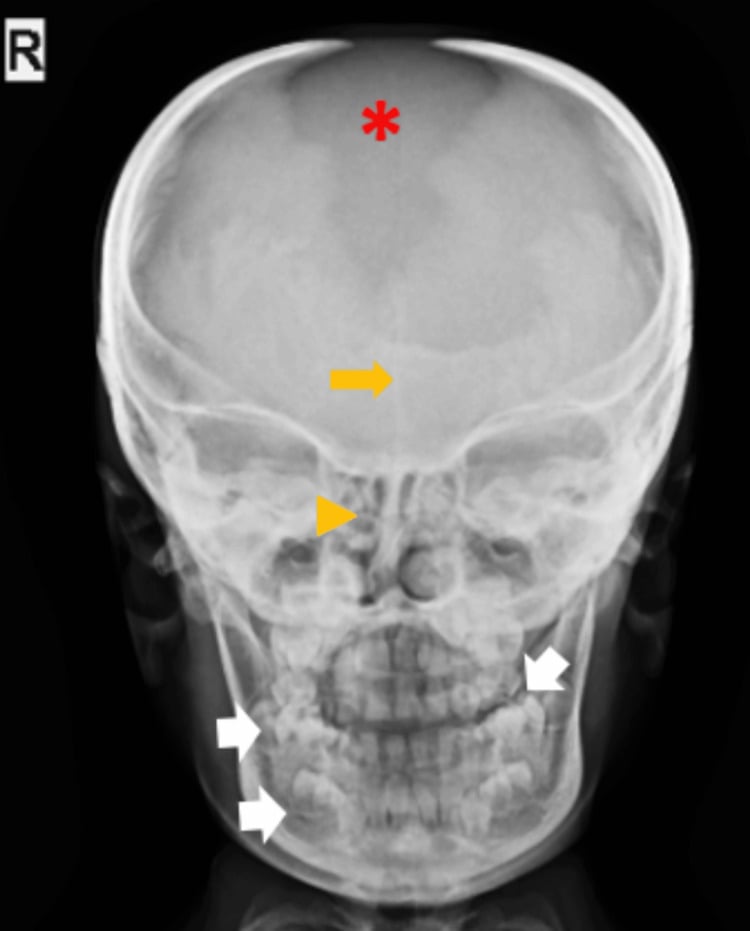
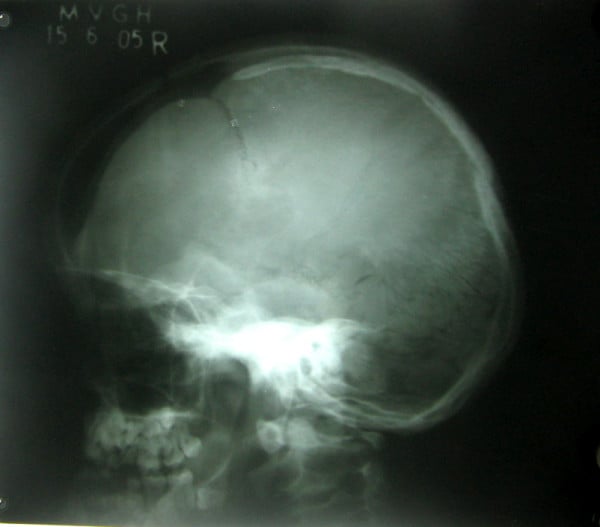
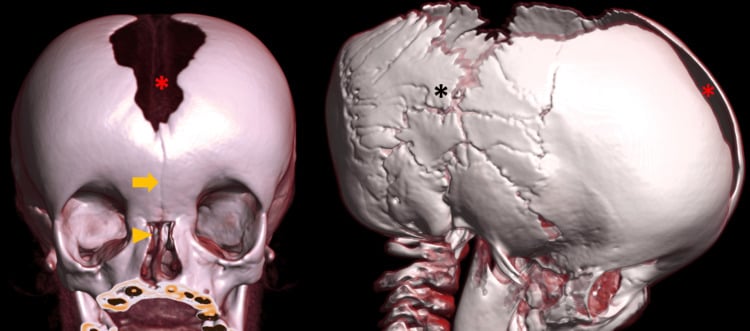
Shoulder girdle, the diagnostic region. Complete aplasia is actually uncommon. The usual defect is partial, at the junction of the middle and lateral thirds, for the developmental reason set out above, so map the residual segments on the chest film rather than assume the clavicles are absent.
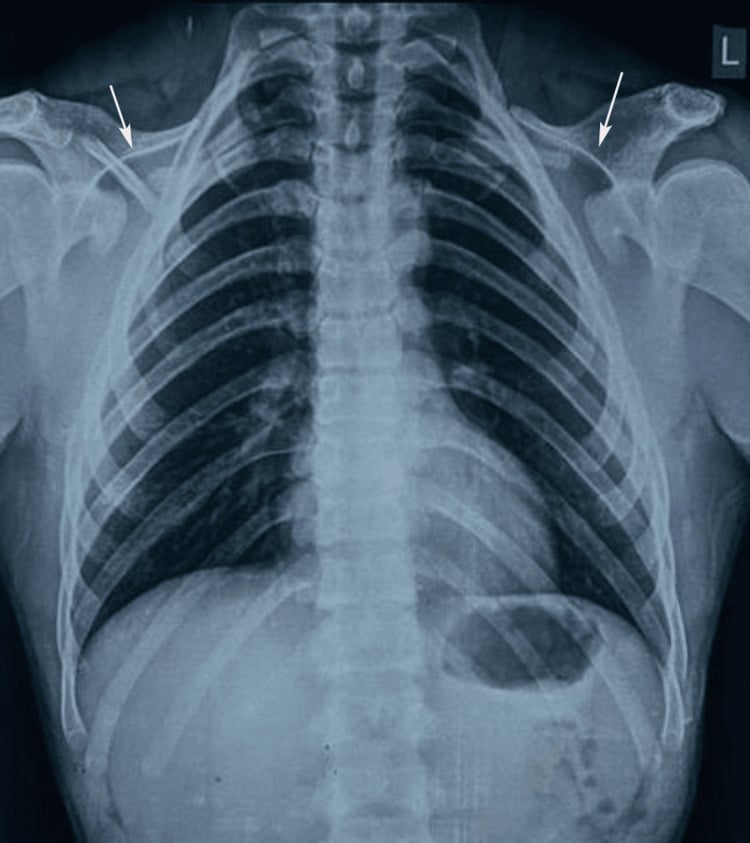
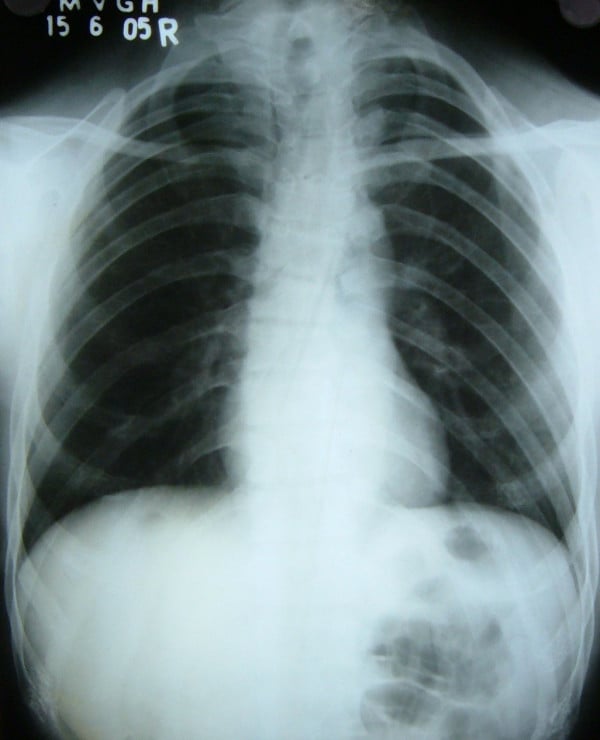
Pelvis and hips, what brings them to orthopaedics. Delayed ossification of the pubis gives a wide symphysis, and the iliac wings are hypoplastic. These, with coxa vara, are the findings most likely to need intervention; coxa vara produces a Trendelenburg gait.
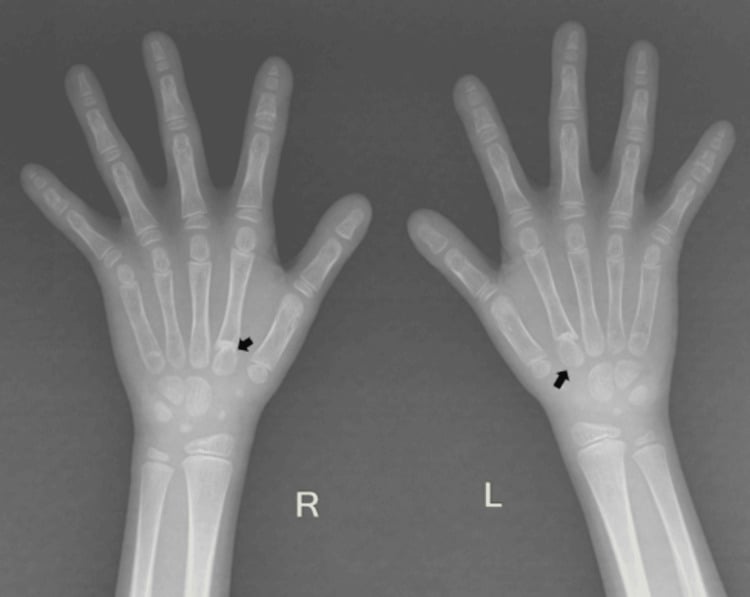
Spine and hands. Scoliosis, kyphosis and spondylolysis may occur on the spine film. The hand film shows tapering distal phalanges and pseudoepiphyses of the metacarpals: extra ossification centres at the non-growing end of the bone, a modelling curiosity rather than a functional problem but a useful confirmatory sign on a hand film.
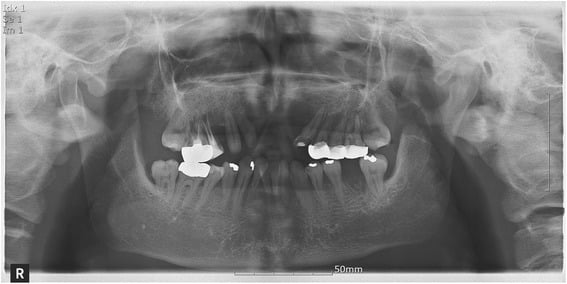
Dental imaging. The orthopantomogram (panoramic radiograph) is central to diagnosis and lifelong management. Retained deciduous teeth, failure of permanent eruption and multiple supernumerary teeth together drive the substantial dental burden of the condition (DOI).
Confirmatory testing.
- Molecular genetic testing: sequence analysis of RUNX2 detects most pathogenic variants; deletion/duplication analysis detects larger rearrangements
- Skeletal survey: defines the full extent of skeletal involvement (clavicle, skull, pelvis, spine, hands)
- Family evaluation: examine and, where appropriate, image the parents, given the variable expressivity
Clinical Relevance and Differential Diagnosis
Pycnodysostosis, the classic comparison. Both conditions share persistent open fontanelles, short stature and clavicular involvement, and the shared open fontanelle is a deliberate exam trap. The decisive separator is bone density on the radiograph, normal here and dense in pycnodysostosis, and the presence of acroosteolysis also tells the two apart.
- Cleidocranial Dysostosis
- RUNX2 (CBFA1), autosomal dominant
- Pycnodysostosis
- Cathepsin K (CTSK), autosomal recessive
- Cleidocranial Dysostosis
- Normal (or slightly reduced)
- Pycnodysostosis
- Increased (osteosclerosis)
- Cleidocranial Dysostosis
- Absent
- Pycnodysostosis
- Present (pathognomonic)
- Cleidocranial Dysostosis
- Absent / hypoplastic (hallmark)
- Pycnodysostosis
- Usually mildly hypoplastic/dysplastic
- Cleidocranial Dysostosis
- Supernumerary, unerupted, retained deciduous
- Pycnodysostosis
- Delayed eruption, dental crowding
Other conditions with clavicular or cranial anomalies. Wormian bones are not specific to cleidocranial dysostosis: they also occur in osteogenesis imperfecta, pycnodysostosis, hypothyroidism and other conditions. The accompanying features, here the deficient clavicles and dental anomalies, make the diagnosis.
- Distinguishing Feature
- Clavicular hypoplasia plus mandibular/acral changes, lipodystrophy
- Clinical Context
- LMNA/ZMPSTE24; progeroid features
- Distinguishing Feature
- Low alkaline phosphatase, defective mineralisation
- Clinical Context
- ALPL gene; biochemical diagnosis
- Distinguishing Feature
- Wormian bones plus fragility/blue sclerae, fractures
- Clinical Context
- COL1A1/COL1A2; bone is fragile
Management
There is no cure and no disease-modifying drug for cleidocranial dysostosis. Management is supportive, anticipatory and multidisciplinary. For the orthopaedic surgeon the key active interventions are correcting symptomatic coxa vara, monitoring the spine, and reassuring families that the dramatic-looking clavicular and cranial findings rarely need surgery.
Clavicles and shoulder. The clavicles usually need no surgery: hypoplasia is well tolerated and rarely symptomatic, and the striking ability to approximate the shoulders is benign. The hypermobile shoulder girdle is tolerated, with physiotherapy for any instability symptoms. Generalised joint laxity is managed with physiotherapy, addressing recurrent instability when it occurs.
Coxa vara. This is the deformity most likely to need surgery. The indications for a valgus (subtrochanteric) proximal femoral osteotomy mirror those for other paediatric coxa vara:
- A decreasing femoral neck-shaft angle
- A steep (vertical) physis, with a high Hilgenreiner-epiphyseal angle
- A symptomatic limp
- Progressive deformity
The osteotomy realigns the neck, restores the abductor lever arm and corrects the Trendelenburg gait.
Spine. Keep the spine under surveillance for scoliosis and kyphosis, and brace or operate by the standard curve criteria.
Cranium, airway and ears. While the fontanelles remain open, advise protective measures such as a helmet and monitor the skull; cranioplasty is reserved for selected deformity. Assess and treat obstructive sleep apnoea (adenotonsillectomy), place ventilation tubes for recurrent otitis media, and monitor hearing.
The dental programme. Dental management is the most demanding and longest-running aspect of care, and the dental burden often dominates quality of life. Successful treatment consistently requires a multidisciplinary team and multiple staged interventions over many years (DOI).
- Serial orthopantomograms through childhood and adolescence
- Planned removal of retained deciduous and supernumerary teeth
- Surgical exposure and orthodontic traction of impacted permanent teeth, then prosthetic rehabilitation
Genetic counselling. Offer counselling and a genetics referral to every family. Counsel on the family's phenotype rather than the variant class: expressivity varies widely between relatives carrying an identical variant.
- Each child of an affected person has a 50% chance of inheriting the variant
- Approximately 40% of cases are de novo (a new mutation), so a negative family history does not exclude the diagnosis
- Because expressivity varies, a parent may be mildly (even subclinically) affected: examine and image apparently unaffected parents
- Once the family's RUNX2 variant is known, predictive and prenatal or preimplantation testing can be offered
Complications
Skeletal. Coxa vara brings a limp and abductor weakness, and scoliosis or kyphosis may require surveillance or surgery. Ligamentous laxity can lead to recurrent joint dislocation.
Craniofacial and systemic. The teeth suffer impaction, malocclusion, caries and abscess. Obstructive sleep apnoea follows from the midface hypoplasia, and sinusitis from the underdeveloped paranasal sinuses. Recurrent otitis media and conductive hearing loss complete the list, along with the cosmetic and psychosocial impact of the facial and dental appearance.
Affected women may have delayed pubic ossification, a wide symphysis and a relatively narrow pelvis. Combined with a large fetal head (if the fetus is also affected and has delayed cranial ossification), this can complicate delivery - obstetric planning, including consideration of caesarean section, may be warranted.
Guidelines, Registries & Global Practice
Global Epidemiology
Cleidocranial dysostosis is a rare autosomal dominant skeletal dysplasia with an estimated incidence of about 1 per 1 million live births and a roughly equal sex distribution. Around 40% of cases arise de novo, so a negative family history does not exclude the diagnosis. The genotypic spectrum is dominated by RUNX2 variants in the Runt homology domain, pooled across 453 patients worldwide (DOI). There is no disease-specific international registry; evidence derives from case reports, institutional series and these pooled reviews. Because most surgeons see at most a handful of cases in a career, pattern recognition and referral to a skeletal-dysplasia or craniofacial centre matter more than any single-country pathway.
Why No Society "Guideline" Exists - and What Governs Practice
No orthopaedic society (AAOS, BOA, EFORT, SICOT) publishes a condition-specific guideline for cleidocranial dysostosis given its rarity. Practice is extrapolated from general principles applied to a skeleton with delayed, variable ossification:
- Governing principle
- Valgus proximal femoral osteotomy for symptomatic/progressive varus, as for other paediatric coxa vara
- Source of guidance
- General paediatric-orthopaedic principles
- Governing principle
- Hypoplasia tolerated - surgery almost never indicated
- Source of guidance
- Case-series consensus
- Governing principle
- Standard scoliosis/kyphosis surveillance and treatment thresholds
- Source of guidance
- Scoliosis Research Society principles
- Governing principle
- Staged orthodontic-surgical programme for unerupted/supernumerary teeth
- Source of guidance
- Craniofacial-unit protocols (Jirapinyo 2020)
- Governing principle
- Clinical/radiographic recognition plus RUNX2 molecular confirmation
- Source of guidance
- Clinical genetics standards
- Governing principle
- Autosomal dominant, 50% recurrence, high de novo rate
- Source of guidance
- Clinical genetics standards
Registry and Evidence Notes
- Implant/arthroplasty registries (NJR, AJRR, AOANJRR, SHAR, Norwegian, NZJR) do not capture cleidocranial dysostosis separately; there are no registry-level outcome data specific to this condition.
- Best available synthesis: the 2024 systematic review (453 patients) is the most robust phenotype-genotype resource and the closest thing to evidence-based counselling guidance.
High- vs Limited-Resource Practice Variation
- Well-resourced settings: RUNX2 sequencing, multidisciplinary craniofacial/orthopaedic/dental clinics, image-guided osteotomy and staged orthodontic-surgical dental rehabilitation.
- Limited-resource settings: diagnosis is clinical and radiographic (absent clavicles plus open fontanelles plus dental anomalies); orthopaedic care focuses on the few deformities that are symptomatic (chiefly coxa vara), and basic dental hygiene is high-value and low-cost everywhere.
Genetic Counselling (Universal)
- Autosomal dominant: each child of an affected person has a 50% recurrence risk.
- Approximately 40% are de novo; examine and image apparently unaffected parents given variable expressivity.
- Prenatal or preimplantation genetic testing is feasible once the family's RUNX2 variant is known.
Related pages: Skeletal Dysplasias is the parent framework and the place to see where a defect in a transcription factor sits beside the collagen, FGFR3 and cartilage-matrix disorders. Osteopetrosis is the differential that matters most on a plain film, because it and pycnodysostosis both give DENSE bone while cleidocranial dysostosis gives normal or reduced density with delayed ossification - and pycnodysostosis additionally shows acro-osteolysis of the terminal phalanges and an obtuse mandibular angle. Osteogenesis Imperfecta shares wormian bones and is the other condition in which a skull radiograph of an infant raises a genetic diagnosis, while Hypophosphatasia is the mimic in which delayed ossification comes from failed mineralisation rather than failed osteoblast commitment - and alkaline phosphatase separates them immediately. Osteoblasts and Bone Formation with Bone Remodeling carry the RUNX2 biology this condition is the human experiment for: RUNX2 is the master switch committing mesenchymal precursors to the osteoblast lineage, which is why the bones formed by intramembranous ossification suffer most. Genetics and Inheritance in Orthopaedics covers the autosomal dominant transmission, the roughly 40% de novo rate and the distinction between haploinsufficiency and dominant-negative mechanisms that this condition illustrates unusually clearly. Coxa Vara is the commonest lower-limb deformity here and the one that may need osteotomy, Clavicle Fractures is worth reading for the contrast - the absent clavicle causes remarkably little functional loss, which is why it is often an incidental finding - and Scoliosis in Skeletal Dysplasia covers the spinal surveillance these children need. Marfan Syndrome and Down Syndrome in Orthopaedics are the other syndromic diagnoses in which a general orthopaedic clinic must think beyond the presenting bone.
Why the Clavicle and Skull Are the Hallmark Bones
Membranous bone is the most dose-sensitive. RUNX2 is needed for both ossification types, but intramembranous ossification (the clavicle, the cranial vault and parts of the pubis) depends most on RUNX2 dosage. A single lost allele therefore hits these membranous bones hardest, while the endochondral long bones are relatively spared, hence only mild short stature.
The clavicle is a special bone. It is the first bone in the body to ossify, and it forms unusually: an intramembranous shaft from two primary centres, with cartilaginous growth zones at each end.
Why the defect sits where it does. The two primary centres normally meet near the junction of the middle and lateral thirds, so a failure of intramembranous ossification shows itself there first. This developmental watershed is exactly where the partial clavicular defect classically appears, which is why complete aplasia is uncommon.
Why the Teeth Fail to Erupt (and Why There Are Extra Ones)
Eruption needs bone resorption. A tooth erupts only when osteoclasts resorb an eruption pathway through the overlying bone while new bone forms at the base. RUNX2 in the dental follicle drives the signals (such as RANKL and CSF1) that recruit and activate those osteoclasts.
Why the teeth stay unerupted. With RUNX2 haploinsufficiency the eruption pathway is not properly formed, so permanent teeth fail to erupt and deciduous teeth are retained. The panoramic film shows a mouth full of unerupted teeth.
Why there are extra teeth. RUNX2 also normally restrains continued tooth formation from the dental lamina, so its deficiency is associated with supernumerary teeth. Both dental hallmarks therefore trace back to RUNX2, which is why the dental burden dominates management.
Controversies and Areas of Uncertainty
With an incidence around 1 in a million and no randomised trials, almost all management is extrapolated from case series and general paediatric orthopaedic principles. Examiners reward a candidate who states the principle and then frankly acknowledges the limited evidence base.
When to operate on coxa vara. There is no trial-level threshold for surgery. The indications above are extrapolated from other causes of paediatric coxa vara rather than from cleidocranial-specific data.
Genotype as a predictor. Although RHD missense variants trend toward more severe phenotypes, expressivity within families is so variable that genotype cannot reliably predict an individual's clinical course or counsel precise severity.
Clavicle surgery. Clavicular reconstruction is almost never indicated, because hypoplasia is generally asymptomatic. The rare debate concerns thoracic outlet symptoms attributed to clavicular fragments, where the evidence is anecdotal.
Dental timing. The ideal sequence and timing of supernumerary-tooth removal and orthodontic traction remain debated. Protocols vary between craniofacial units, all based on case-series experience rather than comparative trials.
Viva Practice Scenarios
Practise clinical reasoning and management decisions out loud
“A 4-year-old is referred because she can bring her shoulders together in front of her chest and still has an open fontanelle. Her father has a similar build. What is your diagnosis, and how would you confirm it?”
“You are asked to distinguish cleidocranial dysostosis from pycnodysostosis. Both can have open fontanelles and clavicular changes. How do you tell them apart?”
“A 9-year-old with known cleidocranial dysostosis presents with a progressive limp and a positive Trendelenburg sign. Radiographs show a varus femoral neck. How would you manage this?”
Definition and Key Facts
Molecular Pathogenesis
Cardinal Clinical Features
Radiographic Features
Distinguishing from Pycnodysostosis
Management
Complications
Exam Pearls
Evidence Base
Cleidocranial Dysplasia and RUNX2 - Clinical Phenotype-Genotype Correlation
- RUNX2 (CBFA1) on chromosome 6p21 is the master transcription factor controlling skeletal development
- Two functional isoforms are driven by alternate promoters P1 and P2
- Heterozygous RUNX2 mutations cause cleidocranial dysplasia (autosomal dominant)
- Core features include delayed fontanelle closure, dental abnormalities and hypoplastic clavicles
- Summarises RUNX2 function, mutation types and their phenotypic consequences
The Impact of RUNX2 Gene Variants on Cleidocranial Dysplasia Phenotype: A Systematic Review
- Pooled 569 variants and 453 patients from 103 articles - the largest synthesis to date
- Variants cluster in the Runt homology domain (RHD, 55.5%); roughly half are null and half in-frame
- Missense RHD variants correlate with more severe features (supernumerary teeth, macrocephaly, short ribs, hypoplastic iliac wings)
- In-frame insertions/deletions are associated with fewer CCD features
- Refines phenotype-genotype correlation and informs counselling and management
Cleidocranial Dysplasia: Management of the Multiple Craniofacial and Skeletal Anomalies
- Longitudinal series of 14 patients managed at a single craniofacial unit over four decades
- All had frontal bossing, patent anterior fontanelle, Wormian bones, midface hypoplasia, abnormal dentition and normal intellect
- Obstructive sleep apnoea (11/14), recurrent otitis media and speech/hearing problems were common
- Interventions included ventilation tubes, adenotonsillectomy, orthognathic surgery and cranioplasty
- Demonstrates the essential role of coordinated multidisciplinary management
Cleidocranial Dysplasia: A Clinico-radiographic Spectrum with Differential Diagnosis
- Affects bones derived from both intramembranous and endochondral ossification
- Caused by mutation in CBFA1/RUNX2; autosomal dominant with high penetrance and variable expressivity
- Approximately 40% of cases are sporadic (de novo) with no family history
- Diagnosis is primarily clinical and radiographic, confirmed by molecular genetic testing
- Management requires a multidisciplinary approach including orthopaedic and dental care