The Suicide Disease
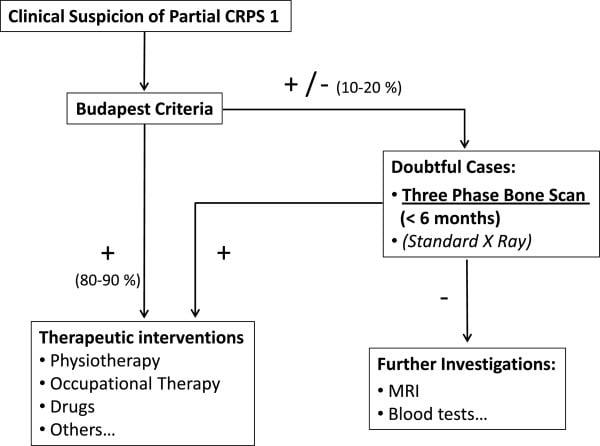
- Diagnosis is CLINICAL, based on the Budapest Criteria.
- Pain is disproportionate to the inciting event.
- Vitamin C 500mg daily for 50 days after distal radius fracture: two level-1 RCTs disagree - know both, do not assert prevention.
- Surgery is CONTRAINDICATED in the active phase.
- “Triple Phase Bone Scan shows diffuse uptake in late phase.
- “Stellate Ganglion Block is both diagnostic and therapeutic.
- “Early mobilisation is the cornerstone of treatment.
Overview
Definition. Complex regional pain syndrome is a chronic pain condition characterised by spontaneous or evoked pain that is disproportionate in time or degree to the usual course of any known trauma. It typically affects one limb, usually the upper, after an injury, and the mechanism involves peripheral inflammation, sympathetic coupling and central sensitisation (neuroplasticity).
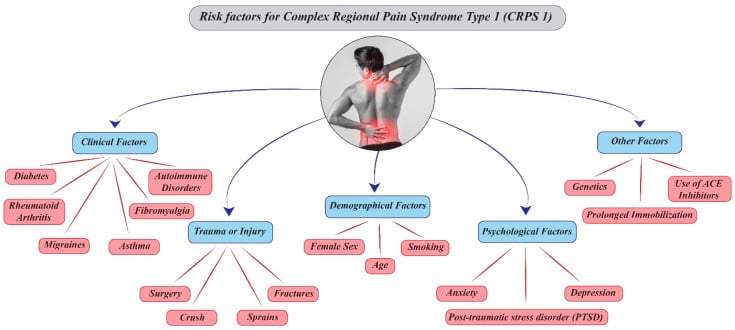
Who. Women outnumber men about 3:1 and the peak is middle age, 50-70 years; the upper limb is affected more than the lower. The event is a fracture or other trauma, and the commonest precipitant in practice is a distal radius fracture. A tight cast and a psychological predisposition, the anxious patient, add to the risk.
Pathophysiology
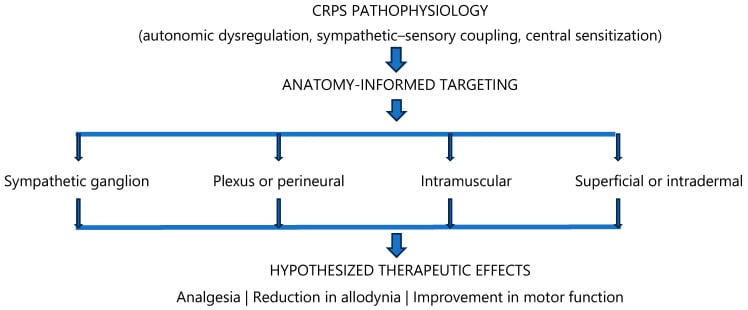
Neurogenic inflammation. Release of CGRP and substance P leads to vasodilation, which is the warm phase, and to plasma extravasation, which is the oedema.
Sympathetic coupling. Alpha-adrenergic receptors are expressed on nociceptors, so circulating catecholamines trigger pain. This is why stress exacerbates the condition.
Central sensitisation. The central changes explain why pain persists even after the tissue heals:
- Wind-up - dorsal horn neurons become hyperexcitable, an NMDA-receptor-mediated process
- Cortical reorganisation - the representation of the hand in the homunculus shrinks and blurs
- Disinhibition - loss of descending inhibitory control
Classification
IASP types. Type I, the old reflex sympathetic dystrophy, develops after an initiating noxious event that is not limited to the distribution of a single peripheral nerve. Type II, the old causalgia, develops after a nerve injury; see nerve injury and regeneration for the classification of the underlying lesion, which is what distinguishes Type II and may itself be treatable. CRPS not otherwise specified (NOS) partially meets the criteria, a catch-all that allows treatment without full diagnostic certainty.
- CRPS Type I
- Reflex Sympathetic Dystrophy (RSD)
- CRPS Type II
- Causalgia
- CRPS Type I
- Absent (or minor)
- CRPS Type II
- Present (Major nerve)
- CRPS Type I
- Fracture, Crush, Sprain
- CRPS Type II
- Nerve Transection/Injection
- CRPS Type I
- Identical
- CRPS Type II
- Identical
Stages. The three-stage sequence is historical but useful:
- Stage 1 (acute, warm), 0-3 months - warm, swollen, red, sweating; the pain is burning
- Stage 2 (dystrophic, cold), 3-12 months - cold, clammy, cyanotic; osteoporosis begins
- Stage 3 (atrophic), over 12 months - atrophy of skin and muscle, contractures (clawing), intractable pain
Early treatment prevents progression to Stage 3. The sequence has not been validated as a fixed temporal progression and many patients do not follow it, so the warm versus cold phenotype is more clinically useful than rigid staging.
Clinical Assessment
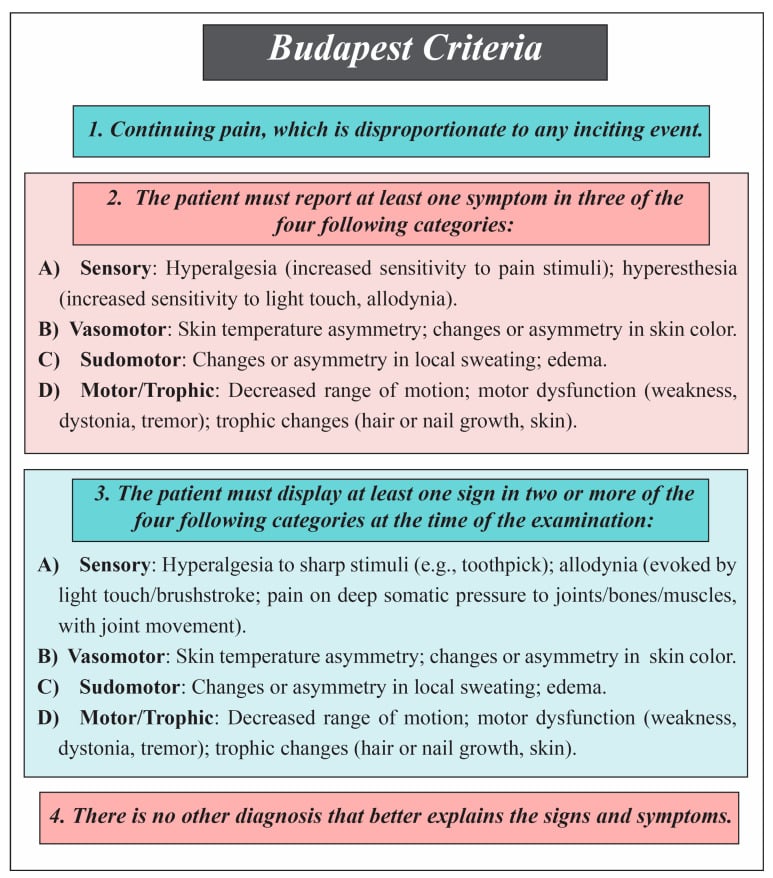
The Budapest criteria. The diagnosis is clinical. To diagnose CRPS the patient must meet all of the following:
- Continuing pain disproportionate to the inciting event
- Symptoms - the patient reports at least one symptom in three of the four categories
- Sensory: hyperalgesia, hyperaesthesia, allodynia
- Vasomotor: temperature asymmetry, skin colour changes
- Sudomotor/oedema: sweating changes, oedema
- Motor/trophic: decreased range of motion, weakness, tremor, hair, nail or skin changes
- Signs - the patient displays at least one sign in two of the four categories at the time of evaluation
- Exclusion - no other diagnosis better explains the signs and symptoms
How good they are. The Budapest clinical criteria are sensitive (0.99) with markedly improved specificity (0.68) over the older IASP criteria (0.41); the stricter Budapest research criteria reach a specificity of 0.79 (Harden et al., Pain 2010).
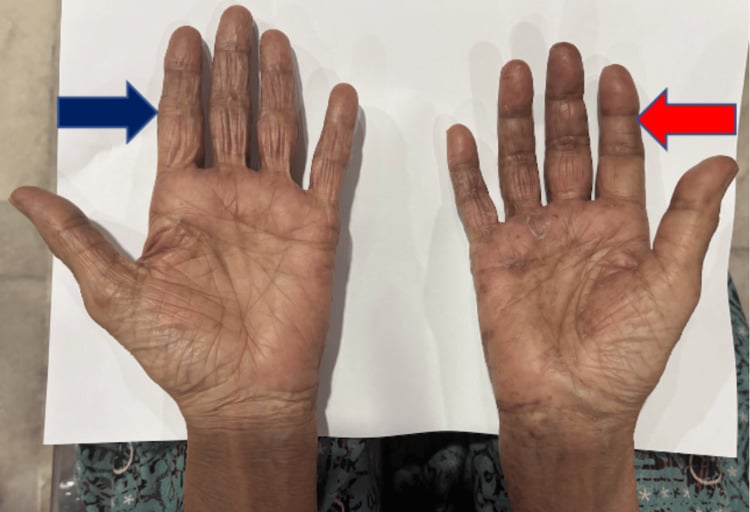
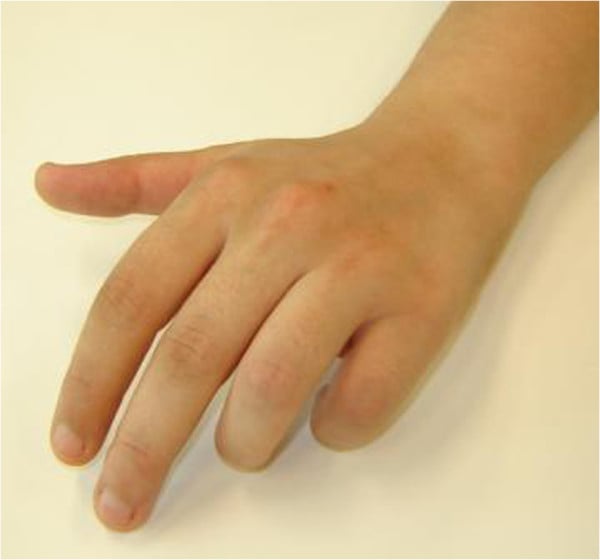
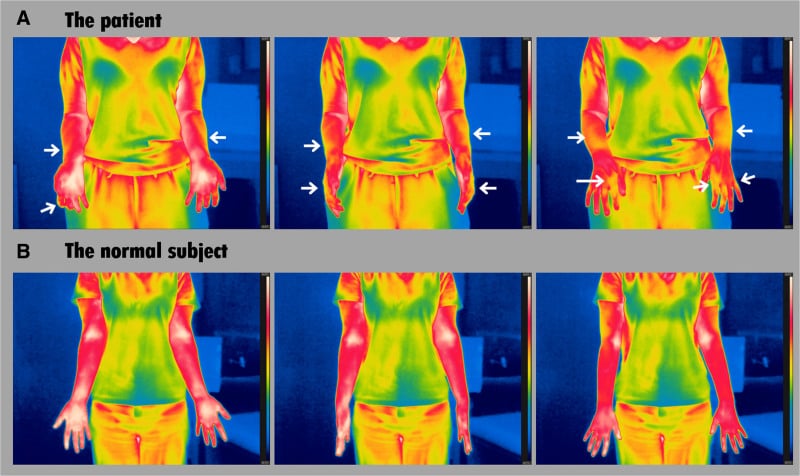
What the signs look like. Compare the two hands under the same ambient conditions: colour, swelling, sweating and temperature are all judged against the other side.
Differential Diagnosis
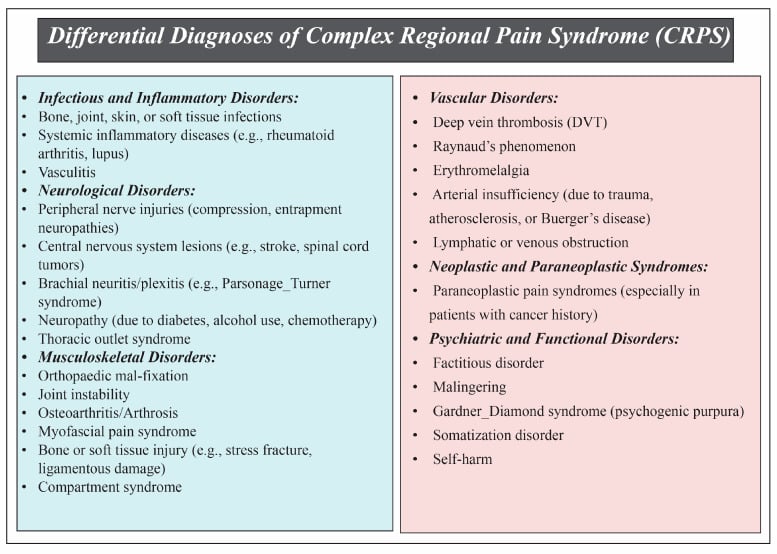
CRPS is a diagnosis of exclusion (Budapest criterion 4). Actively rule out the following before committing to the label:
- Distinguishing Features
- Unilateral swelling, calf/forearm tenderness, no allodynia
- Discriminating Test
- Doppler ultrasound, D-dimer
- Distinguishing Features
- Fever, raised inflammatory markers, well-demarcated erythema
- Discriminating Test
- Bloods (CRP/WCC), aspirate if effusion
- Distinguishing Features
- Pain on passive stretch, tense compartment, acute post-injury
- Discriminating Test
- Compartment pressures - surgical emergency
- Distinguishing Features
- Pain in defined nerve territory, motor/sensory deficit fits a nerve
- Discriminating Test
- Nerve conduction studies / EMG
- Distinguishing Features
- Symmetrical joint involvement, synovitis, serology positive
- Discriminating Test
- RF/anti-CCP, ESR, joint exam
- Distinguishing Features
- Episodic colour change, ischaemic features, pulse changes
- Discriminating Test
- Vascular studies, angiography
- Distinguishing Features
- Sharp demarcation lines, inconsistent history
- Discriminating Test
- Diagnosis of exclusion, observation
Investigations
No test makes the diagnosis; the Budapest criteria do, and they are clinical. Investigations support the diagnosis, exclude the mimics or pick out the patient for a particular treatment.
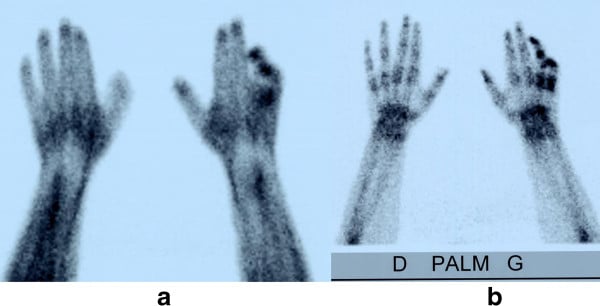
Triple-phase bone scan (technetium-99). Three phases, each with its own finding:
- Phase 1 (flow) - asymmetric, increased blood flow
- Phase 2 (pool) - soft-tissue uptake
- Phase 3 (delayed) - diffuse peri-articular uptake in all joints of the hand and wrist
Sensitivity is not as high as often quoted. Pooled across 21 studies it is 0.80 with specificity 0.85, and when the Budapest criteria are the reference standard sensitivity falls to 0.55 (Wertli 2017 meta-analysis). Because it cannot rule CRPS in, a positive scan does not make the diagnosis; because a negative scan makes CRPS less likely without excluding it, it cannot overturn a patient who meets the Budapest criteria. Its practical value is highest early, positive scans being commoner with disease duration under 52 weeks, and in flagging the high-uptake patient who is the one most likely to respond to a bisphosphonate. The phases and their pitfalls are set out in bone scan interpretation.
Plain radiographs. Patchy osteopenia, Sudeck's atrophy, appears late, after 3-4 weeks. It is specific but not sensitive in the early warm phase.
Ultrasound. An emerging modality for soft-tissue and vascular change: increased blood flow on Doppler, soft-tissue oedema and synovial thickening. It is non-invasive, radiation-free and dynamic, but operator-dependent and may miss subtle change; its use is in monitoring the response to treatment and ruling out other pathology.
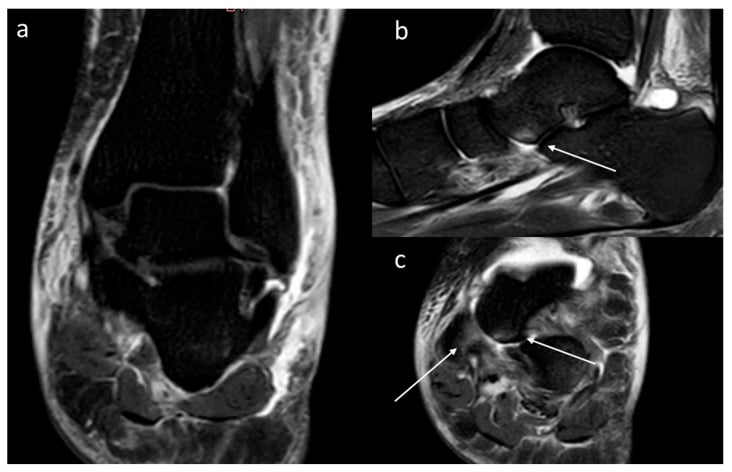
MRI and thermography. Both can document the phenotype; neither replaces the Budapest criteria.
Stellate ganglion block. Local anaesthetic is injected around the sympathetic chain at C6 (Chassaignac's tubercle). If the pain is relieved and there are signs of sympathetic block, Horner's syndrome (ptosis, miosis, anhidrosis) and warmth, the block confirms sympathetically maintained pain (SMP); a successful block that does not relieve the pain implies sympathetically independent pain (SIP). A diagnostic block can separate the two, but high-quality evidence for durable therapeutic benefit is limited and inconsistent, and the response does not reliably predict long-term outcome.
Management
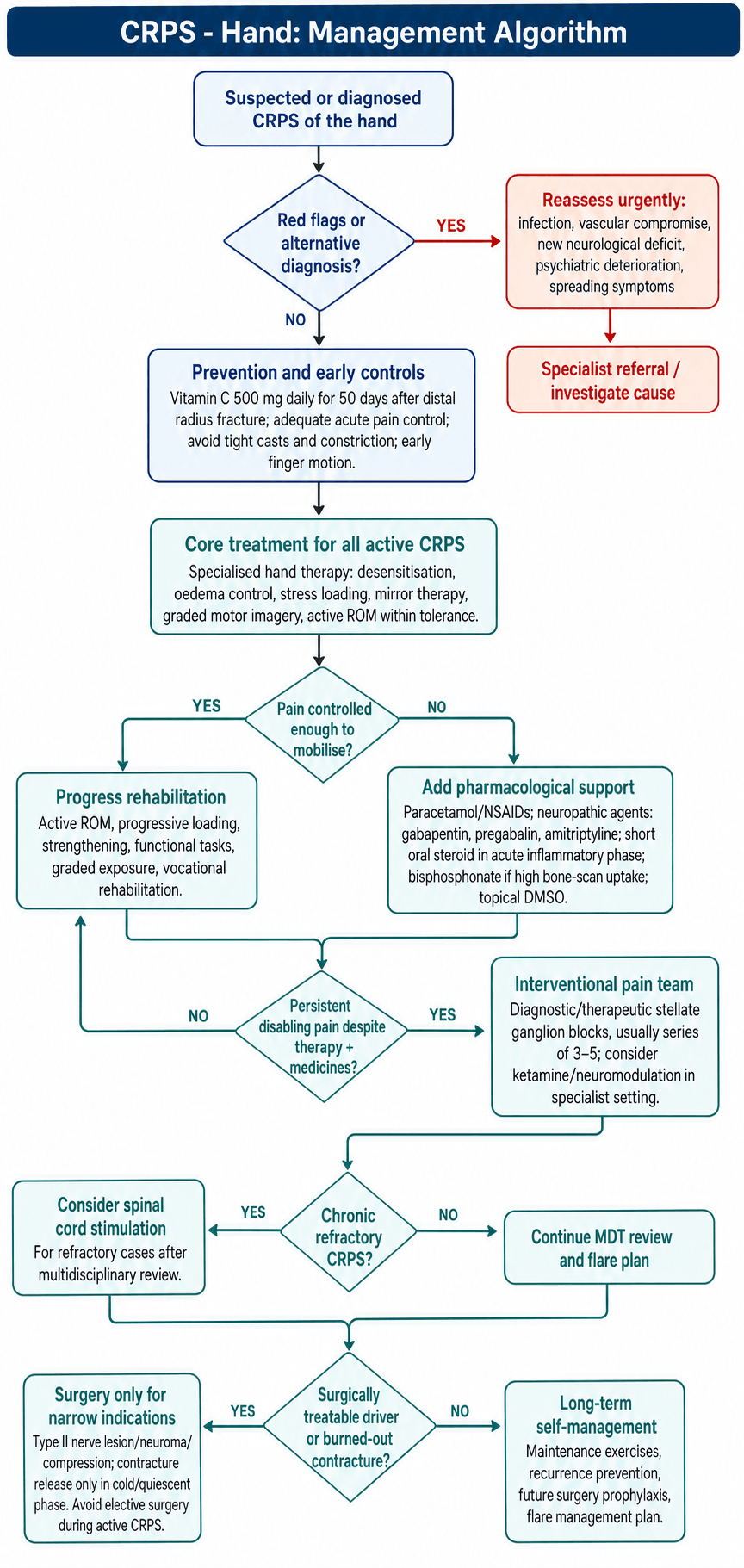
Prevention. Vitamin C 500mg daily for 50 days after a wrist fracture is the regimen from Zollinger's two RCTs, in which CRPS fell from 10.1 to 2.4 percent in the 2007 dose-response trial. Ekrol's 2014 JBJS Am RCT randomised 336 patients to the identical regimen and found no difference in CRPS rate or function at one year, with scattered signals the other way, including a higher 6-week CRPS rate in nondisplaced fractures. Two level-1 trials of the same protocol disagree, which is why UK guidance treats it as optional.
Many units still give every wrist-fracture patient verbal and written instruction for vitamin C. It is cheap and low-risk, so prescribing it is reasonable; present it as a unit policy on contested evidence, not as established prevention. The other preventive measures are aggressive acute pain management, which reduces central sensitisation, and avoiding the constriction of a tight cast.
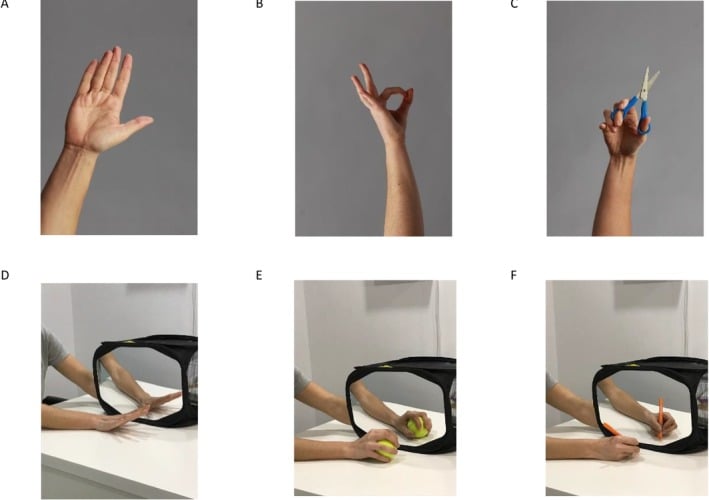
Physical therapy is the mainstay. Desensitisation is massage with different textures. Stress loading (Watson) is active loading without joint motion: in "scrubbing" the patient moves a scrub brush back and forth on a table with weight bearing, and in "carrying" the patient carries a weighted bag in the hand throughout the day, providing proprioceptive input without painful joint motion.
Mirror therapy (Ramachandran). The unaffected hand is placed in front of a mirror and the affected hand hidden behind it; the patient moves the unaffected hand and watches the reflection, which tricks the brain into thinking the bad hand is moving pain-free. Graded motor imagery (GMI) runs laterality recognition, then imagined movement, then the mirror, and re-trains the brain without triggering peripheral pain signals.
Start it early. In McCabe's controlled study mirror visual feedback produced analgesia in CRPS of less than 8 weeks' duration and no benefit once the disease was chronic, so it is an intervention with a window, not a rescue for long-standing disease. Moseley's graded motor imagery RCT, which finishes with mirror therapy after laterality recognition and imagined movement, reduced pain by 23mm on VAS versus 10mm for control and held the gain at 6 months; if the limb is already chronic, the structured GMI sequence is the better bet than the mirror alone.
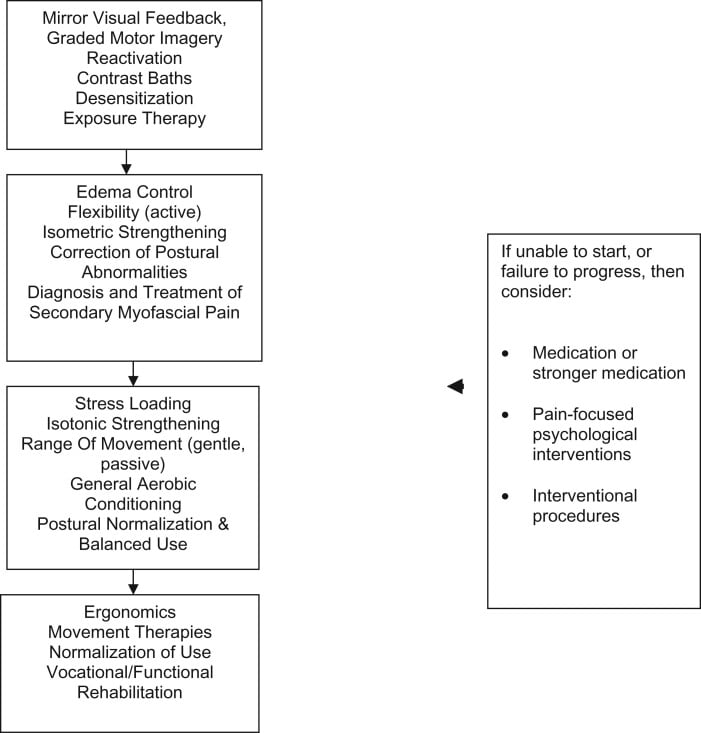
Pharmacotherapy. Drugs are chosen for the problem stopping therapy:
- Simple analgesia - paracetamol, NSAIDs
- Neuropathic agents - gabapentin, pregabalin, amitriptyline (a tricyclic)
- Bisphosphonates - reduce bone turnover and pain; the evidence supports their use, and they are particularly useful when the bone scan shows high uptake
- Steroids - a short course of oral prednisolone in the acute inflammatory phase
- Topical - DMSO cream, a free-radical scavenger, and capsaicin
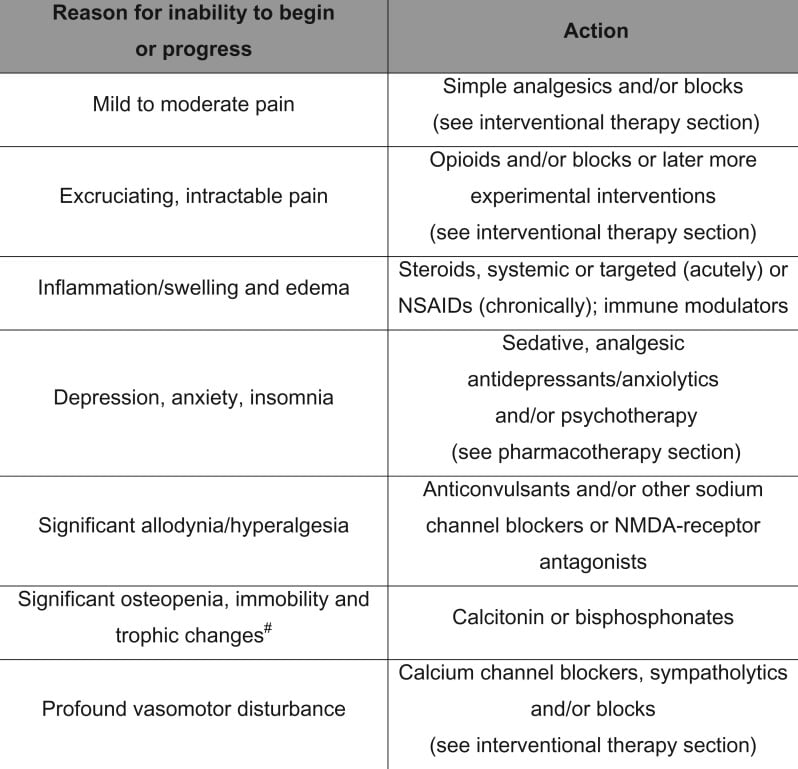
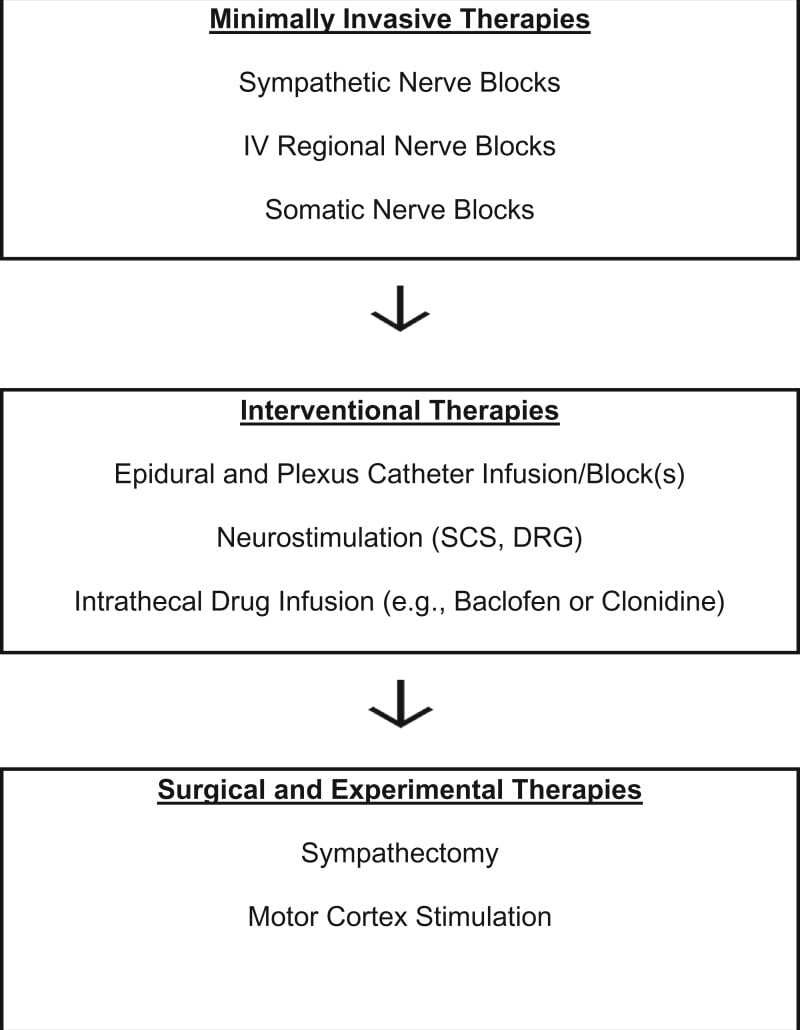
Interventional pain. Stellate ganglion blocks are given as a series of 3-5; a spinal cord stimulator (SCS) is for refractory cases. Be precise about what SCS delivers, because the only randomised trial followed its own patients long enough to answer it. At 6 months Kemler's RCT showed real pain relief (2.4cm VAS reduction versus a 0.2cm increase in controls) but no improvement in functional status, and complications in 6 of 24 implanted patients.
At the 5-year final follow-up of the same 54 patients, SCS plus physiotherapy performed similarly to physiotherapy alone on pain and on every other measured variable, what the authors call the "diminishing effectiveness of SCS over time". Yet 95 percent of implanted patients said they would do it again. So the accurate sentence is that SCS offers early pain relief that erodes, never bought function, and is still valued by the patients who had it, not that it has transformed the disease.
UK/RCP guidance frames CRPS care as four pillars delivered together from the moment of diagnosis; examiners expect you to name them, and to stress that they run in parallel, not in sequence.
- Education and self-management - explaining the diagnosis, that the pain is real but the limb is not damaged or dying, and giving an active flare-management plan; this alone reduces fear-avoidance and catastrophising.
- Pain relief - simple analgesia and neuropathic agents, bisphosphonates and a short steroid course in the inflammatory phase, with interventional options reserved for refractory disease.
- Physical and vocational rehabilitation - the load-bearing pillar: the hand-therapy programme above, progressing to functional and work-focused tasks.
- Psychological intervention - screening for and treating depression, anxiety and pain catastrophising with CBT, and addressing the elevated distress and suicide risk.
Medication and interventions exist to enable movement, not replace it; rehabilitation is the pillar the others support.
Surgical Interventions
Surgery is rarely indicated and often harmful.
Elective surgery, a carpal tunnel release or a trigger finger for instance, on a hand with active CRPS will cause a massive flare-up. Delay all elective surgery until the CRPS is quiescent, usually over 12 months, and operate during the active phase only for a clear, surgically correctable driver. Prolonged tourniquet time adds ischaemia-reperfusion injury and free-radical release, which drives CRPS.
Indications. There are two:
- An identifiable nerve lesion, a neuroma or a compression, that is driving the CRPS (Type II). A "painful nerve" is different from "CRPS", and fixing the nerve may fix the CRPS
- Contracture release, only in the cold, burned-out phase (Stage 3)
Sympathectomy. Endoscopic transthoracic sympathectomy at T2-T3 is a last resort: the outcome is unpredictable, the pain often recurs, and the risk of compensatory hyperhidrosis elsewhere is significant.
Amputation. Controversial, and only for a useless, dead-weight limb that is interfering with life. The risk of phantom pain and of recurrence of CRPS in the stump is very high; amputation is an admission of defeat, not a cure.
Surgery is sometimes unavoidable: a treatable Type II nerve lesion driving the syndrome, or necessary unrelated surgery in a patient with a CRPS history. When it cannot be avoided, take deliberate recurrence-prevention measures:
- Anaesthesia - favour regional anaesthesia, a brachial plexus block and ideally a continuous catheter, to give a peri-operative "pain holiday", blunt sympathetic drive and allow early pain-free movement
- Analgesia - aggressive pre-emptive, multimodal analgesia with neuropathic agents continued through the perioperative period to limit central sensitisation and wind-up
- Surgical conduct - minimise tourniquet time, handle tissue gently, and use the shortest immobilisation the repair allows
- Prophylaxis and aftercare - vitamin C cover, consider a short steroid course, involve the pain team and hand therapist from the outset, and explicitly counsel the patient on the real risk of recurrence or flare
Complications
Musculoskeletal Complications
- Frequency
- Very common
- Mechanism
- Disuse, fibrosis
- Management
- Aggressive hand therapy, serial splinting
- Frequency
- 40-60%
- Mechanism
- Capsular fibrosis
- Management
- ROM exercises, dynamic splinting
- Frequency
- 10-20% severe cases
- Mechanism
- Spontaneous fusion
- Management
- May require salvage procedures
- Frequency
- Nearly universal
- Mechanism
- Disuse atrophy
- Management
- Weight bearing, bisphosphonates
- Frequency
- Common
- Mechanism
- Disuse, neurogenic
- Management
- Strengthening when pain controlled
Trophic Changes
- Features
- Shiny, thin, atrophic
- Reversibility
- Partially reversible
- Features
- Increased then decreased growth
- Reversibility
- Variable
- Features
- Brittle, ridged, dystrophic
- Reversibility
- Usually improves
- Features
- Oedema then atrophy
- Reversibility
- Often permanent changes
Psychological. Depression affects 40-50% of CRPS patients; screen and treat early. Anxiety is very common with chronic pain and CBT is beneficial, pain disrupts sleep and worsens the symptoms, and catastrophising worsens outcomes and is addressed with psychological therapy. CRPS has been called "the suicide disease": actively assess suicide risk and refer.
Functional disability. 30-50% are unable to return to their previous work. Dressing, eating and grooming may be affected, pain and dysfunction lead to social withdrawal, and quality of life is significantly reduced without treatment.
Postoperative Care
The acute phase after any procedure. Multimodal analgesia, avoiding opioid dependence; oedema control with elevation, compression and contrast baths; protected motion, early active range of movement within pain tolerance; and vitamin C 500mg daily for 50 days.
Rehabilitation Phases
- Identify and document triggers
- Desensitisation techniques (textures, temperatures)
- Start Vitamin C immediately
- Refer to specialised Hand Therapy
- Mirror therapy initiation
- If pain controlled, aggressive active ROM
- Avoid passive stretching (provokes pain flares)
- Progressive loading and strengthening
- Stress loading programme (scrub and carry)
- Continue mirror therapy
- Functional task training
- Work simulation activities
- Graded exposure to avoided tasks
- Vocational rehabilitation assessment
- Life-long tendency for recurrence with new injuries
- Prophylactic Vitamin C for any future surgeries
- Self-management strategies
- Flare management plan
Red flags requiring reassessment. Each points to a different problem:
- Increasing pain despite treatment - consider an alternative diagnosis
- New neurological symptoms - may indicate central sensitisation
- Psychiatric deterioration - urgent mental health referral
- Spread of symptoms - may indicate generalised CRPS
Prognosis
Prognostic Factors
- Better Prognosis
- Children, young adults
- Worse Prognosis
- Elderly
- Better Prognosis
- Less than 3 months
- Worse Prognosis
- Greater than 1 year
- Better Prognosis
- Warm CRPS (early)
- Worse Prognosis
- Cold CRPS (established)
- Better Prognosis
- Localised
- Worse Prognosis
- Spreading to multiple limbs
- Better Prognosis
- Minimal catastrophising
- Worse Prognosis
- Depression, PTSD, anxiety
- Better Prognosis
- Early response to therapy
- Worse Prognosis
- Refractory to interventions
Expected outcomes.
- Full recovery - 10-30% (more in children)
- Significant improvement - 40-60%
- Chronic symptoms - 30-40%
- Severe disability - 10-15%
What decides the outcome. Early diagnosis and treatment is the single most important prognostic factor: treatment started within 3 months has significantly better outcomes, and delayed treatment carries a poor prognosis. Warm CRPS responds better to sympatholytics and early intervention, children do better than adults with higher recovery rates, and a multidisciplinary approach improves outcomes across all patient groups. CRPS can recur, in the same or the opposite limb.
A favourite examiner contrast. Paediatric and adolescent CRPS shows a strong adolescent-girl predominance, and the lower limb (foot and ankle) is affected more often than the upper limb, the reverse of adults. The trigger is often a trivial or even unremembered injury, a sprain rather than a fracture.
Intensive physiotherapy and desensitisation is the mainstay and is usually sufficient; sympathetic blocks, neuromodulation and bisphosphonates are rarely needed. The prognosis is markedly better than in adults, with high rates of full recovery, though recurrence can occur. Address school avoidance and family dynamics; a graded return-to-activity programme outperforms rest.
Guidelines, Registries & Global Practice
Global Epidemiology
- Incidence: Population-based estimates range from approximately 5 to 26 per 100,000 person-years, with the upper end from a Dutch cohort and the lower end from a US (Olmsted County) cohort.
- Demographics: Female predominance (roughly 3 to 4:1); peak onset in the post-menopausal range (around 50 to 70 years). Upper limb is affected more often than lower limb.
- Commonest trigger: Distal radius fracture is the single most frequent inciting event; CRPS may also follow crush, sprain, surgery or immobilisation.
Side-by-Side Guidance
- Diagnostic Standard
- Budapest clinical criteria for diagnosis
- Key Treatment Emphasis
- Clinical diagnosis; exclude mimics
- Diagnostic Standard
- Budapest criteria; "four pillars" model
- Key Treatment Emphasis
- Early, function-focused multidisciplinary rehab; vitamin C debated, not mandated
- Diagnostic Standard
- Budapest criteria
- Key Treatment Emphasis
- Free-radical scavengers (DMSO, NAC); physiotherapy; pain pathway
- Diagnostic Standard
- Budapest criteria
- Key Treatment Emphasis
- Multidisciplinary, early mobilisation, psychological input
Areas of Genuine Difference
- Vitamin C prophylaxis: Endorsed by several orthopaedic/trauma groups after distal radius fracture on the Zollinger RCTs, but UK guidance treats it as optional - the largest replication attempt (Ekrol 2014, 336 patients, same 500mg/50-day regimen) found no difference in CRPS rate or function at one year.
- Bisphosphonates: Increasingly recommended in early CRPS-I in European rheumatology practice (neridronate RCTs); used more selectively elsewhere.
- Spinal cord stimulation: Reserved for refractory disease; the Kemler RCT showed pain relief without functional gain, tempering enthusiasm.
High- vs Limited-Resource Practice
- Well-resourced settings: Access to specialist multidisciplinary pain teams, triple-phase bone scan, MRI, sympathetic blocks, neuromodulation and ketamine infusion.
- Limited-resource settings: Diagnosis remains clinical (Budapest criteria need no imaging), and the highest-yield, lowest-cost interventions - early mobilisation, desensitisation, mirror therapy, graded motor imagery, simple analgesia and vitamin C - are widely deliverable and remain the backbone of care.
MCQ Practice Points
Q: What is the most sensitive imaging modality for early CRPS? A: Triple Phase Bone Scan (Phase 3 diffuse uptake) - but read the question carefully. It is the most sensitive imaging test early; it is not the diagnostic standard. If the stem asks how CRPS is diagnosed, the answer is the clinical Budapest criteria, and no imaging is required.
Q: Is the hand warm or cold in acute CRPS? A: Warm (Vasodilation due to neurogenic inflammation). It becomes cold later.
Q: What is the recommended dose of Vitamin C for prophylaxis? A: 500mg daily for 50 days.
Q: What is the role of Stellate Ganglion Block in CRPS? A: Both diagnostic (confirms Sympathetically Maintained Pain if pain relieved) and therapeutic (series of 3-5 blocks may provide lasting relief).
Q: What is the difference between CRPS Type I and Type II? A: Type I (RSD) has no identifiable nerve injury. Type II (Causalgia) has an identifiable nerve injury.
Q: When is surgery contraindicated in CRPS? A: During the active phase - surgery will cause a massive flare-up. Wait until quiescent (usually over 12 months).
Viva Scenarios
Practise clinical reasoning and management decisions out loud
“A 50-year-old female presents 6 weeks after a distal radius fracture (treated in a cast). She complains the cast was 'too tight'. The cast is off. Her hand is swollen, red, sweating, and she cannot make a fist due to pain.”
“A patient with old nerve injury has a cold, stiff, blue hand with severe pain. It has been 2 years.”
“You are fixing a distal radius fracture. The patient asks how to prevent 'that horrible pain syndrome'.”
Diagnostic Criteria (Budapest)
- Continuing pain disproportionate to event
- Sensory: Hyperalgesia/Allodynia
- Vasomotor: Temp/Color asymmetry
- Sudomotor/Edema: Sweating/Swelling
- Motor/Trophic: Weakness/Nail changes
Management Hierarchy
- 1. Vitamin C & Physiotherapy (Stress Loading)
- 2. Pharmacotherapy (Gabapentin/Bisphosphonates)
- 3. Sympathetic Block (Stellate)
- 4. Neuromodulation (SCS)
Don't Forget
- Vit C 500mg x 50 days (Prevention)
- NO elective surgery during active CRPS
- Bone Scan = Diffuse peri-articular uptake
- Mirror Therapy for central desensitization
- Horner's confirms stellate block worked
Evidence Base
Budapest Criteria Validation
- Validation study in 113 CRPS-I and 47 non-CRPS neuropathic pain patients
- Budapest clinical criteria: sensitivity 0.99, specificity 0.68 (vs IASP specificity 0.41)
- Budapest research criteria gave the highest specificity (0.79)
Bone Scintigraphy: What It Can and Cannot Do
- Systematic review and Bayesian meta-analysis, 21 studies of bone scintigraphy against imperfect reference standards
- Pooled sensitivity 0.804 and specificity 0.853 - well short of the 'over 90 percent' figure often quoted
- Against the Budapest criteria specifically, sensitivity fell to 0.551 while specificity rose to 0.935
- Positive scans were commoner with disease duration under 52 weeks and in men
- Authors' conclusion: bone scan CANNOT be used to rule IN CRPS-I; a negative scan only makes it less likely
Vitamin C Prophylaxis (Index RCT)
- Double-blind RCT, 123 adults with 127 conservatively treated wrist fractures
- 500mg vitamin C daily for 50 days reduced RSD/CRPS from 22 percent (placebo) to 7 percent
- Proposed mechanism: antioxidant scavenging of toxic oxygen free radicals
Vitamin C Dose-Response Trial
- Multicentre double-blind RCT, 416 patients with 427 wrist fractures (placebo vs 200/500/1500mg)
- CRPS prevalence 2.4 percent with vitamin C vs 10.1 percent with placebo
- 500mg and 1500mg equally effective (relative risk 0.17); 500mg for 50 days recommended
Vitamin C: The Trial That Did Not Replicate
- Double-blind RCT, 336 adults with acute distal radial fracture, the SAME protocol as Zollinger (500mg daily for 50 days)
- No significant effect on DASH at any point, and no difference in CRPS rate at one year in displaced or nondisplaced fractures
- Signals in the opposite direction: nondisplaced fractures on vitamin C had a HIGHER CRPS rate at 6 weeks (p=0.022); displaced fractures had more complications (p=0.043) and more pain with use (p=0.045) at 26 weeks
- Authors conclude vitamin C confers no benefit after distal radial fracture
Bisphosphonate (Neridronate) RCT
- Multicentre double-blind placebo-controlled RCT, 82 patients with acute CRPS-I
- Four IV neridronate 100mg infusions over 10 days gave significant, persistent VAS reduction
- Authors conclude bisphosphonates are a treatment of choice in early CRPS-I
Mirror Visual Feedback
- Controlled pilot study, 8 subjects with CRPS Type 1
- Mirror visual feedback gave analgesia in early CRPS (under 8 weeks) but no benefit in chronic disease
- Supports the motor-sensory incongruence model of CRPS pain
Graded Motor Imagery RCT
- RCT of 51 patients with CRPS-I or phantom limb pain
- Graded motor imagery (laterality recognition to imagined movement to mirror therapy) reduced VAS by 23mm vs 10mm control
- Functional gains maintained at 6-month follow-up
Spinal Cord Stimulation RCT
- RCT of 54 patients with chronic RSD/CRPS (36 SCS plus physiotherapy vs 18 physiotherapy alone)
- Mean pain reduction 2.4cm vs 0.2cm increase at 6 months (less than 0.001)
- No improvement in functional status; 6 of 24 implanted patients had complications
Spinal Cord Stimulation: The Same Trial at Five Years
- Five-year final follow-up of the SAME 54 patients randomised in the 2000 NEJM trial
- At 5 years, SCS plus physiotherapy produced results similar to physiotherapy alone for pain relief AND all other measured variables
- The authors name the effect explicitly: 'diminishing effectiveness of SCS over time'
- In a subgroup of the 20 who actually kept an implant, global perceived effect exceeded controls (p=0.02) but pain relief did NOT reach significance (p=0.06)
- Despite this, 95 percent of implanted patients said they would repeat the treatment for the same result
Ketamine Infusions
- Double-blind placebo-controlled RCT of outpatient IV ketamine over 10 days
- Statistically significant reduction across multiple pain parameters versus placebo
- NMDA-receptor antagonist mechanism; warrants larger higher-dose trials