Synovium Structure | Type A and B Synoviocytes | Hyaluronic Acid | Boundary and Fluid Film Lubrication
- Synovium lacks basement membrane - unique feature allowing bidirectional diffusion for joint nutrition
- Type A synoviocytes are macrophage-like (CD68+) and remove debris via phagocytosis
- Type B synoviocytes are fibroblast-like and synthesise hyaluronic acid for synovial fluid viscosity
- Hyaluronic acid (MW 3-4 MDa) provides non-Newtonian viscosity for lubrication
- Boundary lubrication (lubricin/PRG4) prevents solid-solid contact at low speeds; fluid film lubrication at high speeds
- “Normal synovial fluid is acellular (under 200 WBC/μL) with no organisms on Gram stain
- “Septic arthritis: over 50,000 WBC/μL with over 75% neutrophils, positive culture
- “Inflammatory arthritis: 2,000-50,000 WBC/μL, rheumatoid factor may be present
- “Lubrication mechanisms differ by speed: boundary (static/low speed) vs fluid film (high speed)
Overview and Introduction
The synovium is a specialised mesenchymal tissue that lines the non-cartilaginous surfaces of synovial joints. It produces synovial fluid, which nourishes the avascular articular cartilage and lets the joint move with almost no friction.
Synovial fluid is a dialysate of plasma enriched with hyaluronic acid (hyaluronan), a high molecular weight glycosaminoglycan whose viscoelastic properties are essential to joint function.
Synovium Anatomy and Histology
Where it lies. The synovium lines the joint capsule, the intra-articular ligaments and the bone surfaces not covered by cartilage, reaching the bone-cartilage junction (the tidemark region). It does not cover articular cartilage or the menisci. Folds (plicae) and villi increase its surface area.
What it looks like. A thin membrane, 0.1-0.3 mm thick, with a smooth, glistening surface. It is pink to pale red because it is highly vascular.
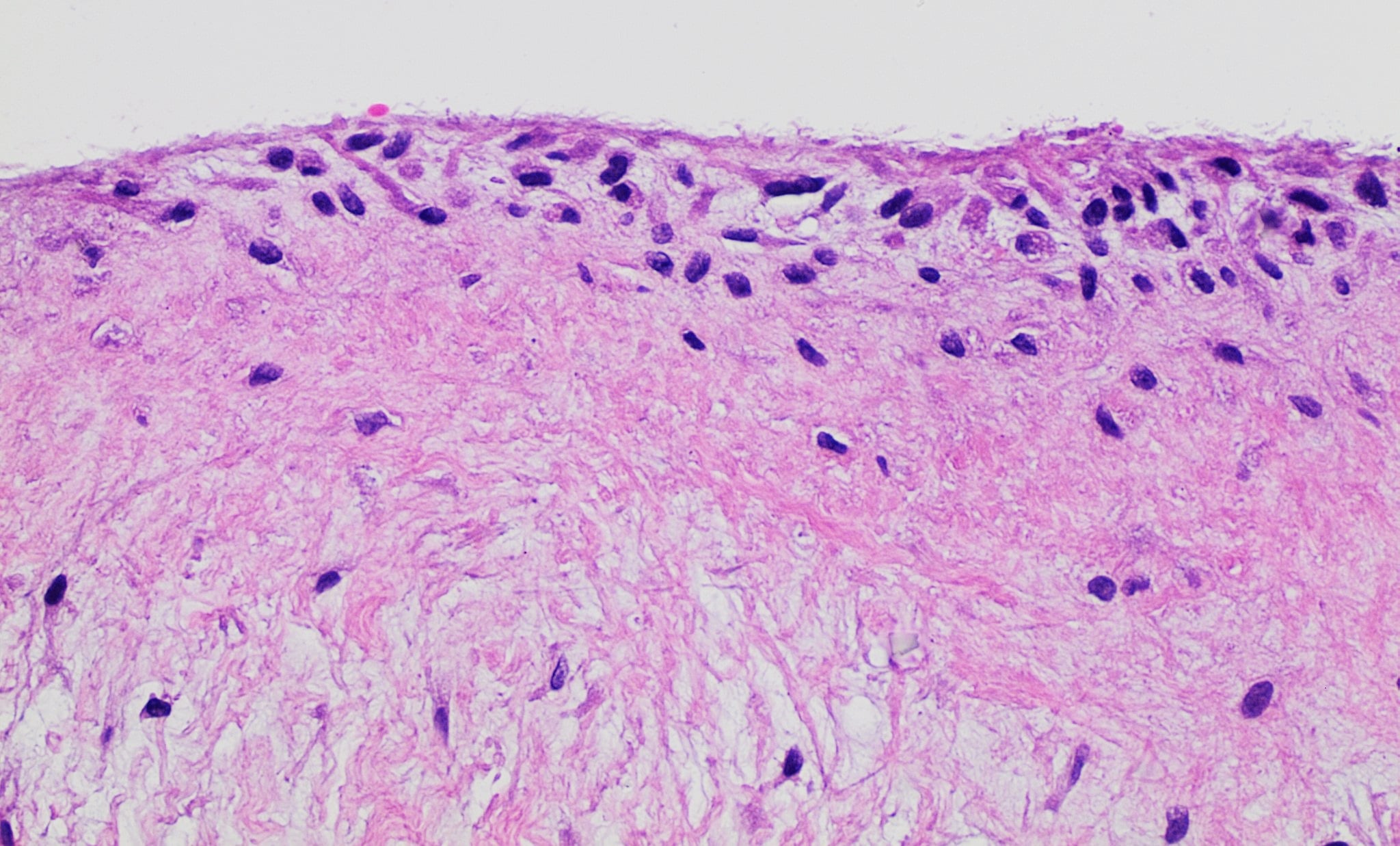
The intima. The lining layer is 1-3 cells thick (20-40 micrometres) and is made of Type A and Type B synoviocytes. It has no basement membrane, a feature unique among the body's membranes, and gaps between its cells let molecules of up to 10-20 nm pass freely. That arrangement permits bidirectional diffusion and rapid fluid exchange, giving the avascular cartilage efficient nutrient exchange. The intima's work is synovial fluid production, cartilage nutrition and debris removal.
The subintima. Beneath the lining is loose connective tissue rich in blood vessels, lymphatics and nerves, providing vascular supply, immune surveillance and structural support. Its vessels supply the joint and form the synovial fluid. It is classified by its predominant tissue:
- Fibrous (collagenous) - near the capsule
- Areolar (loose connective tissue) - near bone
- Adipose - near the fat pads
Blood supply. A rich, anastomosing capillary network in the subintima gives a redundant supply, and its capillaries are fenestrated, allowing fluid and protein exchange. No vessels enter the intima, which is avascular: nutrients diffuse from the subintimal vessels across the intima into the synovial fluid and then to the cartilage. An extensive, lower-pressure venous plexus in the subintima allows fluid to accumulate in inflammation.
Lymphatics. Lymphatic vessels lie in the subintima, not the intima, and drain to regional lymph nodes. They matter for immune surveillance and fluid balance.
Nerves. The synovium has a rich sensory supply.
- Pain fibres, with nociceptors mediating the pain of arthritis
- Mechanoreceptors that detect joint position and movement
- Sympathetic fibres that regulate blood flow
Synovitis. Inflammatory mediators such as IL-1 and TNF-alpha increase capillary permeability, producing an effusion with a high protein content. VEGF drives neovascularisation, and the new vessels bring more inflammatory cells into the joint in diseases such as rheumatoid arthritis.
Synoviocytes
Type A synoviocytes are macrophage-like cells of bone marrow (monocyte) origin. They phagocytose debris, dead cells and immune complexes, present antigen to T cells via MHC-II, and watch the joint for pathogens. In inflammation they secrete IL-1, IL-6 and TNF-alpha.
Type B synoviocytes are fibroblast-like cells of local mesenchymal origin, with long dendritic processes extending into the joint cavity. They are the synthetic cell: hyaluronic acid, the primary source of synovial fluid viscosity, lubricin (proteoglycan 4, PRG4) for boundary lubrication, collagen types I, III and IV for the synovium's own structure, and growth factors (VEGF, FGF) for tissue maintenance.
- Type A (Macrophage-like)
- Bone marrow (monocyte)
- Type B (Fibroblast-like)
- Mesenchymal (local)
- Type A (Macrophage-like)
- Rounded, surface ruffling (microvilli and filopodia)
- Type B (Fibroblast-like)
- Elongated, spindle-shaped
- Type A (Macrophage-like)
- CD68, CD163, CD14
- Type B (Fibroblast-like)
- Vimentin, CD55, uridine diphosphoglucose dehydrogenase (UDPGD)
- Type A (Macrophage-like)
- Phagocytosis, debris removal
- Type B (Fibroblast-like)
- Hyaluronic acid synthesis
- Type A (Macrophage-like)
- Numerous lysosomes and vacuoles, large Golgi, extensive endoplasmic reticulum
- Type B (Fibroblast-like)
- Abundant rough ER and Golgi (for protein synthesis)
- Type A (Macrophage-like)
- 20-30%
- Type B (Fibroblast-like)
- 70-80%
The two cells work together: Type B creates the lubricating environment and Type A keeps the joint clean. Type A cleans, Type B builds.
Synovial Fluid Composition and Properties
Normal fluid. The knee holds 0.3-3.5 mL, the volume varying with joint size. It is clear to pale yellow (straw-coloured), transparent enough to read newsprint through, and highly viscous because of its hyaluronic acid.
Cells. Fewer than 200 WBC/μL, under 25% of them neutrophils and most of them mononuclear: monocytes, lymphocytes and synoviocytes shed from the intima. Normal fluid contains no red cells.
The dialysate. Water makes up 85%, the electrolytes (Na+, K+, Cl-, Ca2+, Mg2+) are similar to plasma, and glucose runs at 90-100% of plasma glucose (50-100 mg/dL). Small molecules diffuse freely from the blood.
Proteins. Total protein is 1-2 g/dL, one-third of the plasma concentration. Albumin predominates and passes through the synovial membrane easily; IgG, IgM and IgA are present at lower concentrations than in plasma. Collagenase and hyaluronidase are normally present only at low levels.
Hyaluronic Acid (Hyaluronan)
Structure. Hyaluronan is a glycosaminoglycan, not a proteoglycan: it has no protein core. It is an unbranched polymer of repeating disaccharides of D-glucuronic acid and N-acetyl-D-glucosamine, up to 25,000 units long, and is anionic (negatively charged) at physiological pH. In normal synovial fluid its molecular weight is 3-4 MDa (3-4 million Daltons) and its concentration 3-4 mg/mL (0.3-0.4%).
Synthesis. Type B synoviocytes make it with plasma membrane-bound hyaluronan synthases (HAS1, HAS2, HAS3), which extrude it directly into the extracellular space as it is synthesised. Turnover is rapid, with a half-life of 12-24 hours in the joint.
Non-Newtonian viscosity. Hyaluronan-rich fluid is shear-thinning. At low shear rates (slow movement) its viscosity is high, which absorbs shock; at high shear rates (fast movement) it is low, which eases movement. This behaviour is ideal for joint function.
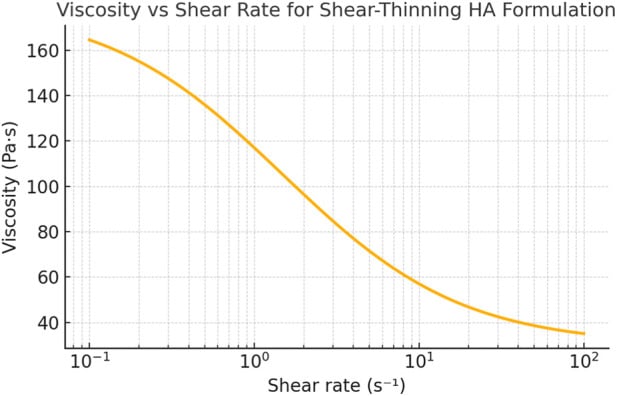
Osmotic properties. Through the Donnan effect, the negative charges attract cations and water. The result is a hydrated gel that resists compression and occupies a large hydrodynamic volume (the excluded volume effect).
Viscoelasticity. The viscous component dissipates energy (damping) and the elastic component stores and returns it. Both contribute to joint function.
What it does in the joint.
- Lubrication - contributes to fluid film lubrication at high speeds
- Shock absorption - high viscosity at low shear dissipates impact forces
- Cartilage nutrition - facilitates nutrient transport to avascular cartilage
- Molecular sieve - restricts diffusion of large molecules and retains growth factors
- Anti-inflammatory - scavenges free radicals and inhibits neutrophil migration
Normal synovial fluid HA is 3-4 MDa. In osteoarthritis, HA molecular weight decreases (degraded by hyaluronidase and free radicals), reducing viscosity and lubrication. In inflammatory arthritis, HA concentration decreases AND molecular weight decreases, leading to watery synovial fluid with poor lubricating properties.
Lubricin (Proteoglycan 4, PRG4)
Structure. Lubricin is a mucin-like glycoprotein encoded by the PRG4 gene, with a molecular weight of 227 kDa that varies widely with glycosylation. A heavily glycosylated central mucin domain, carrying O-linked sugar chains on serine and threonine, lies between terminal globular domains.
Source. Type B synoviocytes and superficial zone chondrocytes both make it, and TGF-beta and mechanical loading increase its production. It is secreted into the synovial fluid, at 50-400 micrograms/mL, and onto the cartilage surface, where it is the primary boundary lubricant, preventing cartilage adhesion and wear at low speeds and high loads.
Camptodactyly-arthropathy-coxa vara-pericarditis (CACP) syndrome is caused by PRG4 mutations (lubricin deficiency). Patients develop early-onset, non-inflammatory joint disease and precocious joint failure from the loss of boundary lubrication. That this genetic loss alone is enough is the human proof that lubricin is essential to normal joint function, and a rationale for PRG4-based therapeutics.
Joint Lubrication Mechanisms
Joints achieve remarkably low friction, a coefficient of 0.001-0.01, through two complementary mechanisms that operate under different conditions. Between them they cover the full range of joint activity.
- Boundary Lubrication
- Low speed, high load
- Fluid Film Lubrication
- High speed, low-moderate load
- Boundary Lubrication
- Lubricin (PRG4)
- Fluid Film Lubrication
- Synovial fluid (HA + water)
- Boundary Lubrication
- Adsorbed molecular layer
- Fluid Film Lubrication
- Pressurised fluid film
- Boundary Lubrication
- 0.01-0.02
- Fluid Film Lubrication
- 0.001-0.005
- Boundary Lubrication
- Standing, static loading
- Fluid Film Lubrication
- Walking, running
Boundary Lubrication
Definition. An adsorbed molecular layer prevents direct solid-solid contact between the surfaces. In synovial joints that layer is lubricin.
How it works.
- Adsorption - lubricin binds to the articular cartilage surface by its terminal globular domains, forming a monolayer
- Brush formation - the heavily glycosylated central mucin domain extends perpendicular to the surface as a hydrated, brush-like structure of hydrophilic sugar chains
- Repulsion - as opposing surfaces approach, the brushes meet: steric repulsion as the sugar chains resist compression, and hydration repulsion as water resists removal from the brushes, together preventing adhesion and solid-solid contact
- Shear - under sliding, the brushes slide past each other and the hydrated layer acts as the lubricant
When it dominates. Boundary lubrication takes over whenever a fluid film cannot form.
- Static loading - standing still or holding a prolonged posture, the joint stationary under load
- Slow movement and start-up - getting up from a chair or starting to walk, when sliding is too slow for a fluid film to form
- High load - the load exceeds fluid pressure and squeezes the film out
- Consolidation - after prolonged loading has compressed the cartilage
Why it matters. It prevents cartilage wear under low-speed, high-load conditions, protects against adhesive wear, and is critical for start-up friction, the static friction that must be overcome to begin moving. Osteoarthritis is associated with decreased lubricin in the synovial fluid and at the cartilage surface, and that loss of boundary lubrication contributes to wear, especially at low speeds and high loads. Recombinant (exogenous) lubricin is being studied as a potential treatment for osteoarthritis.
Fluid Film Lubrication
Definition. A pressurised layer of fluid separates the opposing surfaces and prevents solid-solid contact. There are two ways to generate the pressure.
Hydrodynamic (wedge film). Sliding creates a converging wedge between the surfaces; fluid is dragged into the narrowing gap, its pressure rises, and the pressure lifts the surfaces apart. It needs tangential (sliding) motion and asymmetric geometry, as in walking and running.
Squeeze film. Rapid loading squeezes the surfaces together and forces fluid out laterally. The viscous fluid resists rapid extrusion, so its pressure rises and it supports the load for a time. It needs normal (perpendicular) loading, as at heel strike or in jumping.
What sets film thickness.
- Viscosity - higher viscosity (hyaluronic acid) gives a thicker film
- Sliding speed - higher speed gives a thicker film
- Load - higher load thins the film
- Surface geometry - incongruent surfaces trap fluid more effectively
The part hyaluronic acid plays. Its non-Newtonian viscosity is high at low shear, supporting the squeeze film, and low at high shear, reducing drag. Its elasticity lets fluid flow back into the gap after the load is removed, and the higher its molecular weight, the better the lubrication.
When it dominates, and when it fails. Fluid film lubrication dominates at high speed (walking, running, cycling), at moderate loads the fluid pressure can support, and between incongruent surfaces that trap fluid easily, such as the femoral head on the acetabulum. It breaks down under a high sustained load that squeezes the fluid out, at slow speeds that generate too little pressure, and when degraded hyaluronic acid leaves the fluid too thin to support a film.
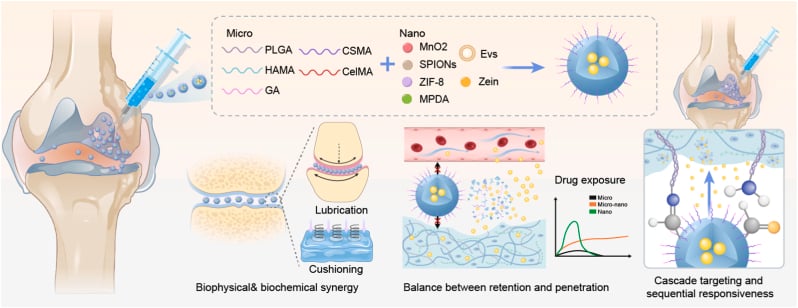
Lubrication in arthritis. In osteoarthritis and inflammatory arthritis, hyaluronic acid is degraded (lower molecular weight, lower concentration) and lubricin with it, impairing both fluid film and boundary lubrication and accelerating wear. The loss of viscosity increases cartilage contact during walking and running. Viscosupplementation with exogenous hyaluronic acid aims to restore fluid film lubrication.
Additional Mechanisms
These contribute but are less dominant than boundary and fluid film lubrication.
Weeping lubrication. Load compresses the cartilage and interstitial fluid weeps out of the matrix, forming a fluid layer at the surface. Its contribution is minor, and it acts only during initial loading because the fluid quickly redistributes.
Boosted lubrication. As the surfaces approach, small molecules such as water can enter the narrowing gap but the 3-4 MDa hyaluronic acid molecules cannot. Hyaluronic acid therefore concentrates at the gap entrance, raising local viscosity and enhancing load support at the interface. The evidence is mixed: some studies support it, others do not.
Hydration lubrication. Phospholipids such as phosphatidylcholine, from the lipids of synovial fluid and cartilage matrix, form bilayers with hydration shells on the cartilage surface. Like lubricin, they reduce friction by hydration repulsion, and they can achieve a coefficient as low as 0.001.
Cartilage biphasic properties. Cartilage is biphasic, a solid collagen-proteoglycan matrix and a fluid phase. Fluid pressurisation supports the load at first before the matrix takes over, giving time-dependent creep and stress relaxation, and the fluid exuded along the way provides transient lubrication.
All lubrication mechanisms work together. At low speeds and high loads, boundary lubrication (lubricin) dominates. At high speeds, fluid film lubrication (HA-rich synovial fluid) dominates. Hydration lubrication contributes throughout and weeping during initial loading. In healthy joints, redundancy ensures low friction across all conditions.
Synovial Fluid Analysis - Clinical Pathology
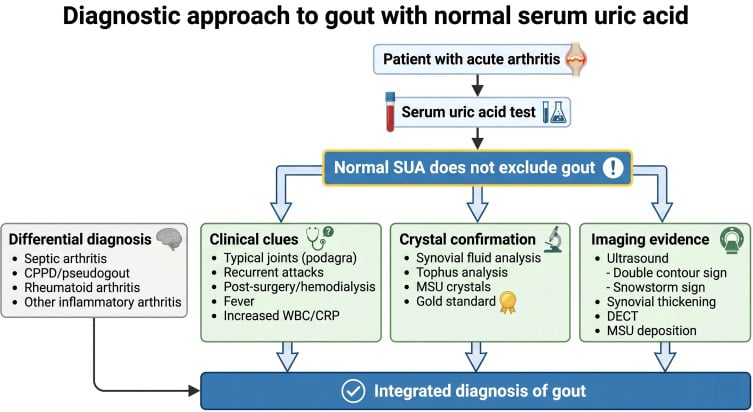
Synovial fluid analysis is the gold standard for diagnosing septic arthritis and crystal arthropathy. Cell count, differential, crystals and culture sort the fluid into four categories.
- Normal
- Clear/pale yellow
- Non-inflammatory
- Yellow
- Inflammatory
- Yellow/cloudy
- Septic
- Purulent/opaque
- Normal
- Transparent
- Non-inflammatory
- Transparent
- Inflammatory
- Translucent/opaque
- Septic
- Opaque
- Normal
- High
- Non-inflammatory
- High
- Inflammatory
- Low
- Septic
- Very low
- Normal
- under 200/μL
- Non-inflammatory
- 200-2,000/μL
- Inflammatory
- 2,000-50,000/μL
- Septic
- over 50,000/μL
- Normal
- under 25%
- Non-inflammatory
- under 25%
- Inflammatory
- over 50%
- Septic
- over 75%
- Normal
- Negative
- Non-inflammatory
- Negative
- Inflammatory
- Negative
- Septic
- Positive (50-90%)
Reading the count. Non-inflammatory fluid comes from osteoarthritis and trauma; inflammatory fluid from rheumatoid arthritis, gout and pseudogout. The septic figure of over 50,000 WBC/μL is the classic one, but counts can overlap with inflammatory arthritis, and the Evidence Base below shows that threshold missing nearly half of septic joints, so a count below it does not exclude infection.
Septic arthritis is a surgical emergency: bacterial and neutrophil proteases degrade the collagen-proteoglycan matrix within hours, so prompt arthrocentesis, washout and antibiotics preserve cartilage. Classic findings are a WBC over 50,000/μL, over 75% PMNs and a positive Gram stain or culture, and the synovial WBC count and PMN percentage are the most powerful early laboratory discriminators. However, WBC counts can overlap with inflammatory arthritis. Always correlate with the clinical presentation (fever, acute monoarthritis). If suspicion is high, treat as septic until proven otherwise.
How the Fluid Is Analysed
Gross appearance. Note the colour: clear, yellow, cloudy, bloody or purulent. Hold the tube against newsprint to judge clarity, and test viscosity with the string test: normal fluid forms a 4-6 cm string.
Cell count and differential. A haemocytometer or automated counter gives the total WBC per microlitre and the percentages of neutrophils, lymphocytes and monocytes. Dilute with saline, not acetic acid, which precipitates hyaluronic acid.
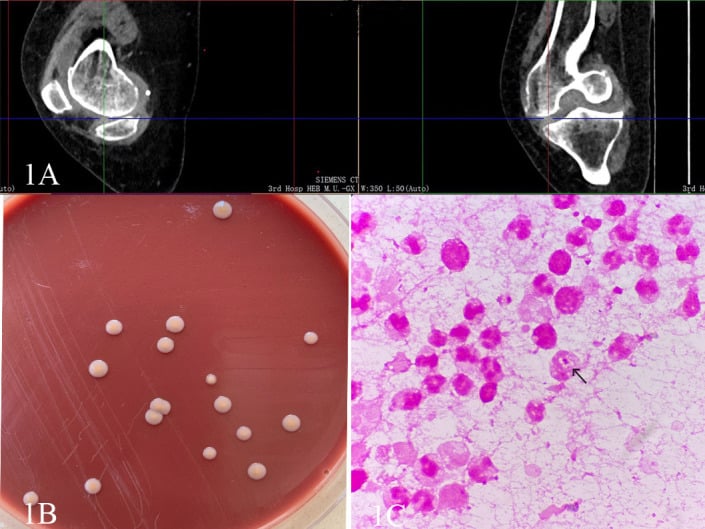
Gram stain and culture. Gram stain is 50-70% sensitive for bacterial arthritis. Culture on blood culture agar, chocolate agar and anaerobic media, with prolonged incubation for fastidious organisms, Lowenstein-Jensen medium for TB and Sabouraud for fungi. Inoculate immediately and do not refrigerate.
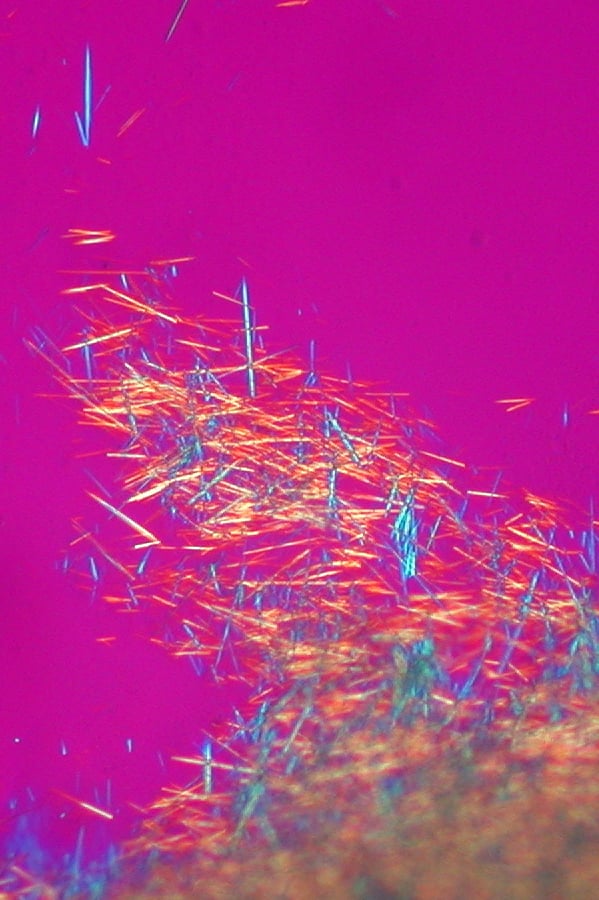
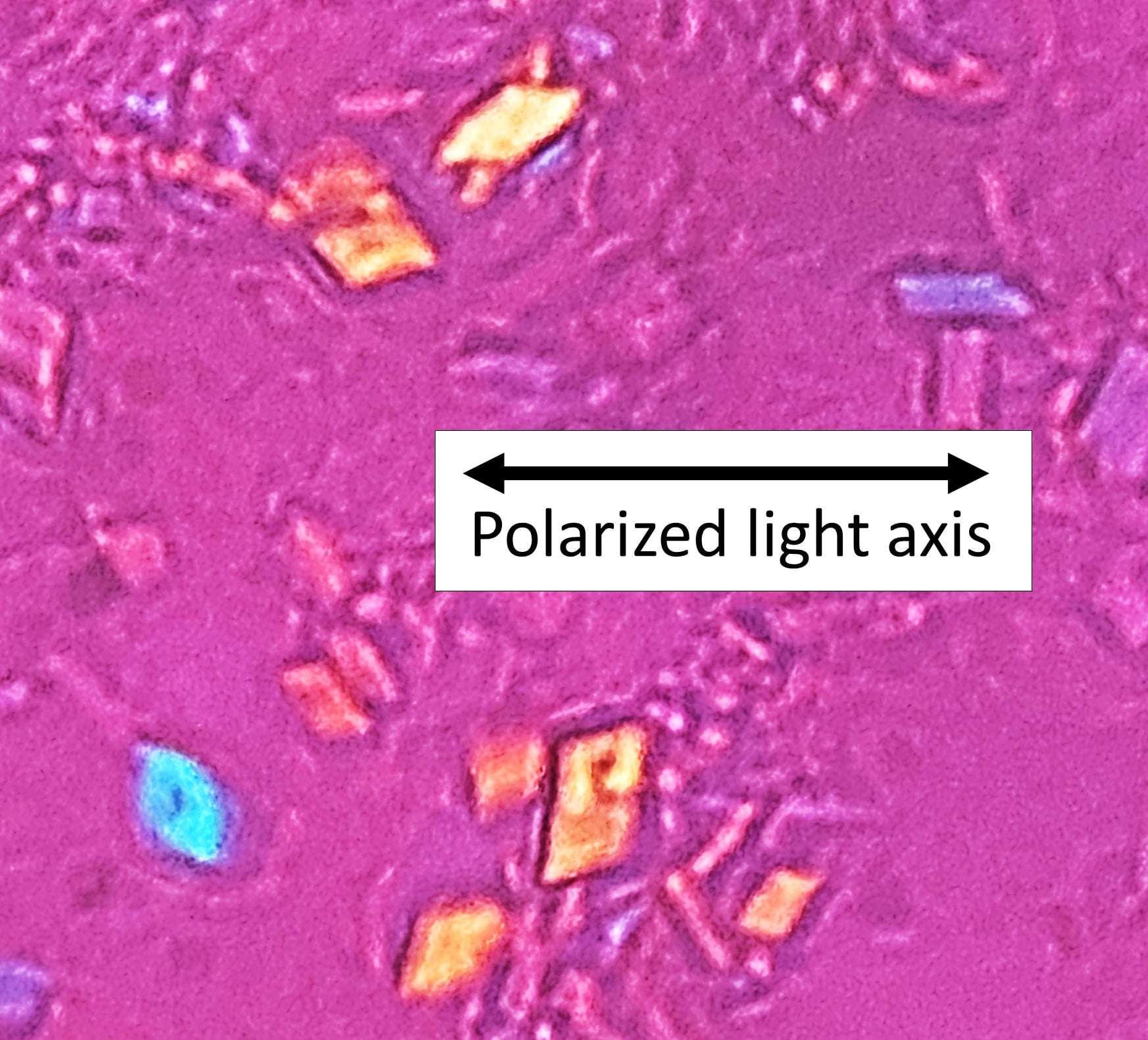
Crystals. Examine a wet mount on a glass slide under polarised light with a red compensator, recording each crystal's shape, size and birefringence and whether it lies within neutrophils or free. Polarised-light identification is the definitive diagnosis of crystal arthropathy. It separates monosodium urate (gout) from calcium pyrophosphate (pseudogout), and shows other crystals, such as the cholesterol seen in chronic effusions.
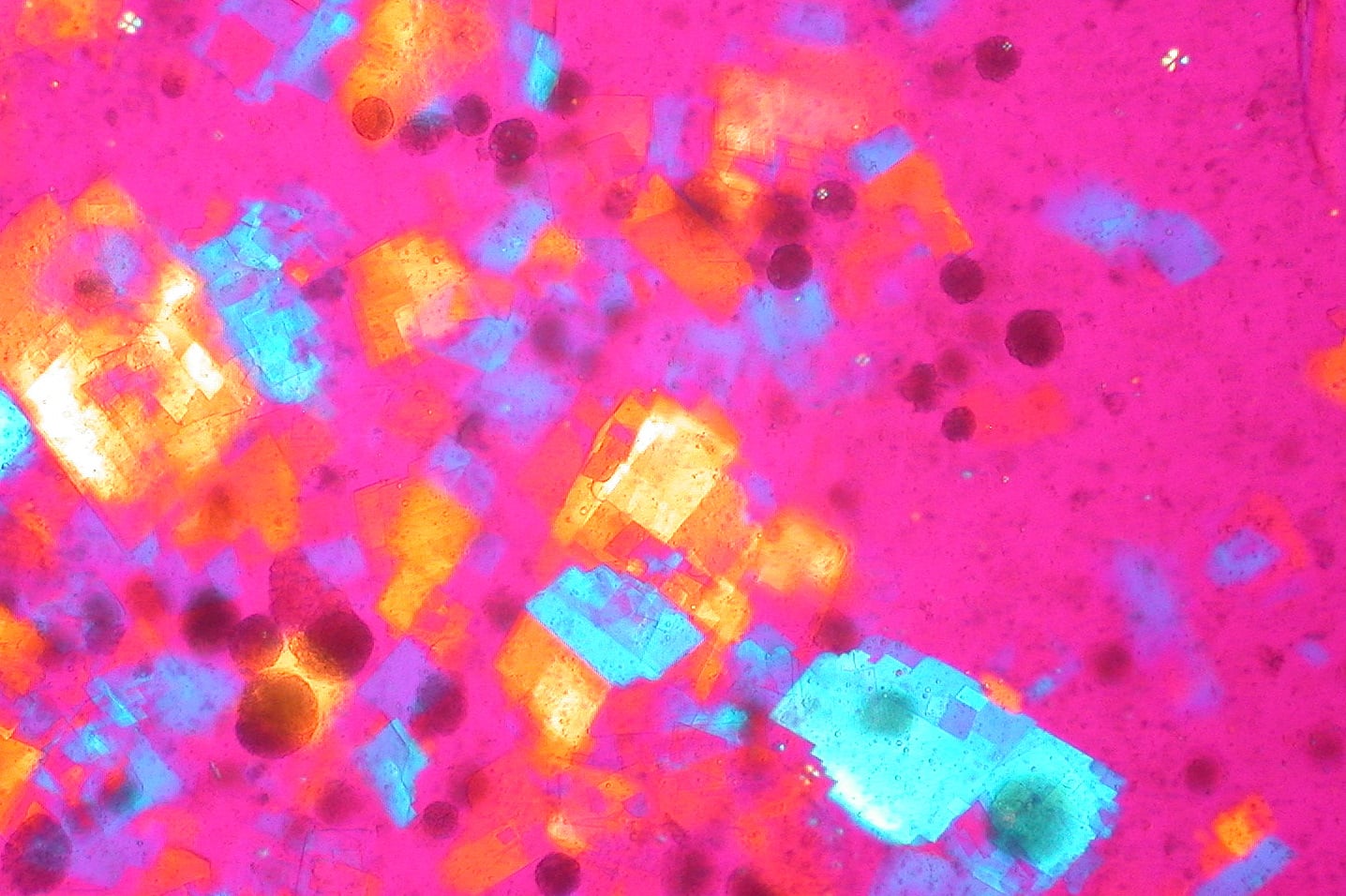
Colour depends on the crystal's orientation to the compensator axis. Monosodium urate (gout) is yellow when parallel and blue when perpendicular. Calcium pyrophosphate (pseudogout) is the reverse: blue when parallel, yellow when perpendicular.
Chemistry. Compare synovial glucose with serum glucose: in septic arthritis it falls below 50% of serum, because bacteria consume it. A synovial lactate over 10 mmol/L suggests sepsis. Protein rises in inflammation, and lactate dehydrogenase (LDH) in both inflammation and infection.
Special tests. Rheumatoid factor may be positive in rheumatoid arthritis. Complement (C3, C4) is low in rheumatoid arthritis, where immune complexes consume it, and in SLE. The mucin clot test, which assessed hyaluronic acid polymerisation (a poor clot meaning degraded HA), is obsolete.
Proper technique is critical for diagnostic accuracy. Use aseptic technique to avoid contamination (false positive culture). Avoid peripheral blood contamination (dilutes WBC count). Send samples immediately to lab. Do NOT add anticoagulant to culture sample (heparin inhibits bacterial growth). For crystal analysis, avoid EDTA (can cause artefact crystals).
Findings by Condition
The cell counts and neutrophil percentages for these conditions are in the differential diagnosis table below; this table holds what else the fluid shows.
- Appearance
- Clear to slightly yellow
- Microscopy and culture
- No crystals unless concurrent crystal disease; culture negative; cartilage fragments may be seen
- Other findings
- Viscosity normal to slightly decreased, as HA molecular weight falls over time
- Appearance
- Cloudy, yellow-green
- Microscopy and culture
- Ragocytes (neutrophils with cytoplasmic inclusions)
- Other findings
- WBC 5,000-50,000/μL with 50-75% PMNs; low viscosity (HA degraded by hyaluronidase and free radicals)
- Appearance
- Cloudy to milky
- Microscopy and culture
- Needle-shaped, strongly negatively birefringent monosodium urate crystals within neutrophils; culture negative unless concurrent septic arthritis
- Other findings
- WBC highly variable, often over 50,000/μL
- Appearance
- Cloudy
- Microscopy and culture
- Rhomboid or rod-shaped, positively birefringent calcium pyrophosphate crystals, both intracellular and extracellular; culture negative
- Other findings
- WBC usually 10,000-50,000/μL
- Appearance
- Purulent, opaque
- Microscopy and culture
- Staphylococcus aureus the most common organism on culture
- Other findings
- Very low (watery) viscosity from complete HA degradation
- Appearance
- Turbid, yellow
- Microscopy and culture
- Culture on Lowenstein-Jensen medium (slow-growing, 6-8 weeks); PCR more sensitive for rapid diagnosis
- Other findings
- WBC 10,000-20,000/μL with lymphocytes, not PMNs, predominating
Pathophysiology of Synovial Diseases
Rheumatoid Arthritis
The hyperplastic lining. The intima proliferates from its normal 1-3 cell layers to 10-20. Both synoviocyte types proliferate massively, and the fibroblast-like (Type B) hyperplasia, with macrophage-driven cytokine release, forms pannus: invasive granulation tissue that erodes cartilage and bone. That stromal biology is now a therapeutic target (for example, cadherin-11).
The inflammation. T and B lymphocytes, plasma cells and macrophages infiltrate the subintima, and TNF-alpha, IL-1 and IL-6 drive the inflammation and the joint destruction.
Osteoarthritis
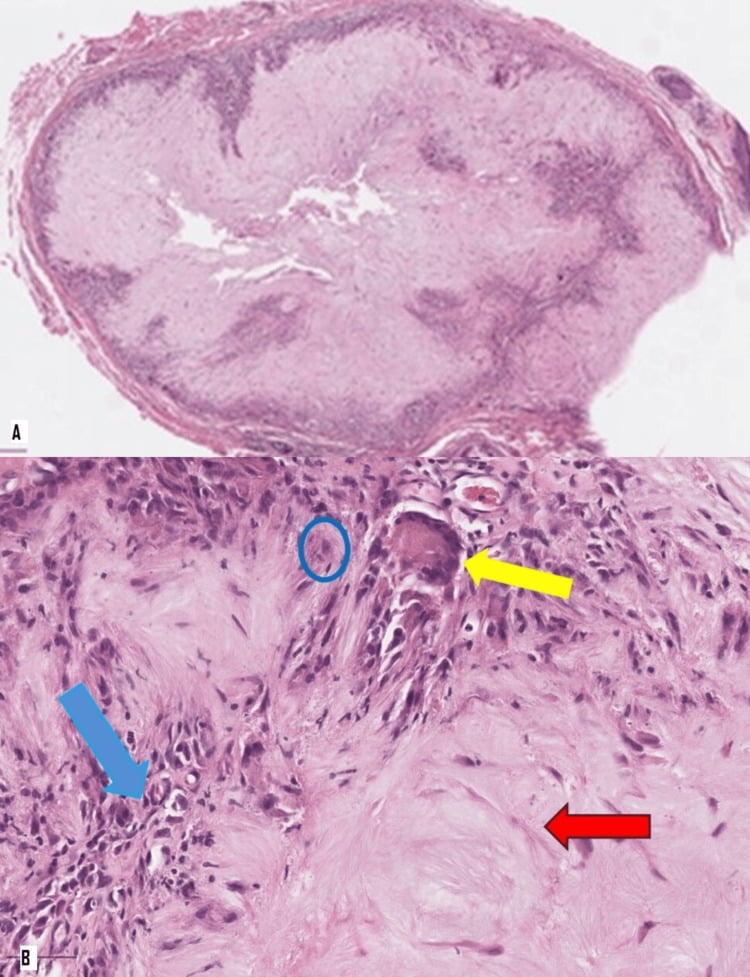
The synovitis is mild and low-grade, not as severe as in rheumatoid arthritis. The subintima becomes fibrotic and thickened, and cartilage fragments released into the joint are phagocytosed by Type A synoviocytes. Compared with control synovium, osteoarthritic synovium shows intimal lining hyperplasia, increased subintimal cellularity and vascular proliferation.
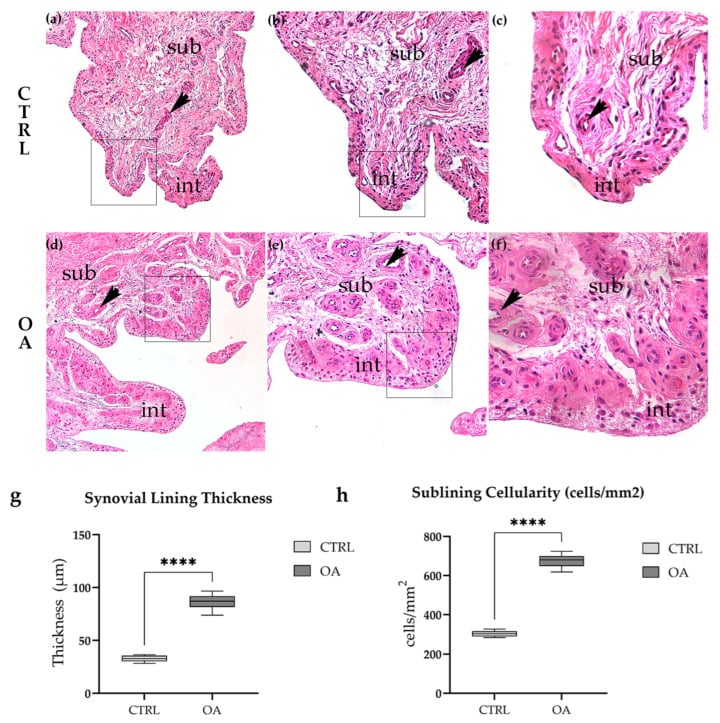
Septic Arthritis
Acute inflammation with massive neutrophil infiltration and a purulent exudate (pus). Bacterial enzymes and neutrophil proteases degrade the cartilage rapidly, and vascular thrombosis can lead to bone infarction.
Pigmented Villonodular Synovitis (Tenosynovial Giant Cell Tumour)
A true neoplasm. Pigmented villonodular synovitis (PVNS) is the classic primary proliferative disorder of synovium, and it is now understood to be a true clonal neoplasm, not merely inflammation. It is grouped with giant cell tumour of tendon sheath as tenosynovial giant cell tumour (TGCT). It is driven by overexpression of CSF1 (colony-stimulating factor 1), frequently through a chromosomal translocation involving the CSF1 gene; the few neoplastic cells then recruit a bulky reactive population of CSF1R-bearing macrophages.
Two forms. The localised form is a discrete nodule: the intra-articular nodular form, or its digit equivalent, giant cell tumour of the tendon sheath. The diffuse form is the classic intra-articular lesion, most often in the knee, then the hip.
Presentation. A young-to-middle-aged adult with insidious monoarticular swelling and pain, mechanical symptoms and recurrent atraumatic, serosanguinous or dark-brown effusion or haemarthrosis.
Imaging. MRI is diagnostic: nodular synovial proliferation that is low signal on both T1 and T2, with characteristic "blooming" artefact on gradient-echo sequences from haemosiderin deposition. The aspirate is classically brown.
Treatment. Synovectomy, arthroscopic for localised disease and open or combined for diffuse disease, with high recurrence in diffuse disease. Radiosynovectomy is an adjunct, and the systemic CSF1R inhibitor pexidartinib is used for diffuse, recurrent or unresectable disease. Untreated diffuse disease causes secondary cartilage and bone destruction.
Synovial Chondromatosis
Cartilage metaplasia of the synovium. Primary synovial (osteo)chondromatosis is the other primary synovial proliferative disorder: a benign metaplasia of the synovial intima producing multiple cartilaginous nodules that ossify and detach as loose bodies. It is a clonal process associated with FN1-ACVR2A gene fusions. Secondary chondromatosis is distinct, its loose bodies arising from a degenerate or osteoarthritic joint or from osteochondral fragments.
Presentation. Monoarticular (the knee most commonly, then hip, elbow and shoulder), with pain, swelling, crepitus, reduced range of motion and locking or catching from the loose bodies.
Imaging. Radiographs show multiple intra-articular calcified or ossified bodies with "ring-and-arc" chondroid mineralisation, characteristically uniform in size in the primary form. MRI or CT shows the non-mineralised cartilage bodies.
Milgram staging.
- Phase I - active intrasynovial disease, no loose bodies
- Phase II - transitional: intrasynovial disease plus loose bodies
- Phase III - free loose bodies, synovial disease quiescent
Treatment. Removal of the loose bodies plus synovectomy to reduce recurrence. Be alert to the rare malignant transformation to secondary chondrosarcoma, suggested by aggressive recurrence and bone destruction.
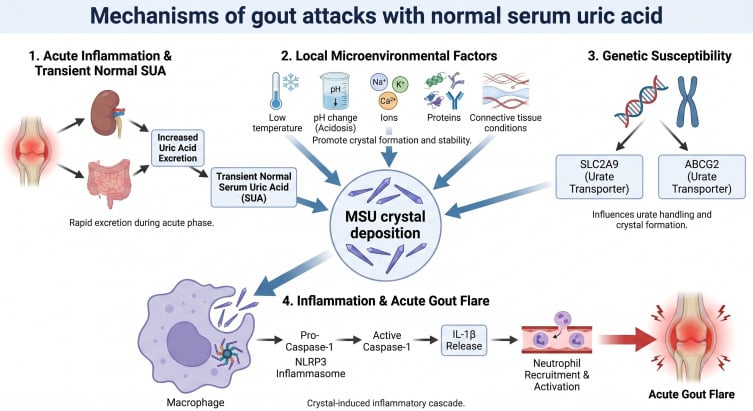
Gout Flares With a Normal Serum Uric Acid
A gout flare can occur despite a normal serum uric acid. The mechanisms include intra-articular crystal shedding, local microenvironmental changes and NLRP3 inflammasome activation.
Differential Diagnosis of the Acutely Swollen Joint
The single most important decision after arthrocentesis is distinguishing septic arthritis from its mimics, because untreated infection destroys cartilage within days.
- Typical synovial WBC
- over 50,000/μL (often over 100,000)
- PMN %
- over 75% (often over 90%)
- Discriminating feature
- Positive Gram stain/culture; low glucose; raised synovial lactate
- Key action
- Urgent washout + IV antibiotics
- Typical synovial WBC
- 10,000-60,000/μL
- PMN %
- over 75%
- Discriminating feature
- Young, sexually active; migratory; tenosynovitis/pustular rash; culture often negative
- Key action
- IV ceftriaxone; screen for STI
- Typical synovial WBC
- 2,000-100,000/μL
- PMN %
- 70-95%
- Discriminating feature
- Needle crystals, negative birefringence (intracellular)
- Key action
- NSAID/colchicine/steroid; urate-lowering later
- Typical synovial WBC
- 2,000-100,000/μL
- PMN %
- 70-95%
- Discriminating feature
- Rhomboid crystals, positive birefringence; chondrocalcinosis on X-ray
- Key action
- Treat acute attack; seek metabolic cause
- Typical synovial WBC
- 2,000-50,000/μL
- PMN %
- over 50%
- Discriminating feature
- Symmetrical polyarthritis; RF/anti-CCP; low complement
- Key action
- DMARD/biologic; rheumatology referral
- Typical synovial WBC
- 200-2,000/μL
- PMN %
- under 25%
- Discriminating feature
- High viscosity; cartilage debris; no crystals/organisms
- Key action
- Analgesia, load management
- Typical synovial WBC
- Bloody/xanthochromic
- PMN %
- Variable
- Discriminating feature
- Trauma, anticoagulation, haemophilia, PVNS
- Key action
- Treat cause; exclude fracture
Crystals and infection can coexist: up to 5% of septic joints contain crystals concurrently, so a positive crystal result does NOT exclude sepsis. If the clinical picture is septic (fever, rapid onset, raised CRP, immunosuppression), treat as infection regardless of crystal findings until cultures are back.
Every threshold above is for a native joint; apply them to a replaced joint and you will miss most infections. A prosthesis sits in a chronically altered synovial environment, so the leucocyte response that signifies infection is far smaller. The 2018 evidence-based International Consensus / MSIS definition, derived on 684 infected and 820 aseptic revisions and externally validated, sets these synovial thresholds for chronic periprosthetic joint infection:
- Synovial fluid white cell count over 3,000 cells/µL, not 50,000
- Polymorphonuclear percentage over 80%
- Alongside synovial alpha-defensin (signal-to-cutoff ratio over 1), leucocyte esterase (++) and synovial CRP over 6.9 mg/L
The criteria are weighted, not absolute. WBC over 3,000, alpha-defensin and leucocyte esterase score 3 points each, PMN over 80% scores 2, synovial CRP 1, and the serum markers (CRP over 1 mg/dL and D-dimer over 860 ng/mL score 2 each, ESR over 30 mm/h scores 1). Two positive cultures or a sinus tract are major criteria and diagnostic on their own.
Scoring. A preoperative aggregate of 6 or more is infected; 2 to 5 is indeterminate and requires intraoperative findings (positive histology 3, purulence 3, a single positive culture 2), after which 6 or more is infected, 4 to 5 inconclusive and 3 or less not infected. The criteria reached 97.7% sensitivity against 79.3% for the older MSIS definition, at 99.5% specificity.
Two practical cautions. The thresholds above are for chronic infection; within roughly the first six postoperative weeks the joint is still inflamed from surgery and much higher cut-offs apply, so an early aspirate must be interpreted against acute criteria rather than these. And a bloody or traumatic tap invalidates the count, which matters far more here than in a native joint because the threshold is so low.
Guidelines, Registries & Global Practice
Global Epidemiology
Septic arthritis has a global incidence of roughly 4-10 per 100,000 person-years, rising to 30-70 per 100,000 in patients with rheumatoid arthritis or a prosthetic joint. Staphylococcus aureus is the leading pathogen worldwide; in regions with high HIV/TB prevalence, tuberculous and atypical joint infection are proportionally more common. Crystal arthropathy is rising globally: gout now affects 1-4% of adults in high-income countries (driven by ageing, obesity and metabolic syndrome), with the highest prevalence reported in Oceania. Osteoarthritis with secondary synovitis is the commonest cause of chronic joint effusion across all regions.
Side-by-Side Guidance
- Scope
- Acute native-joint sepsis
- Key recommendation
- Aspirate BEFORE antibiotics; send urgent microscopy, Gram stain, culture and crystals; treat empirically if sepsis suspected
- Evidence basis
- National guideline, expert consensus + evidence review
- Scope
- Crystal arthropathy
- Key recommendation
- Synovial fluid crystal identification by polarised microscopy is the diagnostic gold standard; always exclude co-existing sepsis
- Evidence basis
- Systematic review + consensus (varied levels)
- Scope
- Prosthetic joint infection
- Key recommendation
- Synovial WBC, PMN%, leucocyte esterase and alpha-defensin form a multi-test diagnostic algorithm (MSIS/EBJIS criteria)
- Evidence basis
- Evidence-based, mixed strength
- Scope
- Osteoarthritis
- Key recommendation
- Conditional recommendation AGAINST intra-articular hyaluronan (viscosupplementation) for knee/hip OA owing to small, uncertain benefit
- Evidence basis
- Strong/conditional GRADE recommendations
- Scope
- Osteoarthritis
- Key recommendation
- Do NOT offer intra-articular hyaluronan; intra-articular corticosteroid only for short-term relief
- Evidence basis
- GRADE evidence review
Practice Variation and Registry Evidence
Viscosupplementation illustrates marked global practice variation: despite a clear biological rationale (Balazs & Denlinger, above), large meta-analyses found only small symptomatic benefit, leading AAOS, ACR and NICE to recommend against routine intra-articular hyaluronan for knee/hip osteoarthritis, while it remains widely used in parts of Europe and Asia. For prosthetic joint infection, synovial fluid criteria are codified differently by the Musculoskeletal Infection Society (MSIS), the European Bone and Joint Infection Society (EBJIS) and AAOS, producing variation in reported infection rates across national arthroplasty registries. National joint registries (e.g. the Australian AOANJRR, the UK National Joint Registry, and Scandinavian registries) track revision for infection as a key outcome, and consistently identify deep infection as a leading cause of early revision after hip and knee arthroplasty.
Across the UK (BSR/BOA), European and US guidance, the consistent principle for a hot swollen native joint is to aspirate and culture the joint BEFORE starting antibiotics wherever feasible, because a single dose of antibiotic can render the culture falsely negative and obscure the diagnosis.
Basic Science Viva Scenarios
Practise clinical reasoning and management decisions out loud
“Describe the structure of the synovium. What are the two types of synoviocytes and what are their functions?”
“Explain the mechanisms of joint lubrication. How do boundary lubrication and fluid film lubrication differ?”
“You aspirate synovial fluid from an acutely swollen knee. Describe how you would analyze the fluid and interpret the results.”
Synovium Structure
- Intima: 1-3 cell layers thick (20-40 μm), NO basement membrane (unique feature for diffusion)
- Subintima: vascular connective tissue (fibrous, areolar, or adipose types)
- Type A synoviocyte: macrophage-like (CD68+), phagocytosis, 20-30% of intimal cells
- Type B synoviocyte: fibroblast-like (vimentin+), synthesize HA and lubricin, 70-80% of intimal cells
Synovial Fluid Normal Composition
- Volume: 0.3-3.5 mL in knee joint
- Appearance: clear, pale yellow, transparent, highly viscous
- WBC count: under 200/μL (under 25% neutrophils)
- Hyaluronic acid: 3-4 mg/mL, 3-4 MDa molecular weight (provides viscosity)
- Lubricin (PRG4): 50-400 μg/mL (boundary lubrication)
- Protein: 1-2 g/dL (one-third of plasma)
Hyaluronic Acid
- Glycosaminoglycan (NOT proteoglycan - no protein core)
- Repeating disaccharides: D-glucuronic acid + N-acetyl-D-glucosamine
- MW: 3-4 million Daltons (3-4 MDa) in normal SF
- Non-Newtonian viscosity: high at low shear (shock absorption), low at high shear (ease of movement)
- Synthesized by Type B synoviocytes (HAS1/2/3 enzymes)
- Degraded in arthritis (lower MW and concentration) - impairs fluid film lubrication
Lubrication Mechanisms
- Boundary lubrication: lubricin (PRG4) adsorbed to cartilage, active at low speed/high load, coefficient 0.01-0.02
- Fluid film lubrication: pressurized SF separates surfaces, active at high speed, coefficient 0.001-0.005
- Lubricin: 227 kDa glycoprotein, central mucin domain (hydrated brush), prevents solid-solid contact
- PRG4 deficiency: CACP syndrome (camptodactyly-arthropathy-coxa vara-pericarditis)
- Hydrodynamic: wedge film from sliding motion; Squeeze film: viscous resistance to rapid loading
Synovial Fluid Analysis
- Normal: under 200 WBC/μL, clear, viscous
- Non-inflammatory (OA): 200-2,000 WBC/μL, under 25% PMNs
- Inflammatory (RA, gout): 2,000-50,000 WBC/μL, over 50% PMNs
- Septic: over 50,000 WBC/μL, over 75% PMNs, positive culture (50-90%)
- Gout: MSU crystals (needle, negative birefringence - yellow when parallel)
- Pseudogout: CPP crystals (rhomboid, positive birefringence - blue when parallel)
- Septic markers: glucose under 50% of serum, lactate over 10 mmol/L
Key Clinical Correlations
- Septic arthritis: surgical emergency, treat if high suspicion (WBC counts overlap with inflammatory)
- Rheumatoid arthritis: pannus formation (invasive synovium), low complement (C3, C4), ragocytes
- Osteoarthritis: mild synovitis, HA degradation over time, cartilage fragments in SF
- Viscosupplementation: exogenous HA injection to restore fluid film lubrication in OA
- TB arthritis: lymphocyte predominance (not PMNs), culture on Lowenstein-Jensen (6-8 weeks)
Evidence Base
Viscosupplementation: Hyaluronan and Synovial Fluid Rheology
- This is the paper that COINED the term: viscosupplementation, defined as restoring rheological homeostasis in a pathological compartment such as an osteoarthritic joint
- Its argument is general rather than specific to hyaluronan chemistry - when the viscoelasticity of a solid compartment or the elastoviscosity of a liquid compartment falls, normal function and regenerative processes are impaired, and introducing a viscosupplementary device restores or augments that state
- The authors note that these devices persist in the compartment for varying periods depending on the supplement and the tissue - the residence-time problem that still limits the treatment
- The familiar supporting detail often attached to this reference - that hyaluronan molecular weight and concentration fall in osteoarthritis, and that synovial fluid is shear-thinning and non-Newtonian - is established elsewhere in the rheology literature and is NOT stated in this article
Lubricin Deficiency Couples Friction to Cartilage Wear In Vivo
- Synovial fluid from humans with genetic lubricin (PRG4) deficiency failed to reduce friction in the boundary mode
- Knee joints of lubricin-null (Prg4-/-) mice showed higher friction and early cartilage wear versus wild-type controls
- Atomic force microscopy showed lubricin self-organises at the surface and reduces the work of adhesion between asperities
- Demonstrated that boundary friction is directly coupled to cartilage surface wear in vivo