The Great Imitator
- Neurogenic TOS usually affects the Lower Trunk (C8/T1) - Ulnar border symptoms.
- The most common compression site is the Interscalene Triangle.
- Venous TOS is a DVT of the Subclavian Vein (Paget-Schroetter Syndrome).
- Arterial TOS is almost always associated with a bony anomaly (Cervical Rib).
- Roos Test (EAST) is the most sensitive screening test.
- Adson's Test obliterates the radial pulse (but is positive in many normal people).
- “Gilliatt-Sumner hand: lower-trunk (C8/T1) wasting that is DISPROPORTIONATELY THENAR - in Gilliatt's original nine, seven had wasting most marked in the lateral thenar pad, three of them with the other intrinsics barely involved.
- “That is the paradox worth knowing: T1 supplies thenar and hypothenar alike, yet abductor pollicis brevis wastes first and worst. Ulnar compression spares the thenar entirely, so a wasted thenar with an intact median nerve conduction study points above the elbow, to the lower trunk.
- “First Rib Resection is the definitive surgical treatment.
Overview
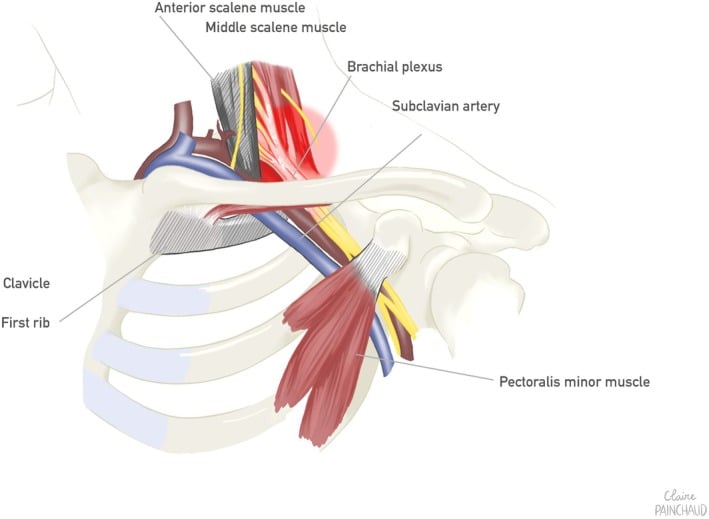
Thoracic outlet syndrome (TOS) is a spectrum of disorders caused by compression of the neurovascular bundle, the brachial plexus, subclavian artery and subclavian vein, as it exits the thoracic aperture to enter the axilla. The compression typically occurs at three anatomical narrows: the interscalene triangle, the costoclavicular space and the retro-pectoralis minor space.
Anatomical Variants and Fibrous Bands
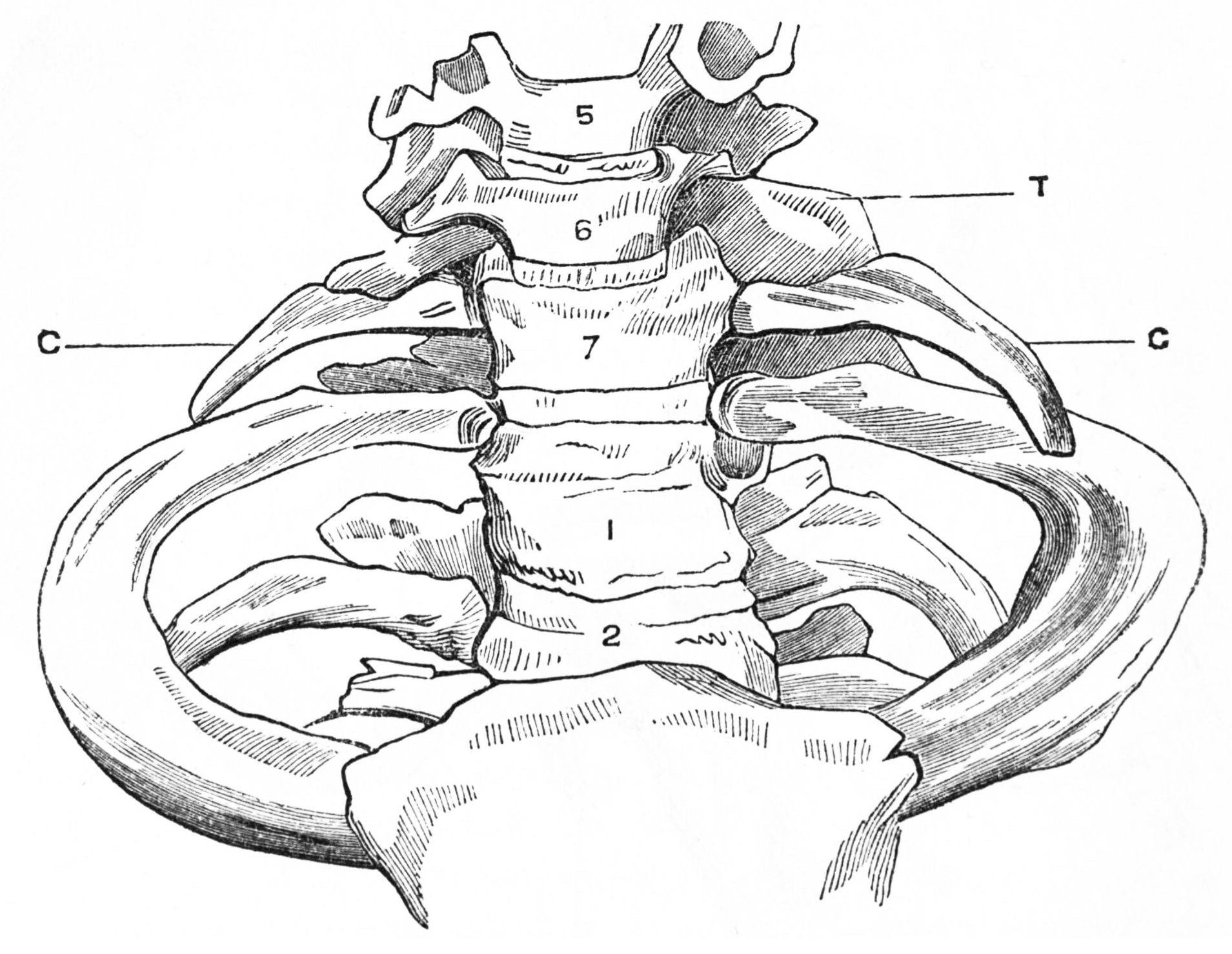
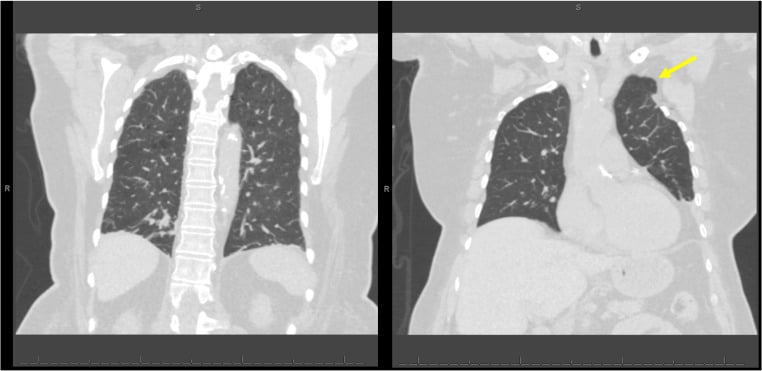
Bands, not muscle. Most cases of true neurogenic TOS are caused not by muscle hypertrophy but by a congenital fibrous or fibromuscular band angulating the lower trunk (C8/T1), and this anatomy is examinable. The classic lesion is a rudimentary (incomplete) cervical rib or an elongated C7 transverse process with a taut fibrous band running forward to the first rib at the scalene tubercle, with the lower trunk or C8/T1 roots stretched over it. It is exactly the lesion Gilliatt found at operation in all nine cases of his series of true neurogenic TOS (see Evidence Base).
Why the X-ray can be normal. Bands are radiographically invisible, so a normal cervical-spine film never excludes NTOS, and at surgery it is the band, not muscle bulk, that must be divided. Roos described several types of congenital bands and ligaments crossing the scalene triangle, commonly cited as around nine. A scalene minimus, a small accessory muscle passing between the anterior and middle scalene to the first rib or Sibson's fascia, and anomalous scalene insertions or interdigitations can also narrow the triangle.
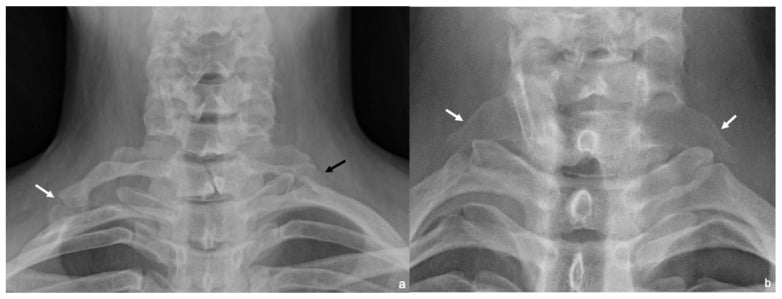
Complete and incomplete ribs. A complete cervical rib may articulate with the first rib, while an incomplete rib or elongated C7 transverse process may end in the invisible band. The complete bony rib is more often the substrate of arterial TOS (post-stenotic aneurysm); the incomplete rib with a fibrous band is the more typical substrate of true neurogenic TOS.
What a cervical rib does. By narrowing the interscalene and costoclavicular spaces, a cervical rib or its fibrous band can compress the lower brachial plexus (C8/T1) and the subclavian vessels, the structural basis of much arterial and true neurogenic TOS. Most cervical ribs, however, remain asymptomatic.
Pathophysiology and Mechanisms
The bundle passes the three narrows in sequence, and each has its typical disease: neurogenic and arterial TOS arise mainly at the interscalene triangle, especially with a cervical rib, venous (effort) thrombosis at the costoclavicular space, and pectoralis minor syndrome at the retropectoralis space.
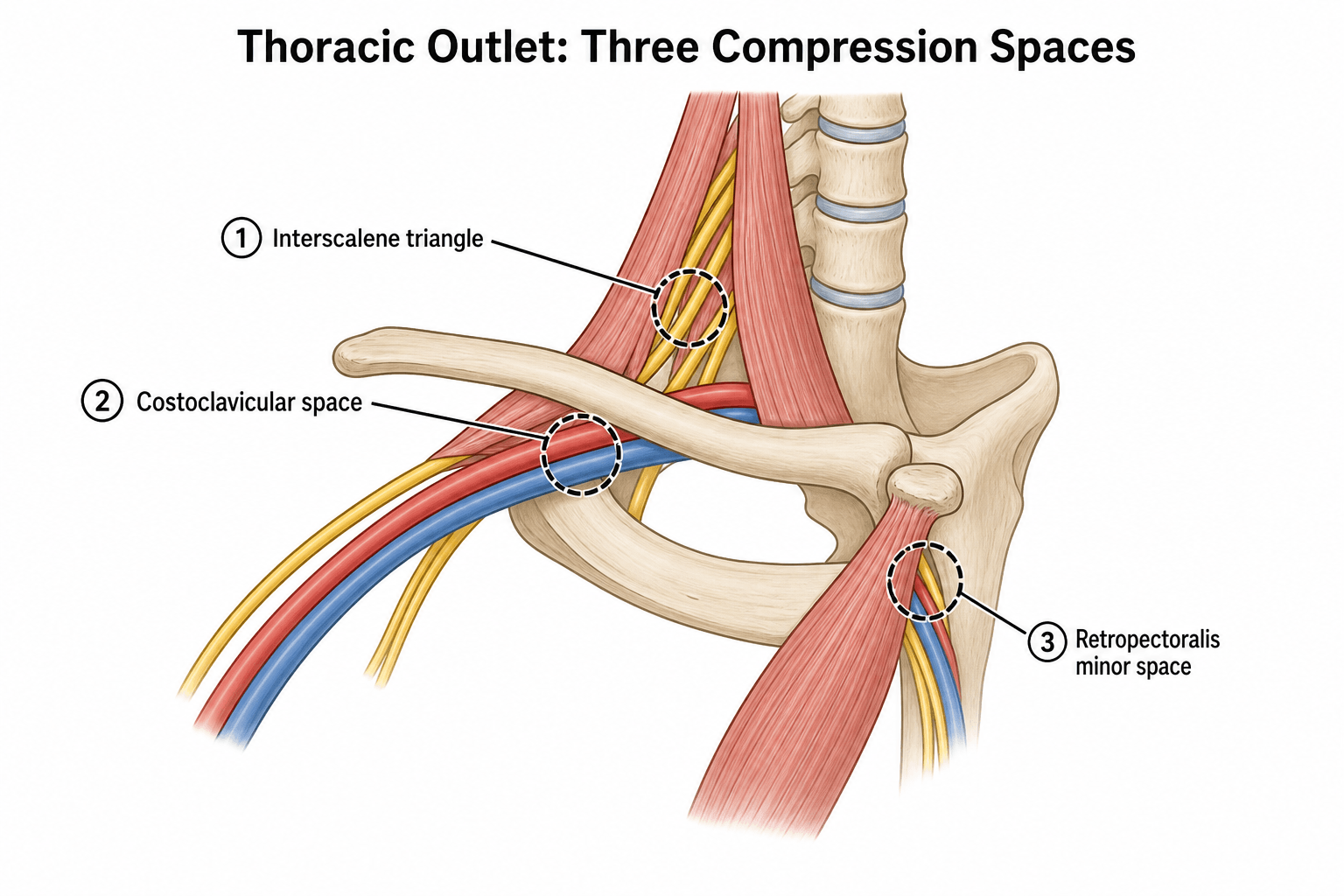
The interscalene triangle. Anterior scalene forms its front, middle scalene its back and the first rib its floor. It contains the trunks of the brachial plexus and the subclavian artery, while the subclavian vein passes anterior to anterior scalene, outside the triangle. Scalene hypertrophy therefore affects the artery and nerves but spares the vein, and the C8/T1 roots are most vulnerable at the base of the triangle.
The costoclavicular space. The clavicle lies above, the first rib below and the costoclavicular ligament in front, and artery, vein and nerve all pass through it. The mechanism is a nutcracker between the clavicle and the first rib, and clavicle fracture callus or first rib anomalies narrow it further.
The subcoracoid (pectoralis minor) space. The pectoralis minor tendon lies in front, the chest wall behind and the coracoid above. Hyperabduction of the arm stretches the bundle under pectoralis minor. Compression here is rarer than scalene compression.
Classification Systems
TOS has four recognised types.
Neurogenic TOS (NTOS). About 95% of cases. Women are affected more than men, approximately 3:1, between 20 and 50 years of age. The pathology is scarring of the scalenes, whiplash and repetitive stress. Pain in the neck, trapezius and arm comes with paraesthesia in the C8/T1 distribution of the ulnar forearm and hand, and weakness is late. The diagnosis is often clinical, supported by exclusion of other causes.
Venous TOS (VTOS). Paget-Schroetter syndrome, or effort thrombosis, is about 3-4% of cases and affects young athletic men: pitchers, swimmers, weightlifters. Compression of the vein between the clavicle and first rib, with repetitive endothelial damage, leads to DVT. The arm presents with sudden swelling, cyanosis, heaviness and dilated collateral veins (Urschel's sign), and urgent referral to vascular surgery is required.
Arterial TOS (ATOS). Rare, about 1%. It is almost always a bony abnormality, a cervical rib or anomalous first rib, causing post-stenotic dilatation that leads to aneurysm and emboli. Ischaemia, pallor, coldness and claudication are distinct from Raynaud's; look for a palpable pulsatile mass.
Disputed (nonspecific) TOS. Subjective pain without objective NCS/EMG findings. It is controversial, and many surgeons do not operate unless objective signs exist. Psychosocial factors often play a major role.
- Neurogenic (NTOS)
- Pain, Paraesthesia
- Venous (VTOS)
- Swelling, Cyanosis
- Arterial (ATOS)
- Pallor, Claudication
- Neurogenic (NTOS)
- Brachial Plexus (Lower)
- Venous (VTOS)
- Subclavian Vein
- Arterial (ATOS)
- Subclavian Artery
- Neurogenic (NTOS)
- Scalene Hypertrophy/Scar
- Venous (VTOS)
- Repetitive Overhead (Effort)
- Arterial (ATOS)
- Cervical Rib
- Neurogenic (NTOS)
- Roos, Elvey
- Venous (VTOS)
- Ultrasound/Venogram
- Arterial (ATOS)
- Loss of Pulse, Angio
Pectoralis Minor Syndrome
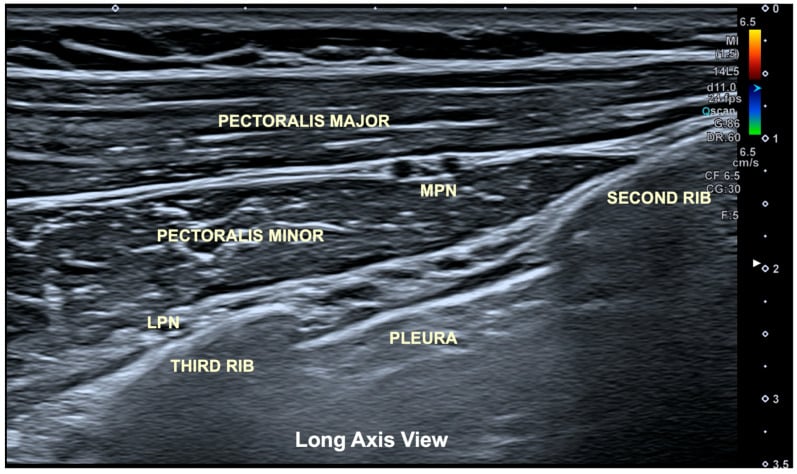
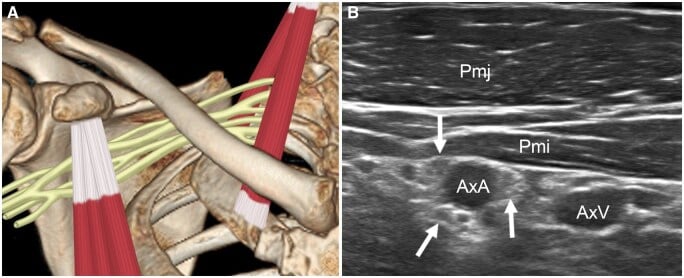
Compression in the retropectoralis minor (subcoracoid) space is now recognised as a distinct entity, pectoralis minor syndrome, separate from but frequently coexisting with classic scalene-triangle NTOS.
Mechanism. The cords of the plexus and the axillary vessels are compressed beneath a tight or hypertrophied pectoralis minor at its insertion on the coracoid, especially in hyperabduction, the position of Wright's test.
The clinical clue. Symptoms are reproduced by pressure over pectoralis minor or the coracoid and by hyperabduction, often with anterior chest-wall and axillary tenderness rather than the supraclavicular tenderness of scalene-triangle NTOS. The two commonly coexist as combined outlet and retropectoralis compression.
Block, then tenotomy. A pectoralis minor block with local anaesthetic that relieves symptoms supports the diagnosis, exactly analogous to the scalene block for NTOS. Because the compression is distal to the first rib, isolated pectoralis minor tenotomy at the coracoid can relieve symptoms without first rib resection, a lower-morbidity operation. A missed coexisting pectoralis minor component is a recognised reason for persistent symptoms after a first rib resection.
Clinical Assessment
History. The pain is a "toothache" in the trapezius and neck, worse with overhead activity such as brushing hair or hanging clothes, and present at night when the patient sleeps with the arms up. Numbness in the 4th and 5th digits reflects C8. Ask about trauma: whiplash scars the scalenes.
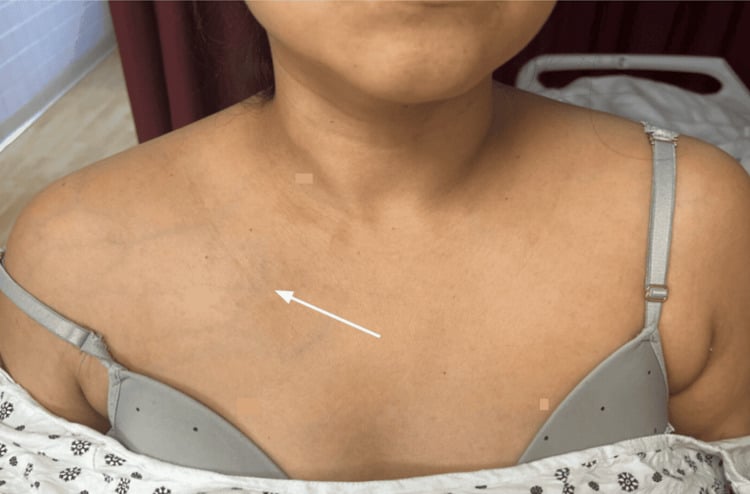
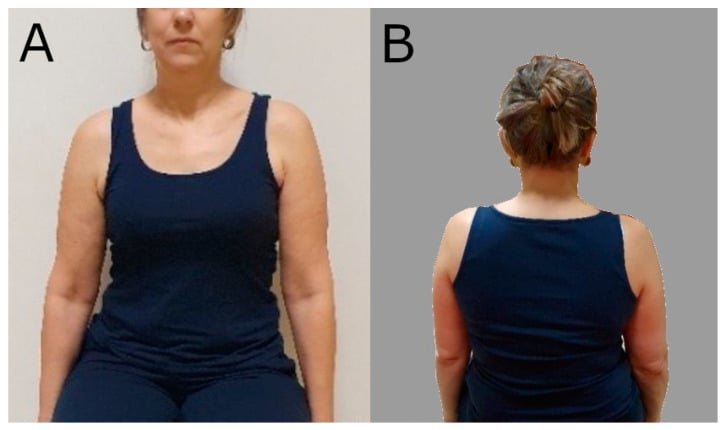
Inspection. Look for drooped shoulders, and for supraclavicular fullness from a cervical rib or mass. Cyanosis suggests venous TOS. Collateral veins are an objective clue to venous outflow obstruction, so compare the sides and inspect the shoulder and anterior chest, not only the hand.
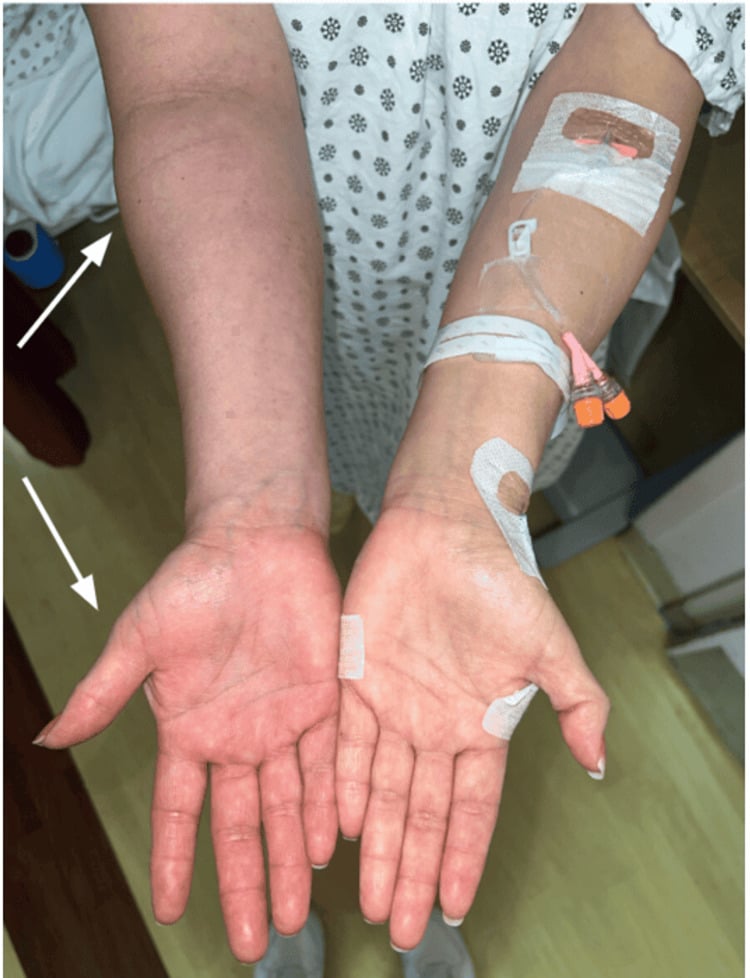
The Gilliatt-Sumner hand. This is the hand of true neurogenic TOS, and the place to look first is the lateral thenar pad. The wasting is a lower-trunk pattern but it is most marked over abductor pollicis brevis, and in the mildest cases that is the only muscle visibly wasted. Hypothenar and interossei are involved in more advanced disease, so a wasted thenar with relatively preserved hypothenar is the early picture, and global intrinsic wasting the late one.
Provocative tests.
- Roos test (elevated arm stress test, EAST): the arms are raised in abduction and external rotation and the fists opened and closed for 3 minutes. It is positive if ischaemic pain, fatigue, heaviness or numbness forces the arms down, and it is the most reliable of the four
- Adson's test: head turned towards the side, deep breath and extension. Positive if the pulse disappears and symptoms are reproduced; low specificity
- Wright's test: hyperabduction makes the pulse disappear, implicating pectoralis minor
- Elvey's test: the upper limb tension test (ULTT)
Most have high false-positive rates (Adson's, Wright's and Roos/EAST all do) in asymptomatic people, and a large proportion of normal individuals lose the radial pulse on Adson's. No single physical test is diagnostic: they support, never confirm, the diagnosis.
Imaging and Electrodiagnostics
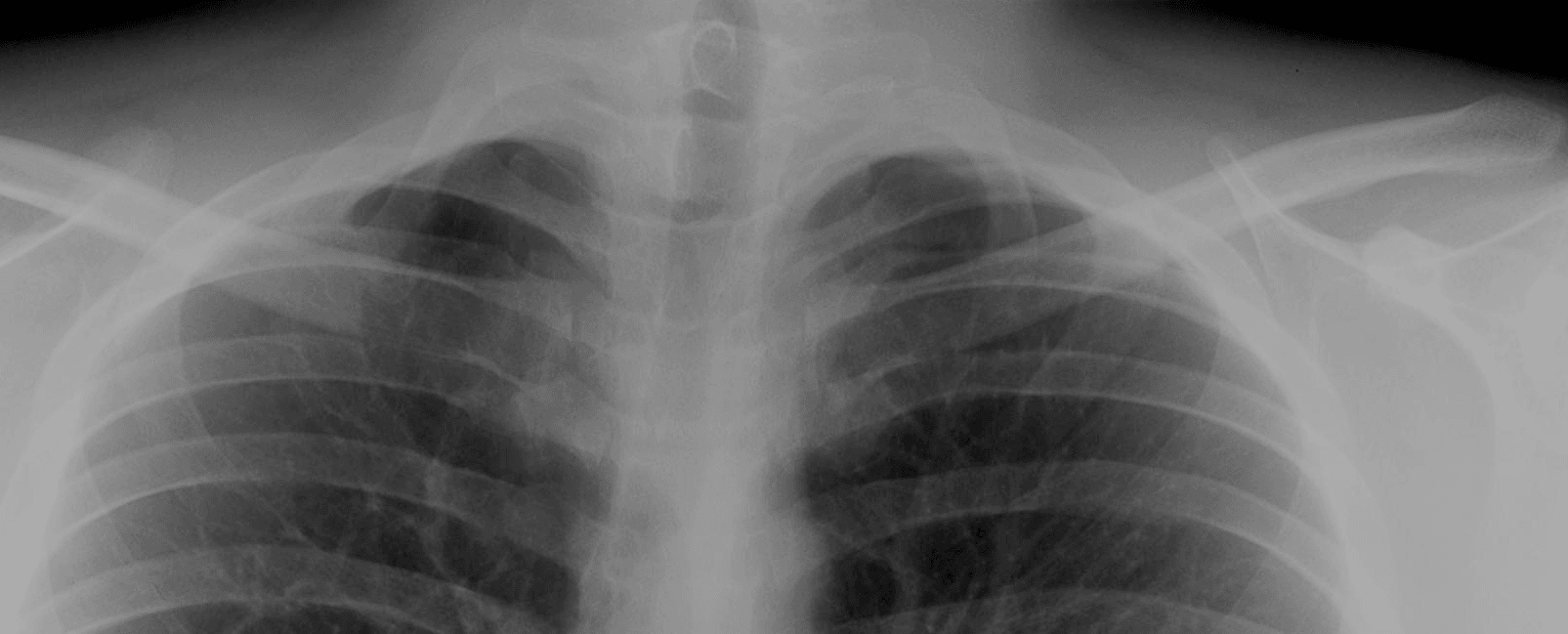
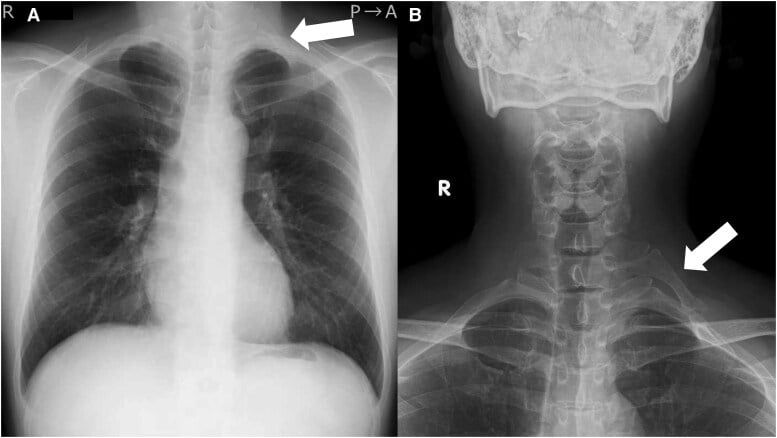
Plain films. Cervical-spine films look for a cervical rib, an accessory rib arising from the C7 transverse process and articulating with or fused to the first rib, and for elongated C7 transverse processes. The chest film looks for an anomalous first rib, clavicle malunion and an apical lung tumour (Pancoast).
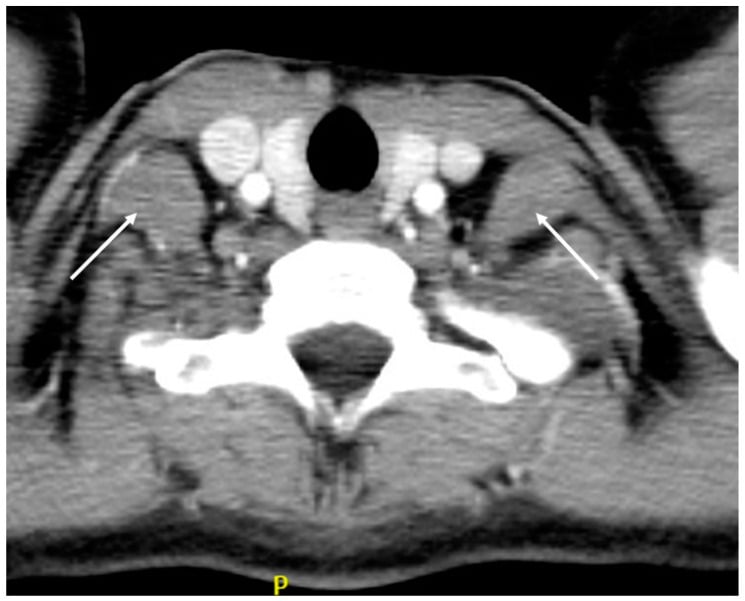
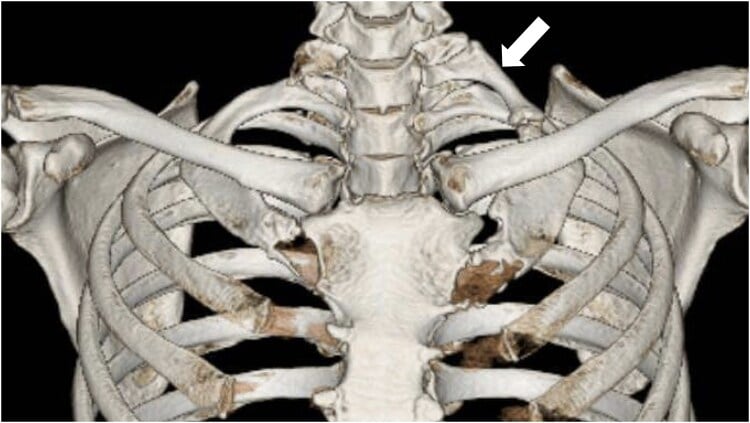
CT. CT angiography is the study for ATOS, showing aneurysm, stenosis and the details of a cervical rib. Three-dimensional reconstruction defines the bony morphology, any pseudoarticulation and the relationship of a cervical rib to the first rib better than plain radiography, which is essential for operative planning in structural TOS.
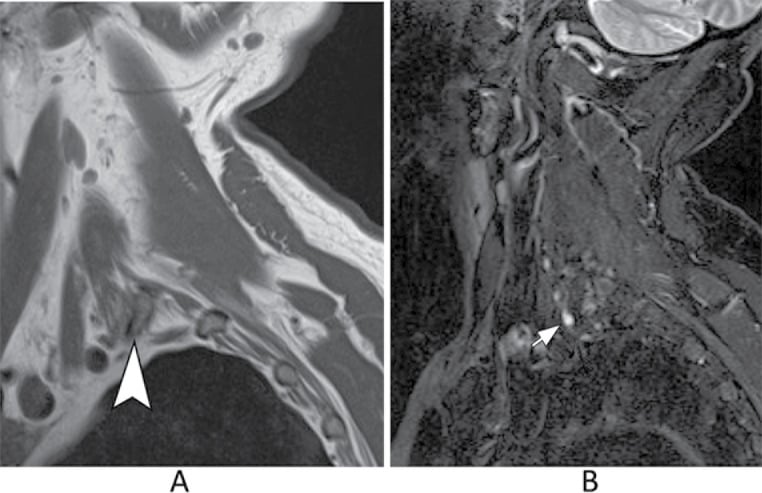
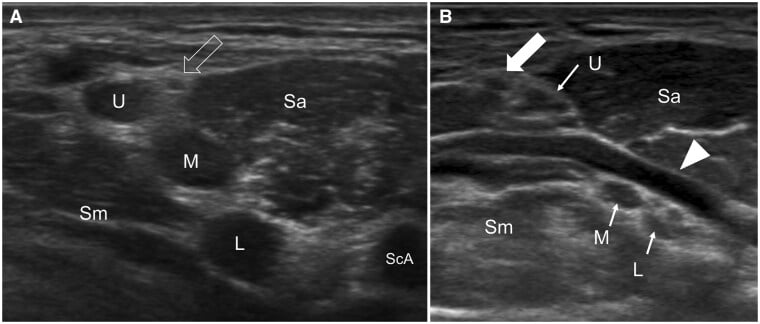
MRI and ultrasound. MRI is used for brachial plexus pathology and to rule out cervical disc herniation, and it is excellent for soft-tissue anatomy, including bands. Ultrasound maps the trunks in the interscalene gap and guides a diagnostic scalene block, but it is not stand-alone proof of NTOS.
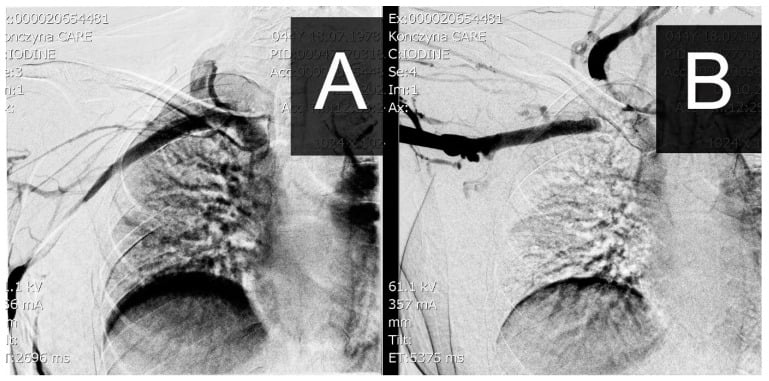
Venography. Venography is the gold standard for VTOS and the route for catheter-directed thrombolysis. Dynamic venography demonstrates physiology as well as anatomy, localising venous compression and helping to plan decompression.
Neurophysiology. The medial antebrachial cutaneous (MABC) sensory response is often reduced (T1), ulnar F-waves are delayed, and needle EMG shows denervation in C8/T1 muscles. Studies are often normal in early or mild NTOS. Somatosensory evoked potentials (SSEP) can also be used.
Differential Diagnosis
NTOS is a diagnosis of exclusion, the great imitator. Its symptoms overlap with C8/T1 radiculopathy and cubital tunnel syndrome, so always check the neck (Spurling's test) and the elbow (Tinel's). The exam favourite is distinguishing it from the conditions that share C8/T1 or ulnar-border symptoms, and the answer is anchored on the pattern of motor wasting and the level of sensory loss.
Look at abductor pollicis brevis. Carpal tunnel syndrome affects it and cubital tunnel spares it; lower-trunk TOS affects it through its T1 fibres, along with the interossei. Sensory loss in the medial forearm (MABC territory) lies proximal to the wrist, and it is what places the lesion above the elbow rather than at the carpal or cubital tunnel.
- Sensory pattern
- Medial forearm + hand (T1/C8, incl. MABC)
- Motor/wasting
- Thenar-predominant wasting, hypothenar later (Gilliatt-Sumner)
- Discriminator
- Positive scalene block; medial forearm sensory loss (proximal to wrist)
- Sensory pattern
- Ulnar 1.5 digits + dorsal ulnar hand
- Motor/wasting
- Hypothenar/interossei; APB SPARED
- Discriminator
- Spares thenar; positive elbow flexion test and Tinel at elbow; normal medial forearm
- Sensory pattern
- Radial 3.5 digits, spares palm
- Motor/wasting
- APB/thenar only; spares hypothenar
- Discriminator
- Positive Phalen/Tinel at wrist; no proximal sensory loss
- Sensory pattern
- Dermatomal C8/T1
- Motor/wasting
- Variable intrinsic wasting
- Discriminator
- Positive Spurling; neck pain; MRI disc/foraminal disease
- Sensory pattern
- T1 with medial arm pain; Horner's
- Motor/wasting
- Lower trunk wasting
- Discriminator
- Constitutional symptoms; apical mass on CXR/CT - must exclude
- Sensory pattern
- NONE (pure motor)
- Motor/wasting
- Split-hand wasting, fasciculations, UMN signs
- Discriminator
- No sensory loss; widespread fasciculations; EMG
Before labelling hand wasting as TOS, exclude a Pancoast tumour and motor neurone disease. Both masquerade as lower-trunk plexopathy.
Management Algorithm
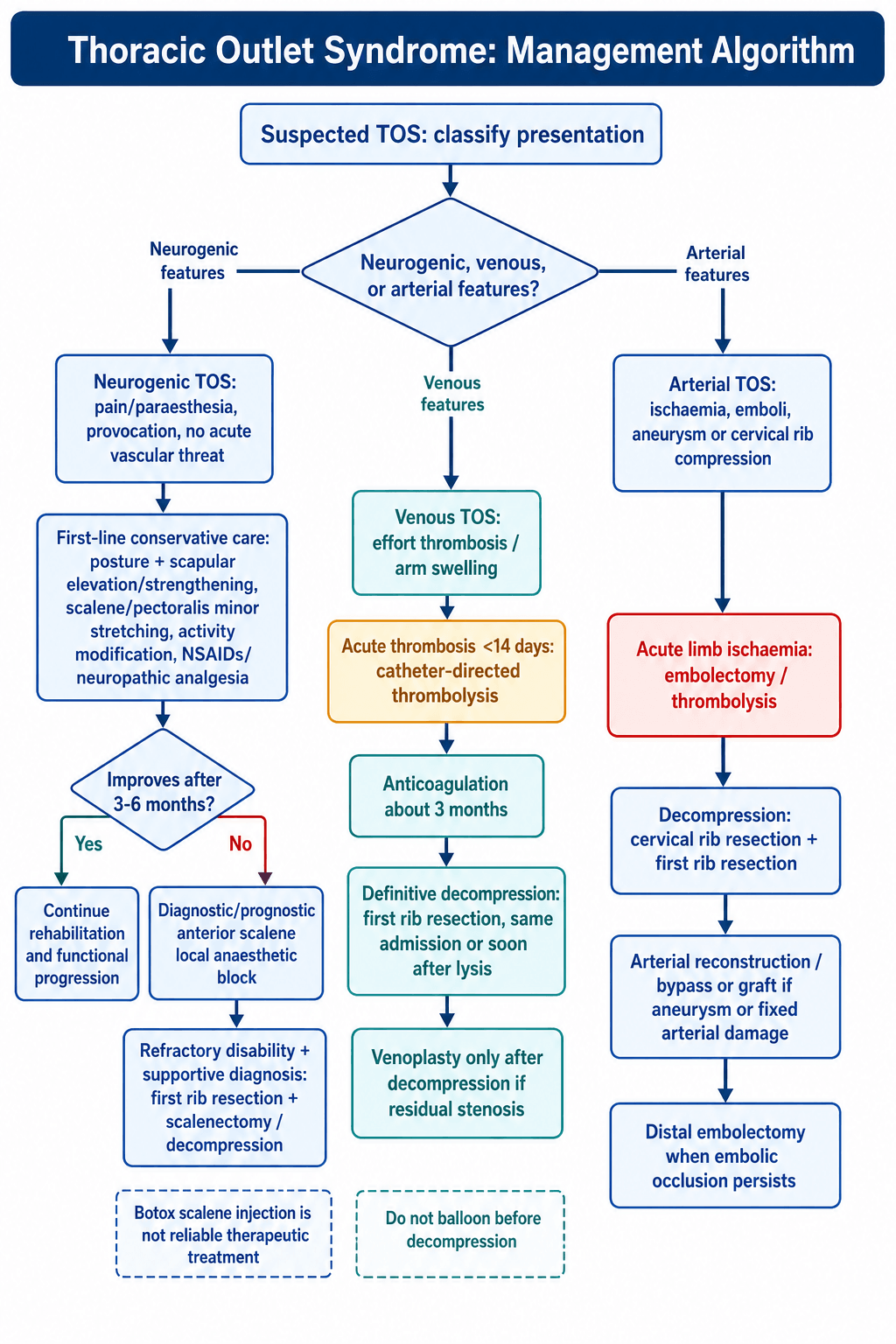
Neurogenic TOS: conservative first. Physiotherapy corrects posture, strengthens trapezius to elevate the shoulder girdle and stretches the scalenes and pectoralis minor, alongside gabapentin or pregabalin and NSAIDs. Surgery is reserved for refractory cases with significant disability, when conservative measures fail, typically over 3-6 months. The operation is first rib resection plus scalenectomy.
The scalene block is a test, not a treatment. Local anaesthetic injected into anterior scalene is mainly diagnostic and prognostic: a positive response is part of the SVS NTOS criteria and predicts surgical benefit. A placebo-controlled RCT (Finlayson 2011) found that scalene Botox gave no therapeutic pain benefit, so it should not be relied on as a treatment.
Venous TOS: lyse, then decompress. Catheter-directed thrombolysis is urgent, within 14 days of the clot, followed by heparin/warfarin anticoagulation for 3 months. First rib resection is mandatory to prevent recurrence and is usually done in the same admission or shortly after lysis.
Balloon venoplasty must never precede rib resection: the rib is the anvil, and the balloon fails or ruptures the vein. Even after decompression, meta-analysis (Lugo 2015) shows adding venoplasty gives no symptom benefit over rib resection alone, so routine post-decompression venoplasty is questioned.
Arterial TOS. Embolectomy or thrombolysis is urgent if the limb is ischaemic. Surgery is cervical rib resection with first rib resection, adding arterial bypass or graft if an aneurysm exists, and distal embolectomy may also be needed.
Surgical Technique
Choosing the approach.
- Transaxillary (the Roos approach): the most common and cosmetically superior, with access to the first rib, but it is hard to see a cervical rib or reconstruct vessels through it
- Supraclavicular: best for nerve visualisation and the cervical rib, and standard for NTOS and ATOS
- Infraclavicular: good for venous TOS, where the vein must be exposed
Supraclavicular first rib resection.
- Transverse incision 2cm above the clavicle.
- Identify the phrenic nerve on anterior scalene; retract medially.
- Divide anterior scalene, protecting the phrenic nerve.
- Expose the first rib, protecting the subclavian artery behind and the vein in front.
- Divide the rib anteriorly and posteriorly and remove the middle scalene attachment.
- External neurolysis of the plexus.
Complete removal of the rib back to the transverse process is key.
Complications
Intraoperative. Careful anatomical dissection and nerve identification prevent most of these:
- Pneumothorax (15-30% risk): the pleura is attached to the undersurface of the first rib by Sibson's fascia, and a chest X-ray in recovery is mandatory
- Subclavian artery or vein laceration, requiring immediate vascular repair
- Brachial plexus injury from direct trauma or excessive traction during resection
- Phrenic nerve palsy and diaphragm paralysis: the nerve lies on anterior scalene and must be protected during scalenectomy
- Long thoracic nerve injury and scapular winging: avoid excessive retraction. Winging may require tendon transfer
- Thoracic duct injury and chylothorax on a left-sided approach, requiring drainage and dietary modification
Postoperative. A supraclavicular wound haematoma may require evacuation. Wound infection is rare but treated aggressively given the proximity of the vessels. Horner's syndrome (ptosis, miosis, anhidrosis) follows sympathetic chain injury.
When symptoms persist. Consider incomplete decompression or an incorrect diagnosis. Chronic pain may indicate an incorrect initial diagnosis or neuropathic pain, and some patients have persistent weakness despite decompression.
Rehabilitation
A depressed shoulder girdle reduces the costoclavicular interval and loads the plexus. Rehabilitation therefore targets scapular elevation and control, thoracic posture and pectoralis/scalene flexibility rather than generic shoulder strengthening alone.
An arm sling for comfort, not immobilisation, with gentle active-assisted range of motion and no overhead activity. No lifting greater than 1kg and no driving. Keep the incision clean and dry, with sutures out at 10-14 days, and control pain with simple analgesia, avoiding opioids long-term.
Progressive active range of motion in all planes, with physiotherapy continuing to address the underlying posture: postural correction, scapular setting, cervical stretches and isometric shoulder girdle exercises. Light activities of daily living, without repetitive overhead work. Driving may resume at 3-4 weeks if comfortable.
Scapular stabilisation, trapezius strengthening and pectoralis stretching, with a gradual increase in resistance. A gradual return to desk work, avoiding heavy manual labour, and no contact sports or heavy lifting yet. Complete sensory recovery may take several months, and ergonomic factors at the workplace should be addressed.
Unrestricted activity by 3 months if symptoms have resolved, including a gradual return to sport with overhead activity and full duties including manual labour. Postural exercises continue long-term to prevent recurrence, and some patients may require ongoing physiotherapy if postural issues persist. Final assessment at 3-6 months after surgery.
Prognosis
Neurogenic TOS. Surgery gives 80-90% good outcomes if the diagnosis is correct and confirmed by a positive scalene block response, with poorer results in disputed TOS or workers' compensation cases. Conservative management achieves 50-70% improvement with dedicated physiotherapy.
Vascular TOS. Venous TOS does excellently with early thrombolysis and first rib resection, with greater than 90% long-term vein patency if treated within 2 weeks. Arterial TOS does well if the arterial reconstruction is patent and there are no embolic sequelae, and it may require staged procedures.
Who does well. Patient selection is critical for surgical success, and the factors that predict it are these:
Favourable factors
- Objective positive NCS/EMG findings
- Positive response to scalene block (Botox or local anaesthetic)
- Clear anatomical cause (cervical rib, first rib anomaly)
- Short duration of symptoms before surgery
- Absence of workers' compensation or litigation
Poor factors
- Disputed/nonspecific TOS without objective findings
- Long symptom duration (greater than 2 years)
- Previous failed neck or shoulder surgery
- Significant psychosocial factors or secondary gain
- Double crush syndrome (concurrent CTS or cubital tunnel)
Recurrence. Recurrence after primary surgery runs at 5-15%, from incomplete first rib resection with too long a stump, scalene muscle regrowth, or reformation of fibrous bands or scar tissue. Re-operation succeeds less often than primary surgery, in 60-70%. Meticulous surgical technique and complete rib excision minimise recurrence.
The Gilliatt-Sumner hand does not recover. Band division arrests progression and relieves pain, but established wasting did not recover even at eight years. Consent for arrest, not restoration.
Guidelines, Registries & Global Practice
Global Epidemiology
- Distribution: Neurogenic TOS makes up roughly 90-95% of cases, venous ~3-5%, arterial ~1%.
- Sex/age: NTOS predominantly affects women (about 3:1) aged 20-50; venous (effort) thrombosis predominantly affects young athletic men.
- Cervical rib: Present in approximately 0.5-1% of the general population (radiographic studies), more common in women; only a minority ever become symptomatic. Arterial TOS is almost always associated with a bony anomaly.
- Provoking factors: Repetitive overhead work and sport (throwers, swimmers, weightlifters), prior clavicle fracture/malunion, and post-whiplash scalene scarring.
The true incidence of NTOS is unknown worldwide because there is no gold-standard diagnostic test.
Controversies and Areas of Uncertainty
Does "disputed" NTOS exist? The biggest controversy. Many patients have subjective outlet symptoms with no objective neurophysiology and no anatomical lesion. Some surgeons operate on the basis of a positive scalene block alone; others argue this group should rarely be offered surgery given high failure rates. The SVS 4-criteria standard was created largely to discipline this grey zone.
Which approach? No randomised trial settles transaxillary versus supraclavicular first rib resection. Supraclavicular favours plexus neurolysis and cervical rib excision; transaxillary favours cosmesis and direct rib access. Robotic and thoracoscopic resection are emerging but unproven against open surgery.
MCQ Practice Points
Q: Which structure passes ANTERIOR to the Anterior Scalene muscle? A: The Subclavian Vein. (Artery and Plexus are posterior).
Q: What is the most sensitive test for NTOS? A: Roos Test (EAST).
Q: Which muscle fibers are most affected in 'Gilliatt-Sumner' hand? A: Both Thenar (Median) and Hypothenar (Ulnar) - C8/T1.
Q: What is the treatment for Venous TOS? A: Thrombolysis followed by First Rib Resection.
Q: Which type of TOS is almost always associated with a cervical rib? A: Arterial TOS (ATOS). Bony abnormality causes post-stenotic dilation and aneurysm formation.
Q: What is the most common site of compression in TOS? A: Interscalene triangle (between anterior and middle scalene muscles, above first rib).
Viva Scenarios
Practise clinical reasoning and management decisions out loud
“A 22-year-old male weightlifter presents with specific, blue, swollen right arm after a gym session. No pain initially, now heavy.”
“A 60-year-old woman has wasting of her right hand. Thenar and Hypothenar eminence are flat. Sensation is reduced in the medial forearm.”
“A professional violinist complains of pain in the neck and numbness in the 4th/5th digits when playing. Adson's is positive.”
“A 35-year-old woman had first rib resection 18 months ago for NTOS. She presents with recurrent neck and arm pain similar to pre-operative symptoms.”
Anatomy
- Triangle: Ant/Mid Scalene + Rib 1
- Vein is Anterior to Triangle
- C8/T1 Roots (Lower Trunk)
- Subclavian artery passes through triangle
Types
- Neurogenic (95%) - Pain/Numb
- Venous (4%) - Blue/Swollen
- Arterial (1%) - Emboli
- Disputed - Subjective, no objective findings
Management
- NTOS: Physio then Resection
- VTOS: Lysis then Resection
- ATOS: Resection + Graft
- First rib resection is definitive treatment
Evidence Base
TOS has very few randomised data. Diagnosis of neurogenic TOS remains a clinical construct without a gold-standard reference test, and most surgical evidence comes from retrospective single-centre series. Read the numbers below in that light, and beware over-interpreting any single observational study.
SVS Reporting Standards: defining NTOS
- Society for Vascular Surgery consensus reporting standards for NTOS, VTOS and ATOS
- NTOS diagnosis requires 3 of 4 criteria: local outlet pain/tenderness, distal nerve compression signs, absence of alternative pathology, and a positive scalene muscle block
- Defines standardised work-up and outcome measures to allow comparison between series
- Explicitly frames the three TOS subtypes as separate (occasionally overlapping) entities
Gilliatt-Sumner Hand: wasting with a cervical rib/band
- Nine patients with unilateral hand wasting from an elongated C7 transverse process or rudimentary cervical rib
- Wasting was most marked in the lateral (thenar) part of the hand but involved all intrinsics in several patients - the classic Gilliatt-Sumner pattern
- A fibrous band angulating the C8/T1 roots or lower trunk was found at operation in every case
- The electrodiagnostic signature is diagnostic and is worth carrying: nerve conduction showed NO abnormality in the distal median nerve, but reduced or absent sensory action potentials on stimulating the FIFTH FINGER - a lower-trunk pattern that separates this from carpal tunnel syndrome
- The band angulated the C8 and T1 roots in five patients and the lower trunk in three, with pathological changes frequently visible in the nerve at the site of angulation
- Band division relieved pain and paraesthesiae in eight of nine and arrested wasting and weakness in all nine, but there was only SLIGHT recovery of power and hand wasting appeared unchanged at up to eight years