Diagnostic Criteria | Treatment Algorithm | Prevention Strategies
- 2018 ICM criteria: EITHER major criterion is diagnostic on its own - a sinus tract communicating with the prosthesis, or TWO positive cultures growing the same organism. Otherwise score the minor criteria: 6 or more is infected, 2 to 5 needs intraoperative findings added. Purulence is NOT a major criterion - it scores 3 points intraoperatively
- DAIR indications: Early infection (under 4 weeks), acute haematogenous (symptoms under 3 weeks), stable implant, non-resistant organism
- 2-stage revision is gold standard for chronic PJI: sensitivity 90-95%, specificity 75-80% for eradication
- Antibiotic cement spacer maintains joint space, delivers local antibiotics (4-6g vancomycin + 3-4g aminoglycoside per 40g cement)
- Risk factors: Diabetes (OR 2.5), obesity (BMI over 30: OR 2.0), rheumatoid arthritis (OR 2.4), previous surgery (OR 3.7)
- “MSIS 2018 criteria are Orthopaedic exam standard - know the scoring system (1 major = definite, 6 points = definite, 2-5 points = possible)
- “Alpha-defensin synovial fluid test: sensitivity 97%, specificity 96% for PJI diagnosis
- “Antibiotic holiday: minimum 2 weeks (ideally 6 weeks) before obtaining cultures for optimal yield
- “Streptococcus agalactiae (Group B Strep) is dental prophylaxis indication even in presence of prosthetic joint
Overview and Epidemiology
Periprosthetic joint infection is the most devastating complication of TKA. It accounts for 25% of all revision TKA (AOANJRR 2023), and its 1-year mortality of 7% is higher than that of hip fracture (4%).
Incidence. Infection follows 1-2% of primary TKAs and 3-5% of revisions. The distribution is bimodal, early (under 3 months) and late (over 2 years). Mean age at diagnosis is 68 years (range 45-85), with a male predominance of 1.4:1, although the data conflict and some series show a female predominance. Absolute numbers are rising with the growth in TKA volume.
The cost. A two-stage revision costs approximately $100,000-150,000 AUD, with stays of 10-14 days for the first stage and 7-10 days for the second, and disability averages 6-12 months from diagnosis to full recovery. Success plateaus at 60-90% infection eradication depending on organism and host factors, so 10-40% face salvage: resection arthroplasty, arthrodesis or amputation. Re-infection leads to further revision in 10-30%, and 15% of PJI cases result in medicolegal action.
Diagnostic Criteria: MSIS 2018 Definition
The MSIS 2018 criteria (the 2018 ICM definition) are the international standard for diagnosing PJI, and examiners expect fluency with the scoring system.
Major criteria. Either one alone is definite PJI, with no scoring required:
- a sinus tract communicating with the prosthesis, confirmed by direct visualisation at surgery, a sinogram or fistulogram demonstrating the connection, or probing to the prosthesis through the skin wound; its specificity is 100%, and it is pathognomonic for infection
- two positive periprosthetic cultures growing phenotypically identical organisms. A single positive culture is only a minor criterion, worth 2 points intraoperatively.
The score. Everything else is weighted. Preoperatively, a score of 6 or more is infected. A score of 2 to 5 is possible infection (treat as infection if clinical suspicion is high), and is settled by adding the intraoperative findings: the combined total is then read as 6 or more infected, 4 to 5 inconclusive, and 3 or less not infected.
- Threshold
- Over 1 mg/dL (10 mg/L)
- Points
- 2 points
- Notes
- Non-specific: also raised in inflammatory arthritis
- Threshold
- Over 860 ng/mL
- Points
- 2 points
- Notes
- Added in the 2018 criteria
- Threshold
- Over 30 mm/hr
- Points
- 1 point
- Notes
- Non-specific. Less useful than CRP
- Threshold
- Over 3,000 cells/μL
- Points
- 3 points
- Notes
- Lower threshold if chronic (3,000) vs acute (10,000). TKA: 3,000 is standard
- Threshold
- Signal-to-cutoff ratio over 1.0
- Points
- 3 points
- Notes
- 97% sensitivity, 96% specificity. Best single synovial marker
- Threshold
- ++
- Points
- 3 points
- Notes
- Point-of-care test
- Threshold
- Over 80%
- Points
- 2 points
- Notes
- Polymorphonuclear cell predominance
- Threshold
- Over 6.9 mg/L
- Points
- 1 point
- Notes
- Threshold
- Over 5 PMN/hpf in 5 hpf (400x)
- Points
- 3 points
- Notes
- Frozen section or permanent. Type II/III interface membrane
- Threshold
- Frank pus
- Points
- 3 points
- Notes
- Not a major criterion
- Threshold
- One sample
- Points
- 2 points
- Notes
- Two matching cultures are a major criterion instead
Synovial WCC, alpha-defensin and leucocyte esterase are the three heaviest preoperative minor criteria, at 3 points each.
Purulence. Purulence is a heavily weighted intraoperative minor criterion worth 3 points, not a major criterion, and not diagnostic on its own; calling it major is a frequent error and one an examiner will pick up. Frank pus is powerful evidence and in practice usually sits alongside enough other points to confirm the diagnosis, but the formal criteria do not let purulence alone confirm infection the way a sinus tract or two matching cultures do. It must look purulent, not just turbid: fluid that is cloudy but not frankly purulent is scored through the synovial WCC and PMN criteria.
Viva scenario. A 72-year-old, TKA 18 months ago, with a 3-week history of knee pain and effusion. CRP 45, ESR 55, synovial WCC 8000, PMN 85%, alpha-defensin positive, culture negative.
Answer. "This scores 11 points: CRP over 10 mg/L (2 points), ESR over 30 (1 point), synovial WCC over 3,000 (3 points), PMN over 80% (2 points) and a positive alpha-defensin (3 points). That exceeds the threshold of 6 for definite PJI, so I would treat this as PJI despite the negative cultures, which likely reflect prior antibiotic exposure."
Pathophysiology and Microbiology
Biofilm. The hallmark of PJI is a bacterial biofilm on the prosthetic surface, which forms in stages:
- Attachment (0-4 hours): bacteria adhere to the implant surface via adhesins
- Accumulation (4-24 hours): microcolonies form and produce extracellular matrix
- Maturation (1-7 days): a three-dimensional structure with nutrient channels
- Detachment (ongoing): planktonic bacteria shed from the biofilm to colonise new areas
Why biofilm decides treatment. Biofilm-protected bacteria resist host immunity and are 100-1000 times more resistant to antibiotics than planktonic forms. The minimum biofilm eradication concentration (MBEC) exceeds achievable systemic antibiotic levels for most organisms, so a mature biofilm cannot be eradicated with antibiotics alone, and this is why DAIR fails in chronic infection (over 4 weeks). Only fresh biofilm (under 3 weeks) or acute contamination (under 4 weeks from surgery) is susceptible enough for a retention strategy; beyond that window, implant removal is mandatory to clear the infection.
Organisms. The organism shapes whether retention is possible.
- Frequency
- 30-40%
- Virulence
- High virulence, acute presentation
- Treatment Considerations
- DAIR possible if early. Rifampicin + flucloxacillin biofilm penetration
- Frequency
- 5-15%
- Virulence
- High virulence, resistant
- Treatment Considerations
- DAIR contraindicated. Vancomycin + rifampicin. Higher failure rates
- Frequency
- 25-35%
- Virulence
- Low virulence, chronic/late
- Treatment Considerations
- Often antibiotic-resistant. 2-stage usually required
- Frequency
- 8-12%
- Virulence
- Moderate virulence
- Treatment Considerations
- DAIR success higher if acute. Penicillin-based therapy
- Frequency
- 5-10%
- Virulence
- Variable, often nosocomial
- Treatment Considerations
- Fluoroquinolone + rifampicin. P. aeruginosa difficult to eradicate
- Frequency
- 10-15%
- Virulence
- High biofilm burden
- Treatment Considerations
- Poor prognosis. 2-stage mandatory
- Frequency
- 5-10%
- Virulence
- Unknown organism
- Treatment Considerations
- Broad-spectrum empiric therapy. Consider biofilm dispersal agents
Classification Systems
Tsukayama. The temporal classification sorts infection by timing and presentation, which guides treatment selection better than the alternatives and makes it the most clinically useful.
- Definition
- Under 4 weeks post-surgery
- Treatment
- DAIR + antibiotics 6 weeks
- Success Rate
- 50-70% if under 3 weeks, organism sensitive
- Definition
- Over 4 weeks post-surgery
- Treatment
- 2-stage revision
- Success Rate
- 85-90% eradication with 2-stage
- Definition
- Acute onset (under 3 weeks symptoms) in previously well-functioning TKA
- Treatment
- DAIR if under 3 weeks symptoms, stable implant, sensitive organism
- Success Rate
- 60-75% if window under 3 weeks, drops to 30% if over 3 weeks
- Definition
- Unexpected positive cultures during aseptic revision
- Treatment
- Organism-specific antibiotics 6 weeks (no implant removal if stable)
- Success Rate
- 90% success if single organism, low virulence
Type III infection is timed from the onset of symptoms, independent of the time since the index surgery. Even a 5-year-old TKA with an acute onset (fell, developed pain, fever and effusion, and presented 2 weeks later) qualifies for DAIR if symptoms are under 3 weeks. Asked "TKA 5 years ago, 2-week history of pain - DAIR or 2-stage?", the answer is that it depends on symptom duration and implant stability: a truly acute onset under 3 weeks with a stable implant makes DAIR reasonable, whereas an insidious onset suggesting chronic smouldering infection makes 2-stage preferred.
McPherson. This system grades the host and the limb separately. It is used for prognosis and for deciding treatment intensity, and it is useful for counselling patients about realistic expectations.
- Definition
- Normal immune function, no comorbidities, good nutrition
- Limb grade
- 1 (minor)
- Definition
- Adequate soft tissue coverage, good vascularity
- Definition
- Diabetes, smoking, obesity, immunosuppression, malnutrition
- Limb grade
- 2 (moderate)
- Definition
- Compromised soft tissue, marginal vascularity
- Definition
- Active systemic sepsis, severe immunosuppression, extremes of age
- Limb grade
- 3 (severe)
- Definition
- Major soft tissue loss, vascular insufficiency
An A1 patient follows the standard 2-stage protocol, with high success. A B2 patient is managed with extended antibiotics and possible muscle flap coverage. A C3 patient is a poor candidate for reconstruction, and salvage (resection or suppression) should be considered.
Clinical Assessment
History. Establish the time since the index surgery (early under 4 weeks, late over 4 weeks), whether symptoms began acutely (under 3 weeks) or insidiously, and whether the knee was ever pain-free after surgery; if it was not, that is concerning for persistent infection. A knee that never achieved good function suggests early chronic infection, while a sudden loss of function after a good initial recovery suggests acute infection.
Symptoms. Ask whether pain is constant or related to activity; night pain is the hallmark of infection. Then ask about progressive effusion, warmth and erythema, and systemic features (fever, chills, night sweats), which point to acute infection.
Risk factors. Record the patient and perioperative factors that raise the risk:
- Diabetes (current and perioperative HbA1c), obesity (BMI at surgery) and smoking
- Immunosuppression (steroids, biologics, chemotherapy) and rheumatoid or inflammatory arthritis
- Previous joint surgery (infection risk OR 3.7), chronic kidney disease and liver disease
- Wound complications (dehiscence, haematoma, prolonged drainage), postoperative blood transfusion, and a return to theatre for any reason within 90 days
- Recent bacteraemia (dental, urinary or skin infection)
Any of these findings requires urgent investigation for PJI:
- Persistent wound drainage over 7 days after surgery
- Acute onset of pain in a previously well-functioning TKA (acute haematogenous)
- Never pain-free after surgery (early chronic infection)
- Systemic symptoms: fever, rigors, sepsis
- A sinus tract, visible drainage from wound to joint, which is pathognomonic for PJI
- Rapid-onset stiffness with loss of previously achieved range of motion
Look. Inspect the wound for erythema (diffuse or localised), swelling (effusion or soft tissue oedema), healing of the scars and any dehiscence, and a sinus tract or draining wound, which is a major criterion if it communicates with the prosthesis. At the limb, a varus or valgus deformity suggests loosening; note muscle wasting (chronic infection impairs function) and skin changes such as chronic venous stasis or dependent rubor.
Feel. Compare warmth with the other knee. A moderate to large effusion is common in PJI, but also in aseptic loosening. Diffuse joint-line tenderness suggests infection and focal tenderness a mechanical cause, and the inguinal nodes may be enlarged in chronic infection.
Move. Record active and passive range against previous assessments: stiffness suggests infection or arthrofibrosis, and a loss of range is concerning for infection. Note a painful arc or end-range pain. Varus-valgus stress (loosening or intact collaterals) and the anteroposterior drawer test implant stability, and crepitus suggests polyethylene wear or loosening but is not specific for infection.
Neurovascular and systemic. Check the pulses (dorsalis pedis, posterior tibial), sensation in the common peroneal distribution on the dorsum of the foot, and motor function (ankle dorsiflexion for the common peroneal nerve, plantarflexion for the tibial). Look for fever in acute infection and, in severe cases, for signs of sepsis: tachycardia, hypotension, confusion.
Examiners often ask how to tell infection from aseptic loosening at the bedside. Clinical differentiation is difficult, because both present with pain and effusion, but infection tends to have:
- earlier onset (within 2 years), where aseptic loosening typically presents after 5 years
- acute or subacute symptoms (weeks) rather than insidious pain over months to years
- systemic features (fever, night sweats) rather than purely mechanical symptoms
- constant pain, including night pain, rather than activity-related pain relieved by rest
- warmth and erythema over the joint rather than normal overlying skin
Definitive diagnosis still requires the MSIS criteria, with serology, aspiration and imaging. Keep a low threshold for aspiration in any painful TKA: it is better to over-investigate than to miss infection, and clinical suspicion guides investigation, not diagnosis.
Differential diagnosis. Every painful TKA must be screened for infection first, but the differential is broad. PJI and aseptic causes can coexist, so aspiration is the discriminating test.
- Typical features
- Rest/night pain, effusion, warmth, raised CRP/ESR, possible sinus or drainage
- Key discriminator
- MSIS criteria positive; positive aspirate (raised synovial WCC/PMN, alpha-defensin, culture)
- Typical features
- Activity-related start-up pain, usually over 2-5 years, progressive lucency
- Key discriminator
- Normal inflammatory markers and sterile aspirate; radiographic loosening
- Typical features
- Mechanical symptoms, giving way, recurrent effusion, wear on imaging
- Key discriminator
- Sterile aspirate; instability on stress exam; wear pattern on radiographs
- Typical features
- Acute pain after trauma, deformity, inability to weight-bear
- Key discriminator
- Fracture on radiographs; trauma history
- Typical features
- Acute hot swollen joint, may mimic acute PJI
- Key discriminator
- Crystals on synovial polarised microscopy; cultures negative
- Typical features
- Pain not localised to joint line, normal local exam and aspirate
- Key discriminator
- Examine hip and spine; normal joint markers; consider vascular/neuropathic causes
- Typical features
- Anterior pain, extensor lag, crepitus, no systemic features
- Key discriminator
- Focal tendon/patellar signs; sterile aspirate; dynamic imaging
Investigations
Investigation follows a stepwise protocol, from serum markers to imaging to aspiration, and ends with intraoperative sampling if surgery is required. How each result scores is set out in the MSIS criteria below.
Serum markers. Order CRP (over 10 mg/L), ESR (over 30 mm/hr) and D-dimer (over 860 ng/mL, added in the 2018 ICM criteria); the white cell count is usually normal unless the infection is acute and severe. Sensitivity is 80% for CRP, 75% for ESR and 89% for D-dimer, and specificity 70%, 65% and 65% respectively. All three are non-specific, raised in inflammatory arthritis, after recent surgery and in obesity.
A normal CRP does not exclude PJI: 20% of chronic infections have a normal CRP, especially low-virulence CNS infections. The trend is more useful than a single value, and a rising CRP is concerning even under 10.
Radiographs. AP, lateral and skyline views look for periprosthetic lucency over 2 mm and progressive widening on serial films, which suggest loosening that may be septic or aseptic, and for component subsidence, whose cause is unclear without aspiration. Periosteal new bone along the femoral or tibial cortex suggests chronic infection. Sensitivity is only 50%, because these are late findings, so radiographs rule out obvious loosening or osteolysis but do not diagnose infection.
Aspiration. Joint aspiration is the gold-standard preoperative test. Under sterile preparation (chlorhexidine, drapes), approach laterally or superolaterally, avoiding the suprapatellar pouch for better yield, and aspirate at least 3-5 mL for an adequate culture and cell count.
Send fluid for cell count and differential, culture (aerobic, anaerobic, and fungal if immunosuppressed, held for 14 days), alpha-defensin and leucocyte esterase. Culture sensitivity is 65-90%, higher after an adequate antibiotic holiday. If the tap is dry, inject 5-10 mL of sterile saline, agitate the knee and re-aspirate to lavage the joint and improve the yield.
Stop antibiotics for a minimum of 2 weeks (ideally 6 weeks) before obtaining cultures. Antibiotics suppress the release of planktonic bacteria from biofilm without eradicating the infection, so cultures taken on antibiotics are falsely negative in 30-40%. In an acutely unwell patient, however, take cultures urgently without waiting, because identifying the organism guides definitive treatment even if delayed.
Nuclear medicine and other imaging. A Tc-99m MDP bone scan is sensitive (90%) but not specific (50%), positive in infection and aseptic loosening alike. A labelled white cell scan (In-111 or Tc-99m HMPAO) has 85% sensitivity and 80% specificity for infection; combined with a sulphur colloid scan, where a photopenic mismatch suggests infection, specificity improves to 85% with 90% sensitivity.
PET-CT is emerging (sensitivity 85-95%, specificity 80-90%) but expensive and of limited availability, and is useful if aspiration is non-diagnostic and clinical suspicion high. MRI is limited by metal artefact: metal artefact reduction sequences (MARS) may help assess the soft tissue but do not reliably diagnose PJI.
Intraoperative sampling. Take a minimum of 5-6 tissue samples from different sites (capsule, bone-implant interface, femoral canal, tibial plateau, medial gutter, lateral gutter), avoiding superficial tissue because of the contamination risk. Send them for aerobic and anaerobic culture, fungal culture if immunosuppressed, and permanent histology, and hold cultures for 14 days for slow-growing organisms.
Histology. A frozen section is positive for infection at over 5 PMN per high-power field in 5 fields at 400x magnification, with sensitivity 80-85% and specificity 90-95%. The result comes back in 20-30 minutes, which is what allows an intraoperative decision to proceed with reimplantation or abort. Permanent histology shows a type II/III interface membrane (lymphocytic infiltration with PMN predominance); it is more sensitive than frozen section but takes 3-5 days, and confirms a borderline frozen section.
Sonication. When the components are removed, sonication of the explanted prosthesis in a sealed container uses ultrasound to dislodge adherent biofilm bacteria from the implant surface, and the sonicate fluid is cultured. This samples organisms where they actually live, on the implant, rather than relying on periprosthetic tissue alone.
In Trampuz (NEJM 2007), sonicate-fluid culture was more sensitive than periprosthetic-tissue culture (78.5% vs 60.8%, specificity similar at around 99%), and the advantage was greatest in patients given antibiotics within 14 days before surgery (75.0% vs 45.0%). Biofilm science in general is developed in the biofilm-formation topic.
Asked "cultures are negative but you strongly suspect infection - how do you improve the microbiological yield?", a high-value answer is sonication of the explanted implant, because the organisms live in biofilm on the prosthesis; it is a key adjunct for culture-negative PJI and any case with recent antibiotic exposure. Pair it with multiple tissue samples, prolonged incubation (14 days for indolent organisms such as Cutibacterium) and an adequate antibiotic holiday.
Management Algorithm
Once PJI is confirmed, the choice between retaining and removing the implant turns on the timing of the infection, the fixation of the implant, the organism and the host.
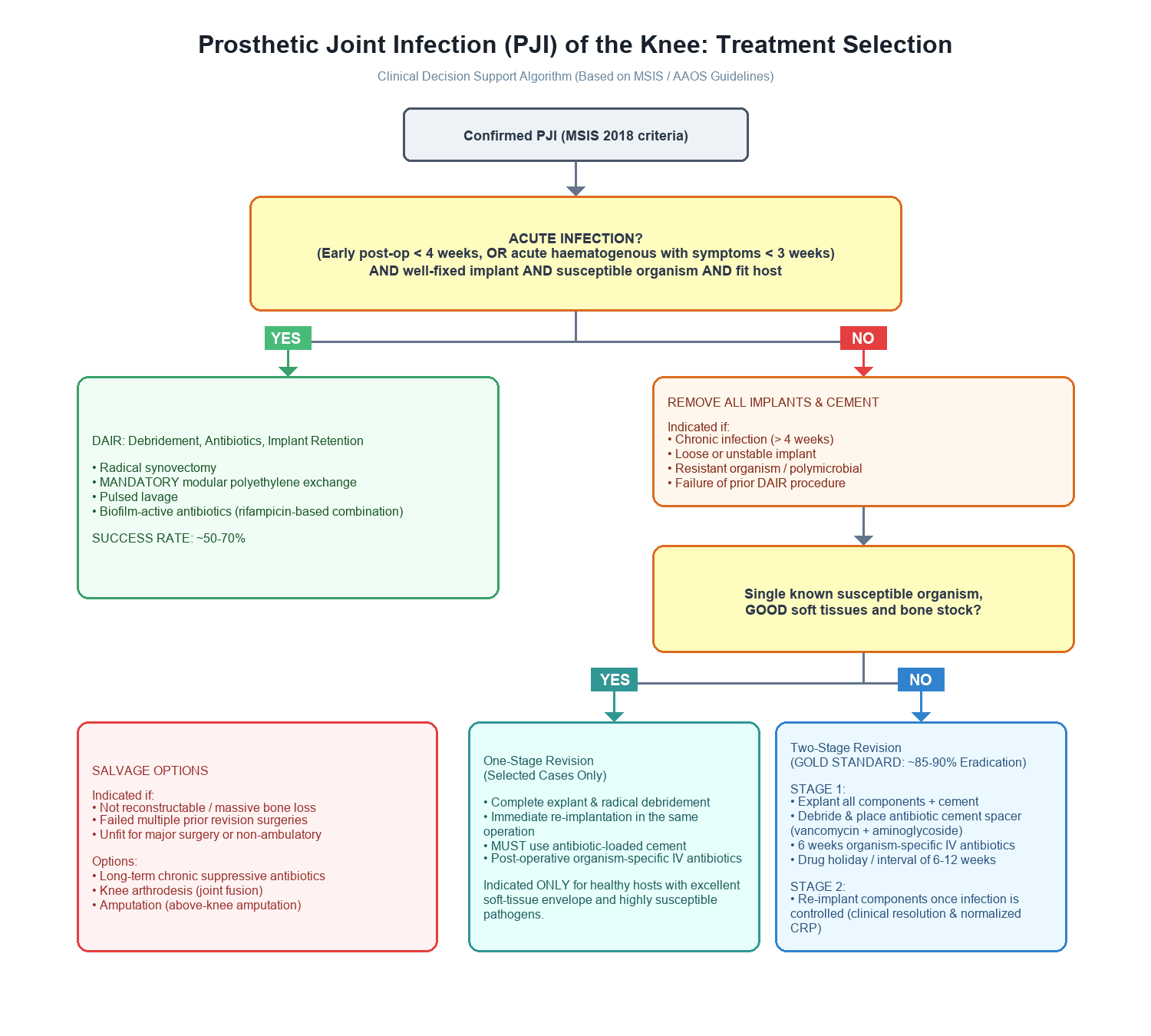
Concept. DAIR combines aggressive surgical debridement with biofilm-active antibiotics while a stable implant is retained. It is a single-stage retention strategy, but has lower success than 2-stage revision.
Indications. All must be met:
- Timing: early postoperative (under 4 weeks), or acute haematogenous with symptom duration under 3 weeks
- Implant stability: well-fixed components, no loosening
- Tissue quality: intact polyethylene, no gross contamination, viable soft tissue
- Organism: susceptible to biofilm-penetrating antibiotics (avoid MRSA, fungi, resistant GNR)
- Host: immunocompetent, with a low KLIC score (under 3)
The KLIC score (Tornero et al, Clin Microbiol Infect 2015) is a validated preoperative predictor of early DAIR failure. The letters are Kidney (chronic renal failure), Liver (cirrhosis), Index surgery (revision arthroplasty or surgery for femoral neck fracture, rather than a primary) and Cemented prosthesis, plus an elevated CRP (over 11.5 mg/dL), the strongest single weight. The total runs from 0 to 9.5:
- score 2 or less: 4.5% failure
- score 4-5: 55% failure
- score 7 or greater: 100% failure
A high KLIC score is a relative contraindication to DAIR; consider two-stage even with early presentation. Beware the common exam trap of mis-expanding KLIC as "immunosuppression/chronicity": immunosuppression and chronic symptoms are separate, real risk factors, but they are not the letters of the acronym.
STEADIDAIR Indications
Hook:Keep it STEADI: timing, organism and implant stability decide DAIR success.
Always exchange the modular polyethylene during DAIR: studies show a 50% reduction in failure with insert exchange. Biofilm on polyethylene is invisible and cannot be adequately debrided, and bacteria within the polyethylene matrix (absorbed during sterilisation and implantation) serve as a reservoir for reinfection. Asked "the insert looks perfect - do you still exchange it?", the answer is yes: exchange is non-negotiable for any chance of DAIR success.
Antibiotics. Start empirical therapy until cultures return, then change to organism-specific therapy:
- Empirical: vancomycin 15-20 mg/kg IV 12-hourly (target trough 15-20 μg/mL) plus meropenem 1 g IV 8-hourly or ceftazidime 2 g IV 8-hourly
- MSSA: flucloxacillin 2 g IV 6-hourly plus rifampicin 300-450 mg PO 12-hourly; orally, rifampicin 450 mg 12-hourly plus flucloxacillin 1 g 6-hourly
- MRSA: vancomycin (as above) plus rifampicin
- Streptococcus: penicillin G 3 million units IV 4-hourly or ceftriaxone 2 g IV daily; orally, amoxicillin 1 g 8-hourly (rifampicin not required)
- Gram-negative rods: ciprofloxacin 750 mg PO 12-hourly plus rifampicin 450 mg PO 12-hourly (if E. coli, not Pseudomonas)
Duration. IV antibiotics run for 2-6 weeks (debate is ongoing, with some centres giving 2 weeks and others 6), followed by oral suppression for 3-6 months with a biofilm-active, rifampicin-based combination. Rifampicin penetrates biofilm and is active against stationary-phase bacteria, but it is never used as monotherapy, because resistance develops rapidly, within days; always combine it with flucloxacillin, vancomycin or a fluoroquinolone. Two randomised trials in the Evidence Base now bear on these choices: OVIVA found an early switch to oral antibiotics noninferior to IV, and DATIPO found 6 weeks of antibiotics inferior to 12 for PJI overall.
Surgical Technique
Set-up and exposure. Position supine with a tourniquet applied but not inflated during debridement, so that bleeding flushes out bacteria. Use the prior incision, excising the wound edges if contaminated, and make a standard medial parapatellar arthrotomy with the patella everted. Assess the polyethylene and the implant's stability (varus-valgus stress, AP drawer).
Radical synovectomy. Aggressive synovectomy is the key step: incomplete removal leaves a biofilm reservoir and leads to DAIR failure. Remove all synovium from the suprapatellar pouch, the medial and lateral gutters, the posterior compartments (difficult to reach; use curved curettes) and the intercondylar notch, and excise devitalised tissue and haematoma. Curette the bone-implant interface under the femoral component and tibial baseplate to remove interface membrane and granulation tissue. Gross purulence or visibly contaminated cement is a reason to consider removing the cement and converting to 2-stage.
Polyethylene exchange. Unlock the mechanism (it varies by implant system), remove the insert completely, and inspect the tibial baseplate and femoral component for damage. Insert a new liner from a sterile, unopened tray, never a re-sterilised used insert, at the same thickness or adjusted for soft tissue tension, and lock it securely. Exchanging a modular cemented femoral component can be considered, but is controversial.
Irrigation. Change gloves, gown and instruments after debridement and before irrigation, to avoid recontamination. Irrigate with 9-12 litres of normal saline (minimum 6 litres) by pulsed lavage at moderate pressure, which mechanically disrupts biofilm and washes out bacteria; a high-pressure jet drives bacteria into bone. Use no additives: chlorhexidine, betadine and antibiotic solutions are cytotoxic to cartilage and tissue, with no proven benefit.
Closure. Close in layers: the capsule watertight with absorbable suture, the subcutaneous layer to eliminate dead space, and the skin with an absorbable subcuticular suture or staples. Consider a closed suction drain for 24-48 hours, removed when output is under 30 mL per 8 hours; there is some evidence that prolonged drainage (over 7 days) increases reinfection risk, so remove it early. Keep an occlusive dressing on for at least 48 hours.
Success depends on early timing (under 4 weeks), a sensitive organism, complete synovectomy and polyethylene exchange.
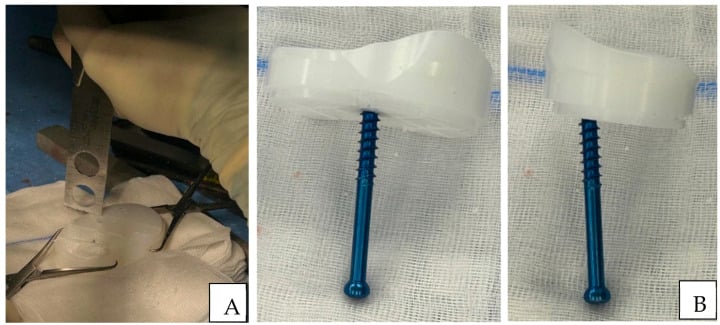
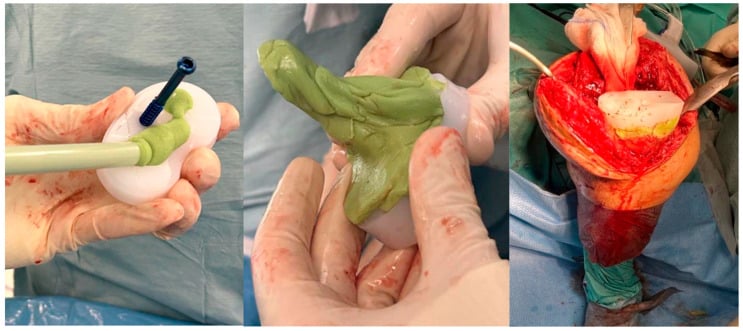
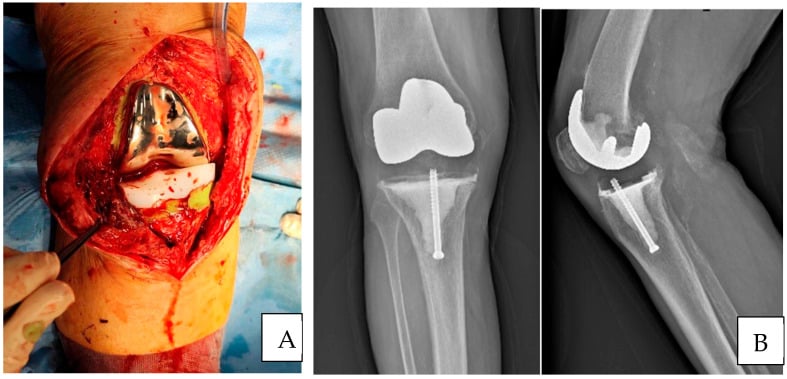
Abort Stage 2 and place a new spacer for any of:
- positive intraoperative cultures (same organism or new organism)
- frozen section over 5 PMN/hpf (suggests persistent infection)
- gross purulence encountered during spacer removal
- uncontrolled soft tissue infection (cellulitis, drainage)
Reinfection approaches 50-70% if the knee is reimplanted in the presence of infection. It is better to extend the interval with a new spacer and antibiotics; the patient will be disappointed, but this is the safest approach.
Complications of PJI Treatment
- Incidence
- 30-50% overall
- Risk Factors
- KLIC score over 2, MRSA, symptom duration over 3 weeks, biofilm maturity
- Management
- Proceed to 2-stage revision. Early recognition (CRP not declining by 2 weeks) allows earlier conversion
- Incidence
- 10-25%
- Risk Factors
- Static spacer (higher), non-weight-bearing non-compliance, osteoporotic bone
- Management
- Spacer revision if early (first 4 weeks). If near Stage 2 timing, proceed to reimplantation
- Incidence
- 15-30%
- Risk Factors
- Static spacer, prolonged interval (over 12 weeks), poor nutrition, osteoporosis
- Management
- Requires stems, augments, or allograft at Stage 2. May necessitate more constrained implant
- Incidence
- 10-15%
- Risk Factors
- Immunosuppression, resistant organism, inadequate debridement, early reimplantation (under 6 weeks)
- Management
- Half are recurrence (same organism) - repeat 2-stage. Half are new organism - treat as primary PJI
- Incidence
- 5-15% after 2-stage
- Risk Factors
- Multiple surgeries, poor soft tissue quality, constrained implant, aggressive debridement
- Management
- Immobilisation 6 weeks, aggressive quadriceps rehab. If complete disruption, may require allograft reconstruction or chronic brace
- Incidence
- 20-40% after 2-stage
- Risk Factors
- Prolonged immobilisation (static spacer), multiple surgeries, patient factors (diabetes, smoking)
- Management
- Manipulation under anaesthesia at 6-12 weeks. Arthroscopic lysis of adhesions if manipulation fails. Accept limited ROM in exchange for infection control
- Incidence
- 15-25%
- Risk Factors
- Neuropathic pain from nerve injury, bone loss, soft tissue scarring, constrained implant
- Management
- Multimodal pain management. Rule out recurrent infection (aspiration). Gabapentin for neuropathic component. Salvage if intractable
- Incidence
- 3-7%
- Risk Factors
- Prolonged broad-spectrum antibiotics (over 6 weeks), older age, prior CDI, fluoroquinolone use
- Management
- Discontinue inciting antibiotic if possible. Vancomycin PO or fidaxomicin for CDI treatment. Consider faecal microbiota transplant if recurrent
Constrained implants carry an instability rate of 5-10%. During the spacer interval, the complications that need a return to theatre are spacer fracture (10-15%), dislocation (5-10%), persistent drainage (5%) and haematoma (15%).
Examiners often ask: "Patient has recurrent PJI after 2 failed 2-stage revisions. What next?"
Answer: "This is a difficult scenario requiring shared decision-making. I would have an honest conversation about the three options: (1) Third attempt 2-stage revision - success rate drops to 60-70% after second failure, but preserves potential for functional knee. (2) Resection arthroplasty - infection control 90%, but poor function requiring brace and crutches lifelong. (3) Chronic suppressive antibiotics - temporising if organism is low-virulence and sensitive, but not curative. If young active patient with good bone stock, I would consider one more attempt at 2-stage with extended antibiotic holiday (12 weeks) and aggressive debridement. If elderly low-demand or immunosuppressed, resection or suppression may be more realistic. If life-threatening sepsis uncontrolled, amputation is last resort. The key is tempering expectations - recurrent PJI often means accepting functional compromise to achieve infection control."
Postoperative Care and Rehabilitation
Postoperative management differs between DAIR and 2-stage revision, and between the two stages of the 2-stage protocol.
Days 0-2. Continue empirical IV antibiotics until cultures result, then switch to the organism-specific regimen (see Management). Inspect the wound at 48 hours for erythema and drainage. Mobilise on day 0 or 1, sit to stand and walking with a walker, with full weight-bearing as tolerated because the implant is retained and stable, and start passive range of motion on day 1 (CPM or physiotherapy) with the goal of maintaining the preoperative range.
Weeks 1-6. Organism-specific IV antibiotics continue through outpatient parenteral antibiotic therapy (OPAT): a PICC line with home IV administration, or daily infusion clinic visits. Check CRP weekly, inspect the wound weekly for persistent drainage, and assess pain and function. Physiotherapy progresses range and strength towards 0-110 degrees by 6 weeks, and walking from a walker to a cane to independence.
Months 2-6. After the IV course, oral suppression continues for 3-6 months. CRP and clinical assessment are monthly. Activities of daily living return by 3 months, and high-impact sports are avoided lifelong.
Surveillance. Follow up at 3, 6 and 12 months and then yearly, assessing pain, function, range and stability, with CRP annually and yearly radiographs for loosening or progressive lucency (late failure). Teach the patient to report acute pain, swelling or fever promptly, because the risk of acute haematogenous infection is lifelong.
Is DAIR working? CRP should fall by 50% at 2 weeks; if it does not, DAIR is failing. Symptoms should resolve by 4-6 weeks, with a stable range. Persistent pain, a rising CRP or a recurrent effusion indicates failure: proceed to 2-stage.
Outcomes and Prognosis
Outcomes differ by treatment and by patient, and understanding prognosis is essential for counselling and shared decision-making.
DAIR. Success by timing is given in the Tsukayama table; in early postoperative infection, symptoms of over 3 weeks reduce success to 30-40%. The organism matters as much:
- DAIR success
- 70-85%
- Comment
- Best prognosis if early and sensitive
- DAIR success
- 45-60%
- Comment
- Lower than Strep: more virulent, forms biofilm faster
- DAIR success
- 30-50%
- Comment
- Poor prognosis
- DAIR success
- 20-40%
- Comment
- DAIR contraindicated - proceed to 2-stage
Most DAIR failures (80%) occur within 6 months, and late failures (over 2 years) are rare, so recognising failure early (CRP not declining, persistent symptoms) allows timely conversion to 2-stage.
Two-stage eradication. Two-stage revision eradicates infection in 85-90% at 5 years, the most reliable treatment for PJI. Of the 10-15% who develop recurrent or new infection, half are recurrences of the same organism (inadequate debridement or persistent biofilm) and half a new organism (new contamination, immunocompromised host). After a failed 2-stage, the options are a second 2-stage attempt (60-70% success), resection arthroplasty, suppressive antibiotics, or amputation as a last resort.
Function. The Knee Society Score is 70-80, against 90+ after an uncomplicated primary TKA, and range averages 90-100 degrees, against 120, limited by arthrofibrosis and multiple surgeries. Satisfactory pain relief is achieved by 70-80%, and 20-30% have residual pain (neuropathic, bone loss, soft tissue damage).
Activity is low-impact only (walking, swimming, cycling), with high-impact sports contraindicated lifelong. Satisfaction is 70-75%, against 85-90% after primary TKA, with lower expectations due to prolonged treatment.
Morbidity. Elderly immunosuppressed patients carry the highest mortality risk. A major complication (extensor lag, stiffness, instability, recurrent infection) affects 20-30%, and 25-35% need further surgery within 5 years (infection, instability, aseptic loosening, manipulation for stiffness).
Quality of life. Recovery takes 6-12 months in total, against 3-6 months for a primary TKA, and the average patient is unable to work or perform activities of daily living for 9 months. Depression is common (30-40%), driven by prolonged treatment, uncertainty and functional limitation, and there is social cost in relationship strain, financial burden (lost wages, medical costs) and activity restrictions. Patient education is critical: realistic expectations, prolonged recovery, functional compromise and lifelong surveillance.
Reinfection risk after 2-stage.
- Reinfection Risk
- 20-30% reinfection
- Management Strategy
- Extended interval (12+ weeks), targeted antibiotics, consider chronic suppression
- Reinfection Risk
- 20-35% reinfection
- Management Strategy
- Medical optimisation, extended antibiotics, lower threshold for salvage
- Reinfection Risk
- 25-40% reinfection
- Management Strategy
- Meticulous Stage 1 technique, remove ALL foreign material
- Reinfection Risk
- 30-50% reinfection
- Management Strategy
- Wait for CRP under 10, clinical resolution before Stage 2
- Reinfection Risk
- 25-35% reinfection
- Management Strategy
- Gastrocnemius flap, plastic surgery involvement, wound VAC if needed
When counselling a patient before 2-stage revision, put infection control first and function second: we accept functional compromise to eliminate infection. Be plain that the knee will not return to normal, so they will be unable to fully kneel, and that walking, swimming and cycling are realistic but high-impact sports such as running or tennis are not. Warn them that it is a long journey, with months of antibiotics, multiple hospital admissions and months of physiotherapy. Most patients are back to their baseline function by 9-12 months, but some never fully recover, and if infection recurs despite best efforts, salvage such as permanent removal of the prosthesis may be needed. Document the discussion thoroughly and encourage questions.
Prevention Strategies
PJI prevention is multifactorial. No single intervention eliminates risk, but bundled strategies reduce incidence by 50-70%.
- Target
- HbA1c under 7.0%
- Evidence
- HbA1c over 7.5% increases PJI risk OR 1.7. Every 1% increase = 30% higher infection
- Implementation
- Postpone elective TKA if HbA1c over 8%. Endocrinology referral. Recheck 3 months
- Target
- BMI under 35 (ideally under 30)
- Evidence
- BMI over 40 increases PJI risk OR 3.0. Every 5-unit BMI increase = 20% higher infection
- Implementation
- Bariatric surgery if BMI over 40. Weight loss programme 6-12 months. Counsel realistic expectations
- Target
- Zero tobacco use 8+ weeks before surgery
- Evidence
- Current smoking increases PJI risk OR 2.0. Nicotine impairs wound healing and immune function
- Implementation
- Smoking cessation programme. Nicotine replacement therapy. Postpone surgery until 8 weeks smoke-free
- Target
- Albumin over 3.5 g/dL, lymphocyte count over 1500
- Evidence
- Malnutrition doubles PJI risk. Albumin under 3.0 = OR 2.5 for infection
- Implementation
- Nutritionist referral. Protein supplementation (1.5g/kg/day). Delay surgery if albumin under 3.0
- Target
- Nasal swab PCR positive for S. aureus
- Evidence
- Mupirocin nasal ointment + chlorhexidine body wash reduces PJI 50% in carriers
- Implementation
- Screen all patients. Mupirocin 2% intranasal BID 5 days + chlorhexidine 4% wash 5 days before surgery
- Target
- Rheumatoid arthritis, inflammatory arthritis on biologics, steroids
- Evidence
- Biologics increase PJI risk OR 2.0-3.0. Chronic steroids (over 10mg prednisone daily) increase OR 1.5
- Implementation
- Hold biologics: TNF-inhibitors 2-4 weeks, rituximab 6 months. Wean steroids to under 10mg daily if possible. Coordinate with rheumatology
Asked whether all TKA patients should be screened for S. aureus, answer yes: universal screening is cost-effective. Of the population, 20-30% are nasal S. aureus carriers, and carriers have a 3-fold higher PJI risk. Decolonisation has an NNT of 30 and is one of the most effective single interventions for PJI prevention. Australian hospitals increasingly adopt universal screening at the pre-admission clinic 2-4 weeks before surgery, allowing time for the decolonisation protocol.
Guidelines, Registries & Global Practice
PJI is the leading or second leading indication for revision TKA in virtually every national registry, and its absolute burden is rising worldwide as primary arthroplasty volume grows.
- Reported figure
- PJI 2.0-2.4% of primary THA/TKA; projected cost over $1.62 billion/year by 2020
- Note
- Largest published cost projection; rising incidence over time
- Reported figure
- Infection approximately 25% of all revision TKA; primary TKA infection 1.8% at 5 years
- Note
- Registry surveillance; infection is a leading revision cause
- Reported figure
- Primary TKA PJI roughly 1-2%; revision PJI 3-5%
- Note
- Consistent with international ranges
- Reported figure
- 2.5- to 3-fold higher infection risk than primary
- Note
- Re-operation and host compromise drive excess risk
The US economic-burden data are from Kurtz et al, J Arthroplasty 2012 DOI. Across high-income registries the primary TKA infection rate clusters around 1-2% and revision around 3-5%, but absolute numbers are climbing everywhere with arthroplasty demand.
Consent requirement: PJI must be discussed when consenting for primary TKA, even though the risk is only about 1-2%, because it is the most serious complication and carries major implications (revision surgery, prolonged recovery, functional compromise). This reflects the international "material risk" standard for informed consent (for example the Rogers v Whitaker principle in Australia and the Montgomery principle in the UK).
Minimum consent elements:
- Infection risk: "1-2%, higher if diabetic, obese or immunosuppressed"
- Treatment: "may require removal of the prosthesis, antibiotics and a second operation to replace it (two-stage revision)"
- Timeline: "treatment can take 6-12 months from diagnosis to full recovery"
- Outcomes: "even with successful treatment function may not return to normal - average flexion 90-100 degrees versus around 120 for an uncomplicated TKA"
- Salvage: "a small risk (5-10%) of repeated failed treatment requiring permanent implant removal"
Document this discussion in the consent form and clinic notes; patients who develop PJI are more likely to litigate if they feel they were not warned.
MCQ Practice Points
Q: A patient undergoing aspiration for suspected PJI has synovial WCC 4000 cells/μL with 75% PMN, CRP 25 mg/L, ESR 40 mm/hr, and alpha-defensin positive. Culture is negative. What is the MSIS score and diagnosis?
A: MSIS score = 9 points (definite PJI). CRP over 10 mg/L = 2 points, ESR over 30 = 1 point, synovial WCC over 3000 = 3 points, PMN 75% is below the 80% threshold (0 points), alpha-defensin positive = 3 points. Total 2+1+3+0+3 = 9 points (definite infection, threshold is 6). Proceed with treatment despite negative culture (likely prior antibiotics).
Q: Which scenario is the BEST candidate for DAIR: (A) 6 weeks post-TKA, 2-week history of pain and swelling, MSSA, stable implant. (B) 2 weeks post-TKA, 1-week history of pain, MRSA, stable implant. (C) 3 years post-TKA, acute onset (5 days), Streptococcus, stable implant. (D) 8 weeks post-TKA, insidious onset over 4 weeks, CNS, stable implant.
A: Answer (C). Acute hematogenous PJI (Type III) with symptom duration under 3 weeks, Streptococcus (favorable organism), stable implant. DAIR success 75%. (A) fails because chronic infection (6 weeks post-op with insidious 2-week symptoms suggests smoldering infection over 4 weeks - KLIC C criterion). (B) fails because MRSA is relative contraindication to DAIR (biofilm difficult to eradicate). (D) fails because chronic (8 weeks post-op, insidious onset over 4 weeks) and CNS (low virulence but antibiotic-resistant).
Q: What is the standard antibiotic formulation for a 2-stage revision antibiotic cement spacer?
A: Vancomycin 4-6g + tobramycin 3-4g per 40g cement (Palacos R or equivalent PMMA). Maximum 10% antibiotic by weight to maintain mechanical properties. Vancomycin provides Gram-positive coverage (including MRSA), aminoglycoside provides Gram-negative coverage and synergy. Dual kinetic profile: aminoglycoside elutes rapidly (peak 24-48h), vancomycin elutes slowly (sustained over 6-12 weeks).
Q: A 65-year-old diabetic patient (HbA1c 8.5%) with BMI 42 who smokes 10 cigarettes daily is scheduled for elective TKA in 6 weeks. What preoperative interventions reduce PJI risk?
A: Postpone surgery and optimize: (1) Glycemic control - HbA1c target under 7.0% (ideally 6.5%). HbA1c 8.5% increases PJI risk 70%. Endocrinology referral, consider insulin if needed. Recheck in 3 months. (2) Weight reduction - BMI 42 triples PJI risk. Bariatric surgery referral or intensive weight loss program. Realistic target: Reduce to BMI under 35 over 6-12 months. (3) Smoking cessation - doubles PJI risk. Smoking cessation program, nicotine replacement. Require 8 weeks smoke-free minimum before surgery. (4) S. aureus screening and decolonization - nasal swab PCR, if positive mupirocin 2% intranasal BID + chlorhexidine 4% body wash for 5 days before surgery. This patient is NOT a safe candidate for elective TKA without risk modification. Counsel honestly: Operating now has 6-10% infection risk vs 1-2% if optimized.
Q: What factors determine the interval duration between Stage 1 and Stage 2 of a two-stage revision?
A: Standard interval 6-12 weeks, but varies based on: (1) Organism virulence - MSSA/Strep: 6-8 weeks. MRSA/resistant GNR: 12+ weeks. Fungi: 12-24 weeks. (2) Clinical response - CRP normalization (under 10 mg/L), symptom resolution (no pain, swelling, drainage). If poor response, extend interval. (3) Host factors - Immunosuppressed: Longer interval (12+ weeks). Diabetic with poor control: Optimize first. (4) Spacer function - Articulating spacer well-tolerated: Can wait 12 weeks. Static spacer with pain/bone loss: Consider shorter (6-8 weeks). No evidence that longer interval improves eradication beyond 6 weeks if clinical resolution achieved. Emerging practice: Shorter intervals (2-4 weeks) for virulent organisms with rapid response (requires close monitoring).
Q: A patient has failed two 2-stage revisions for recurrent MRSA PJI. She is 70 years old with diabetes, ESRD on dialysis, and limited mobility (walks with frame indoors only). What are her management options and which would you recommend?
A: Options: (1) Third 2-stage attempt - success rate 60-70% after second failure, but requires good host and aggressive debridement. Her ESRD and diabetes make poor candidate (KLIC score 4 = 100% failure). (2) Resection arthroplasty - removes all hardware, 90% infection control. She would require long leg brace and crutches/walker (already using frame, so functional impact moderate). (3) Chronic suppressive antibiotics - MRSA is difficult to suppress (need vancomycin IV or linezolid PO, both have toxicity). ESRD complicates dosing. Not curative but temporizing. (4) Amputation - last resort, but mortality 10-15% and she may not ambulate with prosthesis given limited baseline mobility. My recommendation: Resection arthroplasty. She is poor candidate for reconstruction (multiple failures, high KLIC score, MRSA). Chronic suppression is risky with ESRD (vancomycin dosing, linezolid bone marrow toxicity). Amputation too aggressive for current presentation. Resection gives 90% infection control, allows mobilization with brace (similar to her current frame), avoids lifelong antibiotics. Counsel: This is permanent - reimplantation rarely successful after resection. Quality of life limited but infection resolved.
Exam Viva Scenarios
Practise clinical reasoning and management decisions out loud
“A 68-year-old man presents 18 months after primary TKA with 6-week history of progressive knee pain and effusion. No fever. CRP 42 mg/L, ESR 65 mm/hr. Radiographs show 2mm tibial lucency. How do you assess and manage this patient?”
“A 55-year-old woman is 3 weeks post-primary TKA. She develops acute onset knee pain, swelling, erythema over 5 days. Temp 38.2°C, CRP 85, WCC 14. She has well-controlled diabetes (HbA1c 6.8%) and rheumatoid arthritis on methotrexate (held 2 weeks before surgery). Aspiration grows MSSA sensitive to flucloxacillin. Radiographs show well-fixed components. She asks: 'Do I need another surgery or can antibiotics cure this?' How do you proceed?”
“You performed Stage 1 explantation and antibiotic spacer for chronic TKA PJI with CNS (coagulase-negative Staph) 8 weeks ago. Patient returns with acute pain and inability to bear weight. Radiograph shows spacer fracture with displacement. CRP was 8 last week (normalized from 45 at Stage 1), now CRP is 15. Aspiration of spacer grows no organisms. She is scheduled for Stage 2 next week. What do you do?”
MSIS Diagnostic Criteria
- Either MAJOR criterion = definite PJI: a sinus tract communicating with the prosthesis, OR two positive cultures of the same organism. Purulence is NOT major - it is 3 intraoperative points
- Preoperative score 6 or more = infected; 2 to 5 = add the intraoperative findings, then 6 or more infected, 4 to 5 inconclusive, 3 or less not infected
- Serum: CRP over 1 mg/dL i.e. 10 mg/L (2pt), D-dimer over 860 ng/mL (2pt), ESR over 30 mm/hr (1pt)
- Synovial: WBC over 3,000/microlitre (3pt), leucocyte esterase ++ (3pt), PMN over 80% (2pt), synovial CRP over 6.9 mg/L (1pt)
- Alpha-defensin signal-to-cutoff over 1 (3pt) - one of the three heaviest preoperative markers alongside synovial WBC and leucocyte esterase
- Intraoperative only: positive histology (3pt), purulence (3pt), SINGLE positive culture (2pt). Two matching cultures is not scored here - it is a major criterion
- Antibiotic holiday: Min 2 weeks off (ideally 6 weeks) before cultures
Classification (Tsukayama)
- Type I: Early (under 4 weeks) = DAIR + antibiotics 6 weeks
- Type II: Late chronic (over 4 weeks) = 2-stage revision
- Type III: Acute hematogenous (acute onset, under 3 weeks symptoms) = DAIR if stable implant
- Type IV: Positive intraop cultures = antibiotics 6 weeks, no removal if stable
DAIR Indications (STEADI)
- S: Symptoms under 3 weeks duration
- T: Timing early (under 4 weeks post-op) OR acute hematogenous any time
- E: Eradicable organism (sensitive, NOT MRSA/fungi)
- A: Articulating surfaces intact (no poly damage)
- D: Definitely stable implant
- I: Immunocompetent (KLIC under 3)
- Success: 50-70% if favorable factors. Polyethylene exchange MANDATORY
2-Stage Revision Protocol
- Stage 1: Remove all components/cement, radical debridement, antibiotic spacer
- Spacer: Vancomycin 4-6g + tobramycin 3-4g per 40g cement
- Interval: 6-12 weeks standard (shorter 2-4 weeks emerging for virulent organisms)
- Criteria for Stage 2: CRP under 10, clinical resolution, no drainage
- Stage 2: Remove spacer, 5+ cultures, revision implants with stems/augments
- Success: 85-90% eradication, but 10-15% reinfection
Prevention Bundle
- S. aureus screening + decolonization (mupirocin + chlorhexidine 5 days) - reduces 50%
- Timely antibiotics (cefazolin 2g within 60 min of incision)
- Optimize comorbidities (HbA1c under 7%, BMI reduction, smoking cessation 8 weeks)
- Prepare skin (chlorhexidine-alcohol superior to iodine)
- Perioperative normothermia (over 36°C reduces infection 30%)
- Joint manipulation gentle (minimize operative time, gentle tissue handling)
- Implant antibiotic cement (in high-risk: revision, immunosuppressed)
Key Evidence and Outcomes
- MSIS 2018: 97.7% sensitivity, 99.5% specificity for PJI diagnosis
- KLIC score (Tornero 2015): predicts DAIR failure. K=kidney (renal failure), L=liver cirrhosis, I=index surgery (revision/fracture), C=cemented prosthesis, plus CRP over 11.5 mg/dL. Failure approximately 4.5% (2 or less) to 100% (7 or greater)
- Articulating vs static spacer: Equal infection eradication (89%), articulating better ROM
- 2-stage interval: 2-week vs 8-week equivalent eradication for virulent organisms, no immunosuppression
- AOANJRR 2023: PJI 25% of revision burden, 1.8% primary at 5yr, 4.5% revision at 5yr
Evidence Base and Key Trials
2018 Definition of Periprosthetic Hip and Knee Infection (ICM/MSIS criteria)
- Multi-institutional development cohort (684 PJI defined by major criteria, 820 aseptic) with external validation (222 PJI, 200 aseptic)
- New weighted scoring: serum CRP and D-dimer 2 points each, ESR 1 point; synovial WCC, alpha-defensin and leukocyte esterase 3 points each, PMN over 80% and synovial CRP 2 and 1 point
- MAJOR CRITERIA COME FIRST and need no score at all: two positive cultures, or a sinus tract communicating with the prosthesis, is diagnostic of infection
- The thresholds matter as much as the weights: serum CRP above 1 mg/dL, D-dimer above 860 ng/mL, ESR above 30 mm/h; synovial WCC above 3,000 cells/uL, alpha-defensin signal-to-cutoff above 1, leukocyte esterase ++, PMN above 80%, synovial CRP above 6.9 mg/L
- THE SCORE IS READ IN TWO STAGES. Preoperatively, 6 or greater is infected and 2 to 5 requires intraoperative findings to settle it. Intraoperative findings then add positive histology 3, purulence 3 and a single positive culture 2, and it is the COMBINED total that is graded 6 or greater infected, 4 to 5 inconclusive, 3 or less not infected
- Sensitivity 97.7% versus 79.3% for the 2011 MSIS criteria and 86.9% for the 2013 ICM definition, with specificity 99.5%
KLIC Score for DAIR Failure Prediction
- Single-centre series of 222 early PJIs treated with debridement, antibiotics and implant retention (DAIR) between 1999 and 2014, prospectively collected but RETROSPECTIVELY REVIEWED; 52 of 222 (23.4%) failed early
- Failure was a composite: unscheduled surgery, infection-related death within 60 days of debridement, or the need for suppressive antibiotics - the last of these is a clinical judgement rather than a hard endpoint
- KLIC preoperative score (Kidney/chronic renal failure, Liver cirrhosis, Index surgery being revision or fracture, Cemented prosthesis, CRP over 11.5 mg/dL) ranges 0-9.5 points
- Failure by stratum: score 2 or less 4.5%, over 2-3.5 19.4%, 4-5 55%, over 5-6.5 71.4%, 7 or greater 100%
- Independent predictors included CRP over 11.5 mg/dL (OR 12.3), cemented prosthesis (OR 8.7), chronic renal failure (OR 5.9), liver cirrhosis (OR 4.5), and revision surgery (OR 4.3) or femoral neck fracture (OR 4.4) as the index operation
- A SEVENTH INDEPENDENT PREDICTOR IS DELIBERATELY ABSENT FROM THE SCORE: all intraoperative cultures being positive carried an OR of 6.3, but KLIC is built only from variables knowable BEFORE debridement, so this cannot contribute to the preoperative decision even though it predicts failure
Static vs Articulating Spacers for Infected TKA: Systematic Review
- Systematic review of 7 Level-III comparative studies and 32 Level-IV case series of antibiotic spacers for infected TKA
- Reinfection rate similar: 7% articulating versus 12% static (p=0.2)
- Range of motion after reimplantation significantly greater with articulating spacers (101 degrees versus 91 degrees, p=0.0002)
- Functional scores and wound/spacer complication rates similar between the two spacer types
Single-Stage vs Two-Stage Exchange for Chronic Knee PJI
- Systematic review of 32 studies (14 single-stage, 687 patients; 18 two-stage, 1086 patients) for chronic knee PJI
- Average eradication rate 87.1% single-stage versus 84.8% two-stage
- Knee Society Knee Score similar (80.0 single-stage versus 77.8 two-stage)
- Average range of motion 91.4 degrees single-stage versus 97.8 degrees two-stage
S. aureus Screening, Decolonisation and Targeted Prophylaxis Bundle
- Pragmatic multicentre study, 20 US hospitals, cardiac and hip/knee arthroplasty (over 42,000 operations across pre-intervention and intervention periods)
- Bundle: nasal screening, mupirocin plus chlorhexidine for S. aureus carriers, and vancomycin-containing prophylaxis for MRSA carriers
- Complex S. aureus SSI fell from 36 to 21 per 10,000 operations overall (RR 0.58, 95% CI 0.37-0.92)
- For hip/knee arthroplasty specifically, RR 0.48 (95% CI 0.29-0.80)
- THE OVERALL EFFECT WAS DRIVEN BY ARTHROPLASTY: the cardiac arm showed no significant reduction (RR 0.86, 95% CI 0.47 to 1.57), which strengthens rather than weakens the case for the bundle in joint replacement