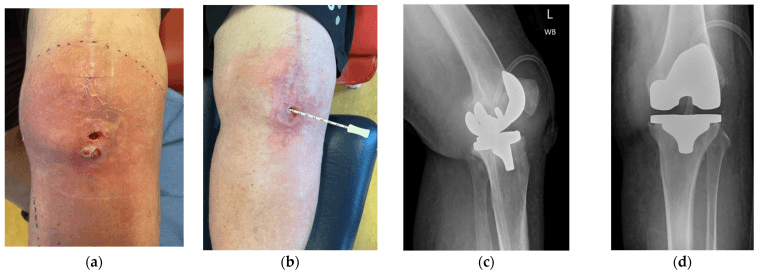
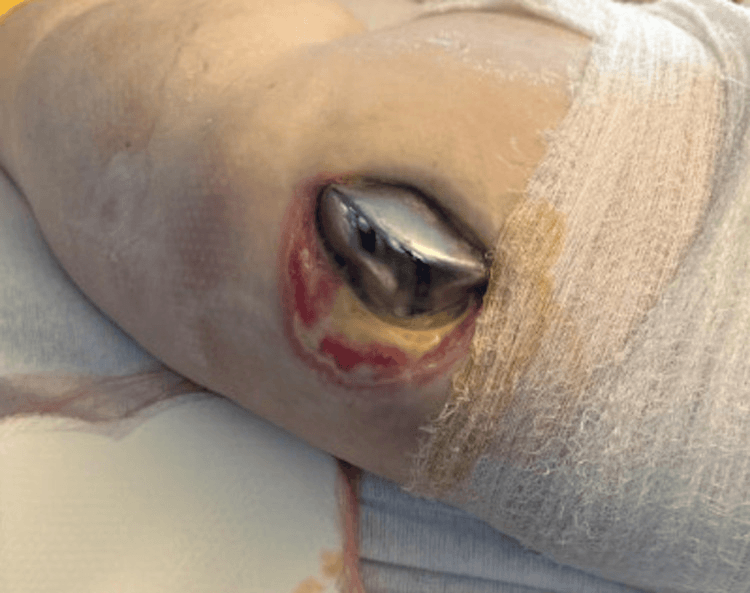
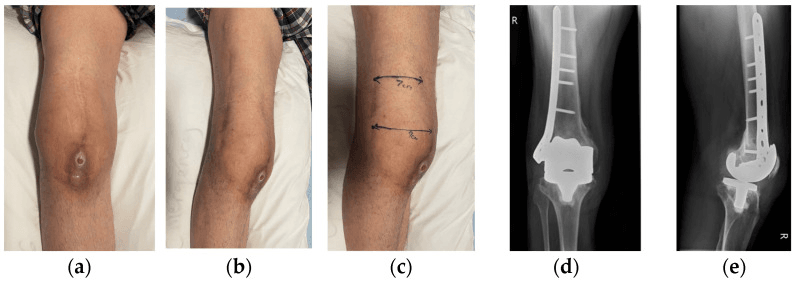
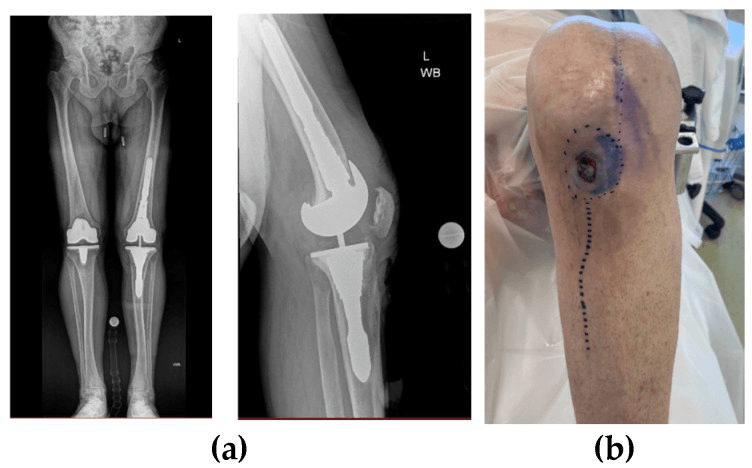
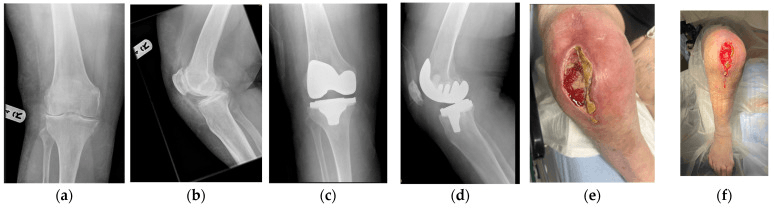
A spectrum from prolonged drainage to full-thickness necrosis with exposed prosthesis — the final common pathway to periprosthetic joint infection if mismanaged.
- Persistent wound drainage beyond 5-7 days is the single most important early warning sign and a strong independent predictor of PJI
- The anterior knee has thin, watershed-perfused soft tissue with no muscle padding — minor problems escalate to exposed prosthesis quickly
- Exposed prosthesis or extensor mechanism mandates urgent debridement plus soft-tissue coverage (gastrocnemius flap is the workhorse), not continued dressings
- “Each additional day of drainage raises infection risk ~29% (Patel JBJS 2007) — quote this to justify early intervention
- “Local wound care alone resolves roughly two-thirds of persistent drainage; the decision is when to stop waiting and operate
- “Closed-incision NPWT lowers SSI in revision arthroplasty but causes blistering in primary TKA — know where it helps
TKA Wound Complications
Epidemiology & Burden
How often. Wound complications follow 1-4% of primary TKAs, and 0.5-2% need surgical intervention. After revision TKA the rate is 4-12%, and 2-6% need flap coverage.
Persistent drainage. Persistent wound drainage (PWD) is the most studied marker. Large arthroplasty cohorts report a prevalence of roughly 3-6%; in Shahi's cohort of 4873 total joint arthroplasties it was 6.2%, and PWD carried about 17-fold higher odds of periprosthetic joint infection (PJI). The risk is dose-dependent: each additional day of wound drainage increases the risk of TKA infection by about 29% (Patel, JBJS 2007).
Persistent drainage as a dose-dependent risk factor
- Retrospective study of 1226 primary TKAs and 1211 THAs
- Each day of prolonged wound drainage increased the risk of wound infection by 29% after TKA and 42% after THA
- Morbid obesity was the only independent risk factor for infection after primary TKA
- Higher drain output and LMWH prophylaxis were associated with longer time to a dry wound
When they appear. Each period after surgery has its typical problem.
- Wound Complication Type
- Wound drainage, haematoma
- Frequency
- Most common period
- Wound Complication Type
- Superficial infection, early dehiscence
- Frequency
- Critical intervention window
- Wound Complication Type
- Delayed healing, skin necrosis
- Frequency
- Decision point for flap coverage
- Wound Complication Type
- Chronic wound, sinus formation
- Frequency
- Indicates deep infection
Skin Perfusion and the Lateral Wound Edge
A thin envelope. The anterior knee soft-tissue envelope is thin and mobile, and there is no muscle padding over the implant. Any full-thickness loss therefore exposes capsule, extensor mechanism or prosthesis directly, which is why apparently minor problems can progress rapidly to an exposed prosthesis.
A medial blood supply. The skin has a tenuous, predominantly medial blood supply from the descending genicular and the superior and inferior medial geniculate vessels. Most TKA incisions are midline, so the lateral skin flap is perfused by medial perforators across a watershed. That explains why marginal necrosis tends to occur at the lateral wound edge, and why prior lateral scars or wide undermining are dangerous.
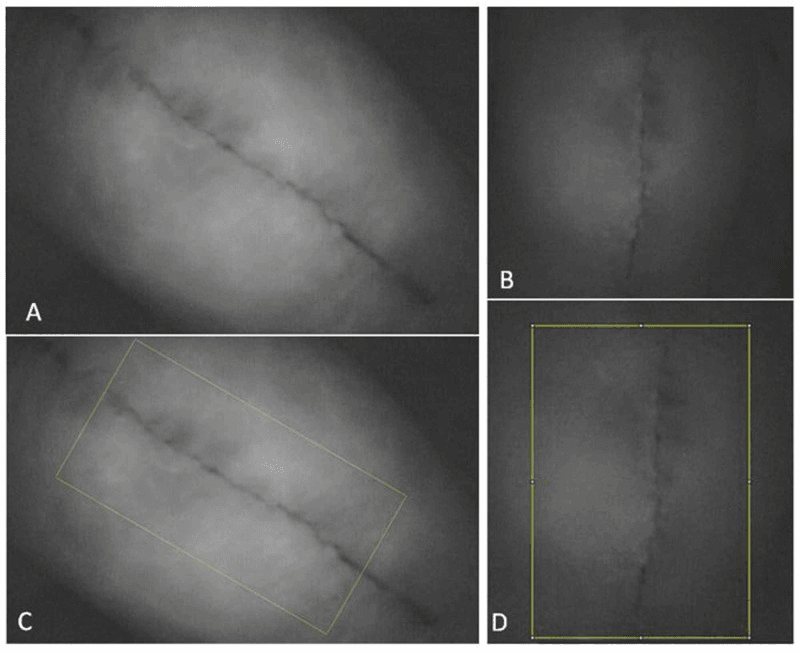
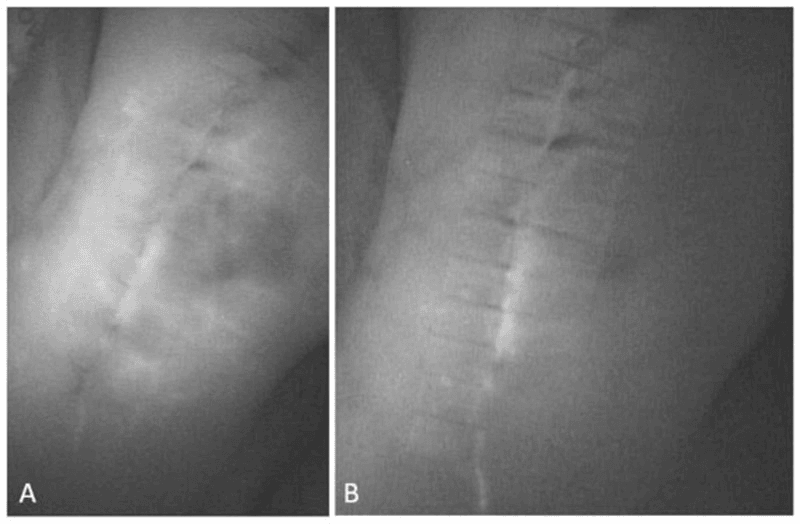
The evidence. Using transcutaneous oxygen tension, Johnson showed that skin viability is significantly reduced after knee arthroplasty and that the lateral wound edge is measurably more hypoxic than the medial edge, exactly where wound-edge necrosis tends to begin. There was no significant difference in viability between a midline and the two parapatellar incisions. Which of the standard incisions is chosen matters far less than respecting the blood supply.
Skin oxygen tension is lowest at the lateral wound edge
- Transcutaneous oxygen tension compared the viability of three knee arthroplasty incisions (a midline and two parapatellar)
- Skin viability was significantly reduced after knee arthroplasty
- The lateral wound edge was significantly more hypoxic than the medial edge
- There was no significant difference in wound viability between the three incisions
Flexion. Anterior knee skin is stretched over the flexing joint, so skin tension rises and perfusion at the incision falls as the knee bends. A compromised envelope therefore tolerates gentle, progressive range of motion far better than aggressive early flexion. In a wound that is already marginal, the sensible levers are leg elevation, a period of relative wound rest, and cautious escalation of flexion rather than forced early continuous passive motion.
None of this argues against mobilising a healthy wound. It is the rationale for setting the rehabilitation tempo by the state of the soft tissues.
Aetiology, Patient & Surgical Factors
Wound failure is the interaction of impaired host biology with mechanical and vascular insults from surgical technique. The literature consistently identifies patient-related factors as the primary determinants of wound healing, so understanding the modifiable ones is essential for prevention. Surgical technique is covered under Prevention Strategies.
Host Factors
Obesity. A BMI over 35 is the most significant modifiable risk factor, and a BMI over 40 increases risk 6-fold.
Diabetes. An HbA1c over 8% is associated with a 2-3x increase in risk. Hwang's odds ratio for superficial SSI at an HbA1c of 8% or above is on the card below.
Smoking. Current or recent smoking is a risk factor, and current smoking doubles the risk of a wound complication.
Nutrition. An albumin under 3.5 g/dL is associated with poor healing. Prealbumin is a more sensitive marker of acute nutritional status, and a total lymphocyte count under 1500 indicates immunocompromise.
Medications. Several alter the risk or the plan:
- Corticosteroids: prednisolone over 10 mg daily increases risk
- Methotrexate: continue through surgery (current evidence)
- Biologics: hold 1-2 dosing cycles preoperatively
- Anticoagulation: increases haematoma risk
Risk Stratification
The stratum sets the preventive plan.
- Characteristics
- BMI less than 30, non-smoker, HbA1c less than 7%, no previous surgery
- Management Strategy
- Standard precautions
- Characteristics
- BMI 30-40, controlled diabetes, previous surgery
- Management Strategy
- Enhanced optimisation, consider drain
- Characteristics
- BMI greater than 40, HbA1c greater than 8%, immunosuppression, PVD
- Management Strategy
- Multidisciplinary optimisation, extended antibiotics, plastic surgery consultation
- Characteristics
- Prior radiation, scleroderma, multiple risk factors
- Management Strategy
- Consider primary flap coverage, staged approach
Evidence: Modifiable Risk Factors
Glycaemic markers and SSI in diabetic TKA
- 462 diabetic patients (714 TKAs)
- Preoperative HbA1c at or above 8% was associated with superficial SSI (OR 6.1, 95% CI 1.6-23.4)
- Fasting blood glucose at or above 200 mg/dL was also associated with superficial SSI (OR 9.2)
- Glycaemic markers correlated; HbA1c and 2-hour postprandial glucose correlated most strongly
Preoperative smoking cessation halves wound complications
- Landmark multicentre RCT of 120 patients undergoing hip/knee replacement
- A 6-8 week preoperative cessation programme (counselling plus nicotine replacement) reduced wound-related complications from 31% to 5% (p=0.001)
- Overall complication rate fell from 52% to 18% (p=0.0003)
- Secondary surgery and cardiovascular complications also trended lower
Classification of Wound Complications
Anatomical Classification
Superficial. Skin and subcutaneous tissue only, without extension to deep fascia or joint. The deep fascia is intact on probing and there is no communication with the joint space; cultures typically grow skin flora, and systemic symptoms are absent or mild.
- Prolonged drainage: serous or serosanguinous discharge beyond 5-7 days
- Superficial dehiscence: partial separation without fascial involvement
- Skin necrosis: full-thickness skin death, of variable extent
- Superficial infection: cellulitis, suture abscess, superficial SSI
Deep. Extension through deep fascia, with potential or actual communication with the prosthetic joint. Fascial disruption is present and joint involvement is confirmed or suspected; a systemic inflammatory response is common, and these wounds require surgical intervention.
- Deep dehiscence: fascial separation with exposed capsule
- Full-thickness necrosis: skin, subcutaneous and fascial involvement
- Deep infection: DAIR criteria met
- Exposed prosthesis: the implant directly visible
Temporal Classification
- Classification
- Acute
- Aetiology
- Technical factors, haematoma, early infection
- Implications
- Best prognosis if addressed promptly
- Classification
- Subacute
- Aetiology
- Healing failure, skin necrosis evolving
- Implications
- Window for salvage with soft tissue procedures
- Classification
- Delayed/Chronic
- Aetiology
- Established necrosis, chronic wound, biofilm
- Implications
- Higher risk of deep infection, more complex reconstruction
- Classification
- Late
- Aetiology
- Sinus tract, chronic infection
- Implications
- Usually indicates PJI requiring staged revision
Severity Grading
Four grades, from local care to flap coverage:
- Grade I, minor: prolonged drainage under 10 days that responds to local measures; no skin necrosis; normal inflammatory markers
- Grade II, moderate: drainage for 10-14 days or superficial dehiscence, needing theatre for washout or closure; limited skin necrosis, under 2 cm; inflammatory markers elevated but improving
- Grade III, major: drainage beyond 14 days or deep dehiscence; skin necrosis over 2 cm; exposed capsule or extensor mechanism; persistently elevated inflammatory markers
- Grade IV, severe: exposed prosthesis; full-thickness necrosis; failed previous intervention; confirmed deep infection
The grades describe severity. Drainage is graded here by its duration, but the decision to operate on a draining wound follows the 5-7 day and 48-72 hour triggers under Management.
Clinical Presentation and Assessment
History
The questions. Establish the story of the drainage and of the patient:
- Timing of symptom onset relative to surgery
- Character of drainage: serous, serosanguinous, purulent or haemoserous
- Volume of drainage: saturating dressings, frequency of changes
- Associated fever, increasing pain or swelling
- Comorbidities and anticoagulation
- Compliance with postoperative instructions
- Any trauma or falls
Red flags. Any of these changes the pace:
- Fever over 38.5°C
- Increasing pain after initial improvement
- Purulent drainage at any time
- Systemic symptoms: malaise, rigors
- Failure of the wound to progress after 5-7 days
Examination
Inspection. Mark and date the margins of erythema. Then look at the character of the drainage on the dressing, for necrosis (eschar, purple discolouration), at how well the wound edges are approximated and at the tension on the closure, and for evidence of haematoma. Around the wound, note tissue turgor and quality, previous scars, skin grafts or flaps, and evidence of venous insufficiency.
Palpation. Fluctuance suggests a collection, and crepitus raises concern for gas-forming organisms. Assess wound edge stability and the consistency of the underlying tissue. At the joint, a guarded range of motion suggests effusion or infection; feel for an effusion, compare warmth with the other knee, and check patellar mobility.
Probing and circulation. A sterile probe assesses depth and tracking along fascial planes; if communication with the joint is suspected, probe in theatre. Check capillary refill and peripheral pulses, with an ankle-brachial index if there is concern.
Investigations
The aim is to distinguish a settling superficial problem from established or impending deep infection. No single test is definitive.
Blood tests. FBC, CRP and ESR. CRP is the most sensitive, the white cell count may be normal, and the trend matters more than any absolute value.
Joint aspiration. Aspirate if deep infection is suspected. A cell count over 3000 with over 80% PMNs is diagnostic; culture sensitivity varies.
Swabs and tissue. Superficial swabs are often contaminated. Deep tissue samples are more reliable, and the request should specify prolonged culture.
Imaging. Plain radiographs give a baseline, CT is used if a collection is suspected, and MRI is limited by metal artefact.
Differential Diagnosis
- Features
- Early, fluctuant, ecchymosis
- Distinguishing Factors
- Usually presents day 0-3; decreasing with time
- Features
- Non-tender, fluctuant, clear fluid
- Distinguishing Factors
- May be late; aspirate is straw-coloured
- Features
- Erythema, warmth, tenderness
- Distinguishing Factors
- Responds to antibiotics; markers mildly elevated
- Features
- Systemic symptoms, joint involvement
- Distinguishing Factors
- Elevated markers, positive aspirate
- Features
- Progressive skin changes
- Distinguishing Factors
- May have minimal drainage initially
- Features
- Firm, tender nodules
- Distinguishing Factors
- Obese patients; may drain oily fluid
Management Algorithm
Decision Framework
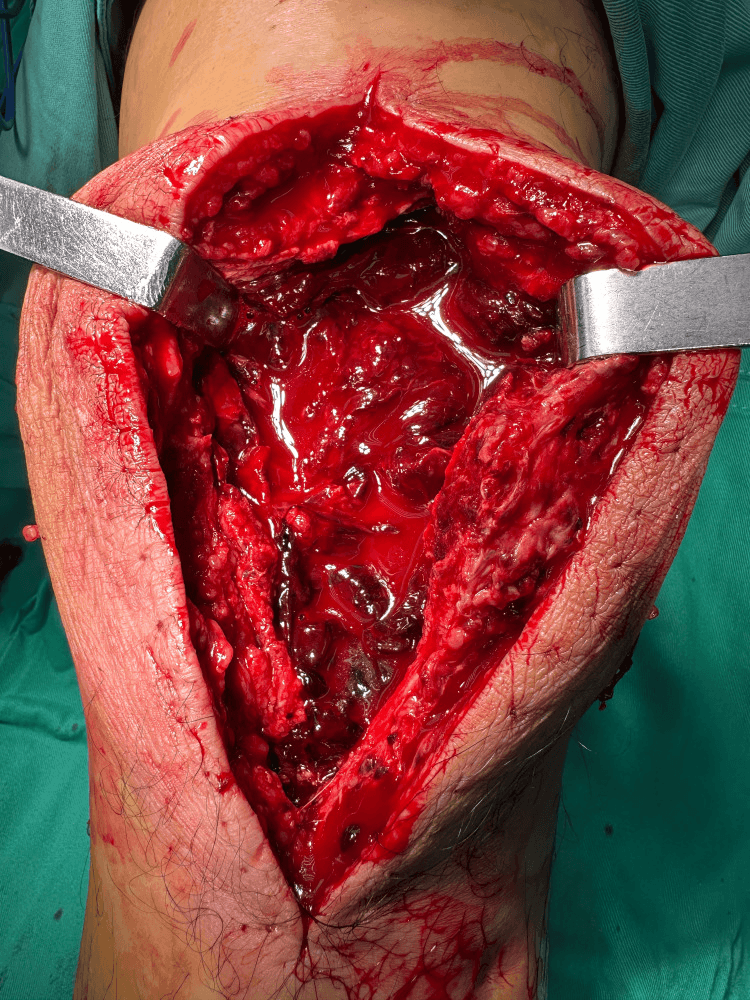
Treat the draining wound as deep infection. A draining wound over a prosthesis is treated as a deep infection until proven otherwise. The drainage is the visible end of a tract that may run to the implant. Every day of watchful waiting allows organisms to establish a biofilm on the components, and once that has happened the operation required escalates from debridement with liner exchange to a staged revision.
Four decisions carry most of the risk in this condition, and each is a deadline rather than a judgement call:
- Persistent drainage beyond 5-7 days requires intervention - continued observation is not a defensible plan.
- The 48-72 hour rule: if drainage does not settle with local wound care within 48-72 hours, go to theatre.
- Any exposed prosthesis mandates immediate discussion about flap coverage - this is a plastic-surgery conversation on the day, not after another week of dressings.
- Failed wound healing at 3-4 weeks needs definitive soft-tissue coverage, not more dressings.
The thresholds are expressed in days because the window in which a prosthesis can still be retained is short, and it closes silently.
Waiting and operating. Three studies frame the decision. Most persistent drainage settles with local wound care, so a short trial is reasonable; delayed surgery and malnutrition predict failure of the first debridement; and over-anticoagulation is a modifiable contributor to wound-related infection.
When to operate on persistent drainage
- 300 of 11,785 arthroplasties (2.9%) developed persistent drainage beyond 48 hours
- Drainage stopped spontaneously with local wound care and oral antibiotics in 217 (72%)
- Of the 83 needing surgery, a single debridement succeeded in 76%
- Delayed timing of surgery and malnutrition predicted failure of the first debridement
Persistent drainage and the risk of PJI
- Review of 4873 TJAs; persistent wound drainage prevalence 6.2%
- PWD was associated with markedly higher odds of PJI (OR 16.9, 95% CI 9.1-31.6)
- Risk factors included diabetes, morbid obesity and rheumatoid arthritis
- Around 65% of PWD resolved with local wound care alone, mirroring Jaberi
Over-anticoagulation predisposes to wound problems and PJI
- Case-control study of 78 septic revisions with matched controls
- Postoperative haematoma and wound drainage were significant risk factors for periprosthetic infection
- A mean INR over 1.5 was more common in patients who developed wound complications and subsequent PJI
- Suggests excess anticoagulation is a modifiable contributor to wound-related infection
Who can be watched. Drainage under 5 days with a decreasing trend, superficial erythema responding to elevation, normal or minimally elevated inflammatory markers, no systemic symptoms and a stable wound appearance.
What observation means. Active care, reviewed daily:
- Bed rest with the leg elevated
- Dressing changes as needed, with sterile technique
- Cease anticoagulation if safe
- Consider compression
- Daily wound review
- Oral antibiotics if there is superficial infection, bearing in mind that in a draining wound they risk masking early PJI (see Controversies)
When it has worked. The wound has been dry for 48 hours, the erythema has resolved, the inflammatory markers are normalising and the patient is afebrile.
When it has failed. Any of these means theatre:
- No improvement at 48-72 hours
- Progression of drainage or erythema
- Rising inflammatory markers
- New systemic symptoms
TKAApproach to the Draining TKA Wound
Hook:If the wound is still DAMP beyond 5-7 days and not improving, stop dressing and start operating - deep tissue cultures, not superficial swabs.
Specific Scenarios
- Initial Management
- Observation, bed rest, elevation
- Escalation Trigger
- No improvement 48hr
- Definitive Treatment
- I&D, direct closure
- Initial Management
- Theatre within 24-48hr
- Escalation Trigger
- Deep tissue involvement
- Definitive Treatment
- I&D +/- NPWT
- Initial Management
- Debridement, assess depth
- Escalation Trigger
- Exposed capsule
- Definitive Treatment
- Local flap coverage
- Initial Management
- Urgent plastic surgery consult
- Escalation Trigger
- Unable to cover locally
- Definitive Treatment
- Free flap or staged revision
- Initial Management
- DAIR protocol
- Escalation Trigger
- Virulent organism, loose implant
- Definitive Treatment
- Staged revision
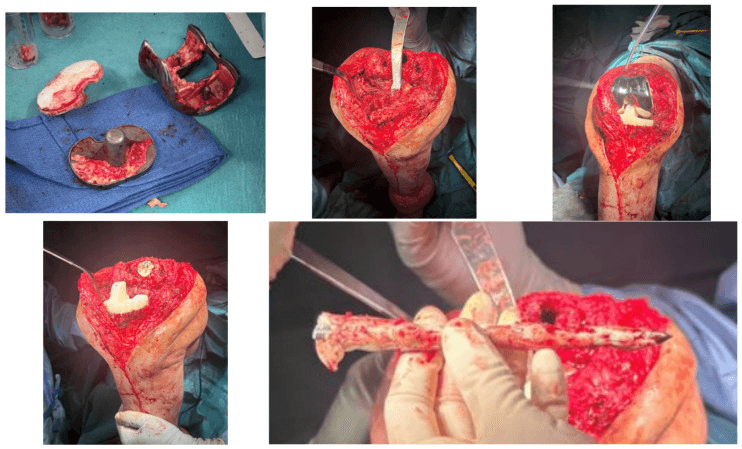
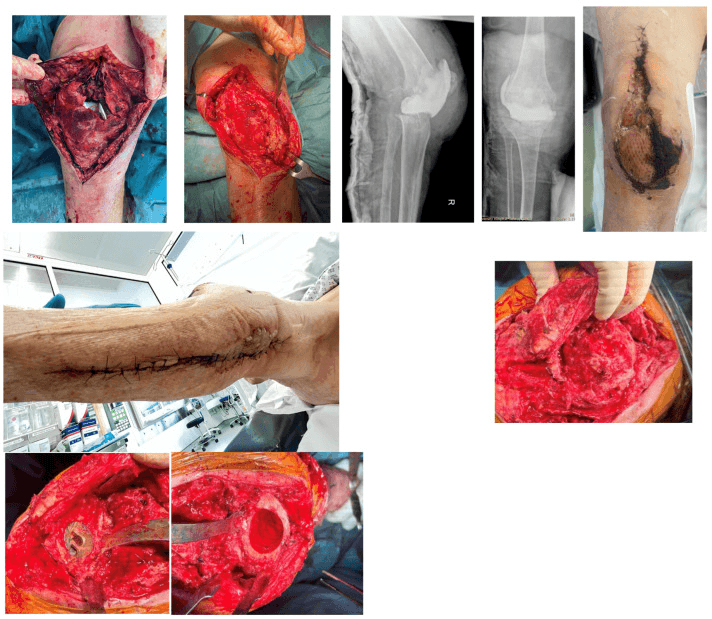
NPWT (Negative Pressure Wound Therapy)
Its role. NPWT is a bridge to definitive closure. It promotes granulation tissue, reduces oedema and drainage, and allows serial debridement. It is not a definitive treatment for an exposed prosthesis.
Technique. The settings to know:
- White foam over exposed tissue (less adherent)
- Black foam for granulation (more aggressive)
- Continuous pressure of 75-125 mmHg
- Changes every 48-72 hours
- Not through the joint capsule if it is exposed
Contraindications. Active bleeding, malignancy in the wound, untreated osteomyelitis, and exposed vessels without coverage.
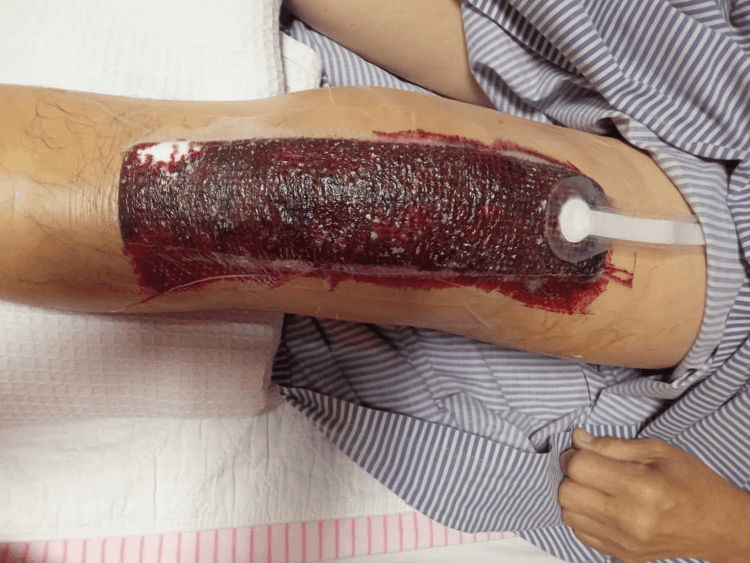
Closed-incision NPWT. On an intact incision the evidence divides by operation: it reduces SSI in revision arthroplasty, but in primary TKA it increases non-infectious wound complications, blistering in particular.
Closed-incision NPWT: helps in revision, not primary TKA
- Meta-analysis of RCTs of closed-incision NPWT after elective hip and knee arthroplasty
- ciNPWT reduced SSI overall (3.4% vs 7%, RR 0.48) and specifically in revision THA/TKA (RR 0.41)
- In primary TKA it increased non-infectious wound complications (RR 4.71)
- Wound blistering rose greater than 12-fold after primary TKA with ciNPWT
Soft Tissue Coverage Options
Local Flaps
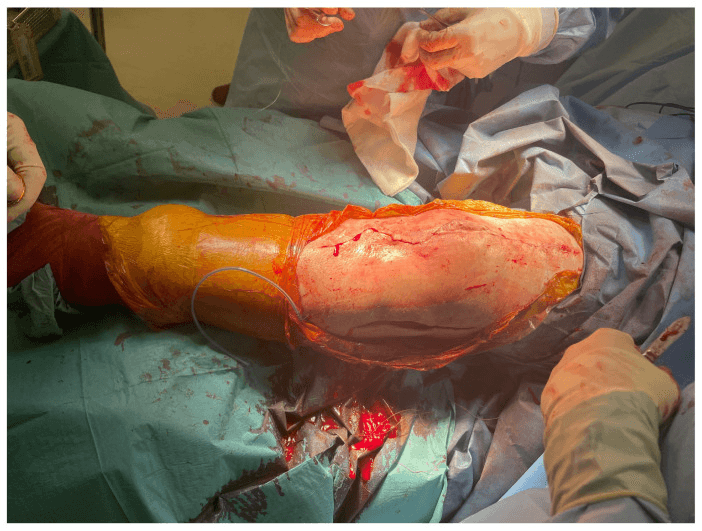
Anatomy. The gastrocnemius has two heads, medial and lateral; the medial head is larger and more commonly used. Its vascular pedicle is the sural arteries, branches of the popliteal, and it pivots at the musculotendinous junction.
Reach. The flap covers the proximal two-thirds of a TKA wound: proximal and middle-third wounds, exposed proximal prosthesis, and soft-tissue defects up to 10x15 cm. It cannot reach the distal third.
Technique. For the medial head:
- Medial approach
- Identify and protect the saphenous nerve
- Divide the tendon at the musculotendinous junction
- Rotate into the defect
- Split-thickness skin graft over the muscle
Trade-offs. The blood supply is reliable, the bulk good, the technique well established, and it can be performed under tourniquet. The costs are a cosmetic deficit of the calf and a minor functional impact, with minimal weakness.
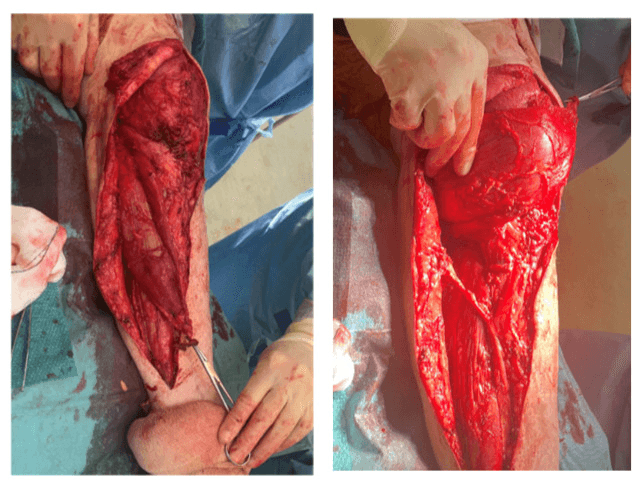
Coverage Algorithm by Location
- First-Line Coverage
- Medial gastrocnemius flap
- Second-Line Coverage
- Lateral gastrocnemius, free flap
- First-Line Coverage
- Gastrocnemius flap
- Second-Line Coverage
- Propeller flap, free flap
- First-Line Coverage
- Hemisoleus flap
- Second-Line Coverage
- Propeller flap, free flap
- First-Line Coverage
- Combined gastrocnemius-soleus
- Second-Line Coverage
- Free latissimus dorsi
Complications, Outcomes & Prognosis
Timing decides. Overall prosthesis retention is 75-85% when the wound is treated early, within 2 weeks, and 50-60% when treatment is late, beyond 4 weeks. Primary closure succeeds in 85-90% when performed within 2 weeks of symptom onset, and in 60-70% if delayed beyond 3 weeks.
Flaps. Soft-tissue healing is more reliable than implant survival:
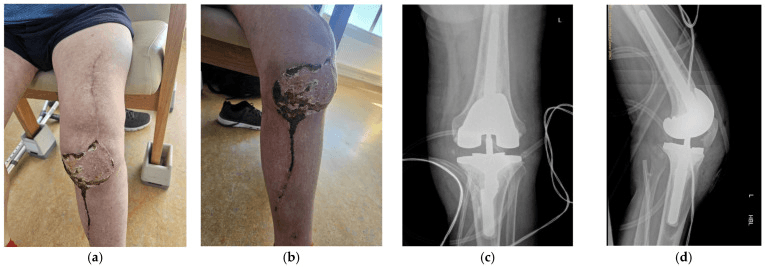
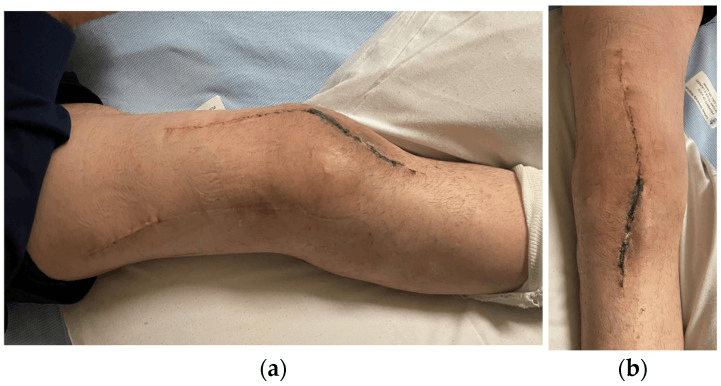
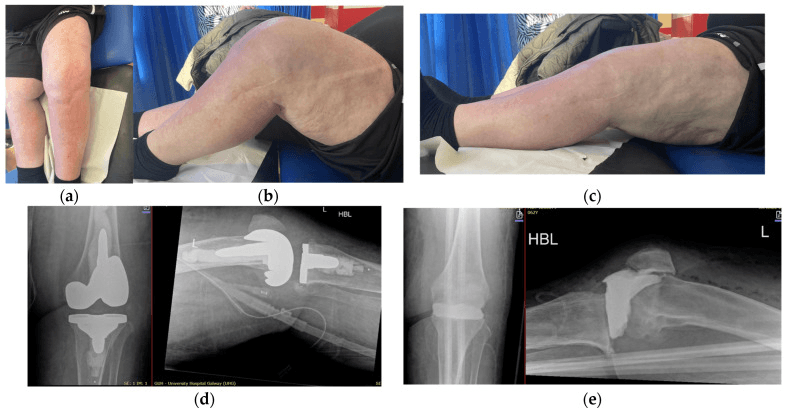
- Gastrocnemius flap: 90-95% flap survival; 80-85% prosthesis retention at 2 years; 5-10% require revision for infection
- Free flap: 95% flap survival in experienced hands; 70-80% prosthesis retention, higher with negative cultures at coverage
In Wiberg's series flap failure was rare, but implant survivorship was 59.6% at a mean of 6.7 years.
Medial gastrocnemius flap for exposed or infected TKA
- 47 patients reconstructed with a medial gastrocnemius flap for an exposed or infected TKA
- Flap failure was rare (3 of 47, 6.4%)
- Implant survivorship was only 59.6% at mean 6.7-year follow-up
- Functional outcome was often compromised, reflecting unfavourable underlying conditions
Prevention Strategies
Weight, steroids and immunosuppression, uncontrolled diabetes and poor nutrition are the highest-yield modifiable targets to optimise before elective TKA.
Preoperative Optimisation
Diabetes. Target an HbA1c under 8%, ideally under 7%, with endocrinology referral for poor control; 3-6 months is the ideal optimisation period. Perioperative glucose control is critical, with a target under 10 mmol/L:
- A perioperative glucose monitoring protocol, with continuous glucose monitoring recommended
- An insulin sliding scale in hospital
Nutrition. Target an albumin over 3.5 g/dL, with dietitian referral. Measures include preoperative oral supplements (e.g. Ensure, Resource) and vitamin C and zinc supplementation; consider parenteral nutrition if the patient is severely malnourished.
Smoking. Cessation for a minimum of 4 weeks preoperatively is recommended, and 8 weeks is optimal for microvascular recovery. Referral to a structured smoking-cessation service is standard practice. Nicotine replacement therapy is acceptable; consider varenicline or bupropion.
Weight. Target a BMI under 40 for elective surgery. Weight loss of 5-10% significantly reduces risk, with dietitian and exercise physiologist referral; consider bariatric referral at a BMI over 45-50.
Skin conditions. Treat the skin before operating on it:
- Psoriasis: dermatology review and disease control
- Eczema: optimise before surgery
- Chronic wounds: heal before elective surgery
- Venous ulcers: compression, consider vascular input
Hair removal. Use clippers only, not a razor; this reduces SSI. Clip on the day of surgery rather than the night before, and not at all if hair does not obscure the field.
Chlorhexidine. Washes with 2% chlorhexidine for 5 days preoperatively give a documented reduction in skin colonisation. Avoid mucosal contact; povidone-iodine is the alternative for allergy.
Staphylococcus decolonisation. Nasal mupirocin for 5 days preoperatively if the MRSA screen is positive reduces SSI by 50% in carriers. Consider a chlorhexidine bath in addition.
Surgical Technique
Technique is the only wholly intraoperative lever, and a tension-free, well-perfused, layered closure is the single best preventive measure.
Incision planning. Use the previous incision if adequate. Where there are several, the most lateral usable one is preferred, leaving a skin bridge of at least 7 cm between incisions; avoid crossing previous scars if possible, and avoid multiple parallel scars. For revision, the prior medial parapatellar approach is preferred. Place incisions parallel to Langer lines.
Flaps and handling. Raise full-thickness skin flaps, medially based, and avoid undermining, particularly on the lateral side. Handle the skin edges with a no-touch technique:
- Avoid sharp retractors, and Army-Navy retractors on the skin edges
- Use self-retaining retractors with care
- Keep cautery to the dermis minimal
- Preserve the subcutaneous fat layer
Haemostasis. Meticulous point haemostasis before closure avoids haematoma, and tranexamic acid, topical or IV, reduces it. Tourniquet use is controversial; if one is used, release it before closure. Consider a drain in high-risk patients, though this is also controversial.
Closure. Layered closure, under minimal tension on the skin edges, is essential:
- Capsule: absorbable braided suture; consider barbed suture
- Deep dermal: absorbable monofilament, closed meticulously, the critical layer
- Skin: staples or running subcuticular
Postoperative Care
Dressing. Occlusive dressings are preferred. Leave the dressing undisturbed for 48-72 hours unless soaked, and change it with sterile technique.
Drain. If used, remove it when output falls below 30 mL in 24 hours, typically on day 1-2; extended drainage is concerning.
Mobilisation. Balance mobilisation against wound rest, with physiotherapy guidance, and avoid excessive flexion, over 90°, initially.
VTE prophylaxis. Balance the risk of clot against the risk of bleeding and haematoma. Over-anticoagulation feeds the haematoma-drainage-infection pathway (Parvizi, under Management).
Extended Oral Antibiotic Prophylaxis in the High-Risk Host
The risk-stratification table includes extended antibiotics in the high-risk pathway. In selected high-risk primary arthroplasty patients, a short course of oral antibiotics continued after discharge has been proposed to interrupt the wound-complication-to-infection pathway before it starts.
Extended oral antibiotics cut early infection in high-risk arthroplasty
- Retrospective cohort of 2181 primary TKAs and THAs; from 2015, high-risk patients received 7 days of oral antibiotics after discharge
- 90-day infection rates were 1.0% after TKA and 2.2% after THA
- High-risk patients who did not receive extended prophylaxis were 4.9 times (TKA) and 4.0 times (THA) more likely to develop PJI
- The authors explicitly urged caution over antimicrobial resistance before routine adoption
Where it fits. Inabathula's 7-day postdischarge oral course was associated with a roughly 4-to-5-fold lower 90-day PJI rate in high-risk primary TKA and THA. Frame it as a selective, not routine adjunct: one lever within the high-risk bundle, alongside Staphylococcus decolonisation, glycaemic and nutritional optimisation, chlorhexidine skin preparation, and closed-incision NPWT for revision wounds. It presupposes that the modifiable host factors have already been addressed, and it is no substitute for a clean tension-free closure.
The caveats. The evidence is retrospective (Level III), the definition of "high risk" varies between units, and widespread use raises legitimate stewardship concerns: resistance and C. difficile. It is therefore best reserved for patients whose comorbidity burden genuinely places them in the highest-risk group, and delivered under a defined protocol rather than ad hoc.
Guidelines, Registries & Global Practice
Global Epidemiology
Knee arthroplasty volume is rising worldwide, so the absolute burden of wound complications is growing even as rates stay broadly stable (1-4% primary, higher in revision). Registries consistently identify infection — for which a wound complication is often the gateway — as a leading cause of early revision within the first 1-2 years. Persistent wound drainage prevalence clusters around 3-6% across large cohorts irrespective of country, and the same modifiable risks (obesity, diabetes, smoking, malnutrition, inflammatory arthropathy) dominate globally.
Side-by-Side Guidance
- Emphasis Relevant to TKA Wounds
- Strong: preoperative bathing, appropriate skin antisepsis (alcohol-based chlorhexidine), weight-based timely prophylactic antibiotics, glycaemic control, normothermia; against prolonged postoperative antibiotics
- Emphasis Relevant to TKA Wounds
- Optimise modifiable risks (HbA1c, BMI, nutrition, Staph decolonisation); treat persistent drainage promptly; deep tissue cultures; early debridement over prolonged dressings
- Emphasis Relevant to TKA Wounds
- SSI-prevention bundle, MSSA/MRSA screening and decolonisation, chlorhexidine prep; early senior review and intervention for problem wounds
- Emphasis Relevant to TKA Wounds
- Tension-free soft-tissue handling, watershed-aware incision planning, multidisciplinary (plastics) involvement for compromised envelopes
Where guidance genuinely converges: optimise the host, prepare and handle skin meticulously, do not let a draining wound persist, sample deep tissue, and involve plastic surgery early. Where it diverges is mainly in the detail of decolonisation protocols and the role of adjuncts such as closed-incision NPWT.
Registry Notes
Major arthroplasty registries (NJR for England/Wales, AJRR in the US, AOANJRR in Australia, the Nordic registries) do not capture wound complications as a discrete endpoint, but they track the downstream signal — early revision for infection. Across these registries, infection is a dominant cause of revision in the first 2 years, underlining wound integrity as a modifiable lever on revision rates.
High- vs Limited-Resource Practice
- Well-Resourced Setting
- On-site microsurgery and flap expertise
- Limited-Resource Setting
- Often absent; reliance on local muscle flaps, earlier transfer, or general/orthopaedic-led coverage
- Well-Resourced Setting
- Closed-incision NPWT, advanced dressings readily available
- Limited-Resource Setting
- Limited; emphasis on technique, elevation and timely debridement
- Well-Resourced Setting
- Multidisciplinary pre-habilitation (endocrine, dietetics)
- Limited-Resource Setting
- Variable; cessation counselling and glycaemic basics still high-yield and low-cost
- Well-Resourced Setting
- Rapid theatre access for early I&D
- Limited-Resource Setting
- Delays common; threshold to refer/transfer should be lower
The principles are universal; the resource-dependent variable is how quickly soft-tissue coverage and theatre can be mobilised — which is precisely the determinant of implant salvage.
Controversies & Areas of Uncertainty
The evidence base for managing TKA wound complications is largely retrospective; several core decisions remain genuinely contested and make excellent viva discussion points.
Key Takeaways
Prevention is Better Than Cure
- Optimize modifiable risk factors preoperatively (obesity, diabetes, smoking, nutrition)
- Meticulous surgical technique with emphasis on tissue handling
- Layered closure with attention to deep dermal layer
- Appropriate postoperative wound care
Early Recognition and Intervention
- Persistent drainage beyond 5-7 days is a red flag
- 48-72 hour rule: if conservative measures fail, proceed to theatre
- Trend of inflammatory markers more important than absolute values
- Low threshold for surgical exploration in high-risk patients
Definitive Management
- Aggressive debridement and lavage in theatre
- Direct closure if possible; NPWT as bridge if not
- Early plastic surgery involvement for complex wounds
- Gastrocnemius flap is the workhorse for soft tissue coverage
Outcomes
- Early treatment (less than 2 weeks) preserves 75-85% of prostheses
- Delayed treatment (greater than 4 weeks) drops to 50-60%
- Gastrocnemius flap has 90-95% success rate
- Functional outcomes reduced but acceptable with successful salvage
Exam Viva Scenarios
Practise clinical reasoning and management decisions out loud
“A 68-year-old woman is 8 days post primary TKA. The wound is still leaking serosanguinous fluid and soaking the dressing. She is afebrile and the knee is not red. How do you assess and manage her?”
“A patient referred from a peripheral hospital has a 4 cm area of full-thickness skin necrosis over the anterior knee 3 weeks after TKA, with the extensor mechanism visible at the base. Walk me through your management.”
“How would you reduce the risk of wound complications before and during an elective TKA in a high-risk patient — a smoker with a BMI of 42 and HbA1c of 9%?”
Key Numbers
- Wound complication rate: 1-4% primary TKA, 4-12% revision
- Persistent drainage greater than 5-7 days requires intervention
- BMI greater than 40 = 6-fold increased risk
- HbA1c target: less than 8% (ideally less than 7%)
- Albumin target: greater than 3.5 g/dL
- Smoking cessation: minimum 4 weeks, optimal 8 weeks
- Skin bridge minimum: 7cm between incisions
- Flap coverage success: 90-95% gastrocnemius
- Prosthesis retention early treatment: 75-85%
- Prosthesis retention late treatment: 50-60%
Classification
- Superficial: skin and subcutaneous only, intact fascia
- Deep: through fascia, potential joint communication
- Acute: less than 2 weeks (best prognosis)
- Subacute: 2-4 weeks (window for salvage)
- Delayed: greater than 4 weeks (higher infection risk)
Management Triggers
- 48-72 hour rule: if no improvement, proceed to theatre
- Any exposed prosthesis = urgent flap consultation
- Necrosis greater than 2cm = likely needs flap
- Positive cultures at coverage = worse prognosis
- NPWT is bridge to closure, not definitive treatment
Flap Coverage
- Gastrocnemius: workhorse, proximal and middle third
- Medial head most commonly used (larger)
- Soleus: middle to distal third
- Free flap: failed local options, large defects
- Early plastic surgery involvement improves outcomes
Risk Factors
- Weight (BMI greater than 35)
- Oral steroids and immunosuppression
- Uncontrolled diabetes (HbA1c greater than 8%)
- Nutrition poor (albumin less than 3.5)
- Dermatologic conditions
- Revision surgery or previous incisions
- Inflammatory arthropathy
- Smoking (current or recent)
- Knee previous radiation or surgery
Prevention Pearls
- Chlorhexidine washes x5 days preoperatively
- MRSA decolonization if carrier (mupirocin)
- No-touch technique for skin edges
- Layered closure with deep dermal sutures (critical)
- Tranexamic acid reduces haematoma
- Undisturbed dressing 48-72 hours postoperatively
Evidence Base & Landmark Literature
The evidence base for TKA wound complications is dominated by large retrospective cohorts and a small number of Level I trials on prevention (smoking cessation) and adjuncts (closed-incision NPWT). The verified key papers below are cross-referenced in their relevant sections above.
- Landmark Evidence
- Patel, JBJS Am 2007 (Level III)
- Take-Home
- Each extra day of drainage raises TKA infection risk ~29%
- Landmark Evidence
- Shahi, Arthroplast Today 2019 (Level III)
- Take-Home
- PWD prevalence 6.2%; PWD to PJI OR ~16.9
- Landmark Evidence
- Jaberi, CORR 2008 (Level III)
- Take-Home
- ~65-72% settle with local care; single debridement ~76% success if early
- Landmark Evidence
- Hwang, CORR 2014 (Level III)
- Take-Home
- HbA1c at or above 8% raises superficial SSI odds ~6-fold
- Landmark Evidence
- Møller, Lancet 2002 (Level I RCT)
- Take-Home
- 6-8 week programme cut wound complications 31% to 5%
- Landmark Evidence
- Ailaney, J Arthroplasty 2020 (Level I MA)
- Take-Home
- Helps in revision; increases blistering in primary TKA
- Landmark Evidence
- Wiberg, Scand J Surg 2023 (Level IV)
- Take-Home
- Gastrocnemius flap heals soft tissue but implant survival only ~60%