Wound Healing
Overview
Wound healing is the body's organised response to tissue injury. After any cut, surgical incision, ulcer or open injury, a predictable sequence of events restores the protective barrier and the structural integrity of the tissue. In most adult soft tissues and skin this is repair, filling the wound with a fibrous scar, rather than true regeneration of the original organised tissue.
The sequence is usually described as four overlapping phases: haemostasis, inflammation, proliferation and remodelling. They are not tidy, separate steps. They blend into one another, and different parts of the same wound can be in different phases at the same time.
Three threads run through the topic. The phases and their key cells make a classic basic-science viva. The difference between a sutured wound healing by primary intention and an open wound healing by secondary intention governs closure. And the local and systemic factors that make healing fail are exactly what you manipulate at the bedside.
Principles: The Four Phases of Healing
- Timing
- Immediate (minutes)
- What happens
- Vasoconstriction, platelet plug, fibrin clot forms a provisional matrix
- Key cells / mediators
- Platelets, clotting cascade, fibrin
- Timing
- Day 0 to about day 3
- What happens
- Clear bacteria and debris; recruit and activate repair cells
- Key cells / mediators
- Neutrophils first, then macrophages; histamine, cytokines
- Timing
- About day 3 to day 21
- What happens
- Granulation tissue, new vessels, re-epithelialisation, collagen synthesis
- Key cells / mediators
- Macrophages, fibroblasts, endothelial cells, keratinocytes
- Timing
- Weeks to many months
- What happens
- Collagen reorganised and cross-linked, type III replaced by type I, scar matures
- Key cells / mediators
- Fibroblasts, myofibroblasts, matrix metalloproteinases
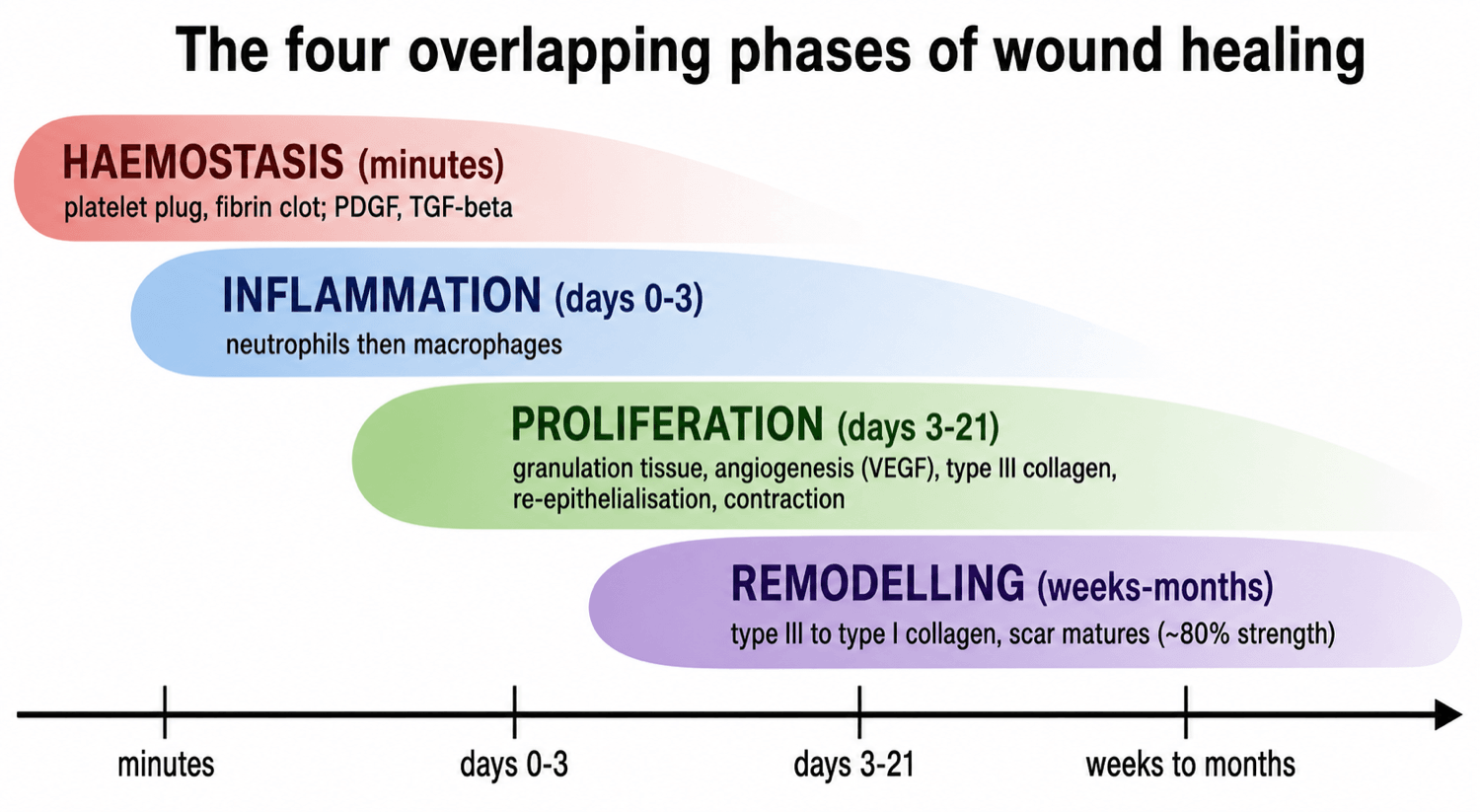
1. Haemostasis - stopping the bleeding
Within seconds of injury, damaged vessels constrict and exposed collagen activates platelets. The platelets aggregate and the clotting cascade lays down fibrin, forming a clot that both stops bleeding and acts as a provisional matrix, a scaffold for cells to migrate along.
Activated platelets also release the first wave of growth factors, notably platelet-derived growth factor (PDGF) and transforming growth factor-beta (TGF-beta). These recruit inflammatory cells and start the repair signal.
2. Inflammation - cleaning the wound
Over the first few days, blood vessels become leaky and inflammatory cells flood in. Neutrophils arrive first, peaking at roughly 24 to 48 hours, to kill bacteria and clear debris.
Macrophages then take over, peaking around days 2 to 3, and are the central orchestrating cell. They finish the clearance, then switch to a reparative phenotype and release the growth factors that drive angiogenesis and fibroblast activity.
3. Proliferation - rebuilding the tissue
This is where the wound is filled in, through several processes running in parallel:
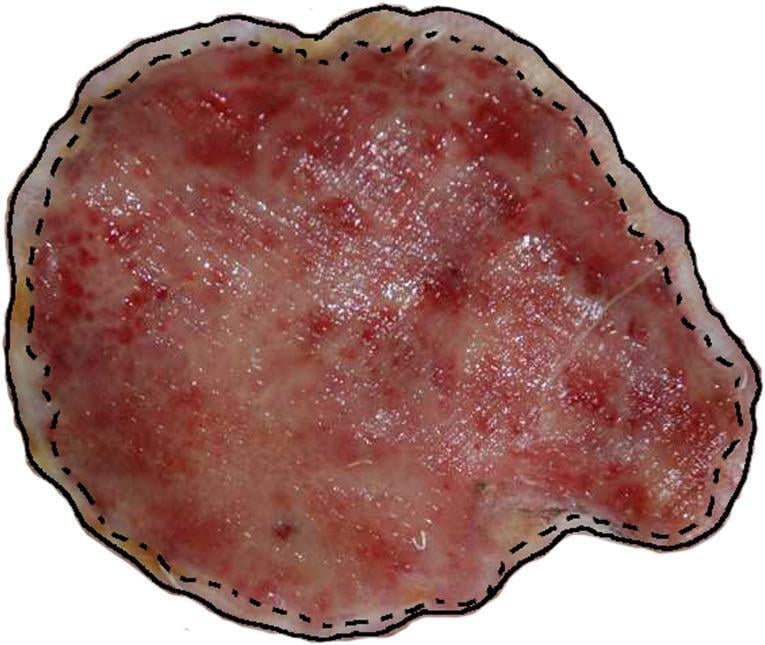
- Granulation tissue forms: the red, granular wound bed made of new capillaries plus fibroblasts in a loose collagen matrix.
- Angiogenesis: endothelial cells sprout new capillaries, driven by vascular endothelial growth factor (VEGF), to supply the metabolically active wound.
- Fibroplasia: fibroblasts migrate in and lay down type III collagen and ground substance.
- Re-epithelialisation: keratinocytes migrate from the wound edges and skin appendages across the granulation tissue to restore the surface barrier.
- Wound contraction: some fibroblasts become myofibroblasts, expressing smooth-muscle actin, and pull the wound edges together to shrink the defect.
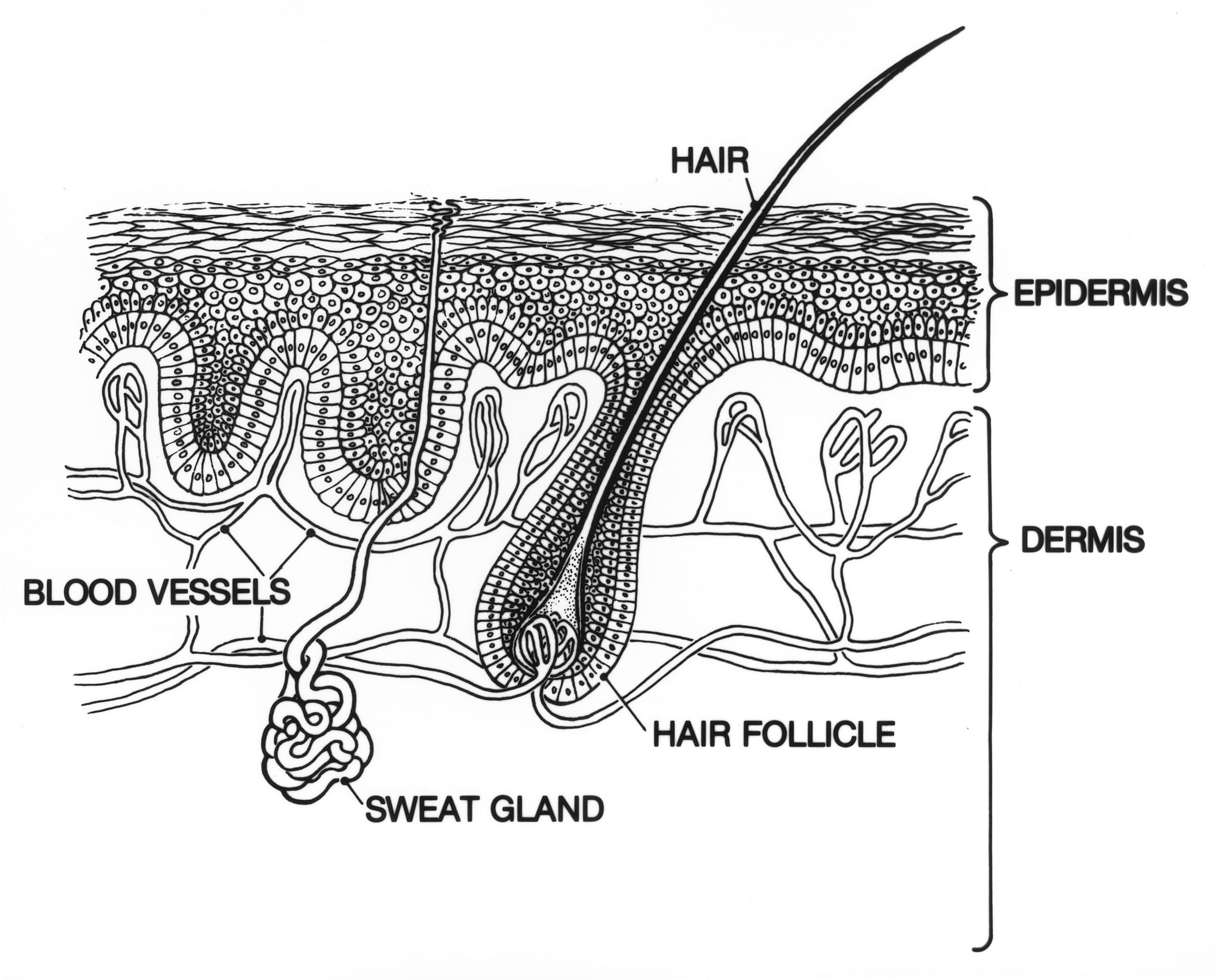
4. Remodelling - making the scar
The longest phase, lasting months to over a year. Collagen is reorganised and cross-linked while excess capillaries and cells regress, so the scar pales and flattens. The balance between collagen synthesis and its breakdown by matrix metalloproteinases determines the final result.
Growth Factors and Collagen
A small group of growth factors are worth knowing by name, because examiners ask which cell makes them and what they do.
- Main source
- Platelets, macrophages
- Main role
- Recruits and activates fibroblasts and macrophages; early repair signal
- Main source
- Platelets, macrophages
- Main role
- Drives fibroblast collagen synthesis - central to scar formation and fibrosis
- Main source
- Macrophages, endothelial cells
- Main role
- Drives angiogenesis - the new capillaries of granulation tissue
- Main source
- Macrophages, fibroblasts
- Main role
- Stimulates fibroblasts, angiogenesis and re-epithelialisation
- Main source
- Platelets, keratinocytes
- Main role
- Drives keratinocyte proliferation and re-epithelialisation
The collagen switch. The wound starts with type III collagen, laid down quickly but mechanically weak. During remodelling it is steadily replaced and cross-linked into type I collagen, which is stronger, better organised and better aligned. The shift of the type I to type III ratio back toward normal marks a maturing, strengthening scar.
Strength. The wound is weakest at the end of the first week, the high-risk time for dehiscence. A scar never regains full strength: even a well-healed one reaches only about 80 percent of the original tissue's tensile strength.
Tendon healing
Tendon, and ligament, heals differently from skin and is highly examinable in orthopaedics. Two mechanisms run together:
- Extrinsic healing: cells and vessels invade from the surrounding tendon sheath and tissue. It is fast, but the price is adhesions that restrict gliding.
- Intrinsic healing: the tendon's own tenocytes, from the epitenon and endotenon, proliferate. It is slower but gives better gliding and fewer adhesions, and is favoured by an intact blood supply and motion.
The phases. Tendon passes through the same broad phases: inflammatory (about the first week), proliferative or collagen-producing (about week 1 to 6, disorganised type III collagen) and remodelling or consolidation (about 6 weeks to a year). During remodelling type III is replaced by type I, with the collagen aligning along the line of pull.
The strength timeline. Early on the repair depends on the suture. It is at its weakest around the end of the first to second week, when biological strength is low and the suture is loosening, and that is when it is most likely to rupture.
Why early motion. Early controlled (protected) mobilisation, rather than rigid immobilisation, promotes intrinsic healing, improves collagen alignment and strength, and reduces adhesions. That is the rationale behind modern flexor-tendon rehabilitation protocols.
Primary, Secondary and Delayed Closure
- Primary intention
- Clean incision with edges apposed (sutured)
- Secondary intention
- Open wound with tissue loss left to heal from the base
- Primary intention
- Minimal
- Secondary intention
- Abundant - fills the defect
- Primary intention
- Little
- Secondary intention
- Marked (myofibroblasts)
- Primary intention
- Fast, fine scar
- Secondary intention
- Slow, larger scar, higher infection risk
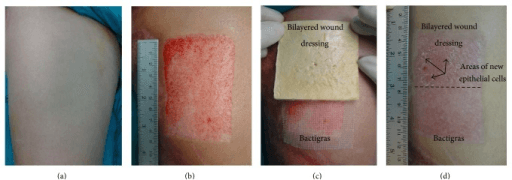
Tertiary intention. Delayed primary closure sits in between. The wound is deliberately left open for a few days, to let contamination, swelling or doubtful tissue viability declare themselves, and is closed surgically once it is clean and safe. It is common in contaminated trauma wounds and in compartment syndrome fasciotomies.
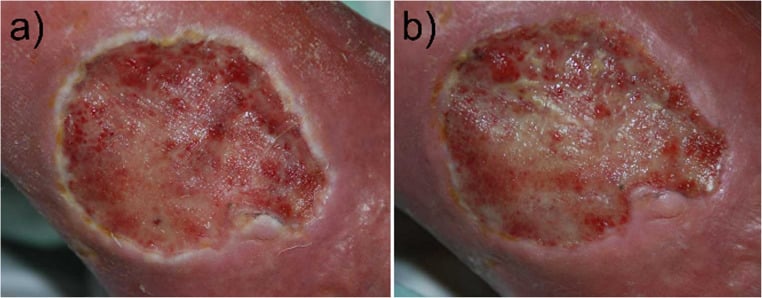
The red, granular wound bed of an open wound or ulcer is the picture of secondary-intention healing. Recognising granulation tissue is a common clinical-photo question.
Closing the unclosable: the reconstructive ladder
When a defect cannot simply be apposed, surgeons climb the reconstructive ladder from the simplest option to the most complex:
- Secondary-intention healing
- Direct primary closure
- Delayed primary closure
- Split-thickness skin graft
- Full-thickness skin graft
- Local or regional flap
- Free (microvascular) flap
In practice the best option is chosen, not just the lowest rung: the "reconstructive elevator".
How a graft survives. A skin graft has no blood supply of its own and lives off the recipient bed in three stages:
- Imbibition: plasmatic nutrition, the first day or two.
- Inosculation: graft and bed capillaries link up, around days 2 to 3.
- Revascularisation: new vessels grow in, around days 4 to 7.
A graft therefore needs a clean, vascularised bed, and will not take on bare cortical bone, bare tendon or exposed metalwork.
Split or full thickness. A split-thickness graft takes the epidermis plus part of the dermis. It covers large areas and the donor site re-epithelialises, but it contracts more and is less durable. A full-thickness graft takes the epidermis plus the full dermis, so it contracts less and wears better, but it needs a directly closed donor site and a better bed.
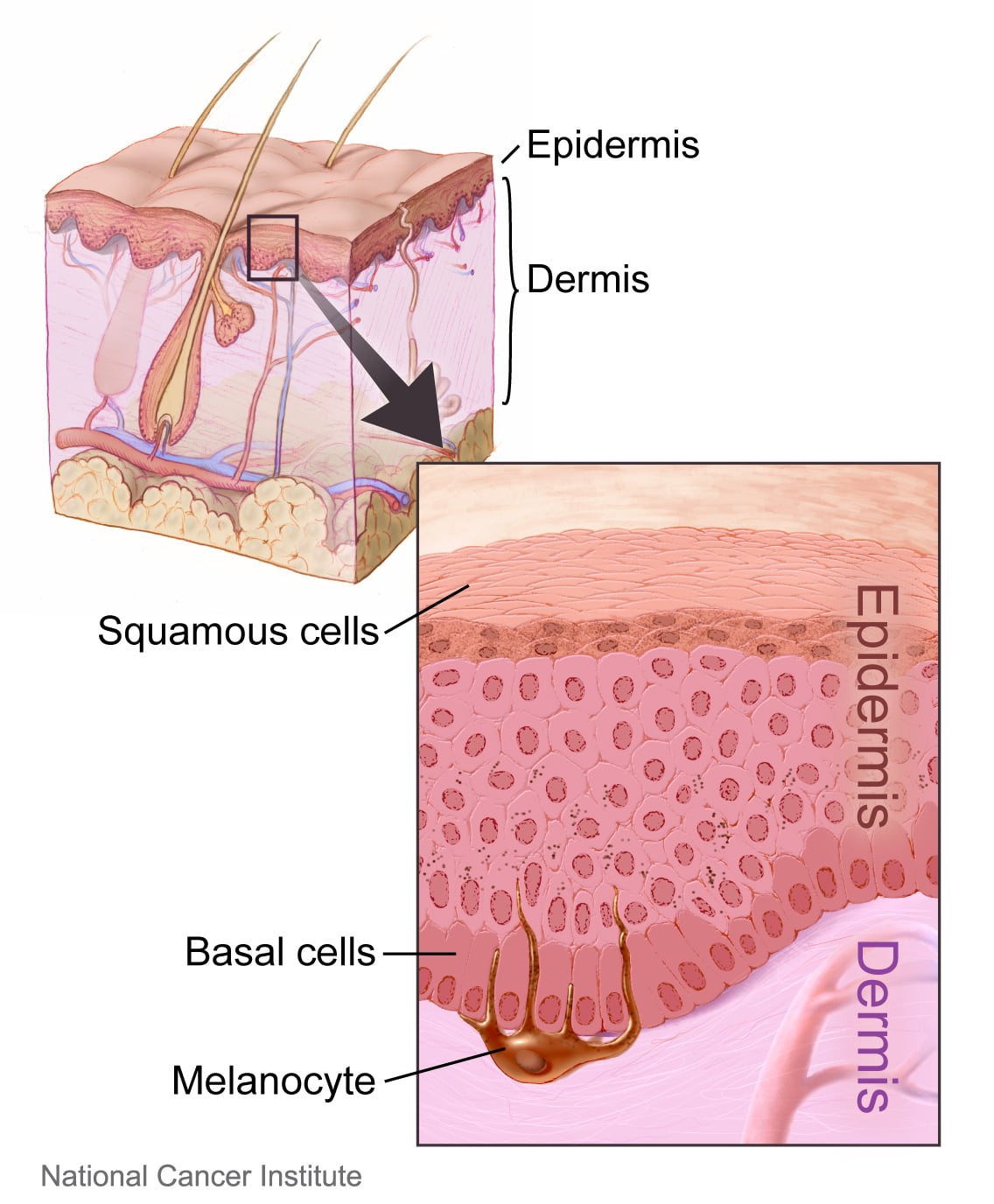
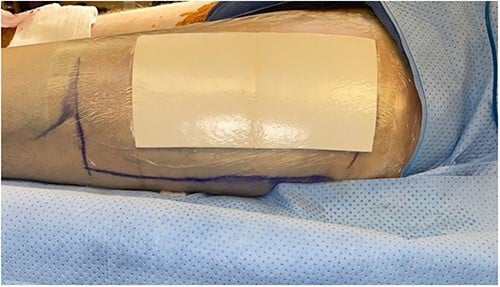
Flaps. A flap carries its own blood supply, so it can cover an avascular bed: exposed bone, tendon without paratenon, an implant, an open joint or a major vessel or nerve. A flap is the answer for a high-grade open fracture needing soft-tissue coverage, the "fix and flap" principle.
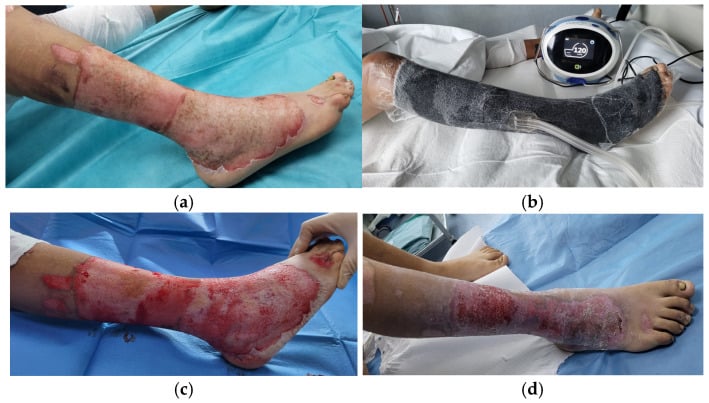
Factors That Impair Healing
Sort the causes into local and systemic factors, a clean framework that scores well.
Local factors. Poor blood supply or hypoxia, infection (which prolongs inflammation and is the commonest local cause of failure), excess tension on the closure, foreign material or necrotic tissue, poor apposition of the edges with gaping, dead space and haematoma, and repeated trauma or pressure, as in pressure ulcers.
Systemic factors. Diabetes (microvascular disease, poor immunity and neuropathy), smoking, corticosteroids and immunosuppression, malnutrition (protein, vitamin C and zinc), older age with its slower repair, obesity, renal or liver failure, malignancy, chemotherapy and radiotherapy, and peripheral vascular disease.
The micronutrients, and the one antidote worth knowing
Naming "malnutrition" is not enough. Each deficiency fails the wound at a different step, and one of them has a specific reversal agent.
Vitamin C. It is the cofactor for the hydroxylation of proline and lysine during collagen synthesis. Without it procollagen cannot be cross-linked, so collagen is made but is structurally weak. That is why scurvy causes old, healed scars to break down, not just new wounds to fail.
Zinc and protein. Zinc is a cofactor for DNA and RNA polymerase, so deficiency stalls the proliferative phase: fibroblast proliferation and re-epithelialisation both slow. Protein deficiency limits the substrate for collagen synthesis and depresses immune function.
Vitamin A and steroids. Steroids suppress the inflammatory phase and stabilise lysosomal membranes, blunting macrophage recruitment and collagen synthesis. Vitamin A counteracts this: it restores the inflammatory response and largely reverses the block. It does not reverse the antibacterial deficit, so a steroid-treated patient remains at infection risk regardless.
Steroids impair healing, and vitamin A is the one recognised antidote. Supplementation is reserved for patients on long-term corticosteroids with a wound that is failing, not a routine addition, and is weighed against the reason the steroids are being given.
Factors affecting wound healing
- Successful healing requires the four phases (haemostasis, inflammation, proliferation, remodelling) to occur in the correct sequence and time frame
- Many factors interfere with one or more phases and so cause impaired healing
- The modifiers reviewed are listed exactly: oxygenation, infection, age and sex hormones, stress, diabetes, obesity, medications, alcoholism, smoking and nutrition
Smoking is one of the most important and most modifiable risk factors for wound problems in orthopaedic and arthroplasty surgery. Nicotine causes vasoconstriction and tissue hypoxia and impairs collagen synthesis, raising the risk of wound breakdown, infection and (in fractures and fusions) non-union. Where possible, stop smoking before elective surgery.
Abnormal Scars and Chronic Wounds
When healing goes wrong it tends to fail in one of two directions: too much scar, or no progress at all.
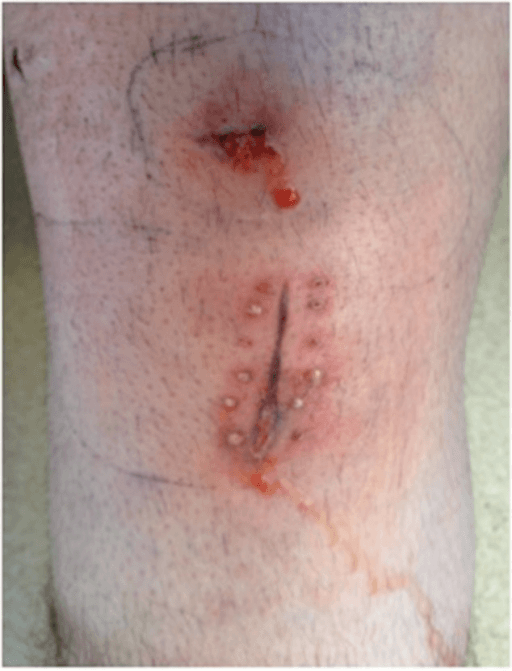
- Hypertrophic scar
- Stays within the original wound boundary
- Keloid
- Grows beyond the original wound boundary
- Hypertrophic scar
- Soon after injury, often regresses with time
- Keloid
- Can appear later, persists and recurs
- Hypertrophic scar
- Across joints and high-tension areas
- Keloid
- More common in darker skin; sternum, shoulders, earlobes
- Hypertrophic scar
- Lower
- Keloid
- High - excision alone often makes it worse
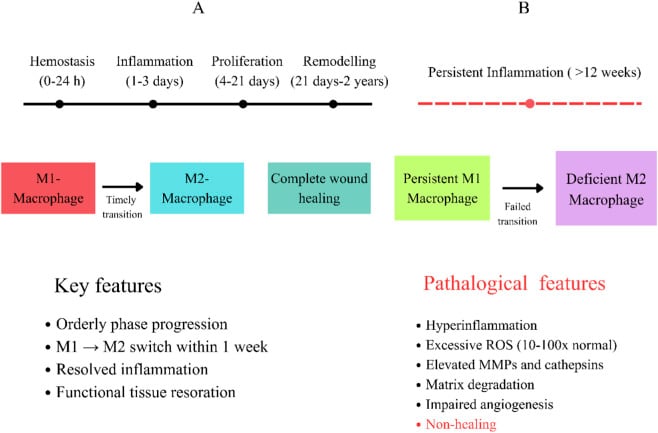
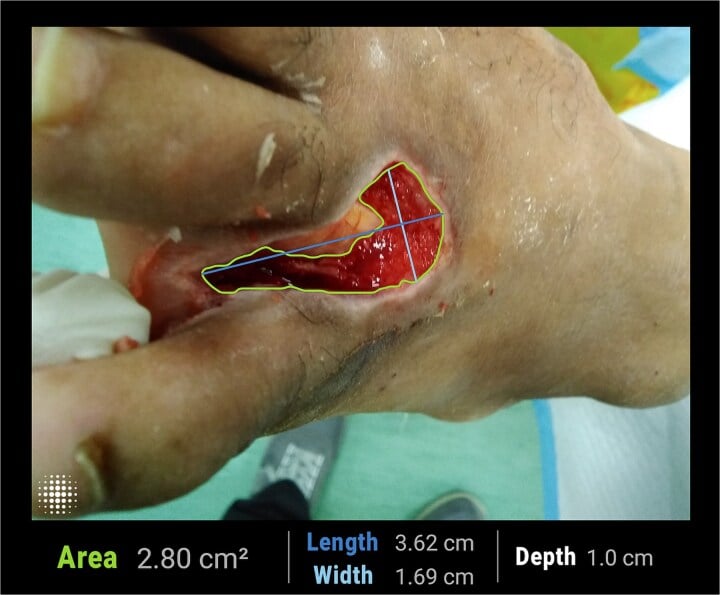
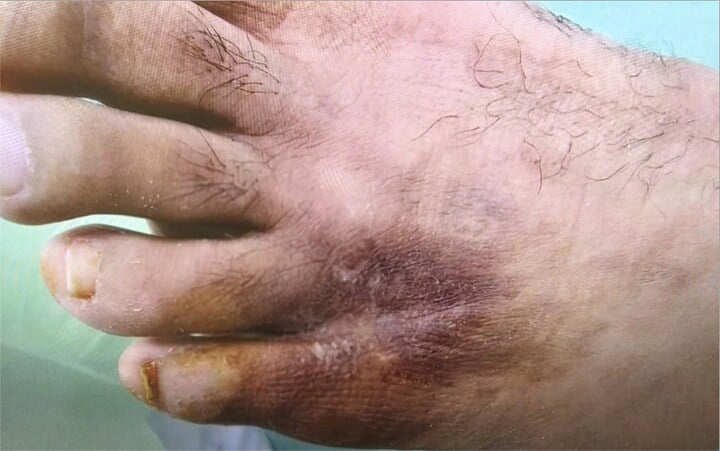
The chronic wound. A chronic wound has failed to heal in the expected time, typically because it is stuck in a prolonged inflammatory phase and never progresses to proliferation and remodelling. Diabetic foot ulcers, venous and pressure ulcers and infected surgical wounds are the common examples.
Restarting it. Management aims to get the process moving again: debride non-viable tissue, control infection and pressure, improve the blood supply and optimise the systemic factors.
Clinical Relevance
Wound healing underpins almost everything in orthopaedic practice. Every surgical incision relies on it, and a wound complication after a joint replacement or fracture fixation can be the gateway to deep infection and disaster.
In trauma, the decision to close a wound primarily, leave it open or use delayed closure is a daily judgement that flows directly from these principles. At the bedside, the things that most improve healing are the modifiable factors above: good blood supply, no infection, controlled diabetes, no smoking, adequate nutrition and a tension-free closure.
Guidelines, Registries and Global Practice
- Surgical site infection prevention guidance worldwide (for example WHO global guidelines and NICE in the UK) targets exactly the modifiable wound-healing factors - perioperative glycaemic control, smoking cessation, normothermia, tissue oxygenation and tension-free closure - because these protect the healing wound from breakdown and infection.
- Diabetic foot ulcer care is standardised across major bodies (such as the International Working Group on the Diabetic Foot and national diabetes societies), centred on debridement, offloading pressure, infection control, vascular assessment, and good glycaemic control - the practical application of restarting a stalled wound.
- Negative pressure wound therapy (NPWT) is widely endorsed as an adjunct for open, exuding and difficult wounds, promoting granulation and contraction; the strongest randomised evidence is in diabetic foot and complex surgical wounds.
- Across all settings the principle is the same: healing is a biological process you support rather than force - keep the wound clean, perfused and tension-free, and correct the systemic factors that hold it back.
Exam Viva Scenarios
Practise clinical reasoning and management decisions out loud
“The examiner shows you a healing open wound with a red granular base and asks you to take them through how a wound heals.”
“A 62-year-old man with type 2 diabetes who smokes has a surgical wound on the leg that is still open and discharging six weeks after a fracture fixation. How do you think about and manage this?”
The Four Phases
- Haemostasis: clot, platelet plug, provisional fibrin matrix (immediate)
- Inflammation: neutrophils first, then macrophages (days 0 to 3)
- Proliferation: granulation tissue, angiogenesis, re-epithelialisation, collagen (days 3 to 21)
- Remodelling: type III to type I collagen, scar matures (weeks to months)
Key Cells and Factors
- Macrophage: master regulator - clears debris then drives repair
- Myofibroblast: contracts the wound
- PDGF and TGF-beta: fibroblast recruitment and collagen
- VEGF: angiogenesis; vitamin C: collagen cofactor
Closure and Strength
- Primary intention: edges together, minimal granulation, fine scar
- Secondary intention: open, granulation and contraction, big scar
- Tertiary: delayed primary closure when clean
- Scar regains about 80 percent of strength; weakest at end of week 1
What Impairs Healing
- Local: infection, hypoxia, tension, foreign material, dead space
- Systemic: diabetes, smoking, steroids, malnutrition, age, vascular disease
- Chronic wound: stuck in prolonged inflammation
- Modifiable wins: control diabetes, stop smoking, treat infection, nutrition
Evidence and Mechanisms
Peña & Martin give the modern immune-orchestrated, multi-cell picture of the phases; the Dalmedico meta-analysis is the randomised evidence for negative-pressure wound therapy in stalled diabetic foot ulcers; and the Guo & DiPietro review (cited in the impaired-healing section) catalogues the local and systemic modifiers you can actually change at the bedside.
Cellular and molecular mechanisms of skin wound healing
- Healing requires tightly coordinated cell migration, proliferation, matrix deposition and remodelling alongside inflammation and angiogenesis
- Small wounds heal in days, while large traumatic or surgical wounds take weeks and usually leave a fibrotic scar
- Both innate and adaptive immune cells shape the behaviour of keratinocytes, fibroblasts and endothelial cells
- Understanding these mechanisms is the basis for therapies to reduce scarring and heal chronic wounds
Negative Pressure Wound Therapy for Diabetic Foot Ulcers (Systematic Review)
- Systematic review and meta-analysis of randomised controlled trials of negative pressure wound therapy (NPWT) in diabetic foot ulcers
- Fourteen studies included, though ONE WAS SUBSEQUENTLY EXCLUDED during internal validation; total wound healing was analysed in just 2 of them, favouring NPWT
- Ten studies compared wound area reduction and 8 of those 10 favoured NPWT over the comparator
- Authors note methodological limitations and heterogeneity but a consistent potential benefit