Microbiology and Surgical Management
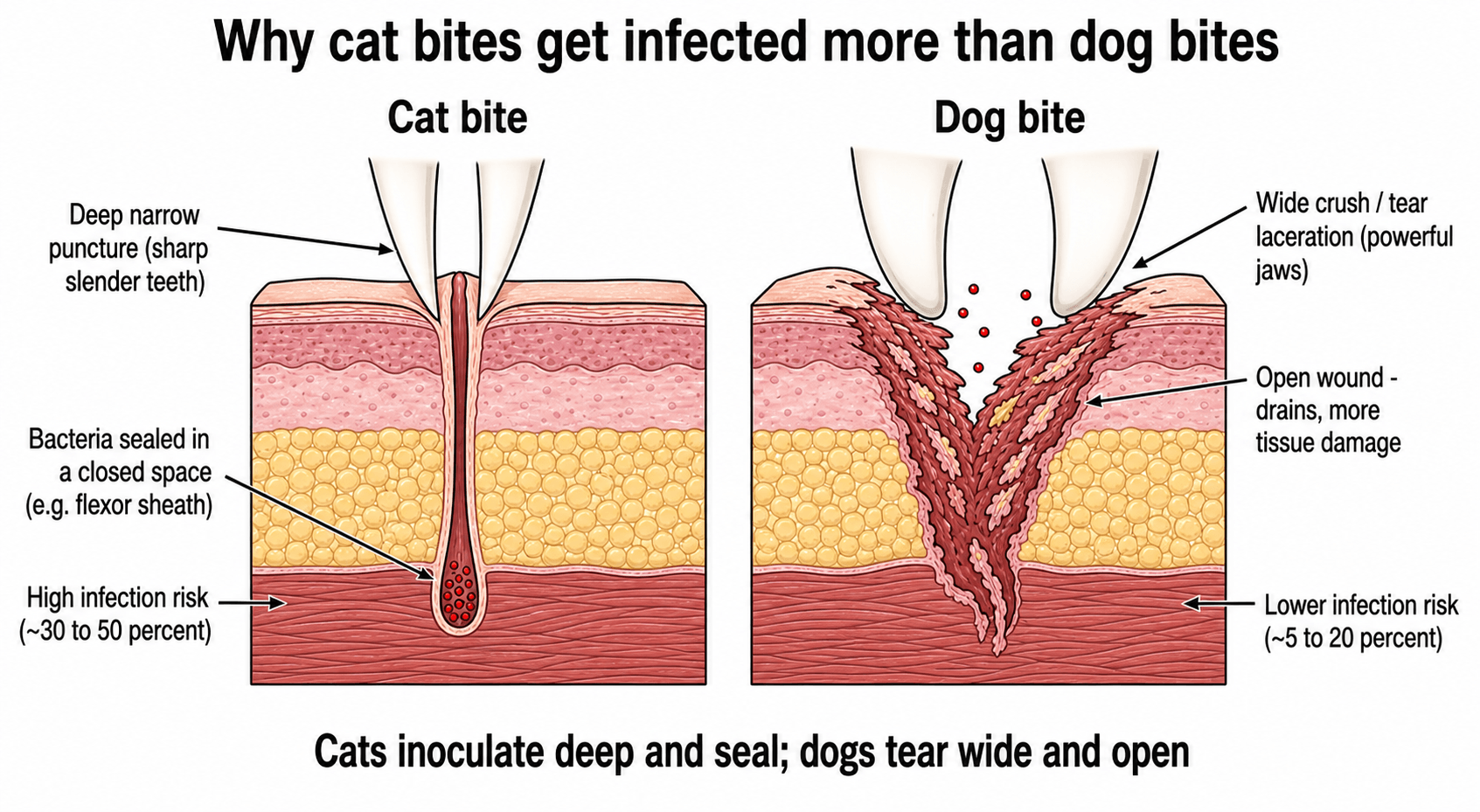
- Cats bite deep (Puncture) → Pasteurella multocida → Rapid infection (less than 24h).
- Dogs bite wide (Crush/Tear) → Polymicrobial → Slower infection (greater than 24h).
- Primary closure is CONTROVERSIAL but accepted for face (excellent blood supply) and large lacerations (loosely).
- Puncture wounds should NEVER be closed primarily.
- Augmentin (Amoxicillin/Clavulanate) is the antibiotic of choice.
- “Capnocytophaga canimorsus causes overwhelming sepsis in asplenic/immunocompromised patients.
- “Bats can carry rabies-related lyssaviruses worldwide. Treat any bat exposure as a potential rabies exposure.
- “Eikenella corrodens is HUMAN bite, not animal.
Overview and Epidemiology
Animal bites are common, potentially limb-threatening injuries that combine mechanical tissue damage with bacterial inoculation. They account for up to 1% of emergency presentations worldwide, with dogs responsible for the large majority and cats for a smaller but disproportionately infective share. School-age children are bitten most often, frequently by a familiar animal.
Dogs (around 80-90%). Powerful jaws produce crush, tear and avulsion injuries. Deep structural damage and paediatric facial fractures are possible, but infection rates are comparatively low.
Cats (around 5-15%). Fine sharp teeth inoculate bacteria deep into closed spaces, so despite small entry wounds infection rates reach 30-50%.
The host. Asplenic, cirrhotic, diabetic and immunocompromised patients face disproportionately severe infections regardless of wound size.
Pathophysiology and Microbiology
The inoculum. Bite infections are driven by the oral flora of the biting animal, inoculated directly into tissue. Infected wounds are typically polymicrobial, with a median of around 5 organisms per culture (Talan, NEJM 1999).
Pasteurella. The hallmark organism, and the species differs by animal: P. canis predominates in dogs and P. multocida in cats. Pasteurella produces a characteristically rapid cellulitis, often under 24 hours, with intense pain and serosanguinous discharge.
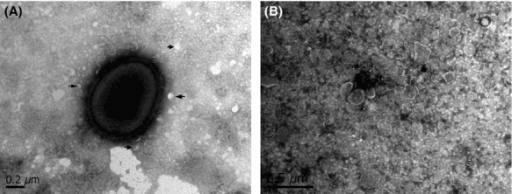
The rest of the flora. The aerobic co-pathogens are streptococci, staphylococci, Moraxella and Neisseria. The anaerobes, Fusobacterium, Bacteroides, Porphyromonas and Prevotella, are common in deep wounds.
Capnocytophaga canimorsus. A fastidious Gram-negative rod from dog and cat saliva. In asplenic and immunocompromised hosts it causes fulminant sepsis with DIC, shock and purpura, and mortality is around 30%.
Why the cat bite does worse. A cat puncture seals bacteria within closed tissue planes, the flexor sheath or a joint, and converts a tiny wound into a deep-space infection.
Beyond Pasteurella, Capnocytophaga and Eikenella, examiners like the organism-to-animal matches for less common but classic exposures:
- Cat-scratch disease - Bartonella henselae: after a cat scratch or bite; regional tender lymphadenopathy days to weeks later, usually self-limiting (azithromycin if treatment is needed).
- Rat-bite fever - Streptobacillus moniliformis (or Spirillum minus in Asia): fever, rash and migratory arthralgia after a rat bite; treated with penicillin.
- Monkey / macaque bite - Herpes B virus (Cercopithecine herpesvirus 1): rare but can cause fatal encephalomyelitis; needs urgent wound care and antiviral prophylaxis (valaciclovir or aciclovir).
- Seal finger ("spekfinger") - Mycoplasma species: a painful, indolent finger infection after a seal bite that responds to tetracyclines, not to standard beta-lactams.
The teaching point: take an exposure history (which animal, and where in the world), because it changes both the organism you must cover and the prophylaxis you give.
Classification of Bite Injuries
By wound pattern. Four patterns are described:
- Puncture - deep, narrow inoculation, typical of cats. Highest infection risk; never closed primarily.
- Laceration - tearing wound, typical of dogs. Lower infection rate but greater tissue loss.
- Crush and devitalisation - large-dog jaw force; non-viable tissue and even compartment syndrome risk.
- Avulsion - soft-tissue loss that may require reconstruction or flap coverage.
By risk. A low-risk wound is a superficial, clean, early-presenting laceration away from the hand in a healthy host. The high-risk features are:
- Cat bites
- Hand, foot, face or genital wounds
- Deep punctures and crush injuries
- Wounds over joints or bone
- Late presentation, over 8 hours
- An immunocompromised or asplenic host
Clinical Presentation and Assessment
History. Establish the animal type and any provocation, the time since injury, tetanus and rabies risk (region, vaccination status) and the host factors: asplenia, immunosuppression, diabetes, cirrhosis.
Examination. Note the wound type and depth, devitalised tissue, contamination and proximity to joints and tendons. Document distal sensation, perfusion and active tendon function before and after exploration.
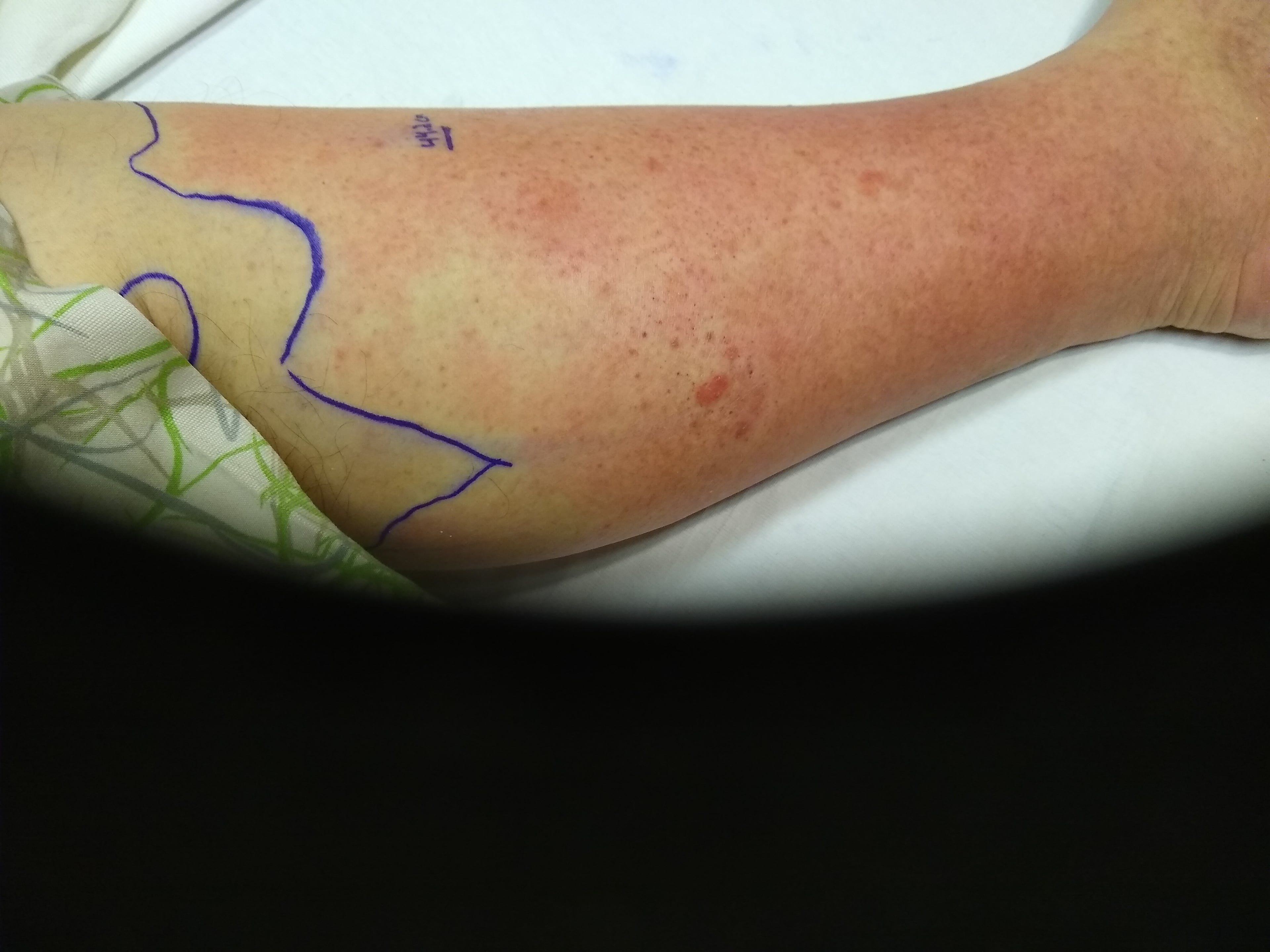
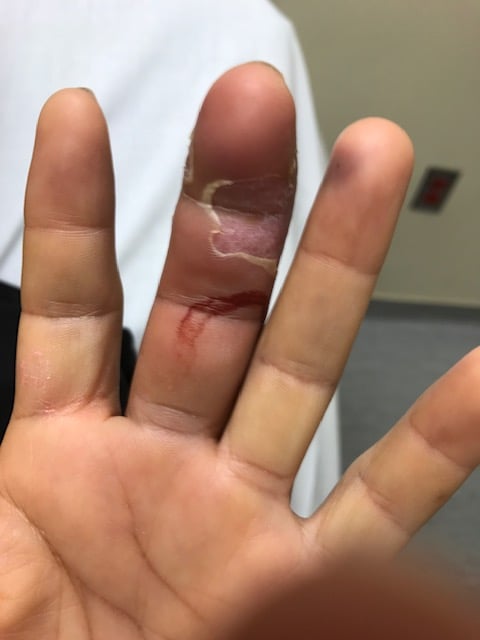
Established infection. Look for spreading erythema, lymphangitis, abscess and fever. In the digit, look for the four Kanavel signs of flexor tenosynovitis:
- Fusiform swelling
- Semi-flexed posture
- Tenderness along the sheath
- Pain on passive extension
Investigations
Radiographs. Look for fracture, air in a joint (penetration) and radiopaque foreign bodies such as tooth fragments. A normal film does not exclude joint penetration, cartilage injury or a radiolucent foreign body.
Bloods. FBC and inflammatory markers (CRP) when infection is suspected or systemic features are present.
Microbiology. Send deep tissue or pus for aerobic and anaerobic culture, and warn the laboratory of the bite history so that fastidious organisms (Pasteurella, Capnocytophaga) are sought and cultures held longer.
Advanced imaging. Radiolucent tooth fragments and small radiolucent debris are easily missed on plain films. Ultrasound or CT may help locate occult or radiolucent foreign bodies in persistently infected wounds, though their role is still evolving.
Dog vs Cat vs Human Bite: Differentiating Features
- Dog Bite
- Crush and tear (powerful jaws)
- Cat Bite
- Deep puncture (sharp slender teeth)
- Human Bite
- Laceration / occlusal or clenched-fist
- Dog Bite
- Lower (around 5-20%)
- Cat Bite
- Higher (around 30-50%)
- Human Bite
- High, especially over MCP joint
- Dog Bite
- P. canis (Pasteurella in ~50%)
- Cat Bite
- P. multocida (Pasteurella in ~75%)
- Human Bite
- Less Pasteurella; Eikenella corrodens
- Dog Bite
- Capnocytophaga canimorsus (asplenic sepsis)
- Cat Bite
- Pasteurella multocida (rapid cellulitis)
- Human Bite
- Eikenella corrodens, oral anaerobes
- Dog Bite
- Crush, devitalised tissue, fractures in children
- Cat Bite
- Tenosynovitis and septic arthritis from sealed punctures
- Human Bite
- Fight-bite joint penetration, viral transmission (HBV/HCV/HIV)
- Dog Bite
- Selected lacerations/face can be closed early
- Cat Bite
- Never close punctures
- Human Bite
- Never close hand bites; leave open
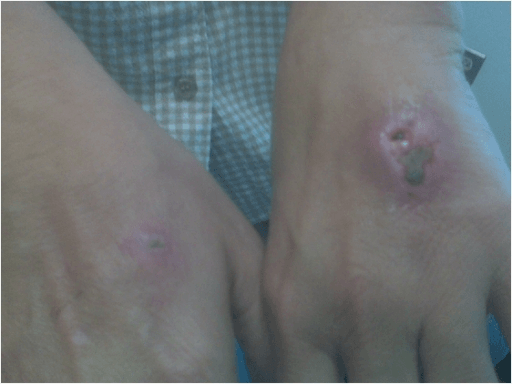
A wound over the dorsal MCP joint described as a "dog bite" must always raise suspicion of a fight-bite (clenched-fist human bite), which the patient may conceal. Both demand exploration for joint penetration, but the human bite carries Eikenella corrodens and bloodborne-virus risk.
Why a Fight Bite Cannot Be Judged by the Wound
The clenched-fist injury deserves its own mechanism, because it explains every management decision that follows and it is the reason an innocuous 5 mm laceration goes to theatre.
The mechanism. With the fist clenched, the extensor tendon and the dorsal capsule are pulled distally over the prominent metacarpal head, and the tooth passes through skin, then tendon, then capsule in that position. When the hand is opened for examination, those three layers slide back proximally and their breaches no longer line up. The result is a sealed track: oral flora have been carried into the MCP joint, the skin wound closes over them, and the joint is inoculated behind an intact-looking surface.
The consequences. Four follow directly:
- Examine the hand in the position of injury, with the fist clenched, not flat on the couch, or the tendon and capsule injuries will be missed.
- A small, clean-looking wound is not reassurance. Depth cannot be assessed from the surface because the layers have moved.
- A normal radiograph does not exclude penetration, though it should still be taken for a tooth fragment, air in the joint or a metacarpal head fracture.
- Formal exploration in theatre is the default, not a decision contingent on wound appearance: extend the wound, inspect the extensor tendon through a full range including the clenched position, and if the capsule is breached perform arthrotomy and joint washout. Leave the wound open, elevate and splint, and plan a second look.
Assume joint penetration until an adequate exploration proves otherwise. Treating it as a laceration, closing it and discharging on oral flucloxacillin is the classic route to a destroyed MCP joint.
Management Algorithm
Initial Management
Wash and irrigate. Immediate copious low-pressure normal saline irrigation is the single most effective step to reduce both bacterial and rabies risk. Extrapolating from the FLOW trial in open fractures, high-pressure pulsatile lavage offers no benefit over low-pressure saline and soap additives may be harmful, so copious low-pressure normal saline is preferred for irrigation. The rabies wound wash is described below.
Debride. Excise devitalised and contaminated tissue and remove foreign bodies, including tooth fragments.
Assess and document. Neurovascular and tendon status and joint penetration, with photographs of the wounds.
Prophylaxis. Tetanus per immunisation status and rabies post-exposure prophylaxis per regional risk and WHO category, both by the thresholds set out below. Amoxicillin-clavulanate for high-risk wounds and hosts, as set out under Antibiotic Guidelines.
Wound Closure
Historically all bites were left open. Randomised evidence (Paschos, Injury 2014) shows that thoroughly irrigated, early-presenting, non-puncture dog-bite lacerations, especially of the face, can be closed primarily with better cosmesis and no excess infection. The hand and puncture wounds remain off-limits to primary closure.
- Face - selected early, well-irrigated lacerations may be closed primarily for cosmesis
- Trunk and limbs (not the hand) - loose approximation or delayed primary closure for clean lacerations
- Hand - leave open; do not close primarily
- Punctures - never close; allow drainage
Established Infection
Admit for IV antibiotics when there are systemic features, hand-space involvement or failed oral therapy. Abscess, flexor tenosynovitis, septic arthritis and osteomyelitis need surgical drainage or washout. Tailor antibiotics to deep culture and sensitivities, and involve infectious diseases for resistant or unusual organisms.
Tetanus and Rabies: the Actual Thresholds
"Give tetanus per status" and "assess rabies risk" are instructions without a decision rule. Both are cheap to get right and catastrophic to get wrong.
Tetanus. A bite is a tetanus-prone wound: a puncture, contaminated with saliva and soil, often with devitalised tissue. Heavy contamination or extensive devitalisation makes it high-risk.
- Fully immunised (complete primary course plus boosters, up to date): no vaccine, no immunoglobulin.
- Primary course complete but boosters not up to date: a reinforcing dose of tetanus-containing vaccine.
- Uncertain or incomplete immunisation: vaccine, and start or complete the course.
- Tetanus immunoglobulin is added for a high-risk wound when immunisation is incomplete or uncertain, and, on specialist advice, may be considered even in the fully immunised where contamination is heavy.
Rabies. The single most effective step is the one done first: wash the wound with soap and running water for about 15 minutes, then apply a virucidal such as povidone-iodine. Risk depends on the animal, its vaccination status and above all the geography. Over 99% of human rabies is dog-transmitted and more than 95% of deaths occur in Asia and Africa, while in rabies-free regions bats are the realistic reservoir; bat lyssaviruses (for example Australian and European Bat Lyssavirus) require the same post-exposure protocol.
The WHO exposure categories decide what follows, and they are worth knowing by number since guidance is written in their terms:
- Exposure
- Touching or feeding an animal; licks on INTACT skin
- Action
- Wash. No prophylaxis needed
- Exposure
- Nibbling of uncovered skin; minor scratches or abrasions WITHOUT bleeding
- Action
- Wash + rabies VACCINE
- Exposure
- Single or multiple transdermal bites or scratches; licks on BROKEN skin; contamination of mucous membrane with saliva; any bat exposure
- Action
- Wash + VACCINE + rabies IMMUNOGLOBULIN infiltrated into and around the wound
Two points candidates miss. Any bat contact is category III regardless of how trivial it looks, and rabies immunoglobulin is infiltrated into the wound itself, not simply given intramuscularly at a distant site, because its purpose is local neutralisation before the virus reaches nerve endings. Immunoglobulin is for the previously unvaccinated; someone with documented prior vaccination needs booster doses only.
Surgical Technique: Drainage of Hand-Space Infection
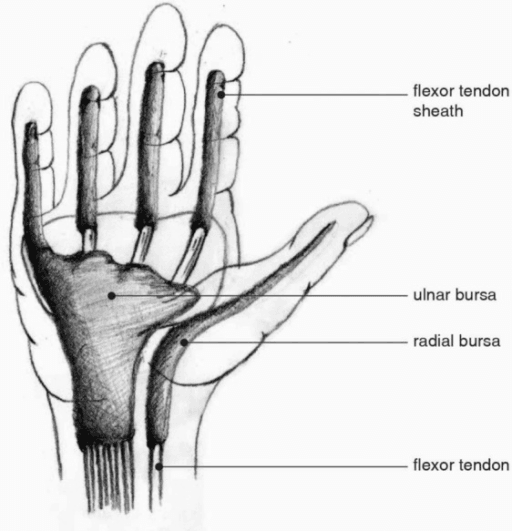
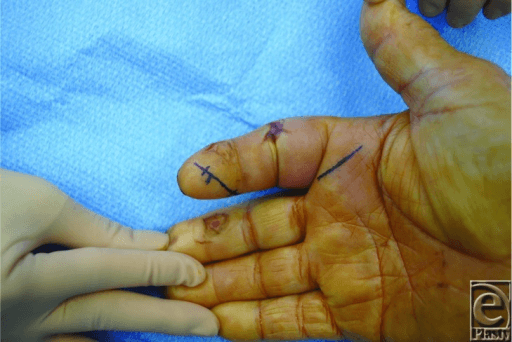
Flexor sheath washout. Pyogenic flexor tenosynovitis, declared by the Kanavel signs, is a surgical emergency. Through a Brunner or mid-lateral incision, open the sheath distally near A5 and proximally near A1, pass a fine catheter through the sheath and irrigate with copious saline until the effluent is clear; consider leaving an irrigation catheter in place. Aftercare is elevation, IV antibiotics and early hand-therapy review to balance infection control against stiffness.
Arthrotomy for septic arthritis. Joint penetration or established septic arthritis, for example after a dorsal MCP bite, needs a formal arthrotomy, thorough joint washout, synovial sampling and removal of any retained tooth fragment. Over a small joint, washout is preferred to relying on aspiration alone; cartilage damage progresses rapidly.
Complications
Septic arthritis. Direct inoculation into a joint destroys cartilage rapidly (chondrolysis), and serial washouts are required. Osteomyelitis follows if bone itself is bitten.
Flexor tenosynovitis. Pyogenic flexor tenosynovitis requires urgent drainage, by the technique above.
Rabies. Almost universally fatal once symptomatic.
Post-traumatic stress disorder. Common after dog attacks.
Rehabilitation
Acute phase (days 1-7). Splint hand bites in the position of safety (intrinsic plus) to prevent contracture:
- MCP joints flexed 70-90°
- IP joints extended
- Wrist in neutral to slight extension
Elevation above heart level is critical for oedema control, with a non-circumferential compressive dressing and active finger pumping exercises when permitted. Dressings are changed daily to monitor for spreading infection.
Subacute phase (weeks 1-4). Early controlled mobilisation begins once the infection has cleared: active range of motion within the splint, and passive range if a tendon repair was performed (modified Duran protocol). Scar management with silicone sheets and massage starts once the wound has epithelialised, and strengthening progresses from isometric to isotonic exercises.
Late phase (weeks 4-12). Occupation-specific rehabilitation for return to function, desensitisation for painful or hypersensitive scars, and night splinting if MCP or PIP stiffness is developing.
In animal bites with tendon injury, the balance between infection control (immobilisation) and adhesion prevention (early motion) is critical. Generally, err on the side of infection control first - a stiff finger is better than an amputated one.
Prognosis
With proper debridement and antibiotics the infection rate is low, under 5% for dog bites. Function depends on the structural injury, and nerve repairs in dirty wounds have poorer outcomes. Scar revision may be needed later.
Antibiotic Guidelines
The drug. Amoxicillin-clavulanate (co-amoxiclav, Augmentin) is the antibiotic of choice for bites because it covers Pasteurella, staphylococci, streptococci and anaerobes. Naming the drug is only half the answer, and a viva or a prescription chart needs the rest. The doses below are for an adult with normal renal function; local formulary and microbiology policy take precedence.
- Regimen
- Co-amoxiclav 625 mg three times daily
- Duration
- 3-5 days
- Regimen
- Co-amoxiclav 625 mg three times daily
- Duration
- 7-14 days, guided by response
- Regimen
- Co-amoxiclav 1.2 g three times daily
- Duration
- Switch to oral once systemically well and improving
- Regimen
- Doxycycline 100 mg twice daily PLUS metronidazole 400 mg three times daily
- Duration
- As above
- Regimen
- Co-trimoxazole or a fluoroquinolone (e.g. ciprofloxacin 500 mg twice daily) PLUS metronidazole; or moxifloxacin 400 mg once daily as monotherapy
- Duration
- As above
- Regimen
- Co-amoxiclav by weight-based formulary dosing; in penicillin allergy co-trimoxazole plus clindamycin, since doxycycline is generally avoided under 12 years
- Duration
- As above
Why the anaerobic partner is not optional in a penicillin-allergic patient. Doxycycline and co-trimoxazole cover Pasteurella but not the Fusobacterium, Bacteroides and Prevotella that appear in more than half of infected bites, so a second agent is required. Metronidazole supplies it; moxifloxacin as monotherapy covers all of them.
The three monotherapies that fail, and the organism each one misses:
- Cephalexin and other first-generation cephalosporins have unreliable activity against Pasteurella multocida and are inadequate as sole therapy. This is the classic examined trap and a real prescribing error.
- Flucloxacillin has no Pasteurella and no Eikenella cover at all. It is the instinctive "skin infection" choice and it is wrong for a bite.
- Clindamycin gives good anaerobic and staphylococcal cover, but Eikenella corrodens is characteristically resistant to it, along with metronidazole, aminoglycosides and first-generation cephalosporins. That resistance profile is precisely why co-amoxiclav is the answer for a human bite, and it is worth being able to state rather than simply asserting that co-amoxiclav is first-line.
Who gets prophylaxis. Prophylaxis is indicated for all cat bites, deep dog bites, hand bites and immunocompromised hosts. The Cochrane review found no proven benefit of prophylaxis for general cat or dog bites, only for hand bites and human bites. Practice nonetheless leans toward prophylaxis in many high-risk wounds and hosts because the consequences of hand-space infection are severe, and this gap between trial evidence and pragmatic practice is a legitimate viva discussion point.
Guidelines, Registries & Global Practice
Global Epidemiology
- Burden: Mammalian bites account for up to 1% of all emergency department visits worldwide (per the Cochrane review of mammalian-bite prophylaxis).
- Species mix: Dogs cause roughly 80-90% of bites globally; cats 5-15%; humans and other species the remainder. School-age children make up nearly half of those bitten.
- Infection risk: Dog-bite lacerations have lower infection rates (commonly cited 5-20%) than cat-bite punctures (30-50%), reflecting deep inoculation in a closed space rather than wide tearing.
- Rabies: WHO estimates roughly 59,000 human rabies deaths per year, over 95% in Asia and Africa and over 99% transmitted by dogs - in stark contrast to rabies-free regions where the chief concern is wound infection.
Side-by-Side Guideline Comparison
- IDSA (US, 2014)
- Amoxicillin-clavulanate
- NICE / BOA (UK)
- Co-amoxiclav
- AO / WHO (global)
- Amoxicillin-clavulanate
- IDSA (US, 2014)
- Doxycycline or fluoroquinolone plus anaerobic cover
- NICE / BOA (UK)
- Doxycycline plus metronidazole
- AO / WHO (global)
- Macrolide/doxycycline plus metronidazole
- IDSA (US, 2014)
- High-risk wounds and hosts (hand, face, deep puncture, immunocompromised)
- NICE / BOA (UK)
- Cat bites, human bites, hand/face/foot, puncture, immunocompromised
- AO / WHO (global)
- Risk-stratified by wound and host
- IDSA (US, 2014)
- Avoid except selected facial wounds
- NICE / BOA (UK)
- Avoid in hand/puncture; cosmetic closure of face acceptable
- AO / WHO (global)
- Avoid in high-risk wounds; delayed closure preferred
- IDSA (US, 2014)
- Per regional risk assessment
- NICE / BOA (UK)
- Per UK rabies risk algorithm (travel exposure)
- AO / WHO (global)
- WHO category-based PEP (wash, vaccine, +/- immunoglobulin)
Registry and Surveillance Notes
- Animal bites are notifiable in many jurisdictions chiefly for rabies surveillance, not for orthopaedic outcomes; there is no dedicated international bite-injury implant registry.
- Rabies-endemic regions rely on WHO and national surveillance to guide post-exposure prophylaxis supply, whereas rabies-free regions (parts of Oceania, Western Europe, the UK) focus reporting on dangerous-animal legislation.
Rabies and Bat Lyssavirus
- Rabies-free vs endemic regions: In rabies-free countries the dominant risk from a domestic dog or cat bite is bacterial infection, not rabies; in endemic regions every unprovoked bite should trigger a WHO category-based PEP assessment.
- Lyssaviruses in bats: Several regions harbour rabies-related lyssaviruses in bats (for example Australian Bat Lyssavirus, European Bat Lyssavirus). Any bat bite, scratch or mucous-membrane exposure should be managed as a potential rabies exposure regardless of the local terrestrial-rabies status.
- PEP principles (WHO): Immediate copious wound washing, rabies vaccine series, and rabies immunoglobulin infiltrated at the wound for category III exposures or immunocompromised hosts. Symptomatic rabies is almost universally fatal.
The "category-based PEP" the rabies guidance refers to is the WHO three-tier exposure scheme - examiners expect you to define it:
- Category I - touching or feeding an animal, or licks on intact skin: no exposure, no PEP (wash if in doubt).
- Category II - nibbling of uncovered skin, or minor scratches or abrasions without bleeding: wound washing plus rabies vaccine.
- Category III - single or multiple transdermal bites or scratches, licks on broken skin, mucous-membrane contamination with saliva, or any direct bat contact: wound washing plus vaccine plus rabies immunoglobulin (infiltrated into and around the wound).
Immunocompromised hosts and all bat exposures are treated as Category III. Immediate wound washing with soap and water is the first step in every category.
Tetanus Prophylaxis (Global Principle)
- Clean Minor Wound
- No prophylaxis
- Tetanus-Prone Wound
- No prophylaxis
- Clean Minor Wound
- No prophylaxis
- Tetanus-Prone Wound
- Tetanus toxoid booster
- Clean Minor Wound
- Tetanus toxoid booster
- Tetanus-Prone Wound
- Booster plus tetanus immunoglobulin
- Clean Minor Wound
- Booster
- Tetanus-Prone Wound
- Booster plus tetanus immunoglobulin
High- vs Limited-Resource Practice Variation
- High-resource settings: Ready access to co-amoxiclav, theatre time for washout, microbiology with anaerobic culture, and reliable rabies vaccine/immunoglobulin stocks.
- Limited-resource settings: Rabies-endemic with potential vaccine/immunoglobulin shortages; the WHO emphasises immediate, thorough wound washing with soap and water as the single most cost-effective intervention to reduce rabies and bacterial infection where definitive prophylaxis is constrained.
MCQ Practice Points
Q: Which organism is found in 50% of dog bites and 75% of cat bites? A: Pasteurella species - and note the species differ by animal. In the defining prospective study, Pasteurella was isolated from 50% of infected dog bites and 75% of infected cat bites, but P. canis predominates in dogs while P. multocida predominates in cats. Answering "P. multocida" for the dog figure is the common slip.
Q: Why is Cephalexin monotherapy inadequate for animal bites? A: It has poor activity against Pasteurella multocida.
Q: Which organism causes fulminant sepsis in asplenic patients after a dog bite? A: Capnocytophaga canimorsus.
Q: A bite to the thenar eminence most risks which nerve? A: Recurrent motor branch of the Median Nerve.
Q: Which anatomical location allows primary closure of animal bites due to excellent blood supply? A: The Face. Primary closure (loose sutures) is accepted for facial bites due to cosmesis and rich vascular supply.
Q: What is the first-line antibiotic for animal bite prophylaxis? A: Amoxicillin-Clavulanate (Augmentin). Covers Pasteurella, Staph, Strep, and anaerobes. Avoid Cephalexin alone.
Viva Scenarios
Practise clinical reasoning and management decisions out loud
“A 45-year-old lady presents with a small puncture wound to the volar index finger from her cat 12 hours ago. It is red, swollen, and painful on passive extension. How do you manage this?”
“A 6-year-old child was bitten on the cheek by the family dog. There is a 3cm laceration, full thickness. Parents are worried about scarring. Can you close it?”
“A 30-year-old man presents 3 days after a dog bite over the dorsum of the middle-finger MCP joint. He has a swollen, erythematous knuckle and pain on movement. The plain radiograph appears normal. What is your concern and how do you proceed?”
“A 58-year-old man who had a splenectomy after trauma sustains a superficial dog scratch and minor bite to the forearm. The wound looks trivial. He asks whether he needs anything. What is your approach?”
Diagnosis
- History: Animal type, Time, Host factors
- Exam: Neurovascular status, Tendon function
- Signs: Kanavel signs (Tenosynovitis)
- X-ray: Foreign body (Tooth), Fracture, Air in joint
Management
- Irrigation: Copious saline
- Debridement: Aggressive
- Antibiotics: co-amoxiclav 625 mg TDS oral (1.2 g TDS IV); penicillin allergy = doxycycline 100 mg BD + metronidazole 400 mg TDS
- Never monotherapy with cephalexin (misses Pasteurella), flucloxacillin or clindamycin (both miss Eikenella)
- Prophylaxis: Tetanus per status +/- Rabies (any bat contact = WHO category III)
Surgical Decisions
- Face: Primary Closure
- Hand/Foot: Leave Open / Loose
- Puncture: Never Close
- Established Infection: Washout
Evidence Base
Primary Closure vs Non-Closure of Dog Bites (RCT)
- RCT of 168 patients: 82 sutured vs 86 left open, all with high-pressure irrigation, povidone-iodine, and antibiotics
- Overall infection rate 8.3%, with no significant difference between primary suturing and non-closure
- Primary closure gave significantly better cosmesis (Vancouver Scar Scale 1.74 vs 3.05, p=0.0001)
- Wounds treated within 8 hours had 4.5% infection vs 22.2% when treated later; head/neck wounds fared best
Antibiotic Prophylaxis for Mammalian Bites (Cochrane)
- Systematic review of 8 RCTs of prophylactic antibiotics versus placebo or no intervention
- Significant reduction in infection after hand bites (OR 0.10, 95% CI 0.01-0.86; NNT 4)
- Significant reduction after human bites in one trial
- No demonstrated benefit of routine prophylaxis for general cat or dog bites; wound type (puncture vs laceration) did not change the effect