Non-Tuberculous Mycobacteria | M. marinum Classic | Rice Body Tenosynovitis | Prolonged Multi-Drug Therapy
- High index of suspicion in chronic culture-negative infection with granulomatous histology
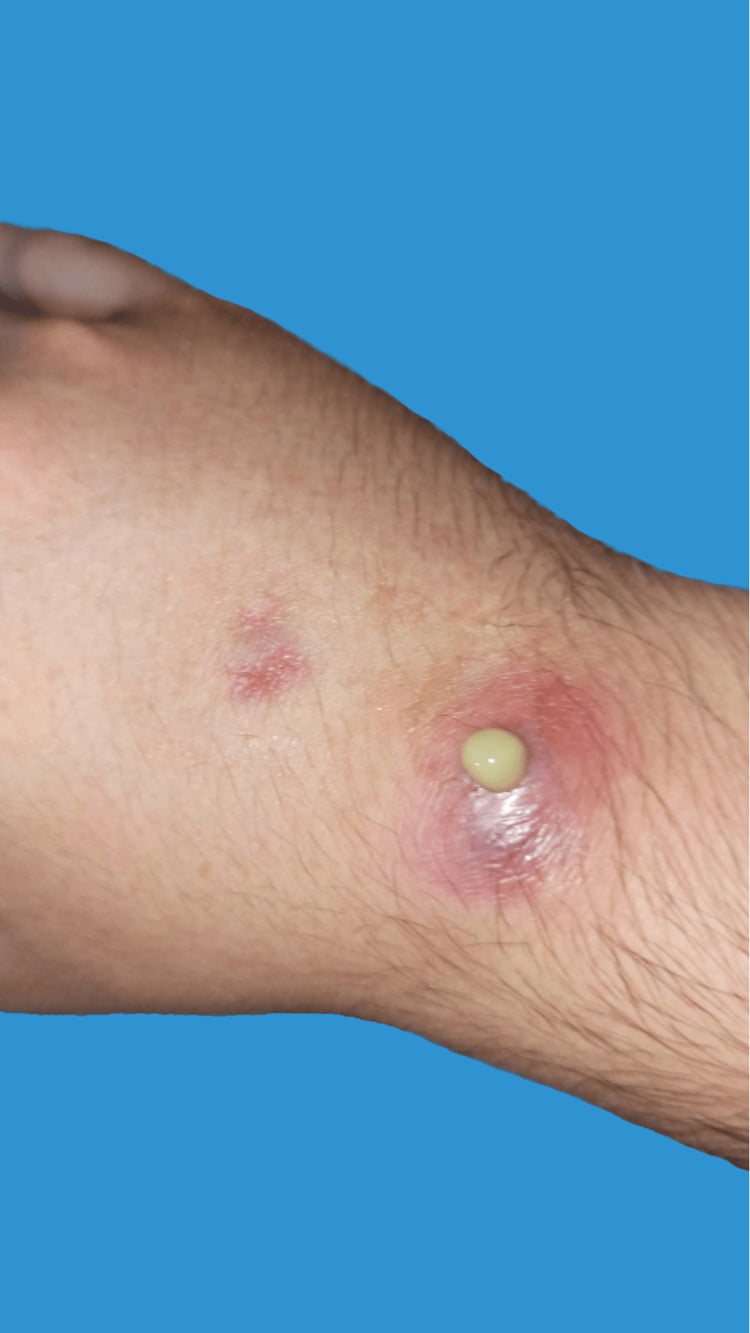
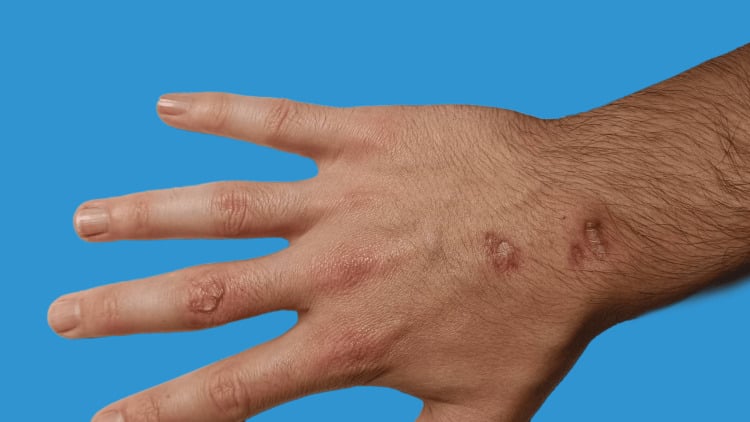
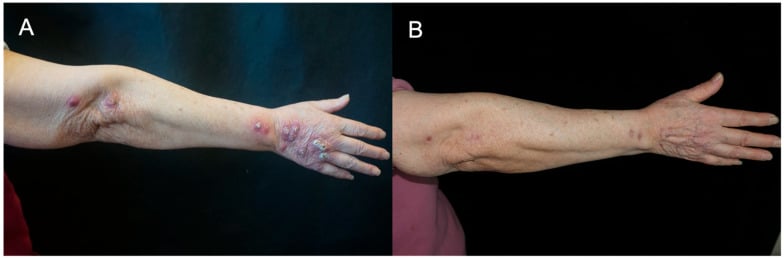
- M. marinum is classic for hand tenosynovitis after aquarium or fish exposure (fish tank granuloma)
- Rice bodies in tenosynovitis are highly suggestive of chronic granulomatous synovitis but are NOT pathognomonic - they occur in TB and rheumatoid disease as well as NTM, so they never distinguish the organism
- AFB culture takes 2-6 weeks - must specifically request mycobacterial culture
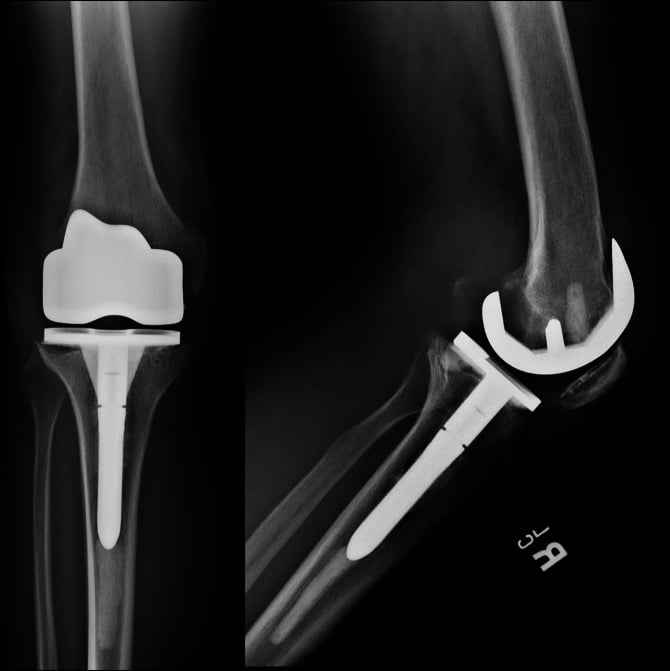
- Deep tendon, joint, bone or implant disease usually requires source-control surgery plus prolonged species-directed antimicrobial therapy
- “M. marinum optimal growth at 30-32C (cooler extremities) - incubate at lower temperature
- “Rapidly growing mycobacteria cause post-surgical wound infections (M. fortuitum, M. abscessus)
- “MAC disseminated infection occurs in severely immunocompromised (CD4 count less than 50)
- “Regimens are species-, depth- and susceptibility-specific - never assume a macrolide is active
Overview and Epidemiology
Non-tuberculous mycobacteria (NTM), also called atypical mycobacteria or mycobacteria other than tuberculosis (MOTT), are a diverse group of acid-fast bacilli found ubiquitously in the environment. They cause a spectrum of disease from localised skin and soft-tissue infection to disseminated disease in immunocompromised hosts.
How they are acquired. Environmental acquisition predominates, especially from water and soil, and most musculoskeletal infection follows environmental inoculation rather than routine person-to-person spread. Respiratory isolation is not required for localised musculoskeletal disease. Incidence has been increasing worldwide over past decades, and the risk factors are immunosuppression, aquatic exposure, fish handling and tropical travel.
Which organisms. M. marinum is the most common NTM causing hand infections, and MAC the most common NTM overall in the immunocompromised. Rapid growers are increasingly recognised in surgical site infections.
What the orthopaedic surgeon sees. Often a culture-negative chronic infection, in one of these forms:
- Tenosynovitis, especially of the hand and wrist flexor sheaths
- Septic arthritis, with a chronic, indolent presentation
- Osteomyelitis, less common and usually adjacent to soft-tissue infection
- Post-surgical infection from rapid growers after procedures
- Bursitis, olecranon and prepatellar
Why it is missed. NTM infections are commonly missed because of their indolent nature, because standard bacterial cultures do not detect them, and because AFB cultures must be specifically requested. The exam tests recognition, appropriate investigation and an understanding of prolonged multi-drug therapy. Think of NTM in:
- chronic indolent tenosynovitis
- culture-negative joint infection
- a chronic wound with granulomas
- a chronic indolent infection, especially in the hand, that fails standard antibiotics and has negative routine cultures
- an immunocompromised host
- aquarium or fish exposure
- a post-procedural wound infection
Aetiology and Microbiology
Runyon classification. The traditional classification groups NTM by growth rate and pigment production. It is still tested and helps predict clinical syndromes and guide initial therapy, although molecular methods now provide definitive identification.
- Growth Rate
- Slow (more than 7 days)
- Pigment Production
- Yellow-orange pigment in light only
- Key Species
- M. marinum, M. kansasii
- Growth Rate
- Slow (more than 7 days)
- Pigment Production
- Pigmented in dark and light
- Key Species
- M. scrofulaceum, M. gordonae
- Growth Rate
- Slow (more than 7 days)
- Pigment Production
- No pigment production
- Key Species
- M. avium complex, M. ulcerans
- Growth Rate
- Fast (less than 7 days)
- Pigment Production
- Variable
- Key Species
- M. fortuitum, M. chelonae, M. abscessus
Slow against rapid. The growth-rate split carries clinical meaning. Slow growers favour environmental exposure, and granulomatous histology is typical of them. Rapid growers often follow healthcare exposure (post-surgical wounds, injections, catheters), have variable resistance patterns and are often resistant to multiple agents, which makes treatment more challenging; both groups need species-directed therapy.
- Source/Exposure
- Aquarium, fish tanks, fish handling, swimming pools
- Clinical Presentation
- Nodular hand/wrist tenosynovitis, sporotrichoid spread
- Source/Exposure
- Environmental (soil, water, dust)
- Clinical Presentation
- Disseminated in AIDS (CD4 less than 50), pulmonary in the elderly (Lady Windermere syndrome), rarely isolated musculoskeletal infection
- Source/Exposure
- Water supply, geographic clusters (urban water supplies)
- Clinical Presentation
- Pulmonary TB-like (most common), tenosynovitis, osteomyelitis
- Source/Exposure
- Soil, water, surgical contamination
- Clinical Presentation
- Post-surgical wound infection, catheter infection
- Source/Exposure
- Soil, water, contaminated solutions
- Clinical Presentation
- Skin/soft tissue, post-injection abscess
- Source/Exposure
- Water, contaminated equipment
- Clinical Presentation
- Post-surgical, skin/soft tissue, most resistant rapid grower
- Source/Exposure
- Endemic zones (West/Central Africa, SE Australia, S. America, W. Pacific)
- Clinical Presentation
- Buruli ulcer - painless progressive skin ulcer
MAC. M. avium and M. intracellulare are clinically indistinguishable. MAC is highly resistant and needs prolonged multi-drug therapy.
Why M. marinum prefers the cold. M. marinum is a temperature-restricted mycobacterium: it grows best at 30-32°C and poorly at core body temperature (37°C), the same cool-loving biology as M. ulcerans and M. leprae. It therefore preferentially infects the cooler, superficial, distal tissues, the skin and the hands, wrists and extremities, which is exactly why the classic presentation is hand or wrist tenosynovitis with skin nodules rather than deep visceral disease.
It also explains why, in an immunocompetent host, M. marinum seldom spreads to warm deep or visceral sites; dissemination is essentially confined to significant immunocompromise. The same biology dictates how the laboratory must grow it.
Clinical Presentation
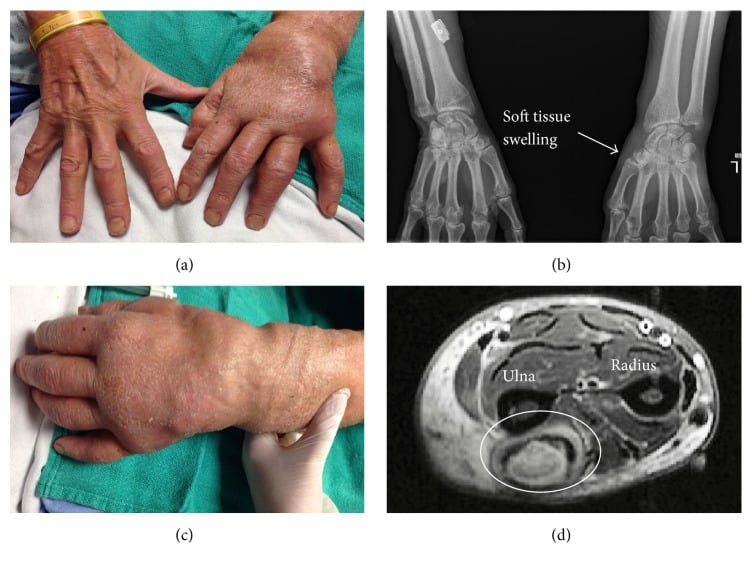
Flexor tenosynovitis of the hand and wrist is the most common orthopaedic presentation of NTM infection, particularly M. marinum.
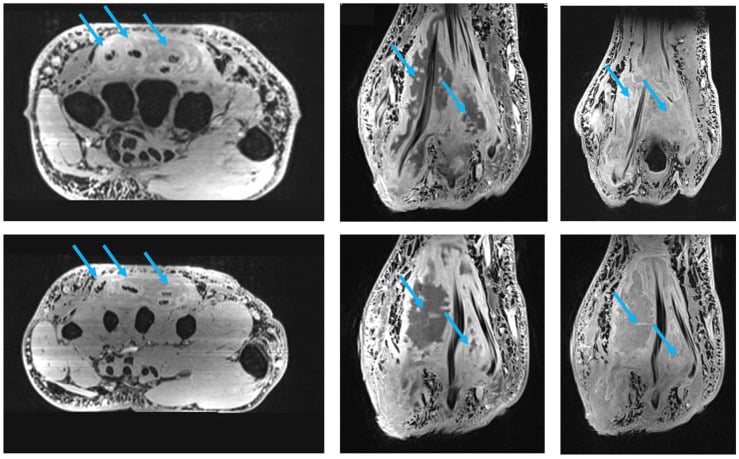
The picture. Onset is gradual, over weeks to months, with swelling along the flexor tendon sheath and a range of motion that is progressively limited. Pain is variable and often less than expected for the degree of swelling. Usually a single digit or the carpal tunnel region is involved, and the infection may extend to the palm (horse-shoe abscess).
Nerve and tendon. Carpal tunnel syndrome from synovial thickening is a feature, and finger triggering may be present.
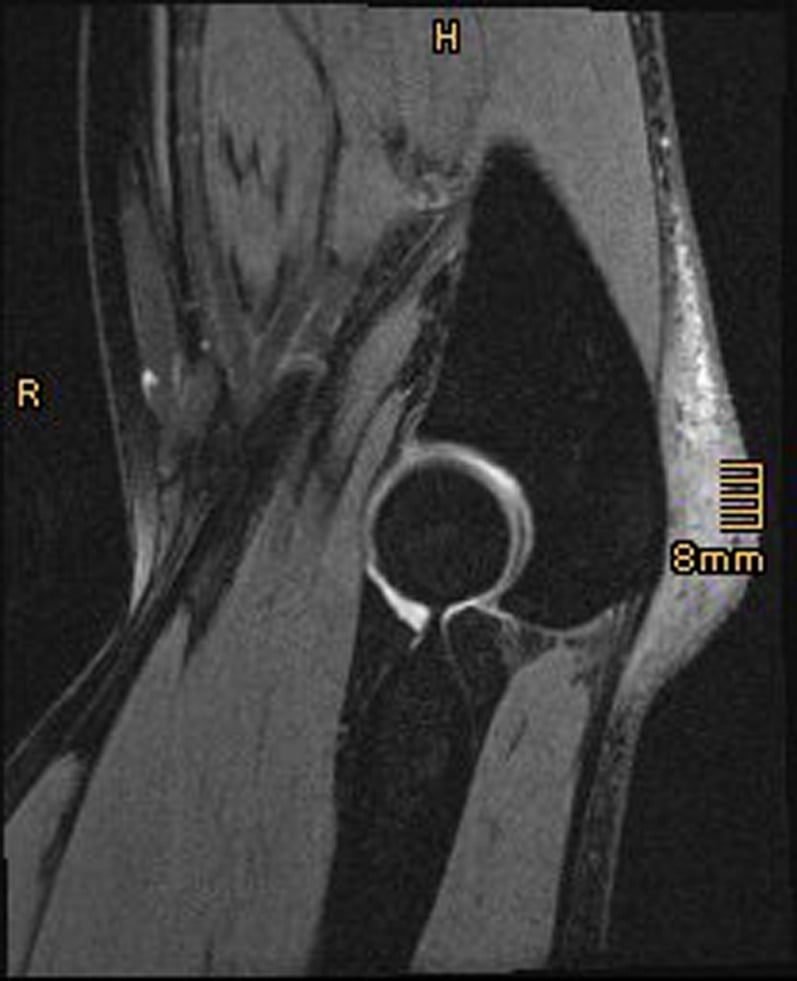
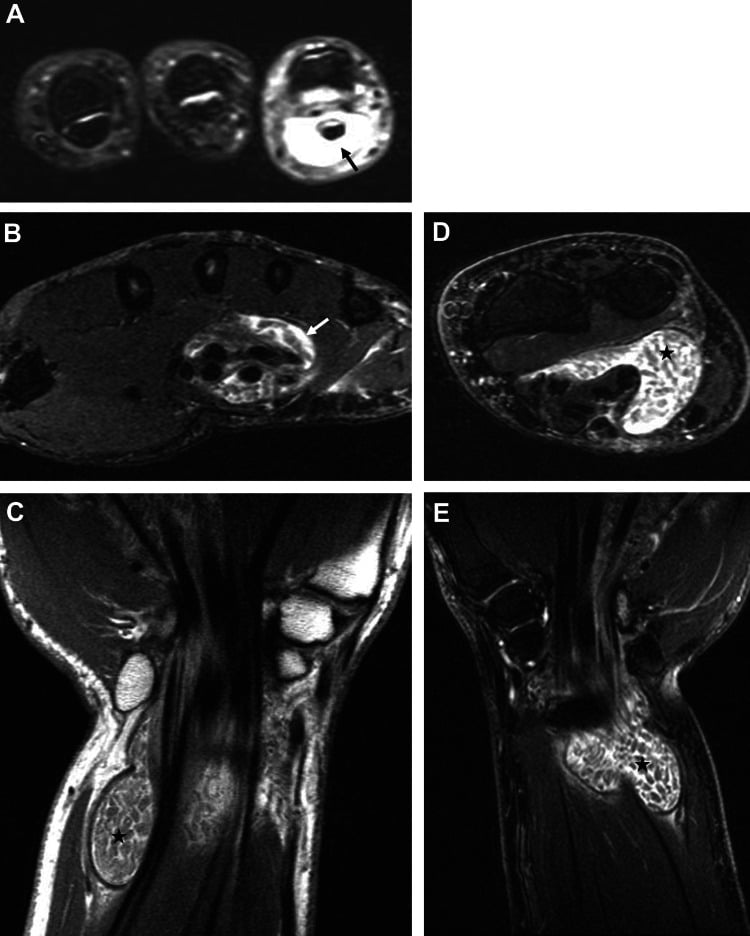
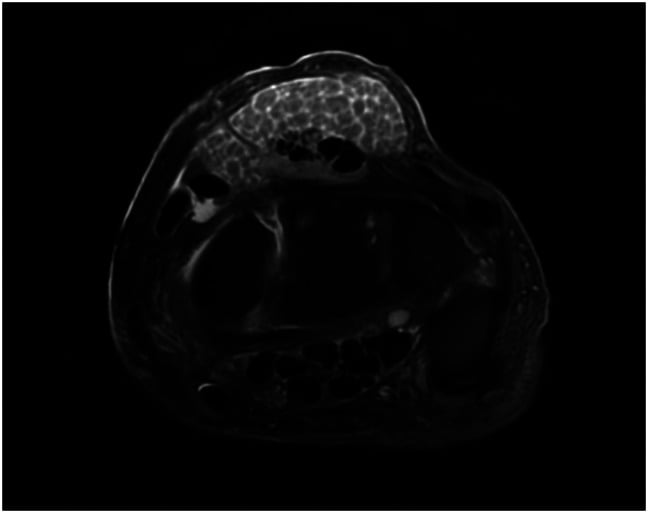
Rice bodies. White, rice-grain-sized bodies found within the tendon sheath at surgery. They are fibrin deposits from chronic synovial inflammation, not the organisms themselves, and they are highly suggestive of mycobacterial disease but not pathognomonic. They occur in:
- tuberculous tenosynovitis (the largest published hand series is TB, not NTM)
- NTM tenosynovitis, especially M. marinum
- rheumatoid and seronegative arthritis
What they tell you. Rice bodies say the synovitis is chronic and granulomatous. They do not name the organism and never distinguish TB from NTM; only culture and molecular identification do that. The classic triad of chronic tenosynovitis, rice bodies and granulomatous histology should make you think of mycobacteria.
Rice-body tenosynovitis is taught as requiring debridement or synovectomy plus prolonged antibiotics for cure, although whether every case needs synovectomy is debated (see Controversies).
When you encounter rice bodies at surgery for chronic tenosynovitis, always send tissue for AFB culture and TB culture in addition to routine bacterial culture and histology.
Investigations and Diagnosis
AFB cultures are NOT performed unless specifically requested. In any chronic culture-negative musculoskeletal infection, always request: 1) AFB culture and smear, 2) Fungal culture, 3) Extended bacterial culture. For suspected M. marinum, request incubation at 30-32C.
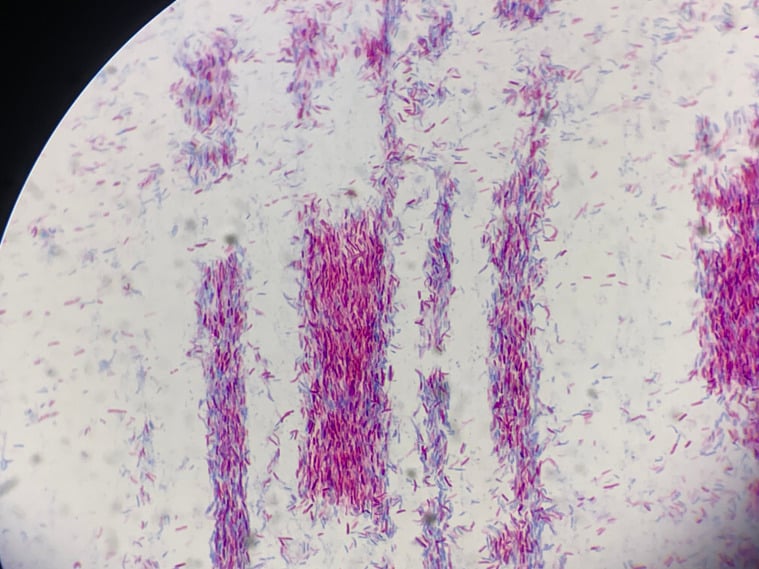
Staining. All mycobacteria are acid-fast because of the mycolic acid in their cell wall: they retain carbol fuchsin after acid-alcohol decolourisation and appear pink-red on Ziehl-Neelsen or Kinyoun stain. The AFB smear is often negative in NTM because the organism burden is low.
Culture. Slow growers need 2-6 weeks (some up to 12 weeks), while rapid growers are visible in 3-7 days, on solid (Lowenstein-Jensen) or liquid (BACTEC MGIT) media. Because M. marinum grows optimally at 30-32°C, not 37°C, request incubation at the lower temperature when it is suspected; standard 37°C incubation may give a false-negative culture.
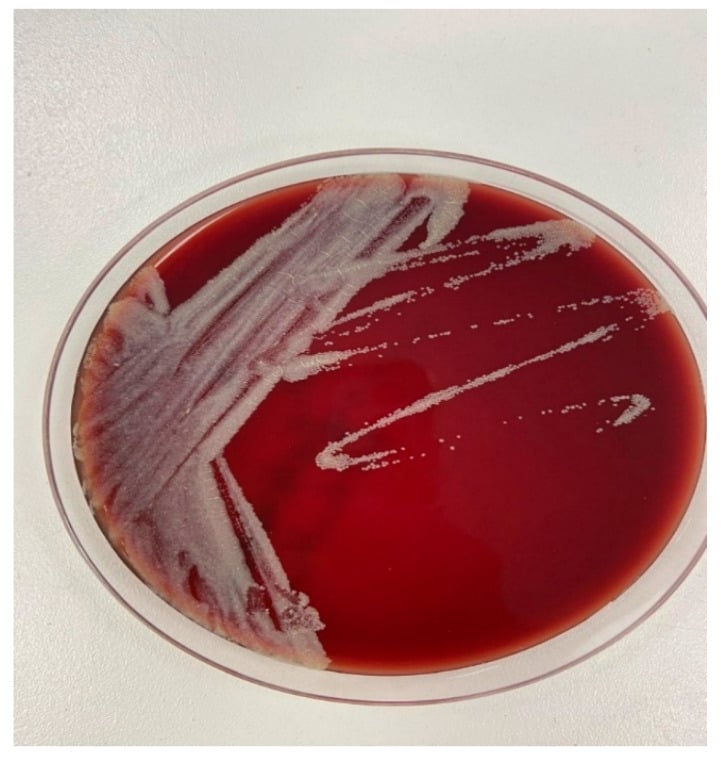
Identification. PCR and 16S rRNA sequencing are now standard for species identification, with line probe assays for common species and MALDI-TOF mass spectrometry for rapid identification. Molecular methods are much faster than biochemical tests.
Susceptibility. Testing is essential for treatment planning, especially for rapid growers, and uses methods that differ from those for standard bacteria (broth microdilution). Some species have predictable patterns and others are variable; M. abscessus is often multi-drug resistant.
- Utility
- Rapid, same-day result if positive
- Limitations
- Low sensitivity (10-40%), paucibacillary infections often negative
- Utility
- Gold standard for diagnosis, allows susceptibility testing
- Limitations
- Takes 2-6 weeks, must specifically request, temperature-dependent for M. marinum
- Utility
- Rapid species identification, high sensitivity
- Limitations
- Not available everywhere, cannot determine susceptibility
- Utility
- Definitive species identification
- Limitations
- Takes days, reference laboratory needed
- Utility
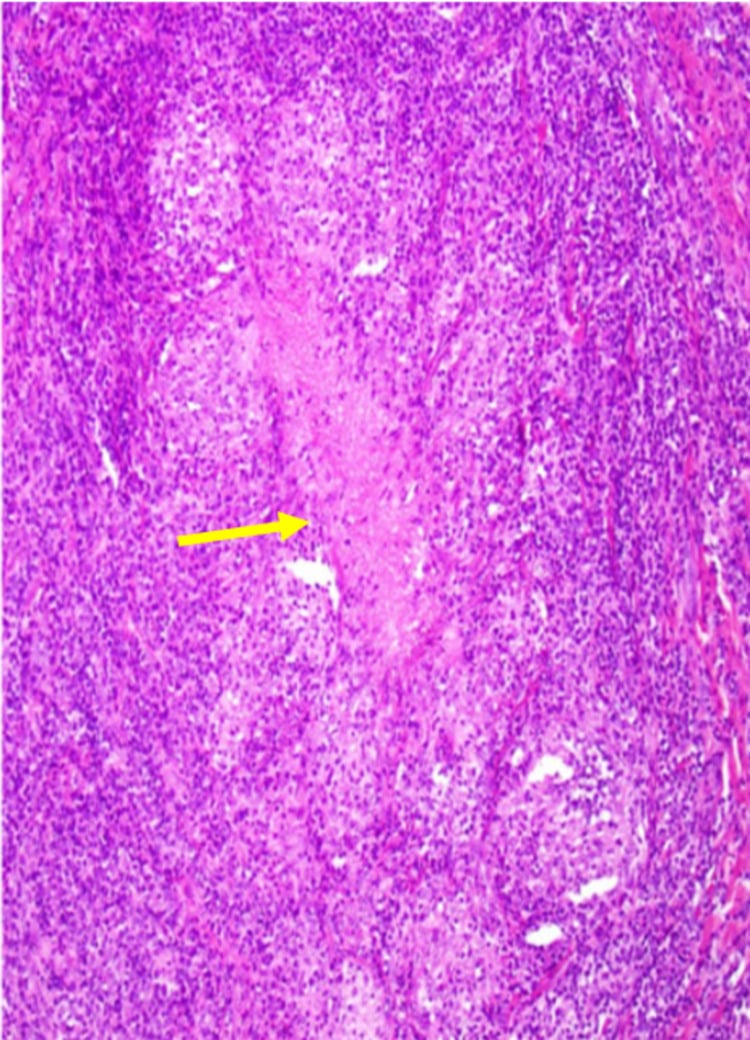
- Granulomatous inflammation supports diagnosis
- Limitations
- Non-specific, cannot identify species, may miss early infection
Multiple tissue samples increase diagnostic yield.
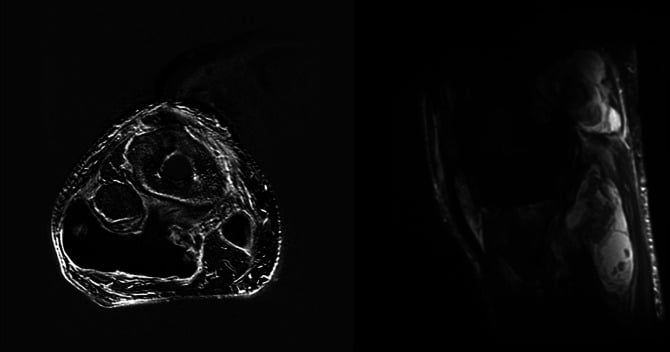
Management
Two arms. Deep musculoskeletal infection usually needs both surgical source control and prolonged species-directed antimicrobial therapy.
Surgery. Debridement is required for most NTM musculoskeletal infections: tenosynovectomy for flexor sheath involvement, debridement of infected and necrotic tissue, and removal of rice bodies and thickened synovium, with multiple tissue samples sent for culture. Extensive disease may require staged procedures.
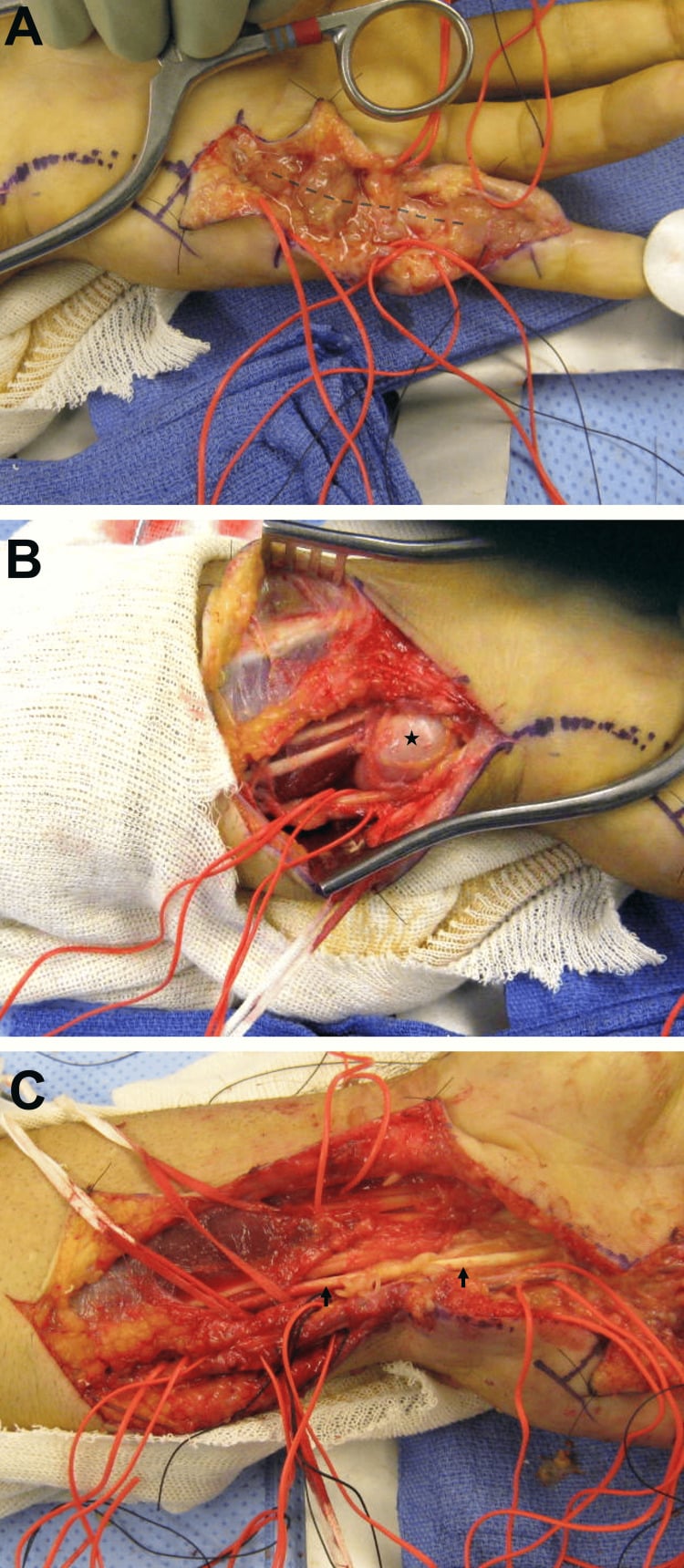
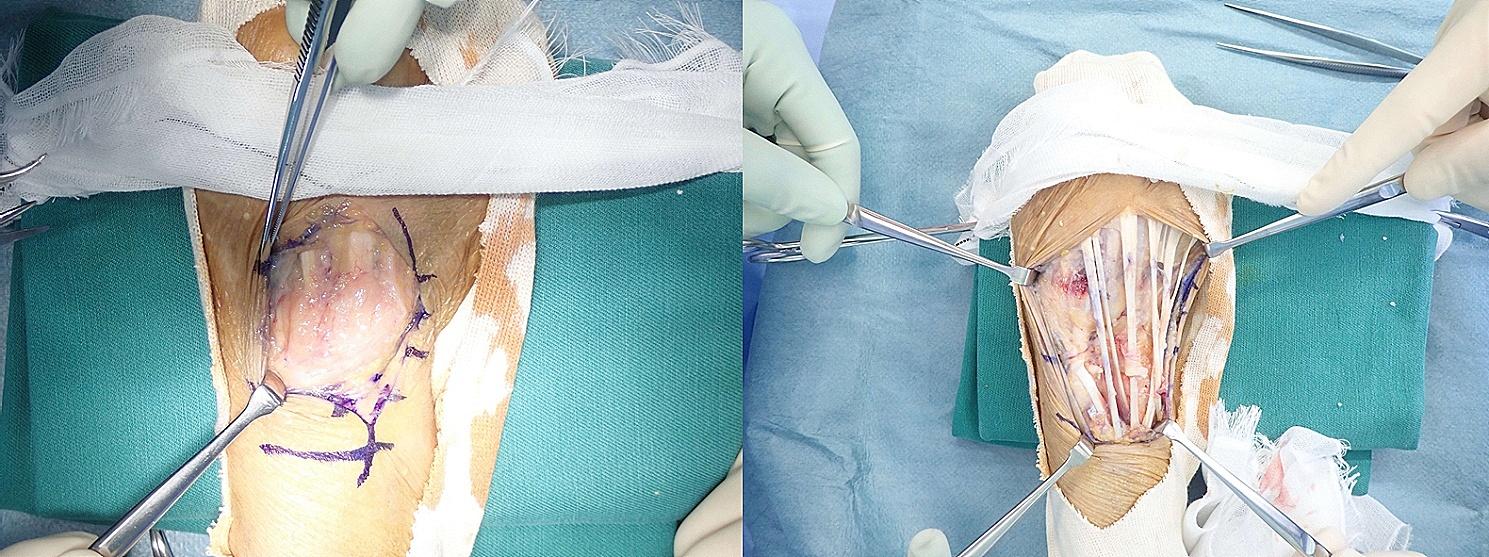
Antimicrobials. The regimen is species-, site- and susceptibility-directed, and susceptibility testing guides the specific choices. Skin-limited and deep disease require different drug numbers and durations: deep tendon, joint, bone or implant disease usually requires multiple active drugs for months. A macrolide counts as active only when phenotypic and molecular susceptibility support it. Monitor for drug toxicity (hepatic, auditory, visual).
Do not add an unprotected macrolide to an inadequate regimen. Skin-limited M. marinum may occasionally be treated with one proven active agent, but deep tendon, joint, bone, implant, disseminated MAC and rapid-grower disease generally require multiple active drugs selected by species, molecular resistance markers and susceptibility testing.
COMBONTM Treatment Principles
Hook:COMBO means culture first, identify the organism, use enough active drugs for the disease depth, and obtain surgical source control.
NTM and Anti-TNF / Biologic Therapy
TNF-alpha holds granulomas together. Tumour necrosis factor-alpha is essential for both the formation and the maintenance of the granulomas that wall off mycobacteria, so biologic immunosuppression changes both susceptibility and presentation. Blocking it lets contained or newly acquired mycobacteria proliferate.
TNF inhibitors raise NTM (and TB) risk. The monoclonal anti-TNF agents (infliximab, adalimumab, golimumab, certolizumab) carry a higher granulomatous-infection risk than the soluble receptor (etanercept). NTM disease, pulmonary and extrapulmonary, including tenosynovitis and skin and soft-tissue infection, is a recognised and rising complication of biologic therapy for rheumatoid arthritis, inflammatory bowel disease and psoriasis.
In practice. In a patient on a biologic (or other immunosuppression) with an indolent, atypical or culture-negative musculoskeletal infection, actively pursue NTM. Consider holding the biologic during treatment, and involve infectious diseases and rheumatology. Tuberculosis is screened for before starting a biologic; NTM warrants the same vigilance during therapy.
Complications
- Cause
- Inadequate duration, non-compliance, drug resistance
- Prevention/Management
- Prolonged therapy, compliance support, susceptibility-guided treatment
- Cause
- Chronic tenosynovitis, steroid injection (misdiagnosis)
- Prevention/Management
- Avoid steroids if infection suspected, surgical debridement
- Cause
- Synovial thickening, compression of median nerve
- Prevention/Management
- Carpal tunnel release at time of synovectomy
- Cause
- Delayed diagnosis, inadequate debridement
- Prevention/Management
- Early diagnosis, thorough surgical debridement
- Cause
- Chronic septic arthritis
- Prevention/Management
- Early treatment, surgical intervention
- Cause
- Prolonged multi-drug therapy
- Prevention/Management
- Monitor LFTs (rifampicin), visual acuity (ethambutol), hearing (aminoglycosides)
- Cause
- Inadequate debridement, resistant organism
- Prevention/Management
- Radical debridement, revision surgery
If tenosynovitis is misdiagnosed as De Quervain's or trigger finger and treated with corticosteroid injection, NTM infection may spread dramatically. Steroids suppress local immunity and allow uncontrolled bacterial proliferation. Always consider infection in atypical presentations before injecting steroids.
Guidelines, Registries & Global Practice
Global Epidemiology
NTM disease incidence has risen worldwide over recent decades, attributed to genuine increase, improved molecular recognition, an ageing population and expanding use of immunosuppressive/biologic therapy. Musculoskeletal disease is usually acquired from soil, water or healthcare exposure; routine respiratory isolation is not required for localized NTM infection. Species distribution is geographically patterned:
- MAC dominates slow-grower disease in North America, Western Europe and East Asia.
- M. kansasii clusters around specific urban/industrial water supplies (historically central USA, UK, parts of Europe and mining regions).
- M. abscessus and other rapid growers are proportionally more common in East/Southeast Asia and are the leading healthcare-associated NTM globally.
- M. ulcerans (Buruli ulcer) is endemic in West/Central Africa, coastal south-eastern Australia and parts of South America and the Western Pacific - consider it in any traveller or resident from an endemic zone with a painless, progressive skin ulcer.
Side-by-Side Guideline Comparison
- Scope & Emphasis
- International, GRADE-based; primarily pulmonary
- Key Recommendation
- Subspecies + susceptibility-guided multidrug therapy; macrolide-susceptibility (erm(41)) testing mandatory for M. abscessus; treat MAC at least 12 months after culture conversion
- Scope & Emphasis
- Foundational statement covering skin/soft-tissue and bone NTM
- Key Recommendation
- Defines species-specific regimens; protects key drugs from functional monotherapy; supports surgery for localized deep or implant disease
- Scope & Emphasis
- Endemic tropical and sub-tropical regions
- Key Recommendation
- Rifampicin + clarithromycin for 8 weeks (oral, replacing older injectable streptomycin); surgery for large/complicated lesions
- Scope & Emphasis
- Extrapulmonary, hand and wrist NTM
- Key Recommendation
- Excise rice bodies + tenosynovectomy with prolonged combination antibiotics; clarithromycin-based for M. marinum 3-6 months, longer for deep disease
There is broad cross-society consensus on the fundamentals: secure adequate specimens, confirm the species or subspecies, test relevant susceptibility and resistance markers, protect active drugs from functional monotherapy, combine prolonged therapy with source-control surgery for deep disease, and follow clinical, imaging and microbiological response. Regimen detail differs substantially by organism and syndrome.
Laboratory and Registry Notes
- NTM is not a notifiable disease in most jurisdictions (in contrast to TB), so true incidence is under-captured and surveillance relies on voluntary laboratory reporting and national reference-laboratory networks.
- Definitive species/subspecies identification and susceptibility testing are concentrated in reference laboratories worldwide (e.g. national mycobacterial reference centres in the UK, France, Germany, USA, Korea, Australia). Always flag clinical suspicion - including the need for 30-32°C incubation when M. marinum is suspected.
- There is no dedicated implant/arthroplasty-style registry for NTM; the evidence base is case series, reference-laboratory cohorts and the society guidelines above.
High- vs Limited-Resource Practice Variation
- High-resource settings: molecular species/subspecies identification (line-probe assays, 16S/hsp65 sequencing, MALDI-TOF), erm(41) testing, drug-level monitoring, outpatient/home IV therapy and multidisciplinary ID input enable tailored, susceptibility-guided regimens.
- Limited-resource settings: prolonged AFB culture and molecular testing may be unavailable, so diagnosis leans on clinical pattern plus granulomatous histology, and empiric clarithromycin-based combinations are common. For Buruli ulcer, WHO-endorsed oral rifampicin + clarithromycin has shifted care from inpatient injectable regimens and extensive surgery toward community-based oral therapy, markedly improving access in endemic regions.
Related pages: Tuberculosis of the Spine (Pott's Disease) reinforces that rice bodies and granulomas never separate tuberculosis from NTM; culture and molecular identification are decisive. Flexor Tenosynovitis contrasts the acute pyogenic syndrome with indolent granulomatous tenosynovitis. Septic Arthritis Pathophysiology and Osteomyelitis Pathophysiology cover the joint and bone consequences of delayed source control.
Controversies & Areas of Uncertainty
Optimal antibiotic duration. No randomised trials define duration for musculoskeletal NTM. Practice ranges from 1-2 months beyond clinical resolution for skin-limited M. marinum to 6-12 months or more for tenosynovial and osseous disease, and most regimens are extrapolated from pulmonary guidelines and expert opinion rather than dedicated bone and joint evidence.
Surgery against antibiotics alone. Whether all rice-body tenosynovitis needs synovectomy, or whether early-recognised superficial M. marinum can be cured medically, is debated. In Aubry's series 52% of patients were managed without surgery, and failure related to deep-structure involvement rather than to the antibiotic regimen. The threshold for, and extent of, debridement is individualised.
erm(41) and macrolide reliance. Clarithromycin is the "cornerstone", yet inducible erm(41) resistance makes it unreliable for true M. abscessus despite favourable in-vitro MICs. How heavily to weight (and how routinely to test) inducible resistance, and the role of newer agents (e.g. amikacin liposome inhalation, clofazimine, tedizolid, bedaquiline), remains unsettled.
Empiric therapy while awaiting culture. Because AFB culture takes 2-6 weeks, clinicians must decide whether to start empiric multidrug therapy on clinical or histological suspicion or wait for confirmation. Premature single-agent or steroid use can worsen disease and obscure diagnosis; over-eager empiric therapy risks toxicity and culture suppression.
Exam Viva Scenarios
Practise clinical reasoning and management decisions out loud
“A 45-year-old aquarium shop owner presents with 3 months of progressive swelling and stiffness of the right index and middle fingers. He has difficulty making a fist. Previous treatment with oral flucloxacillin and then augmentin for 'infection' showed no improvement. Routine bacterial cultures have been negative. Examination shows swelling along the flexor tendons of digits 2-3 extending to the palm, reduced AROM, and positive Tinel's over the carpal tunnel. How would you approach this case?”
“A 58-year-old woman with type 2 diabetes had knee arthroscopy for degenerative meniscal tear 6 weeks ago. She now presents with persistent wound discharge from the portal sites. She received two courses of oral antibiotics (cephalexin, then augmentin) from her GP with no improvement. Swabs have grown 'skin flora' only. The wounds show minimal erythema but have serous discharge. Inflammatory markers are mildly elevated (CRP 28). What are your differential diagnoses and management plan?”
“A 62-year-old man presents with 8 weeks of progressive right wrist pain and swelling. He is immunocompetent with no significant medical history. He had a cortisone injection by his GP 3 months ago for presumed 'arthritis' which gave temporary relief. Joint aspiration shows WCC 18,000 with 75% neutrophils, but Gram stain is negative and cultures show no growth at 5 days. CRP is 35. X-ray shows periarticular osteopenia. How would you proceed?”
When to Suspect NTM
- Chronic indolent tenosynovitis/arthritis not responding to standard antibiotics
- Culture-negative infection with granulomatous histology
- Aquarium, fish, or water exposure + hand/wrist infection
- Rice bodies found at surgery
- Post-surgical wound infection 3-6 weeks after procedure (rapid growers)
- Immunocompromised host with atypical presentation
Key Organisms and Associations
- M. marinum: Aquarium, fish tank, swimming pool - hand tenosynovitis, sporotrichoid spread
- MAC: Disseminated in AIDS (CD4 less than 50), pulmonary in elderly
- M. kansasii: TB-like, responds to rifampicin-based regimens
- M. fortuitum: Post-surgical wounds, most susceptible rapid grower
- M. chelonae: Post-injection abscess; macrolides and tobramycin may be active, but susceptibility must be tested
- M. abscessus: Post-surgical, most resistant, inducible macrolide resistance
Diagnosis Essentials
- AFB culture takes 2-6 weeks - must specifically request
- M. marinum requires 30-32C incubation (not 37C)
- AFB smear often negative (low organism burden)
- Histology: granulomas with or without caseation
- PCR for rapid species identification if available
- Multiple tissue samples (4-6) increase yield
Treatment Principles
- Match drug number and regimen to species, depth, susceptibility and source control
- Protect macrolides and other key drugs from functional monotherapy
- Surgical debridement usually required
- Typical duration ranges: months for skin/soft tissue and longer for tendon, joint, bone or implant disease
- Susceptibility testing guides therapy especially for rapid growers
- Monitor toxicity: LFTs (rifampicin), vision (ethambutol), hearing (aminoglycosides)
M. marinum Specifics
- Classic: aquarium exposure + chronic hand tenosynovitis + negative routine cultures
- Incubation 2-4 weeks (up to 9 months)
- Optimal growth at 30-32C - specify on culture request
- Treatment: clarithromycin + rifampicin for 3-6 months
- Tenosynovectomy + carpal tunnel release if CTS
- Continue treatment 1-2 months after clinical resolution
Viva Red Flags
- Steroid injection for presumed inflammatory tenosynovitis - will worsen NTM
- Stopping antibiotics early based on symptom improvement
- Not requesting AFB culture specifically
- Using an unprotected macrolide or an empiric regimen without proven active companion drugs
- Missing inducible macrolide resistance in M. abscessus
- Forgetting surgical debridement is usually required
Evidence Base
Sixty-Three Cases of M. marinum Infection (Landmark Series)
- National French survey of 63 culture-confirmed M. marinum infections (1996-1998)
- Fish-tank exposure in 53 of 63 patients (84%); upper limb involved in 60 (95%)
- Infection spread to deeper structures (tendon/joint/bone) in 18 patients (29%)
- Cure achieved in 55 patients (87%); median antibiotic duration 3.5 months; 30 of 63 (48%) underwent surgery
- Failure related to deep-structure involvement, NOT to any particular antibiotic regimen; all isolates susceptible to clarithromycin, cyclines and rifampin without acquired resistance
Extrapulmonary NTM in Immunocompetent Hosts (Review)
- Prevalence of human NTM disease has risen over the past decade (true increase vs improved recognition unclear)
- Skin, soft-tissue and tenosynovial infection is a leading extrapulmonary syndrome in immunocompetent people
- Pathogenic isolates can be indistinguishable from environmental contaminants - clinician-laboratory communication is essential
- Lack of standardised susceptibility testing and treatment guidelines exposes patients to toxic drugs and poor outcomes
- Multicentre controlled trials are needed to improve diagnosis and therapy
Rice Bodies / Loose Bodies in Mycobacterial Tenosynovitis
- Six patients with tuberculous tenosynovitis of the hand/wrist with rice bodies, millet seeds or melon seeds at surgery
- Diagnosis frequently missed; presentation interval ranged from 1 week to 2 years
- Complications included median nerve irritation (n=2), osteomyelitis (n=3) and flexor tendon rupture (n=1)
- Culture positive in 4, AFB stain/PCR positive in 1, both negative in 1 (prior pulmonary TB)
- All managed with combination chemotherapy PLUS at least one debulking tenosynovectomy; no recurrences at mean 4-year follow-up
M. abscessus vs M. massiliense - erm(41) Drives Treatment Failure
- 64 M. abscessus vs 81 M. massiliense lung-disease patients, identical clarithromycin-based regimens (cefoxitin + amikacin induction)
- Sputum conversion / durable culture-negativity: 25% with M. abscessus vs 88% with M. massiliense (P less than 0.001)
- Inducible clarithromycin resistance (MIC 32 or more) in ALL tested M. abscessus isolates (19/19) and NONE of M. massiliense (0/28)
- Functional erm(41) gene in M. abscessus sensu stricto explains macrolide failure despite in-vitro susceptibility
- Subspecies identification therefore predicts outcome and must guide therapy
Fish-Tank M. marinum - Treatment Duration and Prevention
- Eight patients with soft-tissue M. marinum; all had cutaneous fish-tank exposure and 7 had sporotrichoid lesions
- Six skin-limited cases cured with 2-drug combinations (clarithromycin, ethambutol, rifampin)
- Recommended treatment: 2 drugs continued for 1-2 months after lesions resolve - typically 3-4 months total
- Deeper (tenosynovial/osseous) infection may need longer therapy plus surgical debridement
- Positive tuberculin skin reactions (10 mm or more in all 7 tested) may reflect M. marinum infection
References
-
Aubry A, Chosidow O, Caumes E, et al. Sixty-three cases of Mycobacterium marinum infection: clinical features, treatment, and antibiotic susceptibility of causative isolates. Arch Intern Med. 2002;162(15):1746-52. PMID 12153378.
-
Piersimoni C, Scarparo C. Extrapulmonary infections associated with nontuberculous mycobacteria in immunocompetent persons. Emerg Infect Dis. 2009;15(9):1351-8. PMID 19788801.
-
Daley CL, Iaccarino JM, Lange C, et al. Treatment of nontuberculous mycobacterial pulmonary disease: an official ATS/ERS/ESCMID/IDSA clinical practice guideline. Eur Respir J. 2020;56(1):2000535. PMID 32636299. (Co-published Clin Infect Dis. 2020;71(4):905-913. PMID 32797222.)
-
Griffith DE, Aksamit T, Brown-Elliott BA, et al. An official ATS/IDSA statement: diagnosis, treatment, and prevention of nontuberculous mycobacterial diseases. Am J Respir Crit Care Med. 2007;175(4):367-416. PMID 17277290.
-
Lewis FM, Marsh BJ, von Reyn CF. Fish tank exposure and cutaneous infections due to Mycobacterium marinum: tuberculin skin testing, treatment, and prevention. Clin Infect Dis. 2003;37(3):390-7. PMID 12884164.
-
Koh WJ, Jeon K, Lee NY, et al. Clinical significance of differentiation of Mycobacterium massiliense from Mycobacterium abscessus. Am J Respir Crit Care Med. 2011;183(3):405-10. PMID 20833823.
-
Woon CY, Phoon ES, Lee JY, et al. Rice bodies, millet seeds, and melon seeds in tuberculous tenosynovitis of the hand and wrist. Ann Plast Surg. 2011;66(6):610-7. PMID 20948407.