Wagner Classification | Texas Classification | Infection Control | Amputation Levels
- Wagner classification = depth (0-5); Texas = depth + ischemia + infection
- Probe-to-bone test: positive likelihood ratio 6.4 for osteomyelitis
- IDSA guidelines: antibiotics for infection, NOT colonization
- Transtibial amputation has better healing (80-90%) than transmetatarsal (50-70%)
- Multidisciplinary team approach reduces amputation rate by 50%
- “Texas classification adds ischemia/infection to Wagner depth grading
- “PEDIS system: Perfusion, Extent, Depth, Infection, Sensation
- “Offloading is THE critical treatment - total contact casting is gold standard
- “Major amputation mortality at 1 year: 30%; at 5 years: 50%
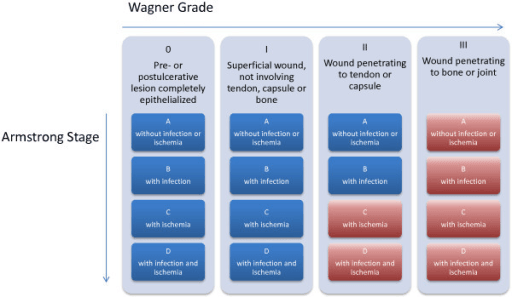
Know both Wagner AND Texas. Wagner = depth only (0-5), and its weakness is that it grades neither ischaemia nor infection. Texas = 4x4 grid: depth is the numeric grade 0-3, comorbidity is the letter stage A-D (A clean, B infected, C ischaemic, D both), written grade-then-stage as in 1A or 3D. Texas predicts outcome better; examiners expect both systems and an explanation of which guides treatment.
Antibiotics for infection, NOT colonization. IDSA criteria: purulence OR 2+ signs (warmth, erythema, lymphangitis, edema, pain). Swab cultures meaningless - tissue culture after debridement only.
Healing rates determine level. Toe: 90%, Ray: 80-90%, Transmetatarsal: 50-70%, Syme: 70-80%, Transtibial: 80-90%. Higher = better healing but worse function. Aim for most distal level with viable tissue.
Offloading is treatment, not adjunct. Total contact casting reduces plantar pressure by 80-90%. Non-removable walker next best. Removable devices fail due to non-compliance. No offloading = no healing.
- Clinical Features
- Intact skin, callus, deformity
- Treatment
- Prevention: orthotics, patient education
- Key Pearl
- High-risk foot - prevent ulcer formation
- Clinical Features
- Superficial ulcer, no deeper structures
- Treatment
- Offloading, sharp debridement, moist dressing
- Key Pearl
- 90% heal with proper offloading alone
- Clinical Features
- Deep ulcer to tendon, bone, joint
- Treatment
- Surgical debridement, antibiotics if infected
- Key Pearl
- Probe-to-bone test - feel hard gritty bone
- Clinical Features
- Deep ulcer with abscess or osteomyelitis
- Treatment
- Urgent surgical debridement, IV antibiotics
- Key Pearl
- MRI if osteomyelitis uncertain - 90% sensitivity
- Clinical Features
- Forefoot gangrene (toes, metatarsals)
- Treatment
- Partial foot amputation (toe, ray, transmetatarsal)
- Key Pearl
- Revascularization first if ischemic
- Clinical Features
- Whole foot gangrene
- Treatment
- Major amputation (Syme, transtibial, transfemoral)
- Key Pearl
- 50% 5-year mortality - palliative care discussion
Overview and Epidemiology
Diabetic foot disease is the leading cause of non-traumatic lower limb amputation worldwide. The pooled global prevalence of diabetic foot ulceration is about 6.3%, and the lifetime risk of an ulcer in a person with diabetes is estimated at 19-34% (Armstrong, NEJM 2017). The combination of neuropathy (trauma without pain awareness) and peripheral arterial disease (impaired healing) creates a perfect storm, and 5-year mortality after an ulcer rivals that of several common cancers. Multidisciplinary care reduces amputation rates by roughly 50% - making this a global public health priority.
Four sibling pages carry the detail behind this overview: diabetic neuropathy for the mechanism and the screening examination, diabetic foot ulcers for wound care and offloading, diabetic foot infections for antibiotic selection and osteomyelitis, and Charcot neuroarthropathy for Eichenholtz staging, Brodsky anatomical patterns and reconstruction.
Neuropathy: Loss of protective sensation - patients don't feel injuries. Motor neuropathy causes intrinsic muscle atrophy, leading to claw toes and pressure points.
Ischemia: Peripheral arterial disease affects tibial vessels preferentially. Calcified vessels reduce perfusion.
Infection: Polymicrobial, often involving anaerobes. Biofilm formation prevents healing.
Together, these create chronic non-healing ulcers.
Epidemiology (Zhang 2017; Armstrong 2017):
- Pooled global ulcer prevalence 6.3% (highest North America 13%, lowest Oceania 3%)
- Lifetime ulcer risk in diabetes 19-34%
- Recurrence ~40% at 1 year, ~65% at 5 years after healing
- Diabetic foot is the commonest cause of non-traumatic amputation worldwide
Equity gap: Indigenous and lower-resource populations carry a disproportionately high amputation burden.
Key message: Prevention and early intervention are cost-effective everywhere.
Pathophysiology and Mechanisms
Sensory neuropathy: Loss of protective sensation (LOPS) - patients don't feel injuries. 10g monofilament test diagnostic.
Motor neuropathy: Intrinsic muscle atrophy leads to imbalanced forces - claw toes, prominent metatarsal heads, high plantar pressure.
Autonomic neuropathy: Dry skin (anhidrosis) leads to cracks and fissures - entry points for infection.
Charcot neuroarthropathy: Repetitive microtrauma without pain leads to bone/joint destruction.
Neuropathy removes pain as a warning signal - injuries go unnoticed.
Peripheral arterial disease: Preferential involvement of tibial vessels (anterior tibial, posterior tibial, peroneal). Spares profunda femoris.
Medial calcification (Monckeberg sclerosis): Calcium deposits in arterial media - non-obstructive but reduces vessel compliance. Makes ABI falsely elevated.
Microvascular disease: Thickened capillary basement membrane reduces oxygen diffusion.
Impaired angiogenesis: Diabetic wounds have reduced VEGF response, poor collateral formation.
Ischemia prevents healing even when infection controlled.
Normal plantar pressure: 200-300 kPa. In diabetic foot with neuropathy and motor imbalance, pressure at metatarsal heads increases to 700-1000 kPa (7-10 times higher). Callus forms as protective response but increases local pressure further (callus is THICK and non-compressible). Repetitive high pressure + loss of sensation = ulcer formation at pressure points. This is WHY offloading (TCC) is critical - reduces pressure by 80-90% to below ulceration threshold.
- Mechanism
- Intrinsic muscle atrophy, unopposed long extensors/flexors
- High-Risk Zone
- Plantar metatarsal heads, dorsal PIP joints
- Prevention
- Achilles lengthening, toe straightening, custom orthotics
- Mechanism
- Bone/joint destruction from repetitive trauma without pain
- High-Risk Zone
- Medial midfoot (rocker-bottom deformity)
- Prevention
- Total contact casting during acute phase, custom AFO
- Mechanism
- Bunion formation, first MTP prominence
- High-Risk Zone
- Medial first MTP, plantar first metatarsal head
- Prevention
- Wide toe-box shoes, bunion pads, surgical correction if severe
- Mechanism
- Fixed deformity, concentrated pressure points
- High-Risk Zone
- Plantar heel, metatarsal heads, lateral border
- Prevention
- Custom molded orthotics redistributing pressure
Classification Systems
Wagner Classification (Depth-Based)
The original and most widely used system. Simple, reproducible, focuses on ulcer depth and tissue involvement.
- Definition
- Intact skin at risk
- Clinical Features
- Callus, deformity, Charcot foot, prior ulcer
- Treatment Approach
- Prevention: custom orthotics, patient education, regular foot checks
- Definition
- Superficial ulcer
- Clinical Features
- Partial or full thickness skin loss, no deeper structures visible
- Treatment Approach
- Offloading (total contact cast), sharp debridement, moist dressing
- Definition
- Deep ulcer to bone/tendon
- Clinical Features
- Ulcer extends to ligament, tendon, joint capsule, or bone
- Treatment Approach
- Surgical debridement, probe-to-bone test, consider antibiotics
- Definition
- Deep with abscess/osteomyelitis
- Clinical Features
- Deep-tissue abscess, osteomyelitis, or septic arthritis
- Treatment Approach
- Urgent surgical debridement, IV antibiotics, prolonged therapy
- Definition
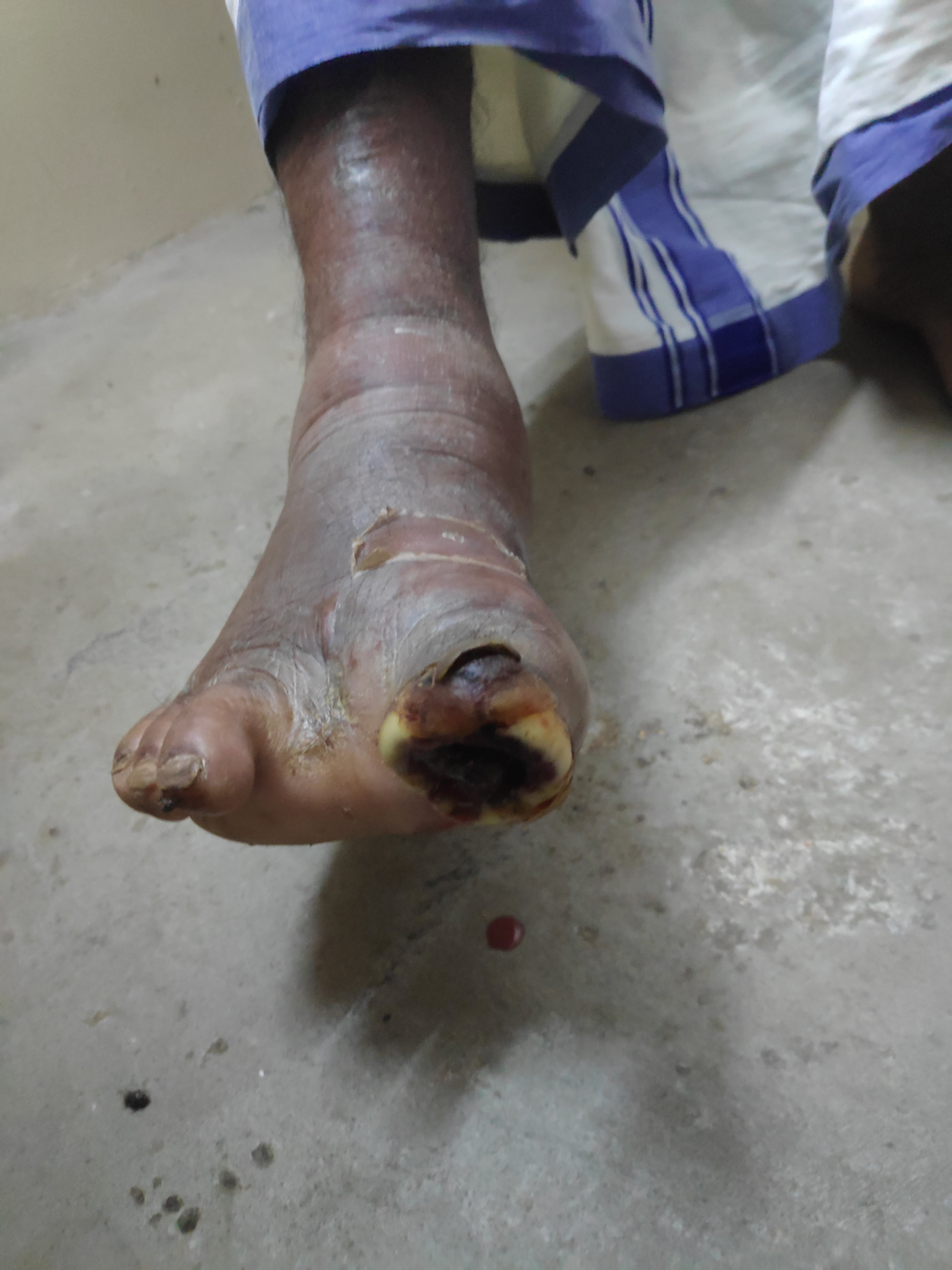
- Localized gangrene
- Clinical Features
- Necrosis of forefoot (toes, metatarsals), demarcated
- Treatment Approach
- Partial foot amputation (toe, ray, transmetatarsal)
- Definition
- Extensive gangrene
- Clinical Features
- Necrosis involving entire foot, not salvageable
- Treatment Approach
- Major amputation (transtibial, transfemoral)
Wagner classification does NOT account for ischemia or infection severity. A Wagner Grade 2 ulcer can be clean without infection, or it can have severe necrotizing fasciitis. Similarly, perfusion status (critical limb ischemia vs adequate flow) dramatically affects healing. This led to development of Texas and PEDIS classifications.
Wagner classification guides treatment urgency and predicts amputation risk.
Modern Classifications: WIfI and SINBAD
Wagner and Texas remain the classic exam systems, but two newer systems are now the international tools for limb-threat stratification and audit.
WIfI (Wound, Ischaemia, foot Infection) - the Society for Vascular Surgery threatened-limb classification:
- Each of the three components is graded 0-3 (0 none, 3 severe): W = wound/ulcer size and depth (and gangrene), I = ischaemia (by ABI, ankle or toe pressure, or TcPO2), and fI = foot infection (by the IDSA criteria).
- The combination places the limb in one of four clinical stages (1-4) that estimate the 1-year amputation risk and the likely benefit of revascularisation - higher stages mean greater amputation risk and greater revascularisation benefit.
SINBAD (Site, Ischaemia, Neuropathy, Bacterial infection, Area, Depth) - an IWGDF-endorsed audit/communication score:
- Each of the six items scores 0 or 1 for a total of 0-6; a higher score predicts poorer healing and higher amputation risk.
- It is deliberately simple and needs no special equipment, which suits it to inter-centre audit and resource-limited settings.
Quote Wagner (depth) and Texas (depth + ischaemia + infection) for the classic answer, but know the two modern tools: WIfI stratifies the threatened limb (Wound, Ischaemia, foot Infection, each 0-3, giving stages 1-4) to predict amputation risk and revascularisation benefit, and SINBAD is the simple 0-6 score used for audit and international comparison. WIfI is the one to cite when the question is "how badly is this limb threatened and will revascularisation help?".
Clinical Assessment
Diabetes control: HbA1c, duration of diabetes, complications
Ulcer timeline: When first noticed, progression, prior ulcers
Symptoms: Pain (neuropathic vs ischemic), numbness, tingling
Function: Walking ability, distance before claudication
Red flags: Fever, rigors, confusion (systemic infection)
Social: Living situation, mobility, compliance capacity
Neuropathic ulcers are painless - ischemic ulcers are painful.
Inspection: Ulcer location (pressure points), size, depth, base (granulation vs slough vs necrotic), edge (undermined, callused)
Perfusion: Pulses (DP, PT), capillary refill, temperature, ABI, toe pressure
Sensation: 10g monofilament (LOPS), vibration (tuning fork), proprioception
Infection signs: Erythema extent (measure and mark), warmth, purulence, lymphangitis, crepitus
Probe-to-bone test: Sterile probe inserted - if bone felt (hard, gritty), osteomyelitis likely
Always examine the contralateral foot for risk assessment.
Grayson et al (JAMA 1995) found that palpable bone on probing had a sensitivity of 66%, specificity of 85% and positive predictive value of 89% for osteomyelitis in a high-prevalence inpatient cohort (a positive likelihood ratio of roughly 4-5); later outpatient studies report a positive likelihood ratio of about 6. If bone is felt with a sterile probe, the probability of osteomyelitis increases substantially. However, a negative test does NOT exclude osteomyelitis - MRI is the gold standard if clinical suspicion remains high. The test is operator-dependent and requires adequate debridement first.
- Neuropathic
- Painless (loss of protective sensation)
- Ischemic
- Painful, worse with elevation, relieved by dependency
- Neuropathic
- Plantar pressure points (metatarsal heads, heel)
- Ischemic
- Distal tips of toes, lateral malleolus, heel
- Neuropathic
- Deep, punched out, surrounded by callus
- Ischemic
- Shallow, irregular, pale base, no callus
- Neuropathic
- Warm, dry (autonomic neuropathy), good pulses
- Ischemic
- Cool, hairless, atrophic, absent pulses
- Neuropathic
- Good if offloaded and infection controlled
- Ischemic
- Poor without revascularization
- How it mimics
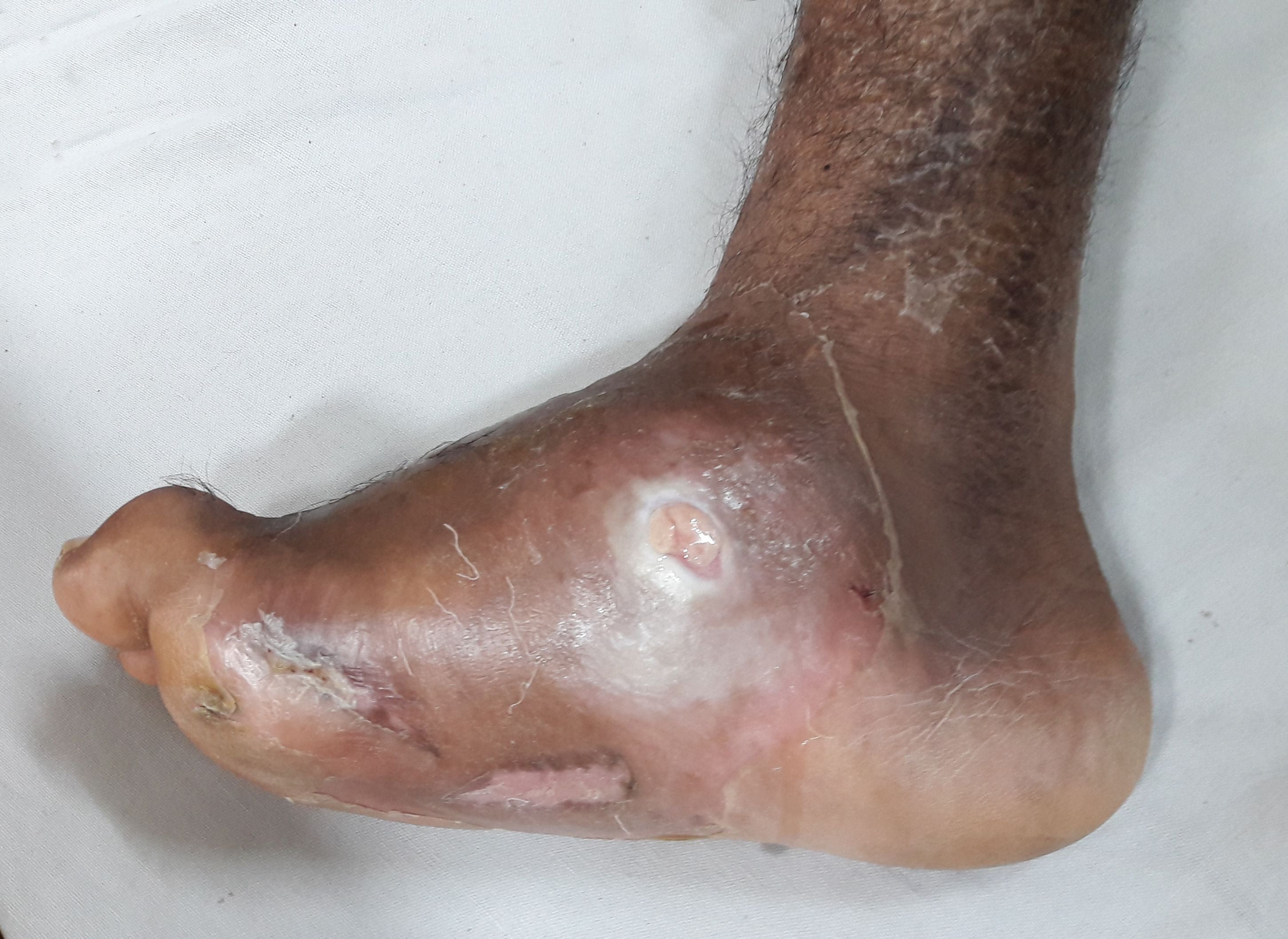
- Warm, swollen, erythematous foot - looks like infection or cellulitis
- Key discriminator
- Often no ulcer/portal of entry; erythema settles on elevation; bony deformity
- Confirmatory test
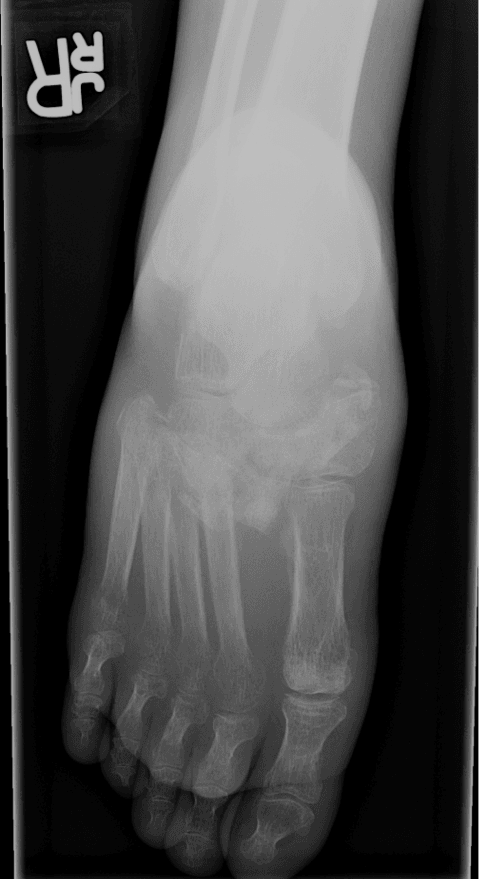
- X-ray (fragmentation/dislocation), MRI bone oedema, temperature difference greater than 2°C
- How it mimics
- Deep ulcer probing to bone without systemic signs
- Key discriminator
- Probe-to-bone positive, chronicity, sausage toe, raised ESR
- Confirmatory test
- MRI (90% sensitive) and bone biopsy with culture/histology
- How it mimics
- Spreading erythema and warmth
- Key discriminator
- Diffuse, no underlying bone involvement, responds to antibiotics
- Confirmatory test
- Clinical; tissue culture; imaging to exclude deep collection
- How it mimics
- Hot, red, painful first MTP joint
- Key discriminator
- Severe pain (preserved sensation), rapid onset, prior attacks
- Confirmatory test
- Serum urate, joint aspirate for negatively birefringent crystals
- How it mimics
- Unilateral swelling, warmth, erythema
- Key discriminator
- Calf involvement, no ulcer, risk factors
- Confirmatory test
- Duplex ultrasound, D-dimer
- How it mimics
- Non-healing ulcer in a diabetic
- Key discriminator
- Location and surrounding skin (tips/lateral vs gaiter vs heel), pulses, oedema
- Confirmatory test
- ABI/TBI, toe pressure, venous duplex
Investigations
Investigation Protocol
Monofilament test: 10g Semmes-Weinstein at 9 sites. Unable to feel at 4 or more sites = LOPS.
Probe-to-bone: After debridement, sterile probe inserted. Hard gritty sensation = bone.
Capillary glucose: Assess current control, guide insulin therapy.
These simple tests guide immediate treatment decisions.
Ankle-Brachial Index (ABI): 0.9-1.3 normal. Less than 0.9 suggests PAD. Greater than 1.3 suggests calcified vessels (common in diabetes - use toe pressure instead).
Toe-Brachial Index (TBI): More reliable in diabetes. TBI less than 0.6 suggests critical ischemia.
Toe Pressure: Less than 30 mmHg = critical ischemia, revascularization needed.
TcPO2 (transcutaneous oxygen): Less than 30 mmHg suggests poor healing potential.
Duplex ultrasound: If abnormal non-invasive studies, map arterial disease for revascularization planning.
Vascular assessment is ESSENTIAL - determines if healing is possible.
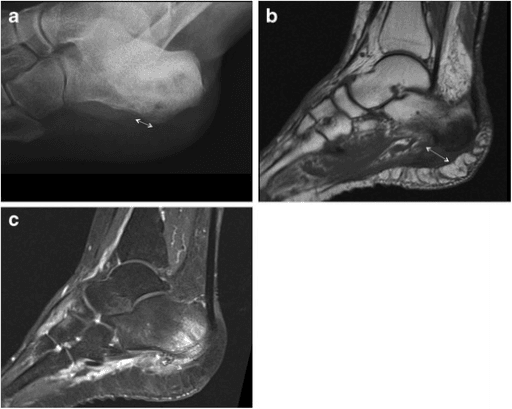
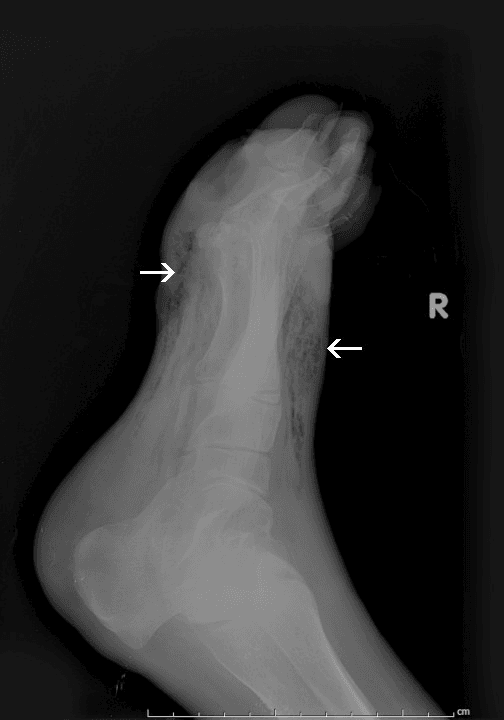
Plain radiographs (AP, lateral, oblique): Look for gas in soft tissues (necrotizing infection), bone destruction (osteomyelitis), Charcot changes (fragmentation, dislocation).
MRI (gold standard for osteomyelitis): Sensitivity 90%, specificity 80%. T1-weighted: dark signal in bone marrow. T2/STIR: bright signal. Gadolinium enhancement.
CT with contrast: If MRI contraindicated. Less sensitive for osteomyelitis but good for surgical planning.
Nuclear medicine (WBC scan): If MRI/CT inconclusive. Labeled WBC accumulate in infection.
MRI is gold standard but plain films are first-line screening.
HbA1c: Assess glycemic control over 3 months. Target less than 7% for healing.
FBC: Leukocytosis suggests systemic infection. Anemia common in chronic disease.
CRP/ESR: Elevated in infection (CRP more specific, ESR more sensitive). Trend to assess response.
Renal function (eGFR): Diabetic nephropathy common, affects antibiotic dosing.
Blood cultures: If systemic signs (fever, rigors, tachycardia, hypotension).
Tissue culture (post-debridement): Deep tissue specimen after debridement. Swab cultures unreliable.
Laboratory markers guide antibiotic choice and duration.
Q: What is the diagnostic triad for diabetic foot osteomyelitis?
A: (1) Probe-to-bone test positive (positive LR 6.4), (2) ESR greater than 70 mm/h (sensitivity 28%, specificity 92%), and (3) Plain radiograph showing bone destruction (late sign, 50% sensitive). MRI is gold standard (90% sensitive, 80% specific) but requires all three clinical features for high pre-test probability. Bone biopsy with culture is definitive but rarely needed.
Revascularisation and the Angiosome Concept
The vascular thresholds determine whether a wound can heal; the next question, and the one that decides the operation, is how revascularisation is targeted.
The angiosome concept: the foot and ankle are supplied by six angiosomes (three-dimensional blocks of tissue, each fed by a source artery) derived from the three crural arteries - broadly, the posterior tibial (heel via the calcaneal branch, plus the medial and lateral plantar territories), the anterior tibial (dorsum of the foot via the dorsalis pedis), and the peroneal (lateral hindfoot and anterior ankle).
- Direct (angiosome-targeted) revascularisation restores flow in the specific source artery feeding the angiosome that contains the wound; indirect revascularisation restores any line of flow and relies on collaterals.
- Direct revascularisation is associated with better wound healing and limb salvage in several series, although collateral quality and total flow also matter - the principle is to re-establish in-line pulsatile flow to the wound's angiosome wherever feasible.
Strategy and timing:
- Control infection first - drain pus and debride or excise necrotic and infected tissue for source control before definitive revascularisation, then revascularise so the now-clean wound (or amputation) can heal.
- Endovascular versus open bypass: an endovascular-first approach is common for focal disease and frailer patients, with distal bypass (for example to a tibial or pedal vessel using vein) reserved for long occlusions or failed endovascular treatment - the choice is individualised to anatomy, conduit availability and patient fitness.
In the ischaemic diabetic foot, healing needs in-line arterial flow: identify the wound's angiosome and aim for direct (angiosome-targeted) revascularisation of its source artery where the anatomy allows. Sequence matters - drain and debride infection first, then revascularise. Endovascular-first is common, with distal vein bypass for extensive disease; either way, do not commit to a definitive amputation level until perfusion has been optimised.
Management Algorithm
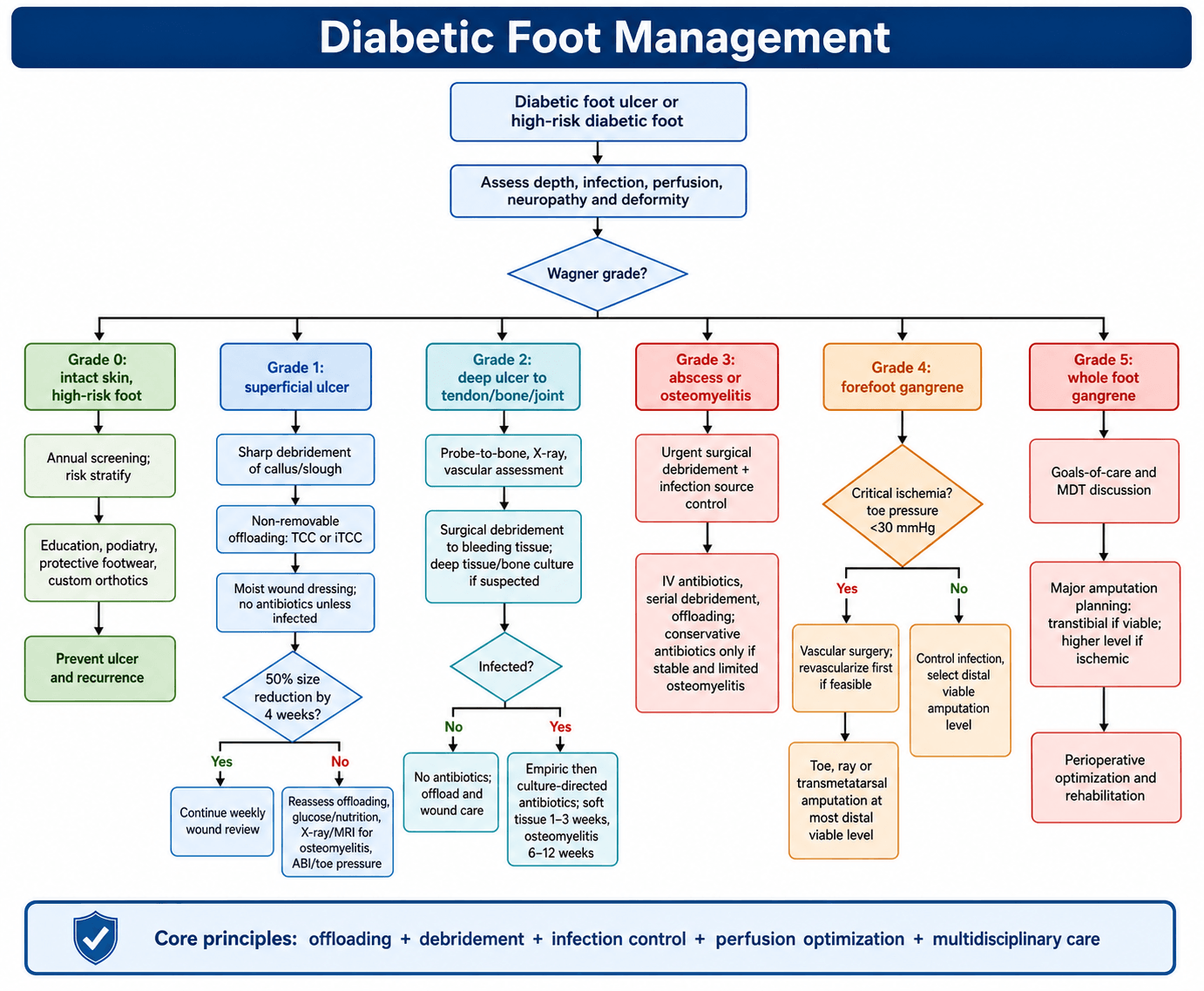
Wagner Grade 0-1 Algorithm
Grade 0: Intact skin at high risk
Prevention Protocol
IWGDF Risk Categories:
- Low: Normal sensation + pulses
- Moderate: LOPS OR PAD
- High: LOPS + PAD, or prior ulcer/amputation
All diabetics need annual screening.
Daily foot inspection (use mirror for plantar surface)
Proper footwear: Avoid barefoot walking, check inside shoes daily for foreign objects
Immediate reporting: New wounds, redness, warmth, drainage
Nail care: Straight across, podiatry referral for thick nails
Education reduces ulcer incidence by 30-50%.
Regular podiatry: Callus debridement, nail care
Custom orthotics: Redistribute pressure (reduces recurrence 50%)
Accommodative footwear: Extra depth shoes, rocker soles
Prophylactic surgery: Consider Achilles lengthening if persistent forefoot overload
Prevention is most cost-effective intervention.
Grade 1: Superficial ulcer
Treatment Protocol
Sharp debridement: Remove ALL callus and slough to bleeding base
Offloading: Total contact cast (gold standard) or instant TCC
Wound dressing: Moist environment (hydrocolloid, foam, hydrogel)
No antibiotics unless signs of infection
90% heal with proper offloading alone.
Debridement: Repeat weekly or more if needed
Measure ulcer: Length × width, photograph for documentation
Assess healing: 50% size reduction by 4 weeks predicts healing
Monitor infection: Any new erythema, purulence, warmth
Most heal in 6-12 weeks with compliant offloading.
Re-evaluate: Check compliance with offloading, glucose control, nutrition
Rule out osteomyelitis: Probe-to-bone, plain X-ray, consider MRI
Vascular assessment: If not already done - ABI, toe pressure
Consider advanced therapy: VAC, bioengineered skin if appropriate
Non-healing suggests underlying problem - don't just continue same treatment.
Prevention and early treatment prevent progression to deeper grades.
Infection Management
Infectious Diseases Society of America (IDSA) Classification
- Clinical Features
- No purulence or inflammation
- Microbiology
- Colonization only (do NOT treat)
- Antibiotic Duration
- No antibiotics
- Clinical Features
- Local infection: erythema less than 2 cm from ulcer edge, superficial
- Microbiology
- Gram-positive (S. aureus, Streptococcus)
- Antibiotic Duration
- 1-2 weeks oral antibiotics
- Clinical Features
- Local infection: erythema greater than 2 cm, OR deep tissue involvement
- Microbiology
- Polymicrobial (add Gram-negative)
- Antibiotic Duration
- 2-3 weeks (IV initially, then oral)
- Clinical Features
- Systemic signs (SIRS) OR metabolic instability
- Microbiology
- Polymicrobial + anaerobes
- Antibiotic Duration
- 4-6 weeks IV antibiotics, may need longer
Infection diagnosis requires: Purulence OR 2 or more of: warmth, erythema, lymphangitis, edema, pain. A diabetic foot ulcer with bacteria on swab but NO signs of infection is COLONIZED, not infected. Antibiotics treat infection, NOT colonization. Swab cultures are unreliable - tissue biopsy after debridement is gold standard for culture.
IDSA guidelines are the international standard for diabetic foot infection management.
Surgical Management and Amputation Levels
Toe and Ray Amputations
- Indications
- Isolated toe gangrene, osteomyelitis confined to phalanx
- Healing Rate
- 90%
- Functional Impact
- Minimal - great toe removal affects push-off slightly
- Indications
- Osteomyelitis involving metatarsal, web space infection
- Healing Rate
- 80-90%
- Functional Impact
- Good if single ray; multiple rays cause transfer lesions
- Indications
- Forefoot gangrene, multiple ray involvement, salvageable hindfoot
- Healing Rate
- 50-70%
- Functional Impact
- Requires orthotics, equinus deformity risk
- Indications
- Extensive forefoot necrosis, Charcot midfoot
- Healing Rate
- 40-60%
- Functional Impact
- Poor function, high revision to BKA rate
Surgical Principles:
- Resect all infected/necrotic tissue until bleeding healthy bone
- Leave no exposed bone at amputation site
- Create viable soft tissue flap for coverage
- Avoid tension on closure
Incomplete resection leads to failure.
- Toe pressure greater than 30 mmHg predicts healing
- TcPO2 greater than 30 mmHg at amputation level
- Bleeding bone ends (paprika sign)
- Consider revascularization first if borderline
Ischemic tissue will not heal - revascularize first.
TMA preserves weight-bearing on plantar hindfoot but requires adequate perfusion (toe pressure greater than 40 mmHg). Post-TMA, Achilles tendon is relatively stronger than dorsiflexors, causing equinus deformity. Patients need custom ankle-foot orthosis (AFO) or rocker-bottom shoe to prevent plantar ulceration at the stump. Failure to offload = new ulcer = revision to BKA.
Partial foot amputations preserve length but require good perfusion.
Complications
- Incidence
- 30-40% at 1 year, 60-70% at 5 years
- Risk Factors
- Continued neuropathy, poor offloading, non-compliance
- Management
- Lifelong foot surveillance, custom orthotics, patient education
- Incidence
- 20-30% of deep ulcers (Wagner 2+)
- Risk Factors
- Probe-to-bone positive, chronic ulcer over 2 weeks
- Management
- Surgical debridement (curative) or 6-12 weeks antibiotics
- Incidence
- 0.1-0.9% of diabetics annually
- Risk Factors
- Peripheral neuropathy, trauma (often unrecognized)
- Management
- Acute phase: TCC immobilization; chronic: custom AFO, possible fusion
- Incidence
- 15-30% (higher in TMA)
- Risk Factors
- Ischemia, infection, tension on closure, malnutrition
- Management
- Debridement, VAC therapy, revision to higher level if needed
- Incidence
- 30-50% at 3 years
- Risk Factors
- Bilateral neuropathy and PAD, increased weight-bearing on contralateral side
- Management
- Aggressive surveillance, bilateral offloading, glycemic control
- Incidence
- 5-10% of severe infections
- Risk Factors
- Necrotizing infection, delayed treatment, immunocompromised
- Management
- ICU admission, source control, broad-spectrum antibiotics, organ support
- Incidence
- 50-80% post-amputation
- Risk Factors
- Pre-amputation pain, acute trauma, inadequate analgesia
- Management
- Gabapentin, pregabalin, mirror therapy, TENS, psychological support
- Incidence
- 30-50% (depression, anxiety)
- Risk Factors
- Loss of limb, loss of independence, chronic illness burden
- Management
- Screen for depression, psychology referral, peer support groups
Even after successful ulcer healing, 60-70% of diabetic patients develop a new ulcer within 5 years. This is because the underlying pathology (neuropathy, ischemia, biomechanical abnormalities) persists. Lifelong surveillance and prevention are essential - custom orthotics reduce recurrence by 50% but patient compliance is challenging. Every healed ulcer patient needs a prevention plan.
Acute Charcot: Warm, swollen, red foot in a neuropathic diabetic - easily mistaken for infection or DVT. Key differences: there is usually no portal of entry, the erythema drains away when the foot is elevated (it will not in cellulitis), and the X-ray shows fragmentation and joint dislocation. Early on the radiograph is normal and MRI bone oedema is the only sign - so a hot swollen neuropathic foot with a normal film is Charcot until proven otherwise, not a reason for reassurance. Management is NON-weight-bearing in a total contact cast, typically 3-6 months, until the temperature difference falls below 2°C. Walking on an acute Charcot foot causes irreversible deformity, and a rocker-bottom midfoot then ulcerates over the prominence. Chronic deformity needs accommodative footwear or an AFO, and reconstruction (realignment arthrodesis) when bracing fails. The staging that governs the timing - Eichenholtz 0 to III for the disease process and Brodsky 1 to 3 for the anatomical pattern - is set out on the Charcot neuroarthropathy page.
Postoperative Care and Rehabilitation
After Surgical Debridement or Minor Amputation
Wound Healing Timeline
Wound management: Open wound packed with gauze soaked in saline or antiseptic
Offloading: Total contact cast or non-weight-bearing
Antibiotics: Continue culture-directed antibiotics (duration based on infection severity)
Glucose control: Target glucose 6-10 mmol/L (hyperglycemia impairs healing)
Nutrition: High-protein diet, vitamin C and zinc supplementation
DVT prophylaxis: LMWH if not ambulating
Initial phase focuses on infection control and wound preparation.
Serial debridement: Return to OR or bedside debridement if necrotic tissue appears
VAC therapy: Consider for deep wounds - promotes granulation, reduces edema
Dressing changes: Daily to every 2-3 days based on exudate
Monitor healing: Wound measurements, photographs, signs of infection
Mobilization: Non-weight-bearing or protected weight-bearing with device
Granulation tissue should appear by week 1-2.
Wound contraction: Measure weekly - expect 50% reduction by 4 weeks
Secondary healing vs closure: Small wounds heal by secondary intention; large wounds may need skin graft or flap
Progressive weight-bearing: Gradual transition from non-weight-bearing to protected weight-bearing
Rehabilitation: ROM exercises, gait training
Most wounds heal or are ready for closure by 4-6 weeks.
Custom orthotics: Once healed, custom insoles to prevent recurrence
Accommodative footwear: Extra depth shoes with rocker soles
Surveillance: Monthly podiatry for first 3 months, then every 3 months
Patient education: Daily foot checks, immediate reporting of new problems
Transition to prevention mode - recurrence is common.
Post-debridement care is intensive and prolonged - requires patient commitment.
Outcomes and Prognosis
- Good Prognosis
- Toe pressure greater than 40 mmHg, palpable pulses
- Poor Prognosis
- Toe pressure less than 30 mmHg, critical ischemia
- Good Prognosis
- Uninfected or mild infection
- Poor Prognosis
- Severe infection with systemic signs, osteomyelitis
- Good Prognosis
- Less than 2 cm diameter
- Poor Prognosis
- Greater than 5 cm diameter (longer healing time)
- Good Prognosis
- Less than 2 weeks
- Poor Prognosis
- Greater than 3 months (chronic wound, biofilm)
- Good Prognosis
- HbA1c less than 7.5%
- Poor Prognosis
- HbA1c greater than 10% (impaired healing)
- Good Prognosis
- Albumin greater than 35 g/L
- Poor Prognosis
- Albumin less than 30 g/L (malnutrition)
- Good Prognosis
- Adheres to offloading and follow-up
- Poor Prognosis
- Non-compliant (removes devices, misses appointments)
Key predictors of amputation or mortality:
- Texas stage D (infected AND ischaemic): 76.5% underwent midfoot or higher amputation by 6 months in the validation cohort, against 3.5% of lesser stages
- Chronic kidney disease (eGFR less than 30): Doubles mortality risk
- Cardiac disease (prior MI, CCF): Major cause of death post-amputation
- Age greater than 75 years: Higher perioperative mortality, lower rehabilitation potential
- Albumin less than 30 g/L: Marker of malnutrition and frailty
Patients with 3 or more of these factors have very poor prognosis - palliative care discussion essential.
Mortality rates (Aulivola 2004):
- 30-day: BKA 10%, AKA 15%
- 1-year: 30%
- 3-year: 40%
- 5-year: 50%
Causes of death: Cardiac disease (50%), stroke (15%), renal failure (10%), sepsis (10%)
Comparison: Similar to many Stage III cancers
Major amputation is a marker of advanced systemic disease.
Functional outcomes:
- BKA: 60-80% ambulate with prosthesis
- AKA: 30-50% ambulate with prosthesis
- Bilateral: Less than 20% ambulate
Independence: 40-60% maintain independent living
Return to work: Less than 20% if working before amputation
Depression: 30-50% meet criteria for major depression
QoL impairment is substantial - psychological support essential.
Many patients and families do not understand the poor prognosis after major amputation. It is our responsibility to explain: "After a below-knee amputation, about 1 in 3 patients will have died within 1 year, and about half within 5 years. Most deaths are from heart disease or stroke. About 6-8 out of 10 patients will be able to walk with a prosthetic leg, but it requires months of rehabilitation. Some patients may choose to focus on quality of life rather than limb salvage attempts." Document these discussions carefully for medicolegal protection.
Offloading and Wound Care
Offloading reduces plantar pressure by 80-90% and is THE most important intervention for plantar diabetic foot ulcers. Total contact casting (TCC) is gold standard. Removable devices (CAM walker, half-shoe) fail due to non-compliance - patients remove them at home. Non-removable devices work. Without offloading, ulcers do NOT heal regardless of other treatments.
- Pressure Reduction
- 80-90%
- Compliance
- 100% (non-removable)
- Indications
- Gold standard for plantar neuropathic ulcers
- Pressure Reduction
- 75-85%
- Compliance
- 100% (non-removable)
- Indications
- Fiberglass wrap over CAM walker - easier application
- Pressure Reduction
- 30-50%
- Compliance
- 30-50% (patients remove it)
- Indications
- Non-plantar ulcers, patient preference (but expect failure)
- Pressure Reduction
- 20-40%
- Compliance
- Variable
- Indications
- Prevention (Grade 0), healed ulcer recurrence prevention
- Pressure Reduction
- 40-60%
- Compliance
- Good (adhesive keeps in place)
- Indications
- Adjunct to other modalities, small ulcers
Wound Care Principles:
- Remove all callus, slough, necrotic tissue
- Debride to bleeding healthy tissue
- Perform weekly or more frequently
- Send deep tissue for culture if infected
Debridement converts chronic to acute wound.
- Avoid dry gauze (desiccates wound bed)
- Use hydrogel, hydrocolloid, foam, alginate
- Select based on exudate level
- Change per manufacturer instructions
Moist environment promotes epithelialization.
- For deep wounds post-debridement
- Promotes granulation tissue
- Reduces edema and bacterial load
- Change every 48-72 hours
VAC is adjunct, not replacement for debridement.
- Hyperbaric oxygen: Controversial, limited evidence
- Growth factors (becaplermin): Modest benefit
- Bioengineered skin: Apligraf, Dermagraft
- Stem cells: Experimental
Most advanced therapies have limited evidence.
Multidisciplinary Team Approach
Evidence from multiple RCTs and cohort studies shows that multidisciplinary diabetic foot clinics reduce major amputation rates by 50% compared to usual care. Key is coordination between podiatry, vascular surgery, endocrinology, infectious disease, orthopaedics, and rehabilitation. Weekly team meetings to review complex cases improve outcomes.
Podiatrist: Wound assessment, debridement, offloading
Vascular surgeon: Revascularization assessment
Endocrinologist: Glucose control optimization
Infectious disease: Antibiotic stewardship
Orthopaedic surgeon: Amputation, Charcot reconstruction
Each discipline contributes specialized expertise.
Diabetes educator: Self-management training
Dietitian: Nutrition optimization
Physiotherapist: Mobility, gait training
Occupational therapist: ADL adaptation
Prosthetist: Post-amputation limb fitting
Support services enable independence.
Outpatient clinic: Weekly multidisciplinary rounds
Inpatient service: Acute admissions, surgical cases
Home nursing: Wound care, monitoring
Community liaison: Ensure follow-up compliance
Database: Track outcomes, quality improvement
Organized systems deliver coordinated care.
Prevention Strategies
Diabetic Foot Prevention Protocol
Risk stratification using IWGDF categories:
- Low risk: Normal sensation, palpable pulses
- Moderate risk: LOPS or PAD (not both)
- High risk: LOPS + PAD, or prior ulcer/amputation
Examination: Monofilament, pulses, deformity, callus, footwear
Screen all diabetics annually - identify high-risk feet.
Daily foot inspection: Use mirror to check plantar surface
Immediate reporting: Any new wound, redness, warmth
Footwear: Proper fit, avoid barefoot walking, check inside shoes daily
Nail care: Straight across, no self-treatment of callus
Education empowers patients to prevent ulcers.
Regular debridement: Callus removal every 4-6 weeks
Custom orthotics: Redistribute pressure away from high-risk areas
Accommodative footwear: Extra depth, cushioned insoles
Prophylactic surgery: Consider Achilles lengthening if forefoot overload
Podiatry reduces ulcer incidence in high-risk feet.
Target HbA1c less than 7% for most patients
Avoid hypoglycemia: Relaxed targets in elderly (less than 8%)
Multifactorial risk reduction: BP, lipids, smoking cessation
Good diabetes control prevents neuropathy progression.
Guidelines, Registries & Global Practice
- Pooled global diabetic foot ulcer prevalence 6.3%
- Estimated lifetime ulcer risk in diabetes 19-34% (Armstrong NEJM 2017)
- Recurrence ~40% at 1 year, ~65% at 5 years after healing
- North America 13.0%, Africa 7.2%, Asia 5.5%, Europe 5.1%, Oceania 3.0%
- Indigenous and lower-resource populations carry disproportionate amputation burden
Universal screening with region-tailored prevention is the consistent message.
Shared international principles (IWGDF, IDSA, NICE, AAOS/ACFAS):
- Annual risk stratification (loss of protective sensation + PAD)
- Treat infection, not colonisation; post-debridement tissue culture
- Non-removable offloading for plantar neuropathic ulcers
- Integrated multidisciplinary foot care to prevent amputation
Differences are mainly in antibiotic agents and service organisation, not principles.
- Scope / emphasis
- Prevention, classification (SINBAD/WIfI), offloading
- Key recommendation
- Risk-based screening; pressure-relieving therapeutic footwear; non-removable offloading first-line
- Evidence basis
- GRADE systematic reviews (mixed certainty)
- Scope / emphasis
- Diabetic foot infection and osteomyelitis
- Key recommendation
- Infection = 2+ inflammatory signs; severity-based empiric therapy; MRI for osteomyelitis
- Evidence basis
- Consensus guideline, low-moderate quality evidence
- Scope / emphasis
- Whole-pathway diabetic foot care
- Key recommendation
- Refer active diabetic foot problems to a multidisciplinary foot service within 1 working day
- Evidence basis
- Guideline with health-economic modelling
- Scope / emphasis
- Surgical management, amputation, Charcot
- Key recommendation
- Most distal viable amputation level; revascularise marginal perfusion before definitive level
- Evidence basis
- Expert consensus + cohort evidence
Modern international guidance increasingly uses SINBAD (Site, Ischaemia, Neuropathy, Bacterial infection, Area, Depth) for audit and communication, and WIfI (Wound, Ischaemia, foot Infection) for limb-threat and revascularisation-benefit stratification. Wagner and Texas remain the classic exam systems, but be able to mention SINBAD and WIfI as the contemporary registry/vascular tools.
High-resource settings emphasise revascularisation (endovascular or bypass), total contact casting, negative-pressure wound therapy and multidisciplinary clinics. Limited-resource settings see later presentation, higher rates of major amputation, less access to vascular intervention and offloading, and greater reliance on primary amputation for source control. Antibiotic choice also varies with local resistance patterns and formularies (e.g. flucloxacillin plus metronidazole vs amoxicillin-clavulanate vs co-trimoxazole for mild infection) - the principle of severity-based, culture-directed, de-escalated therapy is universal even where the specific agent differs.
Key documentation requirements:
- Annual foot screening: Document monofilament test, pulses, deformity. Failure to screen is negligent.
- High-risk foot referral: Document referral to podiatry or high-risk foot service. Delayed referral for high-risk foot is common litigation trigger.
- Informed consent for amputation: Document discussion of amputation level options, healing rates, functional outcomes, alternative of limb salvage vs definitive amputation. Patients must understand tradeoffs.
- DVT prophylaxis: All diabetic foot patients admitted with infection are high VTE risk. Document prophylaxis or reason for omission.
- Multidisciplinary involvement: Document vascular, infectious disease, endocrinology input for complex cases. Solo decision-making for complex limb salvage is high-risk.
Common litigation scenarios: Delayed amputation leading to sepsis; inadequate informed consent for amputation level; failure to attempt revascularization before amputation; amputation at wrong level (too distal) leading to failure and revision.
Mnemonics and Memory Aids
WSTDAGWagner Classification (0-5 Depth)
Hook:Wagner Starts Treating Deep Abscesses Globally - each grade adds a layer of complexity!
WELPIDSA Infection Criteria
Hook:When you need hELP, look for infection signs - purulence OR 2+ of WELP!
TRSTAmputation Level Selection
Hook:TRuST the healing rates - higher level = better healing but worse function!
PEDISPEDIS Classification System
Hook:PEDIS walks you through systematic foot ulcer assessment - used in research!
MCQ Practice Points
Q: A diabetic foot ulcer extending to bone but without signs of infection or ischemia is which Texas classification?
A: Texas 3A - grade 3 because it penetrates to bone or joint, stage A because there is neither infection nor ischaemia. Note the order and the axes: the number is the depth, the letter is the comorbidity, so "C0" is not a Texas grade at all. This is roughly Wagner 2-3, but with the added information that the wound is clean and perfused - and stage A was the one group in Armstrong's 360-patient validation series in which no amputations occurred. Treatment is sharp debridement and offloading, with imaging to exclude osteomyelitis: remember that a wound probing to bone raised the risk of a midfoot or higher amputation from 2.0% to 18.3% even before infection or ischaemia are counted.
Q: What are the IDSA diagnostic criteria for diabetic foot infection?
A: Purulence OR 2 or more of: warmth, erythema, lymphangitis, edema, pain. Importantly, a positive swab culture WITHOUT these clinical signs is colonization, not infection, and does not require antibiotics. Tissue culture after debridement is more reliable than swab culture.
Q: What is the gold standard offloading method for plantar diabetic foot ulcers?
A: Total contact cast (TCC), which reduces plantar pressure by 80-90%. The key advantage is that it is non-removable, ensuring 100% compliance. Removable devices (CAM walker, half-shoe) have poor compliance as patients remove them at home. Instant TCC (fiberglass wrap over CAM walker) is an easier alternative with similar efficacy.
Q: What is the sensitivity and specificity of MRI for diabetic foot osteomyelitis?
A: Sensitivity 90%, specificity 80%. MRI is the gold standard imaging modality. Look for: T1-weighted dark signal in bone marrow (edema), T2/STIR bright signal (inflammation), and gadolinium enhancement. Plain radiographs have 50% sensitivity (late sign - bone destruction visible after 2-4 weeks). Probe-to-bone test has positive likelihood ratio of 6.4.
Q: What toe pressure predicts healing after transmetatarsal amputation?
A: Toe pressure greater than 40 mmHg predicts reliable healing (some sources use greater than 30 mmHg as minimum threshold, but greater than 40 mmHg is more reliable). TcPO2 greater than 30 mmHg at the amputation level is also predictive. If perfusion is inadequate, revascularization (angioplasty or bypass) should be performed before amputation.
Q: What is the evidence for multidisciplinary diabetic foot care?
A: Multiple studies show 50% reduction in major amputation rate with multidisciplinary foot clinics compared to usual care. Key elements: podiatry, vascular surgery, endocrinology, infectious disease, orthopaedics working together. IWGDF guidelines (2019) give this a Grade A recommendation based on systematic review evidence.
Exam Viva Scenarios
Practise clinical reasoning and management decisions out loud
“A 62-year-old man with type 2 diabetes (duration 15 years) presents with a 3-week history of a non-healing ulcer on the plantar aspect of his right first metatarsal head. He has no pain but noticed drainage on his sock. On examination, there is a 2 cm diameter ulcer with surrounding callus. You probe the ulcer and feel bone. There is no erythema beyond 1 cm from the ulcer edge, no purulent discharge. Pulses are palpable. What is your assessment and management?”
“A 70-year-old woman with diabetes presents with 48 hours of worsening right foot pain, swelling, and fevers (38.5°C). She has a chronic ulcer on her lateral forefoot. On examination, there is extensive erythema to mid-foot, purulent discharge, and crepitus in the forefoot. Her foot is cool with absent DP and PT pulses. Her WCC is 18, CRP 250. Plain radiograph shows gas in soft tissues and bone destruction of the 4th and 5th metatarsals. How would you manage this patient?”
“You have performed extensive debridement for forefoot gangrene in a 68-year-old diabetic man. After removing the 1st, 2nd, and 3rd rays, the residual foot has viable hindfoot tissue but questionable perfusion. Toe pressure is 32 mmHg. The patient asks whether you will be able to save the remaining foot or if he needs a below-knee amputation. How do you counsel him and what determines your decision?”
Key Classifications
- Wagner Grade 0 = intact skin (prevent); 1 = superficial; 2 = deep to bone; 3 = abscess/osteomyelitis; 4 = forefoot gangrene; 5 = whole foot gangrene
- Texas = 4x4 grid, written grade-then-stage: GRADE 0-3 is depth (0 pre-ulcerative, 1 superficial, 2 tendon/capsule, 3 bone/joint) and STAGE A-D is comorbidity (A clean, B infected, C ischaemic, D both). So 1A is clean and superficial, 3D is bone-deep, infected and ischaemic. Infection is a stage, never a depth
- IDSA infection: Mild (less than 2 cm erythema), Moderate (greater than 2 cm or deep), Severe (systemic signs)
- PEDIS = Perfusion + Extent + Depth + Infection + Sensation (research classification)
Diagnostic Tests
- Probe-to-bone: positive LR 6.4 for osteomyelitis (sterile probe feels hard gritty bone)
- MRI: gold standard for osteomyelitis (90% sensitive, 80% specific)
- Monofilament: 10g at 9 sites - unable to feel at 4+ sites = LOPS
- Toe pressure: greater than 30 mmHg minimum, greater than 40 mmHg reliable for healing
Treatment Algorithm
- Uninfected ulcer: offloading (TCC) + sharp debridement + moist dressing (NO antibiotics)
- Mild infection: oral antibiotics 1-2 weeks (cefalexin or amoxicillin-clavulanate)
- Severe infection: IV broad-spectrum (pip-tazo + vancomycin) + urgent surgical debridement
- Osteomyelitis: surgical debridement (curative) OR 6-12 weeks antibiotics (conservative)
Amputation Levels
- Toe 90%, Ray 80-90%, Transmetatarsal 50-70%, Syme 70-80%, Transtibial 80-90%, Transfemoral 90-95% healing
- Higher level = better healing but worse function - aim for most distal viable level
- TMA needs toe pressure greater than 40 mmHg + AFO post-op (prevent equinus ulcer)
- BKA mortality: 10% at 30 days, 30% at 1 year, 50% at 5 years
Critical Interventions
- Offloading: TCC reduces pressure 80-90%, non-removable ensures compliance
- Revascularization: do AFTER infection control (not before - risks spreading infection)
- Multidisciplinary care: reduces amputation by 50% (podiatry, vascular, endo, ID, ortho)
- Prevention: annual screening, therapeutic footwear, education - 84% of amputations are preceded by an ulcer, which is the interruptible step (Pecoraro)
Evidence Base and Key Trials
Guidelines on the Prevention of Foot Ulcers in Persons with Diabetes (IWGDF 2019 update)
- GRADE-based international guideline; supersedes the 2015 IWGDF prevention guideline
- Screen very-low-risk patients annually for loss of protective sensation and PAD; screen higher-risk patients more frequently
- Prescribe therapeutic footwear with a demonstrated plantar-pressure-relieving effect to prevent recurrence of plantar ulcers
- Provide integrated foot care for high-risk patients to prevent ulcer recurrence
- Suggests against nerve decompression procedures for prevention
Irremovable vs Removable Cast Walkers for Diabetic Foot Wounds (Armstrong 2005 RCT)
- RCT: 50 patients with University of Texas grade 1A neuropathic plantar ulcers
- 12-week healing (intention-to-treat): instant total contact cast (iTCC) 82.6% vs removable cast walker 51.9% (P = 0.02)
- Among healed ulcers, iTCC healed faster: 41.6 vs 58.0 days (P = 0.02)
- Rendering a removable walker irremovable enforces adherence and improves healing
2012 Infectious Diseases Society of America Clinical Practice Guideline for Diabetic Foot Infections
- Infection defined by 2 or more classic signs of inflammation or purulence; all wounds are colonised, so colonisation alone is not treated
- Severity classification: uninfected, mild, moderate, severe - drives admission, imaging and surgery decisions
- Obtain a post-debridement tissue specimen for aerobic and anaerobic culture; swabs are unreliable
- MRI is far more sensitive and specific than plain films for osteomyelitis; bone culture plus histology is the optimal standard
- Multidisciplinary foot teams improve outcomes
Major Lower Extremity Amputation: Outcome of a Modern Series (Aulivola 2004)
- Retrospective series of 959 major amputations in 788 patients (704 BKA, 255 AKA)
- Overall 30-day mortality 8.6%; worse for AKA (16.5%) than BKA (5.7%)
- Overall survival 69.7% at 1 year and 34.7% at 5 years
- Survival worse with diabetes (30.9% at 5 years) and end-stage renal disease (14.4% at 5 years)
- Only 9.4% of BKAs required conversion to AKA
Global Epidemiology of Diabetic Foot Ulceration: Systematic Review and Meta-analysis (Zhang 2017)
- Global pooled diabetic foot ulcer prevalence 6.3% (95% CI 5.4-7.3%)
- Higher in men (4.5%) than women (3.5%), and in type 2 (6.4%) than type 1 (5.5%) diabetes
- Marked regional variation: North America 13.0%, Africa 7.2%, Asia 5.5%, Europe 5.1%, Oceania 3.0%
- Ulcer patients were older, had longer diabetes duration, and more hypertension, retinopathy and smoking
Pathways to Diabetic Limb Amputation: Basis for Prevention (Pecoraro 1990)
- Dissected the causal pathways behind 80 consecutive first amputations and found 23 distinct routes - most amputations are multi-causal, and only acute critical ischaemia acted alone
- Component causes: ulceration 84%, faulty wound healing 81%, initial minor trauma 81%, neuropathy 61%, infection 59%, gangrene 55%, ischaemia 46%
- The sequence minor trauma, then cutaneous ulceration, then failure of wound healing accounted for 72% of amputations
- An identifiable, potentially preventable pivotal event - usually minor trauma breaking the skin - preceded 69 of 80 amputations
Validation of the University of Texas Wound Classification (Armstrong, Lavery & Harkless 1998)
- 360 patients graded for depth and staged for infection and ischaemia, then followed for 6 months to see whether an amputation was performed
- Amputation rose steadily with both increasing grade and increasing stage - the system works on both axes, which is what Wagner cannot do
- Probing to bone raised midfoot-or-higher amputation from 2.0% to 18.3% (OR 11.1, 95% CI 4.0-30.3)
- Infection plus ischaemia (stage D) raised it from 3.5% to 76.5% (OR 89.6, 95% CI 25-316)
- No amputation occurred in any clean, non-ischaemic (stage A) wound during follow-up
Diabetic Foot Ulcers and Their Recurrence (Armstrong, Boulton & Bus 2017)
- Authoritative review: lifetime incidence of foot ulcers in diabetes is estimated at 19-34%
- Recurrence is the norm - roughly 40% within 1 year and around 65% within 5 years of healing
- Five-year mortality after a diabetic foot ulcer is comparable to several common cancers
- Offloading, structured prevention and integrated foot care are the cornerstones of reducing recurrence
Probing to Bone in Infected Pedal Ulcers: A Clinical Sign of Osteomyelitis (Grayson 1995)
- Prospective study of 76 infected pedal ulcers in 75 hospitalised diabetic patients
- Palpable bone on probing had 66% sensitivity and 85% specificity for osteomyelitis
- Positive predictive value 89% in this high-prevalence (66%) inpatient population
- A positive probe-to-bone test makes additional imaging often unnecessary in this setting