BMP Osteoinduction | VEGF Angiogenesis | TGF-β Regulation | Clinical rhBMP Applications
- BMPs are the only growth factors that induce ectopic bone (true osteoinduction)
- BMP-2 and BMP-7 signal via Smad1/5/8 to activate Runx2, the master osteoblast regulator
- VEGF couples angiogenesis to osteogenesis - no vessels means no bone formation
- TGF-β is most abundant in bone matrix, released during resorption for coupling
- rhBMP-2 FDA-approved for ALIF L4-S1 and open tibia, serious complications off-label
- “BMPs induce ectopic bone in muscle (Urist 1965 discovery)
- “VEGF secreted by hypertrophic chondrocytes initiates vascular invasion
- “TGF-β biphasic: promotes proliferation, inhibits terminal differentiation
- “Fracture hematoma platelets release PDGF and TGF-β (initiates cascade)
Overview
What they are. Growth factors are signalling proteins that regulate cellular proliferation, differentiation, migration and matrix synthesis during bone healing. They orchestrate the complex cascade of fracture repair through sequential expression and coordinated cellular responses, and a working knowledge of them is what lets you use rhBMP-2 and rhBMP-7 safely and effectively, explain why conditions such as diabetes, smoking and NSAIDs impair healing, judge biologics (PRP, bone marrow aspirate, growth factor products) rationally, and follow the development of novel bone healing therapies.
Where it began. Marshall Urist (1965) discovered bone morphogenetic proteins by demonstrating that demineralised bone matrix (DBM) implanted into muscle induced ectopic bone formation. That proved the existence of osteoinductive factors within bone matrix and led to decades of work to isolate and clone the BMPs; rhBMP-2 was FDA-approved in 2002 after extensive development.
Concepts and Principles of Bone Healing
Three concepts underpin every growth-factor question and frame the rational use of biologics.
- Definition
- Stimulation of primitive/mesenchymal cells to differentiate into bone-forming cells (can form ectopic bone)
- Driven by
- BMPs (and demineralised bone matrix)
- Example material
- rhBMP-2/7, DBM
- Definition
- Provision of a passive scaffold permitting bone ingrowth along its surface
- Driven by
- Surface architecture, not a signal
- Example material
- Hydroxyapatite, β-TCP, allograft
- Definition
- Direct formation of new bone by transplanted living osteoblasts/progenitors
- Driven by
- Viable cells
- Example material
- Fresh autograft, bone-marrow aspirate
Why it matters. Autograft is the gold standard because it is the only graft that is simultaneously osteoinductive, osteoconductive and osteogenic. Allograft is essentially osteoconductive only; DBM adds osteoinduction; recombinant growth factors supply the osteoinductive (BMP) or pro-healing (PDGF/VEGF) signal but no scaffold or cells.
Successful bone healing needs four (often five) elements: osteogenic cells, an osteoconductive scaffold, osteoinductive signals (growth factors), and mechanical stability — with adequate vascularity as the unifying requirement. Growth factors fill only the osteoinductive corner; they cannot compensate for instability, infection, or an avascular bed.
Only BMPs are truly osteoinductive. VEGF, TGF-β, PDGF, FGF and IGF are supportive or permissive (chemotactic, mitogenic, angiogenic, anti-apoptotic), and they can enhance bone formation, but none can initiate it de novo in soft tissue. BMPs can, in non-skeletal sites such as muscle and subcutaneous tissue, which is exactly what Urist's experiment showed. This single distinction explains both the unique clinical power of rhBMP-2 and its signature complication of ectopic bone.
Bone Morphogenetic Proteins (BMPs)
The family. Bone morphogenetic proteins are members of the TGF-β superfamily and the most potent osteoinductive growth factors known. Over 20 family members have been identified; BMP-2, BMP-4, BMP-6 and BMP-7 have strong osteoinductive activity, and BMP-2 and BMP-7 are the most clinically relevant. Structurally they are dimeric proteins, the two chains linked by disulphide bonds, and they signal through the Smad1/5/8 pathway to activate Runx2.
Where they come from. In healing bone, BMPs are produced by osteoblasts and osteoprogenitor cells, stored in bone matrix and released during resorption, and carried in small amounts by platelets. Expression peaks at week 2-3 after fracture (days 14-21). They are essential for both fracture healing and skeletal development.
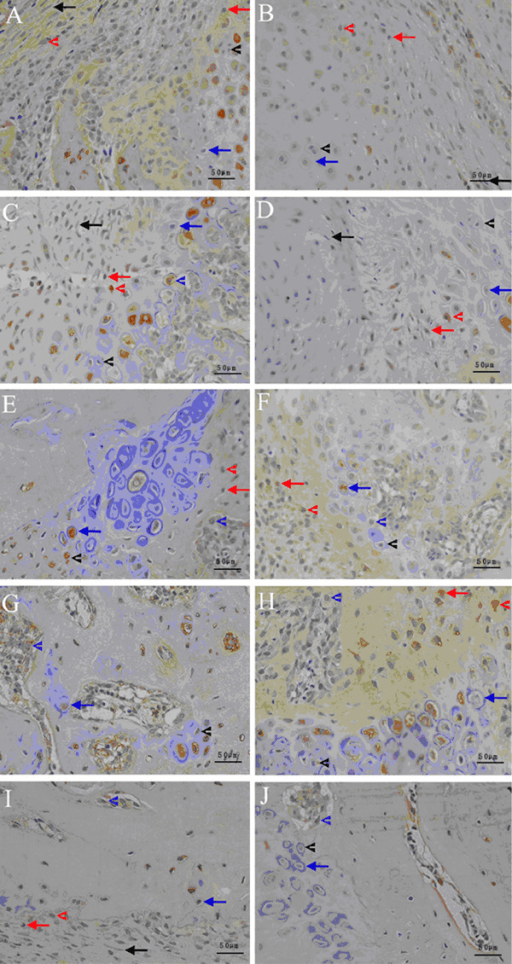
Transforming Growth Factor Beta (TGF-β)
The most abundant growth factor in bone matrix. TGF-β is a key regulator of bone remodelling and fracture healing, and its effects are complex and context-dependent, changing with the stage of repair. Mammals have three isoforms:
- TGF-β1 - most abundant in bone and the main regulator
- TGF-β2 - development and wound healing, with functions similar to TGF-β1
- TGF-β3 - anti-scarring; scarless wound healing with a less fibrotic response
Sources. Platelets release TGF-β during clotting in the fracture haematoma, which initiates healing. Osteoclastic resorption releases it from bone matrix, which is the coupling mechanism. Osteoblasts and inflammatory cells actively produce it.
Secretion and activation. TGF-β is secreted as an inactive latent complex, bound to latency-associated peptide (LAP), and is activated by proteases (plasmin, matrix metalloproteinases), acidic pH or mechanical stress. Active TGF-β then binds the type II TGF-β receptor (TβR-II). Activation is tightly regulated, which is how its local effects are controlled.
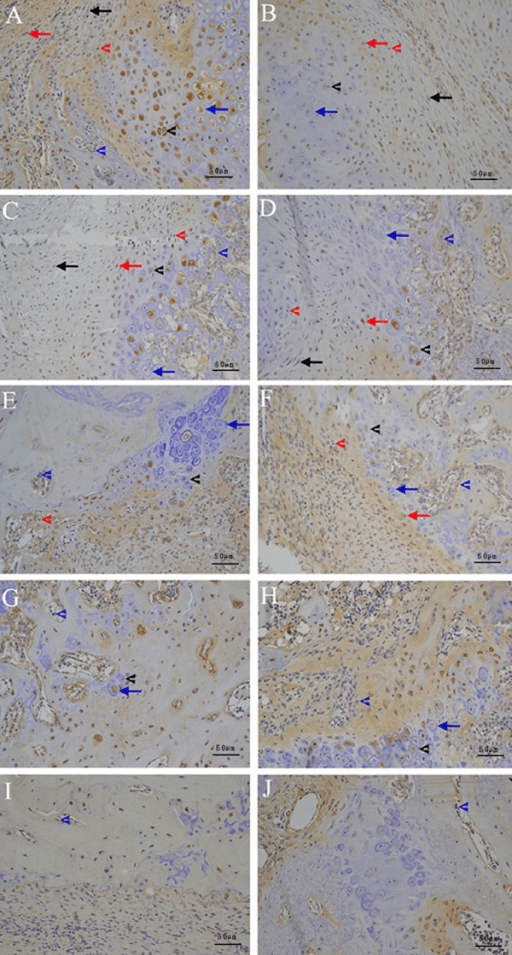
Vascular Endothelial Growth Factor (VEGF)
No vessels, no bone. VEGF is absolutely essential for bone healing because angiogenesis is coupled to osteogenesis: without vessels there is no bone formation. Its roles in fracture healing:
- Vascular invasion of the cartilage callus during endochondral ossification
- Coupling angiogenesis to osteogenesis, spatially and temporally
- Osteoblast survival (anti-apoptotic, prevents cell death)
- Osteoclast recruitment, via indirect RANKL regulation
- Delivery of osteoprogenitors via Type H vessels
Sources. Hypertrophic chondrocytes are the highest producers and signal vascular invasion of the soft callus. Osteoblasts maintain the blood supply to forming bone; macrophages and inflammatory cells contribute early and throughout healing; platelets release the first wave in the haematoma.
VEGF secreted by hypertrophic chondrocytes, just before they undergo apoptosis, is the critical signal for vascular invasion during endochondral ossification. Capillaries invade from the periosteum and marrow cavity, bringing osteoprogenitors and osteoclasts. Without VEGF, cartilage callus persists and cannot be replaced by bone.
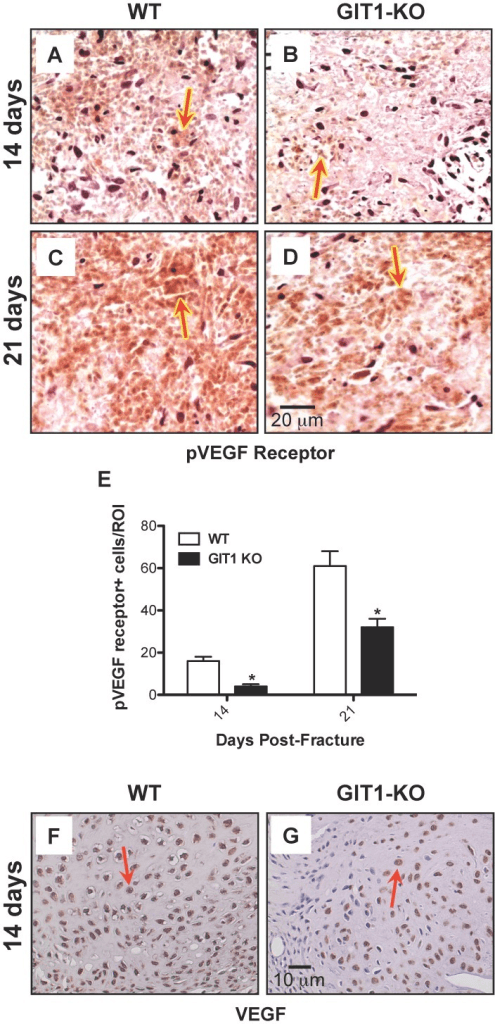
HIF-1α: the oxygen-sensing switch upstream of VEGF. HIF-1α (hypoxia-inducible factor-1 alpha) is a transcription factor whose protein level is set by oxygen tension. In normoxia, prolyl hydroxylase domain enzymes (PHDs) use molecular oxygen to hydroxylate HIF-1α, and the von Hippel-Lindau (VHL) protein then ubiquitinates it for proteasomal degradation, so HIF-1α is continuously destroyed and kept low. In hypoxia, the state of the fracture haematoma and early callus, the PHDs lack their oxygen substrate: HIF-1α is stabilised, accumulates, dimerises with HIF-1β (ARNT), enters the nucleus and binds hypoxia-response elements to transcribe VEGF along with other pro-angiogenic and glycolytic genes.
Why it matters in healing. The fracture site is acutely hypoxic, and HIF-1α stabilisation is the physiological trigger that converts that hypoxia into the VEGF signal driving Type H vessel ingrowth, directly coupling the angiogenic-osteogenic response to the metabolic state of the wound. This is why VEGF transcription rises so steeply early in repair.
The therapeutic angle. Because oxygen-dependent hydroxylation is the brake on HIF-1α, PHD inhibitors / hypoxia-mimetics (for example deferoxamine) stabilise HIF-1α and have been shown experimentally to enhance angiogenesis and bone formation, a vascularity-targeted strategy distinct from delivering BMP.
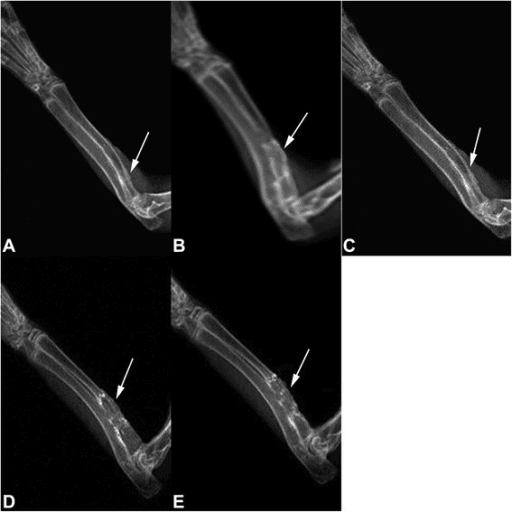
Other Growth Factors in Bone Healing
First on the scene. PDGF is the earliest growth factor at the fracture site, released immediately from platelet alpha granules when the fracture haematoma forms. It is released within minutes to hours, peaks at 24-48 hours in the haematoma, is sustained by macrophages and fibroblasts during inflammation (days 3-7), and declines as inflammation resolves.
Isoforms. PDGF is a dimer:
- PDGF-AA - two A chains, binds PDGFR-α
- PDGF-BB - two B chains, the most potent, binds both receptors
- PDGF-AB - heterodimer
- PDGF-CC and PDGF-DD - newer isoforms, less studied
What it does. PDGF is chemotactic, recruiting neutrophils and macrophages to the fracture and attracting mesenchymal stem cells from periosteum, marrow and circulation. It is mitogenic for fibroblasts, smooth muscle cells and osteoblasts, stimulates collagen and proteoglycan synthesis, and promotes angiogenesis indirectly by inducing VEGF expression in stromal cells.
Signalling. PDGF binds the α or β PDGF receptor, both receptor tyrosine kinases, and activates the Ras-MAPK pathway (proliferation), the PI3K-Akt pathway (survival and migration) and the PLCγ pathway (calcium signalling and the cytoskeletal reorganisation needed for migration).
Fracture haematoma is not just a blood clot - it is a rich reservoir of growth factors. Platelets release PDGF and TGF-β immediately upon aggregation, initiating the inflammatory phase and recruiting the cellular players to the fracture site. This is why excessive irrigation and debridement of haematoma may impair healing - you wash away the growth factors that kick off the healing cascade.
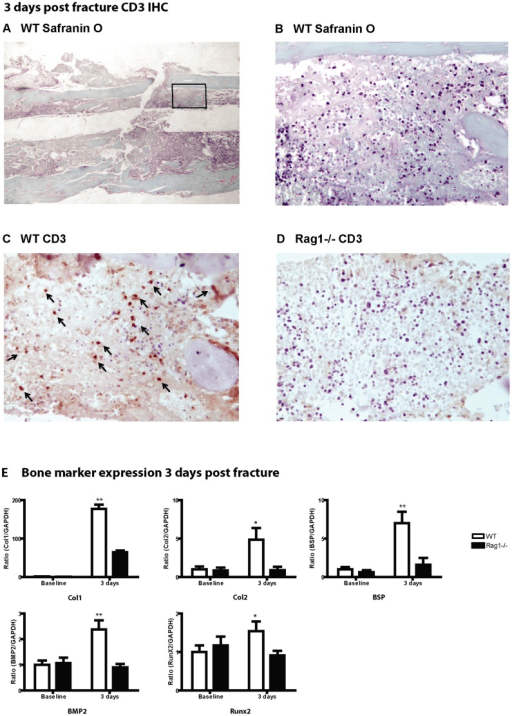
Signalling Pathways Compared
- Receptor
- BMPR-I/II (serine/threonine kinase)
- Signalling
- Smad1/5/8 → Runx2
- Key Effect
- Osteoblast differentiation
- Receptor
- TβR-I/II (serine/threonine kinase)
- Signalling
- Smad2/3 → Smad4
- Key Effect
- MSC proliferation, coupling
- Receptor
- VEGFR-2 (tyrosine kinase)
- Signalling
- PI3K, MAPK, FAK
- Key Effect
- Angiogenesis
- Receptor
- PDGFR (tyrosine kinase)
- Signalling
- PI3K, PLCγ, MAPK
- Key Effect
- Chemotaxis, early healing
- Receptor
- FGFR (tyrosine kinase)
- Signalling
- RAS-MAPK, PI3K
- Key Effect
- Mesenchymal proliferation
- Receptor
- IGF-1R (tyrosine kinase)
- Signalling
- PI3K/AKT, MAPK
- Key Effect
- Osteoblast survival, proliferation
The BMP receptor complex. The type I receptors are the ALKs: ALK2, ALK3 (BMPR-IA) and ALK6 (BMPR-IB), serine/threonine kinases that phosphorylate Smad1/5/8. The type II receptors, BMPR-II, ActR-II and ActR-IIB, are constitutively active kinases that phosphorylate and activate the type I receptor. The receptor combination determines the response; ALK3 with BMPR-II is canonical BMP signalling, and non-Smad pathways (MAPK, PI3K) are active as well.
The superfamily. The TGF-β superfamily has over 30 members:
- BMP subfamily: BMP-2 and BMP-4, BMP-5, BMP-6 and BMP-7 (OP-1), and the GDFs (growth differentiation factors)
- TGF-β subfamily: TGF-β1, TGF-β2 and TGF-β3, signalling via Smad2/3 and proliferative rather than differentiation-inducing
- Other members: activins and inhibins, nodal and lefty, and myostatin (GDF-8)
Runx2, the master osteoblast regulator. Runx2 (also known as Cbfa1) is the key transcription factor of the osteoblast lineage. BMP signalling activates it via Smad1/5/8; the Wnt/β-catenin pathway and mechanical loading activate it too. Its target genes are osteocalcin (a late osteoblast marker), osteopontin, bone sialoprotein, type I collagen (COL1A1) and alkaline phosphatase. A Runx2 knockout has a complete absence of bone formation, and cleidocranial dysplasia is Runx2 haploinsufficiency.
The Smad you phosphorylate determines the outcome:
- BMP → Smad1/5/8 → Runx2 → Osteoblast differentiation
- TGF-β → Smad2/3 → Proliferation, not differentiation
Both pathways converge on Smad4 to enter the nucleus. This is why BMPs are osteoinductive (induce bone) while TGF-β is primarily proliferative: same superfamily, opposite downstream effects on differentiation.
Classification
- Key Members
- BMP-2, BMP-4, BMP-7
- Primary Role
- Osteoinduction (bone formation)
- Phase of Healing
- All phases, especially repair
- Key Members
- TGF-β1, TGF-β2, TGF-β3
- Primary Role
- MSC proliferation, coupling
- Phase of Healing
- Early inflammation, remodelling
- Key Members
- VEGF-A (isoforms 121-206)
- Primary Role
- Angiogenesis, coupling
- Phase of Healing
- Cartilage-to-bone transition
- Key Members
- PDGF-AA, PDGF-BB
- Primary Role
- Chemotaxis, early healing
- Phase of Healing
- Immediate (from platelets)
- Key Members
- FGF-1, FGF-2, FGF-18
- Primary Role
- Mesenchymal proliferation
- Phase of Healing
- Early proliferative phase
- Key Members
- IGF-1, IGF-2
- Primary Role
- Osteoblast proliferation/survival
- Phase of Healing
- Matrix synthesis phase
By clinical availability. The recombinant and autologous products a surgeon can actually reach for are few:
- FDA-approved: rhBMP-2 (INFUSE) for ALIF and tibial fractures; rhBMP-7 (OP-1) for tibial nonunion, now discontinued; rhPDGF-BB (Regranex) for wound healing
- Autologous preparations: PRP (platelet-rich plasma), carrying TGF-β, PDGF and VEGF; BMC (bone marrow concentrate), MSCs plus growth factors
- Research stage: rhVEGF, rhFGF, rhIGF-1 and combination therapies
Temporal Sequence of Growth Factors in Fracture Healing
Growth factors are expressed in coordinated, sequential waves that correspond to the phases of healing.
Growth Factor Expression During Fracture Healing
Dominant factors: PDGF, TGF-β, VEGF (first wave)
Platelets aggregate and release growth factors from alpha granules immediately upon vascular injury. PDGF and TGF-β initiate the inflammatory response and recruit mesenchymal stem cells. VEGF is secreted early because of acute hypoxia in the haematoma. Chemotactic signals bring cells to the fracture site.
Dominant factors: TNF-α, IL-1, IL-6, TGF-β, FGF-2, VEGF
Inflammatory cytokines (TNF-α, IL-1, IL-6) from macrophages dominate, stimulating resorption of necrotic bone and amplifying inflammation. TGF-β promotes MSC chemotaxis and early matrix synthesis. FGF-2 and VEGF increase to support proliferation, mesenchymal migration and angiogenesis. Mesenchymal proliferation begins and soft callus formation initiates.
Dominant factors: TGF-β, BMP-2/4/7 (rising), VEGF (peak), FGF-2
TGF-β peaks, driving chondrogenesis and the cartilage soft callus. BMP expression begins, with mRNA detected by day 7 and a peak around days 14-21. VEGF, secreted by hypertrophic chondrocytes, peaks and signals vascular invasion; endochondral ossification begins as blood vessels penetrate the cartilage callus.
Dominant factors: BMPs (peak), VEGF, IGF-1, FGF-2
BMP-2 and BMP-7 peak, providing the strongest osteoinductive signal. Type H vessels invade the callus, delivering osteoprogenitors from marrow and circulation, and VEGF is maintained for vascular invasion. Cartilage is progressively replaced by woven bone via endochondral ossification. IGF-1 promotes osteoblast proliferation and collagen synthesis, and mineralisation of the hard callus accelerates.
Dominant factors: TGF-β (coupling), IGF-1, FGFs, RANKL/OPG balance
Woven bone is remodelled to organised lamellar bone. TGF-β released from resorbed matrix couples osteoclasts to osteoblasts, recruiting MSCs to resorption sites. IGF-1 maintains osteoblast activity during the formation phase, FGFs sustain the osteoprogenitor pool, and BMPs continue at lower levels. The external callus is gradually resorbed and the medullary canal restored; mechanical loading guides remodelling (Wolff's law).
Growth factor expression is sequential and overlapping, not simultaneous. Early factors (PDGF, inflammatory cytokines) recruit cells. Mid factors (TGF-β, BMPs) drive differentiation and bone formation. Late factors (IGFs, FGFs) sustain remodelling. Therapeutic timing matters - BMP delivered too early during the inflammatory phase may be degraded by proteases or cleared. Optimal BMP delivery is week 1-2 when osteoprogenitors are present and the inflammatory phase is resolving.
Investigations
Assessing healing. Serial plain radiographs are the standard surveillance; CT is for complex anatomy or a suspected nonunion, and MRI for soft tissue. Bridging callus becomes visible at 6-12 weeks, union is defined as cortical bridging of 3 of 4 cortices, and remodelling runs from 6 months to years.
Laboratory markers. Bone formation markers are alkaline phosphatase (ALP, osteoblast activity), P1NP (procollagen type 1 N-propeptide) and osteocalcin; resorption markers are CTX (C-telopeptide of type 1 collagen) and NTX (N-telopeptide). They give indirect evidence of healing activity but are not specific enough for routine fracture monitoring.
Serum growth factor levels (BMP-2, VEGF, TGF-β) are NOT routinely measured clinically. Bone formation/resorption markers (ALP, P1NP, CTX) provide indirect evidence of healing activity but are not specific enough for routine fracture monitoring. Serial radiographs remain the standard for assessing bone healing.
- Strengths
- Inexpensive, widely available, reproducible
- Limitations
- 2D, limited sensitivity early healing
- Best Use
- Standard surveillance
- Strengths
- 3D assessment, detects bridging callus, evaluates cortical continuity
- Limitations
- Radiation, cost, metal artefact
- Best Use
- Suspected nonunion, complex anatomy
- Strengths
- Soft tissue, oedema, vascular status, no radiation
- Limitations
- Cost, limited for cortical bone
- Best Use
- AVN assessment, soft tissue complications
- Strengths
- Quantitative bone density
- Limitations
- Limited spatial resolution
- Best Use
- Osteoporosis screening, not routine
- Strengths
- Metabolic activity, early detection of healing vs nonunion
- Limitations
- Expensive, radiation, limited availability
- Best Use
- Research, complex cases
Research tools. Growth factors themselves are measured only in research settings, not clinically:
- Immunohistochemistry for BMP-2, BMP-7 and VEGF in callus tissue
- ELISA for serum or tissue growth factor levels
- qPCR for growth factor gene expression
- Micro-CT for quantitative callus analysis
- Histomorphometry for BIC% and bone formation rate
The temporal expression patterns were documented this way, in animal models: PDGF and TGF-β peak early (days 1-3), VEGF peaks during the soft callus phase (days 7-14) and BMP-2/7 peak during hard callus formation (days 14-21).
Management
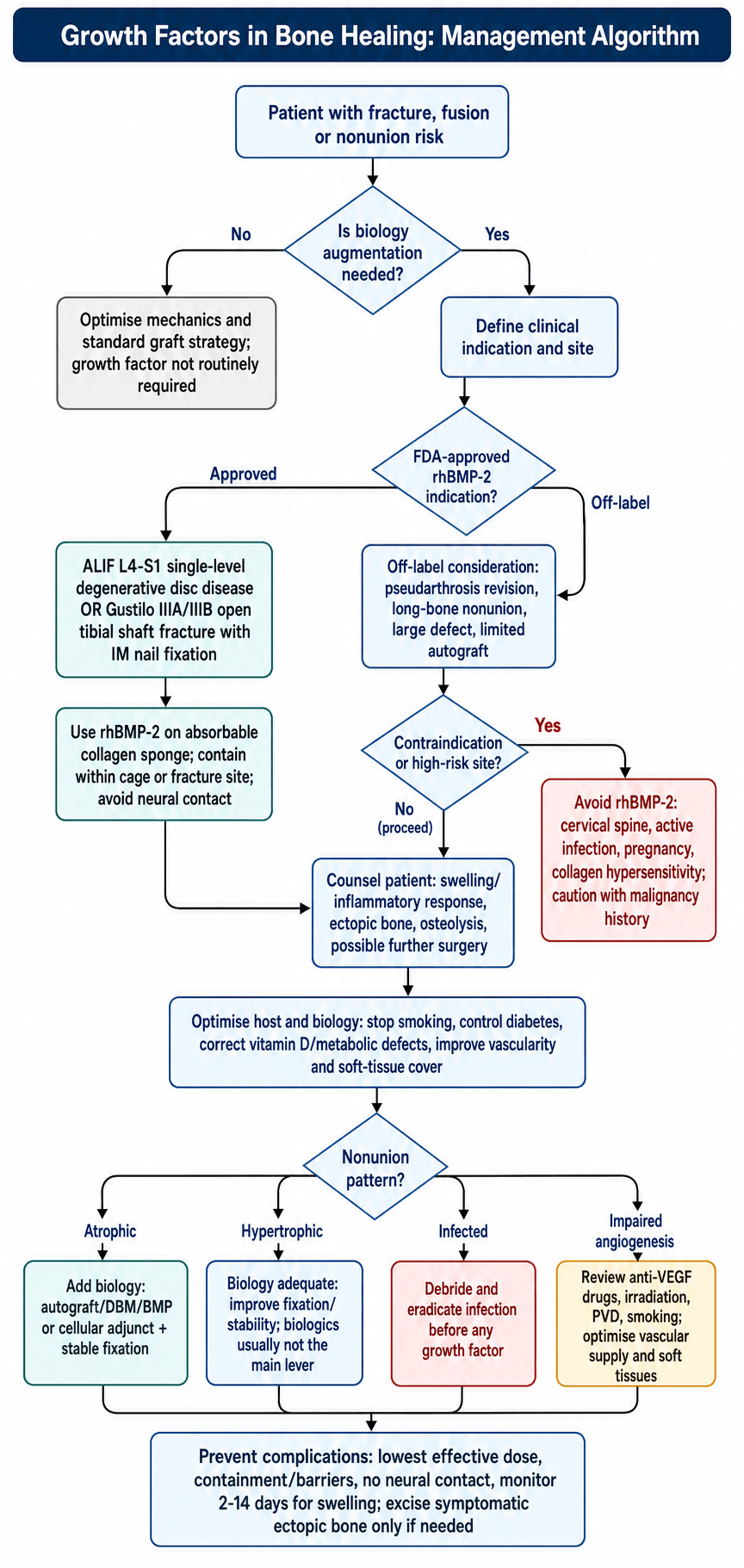
The approved indications. rhBMP-2 (INFUSE Bone Graft) is FDA-approved for two orthopaedic uses: single-level ALIF at L4-S1 for degenerative disc disease, and open tibial shaft fractures, Gustilo IIIA/IIIB, with intramedullary nail fixation. It is delivered on an absorbable collagen sponge. Everything else in orthopaedics is off-label.
FDA-approved indications for rhBMP-2: (1) ALIF L4-S1 single level and (2) Open tibial shaft fractures Gustilo IIIA/IIIB. All other uses are OFF-LABEL. Cervical use is contraindicated due to airway complications.
Off-label use is controversial and common in practice, and it rests on surgeon judgement with essential patient counselling about the risks and the absence of FDA approval for that indication:
- Posterior lumbar fusion (posterolateral, PLIF, TLIF)
- Cervical fusion, with significant risks and an FDA warning against off-label use in the anterior cervical spine
- Revision spine surgery and spinal pseudarthrosis revision
- Long bone nonunions
- Pelvis and acetabular fractures
- Revision arthroplasty with bone loss
rhBMP-2 should NOT be used in the cervical spine. The FDA issued a 2008 Public Health Notification warning of life-threatening complications from prevertebral soft tissue oedema:
- Severe airway swelling requiring intubation or tracheostomy
- Dysphagia, dysphonia and hoarseness
- Haematoma, seroma and wound complications
- Ectopic bone formation causing compression
These complications can occur 2-14 days postoperatively, even after initially uneventful surgery.
Choosing the patient. BMP is worth considering where the risk of nonunion is high (smoking, diabetes, open fractures), in revision surgery for pseudarthrosis, for large bone defects that need osteoinduction, and when autograft availability is inadequate. It is a highly effective agent that demands careful patient selection, thought about dose, and informed consent about the risks.
Relative contraindications. The algorithm screens for these before any off-label use:
- History of malignancy (a theoretical concern for tumour promotion)
- Active infection
- Known hypersensitivity to bovine collagen
- Pregnancy (Category C)
- Cervical spine use, which is an absolute contraindication
Informed consent is critical for rhBMP-2 use. Patients must understand the potential complications, including the inflammatory response and swelling, ectopic bone formation, retrograde ejaculation (males), osteolysis and the potential need for additional procedures. Off-label use requires thorough discussion of the risks and of the lack of FDA approval for that specific indication. Document the shared decision-making process.
Surgical Technique
Preparing INFUSE. The kit is reconstituted at the table:
- Reconstitute the rhBMP-2 with sterile water
- Allow 15 minutes for the protein to bind to the collagen sponge
- Check that the sponge is evenly saturated
Applying it. The sponge goes directly onto bone surfaces: inside the interbody cage for an ALIF, and at the fracture site over the fixation for an open tibial fracture. Avoid direct contact with neural elements.
Handling precautions. The sponge is the delivery system and is handled accordingly:
- Keep the sponge moist during application
- Do not fold, roll or compress it, which reduces the surface area
- Use within 2 hours of reconstitution; store at 2-8°C until use
- Keep blood and irrigation fluids off it, since both dilute the growth factor concentration, and do not apply suction directly to the sponge
- Technique
- Place BMP-soaked sponge inside interbody cage
- Precautions
- Avoid anterior extrusion, ensure contained space
- Specific Risks
- Retrograde ejaculation (2-5%), osteolysis
- Technique
- Apply in posterolateral gutters, within cage
- Precautions
- Avoid contact with dura, nerve roots
- Specific Risks
- Radiculopathy, ectopic bone in canal
- Technique
- Apply at fracture site after debridement and fixation
- Precautions
- Adequate soft tissue coverage required
- Specific Risks
- Heterotopic ossification, wound complications
- Technique
- Apply at nonunion site with bone graft
- Precautions
- Ensure adequate blood supply and stability
- Specific Risks
- Inflammatory reaction may be prominent
Bone graft options and how growth factors fit. Autograft is the gold standard because it contains osteogenic cells, osteoinductive factors and an osteoconductive scaffold; the iliac crest yields 30-40 mL of cancellous bone at the cost of donor-site pain, sensory changes, infection and fracture. Allograft is an osteoconductive scaffold only, with no donor-site morbidity; combined with BMP it gains osteoinduction. The common combination approach builds the diamond deliberately: an allograft or synthetic scaffold (osteoconductive), BMP or DBM (osteoinductive) and local bone marrow aspirate (osteogenic cells).
Complications
Ectopic bone, the signature complication. Ectopic bone formation is the most common complication of BMP use, occurring in 10-30% of cases, and it is the osteoinductive property turned against the patient: only BMP can form bone ectopically, the rhBMP-2 dose far exceeds physiological levels, and the growth factor diffuses beyond the intended site. Bone outside the fusion site risks nerve compression, spinal stenosis and functional limitation, and the risk is higher with supraphysiological doses. Prevention is containment (cages, barriers); treatment is surgical excision if symptomatic.
Inflammation and swelling. Local swelling over 2-14 days is expected, with seroma, haematoma, wound drainage and delayed wound healing in some. In the cervical spine, life-threatening airway swelling has occurred from prevertebral soft tissue oedema, which is the basis of the FDA's 2008 warning.
Osteolysis. Paradoxical early bone resorption and radiolucency around the implant, in 10-20% in the spine, which typically resolves as fusion progresses; a revision may be needed if it is symptomatic.
Retrograde ejaculation. In 2-5% of males after ALIF, from inflammatory injury to the sympathetic plexus, more common at L5-S1; it is permanent in some cases and affects quality of life.
Posterior spine. Radiculopathy from ectopic bone in the canal, and CSF leak if the dura is exposed.
Cancer risk. Controversial: the data conflict, and independent analyses dispute the initial concern.
- Complication
- Airway swelling
- Incidence
- Up to 40% in case series
- Management
- Avoid use, intubation if occurs
- Complication
- Retrograde ejaculation
- Incidence
- 2-5%
- Management
- Patient counselling, usually permanent
- Complication
- Osteolysis
- Incidence
- Variable
- Management
- Usually resolves, may require revision if cage subsidence
- Complication
- Radiculopathy
- Incidence
- Variable
- Management
- May require decompression, ectopic bone excision
- Complication
- Heterotopic ossification
- Incidence
- 10-20%
- Management
- Excision if limiting ROM, typically 6+ months post-op
Who gets complications, and why. The patient factors are smoking (higher complication rate and lower fusion rate), diabetes (impaired healing and higher infection risk) and obesity (wound complications). The technical factors are all in the surgeon's hands:
- A high BMP dose (ectopic bone, osteolysis)
- Poor containment (ectopic bone)
- Contact with neural elements (radiculopathy)
- Inadequate haemostasis (haematoma dilutes the BMP)
Dose. Higher doses raise fusion rates and complications together, some spine surgeons use doses above the FDA-approved levels, and the optimal dose is still debated: more is not better. Prevention is the lowest effective dose, containment within the fusion site, no contact with neural structures, and barriers to limit diffusion where needed.
When healing fails: the differential by disrupted axis. When a fracture or fusion fails to heal, reason through which corner of the diamond and which growth-factor axis is disrupted. This is the high-yield differential examiners probe from a "growth factors" stem.
- Dominant disrupted mechanism
- Biology: deficient osteoinduction/osteogenic cells (low BMP/MSC response)
- Distinguishing clue
- No callus, sclerotic/avascular ends on imaging
- Management lever
- Biological augmentation (autograft, BMP, MSC) plus stability
- Dominant disrupted mechanism
- Mechanics: adequate biology but excess motion
- Distinguishing clue
- Abundant 'elephant-foot' callus, persistent gap
- Management lever
- Improve fixation/stability, not biologics
- Dominant disrupted mechanism
- Inflammation persists; catabolic cytokines (TNF-α, IL-1) dominate
- Distinguishing clue
- Pain, raised CRP/ESR, sinus, positive cultures
- Management lever
- Debride, eradicate infection BEFORE any growth factor
- Dominant disrupted mechanism
- Vascular: VEGF/Type-H vessel coupling blocked
- Distinguishing clue
- Drug/exposure history; poor soft tissues
- Management lever
- Stop offending agent, optimise vascularity, soft-tissue cover
- Dominant disrupted mechanism
- Mineralisation and IGF-1/anabolic signalling impaired
- Distinguishing clue
- Biochemistry abnormal; widespread poor healing
- Management lever
- Correct metabolic defect, glycaemic control
- Dominant disrupted mechanism
- Prostaglandin/COX-2 and osteoblast suppression
- Distinguishing clue
- Medication history
- Management lever
- Withdraw/limit drug where possible
- Dominant disrupted mechanism
- Local osteolysis overrides normal healing signalling
- Distinguishing clue
- Lytic lesion, atypical site, systemic features
- Management lever
- Treat underlying lesion; oncological staging
Postoperative Care
What to expect after BMP. Local swelling peaks at 2-7 days and resolves by 2-4 weeks; mild wound drainage is common early, and a seroma may develop and is usually self-limiting. The findings that need attention:
- Progressive swelling after day 7
- Fever or erythema (infection versus the expected inflammation)
- New neurological symptoms
- Airway compromise after a cervical procedure
What does not change. BMP does not alter weight-bearing or mobilisation; follow the standard protocol for the procedure performed, with brace use per surgeon preference. Pain management and antibiotic prophylaxis are standard, and serial radiographs assess fusion or healing at the usual intervals (6 weeks, 3 months and so on).
NSAIDs theoretically inhibit bone healing by blocking prostaglandin synthesis (COX-2 pathway). Prostaglandins are important in early inflammation and bone formation. However, clinical evidence is mixed, and short courses for acute pain are generally considered acceptable. Avoid prolonged NSAID use (especially in high-risk patients or spinal fusion).
- Specific Monitoring
- Retrograde ejaculation symptoms, neurological status
- Expected Timeline
- Inflammation resolves 2-4 weeks
- Fusion Assessment
- CT at 6-12 months for fusion
- Specific Monitoring
- Wound healing, soft tissue coverage
- Expected Timeline
- Callus visible 6-12 weeks
- Fusion Assessment
- Bridging on X-ray = union
- Specific Monitoring
- Radicular symptoms, wound drainage
- Expected Timeline
- Swelling 1-2 weeks
- Fusion Assessment
- CT or flexion-extension X-ray at 1 year
- Specific Monitoring
- Pain resolution, mechanical stability
- Expected Timeline
- Variable, often 4-6 months
- Fusion Assessment
- CT for bridging callus
Optimising the healing environment. The modifiable factors to address postoperatively are smoking cessation (nicotine impairs angiogenesis and osteoblast function), diabetes control to an HbA1c under 8%, nutrition with adequate protein, calcium and vitamin D, and weight-bearing set by fixation stability and protocol. Among medications, NSAIDs may inhibit healing (avoid prolonged use) and corticosteroids are inhibitory (avoid if possible); bisphosphonates can continue, since they may slightly delay remodelling but do not impair union; teriparatide may enhance healing, off-label for fractures.
Outcomes
- Fusion/Healing Rate
- 94-99%
- Complication Rate
- RE 2-5%, osteolysis variable
- vs Autograft
- Non-inferior (FDA approved)
- Fusion/Healing Rate
- 90-95%
- Complication Rate
- Radiculopathy, ectopic bone
- vs Autograft
- Higher fusion, higher complications
- Fusion/Healing Rate
- Improved union, fewer interventions
- Complication Rate
- HO, wound issues
- vs Autograft
- Beneficial (FDA approved)
- Fusion/Healing Rate
- Variable, 70-90%
- Complication Rate
- Inflammatory response
- vs Autograft
- Often used with autograft
Spinal fusion. In ALIF, the approved indication, fusion rates are 94-100% against 85-90% with autograft; FDA approval rested on non-inferiority to iliac crest bone graft, and the gain is the elimination of harvest morbidity. In posterior fusion, off-label, meta-analyses show higher fusion rates than autograft, with higher complication rates than ALIF.
Open tibial fractures. The BESTT trial (Govender 2002) randomised 450 patients with open tibial fractures to rhBMP-2 or standard care and found fewer secondary interventions, faster healing and reduced infection in Gustilo type III injuries. It is particularly beneficial in high-grade open fractures, and the cost-benefit is favourable for IIIA/IIIB injuries.
rhBMP-2 is expensive (approximately $5,000-10,000 per kit). Meta-analyses show high fusion rates but also higher complication rates than initially reported by industry. Cost-benefit analysis favours use in: (1) high-risk patients for nonunion, (2) avoiding autograft morbidity, (3) revision surgery for pseudarthrosis. Not routinely used for all fusions due to cost and complications.
The industry-bias controversy. The YODA Project (2013) independently reviewed the Medtronic-sponsored BMP trials and found that adverse events were under-reported in the original publications: ectopic bone was under-reported, retrograde ejaculation was higher than initially stated, and the cancer concern raised at first was not borne out on subsequent analysis. Its conclusion was that BMP is effective for fusion but the complication profile is different from the one marketed, and the complications are significant.
Clinical Applications and Therapeutic Use
BMPs are the only growth factors with robust FDA approval and widespread clinical use in orthopaedics. The products, their carriers and their labels:
- Agent
- rhBMP-2
- Delivery
- Absorbable collagen sponge (ACS)
- Approved indication(s)
- Single-level ALIF L4-S1; open tibial shaft fracture, Gustilo IIIA/IIIB, with IM nail; oral-maxillofacial reconstruction
- Typical dose
- 12 mg total for ALIF (1.5 mg/mL; two 6 mg kits); 12 mg at the fracture site for open tibia
- Status
- FDA approved
- Agent
- rhBMP-7
- Delivery
- Bovine collagen putty
- Approved indication(s)
- Recalcitrant long-bone nonunion (Humanitarian Device Exemption)
- Typical dose
- 3.5 mg per implant
- Status
- Discontinued 2014; limited availability
- Agent
- Native BMPs (low dose)
- Delivery
- Matrix carrier
- Approved indication(s)
- Bone graft extender
- Typical dose
- -
- Status
- 510(k) cleared
- Agent
- PDGF, TGF-β, VEGF
- Delivery
- Platelet gel
- Approved indication(s)
- No FDA bone indication
- Typical dose
- -
- Status
- Off-label
How rhBMP-2 works in the wound. BMP bound to its collagen carrier is placed at the fracture or fusion site and released locally over weeks. It induces mesenchymal stem cells to differentiate into osteoblasts and stimulates bone formation without autograft, overcoming the poor osteogenic potential of the graft site: true osteoinduction, bone in a non-skeletal site if that is where the sponge ends up.
Advantages over bone graft. The case for a recombinant protein rests on four points:
- No donor site morbidity (iliac crest pain in 10-20%, infection, haematoma)
- Unlimited supply, not limited by the patient's bone stock
- Consistent osteoinductive potential, whereas autograft quality varies with age and comorbidity
- Avoids a second surgical site, which shortens operative time and is what patients prefer
The evidence. The BESTT trial (2002) was a Level I randomised trial in open tibial fractures in which rhBMP-2 was superior to standard care, with reduced infection, faster healing and fewer secondary procedures. Multiple spine RCTs showed non-inferiority to autograft for ALIF with less donor-site pain, and industry-funded trials showed higher fusion rates with BMP. Meta-analyses find fusion rates 5-10% higher but complications higher too, and the effects are dose-dependent: higher doses increase both efficacy and complications.
rhBMP-7 (OP-1). Held a Humanitarian Device Exemption for recalcitrant long-bone nonunions and required IRB approval for use in the United States. It has lower osteoinductive potency than BMP-2 and potentially fewer inflammatory complications, and it has been withdrawn from many markets.
Guidelines, Registries & Global Practice
Global regulatory status of growth-factor products
Approved indications are deliberately narrow and consistent across major regulators; almost all heavy clinical use of rhBMP-2 worldwide is off-label.
- USA (FDA)
- PMA approved
- Europe (EMA/CE)
- CE-marked (InductOs)
- Approved indication(s)
- Single-level ALIF L4-S1; acute open tibial shaft fracture with IM nail; oral-maxillofacial use (US)
- USA (FDA)
- HDE, withdrawn ~2014
- Europe (EMA/CE)
- Marketing authorisation withdrawn
- Approved indication(s)
- Recalcitrant long-bone nonunion (historical; now largely unavailable)
- USA (FDA)
- PMA approved
- Europe (EMA/CE)
- CE-marked
- Approved indication(s)
- Hindfoot/ankle arthrodesis as autograft alternative
- USA (FDA)
- Minimally regulated (point-of-care)
- Europe (EMA/CE)
- Variable, point-of-care
- Approved indication(s)
- No specific bone-healing licence; used off-label
Major guideline / advisory positions, side by side
- Position
- 2008 Public Health Notification: do NOT use rhBMP-2 in the cervical spine (life-threatening prevertebral/airway swelling). Approved use limited to labelled indications
- Evidence basis
- Post-marketing adverse-event reports; Level III/IV safety signal
- Position
- rhBMP-2 (InductOs) supported only for open tibial fracture with IM nailing where autograft is unsuitable; spinal use not endorsed routinely
- Evidence basis
- Health-technology appraisal of RCT (BESTT) data
- Position
- Biologics (BMP, autograft, RIA) framed within the diamond concept; reserve BMP for high-risk nonunion/defect, not routine fractures
- Evidence basis
- Expert consensus on RCT and registry data
- Position
- Industry trials under-reported harm; true adverse-event rate 10-50% by approach; recommend restraint and full consent
- Evidence basis
- Systematic review of FDA + Level I/II data
Across the FDA, EMA, NICE and the AO Foundation the consensus is the same: rhBMP-2 has proven, licence-limited roles (single-level ALIF L4-S1 and acute open tibial fractures), the cervical spine is contraindicated, and the large volume of off-label spinal use demands explicit informed consent because independent reviews (Carragee 2011) found adverse events 10-50 times higher than the original industry trials reported.
MCQ Practice Points
Q: What are the key growth factors involved in bone healing and their primary functions?
A: (1) BMPs (BMP-2, BMP-7): Osteoinductive - induce mesenchymal stem cell differentiation to osteoblasts. (2) TGF-β: Stimulates matrix synthesis, chondrocyte proliferation. (3) PDGF: Mitogenic for osteoblasts and mesenchymal cells, angiogenesis. (4) VEGF: Angiogenesis - essential for revascularization. (5) FGF: Mitogenic, angiogenic, stimulates chondrocyte proliferation.
Q: What is the difference between osteoinduction, osteoconduction, and osteogenesis?
A: Osteoinduction: Stimulation of primitive cells to differentiate into bone-forming cells (BMPs). Osteoconduction: Scaffold that permits bone growth along its surface (HA, TCP, allograft). Osteogenesis: Living cells directly forming new bone (autograft with osteoblasts/progenitors). Autograft has all three properties. Allograft is osteoconductive only. Demineralized bone matrix (DBM) is osteoinductive and osteoconductive.
Q: What are the clinical indications for BMP-2 (rhBMP-2/INFUSE) in orthopaedic surgery?
A: FDA-approved indications: (1) ALIF (Anterior Lumbar Interbody Fusion) - most common use. (2) Acute open tibial shaft fractures with intramedullary nail fixation. (3) Sinus augmentation/alveolar ridge procedures (dental). Off-label uses (controversial): Posterolateral spine fusion, nonunion treatment. Complications: Heterotopic ossification, swelling (anterior cervical use - not approved; life-threatening airway swelling), possible cancer concern.
Q: What is the "Diamond Concept" of bone healing?
A: Four essential elements for successful bone healing: (1) Osteogenic cells: Mesenchymal stem cells, osteoblast precursors. (2) Osteoconductive scaffold: Matrix for cell attachment and bone growth. (3) Osteoinductive growth factors: BMPs, TGF-β to stimulate differentiation. (4) Mechanical stability: Appropriate fixation for biological environment. Addressing all four elements optimizes healing, especially in nonunion management.
Q: What are the advantages and disadvantages of platelet-rich plasma (PRP) in orthopaedics?
A: Advantages: Autologous (no disease transmission), contains multiple growth factors (PDGF, TGF-β, VEGF, IGF), easy bedside preparation, relatively low cost. Disadvantages: Variable preparation methods affect concentration, inconsistent evidence for efficacy, no standardization of formulations. Best evidence: Lateral epicondylitis, rotator cuff repair augmentation, ACL surgery. Controversial in bone healing, tendinopathy.
Exam Viva Scenarios
Practise clinical reasoning and management decisions out loud
“An examiner asks you to describe the BMP signaling pathway that leads to osteoblast differentiation.”
“Describe the temporal sequence of growth factor expression during fracture healing.”
“How would you assess whether a patient's fracture is healing adequately?”
“A 55-year-old male with diabetes presents with a tibial shaft nonunion at 9 months post-injury. Would you use BMP-2? Discuss your management.”
“How do you apply rhBMP-2 during an ALIF procedure?”
“A patient develops severe swelling and dysphagia 48 hours after an ACDF where BMP was used. How do you manage this?”
“How do you assess fusion after a lumbar fusion with BMP?”
“What is the evidence for using BMP-2 in lumbar fusion?”
“How would you justify the use of rhBMP-2 in a complex revision lumbar fusion in the Australian public health system?”
BMP Family (Osteoinduction)
- BMP-2 and BMP-7 most potent osteoinductive factors (only induce ectopic bone)
- Urist 1965 discovery: DBM in muscle induces bone (true osteoinduction)
- Mechanism: BMP → BMPR-II → BMPR-I (ALK-2/3/6) → pSmad1/5/8 → Smad4 → Runx2
- rhBMP-2 FDA-approved: ALIF L4-S1 single level and open tibia fractures only
- Delivery: absorbable collagen sponge (ACS), typical dose 12mg for ALIF
- Serious complications: ectopic bone (10-30%), retrograde ejaculation (2-5%)
- Osteolysis, inflammatory swelling, wound complications
- OFF-LABEL CERVICAL USE: life-threatening airway swelling (FDA warning 2008)
TGF-β (Coupling and Proliferation)
- Most abundant growth factor in bone matrix (200 μg/kg bone)
- Biphasic: stimulates proliferation (early), inhibits differentiation (late)
- Key role in coupling: released during resorption, recruits MSCs to site
- Signals via Smad2/3 (vs BMP Smad1/5/8), both use Smad4 common mediator
- Platelets release TGF-β in fracture hematoma (initiates healing cascade)
- Secreted as latent complex (LAP), activated by proteases/pH/mechanical stress
- Without TGF-β coupling impaired: uncoupled remodeling leads to bone loss
VEGF (Angiogenesis-Osteogenesis Coupling)
- Essential for coupling angiogenesis to osteogenesis (no vessels = no bone)
- VEGF-A most important, binds VEGFR-2 on endothelial cells
- Secreted by hypertrophic chondrocytes to signal vascular invasion of soft callus
- Type H vessels (CD31-high, Emcn-high) at metaphysis and callus: pro-osteogenic
- Type H vessels deliver osteoprogenitors, support perivascular differentiation
- Bone forms where vessels penetrate (spatial-temporal coupling)
- Hypoxia → HIF-1α stabilization → VEGF transcription (100-fold increase)
- VEGF inhibition (anti-cancer drugs bevacizumab) impairs healing 50% in animals
- CLINICAL: Anti-VEGF therapy delays fracture healing in cancer patients
PDGF (Early Chemotaxis)
- Released from platelets immediately upon fracture (first growth factor)
- Peak concentration 24-48 hours in hematoma
- Chemotactic: recruits inflammatory cells and MSCs to fracture site
- Stimulates proliferation of osteoblasts, fibroblasts (mitogenic)
- Indirect angiogenesis (stimulates VEGF production by stromal cells)
- Dimeric protein (PDGF-AA, AB, BB), BB most potent
- Binds PDGFR-α/β → Ras-MAPK, PI3K-Akt signaling
- Clinical product: Augment Bone Graft (PDGF-BB + β-TCP) for foot/ankle fusion
FGF and IGF Families
- FGF-2 (bFGF): mesenchymal proliferation, angiogenesis, maintains progenitor pool
- FGF-18 (sprifermin): cartilage homeostasis, clinical trials for OA
- FGFR3 gain-of-function mutation: achondroplasia (inhibits chondrocyte proliferation)
- IGF-1: osteoblast proliferation, collagen synthesis, anti-apoptotic
- GH-IGF axis: GH stimulates liver and osteoblasts to produce IGF-1
- IGFBPs regulate bioavailability (IGFBP-3 most abundant)
- IGF-1 mediates most skeletal effects of growth hormone
Temporal Sequence
- Immediate (hours): Platelets release PDGF, TGF-β, VEGF from alpha granules
- 24-48h: PDGF peak - recruits inflammatory cells and MSCs
- Days 1-7: TGF-β dominant, inflammatory cytokines (TNF-α, IL-1, IL-6)
- Days 7-21: BMP-2 peak (day 14-21), VEGF second peak, soft callus formation
- Weeks 2-6: BMPs and VEGF drive hard callus, Type H vessel invasion
- Months 2-12+: IGF-1, FGFs sustain remodeling, TGF-β couples resorption to formation
- Sequential overlapping waves, not discrete phases
Clinical Applications
- rhBMP-2 (Infuse): ALIF L4-S1, open tibia (FDA-approved), high efficacy but serious risks
- rhBMP-7 (OP-1): long bone nonunions (HDE), limited availability
- PDGF-BB: foot/ankle fusion (Augment), periodontal defects (GEM 21S)
- PRP: LOW EVIDENCE for bone healing, mixed for tendons, not recommended routinely
- BMC: very low MSC concentration (0.001-0.01%), limited evidence, no FDA approval
- Anti-VEGF drugs impair healing: avoid elective surgery in cancer patients on bevacizumab
Key Exam Points
- BMPs are ONLY growth factors that induce ectopic bone (true osteoinduction)
- TGF-β uses Smad2/3, BMPs use Smad1/5/8 (different R-Smads, share Smad4)
- VEGF coupling is essential: Type H vessels (not Type L) support osteogenesis
- Platelets are first source: fracture hematoma contains PDGF, TGF-β, VEGF
- Sequential expression: PDGF → TGF-β → BMPs → VEGF peak → IGFs/FGFs remodeling
- Hypoxia-HIF-1α-VEGF pathway drives angiogenesis in fracture healing
Evidence Base
Bone: Formation by Autoinduction (Discovery of Osteoinduction)
- Demineralized bone matrix (DBM) implanted into rabbit muscle induces ectopic bone formation
- Proved existence of bone-inductive factors within bone matrix
- Laid foundation for decades of research to isolate and clone BMPs
- Demonstrated true osteoinduction - bone formation in non-skeletal site
- Led directly to development of recombinant BMPs for clinical use
Recombinant BMP-2 for Open Tibia Fractures (BESTT Trial)
- RCT of 450 patients with open tibia fractures (Gustilo types II, IIIA, IIIB)
- THREE arms, not two: standard care, rhBMP-2 at 0.75 mg/mL (6 mg total), and rhBMP-2 at 1.50 mg/mL (12 mg total)
- ONLY THE HIGHER DOSE WORKED. The 1.50 mg/mL arm cut the risk of secondary intervention by 44% (relative risk 0.56, 95% CI 0.40 to 0.78, p=0.0005); the 0.75 mg/mL arm did not reach significance against control
- In the 1.50 mg/mL arm: significantly faster union, fewer invasive secondary procedures, fewer hardware failures, faster wound healing (83% vs 65% healed at six weeks) and fewer infections in Gustilo type III injuries
- Adverse events reported as similar between groups, with no safety concerns identified
VEGF Stimulates Bone Repair via Angiogenesis and Bone Turnover
- Soluble neutralising VEGF receptor (mFlt-IgG) decreased angiogenesis, bone formation and callus mineralisation in mouse femoral fractures
- VEGF inhibition dramatically impaired healing of a tibial cortical bone defect (intramembranous ossification)
- Identified a direct autocrine role for VEGF in osteoblast differentiation
- Exogenous VEGF enhanced blood vessel formation, ossification and callus maturation in mouse femur fractures
- Exogenous VEGF promoted bony bridging of a rabbit radius segmental gap defect
- VEGF couples angiogenesis to osteogenesis across both endochondral and intramembranous repair
TGF-β1-Induced Migration of MSCs Couples Bone Resorption with Formation
- Active TGF-β1 released during bone resorption induces migration of bone marrow stromal (mesenchymal stem) cells to resorptive sites
- Coupling of resorption to formation is mediated through a SMAD signalling pathway
- Mice carrying a Camurati-Engelmann disease (CED) mutant TGFB1 showed high marrow active TGF-β1 and progressive diaphyseal dysplasia
- A TGF-β type I receptor inhibitor partially rescued uncoupled remodelling and prevented fractures
- Establishes TGF-β1 as a key molecular coupler of osteoclastic resorption and subsequent osteoblastic formation
A Critical Review of rhBMP-2 Trials in Spinal Surgery: Emerging Safety Concerns
- Systematic review comparing 13 original industry-sponsored rhBMP-2 trials (780 patients) against FDA data and later publications
- Original industry trials reported zero (0%) rhBMP-2-associated adverse events
- Independent estimate of adverse events with rhBMP-2 in spine fusion: 10% to 50% depending on approach
- Anterior cervical fusion carried an estimated 40% greater risk of early adverse events, including life-threatening events
- Anterior lumbar interbody fusion: higher rates of implant displacement, subsidence, infection and retrograde ejaculation vs controls
- Higher rhBMP-2 doses associated with a greater apparent risk of new malignancy; true risk 10-50 times original published estimates
Type H Vessels Couple Angiogenesis and Osteogenesis (Discovery of CD31-hi Emcn-hi Capillaries)
- Identified a distinct capillary subtype (later termed Type H, CD31-high Endomucin-high) in murine bone
- Type H vessels occupy specific locations (metaphysis, endosteum) and mediate growth of the bone vasculature
- These vessels maintain perivascular osteoprogenitors and couple angiogenesis to osteogenesis
- Type H vessel abundance and associated osteoprogenitors fall markedly in aged animals
- Pharmacological reversal of the decline restored bone mass, linking vascular subtype to bone formation
- Provides the cellular basis for spatial coupling: bone forms where Type H vessels penetrate
rhPDGF-BB plus β-TCP-Collagen vs Autograft for Ankle/Hindfoot Fusion
- Prospective randomised controlled trial of 75 patients (5:1 allocation) with pooled autograft controls (n=154)
- CT fusion of all involved joints at 24 weeks: 84% with rhPDGF-BB/β-TCP-collagen vs 65% autograft (P less than .001)
- Mean time to fusion 14.3 weeks vs 19.7 weeks for autograft (P less than .01)
- Clinical success at 52 weeks: 91% vs 78% (P less than .001)
- Safety outcomes equivalent; autograft controls had 2 bone-graft harvest-site infections
- rhPDGF-BB/β-TCP eliminated autograft donor-site pain and morbidity