Borrelia burgdorferi | Tick-Borne | Three-Stage Disease
- Erythema migrans is pathognomonic - expanding annular rash with central clearing
- Lyme arthritis typically presents as intermittent monoarthritis of the KNEE
- Two-tier testing: ELISA screening then Western blot confirmation
- Doxycycline first-line for early disease and, for 28 days, for Lyme arthritis; IV Ceftriaxone if oral therapy fails or for neurological disease
- 10-20% antibiotic-refractory Lyme arthritis may require synovectomy
- “Negative serology does not exclude early Lyme disease - treat clinically if EM present
- “Lyme arthritis is NOT septic arthritis - synovial WBC typically 25,000-50,000
- “Consider Lyme in any unexplained chronic monoarthritis of the knee
- “Post-treatment Lyme disease syndrome does NOT respond to further antibiotics
Overview and Epidemiology
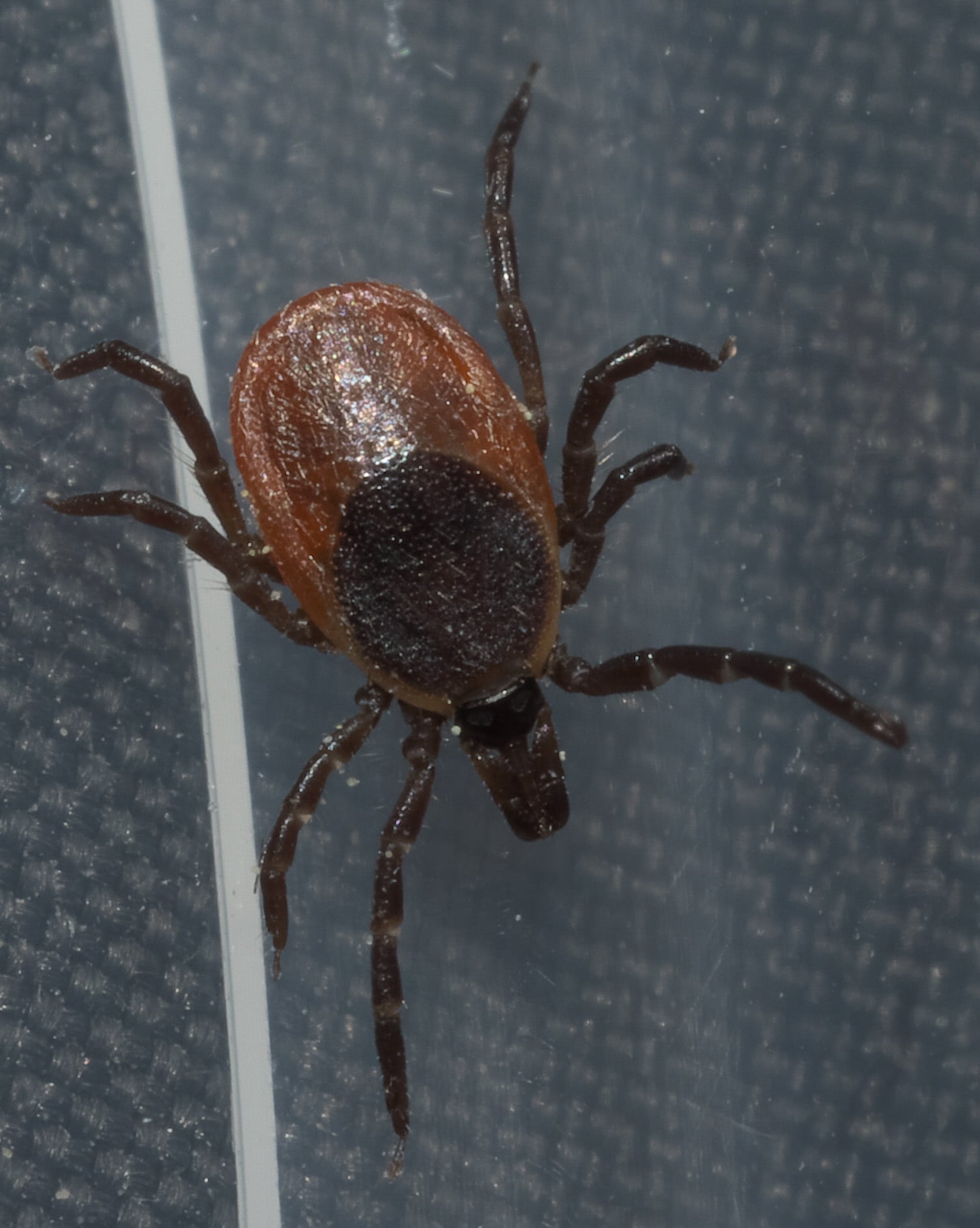
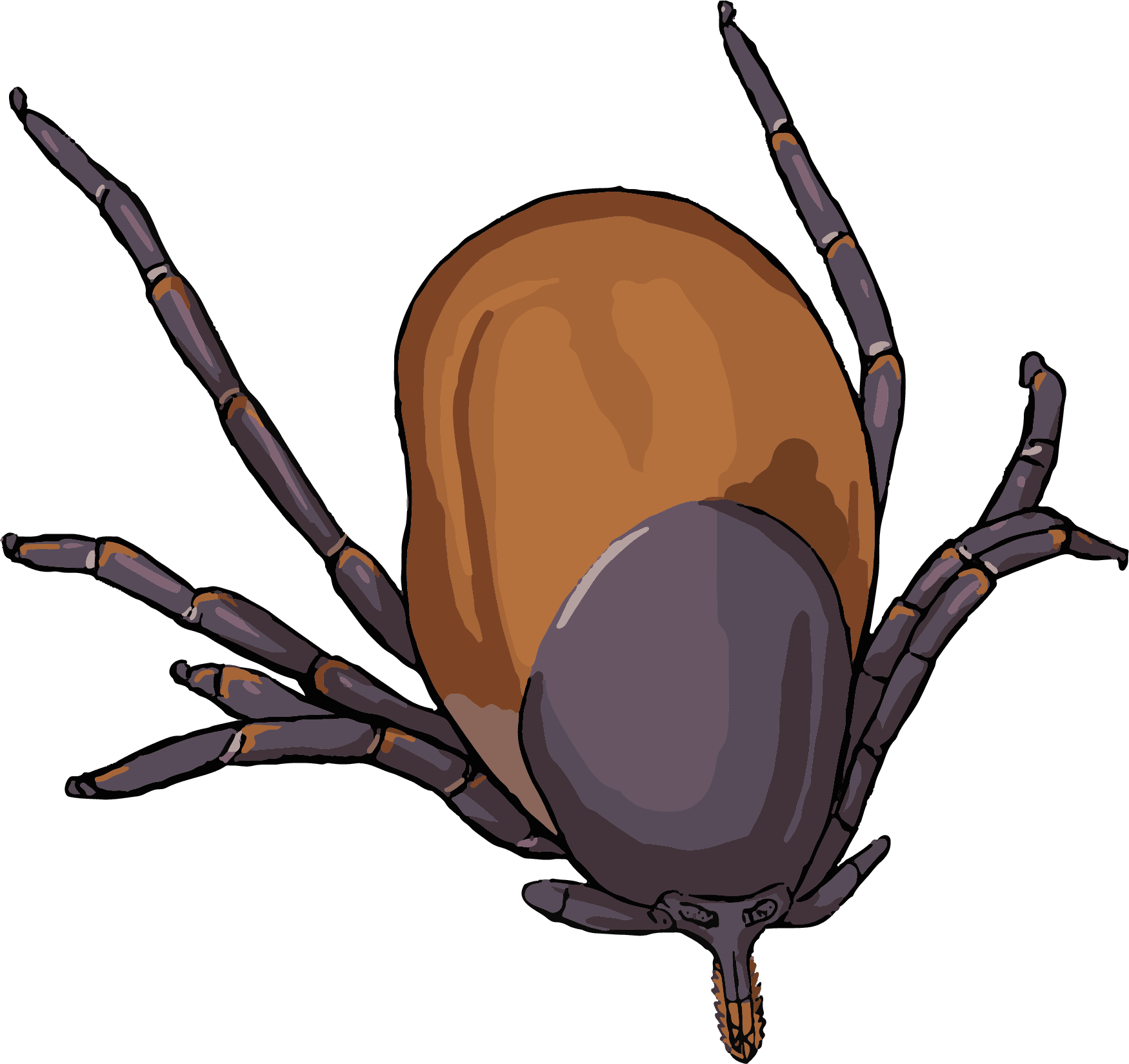
Lyme disease is a multisystem infection caused by the spirochaete Borrelia burgdorferi and, in Europe, by the related species B. afzelii and B. garinii. It is the most common vector-borne disease in North America and Europe, and it is transmitted by Ixodes ticks, the deer or black-legged tick.
Burden. Insurance-claims data estimate that about 476,000 patients are diagnosed and treated for Lyme disease in the USA each year (Kugeler 2021). Reported European cases exceed 200,000 a year, with marked under-reporting.
Where and when. The endemic areas are the north-eastern USA, the Upper Midwest and Northern California, temperate Europe and temperate Asia. Transmission peaks from late spring to early autumn, when nymphal Ixodes ticks are active. In a non-endemic region such as Australia, where no enzootic B. burgdorferi cycle has been demonstrated, a travel history to an endemic area is essential.
Who. Risk follows exposure: living in or travelling to an endemic area, and hiking, camping or gardening in wooded or grassy country during the tick season.
Classic Borrelia burgdorferi Lyme disease is acquired only where the Ixodes-reservoir enzootic cycle exists (North America, temperate Europe, temperate Asia). In a patient from a non-endemic region with no relevant travel, the diagnosis is very unlikely and an alternative cause of monoarthritis must be sought. Always elicit a detailed exposure and travel history.
Pathophysiology
The organism. Borrelia burgdorferi sensu lato is a complex of genospecies that differ in geography and in the disease they cause:
- B. burgdorferi sensu stricto - North America and Europe; arthritis predominates
- B. afzelii - Europe; skin manifestations (acrodermatitis chronica atrophicans)
- B. garinii - Europe; neurological disease predominates
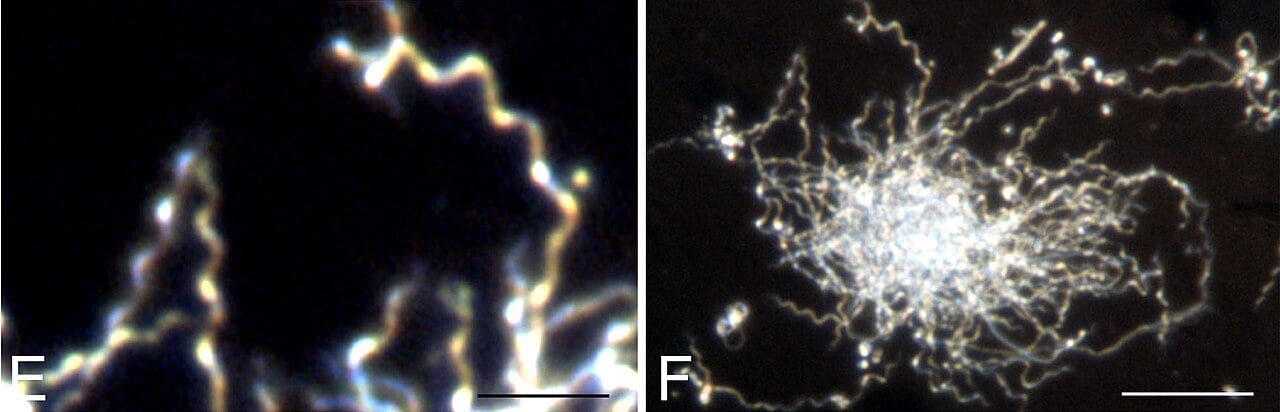
Surface proteins. Borrelia is a Gram-negative spirochaete carrying outer surface proteins (Osp). OspA is expressed in the tick gut and is the target for vaccines, OspC is upregulated during transmission to the host, and VlsE is a variable surface protein that enables immune evasion.
From bite to disease. The sequence runs:
- An Ixodes tick, nymph or adult, attaches and feeds
- Spirochaetes migrate from the tick midgut to the salivary glands
- Transmission requires more than 36-48 hours of attachment
- Local infection at the bite site causes erythema migrans
- Haematogenous and lymphatic dissemination carries the organism to distant sites
Into the joint. Spirochaetes have a tropism for synovial tissue, binding decorin and glycosaminoglycans in the extracellular matrix. They induce a Th1 inflammatory response in which IL-17 and IFN-gamma drive the synovitis. In some patients the inflammation persists after the spirochaetes have been cleared.
The immune response. Early infection provokes an innate response with neutrophil infiltration, followed by T-cell and B-cell activation and antibody production. IgM is detectable 1-2 weeks after infection; IgG appears at 4-6 weeks and persists long-term.
When joint inflammation persists despite adequate antibiotic therapy, it is associated with HLA-DR4 and may represent an autoimmune phenomenon triggered by molecular mimicry between OspA and human LFA-1. Treat LFA-1 as a candidate mechanism rather than an established one (Gross 1998, in the Evidence Base). Treatment shifts from antibiotics to immunomodulation.
Clinical Presentation
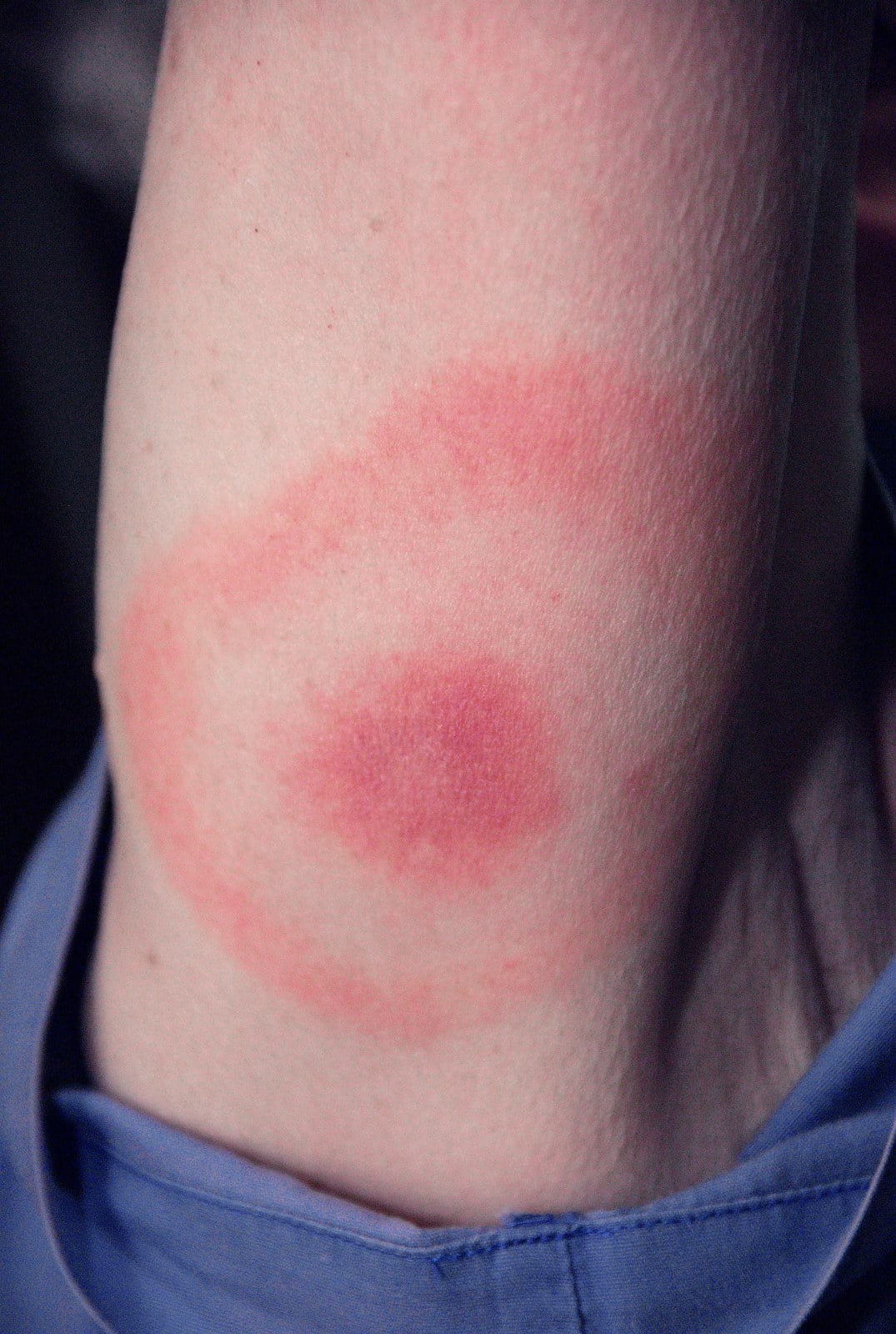
Stage 1: early localised disease (3-30 days). Erythema migrans occurs in 70-80% of infected individuals and is pathognomonic. It is an expanding annular erythematous patch at the bite site, with central clearing that gives the bull's-eye or target appearance, and it must measure more than 5 cm for the diagnosis. It is usually painless, though it may burn mildly, and it resolves spontaneously, but it still indicates active infection.
The rash may come with fatigue, malaise and low-grade fever, headache and myalgia, and regional lymphadenopathy. Any joint symptoms are mild arthralgia rather than true arthritis.
Stage 2: early disseminated disease (weeks to months). Migratory polyarthralgia gives fleeting pains that move from joint to joint, with brief episodes of swelling lasting days before they resolve. Migratory myalgia causes muscle pain without weakness. There is no permanent joint damage at this stage. Beyond the joints:
- Multiple EM lesions - secondary skin lesions distant from the bite
- Lyme carditis in 4-10% - AV block, from first-degree to complete; myocarditis is rare and may require temporary pacing. Carditis usually resolves with antibiotics
- Early neuroborreliosis - facial palsy (bilateral in 25%), lymphocytic meningitis, and painful radiculoneuritis (Bannwarth syndrome)
Stage 3: late disseminated disease (months to years). This is Lyme arthritis, and in the pre-antibiotic-era natural history about 60% of untreated patients developed it. An intermittent oligoarthritis progresses to a chronic monoarthritis, affecting the knee in 90%. Episodes last weeks to months, and untreated disease can cause erosive joint damage.
The knee on examination. The effusion is large and cool, less inflammatory than a septic joint, and out of proportion to the pain. Synovial thickening is mild, range of motion is often preserved, and a Baker's cyst may develop.
Other late manifestations are late neuroborreliosis, with encephalopathy and cognitive impairment or polyneuropathy, and acrodermatitis chronica atrophicans from the European species.
Post-treatment Lyme disease syndrome (PTLDS). Fatigue, musculoskeletal pain and cognitive difficulties persist for more than 6 months after adequate antibiotic treatment, with no evidence of ongoing infection. Further antibiotics are not beneficial and management is supportive.
IgG antibodies to Borrelia persist for years after successful treatment, so a positive test after therapy means the patient was once infected — not that infection is ongoing. There is no serologic test of cure. Repeating serology in a treated patient who still has symptoms is the commonest route to unnecessary re-treatment, and the 2020 IDSA/AAN/ACR guideline cited on this page advises explicitly against prolonged or repeated antibiotic courses. Judge the response clinically — by the joint — not by the titre.
The stages side by side, with the serology and first-line treatment expected at each (treatment is set out in Management):
- Stage 1 - Early Localised
- 3-30 days post-bite
- Stage 2 - Early Disseminated
- Weeks to months
- Stage 3 - Late
- Months to years
- Stage 1 - Early Localised
- Erythema migrans (70-80%)
- Stage 2 - Early Disseminated
- Multiple EM lesions
- Stage 3 - Late
- None
- Stage 1 - Early Localised
- None or mild arthralgia
- Stage 2 - Early Disseminated
- Migratory polyarthralgia
- Stage 3 - Late
- Intermittent mono/oligoarthritis
- Stage 1 - Early Localised
- N/A
- Stage 2 - Early Disseminated
- Multiple joints, fleeting
- Stage 3 - Late
- Knee (90%)
- Stage 1 - Early Localised
- Often negative
- Stage 2 - Early Disseminated
- Usually positive IgM
- Stage 3 - Late
- Positive IgM and IgG
- Stage 1 - Early Localised
- Doxycycline 10-14 days
- Stage 2 - Early Disseminated
- Doxycycline 14-21 days
- Stage 3 - Late
- Oral doxycycline 28 days; IV Ceftriaxone 14-28 days if oral fails or neurological
Investigations
Aspirate the joint. Joint aspiration is essential in acute presentations to exclude septic arthritis, and the fluid shows:
- White cell count 10,000-100,000/microL, typically 25,000-50,000
- Neutrophil predominance, which may shift to lymphocytes in chronic disease
- Gram stain and culture negative - routine culture does not grow Borrelia
- No crystals
- PCR for Borrelia DNA positive in 60-85% of untreated cases
Lyme or septic? Lyme arthritis is inflammatory, not septic. The synovial white count is usually below 50,000, against more than 50,000 in septic arthritis; the patient is less systemically unwell and has less pain relative to the swelling; and Borrelia PCR is positive while culture is negative.
Two-tier serology. The CDC-recommended standard two-tier test (STTT) screens first and confirms second. The first step is an ELISA or IFA, with a sensitivity above 90% in late disease but only 40-60% in early disease. A negative screen with early disease suspected means treating clinically and repeating in 2-4 weeks; a positive or equivocal screen goes to the second step.
The Western blot detects antibodies to specific Borrelia proteins and is more specific than ELISA alone. Never perform it without a positive or equivocal ELISA: on its own it has a high false-positive rate. The band criteria depend on the duration of symptoms:
- IgM - 2 of 3 bands (23, 39, 41 kDa), valid only in the first 4 weeks
- IgG - 5 of 10 bands, used after 4 weeks of symptoms
Serology is often NEGATIVE in early localised disease (first 2 weeks). If erythema migrans is present, diagnosis is CLINICAL and treatment should not await serology. Negative serology in early disease does not exclude Lyme.
Other blood tests. ESR and CRP are mildly elevated in active disease. Rheumatoid factor and anti-CCP are negative, which distinguishes Lyme arthritis from rheumatoid arthritis, and ANA is usually negative.
- Discriminating clinical clue
- Endemic exposure, large painless effusion, intermittent
- Synovial WBC
- 10,000-100,000, typically 25,000-50,000 (neutrophilic)
- Decisive test
- Two-tier serology positive; synovial Borrelia PCR
- Discriminating clinical clue
- Acute, hot, very painful, systemically unwell
- Synovial WBC
- Often over 50,000
- Decisive test
- Positive Gram stain/culture
- Discriminating clinical clue
- Sudden severe attacks, podagra or chondrocalcinosis
- Synovial WBC
- Variable, can exceed 50,000
- Decisive test
- Crystals on polarised microscopy
- Discriminating clinical clue
- Recent GU/GI infection, enthesitis, oligoarthritis
- Synovial WBC
- 2,000-50,000
- Decisive test
- Negative cultures; clinical pattern, HLA-B27
- Discriminating clinical clue
- Insidious, morning stiffness, other joints
- Synovial WBC
- 5,000-50,000
- Decisive test
- Clinical criteria; RF/anti-CCP, negative Lyme serology
- Discriminating clinical clue
- Recurrent haemarthrosis, single joint
- Synovial WBC
- Bloody aspirate
- Decisive test
- MRI (haemosiderin); biopsy
Radiographs are usually normal in early Lyme arthritis beyond soft-tissue swelling and an effusion, and may show erosions in chronic untreated disease.
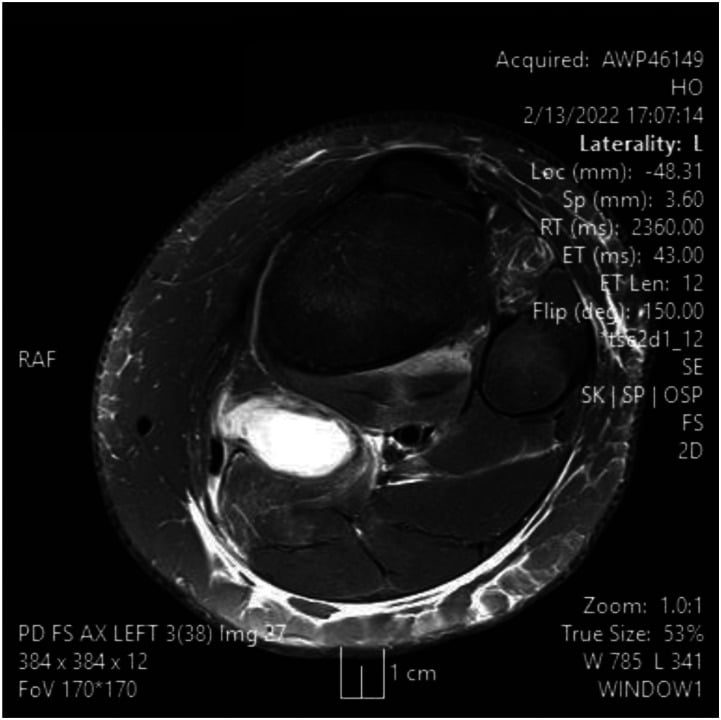
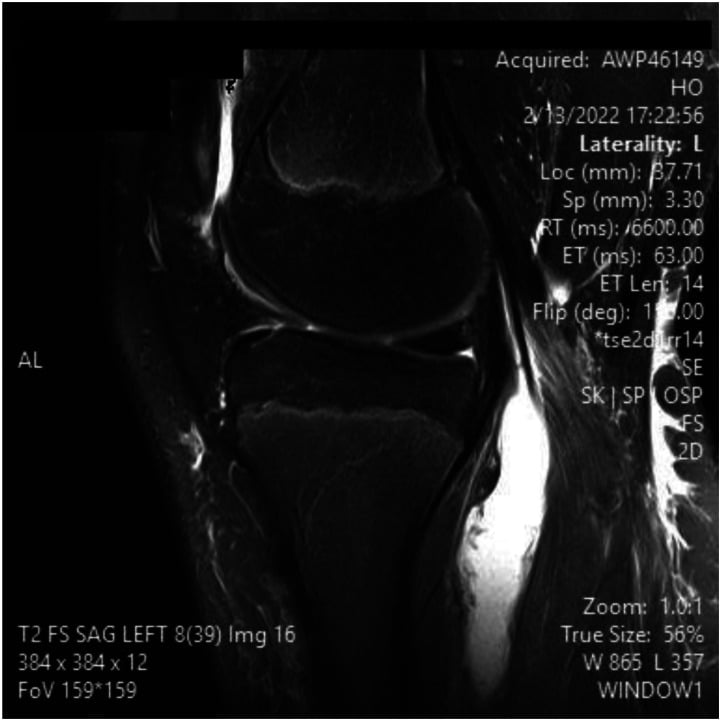
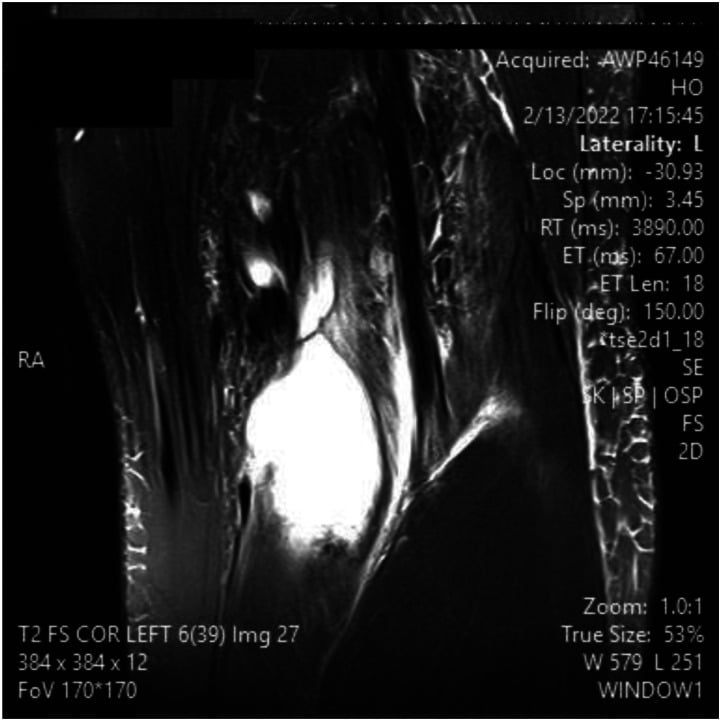
MRI shows synovial thickening and enhancement, the effusion and bone marrow oedema in severe cases, and may show a Baker's cyst. It is useful to assess cartilage damage.
Ultrasound quantifies the effusion, shows synovial hypertrophy and guides aspiration.
Modified Two-Tier Testing (MTTT)
The two-tier algorithm described above is the standard two-tier test (STTT): an EIA/IFA screen followed by an IgM/IgG immunoblot (Western blot). The modified two-tier test (MTTT) replaces the subjective immunoblot with a second, different EIA. It is endorsed alongside STTT by the 2020 IDSA/AAN/ACR guideline and underpinned by several assay combinations cleared by the US FDA in 2019.
How it works. Both tiers are enzyme immunoassays:
- Tier 1 - a first EIA, commonly a whole-cell sonicate EIA
- Tier 2 - if tier 1 is positive or equivocal, a second EIA (typically the C6 peptide EIA) rather than an immunoblot
- A result is called positive only if both EIAs are reactive; the order of the two may be reversed depending on the cleared combination
Why it matters. MTTT removes the operator-dependent, band-counting interpretation of the Western blot, and it is fully automatable, faster and cheaper to run at scale. In early disease it has higher sensitivity than STTT with comparable specificity; in a European erythema-migrans cohort the best algorithm reached about 78% sensitivity and about 96% specificity.
The same caveat. Neither algorithm reliably detects early localised disease. Seronegativity is common in the first two weeks, and a compatible erythema migrans is still treated clinically whichever algorithm is used.
Either STTT (EIA then immunoblot) or MTTT (EIA then a second EIA, e.g. C6) is an acceptable confirmatory pathway. If an examiner offers "a positive ELISA followed by a positive C6 EIA," recognise this as a valid modified two-tier result — not an error.
Modified Two-Tier Testing in Early Lyme Borreliosis
- All MTTT variants had significantly higher sensitivity than the equivalent STTT
- Specificity remained comparable to standard two-tier testing
- Best algorithm (first EIA then C6-ELISA) reached 77.6% sensitivity and 96.1% specificity
- Classifying equivocal results as positive improved diagnostic performance
Lyme Arthritis in Children and Distinction from Septic Arthritis
Children are a major Lyme-arthritis demographic, and in Lyme-endemic areas most acute knee monoarthritis in a child is inflammatory rather than septic. In one large series of children presenting with knee monoarthritis, roughly half had Lyme arthritis and only about 3% had true septic arthritis (Deanehan 2013). The challenge is to avoid an unnecessary washout while never missing a septic joint.
What favours Lyme in a child. Knee involvement and a history of tick exposure point towards Lyme. So do an absent or only low-grade fever, a child often well enough to bear weight, and peripheral inflammatory markers (ESR, CRP, neutrophil count) and a synovial white count lower than in septic arthritis.
The prediction rule. In endemic paediatric knee monoarthritis, two predictors mark high risk of septic arthritis:
- A peripheral absolute neutrophil count of 10,000 cells/mm3 or greater
- An ESR of 40 mm/h or greater
Children below both thresholds are low-risk and may reasonably be observed with serology rather than immediate arthrocentesis. Deanehan derived the rule and it was externally validated in a multicentre Pedi Lyme Net cohort with 100% sensitivity for septic arthritis, but it is a rule-out aid, not a substitute for aspiration when septic arthritis is genuinely suspected. The evidence card below sets out how few septic children Deanehan's own validation contained.
Doxycycline at any age. The historical avoidance of doxycycline in children under 8 was driven by concern over dental staining with tetracyclines. Short courses, 21 days or fewer, do not cause clinically significant tooth discolouration, and current IDSA/AAN/ACR guidance supports doxycycline for Lyme disease at any age. Amoxicillin or cefuroxime remain effective alternatives, but the older under-8 contraindication should no longer automatically exclude a short Lyme course of doxycycline.
In a Lyme-endemic child with an afebrile, weight-bearing knee monoarthritis and only modestly raised inflammatory markers, Lyme arthritis is far more likely than sepsis. Use the neutrophil-count-and-ESR rule to flag low-risk children, but aspirate whenever the joint is hot, the child is toxic, or markers are high. The paediatric Kocher-type predictors for the septic HIP are a separate tool for a different joint.
Distinguishing Lyme from Septic Knee Monoarthritis in Children
- 673 children with knee monoarthritis: 51% Lyme, 46% other inflammatory, 3% septic
- Septic predictors: peripheral ANC 10,000 cells/mm3 or greater and ESR 40 mm/h or greater
- No child below both thresholds had septic arthritis on validation (100% sensitivity)
- Supports observation with serology rather than routine arthrocentesis in low-risk children
Management
Doxycycline first. Stages 1 and 2 are treated with doxycycline 100mg twice daily or 200mg once daily, for 10-14 days for erythema migrans and 14-21 days for early disseminated disease. It also treats co-infection with Anaplasma. The oral route is for uncomplicated disease, so exclude neurological and cardiac involvement first. Doxycycline is contraindicated in pregnancy; in children a short course is acceptable at any age (see Lyme Arthritis in Children).
Alternatives. When doxycycline is unsuitable:
- Amoxicillin 500mg three times daily for 14-21 days - for children and pregnant women
- Cefuroxime axetil 500mg twice daily for 14-21 days - a second-line alternative
- Azithromycin is less effective and not recommended as first-line
Response. Erythema migrans resolves within days to weeks, and arthralgia typically resolves within 4 weeks.
Prophylaxis after a tick bite. A single 200mg dose of doxycycline within 72 hours of tick removal, used only in high-risk endemic areas when the tick has been attached for more than 36 hours.
Surgical Management
Surgical intervention in Lyme disease is limited to refractory cases:
- Antibiotic-refractory Lyme arthritis - persistent synovitis after two courses of antibiotics
- Diagnostic arthroscopy - when the diagnosis is uncertain
- Joint damage - rare end-stage arthropathy requiring arthroplasty
Indication. Antibiotic-refractory Lyme arthritis of the knee: more than 3 months of persistent synovitis after adequate antibiotics, with failed medical management (NSAIDs, DMARDs).
Before operating. Confirm that two complete antibiotic courses have been given, and repeat the synovial fluid analysis to exclude ongoing infection. Consider a synovial biopsy if the diagnosis is uncertain, and an MRI to assess the synovial burden.
Technique. The steps are:
- Standard arthroscopic setup, supine with a leg holder
- Anteromedial and anterolateral portals
- Systematic synovectomy of all compartments
- Suprapatellar pouch and the medial and lateral gutters
- Posteromedial and posterolateral recesses if involved
- Shaver, with radiofrequency ablation for haemostasis
- Thorough lavage
Afterwards. Weight-bearing as tolerated from the start, early range-of-motion exercises and physiotherapy for quadriceps strength. Continue DMARDs if they were started before surgery.
Outcomes. Inflammation resolved in 16 of 20 knees (80%) in Schoen's uncontrolled series, though 3 of those 16 retained mild functional limitation. Repeat synovectomy may be required in 10-15%, and progression to arthroplasty is rare.
Complications
Musculoskeletal complications. The joint and its surroundings can be left with:
- Chronic arthritis - persistent joint inflammation
- Erosive joint damage - in prolonged untreated cases
- Post-infectious autoimmune arthritis - antibiotic-refractory disease
- Baker's cyst - a popliteal cyst from the chronic effusion
- Tendinopathy - Achilles and patellar tendon involvement
The cardiac and neurological complications are described with the stages in Clinical Presentation.
Complications of treatment. Treatment brings its own problems:
- Jarisch-Herxheimer reaction - fever and chills within 24 hours of starting antibiotics (spirochaete lysis)
- Antibiotic-related - C. difficile colitis; photosensitivity with doxycycline
- PICC line - infection and thrombosis during IV therapy
Prognosis. Treated early, the prognosis is excellent and complete resolution is expected. Late disease responds to oral or IV antibiotics in 80-90%, and the antibiotic-refractory remainder responds to immunomodulation or synovectomy. PTLDS may persist for months but eventually improves, and erosive arthritis is rare with modern treatment.
Guidelines, Registries & Global Practice
Global epidemiology
- Northern-hemisphere disease following the Ixodes enzootic cycle; highest incidence in the Northeastern/Upper Midwest USA and temperate Central Europe (Slovenia, Germany, Austria show some of the highest reported rates)
- US diagnosed-and-treated burden estimated at approximately 476,000 patients annually; surveillance under-counts substantially (Kugeler 2021)
- Late manifestation differs by genospecies and region: arthritis predominates in North America (B. burgdorferi); neuroborreliosis and acrodermatitis chronica atrophicans are more common in Europe/Asia (B. garinii, B. afzelii)
- In regions with no demonstrated enzootic cycle (e.g. Australia), classic B. burgdorferi Lyme disease is acquired only abroad; locally acquired tick-symptom complexes (DSCATT) are a distinct, unresolved entity and should prompt consideration of other tick-borne illness (e.g. rickettsioses)
Side-by-side society guidance
- Diagnosis
- Standard or modified two-tier serology
- Lyme arthritis treatment
- 28 days oral doxycycline/amoxicillin/cefuroxime; IV ceftriaxone if oral fails or neuro involvement
- Notable position
- Strongly advises against prolonged/repeat antibiotics
- Diagnosis
- Two-tier ELISA then immunoblot; treat erythema migrans clinically
- Lyme arthritis treatment
- Oral doxycycline first-line; alternatives amoxicillin/azithromycin per site
- Notable position
- Single management pathway across manifestations
- Diagnosis
- Genospecies-aware testing; CSF testing for neuroborreliosis
- Lyme arthritis treatment
- Oral first-line; IV for CNS disease
- Notable position
- Emphasis on B. afzelii/B. garinii regional patterns
- Diagnosis
- Aspirate to exclude sepsis before attributing to Lyme
- Lyme arthritis treatment
- Antibiotics first; arthroscopic synovectomy for antibiotic-refractory synovitis
- Notable position
- Surgery reserved for post-antibiotic refractory disease
Registry and practice variation
- No dedicated Lyme arthritis implant registry exists; surgical evidence rests on case series (e.g. Schoen 1991). End-stage destructive arthropathy requiring arthroplasty is rare with modern antibiotic therapy.
- High-resource settings: ready access to two-tier serology, synovial PCR, MRI and arthroscopic synovectomy.
- Limited-resource or non-endemic settings: diagnosis hinges on exposure history and clinical erythema migrans; serology may be sent to reference laboratories with delay, and empirical doxycycline for a compatible clinical picture is reasonable.
Controversies and Areas of Uncertainty
- Post-treatment Lyme disease syndrome (PTLDS): persistent fatigue, pain and cognitive symptoms after adequate treatment. Multiple randomized trials show no durable benefit from prolonged antibiotics, yet the underlying mechanism (immune dysregulation vs residual antigen vs unrelated) remains unresolved.
- "Chronic Lyme disease": a term used outside evidence-based guidelines for ill-defined symptom complexes, often without serologic confirmation. Guideline bodies do not endorse long-course or repeated antibiotic regimens for it given harm without benefit.
- Antibiotic-refractory arthritis - infection vs autoimmunity: despite negative synovial PCR, debate continues over whether residual peptidoglycan/antigen drives persistent synovitis versus a purely autoimmune (OspA/LFA-1 mimicry, HLA-DRB1*04) process. This determines whether escalation is immunomodulatory rather than antimicrobial.
- DSCATT / locally acquired tick illness in non-endemic regions: whether a Lyme-like syndrome can be acquired where no enzootic B. burgdorferi cycle is demonstrated remains scientifically unsettled.
- Optimal antibiotic duration: trends favour shorter courses (e.g. comparative data supporting shorter doxycycline regimens for early disease), but the precise minimum effective duration for arthritis is not firmly established.
- Synovial PCR interpretation: a positive synovial PCR does not always equate to viable organisms, complicating decisions on re-treatment versus immunomodulation.
Exam Viva Scenarios
Practise clinical reasoning and management decisions out loud
“A 45-year-old man presents with a 3-month history of intermittent right knee swelling. He is a keen hiker and recently returned from a trip to Connecticut, USA. The knee has a large effusion but is not particularly painful. He is afebrile.”
“A 32-year-old woman presents with an expanding circular rash on her thigh for 5 days after returning from camping in Germany. She has mild myalgia and fatigue. Lyme serology (ELISA) is negative.”
“A 50-year-old man has persistent right knee synovitis despite completing 28 days of oral doxycycline and then 28 days of IV ceftriaxone. Synovial fluid PCR for Borrelia is now negative. He is HLA-DR4 positive.”
Aetiology and Transmission
- Borrelia burgdorferi spirochete
- Ixodes tick vector (deer/black-legged)
- Transmission requires greater than 36-48 hours attachment
- Endemic: NE USA, Europe, parts of Asia - NOT Australia
Three Stages
- Stage 1: Erythema migrans (3-30 days)
- Stage 2: Migratory arthralgia, carditis, neuro (weeks-months)
- Stage 3: Lyme arthritis - knee 90% (months-years)
- PTLDS: Persistent symptoms post-treatment (no active infection)
Two-Tier Testing
- ELISA first (screening) - high sensitivity
- Western blot ONLY if ELISA positive/equivocal
- IgM: 2 of 3 bands (first 4 weeks only)
- IgG: 5 of 10 bands (after 4 weeks)
- Early disease may be seronegative - treat clinically if EM present
Synovial Fluid
- WBC 25,000-50,000 (inflammatory, not septic)
- Gram stain and culture NEGATIVE
- Crystals NEGATIVE
- PCR for Borrelia positive 60-85%
Treatment
- Early: Doxycycline 100mg BD x 10-14 days (EM), 14-21 days (early disseminated)
- Lyme arthritis: Doxycycline 100mg BD x 28 days
- Oral failure/neurological: IV Ceftriaxone 2g daily x 14-28 days
- Refractory: DMARDs then synovectomy (no more antibiotics)
Key Exam Points
- Knee = 90% of Lyme arthritis
- 10-20% antibiotic-refractory (HLA-DR4 associated)
- Negative early serology does NOT exclude Lyme
- Synovectomy resolved 16 of 20 knees (80%) in the one cited series - uncontrolled
Evidence Base
Treatment of Lyme Arthritis - Oral vs IV Antibiotics (RCT)
- Arthritis resolved in 18 of 20 doxycycline and 16 of 18 amoxicillin patients
- None of 16 patients with persistent arthritis responded to IV ceftriaxone
- HLA-DR4 specificity and OspA reactivity associated with lack of response
- Neuroborreliosis later developed in 5 patients (4 on amoxicillin)
Western Blot Criteria for Lyme Serodiagnosis
- IgM positive: at least 2 of 8 bands (valid only in early disease)
- IgG positive: at least 5 of 10 bands after the first weeks of infection
- IgG immunoblot sensitivity 83%, specificity 95%
- IgM blot specificity 100% but sensitivity only 32% in early disease
LFA-1 as Candidate Autoantigen in Treatment-Resistant Lyme Arthritis
- OspA immunodominant T-helper epitope shares homology with human LFA-1
- Reactivity to OspA and hLFA-1 seen in treatment-resistant but not other arthritis
- Associated with HLA-DRB1*0401
- Supports an autoimmune model for persistent post-infectious synovitis
Arthroscopic Synovectomy for Refractory Chronic Lyme Arthritis
- 16 of 20 patients (80%) had resolution of inflammation within the first month
- Patients remained well over 3-8 year follow-up
- 4 of 20 (20%) had persistent or recurrent synovitis
- Reserved for disease unresponsive to adequate antibiotic therapy
Estimating the Frequency of Lyme Disease Diagnoses, USA 2010-2018
- Approximately 476,000 patients diagnosed and treated annually in the USA
- Far exceeds the roughly 30,000-40,000 cases reported via surveillance
- Highlights substantial under-reporting of clinically diagnosed disease
- Underscores need for accurate diagnosis and prevention
Lyme Borreliosis - Disease Primer
- B. burgdorferi predominates in North America; B. afzelii and B. garinii in Eurasia
- Three-stage framework: erythema migrans, early disseminated, late disease
- Late disease is arthritis in North America vs acrodermatitis in Europe
- Most manifestations resolve with appropriate antibiotics; post-infectious sequelae in a minority
2020 IDSA/AAN/ACR Lyme Disease Guideline
- Recommends 28 days of oral doxycycline, amoxicillin or cefuroxime for Lyme arthritis
- IV ceftriaxone reserved for oral failure or concurrent neuroborreliosis
- Endorses standard or modified two-tier serologic testing
- Advises against prolonged or repeated antibiotic courses