Seronegative Spondyloarthropathy | DIP Predominance | CASPAR Criteria
- Dactylitis (sausage digit) highly characteristic but not pathognomonic - tenosynovitis plus joint inflammation
- Nail changes (pitting, onycholysis) correlate with DIP arthritis severity
- Pencil-in-cup deformity on XR is the classic finding - characteristic, though also seen in erosive OA, multicentric reticulohistiocytosis and neuropathic arthropathy
- Arthrodesis preferred over arthroplasty due to poor bone quality
- Hold biologics 2-4 weeks preoperatively (coordinate with rheumatology)
- “Differentiate from RA: DIP involvement, asymmetry, radiographic periostitis
- “CASPAR classification (not diagnosis): psoriasis + nail + negative RF + dactylitis + juxta-articular bone = 3 or more
- “Synovectomy has limited role compared to RA due to aggressive bone erosion
- “Ray resection most reliable procedure for arthritis mutilans
Overview
Psoriatic arthritis (PsA) is a chronic inflammatory arthropathy, a seronegative spondyloarthropathy, affecting 5-10% of patients with psoriasis. The hand is involved in about 70% of them, and hand disease often determines functional capacity and quality of life. Its patterns of joint destruction differ fundamentally from rheumatoid arthritis, and they call for distinct surgical strategies.
What the hand surgeon has to do. Recognise the five clinical patterns, understand how disease-modifying drugs affect surgical outcomes, and coordinate perioperative management with rheumatology. Surgical decisions balance aggressive disease progression against the efficacy of modern biologic therapy.
Who. Prevalence in the general population is 0.3-1%. Onset peaks at 30-50 years, the male to female ratio is 1:1, and 40% have a positive family history.
Natural history. Without treatment, function declines progressively. 47% develop erosive disease within 2 years, and biologics alter the natural history. Two findings are predictive:
- Nail involvement predicts DIP arthritis
- Dactylitis predicts worse outcomes
Pathophysiology
Inflammatory pathways. The disease is driven by dysregulated immune pathways involving TNF-alpha, IL-17 and IL-23, the same pathways the biologics target. HLA-B27 is associated with the spondylitis pattern and HLA-Cw6 with skin psoriasis.
Enthesitis, not synovitis. In rheumatoid arthritis synovitis predominates. The hallmark of PsA is enthesitis, inflammation at tendon insertions, and synovitis is less prominent than in RA.
Erosion and new bone together. PsA erodes bone and builds it at the same time: osteoproliferation AND erosion, against the pure erosion of rheumatoid disease.
Nail and DIP joint. The close anatomical relationship between the nail matrix and the DIP joint explains the strong correlation between nail disease and DIP arthritis. The ultrasound evidence for the link holds finger by finger rather than patient by patient, as the study below sets out.
Acosta-Felquer ML, et al. Ultrasound entheseal abnormalities at the distal interphalangeal joints and clinical nail involvement in patients with psoriasis and psoriatic arthritis, supporting the nail-enthesitis theory. Semin Arthritis Rheum. 2017;47(3):338-342.
- Ultrasound enthesopathy at one or more DIP joints in 32% of PsA and 17% of psoriasis patients
- Extensor tendon enthesopathy far more frequent in fingers with clinical nail involvement (60% vs 22% in PsA, p less than 0.0001)
- Provides imaging support for the nail-enthesis theory linking nail disease to DIP arthropathy
Classification
Five clinical patterns are recognised.
Asymmetric oligoarticular: the most common, 35%. One to four joints, fewer than five, in an asymmetric distribution. Ray involvement is characteristic: several joints in one digit are affected while the adjacent digits stay normal, and dactylitis (sausage digit) is frequent. The functional prognosis is better, and the pattern responds well to local corticosteroid injection and targeted DMARDs. It may progress to the polyarticular pattern in 25%.
Symmetric polyarticular: 30-40%. This pattern mimics rheumatoid arthritis but includes the DIP joints. It presents the greatest diagnostic challenge, and functional impairment parallels rheumatoid severity. The features that separate it from RA:
- DIP joint involvement
- Asymmetric severity despite a symmetric distribution
- No rheumatoid nodules
- Radiographic new bone formation
- Nail changes, present in 80%
DIP predominant: 5-10%. The classic psoriatic pattern, with isolated DIP involvement. It often progresses slowly but can develop severe destructive change.
Arthritis mutilans (destructive): 5%. The most destructive pattern, with telescoping digits from severe osteolysis. Modern biologic therapy has reduced its prevalence from 16% to about 5%, and surgical reconstruction remains challenging.
Spondylitis: 20%. Axial involvement.
SADDSFive Patterns of PsA - SADDS
Hook:Remember SADDS for the five clinical patterns - think 'SAD Disease States'
Clinical Presentation
Dactylitis. The sausage digit is tenosynovitis plus joint inflammation, and it is highly characteristic of PsA. It is not pathognomonic: it also occurs in reactive arthritis, sarcoidosis, gout, sickle-cell disease and tuberculosis.
CASPAR. The Classification Criteria for Psoriatic Arthritis are classification criteria, not diagnostic criteria, built to select patients for trials and entered only by a patient who already has established inflammatory articular disease. A score of 3 or more classifies the arthritis as psoriatic, with 91.4% sensitivity and 98.7% specificity.
What the numbers mean. They were measured against other inflammatory arthropathies, which is what the derivation controls had, not against a normal hand. CASPAR cannot tell you whether an undifferentiated painful hand is inflammatory in the first place. Examiners expect you to know the criteria and to know that distinction.
- points
- 2
- definition
- Psoriatic skin or scalp lesions present today
- sensitivity
- High specificity for classification
- points
- 1
- definition
- Patient or first/second degree relative history
- sensitivity
- Expands diagnostic capture when skin clear
- points
- 1
- definition
- Onycholysis, pitting, hyperkeratosis
- sensitivity
- Correlates with DIP arthritis
- points
- 1
- definition
- Seronegative spondyloarthropathy
- sensitivity
- Distinguishes from RA
- points
- 1
- definition
- Sausage digit from tenosynovitis plus arthritis
- sensitivity
- Highly characteristic; also seen in reactive arthritis, sarcoidosis, gout, sickle-cell disease and tuberculosis
- points
- 1
- definition
- Juxta-articular new bone formation
- sensitivity
- Distinguishes from RA erosive pattern
Investigations
Radiographs. The classic finding is the pencil-in-cup deformity at the DIP joints. It is characteristic but not exclusive to PsA: erosive osteoarthritis, multicentric reticulohistiocytosis and neuropathic arthropathy produce it too. The most specific radiographic finding in the hand is erosion AND proliferative new bone in the same joint: rheumatoid disease erodes without building. That combination is not strictly pathognomonic, but there are few other explanations for it.
The features to look for:
- Pencil-in-cup deformity
- Erosions with adjacent sclerosis
- New bone: periostitis and whiskering
- Widened joint space from synovitis
- Isolated DIP involvement, where RA spares the DIP
- Subluxation and dislocation
- Soft-tissue swelling from dactylitis
Severity is graded from 1 to 4:
- Grade 1: soft-tissue swelling, periarticular osteopenia
- Grade 2: joint space narrowing, small erosions
- Grade 3: multiple erosions, subluxation, periostitis
- Grade 4: arthritis mutilans, telescoping, ankylosis
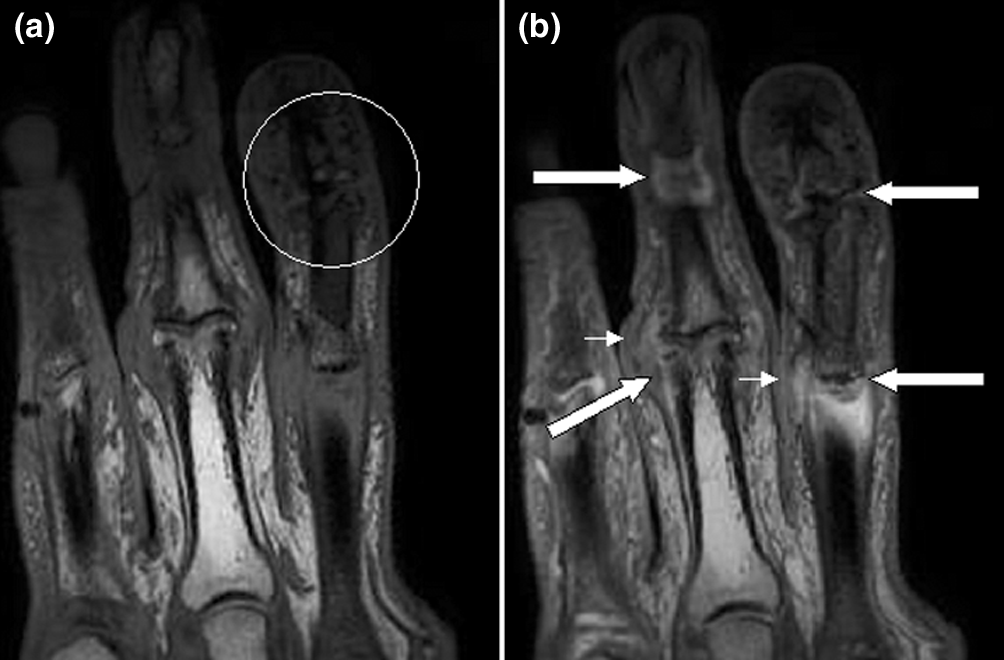
Laboratory studies. Unlike rheumatoid arthritis, the laboratory findings in PsA are relatively nonspecific, and the diagnosis rests primarily on clinical and radiographic features.
- Rheumatoid factor negative, positive in less than 10%
- Anti-CCP antibodies negative
- HLA-B27 positive in 20%, and in 50% with spondylitis
- ESR and CRP elevated in 50%
- Uric acid, to exclude gout
- ANA may be weakly positive
Differential Diagnosis
The DIP-predominant, asymmetric, seronegative pattern with nail change distinguishes PsA from the other common inflammatory and degenerative hand arthropathies. The single highest-yield discriminator versus rheumatoid arthritis is the combination of DIP involvement and juxta-articular new bone formation.
- distribution
- Asymmetric, ray pattern, DIP involvement, dactylitis
- serology
- RF and anti-CCP negative
- radiographic
- Erosions plus new bone (periostitis, pencil-in-cup, ankylosis)
- clue
- Nail dystrophy, skin plaques, enthesitis
- distribution
- Symmetric, MCP and PIP predominant, DIP usually spared
- serology
- RF and/or anti-CCP positive in most
- radiographic
- Marginal erosions, periarticular osteopenia, no new bone
- clue
- Rheumatoid nodules, ulnar drift, MCP subluxation
- distribution
- DIP (Heberden) and PIP (Bouchard), thumb base, symmetric
- serology
- Seronegative
- radiographic
- Osteophytes, central gull-wing erosions in erosive OA
- clue
- Bony nodes, non-inflammatory, no nail/skin disease
- distribution
- Asymmetric, often first MTP first; tophi at fingers
- serology
- Hyperuricaemia (may be normal in attack)
- radiographic
- Punched-out erosions with overhanging edges, preserved space
- clue
- Tophi, negatively birefringent MSU crystals on aspirate
- distribution
- Asymmetric lower-limb predominant, dactylitis, enthesitis
- serology
- RF negative, HLA-B27 often positive
- radiographic
- Enthesophytes, periostitis, sacroiliitis
- clue
- Antecedent GU/GI infection, no psoriasis
Nail-joint connection (pathoanatomy): the DIP joint and nail matrix share a common entheseal organ - the extensor tendon and collateral ligaments insert immediately adjacent to the nail bed. Inflammation at this enthesis explains why nail dystrophy predicts DIP arthropathy and may precede joint symptoms. Dactylitis ("sausage digit") reflects combined flexor tenosynovitis, joint synovitis and soft-tissue oedema across the whole ray.
Management
Modern biologic therapy has revolutionised the treatment of PsA and created the perioperative problem the hand surgeon has to solve. Planning an operation means knowing each drug's mechanism and half-life.
- mechanism
- Folate antagonist DMARD
- halfLife
- 3-15 hours
- perioperativeGuidance
- Continue through surgery - reduces flares without increasing infection
- mechanism
- TNF-alpha inhibitor
- halfLife
- 10-20 days
- perioperativeGuidance
- Hold 2-4 weeks before surgery, resume when wound healed
- mechanism
- TNF-alpha receptor fusion
- halfLife
- 3-5 days
- perioperativeGuidance
- Hold 1 week before, shorter washout than adalimumab
- mechanism
- TNF-alpha antibody
- halfLife
- 8-10 days
- perioperativeGuidance
- Schedule surgery at the end of the dosing cycle, hold until wound healed
- mechanism
- IL-12/23 inhibitor
- halfLife
- 15-45 days
- perioperativeGuidance
- Hold 4-6 weeks before major procedures
- mechanism
- IL-17A inhibitor
- halfLife
- 22-31 days
- perioperativeGuidance
- Hold 3-4 weeks before surgery, emerging agent
The rule. The ACR recommends holding biologics for one dosing interval before elective surgery and resuming when wound healing is adequate, typically at 14 days. Methotrexate continues through surgery. The increased infection risk is modest (OR 1.3-1.5) but significant in immunocompromised patients.
Steroids and NSAIDs. Reduce corticosteroids to less than 10 mg prednisone equivalent before surgery, and taper them back to baseline afterwards. NSAIDs resume 24 hours post-operatively.
Surgical Indications and Principles
Why PsA surgery is different. Surgery in PsA serves different purposes from surgery in rheumatoid arthritis. The bone destruction is aggressive and the synovitis less prominent, and both alter the balance of risk and benefit.
The evidence behind the numbers. There is no psoriatic-arthritis-specific hand-surgery literature to quote rates from. Every carded study on this page is a rheumatology drug, imaging or classification study, and the percentages that circulate for these operations are extrapolated from rheumatoid series. Read every figure below in that light.
Surgery is indicated for:
- Pain refractory to medical management, after 6 months of optimised therapy
- Progressive deformity affecting function
- Tendon rupture or impending rupture
- Joint instability limiting activities of daily living
- Arthritis mutilans salvage
- Neurological compromise, which is rare
The relative contraindications:
- Active skin psoriasis over the surgical field
- Uncontrolled systemic disease
- A recent biologic dose, within the half-life
- Poor medical optimisation
- Unrealistic patient expectations
Synovectomy
A limited role. In rheumatoid arthritis early synovectomy prevents erosions. In PsA it has limited disease-modifying effect, because bone destruction predominates over synovial inflammation. It gives temporary benefit, and should be combined with optimised medical therapy to slow progression.
Synovectomy is indicated for:
- Refractory painful synovitis after 6 months of medical therapy
- Accessible joints: MCP, PIP, wrist
- Minimal radiographic erosion
- Failed corticosteroid injection
- A patient unwilling to consider arthrodesis
Open technique.
- Approach: dorsal curved incision over the affected joint
- Exposure: retract the extensor mechanism to expose the joint
- Synovectomy: excise the hypertrophic synovium with rongeurs
- Debridement: remove loose bodies and osteophytes
- Closure: repair the extensor mechanism, then the skin
Arthroscopy. Small-joint arthroscopy is technically demanding and requires specialised equipment. In return it gives better visualisation of erosions with less soft-tissue trauma.
After surgery. Splint in the functional position for 10-14 days, start early active motion, avoid heavy loading for 6 weeks, and resume DMARDs when the wound has healed.
What to tell the patient. Results are inferior to those in rheumatoid disease, and expectations should be set accordingly. The figures quoted are pain relief and good or excellent results in 60-70% at 2 years, falling to 40-50% at 5 years against 70% in RA. Disease progression continues in 50%, erosions progress despite synovectomy, and it can be considered as an adjunct to other procedures.
Outcomes are better with:
- Early disease, less than 2 years of symptoms
- Minimal radiographic change
- Single-joint involvement
- Optimised medical therapy
- Younger age
The complications quoted:
- Recurrent synovitis: 30-40%
- Stiffness: 10-15%
- Wound-healing problems: 5-8%
- Infection: 2-3%
Arthrodesis
Fusion is the gold standard for end-stage psoriatic arthritis in the hand. The aggressive bone destruction makes arthroplasty less reliable.
The commonest operation. DIP fusion is the most common surgical procedure in the psoriatic hand. It reliably relieves pain and prevents deformity progressing proximally. Arthroplasty is contraindicated at the DIP in active disease.
Before fusing. Consider whether the MCP or PIP is involved before an isolated DIP fusion. Nail-bed involvement complicates wound healing and may need separate management, and DIP disease is associated with mucous cysts.
The indications:
- Painful DIP arthritis refractory to medical therapy
- Progressive deformity, such as a swan-neck developing at the PIP
- Pencil-in-cup deformity
- Nail-bed compromise from joint destruction
- Superimposed post-traumatic arthritis
Technique. Fuse the index in 5-10° of flexion, with progressively more flexion towards the ulnar digits. Remove all sclerotic bone down to a bleeding surface, and consider bone graft if bone loss is significant.
The fixation options:
- K-wire: simple and inexpensive, but needs prolonged protection
- Headless compression screw: higher union rate and early mobilisation
- Tension band wire: good compression, technically demanding
- External fixator: salvage for severe bone loss
Outcomes. Union in 85-95% with rigid fixation, pain relief in 90-95% and satisfaction in 85-90%, with return to function at 6-8 weeks.
Arthroplasty
Why it fails more often. Joint replacement in PsA carries higher failure rates than in osteoarthritis, because the inflammation continues and the bone quality is poor. Silicone MCP arthroplasty is described as failing more often in PsA than in RA, attributed to bone loss and to the destructive pattern; no comparative series quantifies the difference. Modern pyrocarbon implants may improve outcomes, but long-term data in PsA are limited.
PsA Arthroplasty Contraindications: Active joint inflammation, poor bone quality, arthritis mutilans pattern, ongoing high-dose corticosteroids, and skin psoriasis over surgical field are relative/absolute contraindications.
By joint. PIP arthroplasty has a very limited role, and fusion should be considered instead. Thumb CMC arthroplasty gives acceptable outcomes for basal thumb arthritis. Wrist arthroplasty is contraindicated in PsA because of the bone quality.
The prerequisites for arthroplasty:
- Quiescent disease on stable medical therapy
- Adequate bone stock
- An intact soft-tissue envelope
- No active skin psoriasis
- Realistic expectations
- Compliance with therapy
Arthritis Mutilans Management
Salvage. The most severe pattern needs a specialised reconstructive approach. Biologics have made it rarer, but surgical salvage is still needed.
Arthritis Mutilans Surgical Principles: Ray resection provides better function than attempted reconstruction with bone grafting. Preserve thumb and radial digits when possible. Assess extensor mechanism integrity before planning reconstruction. Consider wrist arthrodesis as foundation for hand function.
The options:
- Ray resection, the most reliable
- Arthrodesis with bone grafting
- Tendon transfers or extensor mechanism repair for loss of extension
- Wrist fusion for stability
- External fixation with distraction for severe cases
- Prosthetic digits for severe cases
Ray Resection
Why it works. Removing a severely destroyed ray gets rid of a painful, unstable digit and narrows the hand, which improves grip. The resection is made at the metacarpal base, and the thumb, index and long rays are preserved when possible.
The indications:
- Telescoping digit with bone loss exceeding 50%
- Loss of extensor function
- A painful unstable digit interfering with function
- Patient preference after understanding the alternatives
Technique. Address the adjacent metacarpals to narrow the hand, reconstruct the first web space, and balance the intrinsic muscles.
Outcomes. Pain relief in 85-90%, improved grip in 60-70% and satisfaction in 70-80%. Return to activities of daily living is variable.
Arthrodesis with Bone Grafting
An attempt to save the ray. A structural iliac crest graft with rigid plate or external fixation, followed by prolonged protected mobilisation; BMP augmentation may be considered. It is technically demanding and the outcome is unpredictable.
The indications:
- A key digit: thumb, index or long
- A patient motivated for staged reconstruction
- An adequate soft-tissue envelope
- Good medical control
Outcomes. Union in 60-70%, lower than standard arthrodesis. Immobilisation is prolonged, staged procedures are common, and results are better for the thumb than for the fingers.
Tendon Problems in Psoriatic Arthritis
Flexor Tenosynovitis and Trigger Digits
The picture. Inflammatory flexor tenosynovitis causes triggering at the A1 pulley and contributes to the sausage digit. The tendon sheath swells diffusely, several digits may be affected, and when joint synovitis is added the result is dactylitis.
Non-operative treatment. Optimise systemic therapy, and add corticosteroid injection (60-70% success), splinting and activity modification.
Release. A standard A1 pulley release, extended to tenosynovectomy if needed, with biologics resumed once the wound has healed. Treatment parallels idiopathic trigger finger, but the recurrence quoted is higher, 20% against 5%.
Extensor Tendon Rupture
Less common than in RA. Ruptures follow dorsal erosions and synovitis, and EDC ruptures are the most frequent. The risk factors:
- Dorsal wrist synovitis
- Carpal bone erosions
- Destruction of Lister's tubercle
- Failed medical therapy
Repair depends on the rupture:
- EPL rupture: EIP to EPL transfer
- Single EDC rupture: side-to-side repair
- Chronic, retracted rupture: tendon graft
- In every case, address the underlying bony prominences
Management Algorithm
Medical therapy is rheumatology-led and disease-modifying; surgery treats the mechanical consequences of established structural damage. Key surgical-planning principles unique to PsA:
- Stage by symptom and biomechanics: address the most symptomatic joint first; DIP fusion often stabilises a secondary PIP swan-neck by restoring extensor balance, so re-assess the PIP before committing to a second fusion.
- Respect the skin: never incise through active plaques; the Koebner phenomenon can flare psoriasis along the wound. Optimise skin disease with dermatology first.
- Coordinate biologic timing with the prescribing rheumatologist - continue methotrexate, withhold biologics over the surgical window, and resume once the wound has healed.
Perioperative Management
Before surgery. Coordinated care with rheumatology optimises outcomes and minimises complications, and the perioperative plan is documented in full: rheumatology clearance and the biologic holding strategy (see Management) confirmed. The medical targets:
- Diabetes control: HbA1c less than 7.5%
- Nutrition: albumin greater than 3.5 g/dL
- Smoking cessation: 4 weeks minimum
The skin. Chronic plaque psoriasis is acceptable if it is quiescent. Active psoriasis over the surgical field is a reason to consider delaying surgery while it is treated, and pustular psoriasis defers it. Photograph the lesions.
Anaesthesia. Regional anaesthesia is preferred, with a shorter PACU stay. Avoid general anaesthesia if the cervical spine is involved, and document the airway assessment.
In theatre. The skin is friable, so handle tissue atraumatically. Debride devitalised bone adequately and keep haemostasis meticulous. Consider negative pressure wound therapy for high-risk wounds, in theatre and afterwards.
Antibiotics. Standard cefazolin, with vancomycin if there is an MRSA risk, and the allergy status documented. Extended prophylaxis is not indicated, and extended antibiotics are not routine after surgery.
After surgery. Inspect the wound at 5-7 days, earlier if there are concerns, because early detection of infection is critical. Mobilisation is protected according to the procedure, with hand therapy once stable, gradual strengthening, and a watch for flare.
Outcomes and Complications
Functional outcomes. Modern biologic therapy combined with appropriate surgery improves long-term outcomes compared with historical cohorts. With no PsA-specific series, what is consistently described is the direction:
- Arthrodesis is reliable and is the workhorse, which is why it is preferred over arthroplasty at the DIP and often at the MCP
- Synovectomy relieves symptoms but does not alter the disease, and recurrence is expected if the disease is not medically controlled
- Arthroplasty survival is described as poorer than in osteoarthritis, because the bone stock is worse and the disease keeps working
- Tendon surgery does comparably to idiopathic disease provided the arthritis is controlled first, although the recurrence quoted after trigger release is higher
General complications. None of these rates comes from a psoriatic-arthritis hand series; they are the rheumatoid figures, and the direction of any PsA-specific difference is unknown.
- Infection, the concern that drives biologic washout, though the absolute risk in hand surgery is low
- Wound-healing problems, genuinely more likely where psoriatic skin lies in the surgical field
- Disease flare perioperatively, particularly after prolonged drug withdrawal
- Stiffness
Procedure-specific complications. Fusion nonunion and malunion are the common technical failures. Arthroplasty loosening is the reason arthrodesis is generally preferred here, and silicone implants can fracture.
Long-term progression. Even with optimal medical and surgical therapy, the disease progresses in a subset of patients. The predictors:
- Polyarticular onset
- Elevated inflammatory markers
- Early radiographic erosions
- Arthritis mutilans pattern
- Inadequate response to biologics
Monitoring. Clinical examination every 3-6 months and radiographs annually or with symptoms, with functional assessment (DASH, MHQ) and rheumatology co-management, adjusting therapy to the progression.
The Spondyloarthropathy Patient on the Operating Table: C-Spine, Airway and Systemic Screening
- Screen the neck before you anaesthetise the hand. A subset of PsA patients have cervical spine involvement - reduced neck extension, cervical fusion/ankylosis, and (less commonly than in rheumatoid arthritis) atlantoaxial or subaxial instability. Ask about neck pain, stiffness and neurological symptoms, assess cervical range of motion, and if there is any concern obtain cervical radiographs (including flexion-extension views) and involve anaesthesia early. A rigid, ankylosed cervical spine is brittle and difficult to intubate/position, and an unstable atlantoaxial joint risks cord injury on airway manipulation.
- This is a strong argument for regional anaesthesia. Most hand and wrist procedures for PsA can be done under a brachial-plexus block or wrist/digital block, which avoids airway manipulation and neck positioning altogether - the safest option in a patient with a stiff or unstable cervical spine, and the reason regional is preferred here beyond its usual advantages.
- Remember the rest of the spondyloarthropathy. PsA carries associated features and comorbidity that affect perioperative risk and consent: an increased cardiovascular and metabolic-syndrome burden (relevant to fitness for surgery), possible inflammatory bowel disease and acute anterior uveitis in the broader SpA spectrum, and the systemic effects of long-term immunomodulation. Optimise these with the physician/rheumatologist rather than treating the hand in isolation.
Q: What must the hand surgeon check before operating on a PsA patient, beyond the hand? A: The cervical spine and airway, because PsA is a spondyloarthropathy. Ask about neck pain/stiffness/neurology, assess cervical ROM, and where there is concern get flexion-extension cervical films and early anaesthetic input - the neck may be ankylosed/brittle or have atlantoaxial instability. This strongly favours regional anaesthesia (brachial-plexus/wrist/digital block) for the hand, avoiding airway manipulation and neck positioning. Also account for the cardiometabolic and other extra-articular SpA burden when assessing fitness and consenting.
Completing the Perioperative Drug Picture: JAK Inhibitors
The biologic perioperative table and management text cover the TNF, IL-12/23 and IL-17 agents and methotrexate, but omit the JAK-inhibitor class (tofacitinib, upadacitinib) - even though the cited perioperative guideline (the ACR/AAHKS 2017 recommendation, in the Evidence Base) explicitly addresses it. As oral JAK inhibitors are now an established PsA option, the hand surgeon must know that they follow a different perioperative rule from the injectable biologics.
- A different washout logic. For injectable biologic DMARDs the guidance is to operate at the end of the dosing cycle (the "hold one dosing interval" rule). For oral targeted small molecules the rule is time-based: withhold tofacitinib for about 7 days before surgery (per the ACR/AAHKS guideline), and apply the same "hold a short defined interval, then resume on wound healing" principle to newer JAK inhibitors such as upadacitinib. This contrasts with methotrexate, which is continued through surgery.
- Why it matters. JAK inhibitors broadly suppress cytokine signalling and are associated with infection risk (and class warnings around venous thromboembolism and cardiovascular events in at-risk groups), so a short preoperative hold balances flare risk against wound-healing and infection concerns. As with the biologics, resume once the wound has healed and coordinate the exact timing with the prescribing rheumatologist.
- The unifying perioperative framework. Continue methotrexate/csDMARDs; withhold biologic DMARDs and schedule surgery at the end of the dosing cycle; withhold JAK inhibitors for a short defined interval (tofacitinib ~7 days); minimise glucocorticoids to the lowest effective dose rather than stress-dosing; and restart all held agents when the wound shows healing (typically ~14 days) - always agreed jointly with rheumatology.
Q: How does perioperative management of a JAK inhibitor differ from an injectable biologic? A: Injectable biologics are managed by the dosing cycle (operate at the end of the interval); JAK inhibitors are held for a short fixed time - the ACR/AAHKS guideline says withhold tofacitinib ~7 days pre-operatively (same principle for upadacitinib), while methotrexate is continued. Minimise glucocorticoids, and resume held agents once the wound has healed (~14 days), coordinated with rheumatology.
Guidelines, Registries & Global Practice
Psoriatic arthritis affects roughly 0.1 to 0.25 percent of the general population worldwide, occurring in 6 to 25 percent of people with psoriasis depending on ascertainment. Prevalence is highest in populations of European descent and lower in East Asian and sub-Saharan African populations. Onset typically falls between 30 and 50 years with an approximately equal sex ratio. Hand and other peripheral joint involvement dominates the disease burden globally.
- focus
- Pharmacological management of PsA
- recommendation
- csDMARD (methotrexate) first for polyarthritis; escalate to bDMARD (TNF, IL-17, IL-23) on inadequate response; IL-17/IL-23 favoured with prominent skin disease
- focus
- Domain-based treatment across all PsA manifestations
- recommendation
- Treat-to-target across peripheral arthritis, axial disease, enthesitis, dactylitis, skin and nails; choose agent by dominant domain
- focus
- PsA treatment recommendations
- recommendation
- TNF inhibitor preferred as first biologic in treatment-naive active PsA over oral small molecules in most patients
- focus
- Perioperative antirheumatic drug management
- recommendation
- Continue methotrexate; withhold biologics, operate at end of dosing cycle, resume when wound healed; minimise glucocorticoids
- focus
- Biologic eligibility and monitoring
- recommendation
- Biologics after failure of at least two csDMARDs with active disease; structured response review and withdrawal criteria
Registry and Resource Considerations
- Registries: National biologics registries (BSRBR-RA/UK, DANBIO/Denmark, ATTRA/Czech, CORRONA/US) track drug survival, infection and malignancy signals for the bDMARDs used in PsA; dedicated hand-implant registry data in PsA are sparse, so survivorship is extrapolated from rheumatoid and osteoarthritis small-joint series.
- High-resource settings: Early biologic access has reduced the incidence of arthritis mutilans and severe erosive hand disease; small-joint arthrodesis with rigid internal fixation and hand therapy is standard.
- Limited-resource settings: Restricted biologic availability means more advanced erosive presentations; methotrexate remains the backbone, and K-wire arthrodesis or ray resection are pragmatic, low-cost reconstructive options where implants and theatre access are constrained.
Multidisciplinary care (universal principle): rheumatology leads disease-modifying therapy and monitoring; hand surgery addresses fixed deformity, instability and tendon failure; dermatology optimises skin and nail disease before incisions are made to reduce the Koebner phenomenon; and hand therapy drives postoperative rehabilitation. Perioperative biologic timing must be agreed jointly with the prescribing rheumatologist.
Related pages: Rheumatoid Arthritis of the Hand is the comparison every question turns on and the source of nearly every surgical figure quoted here, since no psoriatic-specific hand series exists - the distinguishing features are DIP predominance, asymmetry, periostitis and new bone formation rather than pure erosion; Seronegative Spondyloarthropathy for the family this belongs to and the axial and systemic screening that changes the anaesthetic; DIP Joint Arthritis for the joint this disease targets and the osteoarthritic mimic that shares its distribution; MCP Joint Arthritis and Thumb CMC Arthritis for the reconstruction decisions at the other two levels; Swan Neck Deformity and Boutonniere Deformity for the digital deformities that follow the same tendon-balance failures; and Extensor Tendon Injuries for the attritional ruptures that occur here as they do in rheumatoid disease.
Controversies and Areas of Uncertainty
Surgical PsA evidence is dominated by small retrospective series; no randomised trials compare hand reconstruction techniques in this population. The main unresolved questions:
- Optimal biologic washout duration: society guidance (ACR/AAHKS) is based on low- to moderate-quality evidence and recommends operating at the end of the dosing cycle rather than a fixed number of weeks. The true infection trade-off for hand surgery specifically is unquantified, and flare risk from prolonged withdrawal must be weighed against a modest infection signal.
- Arthrodesis versus arthroplasty: fusion is favoured because of aggressive erosive bone loss and poor implant survival, but pyrocarbon and surface-replacement implants have not been studied with adequate follow-up in PsA, so the boundary for joint-preserving replacement remains opinion-based.
- Role of synovectomy: unlike rheumatoid arthritis, synovectomy is not disease-modifying in PsA because bone destruction, not synovial pannus, predominates; its value beyond temporary symptom relief is debated.
- Surgery in the biologic era: widespread early biologic therapy has reduced arthritis mutilans and severe erosive hand disease, shifting the surgical caseload toward lower-grade deformity - but long-term data on whether this durably prevents the need for hand surgery are still maturing.
- Timing of skin optimisation: how quiescent psoriasis must be over the surgical field to avoid the Koebner phenomenon is not defined by trial evidence.
MCQ Practice Points
Q: What is the classic radiographic finding in psoriatic arthritis of the hand, and is it pathognomonic?
A: Pencil-in-cup deformity - caused by bone resorption creating a pointed proximal phalanx articulating with an expanded cup-shaped base. Results from aggressive osteolysis at articular margins. Most commonly seen in DIP joints. Associated with arthritis mutilans in severe cases. It is not pathognomonic - the same appearance occurs in erosive (inflammatory) osteoarthritis, multicentric reticulohistiocytosis and neuropathic arthropathy. What is close to specific for PsA is not the pencil-in-cup alone but erosion accompanied by proliferative new bone in the same joint: rheumatoid disease erodes without building.
Q: Which joint distribution pattern distinguishes psoriatic arthritis from rheumatoid arthritis in the hand?
A: Psoriatic arthritis preferentially affects DIP joints and shows a ray pattern (entire digit involved). Contrast with RA which affects MCP and PIP joints symmetrically and spares DIPs. Dactylitis (sausage digit) is characteristic of PsA due to flexor tenosynovitis combined with joint inflammation.
Q: What clinical feature is most specific for psoriatic arthritis versus other inflammatory arthropathies?
A: Nail changes occur in 80-90% of patients with hand PsA and include: pitting, onycholysis, oil drop discoloration, and subungual hyperkeratosis. Nail involvement correlates with DIP disease. Enthesitis (inflammation at tendon insertions) is another distinguishing feature.
Q: What are the key radiographic features that distinguish psoriatic arthritis from rheumatoid arthritis?
A: PsA features: proliferative new bone formation (periostitis), asymmetric distribution, DIP involvement, ankylosis, and pencil-in-cup deformity. RA features: periarticular osteopenia, symmetric erosions, MCP/PIP involvement, and ulnar deviation. Both show erosions but PsA has bone formation.
Q: What is the recommended first-line DMARD for psoriatic arthritis with hand involvement?
A: Methotrexate remains first-line DMARD for peripheral PsA, effective for both joint and skin disease. TNF inhibitors (adalimumab, etanercept) indicated for inadequate response or severe disease. IL-17 inhibitors (secukinumab) and IL-23 inhibitors increasingly used. Apremilast (PDE4 inhibitor) is an oral alternative.
Summary
Psoriatic arthritis of the hand presents unique diagnostic and therapeutic challenges. The disease exhibits five distinct clinical patterns with DIP predominance distinguishing it from rheumatoid arthritis. CASPAR classifies established inflammatory arthritis as psoriatic, and the highly characteristic radiographic signature is erosion accompanied by proliferative new bone - the pencil-in-cup deformity being its best-known form.
Modern biologic therapy has revolutionized disease management, reducing arthritis mutilans prevalence and delaying surgical intervention. When surgery is required, arthrodesis provides more reliable outcomes than arthroplasty due to aggressive bone destruction. Coordination with rheumatology for perioperative biologic management is essential.
The hand surgeon must recognize the limited role of synovectomy compared to RA, understand appropriate fusion positioning, and master salvage techniques including ray resection for arthritis mutilans. Patient selection, realistic expectations, and optimization of medical therapy determine outcomes in this challenging condition.
Clinical Decision Scenarios
Practise clinical reasoning and management decisions out loud
“A 42-year-old female with known psoriatic arthritis presents with progressive deformity of her right middle finger. She has tried methotrexate and adalimumab with partial response. Examination shows a 'pencil-in-cup' deformity at the DIP joint with fixed flexion at the PIP creating a swan-neck posture. Radiographs demonstrate severe DIP erosions and early PIP changes. Her skin psoriasis is well-controlled. Discuss your management.”
“You are asked to see a 38-year-old man in rheumatology clinic with newly diagnosed psoriatic arthritis. He has painful swelling of his right index finger with involvement of the MCP, PIP, and DIP joints - a 'sausage digit'. Radiographs show early erosive changes at the DIP with soft tissue swelling. He is starting methotrexate. The rheumatologist asks your opinion on surgical management. What is your approach?”
“A 55-year-old man with long-standing psoriatic arthritis has arthritis mutilans of the right hand with telescoping of the ring and little fingers, fixed flexion and a painful unstable little ray. He is on secukinumab. He wants a stable, pain-free hand for manual work. How do you approach reconstruction and what do you tell him about his medication around surgery?”
CASPAR Criteria (Score ≥3)
- Current psoriasis (2 pts) or history/family (1 pt)
- Nail dystrophy - pitting, onycholysis (1 pt)
- Negative rheumatoid factor (1 pt)
- Current/past dactylitis (1 pt)
- Radiographic new bone formation (1 pt)
- Sensitivity 91.4%, Specificity 98.7%
Five Clinical Patterns - SADDS
- Symmetric polyarticular (30-40%) - RA-like
- Asymmetric oligoarticular (35%) - most common
- DIP predominant (5-10%) - classic pattern
- Destructive/mutilans (5%) - telescoping
- Spondylitis (20%) - axial involvement
Radiographic Features
- Pencil-in-cup (highly characteristic)
- Erosions with sclerosis
- New bone formation (periostitis)
- Widened joint space
- Isolated DIP involvement
- Luxation/subluxation
- Soft tissue swelling
Surgical Principles
- Arthrodesis preferred over arthroplasty
- DIP fusion: 15-20° flexion (middle/ring)
- Synovectomy limited role vs RA
- Ray resection for mutilans most reliable
- Coordinate with rheumatology for biologics
- Hold TNF-inhibitors 2-4 weeks pre-op
Biologic Management
- Methotrexate: Continue through surgery
- Adalimumab: Hold 2-4 weeks (t½ 10-20d)
- Etanercept: Hold 1 week (t½ 3-5d)
- Infliximab: Hold 2-3 weeks (t½ 8-10d)
- Resume when wound healed (~14 days)
- Document rheumatology clearance
Distinguish from RA
- DIP involvement (RA spares)
- Asymmetric distribution
- Radiographic new bone (RA only erosions)
- Seronegative (RF negative)
- Nail dystrophy
- Dactylitis - highly characteristic, not pathognomonic
Indications for Surgery
- Pain despite 6mo optimized medical Rx
- Progressive deformity affecting ADLs
- Joint instability
- Tendon rupture
- Arthritis mutilans salvage
- Contraindications: active psoriasis over field
Arthritis Mutilans
- Ray resection (most reliable)
- Arthrodesis with bone grafting
- Reconstruction extensor mechanism
- External fixation with distraction
- Prevalence reduced 16% to 5% with biologics
- Wrist fusion provides stable platform
Evidence Base
Mease PJ, et al. Adalimumab for the treatment of patients with moderately to severely active psoriatic arthritis: results of a double-blind, randomized, placebo-controlled trial (ADEPT). Arthritis Rheum. 2005;52(10):3279-3289.
- ACR20 response in 58% with adalimumab vs 14% with placebo at week 12 (p less than 0.001)
- Mean change in modified total Sharp score -0.2 (adalimumab) vs +1.0 (placebo), inhibiting structural damage
- Landmark RCT establishing TNF-inhibitor efficacy in active PsA
Kavanaugh A, et al. Longterm (52-week) results of a phase III randomized, controlled trial of apremilast in patients with psoriatic arthritis (PALACE 1). J Rheumatol. 2015;42(3):479-488.
- ACR20 at week 16: 38% (apremilast 30 mg) vs 19% placebo (p=0.0001)
- Sustained ACR20 response 63% at week 52 with continuous apremilast 20 mg
- Most common adverse events diarrhoea and nausea, generally self-limited; oral PDE4 inhibitor
Mease P, et al. Secukinumab improves active psoriatic arthritis symptoms and inhibits radiographic progression: primary results from the randomised, double-blind, phase III FUTURE 5 study. Ann Rheum Dis. 2018;77(6):890-897.
- ACR20 at week 16: 62.6% (secukinumab 300 mg) vs 27.4% placebo (p less than 0.0001)
- Significant inhibition of radiographic progression (van der Heijde-modified total Sharp score) at week 24 across all secukinumab arms
- Adverse event rates comparable to placebo at week 24; no new safety signals
Goodman SM, et al. 2017 American College of Rheumatology/American Association of Hip and Knee Surgeons Guideline for the Perioperative Management of Antirheumatic Medication in Patients With Rheumatic Diseases Undergoing Elective Total Hip or Total Knee Arthroplasty. J Arthroplasty. 2017;32(9):2628-2638.
- Continue conventional synthetic DMARDs (including methotrexate) through elective arthroplasty
- Withhold biologic DMARDs and schedule surgery at the end of the dosing cycle; resume once the wound shows healing (typically about 14 days)
- Withhold tofacitinib for 7 days; continue glucocorticoids at the lowest current dose rather than giving supraphysiologic stress dosing
Taylor W, et al. Classification criteria for psoriatic arthritis: development of new criteria from a large international study (CASPAR). Arthritis Rheum. 2006;54(8):2665-2673.
- Derived from 588 PsA cases and 536 controls across 30 international centres
- CASPAR criteria: established inflammatory articular disease plus 3 or more points from current psoriasis (2), history/family history of psoriasis, dactylitis, juxta-articular new bone, RF negativity, and nail dystrophy
- Sensitivity 91.4% and specificity 98.7% - simple and highly specific