Calcium Pyrophosphate Dihydrate | Positively Birefringent | Rhomboid Crystals
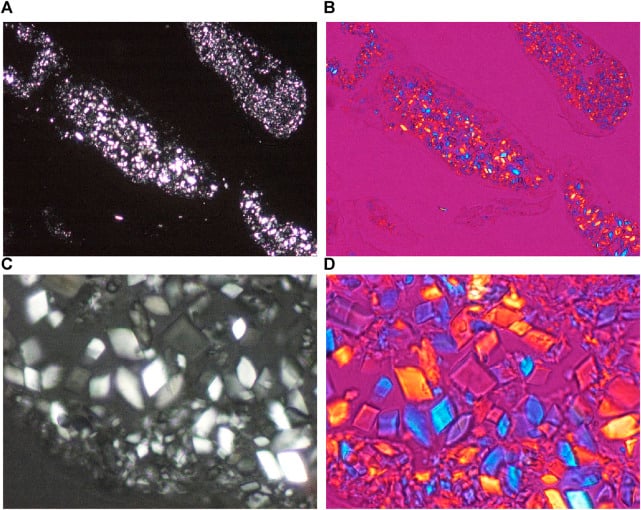
- CPP crystals are rhomboid/rod-shaped and positively birefringent (blue parallel to polariser)
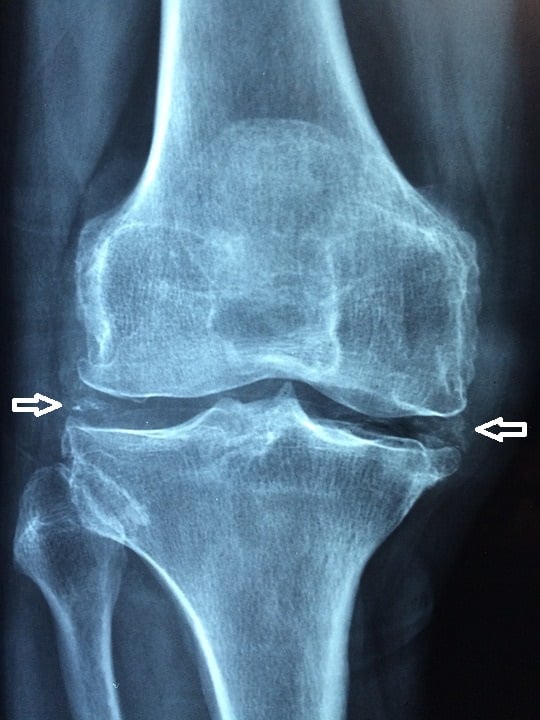
- Chondrocalcinosis on X-ray is pathognomonic but not synonymous with symptomatic disease
- Knee is the most commonly affected joint (50% of cases)
- Associated conditions: haemochromatosis, hyperparathyroidism, hypomagnesaemia, hypothyroidism
- No specific disease-modifying therapy exists, unlike gout
- “Positively birefringent = blue when parallel to polariser axis
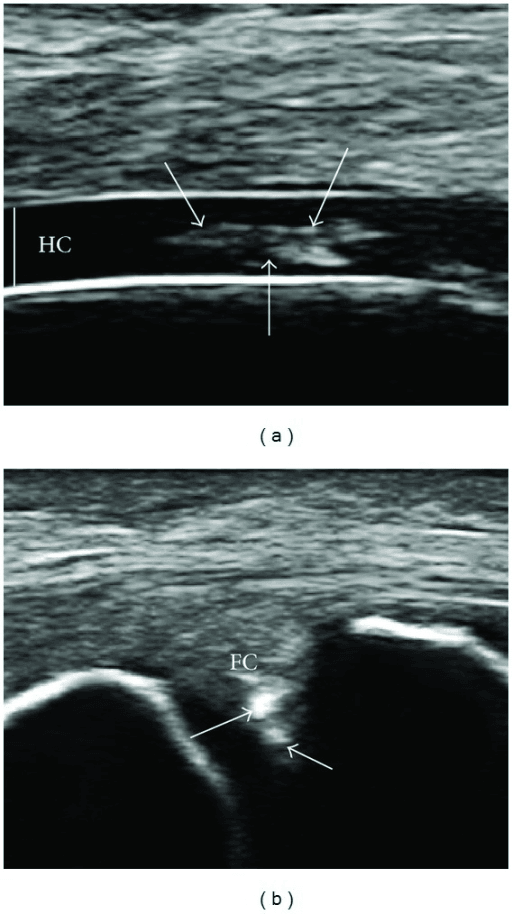
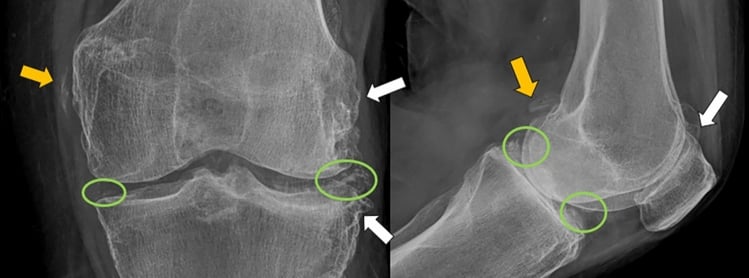
- “Chondrocalcinosis on knee X-ray: triangular meniscal fibrocartilage, parallel lines in hyaline cartilage
- “Always screen for metabolic causes in patients younger than 55 years
- “Crowned dens syndrome mimics meningitis - look for calcification around odontoid
Overview and Epidemiology
Calcium pyrophosphate deposition (CPPD) disease is a crystal arthropathy caused by deposition of calcium pyrophosphate dihydrate (CPP) crystals in articular and periarticular tissues. It covers a spectrum, from asymptomatic chondrocalcinosis through acute pseudogout attacks to chronic pyrophosphate arthropathy.
Who gets it. Prevalence rises markedly with age: CPPD is rare before 50 and present in more than 40% of those over 84. Radiographic chondrocalcinosis is found in 15% of people aged 65-74 and 44% of those aged 85 and older, yet only 25% of people with it are symptomatic. The sexes are affected about equally, with a slight female predominance in some studies.
Risk factors. Age is the strongest, and prevalence doubles each decade after 60. Osteoarthritis is strongly associated, in a chicken-and-egg relationship, and prior joint injury (meniscectomy or joint trauma) also counts. Rare autosomal dominant familial forms arise from ANKH gene mutations, and four metabolic conditions complete the list.
CPPD in a patient under 55 should trigger investigation for underlying metabolic disease. This is a common exam question: always screen young patients for the 4 H's, haemochromatosis, hyperparathyroidism, hypomagnesaemia and hypothyroidism.
Pathophysiology
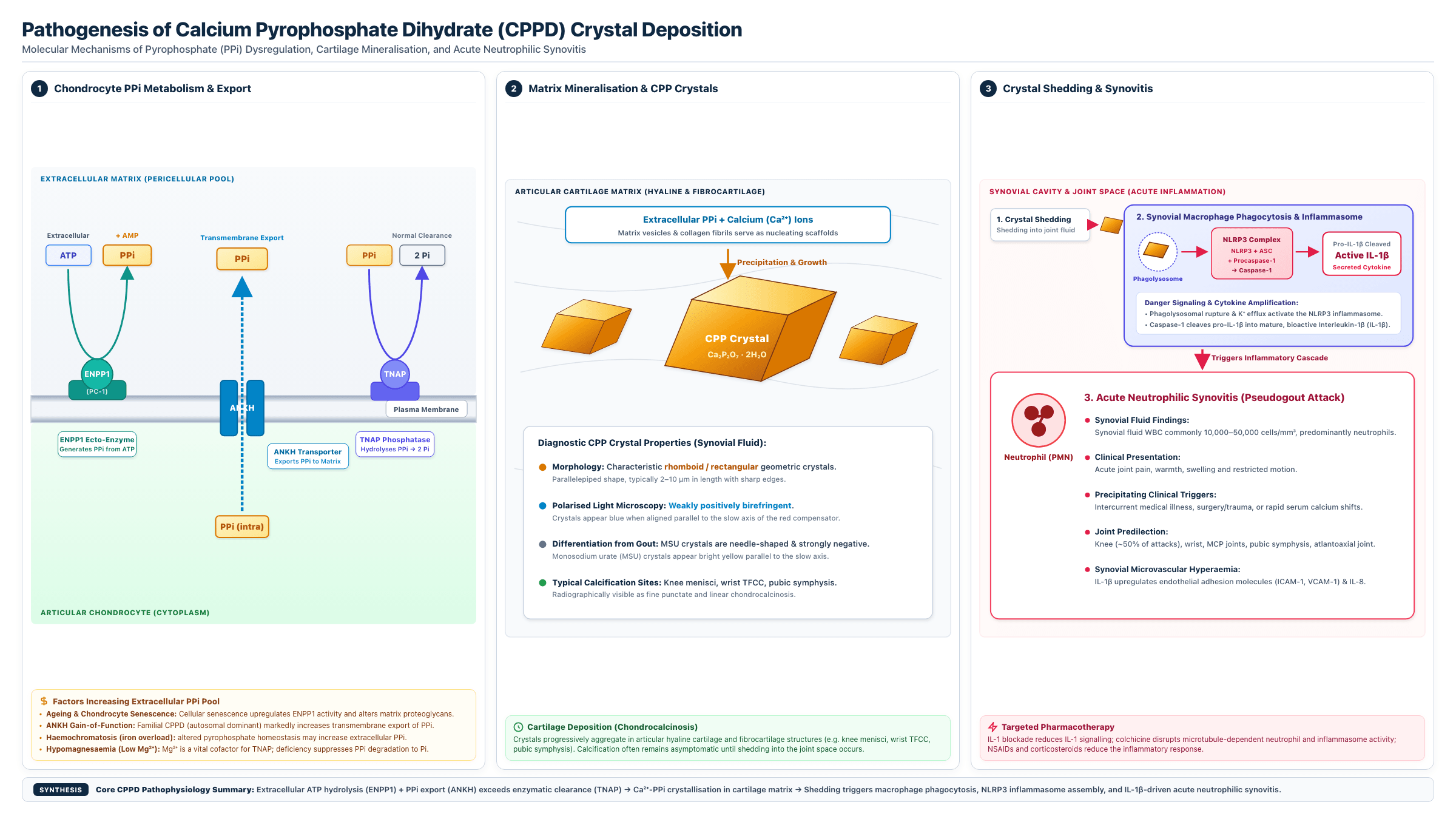
Pyrophosphate balance. Inorganic pyrophosphate (PPi) is produced during ATP hydrolysis, and chondrocytes are the primary source of it in the joint. Pyrophosphatases normally convert PPi to orthophosphate, and the balance between generation and breakdown keeps levels normal. CPPD results from aberrant PPi metabolism: excess PPi combines with calcium to form CPP crystals, which deposit preferentially in fibrocartilage (menisci, TFCC) and hyaline cartilage.
What tips the balance. Extracellular PPi rises with increased activity of the ANKH transporter, which exports PPi from cells, with decreased activity of tissue non-specific alkaline phosphatase (TNAP), and with chondrocyte senescence and its altered metabolism. Four factors promote crystallisation, and the metabolic associations map onto them.
- Elevated calcium concentrations - hyperparathyroidism
- Increased PPi - ANKH mutations, haemochromatosis
- Decreased PPi degradation - hypomagnesaemia
- Cartilage matrix changes with ageing
Magnesium is an essential cofactor for the pyrophosphatases that break down PPi, and for TNAP. Low magnesium leads to PPi accumulation and crystal formation, which explains the association with diuretic use and alcoholism.
The acute attack. The inflammatory cascade runs in five steps.
- CPP crystals shed from cartilage into the joint space
- Synovial macrophages phagocytose them
- The NLRP3 inflammasome is activated (similar to gout)
- IL-1β release triggers neutrophil influx
- Acute synovitis develops
The chronic arthropathy. Persistent low-grade inflammation damages cartilage, and crystal deposition alters its biomechanics. Secondary osteoarthritic change follows, with the distinctive pattern of joint involvement described under pyrophosphate arthropathy.
Clinical Presentation
Acute CPP Crystal Arthritis (Pseudogout)
The attack. An acute monoarthritis that mimics gout or septic arthritis, and may be triggered by illness, surgery or trauma. It is less severe than gout, and the patient can usually weight-bear. Untreated, it is self-limiting over 1-3 weeks.
Where. The knee accounts for 50% of attacks and the wrist 25%; the shoulder, ankle and elbow share the remaining 25%. The first MTP, the podagra site of gout, is uncommonly involved.
Chronic CPP Crystal Arthropathy
The chronic form resembles osteoarthritis clinically and radiographically, rather than an erosive arthritis, but it affects joints atypical for primary OA. Progressive joint destruction is possible, and morning stiffness and inflammatory features may be present. Its pattern is set out in the pyrophosphate arthropathy section below.
Crowned Dens Syndrome
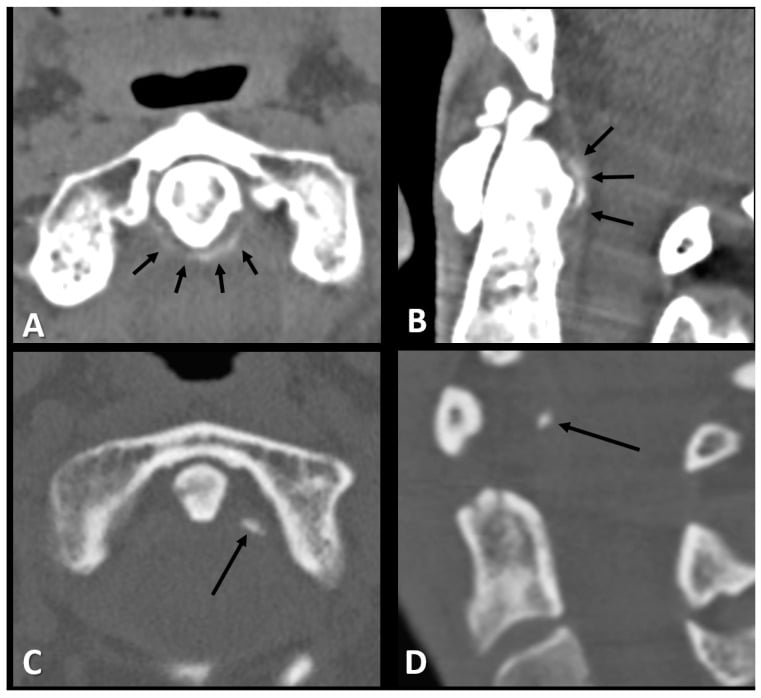
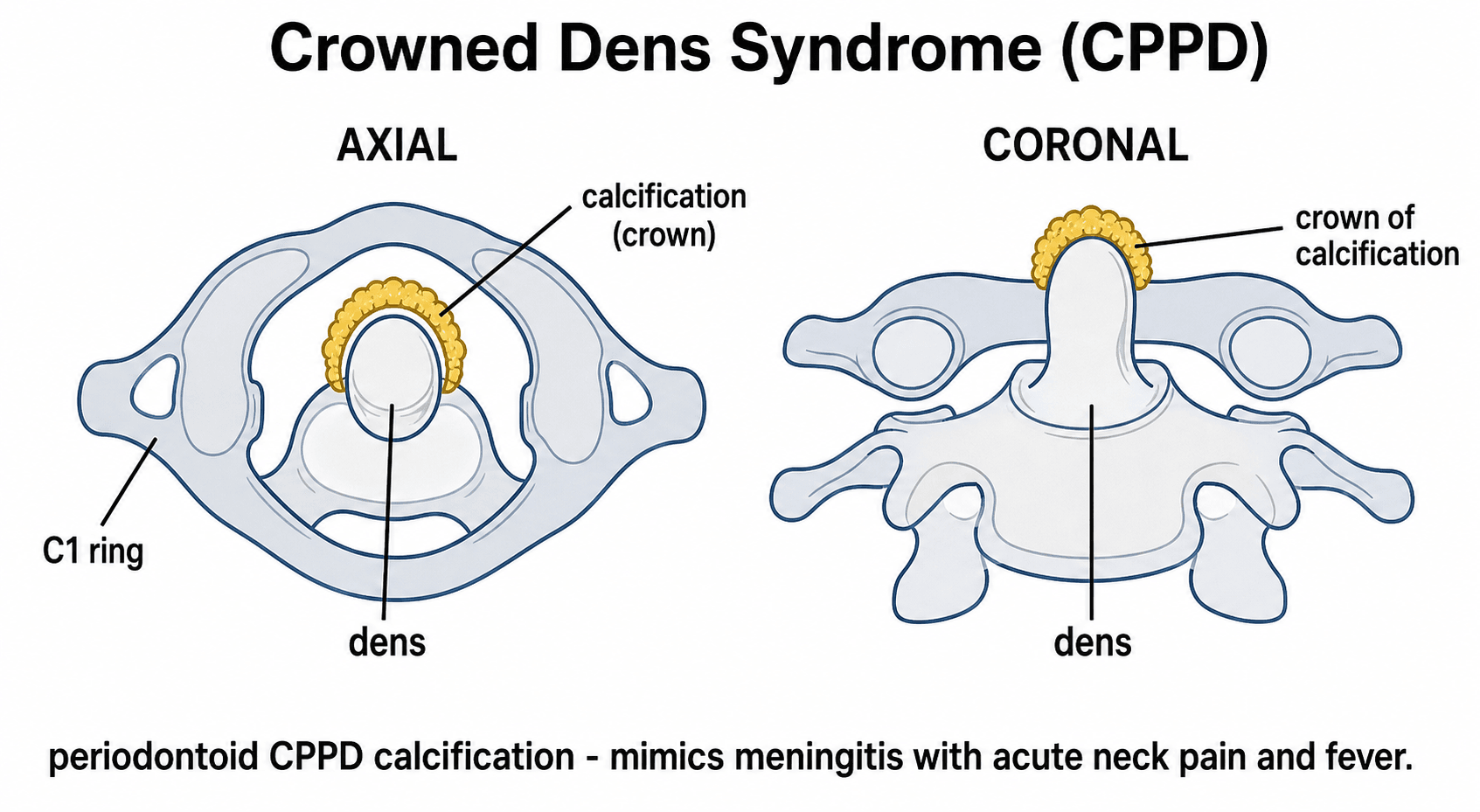
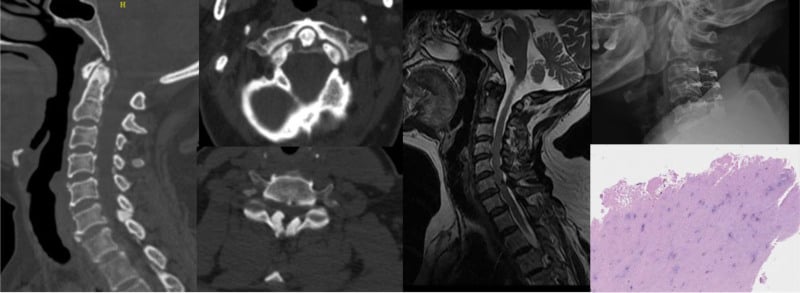
The picture. Calcification around the odontoid process causes acute severe neck pain, fever and elevated inflammatory markers, and can produce marked restriction of rotation. It mimics meningitis or retropharyngeal abscess, and also giant-cell arteritis or infection.
Diagnosis and treatment. CT shows the periodontoid calcification. Treatment is with NSAIDs, and the condition is usually self-limiting.
Extra-articular Deposition
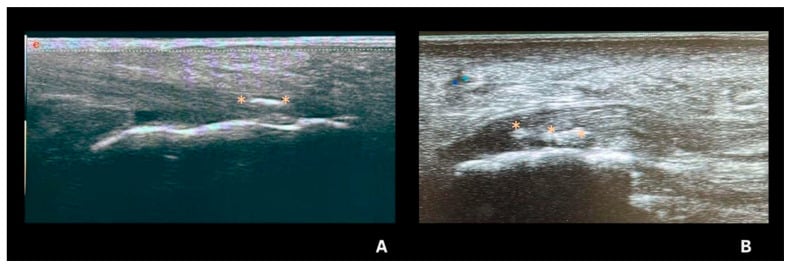
CPPD is not confined to hyaline cartilage and fibrocartilage. Deposits can also form in tendon and fascia, as in the Achilles tendon and plantar fascia.
Physical Examination
Look. Swelling and erythema over the affected joint, less marked than in gout, with an effusion, particularly at the knee. There are no tophi, unlike gout.
Feel. The joint is warm and tender, and a knee effusion is detectable by ballottement or patellar tap. Crepitus is a feature of chronic arthropathy.
Investigations
Synovial Fluid
The gold standard. Polarised microscopy of synovial fluid identifies the crystals: rhomboid, rectangular or rod-shaped and positively birefringent, blue when parallel to the polariser and yellow when perpendicular. Gout is the opposite, with needle-shaped, negatively birefringent urate crystals that are yellow when parallel. The white cell count is 10,000-50,000/microL, predominantly neutrophils.
A negative aspirate. Finding crystals supports CPPD, but a negative aspirate does not exclude it, because crystals can be sparse and weakly birefringent.
Blood Tests
Metabolic screen. Indicated in a patient under 55 or with recurrent attacks.
- Ferritin and transferrin saturation - haemochromatosis
- Calcium and PTH - hyperparathyroidism
- Magnesium - hypomagnesaemia
- TSH - hypothyroidism
Other tests. ESR and CRP are elevated during an acute attack. Uric acid may help differentiate CPPD from gout.
- CPPD (Pseudogout)
- Rhomboid/rod-shaped
- Gout (MSU)
- Needle-shaped
- CPPD (Pseudogout)
- Positive (BLUE parallel)
- Gout (MSU)
- Negative (YELLOW parallel)
- CPPD (Pseudogout)
- Knee, wrist
- Gout (MSU)
- 1st MTP (podagra)
- CPPD (Pseudogout)
- Chondrocalcinosis
- Gout (MSU)
- Punched-out erosions
- CPPD (Pseudogout)
- Haemochromatosis, HPT, hypoMg
- Gout (MSU)
- Diet, alcohol, CKD
- CPPD (Pseudogout)
- None available
- Gout (MSU)
- Allopurinol, febuxostat
Pyrophosphate Arthropathy and the Haemochromatosis Pattern
Chronic CPP arthropathy produces a degenerative pattern that is recognisably "OA in the wrong joints", a key examiner clue that calcium pyrophosphate, or an underlying metabolic driver, is at work. It differs from primary OA in four ways.
- Distribution - the radiocarpal (wrist), metacarpophalangeal, elbow, shoulder, ankle, patellofemoral and talonavicular joints, which primary OA tends to spare
- Patellofemoral-predominant knee OA - isolated, or disproportionate to the tibiofemoral compartments, a classic CPPD pattern
- Prominent subchondral cysts and large osteophytes - out of proportion to the joint-space narrowing
- Superimposed chondrocalcinosis - frequent
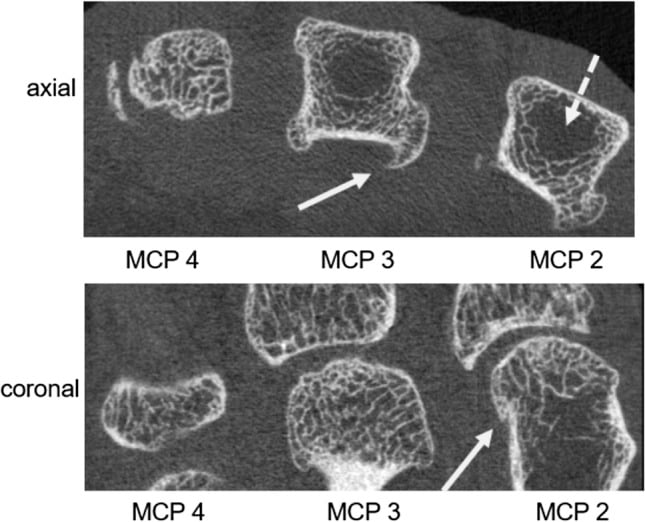
The haemochromatosis pattern. Hereditary haemochromatosis, a state of iron overload, causes a distinctive arthropathy that typically involves the 2nd-5th MCP joints, with squaring and joint-space loss, frequently accompanied by chondrocalcinosis. Hook-shaped osteophytes on the radial side of the 2nd and 3rd metacarpal heads are almost a signature sign.
What to do with it. MCP-predominant arthropathy with chondrocalcinosis should prompt ferritin and transferrin saturation, particularly in a patient under 55.
Basic Calcium Phosphate Disease and Milwaukee Shoulder
CPPD must be distinguished from the other common articular calcium crystal, basic calcium phosphate (BCP), principally carbonated hydroxyapatite. The two frequently coexist in osteoarthritic joints, but they behave and are detected differently.
- CPPD
- Calcium pyrophosphate dihydrate; rhomboid/rod-shaped
- Basic calcium phosphate (BCP)
- Hydroxyapatite; tiny non-crystalline 'clumps'
- CPPD
- Weakly POSITIVELY birefringent (visible)
- Basic calcium phosphate (BCP)
- NOT birefringent — invisible on standard light microscopy
- CPPD
- Synovial-fluid polarised microscopy
- Basic calcium phosphate (BCP)
- Alizarin red S stain, or electron microscopy / spectroscopy
- CPPD
- Pseudogout, chondrocalcinosis, pyrophosphate arthropathy
- Basic calcium phosphate (BCP)
- Calcific tendinitis, Milwaukee shoulder, periarticular calcification
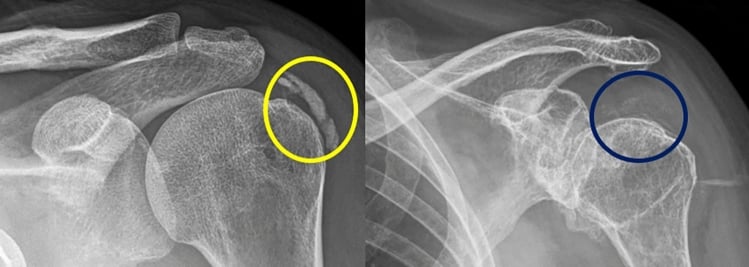
Milwaukee shoulder. The destructive shoulder arthropathy caused by BCP crystals, classically in elderly women. It produces a large, often blood-stained, non-inflammatory effusion, rotator-cuff destruction with superior migration of the humeral head, and rapid glenohumeral joint destruction.
Management. Largely supportive, with aspiration, NSAIDs and activity modification. An irreparably destroyed cuff and joint may ultimately need reverse shoulder arthroplasty.
BCP (hydroxyapatite) crystals are NOT birefringent, so a synovial sample full of them can look acellular or negative under standard polarised light. Suspect BCP when there is calcific tendinitis, or a destructive Milwaukee shoulder in an elderly woman, and confirm with alizarin red staining rather than ordinary polarised microscopy.
Management
Acute Attack Management
Drugs. Three first-line options.
- NSAIDs - indomethacin 50mg TDS, naproxen 500mg BD
- Colchicine - 0.5mg BD-TDS, less effective than in gout but still useful
- Corticosteroids - intra-articular (preferred for monoarticular disease) or oral prednisolone
Aspiration. Aspiration is therapeutic as well as diagnostic, and draining a large effusion provides significant relief. Send the fluid for crystals and culture, to exclude sepsis.
Refractory attacks. IL-1 inhibitors such as anakinra are used for patients unresponsive to conventional therapy, and systemic corticosteroids if the disease is polyarticular.
Surgical Management
Indications for Surgery
- End-stage arthropathy - joint destruction requiring arthroplasty
- Mechanical symptoms - loose bodies, meniscal pathology
- Carpal tunnel syndrome - from crystal deposition
- Crowned dens syndrome - rarely requires surgical decompression
Joint Arthroplasty in CPPD
Crystals do not preclude it. CPPD arthropathy is an indication for joint replacement, and outcomes are generally good, although some studies show higher complication rates. Good outcomes are reported after total knee arthroplasty and results after total hip arthroplasty are comparable to primary OA, while shoulder arthroplasty has had higher complication rates in some series. Manipulation rates after TKA may be higher.
Before surgery. Screen for metabolic conditions and assess the other joints for involvement. Ensure an acute attack is not present at the time of surgery, and consider perioperative colchicine for flare prophylaxis.
Complications
Disease Complications
- Chronic arthropathy - progressive joint destruction
- Spinal stenosis - from disc calcification and hypertrophy
- Tendon rupture - rare, but reported with periarticular deposits
- Neurological compression - carpal tunnel syndrome, cervical myelopathy
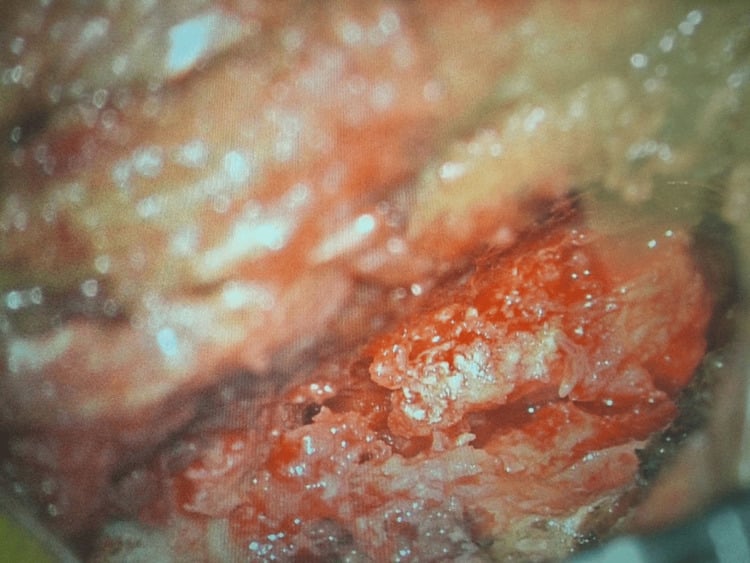
Cervical compression. Neurological deficit changes cervical CPPD from an inflammatory flare into a decompression problem.
Surgical Complications
- Acute flare - perioperative pseudogout attack
- Stiffness - may be more common after TKA
- Wound healing - generally not affected, unlike gout with tophi
- Recurrent symptoms - crystal deposition continues
Guidelines, Registries & Global Practice
CPPD is a global disease of the ageing joint. Because no therapy dissolves CPP crystals anywhere in the world, international guidance converges on the same two pillars: confident diagnosis (crystal identification plus imaging) and control of inflammation, while excluding sepsis and treating any underlying metabolic driver.
Global epidemiology
- Radiographic chondrocalcinosis is strongly age-dependent and varies by population: knee chondrocalcinosis in adults aged 60 and over is around 6-8% in US white cohorts (Framingham) but under 3% in Beijing Chinese cohorts using identical protocols.
- CPPD may be the commonest inflammatory arthritis in people over 60 years; most radiographic chondrocalcinosis is asymptomatic.
- Familial autosomal-dominant forms (ANKH mutations) are rare but cause young, often polyarticular, onset.
Side-by-side guidance
- Region
- Europe
- Emphasis
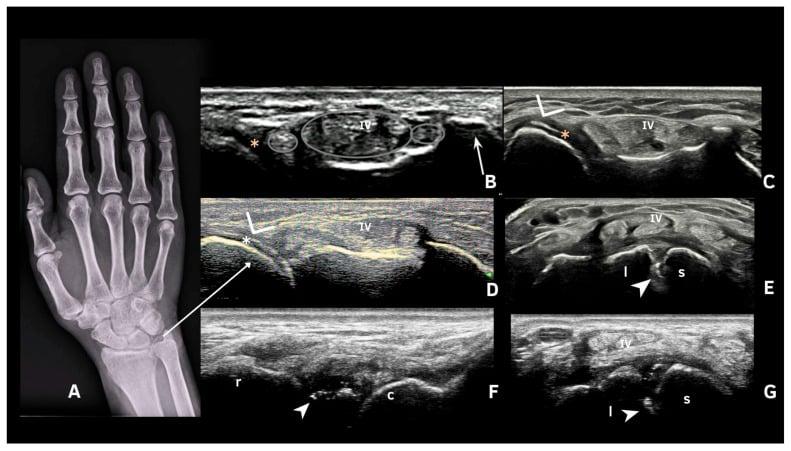
- 'CPPD' umbrella terminology; SF crystal ID is definitive; ultrasound preferred imaging (LR 24.2)
- Region
- International
- Emphasis
- Standardised classification for research; integrates clinical, SF and imaging (including CT for axial disease)
- Region
- International
- Emphasis
- Reproducible US scoring of CPP deposits in cartilage and fibrocartilage
- Region
- International
- Emphasis
- Crystal arthropathy is not a contraindication to arthroplasty; always exclude periprosthetic infection first
Registry and arthroplasty evidence
- Large arthroplasty registries (NJR, AOANJRR, AJRR, Swedish/Norwegian) do not list CPPD as a distinct indication, but cohort data (e.g. 1500-knee CORR series) show chondrocalcinosis does not increase TKA revision risk and yields comparable Knee Society scores.
- Implication: standard implant and bearing selection applies; CPPD changes perioperative flare prophylaxis, not prosthesis choice.
High- vs limited-resource practice variation
- Well-resourced settings: routine polarised microscopy and high-frequency ultrasound enable confident crystal/imaging diagnosis; IL-1 blockade (anakinra/canakinumab) available for refractory attacks.
- Limited-resource settings: diagnosis often rests on plain radiographs and clinical pattern; management relies on NSAIDs, colchicine and intra-articular or oral corticosteroids, with aspiration to exclude sepsis remaining the universal safety step.
- Everywhere: screen young or polyarticular patients for haemochromatosis, hyperparathyroidism, hypomagnesaemia and hypothyroidism, and refer for definitive metabolic treatment.
Controversies & Areas of Uncertainty
CPPD remains under-researched relative to gout, and several questions are unresolved.
OA: cause or consequence? CPPD and OA are tightly linked, but the direction is unclear. CPP crystals may accelerate cartilage degradation, or degenerate cartilage may simply favour crystal nucleation, and the association is joint-specific: it holds for knee OA, not hip OA.
Dissolving the crystals. Nothing reliably reduces CPP crystal burden. Drugs targeting pyrophosphate metabolism, such as probenecid, magnesium and phosphocitrate, remain experimental or unproven.
Prophylaxis. Low-dose colchicine and hydroxychloroquine are used for recurrent flares largely by extrapolation from gout and small studies, and randomised data are limited. Methotrexate was not confirmed to be effective in recent trials, although the 2024 Lancet Rheumatology review in the evidence below still lists low-dose methotrexate among agents that may help.
IL-1 blockade. Anakinra and canakinumab help refractory attacks mechanistically, through the NLRP3/IL-1β pathway, but the evidence is limited to case series and they are not formally licensed for CPPD.
Imaging thresholds. Ultrasound (with the OMERACT definitions) and dual-energy or conventional CT are increasingly used. The optimal diagnostic algorithm, and how to grade subclinical deposition, are still being standardised.
Whom to screen. There is consensus to screen young (under about 55-60) or polyarticular patients, but the yield in older sporadic disease is low, and the exact age cut-off and panel vary between guidelines.
Exam Viva Scenarios
Practise clinical reasoning and management decisions out loud
“A 72-year-old woman presents with acute onset pain and swelling of her right knee. She had a hip replacement 3 days ago. Examination shows a warm, swollen knee with an effusion. She is afebrile.”
“A 48-year-old man presents with recurrent episodes of knee pain and swelling. X-rays show chondrocalcinosis. His father had similar problems. He also reports fatigue and impotence.”
“You are shown a polarized microscopy image of synovial fluid showing rhomboid crystals that appear blue when aligned parallel to the polarizer. What is your diagnosis?”
“An 80-year-old woman presents with acute severe neck pain, fever, and neck stiffness. She is being investigated for possible meningitis. CT cervical spine shows calcification around the odontoid process.”
Crystal Identification
- CPP: Rhomboid/rod-shaped, positively birefringent (BLUE parallel)
- MSU: Needle-shaped, negatively birefringent (YELLOW parallel)
- Mnemonic: 'Blue Parallel Pseudogout' vs 'Yellow Parallel Gout'
Classic Presentation
- Acute knee arthritis most common (50%)
- Less severe than gout - can often weight-bear
- May be triggered by surgery, illness, trauma
Radiographic Signs
- Chondrocalcinosis: Linear calcification in cartilage
- Meniscal triangular calcification on knee AP
- TFCC calcification on wrist PA
- Symphysis pubis calcification on pelvis AP
Metabolic Screen (The 4 H's)
- Hemochromatosis: Ferritin, transferrin saturation
- Hyperparathyroidism: Calcium, PTH
- Hypomagnesemia: Serum magnesium
- Hypothyroidism: TSH
Treatment
- NSAIDs, colchicine, or steroids for acute attacks
- No disease-modifying therapy (unlike gout)
- Treat underlying metabolic conditions
- Arthroplasty for end-stage arthropathy
Exam Traps
- Always exclude septic arthritis in acute presentation
- Screen for metabolic causes if under 55 years
- Crowned dens syndrome mimics meningitis
- Crystals and infection can coexist
Evidence Base
EULAR Recommendations for CPPD (Part I: Terminology and Diagnosis)
- 'CPPD' is the umbrella term (acute CPP crystal arthritis, OA with CPPD, chronic CPP inflammatory arthritis)
- Definitive diagnosis requires synovial fluid CPP crystal identification
- Ultrasound positive likelihood ratio 24.2 (95% CI 3.51-168) for peripheral joints, superior to radiography
- Recognised risk factors: ageing, OA, primary hyperparathyroidism, haemochromatosis, hypomagnesaemia
Ethnic Variation in Chondrocalcinosis Prevalence (Beijing vs Framingham)
- Knee chondrocalcinosis much lower in Beijing Chinese (1.8% men, 2.7% women) than US white subjects (6.2% men, 7.7% women)
- Age-standardised prevalence ratio approximately 0.34-0.43 for knee in Chinese subjects
- Wrist chondrocalcinosis rare in Chinese subjects (0.3-1.0%)
- Highlights genetic and environmental contributions to deposition
ANKH Mutations Cause Autosomal-Dominant Familial CPPD
- Identical P5T missense mutation at the amino terminus of ANKH in both families
- All affected members heterozygous; mutation absent in 204 control alleles
- Position 5 of ANKH is a mutational hot spot in dominant CPPD
- Supports excess extracellular pyrophosphate transport as a core mechanism
Pathophysiology of Chondrocalcinosis - Role of ANKH
- Extracellular PPi derives from NTP breakdown (PC-1/ENPP1) and ANK-mediated transport
- Elevated synovial PPi promotes CPP crystal nucleation
- ANKH mutations cause familial CPPD
- No therapy currently dissolves established CPP crystal deposits
Chondrocalcinosis and TKA: Knee Society Scores, ROM and Revision
- Chondrocalcinosis common at TKA (34% of men, 24% of women)
- Knee Society knee and function scores similar with or without chondrocalcinosis
- Revision rates not different (3.6% vs 2.2%, p=0.2)
- Severe synovitis with visible CPPD undergoing synovectomy had lower final ROM and scores
Anakinra for Refractory Acute CPP Crystal Arthritis
- Five patients (4 male) treated with anakinra 100 mg/day subcutaneously for 3 days
- Four showed rapid clinical and biochemical response at a mean of 3 days
- Pain (VAS) fell from 60 to 10 mm; CRP fell from 58 to 5 mg/L
- Well tolerated; one injection-site reaction, no infection
Epidemiology of CPP and Basic Calcium Phosphate Crystal Arthritis
- CPPD prevalence rises steeply with age and associates strongly with OA
- May reflect a generalised articular predisposition and low cortical bone mineral density
- CPP and basic calcium phosphate crystals frequently coexist in OA joints
- Direction of causality between CPPD and OA remains uncertain
Modern CPPD Disease Review (incl. 2023 ACR/EULAR Classification)
- Likely the commonest inflammatory arthritis in people over 60 years
- Crystals activate the NLRP3 inflammasome; no agent dissolves CPP crystals
- Prednisone offers a favourable benefit-risk ratio for acute attacks; low-dose colchicine is also effective
- Colchicine, low-dose methotrexate and hydroxychloroquine may help prophylaxis; IL-1/IL-6 blockade for refractory disease