Failed Index Surgery | Complex Osteotomies | High Complication Rate
- Pseudarthrosis is a clinical-radiographic diagnosis; CT bridging alone does not dictate revision
- PJK is not PJF: a radiographic angle can be asymptomatic, whereas failure implies structural collapse, pain, instability or neurological consequence
- Osteotomy correction is not a fixed number: it varies with level, wedge geometry, mobility and closure
- Revision infection strategy is not automatically two-stage: timing, organism, fusion, implant stability and host determine retention or exchange
- Frailty, bone quality, goals and expected functional gain are central to shared decision-making
- “Identify failure mechanism BEFORE planning revision strategy
- “Know when expected benefit does not justify frailty, bone-quality, neurological or physiological risk
- “Describe staged revision protocol for deep infection
- “PSO requires greater anterior column support than SPO
Overview
Revision deformity surgery is among the most demanding areas of adult spine care. It is high risk because scar, altered anatomy, poor fixation reserve and multiple failure mechanisms coexist, and the operation is only the final step of a diagnostic and shared-decision process.
Why patients come back. Revision follows pseudarthrosis, junctional failure, loss of alignment, implant problems, infection or combinations of these, and time to failure ranges from the early postoperative period to decades later. The mechanisms frequently overlap, so report every mechanism present rather than assigning one headline indication.
Who. The revision population is heterogeneous, and age alone does not define candidacy. Reported complications and reoperations vary widely with the index failure, osteotomy, construct length, host reserve, follow-up and outcome definition, so avoid quoting one universal indication distribution or five-year revision rate without naming the underlying cohort and definition.
Where. Complex revision is concentrated worldwide at tertiary spine centres, which reflects the need for complex imaging, anaesthesia, advanced neuromonitoring, critical care and multidisciplinary optimisation. International registries and study groups (the Scoliosis Research Society Morbidity & Mortality database, the International Spine Study Group and the European Spine Study Group) provide the benchmark complication and revision-rate data used for counselling.
What the examiner listens for. Define the failure, rigidity, correction need, neural compression, infection status, bone quality, available anchors and patient goals before naming an osteotomy or construct.
Revision deformity surgery carries substantial and heterogeneous risk. Frailty, severe osteoporosis and comorbidity raise that risk, but they are not automatic absolute contraindications and there is no universal comorbidity-count contraindication. Quantify modifiable risk, neurological urgency, expected function and the patient's goals, and compare the expected functional gain with the perioperative burden and the non-operative alternatives, before recommending surgery or non-operative care.
Pathophysiology
Mechanical failure
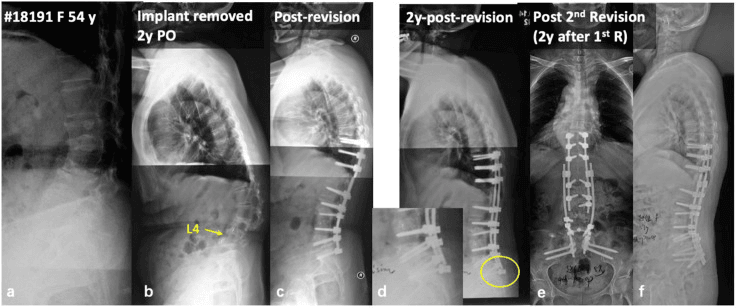
Pseudarthrosis. Incomplete osseous bridging can permit ongoing motion, and a symptomatic nonunion may drive progressive deformity and implant fatigue. The lumbosacral junction and osteotomy sites are high-stress locations, but nonunion can occur anywhere.
Proximal junctional kyphosis and failure. An acute angular kyphosis at the UIV or UIV+1. It is caused by stress concentration at the construct terminus. The biomechanical mismatch between a rigid construct and the mobile spine, and osteoporotic compression fractures at the junctional vertebrae, belong to the same picture.
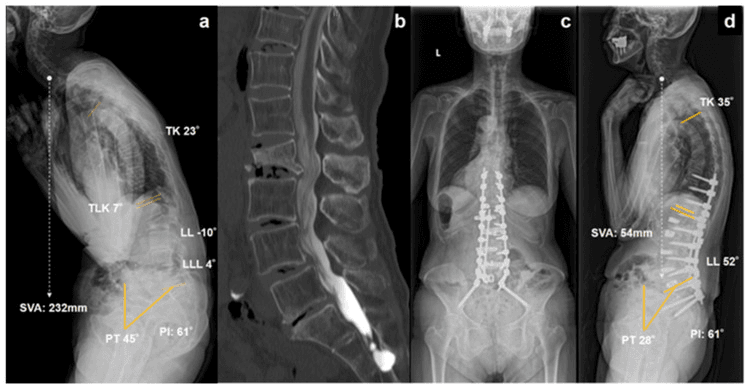
Sagittal imbalance (20-25%). Undercorrection at the index surgery, loss of correction over time and progressive adjacent segment degeneration all lead to a positive sagittal vertical axis.
Distal junctional failure. Less common than PJK (approximately 5-10%) and typically at the lumbosacral junction, in the setting of inadequate sacropelvic fixation, S1 screw pullout or rod fracture.
Biological failure
Infection. Infection disrupts fusion biology, creates biofilm on implants and may present as persistent pain or delayed wound healing. It does not automatically mean staged revision: retention, exchange or staged removal depends on timing, organism, implant stability, fusion status and host (see Management).
Osteoporosis. Poor bone gives screw loosening and pullout, compression fractures at the junctional vertebrae, impaired fusion biology and higher pseudarthrosis rates.
Medical comorbidity. Each of these works against the construct or the fusion:
- Diabetes impairs wound healing and fusion
- Smoking profoundly inhibits fusion, with a 3-5 fold increase in pseudarthrosis
- Obesity increases mechanical stress on the construct
- Malnutrition impairs healing
The revision field
Scar. Extensive scar from prior surgery leaves the neural elements adherent to dura and bone, which increases the risk of durotomy and of nerve injury during dissection.
Altered anatomy. Facets and posterior elements may have been removed, pedicles violated by prior screws, bone quality compromised by prior decortication and the vascular anatomy distorted by scarring.
Lost fixation points. Previous screw trajectories limit new screw placement, and the bone may be osteoporotic from stress shielding. Alternative fixation (hooks, sublaminar wires, iliac screws) may be required.
Classification
Practical complexity description
No universally validated four-grade “Kim revision complexity classification” with fixed operative times and complication percentages is established. Describe the case instead.
- Lower Complexity
- Single focal failure
- Higher Complexity
- Multiple mechanical, alignment, biological and neurological failures
- Lower Complexity
- Mobile deformity or focal nonunion
- Higher Complexity
- Rigid multiplanar deformity requiring three-column release
- Lower Complexity
- Usable pedicles and bone stock
- Higher Complexity
- Violated trajectories, osteoporosis, pelvic or junctional failure
- Lower Complexity
- Optimised physiology and reserve
- Higher Complexity
- Frailty, malnutrition, infection, cardiopulmonary or neurological risk
- Lower Complexity
- Focal revision
- Higher Complexity
- Long construct revision, staged exposure or complex osteotomy
State the failure mechanisms, correction required, available anchors, biological plan, neurological risk and host reserve. Those variables, not a nominal grade, determine staging, team, monitoring and consent.
Clinical Presentation
History
Timing. When the failure appears points towards its cause:
- Early, less than 6 months: technical error, infection or inadequate correction
- Intermediate, 6 months to 2 years: typical for pseudarthrosis or junctional failure
- Late, greater than 2 years: adjacent segment disease, late infection, hardware fatigue
Pain pattern. Each pattern suggests a different lesion:
- Mechanical back pain, worse with activity and better with rest: pseudarthrosis or hardware failure
- Radicular pain: nerve root compression from deformity or foraminal stenosis
- Neurogenic claudication: spinal canal stenosis in deformity
- Constant pain: consider infection, especially with night pain
Function. The functional impact shows as inability to stand upright (positive sagittal balance), a stooped forward gait with compensatory knee flexion, and loss of horizontal gaze, so that the patient cannot see ahead when walking. Walking tolerance and distance fall, and activities of daily living suffer.
Red flags.
- Fever, chills, night sweats (infection)
- Progressive neurological deficit
- Bladder or bowel dysfunction
- Rapid deformity progression
- Wound drainage or breakdown
Physical examination
Global alignment. The C7 plumb line to the sacrum gives the SVA, and to the CSVL the coronal vertical axis. Look for the compensatory mechanisms (knee flexion, ankle dorsiflexion, pelvic retroversion) and ask whether the patient can look straight ahead when standing.
The wound and the back. Inspect the incision for healing, drainage and erythema, and palpate for tenderness, a fluid collection or implant prominence. Paraspinal atrophy suggests denervation; check for a gibbus or step-off deformity.
Neurology. Test motor strength in all myotomes L2-S2, light touch and pinprick in all dermatomes, and the knee, ankle and Babinski responses. Watch the gait for an antalgic, Trendelenburg or foot-drop pattern, and look for upper motor neuron signs if myelopathy is suspected.
Function. Record walking distance and speed, a sit-to-stand test, the ability to maintain an upright posture and an ODI (Oswestry Disability Index) or SRS-22 score.
Differential diagnosis
- Clinical features
- Mechanical pain, pain-free interval then recurrence
- Imaging
- CT shows less than 50% bridging bone, possible hardware failure
- Laboratory
- Normal inflammatory markers
- Management
- Revision fusion with biologics
- Clinical features
- Persistent or recurrent pain, constitutional symptoms possible
- Imaging
- MRI shows fluid collection, bone oedema; loosening on radiographs
- Laboratory
- Elevated CRP/ESR, positive cultures on aspiration
- Management
- Debridement with retention, exchange or staged reconstruction
- Clinical features
- New radicular symptoms at unfused levels
- Imaging
- Degeneration, stenosis, or instability adjacent to fusion
- Laboratory
- Normal
- Management
- Conservative vs extension of fusion
- Clinical features
- Progressive kyphotic deformity, pain at UIV region
- Imaging
- Acute kyphosis at UIV/UIV+1, possible fracture
- Laboratory
- Normal, check DEXA for osteoporosis
- Management
- Observation vs cranial extension with osteotomy
- Clinical features
- Pain out of proportion to findings, multiple prior surgeries
- Imaging
- May show solid fusion and normal alignment
- Laboratory
- Normal
- Management
- Pain psychology, avoid further surgery
Investigations
Radiographs
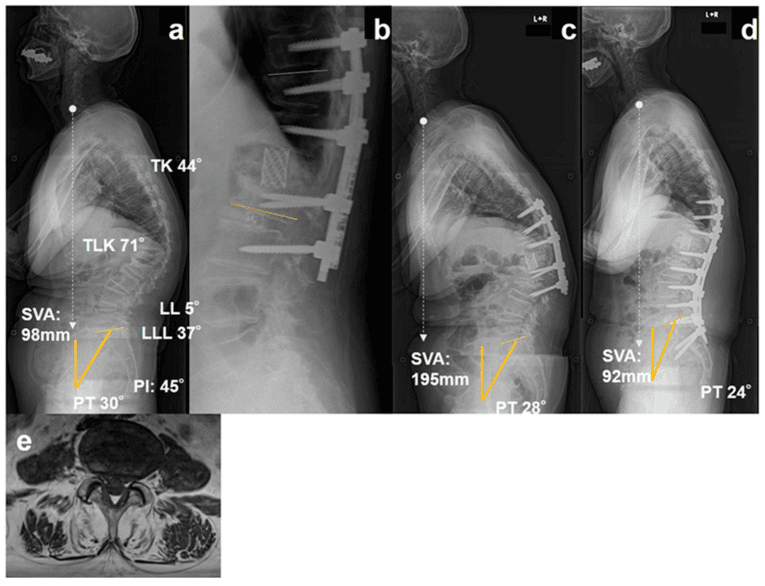
Standing full-length films. AP and lateral views must be standing and weight-bearing to show the true deformity. Measure the Cobb angle, coronal vertical axis (CVA) and trunk shift on the AP, and the sagittal parameters on the lateral:
- SVA: C7 plumb line to posterior-superior S1, normal less than 50mm
- Pelvic incidence (PI): a fixed anatomic parameter
- Lumbar lordosis (LL): L1-S1 Cobb angle
- PI-LL mismatch: normal within 10 degrees
- Pelvic tilt (PT): a compensatory mechanism, normal less than 20 degrees
- Thoracic kyphosis (TK): T5-T12 Cobb angle
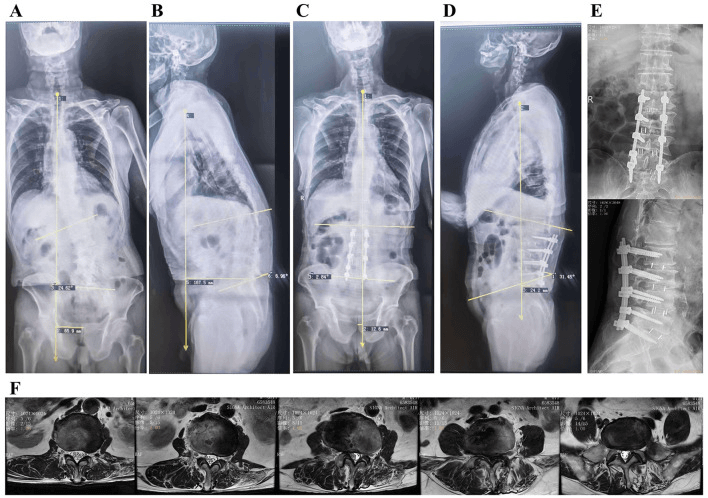
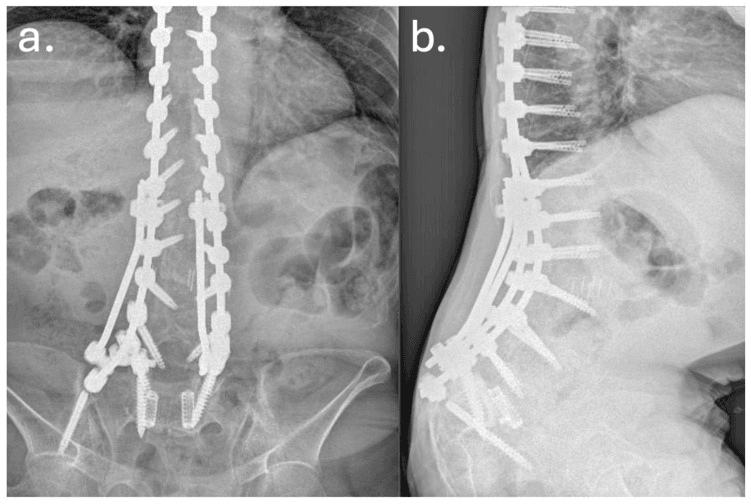
Hardware. Look at screw position and haloing (greater than 1mm lucency = loosening), rod integrity (fracture, breakage), connector and cross-link integrity, and the proximal and distal junctional vertebrae.
Flexion-extension views. In selected cases they assess motion at a suspected pseudarthrosis; greater than 5 degrees of motion suggests nonunion. They are of limited value if the hardware is intact.
Advanced imaging
CT with metal artefact reduction. The gold standard for fusion assessment. Multiplanar (sagittal, coronal, axial) reconstructions let each interspace be assessed for bridging bone and bone quality, and greater than 50% bridging bone is solid fusion. The same scan maps screw trajectories for revision planning and gives Hounsfield units for bone density. Bridging on CT does not by itself dictate revision: confirm that the nonunion explains the symptoms or implant failure first.
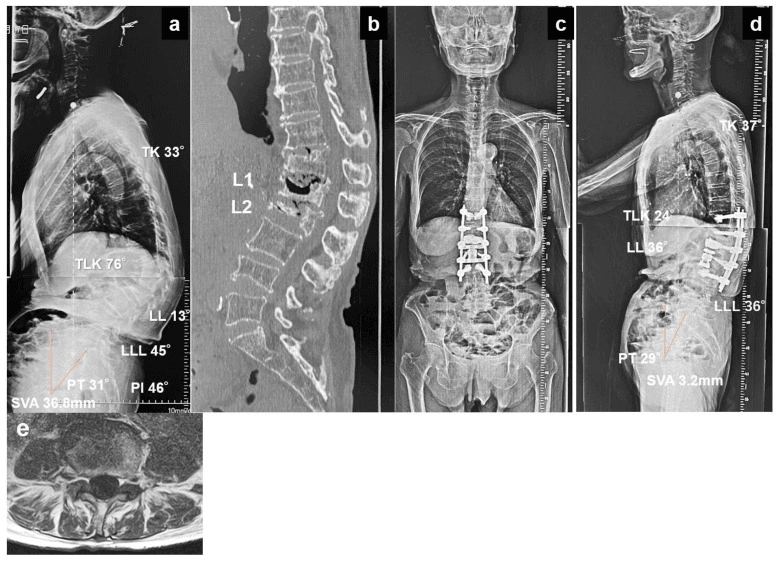
MRI. Reserved for selected indications, with MARS (metal artefact reduction sequence) protocols:
- Suspected infection: fluid collections, marrow oedema, discitis
- Neurological symptoms: neural compression, epidural haematoma
- Soft tissue: muscle atrophy, paraspinal masses
Nuclear medicine. SPECT-CT gives a functional assessment of fusion: hot spots indicate active stress or nonunion, and it is useful when CT is equivocal. A labelled white-cell scan helps diagnose infection (sensitivity 85-90%), and PET-CT serves infection or oncological concerns.
Bone density. DEXA is essential for all revision candidates; a T-score less than -2.5 indicates osteoporosis. Adjust the surgical plan to bone quality, and consider teriparatide pretreatment if osteoporosis is severe.
Laboratory evaluation
Baseline. A full blood count (CBC) for anaemia, which bears on blood-loss risk, and leucocytosis, which suggests infection; a metabolic panel (CMP) for renal function before contrast studies and electrolytes; coagulation studies as a baseline for major surgery; and a type and screen in anticipation of transfusion.
Infection work-up, if suspected. Each test has its own trigger:
- CRP and ESR: elevation suggests infection (CRP greater than 10 mg/L)
- Blood cultures: if systemic sepsis is suspected
- Aspiration: cell count, culture and sensitivity, sent for aerobic, anaerobic and fungal culture; greater than 3000 WBCs with greater than 80% PMNs suggests infection
Bone health and nutrition. Vitamin D, calcium and PTH (calcium metabolism), albumin and prealbumin (nutritional status) and HbA1c (glycaemic control) are measured against the optimisation targets under Management. Teriparatide level is checked if anabolic therapy is being considered, and bone turnover markers assess bone metabolism in the research setting.
Management
Non-operative management
Who. Conservative treatment suits:
- Medical comorbidities prohibitive for surgery
- Frail patients with limited life expectancy
- Patient preference after informed discussion
- Asymptomatic radiographic findings (incidental PJK, asymptomatic pseudarthrosis)
- Mild symptoms manageable conservatively
Bracing. A TLSO for mechanical back pain or pseudarthrosis has limited efficacy in adult deformity, where compliance is poor. It may temporise symptoms while the patient is optimised for surgery, and custom-moulded braces fit a deformed spine better.
Analgesia. Multimodal analgesia with paracetamol and NSAIDs if renal function allows; gabapentin or pregabalin for radicular pain; muscle relaxants short-term for spasm. Avoid long-term opioids, which carry a risk of dependence for minimal long-term benefit. Interventional pain procedures (epidural injections, radiofrequency ablation) have a limited role.
Physiotherapy and lifestyle. Core strengthening to unload the spine, gait training with assistive devices (walker or cane, for balance and unloading) and aquatic therapy, where buoyancy reduces spinal load. Postural exercises have limited effectiveness in a fixed deformity. Activity modification avoids prolonged standing and heavy lifting, and weight optimisation reduces the mechanical load.
What to expect. Approximately 20-30% achieve acceptable symptom control. Most patients with significant deformity eventually require surgery, and conservative management buys time for optimisation.
Preoperative optimisation
Medical optimisation is critical for success. These targets govern elective revision; urgent neural or structural treatment is not delayed to reach arbitrary targets.
Bone health. Supplement vitamin D to a target greater than 30 ng/mL, ideally greater than 40, with calcium 1500mg daily. Bisphosphonates are controversial: they may impair fusion, and the older advice to stop them 3 months before surgery is increasingly questioned (see Controversies). Teriparatide, an anabolic agent, is excellent for fusion augmentation; start it 3-6 months preoperatively if possible and continue it 6-12 months postoperatively.
Nutrition. Albumin should be greater than 3.5 g/dL (target greater than 4.0), with supplementation if malnourished and protein 1.5 g/kg/day for bone healing.
Smoking. Cessation is an absolute requirement: a minimum of 6 weeks, ideally 3 months. Consider nicotine replacement therapy and verify abstinence with serum cotinine levels.
Glycaemic control. HbA1c less than 7.0% (target less than 6.5%), since infection risk increases with poor control; coordinate with endocrinology.
Weight. No universal BMI cutoff defines candidacy. Weight reduction may reduce selected anaesthetic, wound and mechanical risks, but must be balanced against sarcopenia and delay; consider metabolic, dietetic or bariatric input when it changes a feasible plan.
Psychosocial. Expectations are often unrealistic in the revision setting, and depression and anxiety are common after failed surgery, so assess both. Ensure social support for a prolonged recovery and consider psychology clearance for complex cases.
Infection prevention. MRSA screening and decolonisation (nasal swab, mupirocin ointment), chlorhexidine body wash for 3 days preoperatively, and dental evaluation to eradicate oral sources of infection.
Operative management
Objectives. Achieve solid fusion, restore sagittal and coronal balance, decompress the neural elements if indicated and create a durable construct. Match the complexity of the technique to the failure mechanism and to the patient (age, bone quality, comorbidities), balancing risk against benefit.
Staged or single-stage. Stage when physiology, exposure, infection control or reconstruction complexity makes separation safer. In infection, implant retention, exchange or removal depends on timing, organism, stability, fusion status and achievable debridement, not on infection alone.
- Confirm
- Symptoms, motion/nonunion on CT, alignment and implant failure
- Revision Questions
- Which levels need biological refresh, graft and stronger fixation? Is deformity correction also required?
- Confirm
- Pain, fracture, instability, neurological compromise and progression
- Revision Questions
- Can this be observed? If revision is needed, where is healthy bone and what junctional transition is appropriate?
- Confirm
- Standing alignment, compensation, flexibility and patient-valued disability
- Revision Questions
- How much correction is required, where should it be created, and can a lesser release achieve it?
- Confirm
- Nonunion, screw loosening, sacral or pelvic fracture and hip pathology
- Revision Questions
- Which distal anchors and fusion biology remain available?
- Confirm
- Cultures, inflammatory trend, wound, imaging, construct stability and fusion
- Revision Questions
- Debridement with retention, exchange or staged reconstruction; antimicrobial duration is organism- and source-control-specific
Osteotomy selection. Choose the least morbid release that reliably achieves the required, age- and patient-adjusted correction, verify the sagittal correction intraoperatively, and plan neuromonitoring, blood management, fixation and rescue around the actual osteotomy.
- Posterior-column osteotomy (Smith-Petersen/Ponte family): requires a mobile anterior disc and produces distributed correction through posterior closure. Correction varies by level, disc mobility and closure; do not promise 10 degrees per level.
- Pedicle subtraction osteotomy: a closing-wedge three-column osteotomy for rigid focal correction. The achieved angle follows wedge geometry and closure, not a fixed 30-40 degrees.
- Vertebral column resection: circumferential three-column resection for severe rigid multiplanar deformity when lesser osteotomies cannot achieve neural decompression and alignment. Neurological and mechanical risk is high but not a universal percentage.
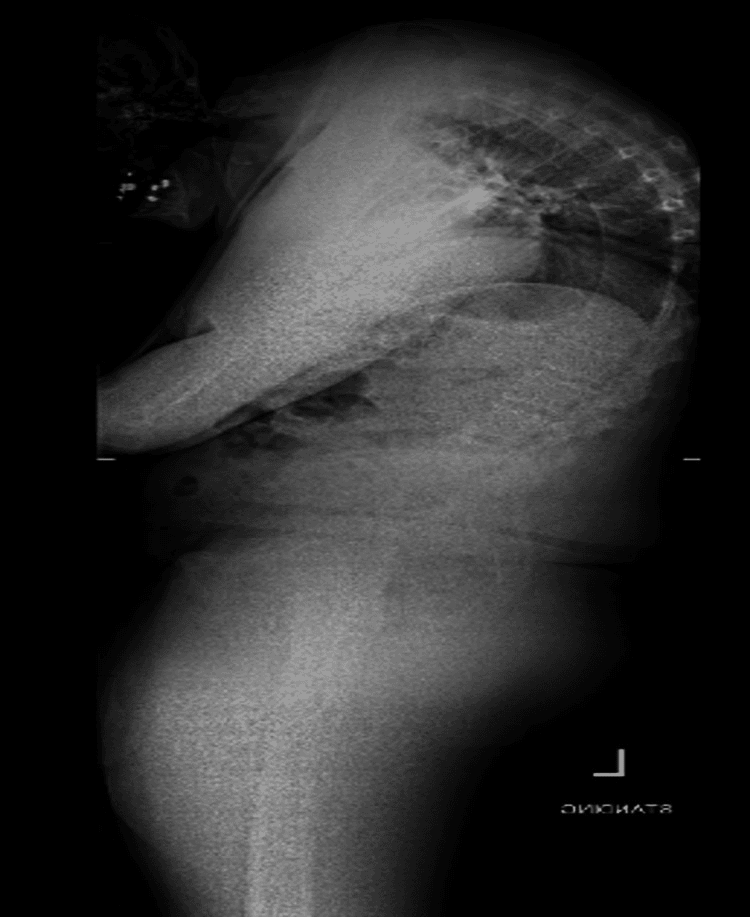
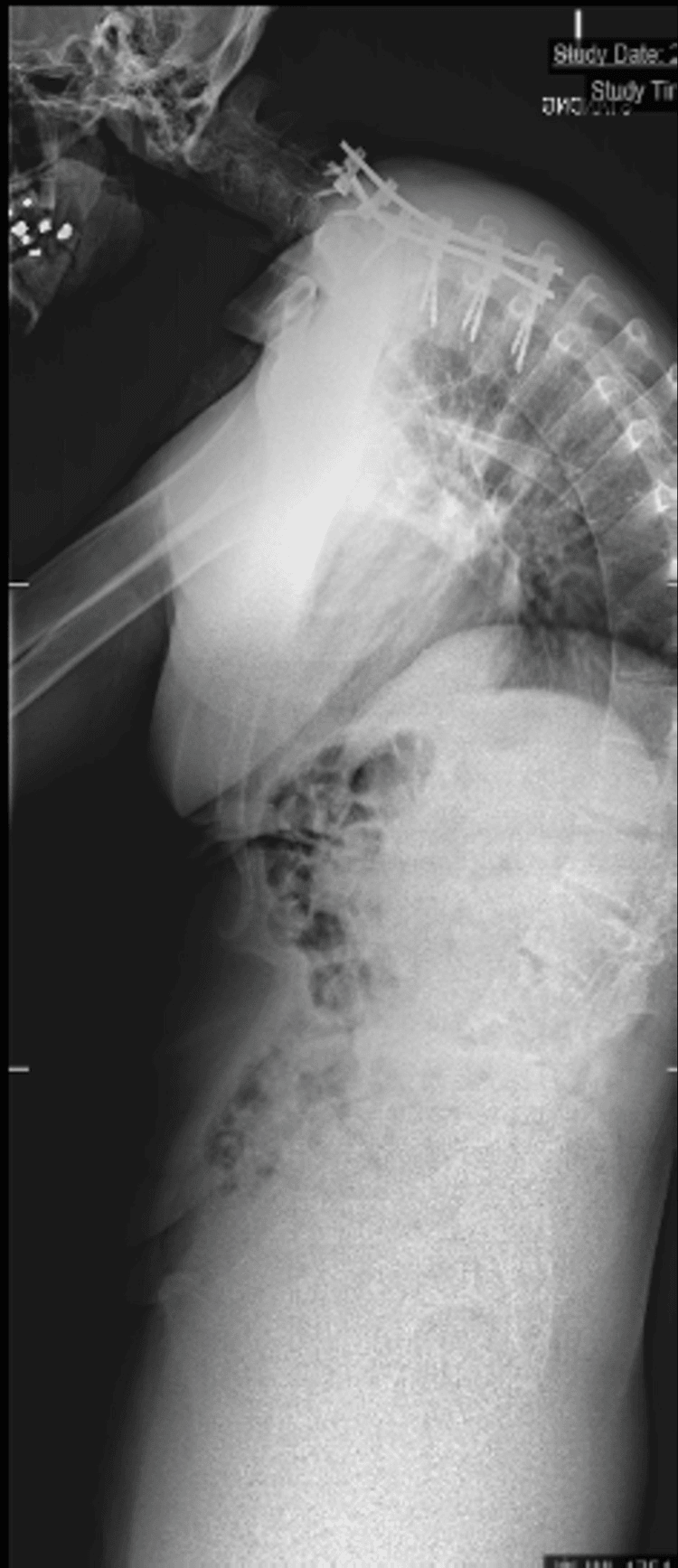
Screws in revision. Angle new screws to avoid the prior tracks. The salvage techniques:
- Larger-diameter screws (6.5mm vs 5.5mm)
- Longer screws for bicortical purchase
- Cement augmentation (polymethylmethacrylate) in osteoporotic bone
- Cortical bone trajectory screws as an alternative to pedicle screws
Supplemental fixation. Laminar or pedicle hooks at proximal levels and sublaminar wires or polyester bands add fixation. Iliac or S2AI screws are options when sacropelvic fixation is required, not mandatory for every lumbosacral revision, and alternative distal fixation is selected by existing fusion, sacral anatomy, bone stock and failure mode.
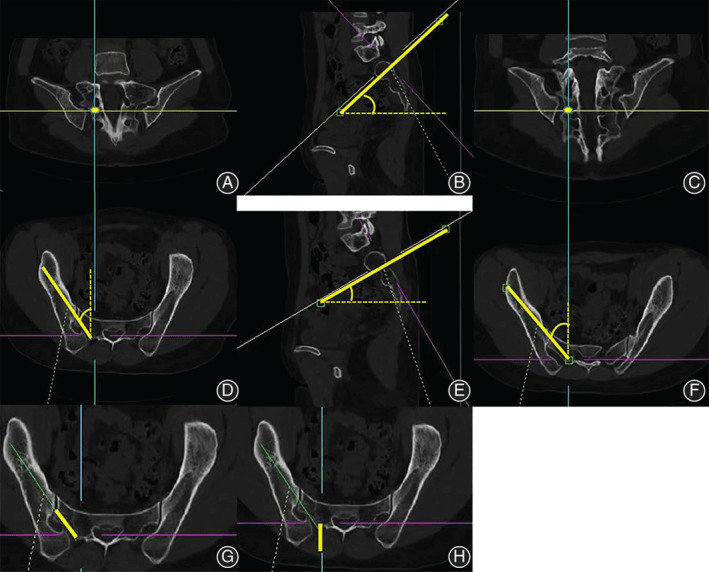
Rods. Dual rods mean bilateral rods on each side, four in total, and satellite rods reinforce high-stress zones. Cobalt-chromium is preferred for high-stress constructs for its better fatigue resistance, and larger diameters (6.0mm or 6.35mm) are used because 5.5mm is inadequate for long revisions.
Biology. Remove all fibrous tissue at the pseudarthrosis site. Autograft, from the iliac crest or local bone, is the gold standard; allograft (cancellous chips, DBM) adds structural support and bulk, and bone marrow aspirate is an adjunct to either. BMP-2 is off-label for posterior fusion at a 1.5 mg/mL concentration; higher doses increase complications (seroma, ectopic bone), and it is avoided in the anterior cervical spine because of swelling risk.
Neuromonitoring. The modalities and what each watches:
- SSEPs (somatosensory evoked potentials): dorsal column function
- MEPs (motor evoked potentials): corticospinal tract, more sensitive for motor deficit
- Triggered EMG: pedicle screw placement and nerve roots
- Free-running EMG: continuous nerve root monitoring during dissection
- Stagnara wake-up test: backup if neuromonitoring is unavailable or changes are questionable
Postoperative management
The first 24-48 hours in ICU. Neurological checks every 2 hours, haemodynamic monitoring in PSO and VCR cases, and pain control by epidural, PCA and multimodal analgesia. Monitor fluid balance strictly to replace blood loss, and remove drains when output is less than 50 mL per 8 hours.
Mobilisation. Out of bed to a chair on day 1 if neurologically intact, with physiotherapy started immediately; early mobilisation reduces complications (DVT, pneumonia, ileus). A TLSO is worn for the first 3 months if an osteotomy was performed.
Thromboprophylaxis. Sequential compression devices and early mobilisation, with enoxaparin or heparin from day 1 (after drain removal) for a minimum of 4 weeks; consider extended prophylaxis to 12 weeks.
Nutrition and bone health. Continue a high-protein diet, with nutritional consultation if intake is poor. Vitamin D and calcium continue indefinitely, teriparatide continues if it was started preoperatively, and DEXA is repeated at 1-2 years.
Surveillance.
- 2 weeks: wound check, staple or suture removal, pain assessment
- 6 weeks: standing full-length AP and lateral radiographs, advance physiotherapy
- 12 weeks: radiographs, discontinue the brace if appropriate
- 6 months: radiographs, CT if fusion is a concern
- 12 months: radiographs and CT to confirm fusion
Management Algorithm
- Confirm the problem: symptoms, neurological status, standing full-length alignment, dynamic films when useful, CT fusion/hardware assessment, MRI neural/soft-tissue assessment and infection work-up.
- Establish concordance: decide which imaging abnormality explains the patient's pain, disability or progression; do not revise an asymptomatic radiographic finding by default.
- Quantify the host: frailty, bone quality, nutrition, cardiopulmonary reserve, sarcopenia, prior complications, expectations and support.
- Set a patient-valued objective: neural decompression, pain-generating nonunion repair, prevention of structural collapse, horizontal gaze, standing balance or implant salvage.
- Match technique to rigidity and correction need: focal repair, extension, posterior-column osteotomies, PSO or VCR only when lesser procedures cannot achieve the required correction.
- Plan biology and fixation together: fusion bed, graft strategy, implant retention/exchange, available trajectories, rod configuration and sacropelvic or junctional support.
- Decide against surgery when net benefit is poor: optimise non-operative function, analgesia, bone health, gait aids and goals of care.
Fixed fusion-extension levels, osteotomy angles, antibiotic durations, ICU stays and imaging intervals are not an algorithm. Each follows the failure mechanism, reconstruction and patient response.
Complications
Major complications
Neurological injury. Risk rises with severe rigid correction, three-column osteotomy, scarred neural elements and implant revision. Establish baseline neurology, use monitoring appropriate to the procedure, respond to a signal change with a rehearsed rescue sequence, and image or re-explore a new deficit according to urgency and suspected cause. Mean arterial pressure targets, wake-up testing and correction release are anaesthesia- and event-specific rather than universal numbers.
Implant-associated infection. Diabetes, obesity, malnutrition, long exposure, prior infection and wound compromise increase risk, but no single laboratory or time threshold defines management. Use weight-based, guideline-concordant prophylaxis, meticulous debridement, haemostasis and closure, and selective negative-pressure therapy. Obtain deep cultures; retention, exchange, removal, staged reconstruction and antimicrobial duration follow organism, timing, fusion, construct stability, source control and host.
Proximal junctional recurrence. Distinguish radiographic PJK from symptomatic structural PJF, then reassess age-adjusted correction, junctional soft tissue, bone quality, UIV selection and construct transition. Cement augmentation, hooks, tethers and transition rods have mixed evidence and patient-specific risks. Observe an asymptomatic radiographic change, and revise for clinically important fracture, instability, progression, pain or neurological compromise, not for an angle alone.
Pseudarthrosis. Smoking, diabetes, poor bone quality, long fusion, osteotomy and inadequate fixation or biology can contribute. Refresh the fusion bed, correct modifiable biology and revise fixation and graft according to the actual level and mechanical deficit. BMP, anabolic therapy, construct extension, multi-rod reinforcement and postoperative bracing are selective tools, not universal requirements.
Medical complications
- Incidence
- 3-5% (DVT), 0.5-1% (PE)
- Risk factors
- Prolonged surgery, immobility, obesity, age
- Prevention
- SCDs, early mobilisation, chemical prophylaxis, risk stratification
- Management
- Anticoagulation (balancing bleed risk), IVC filter if recurrent
- Incidence
- 2-5% (MI, arrhythmia)
- Risk factors
- Age greater than 70, CAD, CHF, prolonged surgery
- Prevention
- Preoperative cardiac clearance, beta-blocker if indicated, fluid management
- Management
- Cardiology consultation, ICU monitoring, treat underlying cause
- Incidence
- 5-10% (pneumonia, atelectasis)
- Risk factors
- Smoking, COPD, prolonged intubation, poor mobilisation
- Prevention
- Smoking cessation, incentive spirometry, early mobilisation, minimise opioids
- Management
- Respiratory therapy, antibiotics if pneumonia, oxygen support
- Incidence
- 2-5%
- Risk factors
- Preexisting renal disease, hypotension, contrast exposure, rhabdomyolysis
- Prevention
- IV hydration, avoid nephrotoxic agents, maintain MAP greater than 65
- Management
- Nephrology consultation, correct reversible causes, dialysis if severe
- Incidence
- 10-20% (age greater than 65)
- Risk factors
- Age, dementia, prolonged surgery, pain, medications
- Prevention
- Minimise opioids and benzodiazepines, sleep hygiene, orientation, family presence
- Management
- Treat underlying cause, avoid antipsychotics unless severe, supportive care
Prognosis and Outcomes
Outcomes after revision are moderate and should be counselled as such: significant improvement, not cure.
After a successful revision.
- Pain relief: 60-70% achieve significant improvement (greater than 30% reduction in VAS)
- Function: 50-60% meaningful improvement in ODI or SRS-22
- Fusion: 70-85%, depending on complexity and bone quality
- Satisfaction: 50-65% satisfied or very satisfied, lower than after primary surgery
Radiographic results.
- Target SVA less than 50mm achieved in 75-85%
- PI-LL within 10 degrees in 70-80%
- CVA less than 30mm in 80-90%
Complications and mortality.
- Any complication: 40-60% (grade 1-2: 30-40%, grade 3-4: 10-20%)
- Reoperation: 15-25% within 2 years
- Mortality: 0.5-1%, higher in elderly or ultra-complex cases
Predictors of success
Achievement of solid fusion and restoration of sagittal balance (SVA less than 50mm, PI-LL within 10 degrees) predict success, as do younger age (less than 65), good bone quality, being a non-smoker, optimal nutritional status, a single failure mechanism and a first revision rather than multiple prior revisions.
The negative predictors:
- Multiple prior revisions (greater than 2)
- Active smoking
- Severe osteoporosis (T-score less than -3.0)
- Multiple comorbidities (Charlson Comorbidity Index greater than 3)
- Unrealistic expectations
- Psychological comorbidity (depression, chronic pain syndrome)
- Chronic opioid use preoperatively
Long-term outcomes
At 5 years. Fusion rate 75-85% if a first revision, adjacent segment disease 20-30%, need for further revision 20-30%, and improvement maintained in 60-70% of those initially improved.
At 10 years. Data are limited by the heterogeneous patient population. Cumulative revision is 30-40%, adjacent segment degeneration 35-45%, and satisfaction is maintained in 50-60%.
Frailty and the Decision When NOT to Operate
Frailty, not chronological age, drives the go/no-go. A fit 75-year-old may tolerate a revision that would overwhelm a frail 60-year-old. The Adult Spinal Deformity Frailty Index (ASD-FI) is a validated deficit-accumulation index, built from roughly 40 comorbidity, functional and nutritional variables, that stratifies patients into not frail, frail and severely frail.
It predicts exactly what revision threatens. Increasing ASD-FI is independently and stepwise associated with major complications, proximal junctional failure, reoperation, prolonged length of stay and mortality. That converts a vague "high-risk" impression into a graded, quotable risk for consent and a justification to decline or downsize surgery.
How it changes the plan. A severely frail patient is steered toward the least surgery that achieves the goal (a shorter construct, fewer or no three-column osteotomies, a staged approach) or toward non-operative management and a goals-of-care discussion. This is the "when not to operate" judgement the examiners want made explicit.
Frailty is partly modifiable. Unlike age, several ASD-FI deficits (nutrition, anaemia, deconditioning, glycaemic control, smoking) can be improved by prehabilitation and medical optimisation. Optimisation is therefore not only about fusion but about making a borderline patient operable at all.
Grade the patient with a validated frailty tool such as the ASD-FI; steer the severely frail toward the least surgery that meets the goal or toward goals-of-care, and use prehabilitation to move a borderline patient into an operable category.
Incidental Durotomy in Revision Surgery
Why it is common and where. Durotomy occurs in 10-15% of revisions. Dense epidural scar from the index surgery is adherent to the dura and obliterates the normal planes, so dissection tears the dura far more often than in primary surgery. The riskiest moments are elevating scar off the dura and removing prior laminae or hardware over the thecal sac.
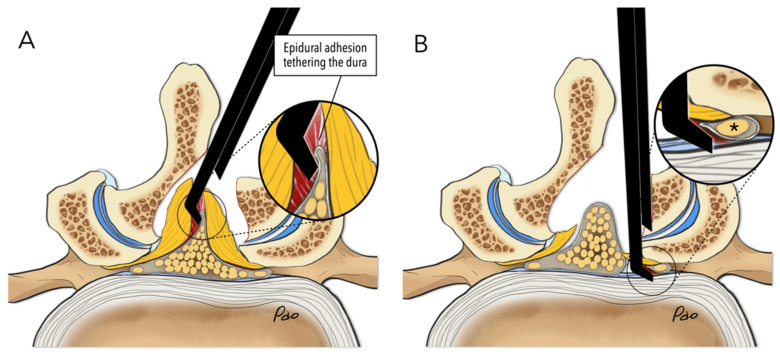
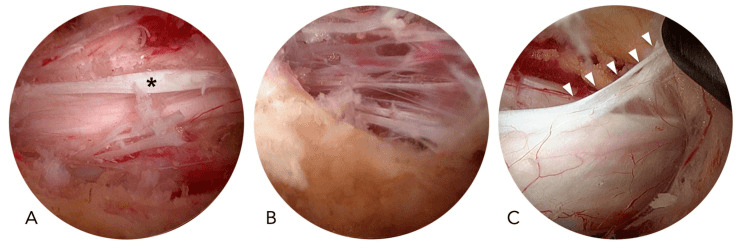
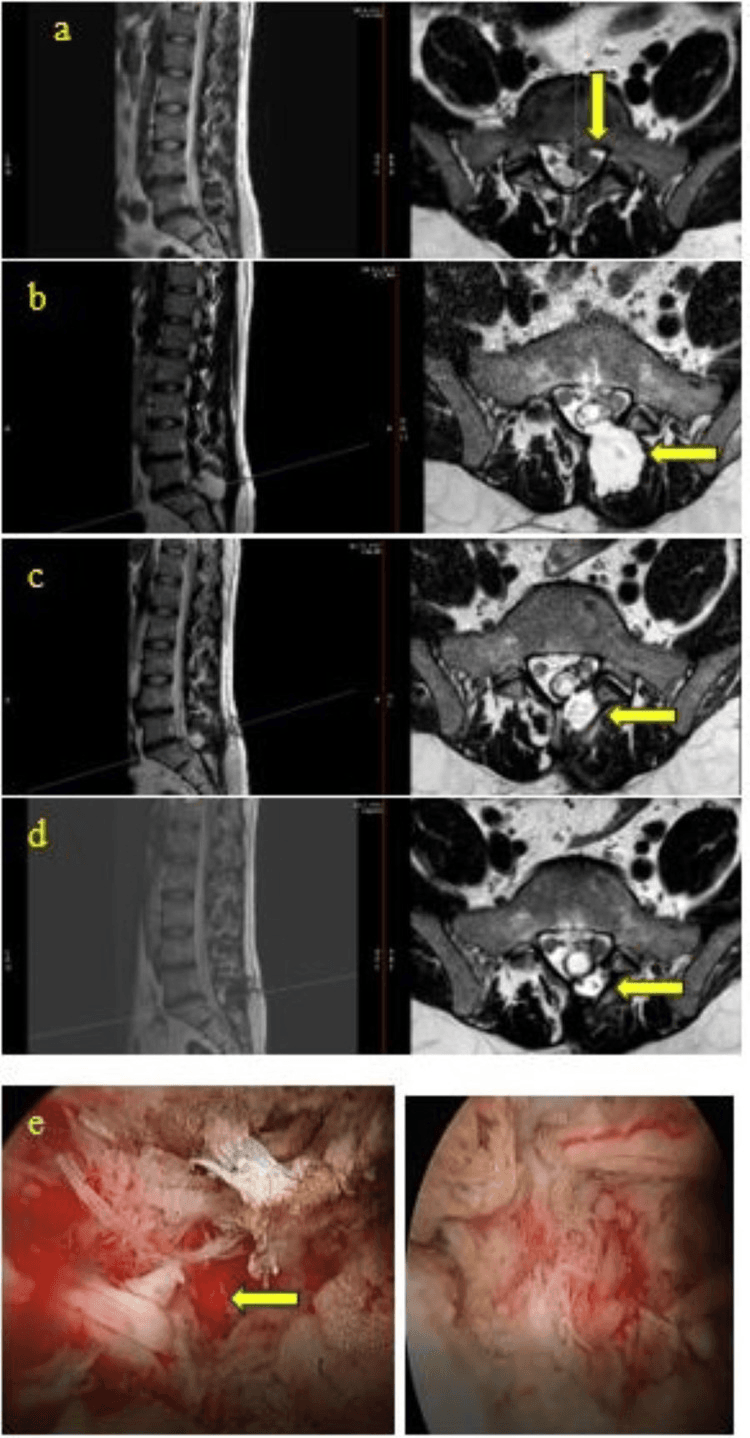
Recognise it. Intraoperatively the sign is clear CSF egress, sometimes with a visible tear or exposed nerve rootlets. A missed leak presents postoperatively as a postural (low-pressure) headache, a fluctuant subfascial collection or pseudomeningocele, or clear wound drainage, and it raises the risk of meningitis.
Repair it. Where the edges are accessible, make a direct watertight primary repair with fine 6-0 suture or a dural clip. Where the defect is buried in scar and not directly suturable, use a dural substitute or patch with fibrin or synthetic sealant and, if possible, a soft-tissue or muscle overlay. Confirm the repair with a Valsalva on the table.
Protect the repair. Avoid high-suction drains over the repair (favour no drain or low or gravity drainage), nurse flat bed rest for 24-48 hours, and place a lumbar subarachnoid drain for a large or persistent leak. A pseudomeningocele or CSF-cutaneous fistula that fails conservative care needs re-exploration and oversew with CSF diversion; untreated, it risks wound breakdown, meningitis and arachnoiditis.
Repair watertight (primary suture, or patch plus sealant where scar forbids it), prove it with a Valsalva, then protect it: no high-suction drain, flat bed rest, and a lumbar drain for a large or persistent leak.
Guidelines, Registries & Global Practice
Global Epidemiology
- Revision after primary adult deformity surgery occurs in 15-30% by 5 years across international multicentre cohorts (ISSG, European Spine Study Group)
- Mechanical failure (rod fracture, PJK/PJF, pseudarthrosis) drives most reoperations; implant-related complications affect roughly one-third of long constructs (Soroceanu 2015)
- Patients are typically 55-75 years, older and frailer than the primary cohort, amplifying medical and bone-quality risk
Side-by-Side Society Guidance
- alignmentTargets
- Age-adjusted sagittal targets (PI-LL, SVA, PT); SRS-Schwab classification for risk
- neuromonitoring
- Multimodal monitoring expected for deformity correction and osteotomy
- registry
- SRS Morbidity & Mortality database benchmarks neurological and complication rates
- alignmentTargets
- Restore individualized alignment; structured osteotomy selection (Schwab grades 1-6)
- neuromonitoring
- Mandatory for three-column osteotomy (PSO/VCR)
- registry
- AO Spine education and complication frameworks; AOSpine classification systems
- alignmentTargets
- Evidence-based selection; NICE NG59 cautions against surgery for non-specific pain alone
- neuromonitoring
- Recommended for high-risk corrective surgery
- registry
- British Spine Registry captures outcomes and revision data
- alignmentTargets
- Emphasis on documented failure mechanism and realistic outcome counselling
- neuromonitoring
- Standard of care for instrumented deformity correction
- registry
- Quality and outcomes registries inform appropriateness criteria
Registry Evidence
- SRS M&M database (108,419 procedures): revision cases carry a 41% higher new-neurological-deficit rate than primary surgery (Hamilton/Smith 2011) - the global benchmark for consent
- National spine registries (British Spine Registry, Scandinavian Swespine, and others) track revision rates, PJK, and patient-reported outcomes, enabling cross-system comparison
- Registry data consistently identify rod fracture, PJK/PJF, and pseudarthrosis as the dominant mechanical reasons for reoperation
High- versus Limited-Resource Practice Variation
- Well-resourced centres: routine multimodal neuromonitoring, cell salvage, ICU, intraoperative imaging/navigation, BMP and anabolic bone agents, staged protocols for infection
- Limited-resource settings: neuromonitoring and ICU may be scarce, shifting practice toward lower-risk techniques (multiple SPOs rather than VCR), the Stagnara wake-up test as a monitoring backup, autograft over costly biologics, and a higher threshold for elective revision
- Across all settings the core principles are constant: define the failure mechanism, optimize the host, restore sagittal balance, secure robust fixation, and know when to decline surgery
Controversies and Areas of Uncertainty
The evidence base in revision deformity surgery is dominated by retrospective cohorts and registry data, and few questions have Level I answers. Examiners reward candidates who can articulate the genuine areas of equipoise.
rhBMP-2. It reduces pseudarthrosis and revision odds (Passias 2016) but carries cost, off-label status and dose-dependent complications (seroma, ectopic bone). Optimal dose and patient selection remain unsettled; use has risen then plateaued, with lower doses over time.
Bisphosphonates versus anabolics. Teriparatide has Level I support for enhancing fusion (Ebata 2017). Whether perioperative bisphosphonates impair fusion is debated and the older "stop before surgery" dogma is increasingly questioned, but anabolic therapy is preferred when osteoporosis coexists with prior pseudarthrosis.
Prophylactic vertebroplasty or tethering at the UIV. These reduce proximal junctional failure in some series, but durability, ideal technique (cement vs ligamentous tethers vs hooks) and cost-effectiveness are not established.
SPO versus PSO for a given correction. Multiple short SPOs can rival a single PSO for moderate flexible deformity with less blood loss. A head-to-head meta-analysis in ankylosing spondylitis found no clear superiority of PSO and flagged rare aortic injury with SPO, so the choice remains surgeon- and deformity-specific.
Single-stage versus staged revision for infection. Acute infection may be managed with debridement and implant retention, but the threshold (commonly cited as under versus over 3 months), the role of biofilm-active agents (rifampicin) and when to stage explantation are not standardised.
When not to operate. There is no validated threshold for prohibitive risk. Frailty indices and the SRS-Schwab and age-adjusted alignment targets help, but the decision to decline revision in the frail, osteoporotic or chronic-pain patient remains a judgement call, and is itself a high-yield examiner theme.
MCQ Practice Points
Q: What are the common indications for revision spinal deformity surgery?
A: Mechanical failures: Pseudarthrosis (most common), rod fracture, screw pullout, proximal junctional kyphosis (PJK)/failure (PJF), distal junctional failure, loss of correction. Clinical failures: Persistent pain (adjacent segment disease, nonunion), neurological deterioration (spinal stenosis, foraminal stenosis), infection (implant-associated). Inadequate initial correction: Persistent sagittal imbalance (SVA greater than 5cm), residual coronal deformity, flatback syndrome. Understanding why the primary surgery failed is critical for planning revision - addressing root cause prevents recurrent failure.
Q: What is proximal junctional kyphosis (PJK) and what are the risk factors?
A: PJK definition: Kyphosis greater than 10 degrees at the proximal junction (between upper instrumented vertebra and first non-instrumented vertebra) OR increase greater than 10 degrees from preoperative. Proximal junctional failure (PJF): Symptomatic PJK with structural failure (fracture, implant failure). Risk factors: Age greater than 60 years, osteoporosis, large sagittal correction (greater than 30 degrees), UIV at thoracolumbar junction (T10-L1), disruption of posterior ligamentous complex, long fusions to pelvis, high BMI, preoperative SVA greater than 5cm. Prevention: Optimize bone quality, consider prophylactic vertebroplasty, avoid abrupt transitions in stiffness.
Q: What preoperative planning is essential for revision deformity surgery?
A: Clinical assessment: Pain location, neurological status, functional limitations, patient expectations. Imaging: Full-length standing radiographs (sagittal and coronal balance), CT (assess fusion, screw position, bone quality), MRI (neural compression, disc degeneration, infection), consider DEXA (bone density). Laboratory: Inflammatory markers (rule out infection), nutritional markers (albumin, prealbumin). Calculate targets: Ideal lumbar lordosis (PI minus 10), target SVA (less than 5cm), pelvic parameters. Identify failure mechanism: Pseudarthrosis site, implant failure location, cause of junctional failure. Plan osteotomy type and level if correction needed.
Clinical Decision Scenarios
Practise clinical reasoning and management decisions out loud
“A 68-year-old woman presents 2 years after T10-pelvis fusion for degenerative scoliosis. She reports excellent initial pain relief, but over the past 6 months developed progressive inability to stand upright. She can only walk 50 meters stooped forward with a walker. Examination shows she cannot achieve horizontal gaze when standing. Standing radiographs show SVA of 180mm, PI-LL mismatch of 45 degrees, and CT demonstrates solid fusion at all levels. She has osteoporosis (T-score -2.8) and controlled diabetes (HbA1c 6.8%).”
“A 72-year-old man underwent T10-pelvis fusion for adult scoliosis 4 months ago. He initially did well but now presents with acute worsening back pain over 2 weeks and progressive forward stooping. Radiographs show new kyphosis of 35 degrees at T8-T9 with T9 compression fracture. His pain limits walking to inside his home only. Medical history includes osteoporosis (on alendronate), coronary artery disease with stents 3 years ago, and obesity (BMI 38).”
“A 60-year-old woman is 14 months out from a T4-pelvis fusion for adult scoliosis. She presents with 8 weeks of insidious mid-back pain, intermittent low-grade fevers, and a 2-week history of clear-then-cloudy drainage from the caudal end of her incision. CRP is 65 mg/L and ESR is 70 mm/hr. Radiographs show intact alignment but a 2mm lucency around the S1 screws. MRI shows a paraspinal fluid collection adjacent to the lower instrumentation. She is otherwise well with no neurological deficit.”
Revision Essentials
- Define every concordant failure mechanism
- Separate radiographic change from symptomatic structural failure
- Quantify rigidity, correction need and remaining fixation reserve
- Balance expected function against frailty and procedural burden
Assessment
- Standing AP/lateral full-spine alignment
- CT for fusion, hardware and available trajectories
- MRI for neural elements, soft tissue and fluid collections
- Cultures/laboratory work-up when infection is plausible
- Bone quality, nutrition, sarcopenia and frailty
Describe Complexity
- Number and interaction of failure mechanisms
- Mobile versus rigid deformity
- Usable pedicles, pelvic anchors and bone stock
- Need for focal repair, long revision or three-column osteotomy
- Host reserve and rescue options
Osteotomy Selection
- Posterior-column osteotomy: mobile anterior disc, distributed correction
- PSO: focal closing-wedge correction for rigid deformity
- VCR: severe rigid multiplanar deformity when lesser releases cannot work
- Correction follows geometry and closure, not a memorised degree value
Fixation and Biology
- Choose new or revised trajectories from CT and prior tracks
- Use sacropelvic fixation only when the distal failure requires it
- Select rod reinforcement and cement augmentation by stress and bone quality
- Choose graft, BMP or anabolic therapy individually
Failure-Specific Questions
- Pseudarthrosis: which level is symptomatic and mechanically deficient?
- PJF: fracture, instability, neurology or progression requiring extension?
- Flatback: required correction and least morbid way to achieve it?
- Infection: retain, exchange, remove or stage based on source control and stability?
Optimisation
- Correct deficiencies and improve bone, nutrition and cardiopulmonary reserve
- Support smoking cessation and glycaemic control without universal cut-offs
- Address expectations, mood, support and rehabilitation capacity
- Do not delay urgent neural or structural treatment for arbitrary targets
Complication Planning
- Neurological rescue and haemodynamic plan
- Blood loss, wound and infection strategy
- Junctional and sacropelvic failure prevention
- Durotomy repair and CSF-leak surveillance
- Medical complication prevention matched to risk
Expected Outcomes - Realistic Counseling
- Pain relief: 60-70% significant improvement (NOT pain-free)
- Functional improvement: 50-60%
- Fusion rate: 70-85%
- Patient satisfaction: 50-65% (lower than primary)
- Reoperation: 15-25% within 2 years
- Positive predictors: solid fusion, SVA less than 50mm, non-smoker, first revision
- Negative predictors: multiple revisions, smoking, severe osteoporosis, chronic pain syndrome
Examiner Expectations - Demonstrate Judgment
- Show systematic assessment (identify ALL failure mechanisms)
- Demonstrate knowledge of complex techniques (osteotomy, fixation)
- Emphasize importance of medical optimization
- Discuss realistic outcomes (moderate success, high complication rate)
- Show judgment about when NOT to operate (prohibitive risk, unrealistic expectations)
- Discuss multidisciplinary care (medicine, cardiology, nutrition, psychology)
Evidence Base
Hamilton, Smith et al. (2011) - SRS Morbidity & Mortality database (108,419 procedures)
- New neurological deficit in 1.0% overall; revision cases 1.25% vs primary 0.89% (41% higher, p less than 0.001)
- Cases with implants had more than double the deficit rate of cases without (1.15% vs 0.52%)
- Of new spinal cord deficits, neuromonitoring changes were reported in only 40% - imperfect sensitivity
Ebata et al. (2017) - Multicentre randomized controlled trial
- Weekly teriparatide for 6 months after lumbar interbody fusion in osteoporotic women significantly increased CT-confirmed fusion vs controls
- Effect seen as early as 4 months (modified intention-to-treat) and at 6 months (per-protocol)
- Bone metabolic markers confirmed increased formation and decreased resorption
Bridwell et al. (2003) - Consecutive case series of lumbar PSO (n=27)
- Mean lordosis increase of 34.1 degrees and mean C7 plumb-line improvement of 13.5 cm
- Pseudarthrosis through the osteotomy site in only 1 patient; thoracic pseudarthrosis in 6
- Significant Oswestry and pain-score improvement; worse results with comorbidity and thoracic pseudarthrosis
Kim, Bridwell et al. (2007) - PSO minimum 5-year follow-up (n=35)
- Pseudarthrosis in 29% (10 of 35), all at adjacent fused levels - none at the osteotomy site
- No significant regional radiographic loss between 2 years and ultimate follow-up, though C7 plumb crept anterior over time
- Maintaining SVA under 8 cm at final follow-up predicted better SRS outcome scores
Hostin, Hart et al. (2013) - Multicentre series of acute proximal junctional failure (n=1218)
- Acute proximal junctional failure in 5.6% within 28 weeks; mean time 11.4 weeks
- Fracture was the commonest failure mode (47%), followed by soft-tissue failure (44%)
- Thoracolumbar failures (66%) were more often fracture-related; upper-thoracic failures more often soft-tissue
Soroceanu et al. (2015) - Prospective multicentre ASD cohort (n=245)
- Radiographic/implant-related complications in 31.7%; 52.6% of those required reoperation
- Rod breakage accounted for 47% of implant complications; PJK for 54.5% of radiographic complications
- Independent predictors: higher ASA grade and severe sagittal vertical axis modifier (++)
Passias et al. (2016) - Multicentre ASD database, 2-year revision predictors (n=243)
- Revision (excluding infection) in 16.5%; nearly half occurred between 1 and 2 years
- Implant complications, then PJK and rod failure, were the leading indications
- Larger-diameter rods (OR 0.51) and rhBMP-2 (OR 0.16) were associated with lower revision odds; higher body mass and preoperative SVA increased risk
AO Spine / SRS / NICE - consensus principles for revision adult spinal deformity
- Restore age-adjusted sagittal alignment (PI-LL, SVA, pelvic tilt) rather than uniform targets
- Mandatory multimodal intraoperative neuromonitoring for three-column osteotomy
- Multidisciplinary preoperative optimization (bone health, nutrition, smoking, glycaemia, frailty) before elective revision