Pyogenic Infection of the Flexor Sheath
- Definition: Acute pyogenic infection of the flexor tendon sheath
- Surgical emergency: the closed space increases pressure, leading to tendon ischaemia and necrosis
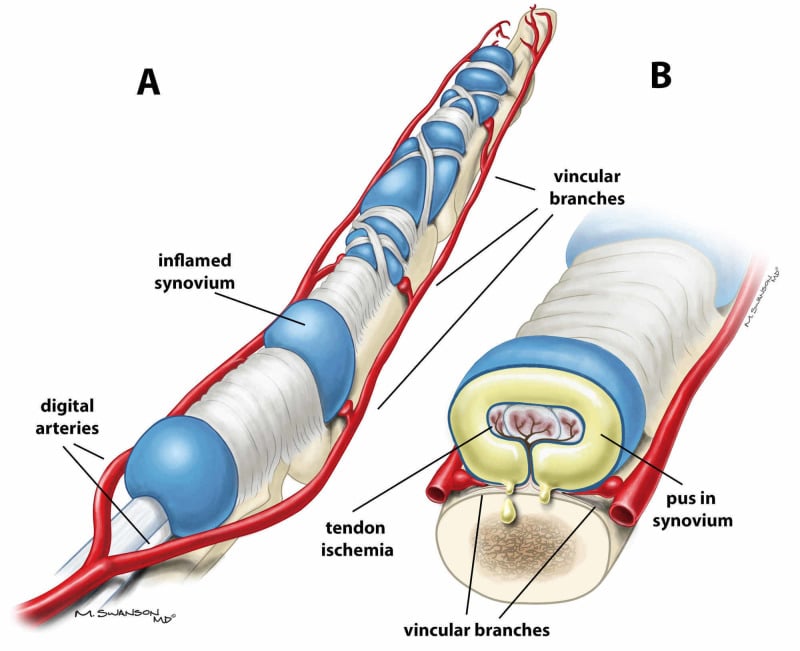
- Mechanism: Bacterial proliferation within the synovial sheath → Increased pressure → Disruption of vincula blood supply → Tendon necrosis + Rupture
- Management: Early (less than 24-48h): IV Antibiotics + Elevation (Michon I)
- “Clinical diagnosis! Kanavel's signs (Fusiform swelling, Flexed posture, Percussion tenderness, Pain on passive extension - most specific)
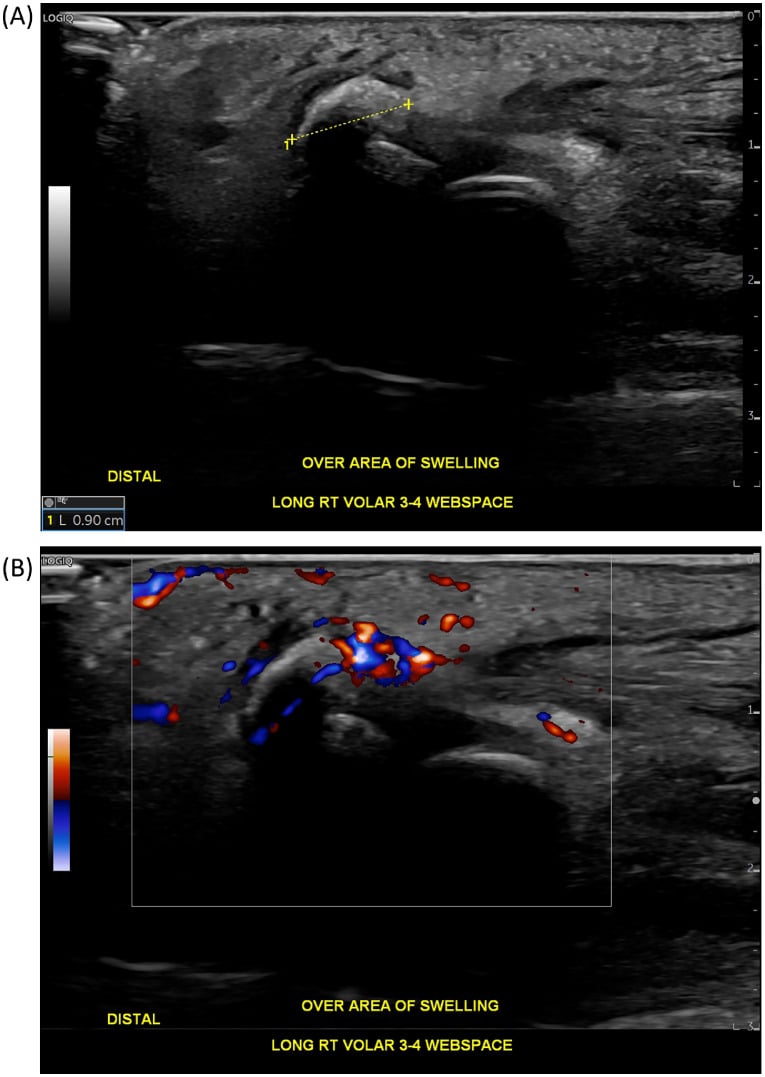
- “US can confirm fluid
- “Good if treated early
- “Delay leads to tendon necrosis, rupture, stiffness, and amputation
Flexor Tenosynovitis
Overview & Epidemiology
Pyogenic flexor tenosynovitis (PFT) is an acute bacterial infection within the closed synovial flexor tendon sheath of a digit. It is a surgical emergency: rising pressure in the confined sheath strangles the tendon's blood supply, causing ischaemia, necrosis, adhesions and, in severe cases, amputation.
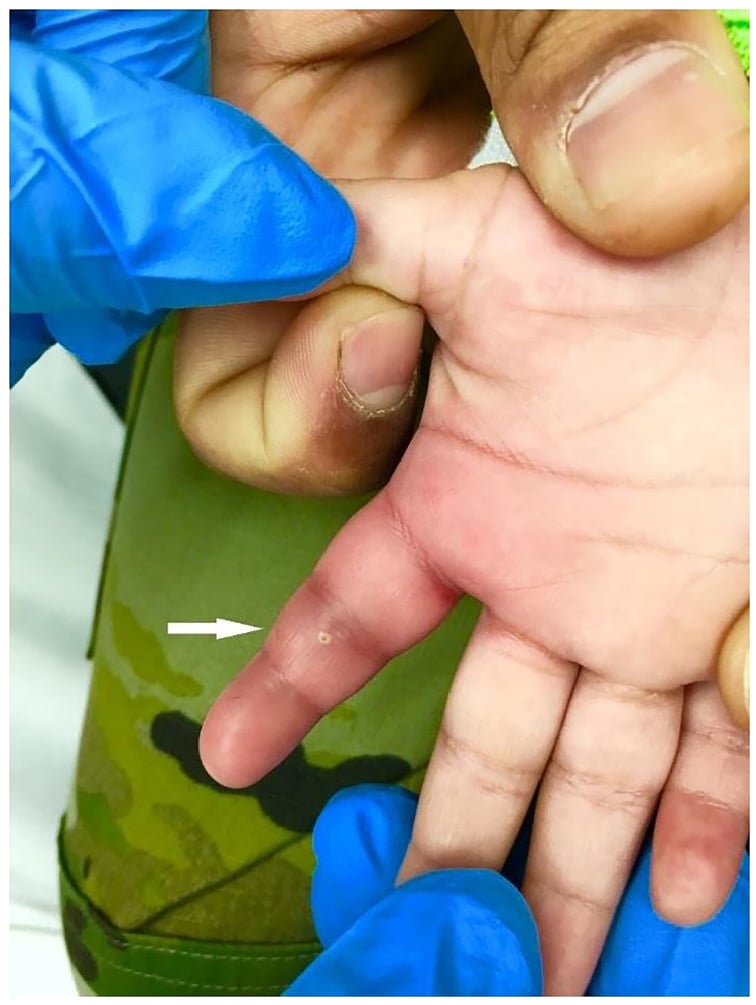
Who gets it. PFT accounts for roughly 2.5-9.4% of all hand infections across published series. Most patients are working-age adults, reflecting the dominant penetrating-trauma mechanism. In children it is rarer and Kanavel's signs are less reliable.
Outcome. The prognosis is excellent with treatment inside 24 h and no purulence or ischaemia. Once both subcutaneous purulence and digital ischaemia are present, amputation rates rise to around 59% (Pang classification).
Sheath Anatomy
Where the sheaths end. The proximal extent differs by digit.
- Index, middle and ring - the sheath typically ends proximally at the A1 pulley, at the level of the distal palmar crease, and distally at the DIPJ. It does not extend into the wrist.
- Thumb - the sheath continues into the radial bursa at the wrist.
- Little finger - the sheath continues into the ulnar bursa at the wrist.
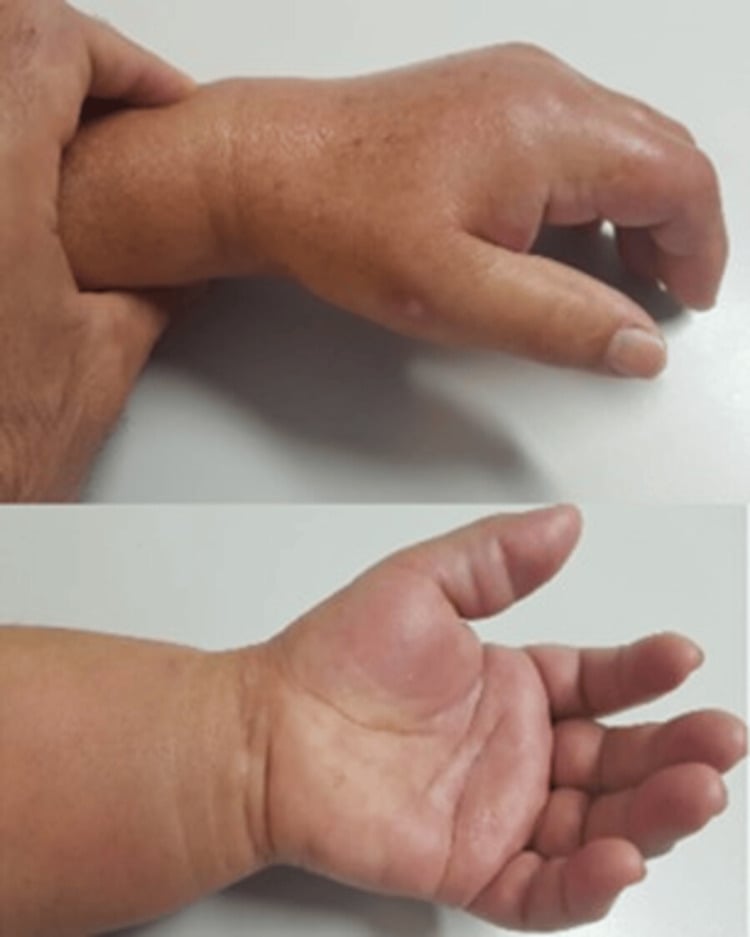
The horseshoe abscess. The radial and ulnar bursae communicate through the Space of Parona, a deep forearm space lying deep to the flexor tendons in the distal forearm, in a substantial minority of people. Cadaveric series disagree widely on the proportion, so treat communication as common enough to expect rather than as a fixed percentage. This is the anatomical basis of the horseshoe abscess: infection can spread from the thumb to the little finger, or the reverse.
Pathophysiology
A closed synovial space. The flexor tendon sheath has two layers. The outer fibro-osseous tunnel is formed by the annular (A1-A5) and cruciate (C1-C3) pulleys; the inner synovial sleeve is bilaminar, parietal and visceral, and lubricates and nourishes the FDS and FDP tendons.
A compartment syndrome of the digit. As bacteria proliferate, the pressure inside the sheath rises. The tendon's blood supply comes through the vincula, short and long, which enter dorsally; once sheath pressure exceeds their perfusion pressure these vessels are tamponaded, and the tendon becomes ischaemic, then necrotic. This is why PFT is a true surgical emergency rather than a simple soft-tissue infection.
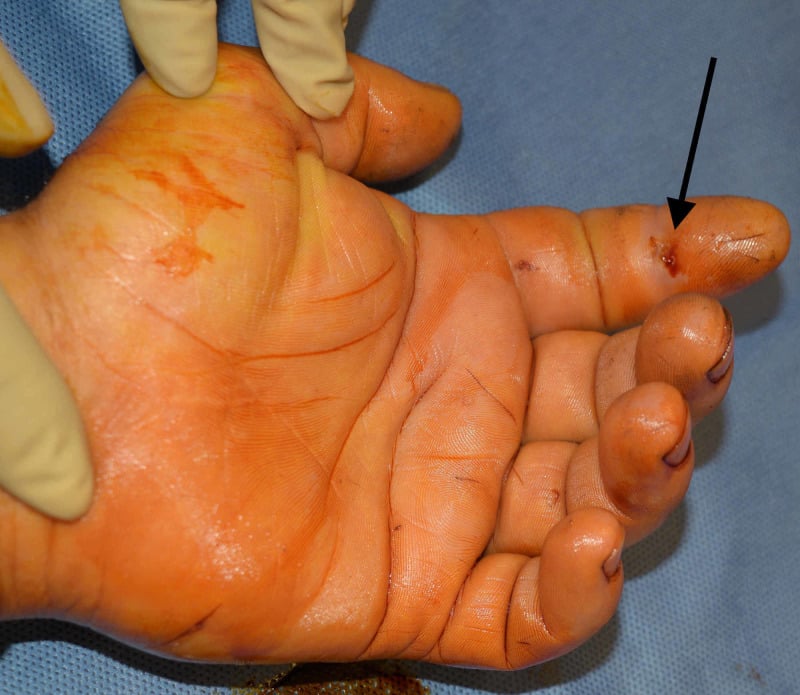
Routes of inoculation. In descending frequency, these are penetrating trauma to the volar aspect of the digit (the most common), bites, and haematogenous seeding. Haematogenous infection is classically Neisseria gonorrhoeae in a sexually active patient with no penetrating injury.
Organisms. The most frequent organism overall is Staphylococcus aureus, and community-acquired MRSA is now a major pathogen. Polymicrobial or atypical organisms follow specific exposures (soil or plant, water, bite); they are matched to empirical cover under Investigations and Microbiology.
Investigations & Microbiology
PFT is fundamentally a clinical diagnosis. Investigations support it; never delay treatment or surgery to obtain them.
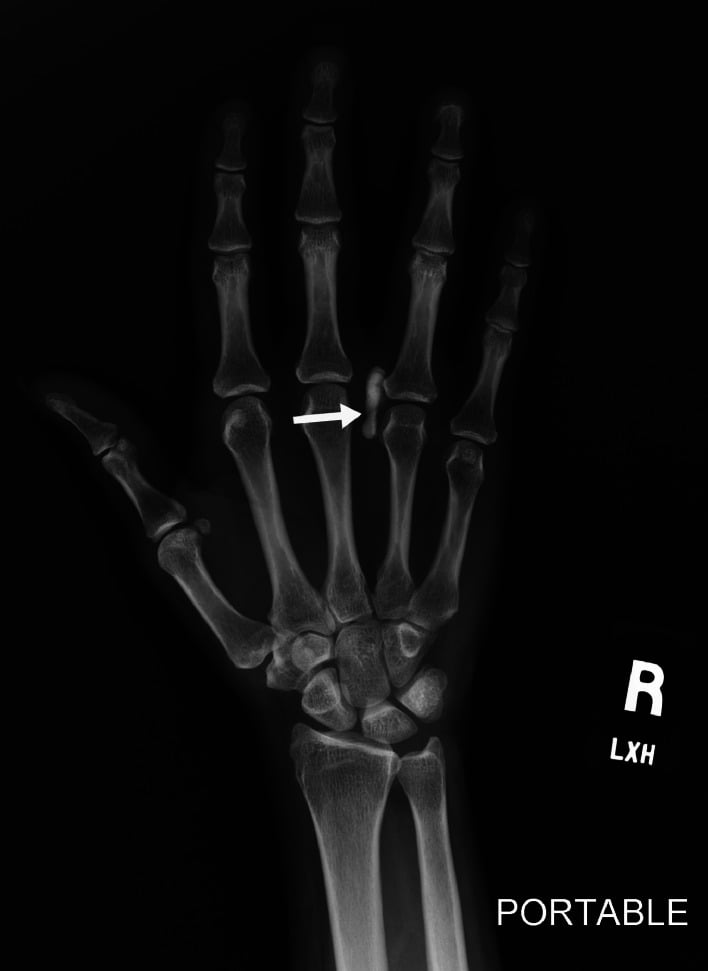
Adjuncts. Ultrasound or MRI can confirm fluid within the sheath in equivocal cases. Inflammatory markers (WBC, CRP) help track the systemic response, and plain radiographs exclude a radio-opaque foreign body, gas and osteomyelitis.
Cultures. Always send intra-operative fluid and tissue for Gram stain and aerobic and anaerobic culture, and, where the exposure suggests it, for fungal and mycobacterial culture.
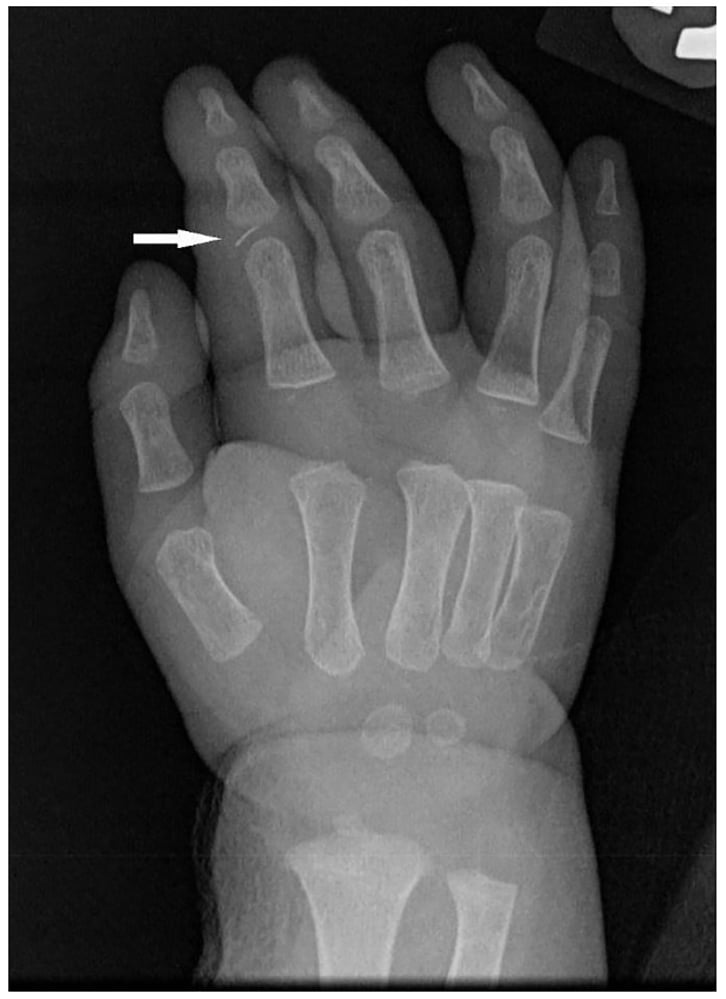
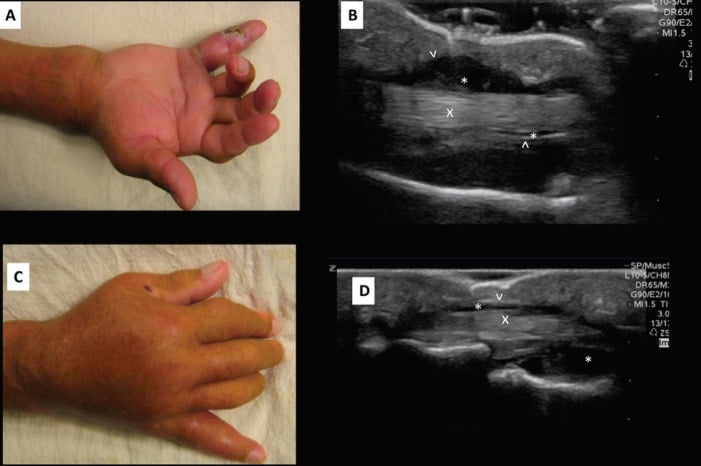
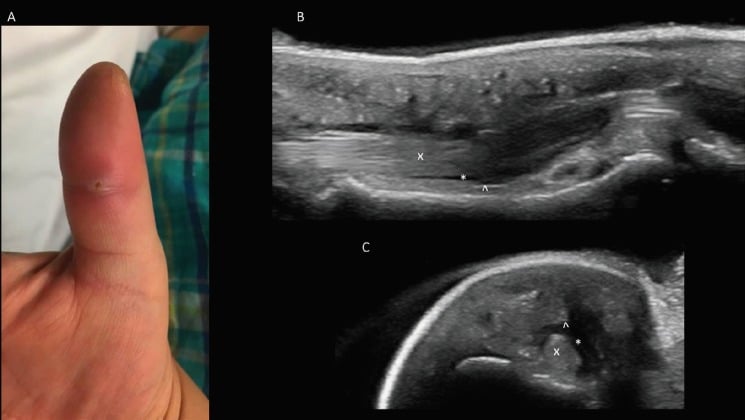
Empirical antibiotics. Start immediately after taking cultures, then refine on sensitivities. The exposure history predicts the atypical organism. The paediatric evidence card below goes further than the first row of the table: with MRSA the commonest isolate in Brusalis's series, it treats MRSA-active empirical cover as mandatory.
- Likely organism
- S. aureus (incl. CA-MRSA), Streptococcus
- Empirical cover
- Anti-staphylococcal agent; add MRSA cover (vancomycin or clindamycin) where CA-MRSA prevalent
- Likely organism
- Eikenella corrodens, anaerobes, oral flora
- Empirical cover
- Amoxicillin-clavulanate (or equivalent beta-lactam/beta-lactamase inhibitor)
- Likely organism
- Pasteurella multocida
- Empirical cover
- Amoxicillin-clavulanate
- Likely organism
- Mycobacterium marinum, Vibrio, Aeromonas
- Empirical cover
- Prolonged atypical cover; send for mycobacterial culture
- Likely organism
- Sporothrix schenckii (fungal), Pantoea agglomerans
- Empirical cover
- Antifungal if fungal confirmed; prolonged cultures
- Likely organism
- Neisseria gonorrhoeae
- Empirical cover
- Ceftriaxone; consider disseminated gonococcal infection
Classification
Michon (severity). The Michon classification stages severity at operation and guides treatment, which is set out by stage under Management.
- Stage I - sheath distended with serous exudate (early)
- Stage II - purulent fluid, granulations intact
- Stage III - septic necrosis of tendon, sheath and pulleys
Pang's poor-prognosis factors. Pang et al. (JBJS Am 2007) identified five factors predicting a poor outcome, meaning amputation or stiffness:
- Age over 43 years
- Diabetes (or peripheral vascular disease or renal failure)
- Subcutaneous purulence
- Ischaemia of the digit
- Polymicrobial infection
Pang's clinical groups. Purulence and ischaemia then stratify prognosis into three groups. The groups were derived from the same 75 patients and have not been prospectively validated, a limitation set out in the evidence card below.
- Findings
- No subcutaneous purulence or ischaemia
- Amputation
- 0%
- Return of total active motion
- ~80%
- Findings
- Subcutaneous purulence, no ischaemia
- Amputation
- 8%
- Return of total active motion
- ~72%
- Findings
- Purulence AND digital ischaemia
- Amputation
- 59%
- Return of total active motion
- ~49%
Clinical Presentation
History. Onset is typically 2-5 days after a penetrating volar injury, with progressive throbbing pain, swelling and erythema.
Kanavel's four cardinal signs. PFT is a clinical diagnosis, and it rests on these:
- Fusiform swelling of the whole digit, the "sausage digit" - the most sensitive and earliest sign
- Flexed posture - the finger is held semi-flexed at rest to reduce sheath pressure
- Tenderness along the volar flexor sheath, on percussion
- Pain on passive extension - the most specific sign, because it stretches the inflamed sheath directly
When the signs are incomplete. The complete quartet is not always present, particularly early or in children, where all four are found in only about a third of cases. A high index of suspicion and treatment on clinical grounds is essential; do not wait for the full picture.
Differential Diagnosis
Other hand infections. The shape of the swelling, the site of tenderness and the response to motion separate PFT from cellulitis and a felon.
- Swelling
- Fusiform (entire finger)
- Tenderness
- Along volar sheath
- Motion
- Pain on extension
- Swelling
- Generalised/Dorsal
- Tenderness
- Skin only
- Motion
- Pain limits extremes only
- Swelling
- Pulp (fingertip) only
- Tenderness
- Pulp
- Motion
- Generally painless
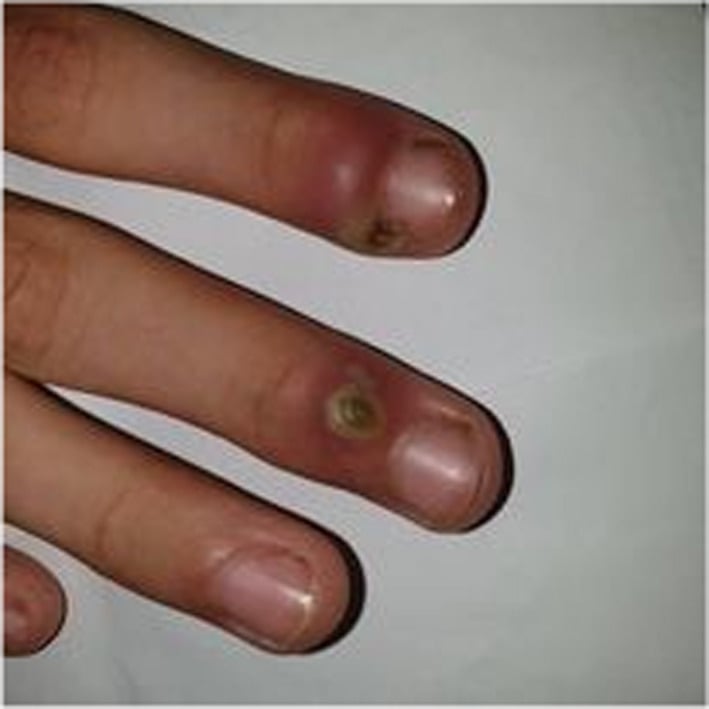
Mimics you must not incise. Just as important, for the exam and for patient safety, are the mimics in which incision and drainage is the wrong answer. Taking one of these to theatre causes harm.
- Clue it is NOT pyogenic FT
- Clustered vesicles/vesicopustules on an erythematous base with a burning/itching prodrome; clear-to-honey vesicle fluid rather than tense purulent sheath distension; passive extension comparatively well tolerated; classic in healthcare/dental workers and thumb-sucking children
- Why surgery is wrong
- Self-limiting (resolves over 2-3 weeks); incision is unnecessary and risks bacterial superinfection and viral spread. Diagnose with Tzanck smear or viral PCR; manage supportively ± aciclovir
- Clue it is NOT pyogenic FT
- "Pseudo-septic" intense erythema and swelling but a history of crystal disease; radiograph may show a calcific deposit; aspirate yields crystals, not pus
- Why surgery is wrong
- Treat the crystal arthropathy (NSAIDs/colchicine, treat the calcific deposit); a washout adds morbidity without addressing the cause
Ask about HSV exposure, recent oral herpes or occupational risk. Incision was historically warned to risk systemic spread. The fuller disease course is covered in the dedicated herpetic-whitlow topic.
Management
The decision to operate is clinical. Established Kanavel signs or any purulence mandate theatre, and once they are present antibiotics alone are inadequate. Truly early disease, within roughly 24-48 h, serous (Michon I) and without purulence, may settle with IV antibiotics, elevation and splinting, but only with very close review. The threshold for non-operative management is not standardised.
- Findings
- Sheath distended with serous exudate
- Management
- IV antibiotics + splint + elevation; if no improvement in 24 h, proceed to surgery
- Findings
- Purulent fluid, granulations intact
- Management
- Surgical drainage (closed-catheter irrigation) + antibiotics
- Findings
- Septic necrosis of tendon / sheath / pulleys
- Management
- Open debridement (mid-lateral approach); possible amputation
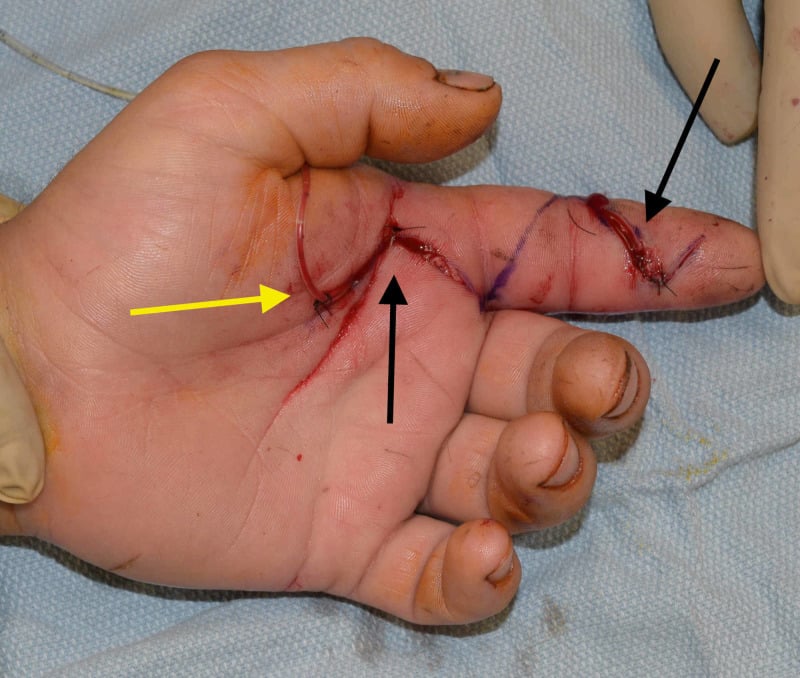
Closed-catheter irrigation is first line for established disease:
- Proximal incision: mid-lateral or zig-zag over the A1 pulley in the palm
- Distal incision: mid-lateral over the distal phalanx, or at the DIPJ crease
- Insert a fine catheter (16G cannula or paediatric feeding tube) proximally and irrigate copiously, proximal to distal, with saline (500 mL or more)
Leaving the catheter in for continued postoperative irrigation is optional and controversial (see Controversies). Closed irrigation causes less scarring than open drainage but risks under-drainage if flow is poor.
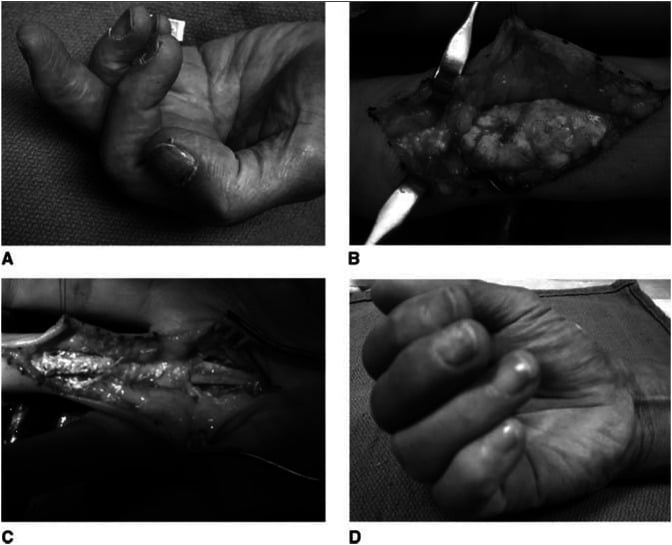
Open washout. Convert to open drainage if minimal fluid flows or Stage III is suspected; Stage III or loculated infection mandates open debridement. Pang's data concentrate the risk in the finger with subcutaneous purulence or ischaemia, which needs aggressive open debridement rather than closed irrigation alone. Use a full mid-lateral incision or Bruner (zig-zag) exposure, debride necrotic synovium and any non-viable tendon, and leave the wound open for a planned re-look at 48 h.
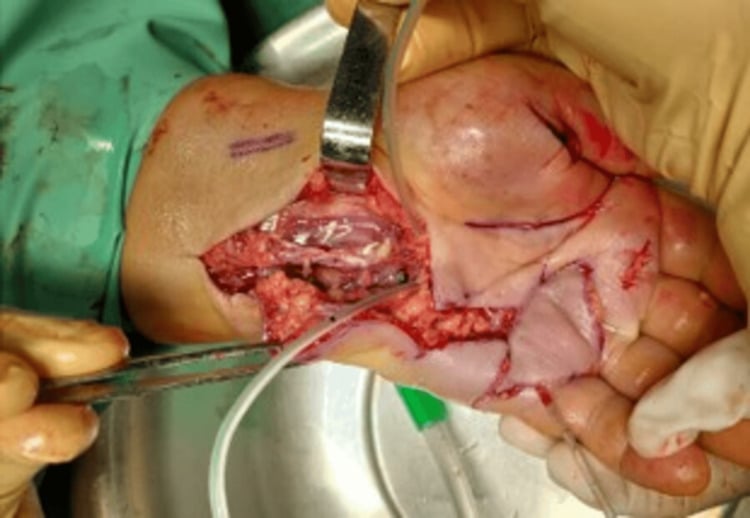
After surgery.
- Splint in a safe (intrinsic-plus) position and elevate the limb
- Continue IV antibiotics, de-escalating to oral on clinical response and cultures. The optimal IV duration and total course are not defined and practice ranges widely, often IV for 48-72 h then oral to complete around 10-14 days in total
- Hand-therapy referral and close wound review; repeat the washout if not improving
Early active motion. Start early active range of motion once the drains are removed, at 24-48 h, to prevent adhesions and stiffness. It is the single biggest determinant of final function.
Chronic Granulomatous Flexor Tenosynovitis (the Indolent Mimic)
Everything above describes acute pyogenic flexor tenosynovitis. A separate, easily missed entity is chronic granulomatous flexor tenosynovitis, caused by slow-growing organisms. These are mycobacteria, both atypical species (classically Mycobacterium marinum after water or fish exposure, also M. kansasii) and M. tuberculosis, and fungi (Sporothrix schenckii, and regionally Histoplasma and Coccidioides). The same exposure organisms flagged in the microbiology table behave completely differently in the sheath.
- Acute pyogenic PFT
- Days after penetrating injury
- Chronic granulomatous tenosynovitis
- Insidious over weeks to months
- Acute pyogenic PFT
- Full or near-full quartet
- Chronic granulomatous tenosynovitis
- Usually absent/muted; boggy, doughy, relatively painless swelling
- Acute pyogenic PFT
- Marked; systemically unwell
- Chronic granulomatous tenosynovitis
- Minimal erythema; usually afebrile
- Acute pyogenic PFT
- Pus
- Chronic granulomatous tenosynovitis
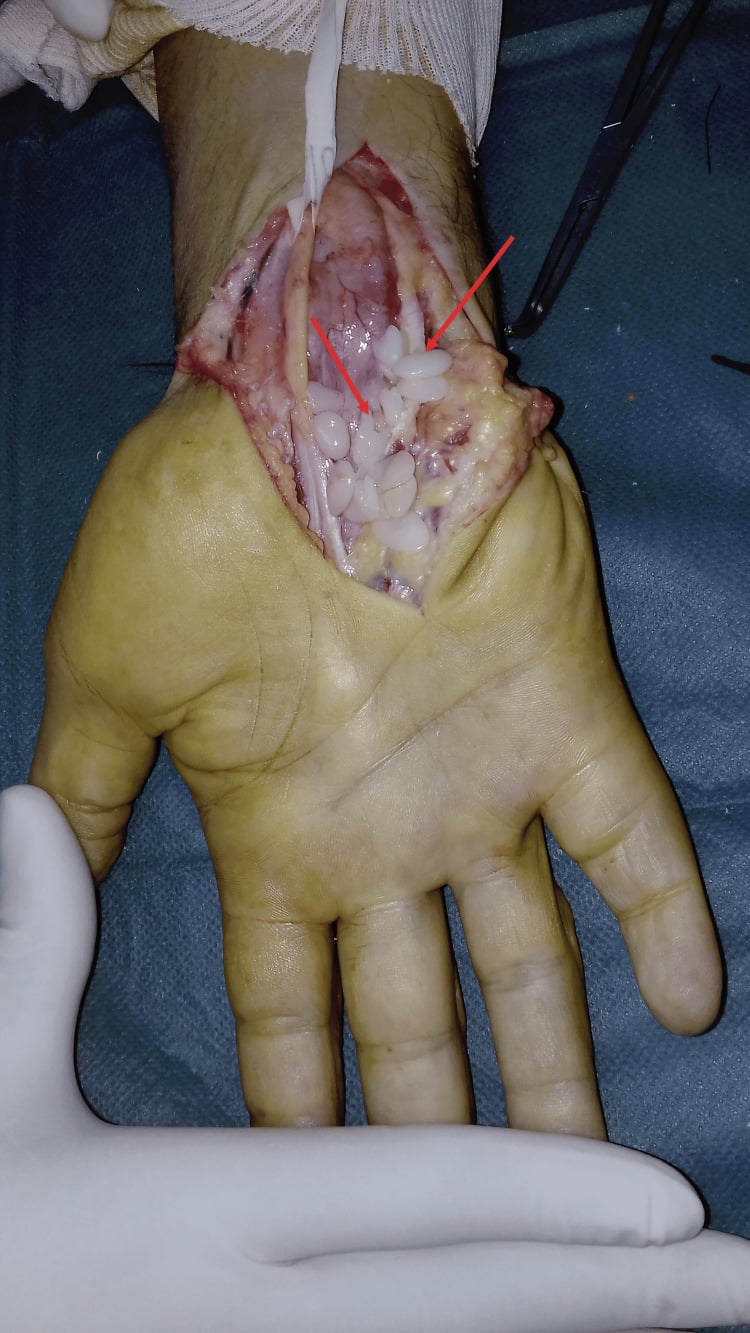
- Thickened granulomatous synovium, often with rice bodies (fibrinous loose bodies — also seen in tuberculous and rheumatoid tenosynovitis)
- Acute pyogenic PFT
- Emergency decompression of a closed-space "compartment"
- Chronic granulomatous tenosynovitis
- Elective tenosynovectomy + prolonged organism-specific drugs
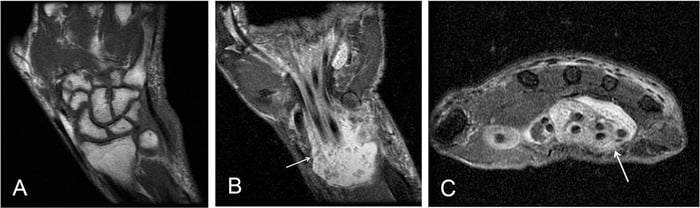
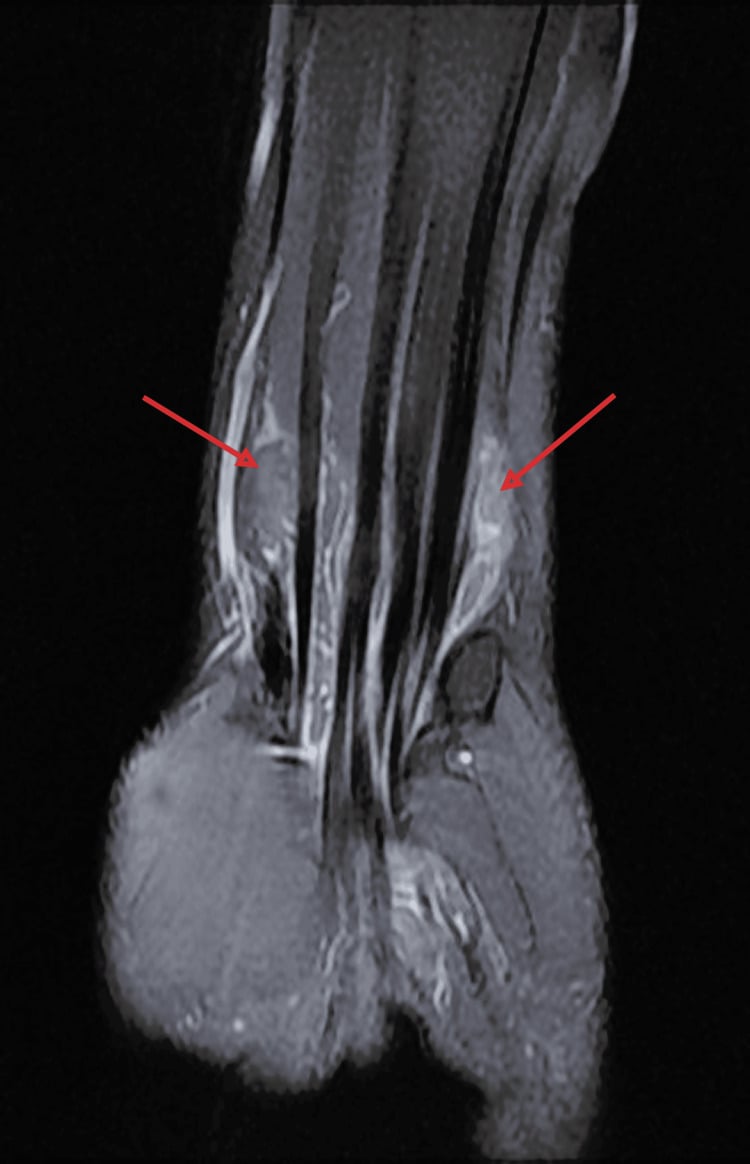
Diagnosis. It mimics a ganglion, a sprain or rheumatoid tenosynovitis, and so demands a high index of suspicion. Send tissue for histology and for prolonged culture; MRI shows the tenosynovial thickening and the rice bodies.
- Histology: granulomatous synovitis, caseating in TB and non-caseating with atypical mycobacteria
- Mycobacterial culture is held for weeks, and M. marinum needs lower incubation temperatures (around 30-32°C); fungal cultures are held similarly long
- PCR speeds identification
Management is not emergency irrigation. The cornerstone is open tenosynovectomy, debulking the granulomatous synovium, combined with prolonged organism-specific therapy. That means multidrug antimycobacterial treatment (for example clarithromycin with rifampicin/ethambutol for M. marinum, or standard antituberculous therapy for TB tenosynovitis, typically months) or appropriate antifungals. Surgery debulks; the medical therapy cures, and stopping early invites recurrence. The detailed antimicrobial regimens and systemic atypical-mycobacterial disease are developed in the dedicated atypical-mycobacterial-infection topic.
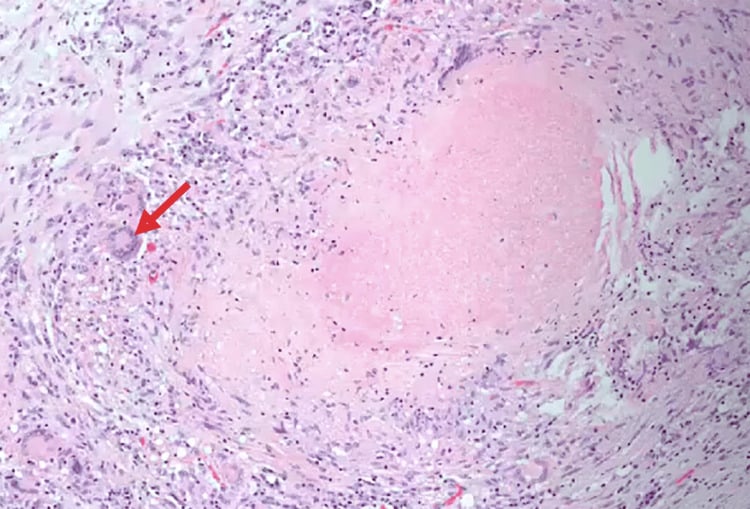
Guidelines, Registries & Global Practice
Global epidemiology. PFT accounts for roughly 2.5-9.4% of all hand infections depending on the series; most patients are working-age adults, reflecting the dominant penetrating-trauma mechanism. S. aureus (including community-acquired MRSA in many regions) is the leading pathogen worldwide, with exposure-specific organisms (Pasteurella after bites, atypical mycobacteria/Vibrio after water, gonococcus when no trauma).
Guidance, side by side. There is no single dedicated international society guideline for PFT; management is anchored in hand-surgery literature and general infection principles.
- Position on PFT
- Clinical diagnosis on Kanavel signs; prompt empirical IV antibiotics with MRSA cover; surgical decompression/irrigation for established disease; no standardised operative algorithm
- Position on PFT
- Urgent senior assessment, early antibiotics, theatre for source control; specialist hand unit involvement
- Position on PFT
- Source control is paramount: decompress the closed space early to prevent tendon ischaemia
- Position on PFT
- Empirical regimens stratified by exposure (bite, water, MRSA risk); culture-directed de-escalation
Registry note. No arthroplasty/implant registry applies to PFT; it is a soft-tissue infection, so "registry evidence" is replaced here by published institutional case series (Pang N=75; Gutowski N=47; Brusalis N=32).
High- vs limited-resource practice variation. Where ultrasound/MRI and 24-h theatre access exist, equivocal cases are confirmed on imaging and drained promptly, favouring digit salvage. In limited-resource settings, delayed presentation, restricted theatre access and lack of MRSA-active or atypical-organism cover increase the rate of Michon III disease, tendon necrosis and amputation, mirroring the poor-prognosis groups described by Pang.
Controversies & Areas of Uncertainty
There is no consensus treatment algorithm for PFT. Beyond the undefined thresholds for non-operative treatment and antibiotic duration covered under Management, these questions are genuinely unresolved:
- Closed-catheter irrigation vs open drainage. No randomised trial exists. Gutowski's comparison showed no significant difference, but in 47 retrospective patients that falls short of showing the two are equivalent.
- Continuous postoperative irrigation vs a single intraoperative washout. Leaving an indwelling irrigation catheter is common practice but unproven; some series report equivalent results with a single thorough intraoperative washout, avoiding catheter-related morbidity.
- Adjuncts. The roles of intrasheath or local antibiotics and adjunctive corticosteroids (to reduce adhesion and stiffness) remain experimental, and they are not recommended outside study settings.
Prognostic Factors & Clinical Classification (Landmark)
- Retrospective study of 75 patients with pyogenic flexor tenosynovitis
- Five factors predicting poor outcome: age over 43, diabetes/PVD/renal failure, subcutaneous purulence, digital ischaemia, polymicrobial infection
- Three-tier classification: Group I (no purulence/ischaemia) 0% amputation, 80% return of total active motion
- Group II (subcutaneous purulence, no ischaemia) 8% amputation, 72% TAM
- Group III (purulence AND ischaemia) 59% amputation, only 49% TAM
Closed-Catheter Irrigation vs Open Drainage
- Retrospective comparison of 47 cases of pyogenic flexor tenosynovitis
- Open drainage in 32 patients, closed-catheter irrigation (CCI) in 15
- Complications more frequent with open drainage (n=9) than CCI (n=3), but difference not statistically significant
- CCI produced smaller wounds with less scarring
Continuous Irrigation with Local Anaesthetic & Early Motion
- Two-incision closed-sheath irrigation with a postoperative continuous bupivacaine (marcaine) pain pump in 9 patients (mean age 42.8 years)
- Mean hospital stay 2.8 days; no recurrent infections
- 7 of 9 patients regained full total active motion; the other two reached 125 and 105 degrees
- Improved analgesia enabled an early aggressive postoperative therapy protocol
Microbiology & Limits of Kanavel Signs (Paediatric)
- 32 children treated surgically for PFT over 14 years at a tertiary children's hospital
- All four Kanavel signs present in only 34%; at least three in 62%; flexed posturing least common (41%)
- Commonest organisms: MRSA 38%, MSSA 22%, Pasteurella multocida 13%; polymicrobial in 19%
- All MRSA isolates sensitive to vancomycin and trimethoprim-sulfamethoxazole; 83% to clindamycin
Evaluation & Treatment Controversies (Review)
- Narrative review of background, microbiology and treatment of PFT
- No standardised algorithm exists for the need, timing, or type of surgery
- Complication and amputation rates remain high despite prompt treatment
- Roles of local antibiotics and adjunctive corticosteroids remain unproven and need further study
Clinical Decision Scenarios
Practise clinical reasoning and management decisions out loud
“A 40-year-old gardener presents with a painful, swollen index finger 2 days after pricking it on a rose thorn. The finger is uniformly swollen and held in flexion. Attempting to straighten it causes severe pain. How do you manage this?”
“A 32-year-old presents to the emergency department with a 3-day history of progressive pain and swelling in the little finger following a needle-stick injury at work. On examination, the little finger demonstrates all four Kanavel signs. You also notice some tenderness and swelling in the distal palm and radial aspect of the wrist. The thumb appears normal. The patient is systemically well. How would you assess and manage this case?”
“A 58-year-old diabetic man presents 5 days after sustaining a puncture wound to his ring finger while working on his car. He initially ignored it but now has severe pain and swelling. Examination shows a dusky, tense ring finger with all four Kanavel signs. The finger feels cool and capillary refill is sluggish at 4 seconds. He has limited passive motion. He is febrile at 38.9 degrees with WBC 18,000. You take him urgently to theatre and find murky brownish fluid, necrotic-appearing synovium, and the flexor tendons appear grey and non-viable. What is your assessment and how do you proceed?”
Kanavel's Signs
- 1. Fusiform swelling
- 2. Flexed posture
- 3. Tenderness along sheath
- 4. Pain on passive extension (Key)
Anatomy
- Index/Middle/Ring: Ends at A1
- Thumb: Radial Bursa
- Little: Ulnar Bursa
- Connection: Space of Parona
Treatment
- Early: IV Abx + Elevation
- Established: Sheath Irrigation
- Late/Necrotic: Open Debridement
References
- Kanavel AB. Infections of the Hand. Lea & Febiger; 1912.
- Pang HN, Teoh LC, Yam AKT, et al. Factors affecting the prognosis of pyogenic flexor tenosynovitis. J Bone Joint Surg Am. 2007;89(8):1742-8. PMID 17671013.
- Gutowski KA, Ochoa O, Adams WP. Closed-catheter irrigation is as effective as open drainage for treatment of pyogenic flexor tenosynovitis. Ann Plast Surg. 2002;49(4):350-4. PMID 12370638.
- Gaston RG, Greenberg JA. Use of continuous marcaine irrigation in the management of suppurative flexor tenosynovitis. Tech Hand Up Extrem Surg. 2009;13(4):182-6. PMID 19956043.
- Brusalis CM, Thibaudeau S, Carrigan RB, et al. Clinical characteristics of pyogenic flexor tenosynovitis in pediatric patients. J Hand Surg Am. 2017;42(5):388.e1-388.e5. PMID 28341068.
- Chapman T, Ilyas AM. Pyogenic flexor tenosynovitis: evaluation and treatment strategies. J Hand Surg Am. 2019;44(11):981-985. PMID 31272698.