Iron Overload | Hook Osteophytes | 2nd & 3rd MCP Joints | HFE C282Y
- Iron overload (usually HFE C282Y homozygosity) drives a degenerative arthropathy that mimics osteoarthritis in unusual joints
- 2nd and 3rd MCP joints are the classic site - OA here in a middle-aged person should prompt iron studies
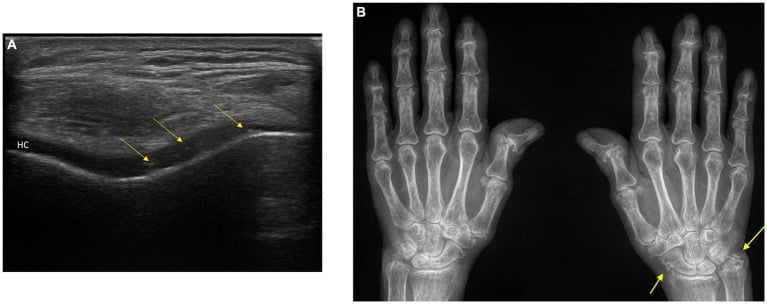
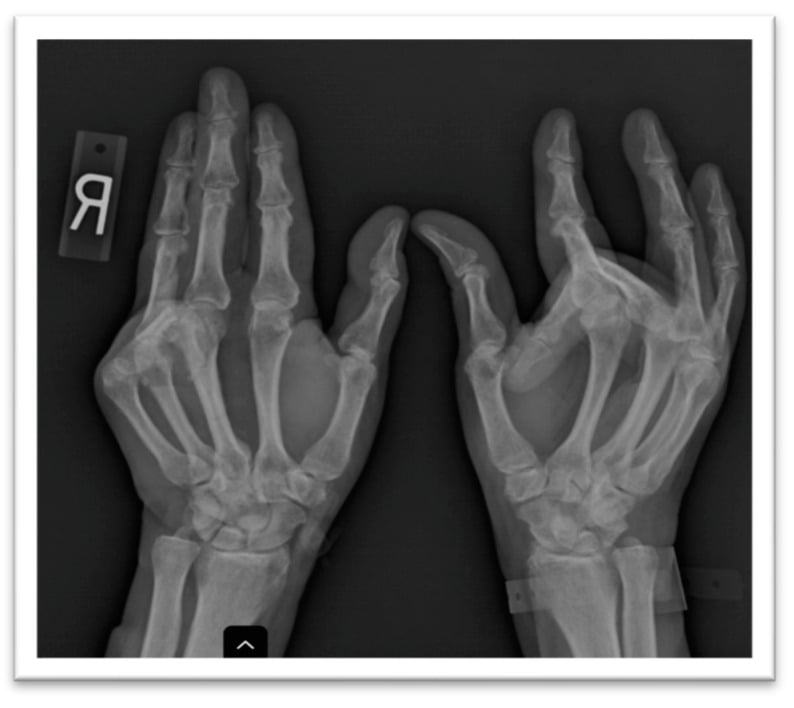
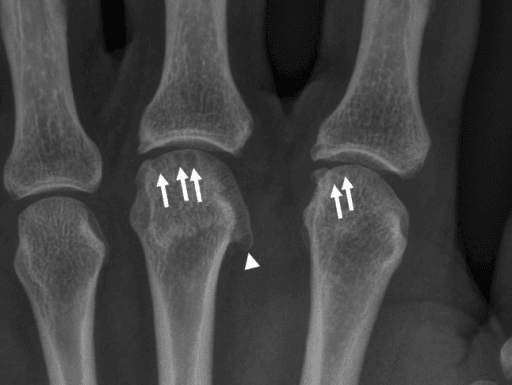
- Hook-shaped osteophytes on the radial side of the metacarpal heads are near-pathognomonic
- Strong overlap with chondrocalcinosis / CPPD - both can coexist
- Venesection treats the systemic disease but does NOT reverse established arthropathy - joint damage progresses
- “Squared metacarpal heads with hook osteophytes at 2nd/3rd MCP = think haemochromatosis
- “Screen with transferrin saturation (best initial test) and ferritin, then HFE genotyping
- “Arthropathy is often the presenting and most disabling feature - and the least reversible
- “Joint replacement works well; iron overload is not a contraindication to arthroplasty
Overview and Epidemiology
What it is. Haemochromatosis arthropathy is the joint disease of hereditary (primary) haemochromatosis, an inherited disorder of iron metabolism in which excessive intestinal iron absorption leads to progressive tissue iron overload. Iron accumulates in the liver, pancreas, heart, pituitary and skin, and also in synovium and cartilage, where it produces a distinctive degenerative arthropathy.
Why it matters to the orthopaedic surgeon. The arthropathy is frequently the presenting feature, it mimics osteoarthritis in joints that primary OA usually spares, and it is largely irreversible even once the iron overload is treated. Joint pain is reported by around 70-75% of patients with iron overload; in one large cohort it was present in 72% and preceded the diagnosis of haemochromatosis by an average of about 9 years. The orthopaedic surgeon or rheumatologist who recognises MCP osteoarthritis or chondrocalcinosis and orders iron studies is therefore well placed to make the diagnosis early.
Genetics. Most cases are due to homozygosity for the C282Y mutation in the HFE gene on chromosome 6; compound heterozygosity (C282Y/H63D) is a less penetrant cause. Inheritance is autosomal recessive, and clinical penetrance is incomplete and modified by sex, blood loss and alcohol.
Epidemiology. Haemochromatosis is one of the commonest inherited disorders in people of Northern European ancestry, in whom C282Y homozygosity occurs in roughly 1 in 200 to 1 in 400. It is much rarer in South American, African and East Asian populations, where the C282Y mutation is uncommon and the diagnostic algorithm differs. Men present earlier and more severely than women, who are partially protected by menstrual and pregnancy blood loss.
Primary versus Secondary Iron Overload
The disease discussed here is hereditary (primary) haemochromatosis, but iron-overload arthropathy can also arise from secondary (acquired) iron loading, and the distinction changes the genetics, the systemic context and, importantly, the treatment.
- Mechanism / examples
- Autosomal recessive; C282Y homozygosity (commonest) or compound C282Y/H63D
- Iron-removal treatment
- Venesection (phlebotomy)
- Mechanism / examples
- Juvenile haemochromatosis (hemojuvelin HJV, hepcidin HAMP) - young, severe cardiac and gonadal failure; transferrin-receptor-2 (TFR2); ferroportin disease (SLC40A1, autosomal dominant)
- Iron-removal treatment
- Venesection (chelation if not tolerated)
- Mechanism / examples
- Repeated transfusion for thalassaemia major, sickle cell disease, myelodysplasia or aplastic anaemia
- Iron-removal treatment
- Iron chelation - an anaemic patient cannot be venesected
- Mechanism / examples
- Ineffective erythropoiesis (e.g. thalassaemia intermedia) increases gut iron absorption
- Iron-removal treatment
- Chelation, with selective venesection only if tolerated
- Mechanism / examples
- Chronic liver disease, excess parenteral or dietary iron, porphyria cutanea tarda
- Iron-removal treatment
- Treat the cause; venesection if not anaemic
The treatment column is the point. Primary iron overload is venesected, whereas the transfused patient is anaemic, so venesection is impossible and iron chelation is used instead. Juvenile haemochromatosis presents young with severe cardiac and endocrine disease. All forms can produce an iron arthropathy and chondrocalcinosis.
Pathophysiology
Systemic iron loading. HFE dysfunction reduces hepcidin, the master iron-regulatory hormone, so enterocytes and macrophages export iron unchecked through ferroportin and intestinal absorption goes unrestrained. Transferrin becomes saturated and non-transferrin-bound iron circulates, depositing in parenchymal tissues including synovium and cartilage. Histologically the iron is visible as haemosiderin in synovial lining cells and chondrocytes.
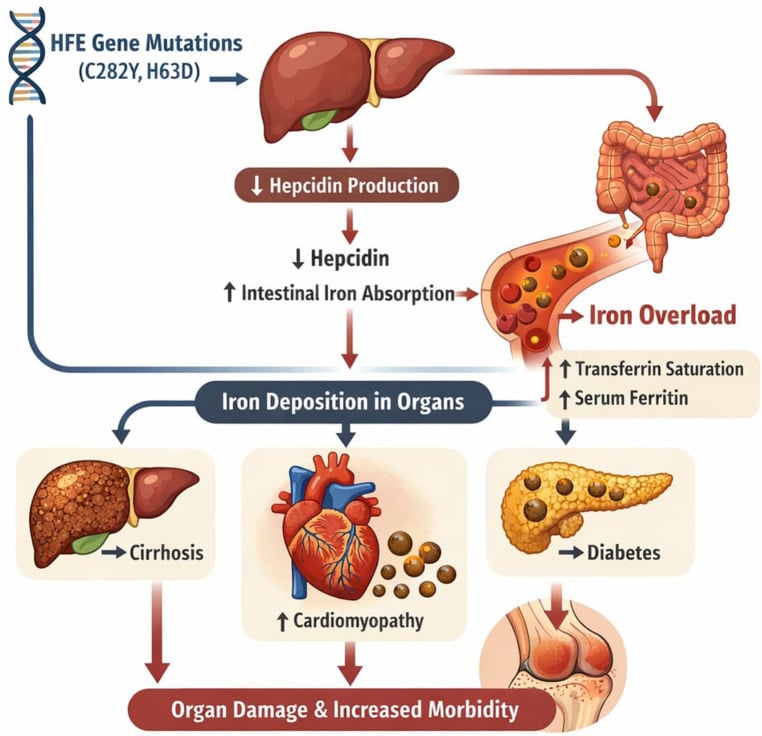
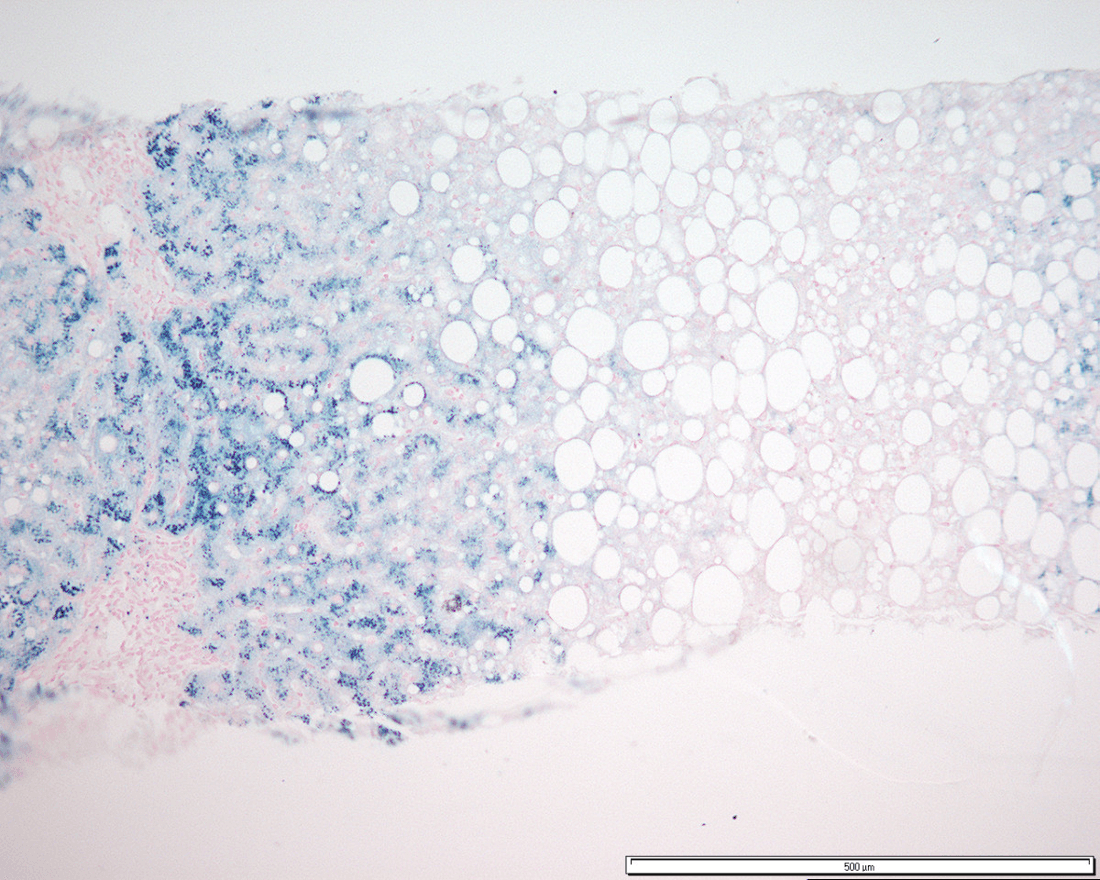
What drives the joint damage. The arthropathy results from chronic iron deposition in joint tissues. Unlike gout or CPPD, the dominant mechanism appears to be iron-driven damage to bone and cartilage cells rather than a single crystal trigger, although crystal disease frequently coexists.
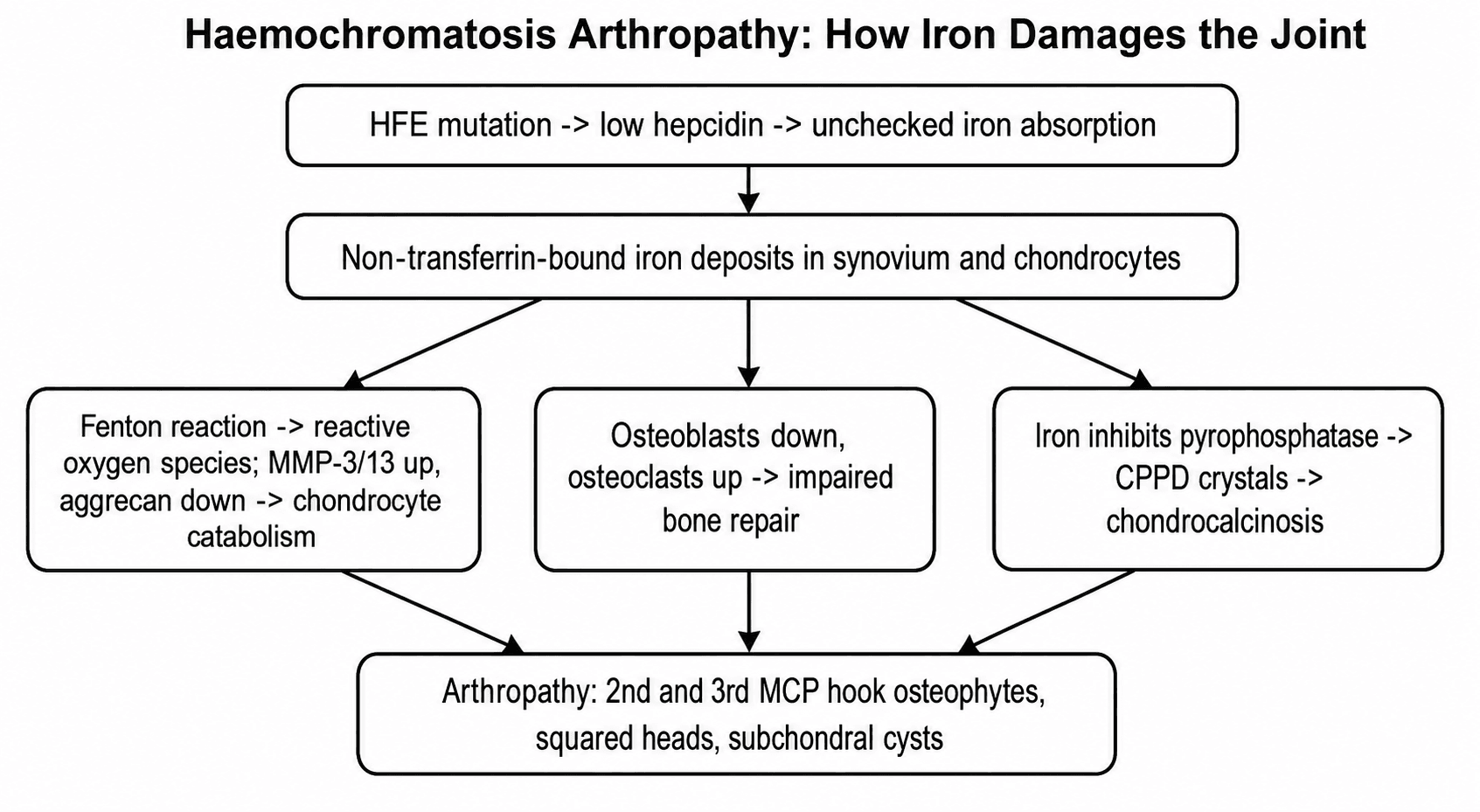
Direct cellular toxicity. Excess intracellular iron catalyses reactive oxygen species through Fenton chemistry, causing oxidative stress. In chondrocytes, iron exposure increases catabolic enzymes (the matrix metalloproteinases MMP3 and MMP13), reduces extracellular matrix and aggrecan production, and pushes the cells toward a hypertrophic, osteoarthritis-like phenotype. Iron-loaded synovium becomes inflamed and contributes to cartilage breakdown.
Bone-centred mechanisms, shared with CPPD. Iron overload reduces osteoblast alkaline phosphatase activity and increases osteoclastogenesis, producing generalised bone loss and impaired joint repair. These abnormalities of bone turnover and of damage and repair are strikingly similar to those seen in CPPD, which may explain why the two diseases overlap and why haemochromatosis arthropathy can occur even without demonstrable CPP crystals.
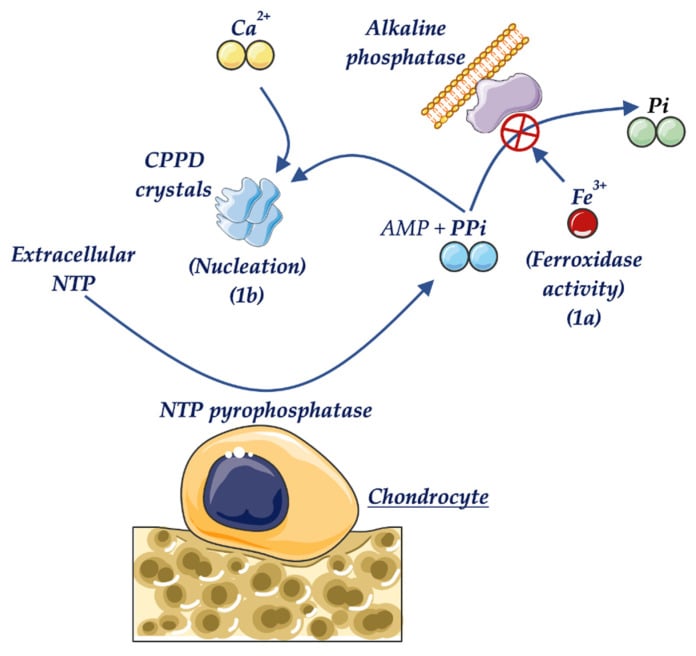
The link with calcium pyrophosphate deposition. Haemochromatosis is one of the classic metabolic associations of CPPD. Iron may inhibit pyrophosphatases or otherwise favour calcium pyrophosphate crystal formation, and the shared effects on bone cells link the two. Chondrocalcinosis is a common radiographic finding, and acute pseudogout attacks can occur.
Why venesection does not cure the joint. By the time the arthropathy is clinically apparent, iron has already triggered chondrocyte catabolism, matrix loss and disordered bone remodelling. Removing circulating iron by venesection halts ongoing systemic damage but cannot reverse established cartilage and bone destruction, so the arthropathy characteristically progresses despite adequate iron-depletion therapy.
Metabolic Causes of CPPD (Chondrocalcinosis)
Because haemochromatosis is one of the metabolic causes of calcium pyrophosphate deposition, finding chondrocalcinosis - especially in a younger patient (under about 55), when it is florid or polyarticular, or in atypical joints - should prompt a screen for the secondary metabolic causes, not just haemochromatosis.
- Screening test
- Transferrin saturation, ferritin, HFE genotype
- Clue
- 2nd/3rd MCP hook osteophytes, systemic iron features
- Screening test
- Calcium and parathyroid hormone (PTH)
- Clue
- Hypercalcaemia, subperiosteal resorption, 'stones, bones, groans'
- Screening test
- Serum magnesium
- Clue
- Malabsorption, diuretics, Gitelman syndrome
- Screening test
- Alkaline phosphatase (characteristically low)
- Clue
- Low alkaline phosphatase, premature dental loss, fractures
- Screening test
- Thyroid-stimulating hormone (TSH)
- Clue
- A recognised but weaker association
Ageing and osteoarthritis are by far the commonest setting for CPPD overall, and familial forms (ANKH gene mutations) exist; but it is the metabolic causes above, haemochromatosis being the surgically important one, that must not be missed in a young or atypical presentation.
Clinical Presentation
Small-joint disease, the classic pattern. Insidious pain, stiffness and bony swelling of the 2nd and 3rd metacarpophalangeal joints, often bilateral and symmetrical, with reduced grip and difficulty making a fist. The wrists are also commonly involved. The pattern resembles osteoarthritis, but in joints that primary OA usually spares.
Large-joint disease. The hips, knees, ankles and shoulders may develop a destructive OA-like arthropathy. Ankle involvement is increasingly recognised and can be a major source of disability. Large-joint disease is a frequent reason for joint replacement, sometimes at a relatively young age.
Acute presentations. Coexisting chondrocalcinosis can produce acute pseudogout (acute CPP crystal arthritis): a hot, swollen joint, often the knee or wrist. An acute monoarthritis must always be distinguished from septic arthritis.
The systemic context. The associated features of iron overload are the diagnostic context for the joint complaint:
- Liver: hepatomegaly, deranged liver function, cirrhosis, hepatocellular carcinoma
- Pancreas: diabetes mellitus ("bronze diabetes") from pancreatic iron deposition
- Skin: bronze or slate-grey pigmentation, melanin plus iron deposition
- Heart: cardiomyopathy, heart failure, arrhythmia
- Endocrine and gonadal: pituitary and gonadal iron causing hypogonadism, impotence and low testosterone; fatigue
- Haematology: a high-normal or raised mean corpuscular volume (MCV) is associated with the presence of arthritis in haemochromatosis
Examination. Look for bony enlargement of the 2nd and 3rd MCP joints, the squared knuckles, and for effusions in the larger joints during acute crystal attacks. The swelling is hard and bony rather than boggy; synovitis is the minority. Range and grip are reduced, with crepitus in established large-joint OA. Look too for skin pigmentation and the stigmata of chronic liver disease.
IRONHaemochromatosis Arthropathy Features
Hook:IRON in the joints leaves a permanent mark!
Investigations
Iron studies. Transferrin saturation is the most useful initial screening test; a fasting value above approximately 45% in women or 50% in men is suggestive. Serum ferritin reflects iron stores but is an acute-phase reactant, so it is interpreted together with the transferrin saturation. Order both in anyone with MCP osteoarthritis, unexplained chondrocalcinosis or premature large-joint OA.
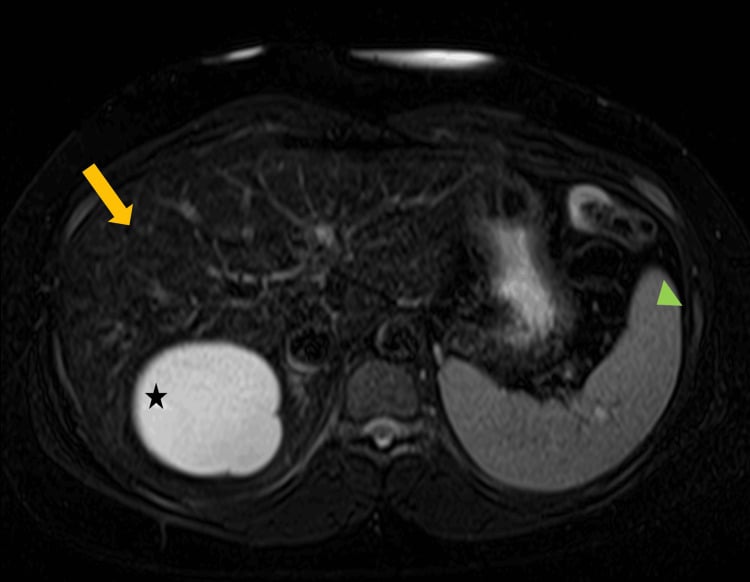
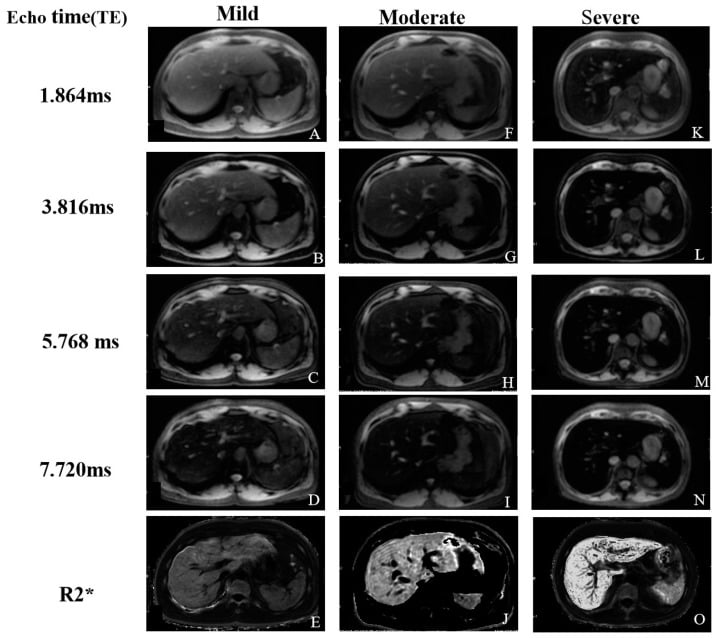
Confirmation. HFE genotyping showing C282Y homozygosity (or compound C282Y/H63D heterozygosity) confirms hereditary haemochromatosis in a patient with biochemical iron overload. In populations where C282Y is rare, or with non-HFE genotypes, MRI quantification of hepatic iron or liver biopsy is used to demonstrate the iron overload. End-organ damage is then assessed with liver function tests, fasting glucose or HbA1c, and fibrosis staging.
Synovial fluid. An acute hot joint is aspirated and the fluid sent for crystals and culture, to identify coexisting CPP crystals (rhomboid, positively birefringent) and to exclude sepsis. Crystals never exclude infection; treat as septic if in doubt.
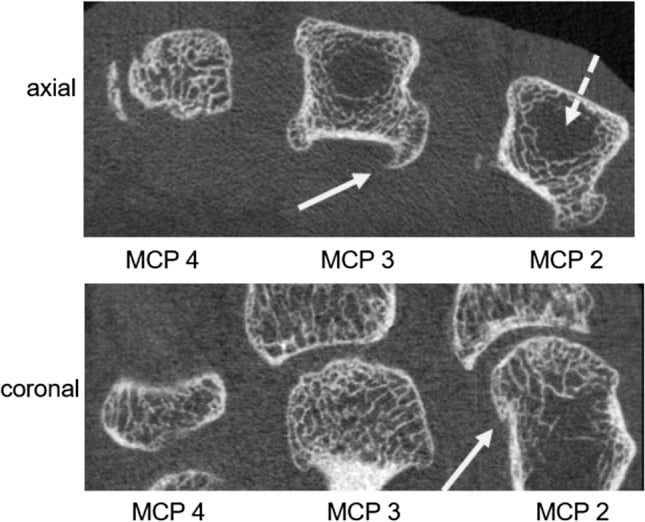
Plain radiographs are the key examination. The signature is squared metacarpal heads with hook-shaped osteophytes on the radial aspect of the 2nd and 3rd metacarpal heads, which is near-pathognomonic, together with subchondral cysts and uniform joint space narrowing. Chondrocalcinosis is seen in the wrists, knees, symphysis pubis and other fibrocartilage, and the large joints show OA-like changes, sometimes severe and sometimes at an unusually young age.
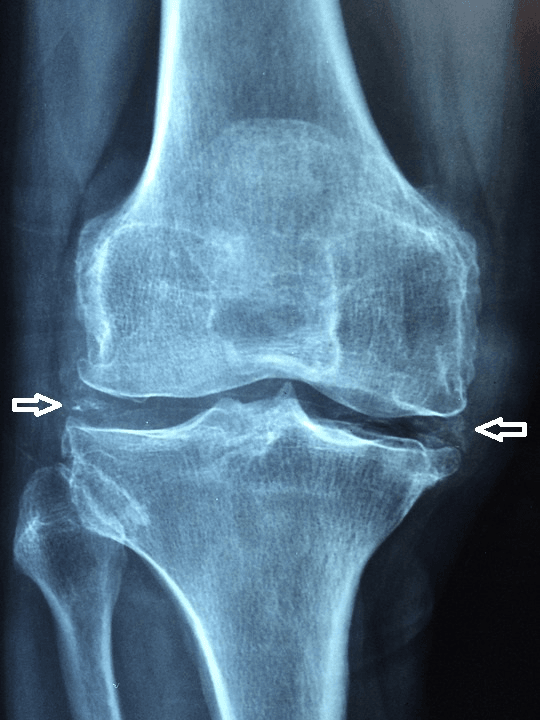
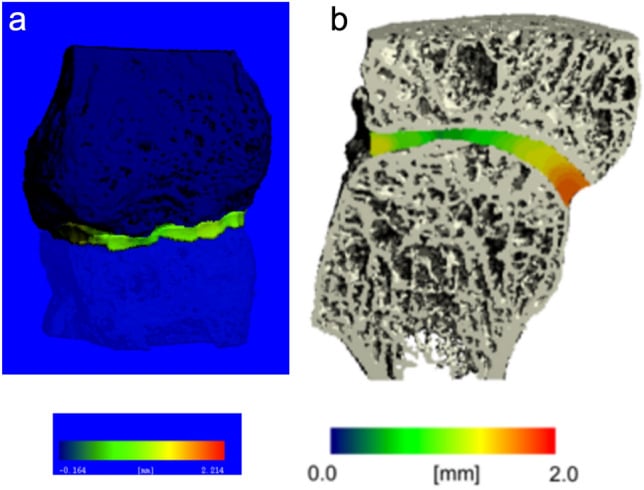
MRI. T2*-weighted (gradient-echo) sequences show low-signal "blooming" from iron and haemosiderin in the synovium, and MRI demonstrates the associated cartilage loss and the meniscal and ligamentous changes.
Differential diagnosis. The exam test is to recognise that "osteoarthritis" of the MCP joints is not ordinary OA.
- Key Pointers
- 2nd/3rd MCP, hook osteophytes, chondrocalcinosis, systemic iron features
- Decisive Test
- Transferrin saturation and ferritin, then HFE genotyping
- Key Pointers
- DIP and PIP joints (Heberden/Bouchard nodes), spares MCP
- Decisive Test
- Clinical distribution and radiographs
- Key Pointers
- Symmetrical MCP/wrist synovitis, erosions, soft-tissue swelling
- Decisive Test
- Rheumatoid factor, anti-CCP, ESR/CRP
- Key Pointers
- Chondrocalcinosis, pseudogout attacks, knee/wrist
- Decisive Test
- Synovial fluid CPP crystals; consider it a marker - screen for haemochromatosis
- Key Pointers
- 1st MTP podagra, tophi, hyperuricaemia, punched-out erosions
- Decisive Test
- Synovial fluid urate crystals
Management
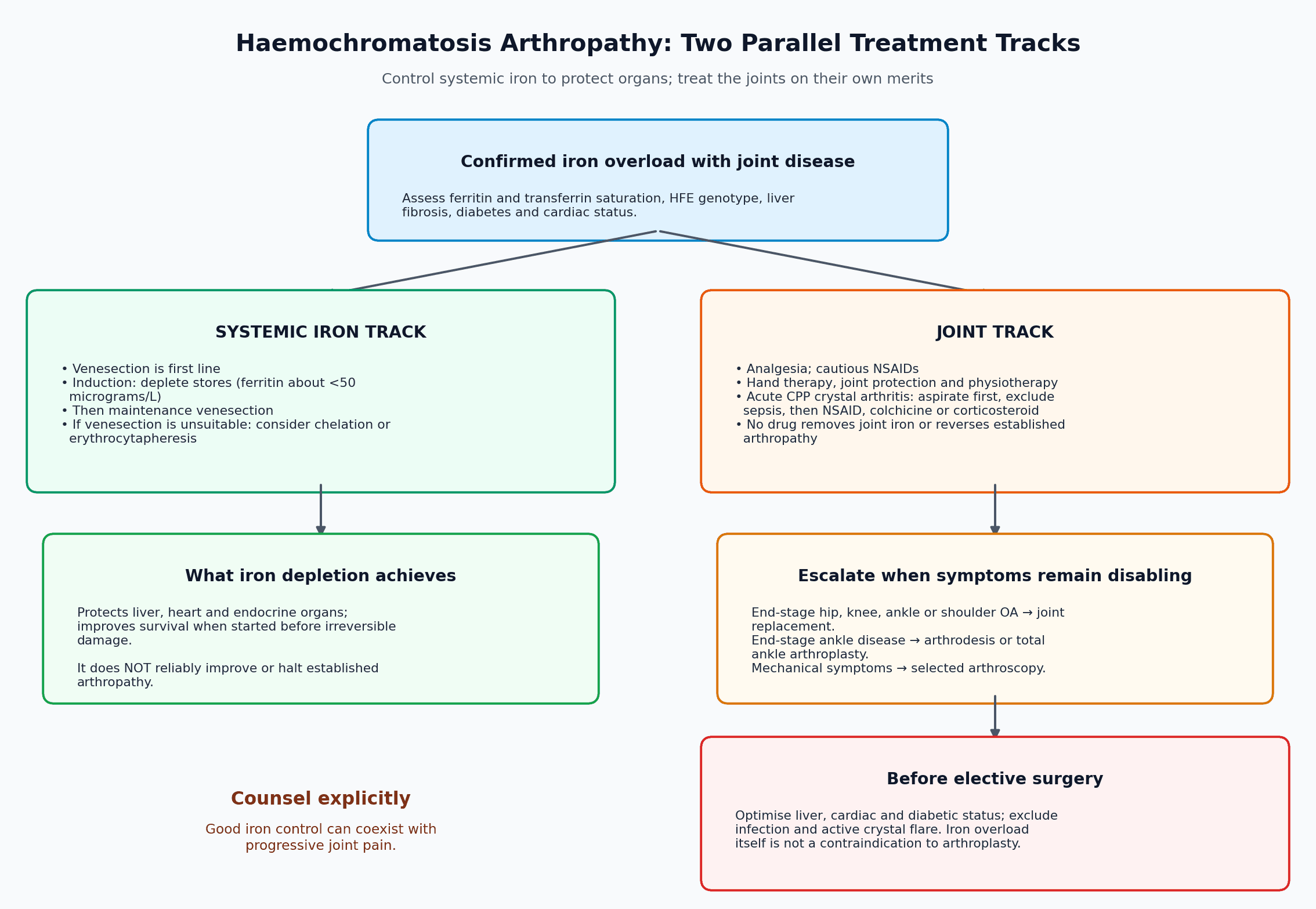
Treating the iron overload. Venesection (phlebotomy) is the first-line treatment for hereditary haemochromatosis: induction phlebotomy until iron stores are depleted (target ferritin low, for example below approximately 50 micrograms/L during induction), then maintenance. It prevents and can reverse liver, cardiac and endocrine damage and improves survival when started before cirrhosis. Where venesection is contraindicated or impractical, mainly when anaemia precludes it, iron-chelation therapy (for example deferasirox) is an alternative, and erythrocytapheresis is used in some centres.
Counsel patients explicitly: venesection protects the liver, heart and pancreas but the arthropathy commonly progresses regardless. Joint symptoms must be managed in their own right, and persistent or worsening joint pain is not a sign of failed iron control.
Managing the arthropathy. Analgesia and judicious NSAIDs, mindful of liver disease and renal function; hand therapy, joint protection and activity modification for MCP disease; physiotherapy and weight management for large-joint OA. Acute pseudogout attacks are managed with NSAIDs, colchicine, or intra-articular or oral corticosteroids after excluding sepsis. There is no disease-modifying drug that dissolves joint iron or reverses the arthropathy. Treat metabolic comorbidities and screen first-degree relatives.
Surgical Management
Indications. Surgery is considered for:
- End-stage large-joint OA (hip, knee, ankle, shoulder) with pain and functional loss refractory to conservative care
- Disabling MCP/hand disease - selected cases may benefit from hand surgery, though small-joint reconstruction is less commonly required
- Mechanical derangement - e.g. meniscal pathology or loose bodies
Arthroplasty. Iron overload is not a contraindication to arthroplasty and outcomes are generally good. Joint replacement is common in this population: in cohort data around 16% of patients underwent total joint replacement for severe OA, at a mean age in the late 50s. Female sex, MCP joint involvement and chondrocalcinosis predict earlier joint failure and the need for replacement.
Before elective surgery. Optimise iron control and assess hepatic, cardiac and endocrine status; screen for and plan around diabetes and cardiomyopathy; and exclude active crystal arthritis or infection before implanting a prosthesis.
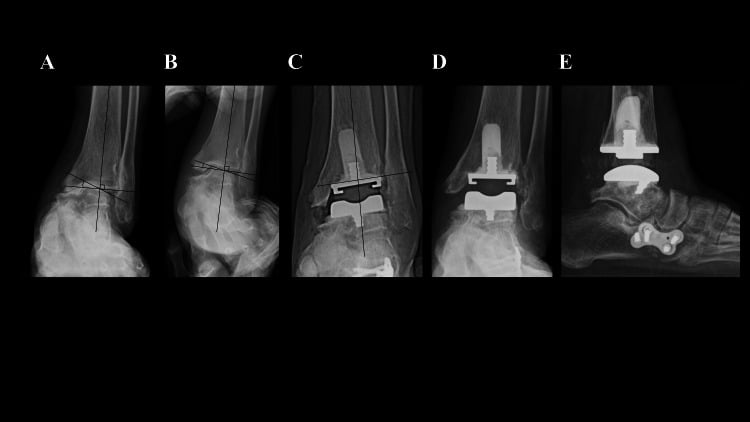
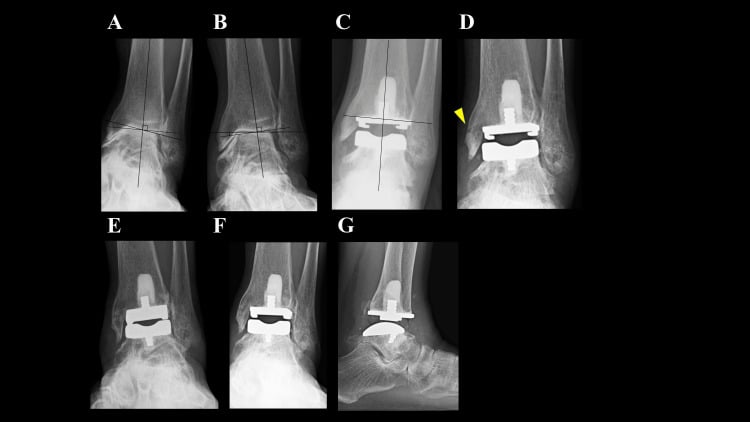
The ankle. Conservative measures are tried first. Surgery, whether ankle arthrodesis or total ankle arthroplasty, is considered the definitive option for end-stage ankle disease.
Other procedures. Arthroscopic management of mechanical symptoms (loose bodies, meniscal tears), and synovectomy, occasionally performed for iron-laden inflamed synovium, though the evidence is limited.
Complications
Of the disease.
- Progressive joint destruction despite iron-depletion therapy
- Acute pseudogout flares from coexisting CPPD
- Generalised bone loss and osteoporosis, related to the effects of iron on bone cells and to hypogonadism
- Systemic morbidity - cirrhosis, hepatocellular carcinoma, diabetes, cardiomyopathy, hypogonadism - all relevant to perioperative risk
Of surgery.
- Increased anaesthetic and bleeding risk in patients with significant liver disease
- Impaired glycaemic control and infection risk in those with diabetes
- The standard risks of arthroplasty; a crystal flare can occur perioperatively
- Continued symptoms in other joints as the systemic arthropathy progresses
Guidelines, Registries and Global Practice
Haemochromatosis arthropathy is a global disease wherever iron overload occurs, but the genetic background and diagnostic algorithm differ by population. International guidance agrees on two principles: detect and treat iron overload early to protect the liver and heart, and manage the joints on their own merits because the arthropathy is largely irreversible.
Global epidemiology
- HFE C282Y homozygosity is common in people of Northern European ancestry (roughly 1 in 200 to 1 in 400) and is the dominant cause there.
- In South American, African and East Asian populations the C282Y mutation is rare, so diagnosis relies more on biochemical iron overload plus MRI-quantified hepatic iron or biopsy and consideration of non-HFE genotypes.
- Joint pain affects around 70-75% of patients with iron overload and frequently precedes diagnosis by years.
Side-by-side guidance
- Region
- Europe
- Emphasis
- C282Y homozygosity plus raised transferrin saturation/ferritin diagnoses HH; non-C282Y needs hepatic iron on MRI/biopsy; early phlebotomy prevents complications including arthropathy
- Region
- International
- Emphasis
- Transferrin saturation is the best initial screen; screen patients with MCP OA or unexplained chondrocalcinosis
- Region
- International
- Emphasis
- Iron overload is not a contraindication to arthroplasty; optimise liver, cardiac and diabetic status and exclude infection/crystal flare first
Registry and arthroplasty evidence
- Large arthroplasty registries (NJR, AOANJRR, AJRR, Swedish/Norwegian) do not list haemochromatosis as a distinct indication, but cohort data show joint replacement is common (about 16% of patients) with generally good results, driven by severe large-joint OA.
- Implication: standard implant and bearing selection applies; haemochromatosis changes perioperative medical optimisation, not prosthesis choice.
High- vs limited-resource practice variation
- Well-resourced settings: HFE genotyping, MRI iron quantification and structured venesection programmes are readily available; T2*-weighted MRI can demonstrate joint iron.
- Limited-resource settings: diagnosis often rests on transferrin saturation, ferritin and plain radiographs (the hook-osteophyte pattern); venesection remains low-cost and effective, while chelation is reserved for those who cannot be venesected.
- Everywhere: recognise the MCP/chondrocalcinosis pattern, screen for iron overload, treat systemic disease early, and screen first-degree relatives.
Controversies and Areas of Uncertainty
Haemochromatosis arthropathy remains incompletely understood, which makes it good higher-order viva material.
The exact mechanism of joint damage. Whether iron acts mainly through direct chondrocyte toxicity, through disordered bone remodelling, or via promotion of CPP crystals is still debated, and animal models do not always reproduce direct cartilage damage.
The relationship with CPPD. The two diseases overlap clinically and share bone-centred pathways, but it is unclear how much of the arthropathy is "iron arthropathy" and how much is secondary CPPD.
No joint-specific therapy. Nothing reliably removes iron from cartilage or reverses the arthropathy, and iron chelation has not been shown to treat the established joint disease.
Whom and when to screen. The yield of iron studies in isolated hand OA, set against the value of early detection in protecting the liver and heart, influences screening thresholds, which vary between guidelines.
The timing of large-joint surgery. In patients who may also have liver disease and diabetes the timing is individualised, with limited high-level evidence.
Exam Viva Scenarios
Practise clinical reasoning and management decisions out loud
“A 52-year-old man is referred with painful, stiff index and middle finger knuckles. Hand radiographs show squared metacarpal heads with hook-shaped osteophytes at the 2nd and 3rd MCP joints, joint space narrowing and subchondral cysts. He also mentions fatigue and reduced libido.”
“A 60-year-old woman with known haemochromatosis presents with an acutely painful, swollen, warm right knee. Radiographs show chondrocalcinosis of the menisci. She is afebrile.”
“A 56-year-old man with hereditary haemochromatosis has end-stage osteoarthritis of the hip and is listed for total hip arthroplasty. How do you approach his perioperative care?”
“You are shown a hand radiograph with squared metacarpal heads, hook-shaped osteophytes on the radial side of the 2nd and 3rd metacarpal heads, subchondral cysts and chondrocalcinosis. What is the diagnosis and what would you do?”
Signature Radiograph
- Squared metacarpal heads, 2nd and 3rd MCP joints
- Hook-shaped osteophytes on the radial metacarpal heads (near-pathognomonic)
- Subchondral cysts and joint space narrowing
- Chondrocalcinosis (wrist, knee, symphysis pubis)
Genetics and Cause
- Hereditary haemochromatosis, autosomal recessive
- Most cases: HFE C282Y homozygosity
- Low hepcidin leads to iron overload
- Iron deposits in synovium and cartilage
Screening Tests
- Transferrin saturation - best initial screen
- Serum ferritin (acute-phase reactant)
- HFE genotyping to confirm
- MRI hepatic iron or biopsy if non-C282Y
Key Associations
- CPPD / chondrocalcinosis overlap and pseudogout
- Liver (cirrhosis, HCC), diabetes, cardiomyopathy
- Hypogonadism, fatigue, bronze skin
- Raised MCV associated with arthritis
Management
- Venesection for iron overload (does NOT reverse joints)
- Symptomatic joint care: analgesia, hand therapy, NSAIDs
- Arthroplasty for end-stage large-joint OA
- Screen first-degree relatives
Exam Traps
- Do not call MCP OA 'ordinary osteoarthritis'
- Venesection treats organs, not the arthropathy
- Exclude sepsis in any acute hot joint
- Iron overload is not a contraindication to arthroplasty
Evidence Base
Musculoskeletal Disease Burden of Hereditary Haemochromatosis
- Joint pain reported by 72.4% of patients; mean age at first joint symptoms 45.8 years
- Joint pain preceded the diagnosis of haemochromatosis by a mean of about 9 years
- Joint replacement was common: 16.1% underwent total joint replacement for severe OA (mean age 58.3 years)
- Female sex, MCP joint involvement and chondrocalcinosis were associated with higher risk of early joint failure
HFE H63D Variant Predisposes to Arthralgia, Chondrocalcinosis and Osteoarthritis
- H63D homozygotes had more arthralgia, oligoarthralgia and Heberden's nodes than non-carriers
- In those aged 65 or younger, H63D homozygotes had more chondrocalcinosis in hip/knee and more hand osteophytes and OA
- Compound heterozygotes showed more arthralgia and hip chondrocalcinosis at older ages
- THE FINDING THAT SURPRISES PEOPLE: there was NO relation between joint pathology and C282Y - the very variant this page names as the classic haemochromatosis genotype. The signal came from H63D homozygotes and from compound heterozygotes
- HFE variants may partly explain population-level arthralgia, chondrocalcinosis and hand OA
Common Pathogenic Pathways in Haemochromatosis Arthritis and CPPD
- Haemochromatosis arthritis and CPPD share joint distribution, low-grade synovial inflammation and generalised bone loss
- Excess iron damages chondrocytes and bone cells in vitro
- Iron reduces osteoblast alkaline phosphatase activity and increases osteoclastogenesis - changes also seen in CPPD
- Shared pathways relate more to bone and damage/repair than to direct cartilage damage
Effects of Iron Overload in Human Joint Tissue Explants and Animal Models
- Iron exposure increased catabolic gene expression (MMP13) in cartilage with stable chondrocyte viability
- Synovium showed increased GAG content and inflammation markers with iron
- Hfe, Tfr2 and diet-induced iron-overload mice developed spontaneous OA with proteoglycan loss and higher Mankin scores
- Supports iron modulation as a potential therapeutic strategy for OA
Hfe-KO Chondrocytes Show Increased Iron Uptake and an OA-Related Phenotype
- Iron exposure increased metalloprotease expression and reduced matrix and aggrecan production
- Hfe-KO chondrocytes showed greater iron accumulation and higher MMP3 (more catabolism)
- Iron pushed chondrocytes toward a hypertrophic phenotype with increased collagen I and reduced Sox9
- High iron, especially with HFE loss of function, favours an osteoarthritis-related phenotype
EASL Clinical Practice Guidelines on Haemochromatosis
- C282Y homozygosity with raised transferrin saturation and ferritin is sufficient to diagnose haemochromatosis
- Non-C282Y genotypes require demonstration of hepatic iron overload on MRI or biopsy
- Early phlebotomy can prevent cirrhosis, hepatocellular carcinoma, diabetes and arthropathy
- Phlebotomy targets: ferritin below 50 micrograms/L (induction) and below 100 micrograms/L (maintenance)
Overview of Ankle Arthropathy in Hereditary Haemochromatosis
- Arthropathy mainly involves MCP and ankle joints, less often hip and knee
- Ankle radiographic signs often do not differ from primary osteoarthritis
- Surgery (arthrodesis or total ankle arthroplasty) is the mainstay for end-stage ankle disease
- Iron-homeostasis therapy may help prevent arthropathy but conclusive data are lacking
Arthropathy in Haemochromatosis Segregates with Elevated Mean Corpuscular Volume
- MCV was higher in haemochromatosis patients with arthritis than those without (95 vs 92.75 fL)
- Haemochromatosis patients had higher MCV than non-haemochromatosis OA and RA controls
- An MCV of 97.85 fL or above gave a likelihood ratio of 2.2 for arthritis in haemochromatosis
- Suggests a relationship between erythrocyte parameters and arthropathy in incident haemochromatosis