Open Neural Tube Defect | Multidisciplinary Lifelong Care
- Definition: Failure of neural tube closure (3-4 weeks gestation). Exposed spinal cord and meninges.
- Latex Allergy: Treat every MMC patient as latex-allergic from birth - non-latex gloves, catheters and tubing, charts marked. But get the numbers right, because this page's own source says something different from the usual teaching: roughly HALF are SENSITISED (latex-specific IgE in 47%, Pittman), while clinical anaphylaxis is uncommon - that same series found ONE intraoperative anaphylactic event across 646 operations over 18 years. Universal precautions are justified because sensitisation is common and you cannot predict who will react, not because half these children will have a reaction.
- Chiari II Malformation: Present in nearly all MMC patients. It is NOT simply low tonsils - that is Chiari I. Chiari II is herniation of the HINDBRAIN: the cerebellar vermis, medulla and fourth ventricle descend through the foramen magnum, with a small posterior fossa, tectal beaking and often a cervicomedullary kink. Obstructed fourth-ventricular outflow causes hydrocephalus, and the brainstem involvement is what produces the stridor, apnoea and swallowing difficulty that make it dangerous in infancy.
- Tethered Cord: Progressive neurological deterioration due to scar tethering. Look for new scoliosis, pain, or changing bladder function.
- Folic Acid: Reduces occurrence by 50-70%. Standard public health measure.
- “The FUNCTIONAL level is often 1-2 segments WORSE than the anatomical level.
- “Sensation is often better preserved than motor (Sacral sparing).
- “Assume shunt malfunction until proven otherwise in any unwell MMC patient.
- “Never use latex! (Tubing, gloves, Foley).
Overview and Epidemiology
Myelomeningocele (MMC) is the most severe form of spina bifida cystica: an open neural tube defect (NTD) in which the spinal cord and nerve roots are exposed through a defect in the vertebral arches and skin. The neural tissue, the placode, lies on the surface of the back surrounded by meninges and CSF. It is a multisystem disorder rather than an isolated spinal lesion, and the care is multidisciplinary and lifelong.
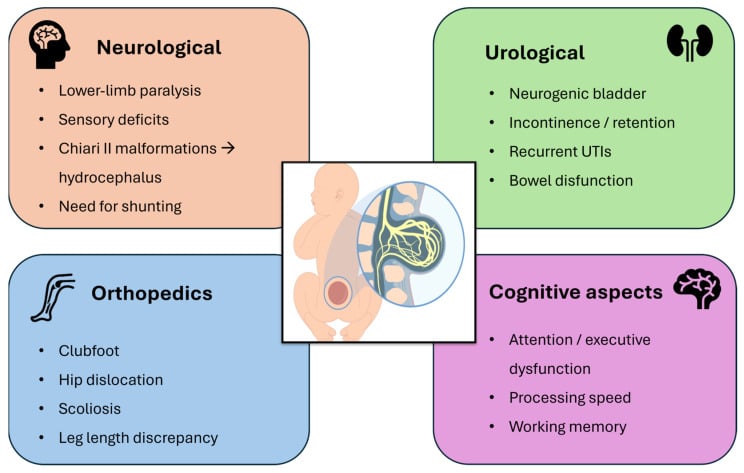
How common. Approximately 1 in 1000 live births, varying with geography and folic acid fortification. Incidence is decreasing because of folic acid fortification and prenatal diagnosis with termination.
Prevention. Periconceptional folic acid 0.4 mg daily is the general-population dose for preventing a first occurrence, conventionally quoted as reducing risk by 50-70%. Keep that figure apart from the trial evidence carded below: the MRC Vitamin Study's 72% reduction (RR 0.28) was obtained at the trial's high dose in women with a previous affected pregnancy, so it quantifies prevention of recurrence and must not be attached to the 0.4 mg occurrence dose. The 50-70% occurrence figure is convention drawn from separate supplementation and fortification data rather than from MRC.
Prenatal diagnosis. Elevated maternal serum alpha-fetoprotein (MSAFP) and detailed ultrasound, on which the lemon sign and banana sign are looked for.
Genetics and recurrence. MMC is usually sporadic, but can be associated with trisomy 18 or Meckel-Gruber syndrome. If one child is affected the recurrence risk is 2-4%; if two children are affected it increases to 10%. High-dose folic acid (4 mg daily) is recommended for subsequent pregnancies where there is a history of NTD.
Pathophysiology and Anatomy
Embryology. The neural tube closes between days 21 and 28 of gestation, and failure of posterior neuropore closure results in MMC. This results in:
- Exposure of the placode: direct damage and ongoing leakage of CSF
- Loss of innervation: motor and sensory loss below the level
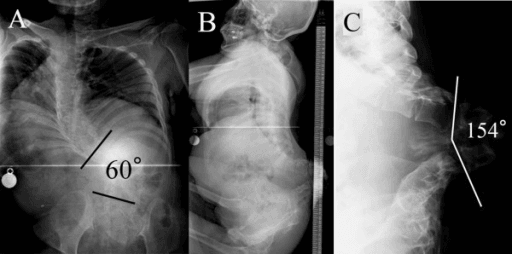
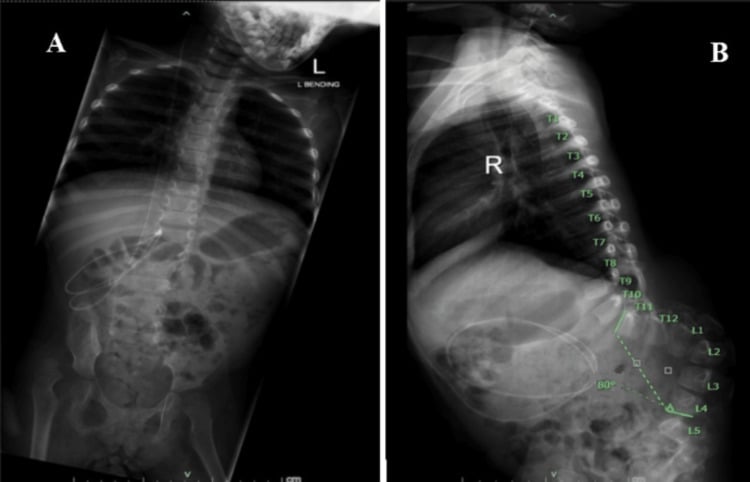
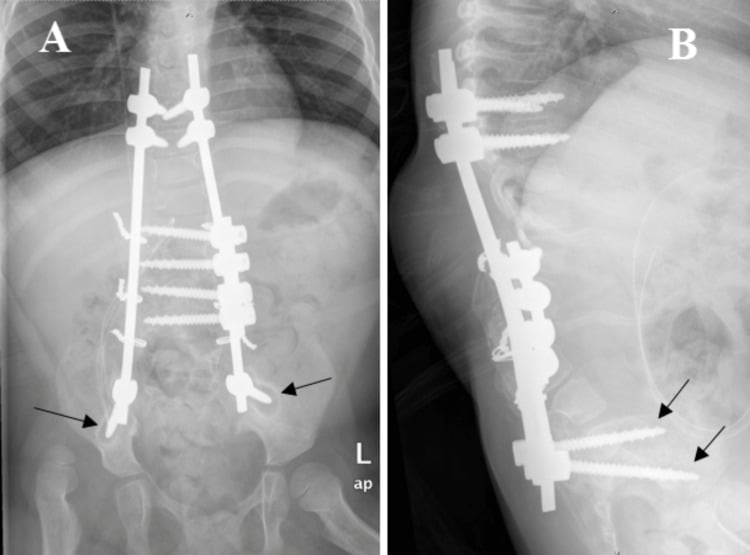
- Skeletal deformity: muscle imbalance drives hip dislocation, clubfoot and scoliosis
- Associated CNS malformations: Chiari II and hydrocephalus
Chiari II malformation. Present in almost all patients with MMC, and not the same thing as Chiari I, which is low tonsils alone. In Chiari II the hindbrain herniates through the foramen magnum: the cerebellar vermis, medulla and fourth ventricle descend, and the posterior fossa is small. Obstructed fourth-ventricular outflow causes hydrocephalus, and 80-90% require shunting. Brainstem involvement produces stridor (vocal cord paralysis), apnoea and swallowing difficulty, which is what makes it dangerous in infancy.
The MRI findings to look for:
- Tectal plate beaking
- Brainstem elongation, with the medulla herniated
- Kinking of the brainstem at the cervicomedullary junction
- A low torcula
- Absent septum pellucidum or corpus callosum hypoplasia
- Ventriculomegaly
- Syringomyelia, cavity formation within the cord, which is common
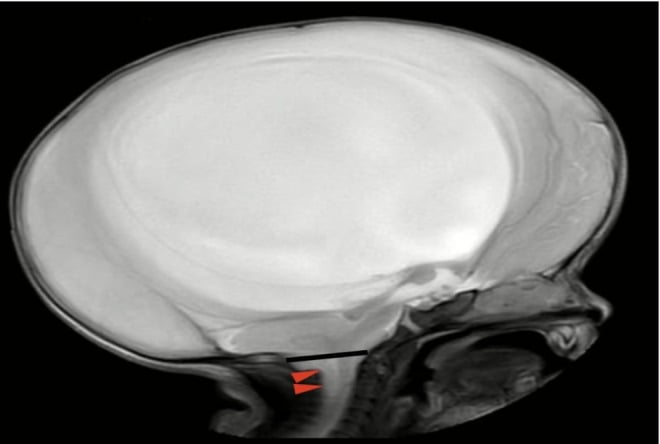
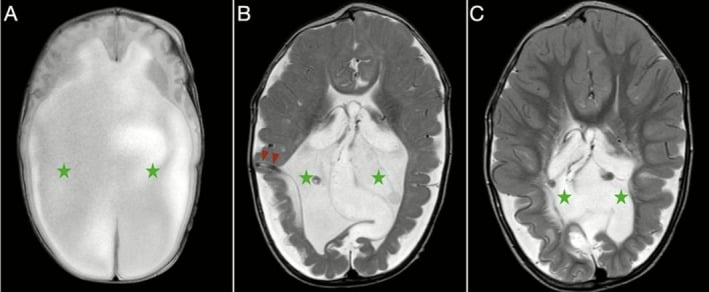
Tethered cord. After the initial MMC closure, scar formation tethers the neural placode to the dural repair. During growth, differential traction on the cord causes secondary neurological deterioration, and the onset is often insidious. How it is watched for is covered under surveillance below.
Pathologic Fractures: The Infection Mimic
The insensate, osteopenic lower limb in MMC fractures easily and deceptively, and examiners love the trap.
Why. Disuse osteopenia from limited weight-bearing, plus insensate bone, means a low-energy fracture, classically of the distal femoral or proximal tibial metaphysis or physis, often appearing after a period of cast immobilisation (which worsens the osteopenia) once the cast is removed.
The trap. Because the limb is insensate the child has little or no pain. The fracture presents instead as a warm, swollen, erythematous limb, often with a low-grade fever and raised inflammatory markers, and is readily mistaken for osteomyelitis or cellulitis, and sometimes for a Charcot or neuropathic process. The radiograph, showing the fracture and later exuberant callus, is the key to the diagnosis.
Management. Gentle, well-padded immobilisation, a soft splint or bandage rather than a tight cast; the fracture heals rapidly with abundant callus. Protect the insensate skin from pressure sores throughout, and avoid aggressive surgery and unnecessary antibiotics.
A child with MMC develops a warm, swollen, red lower leg with a mild fever a week after a cast was removed, and is not in pain: the likely diagnosis is a pathological (insufficiency) fracture of the osteopenic, insensate limb rather than osteomyelitis or cellulitis, and a radiograph confirms it.
Classification
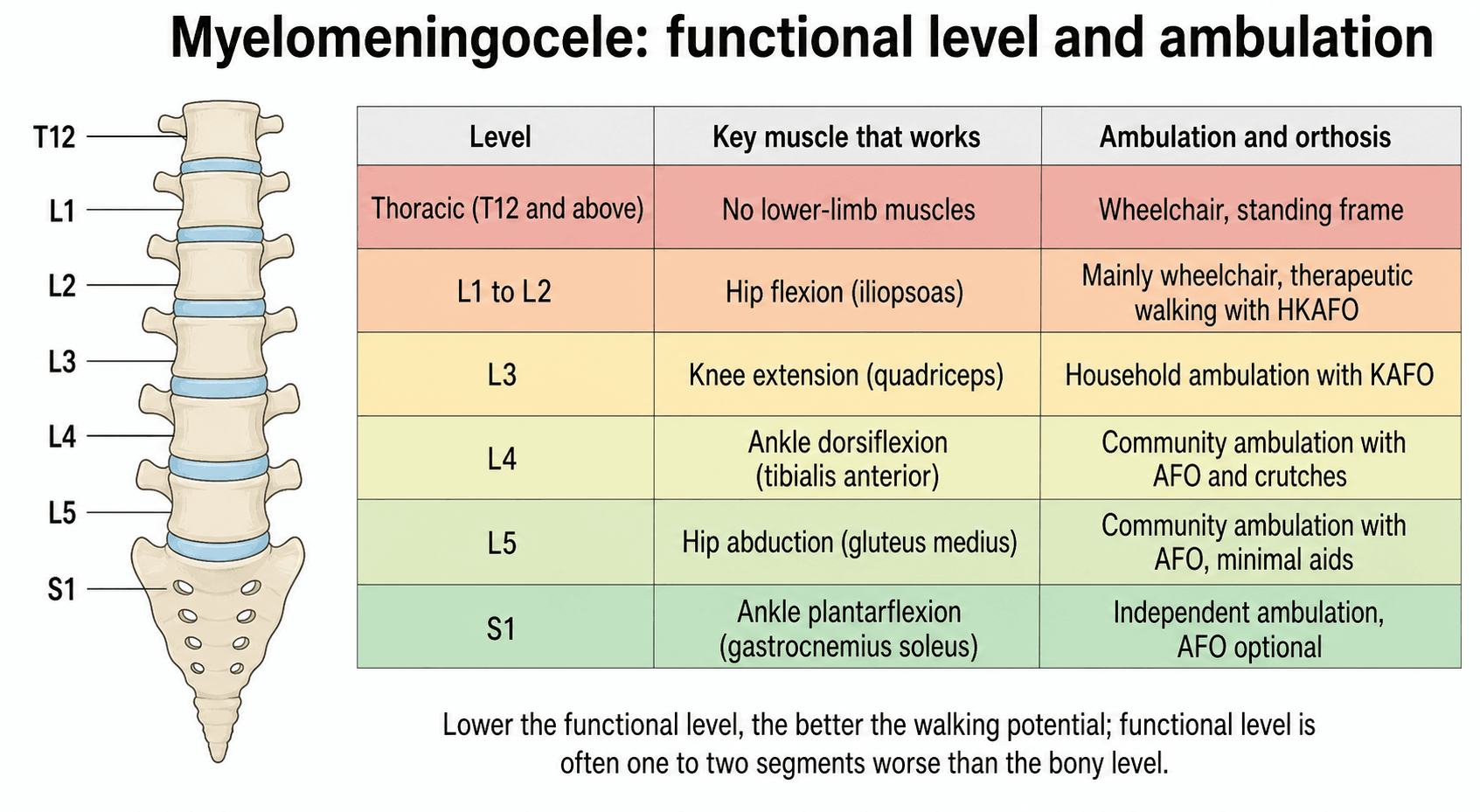
Functional neurological level. The key to prognosis and treatment planning, determined by the lowest functional myotome. The functional level is often one to two segments worse than the anatomical (vertebral) level. Hip adduction, not shown in the table, is obturator-innervated at L2-L4.
- Key Muscle
- None
- Ambulation Potential
- Wheelchair dependent
- Key Muscle
- Iliopsoas (Hip flexion)
- Ambulation Potential
- Therapeutic walking only (HKAFO)
- Key Muscle
- Quadriceps (Knee extension)
- Ambulation Potential
- Household ambulation (KAFO)
- Key Muscle
- Tibialis Anterior (Dorsiflexion)
- Ambulation Potential
- Community ambulation (AFO, Crutches)
- Key Muscle
- Gluteus Medius (Hip abduction)
- Ambulation Potential
- Community ambulation (AFO, minimal aids)
- Key Muscle
- Gastrocnemius (Plantarflexion)
- Ambulation Potential
- Independent ambulation (AFO optional)
Clinical Assessment
The newborn. Document the motor level as the lowest functioning myotome, check the reflexes and observe spontaneous movement. Measure the head circumference and keep measuring it: an increasing circumference, a bulging fontanelle and sunsetting eyes are hydrocephalus declaring itself.
The orthopaedic survey. Four questions:
- Spine: kyphosis (gibbus)? Scoliosis?
- Hips: dislocated? Contractures?
- Feet: clubfoot? Vertical talus? Calcaneovalgus?
- Posture: spinal alignment and pelvic obliquity
Lifelong surveillance. Two things quietly take function away from a repaired child: shunt malfunction and cord tethering. In the long-term cohort carded below shunt malfunction was the most common cause of decline and tethering the second, so assume shunt malfunction until proven otherwise in any unwell MMC patient. Any headache, nausea, vomiting, irritability, drowsiness or change in cognition earns a shunt series and CT head at once. For tethering, an annual neurological examination runs alongside the urological surveillance described under investigations, and MRI of the spine is urgent whenever a new symptom appears. The signs to look for:
SPASMTethered Cord Signs
Hook:Signs of secondary tethering.
Investigations
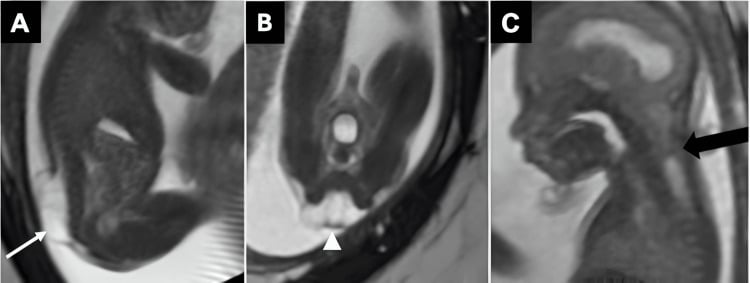
Baseline imaging after birth. Four studies define the anatomy the whole team will work from:
- MRI brain: Chiari II, hydrocephalus, corpus callosum
- MRI spine: conus level, syrinx, and tethering if suspected later
- Hip radiographs: AP pelvis for dysplasia or dislocation
- Spine radiographs: kyphosis, scoliosis, congenital vertebral anomalies
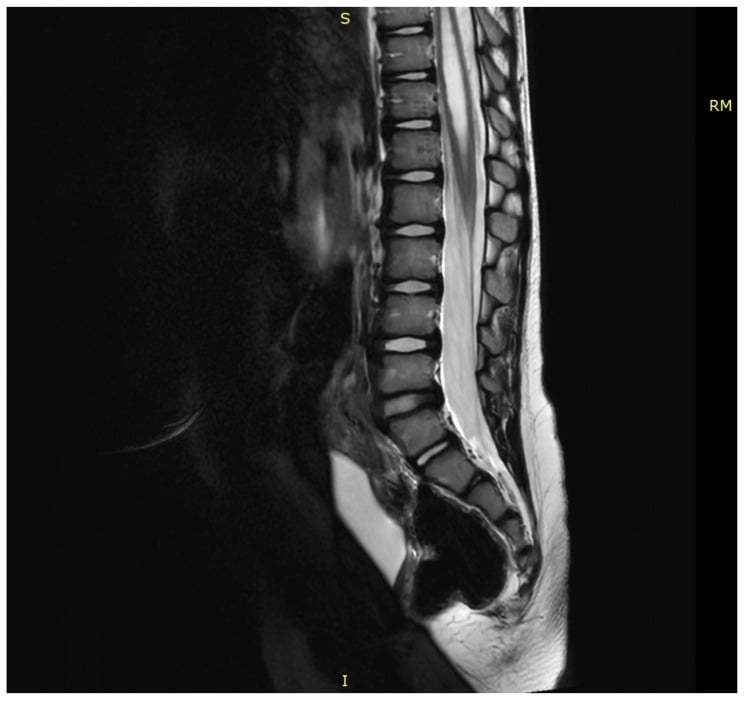
Urological workup. Urodynamics at baseline and then annually, assessing detrusor function (hyperreflexic or areflexic) and sphincter function, with an annual renal ultrasound for hydronephrosis and reflux and a VCUG as indicated. Why the kidneys need this much watching is set out under the neurogenic bladder below.
Functional assessment. Gait analysis for ambulatory patients, to plan orthotic needs, and the Functional Independence Measure (FIM) for overall function.
Differential Diagnosis
The visible back lesion and the pattern of neurological deficit must be distinguished from the other dysraphic and neuromuscular conditions, because management and prognosis differ sharply. Meningocele and lipomyelomeningocele have a better neurological prognosis than MMC.
- Key Features
- Cord and roots herniate; exposed placode, CSF leak, deficit + Chiari II
- Discriminator and Prognosis
- Open neural tissue at birth; near-universal Chiari II / hydrocephalus. Prognosis variable, level dependent
- Key Features
- Open placode with no sac
- Discriminator and Prognosis
- Open lesion; high lesion common. Poor prognosis
- Key Features
- Skin-covered CSF sac; meninges only, cord normal
- Discriminator and Prognosis
- Neurologically intact; no Chiari II. Good prognosis
- Key Features
- Skin-covered fatty mass attached to the cord, often tethering it
- Discriminator and Prognosis
- Closed lesion presenting later with tethering, not a neonatal emergency
- Key Features
- Vertebral arch defect only, no herniation; dimple, hairy patch, lipoma
- Discriminator and Prognosis
- Cutaneous stigmata, usually asymptomatic and often incidental; MRI to exclude tethering. Excellent prognosis
- Key Features
- Flattened buttocks, fixed flexion, often maternal diabetes
- Discriminator and Prognosis
- Absent sacral segments on X-ray; abrupt cord termination
- Key Features
- Symmetric rigid contractures, intact sensation
- Discriminator and Prognosis
- Sensation preserved; no dysraphism or Chiari II
Management Algorithm
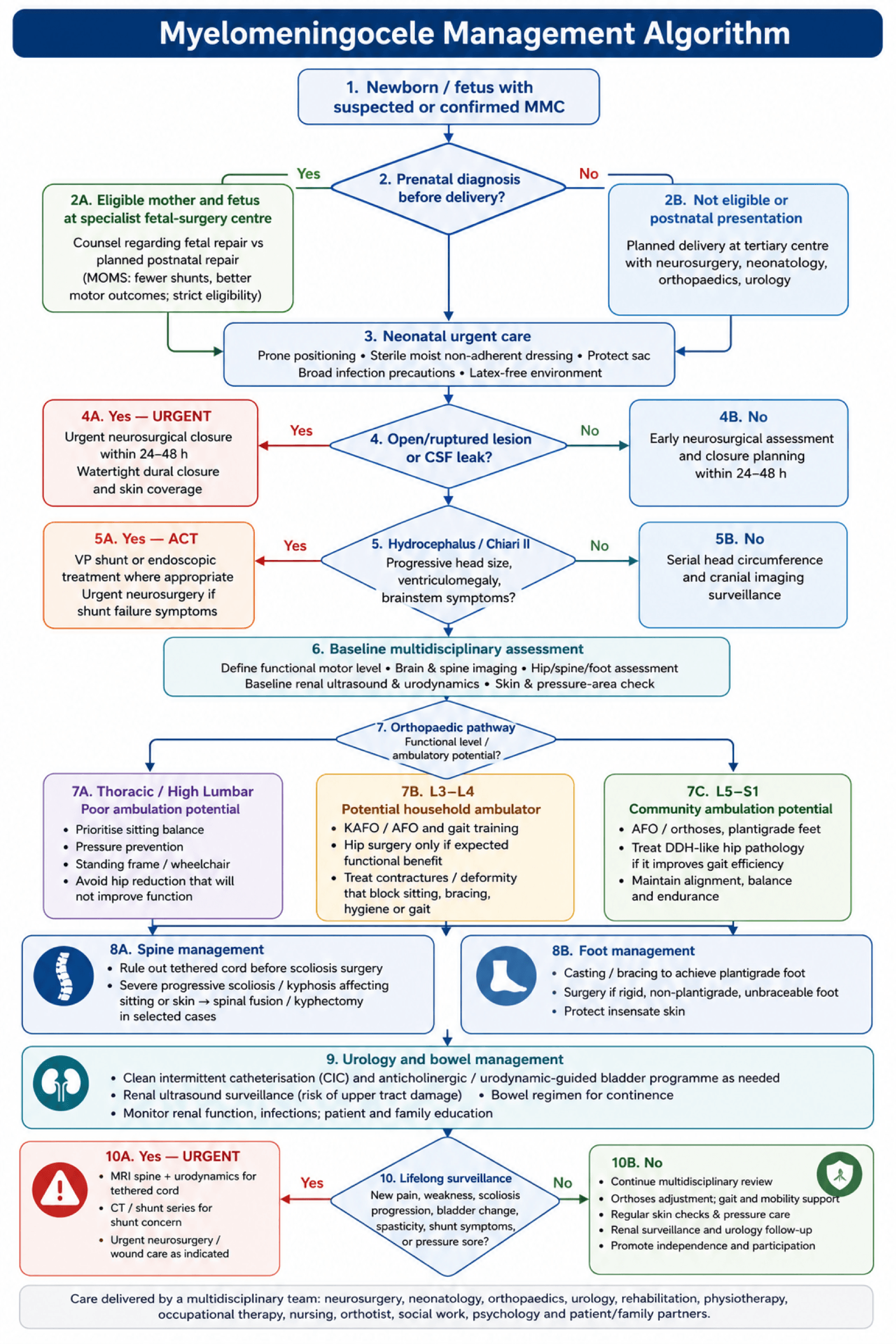
The first 48 hours. Nurse the baby prone under a sterile moist dressing to protect the sac from rupture or contamination, and implement latex precautions from birth. Neurosurgical closure is urgent, within 24-48 hours, to prevent meningitis; the goal is a watertight dural closure with skin coverage. A VP shunt (or ETV) is often placed at the same time or shortly after closure, if hydrocephalus develops. The team from the start is neurosurgery, orthopaedics, urology, physiotherapy and social work.
Fetal repair. A prenatally diagnosed, eligible pregnancy may be offered fetal repair (MOMS criteria); otherwise delivery is planned at a tertiary centre. The MOMS trial carded below showed that fetal MMC repair (prenatal closure) reduces the shunt requirement and improves motor function.
Orthopaedic principles. Four goals:
- Balanced sitting and standing: correct spinal deformity, level the pelvis
- Mobile limbs for function: brace or cast for positioning, and avoid aggressive surgery on paralysed limbs
- Prevent deformity: early bracing, stretching and positioning
- Maximise ambulatory potential: orthoses appropriate to the level
Orthopaedic surgery should enhance function rather than chase the radiographic appearance. A dislocated hip in a non-ambulatory child may not need reduction, and the question to ask before any operation is whether it will improve this child's function or quality of life.
Surgical Technique
Why it dislocates. Dislocation is common, especially at L3-L4, where strong hip flexors (psoas) work against absent glutei (gluteus medius and maximus).
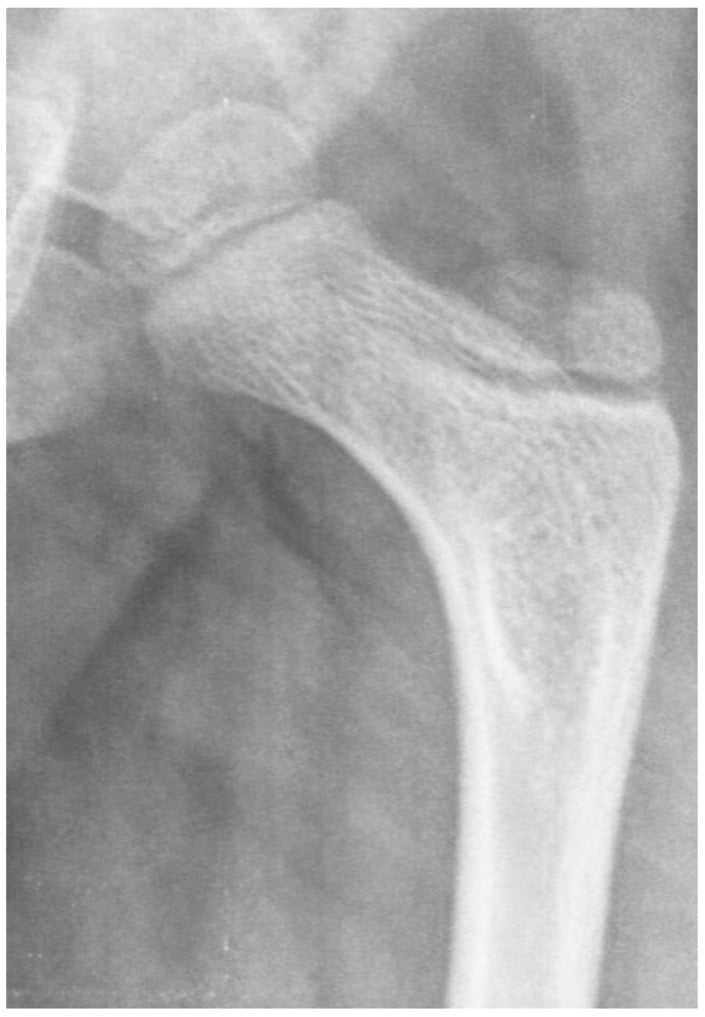
Whether to reduce it depends on the level:
- Thoracic and high lumbar, no ambulation potential: leave the hip dislocated. Reduction surgery does not improve function and has a high complication rate.
- L3-L4, ambulatory potential: controversial. Some advocate reduction, others leave it alone.
- L5-S1, good ambulatory potential: treat similarly to DDH. Reduction may improve gait efficiency.
The long-term hip series carded below points the same way: comprehensive reconstruction of selected ambulatory hips gave good stability, while operating on minimally involved hips was associated with a high recurrence rate.
Procedures, if performed.
- Soft tissue releases (adductor, psoas)
- Open reduction with or without femoral or pelvic osteotomy, for older children
- Iliopsoas transfer (Mustard/Sharrard): psoas transferred to the greater trochanter to create an abductor. Very high failure rate and rarely done now
Complications
- Cause
- Blockage / Infection
- Management
- Shunt series, CT Head, Urgent Neurosurgery
- Cause
- Scar tissue from repair
- Management
- MRI Spine, Urodynamics, Surgical Untethering
- Cause
- Insensate skin, Brace/Cast
- Management
- Prevention, Wound Care, Plastic Surgery
- Cause
- Protein allergy (sensitisation)
- Management
- Strict latex avoidance, Epi-Pen
- Cause
- Osteopenia, Insensate limb
- Management
- Often minimally symptomatic. Cast/Splint.
- Cause
- Neurogenic bladder, Reflux
- Management
- CIC, Anticholinergics, Vesicostomy
Latex allergy. Affects 30-70% of MMC patients depending on the definition, and the definition matters: the Pittman series carded below found about half sensitised (latex-specific IgE) while clinical anaphylaxis was uncommon. Sensitisation occurs through repeated mucosal exposures, surgeries and catheterisations. The reaction is urticaria, angioedema, bronchospasm or anaphylaxis, and prevention is a latex-free environment from birth: non-latex gloves, catheters and IV tubing, with the chart marked clearly.
Pressure sores. Insensate skin breaks down under braces and casts and over the ischium and sacrum, silently, and the only real defence is vigilance.
The Neurogenic Bladder and Renal Protection
Renal failure from an untreated neurogenic bladder is a leading cause of late death in MMC; the bladder, not the legs, often determines survival.
The hostile bladder. The danger is a high-pressure system: a poorly compliant or hyperreflexic detrusor working against a closed sphincter (detrusor-sphincter dyssynergia). Sustained high storage pressure, a detrusor leak-point pressure above about 40 cmH2O being the classic threshold, is transmitted to the upper tracts and causes vesico-ureteric reflux, hydronephrosis and progressive renal scarring. The process is silent because the child cannot feel it, which is why baseline and serial urodynamics with renal ultrasound exist: to identify the hostile bladder before the kidneys are damaged.
The management ladder. Escalate as the bladder demands:
- Clean intermittent catheterisation (CIC) plus anticholinergics to keep storage pressures low, first-line
- Intradetrusor botulinum toxin
- Augmentation cystoplasty for the refractory hostile bladder, often with a continent catheterisable Mitrofanoff channel, and a MACE (antegrade continence enema) for the bowel
The single bladder parameter that threatens the kidneys is the detrusor storage pressure. Continence matters, but protecting the upper tracts from pressure matters more.
Postoperative Care
Wound care is paramount because the skin is insensate: pad everything, check the skin frequently and position the child to keep pressure off surgical sites and insensate areas. The latex-free rules apply in theatre and on the ward. After lower-limb surgery, rehabilitation means intensive physiotherapy for gait training.
Outcomes
With modern care greater than 80% survive to adulthood, and mortality is primarily from renal failure and shunt complications. Ambulation follows the level: sacral levels walk independently and thoracic levels are wheelchair-dependent. Approximately 80% have a normal IQ, though learning disabilities are common and executive-function, processing-speed and working-memory difficulties may affect education and independence. Quality of life can be excellent with multidisciplinary support.
Guidelines, Registries & Global Practice
Global Epidemiology:
- NTD birth prevalence varies widely with diet, fortification policy and prenatal screening: roughly 0.5-1 per 1000 in fortified, high-income settings, but markedly higher in regions without fortification (parts of South Asia, the Middle East and sub-Saharan Africa report several per 1000).
- Mandatory folic-acid fortification of staple flour (adopted by the USA, Canada, Australia, much of Latin America and a growing number of African and Asian countries) has reduced NTD prevalence by an estimated 30-50% at population level. Many European countries still rely on voluntary supplementation alone, where uptake is incomplete.
Side-by-Side Guidance (where recommendations differ):
- Folic Acid
- 0.4 mg/day all women planning pregnancy; food fortification advocated
- Fetal Surgery
- Recognised option at experienced fetal centres
- Folic Acid
- 0.4 mg/day; 5 mg/day if prior NTD, diabetes, high BMI or on antiepileptics
- Fetal Surgery
- Referral to specialist fetal-medicine units
- Folic Acid
- 4-5 mg/day periconceptionally (per MRC trial)
- Fetal Surgery
- Counsel re: MOMS eligibility criteria
- National spina bifida registries and care networks (e.g. the US National Spina Bifida Patient Registry and European reference networks) track ambulation, renal function, shunt revisions and pressure-sore burden, and have driven standardisation of multidisciplinary follow-up.
- Outcome data consistently show that renal preservation (clean intermittent catheterisation, anticholinergics, surveillance) and shunt vigilance are the principal determinants of long-term survival.
- High-resource: prenatal diagnosis, option of fetal repair, lifelong multidisciplinary clinics, urodynamics-guided bladder management.
- Limited-resource: later presentation (sometimes with neglected, infected or ruptured sacs), limited shunt access, reliance on clinical rather than urodynamic bladder monitoring, and greater dependence on bracing/positioning over reconstructive surgery. Prevention through fortification has the largest public-health impact in these settings.
Controversies & Areas of Uncertainty
Timing and selection for fetal repair. MOMS and MOMS2 established benefit, but eligibility is narrow and the maternal and obstetric risk (preterm birth, uterine dehiscence) is real. Fetoscopic techniques aim to reduce maternal morbidity, but comparative long-term neurological data versus open repair remain immature.
Prophylactic versus symptomatic untethering. Almost all repaired cords are radiologically "tethered". There is no consensus to operate on a radiologically low conus in the absence of clinical or urodynamic deterioration; surveillance, rather than the MRI appearance alone, drives surgery.
The dislocated hip. Whether to reduce a unilateral or bilateral dislocation in a mid-lumbar (L3-L4) ambulator is genuinely contested; many units now prioritise a level pelvis and balanced sitting over radiographic reduction.
Kyphectomy. Effective for a severe rigid gibbus interfering with sitting and skin integrity, but it carries high rates of wound breakdown, implant failure and blood loss, and indications and fixation strategy vary between centres.
Folic-acid dosing for prevention versus recurrence. 0.4 mg/day for general prevention against 4-5 mg/day for women with a prior affected pregnancy; the optimal dose and the role of universal fortification in voluntary-supplementation countries remain debated.
MCQ Practice Points
Q: What is the key difference between Chiari I and Chiari II malformation? A: Chiari I is tonsillar herniation only (often acquired). Chiari II is seen with MMC and includes brainstem herniation, tectal beaking, and hydrocephalus.
Q: What is the single most important measure to prevent latex allergy in MMC? A: Latex-free environment from birth. Avoid all latex exposure (gloves, catheters, balloons).
Q: What is the main determinant of ambulatory potential in MMC? A: The Functional Neurological Level. Patients with L5 or lower levels have the best ambulatory potential. Thoracic levels are wheelchair dependent.
Q: By how much does folic acid supplementation reduce the risk of neural tube defects? A: Approximately 50-70% reduction.
Q: In a child with thoracic-level MMC and bilateral hip dislocation, should you reduce the hips? A: No. Hip reduction in non-ambulatory patients has high failure rates and does not improve function. Leave them alone unless painful.
Exam Viva Scenarios
Practise clinical reasoning and management decisions out loud
“Outline your initial management.”
“Discuss your approach to this hip.”
“What is your differential and workup?”
Levels
- L1-L2: Hip Flexion Only
- L3: Quads (Knee Ext)
- L4: Tib Ant (Dorsiflex)
- L5: Glut Med (Abduct)
- S1: Gastroc (Plantar)
Chiari II
- Brainstem Herniation
- Tectal Beaking
- Hydrocephalus (80%)
- Syringomyelia
- Universal in MMC
Tethered Cord
- S: Scoliosis (New)
- P: Pain
- A: Asymmetry
- S: Sphincter (Bladder)
- M: Motor Loss
Latex Rules
- Assume ALL MMC allergic
- Latex-Free from Birth
- No latex gloves/catheters
- Mark charts CLEARLY
Evidence Base
MOMS Trial - Prenatal vs Postnatal Repair
- Multicentre RCT (183 of planned 200 enrolled; trial stopped early for efficacy); analysis on 158 children at 12 months.
- Prenatal repair (before 26 weeks) reduced actual VP-shunt placement by 12 months to 40% vs 82% postnatal (RR 0.48, 97.7% CI 0.36-0.64).
- Improved composite mental development and motor score at 30 months (P=0.007) and reduced hindbrain herniation.
- Cost: increased preterm delivery and uterine dehiscence.
MOMS2 - Durability of Prenatal Repair at School Age
- Prespecified physical-function follow-up of MOMS at ages 5-10 years (154 children examined by blinded assessors).
- Community ambulation in 51.3% of the prenatal group vs 23.1% postnatal (adjusted RR 1.70, 95% CI 1.23-2.34).
- Prenatal group had better self-care, faster 10-m walk, higher-level mobility skills.
- Less likely to have motor level worse than anatomical level (aRR 0.44, 95% CI 0.25-0.77).
MRC Vitamin Study - Folic Acid Prevention
- Randomised, double-blind factorial trial; 1817 high-risk women (prior affected pregnancy) across 33 centres in 7 countries.
- Folic acid produced a 72% reduction in NTD recurrence (RR 0.28, 95% CI 0.12-0.71).
- The other-vitamins arm showed no significant protective effect.
- Directly underpinned global folic-acid fortification and supplementation policy.
Tethered Cord Release - Long-Term Outcomes
- Single-institution cohort: symptomatic tethering developed in 114 of 502 children with MMC (23%); mean follow-up 12 years.
- Shunt malfunction is the most common cause of decline; tethering is second.
- After untethering, pain improved in 100%, lower-limb strength improved in 70%, and bladder function improved in 64%.
- Scoliosis still progressed after untethering in 52%, with 28% needing fusion.
Latex Sensitisation in Spina Bifida
- 47% (39/83) of children with MMC had latex-specific IgE, vs 15.7% of chronically ill controls and under 4% of medical/well controls.
- Risk of a positive test rose with the number of prior operations.
- MMC children were sensitised more than chronically ill controls with similar surgical histories, implicating MMC-specific exposure.
- THE DENOMINATOR THAT IS ALWAYS LEFT OUT: a retrospective review of 18 years and 646 operations in this same group disclosed only ONE episode of intraoperative anaphylaxis attributable to latex.
Surgical Management of the Neurogenic Hip in MMC
- Long-term review of 131 hips in 85 MMC patients (follow-up to 38 years), stratified by modified Sharrard-Parsch groups.
- Operating on minimally involved hips (Groups I-II) was associated with a high recurrence rate.
- In selected ambulatory hips (Group III) comprehensive reconstruction gave good stability; 65% became ambulant.