Paraspinal Abscess
Visual One-Pager
Purulent collection in paraspinal muscle - diagnosis, source control and antibiotics
- Separate muscle oedema, phlegmon and drainable abscess - early pyomyositis may have no collection
- MRI with contrast is usually preferred for spinal and neural extent; image the symptomatic region and extend when multifocal disease is suspected
- Cultures first when stable; sepsis or neurological deterioration must not wait for aspiration
- Percutaneous drainage is useful for accessible collections, while loculation, bone/joint source and access affect success
- Antibiotic route and duration are source- and organism-specific; vertebral-osteomyelitis trials do not define every isolated muscle abscess
- “Describe whether the process is primary pyomyositis or extension from bone, disc, facet, epidural or retroperitoneal infection
- “MRI shows oedema, phlegmon, rim-enhancing pus and epidural/neural extension
- “Drainage decisions integrate accessibility, loculation, source control need, host and response—not a 3 cm cut-off
- “Monitor clinical state and CRP; repeat imaging for deterioration or failure rather than on a universal schedule
Paraspinal infection spans muscle oedema, phlegmon and established abscess. It may arise within muscle, extend from spondylodiscitis or facet infection, or track from epidural, psoas, renal, retroperitoneal or postoperative sources.
Describe it by compartment and stage. Say whether there is oedema or phlegmon or a drainable abscess, whether the infection is primary in muscle or comes from a contiguous source, and whether bone, disc, facet, epidural or systemic disease is present. Source control is pursued when pus, necrotic tissue, neural compression or an uncontrolled source requires it.
Recognising it. The patient has focal or progressive back pain, sometimes without fever, and raised inflammatory markers or bacteraemia, although normal values do not exclude early disease. MRI or CT shows paraspinal oedema, enhancement or a rim-enhancing collection, and the search extends to coexisting vertebral, disc, facet, epidural, psoas or systemic infection.
The management sequence.
- Assess sepsis, neurology, spinal stability and source
- Obtain blood cultures and targeted laboratory studies
- Use contrast MRI and CT according to the anatomical question
- Aspirate or biopsy when microbiology is needed and feasible
- Choose antibiotics from likely source, local resistance, host and cultures
- Select percutaneous or open source control from accessibility, loculation and associated pathology
Anatomy & Pathophysiology
Paraspinal Muscle Anatomy
The paraspinal compartment contains multiple muscle layers susceptible to abscess formation.
Superficial layer. Trapezius and latissimus dorsi, which are relatively resistant to deep infection.
Intermediate layer. The erector spinae group (iliocostalis, longissimus and spinalis), supplied by posterior branches of the spinal arteries, is the most common site for abscess formation.
Deep layer. Multifidus, rotatores, interspinales and intertransversarii lie close to the neural foramina and epidural space, and form a direct communication pathway for infection to spread.
Fascial compartments. The thoracolumbar fascia creates potential spaces. Infection can track longitudinally within the fascial planes and may extend from the cervical to the lumbar region.
Pathogenesis
The route must be established, because it determines sampling, drainage and treatment duration, and it identifies coexisting infections that need treatment in their own right.
- Haematogenous seeding - bacteraemia from a distant source: skin or soft-tissue infection, urinary or respiratory infection, endocarditis, injecting drug use or transient bacteraemia
- Direct or contiguous extension - from vertebral osteomyelitis, discitis or septic facet arthritis; from an epidural abscess tracking out through the neural foramina; or from psoas, renal or retroperitoneal infection
- Iatrogenic or penetrating inoculation - after spinal injection (including epidural), surgery or instrumentation, penetrating trauma, or a contiguous wound or soft-tissue infection
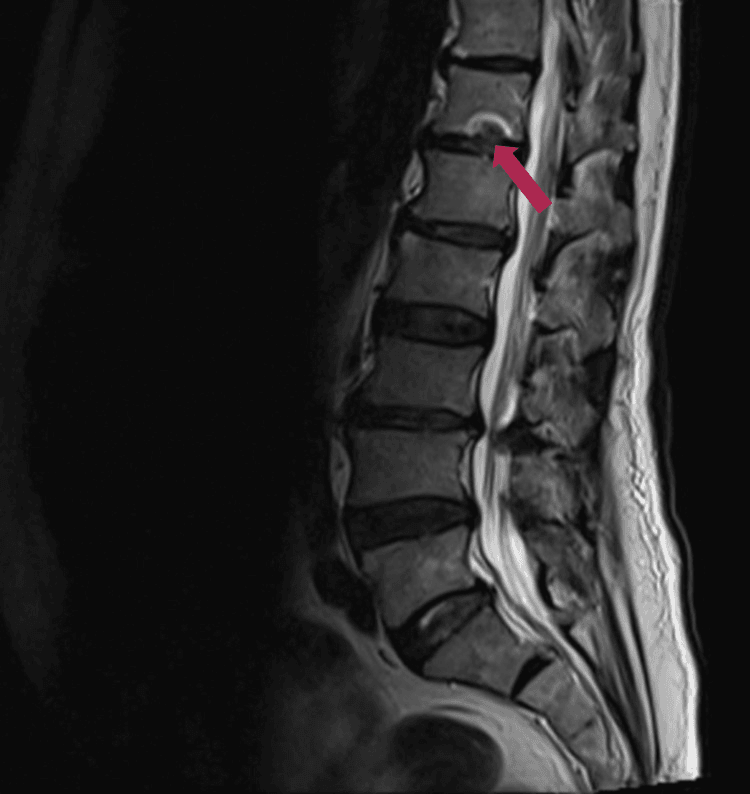
Microbiology
Staphylococcus aureus is common in haematogenous and postoperative infection, but microbiology is exposure- and geography-dependent. Gram-negative, streptococcal, anaerobic, fungal and mycobacterial causes depend on a urinary or gastrointestinal source, the procedure, immune status and geography.
The cold abscess. Tuberculous spondylitis may form an extensive "cold" abscess, which may have limited systemic inflammation and extensive tracking.
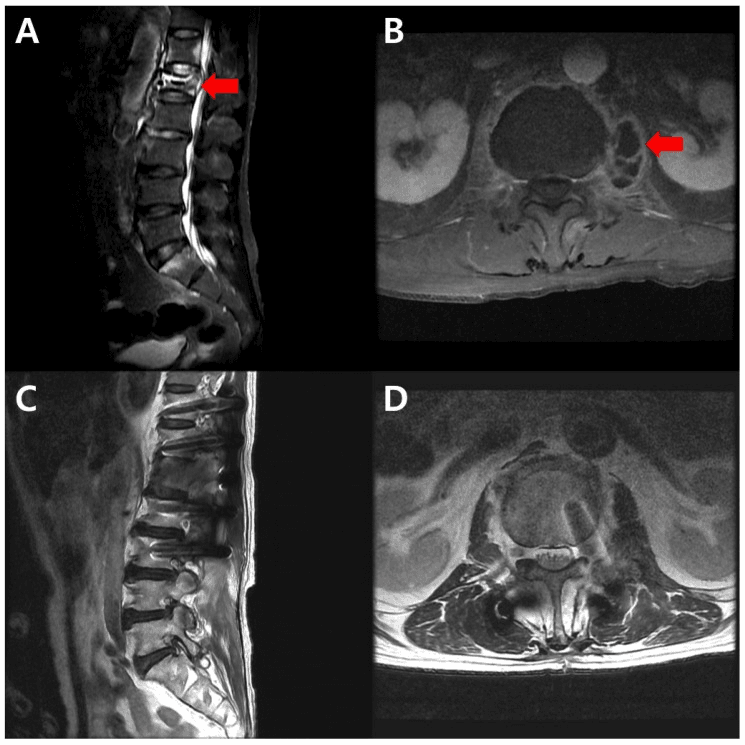
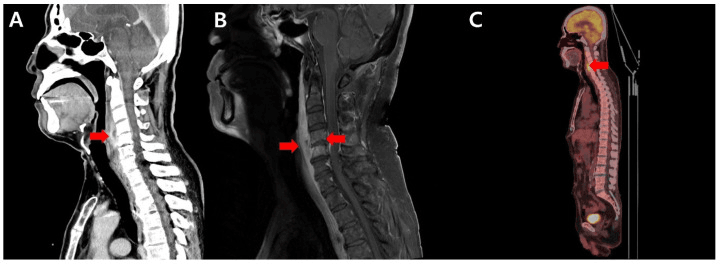
Primary Pyomyositis: the Abscess that Starts in the Muscle
What it is. Primary pyomyositis is a bacterial infection arising within the muscle itself after transient bacteraemia seeds it, without an adjacent osteomyelitis, discitis or epidural source. Skeletal muscle is normally resistant to infection, so a predisposing factor is usual: diabetes, HIV or immunosuppression, injecting drug use, or preceding muscle trauma or strenuous exercise.
Who gets it. It is common in the tropics ("tropical pyomyositis") but is increasingly seen in temperate settings in these risk groups. Staphylococcus aureus causes the large majority.
The Chiedozi stages.
- Stage 1 (invasive) - diffuse crampy muscle pain, woody induration and low-grade fever, but no drainable pus yet and often a normal early scan
- Stage 2 (suppurative or purulent) - a frank intramuscular abscess forms at 1-3 weeks; most patients present at this stage
- Stage 3 (late or septic) - systemic sepsis and metastatic spread
Why the stage matters. Stage 1 disease can be aborted with antibiotics alone, before a collection needs draining. A high index of suspicion in the at-risk patient with focal paraspinal pain and induration, even with a non-diagnostic early scan, is what prevents progression. After cultures, start anti-staphylococcal cover (with MRSA cover per risk); do not wait for a drainable collection to act.
Why it is missed. Early pyomyositis mimics muscle strain. The initial radiograph and even early MRI can be unremarkable or show only oedema, and the deep paraspinal muscles are not palpable as a fluctuant mass. Repeat or contrast MRI when suspicion persists, or when the patient fails to settle, is the safeguard.
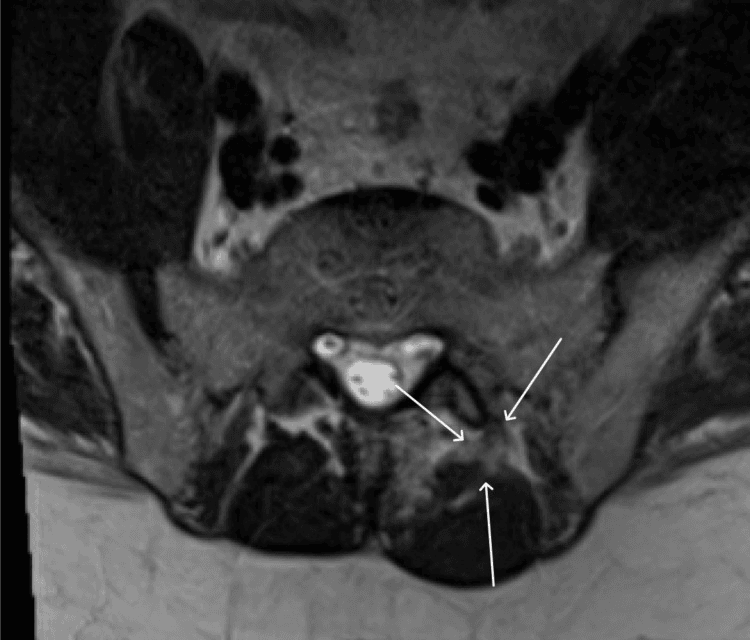
Clinical Presentation
The Presentation Triad
Back pain (98% of cases). Localised to the affected spinal level, constant and progressive, worse with movement and axial loading, with night pain that disrupts sleep. It may radiate to the flank or lower limbs.
Fever (70-85% of cases). A temperature above 38.0 degrees Celsius. Rigors suggest bacteraemia, and a low-grade fever is common with a chronic abscess.
Inflammatory response (95% of cases). CRP is often above 100 mg/L and ESR often above 50 mm/hr, with a leucocytosis (WCC above 11,000/µL); procalcitonin is elevated in bacterial infection.
Reading the triad. These are individual sensitivities, not a package. Fever is the weakest member, so the complete triad is substantially less common than any of its parts, and the febrile element is the one missing in exactly the patients who present late or immunosuppressed. A conjunction is only as sensitive as its weakest member: an afebrile patient with back pain and a raised CRP has not failed the triad, they have the commonest incomplete presentation. Diagnostic delay in published series is measured in weeks (median 51 days in the S. aureus cohort carded below), and waiting for all three to assemble is one reason why.
Examination
Inspection. Look for paravertebral muscle swelling or fullness, erythema over the area (variable), loss of the normal spinal contour, an antalgic posture or gait, and surgical scars if the infection is post-operative.
Palpation. Tenderness over the paraspinal muscles is exquisite, with warmth compared with the other side, muscle spasm and guarding, and percussion tenderness over the spinous processes. Fluctuance is palpable over a large superficial abscess.
Movement. Flexion, extension and rotation are restricted. The patient resists active and passive movement and splints the spine with protective muscle spasm.
Neurology. The patient is usually neurologically intact, the key distinction from an epidural abscess. Radicular pain may come from foraminal compression, lower limb weakness suggests epidural extension, and sphincter dysfunction is rare unless the epidural space is involved. A neurological deficit suggests epidural or other neural compromise, not merely a larger muscle abscess.
Red Flags
- Features
- Progressive neurological deficit, bilateral radicular symptoms, bladder or bowel dysfunction, saddle anaesthesia, upper motor neuron signs
- Features
- Haemodynamic instability, tachycardia above 100 bpm, hypotension (systolic below 90 mmHg), altered mental status, oliguria
- Features
- Severe vertebral body tenderness, kyphotic deformity, a mechanical instability pain pattern
Investigations
Laboratory Studies
Bloods. Full blood count with differential, CRP and ESR as a baseline for trend monitoring, procalcitonin, renal and liver function, HbA1c to assess for diabetes, and two sets of blood cultures from separate sites.
Reading the markers. CRP peaks early, at 24-48 hours, and normalises with treatment. ESR is slower to rise and fall, which makes it useful for monitoring, and persistent elevation suggests treatment failure. Procalcitonin helps separate bacterial from viral infection; a value above 0.5 ng/mL suggests bacterial infection.
Blood cultures. Positive in 40-60% of cases, with a higher yield if taken before antibiotics. In the haemodynamically stable patient, hold antibiotics until cultures are obtained. Atypical organisms, TB and fungi, need specialised cultures.
Imaging
Plain radiographs have limited utility. They may show a paravertebral soft-tissue shadow, vertebral endplate erosion if osteomyelitis is present, or loss of disc height in discitis, and they help exclude fracture or deformity, but they are not adequate to diagnose or exclude an abscess.
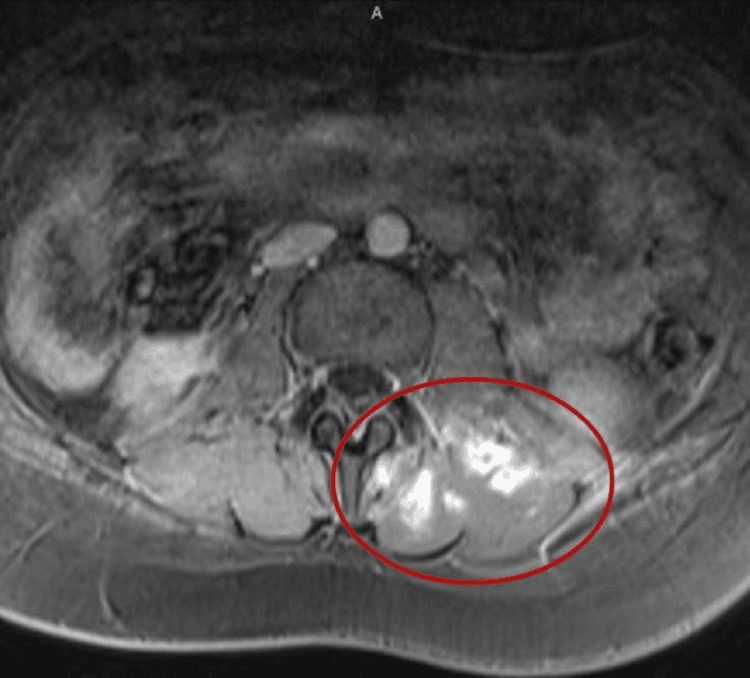
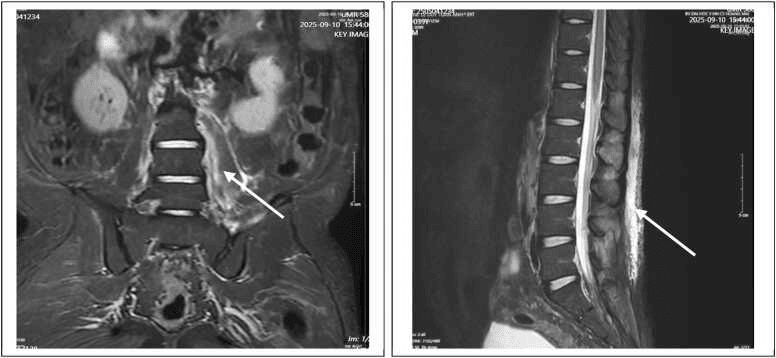
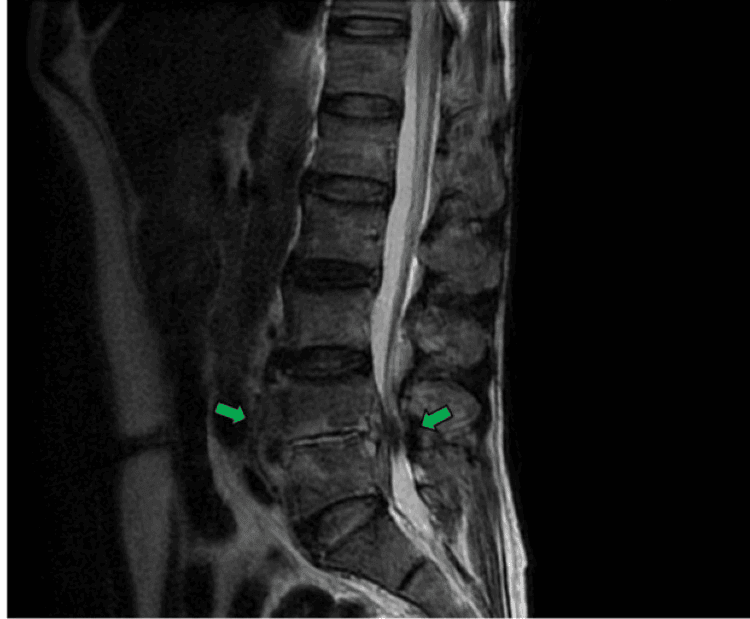
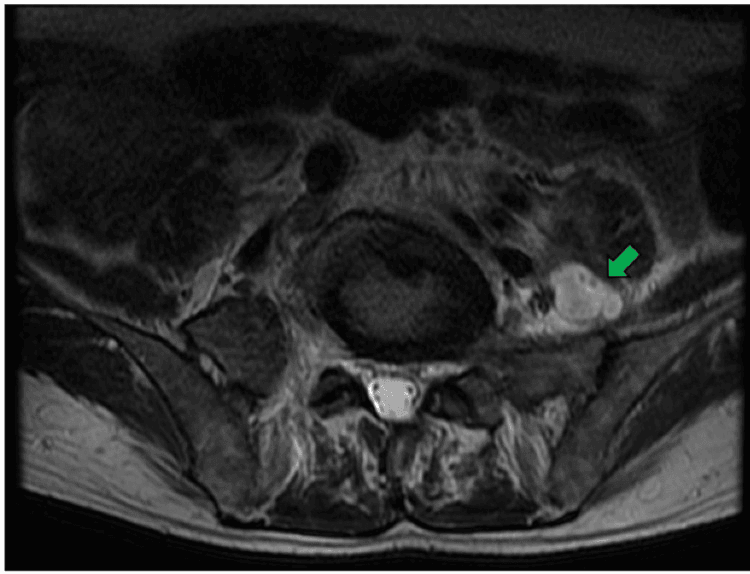
MRI with gadolinium is the gold standard, with a sensitivity of 95% and specificity of 92% for paraspinal abscess. The abscess is a well-defined fluid collection within the paraspinal muscles: peripheral rim enhancement (the abscess capsule) surrounds central non-enhancing pus, with oedema and enhancement in the surrounding muscle. The epidural space is assessed for extension.
- T1-weighted - hypointense to muscle
- T2-weighted - hyperintense fluid signal
- Post-contrast T1 with fat saturation - rim enhancement
- STIR - high signal from inflammation and oedema
CT with contrast is the alternative when MRI is contraindicated. It shows a hypodense collection with rim enhancement and defines the bony anatomy better, and it is useful for planning CT-guided aspiration; its soft-tissue resolution is lower than MRI's.
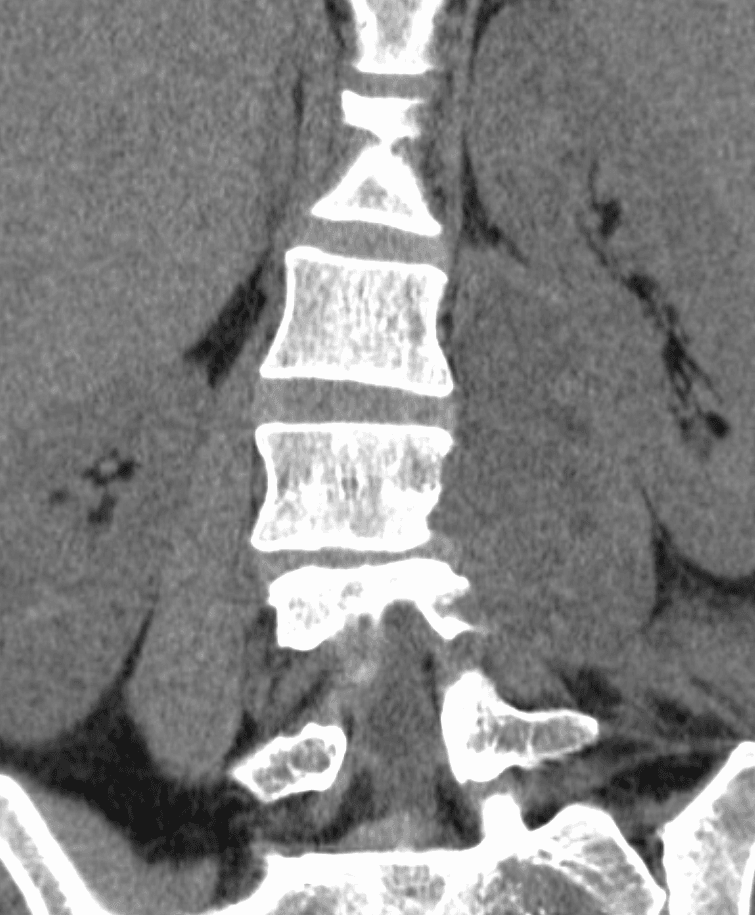
Ultrasound is operator-dependent. It is useful for detecting a superficial abscess and gives real-time guidance for aspiration and drainage, but it is limited in obese patients and for a deep abscess.
Tissue Diagnosis
CT-guided aspiration identifies the organism in 70-85%. Take it before antibiotics are started when possible, preferably with at least 5 mL of pus, and send it for Gram stain, culture, AFB and fungal studies; therapeutic drainage can be done at the same time.
When to aspirate.
- Uncertain diagnosis
- Negative blood cultures
- Need for organism-specific therapy
- Large abscess amenable to drainage
- Treatment failure on empiric antibiotics
Open surgical biopsy is reserved for failed percutaneous attempts and for patients in whom operative drainage is planned. Tissue is superior to fluid aspirate: take multiple samples from the abscess wall and contents, and send fresh tissue for microbiological analysis.
The Culture-Negative Abscess: Molecular Diagnostics and the Already-Treated Patient
Why it happens. The commonest reason is antibiotics given before sampling. Others are a fastidious or slow-growing organism (Brucella, mycobacteria, fungi, Cutibacterium), low-burden or walled-off pus, and inadequate volume or handling of the specimen. Given the blood culture and aspirate yields above, a negative result does not exclude infection.
Resample properly. Prefer a generous image-guided aspirate or a surgical tissue sample; tissue outperforms a swab or scanty fluid. If the patient is stable and already on antibiotics, a supervised 24-48 hour antibiotic-free window before re-sampling improves yield. Send the sample for:
- Gram stain and aerobic and anaerobic culture
- Mycobacterial studies: AFB smear, culture and a nucleic-acid amplification test such as GeneXpert
- Fungal culture
- Histology for caseating or necrotising granulomas
Then go molecular. Broad-range 16S ribosomal RNA PCR (and 18S/ITS for fungi) on the aspirate or tissue can identify an organism when culture is sterile. Targeted PCR, for example for Mycobacterium tuberculosis or Kingella in children, is valuable when a specific pathogen is suspected. Add serology where geography fits: Brucella agglutination titres, and screening for TB exposure.
The truly culture-negative abscess. Once drainage or source control is achieved, treat with empirical cover guided by the most likely pathogen and local resistance (anti-staphylococcal, with MRSA and Gram-negative cover by risk), and monitor CRP and ESR for response. Keep a low threshold to re-sample or to add anti-mycobacterial or antifungal therapy if the course is indolent, histology shows granulomas, or there is a relevant exposure. Involve microbiology or infectious diseases early.
Differential Diagnosis
- Paraspinal Abscess
- Paraspinal muscles
- Epidural Abscess
- Epidural space
- Vertebral Osteomyelitis
- Vertebral body
- Muscle Haematoma
- Muscle compartment
- Paraspinal Abscess
- Rare (only if extension)
- Epidural Abscess
- Common (70%)
- Vertebral Osteomyelitis
- Variable (20-30%)
- Muscle Haematoma
- Rare
- Paraspinal Abscess
- 70-85%
- Epidural Abscess
- 80-95%
- Vertebral Osteomyelitis
- 60-80%
- Muscle Haematoma
- Uncommon
- Paraspinal Abscess
- Marked (over 100)
- Epidural Abscess
- Marked (over 100)
- Vertebral Osteomyelitis
- Moderate-marked
- Muscle Haematoma
- Mild or absent
- Paraspinal Abscess
- Hyperintense muscle
- Epidural Abscess
- Hyperintense epidural
- Vertebral Osteomyelitis
- Vertebral oedema
- Muscle Haematoma
- Variable signal
- Paraspinal Abscess
- Rim enhancement
- Epidural Abscess
- Rim enhancement
- Vertebral Osteomyelitis
- Endplate enhancement
- Muscle Haematoma
- No enhancement
- Paraspinal Abscess
- Urgent
- Epidural Abscess
- Emergency
- Vertebral Osteomyelitis
- Urgent
- Muscle Haematoma
- Routine
Psoas abscess. Lies in the iliopsoas and produces a hip flexion contracture with a positive iliopsoas sign. It is often associated with vertebral osteomyelitis or a GI source, and may extend into the lumbar paraspinal region.
Malignancy. Metastatic disease to the paraspinal muscles, or rarely a primary sarcoma, presents less acutely. MRI shows mass effect without rim enhancement.
Inflammatory myositis. An autoimmune process with bilateral symmetrical involvement and raised muscle enzymes (CK, aldolase). Muscle biopsy shows inflammatory cells without infection.
Management
Antibiotics
Empirical cover. Prompt, appropriate empirical therapy improves outcomes. Once cultures are taken, and a CT-guided aspirate if possible, give combination therapy covering Staphylococcus aureus and Gram-negatives until the results are available. Add vancomycin for MRSA risk factors (previous MRSA, IV drug use, recent hospitalisation, nursing home residence) or a high local prevalence, and de-escalate to the sensitivities once known, which prevents resistance.
The regimens are representative; always follow the local antibiogram and microbiology advice.
- Empirical regimen
- Anti-staphylococcal beta-lactam: flucloxacillin (or cefazolin or nafcillin, depending on region) 2 g IV 6-hourly, plus ceftriaxone 2 g IV daily or gentamicin 4-7 mg/kg IV daily for Gram-negative cover. Covers MSSA, streptococci and Gram-negatives
- Empirical regimen
- Vancomycin 25-30 mg/kg IV loading, then 15-20 mg/kg IV 12-hourly (adjusted to trough), plus ceftriaxone 2 g IV daily
- Empirical regimen
- Vancomycin as above, plus gentamicin 4-7 mg/kg IV daily or ciprofloxacin 400 mg IV 12-hourly
Duration. Match the duration to the infected compartment, source control, organism, bone, disc or facet involvement, implants, endocarditis and clinical response. The Bernard trial found 6 weeks non-inferior to 12 in microbiologically confirmed pyogenic vertebral osteomyelitis, which makes 6 weeks the default for uncomplicated pyogenic spondylodiscitis, and coexisting vertebral osteomyelitis does not by itself require a longer course. The trial does not define the course for every isolated paraspinal muscle abscess. Extend beyond 6 weeks only for an undrained collection, endocarditis, a retained implant or a difficult organism; tuberculous, fungal, difficult-organism and incompletely drained disease need pathogen-specific plans.
Route. OVIVA supports early oral therapy for selected bone and joint infections when a suitable bioavailable agent and source control are present. The old "4-6 weeks IV first" rule is not evidence-based: once source control is achieved, oral therapy is non-inferior to IV and the route becomes a practical choice. Oral options once sensitivities are known are an anti-staphylococcal beta-lactam, a first-generation cephalosporin, clindamycin, or a fluoroquinolone plus rifampicin per local guidance.
Indications for Surgical Intervention
Size is not the trigger. Neither a 3 cm diameter nor six weeks of therapy is a universal decision threshold. Drainage is chosen for a drainable collection that needs source control, not from its diameter alone.
Absolute indications. Surgery is indicated for:
- Progressive neurological deficit
- Spinal cord compression from a coexisting epidural abscess
- Septic shock despite medical therapy
- Spinal instability requiring stabilisation
Other reasons for source control or open surgery.
- Drainable pus with persistent sepsis or pain, or a need for microbiological diagnosis
- Neurological compression, spinal instability or a necrotic bone or joint source
- An accessible collection suitable for catheter drainage, or an inaccessible or loculated collection requiring open drainage
- Failure of antibiotics and of a prior source-control attempt, judged by the whole clinical course
The potential non-operative phenotype.
- Muscle oedema or phlegmon without a drainable collection
- Stable neurology and haemodynamics
- An identified or plausible organism, with clinical response
- No uncontrolled bone, joint, implant or systemic source
- Inflammatory markers improving on antibiotics
Surgical Techniques
CT-guided percutaneous drainage suits an accessible abscess of superficial or intermediate depth that is a unilocular fluid collection without significant debris or loculations. It provides a diagnostic aspirate and drainage in one procedure.
Technique.
- Prone on the CT table; sterile technique with local anaesthetic
- Plan a safe trajectory on CT that avoids neurovascular structures
- Insert an 8-12 Fr pigtail catheter
- Aspirate the pus and send it for culture
- Secure the catheter and connect it to a drainage bag
- Confirm the position on a post-procedure CT
Afterwards. Expect 20-100 mL/day of drainage initially, and remove the catheter when output is below 10 mL/24 hours. Repeat imaging if the patient deteriorates, and continue antibiotics throughout.
Results. Percutaneous drainage is definitive treatment in 60-70%. Success is higher in smaller, unilocular abscesses and lower with multiple loculations or thick purulent material.
Monitoring and Follow-Up
On the ward. Record temperature and examine the neurology daily. Check CRP and ESR every 3-4 days, a full blood count weekly, and antibiotic levels for vancomycin and gentamicin.
Signs of response.
- Afebrile by day 5-7
- CRP declining, with a 50% reduction expected by week 2
- Clinical improvement in pain and mobility
- No new neurological deficit
After discharge. Review weekly for the first 4 weeks, with CRP and ESR monitoring, a check on antibiotic compliance, and assessment for recurrence or complications. Repeat MRI for deterioration or failure to respond rather than on a universal schedule; when resolution needs confirming, the scan is at 6-8 weeks.
Complications
Early (Less Than 4 Weeks)
Sepsis and septic shock. A systemic inflammatory response with organ dysfunction occurs in 10-15% of cases, with delayed diagnosis, MRSA and immunocompromise as risk factors. Management is ICU admission, vasopressor support and source control, and mortality is 5-10% if septic shock develops.
Epidural extension. Occurs in 20-30% of paraspinal abscesses and causes cord compression, presenting as a progressive neurological deficit. It requires emergency surgical decompression and is associated with worse neurological outcomes.
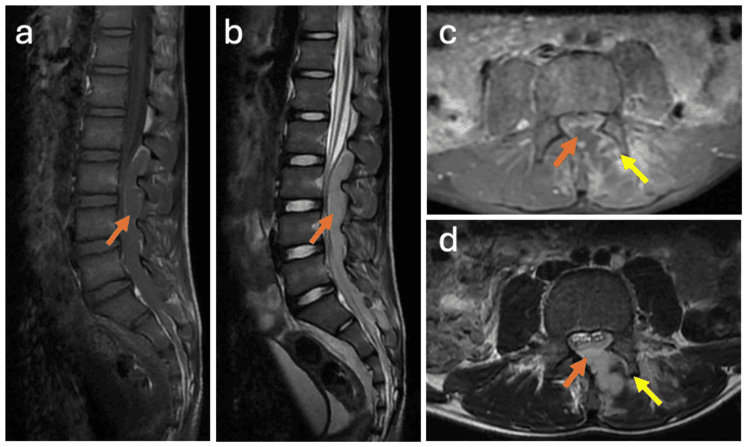
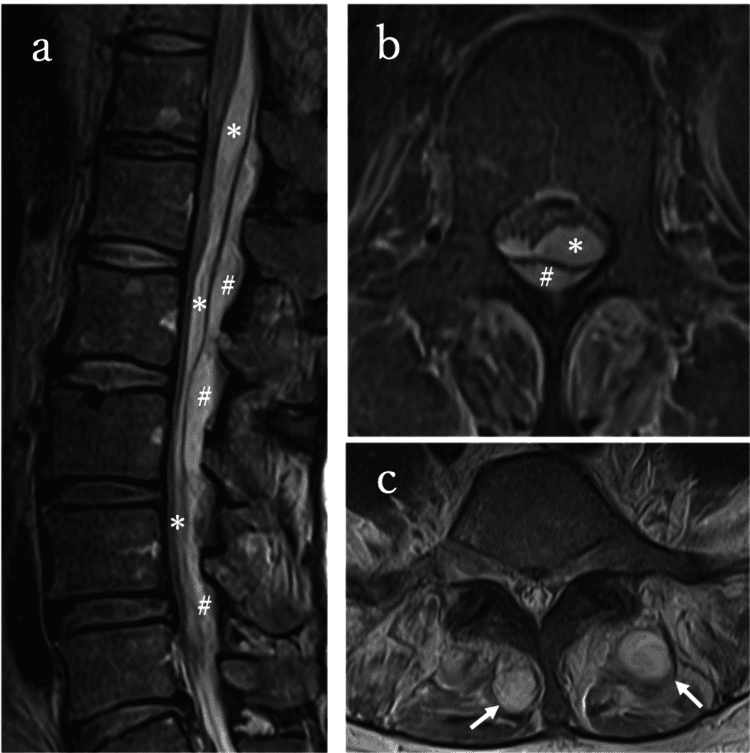
Coexisting vertebral osteomyelitis. Present in 40-50% of cases. It may lead to vertebral collapse and instability, and may need staged anterior reconstruction.
Local spread and resistance. Infection can track along the fascial planes to adjacent levels, or into the iliopsoas with a hip flexion contracture. The organism may prove resistant: MRSA, VRE or a multidrug-resistant organism.
Late (More Than 4 Weeks)
Recurrence. Follows 5-10% of treated cases, with inadequate drainage, a short antibiotic course and immunosuppression as risk factors. It presents with recurrent pain and fever and needs repeat imaging and extended antibiotics or surgery.
Chronic pain. Affects 20-30%, through muscle fibrosis, epidural scarring or facet joint arthropathy; epidural scarring can also leave chronic neurological symptoms. Management is multimodal analgesia, physiotherapy and pain clinic referral.
Spinal deformity. Kyphosis follows vertebral collapse, and asymmetric muscle scarring can cause scoliosis. Either may require corrective fusion surgery.
Guidelines, Registries & Global Practice
Global Epidemiology
- Pyogenic spinal infection (the usual context for a paraspinal collection) has a rising global incidence, attributed to an ageing population, increasing instrumentation/injection procedures, diabetes, immunosuppression and injecting drug use.
- Staphylococcus aureus is the dominant pathogen worldwide; the proportion that is MRSA varies by region and risk profile.
- Tuberculous (Pott) disease remains a leading cause of paraspinal "cold" abscess in high-burden regions of South Asia, sub-Saharan Africa and parts of East Asia, and must be actively considered in patients from or exposed to these settings.
- Brucella spondylitis is an important regional cause around the Mediterranean, Middle East and Central Asia, often with prominent paravertebral involvement.
Side-by-Side Guidance
- Emphasis
- Diagnosis and antimicrobial management of native vertebral osteomyelitis
- Practical point
- MRI first-line; cultures/biopsy before antibiotics when stable; ESR/CRP to monitor
- Emphasis
- Multidisciplinary "spinal infection MDT", early MRI, source control
- Practical point
- Neurology and instability drive surgical urgency
- Emphasis
- Surgical decision-making, debridement and stabilisation principles
- Practical point
- Address instability and deformity alongside infection clearance
- Emphasis
- Duration of therapy
- Practical point
- Supports a 6-week default for uncomplicated pyogenic spondylodiscitis
Where high-quality randomised evidence exists (Bernard 6-vs-12 weeks; OVIVA oral-vs-IV), recommendations converge internationally; remaining differences are largely in empirical regimen choice driven by local resistance patterns.
Registry & Evidence Notes
- There is no dedicated international "paraspinal abscess registry"; the evidence base is built from RCTs (Bernard, OVIVA), large single- and multi-centre cohorts (e.g. McHenry 253-patient series) and society guidelines.
- Implant/instrumentation-related spinal infection data are captured indirectly through national spine surgery and device surveillance datasets rather than a disease-specific registry.
High- vs Limited-Resource Practice Variation
- High-resource settings: rapid contrast MRI, interventional-radiology-led image-guided drainage, therapeutic drug monitoring, early oral switch with outpatient parenteral/oral antibiotic programmes.
- Limited-resource settings: greater reliance on plain radiographs, ultrasound and CT; higher proportion of tuberculous and late-presenting disease; open surgical drainage may be the default source-control option where interventional radiology is unavailable; empirical anti-tuberculous therapy is started earlier where TB is endemic.
Related pages: Spinal Epidural Abscess for the collection in the adjacent compartment, which shares the organism and the imaging but carries an urgent neurological deficit this one usually does not; Pyogenic Discitis and Osteomyelitis for the vertebral infection that produces most paraspinal collections by direct extension - and note that the Bernard and OVIVA trials carded above were conducted in that population, not this one; Pediatric Psoas Abscess for the site that dominated the percutaneous-drainage evidence (87.8% of Cronin's series) and for the septic-hip differential; Tuberculosis of the Spine (Pott's Disease) for the cold abscess, which the MRI criteria above explicitly exclude and which needs a different antibiotic course entirely; Osteomyelitis Pathophysiology for why bone involvement changes drainage success; Brodie's Abscess for the walled-off subacute form of the same process; Antibiotic Pharmacology and Resistance for the bioavailability that makes the OVIVA oral switch possible; Surgical Site Infection Prevention for the post-operative route of entry; and Cauda Equina Syndrome for the deficit that converts any of these into an emergency.
Controversies & Areas of Uncertainty
Antibiotic duration and route. The 6-week default (Bernard RCT) and early oral switch (OVIVA) are now well supported for uncomplicated disease, yet many units still default to prolonged IV courses. The evidence applies to uncomplicated pyogenic infection with adequate source control; how far it extends to large undrained paraspinal collections, retained hardware, or endocarditis remains uncertain, and these scenarios still warrant individualised, often longer therapy.
Withholding antibiotics to improve culture yield. Guidelines advise obtaining cultures and an image-guided sample before empirical antibiotics in the haemodynamically stable patient. In practice, clinicians frequently start antibiotics early, lowering microbiological yield. The safe window for delay in a stable patient is not precisely defined, and there is no role for delay in sepsis or progressive neurological deficit.
Size threshold for drainage. A fixed 3 cm cut-off is a pragmatic convention, not a validated biological threshold. Accessibility, loculation, symptoms, sepsis, source, microbiological need and response matter more than diameter alone.
Percutaneous versus open source control. Image-guided drainage works well for many accessible collections, but evidence is largely retrospective and dominated by iliopsoas abscesses. Coexisting bone/joint disease, thick loculations and access constraints may favour open debridement.
Role of biomarkers for stopping therapy. CRP/ESR trends guide response, but neither has a validated stopping threshold; persistent mild elevation does not reliably indicate ongoing active infection, risking unnecessarily prolonged treatment.
MCQ Practice Points
Q: What is the classic presentation of a psoas abscess secondary to spinal tuberculosis?
A: Pott's disease causes cold abscess tracking along psoas muscle presenting as groin/thigh mass or hip flexion contracture. Patient holds hip in flexed, externally rotated position. Psoas sign positive. Associated with thoracolumbar spine TB. Night sweats, weight loss may be present. MRI shows psoas collection with vertebral destruction.
Q: What imaging features distinguish tuberculous from pyogenic spinal infection?
A: TB spine: Multiple level involvement, relative disc preservation initially, large paraspinal abscess, subligamentous spread, anterior vertebral body destruction, gibbus deformity. Pyogenic: Single level, early disc destruction, smaller abscess, endplate erosion. TB abscesses are disproportionately large compared to bone destruction.
Q: What are the indications for surgical drainage of paraspinal abscess?
A: Surgical indications: Neurological deficit, spinal instability, failure of percutaneous drainage, large abscess (greater than 2.5cm), epidural extension with cord compression. CT-guided drainage appropriate for isolated psoas abscess without neurological compromise. Tissue sample essential for culture and histology.
Q: What is the most common organism causing pyogenic paraspinal abscess?
A: Staphylococcus aureus causes 50-70% of pyogenic spinal infections. MRSA increasingly common. Other organisms: Streptococci, gram-negatives (especially with urinary source), Pseudomonas (IVDU). TB in endemic areas. Brucella in appropriate geographic/occupational exposure. Always obtain tissue for culture.
Q: What is the recommended duration of antibiotic therapy for vertebral osteomyelitis with paraspinal abscess?
A: Minimum 6 weeks IV antibiotics for pyogenic vertebral osteomyelitis. Some protocols allow oral switch at 2-3 weeks if responding well (OVIVA trial). TB spine requires 12-18 months of antituberculous therapy. Monitor ESR/CRP for response. Longer treatment for immunocompromised or retained instrumentation.
Exam Day Cheat Sheet
One-line answer: Paraspinal abscess = back pain + fever + raised CRP with a rim-enhancing paraspinal muscle collection on gadolinium MRI. Confirm with contrast MRI whole spine, secure blood cultures and image-guided aspirate before antibiotics (if stable), give empirical anti-staphylococcal cover, and pursue source control with image-guided drainage; reserve open surgery for neurological deficit, instability, failed drainage, or concomitant osteomyelitis. Default duration is 6 weeks (Bernard RCT) with early oral switch acceptable (OVIVA).
A detailed point-by-point rapid-revision sheet follows at the end of this topic.
Clinical Decision Scenarios
Practise clinical reasoning and management decisions out loud
“A 58-year-old diabetic male presents with 10 days of worsening lower back pain and fever. Temperature 38.7°C, tenderness over L3-L4 paravertebral muscles. CRP 185 mg/L, WCC 14,000. Blood cultures pending. MRI shows 4.5 cm rim-enhancing fluid collection in right paraspinal muscles L3-L5 with surrounding edema. No epidural extension. Neurologically intact.”
“A 45-year-old woman is 3 weeks post L4-L5 microdiscectomy. She presents with recurrent back pain, fever 38.2°C, and wound discharge. MRI shows 3 cm paraspinal fluid collection with rim enhancement adjacent to the laminectomy site. No epidural collection. Neurology unchanged from post-operative baseline.”
“A 34-year-old man who recently migrated from a tuberculosis-endemic region presents with 3 months of insidious thoracolumbar back pain, night sweats and weight loss. He is afebrile. CRP is only mildly raised at 35 mg/L. MRI shows a large rim-enhancing paravertebral collection tracking into the psoas, anterior wedging of two adjacent vertebral bodies with relative disc preservation and subligamentous spread. Neurologically intact.”
Rapid Assessment
- Back pain + fever + elevated CRP → Think paraspinal abscess
- Check neurology (intact = paraspinal, deficit = epidural extension)
- Order MRI with contrast whole spine urgently
Immediate Management
- Blood cultures × 2 before antibiotics
- Empiric: vancomycin 25-30 mg/kg load + ceftriaxone 2 g IV (covers MRSA and Gram-negatives)
- CT-guided aspiration for culture if available
- Admit under spinal surgery
Surgery Indications
- Absolute: neurological deficit, spinal cord compression, septic shock, instability
- Source control: drainable pus, persistent sepsis/pain, diagnostic need or uncontrolled source
- Open surgery: neural compression, instability, inaccessible/failed drainage or required bone/joint debridement
Surgical Approach
- CT-guided drainage first-line if accessible and unilocular
- Open posterior midline if multiloculated, large (greater than 5 cm), or failed percutaneous
- Wiltse approach for lateral abscess
- Debride necrotic tissue, copious irrigation (6-9 L), drain placement
Antibiotic Duration
- Total 6-12 weeks; IV minimum 4-6 weeks
- Oral switch when afebrile 3-5 days + CRP declining
- Isolated paraspinal = 6 weeks
- With vertebral involvement = 12 weeks
- MRSA may need longer
Monitoring
- CRP/ESR every 3-4 days (expect 50% CRP reduction by week 2)
- Daily neurology exam
- Repeat MRI at 6-8 weeks or if deterioration
- Remove drains when output less than 30 mL/24h
Red Flags
- New neurological deficit = epidural extension (emergency MRI + decompression)
- Persistent fever day 5-7 = treatment failure (repeat imaging, consider surgery)
- Rising CRP = inadequate source control
Common Organisms
- Staph aureus 60-70% (MRSA 20-40% of these)
- Gram-negatives 10-15% (E. coli, Pseudomonas)
- TB 10-20% (endemic areas, chronic presentation)
- Strep 5-10%
Key Differentials
- Epidural abscess (neurological deficit common)
- Vertebral osteomyelitis (vertebral body involvement)
- Psoas abscess (hip flexion contracture)
- Hematoma (no fever, no CRP elevation, trauma history)
Viva Talking Points
- Contrast MRI defines muscle, bone, disc and epidural compartments
- Percutaneous drainage success depends on access, loculation and source
- MRSA risk factors: IVDU, recent hospitalization, prior MRSA
- Diabetes and immunosuppression modify response and microbiology
- Abscess size alone does not choose surgery
- Assess epidural, bone, disc, facet and systemic extension
Evidence-Based Management
Image-Guided Percutaneous Drainage of Deep Muscle Abscess
- Catheter insertion technically successful in all patients
- Muscular component successfully drained in 82% overall (85% muscle-only vs 77% with adjacent skeletal involvement)
- Catheter drainage plus antibiotics avoided any surgery in 65.6% of patients
- Adjacent skeletal (bone or joint) infection was the strongest predictor of drain failure (p=0.0001)
References
-
Berbari EF, Kanj SS, Kowalski TJ, et al. 2015 Infectious Diseases Society of America (IDSA) Clinical Practice Guidelines for the Diagnosis and Treatment of Native Vertebral Osteomyelitis in Adults. Clin Infect Dis. 2015;61(6):e26-46. PMID 26229122.
-
Bernard L, Dinh A, Ghout I, et al. Antibiotic treatment for 6 weeks versus 12 weeks in patients with pyogenic vertebral osteomyelitis: an open-label, non-inferiority, randomised, controlled trial. Lancet. 2015;385(9971):875-82. PMID 25468170.
-
Li HK, Rombach I, Zambellas R, et al. Oral versus Intravenous Antibiotics for Bone and Joint Infection. N Engl J Med. 2019;380(5):425-436. PMID 30699315.
-
Ledermann HP, Schweitzer ME, Morrison WB, Carrino JA. MR imaging findings in spinal infections: rules or myths? Radiology. 2003;228(2):506-514. PMID 12802004.
-
McHenry MC, Easley KA, Locker GA. Vertebral osteomyelitis: long-term outcome for 253 patients from 7 Cleveland-area hospitals. Clin Infect Dis. 2002;34(10):1342-1350. PMID 11981730.
-
Priest DH, Peacock JE Jr. Hematogenous vertebral osteomyelitis due to Staphylococcus aureus in the adult: clinical features and therapeutic outcomes. South Med J. 2005;98(9):854-62. PMID 16217976.
-
Cronin CG, Gervais DA, Hahn PF, Arellano R, Guimaraes AR, Mueller PR. Treatment of deep intramuscular and musculoskeletal abscess: experience with 99 CT-guided percutaneous catheter drainage procedures. AJR Am J Roentgenol. 2011;196(5):1182-8. PMID 21512090.
This guide provides evidence-based, globally applicable coverage of paraspinal abscess for orthopaedic fellowship examination preparation.