Pure Lower Motor Neuron Disease | Flaccid Paralysis, Normal Sensation
- Pure motor disease: Polio destroys anterior horn cells, causing a lower motor neuron flaccid, areflexic paralysis. Sensation is ALWAYS normal - this single fact separates polio from spina bifida and most other deformities.
- Asymmetric and patchy: Paralysis is asymmetric and skips muscles. This drives muscle imbalance, which is the engine of deformity.
- Wait for the residual phase: Reconstructive surgery is generally delayed until recovery plateaus (around 2 years) so you do not transfer or fuse a muscle that was going to recover.
- Deformity = imbalance + growth + gravity: Living muscle pulling against a dead antagonist, plus growth and posture, produces predictable deformities (equinus, calcaneus, flail joints, scoliosis, dislocated hip).
- Post-Polio Syndrome (PPS): New weakness, fatigue and pain appearing 15 or more years after the original illness in a previously stable survivor - a diagnosis of exclusion.
- “Normal sensation in a paralysed limb = think polio (or other pure LMN cause).
- “Never do a tendon transfer through a joint that cannot be made stable and plantigrade.
- “Arthrodesis is the workhorse for a flail joint with no transferable motors.
- “Polio is the classic cause of a calcaneus foot after over-zealous tendo-Achilles surgery.
Overview and Epidemiology
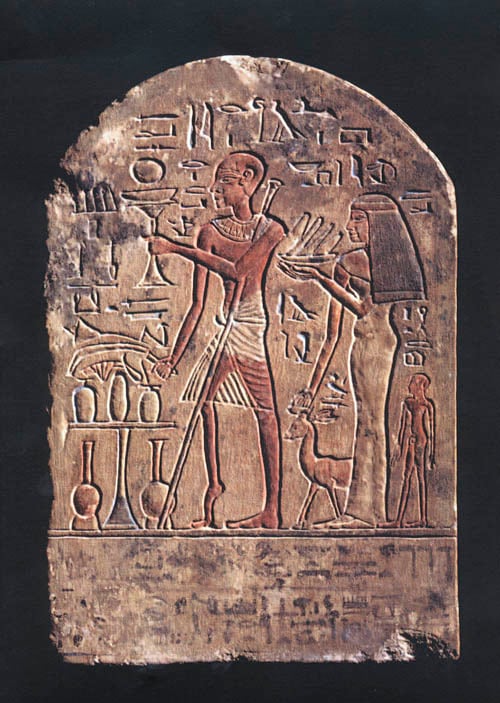
Poliomyelitis is an acute viral infection by poliovirus, an enterovirus, that selectively destroys the anterior horn motor neurons of the spinal cord and sometimes the brainstem motor nuclei. The orthopaedic surgeon almost never sees the acute illness. The work is the lifelong residual paralysis and deformity it leaves behind.
The defining lesion. Loss of anterior horn cells produces a lower motor neuron (LMN) picture: flaccid, areflexic, wasted muscles. The sensory system is untouched, so proprioception, light touch and pain are normal, and that is the single most useful examination fact. Paralysis is asymmetric and patchy: the virus does not respect anatomical groups, so one muscle may be dead while its neighbour is normal.
Near eradication. Global cases have fallen by over 99% since the Global Polio Eradication Initiative (1988). Wild poliovirus type 1 now circulates endemically only in Afghanistan and Pakistan, and types 2 and 3 are certified eradicated (2015 and 2019 respectively). Rare circulating vaccine-derived poliovirus (cVDPV) outbreaks can still cause new paralytic cases where immunisation coverage is low.
The surviving cohort. Despite near-eradication, millions of polio survivors remain worldwide, and their musculoskeletal sequelae will be encountered for decades to come. The largest number of untreated residual deformities is in low- and middle-income countries, where late presentation with neglected deformity is common.
Why it stays on the exam. Polio is the prototype flaccid paralysis with intact sensation, so it tests whether you can localise a lesion from the examination alone. It is also the classic teaching model for tendon transfer, balancing surgery, osteotomy and arthrodesis, principles that transfer directly to other LMN conditions (peripheral nerve injury, spina bifida, CMT). It overlaps with neuromuscular scoliosis, the paralytic hip, and limb reconstruction with external fixation.
Pathophysiology and Mechanisms
The neurological insult is static. Poliovirus reaches the CNS and lyses anterior horn cells, and the number of cells destroyed determines the final deficit. During the convalescent phase surviving neurons sprout to re-innervate orphaned muscle fibres, forming enlarged "giant" motor units, which is why power can recover for up to about 2 years.
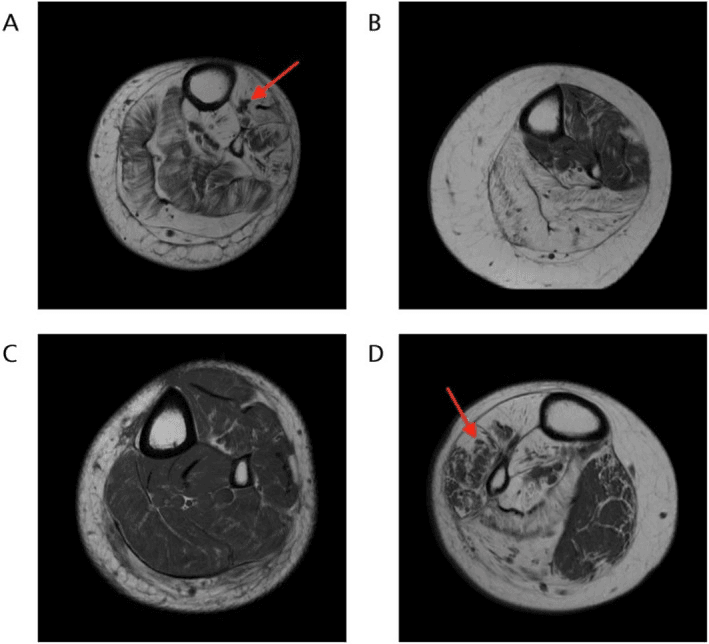
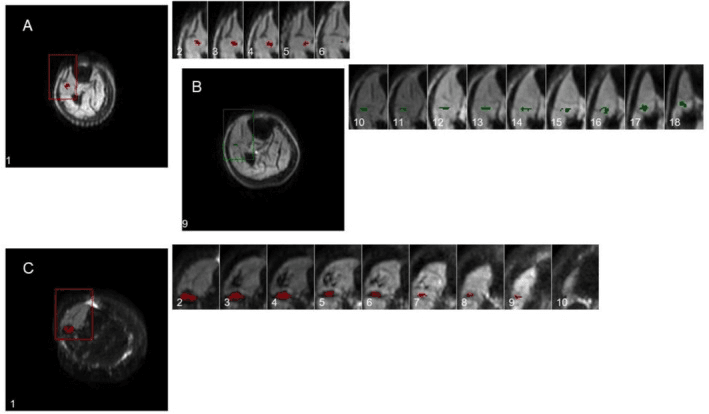
The deformity is progressive. As in cerebral palsy, the neurological lesion is static but the musculoskeletal deformity progresses, driven by three forces acting on a growing skeleton:
- Muscle imbalance - a living muscle with no working antagonist pulls the joint into a fixed position; an intact tibialis posterior against a dead tibialis anterior leads to equinovarus
- Growth - imbalance across active physes produces progressive bony deformity and torsion, and the paralysed segment grows poorly, leaving limb-length discrepancy (LLD) and atrophy (reduced muscle pump and vascularity)
- Gravity and posture - habitual postures, gravity and contracture of fascia and capsule convert dynamic imbalance into fixed contracture
The pattern depends on which motors survive.
- Foot and ankle - equinus, equinovarus, calcaneus, cavus or flail foot (set out under Classification)
- Knee - flexion contracture (weak quadriceps, tight hamstrings and ITB), genu recurvatum (weak quadriceps with a fixed plantarflexed foot, below), flail knee
- Hip - flexion-abduction-external rotation contracture, paralytic subluxation or dislocation from abductor and extensor weakness, and apparent LLD from pelvic obliquity
- Spine - paralytic (neuromuscular) scoliosis, often a long C-shaped curve with pelvic obliquity when the trunk musculature is involved
- Upper limb - less common: flail shoulder, paralytic elbow, intrinsic-minus hand
Classification
The phase decides the timing of surgery.
- Acute (days to about 2 weeks) - viraemia, fever, then asymmetric flaccid paralysis. The orthopaedic role is supportive: positioning, splinting to prevent early contracture, and respiratory support for bulbar or spinal involvement
- Convalescent (up to about 2 years) - variable recovery of power as surviving neurons re-innervate. Physiotherapy, dynamic splinting and contracture prevention dominate. Do not do definitive reconstruction yet: transferring or fusing before recovery plateaus risks sacrificing a muscle that would have recovered
- Residual (after about 2 years) - the deficit is now fixed, and reconstruction (transfers, osteotomy, arthrodesis) is planned
- Late - post-polio syndrome, new deterioration decades later
Clinical Assessment
History. Establish the age at infection, the limbs affected, the recovery achieved, and previous surgery and bracing. Then current function: walking distance, falls, brace use, pain and fatigue. New weakness, fatigue or pain raises the question of post-polio syndrome, but other causes are excluded first.
Look. Wasting, deformity, scars, posture, brace wear and limb-length discrepancy. The skin is trophic but usually intact, because sensation is preserved.
Feel. Confirm that sensation is intact; it is the diagnostic discriminator. Polio is a pure motor disease, so a sensory deficit means the diagnosis is not polio: think of spina bifida, peripheral neuropathy or spinal cord pathology instead. Palpate for fixed contractures.
Move. Distinguish fixed from correctable deformity, and chart the MRC power of every relevant muscle. The muscle chart is the single most important examination step for planning.
Function and gait. Identify the gait pattern, which localises the paralysed motor; the paralytic gaits are set out in the next section.
The special tests:
- Coleman block test - in the cavovarus foot, distinguishes a flexible (forefoot-driven) from a fixed hindfoot varus, deciding whether a calcaneal osteotomy is needed
- Thomas test - fixed flexion deformity of the hip
- Limb-length measurement - true (ASIS to medial malleolus) against apparent length, identifying the contribution of pelvic obliquity
- Trendelenburg test - abductor competence, relevant to paralytic hip instability
- Poliomyelitis
- LMN (anterior horn cell)
- Spina Bifida (Myelomeningocele)
- Mixed (LMN +/- UMN), level-dependent
- Cerebral Palsy
- UMN (brain)
- Poliomyelitis
- Flaccid, areflexic
- Spina Bifida (Myelomeningocele)
- Flaccid below level
- Cerebral Palsy
- Spastic, hyper-reflexic
- Poliomyelitis
- NORMAL (key clue)
- Spina Bifida (Myelomeningocele)
- Absent below level (insensate, ulcer risk)
- Cerebral Palsy
- Usually intact
- Poliomyelitis
- Asymmetric, patchy
- Spina Bifida (Myelomeningocele)
- Symmetric below a spinal level
- Cerebral Palsy
- Patterned (hemi/di/quad)
- Poliomyelitis
- Spared
- Spina Bifida (Myelomeningocele)
- Often affected (neurogenic bladder/bowel)
- Cerebral Palsy
- Usually spared
Reading the Paralytic Gait: Compensations for Dead Muscles
Each paralysed motor has its own compensation, so reading the gait names both the dead muscle and what a brace or transfer must replace.
- Quadriceps (hand-to-thigh) gait - with a weak or absent quadriceps the patient presses a hand on the thigh in stance, or thrusts the knee into extension or recurvatum, to keep it from buckling. It is the signature of quadriceps palsy
- Gluteus maximus lurch - with a weak hip extensor the patient throws the trunk backwards over the hip at heel strike, moving the ground-reaction line behind the hip to lock it in extension
- Gluteus medius (Trendelenburg) lurch - with weak abductors the pelvis drops on the swing side and the patient lurches the trunk over the stance hip; a waddling gait if bilateral
- Calcaneus gait - a weak triceps surae gives no push-off, a heel-only stance and crouch
- High-stepping foot-drop gait - weak dorsiflexors
Investigations
Diagnosis is clinical. Residual polio rests on the history of an acute paralytic illness in childhood and the characteristic LMN, normal-sensation examination, and no single test proves it. The principal "investigation" for surgical planning is a meticulous MRC muscle chart of the whole limb, which identifies the expendable donors and the muscles driving the deformity.
Plain radiographs document bony deformity, subluxation or dislocation of the hip, arthritis and limb-length discrepancy (scanogram or CT scanogram). The bones of the affected limb are characteristically osteopenic and slender, with a narrow medullary canal, which matters for implant selection. Standing alignment and scoliosis films assess paralytic spinal deformity and pelvic obliquity.
CT plans the correction of complex bony deformity and assesses the narrow canal before nailing.
Electrodiagnostics (EMG/NCS) confirm a chronic neurogenic picture (large-amplitude, long-duration motor units with reduced recruitment) with normal sensory conduction. They are especially useful in the workup of suspected post-polio syndrome, to demonstrate ongoing or active denervation and to exclude alternative causes such as radiculopathy and entrapment neuropathy.
Genu Recurvatum: Assessment and Management
The mechanism. A weak or absent quadriceps forces the patient to lock the knee in hyperextension to stand, and over years the deformity becomes fixed. Two mechanisms are distinguished: a structural (bony) recurvatum from remodelling of the posterior proximal tibia and tibial plateau, and a ligamentous recurvatum from stretching of the posterior capsule. A coexisting fixed equinus compounds both by thrusting the tibia backwards at heel strike.
Assessment. Chart quadriceps power, the underlying cause, measure the arc of hyperextension, and separate correctable from fixed deformity. Then assess the ankle, because an uncorrected equinus will recreate the recurvatum.
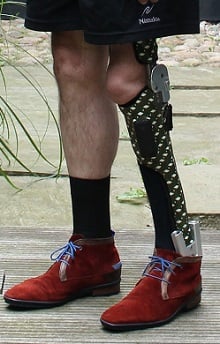
Non-operative. A KAFO holding the knee in a few degrees (about 5-10) of flexion blocks the damaging hyperextension and is often definitive. Correcting a coexisting equinus with an AFO or heel raise removes the back-thrust.
Operative. For a disabling fixed deformity, a proximal tibial or supracondylar femoral flexion (extension-blocking) osteotomy restores a few degrees of flexion and a stable stance. The equinus must be corrected at the same sitting, and residual quadriceps weakness (or a substituting KAFO) still sets the functional ceiling.
Management
Polio reconstruction reduces to three repeatable principles, applied in order, and the aim is a plantigrade, braceable, energy-efficient limb.
- Correct the deformity - make the joint supple and the segment aligned: soft-tissue release for fixed contracture, then osteotomy for residual bony or rotational malalignment
- Stabilise the unstable - provide a stable, plantigrade base: arthrodesis or bracing for a flail joint, or arthrodesis to create a stable foundation before any transfer
- Balance the muscles - restore a working agonist-antagonist couple by tendon transfer of an expendable, powerful donor onto the deficient action, done last, onto a corrected, stable limb
Never balance a deformed or unstable limb. Correct and stabilise first, then transfer; transferring onto a deformed foot is the classic candidate error. Across a whole limb the steps are often staged or combined, and in adults "limited surgery plus external fixation" can correct multiple deformities efficiently.
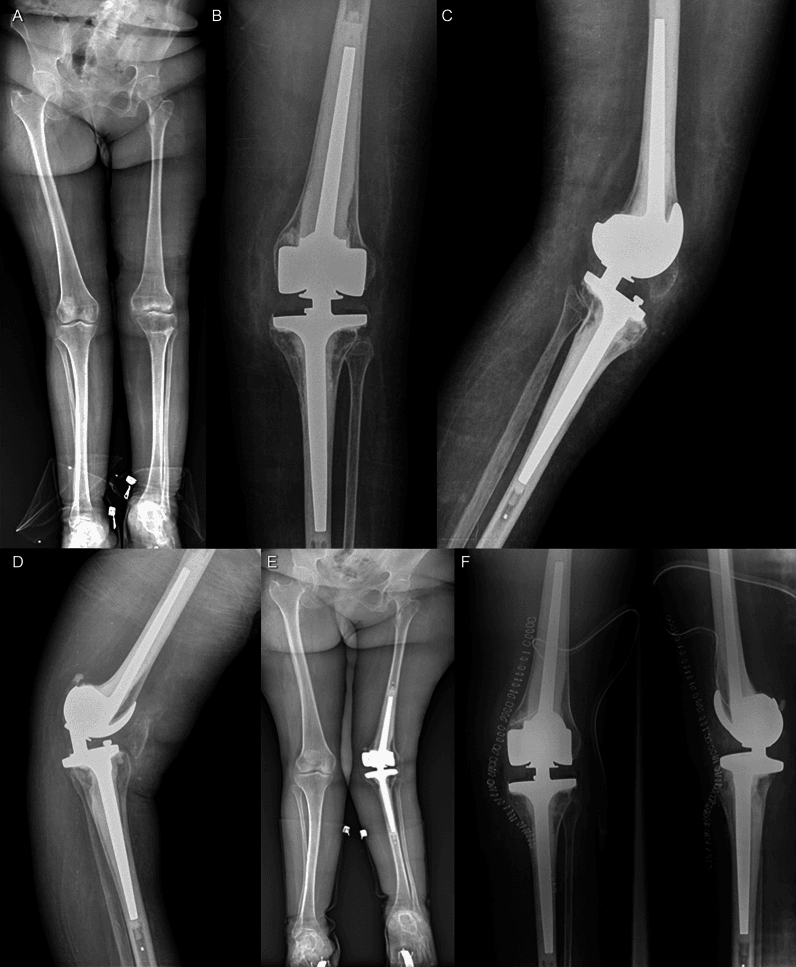
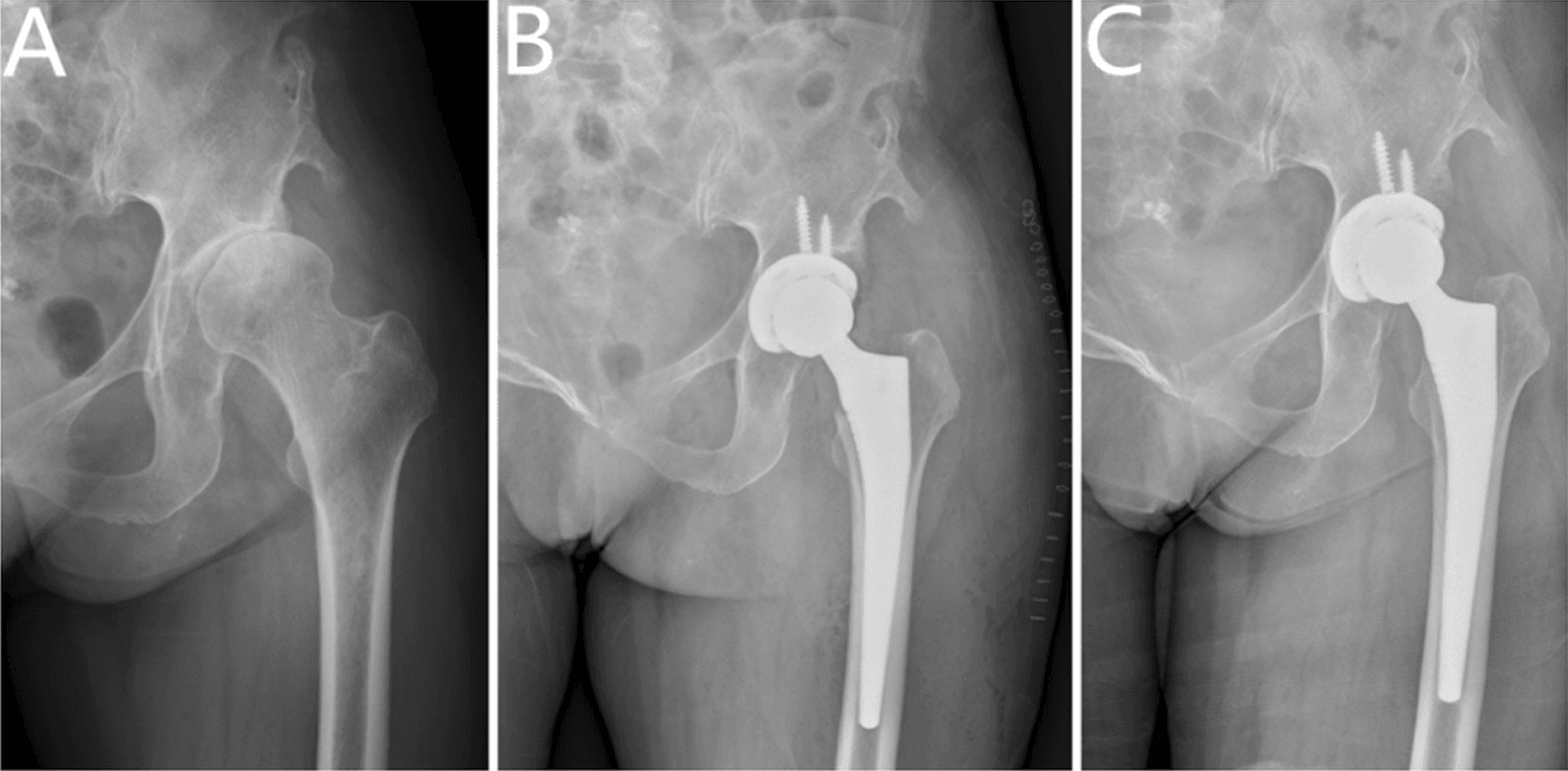
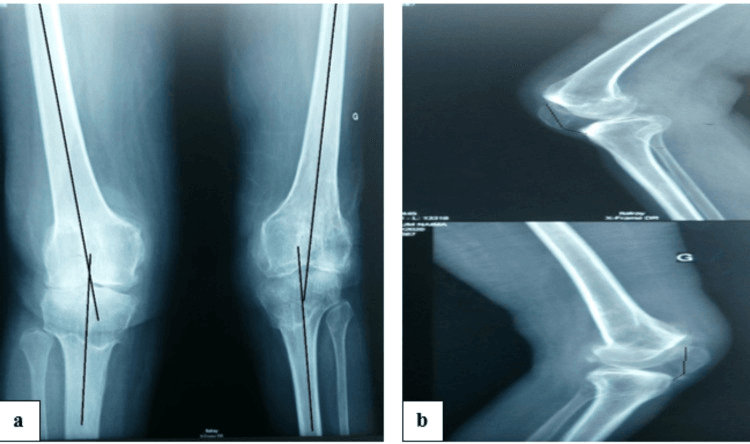
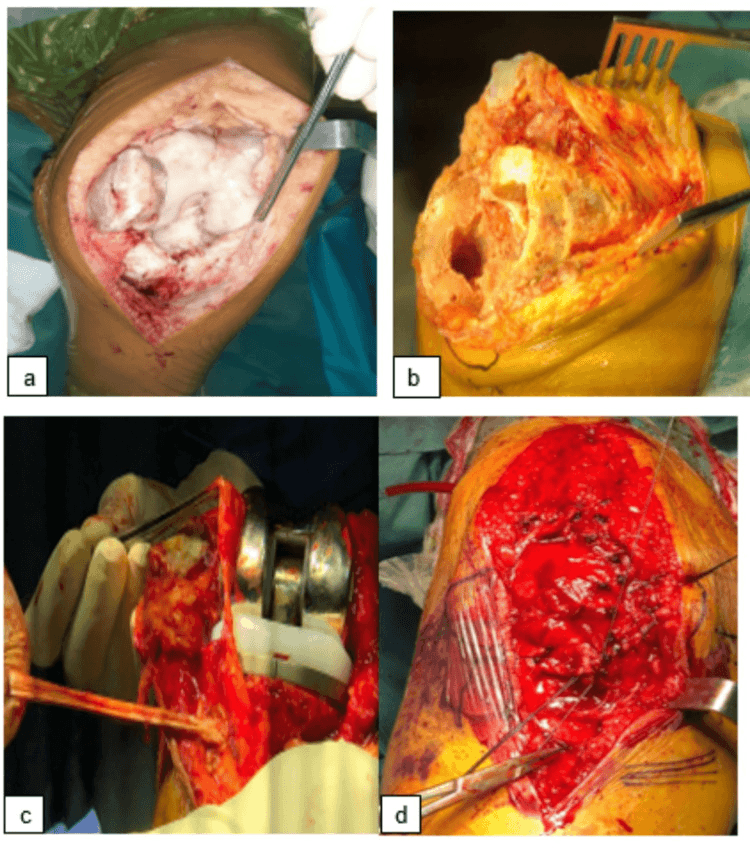
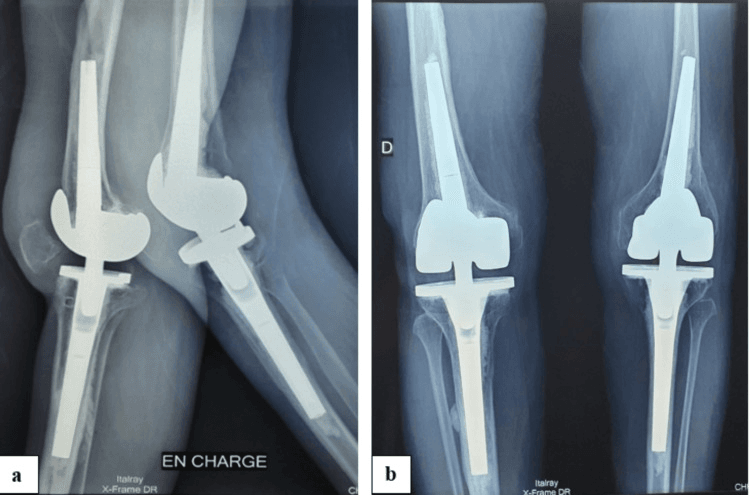
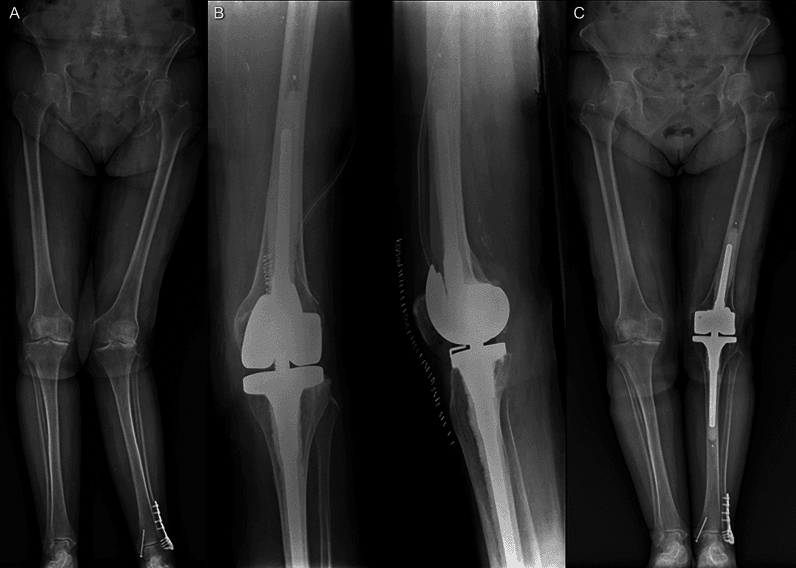
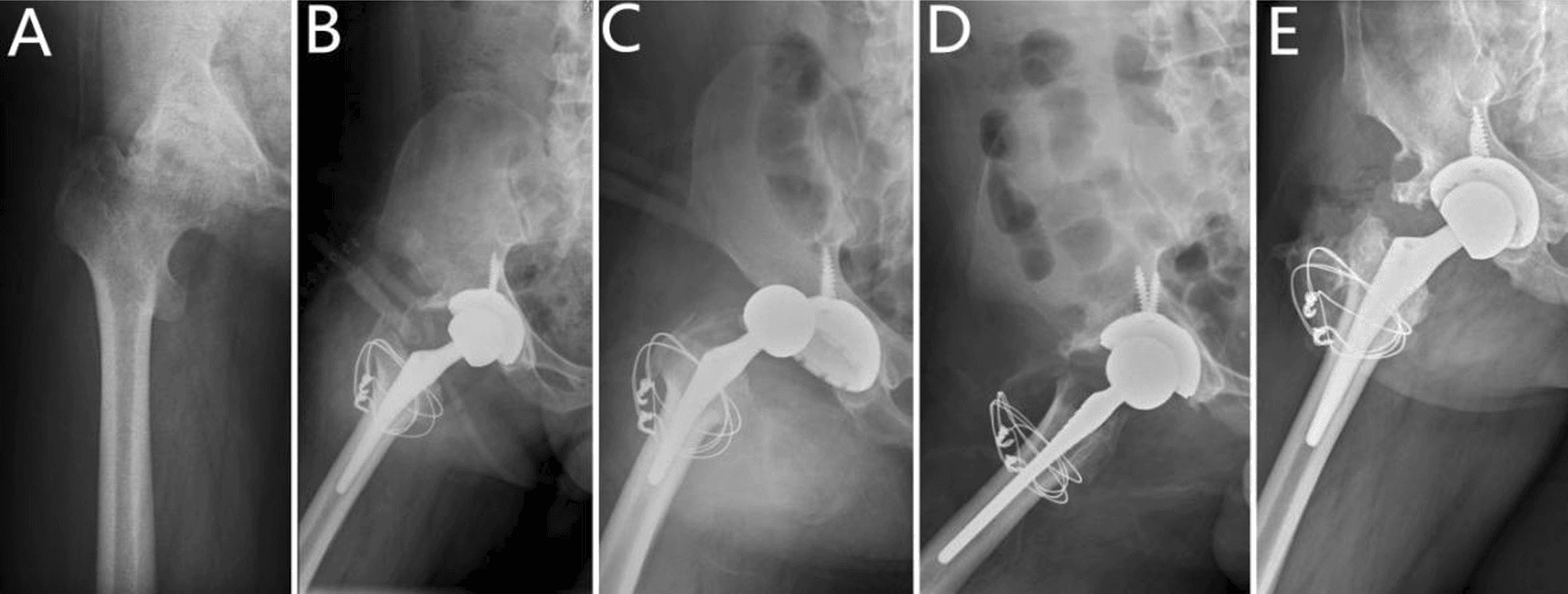
Arthroplasty. The hip and knee cases below show what replacement meets in a polio limb: weak periarticular muscles, abnormal bone and the risk of instability.
Complications
From the disease. Left alone, the deformities described above progress: fixed contracture and joint deformity, limb-length discrepancy with pelvic obliquity, paralytic hip subluxation or dislocation, paralytic scoliosis and genu recurvatum. Chronic abnormal loading adds degenerative joint disease, and the affected limb becomes osteoporotic, with fragility fractures from low bone density, reduced muscle pull and falls.
From surgery.
- Recurrence or relapse of deformity, especially when operating before skeletal maturity or on an unbalanced limb
- Iatrogenic calcaneus foot after over-lengthening the tendo-Achilles (see Foot Deformity)
- Failed or under-powered tendon transfer - donor too weak, or transfer onto an unstable base
- Implant difficulty in the paralysed femur (below)
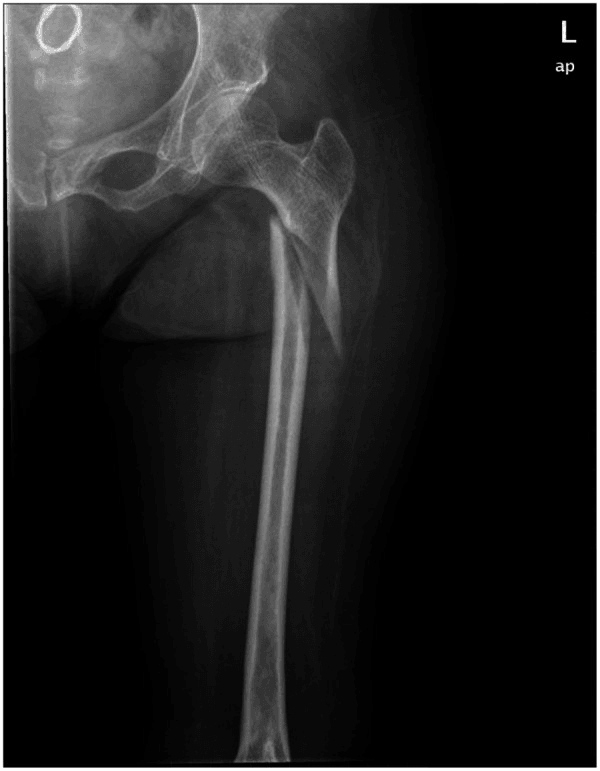
Fractures in the polio femur. The narrow osteopenic canal, a valgus neck-shaft angle and increased anteversion make intramedullary nailing of femoral fractures difficult. Choose implants that allow early weight-bearing: smaller nails, or the fixed-angle plates and sliding hip screws that are often preferred.
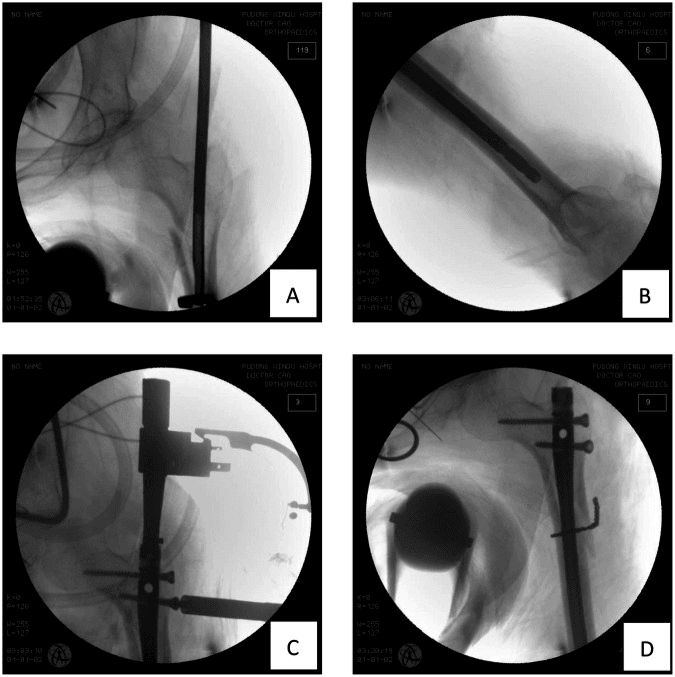
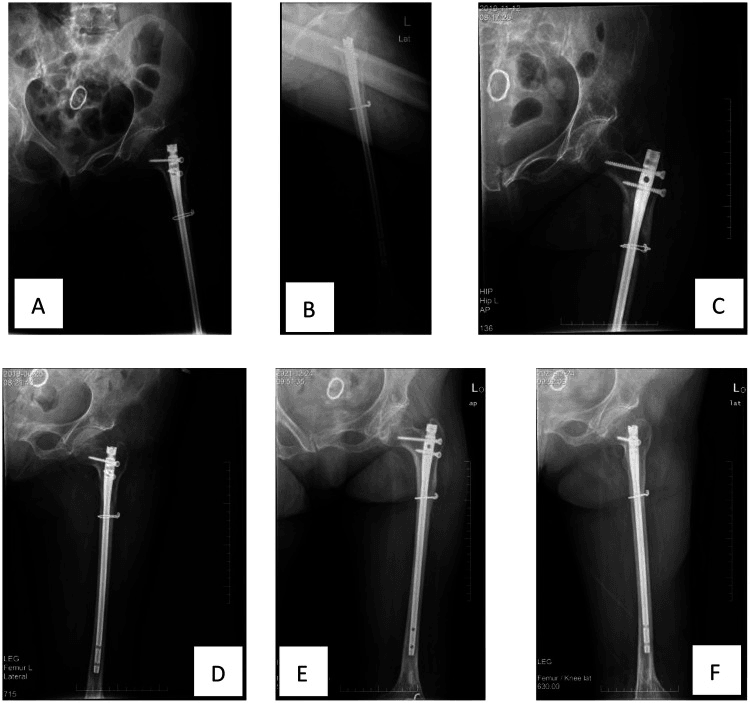
Post-polio syndrome. The late picture adds cold intolerance and, less commonly, dysphagia or respiratory decline to the new weakness, abnormal fatigue and muscle and joint pain, with loss of previously stable function and increasing dependence on orthoses and aids.
Guidelines, Registries and Global Practice
Global epidemiology:
- Eradication trajectory: Wild poliovirus cases have fallen by more than 99% since 1988 (Global Polio Eradication Initiative). Wild type 2 and type 3 are certified eradicated; wild type 1 persists in a small number of endemic regions, with sporadic vaccine-derived (cVDPV) outbreaks elsewhere.
- Surviving cohort: Millions of polio survivors remain worldwide; large surgical databases (for example, tens of thousands of sequelae cases in single high-volume centres) confirm that an ageing survivor population will need orthopaedic care for decades.
- Geographic burden: Untreated, neglected residual deformity is concentrated in low- and middle-income settings; high-income settings now mainly manage ageing survivors and post-polio syndrome.
- Typical Presentation
- Ageing survivors; post-polio syndrome; fragility fractures
- Emphasis
- PPS clinics, energy conservation, orthotic review, fracture care with early weight-bearing
- Typical Presentation
- Neglected fixed deformity in young adults
- Emphasis
- Staged reconstruction: correct, stabilise, balance; external fixation for complex multilevel deformity
- Typical Presentation
- Prevention of new paralytic cases
- Emphasis
- Sustained immunisation (OPV/IPV) and surveillance to prevent wild and vaccine-derived polio
- WHO / Global Polio Eradication Initiative: Drives immunisation, surveillance and the endgame strategy - the upstream prevention that determines future caseload.
- March of Dimes post-polio criteria: The widely cited clinical framework for diagnosing post-polio syndrome (prior paralytic polio, stable interval, new persistent weakness, exclusion of alternatives).
- Rehabilitation principles: International rehabilitation guidance for PPS centres on energy conservation, individualised exercise that avoids overuse, orthotic optimisation, and multidisciplinary symptom management.
- No dedicated international polio-sequelae implant registry exists; outcome data come from large single-centre surgical series and national rehabilitation cohorts rather than arthroplasty registries.
Related pages: Cerebral Palsy for the other great paediatric paralytic deformity, and the contrast that defines both - polio is a pure LOWER motor neurone lesion with flaccid weakness, normal tone and intact sensation, while cerebral palsy is an upper motor neurone lesion with spasticity, so tendon transfers behave predictably in polio and unpredictably in spasticity; Neuromuscular Scoliosis for the collapsing C-curve with pelvic obliquity that paralytic trunk muscles produce; Spina Bifida for the paralytic deformity that DOES carry sensory loss, which is why insensate skin and pressure ulceration dominate its management and not this one's; Charcot-Marie-Tooth Disease for the other lower motor neurone cause of cavovarus and foot-muscle imbalance; Clubfoot for the deformity that residual polio equinovarus is mistaken for, and the corrective principles it shares; Limb Length Discrepancy and Epiphysiodesis for the growth inhibition of the paralysed limb; and Limb Lengthening Principles for the circular-fixator techniques that have largely replaced acute correction in the neglected fixed deformities described here.
Controversies and Areas of Uncertainty
- Hamstring-to-patella transfer for quadriceps palsy: Can restore active knee extension in selected, well-balanced limbs, but risks creating a flexion deformity or recurvatum and has variable, often modest, active power - patient selection is everything.
- Joint preservation vs arthrodesis: In the ageing survivor with degenerative change, when to fuse a flail joint versus continue bracing is individualised; there are no high-level trials.
- Arthroplasty in polio limbs: Hip and knee replacement can relieve pain but face instability (abductor/quadriceps insufficiency) and fixation challenges in osteopenic, deformed bone; evidence is limited to small series.
- Optimal management of PPS: No disease-modifying therapy is proven; the balance between activity (to avoid disuse) and rest (to avoid overuse) remains pragmatic and individualised.
Viva Scenarios
Clinical Decision Scenarios
Practise clinical reasoning and management decisions out loud
“How would you assess and manage this patient?”
Core Concept
- LMN: flaccid, areflexic, wasted
- Sensation NORMAL (key clue)
- Asymmetric, patchy paralysis
- Static nerve lesion, progressive MSK deformity
Timing & Phases
- Acute: support, prevent contracture
- Convalescent: recovery up to ~2 yrs
- Residual: reconstruct after plateau
- Late: post-polio syndrome
Three Principles (in order)
- 1. Correct deformity (release, osteotomy)
- 2. Stabilise joint (arthrodesis/brace)
- 3. Balance muscles (tendon transfer LAST)
- Donor: grade 4-5, loses ~1 grade
Classic Pitfalls
- Calcaneus foot from over-lengthening TA
- Transfer onto unstable/deformed base
- Operating before recovery plateau
- Calling new weakness PPS without exclusion
Evidence Base
Supracondylar Femoral Extension Osteotomy for Knee Flexion Deformity
- Fractional hamstring lengthening plus supracondylar femoral extension osteotomy was used for polio knee flexion deformity (mean deformity 65 degrees).
- At a mean 15.5-year follow-up, 22 knees achieved full extension and 26 had only a minor extension lag (-1 to -10 degrees).
- All patients were subsequently braceable in long leg orthoses with no neurovascular complications.
- Femoral shortening was recommended in severe deformities to relax the neurovascular structures.
Limited Surgery + External Fixation in Older Polio Survivors (Large Series)
- Drawn from a database of 23,310 polio sequelae cases - 629 were over 41 years old, underlining the huge ageing survivor cohort.
- 57 middle/older patients treated with limited orthopaedic surgery plus external fixation (Ilizarov or combined fixator).
- Procedures combined Achilles lengthening, supracondylar osteotomy, knee-flexion release and selective arthrodesis.
- Excellent/good results in 75% by a deformity-correction standard, with mostly minor complications (pin-track infection).