Carpometacarpal Boss (Carpe Bossu)
- The CARPAL BOSS (carpe bossu) is a symptomatic BONY PROMINENCE on the DORSUM of the wrist at the SECOND and/or THIRD CARPOMETACARPAL (CMC) joints - at the dorsal base of the index/middle metacarpal and the adjacent trapezoid and capitate - and represents a LOCALISED OSTEOARTHRITIS/osteophyte (exostosis) of these joints; an accessory ossicle (os styloideum) may be associated.
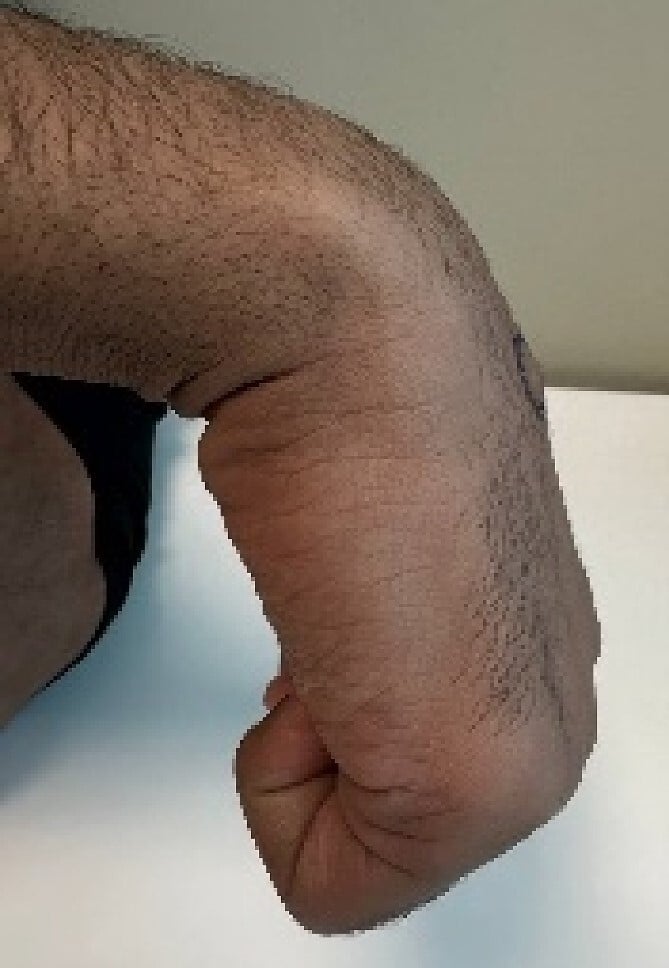
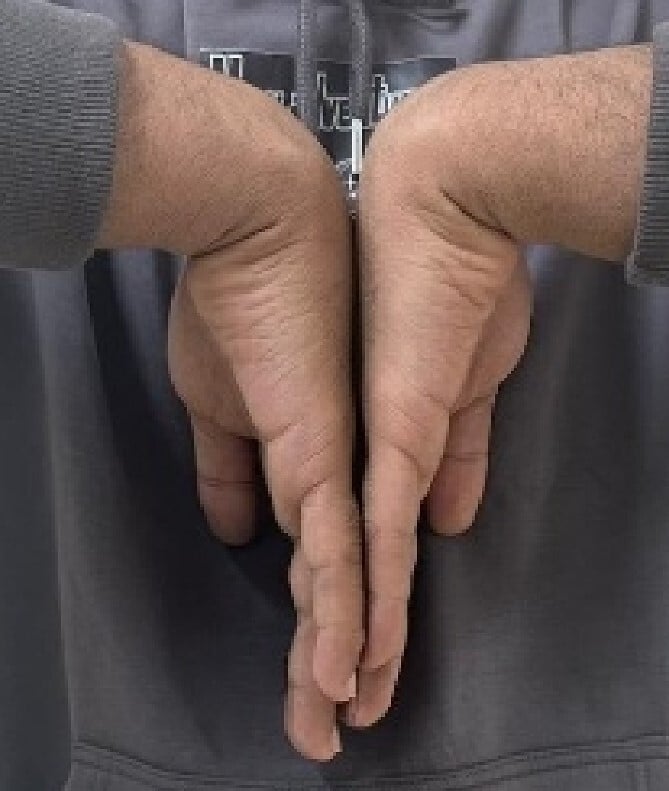
- It presents as a FIXED, HARD, non-mobile lump that is tender and may ache with activity or wrist extension; it becomes more prominent with the wrist FLEXED, and an overlying ganglion or extensor tendon irritation can coexist - it is most common in young to middle-aged adults.
- The KEY DIFFERENTIAL, and a classic exam point, is the DORSAL WRIST GANGLION: a ganglion is SOFT, MOBILE, often TRANSILLUMINATES, changes in size, and sits more proximally over the scapholunate area, whereas the carpal boss is HARD, FIXED and BONY at the CMC bases - palpation and the absence of transillumination usually separate them clinically.
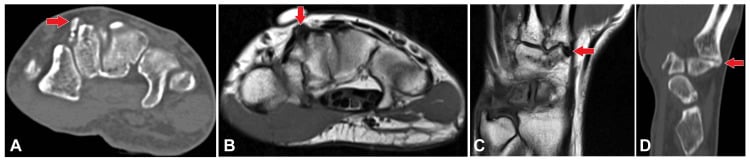
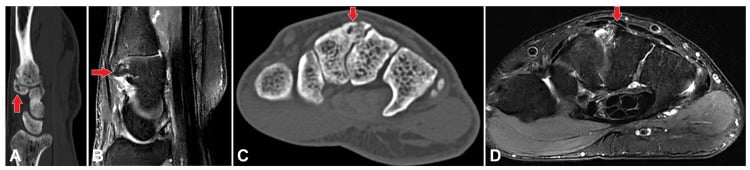
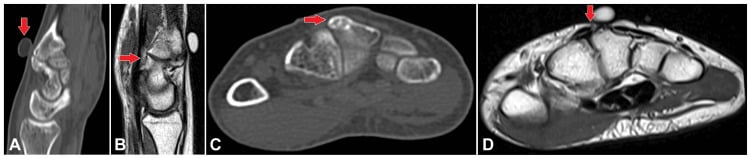
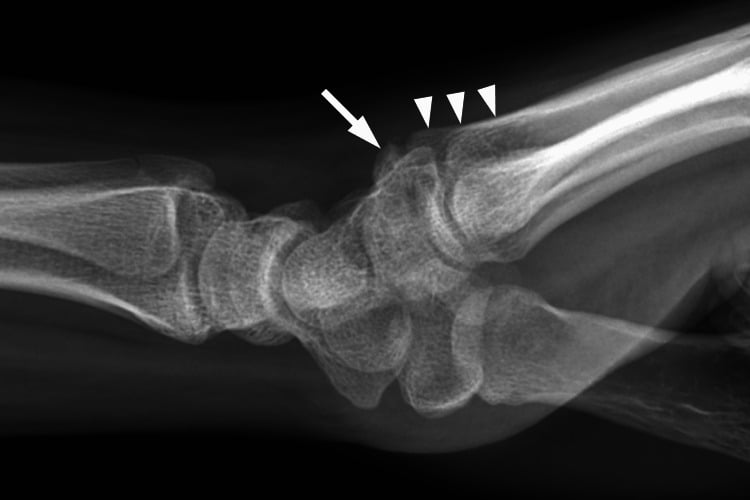
- DIAGNOSIS is clinical and confirmed on imaging: a dedicated 'CARPAL BOSS VIEW' (a lateral with the wrist about 30-40 degrees supinated and ulnar-deviated) profiles the dorsal CMC osteophyte; CT best demonstrates the bony prominence and the degenerative CMC joints when the diagnosis or surgical planning needs it.
- MANAGEMENT is NON-OPERATIVE first - reassurance, activity modification, a wrist splint, non-steroidal anti-inflammatories and a corticosteroid injection - and most carpal bosses settle or are tolerated; the boss is benign, and the main reason to treat is persistent pain rather than the lump itself.
- SURGERY for refractory symptoms is SIMPLE EXCISION of the bony exostosis (with any associated ganglion), which gave no recurrences in 25 patients followed a mean of 8 years - a single-centre series, so read it as encouraging rather than as an established rate. The main pitfall is EXCESSIVE bone resection that destabilises the CMC joint; ARTHRODESIS (CMC fusion) is reserved for the rare secondary CMC INSTABILITY rather than as a primary procedure. Most bosses are ASYMPTOMATIC, so the indication is pain, never the lump.
- “Carpal boss = HARD, FIXED, BONY dorsal lump at the 2nd/3rd CMC bases (localised OA/osteophyte, +/- os styloideum). Contrast with a dorsal ganglion (SOFT, MOBILE, transilluminates, more proximal/scapholunate).
- “Confirm with the 'carpal boss view' (30-40 deg supinated, ulnar-deviated lateral) or CT - profiles the dorsal CMC osteophyte.
- “Most bosses are ASYMPTOMATIC - the indication is pain, not the lump. Non-operative first (splint/NSAIDs/injection aimed at the 3rd CMC joint under image guidance). Refractory → SIMPLE EXCISION (no recurrences in 25 patients at mean 8 years); avoid over-resection; fusion only for secondary CMC instability.
Hard, fixed, bony lump at the 2nd/3rd CMC bases, more prominent in flexion, does not transilluminate. A localised osteophyte/OA (+/- os styloideum). Confirm with the carpal boss view/CT.
Soft, mobile, often transilluminates, fluctuates in size, sits more proximally over the scapholunate region. A cyst, not bone.
What It Is & How To Diagnose It
The carpal boss is a symptomatic bony prominence (exostosis/osteophyte) at the second and/or third carpometacarpal joints - the dorsal base of the index/middle metacarpal with the adjacent trapezoid and capitate - representing localised osteoarthritis of these joints (sometimes with an os styloideum accessory ossicle). It is a fixed, hard, non-mobile lump, tender and aching with activity/wrist extension and more prominent with the wrist flexed, and an overlying ganglion can coexist. Confirm with a dedicated 'carpal boss view' (lateral with the wrist ~30-40 degrees supinated and ulnar-deviated) or CT, which profile the dorsal CMC osteophyte and degenerative joints.
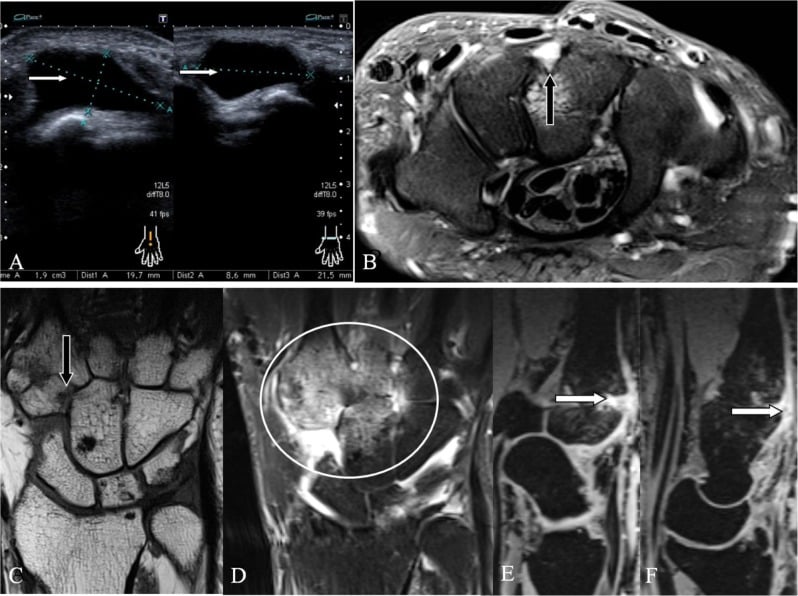
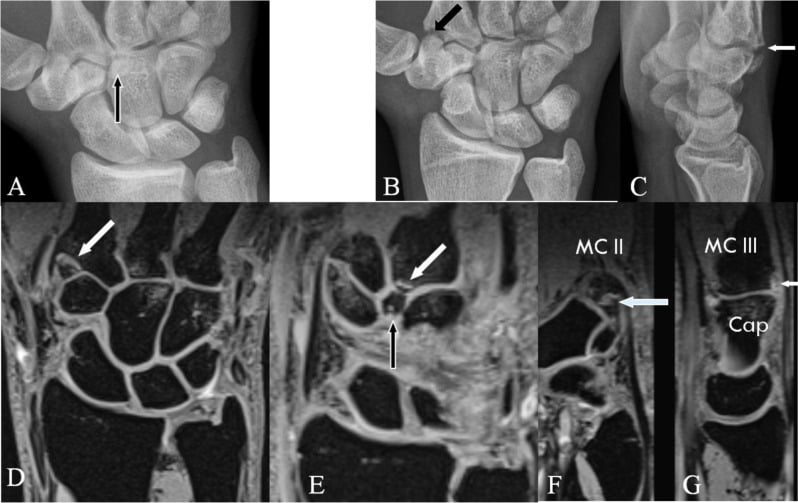
Pathogenesis: Dysplasia, the Extensor Insertions, and Impingement OA
- Dysplasia of the CMC bases. The primary abnormality is thought to be a developmental dysplasia (a dorsal ridge/prominence, or an os styloideum) at the second/third carpometacarpal bases - not a generalised osteoarthritis.
- Impingement and secondary OA. During wrist and hand movement the dysplastic dorsal ridge impinges, and the resulting localised mechanical stress produces secondary osteoarthritis and osteophyte confined to the area of impingement - which is why the OA is localised rather than global, and why simple resection of the prominence (rather than treating a whole arthritic joint) works.
- The extensor insertions. The extensor carpi radialis longus inserts on the base of the second metacarpal and the extensor carpi radialis brevis on the base of the third - immediately over the boss. The prominence can irritate or catch these tendons (and an overlying ganglion may form), so the boss can present with dorsal tendon symptoms as well as a lump; wrist flexion tightens the extensors over the ridge, making the boss more prominent and often more symptomatic.
Q: What is the pathogenesis of a carpal boss?
A: The primary lesion is a developmental dysplasia (a dorsal ridge or os styloideum) at the 2nd/3rd carpometacarpal bases. This dysplastic prominence impinges during movement, producing secondary osteoarthritis and osteophyte confined to the area of impingement - hence localised, not generalised, OA. The extensor carpi radialis longus (2nd MC base) and brevis (3rd MC base) insert right over the boss, so it can irritate these tendons and becomes more prominent and symptomatic in wrist flexion; an overlying ganglion may coexist.
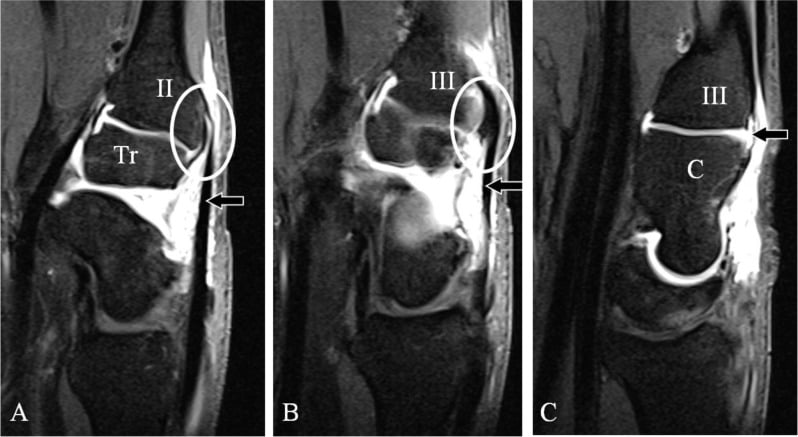
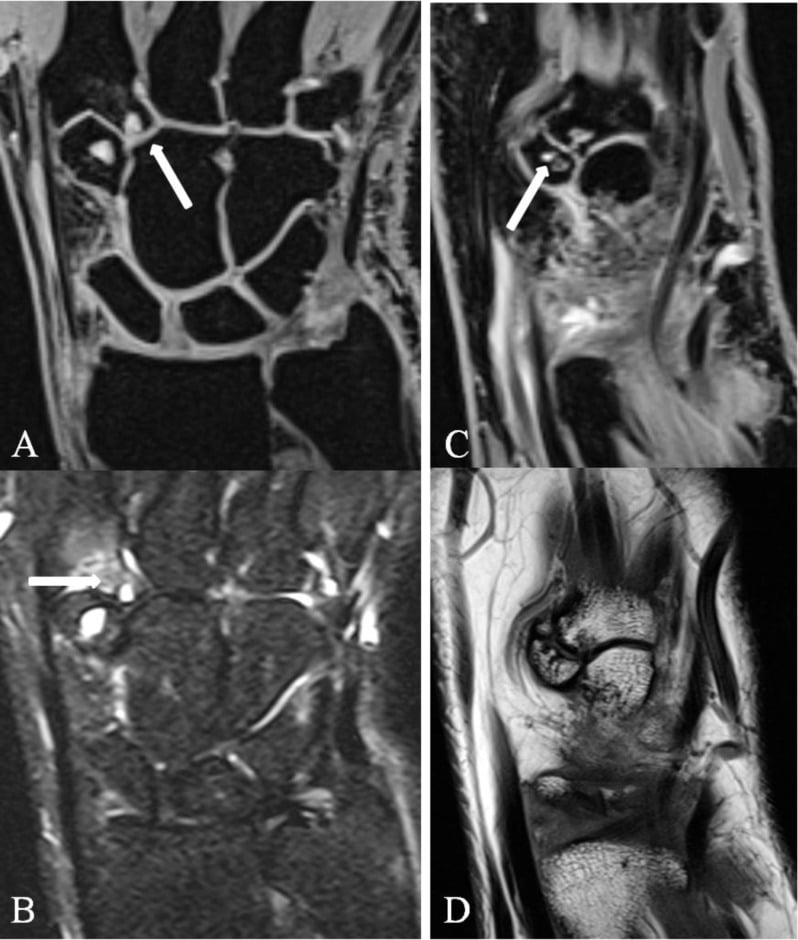
Most Are Silent - and What That Means for Treating One
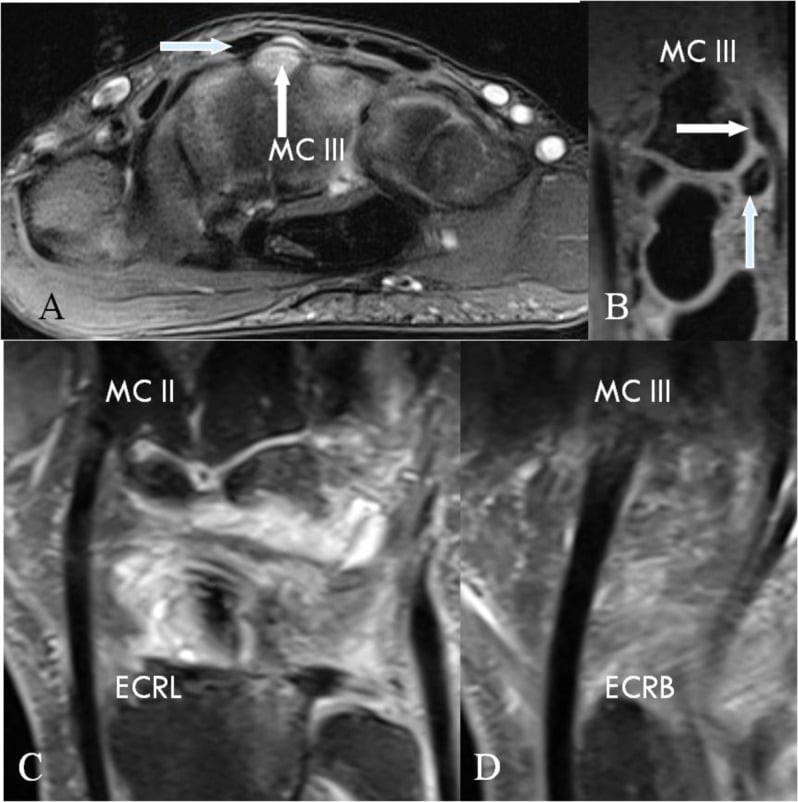
A dorsal carpometacarpal prominence is usually symptom-free; the accessory ossicle behind many of them is described as an anatomical variant that is normally asymptomatic and therefore often unrecognised. Pain, when it comes, is spontaneous or provoked by overuse and aggravated by palmar flexion. Symptomatic cases occur more often in the dominant hand, which fits the impingement mechanism. Two things follow: finding a boss on a radiograph taken for another reason is not a diagnosis of anything, and the argument for operating rests entirely on symptoms rather than on the size of the lump.
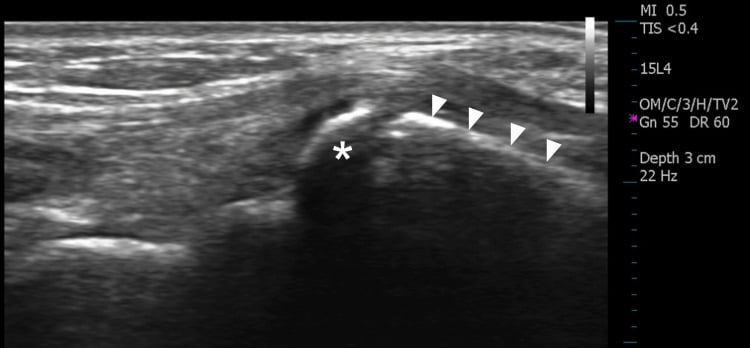
"Corticosteroid injection" is more useful with a target: infiltration of the third carpometacarpal joint under image guidance has been reported to resolve the pain of a symptomatic os styloideum completely, and early recognition of the entity is what allows conservative treatment instead of excision. Ultrasound can demonstrate the ossicle as well as radiographs, and has the advantage of guiding that injection in the same sitting - worth remembering alongside the carpal boss view and CT.
Dorsal symptoms are usually attributed to the tendons being irritated as they pass over the prominence, but subluxation of the extensor tendons overlying the boss is specifically described and is a different problem: a tendon that snaps across a bony ridge produces a painful catching sensation on wrist movement rather than simple tenderness over a lump, and it will not settle with a splint alone. Ask about catching or snapping, and examine the tendons through active wrist flexion and extension rather than only palpating the boss at rest.
Management
- Non-operative (first line): reassurance, activity modification, a wrist splint, non-steroidal anti-inflammatories, and a corticosteroid injection - aimed at the third carpometacarpal joint under image guidance rather than into the lump. No cohort quantifying how many settle was retrieved, but most bosses are asymptomatic to begin with and the lump itself is harmless.
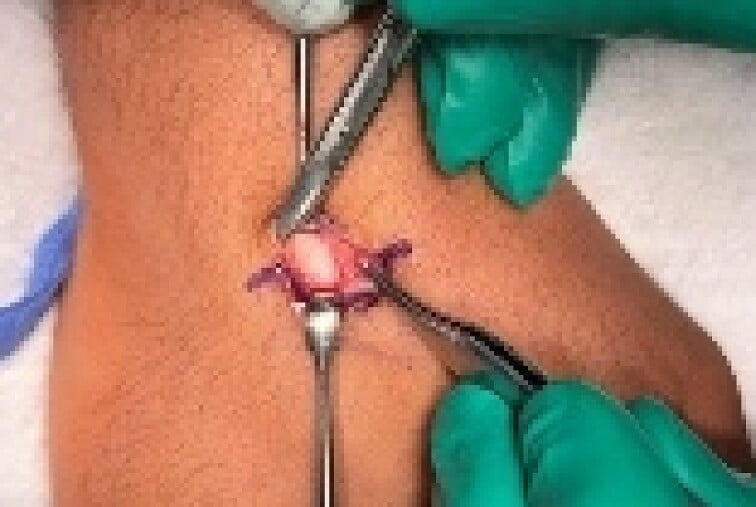
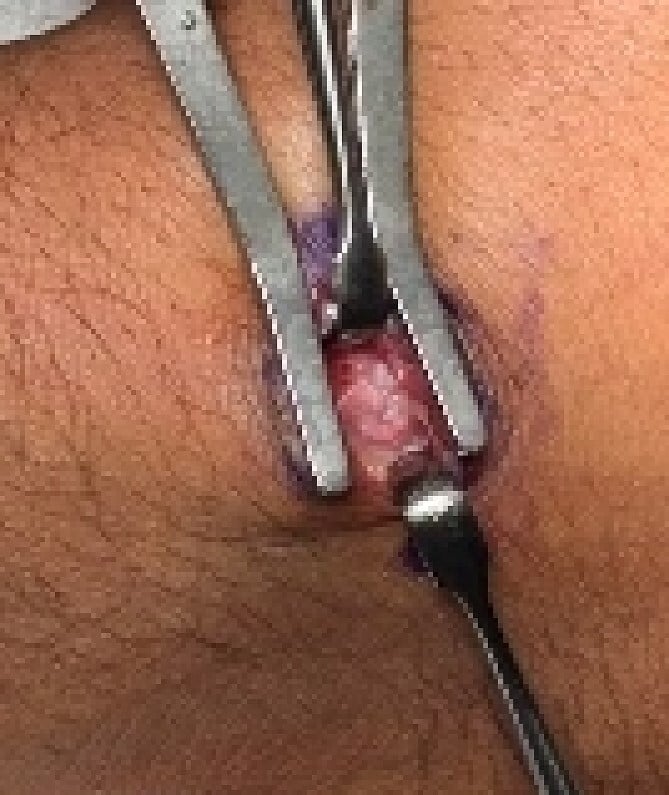
- Surgery (refractory pain): simple excision of the bony exostosis (and any associated ganglion) - no recurrences in a 25-patient series at a mean of 8 years.
- Avoid over-resection: removing excessive bone risks carpometacarpal instability - resect the prominence, not the joint.
- Arthrodesis (CMC fusion): reserved for the rare secondary CMC instability, not as a primary procedure.
The main surgical pitfall in treating a carpal boss is over-resection. The boss is a benign, localised osteophyte, and the operation that works for refractory pain is a simple excision of the bony prominence (with any overlying ganglion), which gave no recurrences in a series of 25 patients at a mean of 8 years. However, taking too much bone can destabilise the second/third carpometacarpal joint, leading to instability that then requires a fusion - the very outcome to be avoided. So the diagnosis should be confirmed (it is bone, not a ganglion - a carpal boss view or CT), conservative measures should be tried first because the lump itself is harmless, and at surgery the surgeon should remove the prominence while preserving CMC stability, reserving arthrodesis for the rare case of secondary instability rather than performing it routinely.
The Os Styloideum
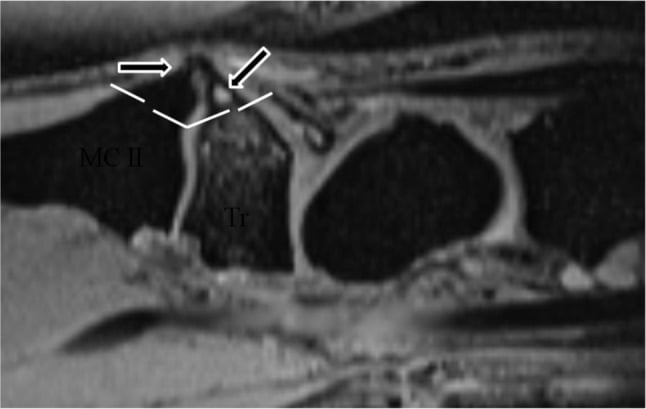
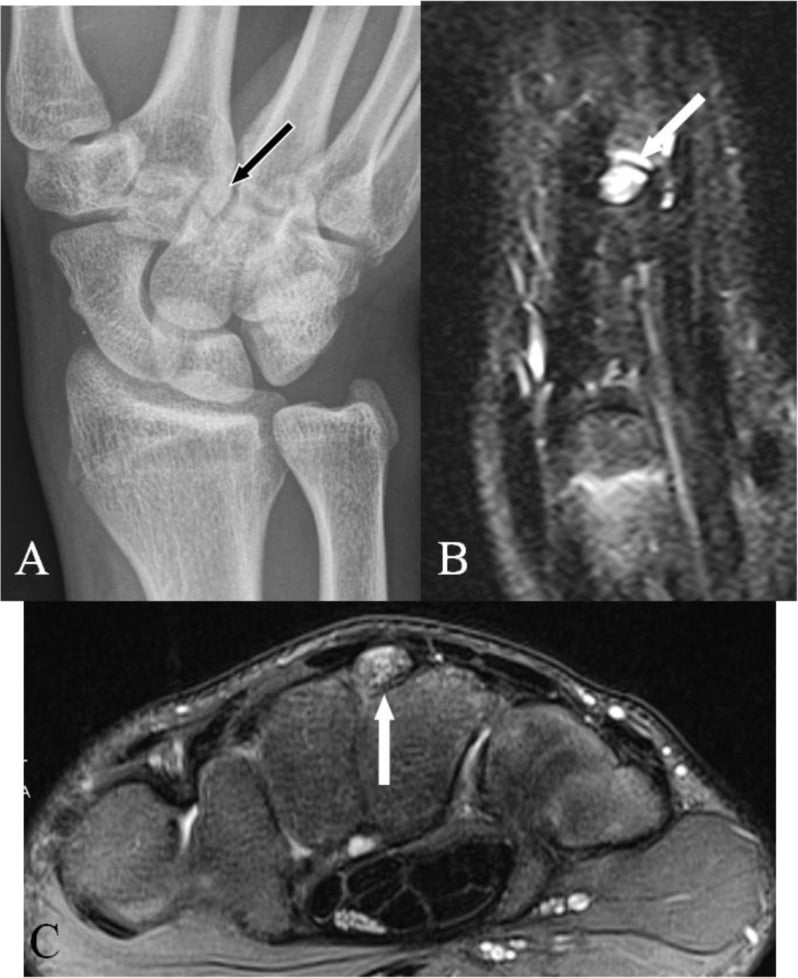
- What it is. The os styloideum is an accessory ossicle at the dorsal base of the second and third metacarpals where they meet the trapezoid and capitate - the exact site of the carpal boss. It is thought to arise from a separate (unfused) ossification centre of the metacarpal base, or from a post-traumatic ossicle, and corresponds to the "styloid process of the third metacarpal" that projects dorsally.
- Relationship to the boss. In many patients the os styloideum fuses to the metacarpal/carpal bases and, together with the associated dysplasia and secondary osteoarthritis, forms the bony prominence of the carpal boss; in others it remains a discrete ossicle.
- Do not mistake it for a fracture. On a radiograph (and on the carpal boss view) a discrete os styloideum has smooth, corticated margins - distinguishing it from an acute avulsion fracture of the metacarpal base, which has sharp, non-corticated edges and a matching donor site.
Q: What is the os styloideum and how does it relate to the carpal boss?
A: It is an accessory ossicle at the dorsal base of the 2nd/3rd metacarpals (with the trapezoid and capitate) - the site of the carpal boss - arising from an unfused ossification centre or a post-traumatic ossicle. It often fuses with the metacarpal/carpal bases and, with the associated dysplasia and secondary osteoarthritis, forms the bony prominence. Its smooth, corticated margins distinguish it from an acute avulsion fracture (sharp, non-corticated).
Mnemonics & Memory Aids
BOSS
Hook:BOSS: Bony fixed CMC lump, Os styloideum, Separate from a ganglion, Simple excision.
Clinical Decision Scenarios
Practise clinical reasoning and management decisions out loud
“A young adult has a hard, fixed lump on the back of the wrist near the bases of the index and middle metacarpals. How do you assess and manage it?”
What it is
- Symptomatic bony prominence at the 2nd/3rd CMC joints (dorsal base of index/middle MC)
- Localised osteoarthritis/osteophyte (exostosis); may have an os styloideum
- Fixed, hard, non-mobile; more prominent in wrist flexion
Diagnosis
- Differentiate from a dorsal wrist ganglion (soft, mobile, transilluminates, more proximal)
- Carpal boss view (30-40 deg supinated, ulnar-deviated lateral)
- CT for bony detail / surgical planning
Management
- Non-operative first: splint, NSAIDs, corticosteroid injection
- Most are asymptomatic - operate for pain, not for the lump; ask about tendon catching (extensor subluxation)
- Refractory pain: simple excision of the exostosis (+ ganglion) - no recurrences in 25 patients at mean 8 years
- Avoid over-resection (CMC instability); fusion only for secondary instability
Evidence & Key Studies
Surgical treatment of carpal boss by simple resection - results at a mean of 8 years
- Carpal boss is a symptomatic bony protrusion on the dorsal surface of the wrist at the base of the 2nd and/or 3rd metacarpal; in all cases features of dysplasia were present, with secondary osteoarthritis limited to the area of impingement.
- 29 cases were treated between 1994 and 2014; 25 were assessed by TELEPHONE QUESTIONNAIRE at a mean of 8 years (range 1.1 to 20 years). There were no recurrences.
- The results are good but not silent: 15 patients (60%) considered themselves cured and 9 (36%) improved - but 8 of the 24 without fusion (33%) still reported moderate episodic pain (mean VAS 2.3, range 1 to 4).
- Range of motion improved in 8 (33%), was unchanged in 11 (46%) and DECREASED in 5 (21%). Twenty (83%) had no functional impairment; 4 were impaired during unusual hand movements.
- The single failure - carpometacarpal instability requiring fusion 5 years later - was attributed to excessive bone resection, so simple resection is sufficient and fusion should be reserved for that rare secondary instability.
The definition of the carpal boss (a symptomatic dorsal bony protrusion at the base of the 2nd/3rd metacarpal with localised secondary osteoarthritis), the reliable results of simple resection with no recurrence at a mean of 8 years, and the lesson that excessive resection can cause carpometacarpal instability (with fusion reserved for that rare event) come from the cited Roulet series. The differential with a dorsal wrist ganglion, the association with an os styloideum, and the dedicated carpal boss radiographic view are standard, well-established teaching. The Roulet series is 25 patients from one centre, so "no recurrence" means none in 25 at a mean of 8 years rather than a rate established across the literature, and its single failure is one patient. That the condition is usually symptom-free, that pain is aggravated by palmar flexion and that extensor tendon subluxation over the boss occurs come from Urban (Chir Narzadow Ruchu Ortop Pol 1996, PMID 8974848), a narrative account in Polish; the dominant-hand predilection, the resolution after fluoroscopically guided third-carpometacarpal corticosteroid infiltration and the utility of ultrasound come from Kaniewska and colleagues (J Radiol Case Rep 2017, PMID 29299098), a single case with literature review - so neither gives a proportion. No cohort quantifying how many symptomatic bosses settle with conservative treatment, and no validated threshold for offering surgery, was retrieved. See also ganglion cysts and thumb carpometacarpal arthritis; the library has no separate dorsal-wrist-ganglion or non-thumb carpometacarpal arthritis topic.