Multiple Enchondromas | IDH Mutations | High Malignancy Risk | Lifelong Surveillance Required
- OLLIER DISEASE: multiple unilateral enchondromas, with ~40% overall transformation - but 15% hands/feet-only vs 43-46% with long-bone/pelvic involvement (Verdegaal)
- MAFFUCCI SYNDROME: enchondromas plus spindle cell haemangiomas. DO NOT quote the widely repeated 'nearly 100% lifetime malignancy risk' - it is not derived in any primary source, traces to small historical case series of patients ascertained BECAUSE they had a malignancy, and is contradicted by Verdegaal's 161 patients. Verdegaal included only 17 Maffucci patients and reports no separate Maffucci figure, so the honest answer is that risk is high and site-stratified but not separately quantified
- IDH1 AND IDH2 SOMATIC MUTATIONS are found in 87% of enchondromas and secondary chondrosarcomas
- LIFELONG SURVEILLANCE is required, with annual clinical examination and imaging of symptomatic lesions
- PAIN, GROWTH OR A SOFT-TISSUE MASS in any lesion requires urgent MRI and consideration of biopsy
- “Ollier disease is sporadic (somatic IDH mutations), NOT inherited - low recurrence risk
- “Maffucci syndrome patients develop both chondrosarcoma (from enchondromas) and angiosarcoma (from hemangiomas)
- “Deformities common: limb length discrepancy, angular deformity, pathological fractures
- “Low threshold for biopsy - any changing lesion is malignant until proven otherwise
Overview and Epidemiology
The two syndromes. Enchondromatosis is the group of conditions in which enchondromas arise in numbers rather than singly. Ollier disease is multiple enchondromas in a unilateral or markedly asymmetric distribution with no soft-tissue haemangiomas; Maffucci syndrome is the same skeletal disease plus soft-tissue spindle cell haemangiomas. Both are sporadic, caused by somatic mutations in IDH1 or IDH2 rather than inherited ones, so the recurrence risk in offspring is very low.
Who. Ollier disease occurs in approximately 1 in 100,000 live births and Maffucci syndrome is rarer still, of the order of 1 in 1,000,000. Both declare themselves in childhood, typically in the first decade and often younger in Maffucci syndrome, and males and females are affected equally.
- Solitary Enchondroma
- Single lesion
- Ollier Disease
- Multiple (5 or more typical)
- Maffucci Syndrome
- Multiple plus haemangiomas
- Solitary Enchondroma
- Usually hand/foot
- Ollier Disease
- Unilateral or asymmetric
- Maffucci Syndrome
- Asymmetric, any bone
- Solitary Enchondroma
- 1-2% lifetime
- Ollier Disease
- ~40% overall; 15% hands/feet, 43-46% long bones (Verdegaal)
- Maffucci Syndrome
- High, but NOT the quoted 'nearly 100%'
- Solitary Enchondroma
- Sporadic, usually no mutation
- Ollier Disease
- Somatic IDH1/IDH2 (87%)
- Maffucci Syndrome
- Somatic IDH1/IDH2 (87%)
- Solitary Enchondroma
- None required if asymptomatic
- Ollier Disease
- Annual exam and imaging
- Maffucci Syndrome
- Aggressive annual surveillance
- Solitary Enchondroma
- Rare
- Ollier Disease
- Common (LLD, angulation)
- Maffucci Syndrome
- Common plus vascular lesions
The risk that governs everything else. In the largest series - Verdegaal's 161 patients - the observed incidence of secondary chondrosarcoma was 40%, and the figure is driven by where the disease sits. Confined to the hands and feet the incidence was 15%; once long bones or the pelvis were involved it was 43-46%, and pelvic and axial involvement carries a higher risk than appendicular disease. Transformation is usually a problem of adult life.
The Maffucci number. Maffucci syndrome is conventionally taught as carrying the higher risk and it may well do, and it also carries an increased risk of non-skeletal malignancy including gliomas and mesenchymal ovarian tumours. The number attached to it in textbooks is another matter.
No primary study derives the "nearly 100% lifetime malignancy risk" figure. It descends from small historical case series of patients ascertained because they had a malignancy - severe ascertainment bias, in the direction that inflates a rate - and Verdegaal's series, the largest, contained only 17 Maffucci patients and reports no separate Maffucci figure at all.
The angiosarcoma half of the claim also predates the reclassification of the Maffucci vascular lesion as a benign spindle cell haemangioma. Quoting an underived number against Ollier's measured 40% is the trap. Say instead that the risk is high, probably higher than Ollier's, and not separately quantified.
The names. Louis Ollier, a French surgeon, described multiple enchondromatosis in 1899; Angelo Maffucci, an Italian pathologist, had recognised the association of enchondromas with haemangiomas in 1881. Outcomes were historically dismal; the discovery of the IDH mutations in 2011 and structured surveillance have allowed earlier detection of transformation and better survival.
Pathophysiology
The mutation. Pansuriya and colleagues found somatic mutations of IDH1 - the commoner - or IDH2 in 87% of enchondromas and secondary chondrosarcomas in Ollier disease and Maffucci syndrome. The mutations are somatic rather than germline, which is why the disease is sporadic, and they arise early in development in a mosaic distribution, which is why the lesions favour one side of the body.
- IDH1, chromosome 2q34: R132C is the most frequent, with R132H, R132L and R132G also reported
- IDH2, chromosome 15q26: R172S is the commonest subtype, and IDH2 mutations are less frequent than IDH1
What mosaicism means in the clinic. Genetic testing of blood is usually negative because the mutation lives in the affected tissue, so testing is performed on lesional tissue rather than on a blood sample. How much of the skeleton is involved depends on how early in development the mutation arose. Genetic counselling is where the sporadic, non-hereditary nature of the disease gets explained to a family.
The oncometabolite. Normal IDH1 and IDH2 convert isocitrate to alpha-ketoglutarate. The disease-causing mutations at IDH1 R132 and IDH2 R172 are neomorphic gain-of-function changes: the enzyme does not simply lose its function, it acquires a new one, reducing alpha-ketoglutarate to the oncometabolite D-2-hydroxyglutarate (D-2-HG), which accumulates to very high levels.
Why that stops cartilage maturing. D-2-HG resembles alpha-ketoglutarate closely enough to competitively inhibit the alpha-ketoglutarate-dependent dioxygenases - most importantly the TET DNA demethylases and the Jumonji-domain histone demethylases, and the prolyl-hydroxylases that regulate HIF. The resulting DNA and histone hypermethylation silences differentiation genes and arrests mesenchymal and chondrocyte maturation, so cartilage rests persist in the medullary cavity as enchondromas instead of undergoing normal endochondral ossification.
Why one mutation is not enough. The same IDH mutation is present in benign and malignant lesions alike, so it cannot by itself account for transformation; additional hits in CDKN2A, TP53 and RB1 accumulate over time. The axis is also a treatment target and a biomarker: ivosidenib, a mutant-IDH1 inhibitor, lowers plasma 2-HG toward normal and stabilises some advanced IDH-mutant chondrosarcomas, and circulating 2-HG can serve as a disease marker.
Pathogenesis of Enchondromatosis
A somatic IDH mutation occurs in a mesenchymal stem cell early in development. The resulting accumulation of 2-hydroxyglutarate disrupts cartilage differentiation and normal enchondral ossification.
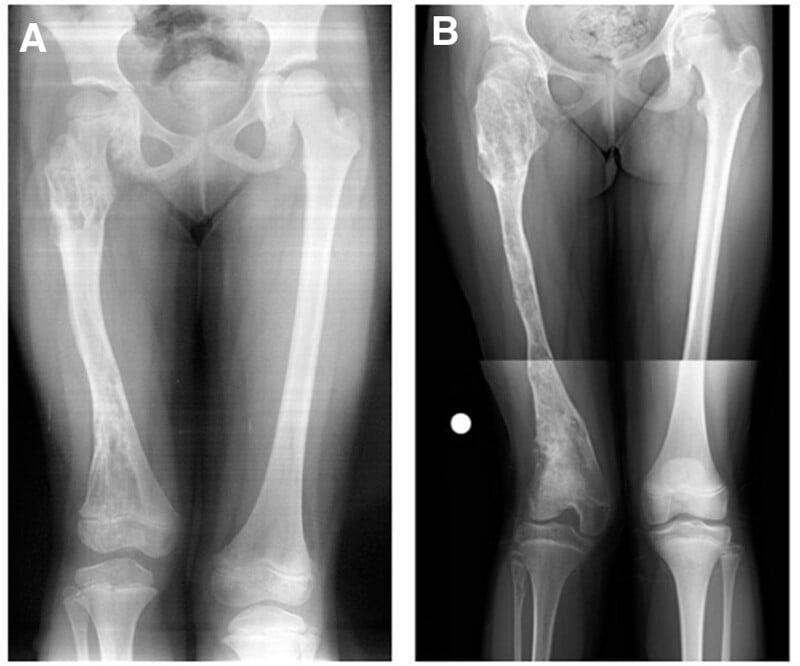
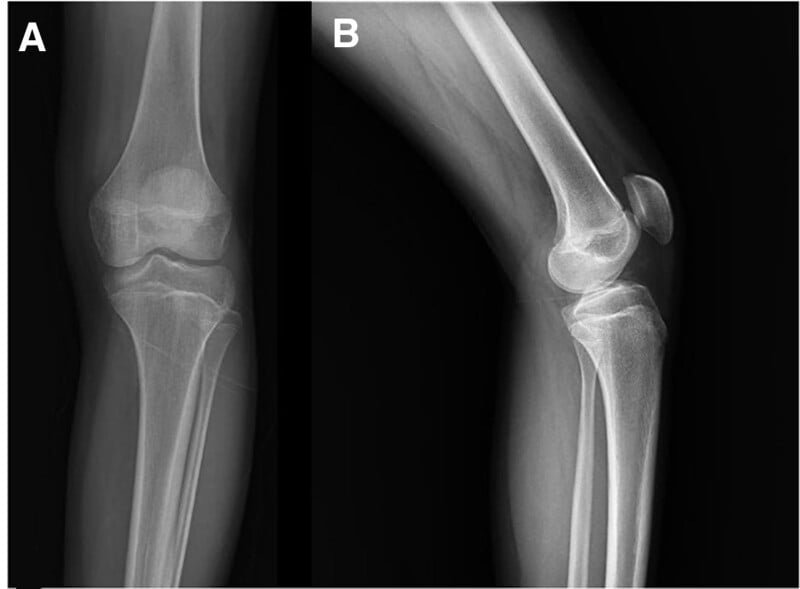
Multiple cartilage rests persist in the medullary cavity instead of ossifying, and appear as enchondromas on the radiograph. Growth plate abnormalities produce limb length discrepancy and angular deformity as the child grows.
Additional mutations in TP53, RB1 and CDKN2A accumulate in some lesions and drive malignant transformation. Pain, growth, cortical breakthrough and a soft-tissue mass are what transformation to chondrosarcoma looks like.
In Maffucci syndrome the haemangiomas may also transform, to angiosarcoma. Multiple tumour sites are possible, and the prognosis is poor because the disease is multifocal and presents late.
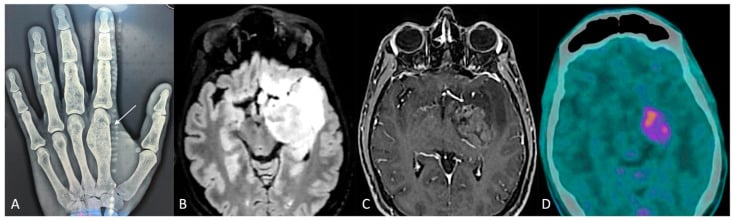
Beyond bone. The same IDH mutations occur in gliomas, which is the basis of the increased brain-tumour risk described in Maffucci syndrome, and Maffucci patients also develop mesenchymal ovarian and other primary tumours. New neurological symptoms in a patient with enchondromatosis are investigated rather than attributed to the skeletal disease.
Histology, and why it disappoints. The benign lesion is hypocellular hyaline cartilage; the transformed lesion is cellular, atypical and permeates the bone around it.
- Benign enchondroma (Ollier/Maffucci)
- Hypocellular hyaline cartilage
- Secondary chondrosarcoma
- Hypercellular, increased cell density
- Benign enchondroma (Ollier/Maffucci)
- Small, uniform cells in lacunae
- Secondary chondrosarcoma
- Enlarged cells, irregularly distributed
- Benign enchondroma (Ollier/Maffucci)
- Single, regular, small
- Secondary chondrosarcoma
- Enlarged and hyperchromatic, binucleation, moderate to severe nuclear atypia
- Benign enchondroma (Ollier/Maffucci)
- Abundant hyaline cartilage matrix
- Secondary chondrosarcoma
- Areas of myxoid degeneration
- Benign enchondroma (Ollier/Maffucci)
- Lobular pattern preserved, dystrophic calcification common
- Secondary chondrosarcoma
- Permeation into surrounding bone
Separating benign from malignant cartilage histologically is extremely difficult in these patients, and for three reasons that compound each other.
- Enchondromas in Ollier and Maffucci disease may be more cellular than solitary enchondromas and still be benign
- Low-grade chondrosarcoma may show minimal atypia
- Sampling error is common, because a heterogeneous tumour offers a benign area to the needle
Clinical and radiological correlation is therefore essential. Pain, growth, cortical destruction and a soft-tissue mass are more reliable indicators of malignancy than the histology alone, and expert musculoskeletal pathologist review is mandatory.
Classification
The syndromes. Classification rests on what accompanies the enchondromas outside the skeleton - haemangiomas, osteochondromas or nothing at all.
- Key Features
- Multiple enchondromas, predominantly unilateral distribution, limb shortening
- Extra-Skeletal Findings
- None
- Malignancy Risk
- ~40% overall risk of chondrosarcoma, stratified by site (15% hands/feet to 43-46% long bones/pelvis)
- Key Features
- Multiple enchondromas plus multiple soft tissue haemangiomas
- Extra-Skeletal Findings
- Spindle cell haemangiomas (pathognomonic)
- Malignancy Risk
- Conventionally taught as the higher risk, plus risk of non-skeletal malignancy - but the 'approaching 100%' figure is not derived in any primary source
- Key Features
- Enchondromas plus osteochondromas (exostoses)
- Extra-Skeletal Findings
- None
- Malignancy Risk
- Low
- Key Features
- Generalised enchondromatosis, autosomal dominant
- Extra-Skeletal Findings
- None
- Malignancy Risk
- Unknown
Distribution. Ollier disease is unilateral or predominantly affects one side, commonly involves the hands and feet, and frequently involves the long bones of the lower limb, where it may cause significant limb length discrepancy. Maffucci syndrome distributes its enchondromas much as Ollier disease does and adds spindle cell haemangiomas, which may lie in the soft tissues or in the viscera. Disease that is bilateral and symmetrical should prompt a search for haemangiomas, which would make it Maffucci syndrome, or for osteochondromas, which would make it metachondromatosis.
Severity. Severity is described by the number of lesions, the limb length discrepancy and the functional impact. More extensive disease correlates with a higher malignancy risk, and an earlier age at presentation often indicates more severe disease.
- Number of Lesions
- Fewer than 5 enchondromas
- Limb Length Discrepancy
- Less than 2 cm
- Functional Impact
- Minimal, monitoring only
- Number of Lesions
- 5-10 enchondromas
- Limb Length Discrepancy
- 2-5 cm
- Functional Impact
- Moderate deformity, may need intervention
- Number of Lesions
- Greater than 10 enchondromas
- Limb Length Discrepancy
- Greater than 5 cm
- Functional Impact
- Significant deformity, multiple surgeries needed
Clinical Presentation
In childhood the presenting complaint is usually shape. A parent notices that one leg is shorter or one hand is knobbly, or the child is referred after a radiograph taken for minor trauma shows lesions nobody was looking for.
- Limb deformity noticed by the parents, usually a leg length difference
- Palpable masses in the hands or feet
- Gait abnormality from the limb length discrepancy
- Angular deformity, varus or valgus, of a long bone
- An incidental radiographic finding after minor trauma
In adolescence and adult life the same disease presents through its failures: the bone breaks, the deformity progresses, or a lesion starts to hurt.
- Pathological fracture through weakened bone
- Progressive deformity worsening with growth
- Pain in a lesion - the red flag for malignant transformation
- Palpable soft-tissue mass - chondrosarcoma with soft-tissue extension
- Functional impairment from severe deformity
- Mechanism
- Asymmetric growth plate involvement
- Usual location
- Lower limbs most common
- Mechanism
- Metaphyseal enchondromas disrupt growth
- Usual location
- Tibia, femur, forearm
- Mechanism
- Multiple phalangeal enchondromas
- Usual location
- Fingers shortened and widened
- Mechanism
- Cortical thinning from the lesions
- Usual location
- Any involved bone
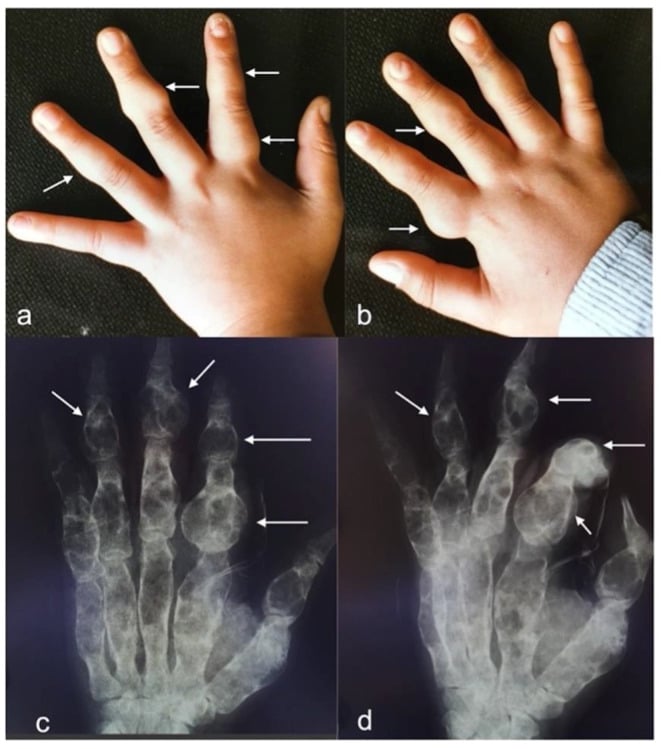
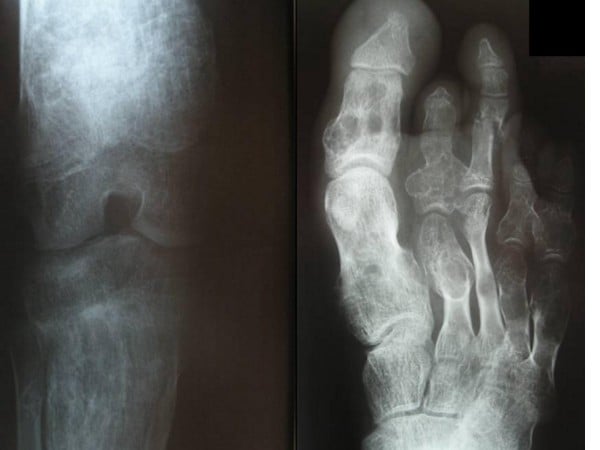
Any of these in a known enchondromatosis patient requires urgent MRI and consideration of biopsy:
- New onset pain in a previously asymptomatic lesion - the most important of them
- Progressive enlargement on serial radiographs - an increase of more than 25% in any dimension
- Palpable soft-tissue mass on examination
- Cortical breakthrough on radiograph or CT
- Rapid functional decline - new weakness, limited motion
- Night pain or pain at rest
- Constitutional symptoms - rare; weight loss, fatigue
The response is MRI of the affected area, CT of the chest for metastases, CT-guided biopsy along an excisable trajectory, and discussion at a multidisciplinary tumour board. Do not delay: early detection is what makes limb salvage possible.
Look. Measure both leg lengths from the anterior superior iliac spine to the medial malleolus, assess varus and valgus alignment, and note the shortened digits and expanded phalanges of the hand. Look for soft-tissue masses - haemangiomas in Maffucci syndrome, extraosseous extension of a tumour in either - and watch the patient walk for a limp or a Trendelenburg gait.
Feel. Palpate every accessible lesion in turn. Tenderness in any of them is the red flag; a compressible soft-tissue mass is a haemangioma; warmth over a lesion suggests active growth. Palpate deliberately for extraosseous extension around the bony masses rather than only over them.
Move. Check range of motion at all major joints, assess rotational as well as angular deformity, and record something functional - grip strength, walking distance. A neurovascular examination of all four limbs, checking pulses and sensation, completes it.
Record. Map the lesions on a skeletal diagram, photograph the visible deformities and haemangiomas, and write down the limb lengths and joint angles so the next clinic has something to compare with. Any painful lesion is documented as such, because that is the entry to urgent imaging.
Investigations and Imaging
The baseline skeletal survey. At diagnosis every patient needs a complete skeletal survey, both to document the lesions and to give surveillance something to measure against. Record the number of lesions, their size, any cortical involvement and the deformities.
- All extremities - AP and lateral views
- Pelvis and femora - AP
- Spine - AP and lateral if symptomatic
- Hands and feet - PA
Selective MRI at baseline. MRI is not needed for every lesion, but it is directed at the ones that matter: the proximal long bones of the femur and humerus, which are high-risk sites for transformation; any lesion with new pain; and large lesions, greater than 5cm or with significant cortical thinning. What it answers is soft-tissue extension, marrow involvement and cortical integrity.
Measurements to take at the same visit. Clinical photographs of every visible deformity, a scanogram or CT scanogram for limb lengths, and long-leg alignment films where the alignment is in question.
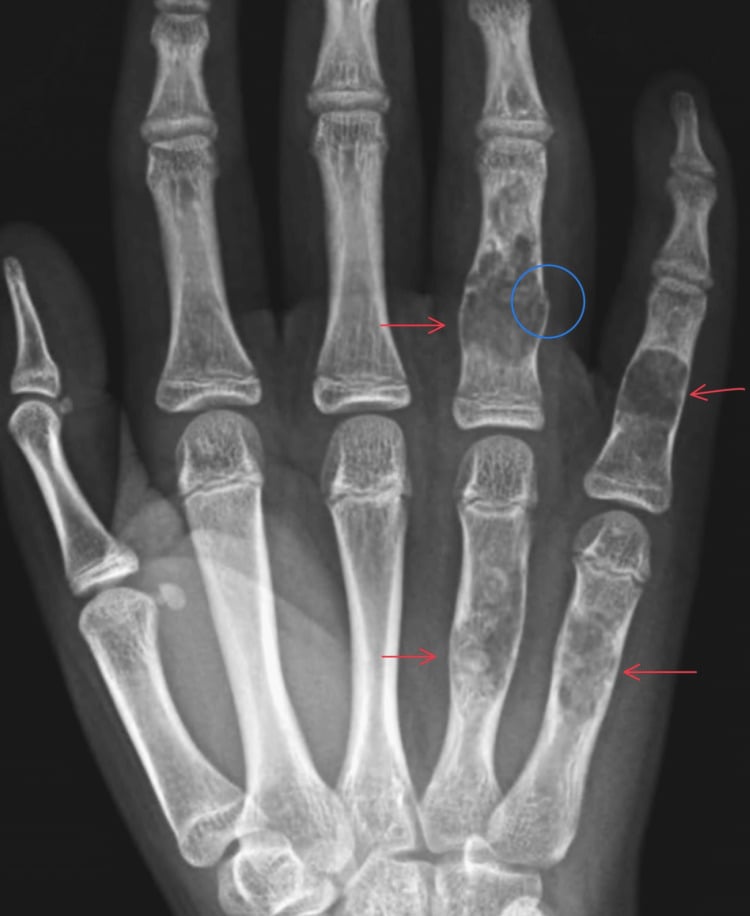
- Appearance
- Rings-and-arcs or stippled pattern
- Location
- Within medullary cavity
- Significance
- Pathognomonic for cartilage tumour
- Appearance
- Endosteal scalloping, expansion
- Location
- Circumferential in severe cases
- Significance
- Pathological fracture risk
- Appearance
- Metaphyseal location, crosses physis
- Location
- Long bones near joints
- Significance
- Causes growth disturbance and deformity
- Appearance
- Multiple lesions, unilateral predominance
- Location
- Entire limb or hemibody
- Significance
- Diagnostic for Ollier disease
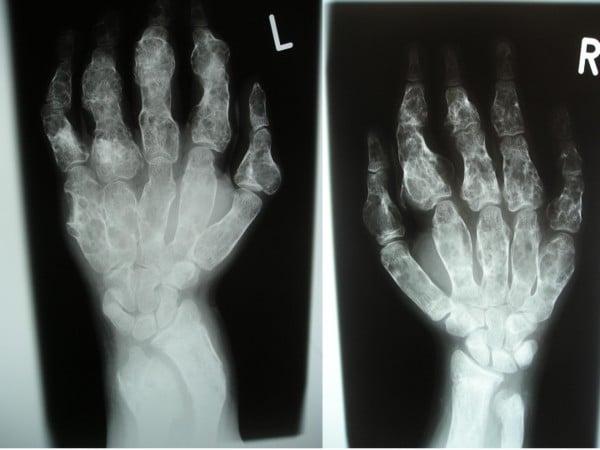
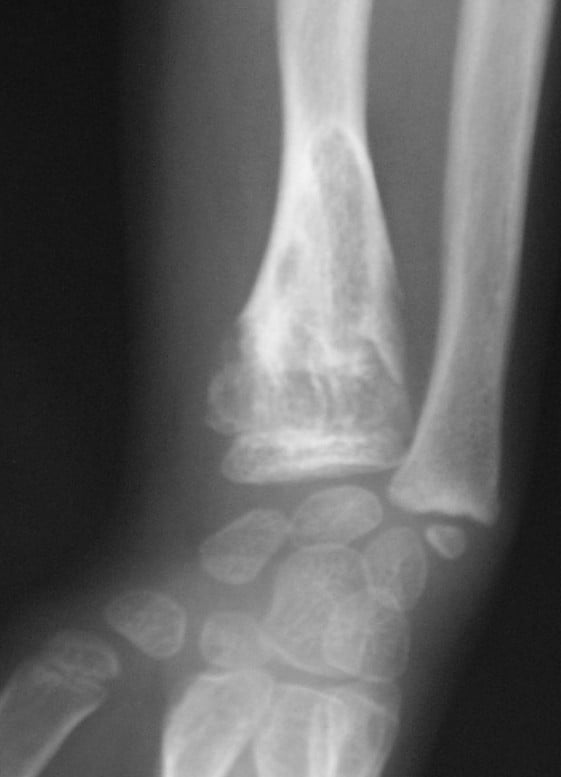
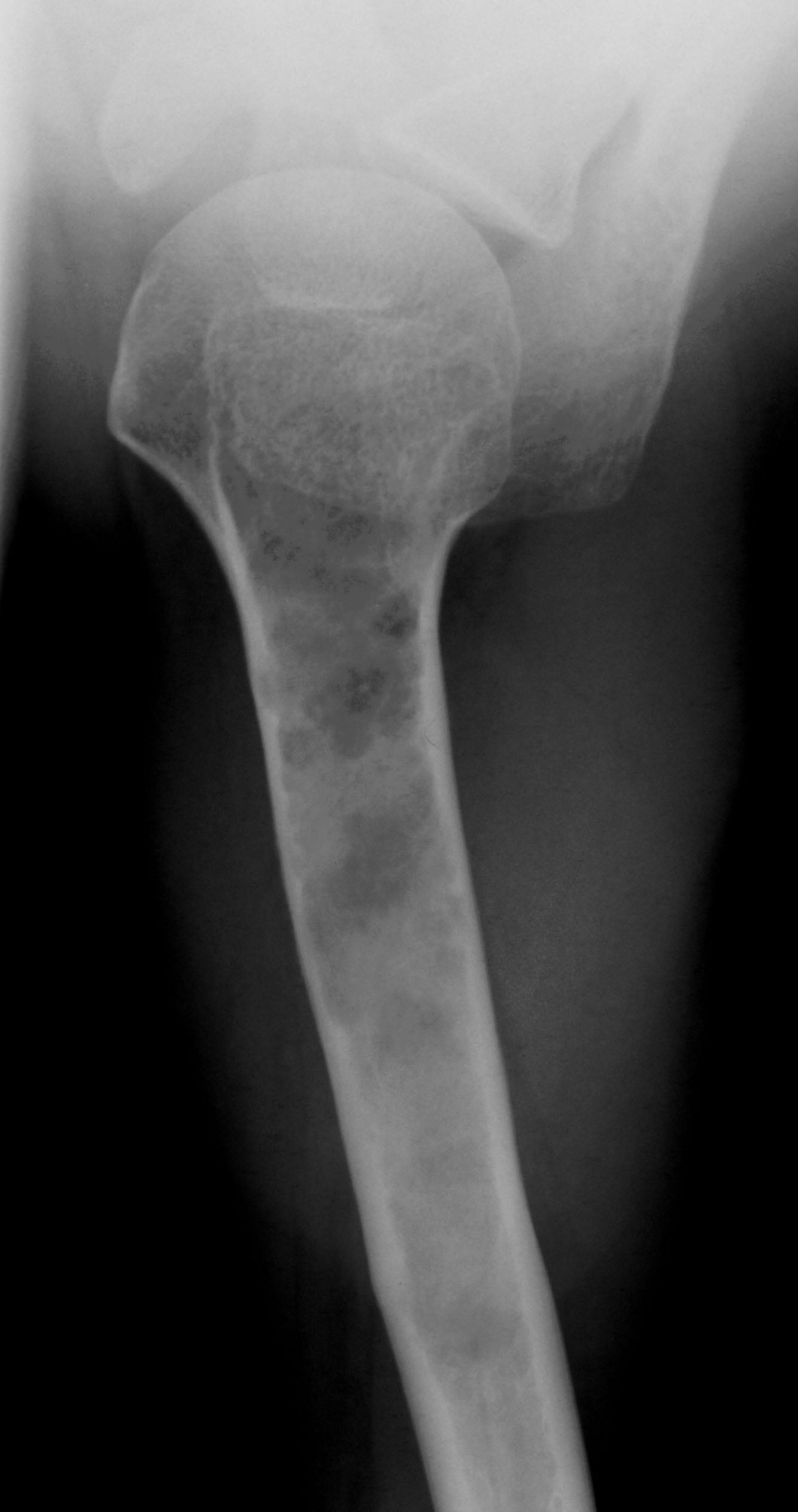
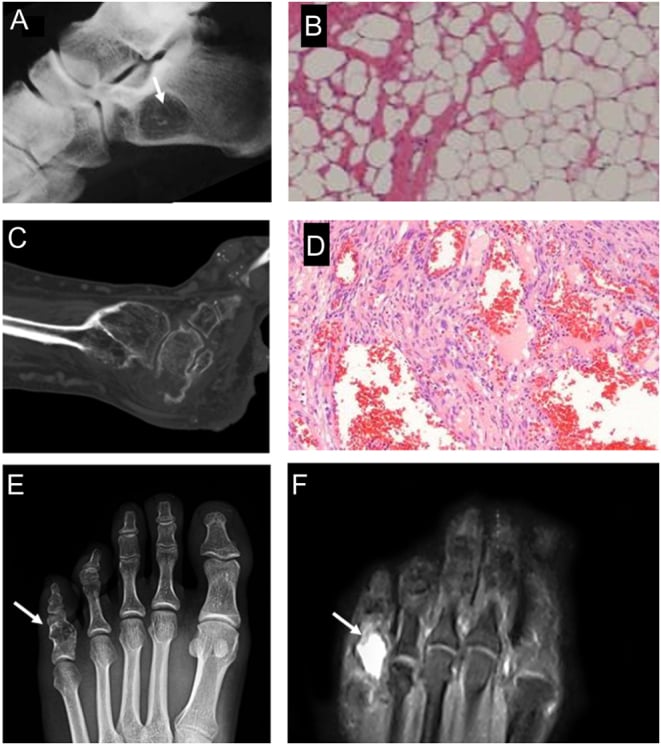
Phleboliths - the Maffucci clue on the plain film. The features above describe the enchondromas. In Maffucci syndrome the diagnosis is often made on the plain film instead by looking outside the bone, where the vascular lesions calcify. Phleboliths are small round or ovoid calcified thrombi, often laminated and target-like and sometimes with a lucent centre, formed in the slow-flowing channels of the soft-tissue haemangiomas. Multiple soft-tissue phleboliths beside multiple enchondromas in a young patient are effectively pathognomonic of Maffucci syndrome, and their absence supports Ollier disease, which has no soft-tissue vascular calcification. It is the quickest plain-film discriminator between the two.
What the vascular lesion actually is. The "haemangioma" of Maffucci syndrome is specifically a spindle cell haemangioma, now regarded as a benign vascular neoplasm rather than a true haemangioma or a simple malformation. It sits typically in the dermis and subcutis of the distal extremities and is composed of cavernous vascular spaces, containing the thrombi that become phleboliths, and bland spindled cells. It carries the same somatic IDH1/IDH2 mutation as the enchondromas, found in about 70% of spindle cell haemangiomas - molecular proof that the two lesions of Maffucci syndrome share an origin. On cross-sectional imaging the lesions are soft-tissue masses containing phleboliths on radiograph and CT, and lobulated, markedly T2-hyperintense vascular spaces, sometimes with fluid-fluid levels, on MRI.
MRI for transformation. MRI is the gold standard for detecting malignant transformation, and the features that matter are the ones that show the tumour leaving its confines.
- Benign enchondroma
- Low to intermediate
- Chondrosarcoma
- Heterogeneous, with low signal areas
- Benign enchondroma
- Very high (hyaline cartilage water content)
- Chondrosarcoma
- Heterogeneous, with myxoid areas
- Benign enchondroma
- Peripheral septal enhancement only
- Chondrosarcoma
- Intense and irregular
- Benign enchondroma
- No extraosseous component
- Chondrosarcoma
- Soft-tissue mass present
- Benign enchondroma
- Well-defined lobulated contour
- Chondrosarcoma
- Ill-defined, infiltrative
- Benign enchondroma
- Variable but stable
- Chondrosarcoma
- Progressive enlargement
A soft-tissue mass on MRI is the single most reliable indicator of malignant transformation. Benign enchondromas do not break through the cortex and extend into soft tissue; if there is a soft-tissue component, assume chondrosarcoma until proven otherwise and proceed to biopsy and wide excision.
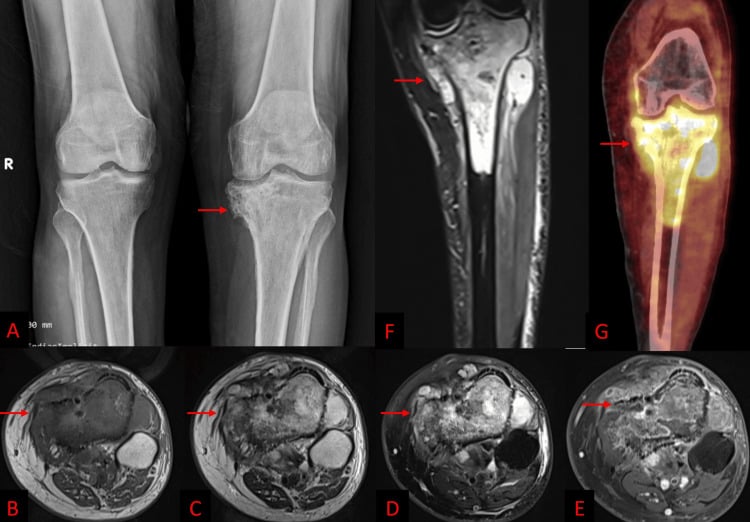
When to biopsy. Biopsy is for the lesion whose clinical and imaging behaviour already suggests malignancy, and where the result will change what is done. The technique is a CT-guided core needle biopsy along an excisable trajectory, planned so that the tract can be taken out en bloc with the tumour if the histology confirms chondrosarcoma.
- Biopsy: new pain in a previously asymptomatic lesion, progressive enlargement on serial imaging, a soft-tissue mass on MRI, cortical breakthrough on CT, or new symptoms in the axial skeleton over the age of 40
- Discuss at the tumour board: a large lesion, over 5cm, in a proximal long bone; cortical destruction through more than two thirds of the thickness; equivocal heterogeneous enhancement; or a patient whose anxiety about one lesion is itself the problem
- Observe: small asymptomatic hand and foot lesions, lesions stable in size over two years or more, classic benign MRI features, a young patient with nothing else of concern
Observation still means imaging. Serial imaging every 6-12 months is safer than biopsying every lesion that looks odd, and in a disease of many lesions that matters.
Four problems limit what the needle can tell you here: tumour seeding of the biopsy tract, sampling error in a heterogeneous tumour that has benign areas to offer, the histological overlap that defeats even expert pathologists, and the simple fact that a patient with many lesions cannot have all the concerning ones biopsied.
Reserve biopsy for lesions where the clinical picture and the imaging already suggest malignancy and where the result will change management - which in practice means proceeding to wide excision if chondrosarcoma is confirmed.
Differential Diagnosis
- Cartilage Lesions
- Multiple enchondromas, unilateral
- Other Features
- Deformities, NO haemangiomas
- Malignancy Risk
- ~40% chondrosarcoma overall (15% hands/feet, 43-46% long bones)
- Cartilage Lesions
- Multiple enchondromas
- Other Features
- Soft tissue haemangiomas present
- Malignancy Risk
- High and conventionally above Ollier's, but not separately quantified
- Cartilage Lesions
- Enchondromas plus osteochondromas
- Other Features
- Autosomal dominant, PTPN11 mutation
- Malignancy Risk
- Low malignancy risk
- Cartilage Lesions
- Osteochondromas only (NO enchondromas)
- Other Features
- Autosomal dominant, EXT1/EXT2
- Malignancy Risk
- 1-5% malignant transformation
Enchondroma or osteochondroma. Enchondromas are intramedullary, inside the bone, with rings-and-arcs calcification. Osteochondromas are surface lesions with a cartilage cap pointing away from the joint. Metachondromatosis is the syndrome with both.
Ollier or metachondromatosis. Metachondromatosis is autosomal dominant, so there is usually a family history, it produces both enchondromas and osteochondromas, and its malignancy risk is much lower than Ollier's.
Management
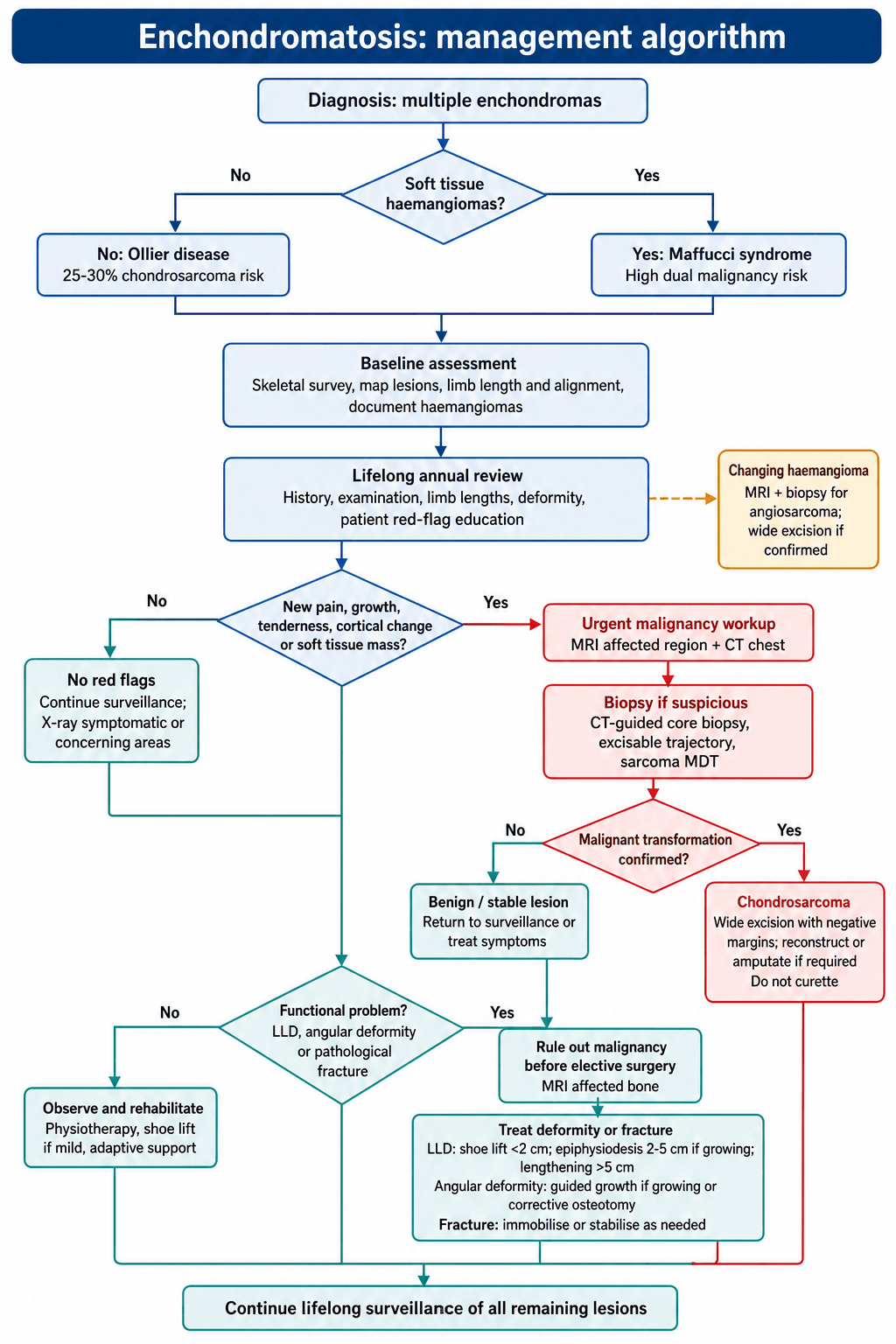
The point of surveillance. The whole strategy is early detection: a chondrosarcoma found small and without metastases carries about 90% five-year survival after wide excision, while one found late, large and metastatic carries under 30%. That difference is the entire argument for seeing these patients every year for life.
The annual visit. Ask about new pain in any lesion and characterise it, about new weakness or loss of motion or a change in gait, about visible new or enlarging masses, about weight loss, fatigue and night sweats, and about any fracture since the last visit. Then inspect all the limbs for new deformity, asymmetry or masses, palpate every accessible lesion for tenderness, measure the limb lengths, assess the angular and rotational deformities, and in Maffucci syndrome examine every haemangioma for change.
Imaging at the annual visit is selective. Radiograph the areas that are symptomatic or that concern you on examination, keep a low threshold for MRI of any painful lesion or palpable change, and always compare with the previous study rather than reading the new one alone. CT of the chest belongs to staging, once chondrosarcoma is suspected.
Teaching the patient is part of the protocol. They are the ones who will notice the change first, so they need the red flags in plain language, a demonstration of how to palpate their own accessible lesions monthly, an instruction to report new symptoms without waiting for the annual appointment, and an honest account of the malignancy risk.
- Clinical Exam
- Annual full exam, measure limbs
- Imaging
- Skeletal survey every 2-3 years
- Frequency
- More frequent if deformities are progressing
- Clinical Exam
- Annual exam, document new symptoms
- Imaging
- Update the skeletal survey if it is not recent; radiographs of symptomatic areas annually
- Frequency
- Annual clinical, imaging as needed - the peak age for transformation
- Clinical Exam
- Annual exam with high suspicion
- Imaging
- Skeletal survey if new symptoms; low threshold for MRI if any symptoms
- Frequency
- Annual, more aggressive imaging
- Clinical Exam
- Urgent clinical evaluation
- Imaging
- MRI of affected area, CT chest
- Frequency
- Immediate workup for malignancy
WATCHSurveillance Protocol - WATCH
Hook:WATCH closely for malignant transformation - patient's life depends on it!
When to operate on the skeleton. Four things take a patient with enchondromatosis to theatre, and only one of them is the tumour.
- Limb length discrepancy causing gait abnormality or functional impairment
- Angular deformity causing joint malalignment or cosmetic concern
- Pathological fracture requiring stabilisation
- Malignant transformation requiring wide excision
Limb length discrepancy. Measure the true leg length from the anterior superior iliac spine to the medial malleolus, confirm it with a scanogram or CT scanogram, and then work out the predicted discrepancy at skeletal maturity, which is the number treatment is planned against.
- Under 2cm - a shoe lift, usually well tolerated
- 2-5cm - epiphysiodesis of the contralateral side while the child is still growing
- Over 5cm, or once skeletal maturity removes the epiphysiodesis option - limb lengthening
Timing an epiphysiodesis is the whole operation. It needs a child with at least 1-2 years of growth remaining and a normal contralateral limb, which Ollier disease usually provides, and the timing comes from growth charts and skeletal age with the Paley multiplier: about 1-1.5 years of growth left for 1cm of correction, 3-4 years for 3cm. In practice that is roughly 11-13 years in girls and 13-15 years in boys, and radiographs every six months afterwards show whether the limbs are equalising.
The operation itself is small. Percutaneous screws or a drill across the distal femoral and proximal tibial physes of the normal side, or an 8-plate, or the traditional open drill-and-curettage epiphysiodesis: a simple outpatient procedure either way. What it does is slow the long limb, so it cannot correct a discrepancy that already exists.
Angular deformity. Assess it on long-leg alignment films, measure the varus or valgus angle, and look at the joint line orientation before planning anything. Mild deformity in an asymptomatic patient is observed; the choice in the rest is between guiding the growth that remains and cutting the bone.
- Procedure
- Guided growth with an 8-plate if still growing
- Timing Considerations
- Remove at skeletal maturity or once corrected
- Procedure
- Acute corrective osteotomy
- Timing Considerations
- Wait until near skeletal maturity if possible
- Procedure
- Gradual correction with an external fixator
- Timing Considerations
- Taylor Spatial Frame or Ilizarov
- Procedure
- Osteotomy with lengthening
- Timing Considerations
- Address both simultaneously with a circular fixator
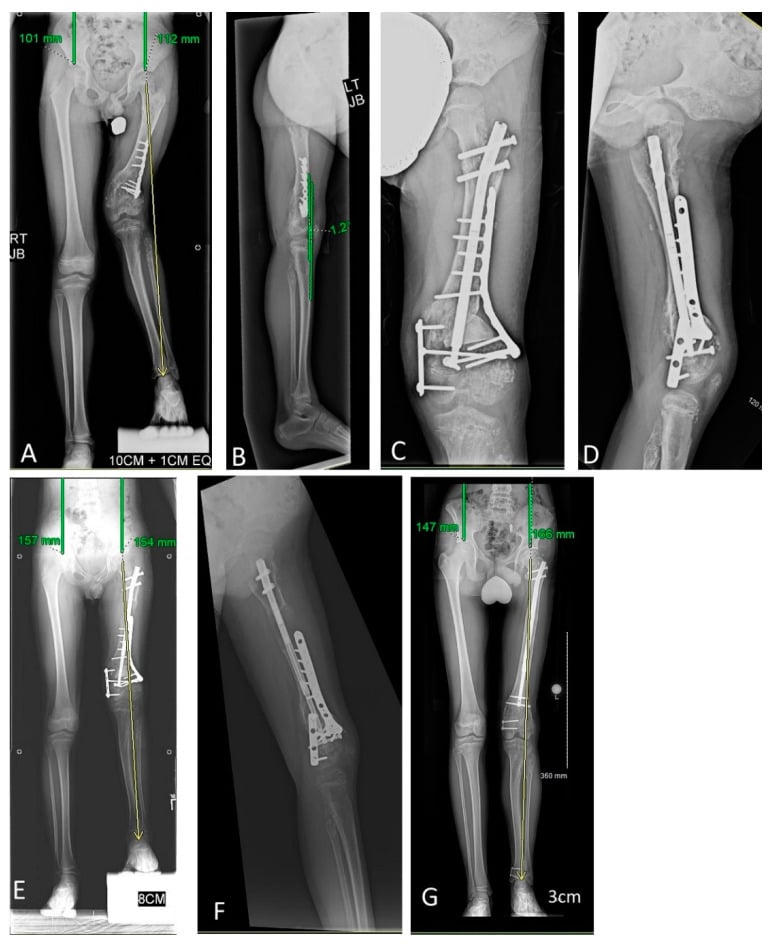
Limb lengthening, whether over an external fixator (Ilizarov) or an internal nail (PRECICE), is challenging in these patients:
- Abnormal bone quality - the enchondromas weaken the bone and raise the fracture risk
- Pin site complications - pins may have to pass through cartilage lesions
- Slow healing - distraction osteogenesis may be prolonged
- Multiple procedures - a severe discrepancy often needs two or three lengthenings
The better candidates are young, motivated and able to comply with physiotherapy. Avoid it where the bone to be lengthened carries multiple large enchondromas.
Image the affected bone with MRI before elective correction of a deformity. Operating through an undiagnosed chondrosarcoma contaminates the field and can convert a limb-salvage case into an amputation. The golden rule in enchondromatosis is MRI first, correction second.
Chondrosarcoma: the principle. A chondrosarcoma arising in enchondromatosis is treated by wide excision with negative margins. Curettage is inadequate, with recurrence after it approaching 50-70%. Quoted margins for low-grade disease vary between 5-10mm of bone with a cuff of soft tissue and a full 2cm; the higher grades demand the wider margin. Achieving it may mean resection of the proximal femur or of the pelvis, or amputation for a large tumour.
Getting there in order. Stage before you cut and biopsy before you resect.
- MRI of the whole affected bone for soft-tissue extent and intramedullary involvement
- CT of the chest for pulmonary metastases, present in under 5% at diagnosis for low-grade tumours
- CT-guided core biopsy along an excisable trajectory, with expert musculoskeletal pathology review
- Tumour board, with the orthopaedic oncologist, radiologist and pathologist in the room
- Plan the reconstruction and counsel the patient - limb salvage against amputation, function, recurrence risk - and optimise nutrition, smoking and psychological support before surgery
In theatre. En bloc resection with a cuff of normal tissue, frozen sections to confirm the margins while the patient is still asleep, reconstruction that restores limb length and joint function, and the entire specimen to the pathologist so that every section can be graded. Chondrosarcoma responds to neither chemotherapy nor radiotherapy, so the margin is the treatment.
Reconciling that with the curettage literature. El Masry's 113 patients with low-grade appendicular chondrosarcoma treated by extended curettage with a cryoadjuvant and cement had only 2.7% local recurrence at a mean of 110 months, and ESMO and NCCN both accept intralesional surgery for atypical cartilaginous tumours of the appendicular skeleton. Those series were neither syndromic nor axial, and El Masry's cohort does not address transformation within Ollier or Maffucci disease at all. Wide excision remains the position for a secondary chondrosarcoma in these syndromes, and suspected chondrosarcoma is referred to a sarcoma centre before biopsy.
Maffucci syndrome: the second tumour. These patients carry a dual risk - chondrosarcoma from the enchondromas, as in Ollier disease, and angiosarcoma from the spindle cell haemangiomas, which is theirs alone. The spindle cell haemangioma is itself now classified as benign, and angiosarcoma arising in one is described historically, which is precisely why a change in a previously stable lesion is taken seriously.
- Rapid enlargement of a haemangioma
- Change in colour, texture or firmness of a vascular lesion
- Bleeding or ulceration
- Pain in a previously painless haemangioma
MRI shows a heterogeneous mass and the biopsy shows a high-grade sarcoma with vascular channels. Treatment is wide excision with margins, which at some sites means amputation because margins cannot be achieved otherwise, and the prognosis is poor: angiosarcoma is aggressive and metastasises early. Surveillance therefore includes annual examination of all the haemangiomas, with a low threshold for biopsying any that change.
Surgical Technique
When not to operate. An asymptomatic lesion is surveilled rather than curetted. Hold off also on a patient with a suspected malignancy who has not been staged, on a poor soft-tissue envelope, and on a growing skeleton, where the timing needs thought; where several procedures are planned, stage them appropriately.
Curettage and grafting is the operation for the symptomatic benign lesion, and it is done through a window large enough to see the whole cavity.
- Technique
- Cortical window adequate for complete visualisation
- Key Points
- Window two thirds the length of the lesion, hinged on one side for closure
- Technique
- Systematic removal of all cartilaginous tissue
- Key Points
- Start centrally and work to the periphery; curettes of several sizes
- Technique
- High-speed burr for residual tissue
- Key Points
- Extends the margin 1-2mm into normal bone
- Technique
- Phenol, hydrogen peroxide or cryotherapy
- Key Points
- For aggressive lesions or recurrences; protect the soft tissues
- Technique
- Fill the defect with autograft, allograft or substitute
- Key Points
- Autograft preferred for large defects; calcium phosphate for small lesions
- Technique
- Internal fixation if the fracture risk is high
- Key Points
- Prophylactic plating for large defects in weight-bearing bones
The hand. Approach a phalanx or metacarpal through a dorsal longitudinal or mid-lateral incision and raise a rectangular cortical window, preserved for closure. Curette the cavity completely with small curettes; small defects often need no graft and heal with fibrous tissue, and a K-wire is used only for an unstable fracture. Motion begins at 2-4 weeks.
What is different about the hand. Multiple lesions are staged 6-8 weeks apart rather than done together. A pathological fracture is allowed to heal for 4-6 weeks before curettage. The digital nerve is protected during exposure, soft tissue handled meticulously because the tendons adhere, and an adjuvant is rarely needed.
Deformity correction. Plan on full-length alignment films to document the mechanical axis: identify the centre of rotation of angulation (CORA), which is the apex of the deformity and where the osteotomy belongs, and measure the correction against the normal contralateral side. Correct to the planned alignment with an alignment jig or navigation and fix rigidly - plate and screws, a locking plate, are the most reliable - grafting the site if it is needed. Place the screws to avoid the lesions.
- Technique
- Two rings, proximal and distal to the osteotomy
- Considerations
- Half-pins and wires; place wires to avoid the enchondromas
- Technique
- Percutaneous or open at the apex of the deformity
- Considerations
- Multiple Gigli saw cuts or drill holes
- Technique
- Deformity parameters entered into the software
- Considerations
- CORA analysis determines the correction plan
- Technique
- 1mm/day of length; angular correction slower
- Considerations
- Adjust to patient tolerance and radiographs
- Technique
- Frame stays until cortical bridging on four cortices
- Considerations
- Typically one month per cm of lengthening
Lengthening hardware. Either a circular external fixator (Ilizarov or Taylor Spatial Frame) or an internal lengthening nail (PRECICE, FITBONE) will do it; the choice turns on the deformity, the bone available and what the patient will tolerate on the limb for months.
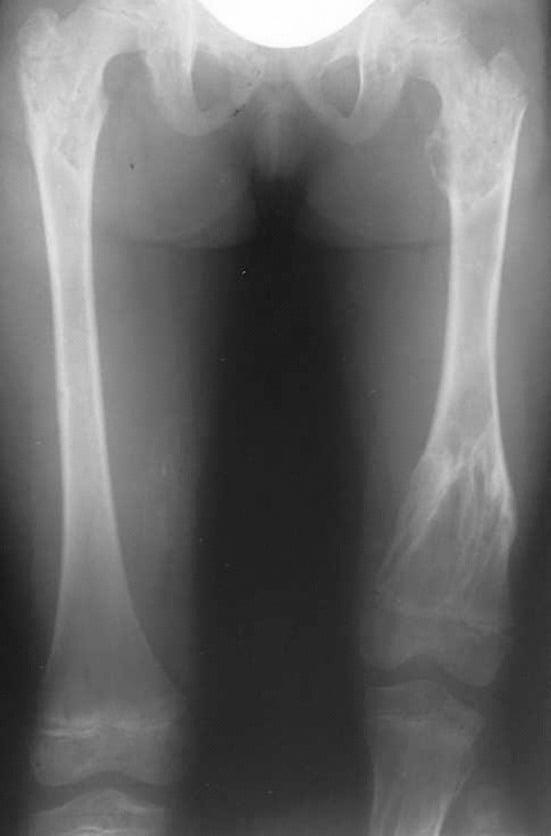
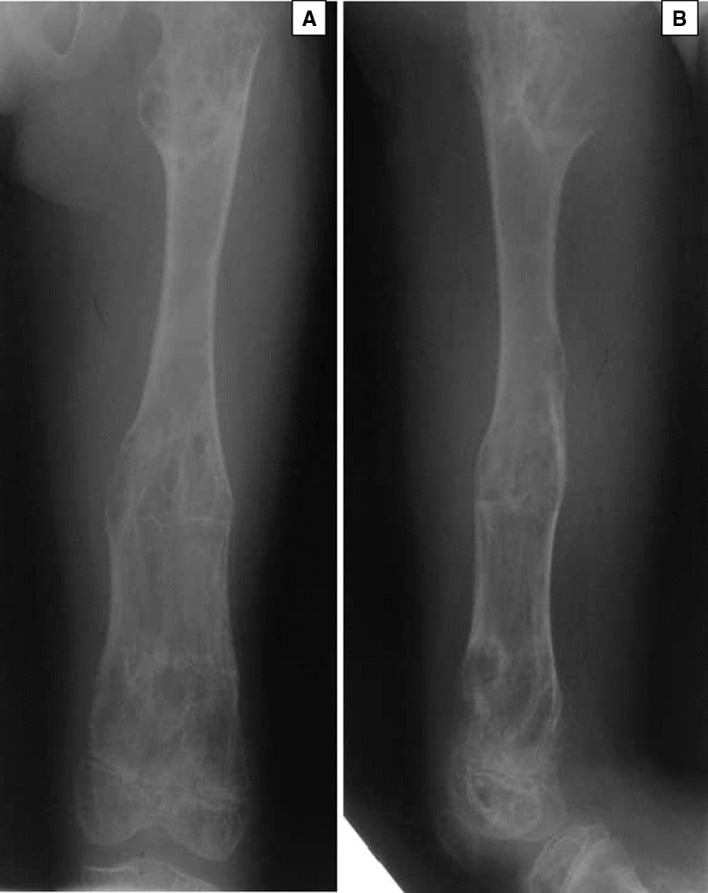
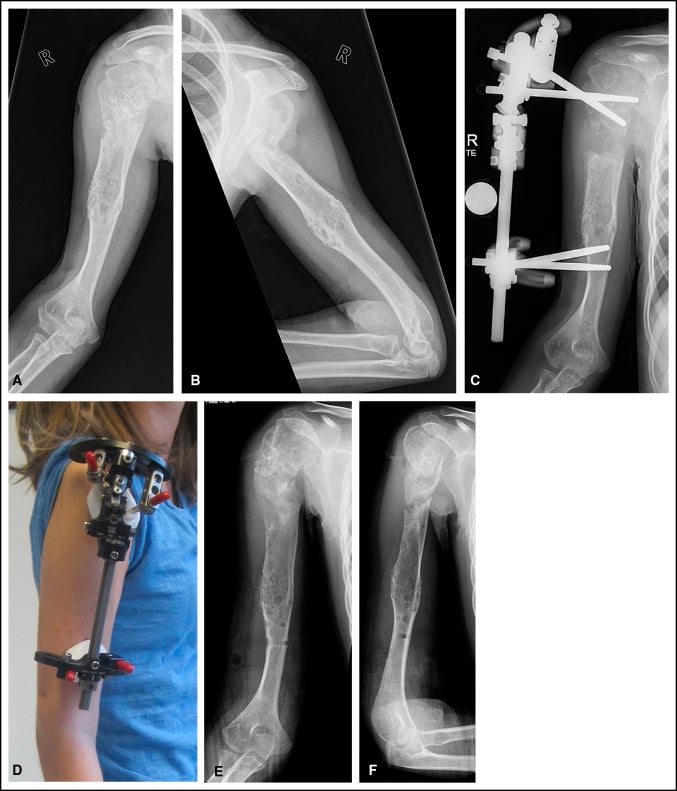
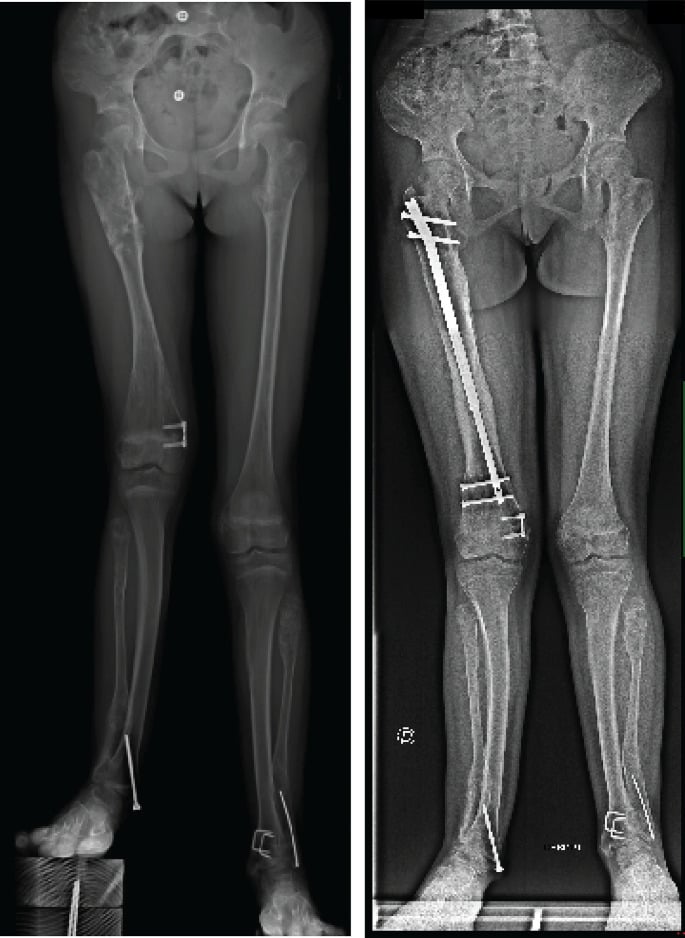
Resection margins for a secondary chondrosarcoma follow the grade, and so does the reconstruction.
- Margin Required
- Wide (2cm bone, 1 cuff soft tissue)
- Reconstruction Options
- Allograft, endoprosthesis, cement
- Adjuvant
- None (insensitive to chemo/XRT)
- Margin Required
- Wide margin essential
- Reconstruction Options
- Allograft-prosthetic composite, endoprosthesis
- Adjuvant
- None standard; trials ongoing
- Margin Required
- Wide; consider amputation if margins compromised
- Reconstruction Options
- Endoprosthesis if limb salvage possible
- Adjuvant
- Chemotherapy trials; radiation for positive margins
- Margin Required
- Wide; often requires amputation
- Reconstruction Options
- Depends on soft tissue extension
- Adjuvant
- Multiagent chemotherapy (poor response)
Reconstruction: mechanical or biological. An endoprosthesis is the choice for a diaphyseal or juxta-articular resection - modular (MUTARS, GMRS) or custom, extendable in the skeletally immature, cemented for immediate stability or press-fit, with the capsule and tendons reattached to the implant. The biological alternatives are an intercalary or osteoarticular allograft, a vascularised fibula combined with an allograft (the Capanna technique), bone transport by distraction osteogenesis for a defect, or extracorporeal irradiation and reimplantation of the patient's own resected bone. An intercalary allograft suits the mid-diaphysis and a modular endoprosthesis the metaphysis and epiphysis; an allograft-prosthetic composite combines the two; and amputation remains the answer for neurovascular involvement or a massive tumour.
The haemangiomas in Maffucci syndrome are treated for what they do, not for what they are. Cosmetic concern about a visible lesion, functional impairment where one limits joint motion, recurrent bleeding, painful thrombophlebitis and rapid enlargement are the reasons to intervene.
- Observation for small asymptomatic lesions
- Sclerotherapy with sodium tetradecyl sulfate or polidocanol
- Nd:YAG laser for cutaneous lesions
- Surgical excision for large or symptomatic lesions
- Embolisation before surgery for vascular lesions
Complications
What goes wrong, and how often. Malignant transformation is the complication that kills, but deformity and fracture are the ones that fill the clinic.
- Incidence
- ~40% Ollier (site-stratified); Maffucci conventionally higher but NOT separately quantified - avoid '~100%'
- Impact
- Life-threatening, requires wide excision
- Management
- Surveillance, early detection, wide resection
- Incidence
- 30-40% of patients
- Impact
- Pain, disability, may require surgery
- Management
- Immobilise, allow to heal, then curettage and graft
- Incidence
- 60-70% with lower limb involvement
- Impact
- Gait abnormality, back pain, cosmetic
- Management
- Epiphysiodesis or lengthening
- Incidence
- 40-50% with metaphyseal lesions
- Impact
- Joint malalignment, arthritis risk
- Management
- Guided growth or corrective osteotomy
- Incidence
- Variable (20-80%)
- Impact
- Limited activities, reduced quality of life
- Management
- Physiotherapy, adaptive equipment, surgery
After curettage the problems are local and mostly minor: recurrence in 5-15% from incomplete removal, re-fracture in 5-10% where a large defect was not adequately grafted, infection in 2-3%, and stiffness in 10-20% of hand cases where mobilisation was delayed.
After major reconstruction they are larger. Allograft nonunion occurs at the host-graft junction in 10-20% and allograft fracture in 5-10% years later; endoprostheses loosen in 5-10% at ten years; infection runs at 5-15% for major reconstructions; and a limb length discrepancy may persist despite the reconstruction.
The cost of a lifelong condition. These patients have on average 3-5 operations over a lifetime, chronic pain in 20-40%, functional limitation in the severe cases, visible asymmetry and scars, and fatigue from the disease burden. Alongside that sits cancer anxiety that never entirely goes away, depression from chronic illness, body image difficulty in adolescence, social isolation and strained relationships, interrupted schooling and work, the burden of frequent appointments and the financial cost of lifelong care.
And why the care is multidisciplinary. Psychology, genetic counselling and social work belong in this clinic alongside surgery, oncology and physiotherapy, and the patient support groups do work that none of them can.
Postoperative Care
After curettage and grafting the progression follows graft incorporation, which is what the serial radiographs are there to show.
- Duration
- 0-2 weeks
- Key Activities
- Wound care, pain control, elevation
- Precautions
- Restrict weight-bearing if lower limb
- Duration
- 2-6 weeks
- Key Activities
- Gentle range of motion, oedema control
- Precautions
- Avoid heavy lifting; protect the surgical site
- Duration
- 6-12 weeks
- Key Activities
- Gradual return to activity, physiotherapy
- Precautions
- Serial radiographs to confirm graft incorporation
- Duration
- 12+ weeks
- Key Activities
- Return to full activities and sport
- Precautions
- Ongoing surveillance for recurrence
- Initial
- Sling for comfort only
- Progression
- Immediate range of motion
- Full weight-bearing
- 2-4 weeks
- Initial
- Touch-down weight-bearing
- Progression
- Progressive at 4-6 weeks
- Full weight-bearing
- 6-8 weeks
- Initial
- Non-weight bearing
- Progression
- Touch-down at 6 weeks
- Full weight-bearing
- 8-12 weeks
- Initial
- Heel walking or cast boot
- Progression
- Progressive at 4 weeks
- Full weight-bearing
- 6-8 weeks
Rehabilitating a hand. The first week is a bulky dressing, elevation and finger motion out of the splint; the dressing comes off in the second week and active exercises begin; weeks three and four add gentle grip strengthening and scar massage, with a volar resting splint at night only if it is needed and oedema controlled by Coban wrap, elevation and retrograde massage. Progressive strengthening with putty runs from weeks 4-6, light work from 6-8 weeks and full return to sport or manual work by 8-12 weeks.
What follow-up after a benign lesion looks like. A baseline radiograph immediately after surgery, then films at 6 weeks for healing and graft incorporation, 3 months for recurrence and 6 months for remodelling, and annually thereafter for life - the last of these being malignancy surveillance rather than graft surveillance. MRI is for pain or a suspicious change. Clinically, the wound should be healed by two weeks, the pain improving steadily, and a hand should have full motion by 6-8 weeks; night pain, a new mass or rapid growth at any point is a red flag, and the other known lesions continue to be monitored.
After a resection for malignancy the follow-up is oncological and intensive at first. Cross-sectional restaging runs alongside the clinic schedule below: MRI of the surgical site every 6 months for 2 years, then annually, for local recurrence, and CT of the chest every 6 months for 5 years for metastases. Surveillance of the remaining enchondromas continues throughout.
- Frequency
- Every 3 months
- Investigations
- Clinical exam, local radiograph, chest radiograph
- Focus
- Local recurrence, pulmonary metastases
- Frequency
- Every 6 months
- Investigations
- Clinical exam, imaging as above
- Focus
- Late recurrence, reconstruction problems
- Frequency
- Annually
- Investigations
- Clinical exam, radiograph, chest radiograph
- Focus
- Long-term surveillance continues
- Frequency
- Annually
- Investigations
- Clinical exam, imaging as required
- Focus
- Lifelong for enchondromatosis patients
During distraction the lengthening is run at 1mm per day, in four increments of 0.25mm, with weekly radiographs to watch the regenerate, daily pin site care, and daily physiotherapy for motion and muscle stretching. Slow the rate for premature consolidation and increase it for a poor regenerate.
During consolidation the frame or nail stays until the bone will take the load: roughly 36 days per centimetre lengthened, with cortical bridging as the radiographic criterion - three of the four cortices, and all four before an external frame comes off - then a cast or brace for 4-6 weeks after frame removal. Bone density may take 12 months or more to normalise.
After an endoprosthesis, isometrics and continuous passive motion if permitted in the first two weeks, active motion and gait training with aids from two to six weeks, progressive weight-bearing and resistance work from six to twelve weeks, community ambulation and stairs by 3-6 months, and thereafter activity modification, avoiding high-impact activities to protect the prosthesis.
Who else the patient sees. The orthopaedic oncologist for the reconstruction, the medical oncologist for systemic surveillance, the hand therapist where the hand was operated on, and the geneticist for family counselling and mutation testing.
What to watch for in the long term. Prosthetic loosening, wear and infection run at about 1-2% per year; allografts fail by nonunion, fracture or infection; new primary tumours of the brain, ovary and hepatobiliary tract belong to Maffucci syndrome; depression, anxiety and body image need asking about; and fertility questions are answered through genetic counselling.
Patients and families must understand that enchondromatosis needs lifelong follow-up even after successful surgery. New lesions can develop, treated lesions can recur, and the risk of malignant transformation persists throughout life.
Outcomes
Surgery works; the disease persists. The operations for benign disease do what they are asked to do.
- Success Rate
- 95%+
- Recurrence
- 5-10%
- Key Outcomes
- Excellent function, minimal complications
- Success Rate
- 85-90%
- Recurrence
- 10-15%
- Key Outcomes
- Good results; may need repeat surgery
- Success Rate
- 80-90%
- Recurrence
- N/A
- Key Outcomes
- Correction achieved; may be lost with further growth
- Success Rate
- 90%+
- Recurrence
- N/A
- Key Outcomes
- Predictable if timed correctly
- Success Rate
- 70-85%
- Recurrence
- N/A
- Key Outcomes
- Good outcomes but high complication rate (30-50%)
- Success Rate
- Variable
- Recurrence
- 10-20%
- Key Outcomes
- Depends on grade, margins and metastatic status
Function in the upper limb is generally excellent after curettage of an isolated hand lesion, with DASH scores near normal for single lesions and fine motor function preserved unless several digits are involved. Multiple lesions may leave residual weakness, but work capacity is usually maintained.
Function in the lower limb turns on limb length and on whether a lesion sits next to a joint. Most patients achieve community ambulation, the discrepancy is managed by shoe raise or surgery, hip and knee function depends on juxta-articular involvement, sport is often modified, and 10-20% of those with severe disease need a walking aid.
Life expectancy is normal in the absence of malignancy. With malignancy it depends on grade and treatment, and when death is disease-related it is usually the malignancy that causes it. Maffucci syndrome adds the non-skeletal tumours; the haemangiomas themselves are rarely life-threatening. Work disability affects 15-25% of those with severe involvement, schooling is interrupted by surgery, sport is usually modified, independence is usually maintained, and wheelchair use is rare, under 5% even of severe cases.
- 5-Year Survival
- 90-95%
- 10-Year Survival
- 85-90%
- Prognostic Factors
- Margins most important; local control = cure
- 5-Year Survival
- 70-80%
- 10-Year Survival
- 60-70%
- Prognostic Factors
- Margins critical; some metastatic risk
- 5-Year Survival
- 40-50%
- 10-Year Survival
- 30-40%
- Prognostic Factors
- High metastatic potential; margins plus systemic therapy
- 5-Year Survival
- 10-20%
- 10-Year Survival
- Less than 10%
- Prognostic Factors
- Very aggressive; poor response to treatment
Grade 1 is the commonest grade in Ollier disease, and it responds to wide excision; grade 2 recurs more often and may metastasise late; grade 3 metastasises early. Lower figures are quoted for the same tumours - five-year survival of 90% for grade 1, 60-70% for grade 2 and 30-40% for grade 3, given elsewhere as 90% for grade 1 and 50-60% for grades 2-3 together, with ten-year survival of 80%, 40-50% and under 20% across grades 1 to 3 - so quote these survivals as a range rather than a single number. The prognostic factors are largely the features of the disease itself.
- Favourable: unilateral distribution, fewer lesions, no large bone involvement, later age at presentation, IDH1 rather than IDH2 mutation, Ollier rather than Maffucci disease, and early detection of transformation
- Unfavourable: bilateral or extensive involvement, IDH2 mutation, Maffucci syndrome, large axial lesions, multiple haemangiomas, late detection with a larger tumour, and dedifferentiated transformation
- Typical Course
- May remain stable for decades
- Intervention Impact
- Surgery only if symptomatic or fractured
- Typical Course
- Slow growth; pathological fracture risk
- Intervention Impact
- Curettage reduces fracture risk
- Typical Course
- Progressive without intervention
- Intervention Impact
- Guided growth or osteotomy effective
- Typical Course
- Progressive with growth
- Intervention Impact
- Timing of epiphysiodesis critical
- Typical Course
- Gradual initially, then rapid growth
- Intervention Impact
- Early detection improves survival
Counselling, honestly. There is good news to give, and it should be given first: the condition is not hereditary and in most cases will not be passed to their children, life expectancy is normal without malignancy, many lesions remain stable and silent, and the operations usually work. Set against that, this is a lifelong condition needing surveillance, several operations may be needed over a lifetime, the risk of transformation is substantial - roughly 40% overall in Ollier disease, 15% for hand and foot disease and 43-46% with long-bone or pelvic involvement - and Maffucci syndrome adds its non-skeletal cancers. The actions asked of the patient are simple: come every year, report new pain, swelling or growth at once, take genetic counselling before starting a family, and use the support groups.
Guidelines, Registries & Global Practice
Global Epidemiology
Enchondromatosis is rare and almost universally sporadic. Ollier disease has an estimated prevalence in the order of 1 in 100,000, and Maffucci syndrome is considerably rarer. Both are caused by post-zygotic somatic mosaic IDH1/IDH2 mutations and are therefore non-hereditary, with the same mutational spectrum seen worldwide (no consistent ethnic or geographic predilection). In the largest international multicentre series (161 patients across 13 European centres) the cross-sectional incidence of secondary chondrosarcoma was 40%, rising with long-bone, flat-bone and especially pelvic involvement (Verdegaal et al, The Oncologist 2011) DOI. The defining IDH1/IDH2 mutation prevalence of 87% in enchondromas is consistent across populations (Pansuriya et al, Nature Genetics 2011) DOI.
Guideline & Society Guidance (Side-by-Side)
There is no disease-specific international guideline for enchondromatosis; management is extrapolated from cartilage-tumour and sarcoma frameworks. The table summarises how the major bodies frame the relevant cartilage-tumour pathway.
- Relevant Guidance
- Bone sarcoma guideline: suspected chondrosarcoma referred to a sarcoma reference centre before biopsy; grade 1 / atypical cartilaginous tumour of long bones may be managed by curettage, higher-grade by wide resection; chondrosarcoma is chemo/radio-resistant
- Evidence Level
- Expert consensus, graded recommendations
- Relevant Guidance
- Suspected sarcoma referral pathways and specialist MDT (sarcoma advisory group) review; imaging-led triage with biopsy only after staging at the treating centre
- Evidence Level
- Guideline-based pathway
- Relevant Guidance
- Bone cancer guideline: multidisciplinary management at sarcoma centres, wide excision for conventional chondrosarcoma, active surveillance or intralesional surgery for atypical cartilaginous tumour of the appendicular skeleton
- Evidence Level
- Category 2A consensus
- Relevant Guidance
- Centralised referral of suspected primary bone sarcoma to designated sarcoma services with MDT governance
- Evidence Level
- Service-standard consensus
Registry & High-Volume Evidence
- International EMSOS cohort (n=161): 40% chondrosarcoma incidence; pelvic disease OR 3.8 (Verdegaal 2011)
- Appendicular grade 1 series (n=113): 2.7% local recurrence after extended curettage + cryoadjuvant, MSTS 95% (El Masry 2023)
- Genetic cohorts: IDH1/IDH2 mutations in 87% of enchondromas (Pansuriya 2011)
- No dedicated national enchondromatosis registry exists; data come from sarcoma-centre cohorts and rare-disease networks
- Curettage vs wide resection for grade 1 lesions varies by centre and remains debated, but appendicular tumours are increasingly managed by joint-sparing surgery
- Surveillance intensity is non-standardised; most centres favour risk-stratified imaging (more aggressive for pelvic/long-bone and Maffucci disease)
- Genetic testing is performed on affected tissue (not blood), reflecting somatic mosaicism; genetic counselling reinforces the sporadic, non-hereditary nature of the disease
- Centralisation: high-income systems centralise sarcoma care, with diagnosis typically established at paediatric centres and lifelong surveillance coordinated through tertiary sarcoma services and multidisciplinary tumour boards; access and timeliness vary in lower-resourced settings
- Patient support: rare-disease and limb-difference support organisations provide patient resources alongside psychological support
MCQ Practice Points
Q: What is the difference between Ollier disease and Maffucci syndrome?
A: Both are non-hereditary enchondromatosis syndromes. Ollier disease: Multiple enchondromas with asymmetric distribution, typically unilateral predominance; no associated soft tissue lesions. Maffucci syndrome: Multiple enchondromas PLUS soft tissue spindle cell haemangiomas (venous malformations, phleboliths on X-ray). Maffucci is conventionally held to carry the higher malignancy risk, and the dual-lesion argument for that is intuitive - but be careful: the "approaching 100% lifetime" figure is not derived in any primary study, it descends from small case series of patients ascertained because they had a malignancy, and the largest series (Verdegaal, 161 patients) contained only 17 with Maffucci and reports no separate Maffucci rate. Note too that spindle cell haemangioma is now classified as benign, so the angiosarcoma limb of the argument is weaker than it reads. Ollier's risk, by contrast, is measured: roughly 40% overall, itself site-dependent (15% hand/foot-only, 43-46% with long-bone or pelvic disease). Both present in childhood with limb deformity, shortening, and pathological fractures.
Q: What is the malignancy risk in Ollier disease and how do you monitor for malignant transformation?
A: Lifetime chondrosarcoma risk is roughly 40% overall in the largest series (much higher than solitary enchondroma which is less than 1%) - and it is stratified by site: about 15% when confined to the hands and feet, rising to 43-46% once long bones or the pelvis are involved. Warning signs for transformation: New or increasing pain (especially at rest); Rapid growth on serial imaging; Size greater than 5cm; Soft tissue mass on MRI; Cortical destruction. Surveillance: Clinical review annually; Imaging of symptomatic lesions; Low threshold for biopsy/resection of suspicious lesions. Transformation usually occurs in adulthood (3rd-4th decade).
Q: What are the clinical features and natural history of Ollier disease?
A: Presents in early childhood (first decade) with limb shortening, angular deformity, and palpable bony swelling. Typically asymmetric distribution, often with unilateral predominance. Common sites: hands, feet, long bones. Complications: Pathological fractures (heal normally); Progressive deformity; Limb length discrepancy. Natural history: Lesions may stabilize after skeletal maturity but remain at risk for malignant transformation throughout life.
Q: What is the typical imaging appearance of enchondromas in Ollier disease?
A: Multiple well-defined lytic lesions with chondroid matrix (rings and arcs calcification). Distribution: Metaphyseal, extending toward physis in immature skeleton. May cause expansion and cortical thinning without destruction. Characteristic: Streaky or columnar appearance extending from physis (reflecting origin from growth plate cartilage). MRI: High T2 signal (cartilage), lobular architecture. CT best for matrix calcification and cortical integrity assessment.
Q: How is limb deformity and length discrepancy managed in Ollier disease?
A: Conservative: Shoe lifts for mild LLD (less than 2cm). Surgical options: (1) Epiphysiodesis of contralateral limb for moderate LLD; (2) Lengthening procedures (distraction osteogenesis) for severe LLD; (3) Corrective osteotomy for angular deformity; (4) Curettage and grafting for symptomatic lesions. Timing: Defer elective surgery until skeletal maturity if possible due to high recurrence risk in immature skeleton. Amputation rarely needed but considered for severe, recurrent deformity.
Exam Viva Scenarios
Practise clinical reasoning and management decisions out loud
“A 7-year-old girl presents with limb length discrepancy (left leg 3cm shorter than right). X-rays show multiple enchondromas in the left femur, tibia, and foot. Right leg is normal. Parents ask about diagnosis and prognosis. What is your diagnosis and how do you counsel the family?”
“A 32-year-old woman with known Ollier disease presents with 3 months of progressive right groin pain. She has multiple enchondromas in the right femur documented since childhood. X-ray shows 8cm lesion in proximal femur with cortical thinning. MRI shows heterogeneous T2 signal with small soft tissue component. How do you proceed?”
“A 28-year-old man with Maffucci syndrome (multiple enchondromas plus hemangiomas) presents for annual surveillance. He is asymptomatic. Physical exam reveals stable enchondromas in hands and feet, but one hemangioma on his left calf has doubled in size over 6 months and feels firm. How do you manage this patient?”
Key Definitions
- Ollier disease: multiple unilateral enchondromas, sporadic, with ~40% overall malignancy risk (site-stratified)
- Maffucci syndrome: enchondromas PLUS spindle cell haemangiomas, with a high but not separately quantified malignancy risk - avoid the 'approaching 100%' figure
- IDH1 and IDH2 somatic mutations: found in 87% of lesions, and NOT inherited
- Chondrosarcoma: the malignant cartilage tumour arising from enchondroma transformation
Clinical Presentation
- Childhood: limb deformity, limb length discrepancy, palpable masses
- Adolescence: pathological fractures, progressive deformities
- Adulthood: pain in lesion (RED FLAG for malignancy), soft tissue mass
- Maffucci: visible hemangiomas (soft compressible masses)
Diagnosis
- Skeletal survey: document all lesions at baseline with radiographs of all limbs
- MRI: for large proximal lesions and for any symptomatic lesion
- Radiographic features: multiple enchondromas, rings-and-arcs calcification, unilateral distribution
- Genetic testing: IDH1 and IDH2 mutation testing is available but not routine
Red Flags for Malignancy
- Pain without trauma - the most important clinical sign, with 90% sensitivity
- Progressive enlargement on serial imaging
- Soft tissue mass on MRI (highly specific for chondrosarcoma)
- Cortical breakthrough on CT, lesion size over 5cm
Surveillance Protocol
- Annual clinical examination: check for pain, masses and deformities
- Skeletal survey: repeat every 2-3 years through childhood
- Low threshold for MRI: any painful lesion is imaged immediately
- Biopsy if suspicious: CT-guided, along an excisable trajectory
Management of Deformities
- Limb-length discrepancy: epiphysiodesis for 2-5 cm, or lengthening for over 5 cm
- Angular deformity: guided growth or corrective osteotomy
- Pathological fracture: immobilise and allow it to heal, then delayed curettage and grafting
- MRI before elective surgery: rule out malignancy before correcting deformity
Malignancy Treatment
- Chondrosarcoma: wide excision with 5-10 mm margins, since curettage is inadequate
- Reconstruction: allograft, endoprosthesis, or allograft-prosthetic composite
- Angiosarcoma in Maffucci syndrome: wide excision, often requiring amputation
- No chemotherapy or radiotherapy: chondrosarcoma does NOT respond, and surgery is the only curative option
Prognosis
- Ollier malignancy risk: ~40% overall develop chondrosarcoma (15% hands/feet, 43-46% long bones)
- Maffucci malignancy risk: high and conventionally above Ollier's, but the 'approaching 100% lifetime' figure descends from small ascertainment-biased case series and is contradicted by Verdegaal's 161 patients; angiosarcoma is described historically, though the vascular lesion is now classified as benign
- Chondrosarcoma survival: 90% at 5 years for Grade 1 disease treated with wide excision
- Benefit of surveillance: early detection enables limb salvage and better survival
Evidence Base and Key Studies
Discovery of IDH Mutations in Enchondromatosis
- Somatic heterozygous IDH1 (R132C, R132H) or IDH2 (R172S) mutations identified in 87% of enchondromas and 70% of spindle cell haemangiomas
- Across the cohort, 81% of Ollier disease and 77% of Maffucci syndrome subjects carried IDH1 (98%) or IDH2 (2%) mutations in their tumours
- Immunohistochemistry suggested intraneoplastic and somatic mosaicism, explaining the sporadic, non-hereditary, mosaic distribution
- IDH1 mutations were associated with DNA hypermethylation and downregulated gene expression (epigenetic dysregulation)
- Mutations were also detected in 40% of solitary central cartilage tumours and in chondrosarcoma cell lines
Incidence and Predictors of Chondrosarcoma in Ollier/Maffucci
- International multicentre study of 161 patients (144 Ollier, 17 Maffucci) from 13 European centres and one national databank
- Overall observed incidence of secondary chondrosarcoma was 40% (likely higher as a lifelong, age-dependent risk)
- Risk varied by distribution: 15% for hand/foot-only disease (group I) versus 43-46% when long/flat bones were involved (groups II-III)
- Pelvic enchondromas markedly increased chondrosarcoma risk (odds ratio 3.8, p = 0.001)
- Patients with long-bone or axial (especially pelvic) enchondromas were identified as the group needing regular screening
Maffucci Syndrome - Functional and Neoplastic Significance
- Case report and review of the world literature on Maffucci syndrome from its original description onward
- Documented frequent malignant transformation, including chondrosarcoma arising from enchondromas
- Highlighted association with non-skeletal malignancies including ovarian neoplasms and other primary tumours
- Emphasised the markedly elevated lifelong malignancy risk that distinguishes Maffucci from Ollier disease
- Reinforced that spindle cell (cutaneous/soft tissue) haemangiomas are the pathognomonic feature of Maffucci syndrome
Curettage and Adjuvant for Low-Grade (Grade 1) Chondrosarcoma
- Retrospective series of 113 patients with low-grade (grade 1 / atypical cartilaginous) chondrosarcoma of the appendicular skeleton
- Treated with extended curettage, liquid-nitrogen cryoadjuvant, polymethylmethacrylate cement filling and prophylactic fixation
- Local recurrence occurred in only 3 patients (2.7%) at a mean follow-up of 110 months
- Non-oncological complications in 5.3%; mean MSTS functional score 95% with no metastases or disease-related mortality
- Grade 1 chondrosarcoma (in non-syndromic appendicular sites) can be controlled with joint-sparing intralesional surgery
Metachondromatosis is Caused by Germline PTPN11 Mutations
- Whole-genome sequencing of a single proband plus linkage analysis identified the metachondromatosis gene
- An 11-bp frameshift deletion in exon 4 of PTPN11 segregated with the phenotype
- A second family carried an independent exon 4 nonsense mutation, confirming PTPN11 loss-of-function as causal
- No protein-truncating PTPN11 variants were found in 469 controls, supporting pathogenicity
- Metachondromatosis (OMIM 156250) is an autosomal dominant disorder, genetically distinct from IDH-driven Ollier/Maffucci
Ivosidenib (Mutant IDH1 Inhibitor) in Advanced Chondrosarcoma
- Phase I multicentre dose-escalation/expansion study of oral ivosidenib monotherapy in 21 patients with advanced IDH1-mutant chondrosarcoma
- Toxicity was mostly grade 1-2; only one grade 3 or higher event (hypophosphataemia) was treatment related
- Plasma 2-hydroxyglutarate fell substantially in all patients (14-94%), to levels seen in healthy individuals
- Median progression-free survival was 5.6 months with a 6-month PFS rate of 39.5%
- 11 of 21 patients (52%) achieved stable disease, supporting targeting of the IDH/2-HG axis