HIV-Associated Arthropathy | Opportunistic Infection | Avascular Necrosis | Perioperative Care
- HIV patients have 10-15 times higher risk of septic arthritis than the general population
- Avascular necrosis is associated with both HIV infection itself and protease inhibitor-based ART
- CD4 count and viral load guide perioperative risk stratification, not HIV status alone
- Occupational needlestick: start PEP within 1 hour ideally, and never after 72 hours
- ART (especially tenofovir) reduces bone mineral density and increases fragility fracture risk
- Atypical organisms (Salmonella, Mycobacteria, Candida) must be considered when CD4 is low
- “Septic arthritis in HIV is most commonly Staph aureus, but think atypical organisms when CD4 is less than 200
- “Multifocal AVN in a young patient without steroid use should prompt HIV testing
- “ART must NOT be stopped perioperatively: continuity prevents viral resistance and IRIS
- “Fracture healing is generally normal if CD4 count is preserved and nutrition is adequate
Overview and Epidemiology
Why it matters. Musculoskeletal complications affect 20-40% of people with HIV, and the subject is tested regularly. With effective antiretroviral therapy, HIV-positive patients are living longer and presenting for elective and trauma orthopaedic surgery in increasing numbers, so the surgeon needs the spectrum of HIV-associated musculoskeletal pathology, the altered infection risk, the perioperative implications of HIV and ART, and the management of an occupational exposure.
Who and where. Approximately 39 million people are living with HIV worldwide. Sub-Saharan Africa carries the highest burden, and its musculoskeletal disease is dominated by infection and trauma. In high-income settings the cohort is ageing, and degenerative disease and elective surgery are increasing.
The scale of the risk. Septic arthritis is 10-15 times more common than in the general population. Osteonecrosis prevalence is put at up to 1-4%, higher than age-matched controls; Miller's MRI survey of asymptomatic HIV-infected adults (evidence base) found femoral-head lesions in 4.4%, against none of the matched controls. Fragility fracture incidence is 30-70% higher on ART, and surgical site infection rates are higher when the CD4 count is under 200 cells/uL or the patient is viraemic at surgery.
Pathophysiology
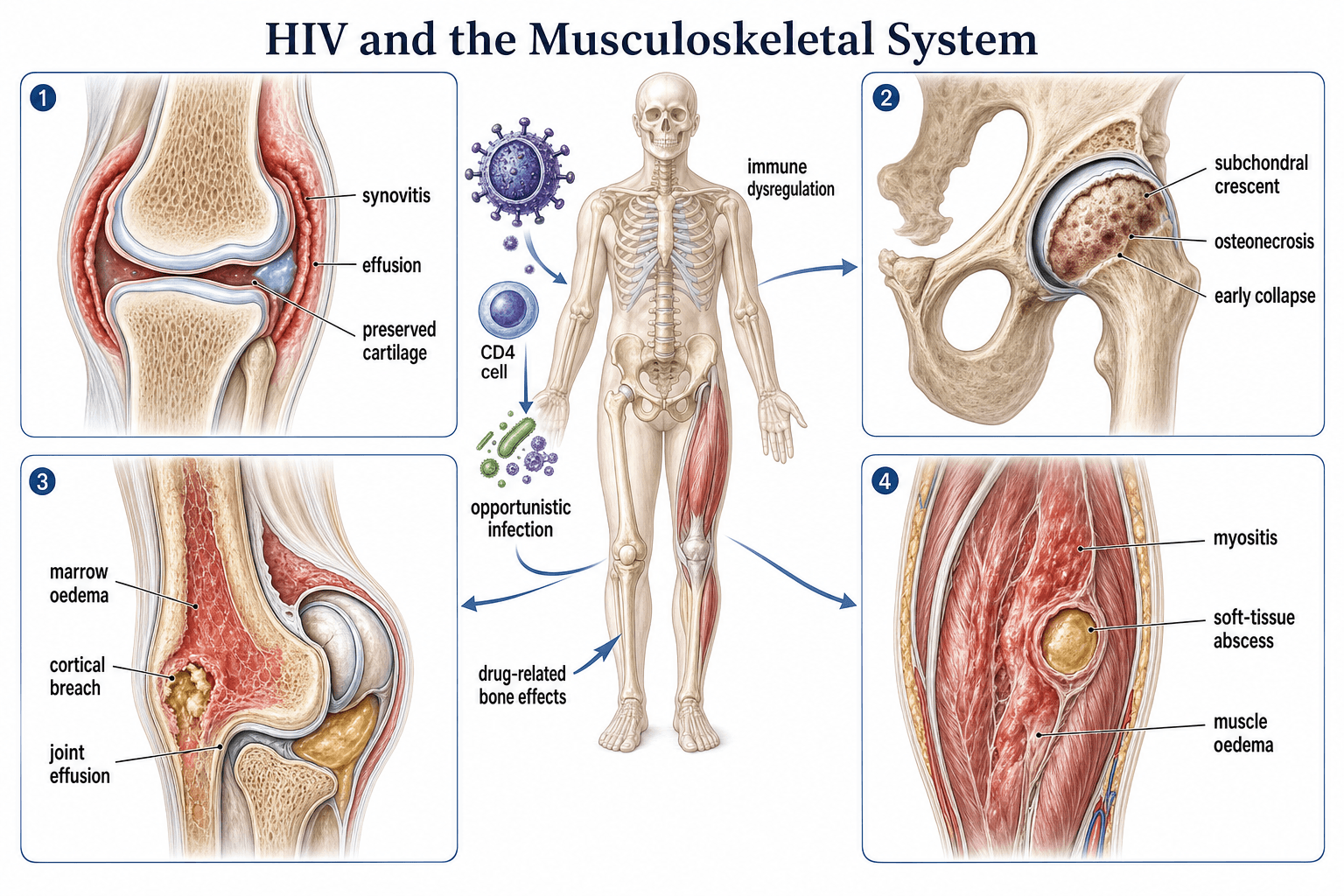
Five overlapping mechanisms. HIV reaches the skeleton by more than one route, and several usually act together: a direct viral effect on immune cells and bone turnover, opportunistic infection from immunosuppression, ART toxicity, immune reconstitution inflammatory syndrome (IRIS), and a chronic systemic inflammation that persists even on suppressive ART.
Direct viral effect on bone. The HIV proteins Tat and gp120 activate the RANKL pathway (RANKL/RANK/OPG), which promotes osteoclast differentiation and bone resorption while osteoblast function falls. The result is osteopenia, osteoporosis and fragility fracture, and the persistent cytokine elevation of chronic inflammation (TNF-alpha, IL-6) drives ongoing bone loss on top of it.
Immunosuppression. CD4 depletion opens the door to opportunistic infection: septic arthritis, osteomyelitis and spinal tuberculosis. A CD4 count under 200 cells/uL is the major risk threshold.
ART toxicity. Tenofovir disoproxil fumarate (TDF) causes proximal renal tubular toxicity with phosphate wasting, which lowers bone mineral density further. Protease inhibitors alter vitamin D metabolism and lipid profiles, and the dyslipidaemia contributes to AVN through vascular mechanisms. Between them, ART toxicity is linked to AVN, fragility fractures and tendon rupture.
Immune reconstitution inflammatory syndrome. Rapid immune recovery after ART is started in a patient with an existing opportunistic infection produces a paradoxical inflammatory reaction: new or worsening arthritis, tenosynovitis or osteomyelitis within weeks of starting ART. It occurs while the CD4 count is rising and the viral load falling, which is what separates it from treatment failure. Management is to continue ART, treat the underlying infection, and consider NSAIDs or a short course of corticosteroids for the inflammation.
Chronic systemic inflammation. Persistent immune activation, even on suppressive ART, drives rheumatologic-type disease: HIV-associated arthropathy, reactive arthritis and vasculitis.
Classification and Types
Four patterns. HIV-associated arthropathy is a diagnosis of exclusion, made once infection has been ruled out by aspiration. The four patterns:
- Features
- Migratory arthralgia, no joint destruction, self-limiting
- CD4 Context
- Any CD4 level, often at seroconversion
- Treatment
- NSAIDs, rest; resolves in weeks
- Features
- Asymmetric oligoarthritis, enthesitis, dactylitis
- CD4 Context
- Often early HIV, higher CD4
- Treatment
- NSAIDs, sulphasalazine; ART may help
- Features
- Distal joint involvement, nail changes, psoriasis
- CD4 Context
- Variable CD4
- Treatment
- NSAIDs, methotrexate (caution), biologics if refractory
- Features
- Severe acute joint pain hours to days, no swelling
- CD4 Context
- Advanced HIV (low CD4)
- Treatment
- NSAIDs; self-limiting but distressing
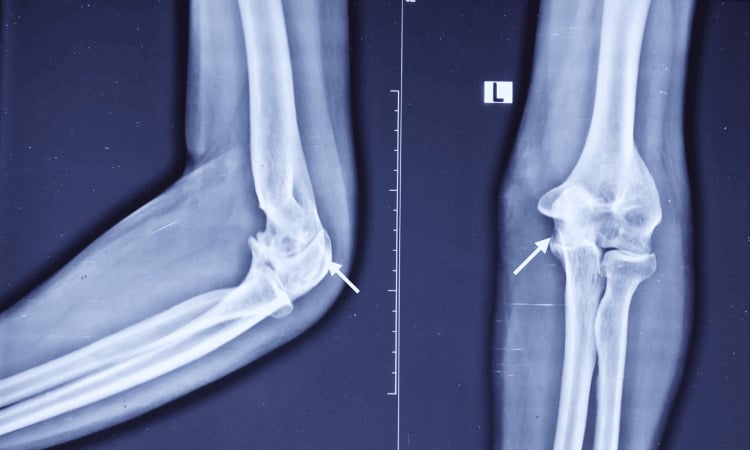
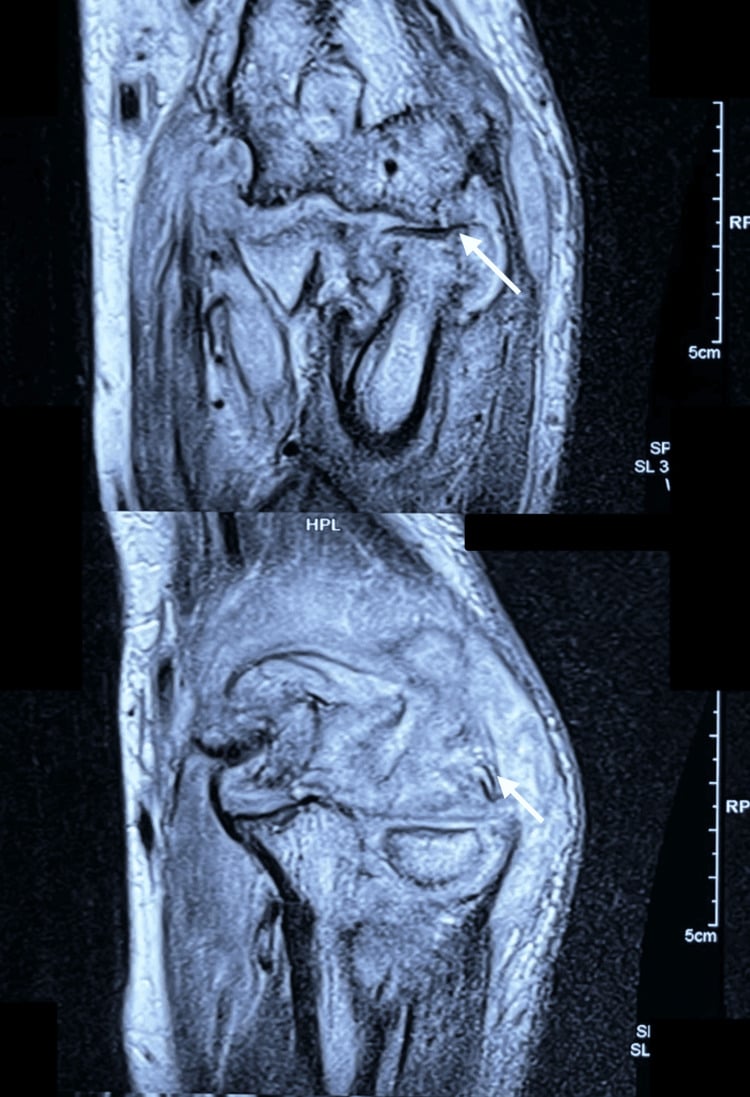
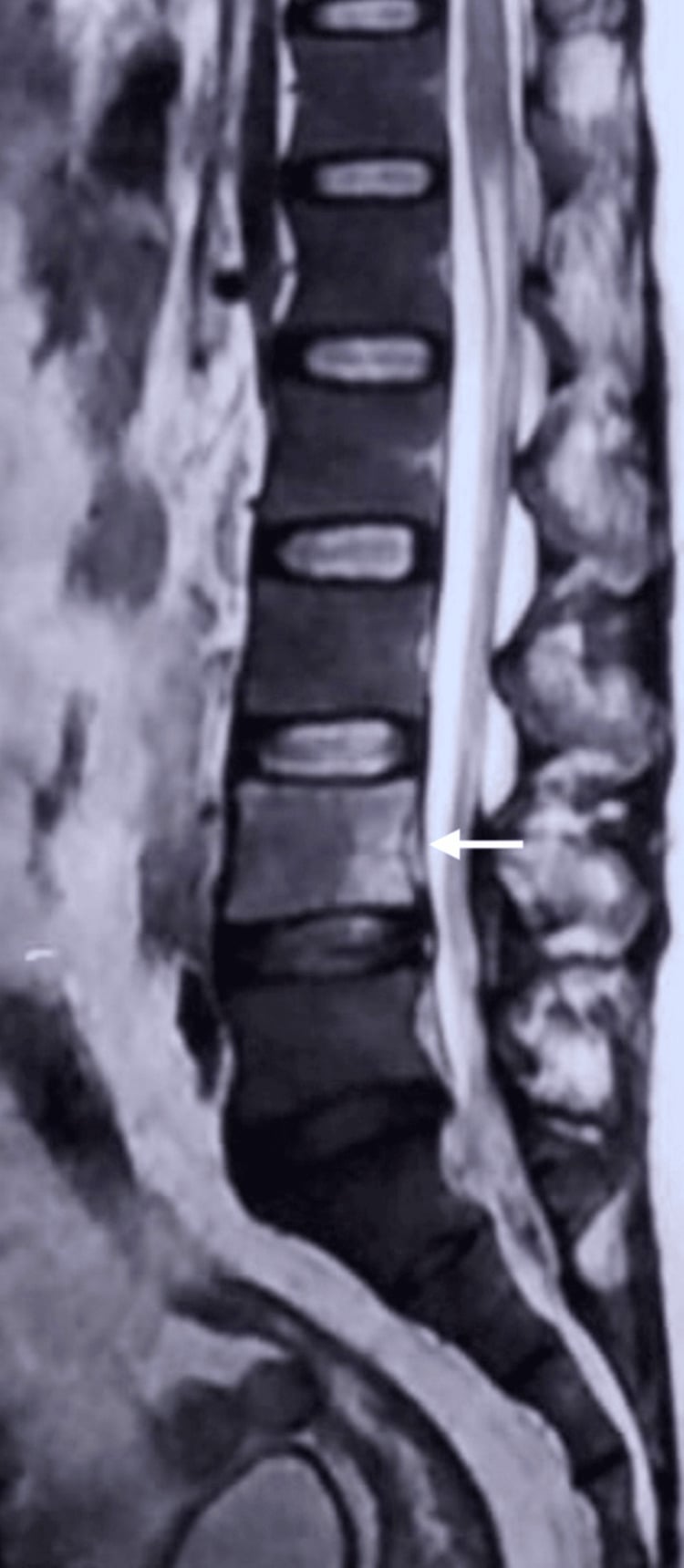
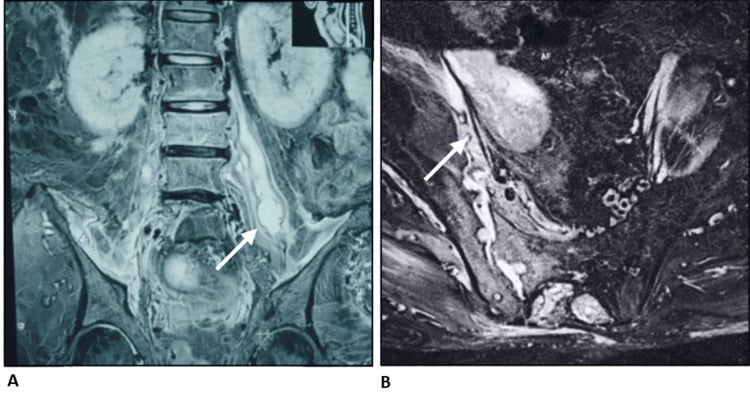
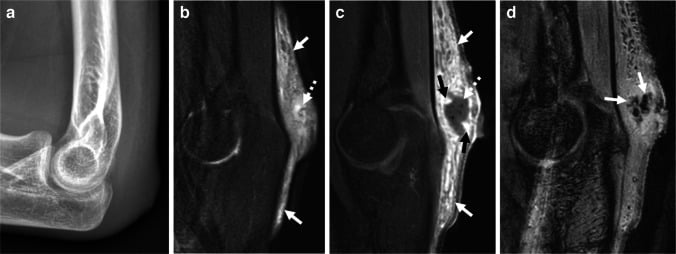
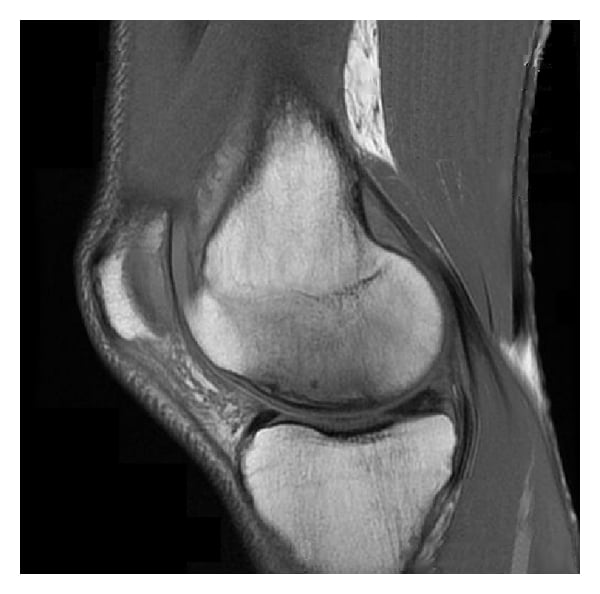
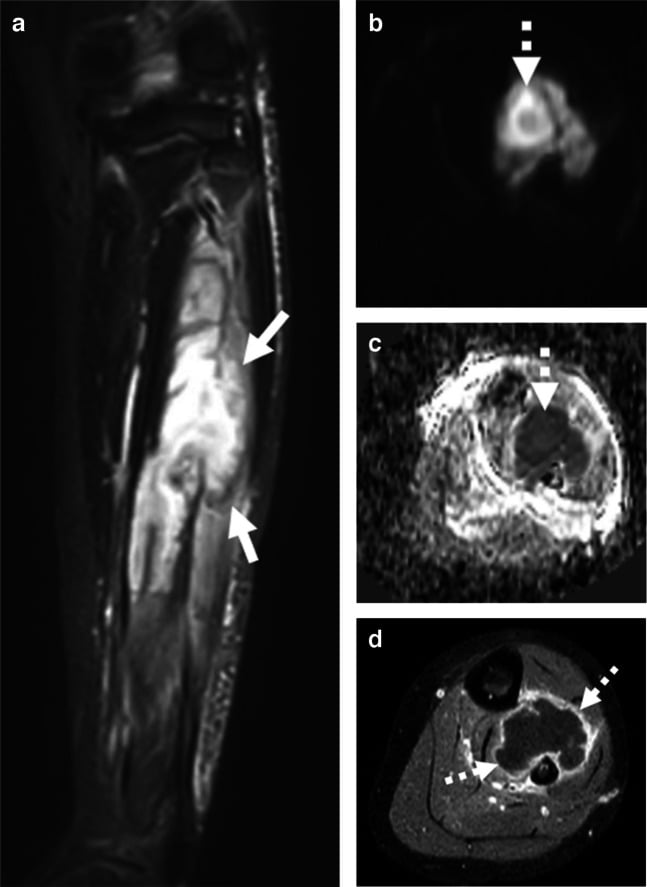
Pyomyositis. A swollen joint is not the only soft-tissue infection in HIV; bacterial pyomyositis is a classic and frequently missed manifestation. It is a primary bacterial infection of skeletal muscle, not contiguous spread from bone or skin, and HIV is the dominant risk factor in both tropical ("tropical pyomyositis") and temperate settings. Staphylococcus aureus causes roughly 90% of cases. It favours the large muscles of the lower limb and pelvis (quadriceps, gluteals, iliopsoas) and is multifocal in up to a quarter of HIV cases.
Three clinical stages. Knowing them prevents the classic miss:
- Stage 1, invasive or diffuse. Crampy deep muscle pain with woody induration and low-grade fever. Pus has not yet formed and the overlying skin looks normal, so it is repeatedly mistaken for a strain, a DVT or cellulitis
- Stage 2, suppurative (around 2 to 3 weeks). A frank intramuscular abscess with fluctuance and systemic upset. Most patients present here
- Stage 3, late or septic. Bacteraemia, metastatic abscesses and septic shock
Investigation and management. MRI is the best test, showing muscle oedema and then a rim-enhancing collection; ultrasound guides aspiration. Inflammatory markers are raised, but creatine kinase is often normal or only mildly elevated, a clue that distinguishes it from a primary myositis. Anti-staphylococcal antibiotics (empirical MRSA cover per local prevalence) treat the early invasive stage; once an abscess has formed it needs drainage, image-guided or open, and in advanced HIV the pus goes for AFB and fungal culture too. A deep muscle with woody induration and normal overlying skin in an HIV patient should trigger immediate suspicion.
Non-infective myopathy. The muscle can also fail without infection, and telling the causes apart is a recognised discriminator:
- HIV-associated polymyositis. Symmetrical proximal weakness and myalgia with a markedly raised creatine kinase, often more than ten times normal. It can appear at any stage, including seroconversion; biopsy shows an inflammatory infiltrate. Treat with corticosteroids or IVIG alongside ART optimisation
- Zidovudine (AZT) mitochondrial myopathy. Chronic zidovudine inhibits mitochondrial DNA polymerase gamma, producing ragged red fibres on biopsy, proximal weakness, myalgia, a raised creatine kinase and a raised serum lactate. The cardinal discriminator is that it improves after stopping or switching zidovudine: the temporal link to the drug and the recovery on withdrawal separate it from HIV polymyositis
- HIV-associated wasting / sarcopenia. Unintentional loss of more than 10% of body weight with muscle depletion is an AIDS-defining process and compounds perioperative and fracture-healing risk
The statin trap. Ritonavir- or cobicistat-boosted protease inhibitors inhibit CYP3A4 and sharply raise the levels of CYP3A4-metabolised statins (simvastatin, lovastatin), precipitating myositis and even rhabdomyolysis. Use pravastatin, rosuvastatin or low-dose atorvastatin instead, and consider a drug interaction whenever an HIV patient on a boosted regimen develops new muscle pain or weakness. New muscle inflammation soon after starting ART, while the CD4 count is rising and the viral load falling, may be IRIS rather than a primary myopathy.
Clinical Assessment
History. Start with the HIV: duration of diagnosis, current ART regimen, CD4 count and viral load, then the CD4 trajectory, opportunistic infection history and any AIDS-defining illness that stratify the risk. Ask specifically about the ART agents with musculoskeletal side effects, tenofovir for bone density and protease inhibitors for AVN and dyslipidaemia. The musculoskeletal history covers the pattern of joint pain, swelling, duration, fever, weight loss and night pain; the exposure history covers needlestick injury, occupation and travel to TB-endemic areas.
Examination. Look first for the markers of advanced HIV: cachexia, Kaposi lesions and oral candidiasis. Then examine the joint for effusion, range of motion, tenderness, erythema and warmth. Three patterns to recognise:
- Septic joint. Painful, hot, swollen, restricted range, fever and systemic signs
- Hip AVN. Loss of internal rotation is the earliest sign; FABER positive; groin pain on flexion and internal rotation
- Spinal TB. Gibbus deformity, spinous process tenderness, neurological deficit
The threshold for aspiration should be lower in HIV patients than in the general population: septic arthritis can mimic inflammatory arthropathy clinically, and the price of missing it is joint destruction and systemic sepsis. Any acutely swollen joint in an HIV patient is aspirated to exclude infection before an inflammatory cause is considered and before any disease-modifying therapy is started. Send the fluid for:
- Standard: Gram stain, aerobic and anaerobic culture, cell count and differential, crystals
- Extended in HIV: AFB stain and culture (for tuberculosis), fungal culture, viral PCR if indicated
- CD4-guided: if CD4 is under 200, extended mycobacterial and fungal cultures are mandatory
- Blood cultures: always drawn at the same time if septic arthritis is suspected
- Clinical Clues
- Acute monoarthritis, fever, swollen hot joint
- Investigation
- Joint aspiration (Gram, culture, AFB, fungal)
- Key Discriminator
- Positive culture from aspirate; cannot exclude clinically
- Clinical Clues
- Subacute oligoarthritis, enthesitis, no joint destruction
- Investigation
- Inflammatory markers, negative cultures
- Key Discriminator
- Culture-negative aspirate; inflammatory pattern
- Clinical Clues
- Insidious hip/groin pain, weight-bearing, preserved early ROM
- Investigation
- MRI (gold standard), radiographs (late findings only)
- Key Discriminator
- Serpiginous low-signal line on T1-weighted MRI
- Clinical Clues
- Indolent back pain, constitutional symptoms, endemic area
- Investigation
- MRI spine, AFB culture, biopsy, GeneXpert
- Key Discriminator
- Multilevel disc-space destruction plus paraspinal abscess on MRI
- Clinical Clues
- Worsening arthritis within weeks of ART initiation
- Investigation
- Rising CD4 count, falling viral load
- Key Discriminator
- Temporal correlation with ART start; improving immune parameters
- Clinical Clues
- Symmetric small-joint pain starting after ART change
- Investigation
- Temporal link to drug initiation; exclusion of infection
- Key Discriminator
- Improves on drug switch or withdrawal
Investigations
Baseline bloods. They establish immune status, nutritional bone health and the inflammatory markers that will be used for monitoring:
- Routine: FBC, CRP, ESR, LFTs, renal function, calcium, phosphate, ALP, vitamin D
- HIV-specific: CD4 count (current and nadir), HIV viral load, current ART regimen
- Serology: rheumatoid factor and anti-CCP if the pattern is inflammatory; hepatitis B and C
The joint. Aspirate any swollen joint, as above. Plain AP and lateral radiographs of the affected joint show osteopenia, erosions and the late signs of AVN (crescent sign, collapse), but they are normal in early AVN and in early infection. Ultrasound detects an effusion, guides aspiration and assesses synovitis and tenosynovitis.
MRI. The gold standard for avascular necrosis, osteomyelitis and spinal TB (disc destruction, paraspinal collection). In AVN the characteristic finding is a serpiginous low-signal line on T1-weighted images surrounding a high-signal area, the double-line sign on T2. MRI detects AVN before any radiographic change, so it is requested at once when AVN is suspected in a high-risk patient with hip pain: by the time sclerosis or a crescent sign shows on the radiograph the disease is already Ficat II, and subchondral collapse is Ficat III.
CT and nuclear medicine. CT assesses bone destruction in chronic osteomyelitis and guides surgical planning for spinal TB. A bone scan is used when multifocal AVN is suspected, as whole-body screening for asymptomatic sites.
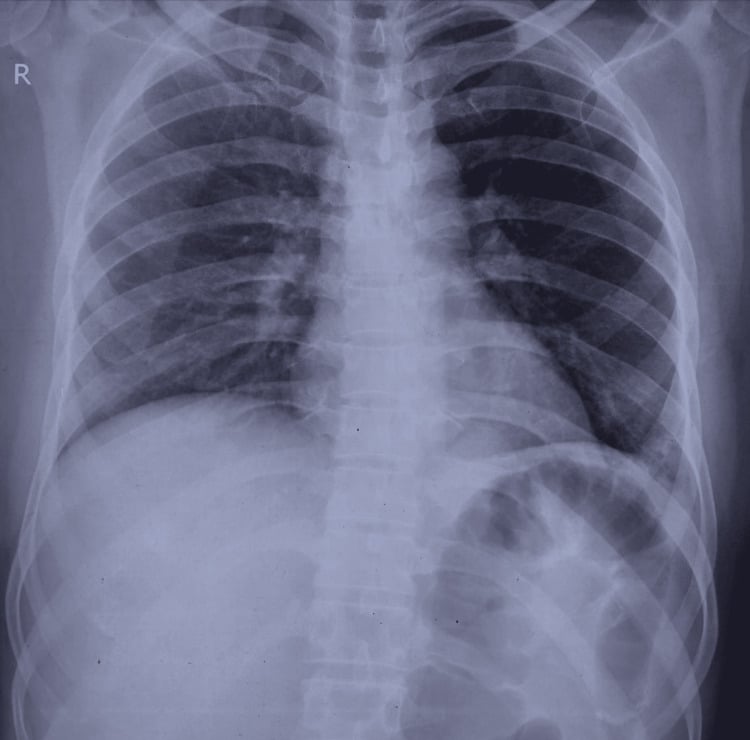
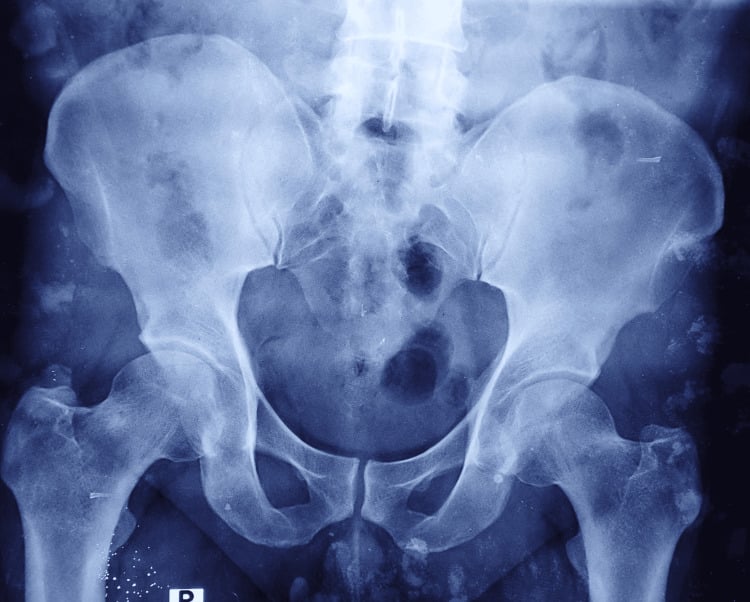
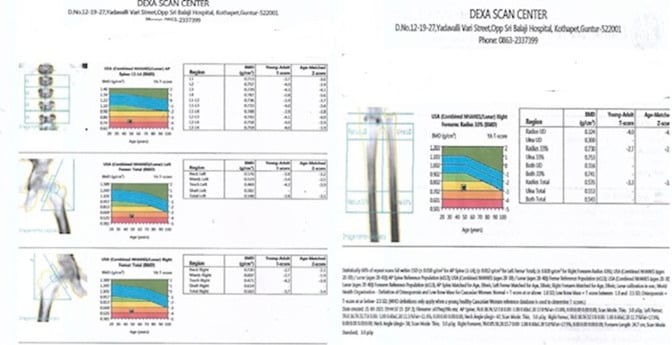
Bone health. DEXA is targeted, not a blanket rule: any patient with a fragility fracture, all post-menopausal women with HIV and all HIV-infected men aged 50 and over (the McComsey recommendations), plus anyone on tenofovir-DF with biochemical evidence of phosphate wasting. FRAX incorporates HIV as a secondary cause of osteoporosis. The biochemistry is 25-OH vitamin D, PTH, calcium and phosphate, the phosphate screening for tenofovir-induced renal phosphate wasting. Repeat DEXA every 2-3 years in patients on tenofovir, with a low baseline BMD, or with an abnormal result or ongoing risk.
Management Algorithm
Goal. Control symptoms, maintain joint function and optimise ART. Ensure viral suppression: some arthropathies improve with ART alone.
First line, mild to moderate disease. NSAIDs (naproxen, ibuprofen) for pain and inflammation, paracetamol as an adjunct, and physiotherapy for range of motion, strengthening and activity modification.
Second line, refractory or severe disease. Sulphasalazine or methotrexate, monitoring the CD4 count and LFTs closely, because methotrexate immunosuppression compounds that of HIV. Intra-articular corticosteroid injection for a monoarthritis, and short oral courses for flares. TNF-alpha inhibitors are for refractory cases, with caution where there is concurrent infection. The critical rule is that infection is excluded before immunosuppressive therapy is escalated.
Special situations. In IRIS, continue ART and consider a short course of corticosteroids, with NSAIDs for the inflammation. The psoriatic pattern is co-managed with dermatology, with methotrexate or biologics if severe. Drug-induced arthralgia: switch the ART agent if the temporal link is clear and no other cause is identified.
Perioperative Considerations
Three domains. Operating on an HIV-positive patient means addressing immune status (CD4 count and viral load), ART continuation, and the interactions between ART and anaesthetic agents, antibiotics and analgesics. HIV medicine, anaesthetics and pharmacy are involved. CD4 count and viral load guide the risk, not HIV status alone, and the viral load is always checked alongside the CD4 count:
- Risk Level
- Low risk
- Recommendation
- Proceed with elective surgery
- Key Points
- Comparable infection and wound healing to HIV-negative patients
- Risk Level
- Moderate risk
- Recommendation
- Proceed with optimisation; confirm viral load suppressed
- Key Points
- SSI risk modestly elevated; ensure ART adherence
- Risk Level
- Increased risk
- Recommendation
- Optimise CD4 before elective surgery if possible; emergency surgery proceeds
- Key Points
- Significant wound infection risk; may need extended antibiotics
- Risk Level
- High risk
- Recommendation
- Defer elective surgery; treat emergencies with full support
- Key Points
- Very high infection and mortality risk; ICU support likely needed
- Risk Level
- Very high risk
- Recommendation
- Defer all elective surgery; resuscitate and optimise first
- Key Points
- Severe immunosuppression; ensure PCP and MAC prophylaxis
ART is continued without interruption. Interruption causes viral rebound within days, risks drug resistance and can trigger IRIS on restarting. The regimen is checked before surgery for interactions with the planned anaesthetic and analgesic drugs; protease inhibitors interact with CYP450 and may alter analgesic metabolism, so the anaesthetist is warned. The only exception is a specific drug interaction (ritonavir-boosted regimens with certain sedatives, for example), which is handled by physician-guided temporary substitution rather than cessation.
- Nil by mouth: ART is taken with a sip of water on the morning of surgery, coordinated with the anaesthetist
- Post-operatively: resume as soon as the patient can take oral medication
Wound healing. Optimise nutrition (albumin, zinc, vitamin C and D; consider dietitian referral), use meticulous technique, and delayed primary closure in contaminated cases. Antibiotic prophylaxis is standard, with extended cover considered if the CD4 count is under 200. Hepatitis B and C co-infection is common, so check LFTs and coagulation pre-operatively. Smoking cessation is critical, because smoking compounds the HIV-related and surgical risks to wound healing.
Occupational Exposure and PEP
Why the orthopaedic theatre. Orthopaedic surgeons have one of the highest occupational exposure rates among surgical specialties: K-wires, pins, drill bits, sharp instruments and power tools in a bloody field. All theatre staff must know the PEP protocol, where the starter pack is stored and who to call. PEP is not delayed until occupational health opens; it is started in the emergency department if the starter pack is available, and it is started on the exposure risk, not on the source patient's known status, since a patient may be HIV-positive and undiagnosed.
Immediately.
- Wash the wound: irrigate thoroughly with water or saline and encourage gentle bleeding. Do not squeeze it, apply antiseptics or cauterise
- Report to occupational health, the theatre manager and a senior colleague at once
- Assess the risk: depth of injury, device type (a hollow-bore needle is highest risk), visible blood and the source patient's viral load
- Identify the source patient and test for HIV, hepatitis B and hepatitis C, with consent
Starting PEP. Efficacy is time-dependent: starting within 1 hour gives the highest protection, it declines rapidly after 24 hours, and PEP is never started after 72 hours. The regimen is three drugs, tenofovir/emtricitabine (TDF/FTC or TAF/FTC) plus dolutegravir or bictegravir, for 28 days of continuous treatment. Baseline bloods are an HIV test of the exposed person, hepatitis B and C serology, LFTs and renal function. Counsel on side effects (nausea, fatigue, myalgia), the importance of adherence and the follow-up schedule.
Follow-up.
- Week 6: fourth-generation HIV antibody test; assess adherence and manage side effects
- Week 12: repeat HIV test; hepatitis C RNA if the source was HCV-positive
- Week 24: final HIV antibody test to confirm negative status
- Complete the incident report, occupational health follow-up and psychological support
- Risk Level
- Highest (approximately 0.3%)
- PEP Recommendation
- Full three-drug PEP always
- Notes
- Greatest volume transferred; highest seroconversion risk
- Risk Level
- Moderate (approximately 0.1%)
- PEP Recommendation
- Three-drug PEP recommended
- Notes
- Lower volume but still significant if blood visible on device
- Risk Level
- Low (approximately 0.09%)
- PEP Recommendation
- Three-drug PEP; risk-benefit discussion
- Notes
- Conjunctiva, mouth; rinse immediately with water
- Risk Level
- Negligible
- PEP Recommendation
- PEP not recommended
- Notes
- Wash thoroughly; document; no PEP needed
Fracture Healing in HIV
- Effect on Healing
- Normal healing expected
- Management
- Standard fracture management
- Evidence
- Comparable union rates to HIV-negative patients
- Effect on Healing
- Delayed union, non-union, higher infection risk
- Management
- Augmented fixation, extended antibiotic prophylaxis
- Evidence
- Higher deep wound infection and delayed union rates
- Effect on Healing
- Reduced BMD, renal phosphate wasting
- Management
- Vitamin D and calcium supplementation; consider TAF switch
- Evidence
- TDF associated with 1-3% BMD loss per year
- Effect on Healing
- Impaired callus formation, delayed union
- Management
- Nutritional optimisation; albumin, zinc, vitamin C
- Evidence
- Common in advanced HIV; improve before elective surgery
- Effect on Healing
- Significantly higher infection risk in HIV
- Management
- Urgent debridement (timing per open-fracture standards, not a six-hour clock), extended antibiotics
- Evidence
- Risk declares late: in the Cape Town IM-nail cohort, HIV raised LATE infection (beyond 90 days) but not early - so a clean first 3 months does not clear the patient
Closed fractures. In well-controlled HIV (CD4 over 350 with an undetectable viral load on ART) fracture healing and union rates are comparable to the general population, so standard fixation techniques, standard weight-bearing protocols and standard implants apply; no implant is superior in HIV. Problems arise in advanced, uncontrolled HIV with malnutrition and immunosuppression, where weight-bearing is advanced with caution. Peri-articular fractures use standard approaches, with an eye to the AVN risk at already-compromised sites.
Open fractures. Debridement is prompt and urgent, but the six-hour rule is not supported (PMID 34058873): timing follows open-fracture standards, with extended antibiotics and staged management. The infection risk that is documented declares itself late, as the table shows, so the follow-up intensity is held for a year, not a month. In uncontrolled HIV, early aggressive debridement, extended antibiotic cover and careful soft-tissue management remain essential.
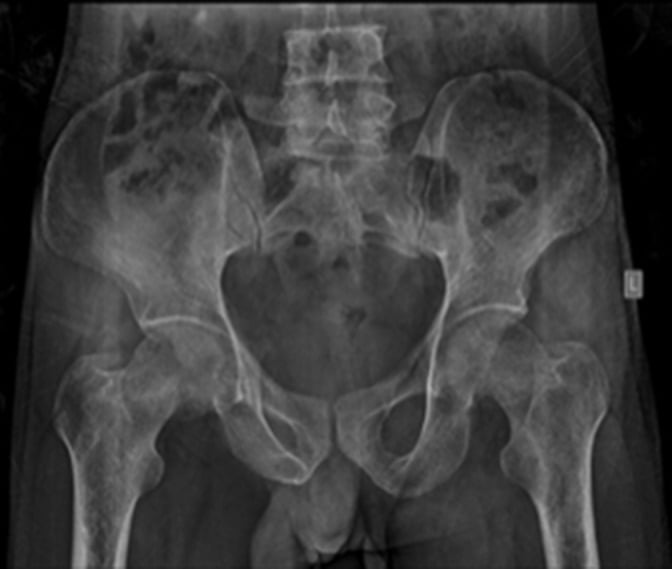
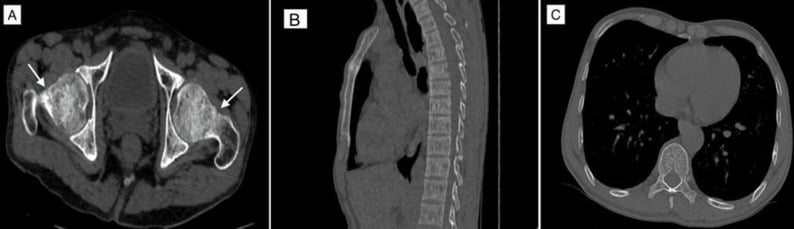
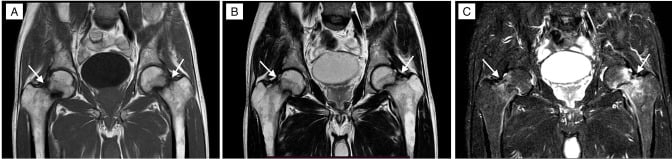
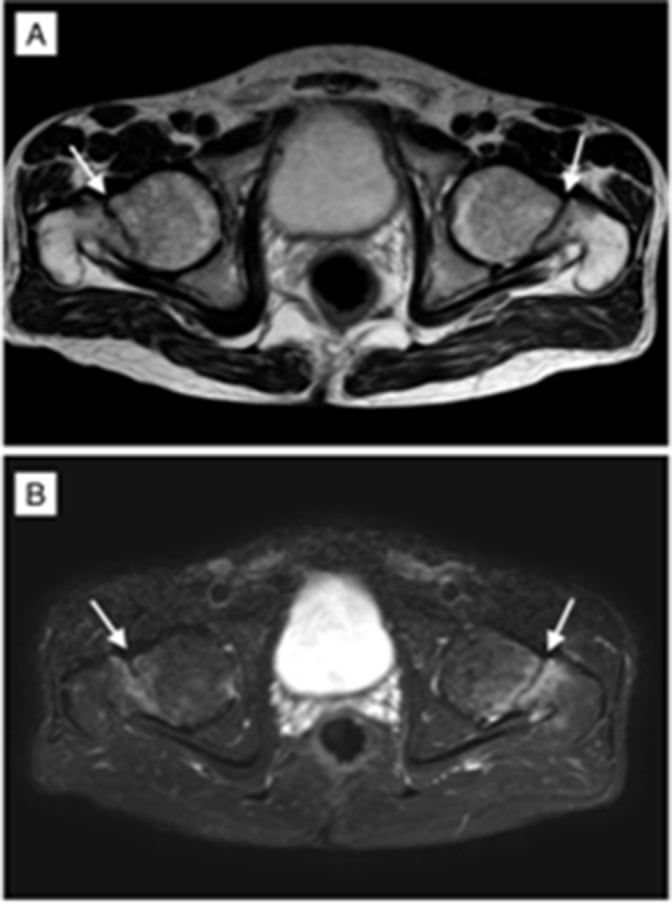
Bone health on ART. TDF is associated with 1-3% BMD loss per year through renal phosphate wasting. Check 25-OH vitamin D and supplement to over 30 ng/mL, ensure a calcium intake of 1000-1200 mg/day, and encourage weight-bearing exercise. If BMD loss is significant, consider switching TDF to TAF, checking phosphate and renal function first, since TDF tubulopathy (up to Fanconi syndrome) is the mechanism to exclude. The case below runs the whole sequence: a diffusely osteoporotic pelvis, bilateral femoral-neck stress fractures on CT and MRI, and the DXA that quantified the fragility.
Complications
- Risk
- High - most devastating MSK complication
- Mechanism
- Delayed diagnosis; atypical organisms with indolent course
- Management
- Low threshold for aspiration; extended cultures in all HIV patients
- Risk
- 2-5x higher than general population
- Mechanism
- Immunosuppression, viraemia at surgery
- Management
- Optimise CD4 and viral load before elective arthroplasty
- Risk
- Common if not diagnosed early
- Mechanism
- Progressive osteocyte death from HIV and ART
- Management
- MRI screening for contralateral hip; early core decompression
- Risk
- 30-70% increased incidence on ART
- Mechanism
- Tenofovir BMD loss, chronic inflammation, vitamin D deficiency
- Management
- DEXA screening, vitamin D, calcium; consider TAF switch
- Risk
- 10-25% of patients starting ART
- Mechanism
- Immune recovery causes paradoxical inflammation
- Management
- Continue ART; NSAIDs or short-course corticosteroids
- Risk
- Increased if CD4 less than 200 or malnourished
- Mechanism
- Impaired wound healing, poor nutritional status
- Management
- Nutritional optimisation; CD4 greater than 200 before elective surgery
The one that matters most. Joint destruction from undiagnosed septic arthritis. HIV patients have a higher baseline prevalence of arthralgia and inflammatory arthritis, so there is a real risk of attributing a hot swollen joint to HIV-associated arthropathy when it is actually septic. The consequences are rapid chondral destruction, osteomyelitis and permanent functional loss.
Outcomes and Prognosis
- HIV Control
- Well-controlled (suppressed VL)
- Expected Outcome
- Good symptom control with NSAIDs and ART optimisation
- Long-term Prognosis
- Many cases resolve or improve with sustained viral suppression
- HIV Control
- Any CD4 with early treatment
- Expected Outcome
- Joint preservation if drained within 48 hours
- Long-term Prognosis
- Good if early; guarded if diagnosis delayed or atypical organisms
- HIV Control
- Often advanced HIV (CD4 less than 200)
- Expected Outcome
- Prolonged treatment; joint damage common
- Long-term Prognosis
- Guarded; requires multi-drug therapy for 6-12 months
- HIV Control
- CD4 greater than 200, suppressed VL
- Expected Outcome
- Comparable outcomes to non-HIV THA
- Long-term Prognosis
- Good implant survival if infection avoided
- HIV Control
- CD4 less than 200 or viraemic
- Expected Outcome
- Higher infection and complication rates
- Long-term Prognosis
- Guarded; increased revision risk
- HIV Control
- Well-controlled
- Expected Outcome
- Normal healing and union rates
- Long-term Prognosis
- Excellent; standard rehabilitation
What decides the outcome. The best prognosis belongs to well-controlled HIV (CD4 over 350, suppressed viral load), early presentation, prompt treatment of infection, good nutritional status and ART adherence. The poor-prognosis features are advanced HIV (CD4 under 200), viraemia at surgery, delayed diagnosis of septic arthritis, malnutrition, atypical organisms (TB, fungal) and open fractures. A CD4 count of 200 cells/uL is the single most important perioperative decision point: above it, outcomes approach those of non-HIV patients; below it, complication rates rise significantly.
Guidelines, Registries & Global Practice
- Approximately 39 million people living with HIV worldwide (UNAIDS data)
- Sub-Saharan Africa: highest prevalence; orthopaedic burden dominated by infection, trauma, and TB spine
- Asia-Pacific: growing epidemic; orthopaedic services developing
- High-income settings: ageing HIV cohort; degenerative disease and elective surgery increasing
- ART coverage improving globally but uneven; untreated patients present with advanced MSK complications
- High-resource: DEXA screening, CD4-guided perioperative protocols, multidisciplinary HIV-orthopaedic clinics
- Limited-resource: clinical assessment, urgent aspiration for any swollen joint, empiric broad-spectrum therapy
- Universal principle: always aspirate a swollen joint in HIV before diagnosing inflammatory arthritis
- TB endemic regions: high index of suspicion for musculoskeletal tuberculosis alongside septic arthritis
- Perioperative HIV Guidance
- CD4 testing before surgery where available; optimise ART preoperatively
- PEP Guidance
- Three-drug PEP (TDF/FTC plus INSTI); start within 72 hours; 28 days
- Bone Health
- Bone-health vigilance on TDF (phosphate, renal function); targeted DEXA (fragility fracture, post-menopausal women, men 50+); vitamin D supplementation
- Perioperative HIV Guidance
- Multidisciplinary perioperative planning; ART continuation; CD4 greater than 200 target
- PEP Guidance
- Three-drug PEP; dolutegravir-based preferred; 28 days
- Bone Health
- DEXA at diagnosis and every 2 years on tenofovir; calcium and vitamin D
- Perioperative HIV Guidance
- ART continuation throughout; check CD4 and viral load within 6 months of elective surgery
- PEP Guidance
- Three-drug PEP; raltegravir or dolutegravir preferred with TDF/FTC
- Bone Health
- BMD screening for all HIV patients aged 50 or on tenofovir
- Perioperative HIV Guidance
- Continue all ART including during surgery; no routine extended prophylactic antibiotics
- PEP Guidance
- Same three-drug approach; start immediately; 28 days
- Bone Health
- TAF preferred over TDF when bone health is a concern
There is no specific orthopaedic implant registry for HIV-positive patients. Major arthroplasty registries (NJR, AJRR, AOANJRR) do not routinely collect HIV status, limiting population-level outcome data. Current evidence comes from institutional case series and systematic reviews. As the HIV-positive surgical population expands globally, there is a growing need to capture HIV status in arthroplasty registries.
Document in every HIV-positive surgical patient:
- Current CD4 count and viral load (with dates)
- ART regimen and adherence history
- Hepatitis B and C co-infection status
- Nutritional status assessment (albumin, BMI)
- Occupational exposure documentation if applicable
A missed diagnosis of septic arthritis in an HIV patient, or failure to start PEP after a needlestick, carries significant clinical and medicolegal consequences. Document risk assessment, informed consent regarding elevated complication rates, and multidisciplinary involvement.
Controversies & Areas of Uncertainty
Consensus favours CD4 greater than 200 for elective orthopaedic surgery, but the exact threshold is not defined by high-quality trials. Some evidence suggests CD4 greater than 350 may be preferable for arthroplasty. The decision is individualised based on surgical urgency, procedure type, and viral load.
Protease inhibitors are associated with AVN in observational studies, but causation is debated. Modern integrase inhibitor-based regimens may carry lower AVN risk, but long-term data are lacking. Switching from PI-based ART to reduce AVN risk is reasonable but not evidence-mandated.
Whether HIV patients need extended perioperative antibiotic prophylaxis (beyond the standard 24-hour course) is uncertain. Some centres extend to 48-72 hours for patients with CD4 less than 200, but no prospective data support this practice.
TNF-alpha inhibitors are increasingly used for refractory HIV-associated arthropathy, but long-term safety in immunocompromised patients remains limited. Early reports suggest tolerance when infection is excluded and ART optimised, but registry-level evidence is awaited.
MCQ Practice Points
Q: A 45-year-old HIV-positive man with a CD4 count of 120 cells/uL presents with a swollen, painful ankle. What is the most important investigation? A: Joint aspiration with extended microbiology (Gram stain, culture, AFB stain and culture, fungal culture). In HIV patients with CD4 less than 200, atypical organisms including Salmonella, Mycobacterium tuberculosis, and fungi must be actively sought. Aspiration is mandatory before attributing joint swelling to inflammatory arthritis.
Q: A 30-year-old man with HIV on protease inhibitor-based ART presents with bilateral hip pain. Which investigation has the highest sensitivity? A: MRI of both hips. MRI detects avascular necrosis before radiographic changes appear and identifies the characteristic serpiginous low-signal line on T1-weighted images. MRI also allows screening of the contralateral hip and other sites for multifocal disease.
Q: Should antiretroviral therapy be stopped before elective orthopaedic surgery? A: No. ART must NOT be stopped perioperatively. Interruption causes viral rebound within days, risks drug resistance, and can trigger IRIS on restarting. ART should be continued throughout, coordinating with the anaesthetist to allow administration with a sip of water if nil by mouth.
Q: A theatre nurse sustains a deep needlestick from an HIV-positive patient. What is the maximum window to start post-exposure prophylaxis? A: 72 hours, but ideally within 1 hour. PEP efficacy declines rapidly with time. The standard regimen is three drugs (tenofovir/emtricitabine plus dolutegravir or bictegravir) for 28 days. Baseline HIV, hepatitis B, and hepatitis C serology are required with follow-up at 6 weeks, 3 months, and 6 months.
Q: How does HIV affect fracture healing in a patient with a CD4 count of 500 cells/uL on ART? A: Fracture healing is comparable to the general population in well-controlled HIV (CD4 greater than 350, suppressed viral load on ART). Standard fracture management applies. Problems arise in advanced HIV (CD4 less than 200), with malnutrition or open fractures, where delayed union, non-union, and infection rates are significantly higher.
Q: Which antiretroviral agent is most associated with reduced bone mineral density? A: Tenofovir disoproxil fumarate (TDF). TDF causes proximal renal tubular dysfunction leading to phosphate wasting and reduced bone mineral density. Tenofovir alafenamide (TAF) has significantly less bone impact and should be considered as a switch when BMD loss is identified.
Exam Viva Scenarios
Practise clinical reasoning and management decisions out loud
“A 38-year-old man known to be HIV-positive presents with a 3-day history of a painful, swollen right knee. He is on antiretroviral therapy but his last CD4 count was 180 cells/uL and his viral load is detectable. Examination reveals a hot, tender, effused right knee with painful restricted range of movement. His temperature is 38.2 degrees Celsius. How would you manage this?”
“A 32-year-old man diagnosed with HIV two years ago presents with 6 months of insidious bilateral groin pain. He is on a protease inhibitor-based antiretroviral regimen. His CD4 count is 420 cells/uL and his viral load is undetectable. He drinks 10 units of alcohol per week and has never used corticosteroids. Examination reveals pain on internal rotation of both hips with restricted internal rotation bilaterally. How would you investigate and manage him?”
HIV-Associated MSK Manifestations
- Manifestations to name: septic arthritis, avascular necrosis, arthropathy, fracture risk, exposure/perioperative care
- 20-40% of HIV patients develop musculoskeletal symptoms
- Septic arthritis 10-15x more common than in the general population
- AVN is multifocal in up to 40% of HIV cases; femoral head most common site
- ART (especially tenofovir) increases fragility fracture risk 30-70%
Septic Arthritis in HIV
- Always aspirate any swollen joint in HIV before diagnosing inflammatory arthritis
- Send aspirate for Gram, culture, AFB stain and culture, fungal culture, crystals, cell count
- CD4 greater than 200: Staph aureus most likely; CD4 less than 200: add atypical organisms
- Atypical organisms: Salmonella, mycobacteria, Aspergillus/fungi; common organisms still predominant
- Treatment: surgical drainage plus targeted antimicrobials for 4-6 weeks (6-12 months for TB)
Avascular Necrosis
- Risk factors: HIV itself plus protease inhibitor ART plus corticosteroids plus alcohol
- MRI is gold standard; plain radiographs miss early disease entirely
- Ficat I-II: core decompression; Ficat III-IV: total hip arthroplasty
- Screen for multifocal disease (humeral head, femoral condyles, tibial plateau)
- THA outcomes comparable to non-HIV if CD4 greater than 200 and viral load suppressed
Perioperative Considerations
- ART must NOT be stopped perioperatively (viral resistance and IRIS risk)
- CD4 greater than 200: proceed with elective surgery; CD4 less than 200: optimise first
- Check hepatitis B/C co-infection, nutritional status, drug interactions pre-operatively
- Protease inhibitors interact with CYP450: warn the anaesthetist
- SSI risk higher if viraemic at surgery: ensure viral suppression before elective cases
Occupational Exposure / PEP
- PEP sequence: Report, Assess risk, PEP within 1 hour, Investigate baseline, Duration 28 days
- Three-drug PEP: tenofovir/emtricitabine plus dolutegravir or bictegravir
- Never start PEP after 72 hours; efficacy drops sharply with time
- Follow-up HIV testing at 6 weeks, 3 months, and 6 months
- Orthopaedics: high-risk specialty for needlestick; know your hospital PEP protocol
Fracture Healing in HIV
- CD4 greater than 350 plus suppressed viral load: normal healing expected
- CD4 less than 200: delayed union, non-union, higher infection risk
- HIV raises LATE fracture-related infection (beyond 90 days), not early - a clean 3 months does not clear the patient
- Tenofovir causes BMD loss via renal phosphate wasting; consider TAF switch
- Targeted DEXA: fragility fracture, post-menopausal women, men 50+ - not a blanket age-40 rule
Evidence Base and Key Trials
High prevalence of osteonecrosis of the femoral head in HIV-infected adults
- 339 ASYMPTOMATIC HIV-infected adults screened by MRI: 15 (4.4%, 95% CI 2.5-7.2%) had osteonecrosis lesions, versus ZERO of 118 age- and sex-matched HIV-negative volunteers
- The associated factors were systemic corticosteroid use, lipid-lowering agents, testosterone use, routine bodybuilding, and detectable anticardiolipin antibodies - NOT protease inhibitors, which are not implicated anywhere in this paper
- The authors concluded screening asymptomatic patients is NOT warranted, but persistent groin or hip pain in an HIV-infected patient mandates evaluation
Bone disease in HIV infection: a practical review and recommendations for HIV care providers
- ART initiation is associated with a 2-6% fall in BMD over the first two years - comparable in magnitude to the first two years of menopause, and largely unavoidable regardless of regimen
- Low BMD and increased fracture rates are multifactorial: HIV itself, traditional osteoporosis risks, and antiretroviral-related factors all contribute; HIV should itself be considered a risk factor for bone disease
- The recommended screening net: any patient with a fragility fracture, ALL post-menopausal women with HIV, and ALL HIV-infected men aged 50 and over - not 'everyone over 40', which is a wider net than this review proposes
Late fracture-related infections in HIV-positive patients: a prospective cohort study
- Prospective cohort of 325 adults undergoing intramedullary nailing of lower-limb fractures at two Cape Town centres; 21.8% were HIV-positive; minimum 24-month follow-up
- Any fracture-related infection: 21.1% of HIV-positive participants versus 8.7% of HIV-negative
- HIV independently increased the risk of LATE fracture-related infection (presenting beyond 90 days) on both univariate and multivariate analysis
- HIV status made NO significant difference to EARLY infection rates - the excess risk declares itself late, so a clean first three months does not clear an HIV-positive patient
Outcomes of total hip and knee arthroplasty in special populations: a synopsis and critical appraisal of systematic reviews
- Across agreeing systematic reviews, HIV infection was associated with an increased incidence of periprosthetic joint infection in mixed THA/TKA data
- Evidence for HIV as a risk factor for all-cause REVISION was CONFLICTING - the synopsis explicitly could not draw a conclusion either way
- The authors assigned NO certainty rating to these results and cautioned that the underlying systematic reviews were 'generally poor' - the PJI association is real but its magnitude is not reliably quantified